Interviews are more than just a Q&A session—they’re a chance to prove your worth. This blog dives into essential Safe Use of Tools and Equipment interview questions and expert tips to help you align your answers with what hiring managers are looking for. Start preparing to shine!
Questions Asked in Safe Use of Tools and Equipment Interview
Q 1. Explain the importance of regular equipment inspections.
Regular equipment inspections are crucial for preventing accidents and ensuring workplace safety. Think of it like a regular checkup for your car – you wouldn’t drive a car without regular maintenance, would you? Similarly, neglecting equipment inspections can lead to malfunctions, injuries, and even fatalities. These inspections identify potential hazards before they become problems, leading to increased efficiency and reduced downtime.
A thorough inspection should include checking for:
- Visible damage: Cracks, dents, loose parts, frayed wires, etc.
- Proper functioning: Ensuring all controls, switches, and safety features work as intended.
- Calibration: For tools requiring precise measurements, ensuring accuracy through regular calibration.
- Wear and tear: Identifying parts nearing the end of their lifespan and requiring replacement.
- Protective devices: Verification of guards, shields, and other safety mechanisms.
Frequency of inspections depends on the type of equipment and its usage. High-risk equipment might require daily checks, while others could be inspected weekly or monthly. Maintaining detailed inspection records is essential for tracking maintenance and identifying patterns of wear or potential failures.
Q 2. Describe the proper lockout/tagout procedures.
Lockout/Tagout (LOTO) procedures are critical for preventing accidental energization of equipment during maintenance or repair. It’s all about ensuring that the machine is completely isolated and cannot be restarted unexpectedly. Imagine a mechanic working on a power saw – they absolutely need to be certain it won’t suddenly turn on while they’re working inside it. That’s what LOTO is designed to achieve.
The typical LOTO process involves these steps:
- Preparation: Identify the energy sources (electrical, hydraulic, pneumatic, etc.) to be controlled.
- Lockout: Using a device such as a padlock or lockout hasp to physically lock out energy sources.
- Tagout: Attaching a tag to the lockout device clearly indicating the worker’s name, date, and reason for lockout.
- Verification: Verifying that the energy source is completely de-energized. This often involves testing the equipment.
- Work Performance: The actual maintenance or repair is performed.
- Removal of Lockout and Tagout Devices: Once the work is completed, all lockout devices are removed only by the person who applied them, ensuring no one else has tampered with it. A verification step should again be completed to ensure the equipment can be started safely.
These procedures must be followed meticulously, and everyone in the workplace must be thoroughly trained in proper LOTO techniques. Improper LOTO procedures can have catastrophic consequences, resulting in serious injury or fatality.
Q 3. What are the different types of Personal Protective Equipment (PPE) and when should they be used?
Personal Protective Equipment (PPE) is essential for safeguarding workers from workplace hazards. It’s the last line of defense, after engineering and administrative controls have been implemented. Think of it like a safety net – you always hope you won’t need it, but it’s essential to have in case of a fall.
Common types of PPE include:
- Eye protection: Safety glasses, goggles, face shields (used when working with chemicals, flying debris, or bright light).
- Hearing protection: Earplugs, earmuffs (used in noisy environments to prevent hearing loss).
- Respiratory protection: Respirators, masks (used when working with harmful dusts, fumes, or gases).
- Head protection: Hard hats (used to protect from falling objects).
- Hand protection: Gloves (used to protect from cuts, burns, chemicals, and other hazards).
- Foot protection: Safety shoes or boots (used to protect feet from falling objects, punctures, and crushing hazards).
- Body protection: Aprons, coveralls, high-visibility clothing (used to protect against various hazards, depending on the situation).
The appropriate PPE depends entirely on the specific job and the hazards involved. A risk assessment should be conducted to determine the necessary PPE for each task.
Q 4. How do you identify and report unsafe working conditions?
Identifying and reporting unsafe conditions is a critical component of a proactive safety culture. It’s everyone’s responsibility to help maintain a safe workplace. Think of it like a community effort to keep the streets clean – everyone has a part to play.
To identify unsafe conditions, regularly observe your work environment, paying close attention to:
- Damaged equipment: Any tool or machine showing signs of wear, damage, or malfunction.
- Hazardous materials: Improper storage or handling of chemicals, flammables, or other hazardous substances.
- Slips, trips, and falls hazards: Clutter, spills, uneven surfaces, inadequate lighting.
- Electrical hazards: Frayed wires, exposed outlets, overloaded circuits.
- Fire hazards: Flammable materials stored improperly, blocked fire exits.
Once an unsafe condition is identified, report it immediately to your supervisor or safety officer using the established reporting procedures. This could involve filling out an incident report form, notifying your supervisor verbally, or using a specific reporting system that your company uses. Providing clear and concise information about the location, nature, and potential consequences of the hazard is crucial for effective resolution.
Q 5. Explain the hierarchy of hazard controls.
The hierarchy of hazard controls is a systematic approach to managing workplace risks, prioritizing the most effective control measures. It’s like building a house – you start with the foundation (elimination) and then add layers of protection.
The hierarchy typically follows this order:
- Elimination: Removing the hazard altogether. This is the most effective control method. For example, replacing a hazardous chemical with a safer alternative.
- Substitution: Replacing the hazard with something less hazardous. For example, replacing a manual lifting task with a mechanical lift.
- Engineering controls: Implementing physical changes to the workplace to minimize the hazard. Examples include installing guards on machinery, improving ventilation, or providing adequate lighting.
- Administrative controls: Implementing work practices or procedures to reduce exposure to the hazard. Examples include job rotation, providing training, and developing safe work procedures.
- Personal Protective Equipment (PPE): Providing employees with PPE to protect themselves from the hazard. This is the last line of defense and should only be used when other controls are not feasible.
Applying the hierarchy ensures that the most effective and appropriate controls are prioritized, resulting in the greatest reduction of risk.
Q 6. Describe your experience with emergency procedures in a workplace.
In my previous role at [Previous Company Name], we had comprehensive emergency procedures in place, including fire drills, evacuation plans, and procedures for handling various types of accidents. Participation in regular training sessions ensured everyone was well-versed in the procedures. The training covered various emergency scenarios, such as chemical spills, equipment malfunctions, and medical emergencies, and involved both theoretical and practical exercises. We had regular fire drills, which were always taken seriously. Everyone knew the designated assembly points, and the emergency procedures were clearly posted throughout the facility. Furthermore, we had clearly defined communication channels and contact information for emergency services in case of an incident.
This hands-on experience instilled a strong sense of preparedness and confidence. It reinforced the critical role of team work and clear communication during emergencies, and showed the value of preparedness and regular practice.
Q 7. How would you handle a workplace accident involving tools or equipment?
Handling a workplace accident involving tools or equipment requires a swift and organized response. First aid is the immediate priority, followed by thorough investigation and reporting.
My approach would be:
- Immediate Actions: Ensure the scene is safe, providing first aid to the injured person. Call emergency medical services if needed.
- Investigation: Document the accident thoroughly, including witness statements, photographs, and a detailed description of the events leading up to the accident, focusing on the tool/equipment involved.
- Reporting: Report the accident to the appropriate authorities (supervisor, safety officer, etc.) using the established procedures. Complete incident reports accurately and timely.
- Analysis & Prevention: Conduct a root cause analysis to determine the factors contributing to the accident and implement corrective actions to prevent similar incidents from occurring.
- Follow-up: Monitor the recovery of the injured person and provide any necessary support.
Maintaining accurate records and conducting a thorough investigation are key to identifying areas for improvement and preventing future accidents. This process isn’t just about compliance; it’s about creating a culture where safety is everyone’s primary concern.
Q 8. What are the common causes of workplace accidents involving tools and equipment?
Workplace accidents involving tools and equipment stem from a multitude of factors, often interconnected. We can categorize them broadly into:
- Human Error: This is the most prevalent cause. It includes rushing, fatigue, lack of training, improper use of tools, ignoring safety procedures, and distractions. For example, failing to wear appropriate eye protection while using a grinder can lead to severe eye injuries.
- Equipment Malfunction: Faulty equipment, inadequate maintenance, and failure to conduct regular inspections contribute significantly to accidents. An example might be a power tool with a frayed cord causing an electrical shock.
- Unsafe Work Environment: Poor housekeeping (cluttered workspaces), inadequate lighting, and insufficient safety measures (lack of guards or proper ventilation) create risky conditions. Imagine tripping over loose tools in a dimly lit workshop.
- Lack of Training and Supervision: Employees who lack proper training on how to safely use tools and equipment are at a far greater risk. Similarly, insufficient supervision can allow unsafe practices to go unchecked.
Understanding these causes allows for the development of comprehensive safety programs aimed at minimizing risk.
Q 9. How do you ensure the safe storage and handling of tools and equipment?
Safe storage and handling are crucial for preventing accidents and ensuring tool longevity. My approach involves:
- Designated Storage Areas: Tools and equipment should be stored in designated areas, clearly marked and easily accessible to authorized personnel only. This minimizes the chance of tripping hazards or accidental damage.
- Organized Storage: Tools are organized systematically—by type and size—using labeled drawers, cabinets, or racks. This avoids clutter and facilitates quick retrieval of the right tool for the job.
- Proper Handling Techniques: Employees are trained in the correct handling techniques for each tool type, including carrying, lifting, and putting away tools to prevent damage and injuries.
- Regular Inspections: Regular inspections ensure tools are in good working condition and promptly address any defects or damage. This includes checking for loose parts, corrosion, or other potential hazards.
- Lockout/Tagout Procedures: For powered equipment, lockout/tagout procedures are followed before maintenance or repair to prevent accidental startup.
For instance, I would never store sharp tools loosely in a toolbox; they need to be sheathed or individually wrapped to prevent accidental cuts.
Q 10. What are your experience with different types of hand tools?
My experience with hand tools encompasses a wide range, including:
- Measuring Tools: Tape measures, rulers, calipers, levels – proficiency in accurately using these is fundamental for precision work.
- Striking Tools: Hammers, mallets, chisels – understanding the appropriate hammer for the task (e.g., ball-peen hammer versus claw hammer) and safe striking techniques is crucial to prevent injuries and damage.
- Cutting Tools: Saws (hand saws, hacksaws), knives, shears – selecting the appropriate blade for the material and maintaining sharp blades minimizes effort and enhances safety.
- Turning Tools: Screwdrivers (Phillips, flathead), wrenches (open-end, adjustable, socket) – knowing which type of screwdriver or wrench to use for a given fastener avoids damage and injuries.
- Fastening Tools: Drills (hand-crank, electric), pliers, clamps – safe handling and proper use of these tools are critical to avoid accidents.
I’m adept at selecting the correct tool for the task, understanding their limitations, and applying proper techniques to ensure both efficiency and safety.
Q 11. How do you select the appropriate PPE for a specific task?
Selecting appropriate Personal Protective Equipment (PPE) is critical and depends entirely on the task’s specific hazards. My approach follows a risk assessment process:
- Identify Hazards: What are the potential risks? Examples: flying debris, chemical splashes, electrical shocks, cuts, hearing damage.
- Assess Risks: How likely are these hazards to occur, and what are the potential consequences (severity)?
- Select PPE: Choose PPE to mitigate the identified risks. This might include:
- Eye protection: Safety glasses, goggles, face shields (for flying debris or chemical splashes)
- Hearing protection: Earplugs or earmuffs (for loud machinery)
- Respiratory protection: Respirators (for dust, fumes, or hazardous substances)
- Hand protection: Gloves (to protect against cuts, chemicals, or abrasions)
- Foot protection: Safety shoes or boots (to prevent foot injuries from falling objects or sharp objects)
- Head protection: Hard hats (to protect against falling objects)
- Training and Use: Employees must be trained on the correct use and maintenance of the selected PPE.
For example, when operating a chainsaw, appropriate PPE would include eye protection, hearing protection, and cut-resistant gloves and chaps.
Q 12. Explain the importance of following manufacturer’s instructions for equipment operation.
Following the manufacturer’s instructions is paramount for safe and effective equipment operation. These instructions provide crucial information on:
- Safe Operating Procedures: Detailed steps on how to properly use the equipment, including startup, shutdown, and maintenance.
- Safety Precautions: Warnings and cautions about potential hazards, including proper PPE requirements and emergency procedures.
- Maintenance Requirements: Schedules for regular maintenance and inspections to prevent malfunctions and accidents.
- Technical Specifications: Information about the equipment’s capabilities and limitations, ensuring it’s used within its design parameters.
Ignoring manufacturer’s instructions can lead to malfunction, injury, and equipment damage. Consider a forklift: ignoring weight limits could cause a catastrophic tipping accident. Always treat the manual as a vital safety document.
Q 13. Describe your experience with machine guarding and safety interlocks.
Machine guarding and safety interlocks are crucial for preventing accidents involving machinery. My experience involves:
- Machine Guarding: Ensuring all machinery is fitted with appropriate guards to prevent access to hazardous moving parts. This includes guards that cover rotating shafts, gears, belts, and cutting tools. Guards should be durable, properly secured, and designed to prevent access without compromising operation.
- Safety Interlocks: Understanding and implementing safety interlocks, which are mechanisms that prevent machine operation when safety conditions aren’t met. Examples include interlocks that prevent machine operation when guards are open or emergency stops are activated.
- Regular Inspections: Conducting regular inspections of guards and interlocks to ensure they are functioning correctly and are not damaged or bypassed. Any defects need immediate attention.
- Lockout/Tagout Procedures: Implementing and enforcing lockout/tagout procedures to prevent accidental energy release during maintenance or repair activities.
For instance, a press brake would require guards that prevent fingers from entering the pinch point. The interlock ensures the machine doesn’t operate if the guard is open. Regular checks ensure these safety measures remain effective.
Q 14. How do you conduct a risk assessment for a specific task involving tools or equipment?
A thorough risk assessment is the foundation of safe work practices. My approach involves a systematic process:
- Identify the Task: Clearly define the specific task to be performed.
- Identify Hazards: List all potential hazards associated with the task, including those associated with tools, equipment, the work environment, and the work procedures.
- Assess Risks: For each identified hazard, assess the likelihood and severity of the potential harm. This often involves considering factors such as frequency of exposure, potential for injury, and existing controls.
- Evaluate Existing Controls: Determine what controls (e.g., safety procedures, PPE, guarding) are currently in place to mitigate the identified risks.
- Identify Additional Controls: If existing controls are insufficient, identify additional control measures needed to reduce the risks to an acceptable level. This may include engineering controls (e.g., guarding, machine modifications), administrative controls (e.g., safety procedures, training), or PPE.
- Document Findings: Record the results of the risk assessment, including the identified hazards, risks, existing controls, and any additional controls implemented. This documentation provides a clear record of the assessment and aids in future revisions.
- Review and Update: The risk assessment should be regularly reviewed and updated to reflect changes in the workplace, tasks, or equipment. This ensures it remains relevant and effective.
For example, a risk assessment for using a circular saw might identify hazards such as kickback, blade contact, and flying debris. The assessment would then detail control measures like using a riving knife, push sticks, safety glasses, and hearing protection.
Q 15. What are the common hazards associated with working at heights?
Working at heights presents significant risks, primarily falls. The severity of a fall depends on the height, the surface impacted, and the lack of fall protection. Beyond the immediate risk of injury or death, falls can also cause significant property damage.
- Falls from elevation: This is the most common hazard, encompassing slips, trips, and loss of balance. Imagine a painter working on a ladder – a simple misstep can lead to a serious injury.
- Falling objects: Tools, materials, or debris falling from above pose a threat to those working below. Think of a construction site where someone drops a heavy tool from a scaffold.
- Environmental hazards: Weather conditions like strong winds or ice can increase the risk of falls. A roofer working in a blizzard faces increased danger.
- Equipment failure: Defects in scaffolding, ladders, or harnesses can lead to catastrophic accidents. Regular inspections are crucial to avoid such failures.
- Lack of fall protection: Working without appropriate safety harnesses, guardrails, or safety nets significantly increases the risk of fatal or serious injury.
Preventing falls requires a multi-pronged approach including proper training, equipment selection, regular inspections, and adherence to safety protocols.
Career Expert Tips:
- Ace those interviews! Prepare effectively by reviewing the Top 50 Most Common Interview Questions on ResumeGemini.
- Navigate your job search with confidence! Explore a wide range of Career Tips on ResumeGemini. Learn about common challenges and recommendations to overcome them.
- Craft the perfect resume! Master the Art of Resume Writing with ResumeGemini’s guide. Showcase your unique qualifications and achievements effectively.
- Don’t miss out on holiday savings! Build your dream resume with ResumeGemini’s ATS optimized templates.
Q 16. Describe your experience with confined space entry procedures.
My experience with confined space entry procedures is extensive. I’ve overseen numerous entries, ensuring compliance with all relevant safety regulations. Confined space entry isn’t a task to be taken lightly; it requires meticulous planning and execution.
Before any entry, we conduct a thorough hazard assessment identifying potential dangers like oxygen deficiency, toxic gases, engulfment hazards, and other physical hazards. This assessment informs the development of a detailed entry permit, outlining the necessary precautions. This permit isn’t just a piece of paper; it’s a living document, subject to change based on evolving conditions.
The entry process always involves a team: an attendant, an entrant, and often a supervisor. Atmospheric monitoring is crucial, utilizing gas detectors to ensure safe air quality. Appropriate personal protective equipment (PPE), including respirators, harnesses, and communication devices, is mandatory. Continuous monitoring and communication throughout the entry are vital. After the task, the space must be properly ventilated and cleared before allowing anyone else entry.
I’ve personally trained many workers in confined space entry procedures, emphasizing the importance of the ‘buddy system’, emergency rescue procedures, and the need for constant vigilance. One instance I recall involved a potential oxygen deficiency in a storage tank. Our pre-entry monitoring prevented a potentially fatal incident.
Q 17. What is your understanding of hazard communication standards?
Hazard communication standards, such as OSHA’s Hazard Communication Standard (HazCom), are designed to protect workers from chemical hazards. The core principle is to ensure that workers are aware of the risks associated with the chemicals they handle.
This involves several key aspects:
- Safety Data Sheets (SDS): These detailed documents provide comprehensive information about hazardous chemicals, including their properties, hazards, and safe handling procedures. Access to and understanding of SDS is crucial.
- Labeling: Containers holding hazardous chemicals must be clearly labeled with hazard warnings and pictograms, easily understood by workers. This quick visual indicator is a critical part of hazard communication.
- Training: Workers must receive adequate training on the hazards associated with the chemicals they use, how to handle them safely, and what to do in case of an emergency. This should be regularly reviewed and updated.
- Employee access to information: Employees need easy access to SDSs and other relevant information concerning the hazards they might encounter.
Imagine a scenario where a worker is handling a solvent without proper training or awareness of its flammability. The lack of proper hazard communication could lead to a fire or serious injury. Effective hazard communication is the cornerstone of workplace safety.
Q 18. How would you train a new employee on the safe use of a specific tool or piece of equipment?
Training a new employee on a specific tool or equipment involves a structured approach combining theoretical knowledge with hands-on practice. Let’s take a circular saw as an example.
- Classroom Instruction: Begin with a theoretical overview of the tool, covering its purpose, components, and operating principles. We’d discuss the safety features like the blade guard and riving knife, emphasizing their importance.
- Demonstration: I’d demonstrate the safe operation of the saw, highlighting correct techniques, safe posture, and how to avoid common mistakes. This visual learning is incredibly effective.
- Hands-on Practice: Supervised practice is crucial. The employee starts with simple cuts, gradually progressing to more complex tasks under close observation. This allows me to correct any improper techniques immediately.
- Safety Procedures: We would cover emergency procedures, such as how to react to a kickback or how to handle a blade change safely. Also, we would cover PPE requirements.
- Testing and Evaluation: A practical test ensures the employee understands and can safely operate the tool. We’ll assess their knowledge, techniques, and adherence to safety guidelines.
Throughout the training, I emphasize the importance of regular maintenance and the need to report any damage or malfunction immediately. I use real-world scenarios and potential hazards to illustrate the importance of safety procedures.
Q 19. Describe your experience with near-miss reporting and incident investigation.
Near-miss reporting and incident investigation are integral to a proactive safety culture. A near miss, an incident that could have resulted in an injury or damage but didn’t, provides valuable insights into potential hazards. Investigating incidents, on the other hand, helps determine the root causes of accidents, preventing their recurrence.
My experience involves establishing and promoting a culture of open reporting, where employees feel comfortable reporting near misses without fear of reprisal. We utilize a standardized reporting system, collecting detailed information about the incident, including time, location, individuals involved, and contributing factors.
Incident investigations follow a structured process: gathering evidence, interviewing witnesses, analyzing data, and identifying root causes. The objective is not to assign blame, but to understand the underlying factors that contributed to the incident. We employ techniques like fishbone diagrams and ‘5 Whys’ to uncover root causes. This detailed process allows us to implement corrective actions, preventing future similar occurrences. A recent near-miss involved a worker nearly tripping over a loose cable. This led us to implement a cable management system throughout the work area.
Q 20. What are the legal and regulatory requirements for safe tool and equipment use in your field?
Legal and regulatory requirements for safe tool and equipment use vary depending on the jurisdiction and industry. However, common threads exist, emphasizing worker safety and employer responsibility. In many regions, regulations are derived from standards set by organizations like OSHA (Occupational Safety and Health Administration) and ANSI (American National Standards Institute).
These requirements typically mandate:
- Regular equipment inspections and maintenance: Tools and equipment must be inspected regularly for defects and maintained to ensure proper functionality and safety. This is often documented.
- Proper training and competency: Employees must receive adequate training on the safe use of tools and equipment before operating them. This ensures that only qualified personnel use the machinery.
- Use of appropriate PPE: Workers must use appropriate personal protective equipment (PPE), such as safety glasses, gloves, and hearing protection, to minimize the risk of injury.
- Compliance with safety standards: Tools and equipment must meet relevant safety standards and regulations. This includes certification and regular testing.
- Lockout/Tagout procedures: When servicing or repairing equipment, proper lockout/tagout procedures must be followed to prevent accidental energization.
Non-compliance can result in hefty fines, legal action, and reputational damage for the employer, as well as injuries or fatalities for the workers.
Q 21. Explain your understanding of different types of power tools and their safe operation.
Power tools encompass a wide range, each with unique safety considerations. Understanding their operation and inherent hazards is essential for safe use.
- Circular Saws: These tools require careful handling to prevent kickback, a dangerous event where the blade is thrown back towards the operator. Proper blade selection, use of a riving knife, and maintaining a firm grip are critical.
- Drills: Drills, both corded and cordless, pose risks such as pinching or crushing fingers and hand injuries. Using the appropriate drill bit and speed for the material is key. Always secure the workpiece.
- Sanders: Sanders generate dust that can be harmful if inhaled. Using a dust collection system is crucial, as is appropriate respiratory protection. The high-speed rotation presents a risk of burns or injury.
- Routers: Routers are used for shaping and trimming wood, but improper use can lead to serious injuries due to the spinning bit. Secure clamping and appropriate feed rates are crucial.
- Reciprocating Saws: These saws can cause cuts and lacerations due to the blade movement. Maintain a firm grip and use appropriate guarding to prevent injury.
Before using any power tool, it’s crucial to inspect it for damage and ensure it’s properly maintained. Always use appropriate PPE, such as safety glasses and hearing protection. Finally, never rush the job; safety always comes first.
Q 22. How do you handle damaged or malfunctioning equipment?
Handling damaged or malfunctioning equipment is paramount to workplace safety. My approach follows a strict protocol: immediate removal from service. I would never attempt to repair or use equipment showing signs of damage like cracks, sparks, unusual noises, or leaks.
- Assessment: I carefully inspect the equipment, noting the type and extent of the damage. For example, a frayed power cord on a drill is different from a cracked blade on a saw.
- Tagging and Reporting: I would clearly tag the equipment as ‘Out of Service’ with a description of the damage. This prevents accidental use. I then report the incident to my supervisor, following established company procedures.
- Safe Storage: The damaged equipment is stored safely, preventing access and further damage. This might involve storing it in a designated area or covering it.
- Repair or Disposal: The supervisor would decide whether the equipment can be repaired by a qualified technician or needs to be disposed of according to safety regulations.
For instance, in a previous role, I discovered a malfunctioning forklift with a faulty hydraulic lift. Following protocol, I immediately reported it, tagged it, and ensured it was removed from operation until a qualified mechanic could inspect and repair it. This prevented a potential accident.
Q 23. What are your experience with different types of lifting equipment?
My experience with lifting equipment is extensive, covering various types including overhead cranes, forklifts, pallet jacks, and hand trucks. I’m proficient in their safe operation, including pre-operational checks, load capacity limits, and proper lifting techniques.
- Overhead Cranes: I’m familiar with the different types of cranes, load ratings, and safety mechanisms like limit switches and overload protection. I understand the importance of proper rigging techniques and the use of appropriate slings and shackles.
- Forklifts: I hold a valid forklift license and am adept at operating these machines, ensuring the load is balanced and secured properly. Pre-shift inspections for fluid leaks and tire conditions are always conducted. I adhere strictly to weight limits and operating procedures.
- Pallet Jacks and Hand Trucks: Even with seemingly simpler equipment, safe operation is critical. I emphasize proper lifting posture to prevent back injuries and ensure even weight distribution.
For example, when using a forklift, I always inspect the tires, check the fluid levels, test the horn, and ensure the load is secured correctly before lifting. This proactive approach ensures both my safety and the safety of those around me.
Q 24. Explain the importance of maintaining a clean and organized work area.
Maintaining a clean and organized workspace isn’t just about aesthetics; it’s fundamental to safety. A cluttered area increases the risk of accidents, from tripping hazards to obscured equipment malfunctions.
- Reduced Trip Hazards: A clean workspace eliminates tripping hazards caused by loose cables, tools, or debris. This minimizes the risk of falls and injuries.
- Improved Equipment Visibility: A well-organized space allows for better visibility of equipment, helping identify potential hazards or damaged tools more quickly.
- Enhanced Efficiency: Finding tools and materials becomes easier, improving workflow and reducing the chances of rushing, which can lead to mistakes.
- Reduced Fire Risks: Cleaning up flammable materials like rags and oil reduces the risk of accidental fires. Proper storage of chemicals also plays a crucial role.
Think of it like this: a messy kitchen is more likely to lead to accidents than a clean one. The same principle applies to the workplace. I always prioritize a clean and organized workspace to minimize potential hazards.
Q 25. Describe your experience with working with hazardous materials.
Working with hazardous materials requires rigorous adherence to safety protocols. My experience includes handling solvents, acids, and other chemicals. I’m familiar with Material Safety Data Sheets (MSDS) and follow all safety regulations, including proper Personal Protective Equipment (PPE) usage.
- MSDS Review: Before handling any hazardous material, I always review the MSDS to understand potential hazards, safe handling procedures, and emergency response protocols.
- PPE Usage: Appropriate PPE, such as gloves, eye protection, respirators, and protective clothing, is always worn based on the specific hazard.
- Proper Storage: Hazardous materials are stored in designated areas, following all regulations related to labeling, ventilation, and segregation of incompatible substances.
- Spill Response: I’m trained in emergency spill procedures, knowing how to contain, neutralize, and clean up spills safely and effectively.
In a past project involving strong acids, I meticulously followed the MSDS guidelines, wore appropriate PPE, and ensured the area had proper ventilation. This prevented any incidents or exposure to dangerous chemicals.
Q 26. How do you prioritize safety measures when working under pressure?
Prioritizing safety under pressure is crucial. My approach involves a systematic risk assessment even in time-sensitive situations. I never compromise safety for speed.
- Risk Assessment: I quickly assess the risks involved, identifying potential hazards and the severity of their consequences.
- Prioritization: I prioritize tasks based on risk, addressing high-risk activities first.
- Communication: I communicate potential safety concerns with my supervisor and team, ensuring everyone is aware and working safely.
- Time Management: While speed is important, I will not rush if it compromises safety. I prioritize a safe and controlled pace over rushed and potentially unsafe actions.
For example, when working on a tight deadline involving electrical work, I wouldn’t skip safety checks like verifying the power is off before starting the repair. I take the extra time to ensure safety, understanding that any accident could delay the project far more than taking the necessary precautions.
Q 27. Explain your understanding of emergency response plans relevant to tool and equipment operation.
My understanding of emergency response plans for tool and equipment operation is comprehensive. I’m familiar with procedures for different types of emergencies, including equipment malfunctions, fires, chemical spills, and injuries.
- Emergency Procedures: I know the location of emergency equipment, such as fire extinguishers and first-aid kits, and how to use them effectively.
- Evacuation Procedures: I am familiar with the building’s evacuation plan and assembly points in case of emergency.
- Reporting Procedures: I know the correct channels to report incidents and accidents to ensure appropriate response and investigation.
- First Aid: I possess first aid certification and am capable of providing basic medical assistance until professional help arrives.
For instance, if a fire were to break out near operating equipment, I would know to activate the nearest fire alarm, use a fire extinguisher (if trained and safe to do so), and then evacuate the area following established emergency procedures. My knowledge extends beyond simple response; I know how to help others escape safely.
Key Topics to Learn for Safe Use of Tools and Equipment Interview
- Tool Selection and Inspection: Understanding the appropriate tool for the job, recognizing signs of wear and tear, and performing pre-use inspections to ensure safety and functionality. Consider discussing different types of tools and their specific safety considerations.
- Personal Protective Equipment (PPE): Knowing the correct PPE for various tasks (e.g., safety glasses, gloves, hearing protection) and how to properly use and maintain it. Practical application includes explaining scenarios where specific PPE is crucial and the consequences of not using it.
- Lockout/Tagout Procedures: Understanding and applying lockout/tagout procedures to prevent accidental energization or startup of equipment during maintenance or repair. This should include theoretical understanding and practical application of the process.
- Ergonomics and Proper Lifting Techniques: Minimizing risk of injury through proper posture, body mechanics, and safe lifting techniques when using tools and equipment. Discuss practical applications like avoiding repetitive strain injuries and back problems.
- Hazard Recognition and Risk Assessment: Identifying potential hazards associated with specific tools and equipment and implementing appropriate risk mitigation strategies. This includes both theoretical knowledge of hazard identification methods and practical application in a work scenario.
- Emergency Procedures: Knowing the appropriate response to accidents or injuries involving tools and equipment, including first aid and reporting procedures. Practical examples of emergency situations and appropriate responses are important.
- Maintenance and Storage of Tools and Equipment: Understanding proper cleaning, maintenance, and storage procedures to ensure longevity and safety. Practical applications could include discussing appropriate storage methods for different types of equipment.
Next Steps
Mastering the safe use of tools and equipment is crucial for career advancement in any hands-on profession. It demonstrates your commitment to safety, efficiency, and professionalism. To significantly boost your job prospects, focus on creating a well-structured, ATS-friendly resume that highlights your skills and experience effectively. ResumeGemini is a trusted resource to help you build a compelling resume that showcases your expertise. They provide examples of resumes tailored to the Safe Use of Tools and Equipment field, allowing you to craft a document that truly captures your qualifications and increases your chances of securing an interview.

Facilities Manager Resume Sample
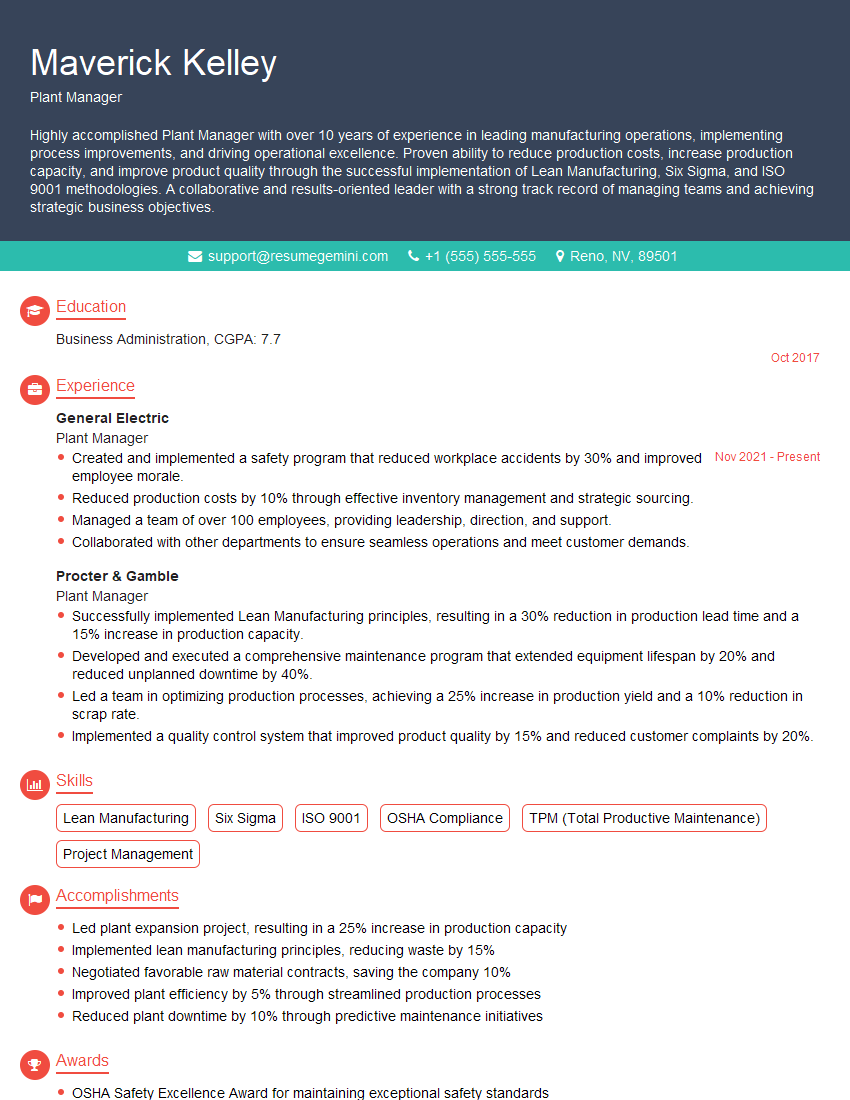
Plant Manager Resume Sample
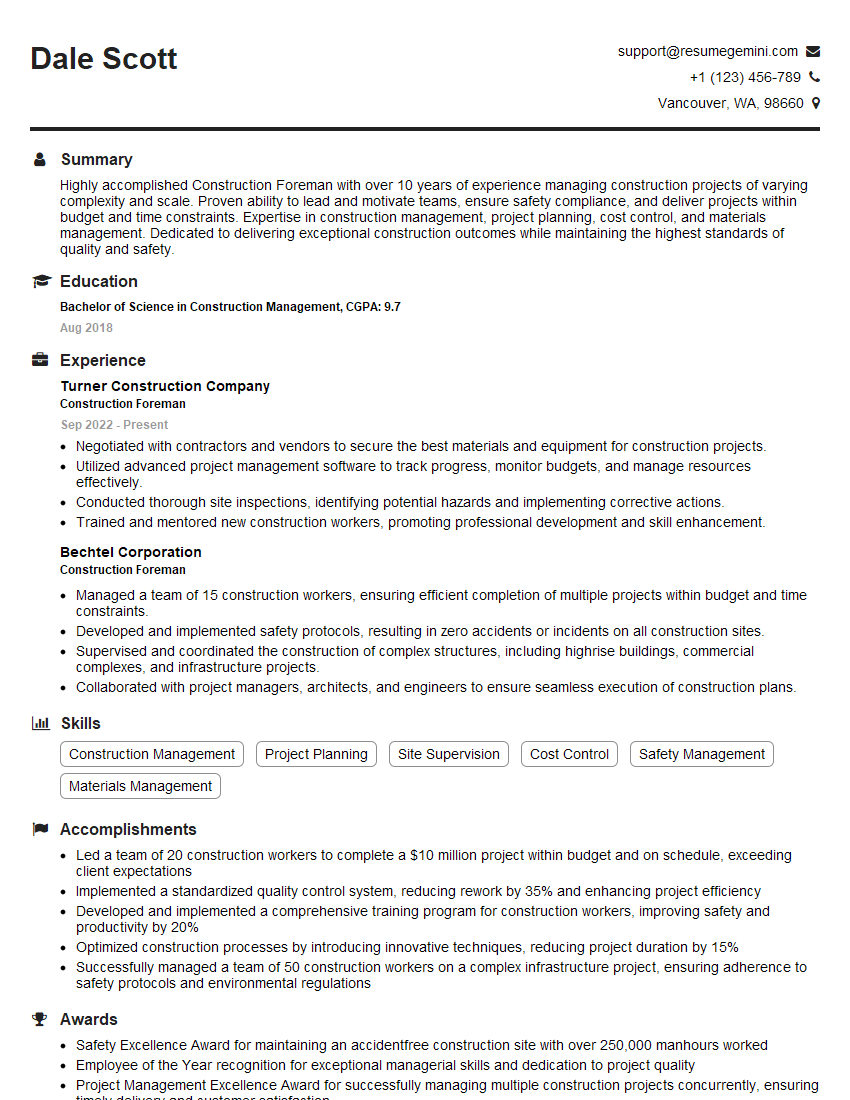
Construction Foreman Resume Sample

Compliance Officer Resume Sample
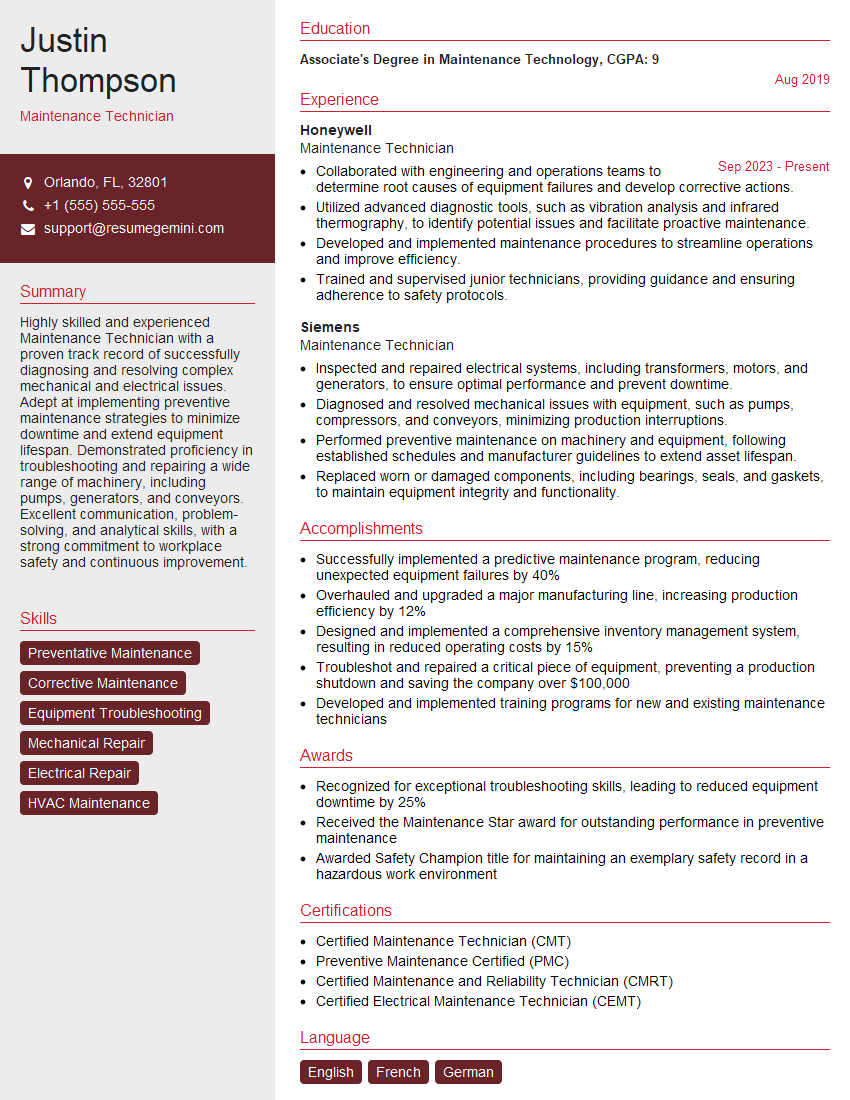
Maintenance Technician Resume Sample

Engineering Technician Resume Sample
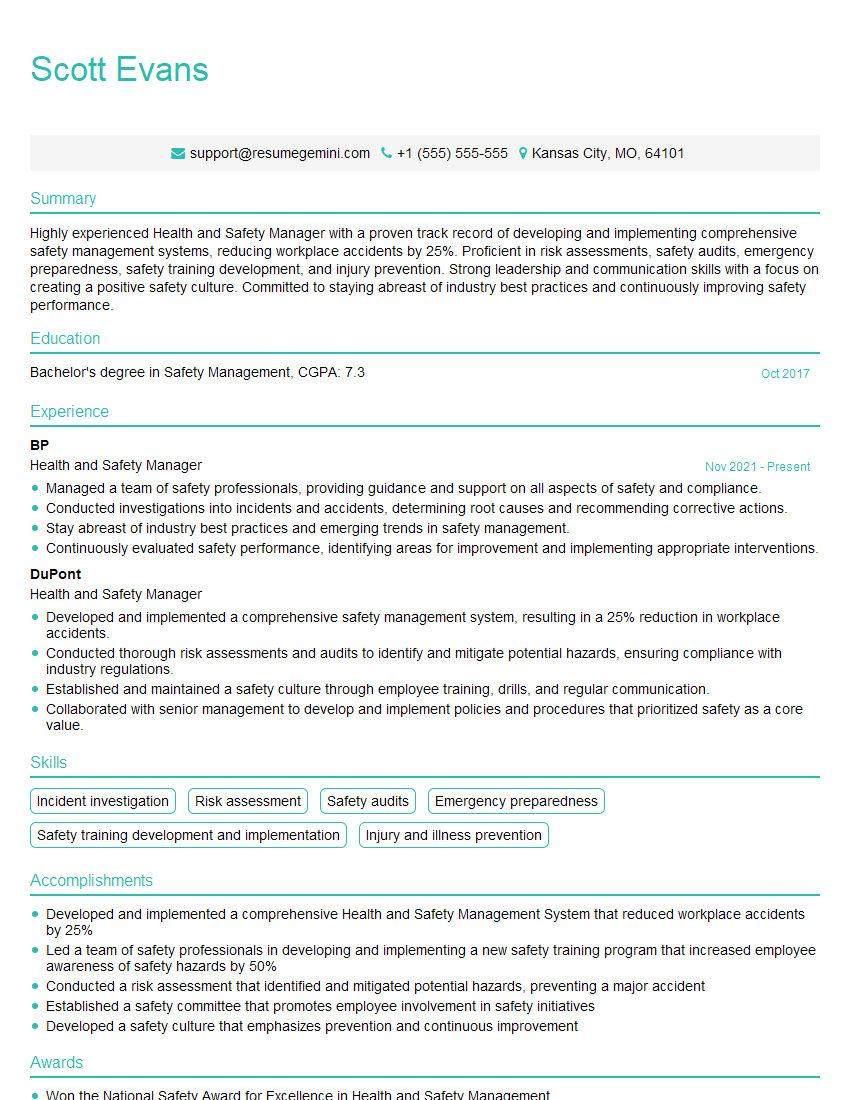
Health and Safety Manager Resume Sample
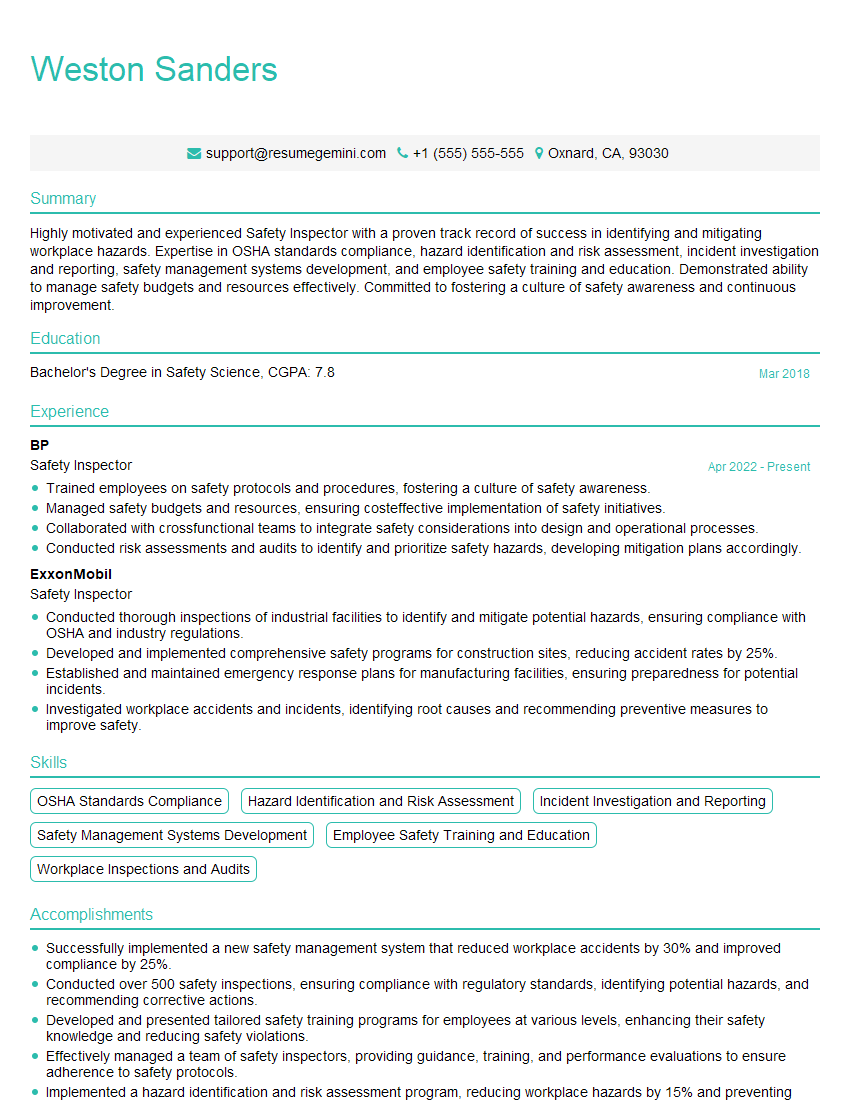
Safety Inspector Resume Sample

Machinist Resume Sample
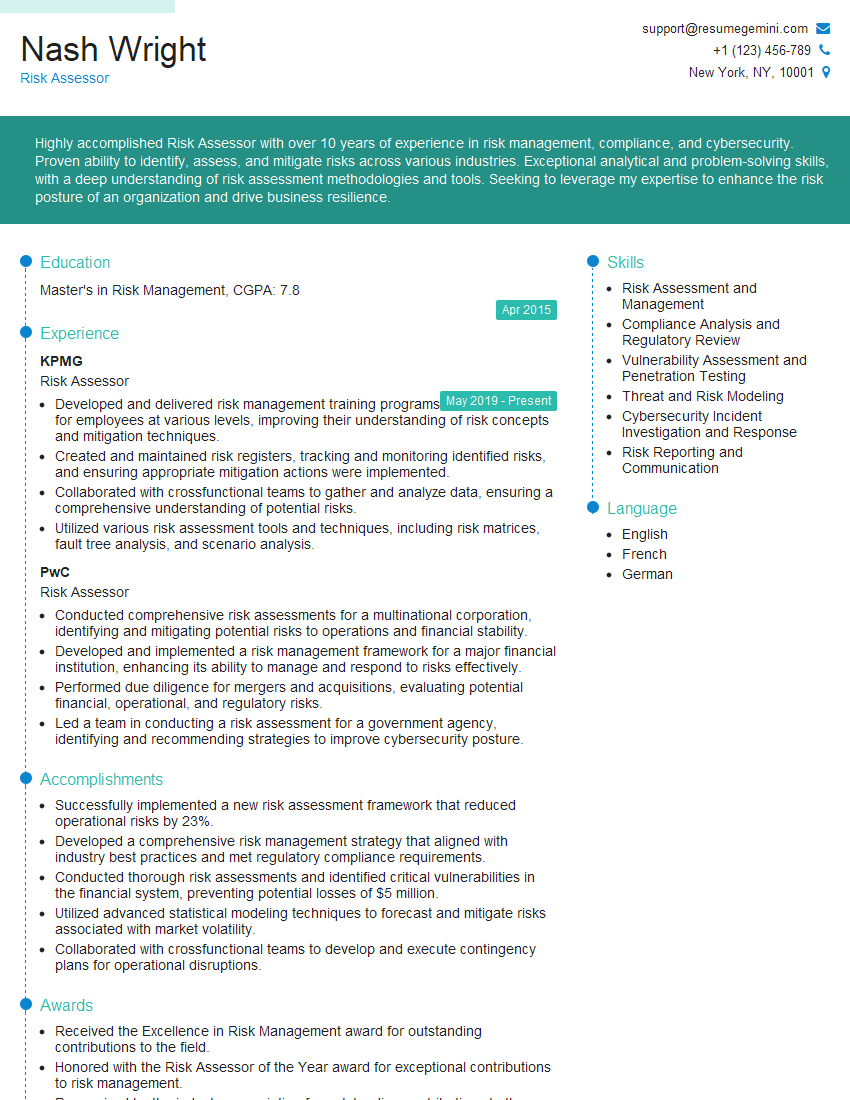
Risk Assessor Resume Sample

Equipment Operator Resume Sample
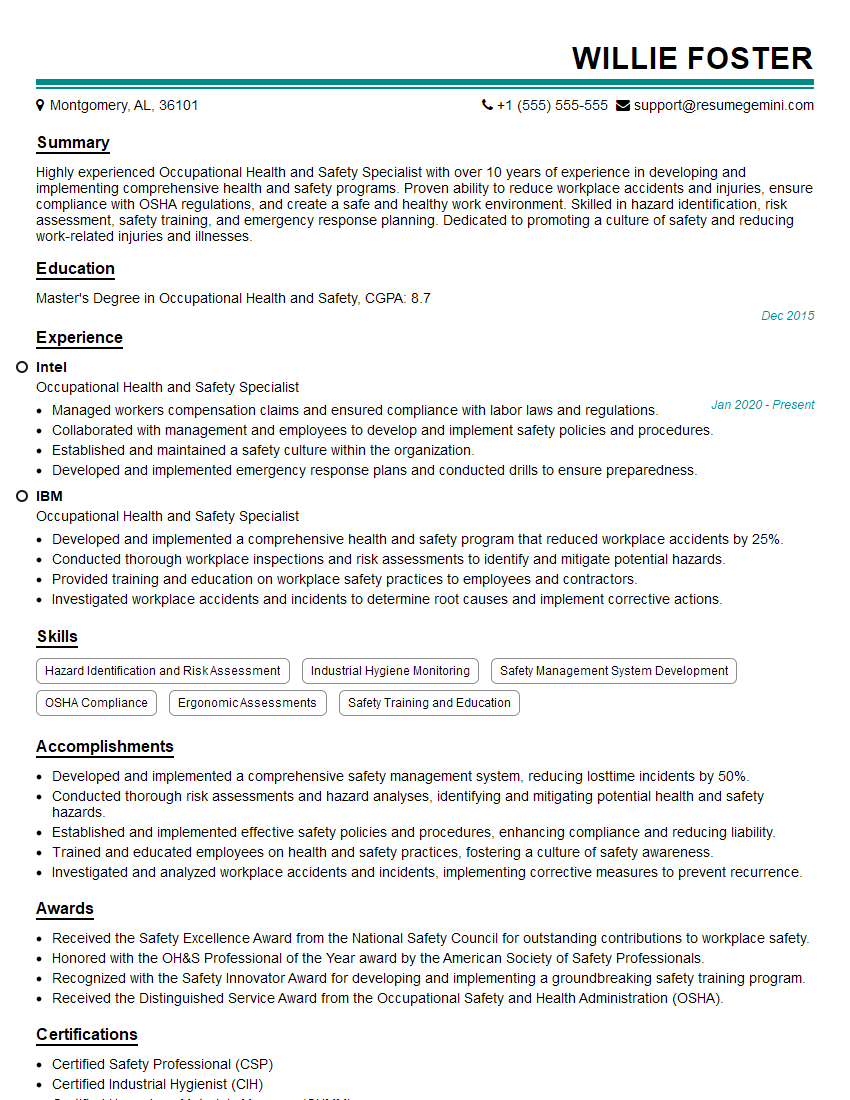
Occupational Health and Safety Specialist Resume Sample
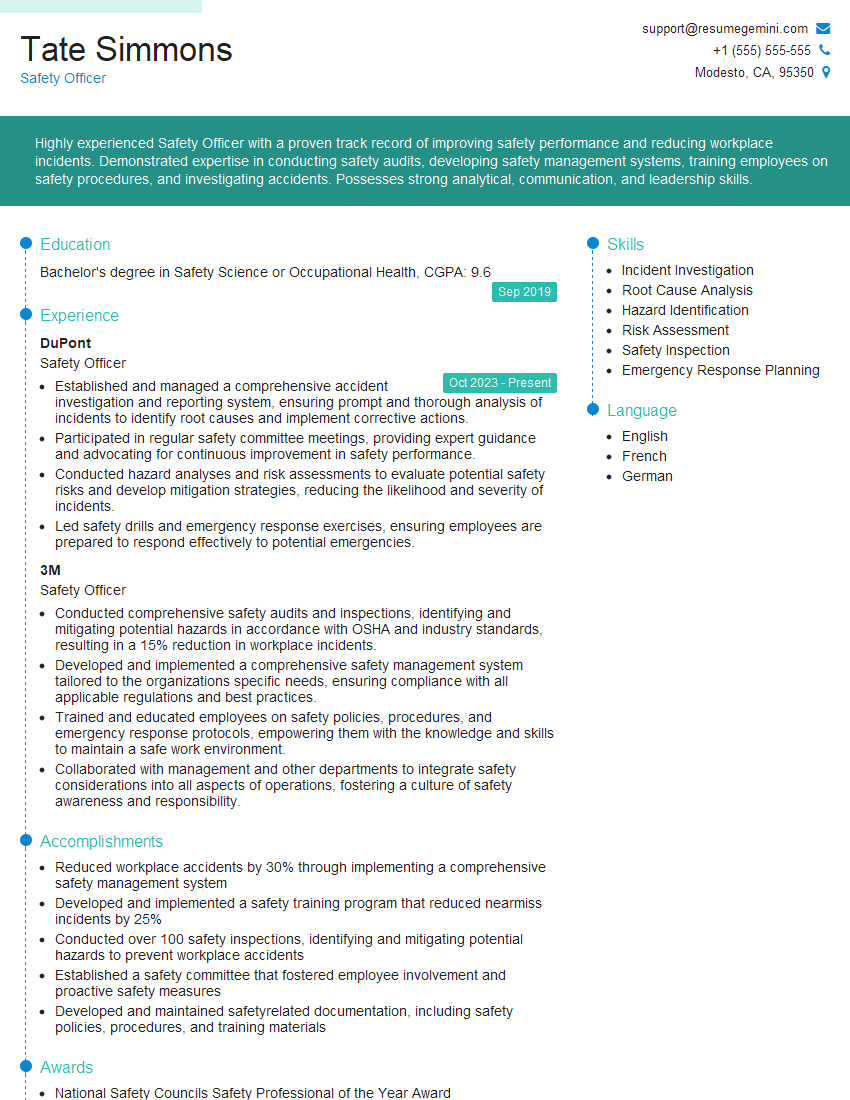
Safety Officer Resume Sample

Crane Operator Resume Sample
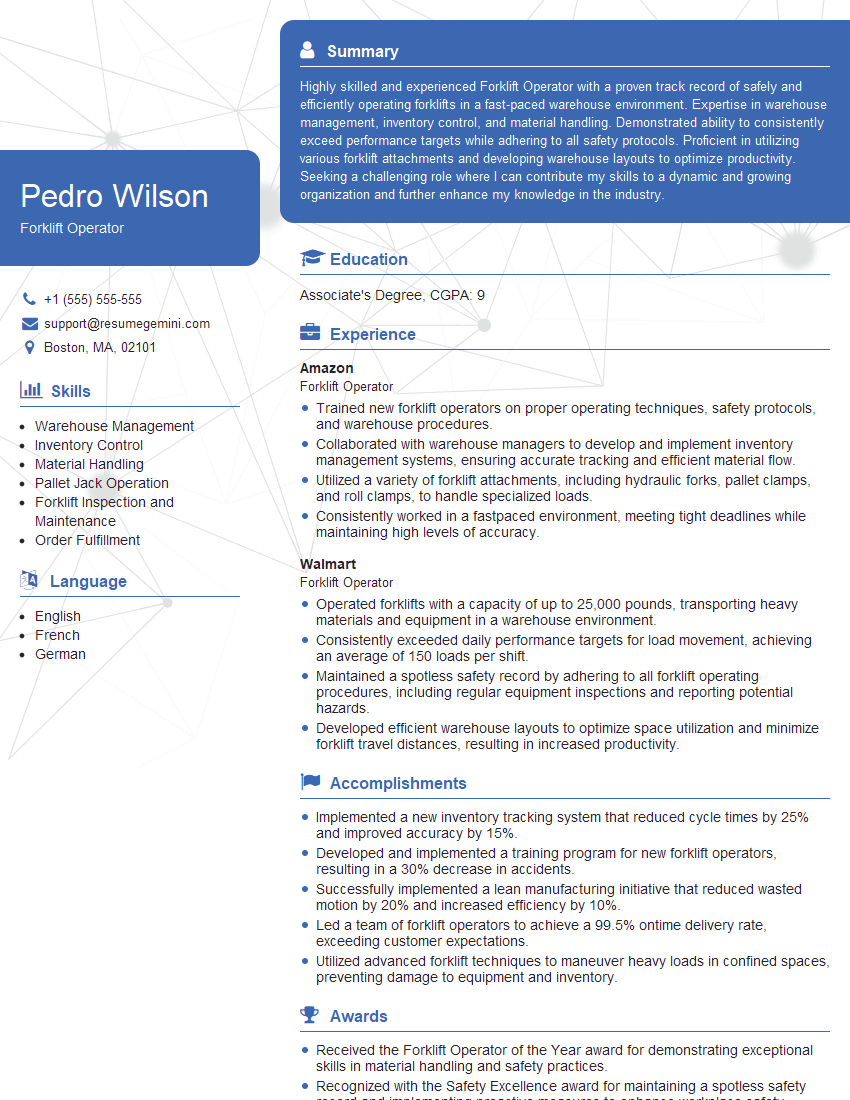
Forklift Operator Resume Sample
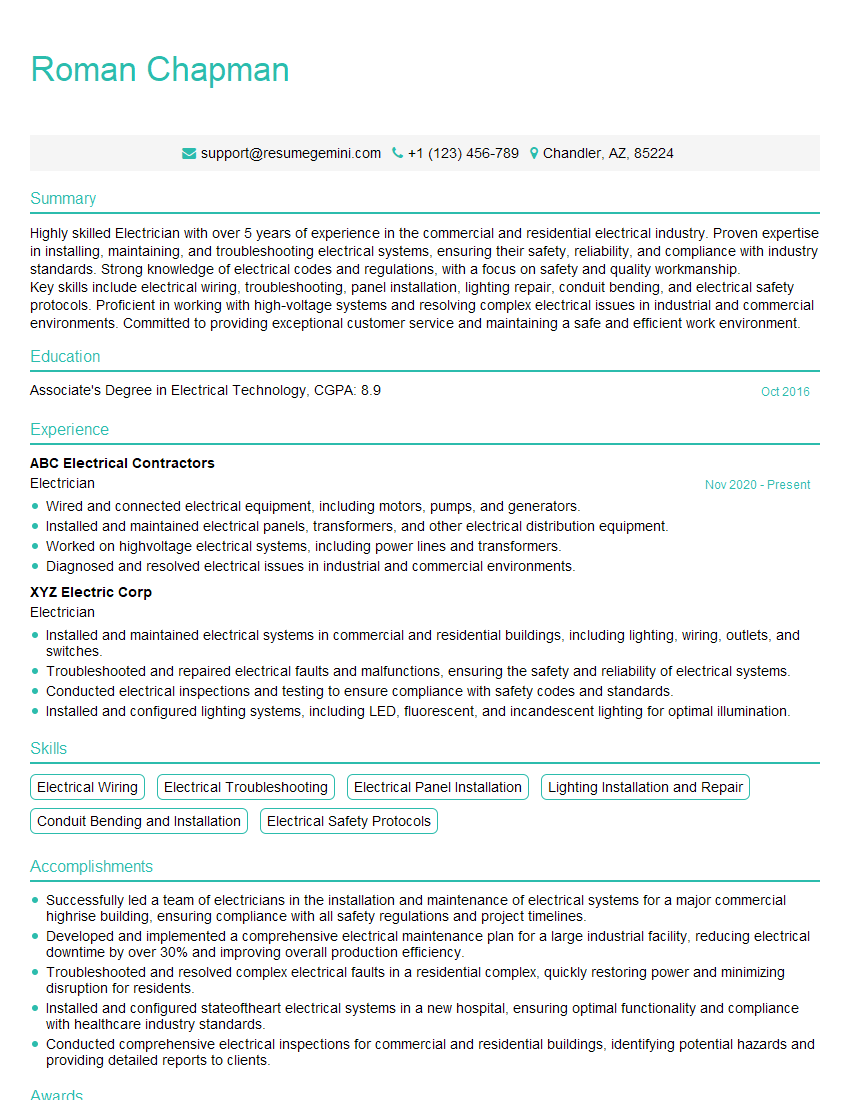
Electrician Resume Sample

Plumber Resume Sample
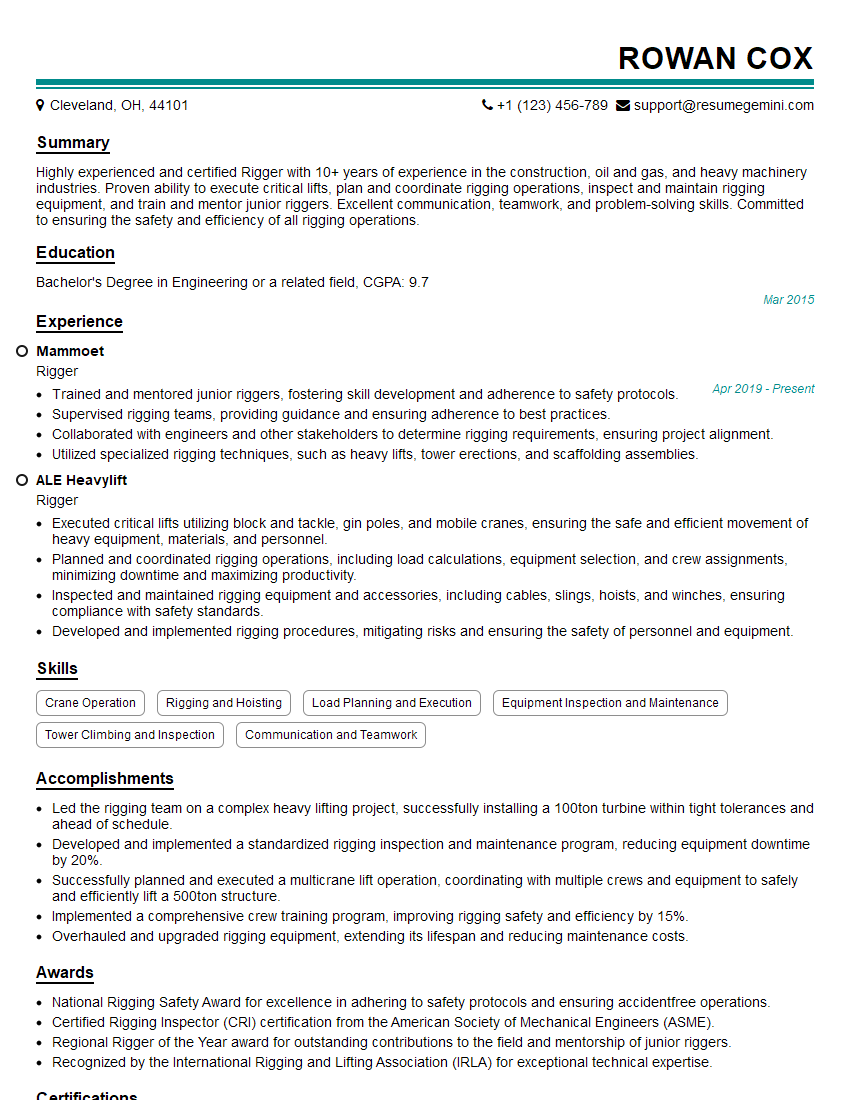
Rigger Resume Sample
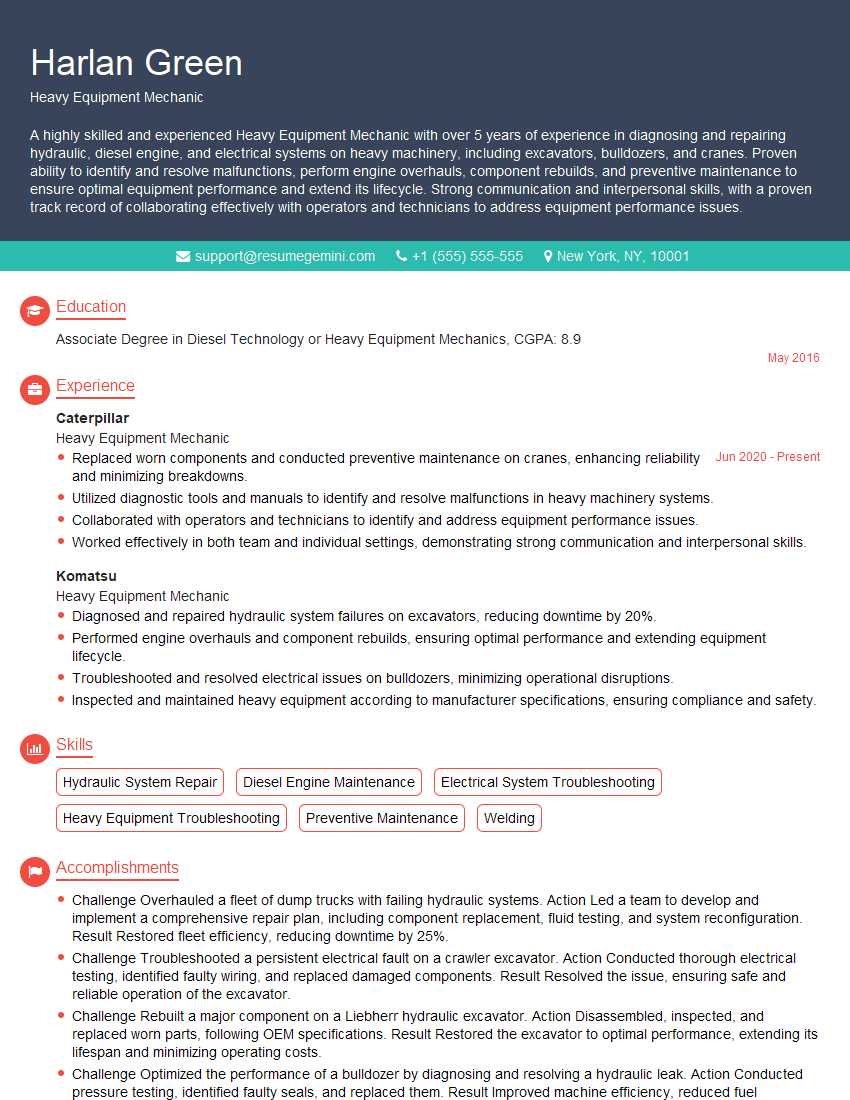
Heavy Equipment Mechanic Resume Sample

Welder Resume Sample

Industrial Mechanic Resume Sample

Manufacturing Supervisor Resume Sample
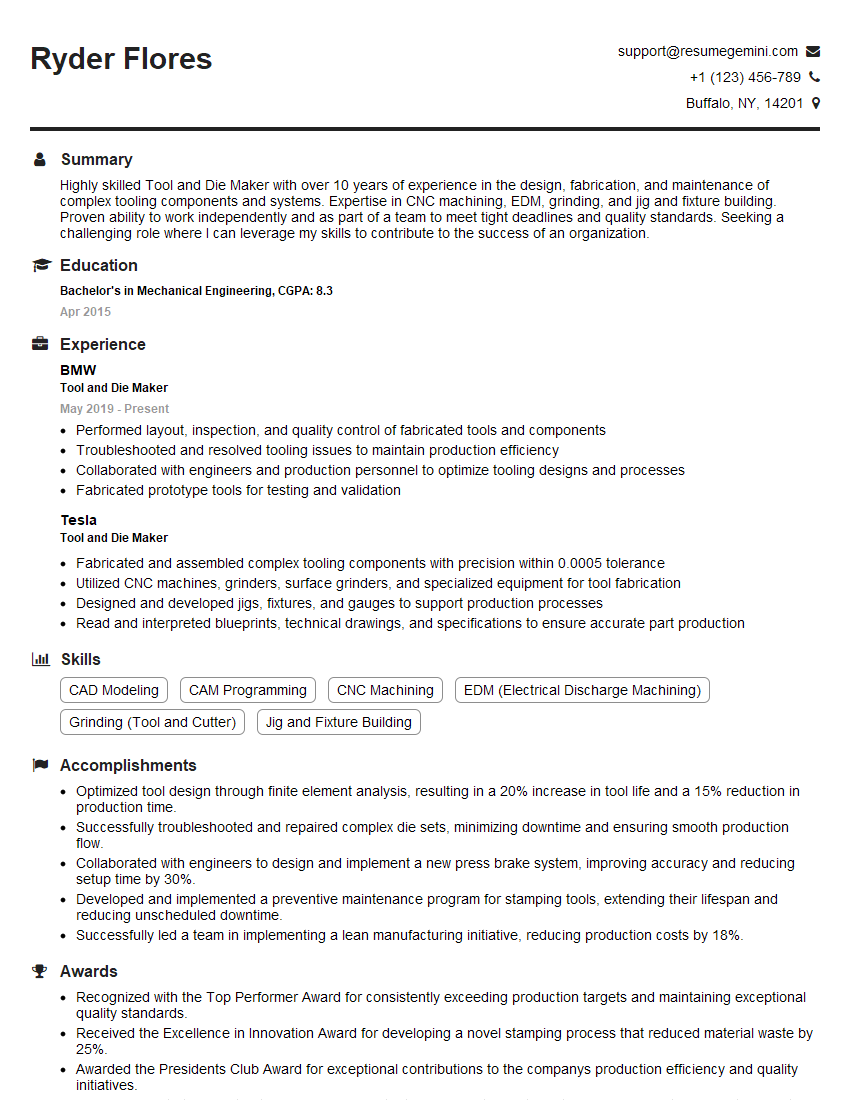
Tool and Die Maker Resume Sample
- Facilities Manager
- Plant Manager
- Construction Foreman
- Compliance Officer
- Maintenance Technician
- Engineering Technician
- Health and Safety Manager
- Safety Inspector
- Machinist
- Risk Assessor
- Equipment Operator
- Occupational Health and Safety Specialist
- Safety Officer
- Crane Operator
- Forklift Operator
- Electrician
- Plumber
- Rigger
- Heavy Equipment Mechanic
- Welder
- Industrial Mechanic
- Manufacturing Supervisor
- Tool and Die Maker
Explore more articles
Users Rating of Our Blogs
Share Your Experience
We value your feedback! Please rate our content and share your thoughts (optional).
What Readers Say About Our Blog
I Redesigned Spongebob Squarepants and his main characters of my artwork.
https://www.deviantart.com/reimaginesponge/art/Redesigned-Spongebob-characters-1223583608
IT gave me an insight and words to use and be able to think of examples
Hi, I’m Jay, we have a few potential clients that are interested in your services, thought you might be a good fit. I’d love to talk about the details, when do you have time to talk?
Best,
Jay
Founder | CEO