Unlock your full potential by mastering the most common Safety Oriented interview questions. This blog offers a deep dive into the critical topics, ensuring you’re not only prepared to answer but to excel. With these insights, you’ll approach your interview with clarity and confidence.
Questions Asked in Safety Oriented Interview
Q 1. Describe your experience with OSHA regulations.
My experience with OSHA regulations is extensive. I’ve worked directly with OSHA standards for over 10 years, ensuring compliance across various industries, including manufacturing and construction. This includes a deep understanding of General Industry standards (29 CFR 1910), Construction standards (29 CFR 1926), and specific regulations pertinent to hazardous materials handling, lockout/tagout procedures, and personal protective equipment (PPE). I’m familiar with conducting OSHA inspections, preparing for audits, and developing corrective action plans to address any identified deficiencies. For instance, in a recent project, I successfully guided a manufacturing facility through an OSHA inspection, resulting in zero citations due to proactive implementation of safety protocols and thorough employee training. This involved meticulous record-keeping, regular safety audits, and proactive hazard mitigation strategies. I’m also well-versed in navigating OSHA’s reporting requirements and ensuring prompt and accurate documentation of incidents and injuries.
Q 2. Explain your understanding of hazard identification and risk assessment.
Hazard identification and risk assessment are fundamental to any effective safety program. Hazard identification involves systematically identifying potential dangers in the workplace – anything that could cause harm. Think of it like a detective searching for clues; we’re looking for anything that might lead to an accident. This could include things like unsafe machinery, inadequate lighting, chemical spills, or ergonomic hazards. Once we’ve identified the hazards, we move to risk assessment. This involves determining the likelihood of those hazards causing harm and the severity of the potential consequences. We use various methods like Job Safety Analysis (JSA) and HAZOP (Hazard and Operability Study) to evaluate risks. For example, if we identify a hazard like unguarded machinery, the risk assessment would consider factors like how often employees operate the machine, the potential for injury (e.g., amputation), and the effectiveness of existing controls. The outcome is a prioritized list of hazards, allowing us to focus on the most critical safety issues. This information directly feeds into the development of control measures and safety procedures.
Q 3. How do you develop and implement safety programs?
Developing and implementing safety programs is a multi-step process. It begins with a comprehensive hazard identification and risk assessment, as discussed earlier. Then, we design safety policies and procedures tailored to the specific risks identified. These policies need to be clear, concise, and readily accessible to all employees. The next step is selecting and implementing appropriate control measures—this could range from engineering controls (like machine guards) to administrative controls (like job rotations) and personal protective equipment (PPE). We then establish a robust training program to educate employees on the policies, procedures, and safe work practices. Regular safety meetings and inspections are crucial for reinforcing training and identifying emerging hazards. Finally, continuous monitoring and improvement are vital. We track key safety performance indicators (KPIs) and use data to refine our program over time. For example, in a recent project, we implemented a new lockout/tagout procedure, backed by extensive training, resulting in a 50% reduction in near-miss incidents within six months.
Q 4. What are your methods for conducting safety inspections?
My safety inspection methods are thorough and systematic. I use a combination of planned inspections, which follow a checklist based on identified hazards and regulatory requirements, and unplanned inspections, which are often prompted by observations or employee reports. I always start with a pre-inspection briefing to outline the scope and objectives. During the inspection, I document observations using photos and detailed notes. I also interview employees to gather their input on safety concerns. The checklist helps ensure consistency and comprehensiveness. I pay close attention to details like proper use of PPE, adherence to safety procedures, the condition of equipment, and general housekeeping. Following the inspection, I prepare a detailed report, identifying any hazards or non-compliances, and recommend corrective actions. This report is shared with management and employees, prompting timely mitigation efforts. It’s not just about finding problems; it’s about fostering a culture of safety through open communication and collaboration.
Q 5. How do you investigate workplace accidents and incidents?
Investigating workplace accidents and incidents is critical for preventing future occurrences. My approach follows a structured methodology: first, I secure the scene to prevent further harm and preserve evidence. Then, I gather information from witnesses, employees involved, and any available documentation, such as maintenance records or incident reports. I examine the physical evidence, looking for clues about the root cause of the incident. I use tools like fault tree analysis and 5 Whys to systematically identify the underlying causes, going beyond superficial explanations. Finally, I compile a comprehensive report outlining the findings, root causes, and recommendations for corrective actions to prevent similar incidents from happening again. These recommendations often include modifying work procedures, improving equipment, enhancing training, or implementing new safety controls. For example, in an investigation of a fall from height, I identified the root cause as inadequate fall protection training, leading to the implementation of a mandatory refresher training program and improvements to the fall protection equipment.
Q 6. Describe your experience with safety training and education.
Safety training and education are central to a successful safety program. I design and deliver training that is engaging, relevant, and tailored to the specific needs and roles of employees. I use a variety of methods including classroom instruction, hands-on training, simulations, and online modules to cater to diverse learning styles. My training programs go beyond simply conveying rules; they aim to build a strong safety culture through active participation and knowledge reinforcement. I regularly assess employee understanding through quizzes, practical demonstrations, and ongoing feedback. I also emphasize the importance of reporting hazards and near-misses to foster a culture of proactive safety. For example, I developed a specialized training program for forklift operators, which included both classroom theory and hands-on practical sessions in a controlled environment, significantly reducing forklift-related incidents.
Q 7. Explain your approach to managing safety performance indicators (KPIs).
Managing safety performance indicators (KPIs) is crucial for tracking progress and identifying areas for improvement. I select KPIs that are relevant to our safety goals and that accurately reflect the effectiveness of our safety program. These typically include metrics such as incident rates (lost time injury frequency rate, total recordable incident rate), near-miss reports, safety training completion rates, and the number of safety observations conducted. I use data visualization techniques to present this information clearly and concisely. Regular review of these KPIs allows for timely intervention when trends indicate a potential problem. For example, if the near-miss reporting rate decreases, it might signal a decline in employee engagement with safety reporting, prompting us to revisit our communication strategies and training programs. Using data-driven insights enables us to proactively address safety concerns and continuously improve our overall safety performance.
Q 8. How do you communicate safety information to employees at different levels?
Communicating safety information effectively requires tailoring the message to the audience’s understanding and role. I utilize a multi-pronged approach:
- For executive-level employees: I focus on high-level risk assessments, cost-benefit analyses of safety initiatives, and the strategic impact on the organization’s overall performance and reputation. For example, I might present data on lost-time incidents and their financial implications, demonstrating the ROI of proactive safety measures.
- For supervisors and managers: I provide detailed training on safety procedures, accident prevention strategies, and their responsibilities in enforcing safety regulations. This often involves interactive workshops, case studies, and practical demonstrations. For example, a supervisor might participate in a hands-on training session on proper lockout/tagout procedures.
- For frontline employees: I employ clear, concise, and visually engaging communication methods, such as posters, short videos, and regular safety meetings. I emphasize practical application and encourage questions to ensure understanding. For example, a simple infographic illustrating the correct way to lift heavy objects would be highly effective.
Consistent reinforcement and feedback across all levels are crucial. Regular safety audits and communication channels ensure everyone stays informed and engaged.
Q 9. How would you handle a safety violation?
Handling a safety violation requires a fair, consistent, and progressive approach. My process involves:
- Immediate Action: First, I ensure the hazardous situation is addressed immediately to prevent further incidents. This might involve stopping a task, securing an area, or providing immediate medical attention.
- Investigation: A thorough investigation is conducted to determine the root cause of the violation. This involves gathering information from witnesses, reviewing relevant documentation, and analyzing the circumstances.
- Corrective Action: Based on the investigation’s findings, appropriate corrective actions are implemented to prevent recurrence. This could involve retraining, improving safety procedures, or modifying equipment.
- Disciplinary Action (if necessary): Depending on the severity and nature of the violation, disciplinary actions may be necessary, ranging from verbal warnings to more serious consequences, in accordance with company policy. The emphasis is always on learning and preventing future incidents.
- Follow-up: Regular follow-ups are crucial to ensure the corrective actions are effective and to monitor employee behavior. This demonstrates accountability and commitment to a safe work environment.
Documentation throughout the entire process is essential for transparency and accountability.
Q 10. What are your strategies for promoting a strong safety culture?
Promoting a strong safety culture isn’t a one-time event; it’s an ongoing commitment requiring consistent effort and engagement. My strategies include:
- Leadership Commitment: Visible and active support from senior management is crucial. Leaders must champion safety initiatives and demonstrate a genuine commitment to employee well-being.
- Employee Engagement: Employees must be empowered to identify and report hazards without fear of retribution. Regular safety meetings, suggestion boxes, and feedback mechanisms encourage participation.
- Training and Education: Comprehensive and ongoing training programs that are tailored to the specific risks within the workplace are paramount. This includes both initial training and regular refresher courses.
- Incentive Programs: Positive reinforcement can significantly impact safety performance. Rewarding safe behavior and recognizing employees’ contributions to safety create a positive and supportive environment.
- Communication and Transparency: Open and honest communication regarding safety incidents and improvements fosters trust and collaboration. Regular safety updates and reports help maintain transparency.
- Continuous Improvement: Regularly reviewing safety data, analyzing near misses, and conducting post-incident investigations allows for continuous improvement of safety procedures and training.
A strong safety culture is built on mutual trust, respect, and a shared commitment to safety for everyone.
Q 11. Describe your experience with incident reporting and investigation systems.
I have extensive experience with incident reporting and investigation systems. My approach involves:
- Utilizing a standardized reporting system: This ensures consistency and completeness in the collection of information. The system should be user-friendly and accessible to all employees.
- Conducting thorough investigations: Investigations must identify the root causes of incidents, not just the immediate causes. This typically involves interviewing witnesses, reviewing documentation, and analyzing data.
- Implementing corrective actions: Based on the findings of investigations, effective corrective actions are implemented to prevent similar incidents from occurring. This might involve changes to equipment, procedures, or training.
- Tracking and monitoring key metrics: Data analysis helps to identify trends and patterns, enabling proactive risk management. Tracking metrics such as incident rates, lost-time injuries, and near misses is crucial.
- Utilizing incident reporting software: This can streamline the process, improve data management, and enhance reporting efficiency. Examples include systems that allow for online reporting, automated notifications, and data analysis capabilities.
A well-designed incident reporting and investigation system is a vital component of any comprehensive safety program.
Q 12. How familiar are you with different types of personal protective equipment (PPE)?
My familiarity with PPE extends across various types and their applications. I understand the importance of selecting appropriate PPE for specific hazards and ensuring its proper use and maintenance. Examples include:
- Head protection: Hard hats, bump caps, safety helmets for protection against falling objects and impacts.
- Eye and face protection: Safety glasses, goggles, face shields, to protect against flying particles, chemicals, and impacts.
- Hearing protection: Earplugs, earmuffs, to reduce noise exposure and prevent hearing loss.
- Respiratory protection: Respirators, dust masks, to protect against harmful airborne particles, gases, and vapors.
- Hand protection: Gloves, to protect against cuts, abrasions, chemicals, and temperature extremes.
- Foot protection: Safety shoes, boots, to protect against punctures, crushing injuries, and electrical hazards.
- Body protection: Aprons, coveralls, high-visibility clothing, to protect against chemicals, cuts, and other hazards.
I know that the selection of PPE must comply with relevant regulations and standards, and I emphasize proper training on the correct use, inspection, and maintenance of all PPE.
Q 13. Explain your understanding of lockout/tagout procedures.
Lockout/Tagout (LOTO) procedures are critical for preventing accidental energization of equipment during maintenance or repair. They involve isolating energy sources to prevent the unexpected release of stored energy, which could cause serious injury or death. My understanding encompasses:
- Energy Isolation: Identifying all energy sources (electrical, mechanical, hydraulic, pneumatic, etc.) and safely disconnecting them.
- Lockout: Applying a lockout device (a lock) to prevent the re-energization of the equipment.
- Tagout: Attaching a tag to the lockout device clearly indicating who has locked out the equipment and why.
- Verification: Confirming that the equipment is truly de-energized and safe to work on.
- Release: The person who applied the lockout is the only one who can remove it after verifying the equipment is safe.
I understand the importance of following established LOTO procedures precisely and conducting regular training to ensure everyone is competent and comfortable performing these critical safety tasks. Failure to follow LOTO procedures can result in serious accidents and should never be taken lightly.
Q 14. How do you manage safety in a high-risk environment?
Managing safety in a high-risk environment requires a proactive, layered approach. My strategy focuses on:
- Comprehensive Risk Assessment: Identifying all potential hazards and evaluating the level of risk associated with each. This involves a detailed analysis of the work processes, equipment, and the environment.
- Engineering Controls: Implementing engineering solutions to eliminate hazards or reduce risks whenever feasible. This might include using safer equipment, implementing automated systems, or improving the physical layout of the workspace.
- Administrative Controls: Developing and implementing procedures, training programs, and supervision strategies to mitigate risks. This includes detailed work instructions, regular safety meetings, and effective communication channels.
- Personal Protective Equipment (PPE): Providing and ensuring the proper use of appropriate PPE as a last line of defense. Regular inspection and maintenance of PPE are essential.
- Emergency Preparedness: Developing and practicing emergency response plans that are specific to the environment’s risks. This includes providing training on emergency procedures, having appropriate emergency equipment available, and establishing clear communication channels.
- Monitoring and Evaluation: Regularly monitoring safety performance, conducting audits, and reviewing incident reports to identify areas for improvement. This continuous improvement cycle is critical for maintaining a safe working environment in high-risk settings.
In high-risk environments, a robust safety program must be in place, regularly audited, and consistently reinforced. The commitment to safety should be at the forefront of all operations.
Q 15. What is your experience with conducting safety audits?
Conducting safety audits involves a systematic evaluation of a workplace to identify hazards and assess the effectiveness of safety measures. My approach is multi-faceted, combining thorough walkthroughs, document reviews, and interviews with employees at all levels. For instance, during a recent audit at a manufacturing plant, I used a checklist based on OSHA guidelines to evaluate machine guarding, emergency exits, and personal protective equipment (PPE) usage. I also interviewed workers to gather their perspectives on safety practices and identify potential blind spots. Beyond identifying immediate hazards, I analyze the root causes of any deficiencies, focusing on systemic issues rather than just individual errors. This helps in developing more effective and sustainable solutions. The audit concludes with a comprehensive report detailing findings, recommendations, and prioritized corrective actions, along with a timeline for implementation and follow-up inspections.
Career Expert Tips:
- Ace those interviews! Prepare effectively by reviewing the Top 50 Most Common Interview Questions on ResumeGemini.
- Navigate your job search with confidence! Explore a wide range of Career Tips on ResumeGemini. Learn about common challenges and recommendations to overcome them.
- Craft the perfect resume! Master the Art of Resume Writing with ResumeGemini’s guide. Showcase your unique qualifications and achievements effectively.
- Don’t miss out on holiday savings! Build your dream resume with ResumeGemini’s ATS optimized templates.
Q 16. Explain your understanding of emergency response planning and procedures.
Emergency response planning is crucial for minimizing the impact of unexpected events. My understanding encompasses all aspects, from identifying potential hazards (fire, chemical spills, equipment failures) through developing detailed procedures and training personnel. A robust plan requires identifying escape routes, assembly points, communication protocols, and roles and responsibilities for each team member. For example, in a previous role, I developed a comprehensive plan for a chemical processing facility that included evacuation procedures, emergency contact lists, and specialized training for handling specific chemical leaks. Regular drills and simulations are essential to ensure the plan’s effectiveness and to identify areas for improvement. Post-incident analysis is equally important – it allows for learning from events and refining the plan to prevent future incidents. This iterative approach is critical for continuous improvement.
Q 17. How do you identify and mitigate ergonomic hazards?
Ergonomic hazards are factors that can cause musculoskeletal disorders due to repetitive movements, awkward postures, or forceful exertions. Identification begins with observation and thorough workplace assessments. I use tools like body mapping to analyze postures and identify areas of potential strain. I also conduct interviews with employees to understand their physical demands and any discomfort they experience. For instance, in an office setting, I might observe employees using improperly adjusted chairs or working with monitors at awkward heights. In a manufacturing plant, I would analyze the physical demands of specific jobs and assess the use of manual handling equipment. Mitigation strategies include workstation design adjustments (e.g., adjustable chairs, ergonomic keyboards), providing appropriate tools and equipment, implementing job rotation programs, and promoting regular breaks and stretches. The key is to proactively address potential risks before they result in injuries.
Q 18. Describe your experience with developing and implementing safety policies.
Developing and implementing safety policies requires a structured approach. It starts with a comprehensive risk assessment to identify potential hazards. The policies must then be clearly defined, incorporating relevant legislation and best practices. For example, I’ve developed policies covering lockout/tagout procedures for machinery maintenance, personal protective equipment (PPE) requirements for various tasks, and procedures for reporting near misses and accidents. Successful implementation involves communication and training—making sure everyone understands the policies and how to follow them. This also includes providing resources and support to help employees adhere to the policies. Regular review and updates are essential to keep them relevant and effective in response to evolving workplace needs and new technologies. Effective communication, clear language, and active employee engagement are vital for success.
Q 19. How do you handle conflicts related to safety procedures?
Conflicts regarding safety procedures can arise from various sources, like differing interpretations of regulations or resistance to change. My approach is to foster open communication and collaboration. I encourage employees to express their concerns and actively listen to their perspectives. I use a structured problem-solving process, focusing on understanding the root cause of the conflict rather than focusing on individual blame. Sometimes, this involves clarifying expectations, providing additional training, or adjusting procedures to address legitimate concerns. In situations where a resolution can’t be reached through dialogue, I will escalate the issue to higher management, maintaining fairness and transparency throughout the process. Documentation of all discussions and resolutions is critical.
Q 20. What are your methods for improving safety communication and collaboration?
Improving safety communication and collaboration relies on multiple strategies. Firstly, establishing clear communication channels is crucial, using a variety of methods such as regular safety meetings, email updates, safety posters, and online platforms. I encourage open communication and feedback by creating a culture where employees feel comfortable raising concerns without fear of reprisal. Secondly, incorporating tools that promote collaboration, like shared online documents or safety observation programs, help to improve team cohesion and create a sense of collective responsibility for safety. Using various communication methods ensures that information reaches everyone regardless of their preferred communication style or language barrier. Thirdly, implementing a system for feedback and recognition of positive safety behaviors further strengthens communication and promotes a positive safety culture.
Q 21. How do you ensure compliance with environmental regulations?
Ensuring compliance with environmental regulations requires a proactive approach. This begins with identifying all applicable regulations relevant to the organization’s operations. We then implement measures to ensure compliance, often using a combination of internal audits, environmental management systems, and external audits. For example, we might implement procedures for waste disposal, hazardous material handling, and air/water emission control. Employee training on environmental regulations and procedures is critical, to instill awareness and ensure accountability. Maintaining accurate records of environmental activities and undergoing regular audits helps to both maintain compliance and provide evidence of it. Proactive engagement with environmental agencies and regular updates to our practices are vital to adapt to evolving regulations and best practices in environmental protection.
Q 22. Explain your experience with using safety management software.
My experience with safety management software encompasses several systems, from basic incident reporting platforms to comprehensive EHS (Environmental, Health, and Safety) management systems. I’ve used software to track leading and lagging indicators, such as near misses, safety observations, and accident rates. This data is crucial for identifying trends, prioritizing preventative measures, and demonstrating ROI of safety initiatives. For example, in my previous role, we implemented a system that automated the process of generating safety reports, significantly reducing administrative workload and providing real-time insights into our safety performance. This allowed us to promptly address emerging risks and improve our overall safety culture. I am proficient in using the data analytics features of these systems to create insightful dashboards and reports, which are essential for communicating safety performance to stakeholders and securing buy-in for safety investments.
Another key area is the management of safety training. Software allows for the efficient scheduling, delivery, and tracking of training modules. I’ve utilized systems that allow for assigning training based on job roles, locations and certifications, providing auditable proof of compliance and competence. The ability to track completion rates, test scores, and feedback allows for continuous improvement of the training programs themselves.
Q 23. Describe your experience with contractor safety management.
Contractor safety management is paramount in ensuring a safe working environment, especially when multiple companies operate on a single site. My approach involves pre-qualification processes, ensuring contractors demonstrate their commitment to safety through certifications (e.g., OSHA 10/30), safety manuals, and insurance documentation. Regular audits and inspections of contractor work sites are essential to verify compliance with company safety protocols and applicable regulations. This includes verifying the use of proper PPE (Personal Protective Equipment), adherence to safe work practices, and ensuring adequate safety training for their employees.
Effective communication is vital. I’ve utilized regular safety meetings, toolbox talks, and joint safety inspections with contractors to foster a collaborative safety culture. Open communication channels help to quickly identify and mitigate potential hazards. In cases of non-compliance, a documented corrective action plan with clear timelines and responsibilities is implemented. This ensures continuous improvement in contractor safety performance and promotes a shared responsibility for workplace safety. I’ve found that building strong relationships with contractors based on mutual trust and respect is key to fostering a collaborative safety culture.
Q 24. How do you measure the effectiveness of safety training programs?
Measuring the effectiveness of safety training programs goes beyond simply tracking attendance. A multi-faceted approach is crucial. This includes:
- Pre- and Post-Training Assessments: These help measure knowledge gained and skill development. A significant improvement in scores indicates effective training.
- Behavioral Observations: Observing employees in their work environment to see if they’re applying the learned knowledge and skills. This can be done through direct observation by supervisors or through the use of safety observation checklists.
- Incident/Accident Rates: A reduction in the number of incidents and accidents following the training provides strong evidence of its effectiveness. It’s important to track the right metrics, comparing the before and after data.
- Employee Feedback Surveys: Gathering feedback from participants helps identify areas for improvement in the training content and delivery methods. This is crucial for continuous improvement of the training.
- Return on Investment (ROI): Calculating the cost of training against the reduction in incident costs, lost productivity, and insurance premiums helps demonstrate the value of the training investment.
For example, in a previous role, we implemented a new hazard communication training program. We measured its effectiveness by tracking both the improvement in employee knowledge through pre and post-tests, and also by observing a subsequent decrease in near-miss incidents related to chemical handling. This two-pronged approach provided strong evidence of the program’s success.
Q 25. How familiar are you with different safety standards (e.g., ISO 45001)?
I am very familiar with various safety standards, including ISO 45001, OSHA standards (e.g., OSHA 1910, OSHA 1926), and other industry-specific regulations. ISO 45001, in particular, provides a framework for establishing, implementing, and maintaining a robust occupational health and safety management system. My understanding extends to the requirements for risk assessment, hazard identification, control measures, emergency preparedness, and continuous improvement. I understand how to apply these standards in practical settings, ensuring compliance and contributing to a safe working environment. I’m also familiar with the differences between various standards and how they might apply to different industries and work contexts. For example, I can readily adapt my approach to safety management depending on whether I’m working with a manufacturing facility adhering to OSHA regulations, or a construction site that needs to meet specific standards according to local jurisdictions.
Q 26. Describe your experience with conducting safety meetings and training sessions.
Conducting effective safety meetings and training sessions requires careful planning and execution. My approach involves:
- Defining Clear Objectives: Identifying the specific learning outcomes and key messages to be communicated.
- Engaging Content: Using a variety of methods, including presentations, interactive discussions, case studies, and hands-on activities to maintain participant interest and engagement.
- Interactive Sessions: Encouraging active participation through questions, discussions, and group activities.
- Tailoring Content: Adapting the content and delivery style to the specific audience and their experience levels.
- Practical Applications: Providing examples and scenarios to demonstrate the practical application of the training materials.
- Assessment and Feedback: Using quizzes, surveys, and observations to evaluate participant understanding and identify areas for improvement.
I’ve found that using real-life examples and case studies is especially effective in illustrating safety principles and engaging participants. A memorable training session I conducted focused on lockout/tagout procedures. Using a simulated scenario, we walked through the steps, highlighting potential pitfalls and emphasizing the importance of meticulous execution. This hands-on approach ensured better comprehension and retention.
Q 27. How do you prioritize safety improvements based on risk assessments?
Prioritizing safety improvements based on risk assessments is crucial for effective resource allocation. My approach involves a systematic process:
- Conducting Thorough Risk Assessments: Identifying potential hazards, analyzing their likelihood and severity, and determining the level of risk using a suitable matrix (e.g., a risk matrix scoring likelihood and severity).
- Prioritizing High-Risk Hazards: Focusing on hazards with the highest risk scores, as these pose the greatest potential for harm.
- Developing Control Measures: Implementing appropriate control measures to mitigate the identified hazards, ranging from engineering controls to administrative controls and PPE. The hierarchy of controls should be followed (Elimination, Substitution, Engineering, Administrative, PPE).
- Resource Allocation: Allocating resources effectively to address the highest-risk hazards first. This ensures that the most impactful improvements are implemented.
- Monitoring and Review: Regularly monitoring the effectiveness of implemented control measures and reviewing the risk assessments to ensure they remain current and accurate.
For example, if a risk assessment reveals a high risk of slips, trips, and falls due to inadequate lighting, I would prioritize implementing improved lighting solutions before addressing lower-risk hazards. A simple prioritization matrix, scoring likelihood and consequence, can be used to objectively rank identified hazards.
Q 28. What are your methods for maintaining and improving your own safety knowledge?
Maintaining and improving my safety knowledge is an ongoing process. I utilize several methods:
- Professional Development: Attending conferences, workshops, and training courses to stay updated on the latest safety regulations, best practices, and emerging technologies.
- Industry Publications and Journals: Regularly reading industry publications and journals to stay informed about new research, advancements, and safety incidents.
- Networking: Engaging with other safety professionals through networking events and online forums to exchange knowledge and best practices.
- Continuing Education: Pursuing certifications to demonstrate my expertise and commitment to professional development. Many certifications require ongoing training to maintain validity.
- Case Studies and Incident Investigations: Learning from past incidents and accidents to improve safety practices and prevent future occurrences. This can involve analyzing post-incident reports to improve procedures.
I actively participate in online safety communities and forums where I can share knowledge and engage with other professionals. This collaborative learning environment is invaluable for staying abreast of current industry trends and best practices.
Key Topics to Learn for a Safety-Oriented Interview
- Hazard Identification & Risk Assessment: Understanding methods like HAZOP, What-If analysis, and Job Safety Analysis (JSA). Practical application: Describe your experience in identifying potential hazards in a past work environment and the mitigation strategies employed.
- Safety Regulations & Compliance: Familiarity with relevant industry standards (OSHA, etc.) and legal requirements. Practical application: Explain how you ensure compliance with safety regulations in a project or workplace.
- Incident Investigation & Reporting: Mastering root cause analysis techniques and effective reporting procedures. Practical application: Detail your experience in investigating a safety incident, identifying the root cause, and recommending preventative measures.
- Emergency Response & Preparedness: Knowledge of emergency procedures, evacuation plans, and first aid/CPR. Practical application: Describe your role in an emergency response scenario and your contributions to preparedness efforts.
- Safety Training & Communication: Understanding the importance of effective safety training programs and communication strategies. Practical application: Explain how you’ve contributed to safety training or communication initiatives within a team or organization.
- Personal Protective Equipment (PPE): Knowledge of different types of PPE and their proper use and selection. Practical application: Discuss your experience selecting and using appropriate PPE in various work situations.
- Safety Management Systems (SMS): Understanding the principles and implementation of SMS frameworks like ISO 45001. Practical application: Describe your experience working within or contributing to a safety management system.
Next Steps
Mastering safety-oriented principles is crucial for career advancement in numerous industries. A strong understanding of safety procedures demonstrates responsibility, competence, and commitment to a safe work environment – highly valued attributes by employers. To significantly enhance your job prospects, create an ATS-friendly resume that effectively highlights your safety expertise. We strongly recommend using ResumeGemini to build a professional and impactful resume. ResumeGemini provides a streamlined process and offers examples of resumes tailored to safety-oriented roles, helping you present your skills and experience in the best possible light.
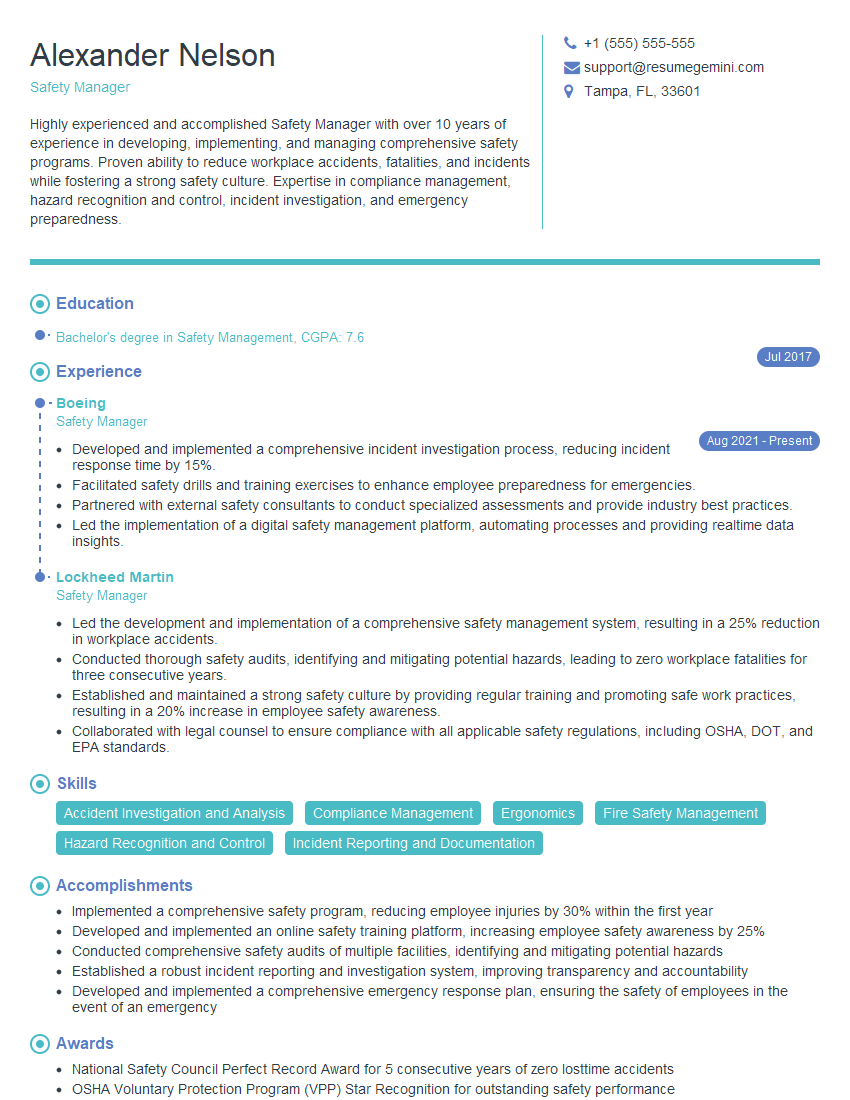
Safety Manager Resume Sample
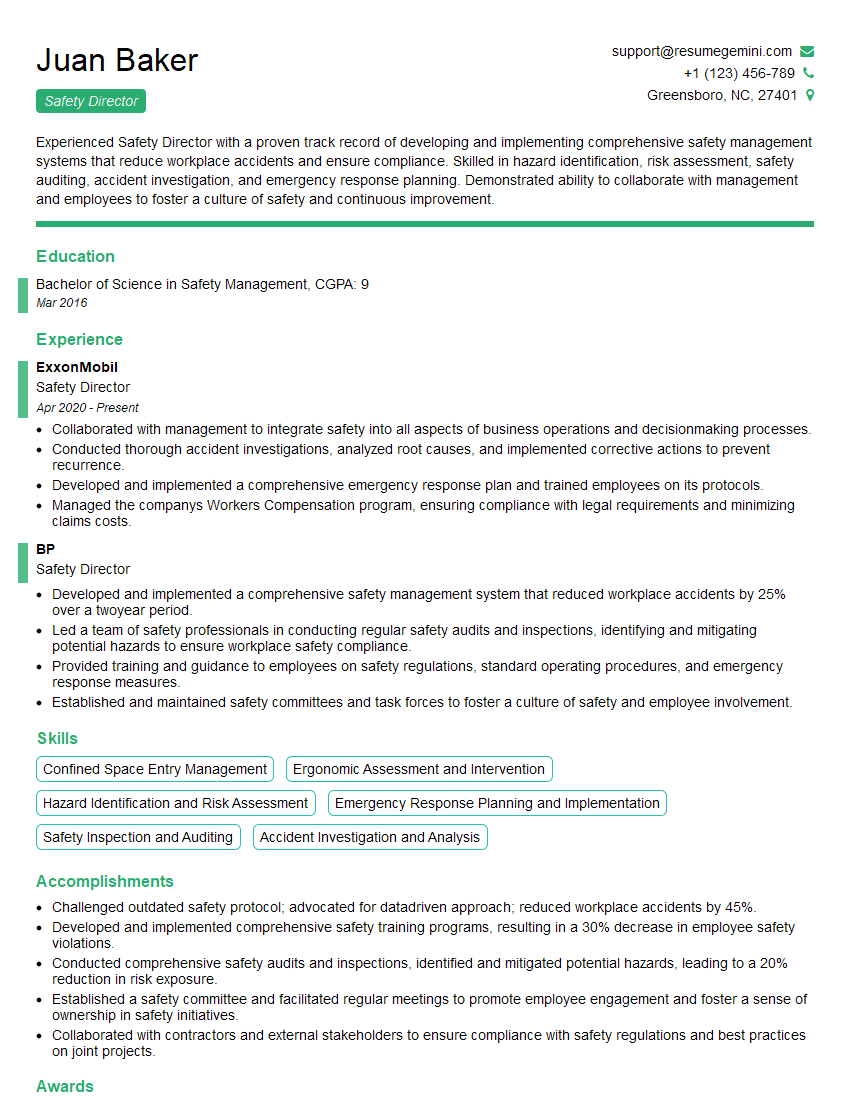
Safety Director Resume Sample
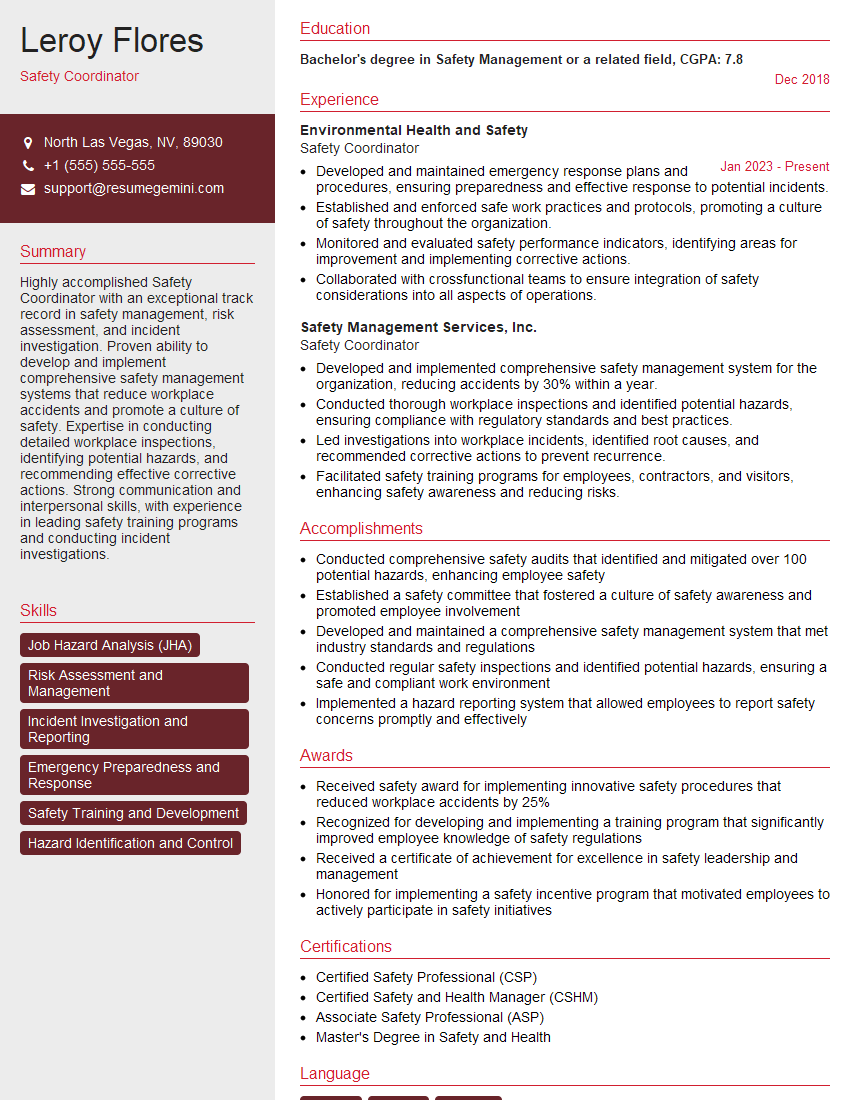
Safety Coordinator Resume Sample

Compliance Officer Resume Sample
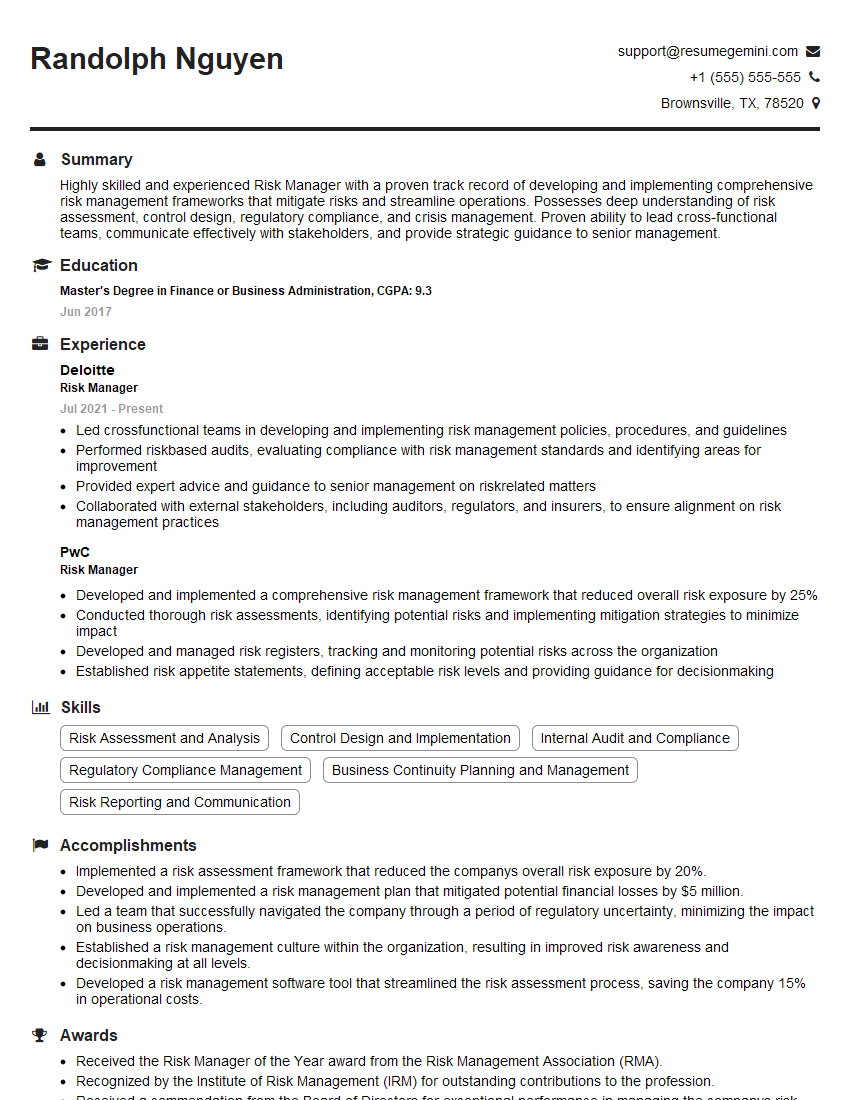
Risk Manager Resume Sample
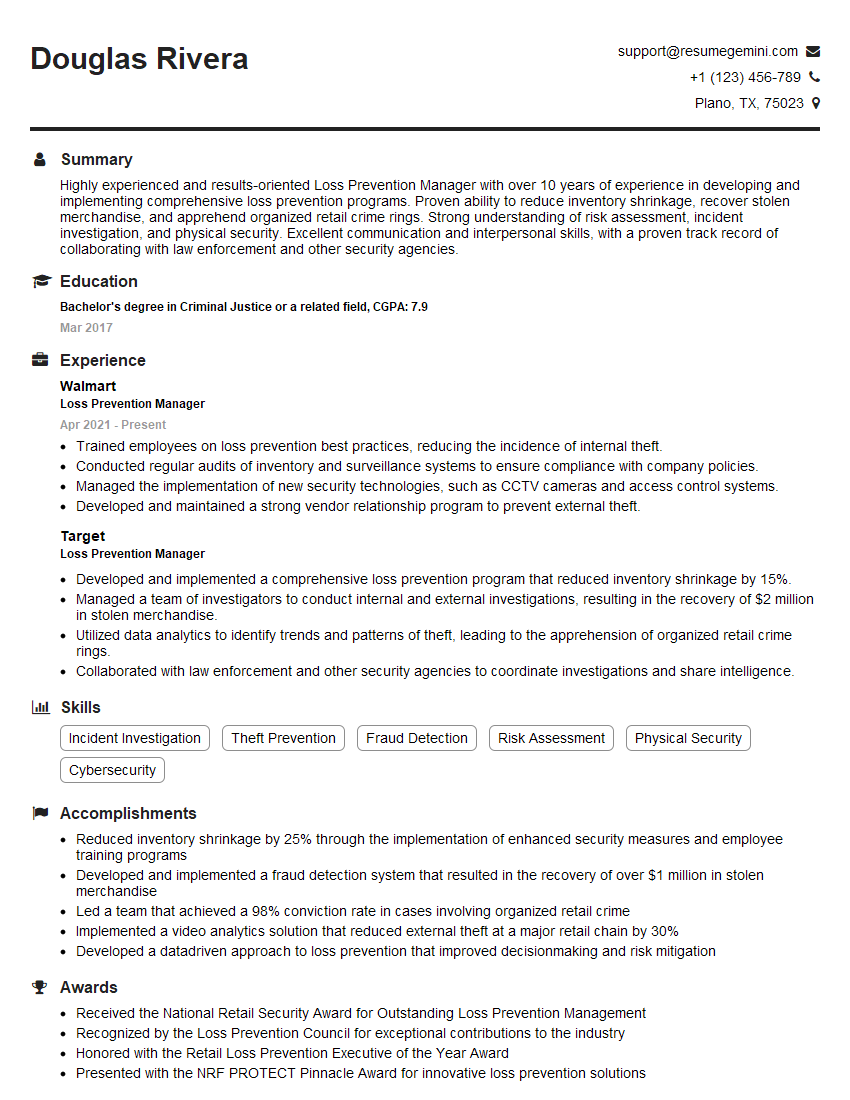
Loss Prevention Manager Resume Sample
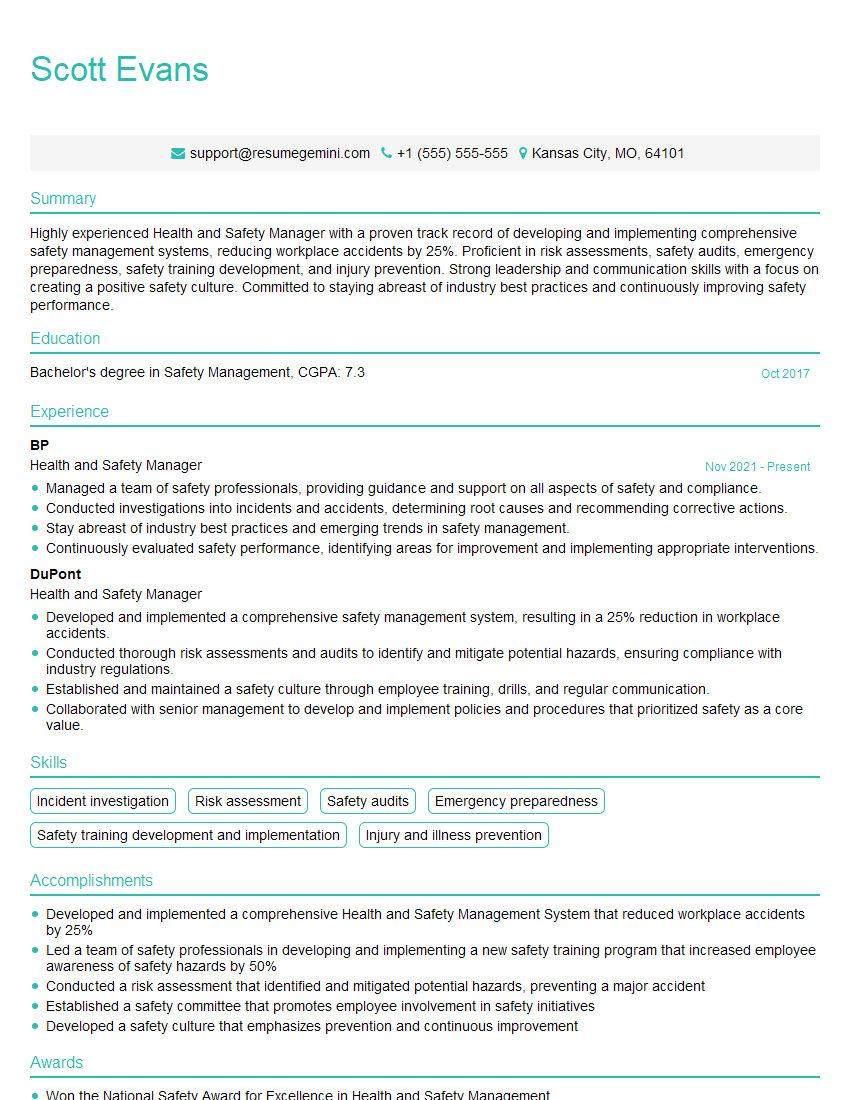
Health and Safety Manager Resume Sample
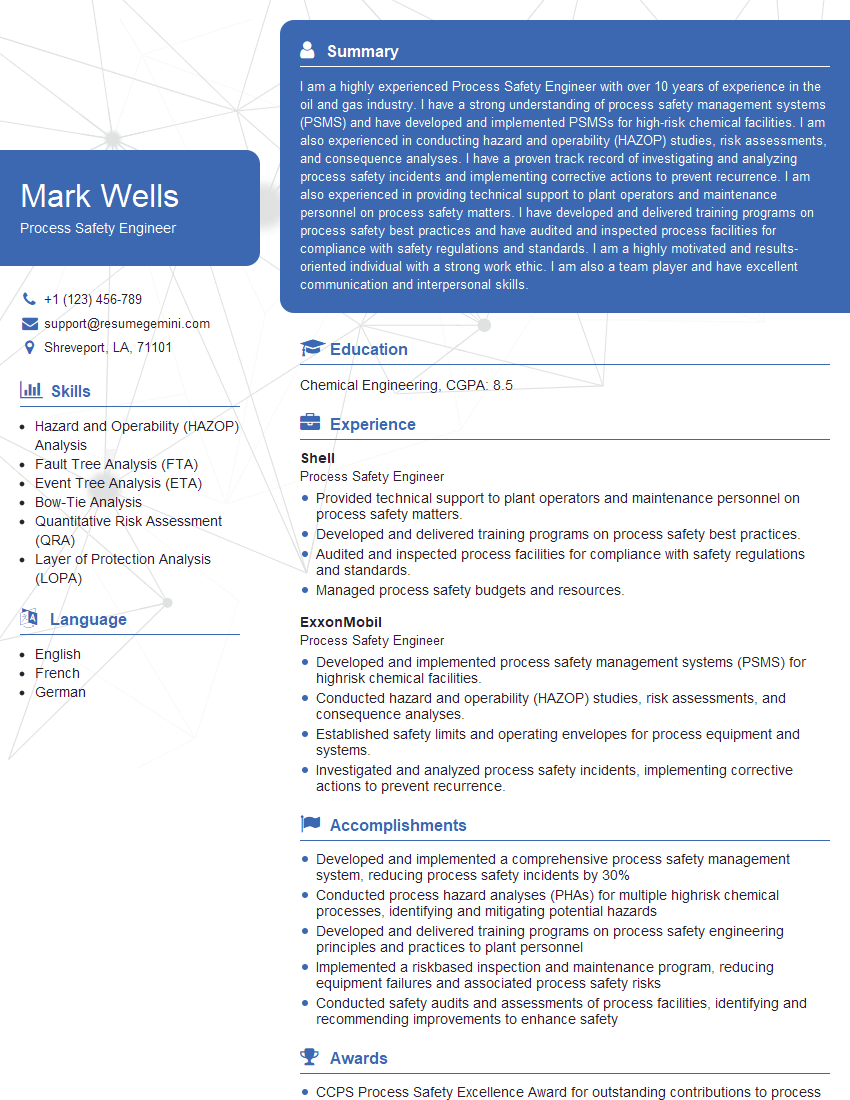
Process Safety Engineer Resume Sample
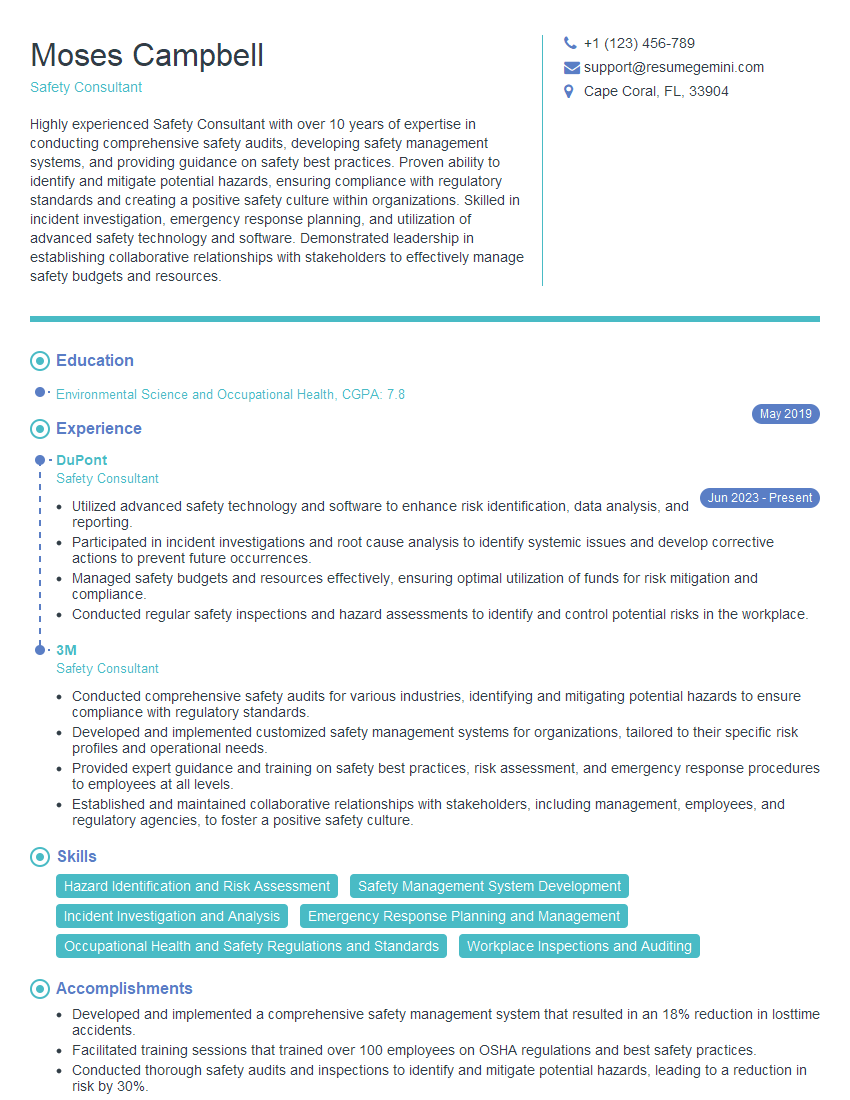
Safety Consultant Resume Sample
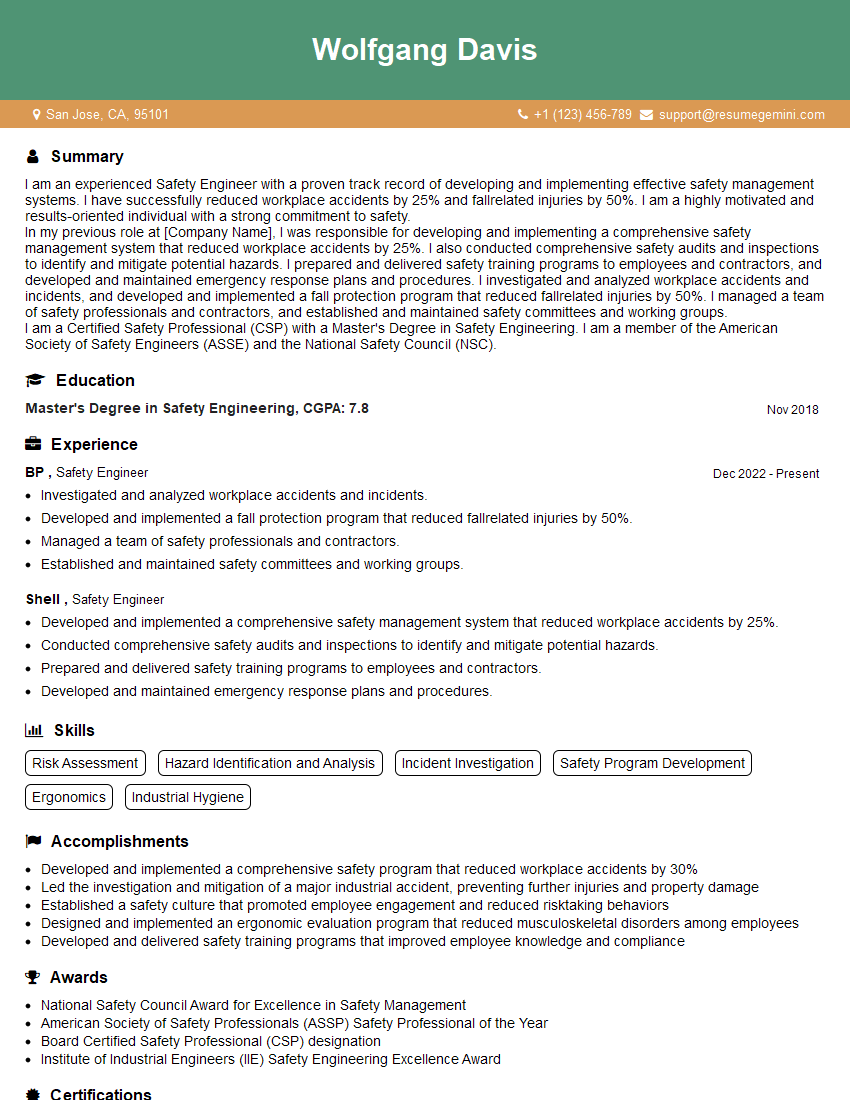
Safety Engineer Resume Sample
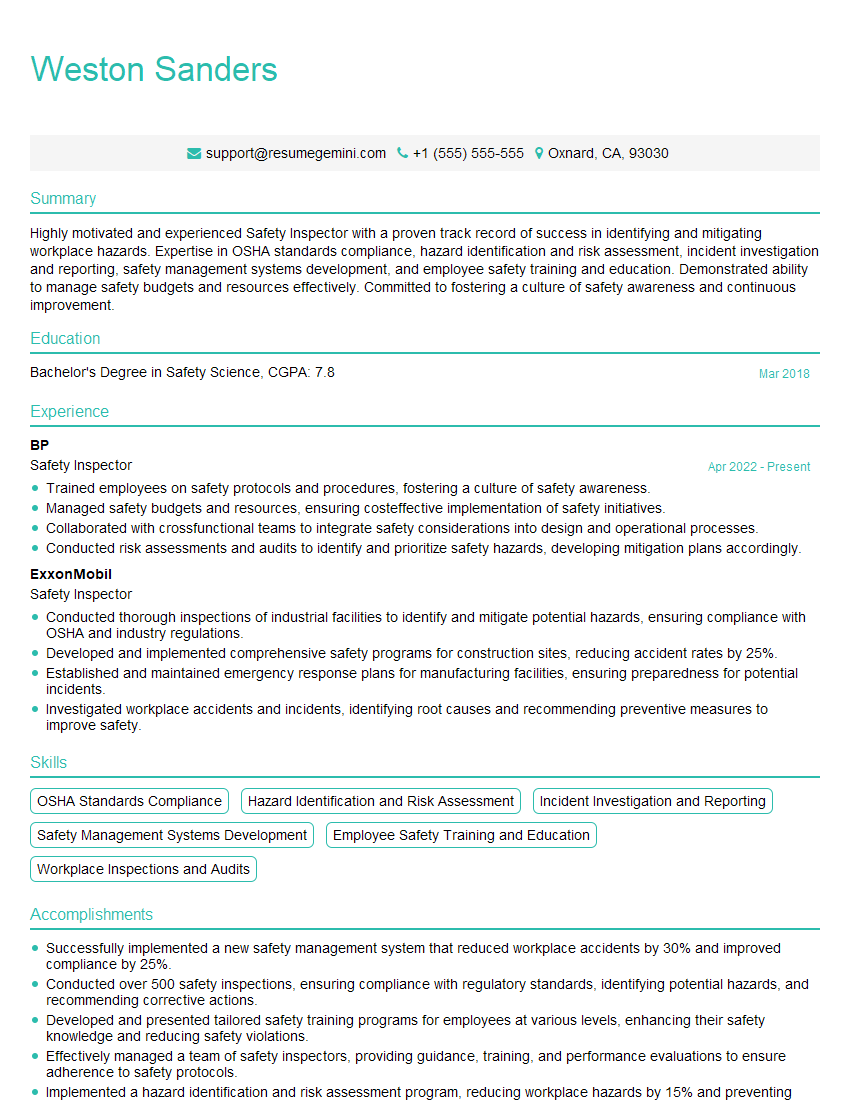
Safety Inspector Resume Sample
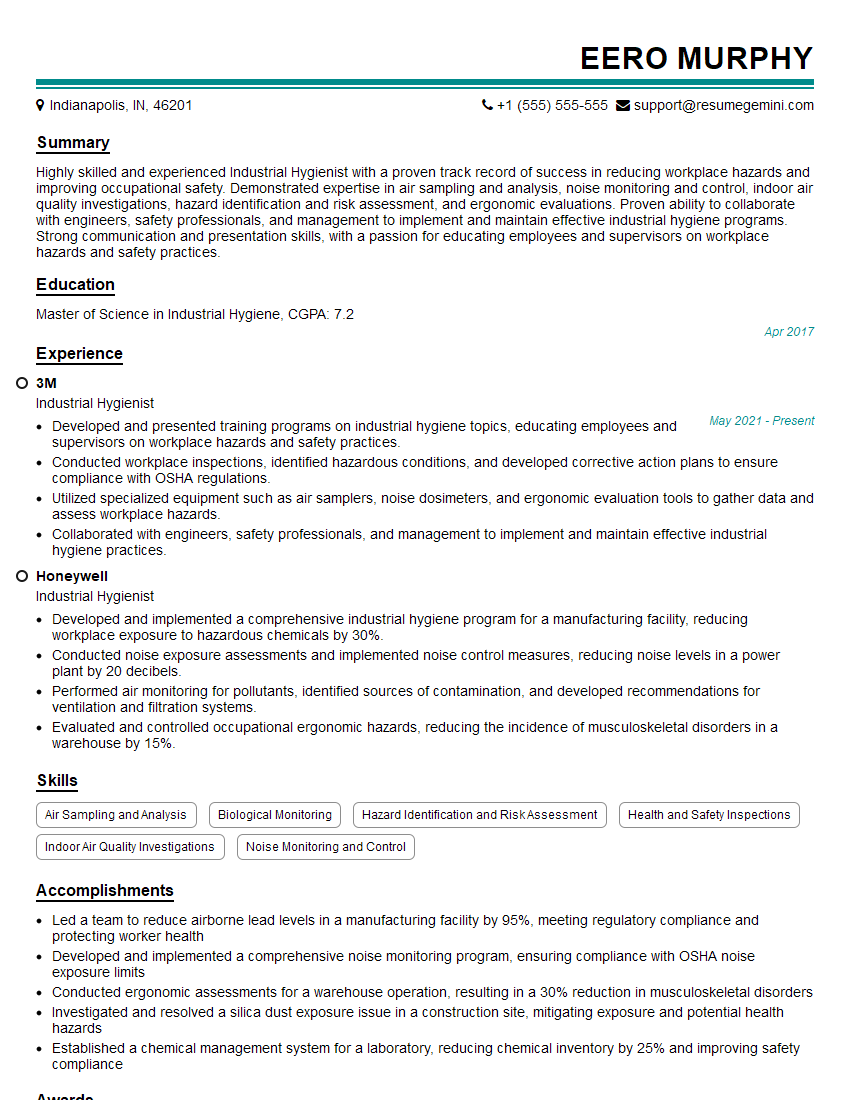
Industrial Hygienist Resume Sample
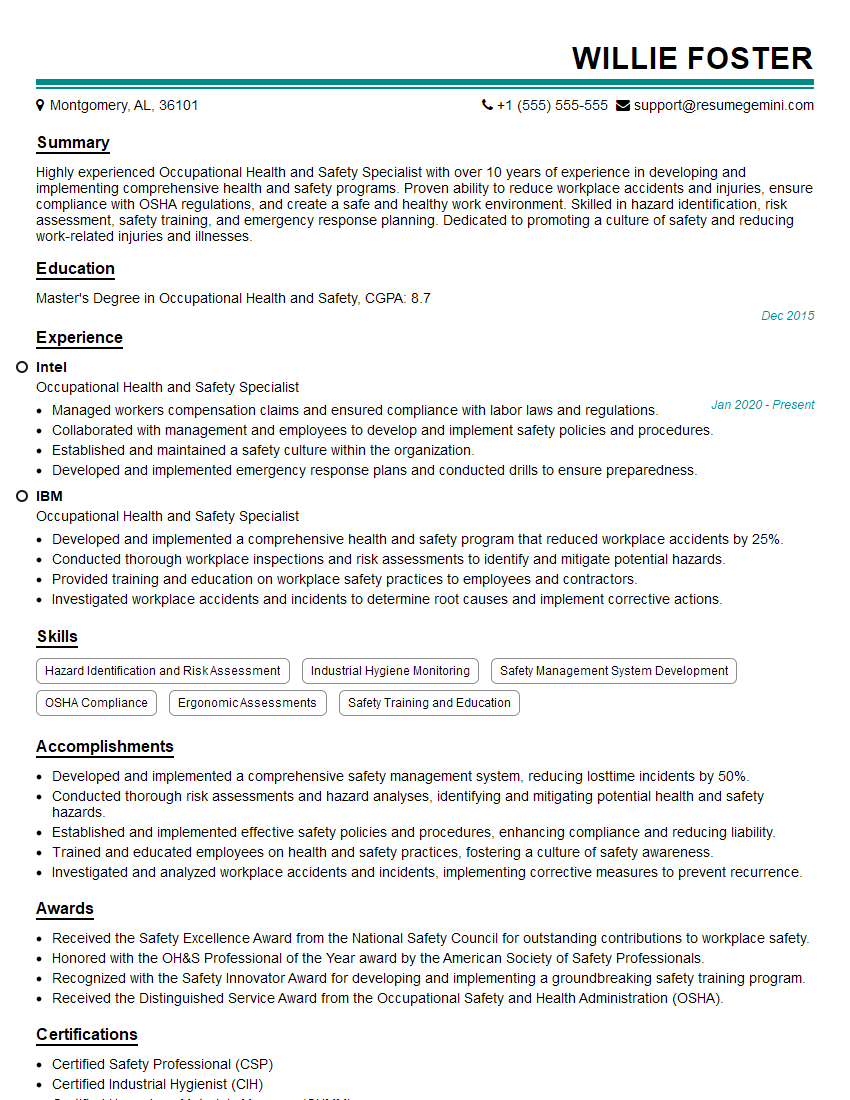
Occupational Health and Safety Specialist Resume Sample
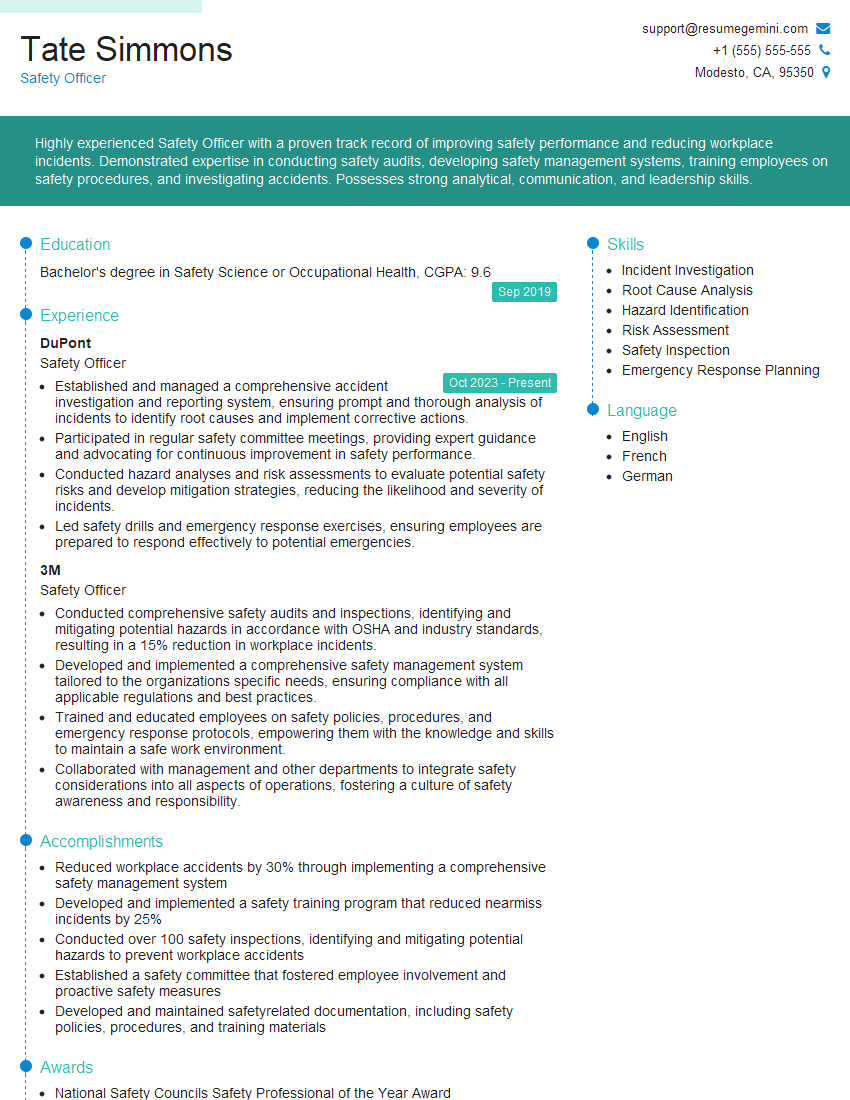
Safety Officer Resume Sample
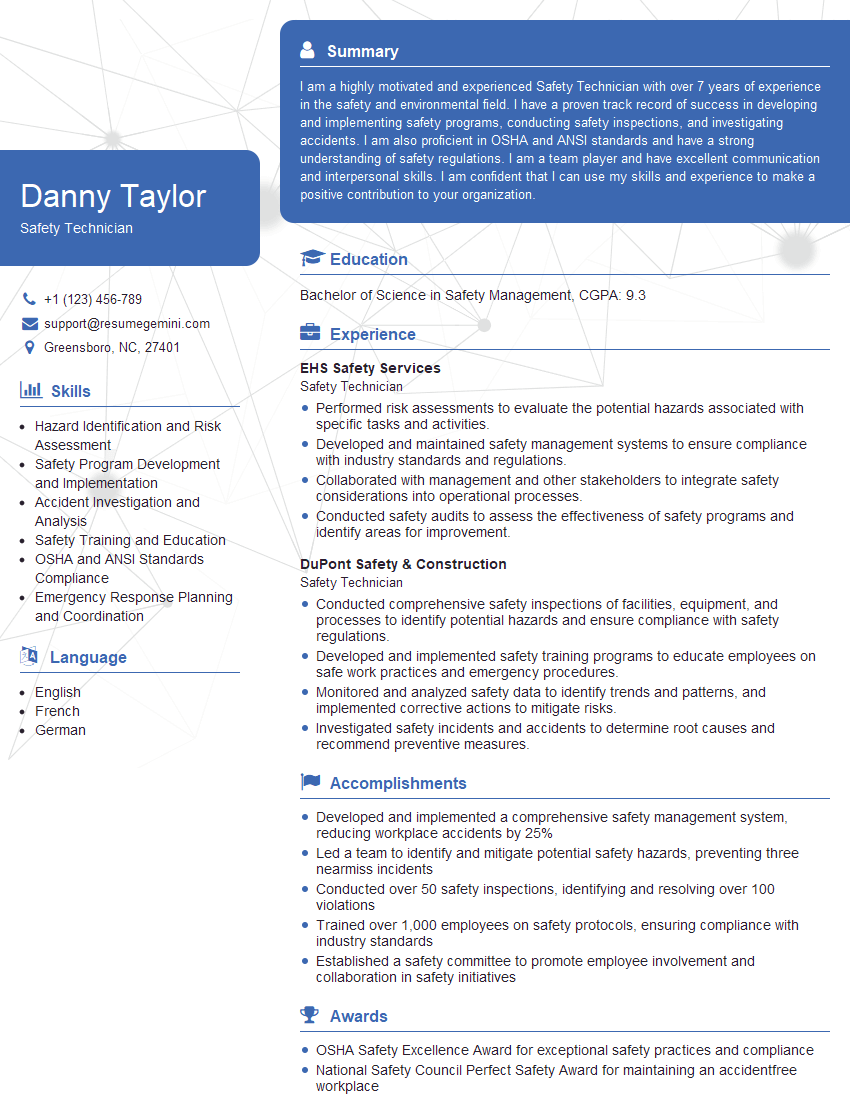
Safety Technician Resume Sample
- Safety Manager
- Safety Director
- Safety Coordinator
- Compliance Officer
- Risk Manager
- Loss Prevention Manager
- Health and Safety Manager
- Process Safety Engineer
- Safety Consultant
- Safety Engineer
- Safety Inspector
- Industrial Hygienist
- Occupational Health and Safety Specialist
- Safety Officer
- Safety Technician
Explore more articles
Users Rating of Our Blogs
Share Your Experience
We value your feedback! Please rate our content and share your thoughts (optional).
What Readers Say About Our Blog
I Redesigned Spongebob Squarepants and his main characters of my artwork.
https://www.deviantart.com/reimaginesponge/art/Redesigned-Spongebob-characters-1223583608
IT gave me an insight and words to use and be able to think of examples
Hi, I’m Jay, we have a few potential clients that are interested in your services, thought you might be a good fit. I’d love to talk about the details, when do you have time to talk?
Best,
Jay
Founder | CEO