Every successful interview starts with knowing what to expect. In this blog, we’ll take you through the top Safety Procedures for Fabrication interview questions, breaking them down with expert tips to help you deliver impactful answers. Step into your next interview fully prepared and ready to succeed.
Questions Asked in Safety Procedures for Fabrication Interview
Q 1. Describe your experience implementing lockout/tagout procedures in a fabrication setting.
Lockout/Tagout (LOTO) procedures are crucial for preventing accidental energy releases during maintenance or repair of equipment. My experience involves developing and implementing comprehensive LOTO programs in various fabrication settings, including those with hydraulic presses, robotic welding cells, and CNC machining centers. This involved training employees on the proper use of lockout devices, creating and maintaining a detailed energy control procedure document, performing regular audits to ensure compliance, and investigating any near misses or incidents to prevent recurrence.
For instance, in one project, we implemented a color-coded LOTO system with specific tags for each energy source (electrical, hydraulic, pneumatic). This visual system made it easier for technicians to identify isolated equipment and improved communication during maintenance. We also established a formal sign-off procedure, requiring multiple personnel verification before any equipment was re-energized. This multi-person check minimized human error.
Q 2. Explain the hierarchy of hazard controls in fabrication.
The hierarchy of hazard controls in fabrication follows a prioritized approach, aiming to eliminate hazards entirely before relying on less effective controls. It’s often represented as a pyramid.
- Elimination: This is the most effective method. For example, replacing a hazardous chemical with a safer alternative or redesigning equipment to remove pinch points.
- Substitution: Substituting a hazardous process or material with a less hazardous one. For example, using water-based cutting fluids instead of oil-based ones.
- Engineering Controls: Implementing physical changes to the workplace to minimize exposure. Examples include installing machine guards, using enclosed welding booths, and providing adequate ventilation.
- Administrative Controls: Implementing procedures and training to minimize exposure. Examples include work permits, safety meetings, and job safety analysis (JSA).
- Personal Protective Equipment (PPE): The last line of defense. PPE includes safety glasses, gloves, welding hoods, and respirators. This should only be used when other controls are not feasible or sufficient.
This hierarchy ensures that the most effective controls are implemented first, reducing reliance on PPE alone, which is the least effective method and often the last resort.
Q 3. What are the common hazards associated with welding and how are they mitigated?
Welding presents several hazards, including:
- Arc flash and eye injury: Intense ultraviolet (UV) and infrared (IR) radiation from the welding arc can cause severe burns to the eyes and skin. Mitigation involves wearing appropriate welding helmets with the correct shade number and using proper eye protection for observers.
- Fume inhalation: Welding fumes contain various toxic substances depending on the base metal and filler materials. Mitigation includes using local exhaust ventilation (LEV) systems and respirators with appropriate filters.
- Burns: Contact with hot metal, sparks, or the welding arc can cause burns. Mitigation involves wearing appropriate personal protective equipment (PPE) such as flame-resistant clothing and gloves.
- Fire hazards: Flammable materials in the vicinity of the welding operation can easily ignite. Mitigation involves clearing flammable materials from the welding area, using fire blankets and extinguishers, and ensuring proper fire safety protocols are followed.
- Electric shock: Improperly grounded equipment can lead to electric shock. Mitigation involves ensuring proper grounding and using insulated tools.
A comprehensive safety program addresses each of these hazards and is crucial for preventing welding-related injuries.
Q 4. How do you conduct a risk assessment for a new fabrication project?
Conducting a risk assessment for a new fabrication project involves a systematic process to identify and evaluate potential hazards. This typically involves:
- Identifying hazards: This step involves a thorough review of the project plans, specifications, and materials to pinpoint potential hazards. This often includes brainstorming sessions with the project team and experienced welders.
- Identifying potential consequences: For each identified hazard, we determine the severity of potential injuries or damage. This is often categorized as minor, moderate, or severe.
- Estimating likelihood of occurrence: This considers the probability of the hazard causing an incident. This could range from unlikely to almost certain.
- Evaluating risk: Risk is typically calculated by combining severity and likelihood. This allows prioritization of hazards that require more attention.
- Implementing control measures: Based on the risk assessment, we implement appropriate control measures from the hierarchy of controls, from elimination to PPE. We document these controls in a safety plan.
- Monitoring and review: Regularly monitor the effectiveness of implemented controls and review the risk assessment as the project progresses. Adapt the safety plan if needed.
A well-documented risk assessment is essential for a safe and successful project.
Q 5. What are the OSHA regulations relevant to fabrication safety?
OSHA (Occupational Safety and Health Administration) regulations relevant to fabrication safety encompass many standards, but some key ones include:
- 29 CFR 1910.269: Covers electrical safety-related work practices for workers in the electrical industry, including those working near energized electrical sources during fabrication.
- 29 CFR 1910.147: Addresses the control of hazardous energy (lockout/tagout).
- 29 CFR 1910.134: Addresses respiratory protection. This is very important in fabrication due to welding fumes and other airborne hazards.
- 29 CFR 1910.212: Covers the general requirements for machinery and machine guarding, to prevent injuries through contact or entanglement with machinery.
- 29 CFR 1910.252: Specifies requirements for welding, cutting and brazing. This is a comprehensive standard addressing many of the previously mentioned hazards.
Staying updated on these standards and ensuring compliance is critical for preventing accidents and ensuring worker safety.
Q 6. Describe your experience with personal protective equipment (PPE) selection and enforcement.
My experience with PPE selection and enforcement includes developing and implementing PPE programs tailored to specific fabrication tasks. This involves risk assessments to determine the necessary PPE for each job, procuring high-quality PPE, training employees on proper selection, use, and maintenance, and regularly inspecting workplaces to ensure PPE compliance. For example, when working with chemicals, the appropriate gloves based on the chemical’s properties are selected, and workers undergo training on proper glove usage and disposal. We also utilize regular safety inspections and audits to ensure consistent use of appropriate PPE across all operations. Disciplinary actions, up to termination, are utilized for consistent non-compliance.
Q 7. How do you ensure proper ventilation in a welding area?
Proper ventilation in a welding area is critical for removing harmful fumes and gases produced during the welding process. Methods to ensure this include:
- Local Exhaust Ventilation (LEV): This is the most effective method, using a system of hoods and ducts to capture fumes at their source and exhaust them outside the building. This is especially crucial for high-fume-producing welding processes.
- General Ventilation: This involves providing adequate airflow within the workspace using fans or other systems to dilute concentrations of fumes. This is usually a supplementary measure and not sufficient on its own.
- Enclosed Welding Booths: These provide a contained environment for welding, ensuring effective fume extraction and operator protection.
- Regular Maintenance: All ventilation systems require regular maintenance to ensure they operate efficiently and effectively. This includes filter changes and system inspections.
The appropriate ventilation method depends on the type of welding, the amount of fume generated, and the size of the workspace. It is important to regularly monitor air quality using air sampling and appropriate monitoring equipment.
Q 8. What are the safety precautions for using cranes and other lifting equipment in a fabrication shop?
Crane and lifting equipment safety in a fabrication shop is paramount. It requires a multi-layered approach encompassing pre-lift planning, equipment inspection, operator competency, and safe work practices.
- Pre-lift Planning: Before any lift, a thorough risk assessment must be conducted, determining the weight, center of gravity, and lifting path of the load. The appropriate crane capacity must be verified, considering factors like wind speed and potential obstructions. A lift plan should be documented outlining the sequence of operations and responsibilities of all involved personnel.
- Equipment Inspection: Regular inspections are crucial, both daily pre-operational checks and periodic thorough examinations by qualified personnel. These checks cover everything from brakes and load indicators to structural integrity and safety mechanisms like limit switches. Defective equipment must be immediately taken out of service.
- Operator Competency: Only trained and certified operators should operate cranes. This involves both practical training and understanding of safe operating procedures, including hand signals, load charts, and emergency procedures. Regular competency assessments are necessary to maintain high standards.
- Safe Work Practices: The work area around the crane must be kept clear of obstructions. Personnel must maintain safe distances from the load during lifting operations. Designated signal persons should guide the crane operator, using clear and universally understood hand signals. Load slings must be appropriate for the load and inspected before each lift.
For example, in one project, a pre-lift assessment revealed a potential obstruction near the intended lifting path. We adjusted the plan, using a smaller crane and a different lifting sequence, thus avoiding a potentially hazardous situation.
Q 9. Explain the importance of emergency response planning in a fabrication facility.
Emergency response planning is critical in a fabrication facility because of the inherent risks associated with working with heavy machinery, hazardous materials, and potentially flammable substances. A robust plan minimizes the impact of incidents and protects personnel and property.
- Hazard Identification and Risk Assessment: This is the foundation, identifying potential emergencies like fires, chemical spills, equipment failures, and injuries. A thorough assessment quantifies the likelihood and severity of each hazard.
- Emergency Procedures: Detailed, step-by-step procedures should be developed for each identified hazard. These should include evacuation plans, shutdown procedures for equipment, and methods for containing spills or fires.
- Training and Drills: Regular training is essential to ensure that everyone knows their roles and responsibilities in an emergency. This includes fire drills, evacuation drills, and training on the use of emergency equipment.
- Communication Systems: Effective communication is vital during an emergency. This may include alarms, public address systems, emergency contact lists, and designated communication channels.
- Emergency Equipment and Supplies: The facility must be equipped with appropriate fire extinguishers, spill kits, first-aid supplies, and other necessary emergency equipment, regularly inspected and maintained.
For instance, our emergency response plan includes a color-coded map indicating assembly points and evacuation routes, making it easy for employees to respond quickly and effectively during an emergency.
Q 10. How do you manage hazardous waste generated during fabrication?
Hazardous waste management during fabrication involves proper segregation, containment, handling, and disposal according to relevant regulations. This is vital to protect the environment and worker health.
- Segregation: Different types of hazardous waste – such as solvents, oils, cutting fluids, and metal scraps – must be separated to prevent contamination and facilitate proper disposal. Clearly labeled containers are essential.
- Containment: Waste must be stored in appropriate containers that prevent leaks and spills. These containers should be kept in designated areas that are appropriately secured and protected from the elements.
- Handling: Workers handling hazardous waste must be trained on safe handling procedures, including personal protective equipment (PPE) requirements, such as gloves, eye protection, and respirators.
- Disposal: Disposal is handled through licensed waste disposal companies specializing in hazardous materials. All waste must be properly documented and tracked, meeting all legal requirements.
For example, we utilize a color-coded waste disposal system, with different colors corresponding to different waste types. This simplifies segregation and reduces the risk of accidental mixing.
Q 11. What are the fire safety precautions in a fabrication environment?
Fire safety in a fabrication environment is crucial due to the presence of flammable materials, welding operations, and potential ignition sources. A comprehensive fire safety plan is vital.
- Fire Prevention: This involves minimizing flammable materials, proper storage of chemicals, regular maintenance of electrical equipment, and ensuring adequate ventilation to prevent the buildup of flammable gases. Designated smoking areas should be clearly defined and strictly enforced.
- Fire Detection and Suppression: A network of smoke detectors and heat detectors is crucial, along with fire suppression systems such as sprinklers and fire extinguishers appropriately located and regularly inspected. Employees must be trained in the use of fire extinguishers.
- Emergency Exits and Escape Routes: Clearly marked and unobstructed escape routes are essential, along with adequate emergency lighting. Regular inspections ensure pathways remain clear.
- Fire Drills: Regular fire drills help familiarize employees with evacuation procedures, building familiarity and effectiveness.
In my experience, a well-maintained fire suppression system coupled with regular fire drills significantly reduces the risk of a catastrophic fire event.
Q 12. Describe your experience with incident investigation and reporting.
Incident investigation and reporting is a critical process for identifying root causes, preventing recurrence, and improving safety performance. My approach follows a structured methodology.
- Immediate Actions: First, secure the scene, providing first aid if necessary, and notifying relevant authorities.
- Data Collection: Gather information through interviews with witnesses, reviewing documentation (e.g., permits, inspection reports), and examining physical evidence.
- Root Cause Analysis: Use techniques like the ‘5 Whys’ to delve into the underlying causes of the incident. Identifying contributing factors is vital.
- Corrective Actions: Develop and implement corrective actions to prevent similar incidents. This may involve changes in procedures, equipment modifications, or additional training.
- Reporting: Document findings and recommendations in a detailed report, ensuring all levels of management are informed. This allows for effective tracking of corrective actions.
For example, after a minor welding-related incident, our investigation identified a lack of proper fire watch procedures. We revised our procedures, implemented additional training, and introduced a more rigorous inspection process for welding equipment.
Q 13. How do you ensure compliance with safety regulations?
Ensuring compliance with safety regulations requires a proactive and multi-faceted approach.
- Regular Audits: Conduct internal safety audits to identify any non-compliance issues. This involves checking documentation, equipment, and processes against relevant standards and legislation.
- Staying Updated: Keep abreast of changes in safety regulations and standards. Attend industry conferences, subscribe to relevant publications, and leverage online resources to stay current.
- Documentation: Maintain thorough records of all safety-related activities, including training records, inspection reports, and incident investigations. This documentation provides evidence of compliance during inspections.
- Management Commitment: Safety must be a top priority for management, with clear policies, procedures, and resource allocation to support safety initiatives.
- External Audits: Undergo regular external audits by relevant authorities. These audits provide an independent assessment of the facility’s safety performance and identify areas for improvement.
In my previous role, we implemented a computerized safety management system to track safety performance indicators, manage documentation, and streamline compliance activities, simplifying adherence to safety regulations.
Q 14. How do you train employees on fabrication safety procedures?
Employee training is a cornerstone of a robust safety program. It must be comprehensive, engaging, and tailored to the specific tasks and hazards within the fabrication environment.
- Orientation and Initial Training: New employees receive comprehensive orientation on the facility’s safety rules, emergency procedures, and hazard awareness.
- Job-Specific Training: Tailored training is provided for each job role, covering specific hazards, safe operating procedures for equipment, and the use of PPE.
- Refresher Training: Regular refresher training keeps employees updated on best practices, reinforces safety procedures, and ensures continued competency.
- Hands-on Training: Practical, hands-on training is crucial, allowing employees to practice safe work methods in a controlled environment.
- Feedback and Evaluation: Regular feedback and performance evaluation are critical to identify areas of weakness and provide further training opportunities.
We use a combination of classroom training, online modules, and on-the-job training to maximize employee engagement and retention of safety knowledge. We also utilize interactive simulations to provide realistic experience handling emergency situations.
Q 15. What is your experience with confined space entry procedures?
Confined space entry procedures are critical for protecting workers from hazards like oxygen deficiency, toxic gases, and engulfment. My experience encompasses all aspects, from pre-entry planning to post-entry monitoring. This includes conducting thorough atmospheric testing before entry using gas detectors, implementing proper ventilation systems, utilizing harnesses and lifelines for rescue and retrieval, and ensuring a dedicated attendant is present to monitor and communicate throughout the entire process. For example, during a recent project involving tank cleaning, I was responsible for coordinating the entire confined space entry, ensuring all safety measures were followed, including securing permits, conducting pre-entry briefings, and implementing the appropriate rescue plan in case of emergency. Failure to adhere to these procedures could easily lead to serious injury or fatality.
- Pre-entry planning: Identifying potential hazards, developing a rescue plan, obtaining necessary permits.
- Atmospheric testing: Using gas detectors to measure oxygen levels, flammable gases, and toxic substances.
- Ventilation: Implementing adequate ventilation systems to remove hazardous atmospheres.
- Personal protective equipment (PPE): Ensuring workers have appropriate PPE, including respirators, harnesses, and lifelines.
- Rescue plan: Having a detailed and tested rescue plan in place.
Career Expert Tips:
- Ace those interviews! Prepare effectively by reviewing the Top 50 Most Common Interview Questions on ResumeGemini.
- Navigate your job search with confidence! Explore a wide range of Career Tips on ResumeGemini. Learn about common challenges and recommendations to overcome them.
- Craft the perfect resume! Master the Art of Resume Writing with ResumeGemini’s guide. Showcase your unique qualifications and achievements effectively.
- Don’t miss out on holiday savings! Build your dream resume with ResumeGemini’s ATS optimized templates.
Q 16. Explain your knowledge of machine guarding and its importance.
Machine guarding is crucial for preventing injuries from moving parts of machinery. My knowledge covers various guarding methods, including fixed guards, interlocks, presence-sensing devices, and light curtains. Each method is selected based on the specific hazard and machine type. For instance, a fixed guard might suffice for a simple drill press, while a light curtain might be more appropriate for a robotic arm. The importance cannot be overstated – unguarded machinery is a primary source of severe injuries in fabrication shops. I’ve personally witnessed the effectiveness of well-implemented guarding systems, such as a near-miss involving a press brake where the interlock system prevented a finger from being crushed. This highlights that robust machine guarding is more than a regulation; it’s a life-saving measure.
- Fixed guards: Permanently attached barriers that prevent access to hazardous moving parts.
- Interlocks: Safety switches that prevent machine operation unless the guard is in place.
- Presence-sensing devices: Sensors that detect the presence of a person in a hazardous area and stop the machine.
- Light curtains: Non-contact sensors that create a safety zone; intrusion stops machine operation.
Q 17. How do you handle near-miss incidents in a fabrication shop?
Near-miss incidents, while not resulting in injury, offer invaluable lessons. My approach involves a thorough investigation, documentation, and corrective action plan. This starts with immediately interviewing witnesses, documenting the circumstances, and taking photos of the scene. We use a standardized near-miss reporting system to ensure consistency and to track trends. After the investigation, we identify the root cause and implement corrective actions to prevent recurrence. For example, a near-miss involving a dropped material almost hitting an employee led to improvements in material handling procedures and an enhanced focus on using appropriate lifting equipment. This iterative process of learning from near-misses is crucial for proactively improving safety.
- Immediate investigation: Interview witnesses, document the event, take photos.
- Root cause analysis: Identify the underlying cause of the near-miss.
- Corrective action: Implement changes to prevent similar incidents from happening again.
- Training: Update employee training to address the identified hazard.
Q 18. What is your understanding of fall protection in fabrication environments?
Fall protection is critical in fabrication, particularly with elevated work platforms, mezzanines, and elevated walkways. My experience involves the selection and implementation of appropriate fall protection systems, including guardrails, safety nets, and personal fall arrest systems (PFAS). PFAS typically include harnesses, lanyards, and anchor points. We emphasize training on proper harness fitting, lanyard attachment, and anchor point selection. It’s important to remember that each system needs regular inspections to ensure functionality. A recent project involving a multi-level structure required a comprehensive fall protection plan which involved regular inspections of all fall protection equipment, thorough training of employees, and strict adherence to safety procedures. This significantly reduced the risk of falls from heights and ensured a safe working environment.
- Guardrails: Physical barriers around elevated work areas.
- Safety nets: Nets placed below elevated work areas to catch falling objects or people.
- Personal fall arrest systems (PFAS): Harnesses, lanyards, and anchor points to prevent falls.
- Regular inspections: Ensuring all fall protection equipment is functioning correctly.
Q 19. Describe your experience with the use of safety data sheets (SDS).
Safety Data Sheets (SDS), formerly known as Material Safety Data Sheets (MSDS), provide crucial information on hazardous materials. My experience includes utilizing SDSs to identify hazards, understand safe handling procedures, and implement appropriate controls. I regularly train employees on accessing and interpreting SDS information, including understanding hazard pictograms, health effects, first aid measures, and emergency procedures. For example, when working with certain solvents, we consult the SDS to determine the appropriate respiratory protection and ventilation requirements. Consistent SDS usage ensures we handle all materials safely and responsibly, minimizing risk to employees and the environment.
- Hazard identification: Identifying potential hazards associated with the chemical.
- Safe handling procedures: Understanding the proper procedures for handling the chemical.
- Personal protective equipment (PPE): Determining the necessary PPE for handling the chemical.
- Emergency procedures: Knowing what to do in case of an accident or spill.
Q 20. How do you ensure the safe handling and storage of chemicals used in fabrication?
Safe handling and storage of chemicals is paramount in fabrication. My approach involves adhering to the recommendations provided on the SDS, including using appropriate containers, labeling, ventilation, and storage areas. Chemicals are stored separately, away from incompatible substances, and in designated areas that minimize risks. We utilize secondary containment measures (e.g., spill pallets) to prevent leaks and spills. Regular inspections ensure proper labeling and storage conditions. For example, flammable liquids are stored in approved flammable storage cabinets, separated from oxidizers, and in a well-ventilated area. This systematic approach minimizes the risk of accidents and ensures compliance with all relevant regulations.
- SDS compliance: Storing and handling chemicals according to SDS guidelines.
- Secondary containment: Using spill pallets or other containment measures to prevent leaks.
- Proper labeling: Clearly labeling containers with the chemical name and hazards.
- Incompatible materials separation: Storing incompatible chemicals separately to prevent reactions.
- Regular inspections: Conducting regular inspections to ensure proper storage conditions.
Q 21. What are the common types of injuries that occur in fabrication and how can they be prevented?
Common injuries in fabrication include cuts, burns, eye injuries, and crush injuries. Prevention focuses on multiple layers of protection. Cuts are prevented by using appropriate cutting tools, proper handling of sharp objects, and the provision of cut-resistant gloves. Burns are minimized through safe handling of hot materials, appropriate personal protective equipment (like welding shields and flame-resistant clothing), and maintaining safe distances from heat sources. Eye injuries are avoided by consistently using appropriate eye protection, such as safety glasses or face shields. Crush injuries are mitigated through robust machine guarding and safe work practices, such as using proper lifting techniques and avoiding working in areas with moving equipment.
- Cuts: Using appropriate cutting tools, cut-resistant gloves, and proper handling of sharp objects.
- Burns: Safe handling of hot materials, appropriate PPE, and maintaining safe distances from heat sources.
- Eye injuries: Consistently using appropriate eye protection.
- Crush injuries: Robust machine guarding, safe work practices, and proper lifting techniques.
Q 22. What is your experience with developing and implementing safety programs?
Throughout my 15-year career in fabrication, I’ve been heavily involved in developing and implementing comprehensive safety programs. This includes everything from initial risk assessments and hazard identification to the creation of detailed safety manuals and the delivery of regular training sessions. My approach is always proactive, focusing on preventing accidents rather than reacting to them. For example, in my previous role at Acme Fabrication, I spearheaded the implementation of a new lockout/tagout (LOTO) procedure, significantly reducing near-miss incidents involving machinery. This involved not only creating the procedure itself but also providing hands-on training to all staff and establishing a system for regular audits and inspections to ensure compliance.
I also have experience in designing and implementing safety programs tailored to specific projects and working environments. A recent project involved creating a safety program for a high-rise steel structure construction, requiring detailed consideration of fall protection, crane operation, and working at heights. Key to the success of any program is involving workers in the design and implementation process, ensuring buy-in and promoting a culture of safety.
Q 23. Describe a situation where you had to enforce safety rules and procedures.
During a particularly demanding project involving the fabrication of large-diameter pipes, I observed a welder neglecting to use his safety shield correctly. This violated our established safety procedures and posed a significant risk of eye injury from sparks and UV radiation. I immediately intervened, explaining the potential consequences and reinforcing the importance of adhering to safety regulations. I then provided him with further training and practical demonstration of the proper technique. This wasn’t simply about disciplinary action; the focus was on understanding the rationale behind the rule and improving his safety knowledge and practice. Following this incident, we conducted a refresher safety training session for all welders, emphasizing the importance of using PPE correctly.
Q 24. How do you measure the effectiveness of your safety programs?
Measuring the effectiveness of safety programs is crucial. My approach involves a multi-faceted strategy. Firstly, I track key performance indicators (KPIs) such as the number of lost-time injuries (LTIs), near-miss incidents, and safety violations. A significant reduction in these metrics demonstrates an effective program. Secondly, I conduct regular safety audits and inspections to identify areas for improvement and ensure compliance with procedures. Employee feedback through surveys and safety meetings is also essential. For instance, at one facility, the introduction of a new ergonomic system resulted in a decrease in musculoskeletal disorders, as measured by employee injury reports. Finally, I analyze the effectiveness of specific training programs by comparing pre- and post-training safety performance data. This data-driven approach allows for continuous improvement and ensures that safety programs remain relevant and effective.
Q 25. What are your experience with using different types of welding equipment and their safety considerations?
My experience encompasses a wide range of welding equipment, including MIG (Metal Inert Gas), TIG (Tungsten Inert Gas), and stick welding. Each process presents unique safety considerations. For example, MIG welding generates significant spatter, requiring appropriate eye and face protection such as welding helmets with appropriate shade numbers and protective clothing. TIG welding, although producing less spatter, still exposes welders to UV radiation, demanding the consistent use of eye and face protection. Stick welding involves higher amperage and greater risk of arc flash, necessitating specific protective clothing and safety distances. Regardless of the method, proper ventilation is crucial to mitigate the effects of welding fumes. I always emphasize the importance of pre-weld inspections to ensure the integrity of the equipment and the safe setup of the workspace.
Q 26. Explain your understanding of the different types of personal protective equipment (PPE) used in fabrication.
Personal Protective Equipment (PPE) is critical in fabrication. This includes, but isn’t limited to:
- Eye and Face Protection: Safety glasses, face shields, and welding helmets with appropriate shade lenses are essential to protect against sparks, spatter, and UV radiation.
- Respiratory Protection: Respirators, including those with particulate filters or supplied air, are vital when working with hazardous materials or in environments with poor ventilation.
- Hearing Protection: Earplugs or muffs are necessary in noisy environments caused by machinery or welding processes.
- Hand Protection: Gloves appropriate to the task, ranging from cut-resistant gloves to heat-resistant gloves, protect against cuts, abrasions, and burns.
- Foot Protection: Safety shoes or boots with steel toes are crucial to protect against falling objects and crushing hazards.
- Body Protection: Flame-resistant clothing, aprons, and sleeves are essential when working with molten metal or in situations where there’s a risk of burns.
Selecting the correct PPE for the specific task and ensuring its proper maintenance and usage is paramount to worker safety.
Q 27. Describe your experience with conducting safety inspections and audits.
I have extensive experience in conducting safety inspections and audits, employing a systematic approach. This starts with a thorough review of relevant safety documentation, such as safety manuals, permits-to-work, and risk assessments. I then conduct a physical inspection of the workplace, checking for hazards, verifying the proper use of PPE, and evaluating the condition of equipment. The process includes reviewing maintenance records and verifying compliance with applicable regulations. During an audit, I also interview workers to assess their understanding of safety procedures and identify any concerns or areas for improvement. I document all findings meticulously, providing a comprehensive report with recommendations for corrective actions. The goal isn’t just to identify deficiencies but also to promote a culture of continuous improvement in safety practices.
Q 28. How do you stay current with the latest fabrication safety regulations and best practices?
Staying current with the latest safety regulations and best practices requires ongoing effort. I actively participate in industry conferences and training sessions, attend OSHA updates, and subscribe to relevant professional journals and publications like those from the American Welding Society (AWS). I regularly review updated safety standards and codes, including those relevant to specific materials (e.g., stainless steel welding) and machinery used in our work. I also leverage online resources and participate in professional networking groups to keep abreast of new developments in fabrication safety. Continuous learning is essential to ensure that our safety programs remain aligned with the most current and effective practices.
Key Topics to Learn for Safety Procedures for Fabrication Interview
- Personal Protective Equipment (PPE): Understanding the selection, use, and limitations of various PPE, including but not limited to safety glasses, gloves, hearing protection, and respiratory protection. Practical application: Describe scenarios where specific PPE is crucial and the consequences of not using it correctly.
- Hazard Identification and Risk Assessment: Methods for identifying potential hazards in a fabrication environment (e.g., electrical hazards, fire hazards, chemical hazards, ergonomic hazards). Practical application: Explain a systematic approach to risk assessment, including identifying hazards, evaluating risks, implementing controls, and monitoring effectiveness.
- Lockout/Tagout (LOTO) Procedures: Understanding and applying LOTO procedures to ensure the safe isolation of energy sources during maintenance and repair activities. Practical application: Describe the steps involved in a LOTO procedure and the importance of proper documentation.
- Emergency Procedures: Knowledge of emergency response plans, including fire prevention and suppression, evacuation procedures, and first aid response. Practical application: Explain how to react to different types of emergencies in a fabrication setting.
- Machine Guarding and Safe Operating Procedures: Understanding the importance of machine guarding and the safe operating procedures for various fabrication equipment (e.g., presses, welders, lathes). Practical application: Describe the different types of machine guards and how they prevent injuries.
- Material Handling and Storage: Safe techniques for lifting, moving, and storing materials to prevent injuries. Practical application: Explain the proper techniques for lifting heavy objects and the importance of proper storage to prevent accidents.
- Welding Safety: Specific hazards associated with welding, including fire, burns, eye injuries, and respiratory hazards. Practical application: Describe the necessary precautions for safe welding practices.
- Regulatory Compliance: Familiarity with relevant safety regulations and standards (e.g., OSHA). Practical application: Discuss the importance of adhering to safety regulations and the consequences of non-compliance.
Next Steps
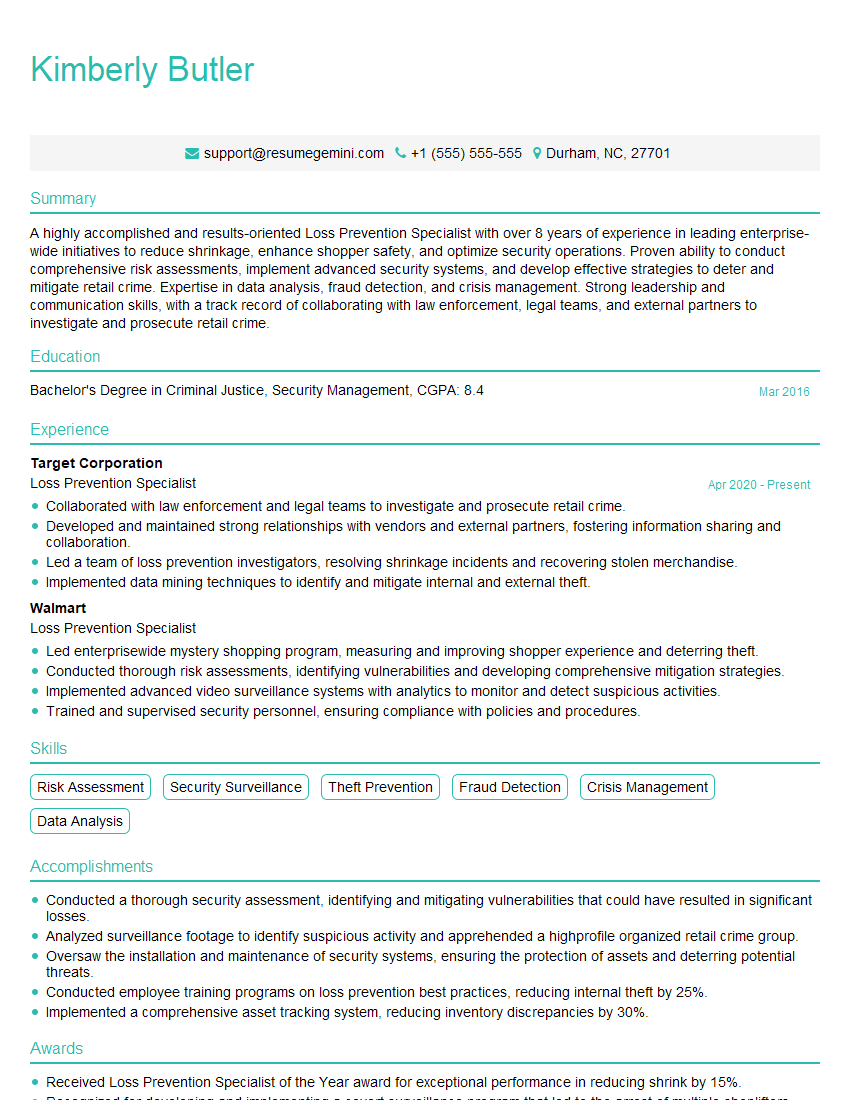
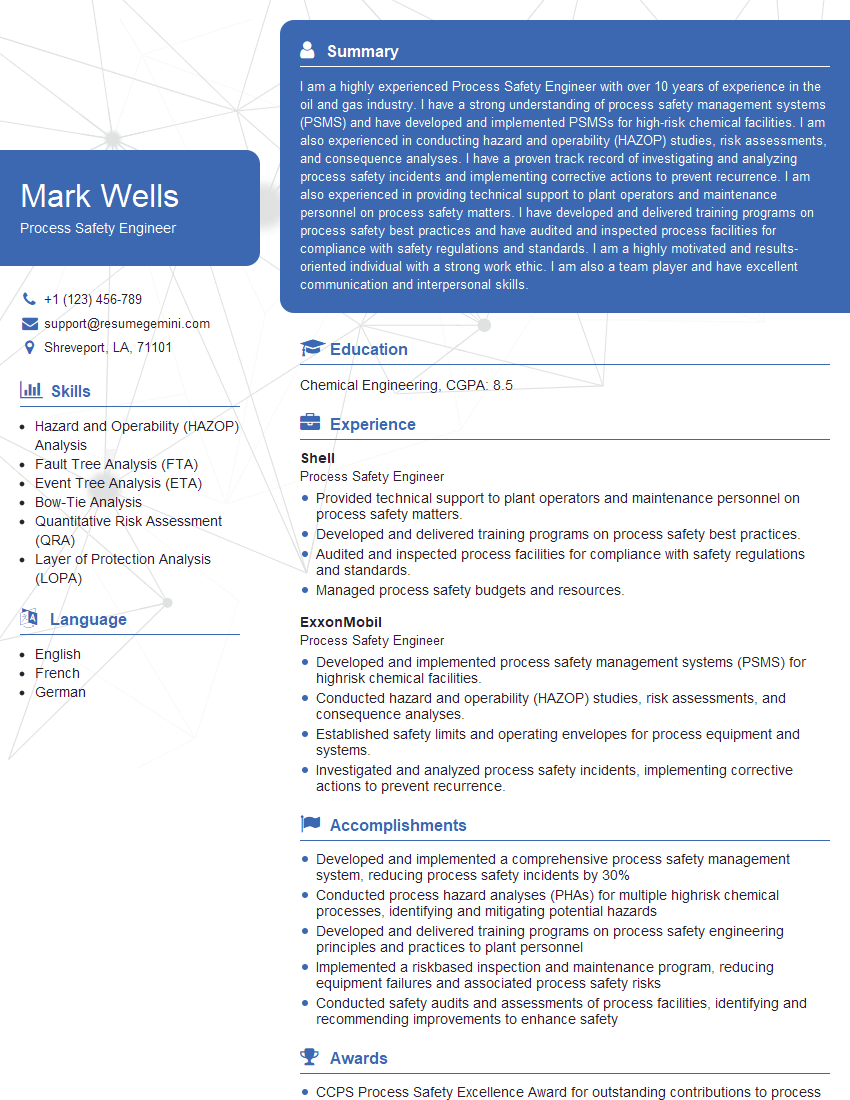
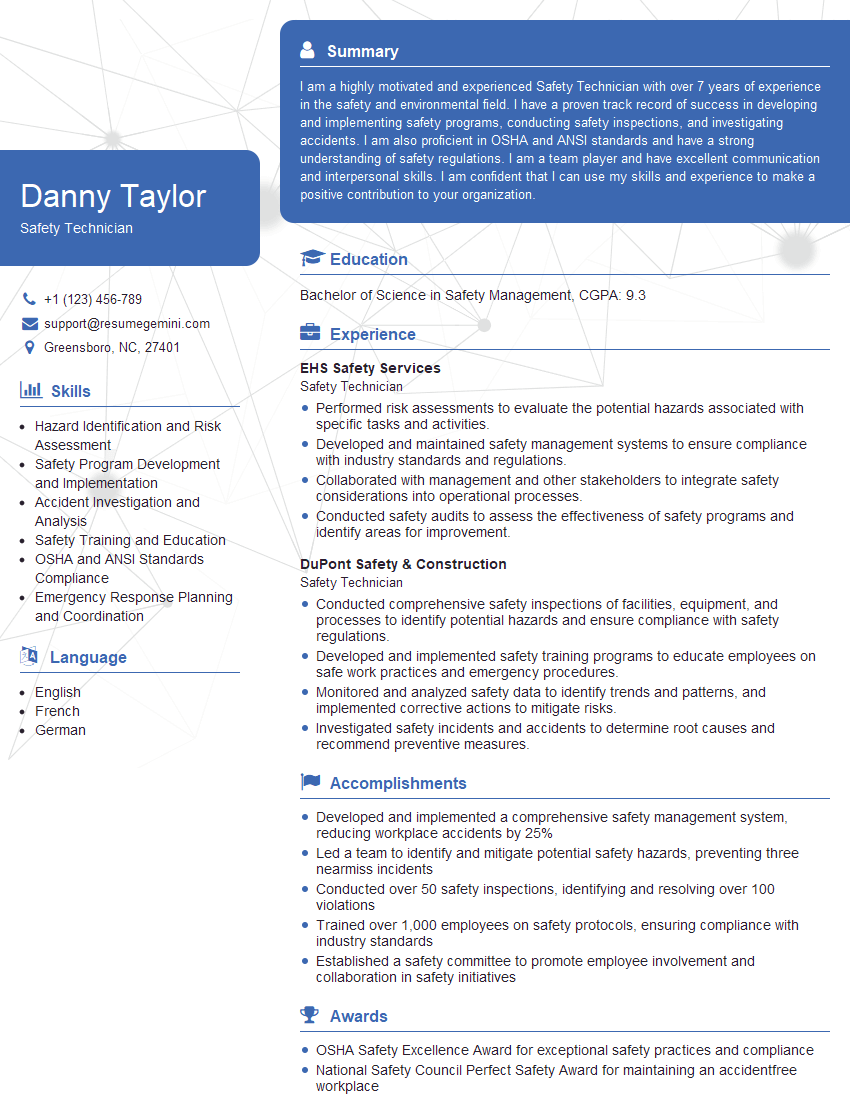
Mastering Safety Procedures for Fabrication is crucial for career advancement in this field. A strong understanding of these procedures demonstrates your commitment to workplace safety and significantly enhances your employability. To further boost your job prospects, creating an ATS-friendly resume is essential. ResumeGemini is a trusted resource that can help you build a professional and effective resume that highlights your skills and experience. Examples of resumes tailored to Safety Procedures for Fabrication are available to guide you.
Explore more articles
Users Rating of Our Blogs
Share Your Experience
We value your feedback! Please rate our content and share your thoughts (optional).
What Readers Say About Our Blog
I Redesigned Spongebob Squarepants and his main characters of my artwork.
https://www.deviantart.com/reimaginesponge/art/Redesigned-Spongebob-characters-1223583608
IT gave me an insight and words to use and be able to think of examples
Hi, I’m Jay, we have a few potential clients that are interested in your services, thought you might be a good fit. I’d love to talk about the details, when do you have time to talk?
Best,
Jay
Founder | CEO