Interviews are more than just a Q&A session—they’re a chance to prove your worth. This blog dives into essential School-Based Interventions interview questions and expert tips to help you align your answers with what hiring managers are looking for. Start preparing to shine!
Questions Asked in School-Based Interventions Interview
Q 1. Describe your experience implementing Response to Intervention (RTI) models.
Response to Intervention (RTI) is a multi-tiered approach to providing academic and behavioral support to students. My experience with RTI involves implementing and overseeing tiered interventions, from universal screening to individualized instruction. I’ve worked in schools where we used RTI to identify students struggling in reading. We started with universal screening, using tools like DIBELS (Dynamic Indicators of Basic Early Literacy Skills) to assess all students. Students who scored below the benchmark received Tier 2 interventions, such as small group tutoring focusing on specific reading skills. Students who continued to struggle despite Tier 2 support moved to Tier 3, which involved intensive, individualized instruction, often with a specialist. I’ve also been involved in data analysis to track student progress across tiers, helping to inform adjustments to interventions and ensure their effectiveness. For example, if a particular Tier 2 intervention wasn’t showing progress for a group of students, we’d analyze the data to understand why and adjust the strategy. This might involve changing the instructional materials, adjusting the frequency of intervention, or modifying the teaching methods.
Q 2. Explain the Multi-Tiered System of Supports (MTSS) framework and your role within it.
A Multi-Tiered System of Supports (MTSS) is a comprehensive framework that integrates RTI with positive behavior interventions and supports (PBIS) to address both academic and behavioral needs of students. My role within an MTSS framework is multifaceted. I help design and implement universal screening measures for both academics and behavior, coordinate the delivery of tiered interventions, analyze data to track student progress, and provide professional development for teachers on effective instructional and behavioral strategies. I also play a key role in building the school’s capacity for data-based decision-making by training staff on how to collect, analyze, and use data to improve student outcomes. For instance, I might facilitate team meetings where we review student data, identify patterns, and develop targeted interventions. I also collaborate with specialists, such as speech-language pathologists and counselors, to ensure a cohesive approach to supporting students with diverse needs. Think of it as a school-wide system coordinating efforts to help every student thrive, not just those with identified disabilities.
Q 3. What are the key components of Positive Behavior Interventions and Supports (PBIS)?
Positive Behavior Interventions and Supports (PBIS) is a framework for creating positive school-wide culture and supporting appropriate student behavior. Its key components include:
- Defining expectations: Clearly outlining expected behaviors in all school settings (classroom, hallways, cafeteria, etc.). These expectations are often taught using simple, memorable language – think posters, role-playing.
- Teaching expectations: Actively teaching students the expected behaviors through explicit instruction, modeling, and practice.
- Providing positive reinforcement: Recognizing and rewarding students for displaying positive behaviors using a system of praise, rewards, or incentives.
- Implementing consistent consequences for inappropriate behaviors: Using a tiered approach to address misbehavior, starting with gentle reminders and escalating to more significant consequences as needed, always in a fair and consistent manner.
- Data-based decision making: Using data on student behavior to monitor the effectiveness of interventions and make data-driven adjustments. For example, tracking the number of office referrals or observing student behavior in different settings using structured observation tools.
The goal is to create a supportive and predictable environment where students feel safe, respected, and empowered to make positive choices.
Q 4. How do you assess student needs to determine appropriate interventions?
Assessing student needs requires a multi-faceted approach. I begin by reviewing academic data such as grades, standardized test scores, and classroom assessments. For behavioral concerns, I utilize behavioral rating scales from teachers and parents, observations of student behavior in various settings, and review any existing disciplinary records. Furthermore, I frequently conduct individual meetings with students to better understand their perspectives and any potential barriers to learning or positive behavior. I also incorporate information from parents and other professionals involved in the student’s life, such as counselors or specialists. This combined information helps me build a comprehensive picture of the student’s strengths and needs, paving the way to designing effective, personalized interventions.
Q 5. What data-driven methods do you use to monitor the effectiveness of interventions?
Monitoring intervention effectiveness relies heavily on data-driven methods. We use progress monitoring tools aligned with the specific intervention being implemented. For academic interventions, this might involve regular assessments of reading fluency, math facts, or writing samples. For behavior interventions, we track the frequency and intensity of targeted behaviors using data sheets and observations. I utilize graphs to visually represent student progress over time, allowing us to quickly identify trends and determine the effectiveness of the intervention. If progress is not being made, the data informs adjustments to the intervention strategy. For example, if a student isn’t responding to a specific reading intervention, we’ll analyze the data and might change the approach, the materials, or even the level of support.
Q 6. Describe your experience collaborating with teachers and parents to support student success.
Collaboration with teachers and parents is essential for student success. I regularly meet with teachers to discuss student progress, share data, and co-plan interventions. These collaborative meetings are crucial for ensuring consistency between classroom instruction and targeted interventions. With parents, I maintain open communication, providing regular updates on student progress and involving them in decision-making processes regarding interventions. I use various communication tools, such as emails, phone calls, and parent-teacher conferences. For example, I might schedule a home visit to discuss a student’s challenges and strategies to implement at home. I believe in creating a shared understanding of the student’s needs and working together as a team to support their growth and development.
Q 7. How do you adapt interventions to meet the diverse needs of students?
Adapting interventions is crucial for meeting diverse student needs. I consider factors like learning styles, cultural background, and individual strengths and weaknesses when designing and implementing interventions. For students with learning disabilities, interventions might involve modifications to assignments, assistive technologies, or specialized instructional strategies. For students from diverse cultural backgrounds, culturally responsive teaching practices are essential to ensure that interventions are relevant and engaging. I also differentiate interventions based on the intensity of support needed. Some students may benefit from brief, targeted interventions, while others require more intensive and individualized support. Regular monitoring and adjustments are key to ensure the interventions remain effective and meet the evolving needs of each student.
Q 8. What strategies do you employ to address challenging behaviors in the classroom?
Addressing challenging behaviors requires a multi-faceted approach focusing on prevention, proactive strategies, and positive interventions. It’s crucial to understand the root cause of the behavior, rather than just reacting to it.
- Positive Behavior Interventions and Supports (PBIS): This framework emphasizes teaching and reinforcing positive behaviors through clear expectations, consistent routines, and positive reinforcement. For example, implementing a school-wide system of positive recognition for following rules can significantly reduce disruptive behaviors.
- Functional Behavior Assessment (FBA): An FBA helps determine the function of a challenging behavior – what need is the student trying to meet through the behavior? Once understood, we can develop a Behavior Intervention Plan (BIP) that addresses the underlying need. For instance, if a student is acting out to escape a difficult task, the BIP might involve breaking the task into smaller, more manageable steps and providing frequent breaks and positive reinforcement.
- Restorative Practices: These approaches focus on repairing harm caused by misbehavior and building positive relationships. This might involve a class meeting where students discuss the impact of the behavior and collaboratively create solutions.
- Individualized Interventions: Sometimes, a student needs a tailored intervention. This could involve strategies like social skills training, anger management techniques, or sensory breaks. For example, a student with sensory sensitivities might need a designated quiet space for calming down.
Q 9. How do you differentiate instruction to meet the varying learning styles of students?
Differentiated instruction recognizes that students learn differently. It involves adapting teaching methods, materials, and assessments to meet individual needs. This isn’t about lowering expectations but rather providing multiple pathways to success.
- Learning Styles: I consider various learning styles, such as visual, auditory, and kinesthetic learners. For example, I might provide visual aids for visual learners, verbal instructions for auditory learners, and hands-on activities for kinesthetic learners.
- Readiness Levels: I differentiate based on students’ readiness. Some students may need more support or simpler tasks while others are ready for more complex challenges. This could involve offering tiered assignments, where students choose from different levels of difficulty.
- Interests: Incorporating students’ interests can significantly increase engagement. I might use themes and topics they find captivating to create more engaging learning experiences.
- Learning Profiles: Using data from assessments like learning style inventories, and observations of student strengths and challenges guides my approach.
For example, in a math lesson, I might offer different levels of problem sets, provide visual manipulatives for some students, and encourage group work for others, catering to varying learning preferences and abilities.
Q 10. What is your experience with Individualized Education Programs (IEPs)?
I have extensive experience working with Individualized Education Programs (IEPs). I understand the legal and ethical responsibilities involved in creating, implementing, and monitoring IEPs.
- IEP Development: I actively participate in IEP meetings, collaborating with parents, teachers, specialists, and administrators to develop goals and strategies that meet the student’s unique needs. I focus on creating measurable, achievable, and relevant goals.
- IEP Implementation: I ensure that the IEP goals are implemented faithfully within the classroom and work closely with support staff to ensure the student receives the necessary services and accommodations. This includes adapting materials, instructional strategies, and assessment methods.
- Progress Monitoring: I consistently monitor the student’s progress toward IEP goals, using various assessment methods (described in the next answer), and document the progress regularly. This data informs adjustments to the IEP as needed.
- Collaboration: I maintain strong communication with all stakeholders – parents, special education teachers, administrators – and keep them informed of student progress and any necessary changes to the IEP.
Q 11. Describe your familiarity with various assessment tools used in school-based interventions.
My experience encompasses a wide range of assessment tools used in school-based interventions. These tools provide crucial data to inform instruction and intervention strategies.
- Curriculum-Based Measurement (CBM): CBM provides frequent, brief assessments to monitor progress in core academic areas such as reading and math. It allows for early identification of students who need additional support.
- Standardized Tests: These tests (e.g., achievement tests, cognitive ability tests) provide a broader picture of student performance and can help identify specific learning strengths and weaknesses.
- Informal Assessments: These include observations, work samples, and teacher-created tests, which provide valuable insights into a student’s learning process and understanding.
- Social-Emotional Assessments: These tools assess a student’s social-emotional functioning, which is important for addressing behavioral challenges and promoting social-emotional learning.
- Adaptive Assessments: These are computer-administered tests that adjust the difficulty level based on the student’s responses, providing more precise measurements of student ability.
Q 12. How do you prioritize interventions for students with varying levels of need?
Prioritizing interventions involves a careful consideration of student need, urgency, and available resources. I utilize a tiered system for intervention planning, using data-driven decision making at every step.
- Tier 1: Universal Interventions: These are implemented for all students and focus on preventative measures, such as high-quality instruction and positive classroom management strategies. This is the foundational level of support.
- Tier 2: Targeted Interventions: Students who are not making sufficient progress with Tier 1 interventions receive more intensive, targeted support. These interventions may involve small group instruction, additional tutoring, or specific behavioral supports.
- Tier 3: Intensive Interventions: Students who continue to struggle despite Tier 2 interventions receive intensive, individualized support. This often involves specialized instruction, therapy services, and close monitoring of progress.
For example, a student struggling with reading might receive additional support in Tier 2 through a small group reading intervention, while a student with severe behavioral challenges might require intensive individual therapy as a Tier 3 intervention. Regular data analysis guides the decision to move students between tiers.
Q 13. Explain your experience with progress monitoring and data analysis.
Progress monitoring and data analysis are essential for effective intervention. I regularly collect data on student performance, both academic and behavioral, and use it to track progress, make informed decisions, and adjust interventions as needed.
- Data Collection Methods: I use a variety of methods including CBM, observations, teacher-made assessments, and formal standardized tests to gather data.
- Data Analysis: I use graphs and spreadsheets to visualize the data and identify trends in student performance. This allows me to see which interventions are effective and which need modification.
- Data-Based Decision Making: The data informs my decisions about adjusting instructional strategies, modifying interventions, and determining whether students need to move to a different tier of support.
- Communication: I regularly share data with parents and other stakeholders to keep them informed of student progress.
For example, if a student is not making progress on a reading intervention, the data would inform a change in instructional strategies or a move to a more intensive intervention.
Q 14. How do you build rapport and trust with students and their families?
Building rapport and trust with students and families is fundamental to effective interventions. It creates a safe and supportive environment where students feel comfortable taking risks and seeking help.
- Building Relationships with Students: I prioritize building positive relationships with students through active listening, empathy, and showing genuine interest in their lives. I make an effort to get to know their individual strengths and interests. Small gestures, such as remembering details about their lives, can go a long way.
- Communicating with Families: I maintain open and regular communication with families, keeping them informed about their child’s progress and providing opportunities for feedback. This could involve regular phone calls, emails, or parent-teacher conferences.
- Collaboration and Partnerships: I view families as partners in their child’s education and work collaboratively with them to develop and implement interventions. This might involve sharing data, discussing strategies, and jointly setting goals.
- Respect and Understanding: I approach each student and family with respect and understanding, valuing their unique perspectives and cultural backgrounds.
For example, taking the time to learn about a student’s hobbies or interests during class can help build a personal connection and foster trust. Similarly, sending home regular progress reports to parents ensures they’re involved and informed.
Q 15. Describe a situation where an intervention was unsuccessful, and how you responded.
One intervention that didn’t yield the expected results involved a Tier 2 reading intervention for struggling third-graders. We implemented a program focused on phonics and fluency, using a highly structured, direct instruction model. While the program had strong research backing, we found student engagement was low. Many students felt the program was repetitive and lacked opportunities for creativity or choice.
My response was multifaceted. First, we conducted a thorough needs assessment, including student and teacher feedback, to understand the reasons for the low engagement. We learned that the students craved more interactive activities and opportunities to apply their skills in meaningful contexts. Second, we adapted the intervention. We integrated more game-based learning, incorporated student choices in reading materials, and focused on project-based activities that allowed for creative expression. Third, we provided additional professional development for teachers on differentiated instruction to better meet the diverse needs of the students. Finally, we implemented ongoing monitoring using formative assessments to track progress and adjust the intervention as needed. This revised approach resulted in improved student engagement and significantly better outcomes.
Career Expert Tips:
- Ace those interviews! Prepare effectively by reviewing the Top 50 Most Common Interview Questions on ResumeGemini.
- Navigate your job search with confidence! Explore a wide range of Career Tips on ResumeGemini. Learn about common challenges and recommendations to overcome them.
- Craft the perfect resume! Master the Art of Resume Writing with ResumeGemini’s guide. Showcase your unique qualifications and achievements effectively.
- Don’t miss out on holiday savings! Build your dream resume with ResumeGemini’s ATS optimized templates.
Q 16. What professional development opportunities have you sought to enhance your skills in school-based interventions?
To enhance my skills, I’ve actively pursued several professional development opportunities. I’ve completed a graduate certificate in School Psychology, focusing on evidence-based interventions for students with learning disabilities and emotional/behavioral disorders. I regularly attend conferences, such as those hosted by the National Association of School Psychologists (NASP) and the Council for Exceptional Children (CEC), to learn about the latest research and best practices.
Furthermore, I’ve participated in workshops on specific intervention strategies, including Response to Intervention (RTI) models, social-emotional learning (SEL) programs, and positive behavior interventions and supports (PBIS). I’m also a strong advocate for continuous learning and regularly utilize online resources, such as research databases (e.g., ERIC) and professional journals, to stay updated on current trends and research findings in the field.
Q 17. How do you ensure the cultural responsiveness of your interventions?
Cultural responsiveness is paramount in effective interventions. To ensure this, I begin by building strong relationships with students and families, actively listening to their perspectives and understanding their cultural backgrounds. This involves getting to know their traditions, values, and communication styles.
I adapt my interventions to reflect the students’ cultural contexts. This might mean selecting culturally relevant materials, utilizing culturally appropriate teaching strategies, and involving families in the intervention process. For example, if working with a student from a specific cultural background that values collaborative learning, I might modify group activities to better suit their preferences. I also ensure that assessment materials are culturally unbiased and that data is interpreted in a culturally sensitive manner. Collaboration with school counselors, community leaders, and families is vital to ensuring culturally responsive and effective interventions.
Q 18. How do you maintain confidentiality and ethical practices in your work?
Maintaining confidentiality and ethical practices is central to my work. I strictly adhere to the ethical guidelines established by NASP and relevant state laws. This includes obtaining informed consent from parents/guardians before implementing any interventions and ensuring that all student information is kept secure and confidential. I use secure systems for storing and transmitting student data and only share information with those who have a legitimate need to know, such as other school professionals directly involved in the student’s care.
I also prioritize transparency and honesty in my work with students and families. I explain the intervention process in clear and understandable terms, address any concerns they may have, and ensure they understand their rights. In situations where I am unsure about the best course of action, I consult with colleagues or supervisors to ensure ethical compliance. Maintaining these high ethical standards builds trust and fosters positive relationships with students and families.
Q 19. What are the limitations of your chosen intervention approaches?
While evidence-based interventions are effective, they are not without limitations. For instance, Tiered Intervention models (RTI) can be resource-intensive, requiring significant time, personnel, and training to implement effectively. Identifying the precise nature of a student’s learning needs can also be challenging, and misidentification can lead to ineffective interventions.
Furthermore, individual student responses to interventions can vary greatly. What works effectively for one student might not work for another. It’s crucial to have flexibility and to adapt strategies based on individual progress. Finally, external factors such as family dynamics, socioeconomic status, and community resources can significantly impact a student’s ability to benefit from even the most effective interventions. These limitations highlight the need for ongoing monitoring, assessment, and adaptation of interventions to meet individual student needs.
Q 20. Describe your experience working with students with specific learning disabilities.
I have extensive experience working with students with specific learning disabilities (SLDs). My approach involves a comprehensive assessment to identify the specific nature of the student’s learning challenges. This includes reviewing academic records, conducting cognitive assessments, and collaborating with teachers to gain insights into the student’s learning strengths and weaknesses.
Once the student’s learning profile is established, I work collaboratively with the student, teachers, and parents to develop an individualized education program (IEP) that addresses their unique needs. This often involves implementing evidence-based interventions targeting specific areas of difficulty, such as reading comprehension, writing fluency, or math calculation. Regular monitoring and adjustments to the intervention plan based on progress data are crucial components of my work. A key aspect is to foster the student’s self-advocacy skills and help them to develop effective learning strategies.
Q 21. How do you incorporate technology to enhance the effectiveness of interventions?
Technology plays a significant role in enhancing the effectiveness of interventions. I utilize various educational technologies, including online learning platforms, adaptive learning software, and educational apps, to personalize instruction and cater to individual learning styles. For example, I might use educational games to engage students with specific learning needs, or utilize assistive technology such as text-to-speech software or graphic organizers to support students with reading or writing difficulties.
Data collection and analysis are also enhanced through technology. Many intervention programs allow for automatic tracking of student progress, providing valuable data for monitoring effectiveness and making data-driven decisions about intervention adjustments. Online communication tools facilitate collaboration with teachers, parents, and other professionals involved in a student’s care. However, it is crucial to select technology that aligns with the needs of the students and teachers, and that is accessible to all. Ethical considerations related to data privacy and digital citizenship should also be carefully addressed when incorporating technology into interventions.
Q 22. What strategies do you use to communicate effectively with stakeholders?
Effective communication with stakeholders – parents, teachers, administrators, and students – is crucial for successful school-based interventions. My approach is multifaceted and relies on active listening, clear and concise messaging, and building strong, trusting relationships.
- Active Listening: I prioritize truly understanding each stakeholder’s perspective, concerns, and needs before responding. This involves asking clarifying questions and reflecting back what I hear to ensure mutual understanding. For example, if a parent expresses concern about their child’s behavior, I would first listen attentively, asking questions to understand the context and the parent’s specific worries before offering solutions.
- Clear and Concise Communication: I avoid jargon and technical terms, opting for plain language everyone can grasp. I also use multiple communication channels – emails, phone calls, individual meetings, and even newsletters – to reach stakeholders effectively. For instance, I might use email for routine updates but schedule a face-to-face meeting to discuss more sensitive issues.
- Building Relationships: Trust is fundamental. I actively cultivate positive relationships by being approachable, responsive, and reliable. Regular updates and open communication foster a sense of collaboration and shared responsibility for student success. For instance, I might schedule regular check-in meetings with teachers to discuss the progress of students participating in intervention programs.
Q 23. How familiar are you with federal and state regulations related to special education?
My familiarity with federal and state regulations related to special education is extensive. I have a thorough understanding of the Individuals with Disabilities Education Act (IDEA), including its mandates for Individualized Education Programs (IEPs), free and appropriate public education (FAPE), and due process. I’m also well-versed in state-specific regulations, which can vary regarding specific eligibility criteria, service delivery models, and reporting requirements.
For example, I’m experienced in navigating the IEP process, from initial referral and assessment to writing and implementing the IEP goals. I understand the importance of parental involvement in this process and know how to effectively collaborate with parents, teachers, and administrators to ensure the IEP meets the student’s unique needs and complies with all relevant legal requirements. Staying updated on changes in legislation is a priority, utilizing professional development opportunities and legal resources to maintain current knowledge.
Q 24. What is your experience with crisis intervention and de-escalation techniques?
I have extensive experience in crisis intervention and de-escalation techniques. My training encompasses a range of approaches, including verbal de-escalation strategies, non-violent crisis intervention (NCI), and trauma-informed care. The core principles underpinning my approach center around creating a safe environment, actively listening to the individual’s concerns, validating their feelings, and de-escalating the situation through calm and respectful communication.
For example, in a classroom situation where a student is exhibiting escalating behavior, I would first assess the situation, ensuring the safety of the student and others. I’d then use calming verbal techniques, such as speaking softly and using clear, concise language, while actively listening to the student’s perspective. Depending on the situation, I might use relaxation techniques or redirect the student’s attention to a calmer activity. I understand that each situation requires a tailored approach and always prioritize safety and well-being.
Q 25. Describe your understanding of trauma-informed practices in education.
Trauma-informed practices in education recognize that many students have experienced adverse childhood experiences (ACEs) that can significantly impact their learning and behavior. A trauma-informed approach shifts the focus from what’s wrong with the student to understanding the impact of their experiences on their development and behavior. It emphasizes creating a safe, supportive, and predictable learning environment that fosters trust and resilience.
Key components include understanding the impact of trauma on brain development, promoting self-regulation skills, building strong relationships, and prioritizing safety and emotional regulation. For example, this might involve providing clear routines and expectations, offering choices when possible, fostering a sense of belonging and connection, and actively teaching students coping skills to manage difficult emotions. By understanding a student’s trauma history (with appropriate authorization and disclosure), we can adapt our teaching methods and classroom environment to help them thrive.
Q 26. How do you balance the needs of individual students with the demands of a classroom setting?
Balancing individual student needs with the demands of a classroom setting is a constant juggling act, requiring flexibility, creativity, and strong organizational skills. My approach involves proactive planning, differentiated instruction, and effective collaboration with colleagues.
- Proactive Planning: I carefully plan lessons that cater to a range of learning styles and abilities. This might involve using different instructional materials, providing various levels of support, and incorporating flexible grouping strategies.
- Differentiated Instruction: I adapt my teaching methods to meet the specific needs of each student. This could involve providing individualized learning goals, adjusting the pace and complexity of assignments, and offering different ways for students to demonstrate their learning. For example, a student struggling with reading comprehension might receive additional support through audiobooks or graphic organizers, while a gifted student might be challenged with independent research projects.
- Collaboration: I work closely with special education teachers, administrators, and other support staff to ensure all students receive the support they need. This collaborative approach involves sharing information, coordinating interventions, and creating a cohesive learning environment.
Q 27. How do you measure the long-term impact of your interventions?
Measuring the long-term impact of interventions requires a multi-faceted approach that goes beyond immediate, short-term gains. I utilize a combination of quantitative and qualitative data to assess the effectiveness of my interventions over time.
- Quantitative Data: This involves tracking standardized test scores, grades, attendance rates, and behavior data over several years. Analyzing trends in this data can reveal the long-term effects of interventions on academic achievement and social-emotional development. For example, I might track a student’s reading scores throughout elementary school to assess the impact of a reading intervention program.
- Qualitative Data: This includes collecting data through surveys, interviews, and observations. Gathering information from students, teachers, and parents offers valuable insights into the sustained impact of interventions on students’ overall well-being, self-esteem, and social skills. For instance, I might conduct follow-up interviews with former students to understand the lasting effects of the interventions they received.
- Longitudinal Studies: For more in-depth analysis, I might participate in or design longitudinal studies that track the progress of students over an extended period. This provides a clearer understanding of the sustained impact of interventions and helps identify any long-term benefits or challenges.
Key Topics to Learn for School-Based Interventions Interview
- Understanding the Ecological Model: Explore how individual, family, school, and community factors influence student behavior and academic success. Consider how interventions address multiple levels of this system.
- Evidence-Based Interventions: Familiarize yourself with research-supported strategies for addressing specific challenges like academic difficulties, behavioral problems, and social-emotional needs. Be prepared to discuss the effectiveness and limitations of various approaches.
- Data-Driven Decision Making: Learn how to collect, analyze, and interpret data to monitor the effectiveness of interventions and adjust strategies as needed. Understand the importance of using data to inform program planning and evaluation.
- Collaboration and Communication: School-based interventions require strong teamwork. Practice discussing your experience working with teachers, administrators, parents, and other stakeholders to create a supportive learning environment.
- Cultural Responsiveness and Equity: Develop an understanding of how cultural factors impact student learning and behavior. Be prepared to discuss culturally responsive practices that promote equity and inclusion for all students.
- Practical Application: Case Studies: Review case studies of successful school-based interventions. Be prepared to analyze the challenges, strategies, and outcomes of these interventions. Consider how you might adapt these approaches to different contexts.
- Ethical Considerations: Understand the ethical implications of implementing school-based interventions, including issues of confidentiality, informed consent, and cultural sensitivity.
Next Steps
Mastering school-based interventions is crucial for career advancement in education and related fields. It demonstrates your commitment to student success and your ability to apply evidence-based practices in real-world settings. To significantly boost your job prospects, crafting a strong, ATS-friendly resume is essential. ResumeGemini is a trusted resource that can help you build a professional resume that highlights your skills and experience effectively. Examples of resumes tailored to School-Based Interventions are available to guide your creation process.
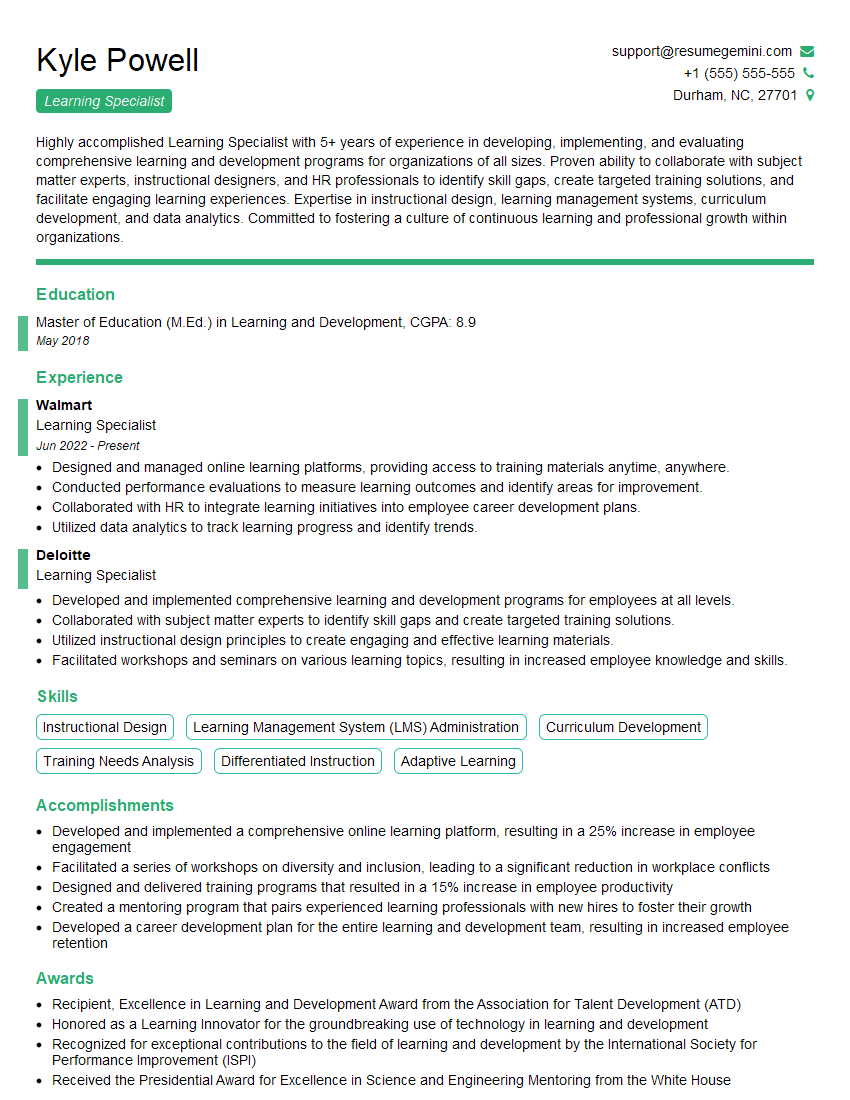
Learning Specialist Resume Sample
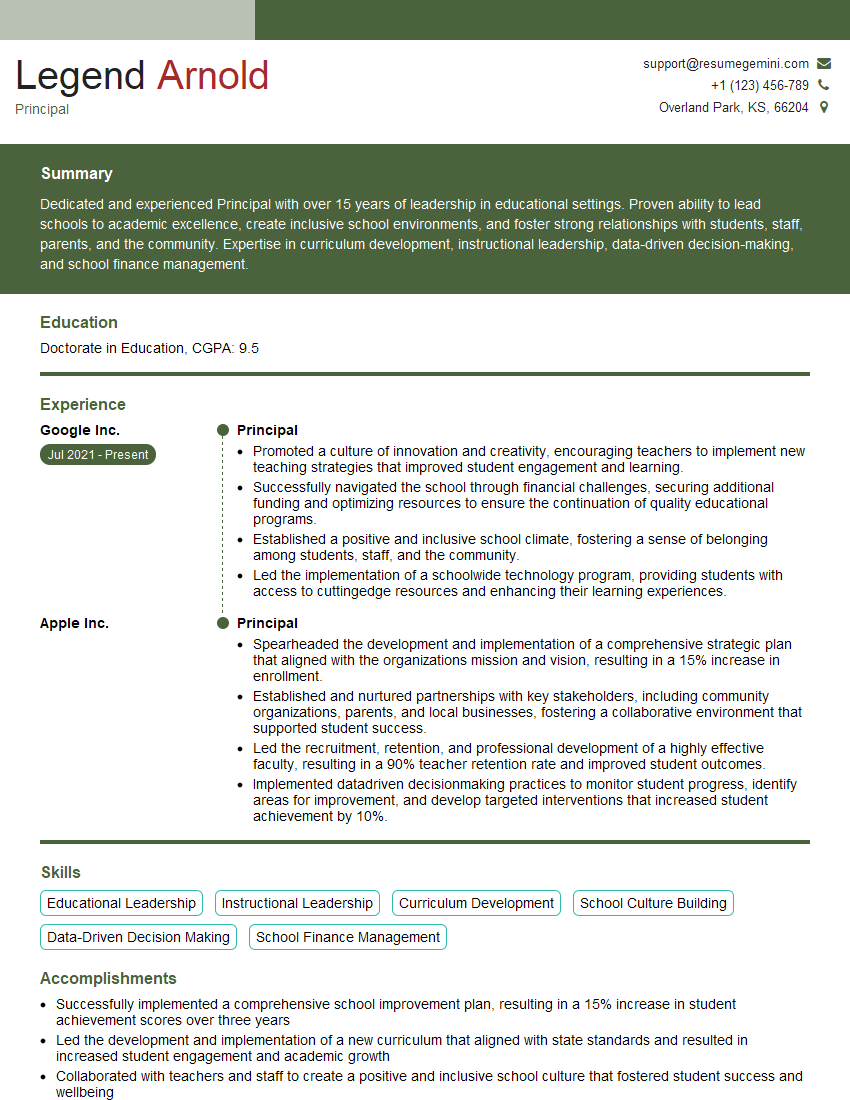
Principal Resume Sample

Special Education Director Resume Sample
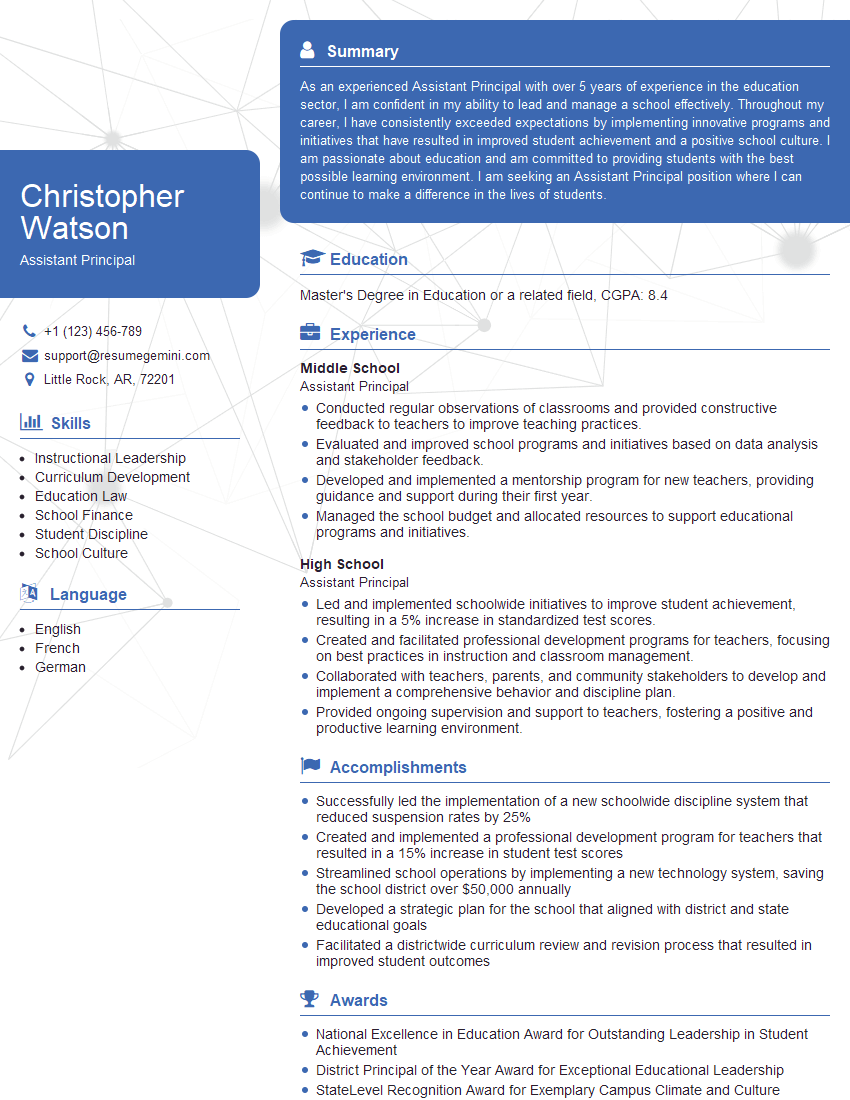
Assistant Principal Resume Sample
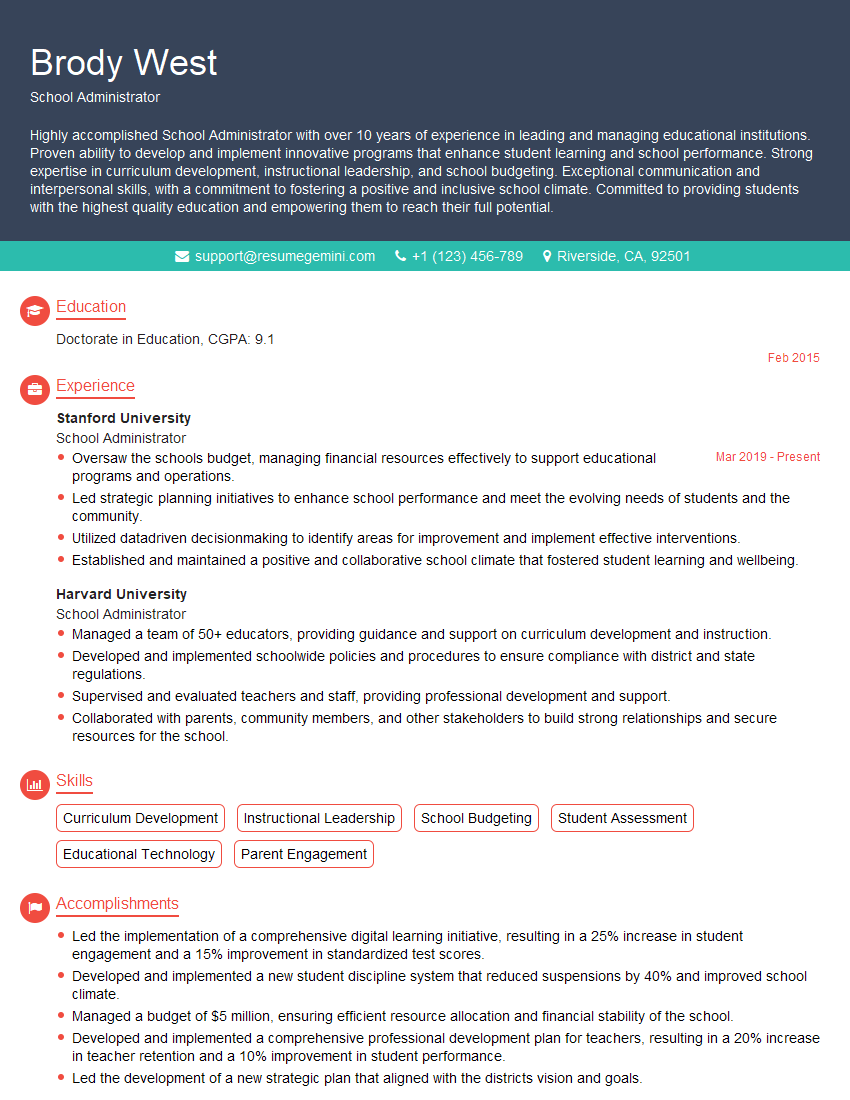
School Administrator Resume Sample
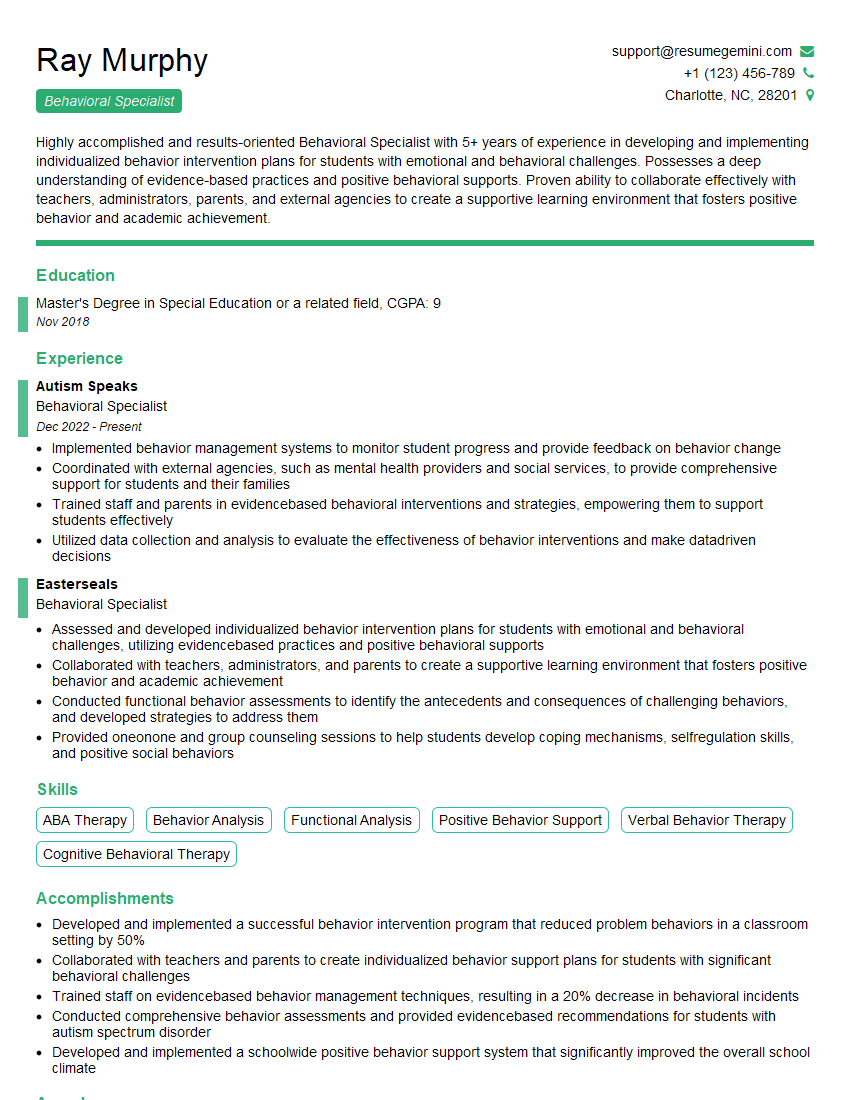
Behavioral Specialist Resume Sample
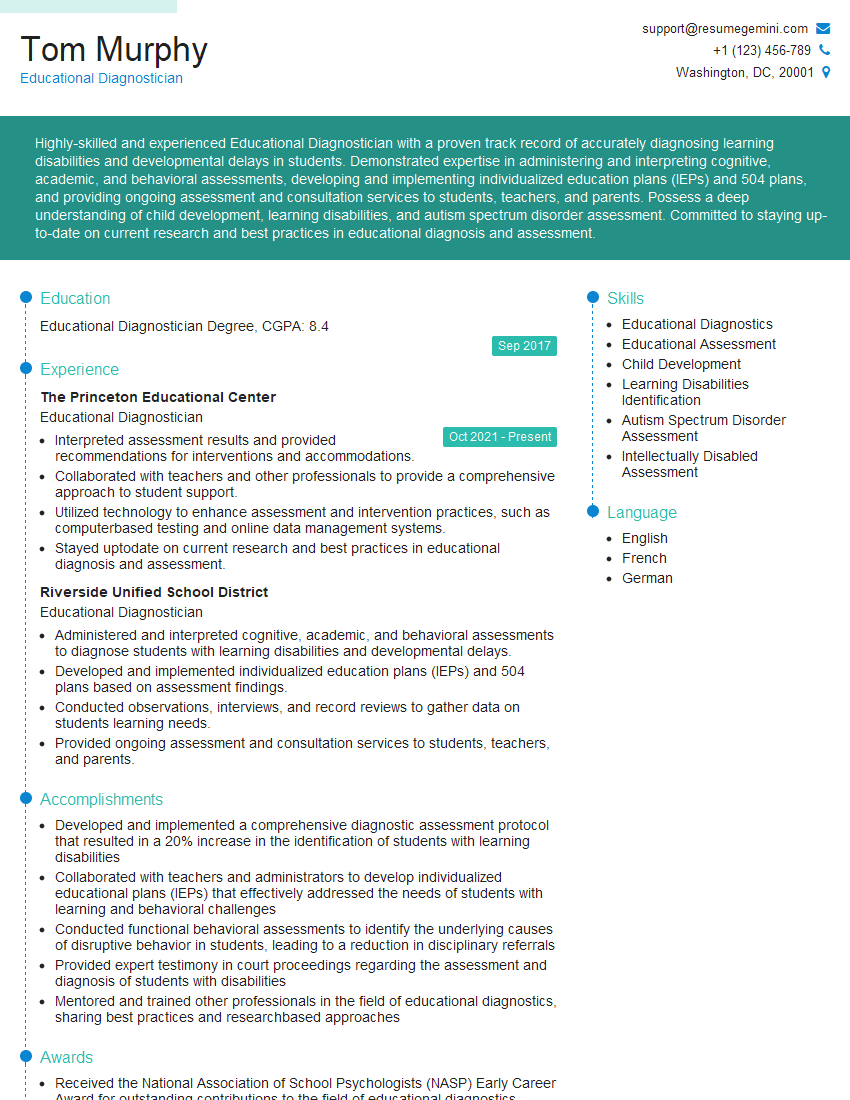
Educational Diagnostician Resume Sample
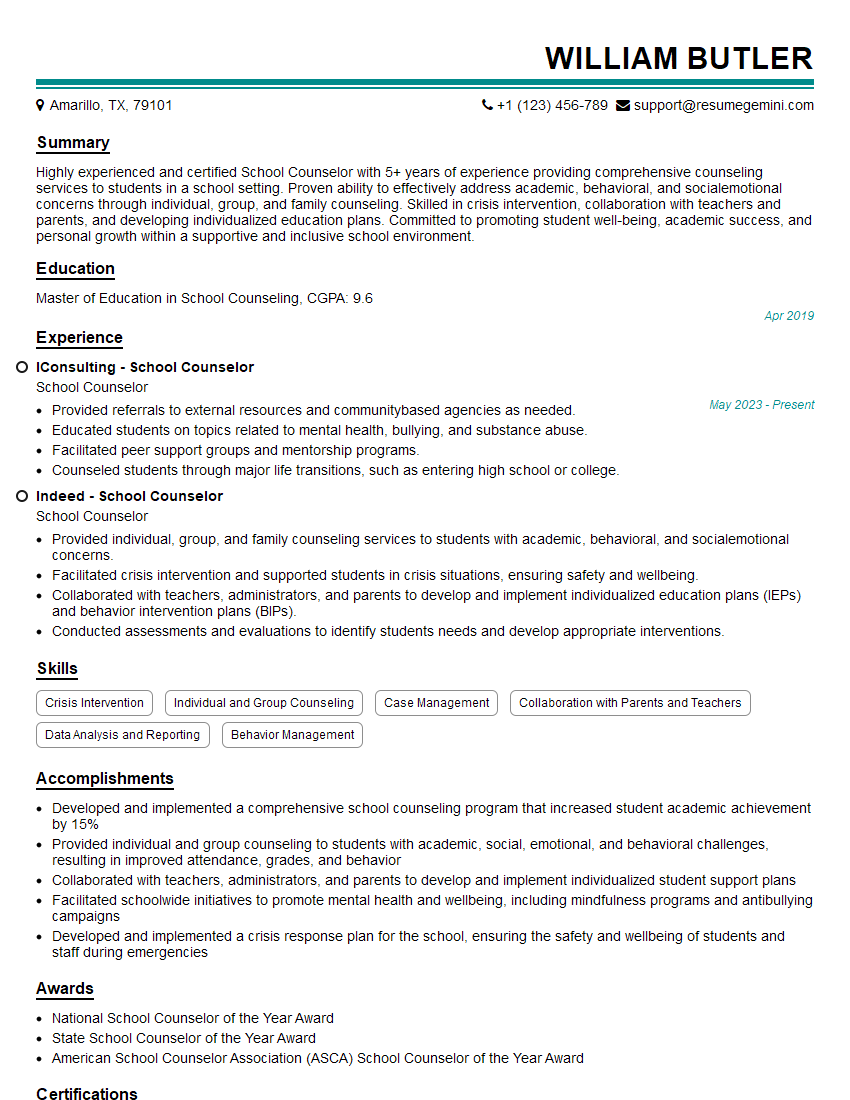
School Counselor Resume Sample
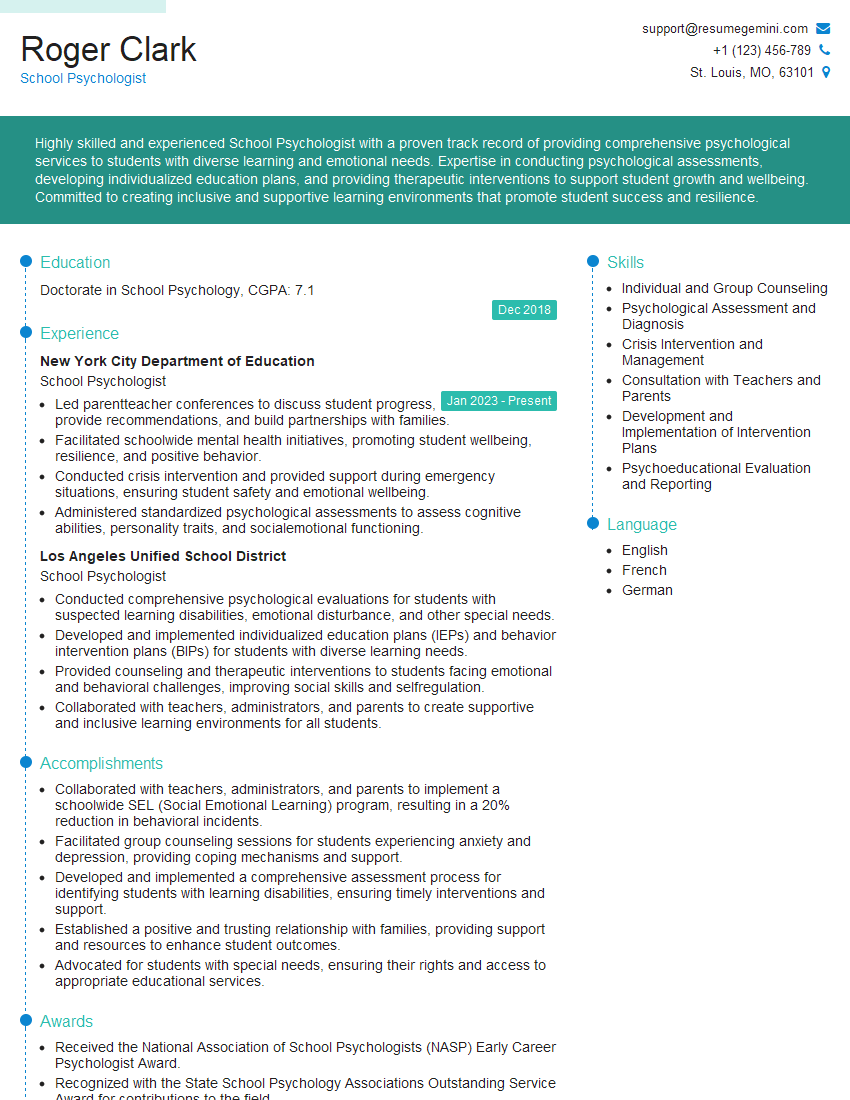
School Psychologist Resume Sample
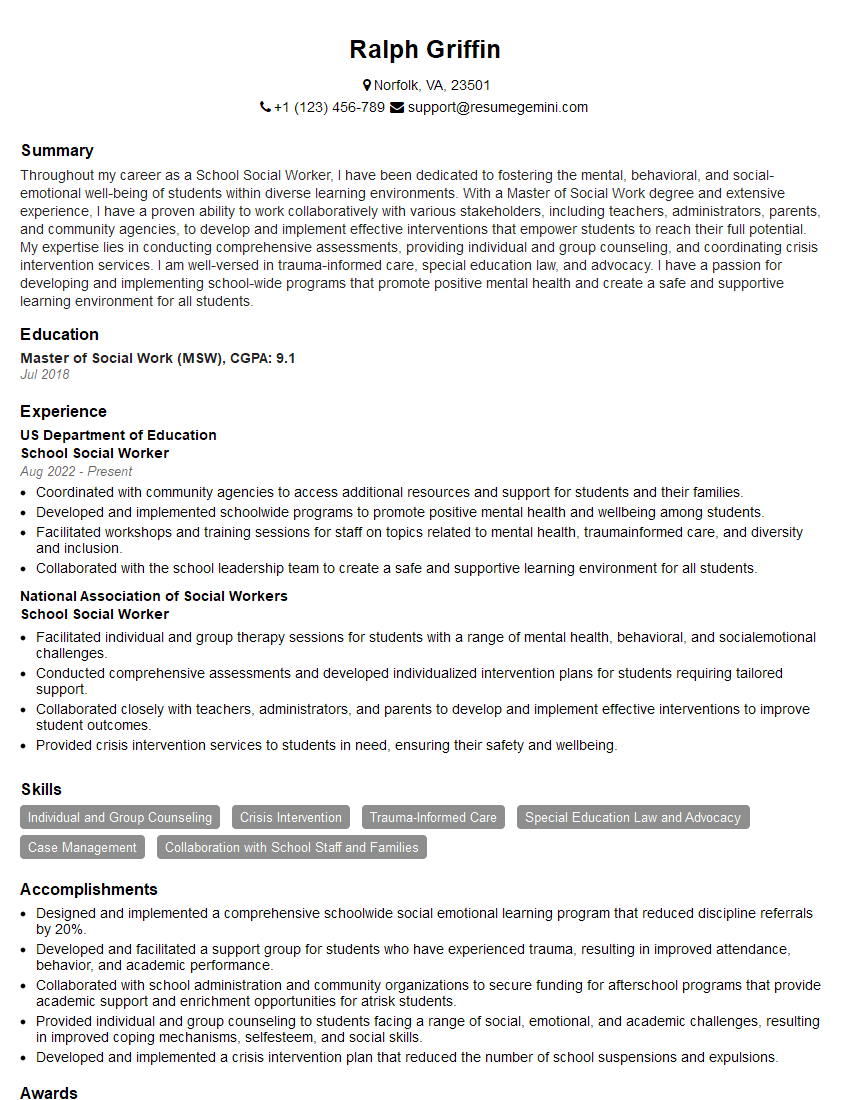
School Social Worker Resume Sample
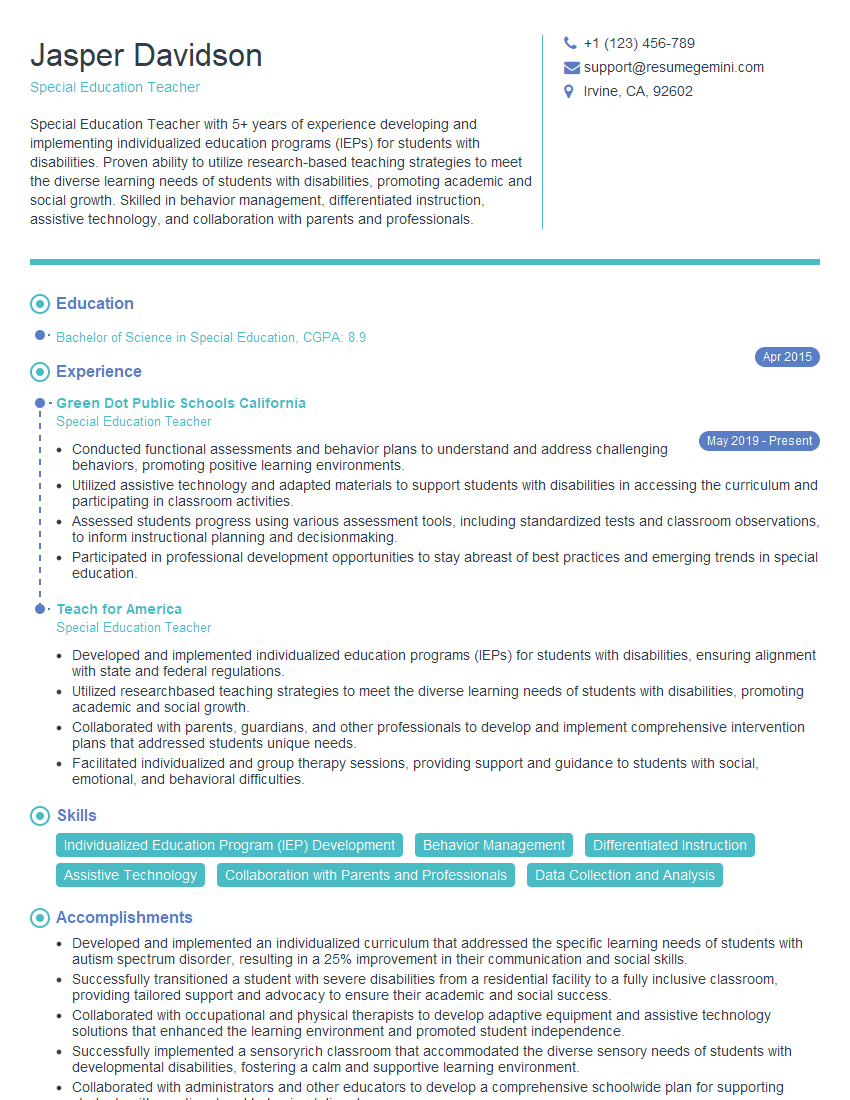
Special Education Teacher Resume Sample
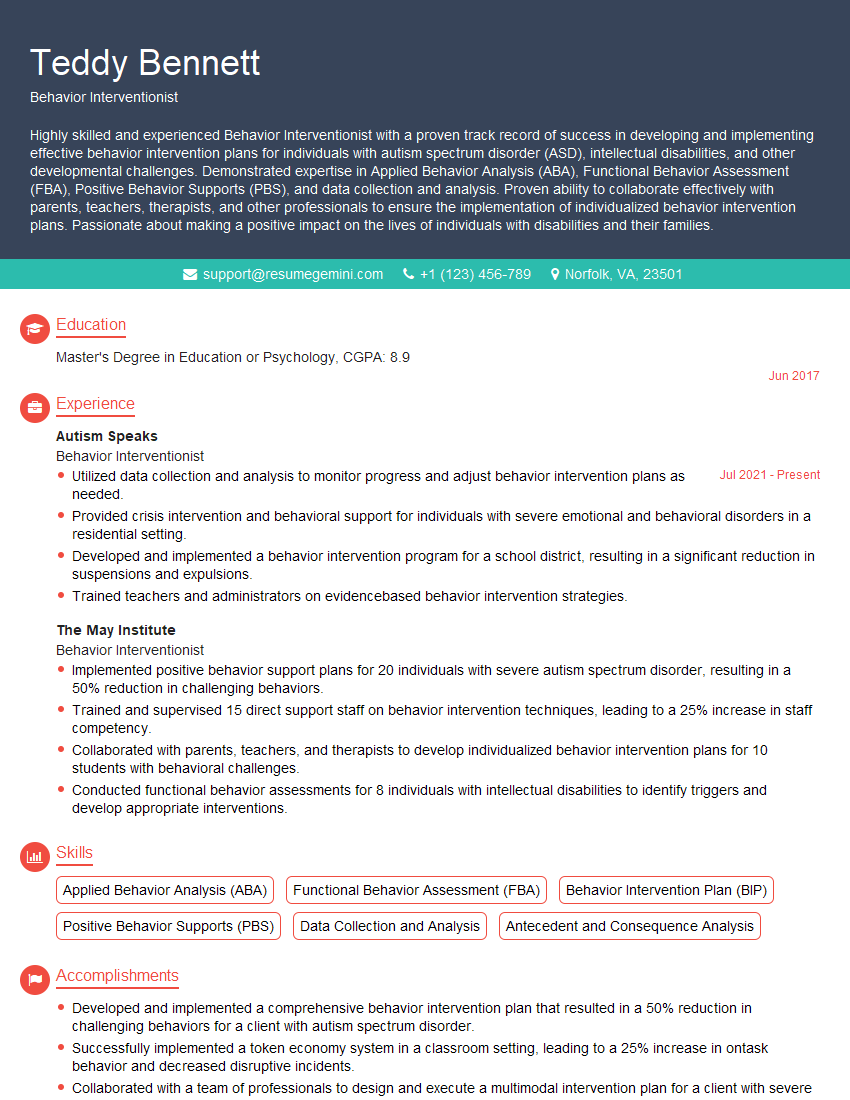
Behavior Interventionist Resume Sample
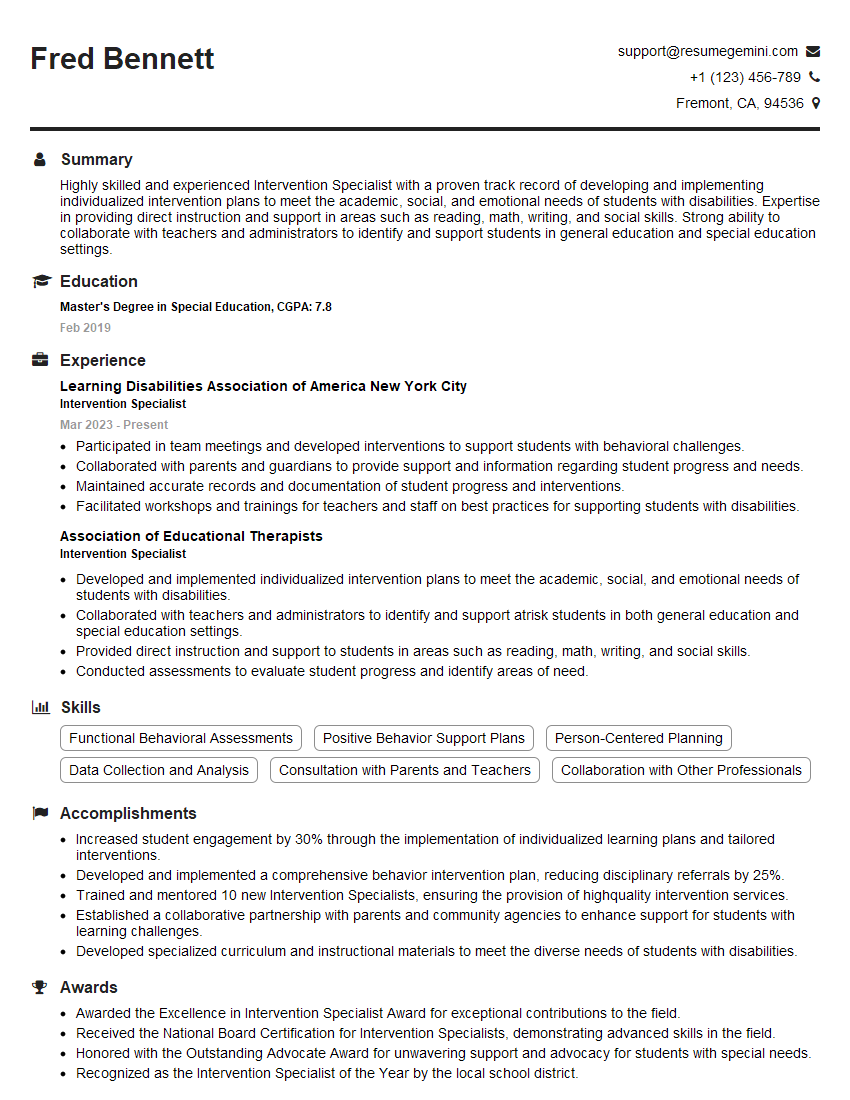
Intervention Specialist Resume Sample
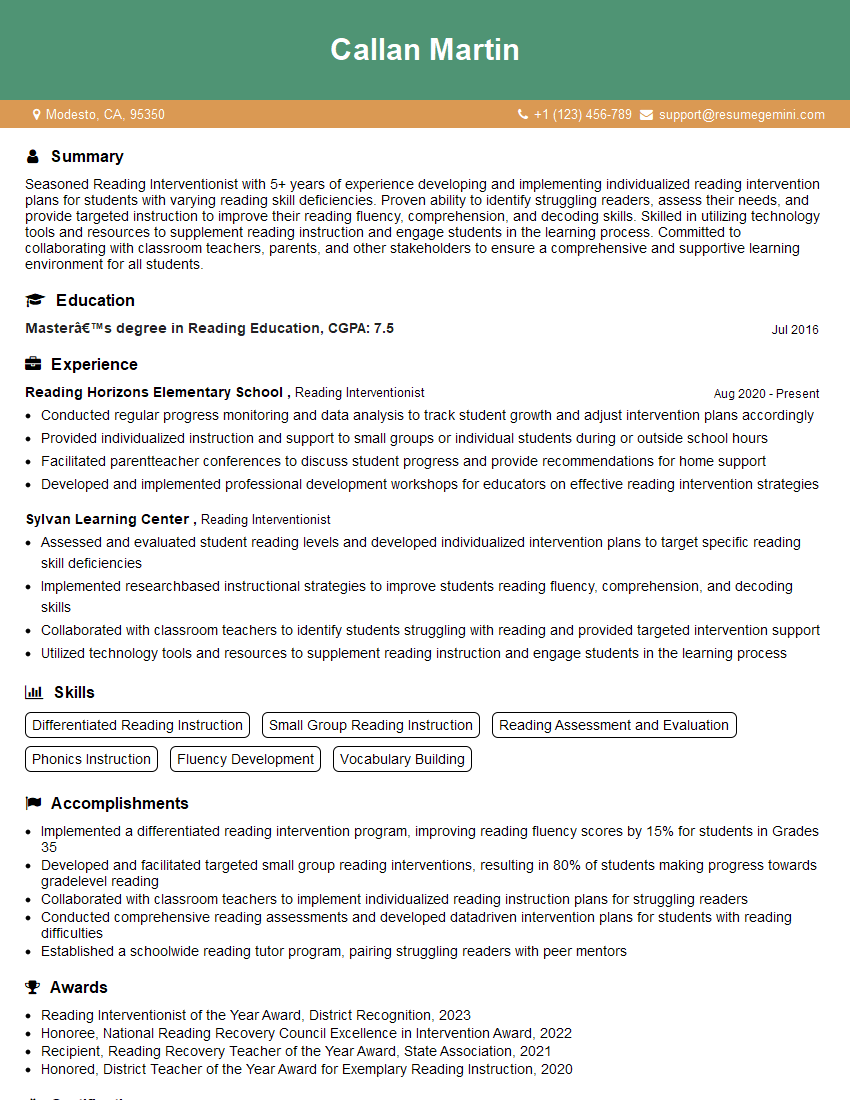
Reading Interventionist Resume Sample
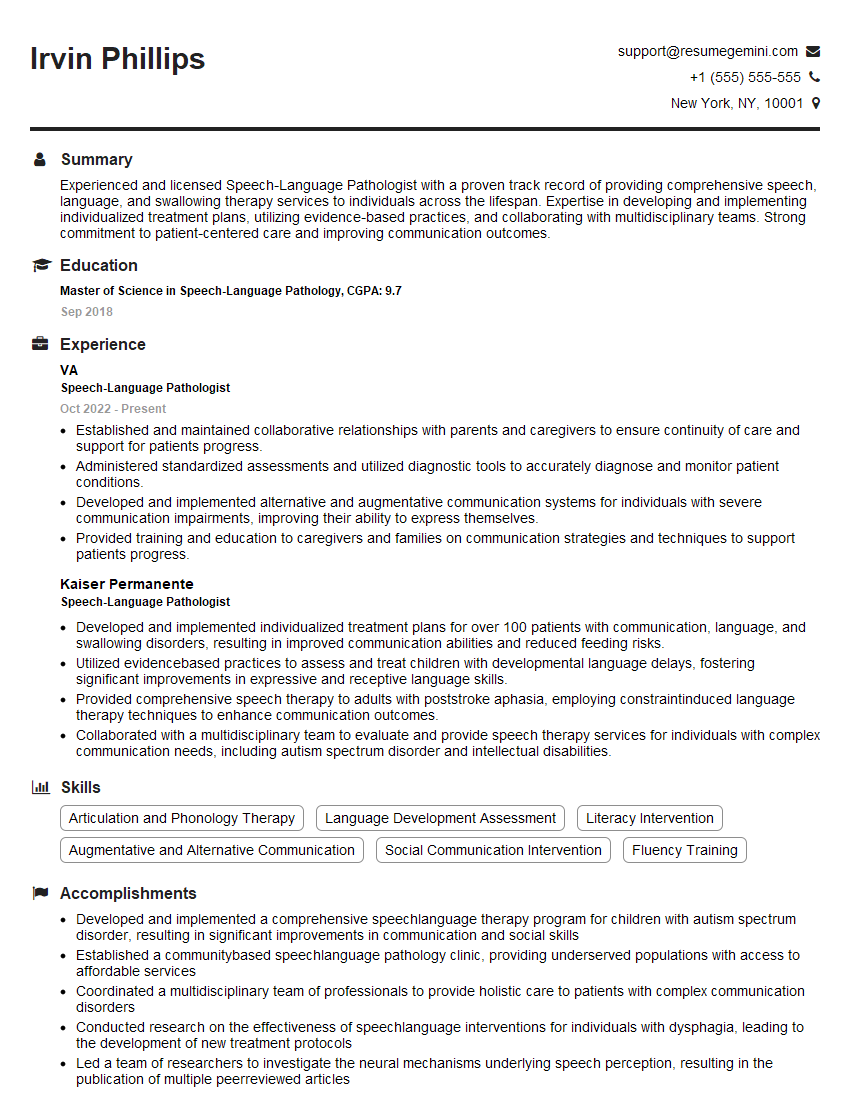
Speech-Language Pathologist Resume Sample
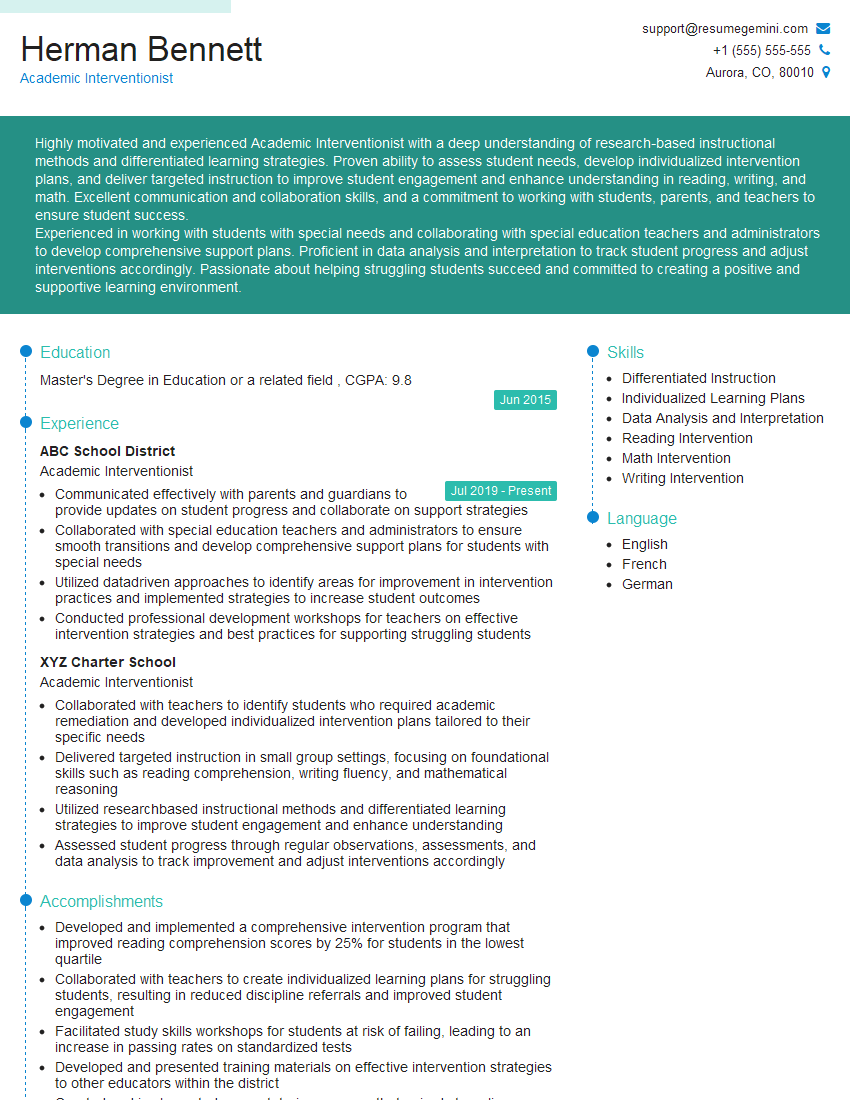
Academic Interventionist Resume Sample
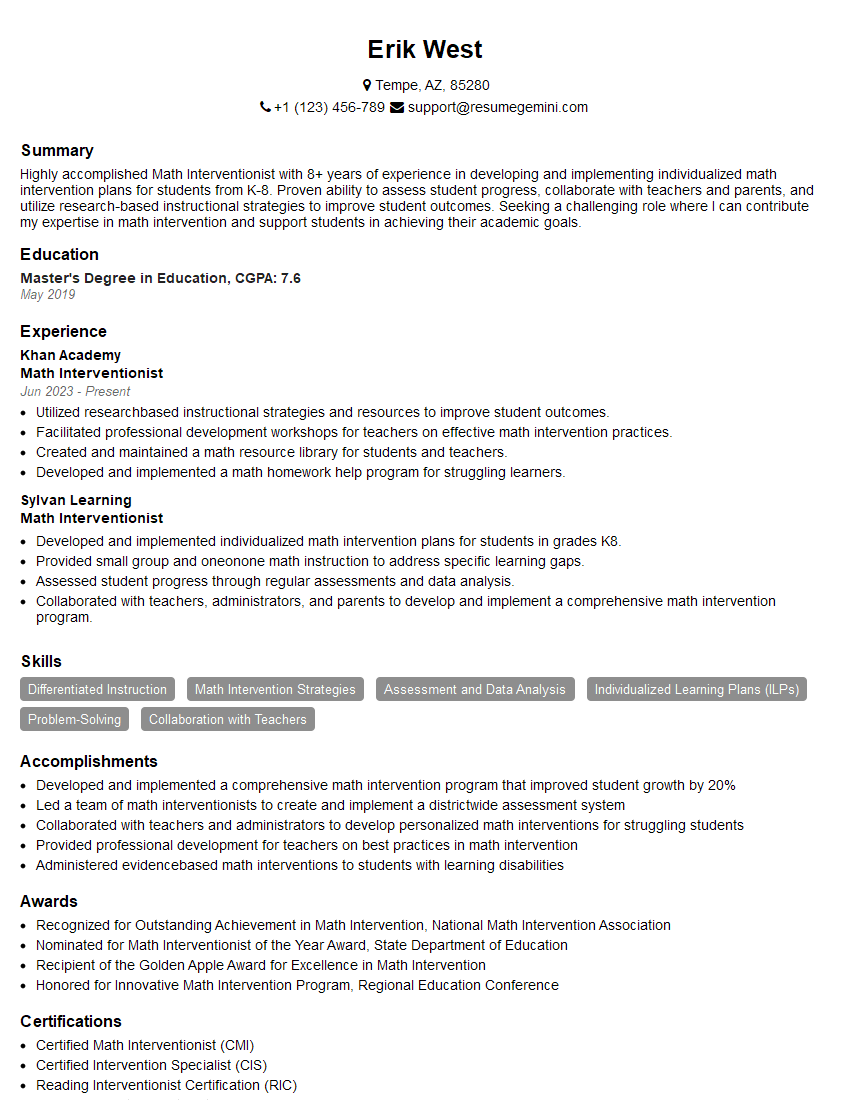
Math Interventionist Resume Sample
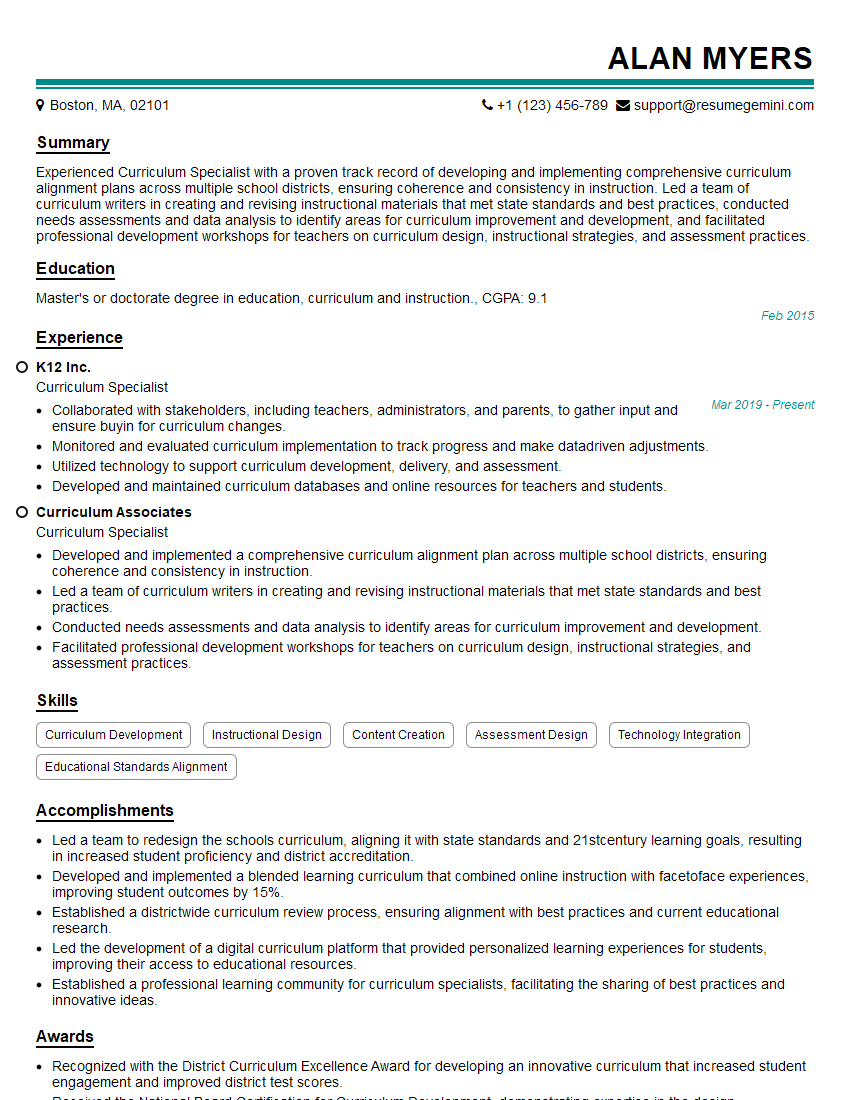
Curriculum Specialist Resume Sample
- Learning Specialist
- Principal
- Special Education Director
- Assistant Principal
- School Administrator
- Behavioral Specialist
- Educational Diagnostician
- School Counselor
- School Psychologist
- School Social Worker
- Special Education Teacher
- Behavior Interventionist
- Intervention Specialist
- Reading Interventionist
- Speech-Language Pathologist
- Academic Interventionist
- Math Interventionist
- Curriculum Specialist
Explore more articles
Users Rating of Our Blogs
Share Your Experience
We value your feedback! Please rate our content and share your thoughts (optional).
What Readers Say About Our Blog
I Redesigned Spongebob Squarepants and his main characters of my artwork.
https://www.deviantart.com/reimaginesponge/art/Redesigned-Spongebob-characters-1223583608
IT gave me an insight and words to use and be able to think of examples
Hi, I’m Jay, we have a few potential clients that are interested in your services, thought you might be a good fit. I’d love to talk about the details, when do you have time to talk?
Best,
Jay
Founder | CEO