The thought of an interview can be nerve-wracking, but the right preparation can make all the difference. Explore this comprehensive guide to Science and Nature Exploration interview questions and gain the confidence you need to showcase your abilities and secure the role.
Questions Asked in Science and Nature Exploration Interview
Q 1. Explain the carbon cycle and its importance in maintaining ecological balance.
The carbon cycle is the continuous movement of carbon atoms through the Earth’s various systems – the atmosphere, oceans, land, and living organisms. It’s a fundamental process that underpins life as we know it. Imagine it like a giant, interconnected loop.
Carbon enters the atmosphere primarily through respiration (breathing) by animals and decomposition of organic matter, as well as through human activities like burning fossil fuels and deforestation. Plants then absorb atmospheric carbon dioxide (CO2) through photosynthesis, converting it into organic molecules (sugars) for growth. These plants are then eaten by animals, transferring the carbon up the food chain. When organisms die, decomposition returns carbon back to the soil and eventually, through various processes, back into the atmosphere.
The importance of maintaining ecological balance within this cycle is paramount. An imbalance, such as excessive CO2 release from human activities, leads to an increase in atmospheric CO2, contributing to climate change. Conversely, deforestation reduces the planet’s capacity to absorb CO2, further exacerbating the problem. A healthy, balanced carbon cycle ensures a stable climate, provides essential nutrients for plants, and supports the diversity of life on Earth.
Q 2. Describe the process of scientific method and how it is applied in field research.
The scientific method is a systematic approach to investigating natural phenomena. It’s a cyclical process, not a linear one, involving observation, hypothesis formation, experimentation, data analysis, and conclusion.
- Observation: Identifying a pattern or phenomenon in nature. For example, observing a decline in a particular bird population.
- Hypothesis: Formulating a testable explanation for the observation. For instance, hypothesizing that habitat loss is the cause of the bird population decline.
- Experimentation: Designing and conducting experiments to test the hypothesis. This could involve comparing bird populations in areas with and without habitat loss.
- Data Analysis: Analyzing the collected data using statistical methods to determine if the results support or refute the hypothesis.
- Conclusion: Drawing conclusions based on the analysis and refining the hypothesis or developing new ones if needed. This could involve revising the original hypothesis based on the data and further investigation.
In field research, the application might involve setting up long-term monitoring plots to track changes in vegetation cover, or collecting samples of soil and water to analyze chemical composition. The challenges often include dealing with uncontrolled variables in the natural environment and logistical hurdles in remote areas. Careful planning, rigorous methodology, and robust data analysis are crucial for success in field research, ensuring that research findings are reliable and contribute meaningfully to scientific knowledge.
Q 3. What are the major threats to biodiversity, and how can conservation efforts mitigate them?
Biodiversity, the variety of life on Earth, faces numerous threats. Major ones include habitat loss and fragmentation (destruction of natural habitats through deforestation, urbanization, etc.), climate change (alterations in temperature, precipitation, and sea levels), pollution (contamination of air, water, and soil), invasive species (non-native species outcompeting native ones), and overexploitation (overfishing, poaching, etc.).
Conservation efforts focus on mitigating these threats through various strategies:
- Habitat protection and restoration: Establishing protected areas (national parks, reserves), restoring degraded habitats, and creating wildlife corridors.
- Combating climate change: Reducing greenhouse gas emissions, promoting sustainable energy sources, and adapting to climate change impacts.
- Pollution control: Implementing regulations to reduce pollution, promoting sustainable practices, and cleaning up contaminated areas.
- Invasive species management: Preventing the introduction of invasive species, controlling their spread, and eradicating them where possible.
- Sustainable resource management: Implementing sustainable fishing practices, combating poaching, and promoting responsible consumption.
These strategies often require collaborative efforts between governments, researchers, conservation organizations, and local communities. For example, community-based conservation initiatives empower local people to protect their natural resources, fostering a sense of ownership and responsibility.
Q 4. Discuss the impact of climate change on specific ecosystems.
Climate change exerts profound impacts on various ecosystems. For instance, coral reefs, highly sensitive to temperature changes, experience coral bleaching under elevated sea temperatures, leading to widespread coral death and loss of biodiversity. Rising sea levels inundate coastal wetlands and mangroves, destroying critical habitats for numerous species.
In Arctic regions, melting permafrost releases methane, a potent greenhouse gas, further accelerating climate change and destabilizing the ecosystem. Changes in precipitation patterns can cause droughts in some areas and floods in others, impacting plant and animal communities. For example, shifts in the timing of seasonal events like flowering or migration can disrupt the delicate balance of ecological interactions, potentially leading to population declines or extinctions. Furthermore, increased frequency and intensity of extreme weather events (heatwaves, hurricanes, wildfires) cause significant damage to ecosystems, hindering recovery and reducing resilience.
Q 5. Explain different types of sampling techniques used in ecological studies.
Ecological studies utilize various sampling techniques to collect data efficiently and representatively. The choice of technique depends on the study’s objectives, the nature of the ecosystem, and the resources available.
- Random sampling: Each location within the study area has an equal chance of being selected. This minimizes bias but might not be efficient in heterogeneous environments.
- Stratified sampling: The study area is divided into distinct strata (e.g., different habitats), and samples are randomly selected from each stratum. This ensures representation from all types of habitats.
- Systematic sampling: Samples are taken at regular intervals along transects (lines) or grids. This is efficient and suitable for relatively uniform environments.
- Quadrat sampling: Square plots (quadrats) of a predetermined size are placed randomly or systematically to measure the abundance and distribution of organisms within them. It’s frequently used for plant communities.
- Transect sampling: Data are collected along a line (transect) to observe changes in species composition or abundance across a gradient (e.g., elevation, distance from a pollution source).
For example, a study investigating plant diversity in a forest might use stratified random sampling, selecting plots from different forest types (e.g., coniferous, deciduous). In contrast, a study assessing the distribution of a particular bird species might employ transect sampling along lines running through the bird’s habitat.
Q 6. How do you analyze environmental data using statistical software?
Statistical software, such as R, SPSS, or SAS, is essential for analyzing environmental data. The process typically involves several steps:
- Data cleaning and preparation: Checking for errors, missing values, and outliers. This step ensures data quality and accuracy.
- Descriptive statistics: Calculating summary statistics (mean, median, standard deviation, etc.) to understand the central tendency and variability of the data. This provides a general overview of the data.
- Inferential statistics: Applying statistical tests (t-tests, ANOVA, regression analysis, etc.) to test hypotheses, draw inferences about populations based on samples, and explore relationships between variables. For instance, ANOVA could be used to compare the mean plant biomass in different treatment groups.
- Data visualization: Creating graphs and charts (histograms, box plots, scatter plots, etc.) to visually represent the data and findings. Visualization helps to communicate the results effectively.
# Example R code for a simple t-test: t.test(data$group1, data$group2)
The choice of statistical methods depends on the type of data (continuous, categorical) and the research question. It’s crucial to select appropriate methods and interpret the results correctly. For instance, understanding the assumptions underlying statistical tests is essential to avoid misinterpretations.
Q 7. Describe your experience with GPS and GIS technologies in field work.
GPS (Global Positioning System) and GIS (Geographic Information System) technologies are invaluable tools in field work. GPS provides precise location data, enabling accurate mapping of sampling sites, tracking animal movements, or monitoring changes in habitat boundaries. I’ve extensively utilized handheld GPS receivers to record coordinates of study sites, vegetation plots, and animal sightings during ecological surveys and biodiversity assessments.
GIS software allows for spatial analysis and visualization of data collected in the field. I’ve used ArcGIS to create maps displaying species distributions, habitat suitability models, and the spatial patterns of environmental variables. This helps in identifying potential threats to biodiversity, understanding ecological processes, and planning conservation strategies. For instance, using GIS to overlay habitat maps with pollution data can help identify areas where pollution poses a significant risk to sensitive species.
For example, during a research project focusing on the impact of forest fragmentation on bird populations, we used GPS to accurately locate and map forest fragments and bird observation points. The collected GPS data were then integrated into a GIS system to analyze the spatial relationships between forest fragments, habitat quality, and bird species richness. The GIS analysis facilitated the identification of critical areas for conservation and highlighted potential habitat connectivity issues.
Q 8. What are the ethical considerations in conducting research on wildlife?
Ethical considerations in wildlife research are paramount to ensure the well-being of animals and the integrity of scientific findings. Researchers must prioritize minimizing harm to animals, respecting their natural habitats, and obtaining necessary permits and approvals. This includes adhering to principles of the 3Rs: Replacement (using non-animal methods where possible), Reduction (minimizing the number of animals used), and Refinement (minimizing stress and pain). For example, researchers studying primate behavior might employ non-invasive observation techniques, such as using camera traps, rather than capturing and handling animals. Furthermore, ethical research necessitates transparency, data sharing, and avoiding conflicts of interest to maintain scientific rigor and public trust.
A crucial aspect is considering the potential impact of research on the animals’ social structures and behaviors. Introducing researchers into a wild animal’s environment could disrupt breeding patterns, foraging strategies, or even lead to increased predation risk. Thorough risk assessments and mitigation plans are essential. Consider a study on migratory birds: Researchers need to ensure their tagging methods don’t impair flight or increase vulnerability to predators. Ultimately, ethical wildlife research requires a deep commitment to responsible conduct, balancing scientific advancement with the welfare of the animals and the ecosystems they inhabit.
Q 9. Explain the principles of ecological succession.
Ecological succession describes the gradual change in species composition and community structure of an ecosystem over time. It’s like a natural progression of plant and animal life in a given area. There are two main types: primary and secondary succession.
- Primary succession begins in areas completely devoid of life, such as newly formed volcanic islands or exposed rock surfaces. Pioneer species, such as lichens and mosses, are the first to colonize, gradually breaking down rock and creating soil. This paves the way for more complex plants and animals. Imagine a barren volcanic landscape; the first organisms to appear are hardy species that can withstand harsh conditions.
- Secondary succession occurs in areas where an existing ecosystem has been disrupted, such as after a wildfire or logging. The soil is already present, so the process is faster than primary succession. Grasses and weeds might be the first to grow back, followed by shrubs and eventually trees. Think of a forest recovering after a fire – the existing soil allows for quicker re-establishment of plant communities.
Both types of succession follow a predictable pattern, with the species composition changing over time until a climax community is reached – a relatively stable ecosystem that persists for a long time. However, it’s important to note that ecosystems are dynamic and can be influenced by various factors, so the concept of a single, unchanging climax community is often debated.
Q 10. Discuss the role of keystone species in an ecosystem.
Keystone species are organisms that have a disproportionately large impact on their ecosystem relative to their abundance. Their removal or decline can trigger significant changes, sometimes cascading through the entire food web. They are not always the most abundant species, but they play a crucial role in maintaining the biodiversity and overall structure of the community.
For example, sea otters are a keystone species in kelp forests. They primarily feed on sea urchins, which in turn consume kelp. If sea otter populations decline, sea urchin populations explode, leading to overgrazing of kelp forests and devastating the habitat for many other species. This illustrates the ripple effect of a keystone species’ loss.
Another example is the African elephant. They create forest clearings and water holes which many other animals depend on, influencing plant distribution and impacting water availability for the whole ecosystem. The presence or absence of a keystone species can fundamentally change the composition, structure, and function of an ecosystem. Identifying and protecting keystone species is therefore crucial for conservation efforts.
Q 11. What is the difference between weather and climate?
Weather and climate are often confused, but they represent different aspects of atmospheric conditions. Weather refers to the short-term state of the atmosphere at a specific time and place. It includes factors like temperature, humidity, precipitation, wind speed, and cloud cover, which can vary considerably from day to day or even hour to hour. Think about a sunny afternoon followed by an evening thunderstorm – that’s weather in action.
Climate, on the other hand, is the long-term average weather pattern of a region, typically over 30 years. It encompasses the statistical distribution of weather events, providing a broader perspective of an area’s atmospheric conditions. Climate patterns are influenced by factors like latitude, altitude, ocean currents, and proximity to large bodies of water. For example, a tropical climate is characterized by high temperatures and abundant rainfall year-round, whereas a desert climate is characterized by extremely low rainfall and large temperature fluctuations. Understanding the difference is critical in fields like agriculture, urban planning and disaster preparedness.
Q 12. Explain the different types of biomes and their characteristic features.
Biomes are large-scale ecosystems classified by dominant vegetation types and climate conditions. Different biomes support unique communities of plants and animals adapted to their specific environments.
- Forests (Tropical, Temperate, Boreal): Characterized by high tree density. Tropical forests have high rainfall and biodiversity, temperate forests have distinct seasons, and boreal forests (taiga) have coniferous trees and long, cold winters.
- Grasslands (Savannas, Prairies, Steppes): Dominated by grasses and herbaceous plants with scattered trees. Savannas have a tropical climate with distinct wet and dry seasons, while prairies and steppes are found in temperate regions with less rainfall.
- Deserts (Hot, Cold): Characterized by low rainfall and sparse vegetation. Hot deserts experience high temperatures, while cold deserts have colder temperatures and may receive snow.
- Tundra (Arctic, Alpine): Found in high-latitude or high-altitude regions. Characterized by permafrost (permanently frozen soil), low-growing vegetation, and short growing seasons.
- Aquatic Biomes (Freshwater, Marine): Include lakes, rivers, oceans, and coral reefs. Freshwater biomes have low salt concentrations, while marine biomes are saltwater environments.
Each biome’s characteristic features, including temperature, precipitation, soil type, and sunlight availability, determine the types of plants and animals that can thrive there. Understanding these features is essential for conservation efforts and predicting how ecosystems might respond to environmental changes.
Q 13. Describe the process of photosynthesis and its importance.
Photosynthesis is the process by which green plants and some other organisms use sunlight to synthesize foods with the help of chlorophyll. It’s a fundamental process for life on Earth, converting light energy into chemical energy in the form of glucose. This glucose serves as the primary source of energy for plants and forms the base of most food chains.
The process occurs in chloroplasts, specialized organelles within plant cells. The overall reaction can be summarized as:
6CO₂ + 6H₂O + Light Energy → C₆H₁₂O₆ + 6O₂
This equation shows that carbon dioxide (CO₂) and water (H₂O), in the presence of light energy, are converted into glucose (C₆H₁₂O₆) and oxygen (O₂). The process involves two main stages: the light-dependent reactions and the light-independent reactions (Calvin cycle). The light-dependent reactions capture light energy and convert it into chemical energy in the form of ATP and NADPH. The light-independent reactions use this energy to convert CO₂ into glucose.
Photosynthesis is crucial because it provides oxygen for respiration in animals and produces the organic matter that forms the basis of most food webs. It also plays a key role in regulating Earth’s climate by absorbing atmospheric CO₂.
Q 14. How do you identify different types of plants or animals?
Identifying plants and animals requires a combination of observation skills, knowledge of taxonomic classifications, and often, the use of identification tools such as field guides or online databases.
For plants, key features to observe include:
- Leaves: Shape, size, arrangement, margin (edge), venation (veins).
- Stems: Type (woody, herbaceous), branching pattern.
- Flowers: Shape, color, number of petals, arrangement.
- Fruits: Type (berry, drupe, capsule), shape, size.
For animals, important characteristics include:
- Physical features: Size, shape, color, body covering (fur, feathers, scales), number of legs or wings.
- Behavior: Movement patterns, feeding habits, social interactions.
- Habitat: Where the organism is found.
- Geographic location: Knowing the region can narrow down possibilities significantly.
Using field guides and online resources (such as iNaturalist) can be extremely helpful. These resources typically provide detailed descriptions, illustrations, and range maps that assist in accurate identification. In cases of uncertainty, consulting with experts or specialists is always advisable.
Q 15. What are the challenges in studying endangered species?
Studying endangered species presents a unique set of challenges, primarily stemming from their rarity and often precarious situations. These challenges can be broadly categorized into logistical, biological, and ethical considerations.
Logistical Challenges: Locating and accessing endangered species often requires extensive travel to remote and sometimes inhospitable environments. Funding limitations can restrict the scope and duration of research. The sheer difficulty of tracking and observing elusive animals necessitates advanced tracking technologies and skilled researchers. For example, studying snow leopards in the Himalayas presents significant logistical hurdles due to the terrain and unpredictable weather.
Biological Challenges: Endangered populations are often small and fragmented, making it difficult to obtain statistically significant data. Their limited genetic diversity can make them more vulnerable to diseases and environmental changes. Understanding their intricate ecological interactions with other species requires detailed and long-term studies. The difficulty in obtaining enough biological samples for genetic analysis is a common limitation.
Ethical Challenges: Minimizing disturbance to endangered animals during research is paramount. Researchers must adhere to strict ethical guidelines to avoid stressing or harming the animals. Obtaining necessary permits and navigating regulations across different jurisdictions can be complex and time-consuming. For instance, a research project involving handling endangered primates necessitates rigorous ethical review and minimizing the stress on the animals during procedures.
Career Expert Tips:
- Ace those interviews! Prepare effectively by reviewing the Top 50 Most Common Interview Questions on ResumeGemini.
- Navigate your job search with confidence! Explore a wide range of Career Tips on ResumeGemini. Learn about common challenges and recommendations to overcome them.
- Craft the perfect resume! Master the Art of Resume Writing with ResumeGemini’s guide. Showcase your unique qualifications and achievements effectively.
- Don’t miss out on holiday savings! Build your dream resume with ResumeGemini’s ATS optimized templates.
Q 16. Explain your experience with data visualization and presentation.
Data visualization is integral to my research. I’m proficient in using various software packages, including R and Python, with libraries like ggplot2 and matplotlib to create informative and compelling visualizations. My experience encompasses creating diverse charts and graphs – scatter plots for correlational analysis, box plots for comparing groups, and maps to display spatial distributions. I’ve presented my findings using both static visuals in reports and dynamic dashboards for interactive exploration.
For example, in a study on habitat fragmentation and its effect on a particular bird species, I used GIS software to map habitat distribution and then employed ggplot2 in R to create a series of maps demonstrating habitat loss over time alongside population decline graphs. This allowed for a clear visual comparison, strengthening the evidence for my hypothesis. Furthermore, I’ve presented this data at international conferences, using interactive dashboards to engage the audience and facilitate discussion.
Q 17. Describe a time you had to troubleshoot equipment failure in the field.
During a field study in the Amazon rainforest, our drone, crucial for aerial surveys of primate populations, malfunctioned due to a sudden electrical storm. The storm damaged the drone’s motor controller, rendering it inoperable. Our initial troubleshooting involved visually inspecting the drone for obvious damage. We found a short circuit in the wiring near the damaged motor.
Since replacement parts weren’t readily available in the remote location, we had to improvise. We utilized our knowledge of basic electronics and carefully repaired the short circuit using electrical tape and some spare wiring. This temporary fix enabled us to continue our data collection, albeit with reduced flight capabilities and extra caution. Upon returning to base, we completely overhauled the drone and upgraded components to prevent future failures under similar conditions. This experience underscored the importance of having a comprehensive understanding of the equipment used and possessing the ability to develop creative solutions in challenging field environments.
Q 18. How do you handle conflicts with colleagues or stakeholders during a research project?
Conflict resolution is a crucial skill in collaborative research. I believe in proactive communication and a focus on shared goals. My approach involves:
Active Listening: Understanding everyone’s perspectives is fundamental. I strive to actively listen to all parties involved, asking clarifying questions and summarizing viewpoints to ensure everyone feels heard.
Identifying Shared Goals: Focusing on the overarching research objectives helps to redirect discussions from personal differences toward collaborative problem-solving. This shared objective creates a common ground for negotiation.
Mediation (if necessary): In instances of significant disagreement, I’m comfortable facilitating mediation, acting as a neutral party to help identify compromises and solutions that satisfy all stakeholders. This requires impartiality and a focus on finding a mutually acceptable resolution.
Documentation: Maintaining detailed records of discussions and decisions helps ensure transparency and accountability. This is especially important for complex projects with multiple collaborators and stakeholders.
For example, during a project involving multiple universities, disagreements arose concerning data sharing protocols. Through active listening and collaborative discussion, we successfully established a transparent data sharing agreement that satisfied the requirements of all institutions involved.
Q 19. Explain your experience with writing scientific reports or papers.
I have extensive experience in writing scientific reports and papers, following established formats such as IMRaD (Introduction, Methods, Results, and Discussion). My experience spans from detailed field notes to peer-reviewed publications. I’m comfortable with various writing styles, from concise technical reports to narrative-driven publications for a broader audience.
I am adept at crafting clear and concise prose, using precise language to convey complex scientific findings. I’m also experienced in navigating the peer-review process, responding effectively to reviewers’ comments and incorporating their suggestions to strengthen my work. For example, I recently co-authored a paper on the genetic diversity of an endangered bird species, which involved meticulous data analysis, rigorous statistical testing, and careful interpretation of results before submitting it to a top-tier ecological journal. The paper received positive feedback from reviewers and is currently undergoing publication.
Q 20. Describe your proficiency in various laboratory techniques.
My laboratory techniques span various areas relevant to ecological and biological research. I’m proficient in:
Molecular Biology Techniques: DNA/RNA extraction, PCR, gel electrophoresis, and sequencing. I have experience in both traditional and high-throughput sequencing methods.
Microscopy: Light microscopy, fluorescence microscopy, and image analysis software such as ImageJ.
Chemical Analysis: Basic chemical analyses such as spectrophotometry are within my skill set.
Statistical Analysis: Proficiency in statistical software (R, SPSS) for data analysis and interpretation.
My experience with these techniques ensures rigorous and reliable data collection for my research. For instance, during my PhD research, I utilized PCR and sequencing to analyze the genetic diversity of a threatened plant species, providing crucial insights into its population structure and conservation needs.
Q 21. What are your strengths and weaknesses as a field researcher?
Strengths: My strengths lie in my adaptability, problem-solving skills, and meticulous attention to detail. I thrive in challenging field environments and am adept at troubleshooting unexpected issues. I also possess strong communication and collaboration skills. My passion for conservation drives my dedication to meticulous data collection and analysis.
Weaknesses: One area I’m actively working on is improving my time management skills, especially when juggling multiple projects simultaneously. While I’m comfortable working independently, I sometimes need to be more proactive in seeking input and guidance from colleagues. I’m addressing this by implementing more structured project planning and actively seeking mentorship opportunities. This self-awareness allows me to continually improve my performance and seek support when necessary.
Q 22. How do you maintain safety standards in fieldwork?
Safety in fieldwork is paramount. It’s not just about avoiding accidents; it’s about ensuring the integrity of the research and the well-being of the team. My approach is multifaceted and begins with meticulous planning. This includes thorough risk assessments specific to the location and planned activities. For instance, working in a rainforest requires different preparations than working in a desert environment. A rainforest assessment might focus on venomous snakes, infectious diseases, and potential flash floods, while a desert assessment might prioritize heatstroke, dehydration, and navigating challenging terrain.
Before any fieldwork, we conduct comprehensive training on relevant safety protocols. This covers everything from first aid and wilderness survival skills to operating specialized equipment safely. We also establish clear communication protocols, ensuring everyone knows emergency procedures and who to contact in case of an incident. In the field, we always work in teams, never alone, and maintain consistent communication via satellite phones or radio. We always carry appropriate safety gear— this can include personal protective equipment (PPE) such as high-visibility vests, hard hats, sturdy footwear, and depending on the environment, specialized clothing to protect from sun, insects, or extreme temperatures. Regular safety checks are performed throughout the fieldwork to identify and address any emerging risks.
Finally, we maintain detailed records of all safety measures taken, including training records, risk assessments, and incident reports. This documentation is crucial for continuous improvement and for demonstrating compliance with safety regulations.
Q 23. Describe your experience working with diverse teams in field settings.
Working with diverse teams in the field is essential and enriching. My experience includes collaborations with ecologists, geologists, anthropologists, and local communities. The diversity of expertise brings a wealth of perspectives and often leads to more creative and effective solutions to research challenges. For example, during a project studying the impact of climate change on coral reefs, our team included marine biologists, geologists specializing in oceanographic processes, and members of the local fishing community who provided invaluable insights into historical changes in the reef environment.
Successful teamwork in such settings requires strong communication and mutual respect. Building trust is key. I strive to create an inclusive environment where everyone feels comfortable sharing their ideas and concerns. Open communication is crucial in overcoming cultural differences and ensuring everyone is on the same page regarding safety protocols, research objectives, and logistical arrangements. Clear roles and responsibilities help to avoid confusion and ensure smooth operations. Conflict resolution skills are essential – I approach disagreements constructively, focusing on finding solutions that benefit the overall research goals.
Q 24. How do you adapt your approach to different research environments?
Adaptability is critical in science and nature exploration. Research environments vary tremendously; a high-altitude glacier presents vastly different logistical and methodological challenges compared to a tropical rainforest. My approach involves a flexible, modular research design. This allows me to adjust specific methods and protocols based on the environmental constraints and logistical realities. For instance, research methodologies requiring heavy equipment may be impossible in remote, inaccessible areas. I may need to adapt to using lighter, portable instruments, or employ alternative techniques such as remote sensing or citizen science.
I also adapt my communication strategies. In remote locations, communication may be limited, requiring careful planning of data collection, data transmission, and contingency plans. I often use a mix of methods, such as satellite phones, radio communication, and pre-arranged checkpoints for communication. Working with indigenous communities requires careful consideration of cultural sensitivities, local customs, and ethical considerations, ensuring meaningful collaboration and respect for local knowledge.
Q 25. What are some common tools and techniques used in your field?
The tools and techniques we use are highly diverse, depending on the specific research question and environment. Common tools include GPS devices for accurate location tracking, GIS software for spatial data analysis, and various sampling instruments for collecting biological, geological, and hydrological data. This could range from simple tools like quadrat frames for plant surveys to advanced technologies like underwater remotely operated vehicles (ROVs) for exploring deep-sea ecosystems.
Advanced techniques include molecular biology techniques for species identification and genetic analysis (e.g., DNA barcoding, metabarcoding), remote sensing for mapping land cover and monitoring environmental changes (using satellite imagery and drone technology), and statistical modeling and data analysis using software like R or Python to analyze complex datasets.
For instance, in a biodiversity study, we might use camera traps to monitor wildlife populations, combined with acoustic monitoring to record animal vocalizations. The data gathered would then be processed using image recognition software and sound analysis programs before being analyzed with statistical models.
Q 26. Explain your understanding of sustainable development principles.
Sustainable development, to me, means meeting present needs without compromising the ability of future generations to meet their own. It’s about balancing economic growth, social equity, and environmental protection. In my field, this translates to research that not only advances scientific understanding but also contributes to conservation efforts and the responsible management of natural resources.
For example, research on sustainable agriculture can help farmers increase food production while minimizing environmental impact. Studies on renewable energy sources can help to transition away from fossil fuels, reducing greenhouse gas emissions. In my own work, I actively seek to minimize the environmental footprint of our research activities, using sustainable transportation, reducing waste, and engaging in responsible resource management. We also strive to communicate our research findings to policymakers and the public to inform sustainable decision-making.
Q 27. Describe your familiarity with relevant environmental regulations.
Familiarity with environmental regulations is crucial. These regulations vary by location and often involve permits for research activities, especially in protected areas or involving endangered species. I am well-versed in relevant national and international laws, including those related to biodiversity conservation (e.g., CITES), endangered species protection, and environmental impact assessment. Before undertaking any fieldwork, I ensure we obtain all necessary permits and comply fully with relevant regulations. This often involves careful planning and communication with regulatory bodies.
Compliance is not simply a matter of legal obligation; it’s also a matter of ethical responsibility. Protecting the environment and the rights of local communities is essential to the integrity of our work.
Q 28. How do you stay current with advancements in your field?
Staying current in science and nature exploration requires a commitment to continuous learning. I regularly read peer-reviewed scientific journals, attend conferences and workshops, and participate in online courses. I actively engage with the scientific community through networking and collaborations. This exposure to cutting-edge research helps me adapt my methodologies and incorporate new technologies into my work.
I also utilize online databases and scientific literature search engines to stay informed about the latest findings and advancements in my areas of interest. Following key researchers and institutions on social media and attending webinars are other valuable ways to keep abreast of current trends and innovations. This continuous learning is fundamental to my ability to conduct high-quality research and make meaningful contributions to the field.
Key Topics to Learn for Science and Nature Exploration Interview
- Ecological Principles: Understanding fundamental ecological concepts like biodiversity, ecosystem dynamics, trophic levels, and the impact of human activities on the environment. Consider practical applications in conservation or environmental management.
- Research Methods: Familiarize yourself with various research methodologies used in scientific exploration, including data collection techniques, statistical analysis, and experimental design. Be prepared to discuss your experience with field work, laboratory experiments, or data analysis.
- Data Interpretation and Analysis: Develop strong skills in interpreting scientific data, identifying trends, and drawing meaningful conclusions. Practice presenting your findings clearly and concisely, both verbally and visually.
- Scientific Communication: Mastering the art of communicating complex scientific information effectively to both scientific and non-scientific audiences is crucial. This includes written reports, presentations, and discussions.
- Specific Scientific Disciplines: Depending on the specific role, delve deeper into relevant areas such as botany, zoology, geology, climatology, or oceanography. Highlight your expertise and practical experience within your chosen field.
- Problem-Solving and Critical Thinking: Showcase your ability to approach complex scientific problems systematically, analyze data critically, and develop innovative solutions. Prepare examples from your past experiences.
- Sustainability and Conservation: Demonstrate an understanding of sustainability principles and their application in various contexts. Discuss your awareness of conservation efforts and environmental challenges.
Next Steps
Mastering Science and Nature Exploration opens doors to a fulfilling career with diverse opportunities in research, conservation, education, and environmental management. To significantly boost your job prospects, crafting a compelling and ATS-friendly resume is paramount. ResumeGemini is a trusted resource to help you build a professional and effective resume that highlights your skills and experience in the best possible light. We provide examples of resumes tailored to Science and Nature Exploration to guide you through the process. Invest time in building a strong resume – it’s your first impression on potential employers.
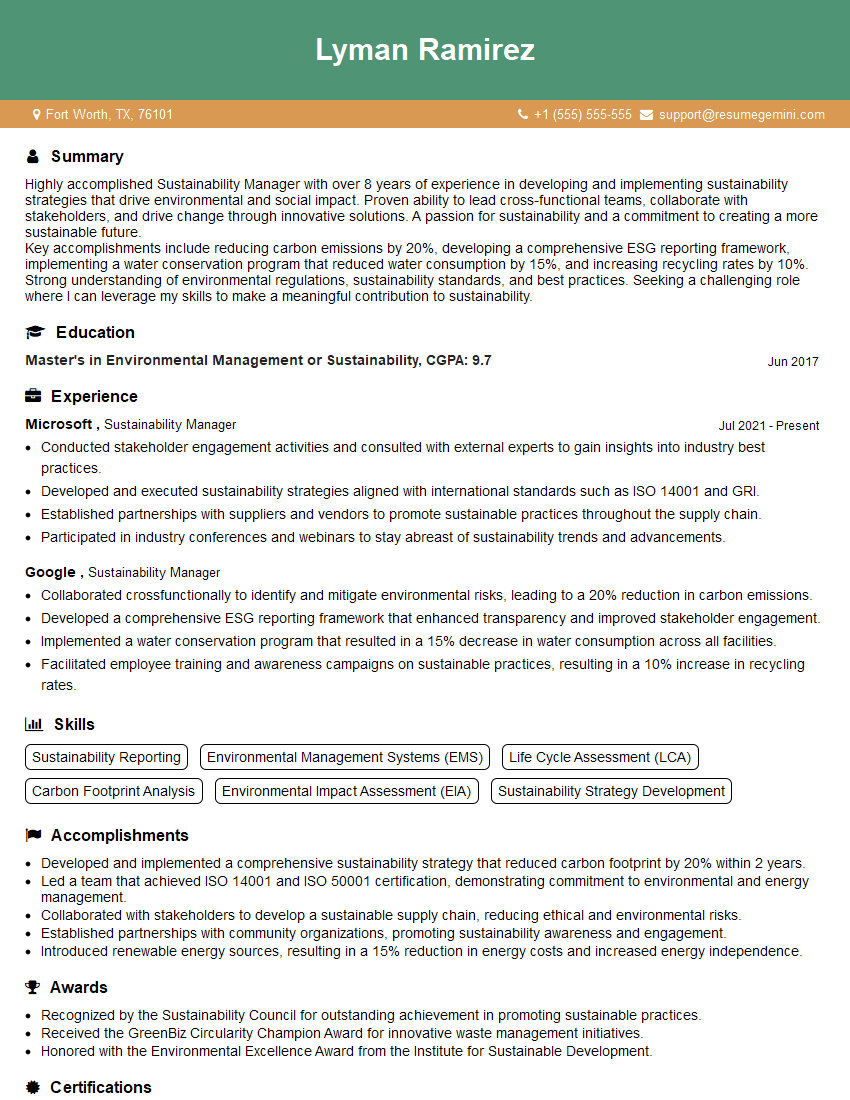
Sustainability Manager Resume Sample
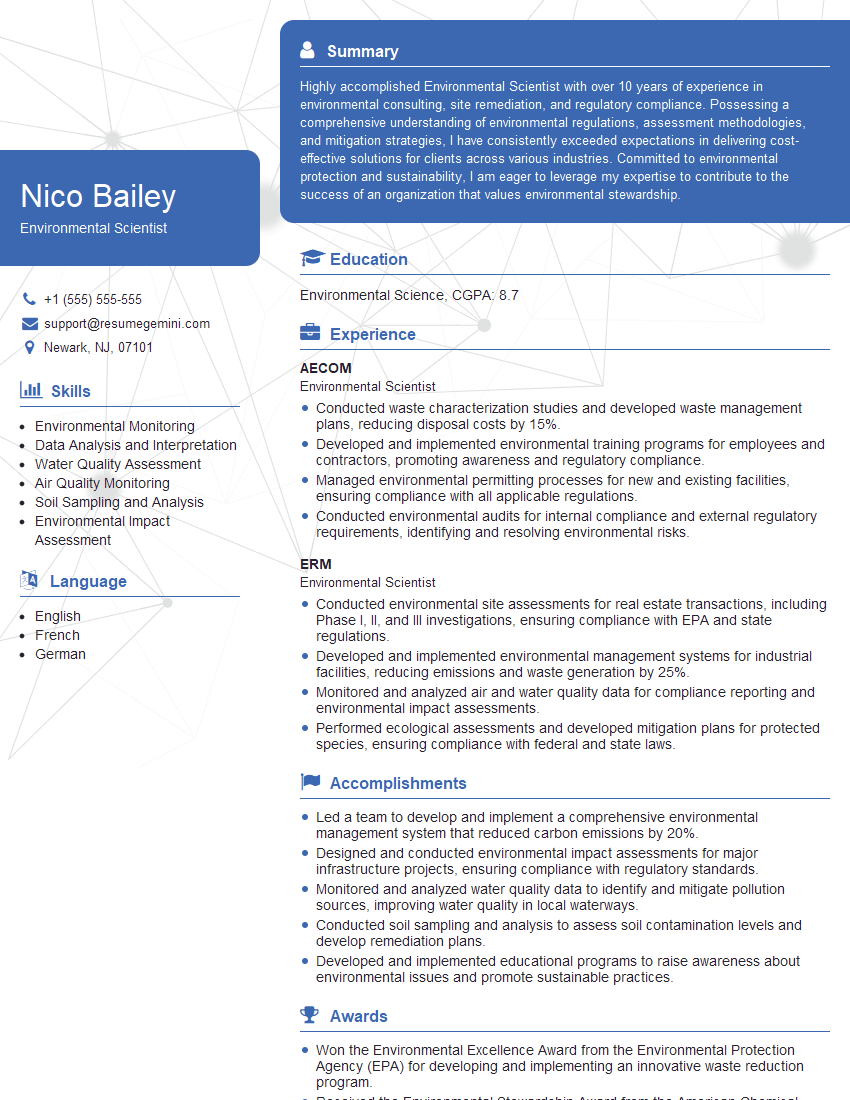
Environmental Scientist Resume Sample
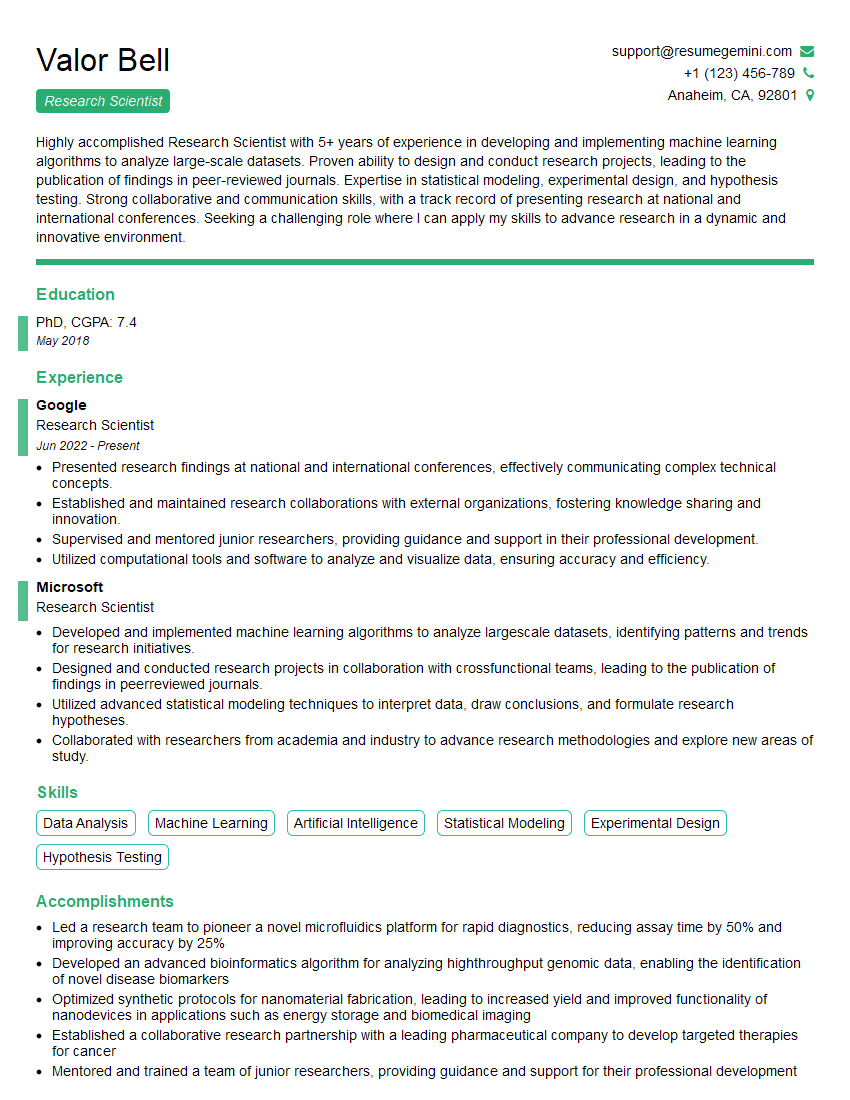
Research Scientist Resume Sample
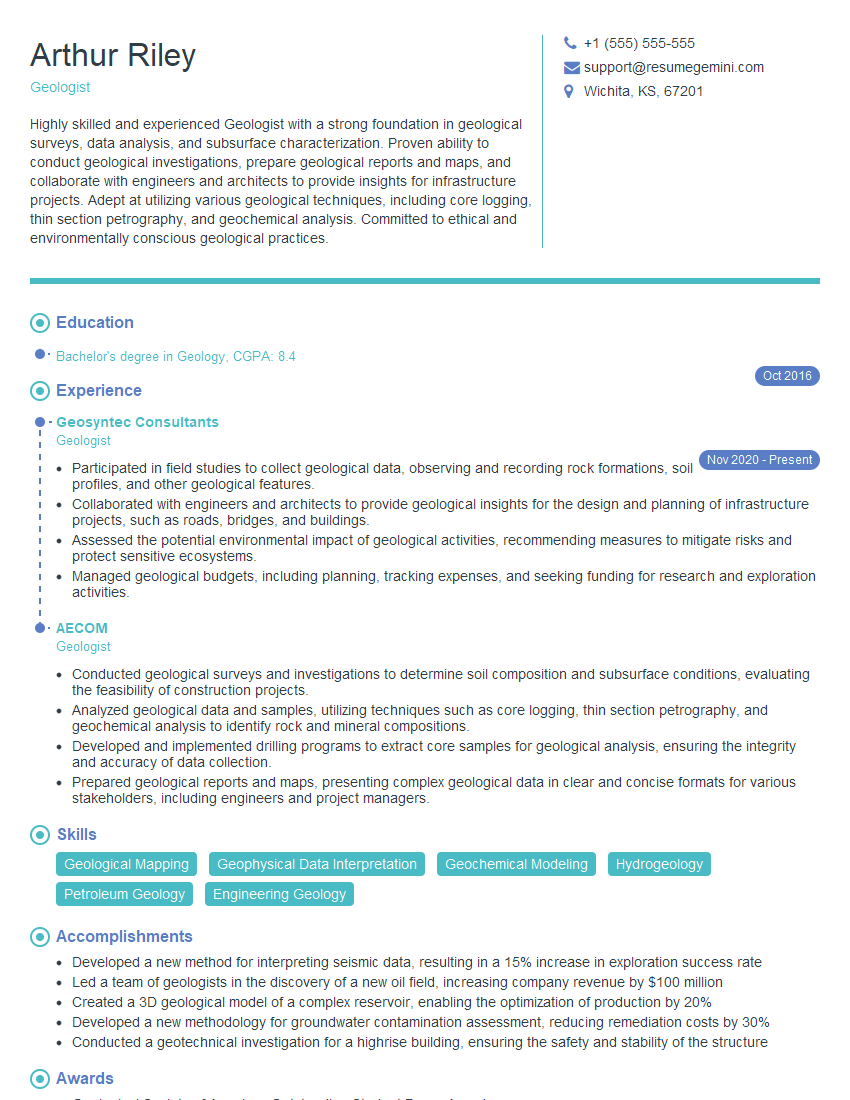
Geologist Resume Sample
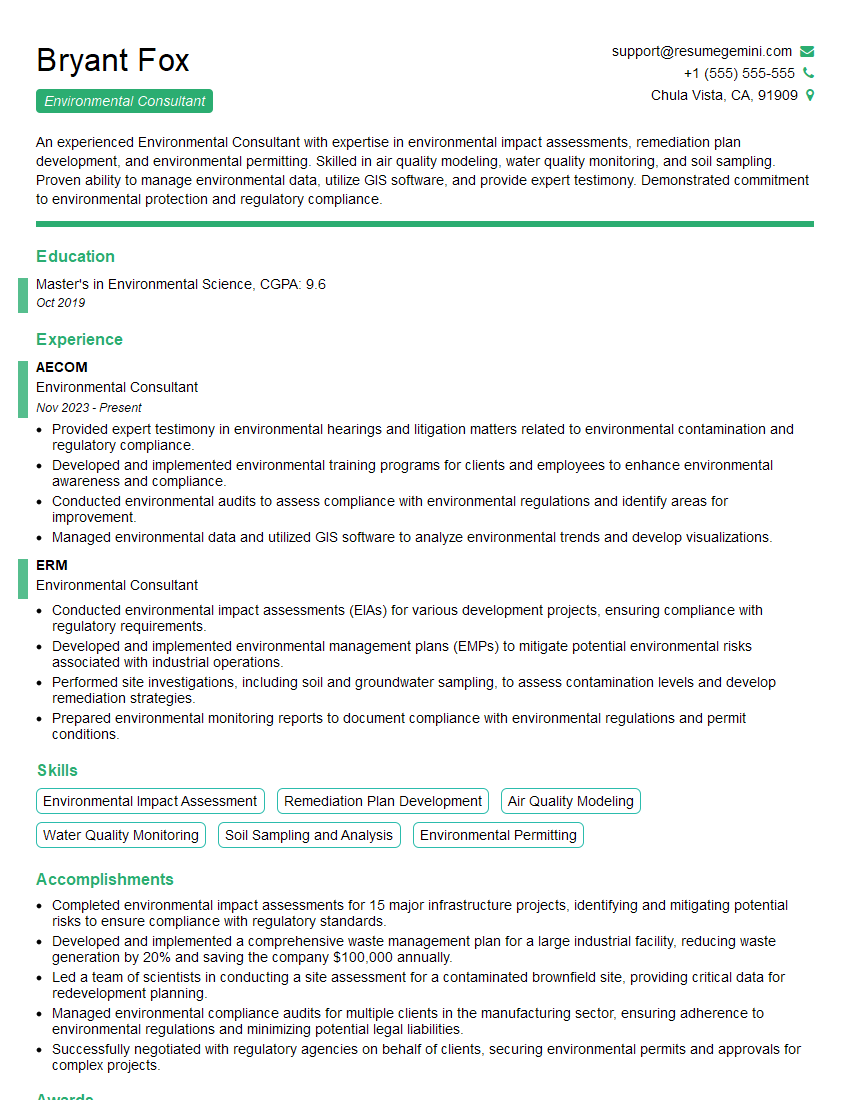
Environmental Consultant Resume Sample
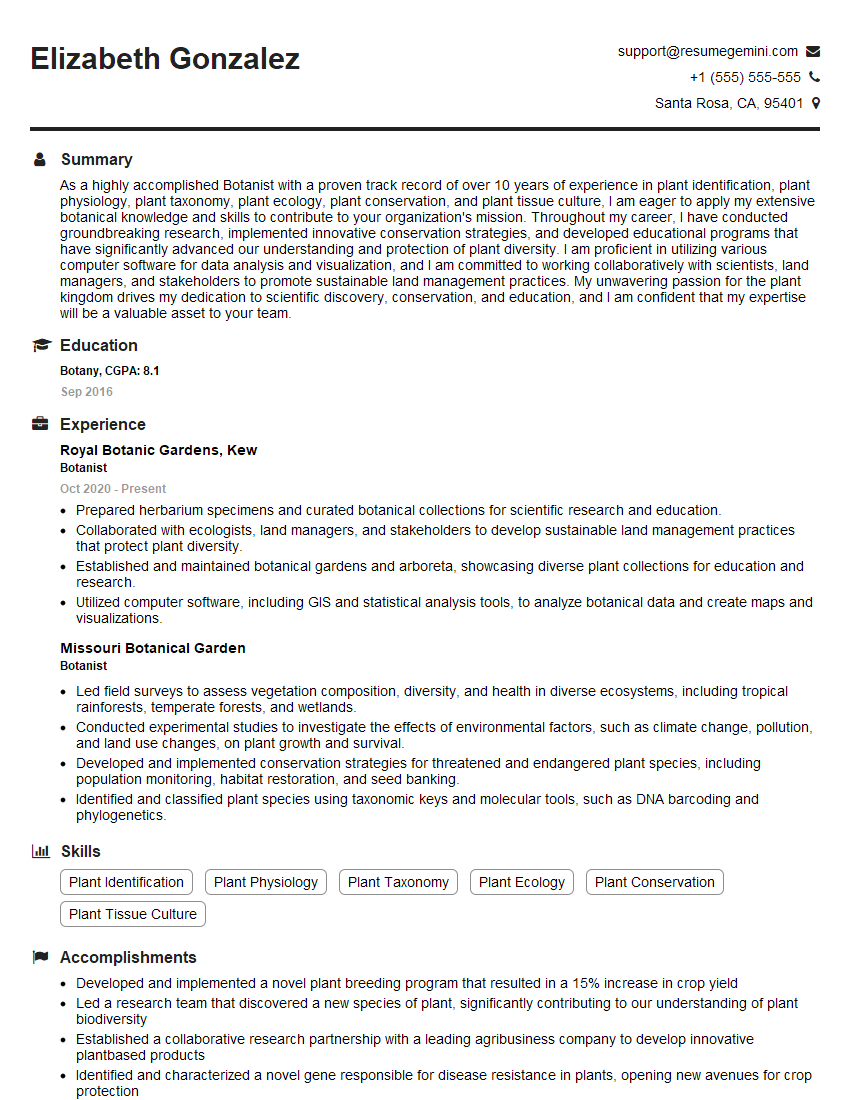
Botanist Resume Sample
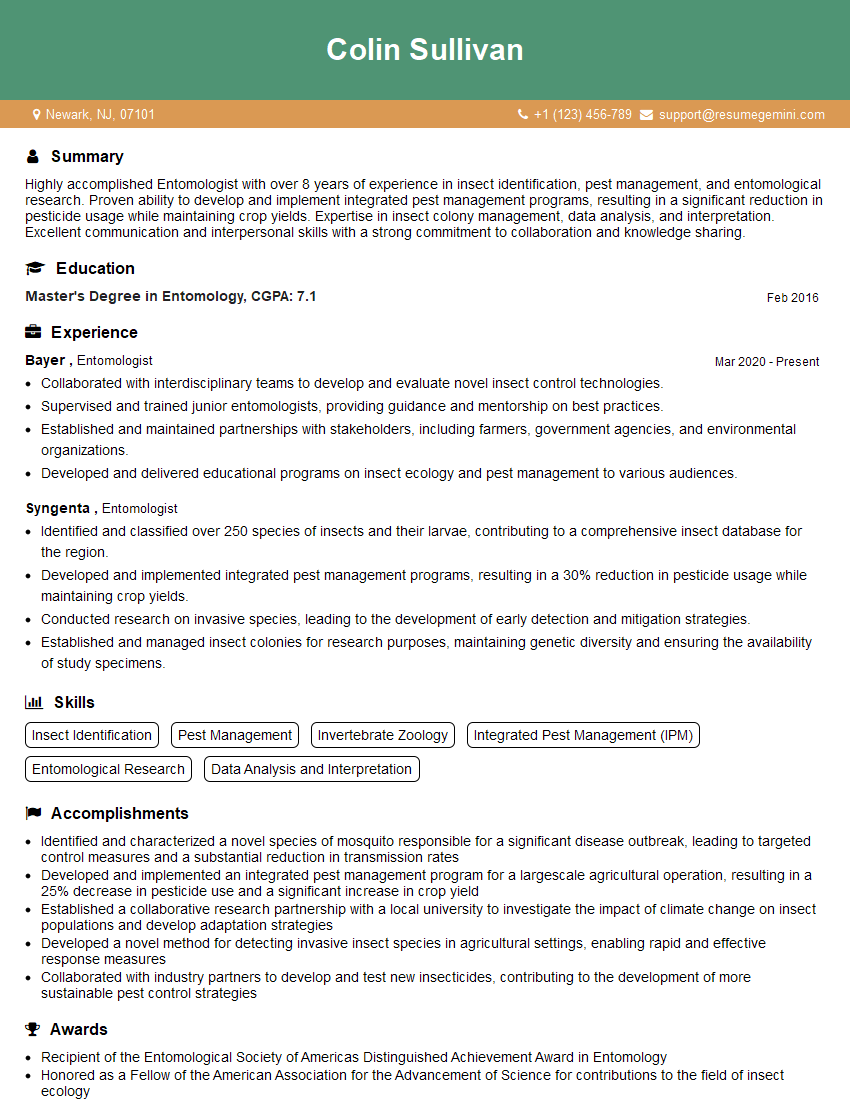
Entomologist Resume Sample
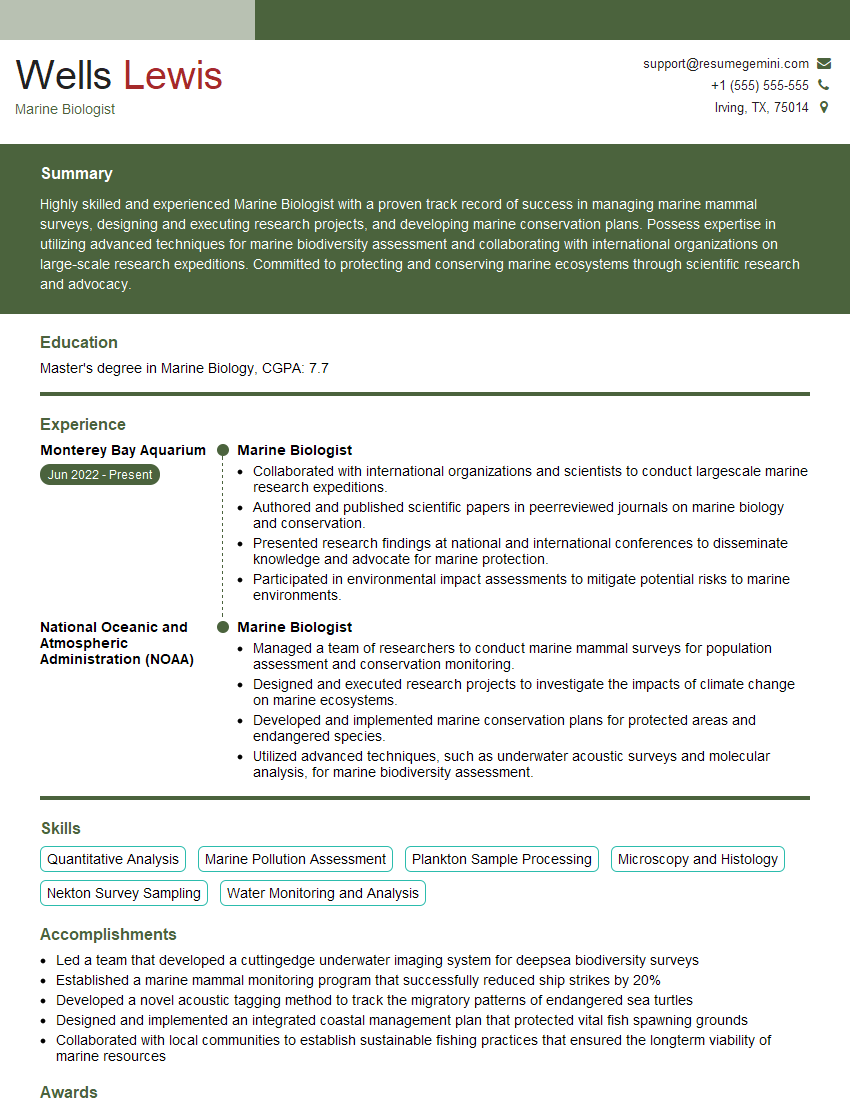
Marine Biologist Resume Sample

Wildlife Biologist Resume Sample
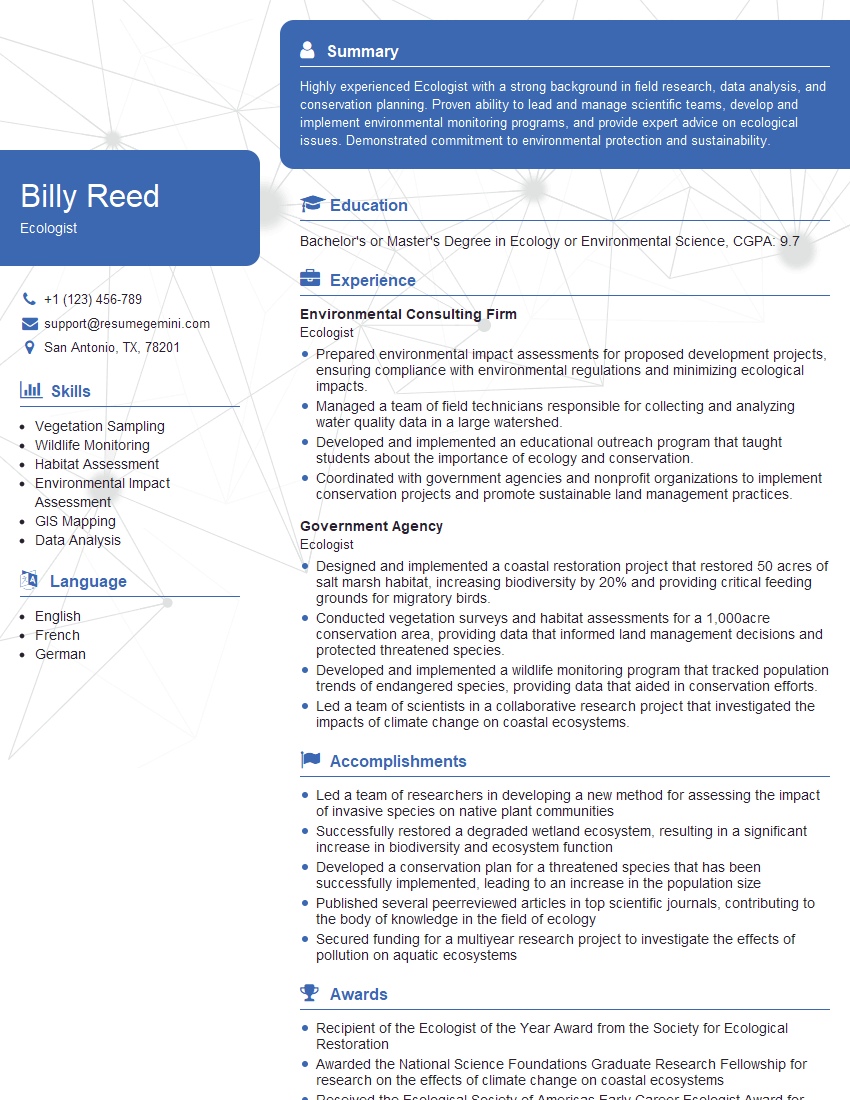
Ecologist Resume Sample
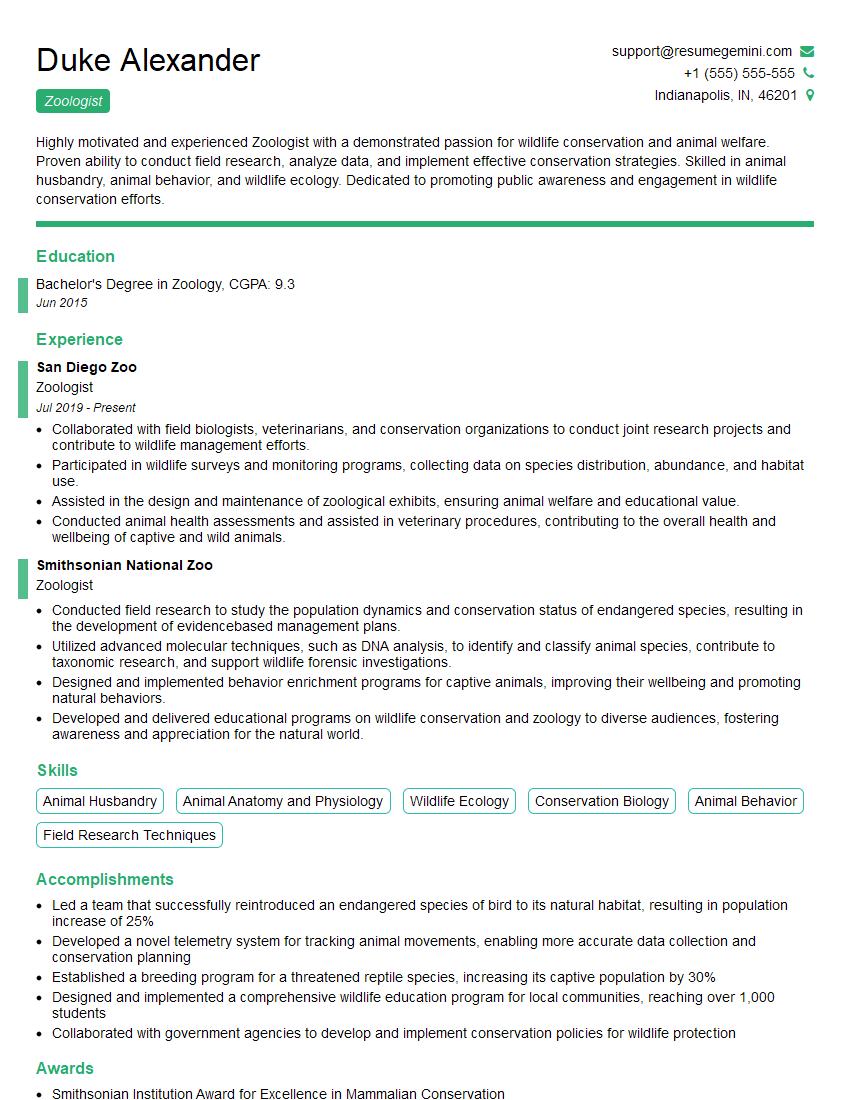
Zoologist Resume Sample
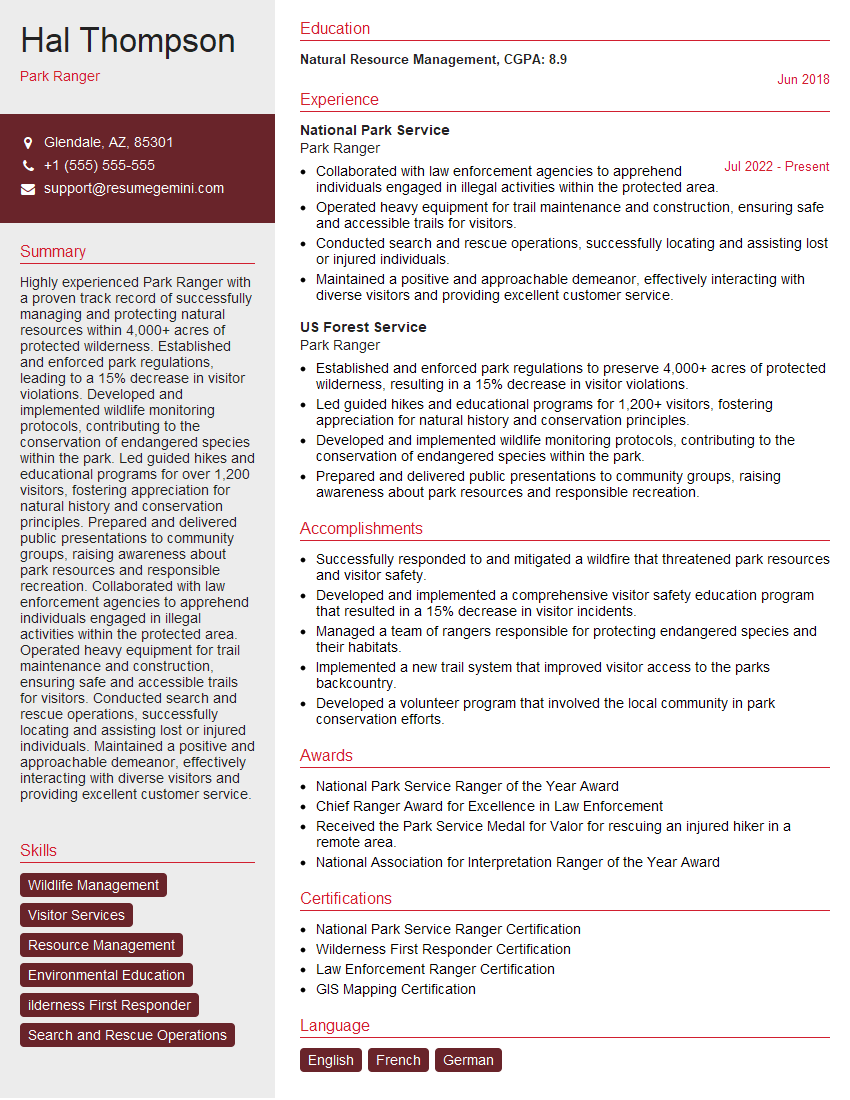
Park Ranger Resume Sample
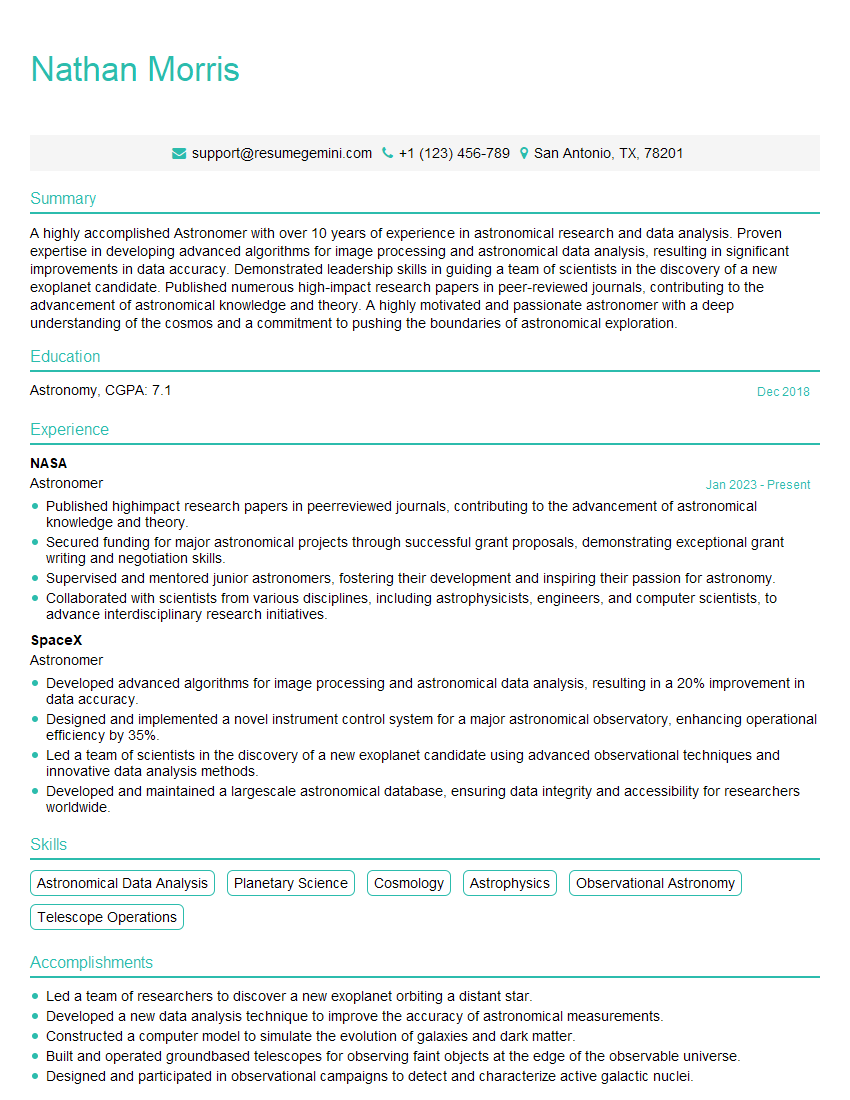
Astronomer Resume Sample
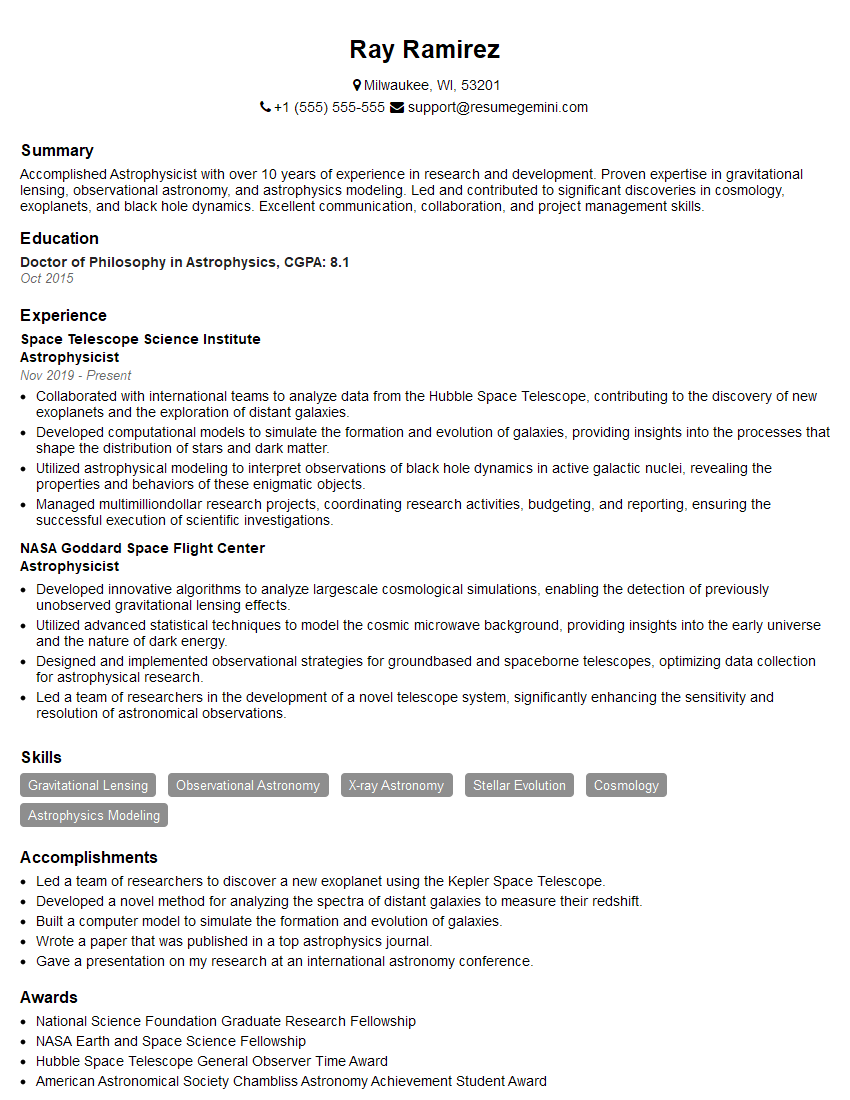
Astrophysicist Resume Sample
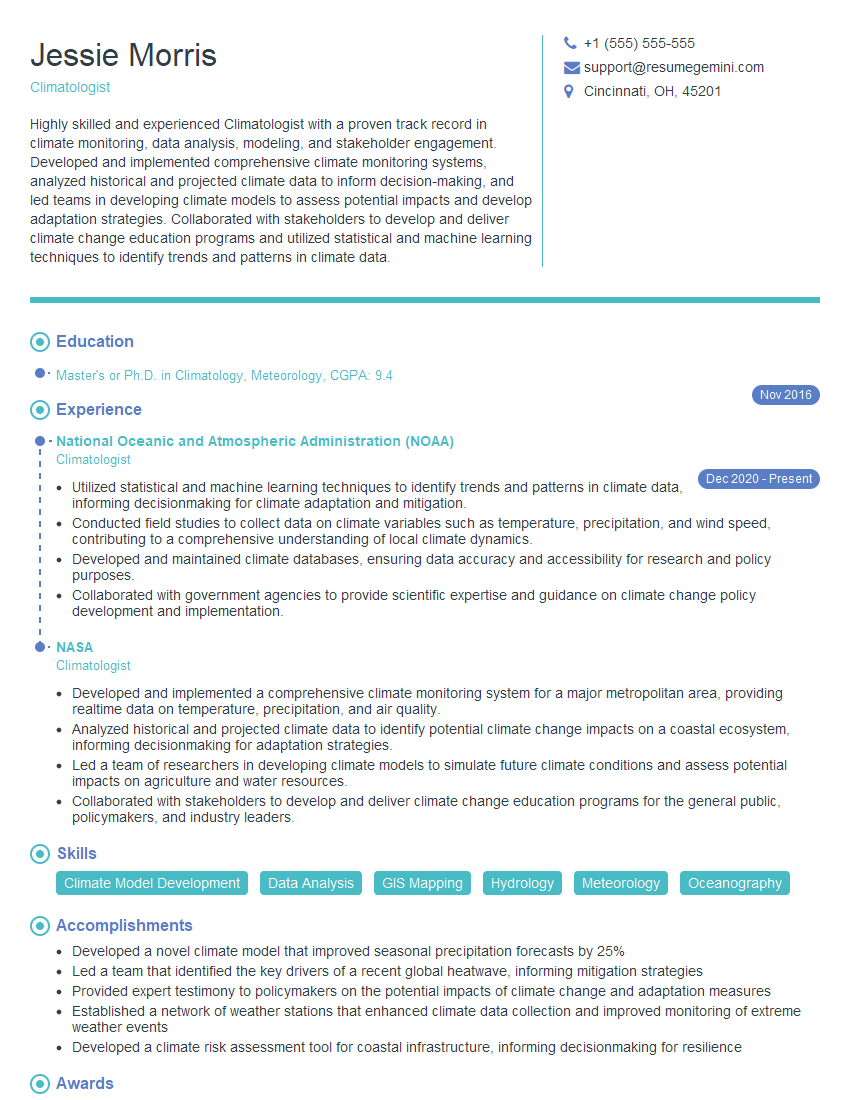
Climatologist Resume Sample
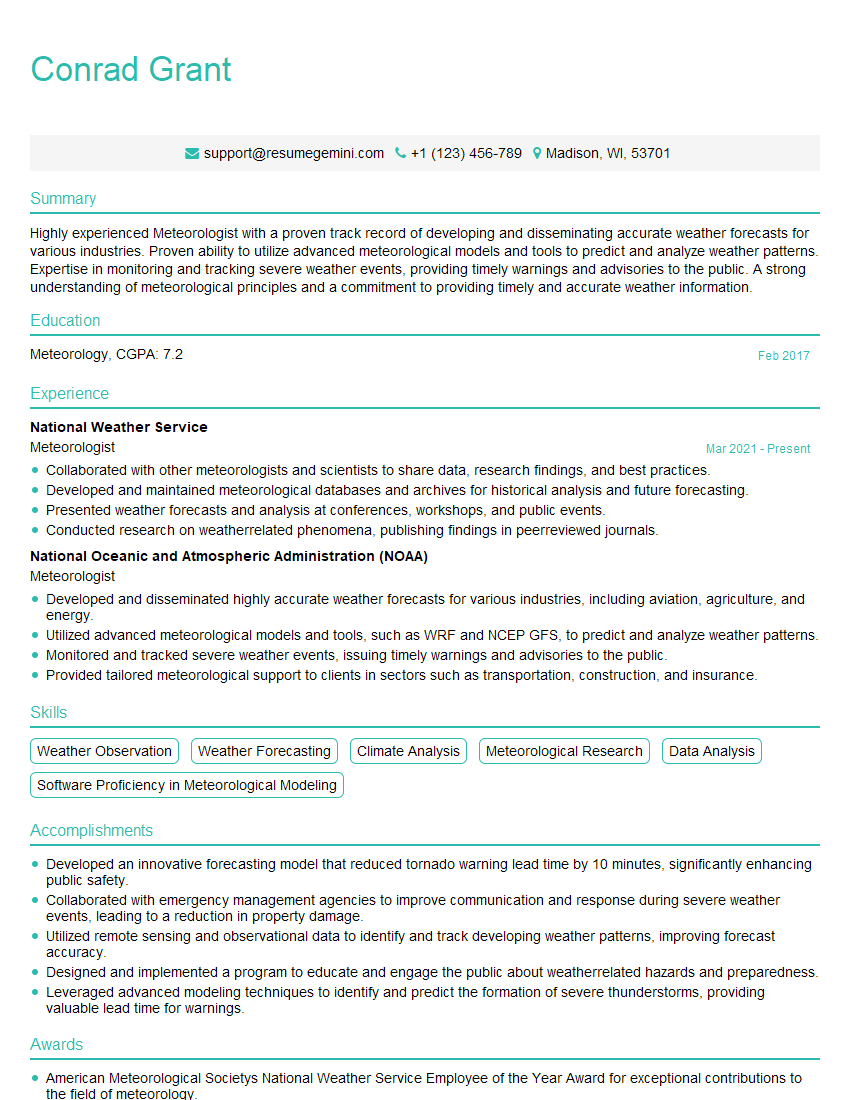
Meteorologist Resume Sample
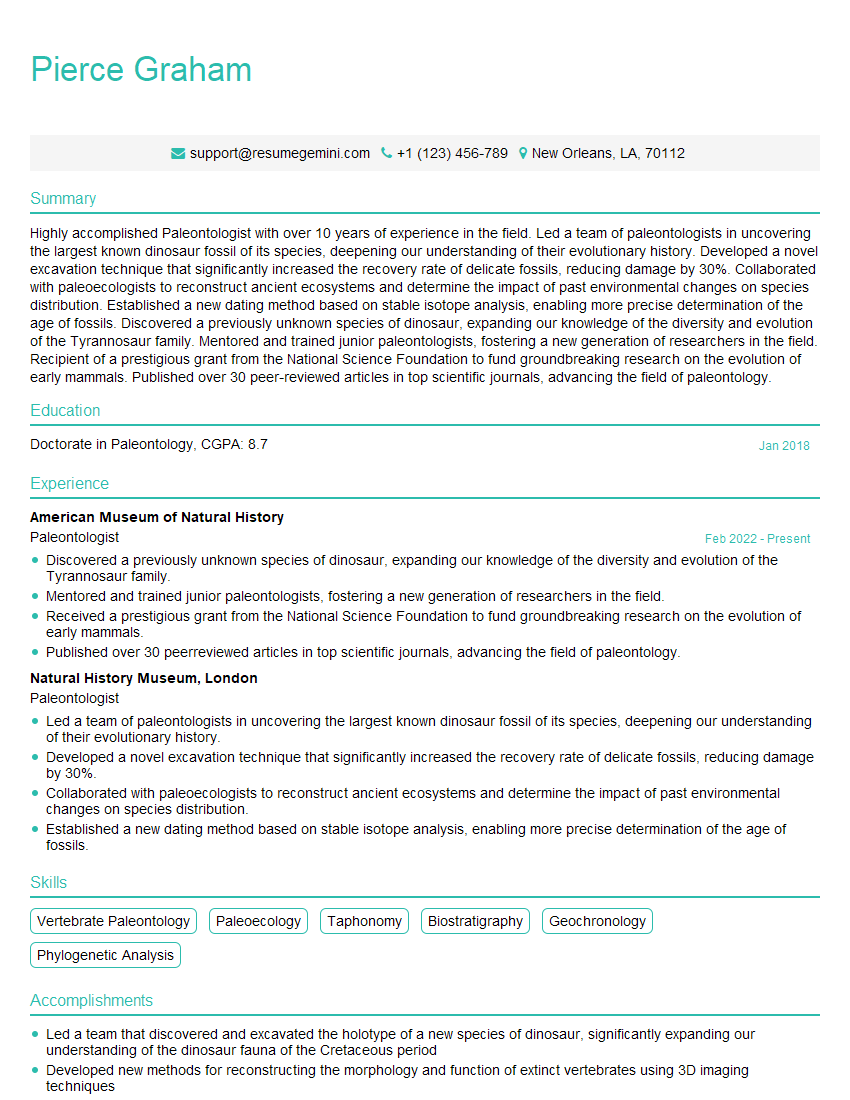
Paleontologist Resume Sample
Explore more articles
Users Rating of Our Blogs
Share Your Experience
We value your feedback! Please rate our content and share your thoughts (optional).
What Readers Say About Our Blog
I Redesigned Spongebob Squarepants and his main characters of my artwork.
https://www.deviantart.com/reimaginesponge/art/Redesigned-Spongebob-characters-1223583608
IT gave me an insight and words to use and be able to think of examples
Hi, I’m Jay, we have a few potential clients that are interested in your services, thought you might be a good fit. I’d love to talk about the details, when do you have time to talk?
Best,
Jay
Founder | CEO