Feeling uncertain about what to expect in your upcoming interview? We’ve got you covered! This blog highlights the most important Self-Contained Classroom Management interview questions and provides actionable advice to help you stand out as the ideal candidate. Let’s pave the way for your success.
Questions Asked in Self-Contained Classroom Management Interview
Q 1. Describe your experience managing student behavior in a self-contained classroom.
Managing student behavior in a self-contained classroom requires a proactive, positive, and consistent approach. It’s about building a strong classroom culture where students feel safe, respected, and understand clear expectations. My experience involves implementing a tiered system of interventions, starting with preventative strategies like establishing clear routines, positive reinforcement systems, and teaching social-emotional skills. For example, I use a visual schedule to help students anticipate transitions and reduce anxiety. When challenges arise, I utilize positive behavior interventions and supports (PBIS) focusing on redirecting inappropriate behaviors through gentle reminders, proximity control, or quiet time. For more persistent issues, I collaborate with the student’s IEP team to develop a more intensive behavior plan, possibly including functional behavior assessments (FBAs) to identify the root causes of the behavior and create individualized strategies.
For instance, one student I worked with had difficulty transitioning between activities. We implemented a visual timer and a pre-transition warning system. This small change significantly reduced disruptive behaviors during transitions. It’s crucial to document all interventions, their effectiveness, and any modifications made to ensure data-driven adjustments to the behavior plan.
Q 2. How do you differentiate instruction to meet the diverse needs of students in a self-contained setting?
Differentiation in a self-contained classroom is key to ensuring each student’s success. It means adapting instruction to meet individual learning needs, which often vary significantly within a self-contained setting. I employ several strategies: Firstly, I utilize varied instructional methods. Some students learn best through hands-on activities, while others thrive through visual aids or auditory instruction. I incorporate all these approaches into my lessons. Secondly, I differentiate content by providing varied levels of support and challenge. I may provide simplified materials and tasks for some students and more complex or extended work for others. Thirdly, I differentiate the learning environment itself, providing quiet workspaces for students needing focus and collaborative spaces for group activities.
For example, during a reading lesson, I might provide one group with a simplified text with audio support, another with the original text and graphic organizers, and a third group with a more challenging extension activity, perhaps a related research project. Regular assessment and ongoing monitoring are crucial to ensuring that the differentiation is effective and to adjust my approach as needed.
Q 3. Explain your approach to developing and implementing Individualized Education Programs (IEPs).
Developing and implementing IEPs is a collaborative process. I actively participate in IEP meetings, contributing my expertise in the student’s strengths, weaknesses, and progress in the classroom setting. I gather data through various assessments, observations, and work samples, providing detailed information to the IEP team. My role involves suggesting appropriate goals and objectives, aligning with the student’s individual needs and the curriculum. Following the IEP meeting, I’m responsible for implementing the IEP in the classroom, monitoring the student’s progress, and making data-driven adjustments as needed. I regularly communicate progress updates to parents and other members of the IEP team.
I use a variety of assessment methods, including formal and informal assessments, to track progress towards IEP goals. I document these findings regularly and share them with parents and other stakeholders. For instance, I might use data from formative assessments to adjust my instruction during a unit, or I might use summative assessment data to evaluate the student’s overall progress toward IEP goals at the end of a term or year.
Q 4. What strategies do you use to foster positive student-teacher relationships in a self-contained classroom?
Positive student-teacher relationships are foundational for a successful self-contained classroom. I build these relationships by prioritizing respect, empathy, and understanding. I get to know each student individually, learning about their interests and backgrounds. I show genuine interest in their lives, both inside and outside of the classroom. I communicate consistently and clearly with students, using positive language and feedback. I celebrate student successes both big and small, fostering a sense of accomplishment and belonging. I create opportunities for students to share their thoughts and feelings, making them feel heard and valued. I also ensure consistent application of classroom rules and expectations to build trust and predictability.
One effective strategy I use is incorporating positive reinforcement techniques such as praise, rewards, and privilege systems. For instance, I have a ‘Student of the Week’ board and a reward system where students earn tokens for positive behaviors.
Q 5. How do you adapt curriculum and assessments to address diverse learning styles and abilities?
Adapting curriculum and assessments is paramount in a self-contained classroom. I use various methods to accommodate diverse learning styles and abilities. I incorporate multi-sensory activities that engage different learning modalities. For example, I use visual aids, hands-on activities, and auditory presentations to teach concepts. I provide varied levels of support through scaffolding, differentiated instruction, and individualized assignments. I allow students flexibility in how they demonstrate their learning, offering various assessment options, including oral presentations, written assignments, projects, and performance-based tasks. I use assistive technology and other tools to support students with specific needs.
For instance, one student with dysgraphia benefits from using a speech-to-text program for written assignments, while another student with ADHD benefits from frequent breaks and opportunities for movement. I aim to create a supportive environment where every student feels comfortable participating and achieving their potential.
Q 6. Describe your experience with data-driven decision making to inform instruction in a self-contained classroom.
Data-driven decision making is integral to my teaching practice. I regularly collect data on student performance using various methods, including formative and summative assessments, observations, and work samples. I analyze this data to identify patterns, trends, and areas where students are struggling or excelling. I use this information to adjust my instruction, adapt my curriculum, and modify interventions as needed. For example, if data show that a significant number of students are struggling with a particular concept, I’ll revise my instruction, providing additional support and resources. I also track individual student progress towards IEP goals, regularly reviewing and adjusting goals as needed.
The data informs my planning for future lessons and ensures that my teaching is responsive to the students’ needs. It also helps me make informed decisions about interventions and accommodations needed for individual students. I use spreadsheets and other tools to organize and analyze the data, and I regularly share findings with the IEP team and parents.
Q 7. How do you collaborate effectively with parents, specialists, and other school staff?
Collaboration is essential in a self-contained classroom. I maintain open and frequent communication with parents, specialists (such as speech-language pathologists, occupational therapists, and special education teachers), and other school staff. I use various communication methods including regular phone calls, emails, parent-teacher conferences, and progress reports. I actively seek their input and expertise in developing and implementing IEPs, supporting student behavior, and adjusting instruction. I work closely with specialists to coordinate services and ensure a cohesive learning experience for the students. I regularly share data and observations with other team members to ensure everyone is working towards the same goals.
For instance, I might collaborate with the occupational therapist to develop strategies for improving a student’s fine motor skills, or I might work with the speech-language pathologist to help a student develop stronger communication skills. By working together as a team, we can provide the most comprehensive and effective support for our students.
Q 8. What methods do you use to communicate effectively with students who have communication difficulties?
Effective communication with students facing communication difficulties requires a multifaceted approach. It’s about understanding their unique needs and adapting my communication style accordingly.
- Augmentative and Alternative Communication (AAC): I’m proficient in using various AAC methods, such as picture exchange systems (PECS), sign language, and communication boards. For instance, a student with limited verbal skills might use a PECS card to request a break, significantly improving their ability to express themselves.
- Visual Supports: I frequently use visual aids like schedules, social stories, and visual timers to provide clarity and predictability. These tools reduce anxiety and improve comprehension, especially for students with autism or cognitive differences.
- Simplified Language: I tailor my language to the student’s comprehension level, using shorter sentences, simpler vocabulary, and clear instructions. Instead of saying “Please put your materials away neatly,” I might say, “Put books in box.”
- Patience and Active Listening: I prioritize patience, allowing ample time for responses and actively listening to both verbal and nonverbal cues. A slight change in body language or facial expression can offer valuable insights into a student’s understanding.
- Collaboration with Speech-Language Pathologists (SLPs): I work closely with SLPs to create individualized communication plans and utilize strategies they recommend.
Building rapport and trust are paramount. Understanding their frustration, validating their feelings, and celebrating small achievements create a safe and supportive environment for communication to flourish.
Q 9. How do you incorporate assistive technology into your teaching practices?
Assistive technology is integral to my teaching practice; it empowers students with diverse needs to access and participate fully in learning. I use a variety of technologies depending on the student’s specific requirements.
- Speech-to-text software: For students with writing difficulties, speech-to-text software allows them to dictate their assignments, reducing writing fatigue and improving their output. This can significantly improve their participation in writing-based tasks.
- Text-to-speech software: This assists students with reading difficulties by reading text aloud. It allows them to focus on comprehension rather than decoding words. Imagine the relief for a student struggling with dyslexia; they can actually access and engage with the reading material independently.
- Adaptive learning platforms: These platforms provide individualized learning experiences, adjusting the difficulty level based on the student’s performance. This ensures the learning is challenging yet achievable for each student.
- Communication apps and devices: As mentioned earlier, AAC devices are crucial for students with communication impairments.
- Augmentative Listening Devices: For students with auditory processing challenges, these amplify sounds and may help filter out distracting noises in a busy classroom environment.
Integrating assistive technology isn’t simply about providing the tools; it’s about training students to use them effectively and integrating them seamlessly into the learning process. I provide regular training and support to ensure technology becomes a natural extension of the student’s learning experience.
Q 10. Explain your understanding of various behavioral intervention strategies.
My understanding of behavioral intervention strategies encompasses a wide range of evidence-based approaches, tailored to individual student needs and focusing on positive reinforcement.
- Positive Behavior Interventions and Supports (PBIS): This framework emphasizes proactive strategies to prevent challenging behaviors, focusing on teaching appropriate behaviors and rewarding positive actions. It involves creating a clear set of expectations and consistently reinforcing them.
- Functional Behavior Assessment (FBA): Before implementing any intervention, I conduct an FBA to identify the function of a behavior—what need the behavior is fulfilling. Understanding the “why” behind the behavior guides the development of effective interventions.
- Behavior Intervention Plans (BIP): Based on the FBA, I develop a BIP outlining specific strategies to address the challenging behavior. This includes teaching replacement behaviors and providing positive reinforcement for appropriate behavior. For example, a student who engages in disruptive behaviors to gain attention might be taught to raise their hand for help instead.
- Applied Behavior Analysis (ABA): This approach focuses on using reinforcement and consequences to modify behavior. It’s often used to target specific behaviors, such as self-injurious behavior or aggression.
- Social Skills Training: This helps students learn and practice appropriate social skills, improving their interactions with peers and teachers. Role-playing, modeling, and positive feedback are crucial components.
It’s vital to remember that interventions should be individualized, data-driven, and regularly reviewed to ensure effectiveness.
Q 11. How do you address challenging behaviors in a self-contained classroom setting?
Addressing challenging behaviors in a self-contained classroom requires a proactive and consistent approach that prioritizes safety and positive reinforcement.
- Proactive Strategies: I establish clear classroom rules and expectations from day one. Visual schedules, consistent routines, and predictable transitions minimize unexpected situations that can trigger challenging behaviors.
- Positive Reinforcement: I focus on rewarding positive behavior frequently. This could involve verbal praise, tokens, preferred activities, or other reinforcers identified through the FBA.
- Environmental Modifications: Sometimes, modifying the classroom environment can significantly reduce challenging behaviors. This may include rearranging furniture to reduce distractions or providing quiet spaces for students who need a break.
- Early Intervention: Addressing behaviors promptly is key. I use non-verbal cues or gentle reminders to redirect students before behaviors escalate. For instance, a quiet touch on the shoulder can be enough to refocus a student.
- Collaboration: I collaborate closely with parents, administrators, and support staff to ensure consistency and support across settings. A united approach is crucial for success.
Remember, consistency is crucial. The same strategies should be consistently implemented by all adults working with the student. Every intervention is tailored to the specific student and their individual needs; there is no one-size-fits-all solution.
Q 12. Describe your experience with crisis management and de-escalation techniques.
Crisis management and de-escalation are vital skills in a self-contained classroom. My training includes various techniques aimed at preventing and managing challenging situations safely and effectively.
- Predictive Strategies: I actively monitor students for signs of escalation, such as increased anxiety or frustration. Understanding potential triggers is crucial for proactive interventions.
- De-escalation Techniques: These involve remaining calm, using a calm and reassuring tone, offering choices, and providing physical space when needed. Active listening is crucial, making the student feel heard and understood.
- Physical Restraint (Only When Necessary): While I am trained in safe physical restraint techniques, I only use them as a last resort and only when the student or others are in immediate danger. Proper documentation and reporting procedures are followed immediately.
- Collaboration with Support Staff: In crisis situations, I collaborate with other trained staff to ensure the safety of all students. This collaborative approach helps maintain calm and ensures a consistent response.
- Post-Incident Debriefing: Following a crisis, I conduct a thorough debriefing to analyze the event, identify areas for improvement, and adjust strategies as needed.
Prevention is key; early intervention and building strong, trusting relationships with students significantly reduces the likelihood of crises. My priority is always the safety and well-being of my students.
Q 13. How do you ensure the safety and well-being of students in your classroom?
Ensuring student safety and well-being is my top priority. This involves creating a safe physical environment and fostering a supportive and nurturing emotional climate.
- Safe Physical Environment: My classroom is designed to minimize hazards and potential dangers. This includes securely storing materials, regularly checking equipment, and maintaining a clean and organized space.
- Emergency Procedures: All students and staff are thoroughly trained on emergency procedures, including fire drills, lockdown procedures, and medical emergencies. We conduct regular drills to ensure preparedness.
- Individualized Safety Plans: For students with specific safety concerns, I develop individualized safety plans in collaboration with parents and support staff. This might include strategies for managing self-injurious behaviors or escape attempts.
- Emotional Well-being: I create a positive and supportive classroom climate where students feel safe to express their emotions and seek help when needed. This involves building strong relationships with each student, listening attentively, and offering empathy and support.
- Health and Hygiene: I emphasize good hygiene practices and encourage students to report any health concerns. I also work closely with school nurses to address health-related issues promptly.
Safety isn’t just about preventing accidents; it’s about creating a holistic environment where students feel safe, secure, and respected.
Q 14. How do you create a positive and inclusive learning environment for all students?
Creating a positive and inclusive learning environment is crucial for the success of all students. It’s about building a sense of belonging and fostering respect for diversity.
- Differentiated Instruction: I adapt my teaching methods to meet the diverse learning needs of my students. This includes providing various learning materials, using varied instructional strategies, and offering different assessment options.
- Positive Classroom Culture: I foster a positive classroom culture by promoting kindness, respect, and collaboration. We establish clear expectations and celebrate each student’s achievements, regardless of their abilities.
- Universal Design for Learning (UDL): I incorporate UDL principles into my teaching to provide multiple means of representation, action and expression, and engagement. This ensures that all students have access to the curriculum.
- Celebrating Diversity: I create opportunities for students to learn about and celebrate different cultures and backgrounds. We incorporate diverse perspectives into our lessons and activities.
- Building Relationships: I invest time in building positive relationships with each student. I get to know their individual interests, strengths, and challenges. This creates a sense of trust and belonging.
An inclusive classroom is one where every student feels valued, respected, and empowered to reach their full potential. This requires ongoing reflection and a commitment to creating a welcoming and supportive learning community.
Q 15. Explain your experience with creating and maintaining a structured classroom routine.
Establishing a structured classroom routine is paramount in a self-contained classroom. It provides predictability and security for students, minimizing anxiety and maximizing learning time. I create routines collaboratively with my students, involving them in the decision-making process as much as possible. This fosters a sense of ownership and responsibility. My approach involves:
- Visual Schedules: Using visual aids like pictures or symbols, especially beneficial for students with diverse learning needs, makes the daily schedule clear and easily understandable.
- Consistent Transitions: Implementing clear signals and routines for transitions between activities (explained further in answer 2) prevents disruptions and confusion.
- Morning Routine: A clearly defined morning routine, involving tasks like unpacking backpacks, completing morning work, and settling into the day’s activities, sets a positive tone for the entire day.
- Regular Breaks: Incorporating scheduled breaks throughout the day allows students to recharge and prevents burnout, particularly vital in a self-contained setting.
- Consistent End-of-Day Routine: This involves packing up materials, tidying the classroom, and a calming activity to conclude the day.
For instance, in one classroom, we developed a color-coded visual schedule where each activity was represented by a picture and color-coded container for materials. Students learned to independently transition to the next activity by moving their designated token on the schedule. This simple yet effective system dramatically improved their independence and reduced transition-related disruptions.
Career Expert Tips:
- Ace those interviews! Prepare effectively by reviewing the Top 50 Most Common Interview Questions on ResumeGemini.
- Navigate your job search with confidence! Explore a wide range of Career Tips on ResumeGemini. Learn about common challenges and recommendations to overcome them.
- Craft the perfect resume! Master the Art of Resume Writing with ResumeGemini’s guide. Showcase your unique qualifications and achievements effectively.
- Don’t miss out on holiday savings! Build your dream resume with ResumeGemini’s ATS optimized templates.
Q 16. How do you manage transitions between activities effectively?
Managing transitions effectively is crucial for maintaining a positive learning environment. Disruptive transitions waste valuable instructional time and can negatively impact student focus. My strategies focus on predictability, clear communication, and engaging activities to bridge the gap between activities. This includes:
- Verbal and Non-Verbal Cues: Using a consistent verbal cue, like a chime or a specific phrase (‘Time to transition’), accompanied by a visual cue, such as a timer or a change in lighting, provides students with clear warnings about upcoming transitions.
- Transition Activities: Implementing brief, engaging activities during transitions, such as a quick brain break or a short classroom game, helps shift students’ focus and makes transitions smoother.
- Pre-teaching Transitions: Before a transition, I explicitly teach students the expected behavior and procedures, often using role-playing or visual aids. This helps avoid confusion and prevents disruptive behavior.
- Positive Reinforcement: Praising students who transition smoothly and efficiently reinforces desired behaviors. A simple ‘Thank you for transitioning so quickly!’ goes a long way.
- Individualized Support: Recognizing that some students may need more support during transitions, I provide individualized assistance, offering extra time or redirection as needed.
For example, a visual timer with a specific color change is used to signal the end of an activity, followed by a 1-minute quick stretching exercise before moving to the next task. This ensures an effective transition by providing a clear signal, engaging activity, and a built-in structure.
Q 17. What strategies do you employ to build students’ independence and self-advocacy skills?
Building students’ independence and self-advocacy skills is a core component of my teaching philosophy, especially in a self-contained classroom setting. This involves gradually releasing responsibility and empowering students to take ownership of their learning. I achieve this through:
- Choice and Autonomy: Offering students choices within the curriculum allows them to feel a sense of control and ownership over their learning.
- Self-Monitoring and Goal Setting: Using self-assessment checklists and goal-setting activities helps students track their progress and take responsibility for their learning.
- Explicit Instruction in Self-Advocacy Skills: Directly teaching students how to ask for help, express their needs, and advocate for themselves in various settings.
- Modeling Self-Advocacy: Demonstrating self-advocacy behaviors, such as asking clarifying questions or seeking support when needed, provides students with concrete examples to emulate.
- Providing Opportunities for Independent Work: Gradually increasing the amount of independent work allows students to practice self-management and problem-solving skills.
One example is using student-led conferences where students actively participate in discussing their progress and goals with parents. This empowers them to articulate their strengths and areas for improvement, fostering self-advocacy skills.
Q 18. How do you monitor student progress and adjust instruction accordingly?
Monitoring student progress and adjusting instruction is ongoing in my classroom. It’s a continuous cycle of assessment, analysis, and adaptation. My approach includes:
- Formative Assessment: Regularly using formative assessments like exit tickets, quick checks, and observation to gauge students’ understanding throughout instruction.
- Data-Driven Instruction: Analyzing assessment data to identify students’ strengths and weaknesses and adjust instruction accordingly.
- Differentiated Instruction: Providing varied levels of support and challenge based on individual student needs.
- Curriculum Adjustments: Modifying the curriculum to better meet students’ learning styles and needs.
- Regular Feedback: Providing frequent and specific feedback to students, helping them understand their progress and areas for improvement.
For example, if formative assessments reveal that a group of students are struggling with a particular concept, I might provide additional small-group instruction, use different teaching methods, or modify the assignment to better suit their needs. This iterative approach ensures that all students are making progress.
Q 19. Describe your experience using various assessment methods in a self-contained classroom.
Assessment in a self-contained classroom requires a multifaceted approach, incorporating various methods to gain a comprehensive understanding of each student’s progress. My experience includes using:
- Observations: Systematically observing students’ behaviors, participation, and work habits to gather qualitative data.
- Work Samples: Collecting and analyzing students’ work samples (written assignments, projects, artwork) to assess their skills and understanding.
- Standardized Tests: Administering standardized tests to measure students’ performance against established benchmarks.
- Curriculum-Based Assessments: Utilizing curriculum-based measures to assess students’ mastery of specific skills and concepts within the curriculum.
- Portfolios: Creating student portfolios that showcase their growth over time, demonstrating their progress in various areas.
The combination of these methods allows for a more holistic understanding of student performance and identifies areas needing extra attention. For example, a student might excel in practical activities but struggle with written assessments; this information helps tailor instruction accordingly.
Q 20. How do you utilize technology to enhance learning and engagement?
Technology plays a vital role in enhancing learning and engagement in my self-contained classroom. I strategically incorporate technology to cater to diverse learning styles and improve accessibility. This includes:
- Interactive Whiteboards: Using interactive whiteboards for engaging lessons, interactive games, and collaborative activities.
- Educational Software and Apps: Utilizing educational software and apps that provide individualized instruction, adaptive learning, and differentiated activities.
- Assistive Technology: Implementing assistive technology tools to support students with disabilities, such as text-to-speech software or speech-to-text software.
- Educational Games and Simulations: Using educational games and simulations to make learning fun and engaging.
- Communication Tools: Leveraging communication tools to facilitate parent-teacher communication and enhance collaboration.
For example, a student struggling with reading comprehension benefited greatly from using text-to-speech software, which made accessing texts more manageable. Similarly, educational apps providing individualized practice helped other students master specific skills at their own pace.
Q 21. What is your experience with writing progress reports and communicating student progress to parents?
Clear and consistent communication with parents is essential in a self-contained classroom. Progress reports are a key component of this communication. My approach to writing progress reports and communicating student progress to parents involves:
- Data-Driven Reporting: Using assessment data to support my observations and provide concrete examples of student progress.
- Descriptive Language: Using descriptive language to explain students’ strengths, weaknesses, and progress in specific areas.
- Goal Setting: Including information on goals for the next reporting period.
- Parent-Teacher Conferences: Scheduling regular parent-teacher conferences to discuss student progress in person.
- Multiple Communication Channels: Utilizing various communication channels (email, phone calls, online platforms) to maintain regular contact with parents.
I often include specific examples of student work and anecdotal notes in my progress reports, providing a rich picture of the student’s learning journey. For example, I might include a photo of a student’s completed project alongside comments highlighting their creativity and problem-solving skills. This personalized approach fosters strong home-school connections.
Q 22. How do you adapt your teaching methods to meet the needs of students with various disabilities?
Adapting my teaching to meet the needs of students with various disabilities is paramount in a self-contained classroom. It’s not a ‘one-size-fits-all’ approach; instead, it requires individualized planning and consistent monitoring of progress. This involves understanding each student’s Individualized Education Program (IEP) thoroughly, which outlines their specific learning goals, accommodations, and modifications.
For example, a student with a visual impairment might need large-print materials and assistive technology like screen readers. A student with an auditory processing disorder might benefit from visual aids, graphic organizers, and clear, concise instructions. A student with ADHD might need frequent breaks, a structured environment, and alternative seating arrangements. I collaborate closely with special education specialists, therapists, and parents to ensure a cohesive and supportive learning plan.
- Differentiated Instruction: I use a variety of instructional strategies to cater to different learning styles and needs. This might involve presenting information in multiple formats (visual, auditory, kinesthetic), offering choices in assignments, and providing varying levels of support.
- Assistive Technology: I am proficient in using and integrating a range of assistive technologies, from augmentative and alternative communication (AAC) devices to text-to-speech software and adaptive learning platforms.
- Universal Design for Learning (UDL): I embed UDL principles into my lesson planning, focusing on providing multiple means of representation, action & expression, and engagement.
Q 23. Describe your experience with working with students with specific learning disabilities.
I have extensive experience working with students with specific learning disabilities, including dyslexia, dysgraphia, and dyscalculia. Understanding the specific challenges these disabilities present is crucial for effective teaching. For instance, a student with dyslexia might struggle with reading fluency and decoding words. My approach involves using multi-sensory techniques, such as phonics-based instruction and visual aids, to help them improve their reading skills. For students with dysgraphia, I provide accommodations like allowing them to use assistive technology for writing, dictating their responses, or providing alternative assessment methods.
With students with dyscalculia, I focus on building a strong foundation in number sense through hands-on activities, manipulatives, and visual representations. I also break down complex math problems into smaller, more manageable steps and provide ample opportunities for practice. Regular progress monitoring and consistent communication with parents and specialists are key to ensuring these students receive the appropriate support and make meaningful academic progress.
Q 24. How do you maintain a positive and supportive classroom climate?
Maintaining a positive and supportive classroom climate is essential for student learning and well-being. It’s about building a sense of community, respect, and trust. I achieve this through several strategies:
- Positive Reinforcement: I focus on rewarding positive behavior and effort rather than solely punishing misbehavior. This might involve verbal praise, stickers, classroom privileges, or a points system.
- Clear Expectations and Rules: I establish clear expectations and rules from the beginning of the year, ensuring students understand the consequences of breaking them. I explain the ‘why’ behind these rules, helping students internalize them rather than just memorize them.
- Relationship Building: I make an effort to get to know my students individually, understanding their strengths, weaknesses, interests, and learning styles. This fosters a sense of connection and rapport.
- Classroom Meetings: Regular classroom meetings provide a platform for students to voice their opinions, concerns, and ideas, fostering a sense of shared ownership and responsibility.
- Celebrating Successes: I create opportunities to celebrate both individual and group achievements, reinforcing positive behavior and building self-esteem.
Q 25. How do you handle conflicts among students in your classroom?
Conflict resolution is a crucial skill in a self-contained classroom. When conflicts arise, my approach is proactive and focuses on teaching students conflict resolution skills. I don’t simply punish; I guide students through a process:
- Listen Empathetically: I encourage students to express their perspectives without interruption, ensuring each student feels heard and understood.
- Identify the Problem: We work together to identify the core issue causing the conflict, separating facts from opinions.
- Brainstorm Solutions: We collaboratively generate potential solutions, encouraging creativity and compromise.
- Choose a Solution: We evaluate the proposed solutions and choose one that addresses the issue effectively and fairly.
- Monitor and Evaluate: We monitor the chosen solution’s effectiveness and adjust if necessary.
I also teach social-emotional learning (SEL) skills such as empathy, perspective-taking, and communication, which help prevent conflicts from arising in the first place. Role-playing scenarios helps students practice these skills in a safe environment.
Q 26. What professional development activities have you pursued to enhance your skills in self-contained classroom management?
I’ve consistently pursued professional development opportunities to enhance my skills in self-contained classroom management. This includes attending workshops and conferences on topics such as:
- Positive Behavior Interventions and Supports (PBIS): Understanding and implementing PBIS frameworks to prevent and address challenging behaviors.
- Trauma-Informed Practices: Learning how to create a classroom environment that is sensitive to the needs of students who have experienced trauma.
- Restorative Justice Practices: Employing restorative justice approaches to address conflict and build community.
- Applied Behavior Analysis (ABA): Understanding the principles of ABA and how to apply them to modify behavior.
- Differentiated Instruction Strategies: Refining my skills in delivering effective differentiated instruction to meet the diverse needs of my students.
I also actively seek out mentorship opportunities from experienced educators and collaborate with colleagues to share best practices and support each other.
Q 27. Describe a time when you had to adapt your teaching approach to meet the needs of a particular student.
One student, let’s call him Alex, had significant anxiety and difficulty focusing in a traditional classroom setting. He would frequently withdraw and shut down, exhibiting avoidance behaviors. After careful observation and collaboration with his parents and therapist, we discovered that Alex thrived in a highly structured and predictable environment. Initially, I tried several strategies that didn’t work, such as verbal reminders and rewards. We found that providing a visual schedule, allowing frequent movement breaks, and offering choices within assignments were key.
I created a personalized visual schedule displayed prominently in his workspace and incorporated frequent short breaks into his daily routine, allowing him to engage in sensory activities that helped regulate his emotions. We also established clear, consistent routines and expectations, which helped reduce his anxiety about uncertainty. This modified approach dramatically improved Alex’s engagement, reducing his anxiety and fostering a positive learning experience. This illustrates how individualized plans must be flexible and responsive to each student’s unique challenges.
Q 28. How do you incorporate evidence-based practices into your teaching in a self-contained setting?
Incorporating evidence-based practices into my self-contained classroom is crucial. I rely on research-supported strategies to inform my teaching and management approaches. This involves:
- Data-Driven Decision Making: I regularly collect data on student performance and behavior, using this information to inform instructional decisions and adjust my teaching strategies as needed. This may include using formative assessments and progress monitoring tools.
- Research-Based Interventions: I implement interventions supported by research, such as explicit phonics instruction for reading difficulties or multi-sensory strategies for students with learning disabilities. I stay current with educational research through journals and professional development.
- Culturally Responsive Teaching: I strive to create a culturally responsive classroom where students’ cultural backgrounds and experiences are valued and respected. This involves understanding the diverse learning styles and preferences within my student population.
- Collaboration with Professionals: I work closely with special education specialists, therapists, and other professionals to ensure my teaching aligns with the latest evidence-based practices and the needs of each student.
By grounding my practice in research and data, I ensure that I’m using the most effective methods to support my students’ learning and growth.
Key Topics to Learn for Self-Contained Classroom Management Interview
- Creating a Positive and Supportive Classroom Environment: Understanding the principles of positive behavior interventions and supports (PBIS), establishing clear expectations and routines, and fostering a sense of community and belonging.
- Individualized Education Program (IEP) Implementation: Demonstrating knowledge of IEP goals, accommodations, and modifications, and effectively adapting instruction to meet diverse student needs within a self-contained setting.
- Data-Driven Instruction and Assessment: Explaining how to collect, analyze, and use student data to inform instructional decisions and demonstrate student progress. This includes formative and summative assessment strategies tailored to the self-contained environment.
- Behavior Management Strategies: Discussing various techniques for addressing challenging behaviors, including proactive strategies, positive reinforcement, and de-escalation techniques. Highlighting the importance of functional behavioral assessments (FBAs) and behavior intervention plans (BIPs).
- Collaboration and Communication: Emphasizing the importance of effective communication with parents, administrators, special education staff, and other professionals involved in the student’s education. Demonstrating understanding of collaborative problem-solving.
- Differentiated Instruction and Adaptive Teaching: Showcasing your ability to adjust your teaching methods and materials to meet the unique learning styles and needs of students with diverse abilities within a self-contained classroom.
- Classroom Organization and Management: Explaining strategies for effective classroom organization, including materials, space, and schedules, to maximize learning time and minimize disruptions.
- Crisis Management and Safety Procedures: Demonstrating your understanding of procedures for handling emergencies and ensuring the safety and well-being of students in a self-contained environment.
Next Steps
Mastering Self-Contained Classroom Management significantly enhances your career prospects, opening doors to rewarding positions with greater responsibility and impact. To maximize your job search success, it’s crucial to present your skills and experience effectively through an ATS-friendly resume. ResumeGemini is a trusted resource that can help you build a compelling resume tailored to the specific requirements of self-contained classroom management positions. Take advantage of their tools and resources – examples of resumes tailored to this field are available to guide you. Invest time in crafting a strong resume to showcase your expertise and land your dream job.
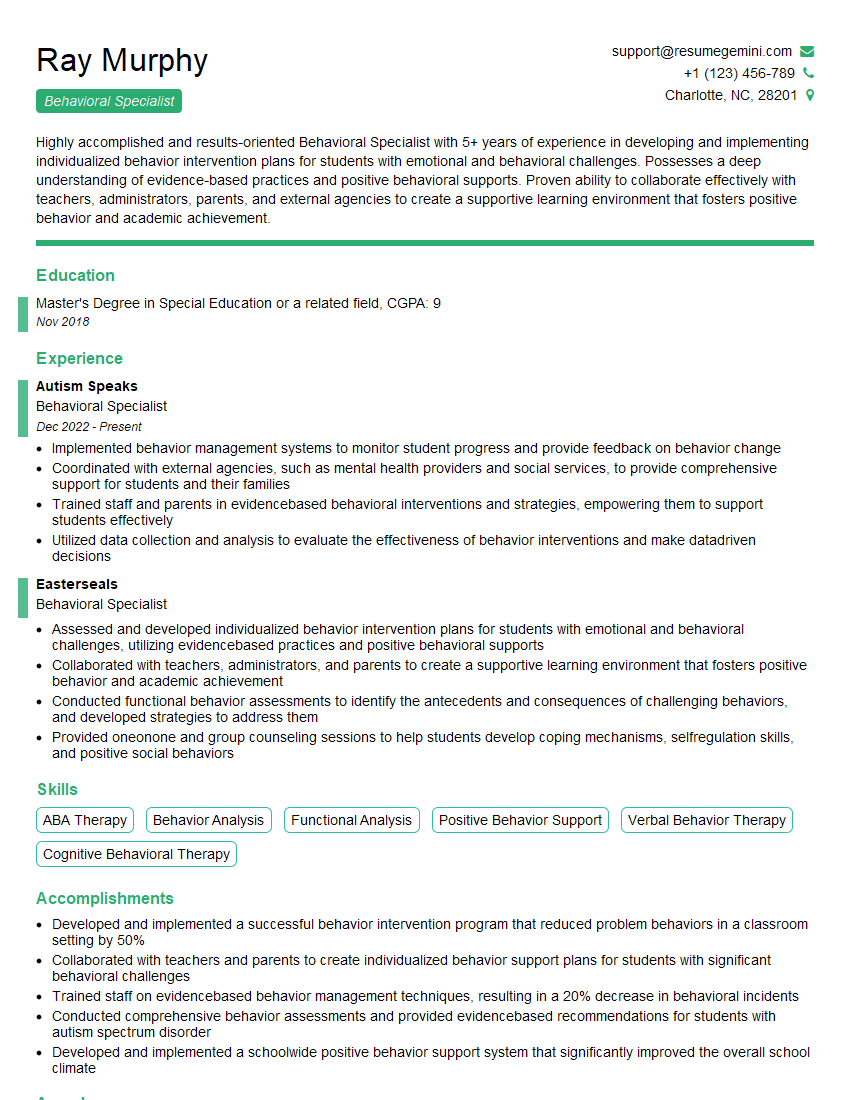
Behavioral Specialist Resume Sample
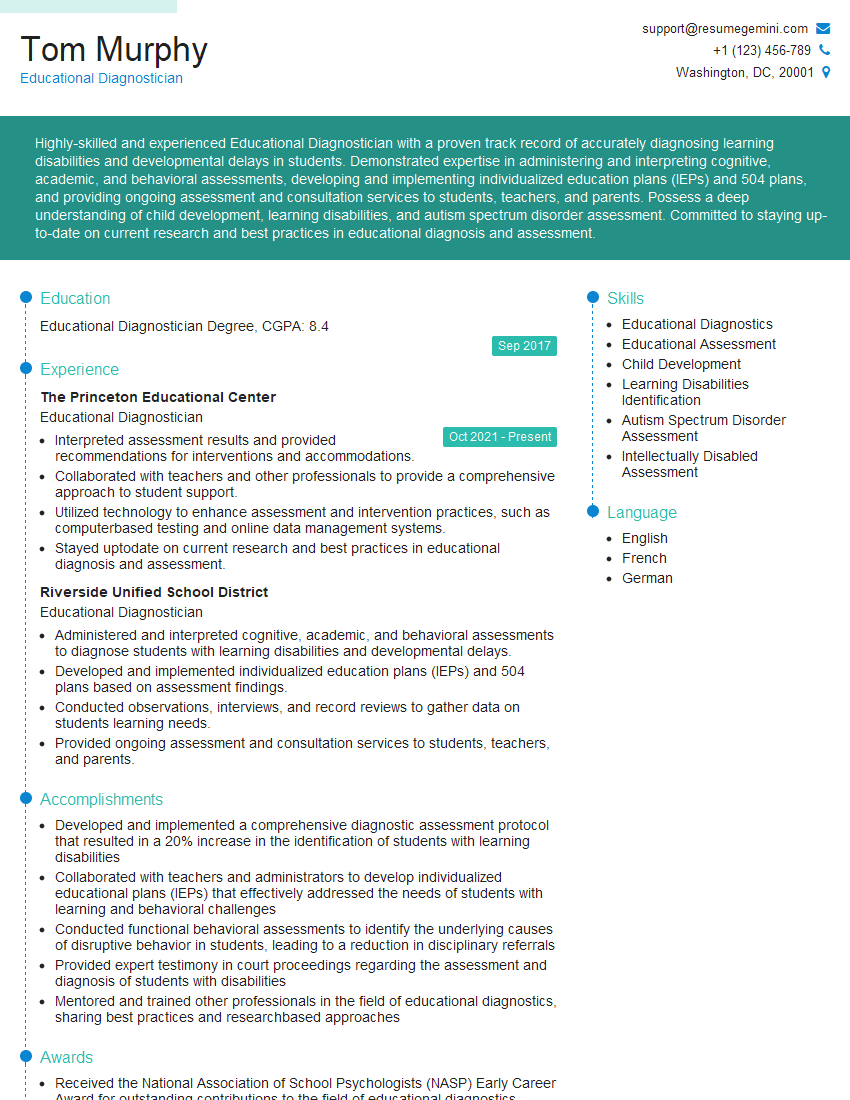
Educational Diagnostician Resume Sample
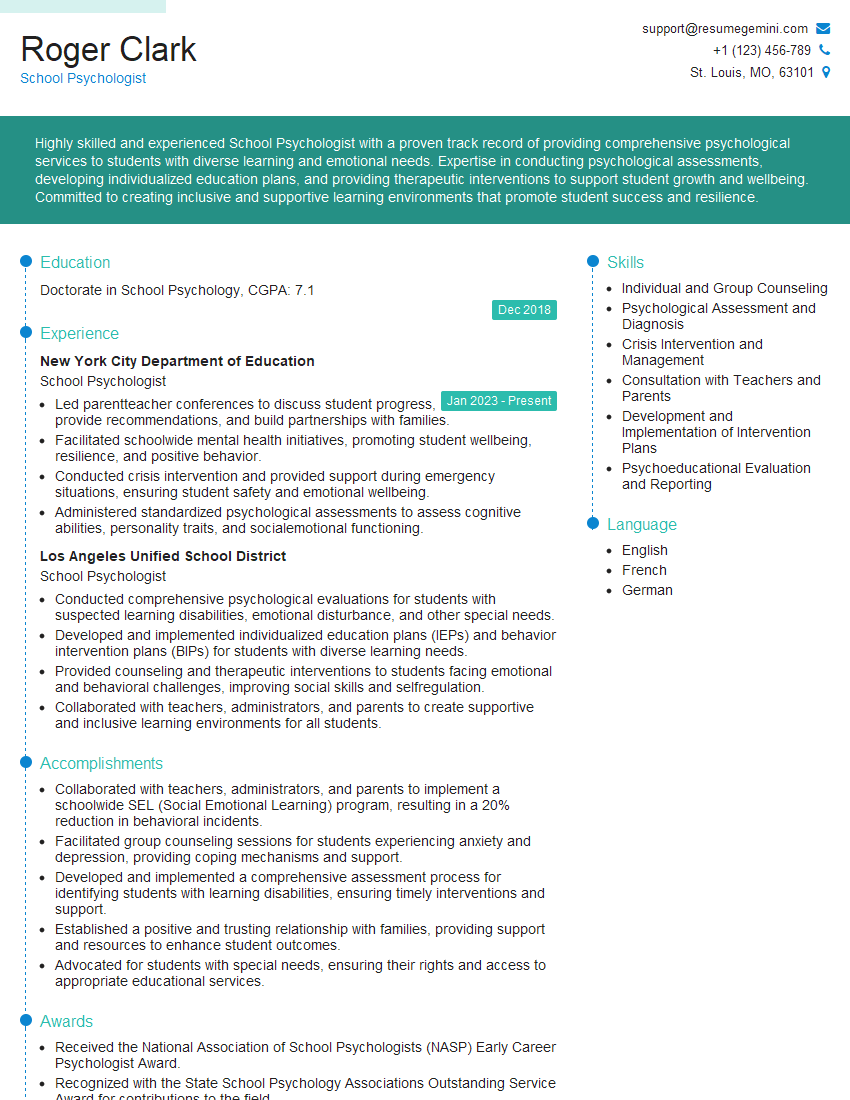
School Psychologist Resume Sample
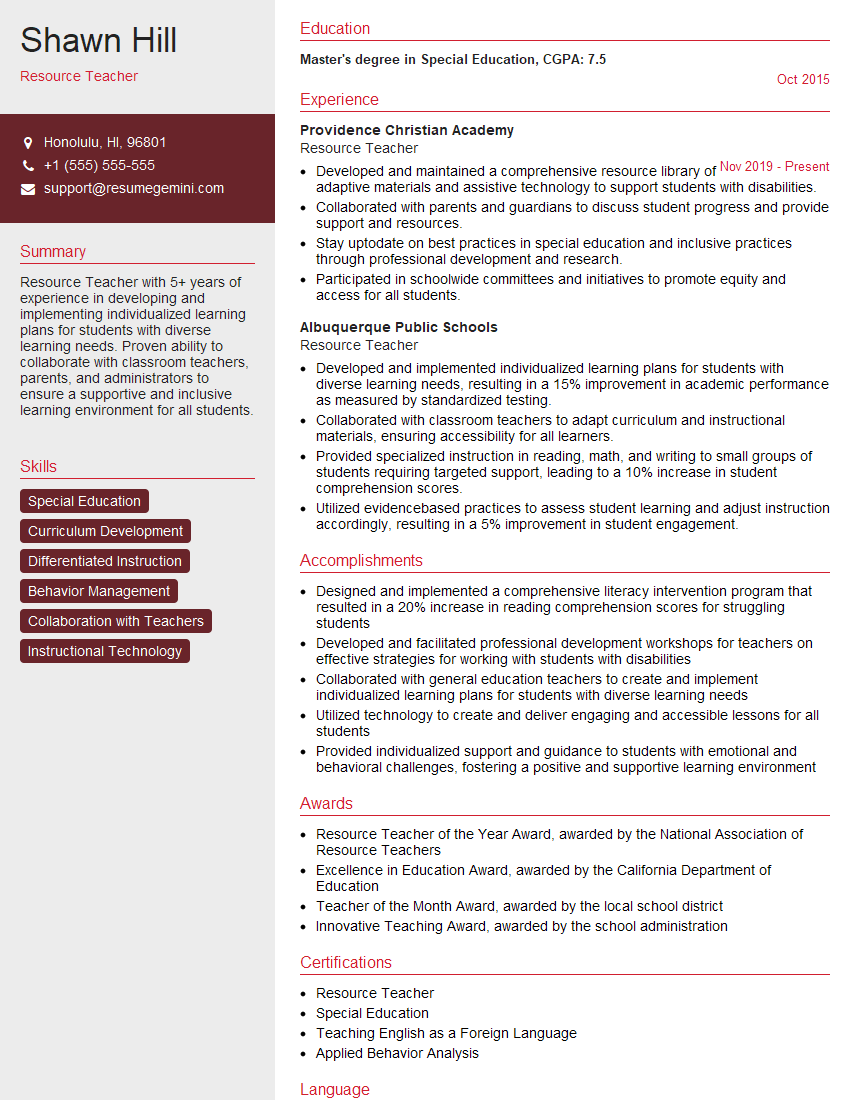
Resource Teacher Resume Sample
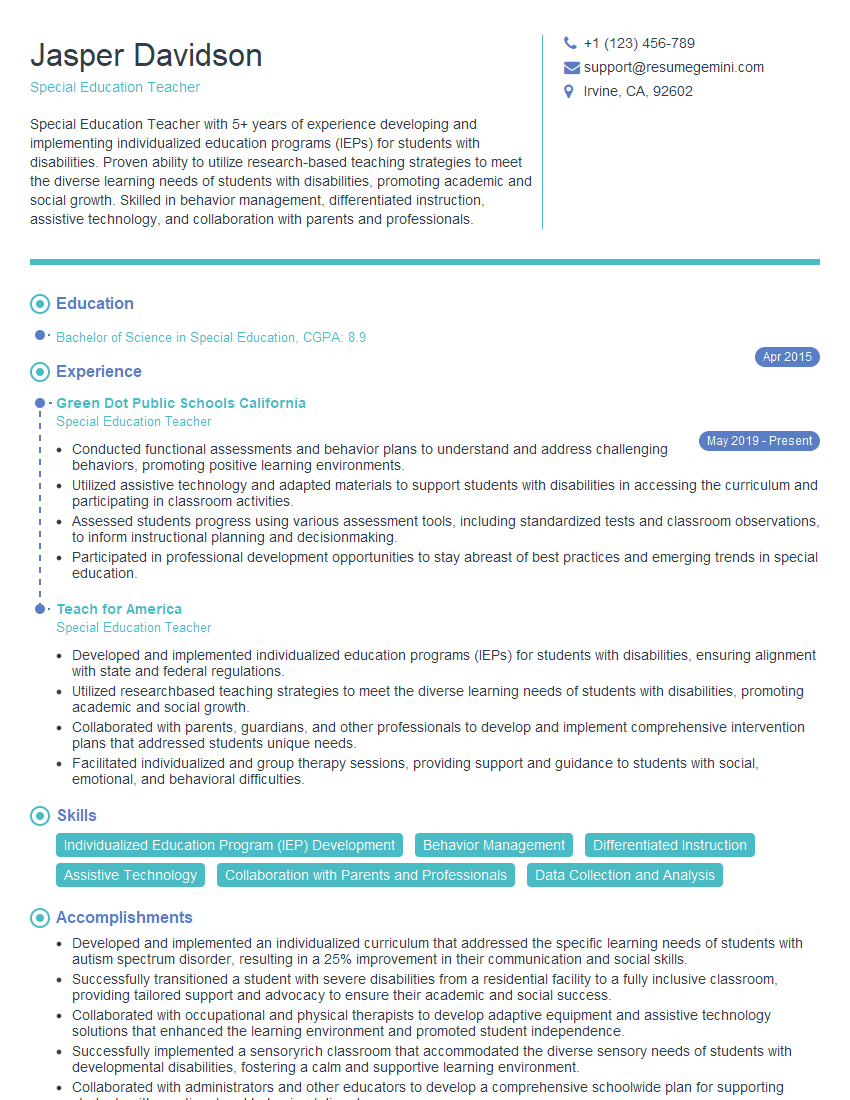
Special Education Teacher Resume Sample
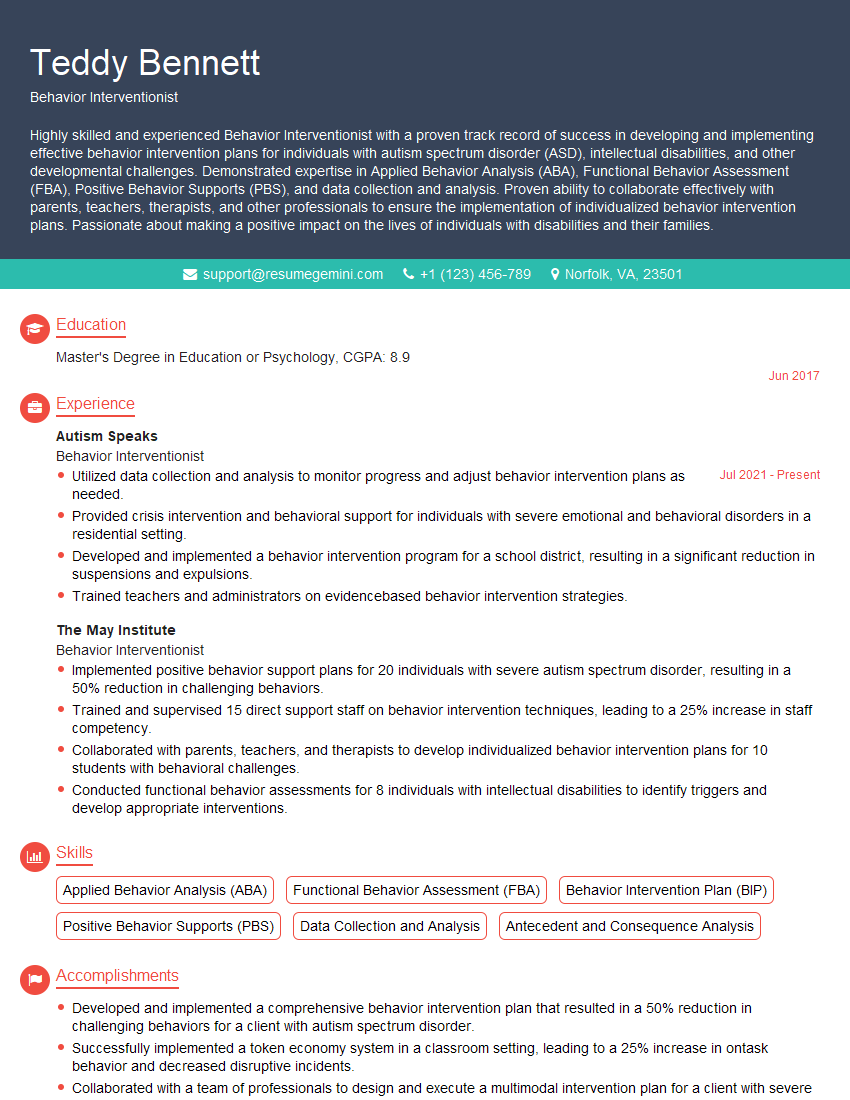
Behavior Interventionist Resume Sample
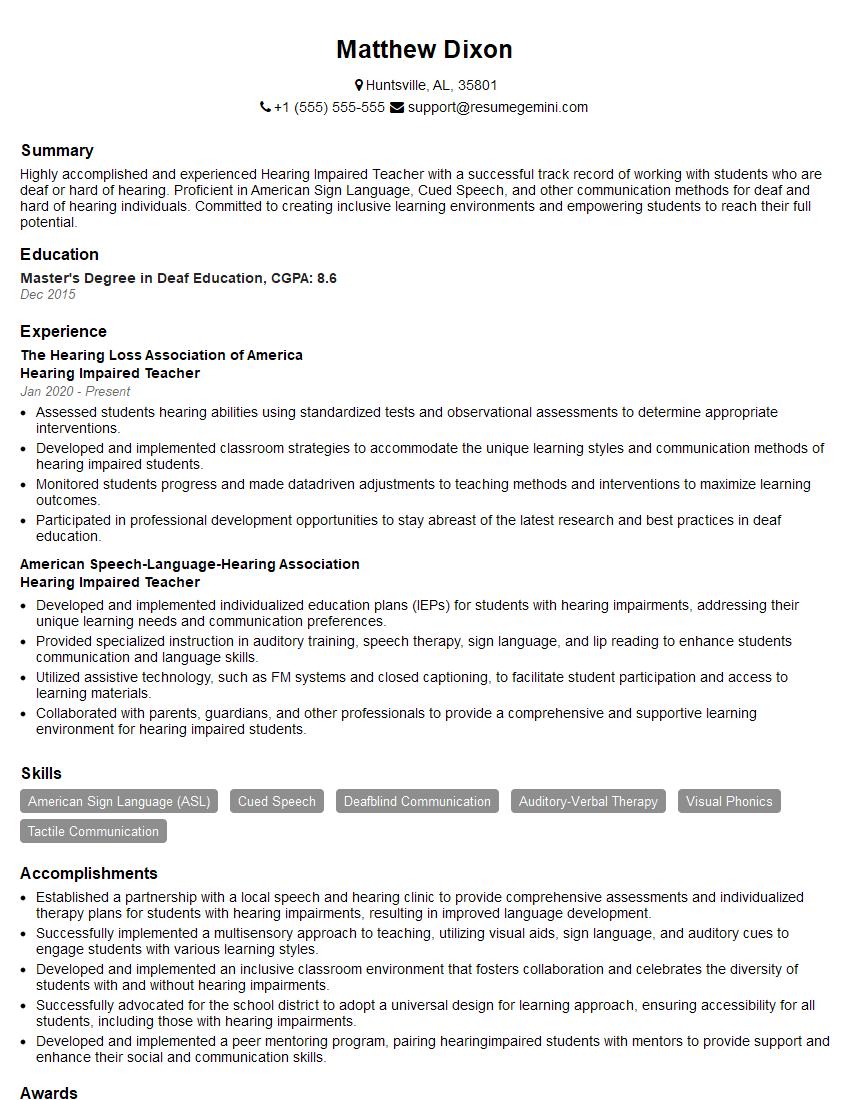
Hearing Impaired Teacher Resume Sample
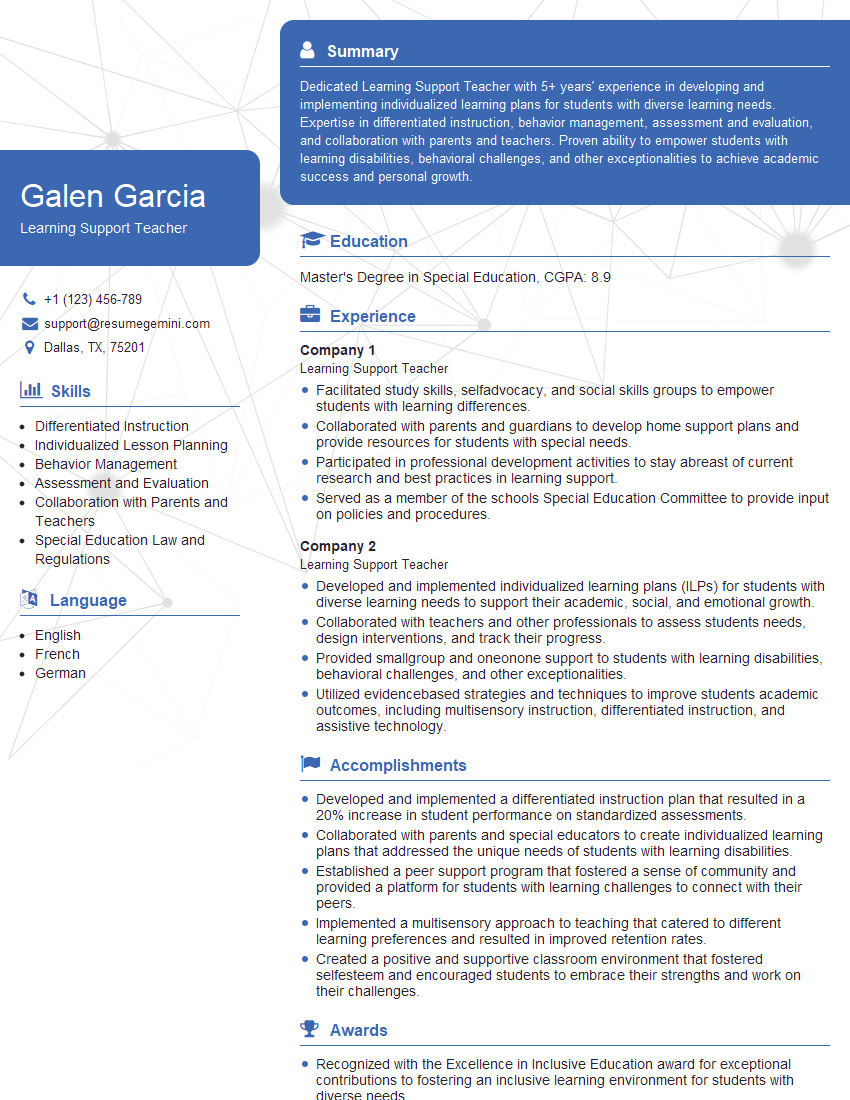
Learning Support Teacher Resume Sample
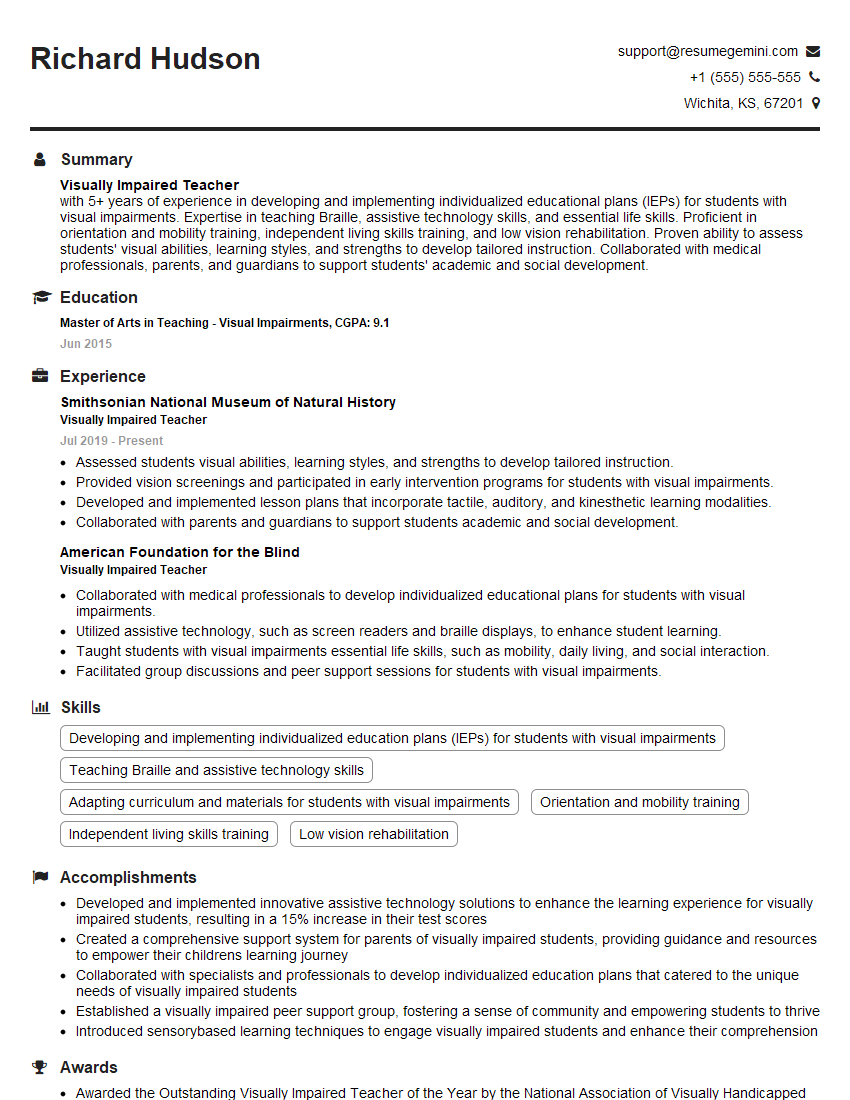
Visually Impaired Teacher Resume Sample
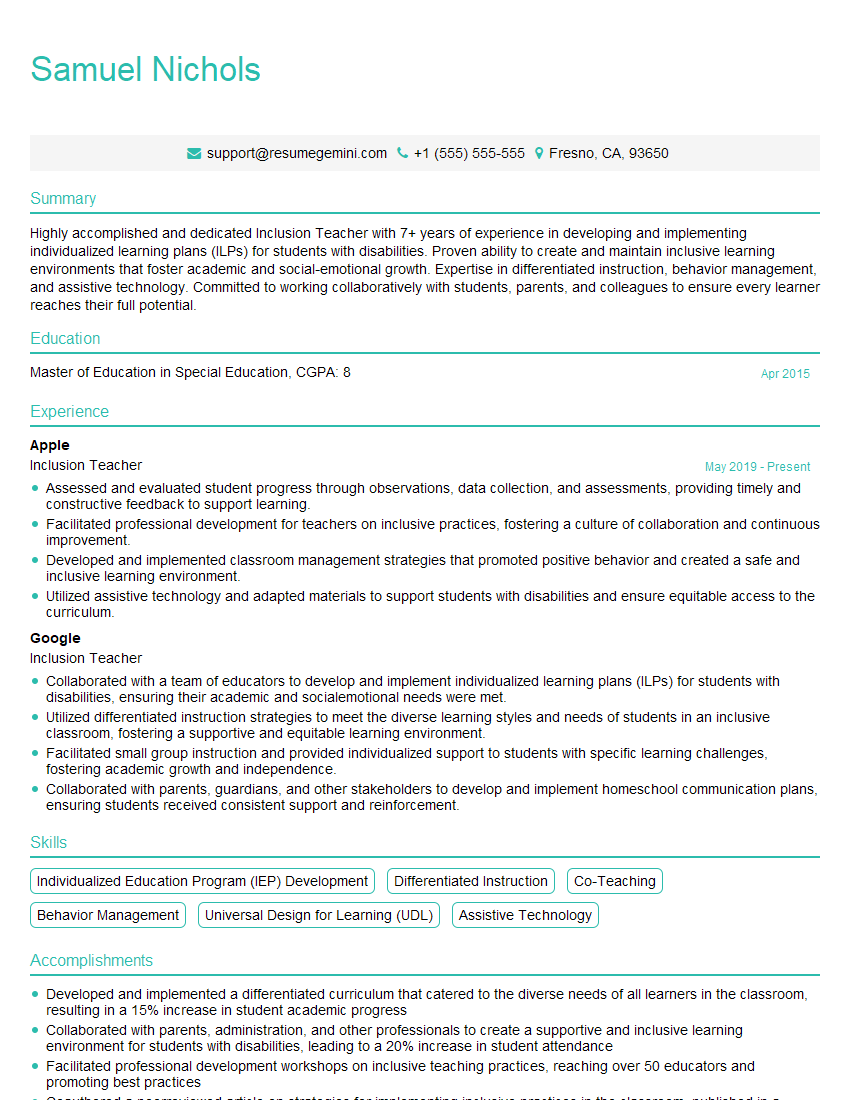
Inclusion Teacher Resume Sample
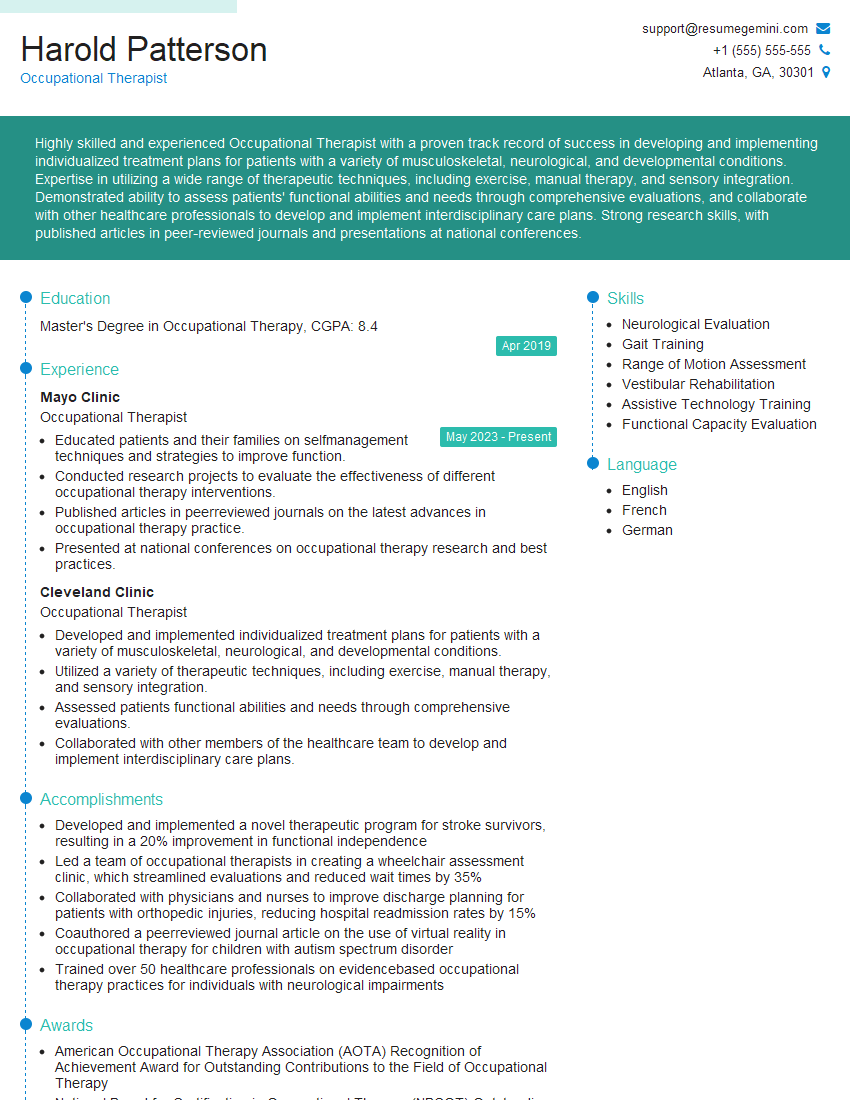
Occupational Therapist Resume Sample
Explore more articles
Users Rating of Our Blogs
Share Your Experience
We value your feedback! Please rate our content and share your thoughts (optional).
What Readers Say About Our Blog
I Redesigned Spongebob Squarepants and his main characters of my artwork.
https://www.deviantart.com/reimaginesponge/art/Redesigned-Spongebob-characters-1223583608
IT gave me an insight and words to use and be able to think of examples
Hi, I’m Jay, we have a few potential clients that are interested in your services, thought you might be a good fit. I’d love to talk about the details, when do you have time to talk?
Best,
Jay
Founder | CEO