Every successful interview starts with knowing what to expect. In this blog, we’ll take you through the top Setup and Adjustment of Drill Presses interview questions, breaking them down with expert tips to help you deliver impactful answers. Step into your next interview fully prepared and ready to succeed.
Questions Asked in Setup and Adjustment of Drill Presses Interview
Q 1. Explain the process of setting up a drill press for a specific drilling operation.
Setting up a drill press involves a methodical approach to ensure accuracy and safety. Think of it like preparing a precise recipe – each step is crucial for the final outcome. First, you need to secure your workpiece firmly to the drill press table using clamps or a vise. This prevents movement during drilling, which can lead to inaccurate holes or even injury. Next, select the appropriate drill bit based on the material and hole size. Finally, adjust the drill press speed to a setting appropriate for the material you are drilling. For example, harder materials like steel require slower speeds to avoid overheating and dulling the bit, whereas softer materials such as wood can handle faster speeds.
- Secure the workpiece: Use clamps or a vise to hold your work securely in place, ensuring it doesn’t move during the drilling process.
- Choose the correct drill bit: The bit’s diameter should match the required hole size; material will dictate further bit selection (see question 2).
- Adjust speed: Select an appropriate speed for the material. Harder materials need slower speeds; softer materials allow for faster speeds.
- Position the bit: Carefully position the drill bit above the designated drilling point on the workpiece.
- Engage the drill press: Lower the drill bit slowly and steadily into the workpiece, applying even pressure.
Q 2. How do you determine the correct drill bit size for a given material and hole diameter?
Choosing the right drill bit is essential for clean, accurate holes. Imagine trying to cut a cake with a dull knife – it won’t work well! You need a sharp tool that’s sized correctly. The drill bit’s diameter should be slightly smaller than the desired hole diameter to account for the material’s removal. A general rule is to select a bit diameter 1/64th to 1/32nd of an inch smaller than the final hole size. The material also plays a crucial role. Harder materials like steel or stainless steel require stronger, tougher bits; softer materials like wood or plastic can use standard high-speed steel bits. A drill bit selection chart can be invaluable.
For example: If you need a 1/2-inch hole in a piece of aluminum, you might choose a 7/16-inch drill bit. The exact size will depend on the drill bit’s sharpness and the specific properties of your aluminum sheet.
Q 3. Describe the different types of drill press chucks and their applications.
Drill press chucks are the gripping mechanisms that hold the drill bits. Just like different wrenches fit different bolts, various chuck types are designed for different applications. The most common types include:
- Keyed Chucks: These are the most common type, using a key to tighten and loosen the drill bit. They are reliable, relatively inexpensive, and easy to use for most applications.
- Keyless Chucks: These chucks use a self-tightening mechanism, typically a rotating collar. They are convenient and quick for changing bits but can sometimes loosen under heavy use.
- Jacobs Chucks: A specific type of keyed chuck known for their durability and precise grip.
- Magnetic Chucks: Used for holding magnetic materials securely. These aren’t typically directly *on* a drill press itself, but rather used to hold the workpiece.
The choice of chuck depends on the frequency of bit changes and the type of drilling operation. For frequent bit changes, a keyless chuck is more efficient; for heavy-duty tasks requiring a firm grip, a keyed chuck is often preferred.
Q 4. What safety precautions should be followed when operating a drill press?
Safety should always be the top priority when operating any power tool. Consider the drill press as a potentially dangerous tool if not handled correctly. Think of it like driving a car – you wouldn’t drive without your seatbelt. Always wear appropriate safety gear such as safety glasses to protect your eyes from flying debris, hearing protection to minimize noise exposure, and work gloves to protect your hands. Never wear loose clothing or jewelry that could get caught in the moving parts. Make sure the workpiece is securely clamped to prevent it from moving during drilling. Always feed the drill bit slowly and steadily into the workpiece to avoid breakage or kickback. Before starting, always inspect the drill press and its components for any damage or loose parts.
Q 5. How do you ensure accurate depth of drilling?
Achieving accurate drilling depth is vital for many projects. Most drill presses have a depth stop, a mechanism that allows you to set a specific drilling depth. To use it, you would first loosen the depth stop and then adjust it to the desired depth using the markings on the drill press column. Once set, tighten the depth stop and begin drilling; the drill bit will stop automatically when it reaches the pre-set depth. For applications without a depth stop, you can use a piece of tape on the drill bit as a visual guide.
Q 6. Explain the importance of proper drill press alignment.
Proper drill press alignment is fundamental for accuracy. If the drill press isn’t aligned, the hole will not be straight and may be off center. Imagine driving a car with misaligned wheels – you’ll have problems! Regular alignment checks are needed. A simple test involves running a drill bit through a piece of scrap material. If the hole is perfectly straight and the bit is perpendicular to the surface, then the drill press is aligned correctly. If not, adjustments may be required. These adjustments often involve minor tweaks to the table, ensuring it’s perfectly parallel to the chuck. Specialized alignment tools may be needed for very precise setups.
Q 7. How do you adjust the speed of a drill press for different materials?
The speed of the drill press directly impacts the quality of the hole and the longevity of the drill bit. Think of it like stirring paint – a faster speed is better for thin paints, but too fast and you’ll make a mess. Different materials require different speeds. Harder materials such as steel require slower speeds to avoid overheating and damaging the bit. Soft materials like wood can use faster speeds to expedite the drilling process. Most drill presses have variable speed settings; refer to the material’s recommended drilling speed. Too fast, and the bit might break or generate excessive heat. Too slow, and the bit might clog or make a ragged hole.
Q 8. What are the signs of a dull drill bit, and how do you address them?
A dull drill bit is like a blunt knife – it won’t cut cleanly and efficiently. Signs include slow drilling speed, excessive heat generation (you might even smell burning material), a rough or jagged hole finish, and increased pressure required to drill. Sometimes, you’ll even hear a noticeable grinding or squealing sound.
Addressing this involves sharpening or replacing the bit. Sharpening requires specialized tools and skills; if you’re not comfortable with that, replacement is simpler and safer. Always select a bit appropriate for the material being drilled. Using the wrong bit for the material will lead to premature dulling.
Q 9. How do you handle different types of drill bits (e.g., twist drills, step drills)?
Different drill bits are designed for different tasks. Twist drills are the workhorses, suitable for general-purpose drilling in various materials. They’re versatile and relatively inexpensive. Step drills create holes with multiple diameters in a single operation, saving time and effort, particularly useful in electronics or metalwork.
Handling them involves choosing the right bit for the material and the job. For instance, high-speed steel (HSS) bits are good for most metals, while carbide-tipped bits are preferred for harder materials like hardened steel or ceramics. Always ensure the chuck size is appropriate for the drill bit shank.
- Twist Drills: These are versatile and come in various sizes and materials.
- Step Drills: Efficient for creating holes with multiple diameters, perfect for projects that need different sized holes in the same location.
- Brad Point Bits: These are designed for precise drilling in wood, leaving a clean hole without splintering.
Remember to always use appropriate safety measures, such as safety glasses and hearing protection, when using any drill bit.
Q 10. Describe the procedure for changing a drill bit in a drill press chuck.
Changing a drill bit is a straightforward process, but safety is paramount. First, always ensure the drill press is unplugged and the chuck is stationary. Then:
- Loosen the chuck key by turning it counter-clockwise.
- Insert the chuck key into the appropriate slot on the chuck.
- Tighten the chuck key by turning clockwise to open the jaws of the chuck.
- Carefully insert the new drill bit, ensuring it’s seated correctly in the chuck.
- Tighten the chuck using the chuck key until the bit is securely held. Make sure the bit doesn’t wobble.
- Remove the chuck key.
- Test the bit by gently rotating it by hand to confirm it’s securely held.
Always double-check that the bit is firmly clamped before turning on the drill press.
Q 11. How do you troubleshoot common drill press malfunctions (e.g., binding, chatter)?
Troubleshooting drill press malfunctions often involves identifying the root cause. Binding usually means the bit is too small, the workpiece is not securely clamped, or the drill speed is too slow. Chatter, a vibration that produces a rough hole, often stems from a dull bit, excessive speed, improper clamping, or a dull bit.
- Binding: Check bit size, workpiece clamping, and drill speed. Use cutting fluid if necessary.
- Chatter: Replace the dull bit, reduce speed, improve clamping, ensure the workpiece is supported, consider using a pilot hole for larger bits.
- Excessive Heat: Reduce speed, use cutting fluid, ensure proper ventilation, check for dull bits.
Remember that preventative maintenance, such as regular lubrication and cleaning, can minimize the chance of these issues.
Q 12. Explain the concept of feed rate and its importance in drilling.
Feed rate refers to the speed at which the drill bit advances into the material. It’s crucial because an improper feed rate can lead to several problems: too fast, and the bit may break or overheat; too slow, and the process becomes inefficient and can lead to dulling.
Think of it like cutting butter with a knife. A slow, steady push is best. Too fast, and you’ll tear and smudge the butter; too slow, it will take a long time. The optimal feed rate ensures a clean, efficient cut and reduces the risk of damage to both the bit and the material.
Q 13. How do you calculate the appropriate feed rate for a specific material and drill bit?
Calculating the appropriate feed rate depends on several factors including the material being drilled, the drill bit size and material, and the drill press’s speed. There isn’t a single formula; it’s more of an art informed by experience. However, machine manuals often include feed rate charts. You can also find these charts online that provide guidelines. The material hardness is crucial; harder materials will require a slower feed rate.
For example, drilling steel will require a much slower feed rate than drilling softwood. Starting with a conservative feed rate and making adjustments as needed is always advisable. If you notice excessive heat or binding, reduce the feed rate. If the process is slow, you can increase the feed rate slightly until you achieve the ideal balance of speed and surface finish.
Q 14. What are the different types of drill press operations (e.g., spot drilling, counterboring)?
Drill press operations extend beyond simple hole-making. Different operations serve specific purposes:
- Spot Drilling: Creating a small pilot hole to guide a larger drill bit, preventing the larger bit from wandering or cracking the material.
- Counterboring: Enlarging a hole to a specific depth to accommodate countersunk screws or washers.
- Countersinking: Creating a conical recess around a hole to allow the head of a screw to sit flush with the surface.
- Reaming: Enlarging a hole to a precise size and improving its surface finish.
Understanding these different operations allows for more precise and efficient machining, vital for various projects from woodworking to metal fabrication.
Q 15. How do you prepare the workpiece before drilling (e.g., clamping, marking)?
Preparing the workpiece correctly is crucial for accurate and safe drilling. This involves both secure clamping and precise marking of the drilling location.
Clamping: The workpiece must be firmly secured to prevent movement during drilling. This prevents inaccurate holes and, more importantly, protects the operator from potential injury. Different clamping methods are used depending on the workpiece shape and size. For small, flat pieces, a drill press vise is ideal. For larger or irregularly shaped pieces, you might use clamps, a hold-down device, or even strategically placed weights to ensure stability. Always ensure the workpiece is clamped securely enough that it won’t shift, but not so tightly that it distorts or damages the material.
Marking: Accurate marking of the drill point is essential for precise hole placement. Use a center punch to create a small indentation at the exact location where you want to drill. This indentation guides the drill bit and prevents it from wandering during the initial stages of drilling. For intricate work, a scriber or fine-tipped marker can be used for preliminary marking, followed by center punching. Remember, the more precise your marking, the more precise your drilling will be.
Example: When drilling holes in a piece of wood for assembling a cabinet, I would use a vise to securely hold the wood and a center punch to mark the exact location of each hole before drilling. This ensures that the holes align perfectly, creating a strong and accurate joint.
Career Expert Tips:
- Ace those interviews! Prepare effectively by reviewing the Top 50 Most Common Interview Questions on ResumeGemini.
- Navigate your job search with confidence! Explore a wide range of Career Tips on ResumeGemini. Learn about common challenges and recommendations to overcome them.
- Craft the perfect resume! Master the Art of Resume Writing with ResumeGemini’s guide. Showcase your unique qualifications and achievements effectively.
- Don’t miss out on holiday savings! Build your dream resume with ResumeGemini’s ATS optimized templates.
Q 16. Describe the importance of using cutting fluids or lubricants during drilling.
Cutting fluids, also known as lubricants or coolants, play a vital role in the drilling process. They serve multiple important functions:
Cooling: Drilling generates significant heat, which can damage both the drill bit and the workpiece. Cutting fluids absorb this heat, preventing overheating and extending the life of both the bit and the material being drilled.
Lubrication: The fluid reduces friction between the drill bit and the material, making the drilling process smoother and more efficient. This reduces the force required and leads to a cleaner hole.
Chip Removal: Cutting fluids help wash away the chips (material removed during drilling) from the hole, preventing them from clogging the bit and causing damage or inaccuracy.
Improved Surface Finish: The use of appropriate cutting fluids can contribute to a smoother, better-quality surface finish on the drilled hole.
Without cutting fluid, the drill bit can overheat and lose its sharpness quickly. The workpiece might also overheat and become damaged. The process will also be more difficult and require greater force.
Q 17. How do you select the appropriate cutting fluid for different materials?
The selection of cutting fluid depends heavily on the material being drilled. Different materials have different properties that dictate the type of fluid needed.
Steel: For steel, a water-soluble oil emulsion or a synthetic cutting fluid is commonly used. These fluids offer good cooling and lubrication properties.
Aluminum: Aluminum is a softer metal, and it is prone to galling (sticking of the metal to the drill bit). For Aluminum, a mineral oil-based cutting fluid or a specialized fluid designed for aluminum is preferred to prevent galling and to provide lubrication.
Wood: For wood, water or a water-based solution is often sufficient. It’s crucial to avoid using oily fluids which can dull the drill bit and may not penetrate the wood effectively.
Plastics: Plastics tend to melt easily. A lighter cutting fluid or even a dry cutting method may be necessary to avoid the melting or burning of the plastic.
It’s always best to consult the material’s specifications and the manufacturer’s recommendation for the drill bit to select the most suitable cutting fluid.
Q 18. What are the different types of drill press vises and their applications?
Drill press vises come in various types, each suited to different applications:
Standard Vise: This is the most common type, featuring two jaws that can be adjusted to clamp the workpiece. They are suitable for a wide range of materials and applications. They are sturdy, easy to use and usually are relatively inexpensive.
Swivel Vise: These vises have a rotating base, allowing you to angle the workpiece as needed. This is very useful for drilling at angles other than 90 degrees.
Magnetic Vise: These vises use powerful magnets to hold the workpiece. They are ideal for clamping ferrous materials (iron and steel) and are particularly convenient for irregular shapes or when a vise isn’t convenient.
Soft Jaw Vise: These vises have jaws made of a softer material (such as aluminum or plastic) to prevent marring or scratching of delicate or easily damaged workpieces. They are often used on softer materials and more expensive workpieces.
The choice of vise depends on the size and shape of the workpiece, the material being drilled, and the desired accuracy and angle of drilling.
Q 19. Explain the importance of regular maintenance for a drill press.
Regular maintenance is crucial for the safe and efficient operation of a drill press. Neglecting maintenance can lead to inaccurate drilling, damage to the machine, and even potential injury to the operator.
Regular maintenance extends the lifespan of the drill press, minimizes downtime, ensures accuracy and safety. It is much like regular maintenance on a vehicle. Regular checks and maintenance are less costly and disruptive than waiting until the machine needs major repair.
Q 20. Describe a routine maintenance procedure for a drill press.
A routine maintenance procedure for a drill press should include:
Inspection: Regularly inspect all components for wear, damage, or loose connections. Pay close attention to the chuck, spindle, belts, and motor.
Cleaning: Clean the drill press thoroughly, removing chips, dust, and debris. This is particularly important to prevent clogging and damage to moving parts.
Lubrication: Lubricate moving parts according to the manufacturer’s recommendations. This reduces friction and extends the life of the machine.
Belt Tension: Check and adjust the belt tension if needed. Proper belt tension is essential for efficient power transfer and to prevent slippage.
Chuck Condition: Ensure the chuck is clean, free of damage, and functions properly. Loose chucks can result in accidents.
Motor Check: Verify that the motor runs smoothly and quietly without excessive vibrations or unusual sounds.
The frequency of this maintenance depends on the usage of the drill press; however, a monthly inspection and cleaning, with lubrication as needed, is a good starting point.
Q 21. How do you identify and address wear and tear on drill press components?
Identifying and addressing wear and tear is a critical part of drill press maintenance. Here’s how to approach it:
Visual Inspection: Regularly inspect the drill press for signs of wear. Look for chipped or worn belts, loose screws, damaged parts, excessive rust, or unusual wear on moving parts. Pay close attention to the chuck, spindle, and motor.
Performance Monitoring: Observe the drill press during operation. Pay attention to any unusual sounds (grinding, squeaking), vibrations, or difficulty in operation. These could all indicate worn components.
Addressing Wear: If you identify wear, replace worn-out parts promptly. This is crucial for safety and accuracy. Attempting to continue operation with worn-out components can lead to inaccurate drilling, damage to the machine or even an accident. Consult your drill press’s manual or a qualified technician for guidance on part replacement.
Example: If you notice excessive play in the chuck, it indicates wear and should be repaired or replaced immediately. A loose chuck is dangerous because it can cause the drill bit to slip, leading to accidents and damaged work pieces.
Q 22. What are the common causes of drill bit breakage, and how can they be prevented?
Drill bit breakage is a common issue stemming from several factors, primarily improper use and inadequate maintenance. Think of a drill bit as a very sharp, delicate tool; mistreating it will lead to failure.
- Excessive force: Pushing too hard on the drill can cause the bit to snap, especially in harder materials. Imagine trying to break a toothpick by bending it gently versus snapping it in two; the latter is what happens to the bit under excessive force.
- Dull bits: A dull bit requires more force to cut, increasing the risk of breakage. A sharp bit cuts cleanly and efficiently, minimizing stress.
- Incorrect speed: Using the wrong speed for the material and bit size can lead to overheating and breakage. It’s like trying to cut wood with a chainsaw set too low – it bogs down and is prone to failure.
- Improper clamping: If the workpiece isn’t securely clamped, it can shift during drilling, causing the bit to bind and break. This is like trying to drill a hole in something that’s wobbling – disaster waits.
- Material imperfections: Hidden flaws or hard spots in the material can cause the bit to break unexpectedly. It’s like encountering a knot in a piece of wood while drilling; the unexpected resistance can break the bit.
Prevention involves using sharp bits, selecting the correct speed and feed rate for the material, securely clamping the workpiece, and applying steady, even pressure. Regular inspection of bits for wear and tear is crucial. Always use the right bit for the job – using a tiny bit for a large hole is a recipe for disaster.
Q 23. How do you calibrate a drill press for accurate drilling?
Calibrating a drill press for accurate drilling ensures that the chuck is perfectly perpendicular to the drill press table. This is essential for creating straight, accurate holes.
The process typically involves:
- Checking the quill alignment: Use a dial indicator or straight edge to verify the quill is perfectly vertical. Any misalignment needs adjusting, usually via screws on the column of the press.
- Checking the table alignment: Ensure the drill press table is parallel to the quill. Use a straight edge and feeler gauge to check for any discrepancies, adjusting the table leveling screws as needed.
A simple test is to drill a hole through a piece of material and then rotate the material 180 degrees and try to drill through the same hole again. A perfectly calibrated drill press will allow the second drill bit to pass cleanly through the same hole, indicating accurate alignment. If there’s a misalignment, you’ll see the second drill bit miss the hole.
Q 24. Describe your experience with different types of drill press (e.g., benchtop, floor-standing)?
I’ve extensive experience with both benchtop and floor-standing drill presses. Benchtop models are ideal for smaller projects and hobbyists due to their compact size and affordability. However, they are limited in capacity and power compared to floor-standing units.
Floor-standing drill presses, on the other hand, provide far greater power, accuracy, and capacity. They are much heavier and more robust, suitable for large-scale projects and industrial applications. I’ve used floor-standing models for heavy-duty tasks like drilling large holes in thick steel plates, whereas the benchtop versions were suitable for tasks such as drilling pilot holes in wood.
The key differences lie in their size, power, precision, and overall robustness. My experience across both types allows me to select the appropriate machine for the task at hand, optimizing efficiency and ensuring accuracy.
Q 25. Explain the use of jigs and fixtures in drill press operations.
Jigs and fixtures are essential for accurate and repeatable drilling, especially when dealing with multiple parts or complex drilling patterns. Think of them as custom guides for your drill bit.
Jigs are typically simple, often one-time-use devices that guide the drill bit to a specific location. For example, a simple jig for drilling holes in wood might involve clamping a piece of wood to a base with the hole location marked, drilling the base, then the wood itself.
Fixtures are more robust and reusable devices, often used in mass production for accurate and consistent drilling across multiple parts. They precisely locate and hold the workpiece, ensuring consistent hole placement regardless of the operator.
Both jigs and fixtures enhance accuracy, repeatability, and safety by reducing the chance of human error. They also minimize the need for precise hand-guided drilling, increasing production speed and efficiency.
Q 26. How do you ensure the accuracy of holes drilled in multiple parts?
Ensuring accuracy when drilling multiple parts requires a combination of techniques. The most effective method is using fixtures or jigs as previously described. These tools ensure consistent positioning and hole placement.
Beyond fixtures, meticulous attention to detail is vital. This includes:
- Using a drill guide bush: A guide bush ensures the bit starts exactly where intended and prevents walking.
- Precise part clamping: Ensure parts are consistently clamped in the same position within the jig or fixture.
- Regular checks: Periodically inspect drilled holes to verify accuracy. Any deviation requires immediate adjustment.
- Pilot holes: For larger holes, drilling a smaller pilot hole first minimizes the risk of workpiece movement.
A well-designed fixture and consistent operating practices are crucial in achieving hole accuracy across all parts.
Q 27. How would you handle a situation where a drill bit breaks during an operation?
A broken drill bit is an unfortunate but sometimes unavoidable event. The immediate response should prioritize safety.
- Turn off the drill press: This is paramount to prevent further injury.
- Remove the broken bit: This requires appropriate tools, such as reverse-tapered bits to remove broken sections or bit extraction tools. Never attempt to forcibly remove a broken bit, as this could cause further damage or injury.
- Assess the damage: Examine the workpiece and drill press for damage. A broken bit can cause significant damage to the workpiece.
- Replace the bit: Install a new, appropriately sized bit.
- Investigate the cause: Determine why the bit broke to prevent future incidents. Was it a dull bit? Incorrect speed? Improper clamping?
Prevention is far better than cure. Regular maintenance and following safe operating procedures are crucial in avoiding drill bit breakage.
Key Topics to Learn for Setup and Adjustment of Drill Presses Interview
- Understanding Drill Press Components: Familiarize yourself with the various parts of a drill press (chuck, spindle, speed control, depth stop, etc.) and their functions. This foundational knowledge is essential for safe and effective operation.
- Selecting the Right Drill Bit: Learn how to choose the appropriate drill bit size, type (e.g., high-speed steel, carbide), and point style based on the material being drilled and the desired hole size. Practice identifying different bit types and their applications.
- Setting Up for Accurate Drilling: Master techniques for accurately positioning and clamping workpieces to ensure precise hole placement. Understand the importance of workpiece stability and preventing workpiece movement during drilling.
- Speed and Feed Selection: Learn the relationship between drill speed, feed rate, and material type. Understand how to adjust these parameters to prevent bit breakage, workpiece damage, and ensure a clean, accurate hole.
- Depth of Hole Control: Practice using the drill press’s depth stop mechanism to consistently drill holes to the required depth. Understand techniques for achieving precise depth control, especially for through holes and shallow holes.
- Troubleshooting Common Issues: Be prepared to discuss common problems encountered during drilling operations (e.g., bit chatter, broken bits, inaccurate hole placement) and how to effectively troubleshoot and resolve them. This demonstrates practical problem-solving skills.
- Safety Procedures: Thoroughly understand and be able to articulate all relevant safety procedures associated with operating a drill press. This includes proper use of personal protective equipment (PPE) and safe work practices.
- Different Types of Drill Presses: Familiarize yourself with various types of drill presses (e.g., benchtop, floor-standing, magnetic) and their respective applications and limitations.
- Maintenance and Care: Understand basic maintenance procedures for keeping your drill press in optimal working condition, including lubrication and cleaning.
Next Steps
Mastering the setup and adjustment of drill presses is a crucial skill that demonstrates your technical aptitude and attention to detail – highly valued attributes in many manufacturing and industrial roles. This expertise can significantly boost your career prospects and open doors to more advanced positions. To make your qualifications shine, focus on building an ATS-friendly resume that highlights your skills and experience effectively. ResumeGemini is a trusted resource to help you craft a professional and impactful resume. They provide examples of resumes tailored to the Setup and Adjustment of Drill Presses field, allowing you to create a document that truly reflects your capabilities and makes you stand out from the competition.

Operations Manager Resume Sample
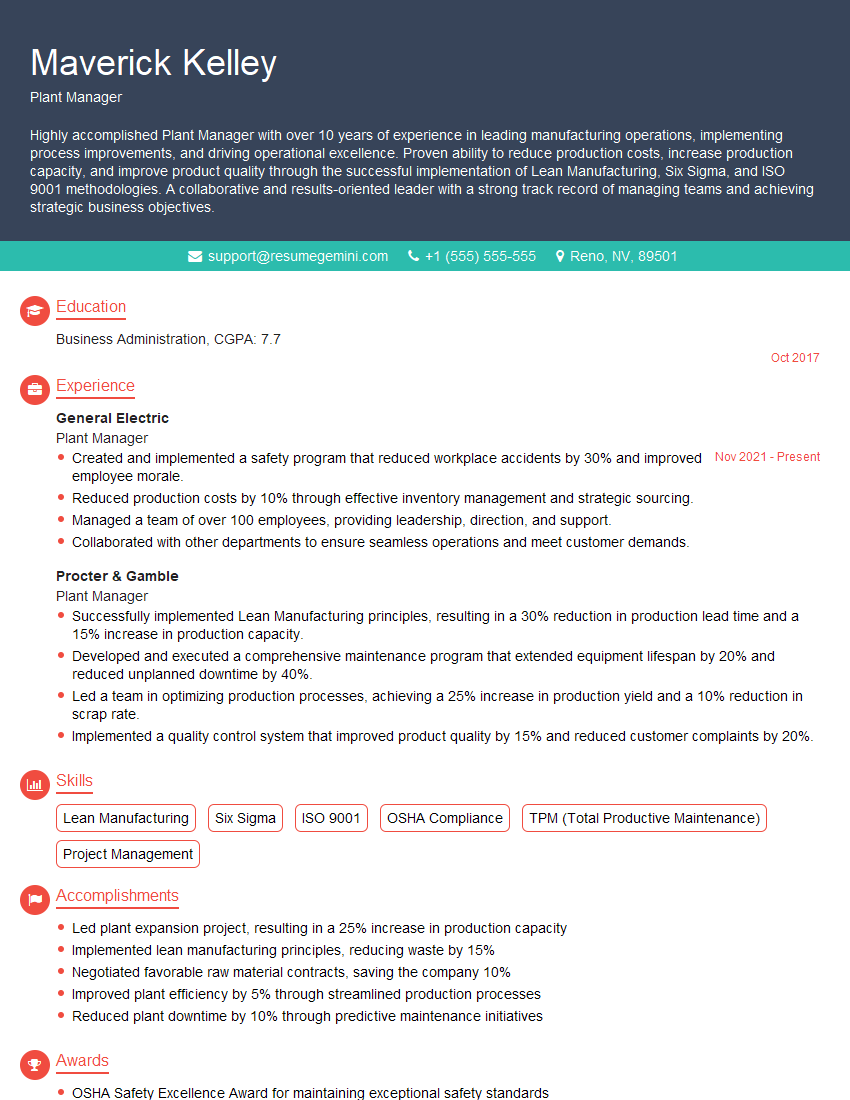
Plant Manager Resume Sample

Manufacturing Manager Resume Sample
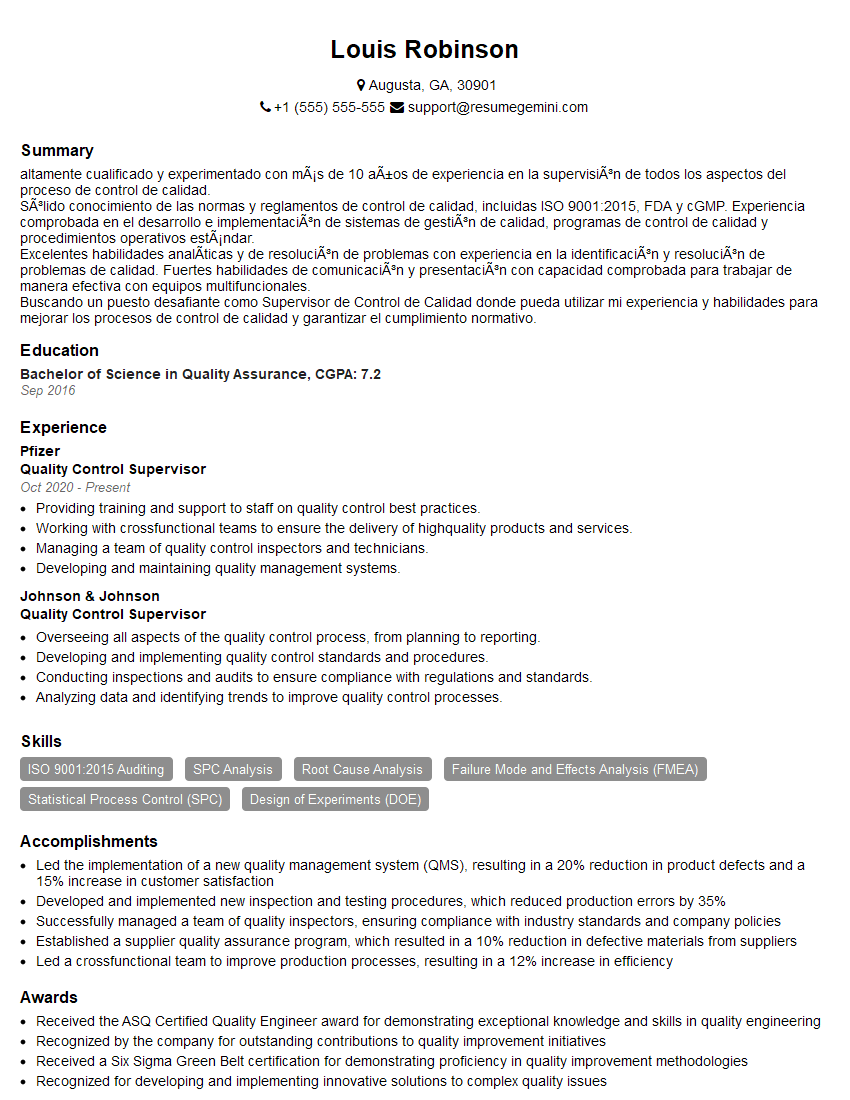
Quality Control Supervisor Resume Sample

Maintenance Supervisor Resume Sample

Production Supervisor Resume Sample
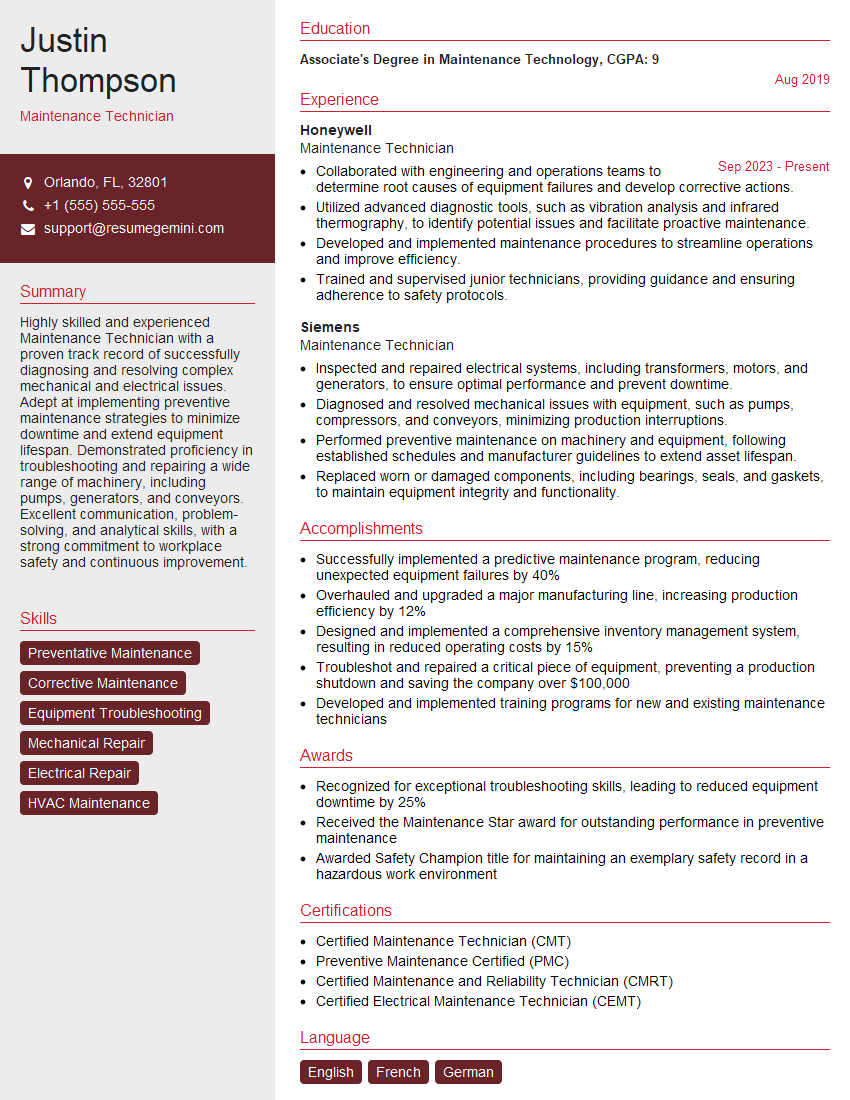
Maintenance Technician Resume Sample

Engineering Technician Resume Sample
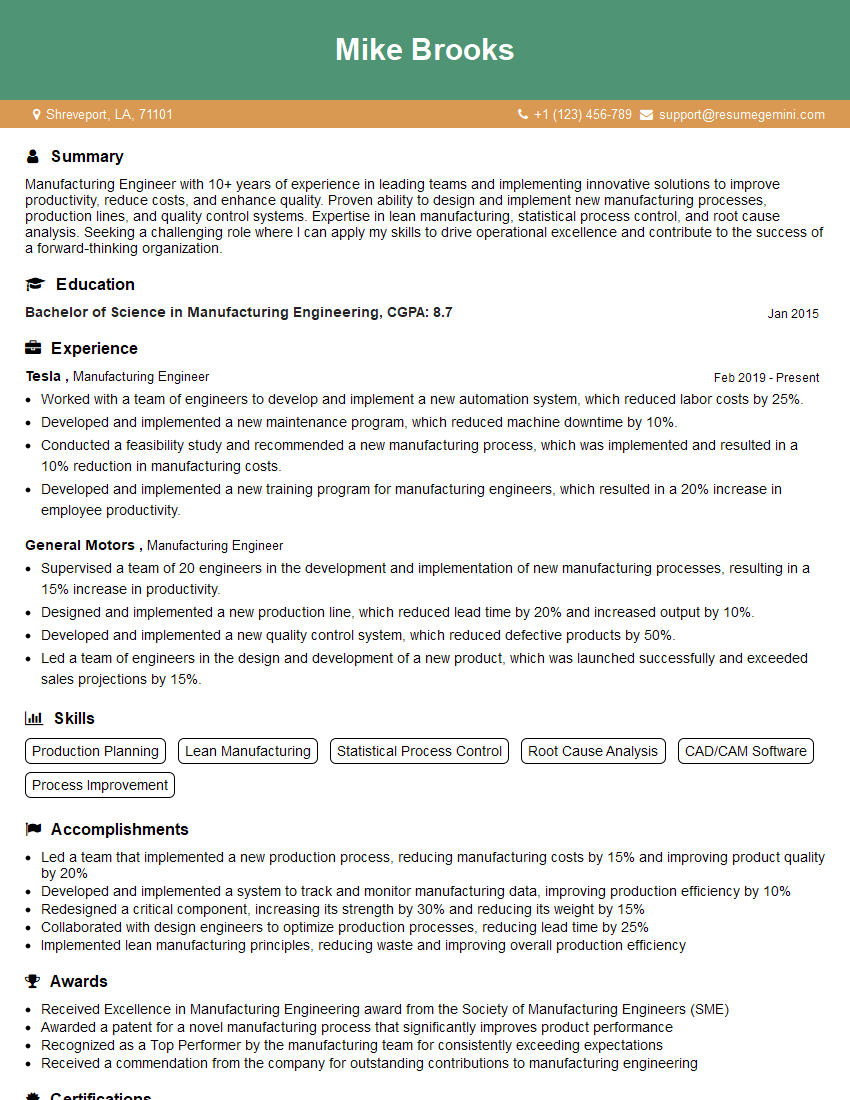
Manufacturing Engineer Resume Sample
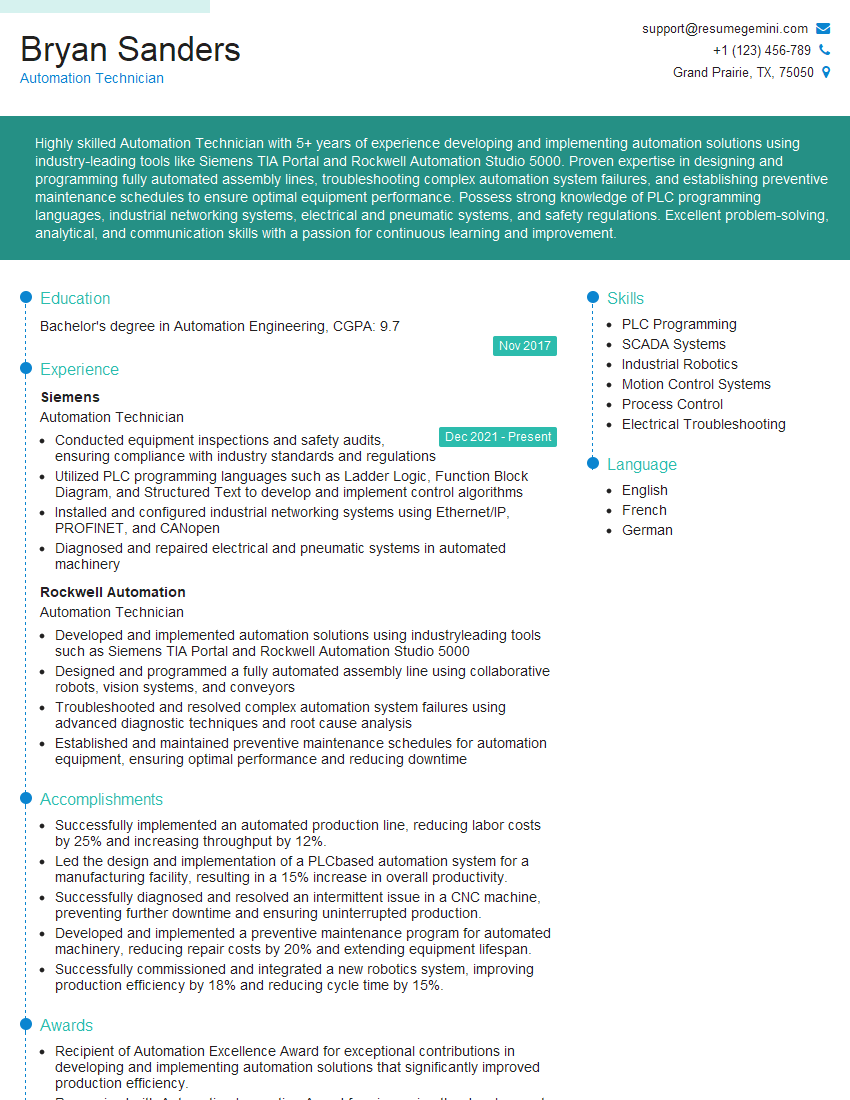
Automation Technician Resume Sample
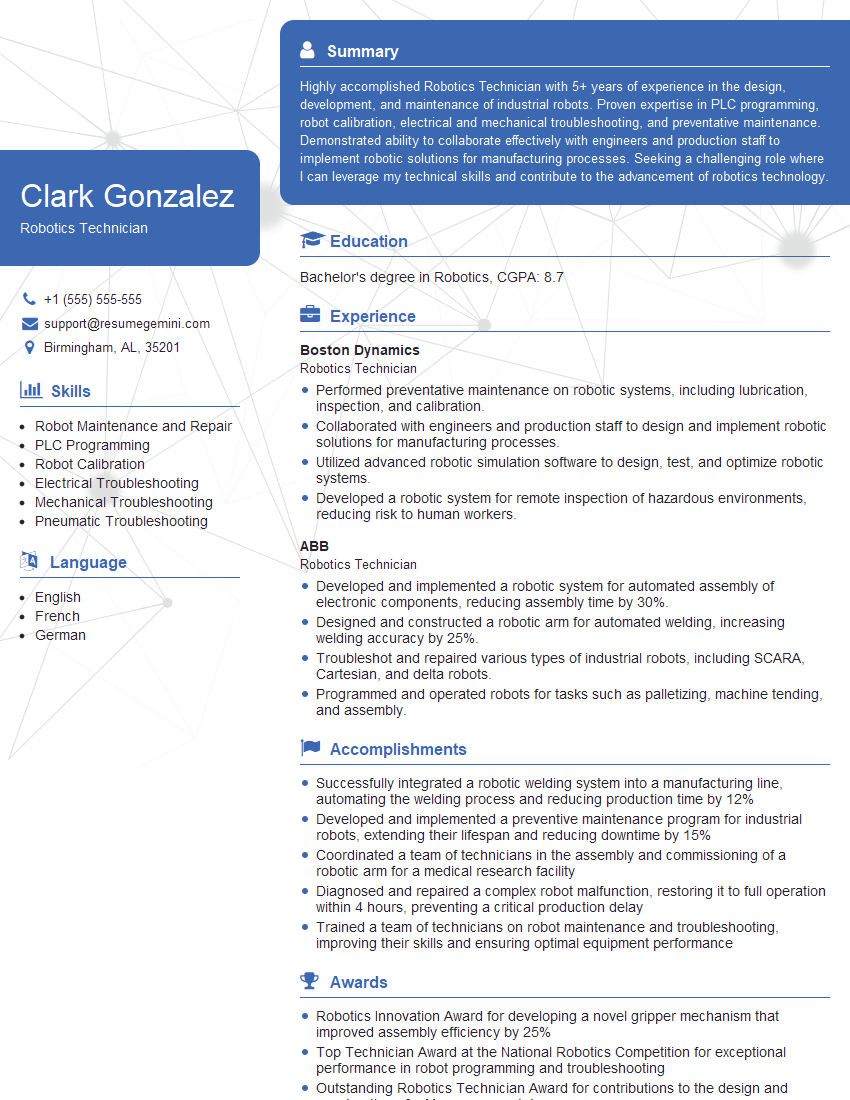
Robotics Technician Resume Sample

Manufacturing Technician Resume Sample

Machinist Resume Sample
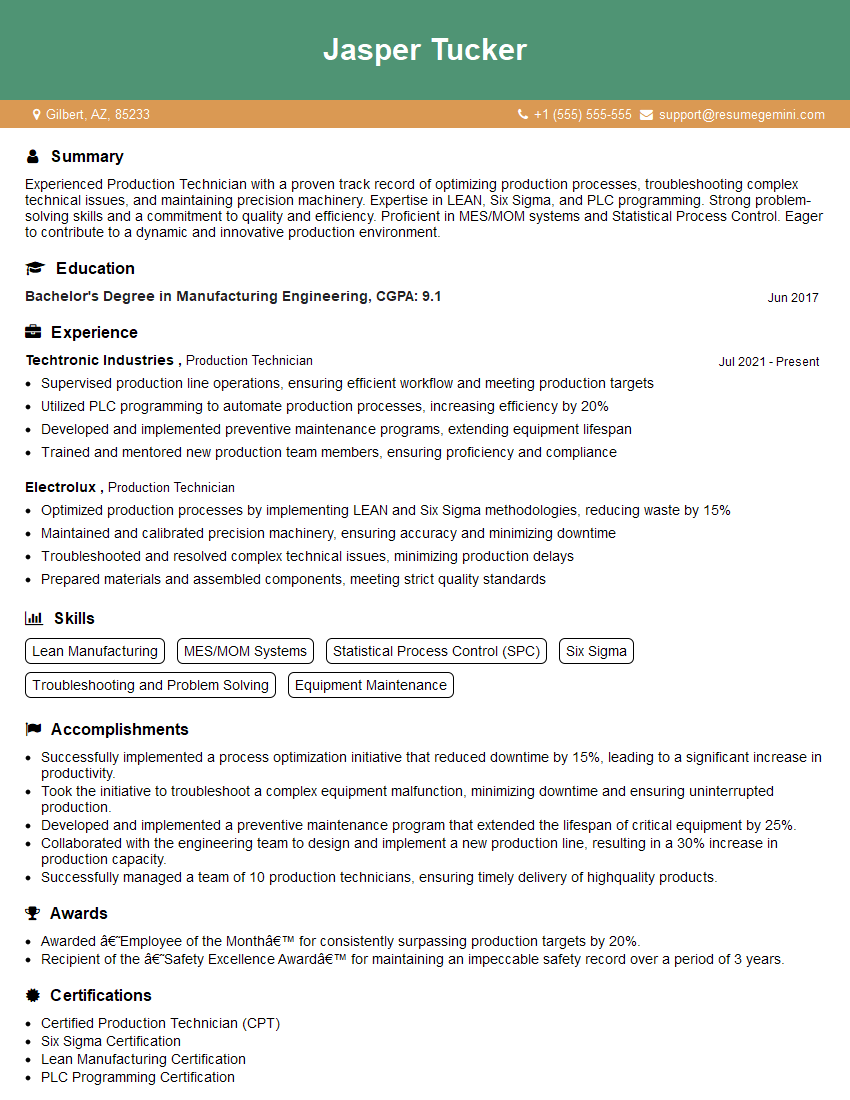
Production Technician Resume Sample
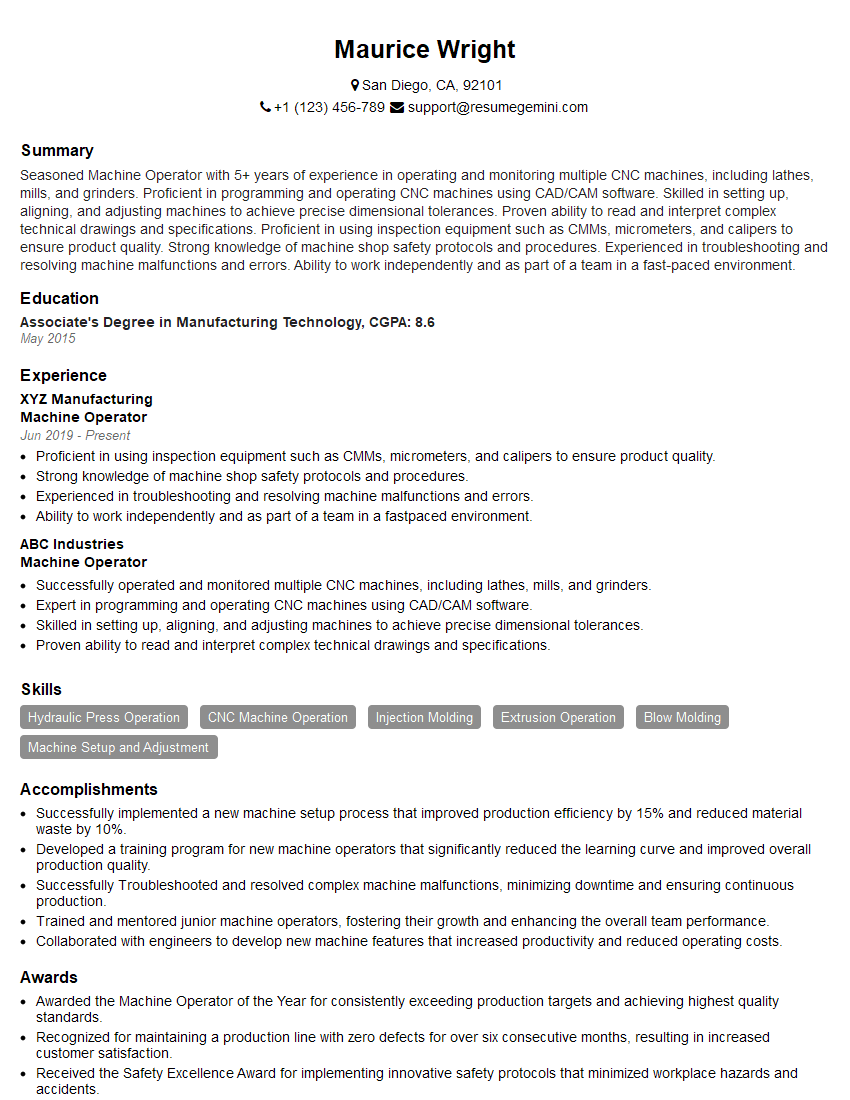
Machine Operator Resume Sample
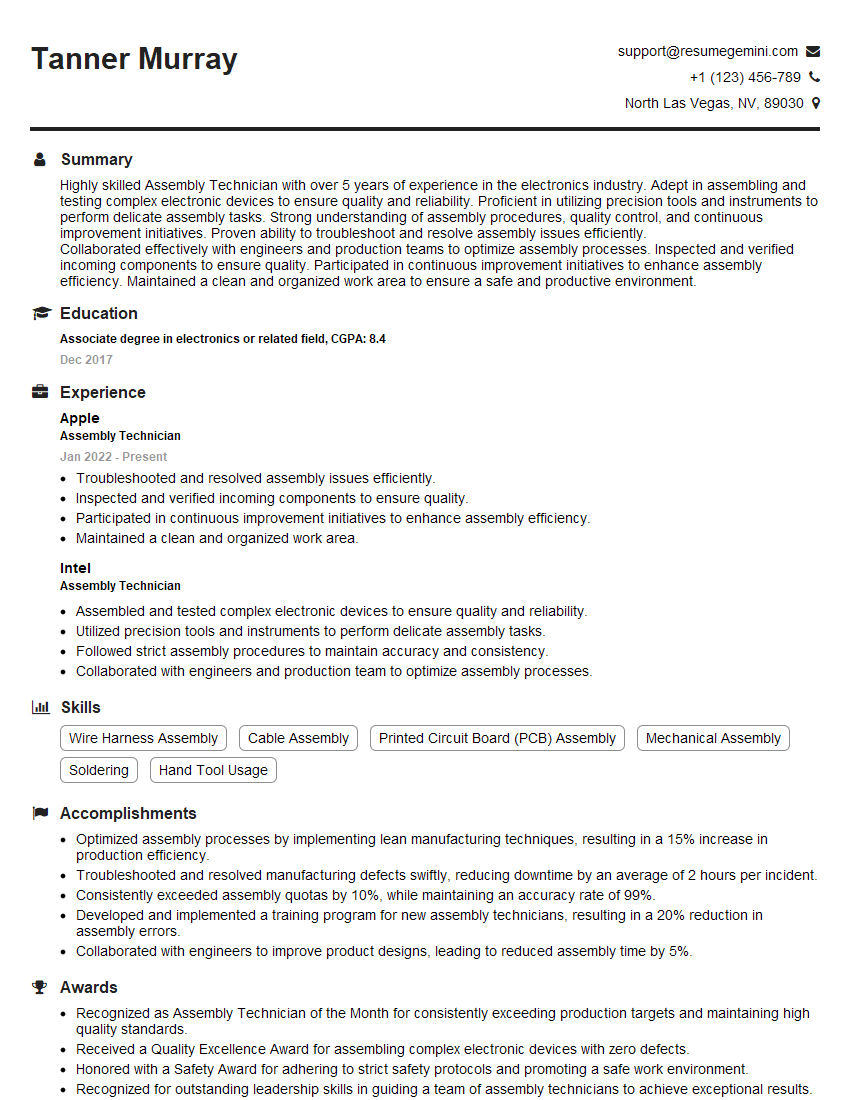
Assembly Technician Resume Sample
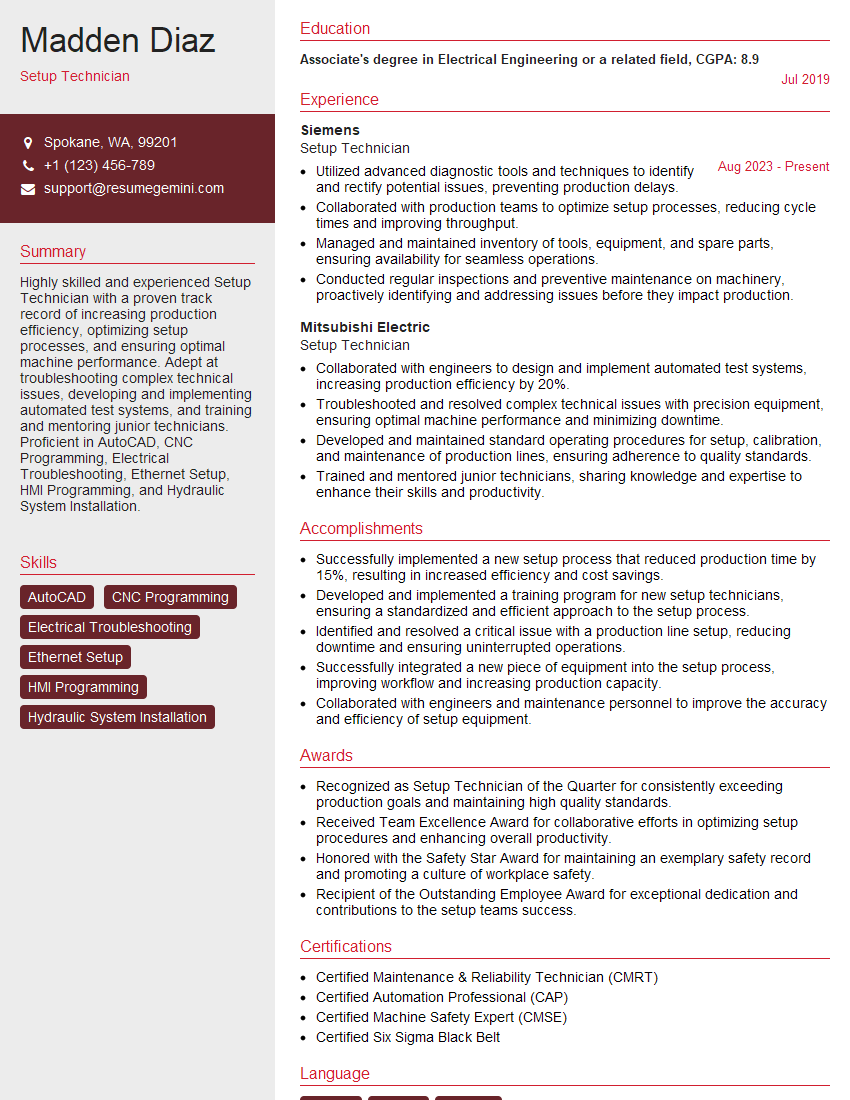
Setup Technician Resume Sample
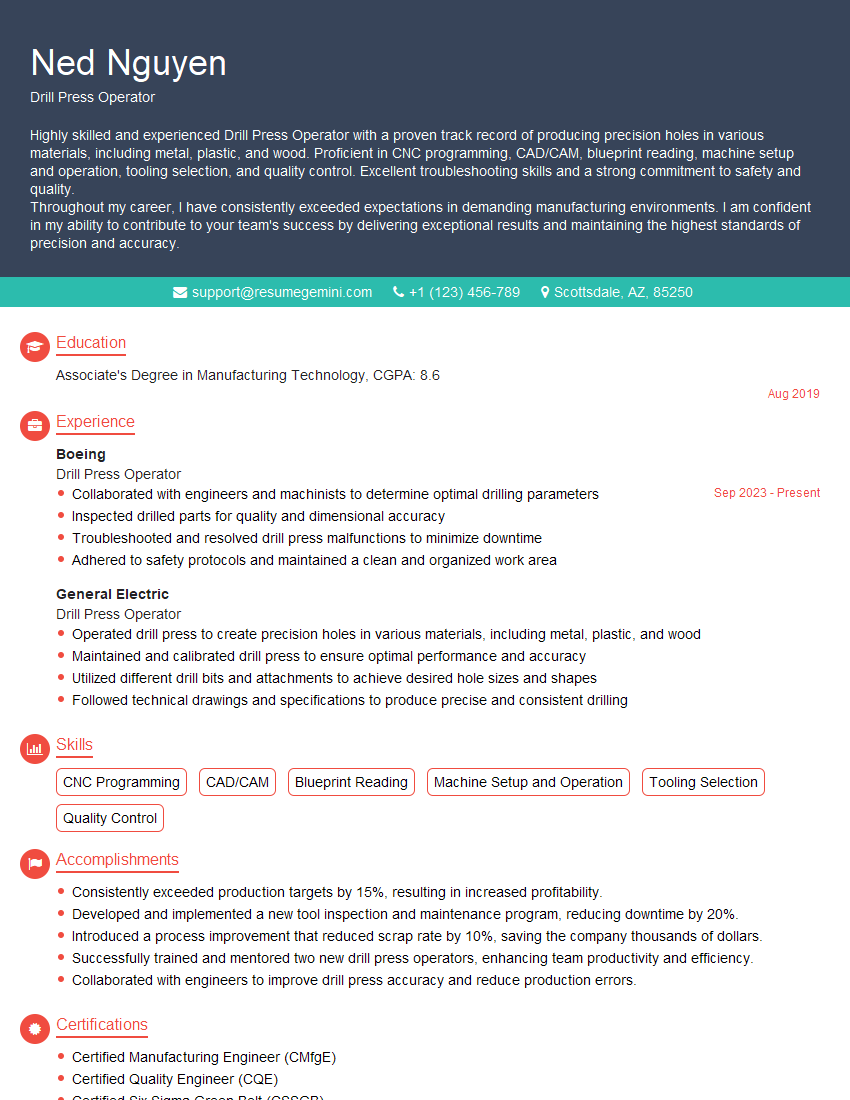
Drill Press Operator Resume Sample
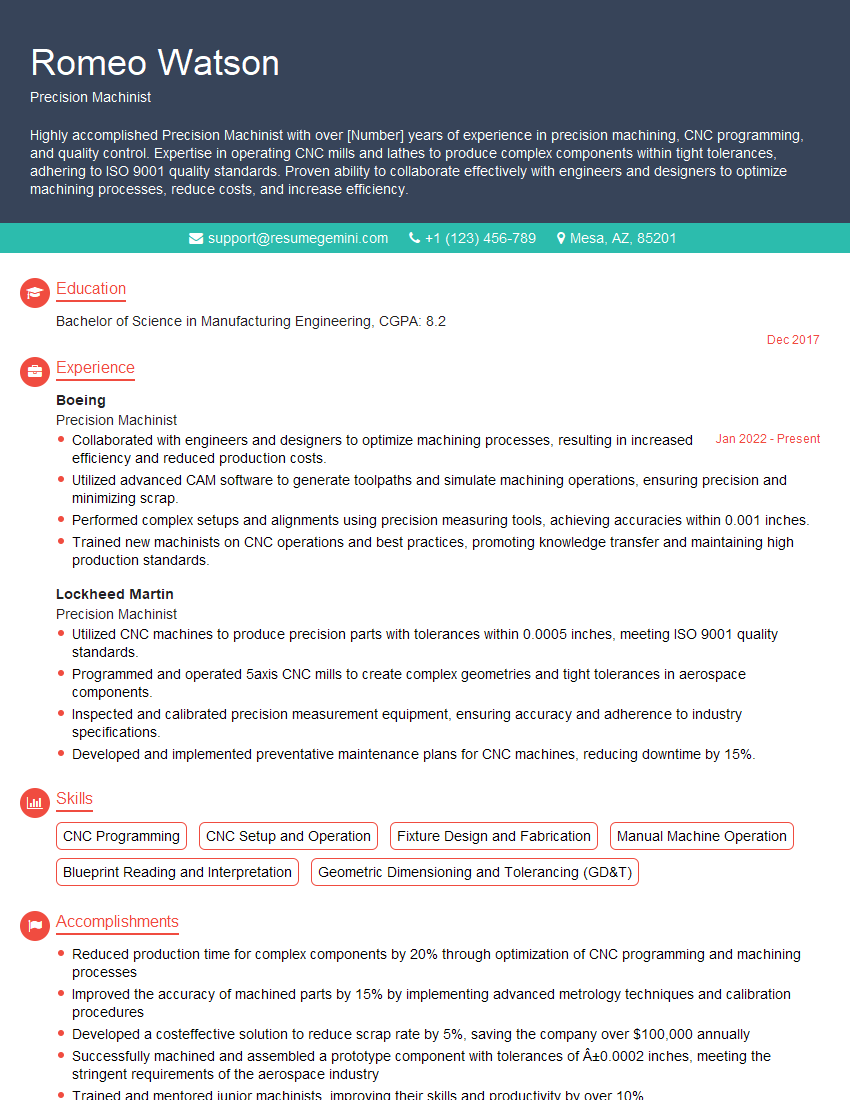
Precision Machinist Resume Sample
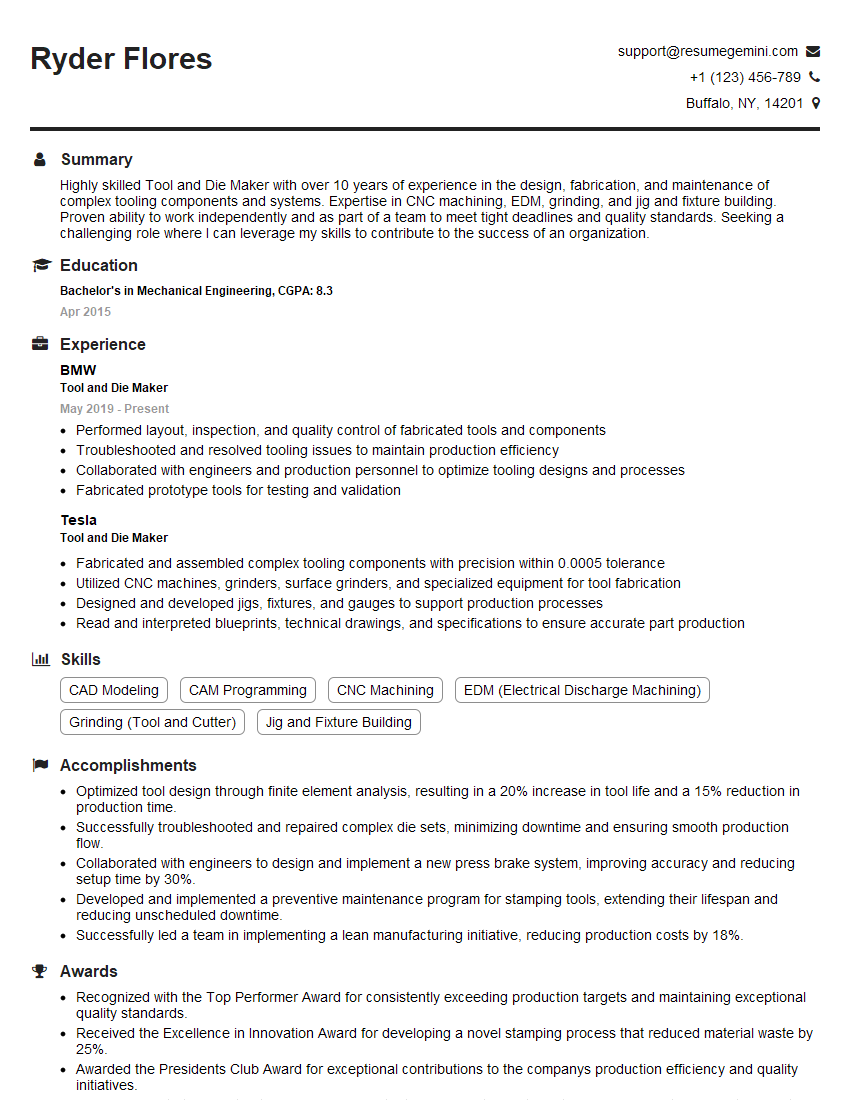
Tool and Die Maker Resume Sample

Quality Control Inspector Resume Sample
- Operations Manager
- Plant Manager
- Manufacturing Manager
- Quality Control Supervisor
- Maintenance Supervisor
- Production Supervisor
- Maintenance Technician
- Engineering Technician
- Manufacturing Engineer
- Automation Technician
- Robotics Technician
- Manufacturing Technician
- Machinist
- Production Technician
- Machine Operator
- Assembly Technician
- Setup Technician
- Drill Press Operator
- Precision Machinist
- Tool and Die Maker
- Quality Control Inspector
Explore more articles
Users Rating of Our Blogs
Share Your Experience
We value your feedback! Please rate our content and share your thoughts (optional).
What Readers Say About Our Blog
I Redesigned Spongebob Squarepants and his main characters of my artwork.
https://www.deviantart.com/reimaginesponge/art/Redesigned-Spongebob-characters-1223583608
IT gave me an insight and words to use and be able to think of examples
Hi, I’m Jay, we have a few potential clients that are interested in your services, thought you might be a good fit. I’d love to talk about the details, when do you have time to talk?
Best,
Jay
Founder | CEO