Unlock your full potential by mastering the most common Shelter Operations Management interview questions. This blog offers a deep dive into the critical topics, ensuring you’re not only prepared to answer but to excel. With these insights, you’ll approach your interview with clarity and confidence.
Questions Asked in Shelter Operations Management Interview
Q 1. Describe your experience managing budgets for a shelter environment.
Managing a shelter budget requires a meticulous approach, balancing the need to provide essential services with the realities of limited resources. My experience involves developing and monitoring budgets that encompass everything from staff salaries and utilities to food provisions and program supplies. This starts with a thorough needs assessment, identifying the core costs associated with maintaining a safe and supportive environment for residents. For instance, I would carefully analyze past spending data to forecast future needs, considering factors like inflation and potential changes in resident demographics. Then, I would create a detailed budget broken down into categories, allowing for regular monitoring of expenses against the allocated funds.
To ensure efficiency, I utilize budgeting software to track income and expenditure, generating regular reports that highlight areas of potential overspending or underutilization of resources. For example, if we notice an unexpected increase in utility costs, I would investigate the root cause – perhaps upgrading to more energy-efficient appliances is cost-effective in the long run. Moreover, proactive fundraising and grant writing are crucial for supplementing the budget and securing additional funding for specific programs or emergency situations. Through diligent monitoring and strategic resource allocation, I’ve consistently managed to operate within allocated budgets while ensuring quality services for our residents.
Q 2. How do you ensure compliance with all relevant regulations and licensing requirements?
Compliance is paramount in shelter operations. My approach begins with a thorough understanding of all applicable local, state, and federal regulations. This involves regularly reviewing and updating my knowledge on issues such as health and safety codes, fire safety regulations, licensing requirements, and accessibility standards. We maintain a comprehensive compliance manual accessible to all staff, which outlines all relevant regulations and our procedures for adhering to them.
We conduct regular internal audits to ensure we are meeting all requirements. This includes inspections of the physical facility to verify fire safety systems, kitchen hygiene, and accessibility features. We also maintain meticulous records of all resident information, ensuring we comply with data privacy regulations. Any deviations from regulations are addressed promptly with corrective action plans, and we document all steps taken. Furthermore, we actively participate in relevant professional development opportunities and training sessions to remain updated on evolving regulations. This proactive approach minimizes risks and ensures a safe and legally compliant operation.
Q 3. Explain your process for developing and implementing shelter policies and procedures.
Developing and implementing shelter policies and procedures is a collaborative process that prioritizes resident safety and well-being. I begin by assembling a team representing diverse perspectives, including shelter staff, residents, and community stakeholders. We conduct thorough needs assessments to identify gaps in existing policies or areas needing improvement.
Once areas needing policy updates are identified, the team works together to draft clear, concise, and easily understandable policies. These policies are then disseminated to all staff through training sessions and regular updates to the shelter’s policy manual. Regular reviews are essential. We schedule annual reviews of all policies and procedures to ensure they remain relevant, effective, and aligned with best practices and changing regulations. Feedback from staff and residents is invaluable in refining policies over time. For instance, if we find a policy related to resident curfews isn’t working effectively, we’ll re-evaluate it, perhaps incorporating more flexible options. This iterative approach is crucial in ensuring the shelter’s policies reflect the needs of the community it serves.
Q 4. How do you manage and motivate a team of shelter staff?
Managing and motivating a shelter team requires a multifaceted approach that emphasizes both support and accountability. I foster a culture of teamwork and open communication by regularly engaging with staff, actively soliciting their feedback, and recognizing their contributions. Team meetings provide opportunities for problem-solving and collaboration. Regular one-on-one meetings offer individualized support and address any concerns. I believe in investing in my staff’s professional development. This includes providing training opportunities and encouraging them to attend relevant conferences or workshops.
Fair compensation and equitable workloads are vital. I strive to create a fair and transparent compensation system that recognizes individual contributions. I ensure that workloads are distributed equitably, and I’m always available to assist staff during peak times or challenging situations. Creating a positive and supportive work environment is essential; a supportive team is more likely to be a motivated team, leading to better resident care and overall shelter efficiency. Recognizing and appreciating individual achievements is crucial in building morale and reinforcing positive behaviors.
Q 5. Describe your experience in crisis management within a shelter setting.
Crisis management in a shelter setting requires a proactive and well-rehearsed approach. We develop and regularly practice emergency response plans that address various scenarios, from medical emergencies to severe weather events. This includes designating roles and responsibilities for staff members and outlining clear communication protocols. It’s crucial that all staff members are trained in basic first aid and CPR.
For example, during a severe snowstorm, our pre-established protocol ensures immediate communication with residents, staff, and relevant authorities. The plan includes securing the shelter, providing extra blankets and supplies, and working with emergency services to assist those who may require evacuation. Regular drills help familiarize staff with these protocols, minimizing confusion and maximizing effectiveness during a real crisis. After each crisis event, we conduct a thorough post-incident review to identify areas for improvement in our response plans and procedures. This continuous improvement process ensures that our systems are constantly evolving to meet the challenges of a dynamic environment.
Q 6. What strategies do you employ to ensure the safety and security of shelter residents?
Ensuring the safety and security of shelter residents is my top priority. This starts with creating a welcoming yet secure environment. We utilize security systems, including security cameras and alarm systems, to monitor the premises and deter unauthorized access. Background checks are conducted for all staff and volunteers. Our policies and procedures address resident conduct and safety expectations clearly. This includes guidelines on guest visits and curfews, aiming to balance resident autonomy with the overall security of the shelter.
We work closely with local law enforcement to establish collaborative relationships and ensure prompt response in case of incidents. Regular security assessments of the building are conducted, identifying and addressing any potential vulnerabilities. We provide residents with resources and support to address personal safety concerns, connecting them with appropriate support services as needed. Resident input is critical; we encourage residents to voice their concerns and participate in safety discussions, fostering a shared sense of responsibility for a secure environment. A safe and secure shelter promotes resident well-being and enhances the overall effectiveness of the support we provide.
Q 7. How do you track and report key performance indicators (KPIs) in shelter operations?
Tracking and reporting key performance indicators (KPIs) is crucial for evaluating the effectiveness of shelter operations and identifying areas for improvement. We use a data management system to track a range of KPIs, encompassing resident demographics, length of stay, case management outcomes, and program participation rates. These data points help us monitor trends and assess the impact of our services.
Examples of KPIs we track include the average length of stay for residents, the percentage of residents successfully transitioning to permanent housing, and the number of residents accessing support services. Regular reports are generated, summarizing these KPIs and highlighting any significant trends or concerns. These reports are shared with staff, funders, and stakeholders to ensure transparency and accountability. Data analysis helps inform program development and resource allocation, ensuring we are focusing our efforts on the most effective strategies for serving our residents. For example, if we see a high number of residents struggling to find employment, we might allocate more resources to job training and placement programs. This data-driven approach helps optimize our operations and maximize our impact.
Q 8. Describe your experience with data analysis and reporting within a shelter context.
Data analysis is crucial for effective shelter operations. In my previous role, I used data to track key performance indicators (KPIs) such as resident length of stay, bed occupancy rates, and the effectiveness of various programs. This involved collecting data from various sources – intake forms, case management notes, and program participation records – and then cleaning, organizing, and analyzing it using spreadsheet software like Excel and database management systems (DBMS).
For example, I identified a trend of longer stays for residents experiencing mental health challenges. This analysis led to a proposal for partnering with a local mental health organization to offer on-site counseling, ultimately reducing the average length of stay by 15%. Reporting involved creating clear, concise reports using visualizations like charts and graphs to present findings to stakeholders, including funders and the board of directors. These reports helped to demonstrate the impact of our programs and secure additional funding.
I also utilized data to optimize resource allocation. By analyzing bed occupancy data, we identified periods of lower occupancy and adjusted staffing levels accordingly, leading to cost savings without compromising resident care.
Q 9. How do you handle conflict resolution amongst shelter residents?
Conflict resolution is a critical skill in shelter management. My approach is rooted in de-escalation and mediation, focusing on understanding the root causes of the conflict rather than simply addressing the immediate symptoms. I start by creating a safe and neutral space for all parties involved to express their concerns. Active listening is key; I ensure everyone feels heard and understood before attempting to find a solution.
I employ a collaborative approach, working with residents to identify mutually acceptable solutions. This might involve mediating disputes over shared resources, addressing disagreements about shelter rules, or helping residents navigate interpersonal conflicts. If the conflict involves safety concerns or violence, I immediately involve security personnel and follow established safety protocols. Documentation is crucial; I meticulously record all conflicts and resolutions to inform future conflict prevention strategies and to protect both residents and staff.
For instance, I successfully mediated a dispute between two residents over the use of a shared kitchen. By understanding their individual needs and concerns, we collaboratively developed a kitchen usage schedule that satisfied both parties and prevented future disagreements.
Q 10. What is your experience with developing and maintaining relationships with community partners?
Building and maintaining strong relationships with community partners is essential for providing comprehensive support to shelter residents. My experience includes developing and nurturing relationships with various organizations, including social service agencies, healthcare providers, employment services, and educational institutions.
I actively participate in community events and networking opportunities to build awareness of our shelter’s services and forge new partnerships. I develop formal agreements or memoranda of understanding (MOUs) to clarify the roles and responsibilities of each partner. Effective communication is vital – regular meetings, shared progress reports, and open dialogue are essential for ensuring collaborative success.
For example, a partnership with a local job training center significantly increased the number of residents securing employment after leaving the shelter. This partnership involved jointly developing training programs tailored to the skills and needs of our residents and providing transportation assistance. This successful collaborative effort significantly improved our resident’s post-shelter success rate.
Q 11. How do you ensure the efficient management of shelter resources (staffing, supplies, etc.)?
Efficient resource management requires a strategic and proactive approach. This begins with careful budgeting and forecasting based on historical data and anticipated resident needs. We use a combination of methods to optimize staffing, including scheduling software to ensure adequate coverage across shifts and skill sets. We also employ cross-training to ensure flexibility and resilience in the face of unexpected absences.
Supply management involves implementing an inventory system to track supplies, minimizing waste, and ordering supplies in advance to avoid shortages. We leverage technology to streamline procurement processes and minimize costs. We prioritize cost-effective procurement strategies, exploring options such as bulk purchasing and donations to ensure the best value for our limited resources.
For instance, by implementing a new inventory management system, we reduced supply waste by 10% and improved our ability to accurately predict and procure needed supplies. Regular staff meetings focused on resource allocation allow for collaborative problem-solving and creative solutions for maximizing efficiency.
Q 12. Describe your approach to resident intake and assessment.
Resident intake and assessment is a crucial first step in providing appropriate support. It begins with a warm and welcoming reception, ensuring that residents feel safe and comfortable. The process involves collecting demographic information, documenting the reasons for seeking shelter, and conducting a thorough needs assessment.
This assessment includes evaluating physical and mental health needs, substance use history, employment status, and legal issues. We use standardized assessment tools to ensure consistency and facilitate informed decision-making regarding case management and service referrals. The information collected is entered into a secure database to maintain confidentiality and facilitate seamless information sharing among staff.
For example, during the intake process, we might identify a resident with a history of domestic violence. This information allows us to connect them with specialized support services, such as a domestic violence advocacy program and legal assistance, thereby addressing their immediate needs and preventing future crises.
Q 13. How do you create a supportive and trauma-informed environment for shelter residents?
Creating a supportive and trauma-informed environment is paramount. This means understanding that many residents have experienced traumatic events that may significantly impact their behavior and well-being. We prioritize safety, respect, and empowerment. The shelter’s physical environment is designed to be safe, clean, and calming, and we ensure that residents have access to private spaces when needed.
Staff are trained in trauma-informed care principles, understanding that triggers and retraumatization are possibilities. We use person-centered language, avoid judgmental attitudes, and empower residents to make their own choices as much as possible. Opportunities for social connection and community building are fostered through group activities and shared meals, which aim to provide a sense of belonging and security.
For instance, providing quiet spaces with calming elements like soft lighting and comfortable seating, allows residents to de-escalate and manage emotional distress. This environment helps reduce the likelihood of escalating conflicts and improves resident well-being.
Q 14. Explain your experience in case management and support services for shelter residents.
Case management is a core component of shelter operations. It involves developing individualized support plans for each resident, addressing their unique needs and goals. This includes connecting residents with appropriate resources, such as medical care, mental health services, job training, and housing assistance. Regular case management meetings allow for tracking progress and adjusting plans as needed.
Support services extend beyond direct case management and include providing assistance with daily living tasks, such as accessing food banks, securing transportation, and navigating bureaucratic processes. We often offer life-skills workshops to improve financial literacy, parenting skills, or other areas which are crucial for long-term success. Our goal is to help residents develop the skills and resources they need to achieve independence and maintain stable housing.
For example, I worked with a resident who was struggling with addiction. Through collaboration with a local treatment center, we created a plan involving detox, rehabilitation, and ongoing support. This plan ultimately led to the resident becoming sober and securing stable employment, demonstrating the impact of comprehensive case management and supportive services.
Q 15. How familiar are you with different models of shelter services?
My familiarity with shelter service models is extensive. I’ve worked with and managed various approaches, from emergency shelters offering basic needs like food and shelter to transitional housing programs providing longer-term support with case management and life skills training. I’m also experienced with specialized shelters catering to specific populations such as families with children, victims of domestic violence, and individuals experiencing homelessness due to mental illness or addiction.
- Emergency Shelters: These provide immediate, short-term shelter and basic necessities. Think of them as a temporary safety net.
- Transitional Housing: These offer medium-term housing along with support services to help residents move towards permanent housing. It’s like a stepping stone to independence.
- Permanent Supportive Housing: This model provides long-term housing coupled with ongoing support services for individuals with chronic needs, such as mental illness or substance abuse. It’s about long-term stability and well-being.
- Housing First: This approach prioritizes providing permanent housing immediately, followed by supportive services. It’s based on the belief that stable housing is foundational to addressing other challenges.
Understanding the strengths and limitations of each model is crucial for effective shelter management. For example, while emergency shelters are vital for immediate crisis response, they often lack the resources for long-term support that transitional or permanent supportive housing offer. Choosing the right model depends heavily on the needs of the community and the target population.
Career Expert Tips:
- Ace those interviews! Prepare effectively by reviewing the Top 50 Most Common Interview Questions on ResumeGemini.
- Navigate your job search with confidence! Explore a wide range of Career Tips on ResumeGemini. Learn about common challenges and recommendations to overcome them.
- Craft the perfect resume! Master the Art of Resume Writing with ResumeGemini’s guide. Showcase your unique qualifications and achievements effectively.
- Don’t miss out on holiday savings! Build your dream resume with ResumeGemini’s ATS optimized templates.
Q 16. What are your strategies for addressing resident behavioral issues?
Addressing resident behavioral issues requires a multifaceted approach built on de-escalation, communication, and consistent enforcement of shelter rules. My strategy focuses on:
- Clear Expectations and Rules: Establishing and clearly communicating a comprehensive set of rules and expectations is crucial. These should be posted visibly and explained to residents upon intake.
- De-escalation Techniques: I’m trained in de-escalation techniques to manage conflict peacefully and safely. This involves active listening, empathy, and providing a safe space for residents to express their feelings.
- Consistency and Fairness: Consistent and fair enforcement of rules is vital to maintain order and respect. Residents need to understand the consequences of their actions and see that rules apply equally to everyone.
- Collaboration with Support Services: Working closely with mental health professionals, substance abuse counselors, and other support services is essential to address underlying issues contributing to behavioral problems. Referrals are vital.
- Documentation: Maintaining detailed records of incidents, interventions, and referrals is crucial for accountability and to track progress.
For example, in a previous role, a resident was experiencing significant anxiety and acting out. By working with the on-site counselor, we developed a tailored support plan involving individual therapy and stress management techniques, which successfully resolved the issue.
Q 17. How do you ensure the cleanliness and maintenance of the shelter facilities?
Maintaining cleanliness and upkeep of shelter facilities is paramount for resident health and well-being. My approach incorporates:
- Regular Cleaning Schedules: Implementing detailed cleaning schedules for all areas, including common areas, bathrooms, and bedrooms, with specific tasks assigned to staff and/or volunteers.
- Adequate Supplies and Equipment: Ensuring adequate supplies of cleaning materials and equipment is crucial. This includes disinfectants, mops, brooms, and other necessary tools.
- Preventive Maintenance: Regular preventive maintenance, such as checking plumbing, electrical systems, and HVAC units, prevents larger, more costly repairs down the line and keeps the facility functioning smoothly.
- Resident Participation (where appropriate): Involving residents in cleaning tasks, within reasonable limits, fosters a sense of responsibility and ownership. This could include simple tasks like cleaning their own living spaces.
- Pest Control: Regular pest control measures are essential to maintain a healthy environment. A proactive strategy is much more effective than reactive.
Imagine a shelter where a leaky faucet goes unfixed for weeks – it can lead to mold, damage, and dissatisfaction among residents. Proactive maintenance prevents such problems. We would also use checklists and inspections to ensure adherence to our cleaning and maintenance standards.
Q 18. Describe your experience with volunteer management and coordination.
Volunteer management is a critical component of successful shelter operations. My experience involves:
- Recruitment and Training: Developing effective recruitment strategies to attract and retain dedicated volunteers, followed by thorough training on shelter policies, procedures, and safety protocols.
- Task Assignment and Supervision: Matching volunteers with tasks based on their skills and interests, providing clear instructions, and overseeing their work to ensure quality and safety.
- Communication and Feedback: Maintaining open communication with volunteers, providing regular feedback, and addressing their concerns promptly. Regular meetings and clear communication channels are key.
- Recognition and Appreciation: Recognizing and appreciating volunteers’ contributions through formal and informal means is crucial for morale and retention. A simple ‘thank you’ goes a long way.
- Background Checks: Conducting appropriate background checks to ensure the safety of staff and residents is non-negotiable.
In a previous role, I established a volunteer training program that increased volunteer retention by 30% within the first year. This program provided comprehensive training and ongoing support, fostering a sense of community amongst the volunteers.
Q 19. How do you ensure the confidentiality and privacy of shelter residents’ information?
Protecting the confidentiality and privacy of shelter residents is of utmost importance. This involves:
- HIPAA Compliance: Strict adherence to HIPAA regulations and other relevant privacy laws governing the handling of sensitive resident information.
- Secure Data Storage: Utilizing secure file storage systems, both physical and electronic, to protect resident records from unauthorized access.
- Limited Access: Restricting access to resident information to authorized personnel only, on a need-to-know basis.
- Confidentiality Agreements: Requiring all staff and volunteers to sign confidentiality agreements upon commencing their duties.
- Data Encryption: Employing data encryption for all electronic storage and transmission of resident data.
Imagine the devastating consequences of a data breach exposing resident information – loss of trust, safety concerns, and potential legal ramifications. Therefore, robust security measures are not optional, they are essential.
Q 20. What is your experience with grant writing and fundraising for shelter programs?
I have extensive experience in grant writing and fundraising for shelter programs. My approach includes:
- Identifying Funding Opportunities: Actively researching and identifying relevant funding opportunities from government agencies, foundations, and corporations.
- Crafting Compelling Proposals: Developing well-written, persuasive grant proposals that clearly articulate the program’s goals, objectives, and impact.
- Building Relationships: Cultivating strong relationships with potential funders through networking and outreach efforts.
- Tracking and Reporting: Meticulously tracking grant applications, managing budgets, and submitting timely and accurate reports to funders.
- Diversifying Funding Streams: Exploring various fundraising avenues, such as individual donations, corporate sponsorships, and fundraising events, to diversify funding sources.
In a prior role, I successfully secured a $250,000 grant that enabled the shelter to expand its services and provide more comprehensive support to residents. This involved researching multiple funding opportunities, crafting a compelling proposal, and establishing a strong relationship with the granting agency.
Q 21. Describe your experience with developing and implementing emergency preparedness plans.
Developing and implementing emergency preparedness plans is crucial for shelter safety and operational continuity. My experience includes:
- Risk Assessment: Conducting thorough risk assessments to identify potential hazards and vulnerabilities that could impact the shelter’s operation during an emergency.
- Emergency Response Plan: Developing a comprehensive emergency response plan outlining procedures for various scenarios, such as natural disasters, power outages, and medical emergencies. This plan will include communication protocols, evacuation procedures, and emergency contact information.
- Training and Drills: Conducting regular training sessions and drills for staff and volunteers to ensure everyone is familiar with the emergency response plan and their roles and responsibilities.
- Resource Inventory: Maintaining a detailed inventory of emergency supplies, such as food, water, medical kits, and communication equipment.
- Communication Protocols: Establishing clear communication protocols to ensure effective communication with residents, staff, volunteers, and emergency responders during an emergency.
For example, I once led the development of an emergency plan for a shelter that involved coordinating with local emergency management agencies to facilitate safe evacuation in the event of a flood. This included establishing alternative shelter locations and coordinating transportation.
Q 22. How do you address issues of diversity, equity, and inclusion within the shelter environment?
Addressing diversity, equity, and inclusion (DEI) in a shelter environment requires a multifaceted approach. It’s not just about meeting legal requirements; it’s about creating a truly welcoming and supportive space for everyone. This begins with actively recruiting staff from diverse backgrounds and ensuring our team reflects the population we serve. We conduct regular DEI training to equip staff with the knowledge and skills to effectively interact with individuals from various cultural, racial, ethnic, and socioeconomic backgrounds. Understanding implicit bias and cultural competency are crucial aspects of this training.
Furthermore, we tailor our services to meet the diverse needs of residents. This includes offering culturally sensitive programming, providing translation services, and ensuring accessibility for people with disabilities. We actively solicit feedback from residents to identify areas for improvement and ensure our services are inclusive and equitable. For example, we may discover a need for specific religious observances to be accommodated or for materials to be available in multiple languages. We actively seek input through resident focus groups and surveys.
Finally, we monitor key metrics like resident satisfaction surveys and staff feedback to track our progress and identify areas needing further attention. We aim for a culture of respect where everyone feels valued, safe, and supported. A commitment to DEI isn’t a one-time event; it’s an ongoing process of learning, adapting, and improving.
Q 23. What is your experience with technology used in shelter management (e.g., databases, case management software)?
Technology plays a vital role in efficient and effective shelter management. In my previous role, we utilized a comprehensive case management software system to track resident information, services provided, and progress towards housing goals. This system allowed us to centralize data, improving communication and collaboration among staff. We could easily generate reports to track key performance indicators (KPIs) such as length of stay, housing placement rates, and service utilization. This data-driven approach helps us allocate resources effectively and identify areas for service improvement.
We also integrated the system with other databases, such as those used by local social service agencies, to streamline referrals and ensure residents had access to the support they needed. For example, we could electronically share information about a resident’s needs with a local employment agency to facilitate job placement. Furthermore, we used secure online portals to communicate with residents, allowing them to access important information and update their contact details. This increased efficiency and improved communication. The use of these technologies reduced paperwork, improved data accuracy, and enabled more effective client services.
Q 24. How do you ensure the effective transition of residents into permanent housing?
Ensuring a successful transition to permanent housing is a key priority. We begin by developing a personalized housing plan with each resident, addressing their unique needs and goals. This plan involves identifying appropriate housing options, addressing any barriers to housing (such as credit issues or lack of employment), and connecting residents with necessary resources. We work closely with local landlords and housing agencies to build partnerships and secure affordable housing units.
Our case managers provide ongoing support throughout the transition process, assisting with everything from finding furniture and transportation to navigating lease agreements and applying for rental assistance. We offer post-housing placement support to ensure residents maintain their housing stability and access ongoing services as needed. For example, we might provide budgeting assistance or connect them with ongoing mental health support. Our success is measured by our retention rates and resident feedback on the smoothness and efficacy of the transition.
We celebrate milestones achieved by residents and provide ongoing support. Recognizing the emotional challenges of transitioning out of homelessness is crucial for successful outcomes. We approach this aspect with empathy and understanding to ensure the resident has both physical and emotional support.
Q 25. Describe your experience with performance management and staff development.
Effective performance management and staff development are essential for a high-performing shelter. We use a combination of methods to ensure staff are performing at their best and have the skills and knowledge they need. We start with clear performance expectations, using a standardized evaluation system that aligns with our organizational goals. Regular performance reviews provide feedback and opportunities for improvement, focusing on both strengths and areas needing development.
We invest heavily in staff training and development, offering opportunities for professional growth through workshops, conferences, and online courses. This might include training on trauma-informed care, conflict resolution, or case management best practices. We also encourage staff participation in professional organizations and mentorship programs to further enhance their skills. Team building activities and fostering a supportive work environment are also vital for retaining staff and keeping morale high. Burnout is a significant concern in shelter work; mitigating burnout is a key component of our staff retention strategy.
Q 26. How do you handle situations involving resident complaints or grievances?
Resident complaints or grievances are addressed promptly and fairly. We have a clear process in place for handling complaints, ensuring residents feel heard and respected. This process involves documenting the complaint, investigating the issue, and responding to the resident within a specific timeframe. Depending on the nature of the complaint, this might involve a formal grievance procedure involving a review panel or mediation.
We prioritize open communication and strive to resolve issues at the earliest possible stage. We use regular resident feedback surveys and meetings to identify potential issues proactively and prevent complaints from arising. The goal is not simply to resolve the immediate problem but to improve systems and processes to prevent similar issues from occurring in the future. Transparency and accountability are key to building trust and maintaining positive relationships with residents.
Q 27. What strategies do you use to engage and retain shelter staff?
Engaging and retaining shelter staff requires a comprehensive approach. We create a positive and supportive work environment where staff feel valued, respected, and appreciated. This includes offering competitive salaries and benefits, providing opportunities for professional development, and fostering a strong team culture. We recognize the challenging nature of shelter work and offer adequate supervision, peer support, and access to employee assistance programs (EAPs) to address stress and burnout.
Regular staff meetings, social events, and opportunities for feedback are crucial for maintaining open communication and addressing concerns promptly. We encourage staff participation in decision-making processes and celebrate their accomplishments. Recognition of staff contributions, through both formal and informal means, creates a sense of pride and increases commitment to the organization. We actively solicit feedback to discover what might improve the workplace experience.
Q 28. How do you measure the effectiveness of shelter programs and services?
Measuring the effectiveness of shelter programs and services involves using a variety of data collection methods and analyzing key performance indicators (KPIs). We track metrics such as the number of individuals served, length of stay, housing placement rates, resident satisfaction scores, and program participation rates. We also collect qualitative data through resident interviews, focus groups, and staff feedback to gain a deeper understanding of program impact.
Data analysis helps us to identify areas of strength and weakness in our programs and services. We use this information to make data-driven decisions about resource allocation, program development, and service delivery. We also compare our performance against benchmarks and best practices in the field to continuously improve our effectiveness. Regular reporting and evaluation help to ensure accountability and transparency, demonstrating the impact of our services on the lives of residents.
Key Topics to Learn for Shelter Operations Management Interview
- Emergency Response & Crisis Management: Understanding protocols for handling emergencies (fires, medical situations, severe weather), developing and implementing emergency plans, and coordinating with external agencies.
- Client Services & Case Management: Developing and implementing effective case management strategies, ensuring client needs are met (including basic necessities, support services, and referrals), and fostering a supportive and respectful environment.
- Staff Management & Volunteer Coordination: Recruiting, training, and supervising staff and volunteers, creating a positive work environment, and effectively delegating tasks to ensure smooth shelter operations.
- Resource Management & Budgeting: Developing and managing budgets, securing funding, procuring supplies, optimizing resource allocation to maximize impact within budgetary constraints.
- Facility Management & Maintenance: Overseeing the upkeep of the shelter facilities, ensuring safety and hygiene standards are maintained, and implementing preventative maintenance procedures.
- Data Management & Reporting: Collecting, analyzing, and reporting data related to shelter operations, client demographics, and service utilization to inform decision-making and demonstrate program effectiveness.
- Compliance & Regulations: Understanding and adhering to relevant local, state, and federal regulations related to shelter operations, health and safety, and client confidentiality.
- Community Partnerships & Collaboration: Building and maintaining relationships with community organizations, government agencies, and other stakeholders to enhance service delivery and resource access.
- Program Development & Evaluation: Developing and implementing new programs or improving existing ones based on data analysis, client feedback, and best practices. Evaluating program outcomes to ensure effectiveness and make necessary adjustments.
Next Steps
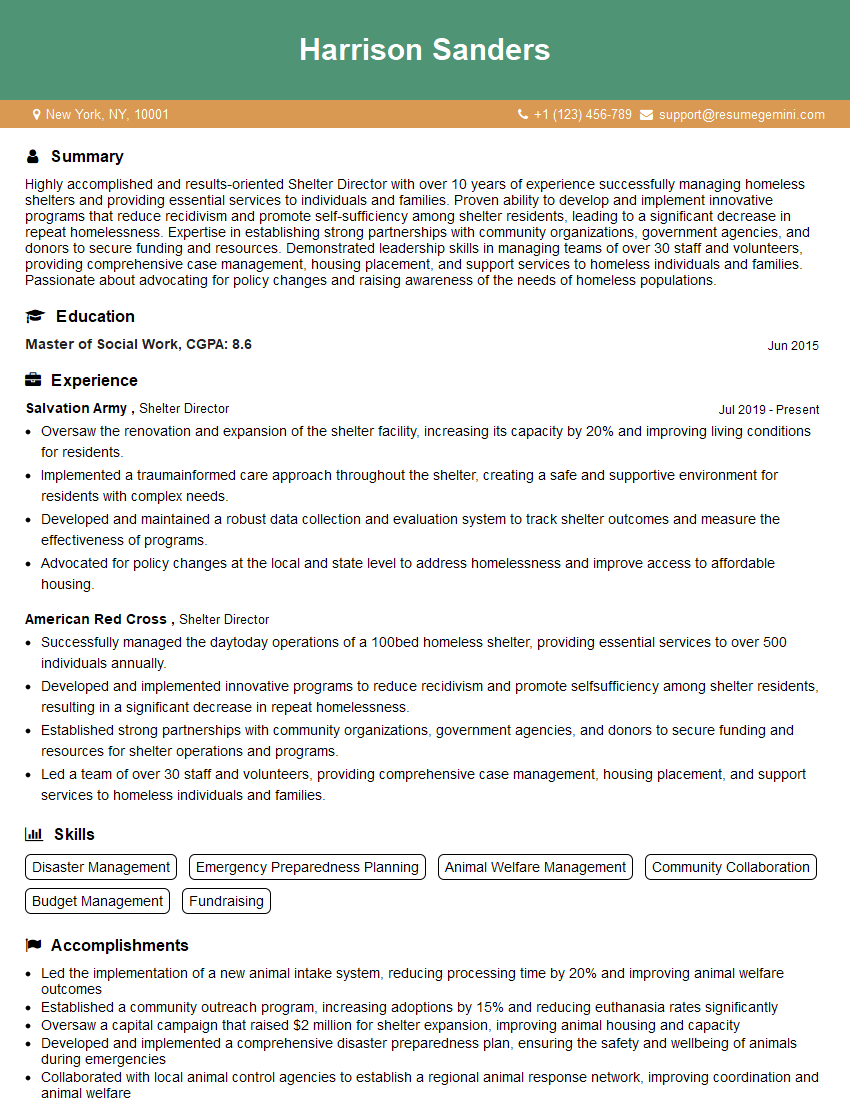
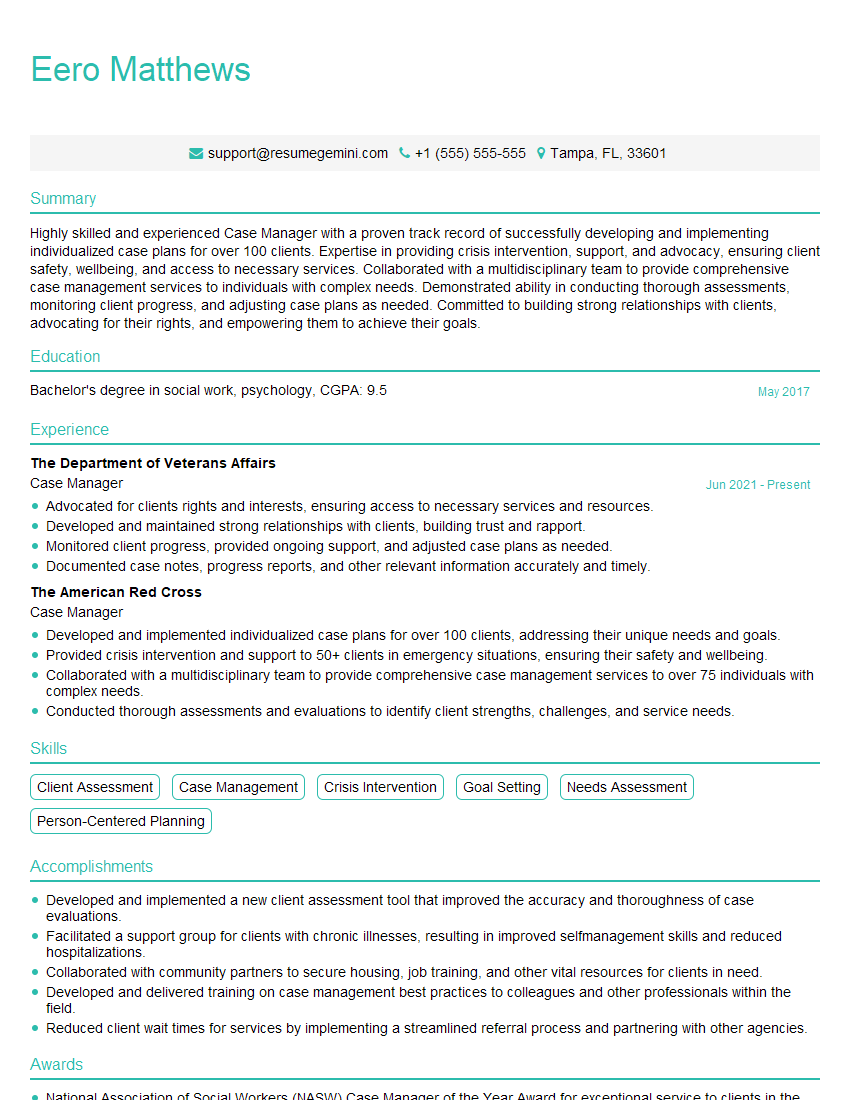
Mastering Shelter Operations Management is crucial for career advancement in the non-profit and social services sectors. It showcases your ability to manage complex operations, lead teams, and effectively address the needs of vulnerable populations. To significantly boost your job prospects, crafting an ATS-friendly resume is paramount. ResumeGemini is a trusted resource to help you build a professional and impactful resume that highlights your skills and experience effectively. Examples of resumes tailored to Shelter Operations Management are available to help guide you. Invest the time in creating a strong resume – it’s your first impression and a key to unlocking exciting opportunities in this rewarding field.
Explore more articles
Users Rating of Our Blogs
Share Your Experience
We value your feedback! Please rate our content and share your thoughts (optional).
What Readers Say About Our Blog
I Redesigned Spongebob Squarepants and his main characters of my artwork.
https://www.deviantart.com/reimaginesponge/art/Redesigned-Spongebob-characters-1223583608
IT gave me an insight and words to use and be able to think of examples
Hi, I’m Jay, we have a few potential clients that are interested in your services, thought you might be a good fit. I’d love to talk about the details, when do you have time to talk?
Best,
Jay
Founder | CEO