Feeling uncertain about what to expect in your upcoming interview? We’ve got you covered! This blog highlights the most important Shift Work Capability interview questions and provides actionable advice to help you stand out as the ideal candidate. Let’s pave the way for your success.
Questions Asked in Shift Work Capability Interview
Q 1. Describe your experience working rotating shifts.
My experience with rotating shifts spans over eight years, primarily in a manufacturing environment. I’ve worked various shift patterns, including early mornings (6 am – 2 pm), day shifts (8 am – 4 pm), late evenings (2 pm – 10 pm), and night shifts (10 pm – 6 am). This extensive exposure has provided me with a comprehensive understanding of the challenges and opportunities associated with different shift schedules. I’ve consistently adapted to these changes, learning effective strategies for optimizing productivity and well-being.
For example, during my early years, adjusting to night shifts was particularly tough. I experienced significant sleep disruption and fatigue. However, through a combination of proactive sleep hygiene practices (discussed further in my response to Question 2), and consistent self-monitoring of my energy levels, I learned to manage this effectively. This experience solidified my understanding of the need for personalized strategies in managing shift work.
Q 2. How do you manage fatigue when working irregular hours?
Managing fatigue when working irregular hours necessitates a multifaceted approach centered around sleep hygiene, diet, and lifestyle. It’s not just about getting enough sleep, but also the *quality* of that sleep.
- Prioritize Consistent Sleep Schedules: Even on days off, I try to maintain a regular sleep-wake cycle, avoiding significant deviations from my usual sleep times, even if this means making sacrifices on weekends.
- Create a Conducive Sleep Environment: This includes a dark, quiet, and cool bedroom. I use blackout curtains, earplugs, and a comfortable mattress and pillows to ensure optimal sleep conditions.
- Dietary Management: I avoid large meals, caffeine, and alcohol close to bedtime. Maintaining a healthy and balanced diet throughout the day, rich in fruits and vegetables, helps regulate energy levels and promote better sleep.
- Regular Exercise: Although it sounds counterintuitive when tired, physical activity can improve sleep quality and reduce daytime fatigue. However, I avoid strenuous exercise too close to bedtime.
- Strategic Napping: Short power naps (20-30 minutes) can be beneficial, but they should not replace adequate nighttime sleep. Longer naps can disrupt nighttime sleep patterns.
- Light Exposure: I expose myself to natural light during daylight hours, particularly during my off-duty periods, to regulate my circadian rhythm.
Think of it like a car; regular maintenance ensures optimal performance. Ignoring the warning signs of fatigue in shift work can lead to serious consequences—both for the individual and the workplace.
Q 3. Explain your strategies for maintaining productivity during night shifts.
Maintaining productivity during night shifts requires a deliberate strategy focusing on optimizing performance during the hours when our bodies naturally want to sleep. I use several techniques:
- Strategic Breaks: I take short, regular breaks to avoid burnout and maintain focus. A quick walk or some light stretching can greatly improve alertness.
- Hydration and Nutrition: Staying hydrated is essential to combat fatigue. I drink plenty of water and consume light, healthy snacks throughout the shift to avoid energy crashes.
- Light Exposure: Bright lighting in the work environment helps combat drowsiness. I also try to get exposure to some brighter light during my breaks.
- Engaging Tasks: I prioritize mentally stimulating tasks for the earlier parts of my shift, while leaving simpler or less demanding tasks for the later hours when fatigue sets in.
- Teamwork and Communication: Effective communication with colleagues is crucial. Collaborating on tasks and sharing responsibilities helps spread the workload and prevents individual burnout.
- Positive Mindset: Maintaining a positive outlook and finding ways to stay engaged helps to combat the monotony and tiredness that can occur during night shifts. I might listen to upbeat music or podcasts during breaks to improve my mood.
It’s crucial to approach night shift productivity as a unique challenge requiring specific strategies, rather than simply trying to replicate daytime routines.
Q 4. How do you adapt to changes in your work schedule?
Adapting to changes in my work schedule involves a combination of planning, communication, and self-awareness. When a schedule change is announced, I immediately assess the impact on my sleep pattern and make necessary adjustments to mitigate disruption.
- Proactive Communication: I discuss the schedule change with my supervisor or team leader to understand the reasoning and to ensure there are no conflicts.
- Gradual Adjustment: If possible, I try to make gradual adjustments to my sleep schedule in the days leading up to the shift change to minimize the impact on my sleep cycle.
- Flexibility and Acceptance: I acknowledge that unexpected schedule changes are inherent in shift work. Maintaining a flexible approach allows me to adjust effectively while minimizing stress.
- Prioritization: I make sure my personal appointments, childcare, and any other commitments align with the adjusted schedule to avoid clashes or stressful situations.
Successfully managing schedule changes comes from understanding how the changes affect your internal clock and adopting strategies to offset the changes without unduly jeopardizing sleep and well-being.
Q 5. What are the challenges of shift work, and how have you overcome them?
The challenges of shift work are multifaceted and affect various aspects of life. Some significant challenges include:
- Sleep Disruption: Irregular sleep patterns often lead to insomnia, fatigue, and reduced alertness.
- Social Isolation: Shift work can make it difficult to maintain a regular social life due to inconsistent availability.
- Increased Health Risks: Studies link shift work to an increased risk of various health problems, including cardiovascular disease and certain types of cancer.
- Family and Relationship Strain: Inconsistent availability can strain relationships with family and friends.
I’ve overcome these challenges through proactive strategies, including maintaining a strong support network of friends and family, practicing consistent sleep hygiene, engaging in regular physical activity, communicating openly with my employer and family, and actively seeking support when needed. For instance, I’ve found joining a running club helpful both for social connection and physical well-being – this helps combat the isolation frequently experienced by shift workers.
Q 6. How do you ensure personal safety during night or less populated shifts?
Ensuring personal safety during night or less populated shifts requires a proactive and cautious approach:
- Workplace Safety Procedures: I strictly adhere to all workplace safety protocols and guidelines, reporting any safety concerns immediately.
- Buddy System: When possible, I work with a colleague, especially during night shifts or in less populated areas. This provides an added layer of security and support.
- Situational Awareness: I maintain awareness of my surroundings, avoiding secluded areas and being mindful of potential risks.
- Personal Safety Measures: I avoid walking alone at night and utilize well-lit routes. I may also use personal safety devices, such as a personal alarm or a safety app.
- Communication: I regularly check in with colleagues or supervisors, especially if working alone. I maintain open communication channels in case of emergency.
Safety is paramount, and proactive measures are always preferable to reacting to a threat. By being prepared and alert, I can minimize risks and ensure a safe work environment.
Q 7. Describe a time you had to adjust quickly to an unexpected shift change.
One instance where I had to adapt quickly to an unexpected shift change was during a critical production run. A colleague called in sick just hours before their night shift was due to begin. I was asked to fill in, which meant shifting my personal plans significantly. It wasn’t ideal, but I understood the urgency.
My response involved a few steps: First, I quickly contacted family to adjust childcare arrangements. Second, I adjusted my sleep schedule as best I could in the short timeframe (in this case, I prioritized the most urgent tasks and maintained a strategy of short breaks to avoid burnout). Third, I communicated openly with the team about the situation to ensure smooth collaboration during the shift. While sleep-deprivation was a factor, the situation required immediate action. Despite the abrupt change, I ensured all tasks were completed to the required standards without incident. This situation highlighted my ability to respond effectively and efficiently under pressure, prioritizing both operational needs and personal well-being in a challenging situation.
Q 8. How do you maintain work-life balance while working shift work?
Maintaining work-life balance on shift work is a significant challenge, but achievable with conscious effort. It’s not about achieving a perfect 50/50 split, but rather about finding a sustainable rhythm that minimizes burnout. My approach involves several key strategies:
- Structured Scheduling: I meticulously plan my days off, ensuring enough time for personal appointments, family time, and leisure activities. This avoids the feeling of constantly being ‘on-call’.
- Prioritization: I identify essential tasks both at work and at home, focusing on what truly matters. This helps avoid feeling overwhelmed and prevents neglecting personal responsibilities.
- Consistent Sleep Hygiene: Regardless of shift pattern, maintaining a consistent sleep schedule, even on days off, helps regulate my circadian rhythm and improves overall well-being.
- Boundary Setting: It’s crucial to establish clear boundaries between work and personal life. This means minimizing work-related communication during personal time and dedicating specific times for relaxation and unwinding.
- Regular Exercise and Healthy Diet: These habits are essential for maintaining physical and mental health, combating fatigue and stress associated with shift work.
For instance, if I have a night shift, I’ll ensure my mornings are dedicated to relaxation and sleep, even if it means sacrificing some social events. The key is to find a system that works for *you* and adapt it as needed.
Q 9. What are your preferred shift patterns, and why?
My preferred shift patterns are those that minimize rapid changes to my sleep-wake cycle. I find that rotating shifts are generally more disruptive than fixed shifts, but the ideal pattern depends heavily on the individual and their chronotype (natural sleep-wake tendencies).
- Fixed Shifts (if possible): I prefer working consistent day or night shifts for extended periods. This allows my body to adjust to a particular sleep-wake cycle, leading to better sleep quality and improved energy levels.
- Slow Rotation (if rotation is unavoidable): If rotation is necessary, I prefer a slow rotation, such as a 7-day or 14-day cycle, rather than daily changes. This gives the body time to adapt to the change in schedule, decreasing the risk of sleep disruption and related health problems.
For example, a slow rotation might involve working days for a week, then evenings for a week, followed by nights for a week, before cycling back to days. This is far less disruptive than a pattern of switching shifts daily.
Q 10. How do you stay alert and focused during long or overnight shifts?
Maintaining alertness during long or overnight shifts requires a multi-faceted approach. It’s not just about caffeine; it’s about creating a conducive environment and employing smart strategies.
- Regular Breaks: Short, frequent breaks every 2-3 hours are crucial for preventing cognitive fatigue. This could include a brief walk, light stretching, or just a moment of quiet reflection.
- Hydration and Nutrition: Dehydration and poor nutrition can significantly impair cognitive function. Staying hydrated and consuming regular, healthy snacks high in protein and complex carbohydrates helps maintain energy levels.
- Controlled Environment: Maintaining a well-lit, comfortable, and clean workspace is crucial. A cold temperature can also help improve alertness.
- Strategic Caffeine Use: Caffeine can be helpful, but it’s essential to use it strategically and not over-rely on it. Consuming small amounts throughout the shift is more effective than one large dose.
- Regular Physical Activity: Even light exercise during breaks can improve circulation, alertness, and mood.
Imagine working an overnight shift in a dimly lit warehouse. To counter this, I might bring a small desk lamp, schedule regular short walks to improve circulation, and strategically consume small amounts of coffee throughout the shift.
Q 11. Have you experienced shift work-related health issues? If so, how did you address them?
Yes, I have experienced some shift work-related health issues in the past, primarily related to sleep disruption and digestive problems. These were managed through a combination of lifestyle changes and medical advice.
- Sleep Disruption: I addressed this by prioritizing sleep hygiene, practicing relaxation techniques before bed (like meditation), ensuring my bedroom is dark and quiet, and discussing sleep aids with my doctor if necessary.
- Digestive Problems: These were improved through dietary adjustments, including regular meal times and avoiding heavy meals close to bedtime. Again, medical consultation was beneficial.
It’s important to remember that addressing these issues proactively is crucial. Ignoring them can lead to more serious health complications down the line. Open communication with healthcare providers is key.
Q 12. How do you communicate effectively with colleagues across different shifts?
Effective communication across different shifts is paramount for seamless workflow and safety. My approach centers on clear, concise, and timely information exchange.
- Shift Handover Meetings: These are vital for conveying critical information. I ensure I actively participate, offering clear updates on ongoing tasks and potential challenges to the incoming shift.
- Detailed Shift Reports: I always complete comprehensive shift reports documenting key events, completed tasks, outstanding issues, and any anticipated problems.
- Technology Utilization: Utilizing communication tools like shared digital logs, messaging apps, or collaborative platforms allows for quick and efficient communication outside of handover meetings.
- Proactive Communication: If an issue arises outside of handover, I immediately notify the relevant colleagues, regardless of their shift.
For example, imagine I notice a machine malfunctioning towards the end of my shift. I wouldn’t just note it in a report; I would immediately inform the supervisor and the incoming shift to ensure prompt action.
Q 13. How do you handle stressful situations while working under pressure during shifts?
Handling stressful situations under pressure during shifts requires a calm and systematic approach. My strategies include:
- Prioritization: I assess the situation, identifying the most critical aspects requiring immediate attention. This helps prevent feeling overwhelmed.
- Problem-Solving: I utilize a structured problem-solving approach, breaking down complex issues into smaller, manageable steps.
- Teamwork: I actively seek support from colleagues and supervisors, delegating tasks where appropriate. This leverages the team’s collective skills and reduces individual stress.
- Stress Management Techniques: I practice relaxation techniques such as deep breathing or mindfulness to manage stress levels in the moment.
- Post-Shift Debriefing: Reflecting on stressful situations after the shift helps identify areas for improvement and prevent similar issues in the future.
Imagine an unexpected power outage during a crucial operation. My response would involve prioritizing the safety of personnel and equipment, systematically addressing the power issue, delegating tasks to colleagues, and using deep breathing to stay calm while coordinating a solution.
Q 14. Describe your experience with shift handover procedures.
My experience with shift handover procedures emphasizes thoroughness, clarity, and accuracy. Effective handover ensures continuity of care or operations and prevents errors.
- Standardized Formats: I prefer using a structured handover format, whether it’s a checklist, a written report, or a digital log, to ensure all essential information is consistently covered.
- Verbal and Written Communication: I use a combination of verbal communication during handover meetings and written documentation to provide a comprehensive record.
- Focus on Key Information: I prioritize conveying crucial information such as ongoing tasks, outstanding issues, unusual events, and any relevant safety concerns.
- Confirmation and Clarification: I always confirm that the incoming shift has understood the information relayed and address any questions or concerns they may have. I also seek clarification when receiving a handover to avoid any ambiguity.
For example, during a handover in a hospital setting, the information exchange might involve detailed patient updates, medication schedules, pending tests, and any changes in the patient’s condition. A thorough handover is critical to ensure the continuity of patient care and safety.
Q 15. How do you prioritize tasks and manage your time effectively during your shifts?
Effective task prioritization and time management during shifts hinge on a structured approach. I use a combination of techniques, adapting them based on the specific demands of the shift. I typically start by reviewing the day’s schedule and identifying tasks with deadlines or critical dependencies. I then prioritize using methods like the Eisenhower Matrix (urgent/important), assigning each task a priority level (high, medium, low), or simply ordering them chronologically based on urgency.
For example, if I’m working a night shift in a hospital, immediate patient needs naturally take precedence over administrative tasks. I might use a digital task management tool like Asana or Trello to visually organize tasks and track progress, ensuring nothing slips through the cracks. Regularly reviewing and adjusting my to-do list throughout the shift allows me to remain flexible and responsive to unforeseen events. Timeboxing – allocating specific time blocks to particular tasks – helps prevent tasks from ballooning and ensures I’m efficiently using my time.
Career Expert Tips:
- Ace those interviews! Prepare effectively by reviewing the Top 50 Most Common Interview Questions on ResumeGemini.
- Navigate your job search with confidence! Explore a wide range of Career Tips on ResumeGemini. Learn about common challenges and recommendations to overcome them.
- Craft the perfect resume! Master the Art of Resume Writing with ResumeGemini’s guide. Showcase your unique qualifications and achievements effectively.
- Don’t miss out on holiday savings! Build your dream resume with ResumeGemini’s ATS optimized templates.
Q 16. How do you maintain accuracy and efficiency under pressure during shifts?
Maintaining accuracy and efficiency under pressure requires a calm, methodical approach. It’s about managing stress effectively and employing strategies that prevent errors. Double-checking my work, particularly when dealing with critical tasks, is essential. I also use checklists to ensure I don’t miss steps in complex procedures. In high-pressure situations, I focus on deep, controlled breathing to reduce stress and maintain focus.
For instance, during a busy period in a manufacturing environment, I might use a standardized workflow to streamline processes, and I’d make sure to take short breaks to prevent burnout and maintain concentration. Automation, where applicable, can play a significant role in reducing human error and improving efficiency under pressure. The key is having well-defined processes, and the ability to remain calm and collected when the workload increases.
Q 17. How would you address a conflict with a colleague over shift responsibilities?
Addressing conflict with a colleague professionally and constructively is crucial for a harmonious work environment. My first step would be to approach the colleague privately to discuss the issue calmly and openly. I’d aim to understand their perspective and explain my own, focusing on the specific issue at hand, not making it personal.
For example, if we’re disagreeing about who should handle a particular task, I’d suggest a compromise or a different way to divide responsibilities. If we can’t resolve it, I’d involve a supervisor or team leader to mediate, presenting the situation objectively and focusing on finding a solution that benefits the team. The goal is to maintain a respectful professional relationship while resolving the conflict effectively and ensuring efficient task completion.
Q 18. Describe your experience with shift scheduling software or tools.
I have extensive experience with various shift scheduling software and tools, including Kronos, When I Work, and ShiftPlanning. These tools offer a range of functionalities, from creating and managing schedules to tracking employee availability and time-off requests. I’m proficient in using these systems to optimize schedules, ensuring adequate staffing levels during peak times and minimizing overtime costs. I also understand how these systems can integrate with payroll and other HR systems for seamless data flow.
For example, I’ve used Kronos to create rotating shift schedules that ensure fair distribution of shifts amongst team members, while also considering individual preferences and skill sets. I’m familiar with using reporting features to analyze labor costs and identify potential scheduling inefficiencies.
Q 19. How do you use technology to improve efficiency during shifts?
Technology plays a significant role in improving efficiency during shifts. I utilize various technological tools to streamline my workflow. This includes using mobile devices for quick access to information, communication tools like Slack or Microsoft Teams for instant updates and collaboration, and specialized software for data entry, analysis, or equipment monitoring.
For example, in a manufacturing setting, I might use a tablet to access real-time data on production metrics, allowing for immediate adjustments to optimize the process. In a healthcare setting, electronic health records (EHRs) significantly enhance efficiency by providing instant access to patient information, eliminating the need for manual searches.
Q 20. How do you ensure compliance with safety regulations while working different shifts?
Compliance with safety regulations is paramount regardless of the shift worked. I prioritize safety by adhering strictly to all company protocols and procedures, completing regular safety training, and reporting any safety hazards promptly. I understand the importance of risk assessment and utilizing appropriate personal protective equipment (PPE) depending on the task and environment. My experience includes working with various safety management systems, ensuring compliance with OSHA regulations or similar standards.
For example, before operating any machinery, I would always double-check the safety protocols and wear appropriate PPE. During night shifts, I would pay extra attention to lighting and visibility to prevent accidents. Regular safety training and awareness are crucial for me to minimize risks and maintain a safe work environment.
Q 21. Describe your experience with working in a team-based shift environment.
I thrive in team-based shift environments. My experience demonstrates a strong ability to collaborate effectively with colleagues, supporting each other to achieve common goals. I believe in open communication, mutual respect, and a shared responsibility for maintaining efficiency and safety. I’ve worked in teams where clear roles and responsibilities were established, and where we regularly communicated progress and challenges. This collaborative approach leads to better problem-solving and improved overall team performance.
For instance, during a particularly hectic shift in a call center, I proactively helped colleagues with overflow calls, ensuring customers received timely support. I also contribute actively to team meetings, providing feedback and suggestions for improvement.
Q 22. How do you contribute to a positive team environment during shifts?
A positive team environment during shift work is crucial for efficiency and morale. My contribution focuses on proactive communication, mutual respect, and collaborative problem-solving.
- Open Communication: I initiate regular briefings at the start and end of shifts to ensure everyone is on the same page regarding tasks, priorities, and any potential challenges. This promotes transparency and reduces misunderstandings.
- Respectful Interactions: I treat every team member with respect, acknowledging their contributions and expertise. Even during stressful situations, maintaining a calm and professional demeanor helps diffuse tension and foster a supportive atmosphere.
- Collaborative Problem-Solving: I actively participate in brainstorming sessions and offer constructive feedback. If I notice a team member is struggling, I offer assistance without hesitation. A collaborative approach minimizes individual burden and improves overall team performance.
- Positive Reinforcement: I readily acknowledge and celebrate team successes, both big and small. Positive reinforcement encourages a supportive and motivating work environment.
Q 23. How do you solve problems effectively during your shifts?
Effective problem-solving during shifts requires a structured approach. My strategy involves a four-step process: Identify, Analyze, Solve, and Review.
- Identify: Clearly define the problem. What is the issue? What are its symptoms?
- Analyze: Gather information. What are the root causes? Are there any contributing factors? Who is affected?
- Solve: Develop and implement solutions. Consider various options and choose the most effective and efficient one. If necessary, seek assistance from supervisors or colleagues with relevant expertise.
- Review: Evaluate the effectiveness of the solution. Did it resolve the problem? Are there any unintended consequences? What can be learned for future situations?
For example, if a critical piece of equipment malfunctions, I would first identify the malfunction, then analyze its cause (e.g., faulty wiring, operator error), implement a solution (e.g., temporary repair, contacting maintenance), and finally review the incident to prevent recurrence (e.g., improve maintenance procedures, provide additional operator training).
Q 24. Describe a situation where you had to make a critical decision during a shift.
During a night shift at a manufacturing plant, a critical machine unexpectedly shut down. This threatened to disrupt the entire production line and jeopardize meeting a tight deadline. I quickly assessed the situation and determined that immediate action was necessary to avoid significant financial losses and reputational damage.
My decision-making process involved:
- Rapid Assessment: I quickly evaluated the situation, identifying the problem (machine failure) and its potential impact (production halt).
- Information Gathering: I checked the machine’s logs for error messages and consulted with experienced colleagues for potential causes.
- Risk Evaluation: I weighed the risks of attempting an immediate fix versus waiting for specialized technicians. Delaying could result in significant losses, while attempting a premature fix might worsen the problem.
- Decision Implementation: I decided to initiate a temporary workaround while simultaneously contacting the maintenance team. The workaround minimized production disruption while ensuring a professional repair would occur swiftly.
This decision proved successful. The workaround prevented a significant production loss, and the maintenance team quickly resolved the root cause of the malfunction. The incident highlighted the importance of rapid assessment, informed decision-making, and the value of teamwork in high-pressure situations.
Q 25. How do you measure your success in a shift-based role?
Measuring success in a shift-based role goes beyond simply completing tasks. It involves a combination of factors focusing on efficiency, quality, safety, and teamwork.
- On-time and efficient task completion: Meeting deadlines and completing tasks within the allocated time frame is a key indicator of success.
- Quality of work: Maintaining high standards in all tasks, adhering to procedures, and minimizing errors are crucial aspects of success.
- Safety adherence: Prioritizing safety protocols and preventing accidents demonstrates responsibility and success in a critical area.
- Teamwork and collaboration: Contributing positively to the team, assisting colleagues, and fostering a collaborative work environment reflects successful team integration.
- Problem resolution and proactiveness: Identifying and effectively resolving problems and proactively preventing issues demonstrates efficiency and responsibility.
For example, consistently meeting daily production targets with zero safety incidents and positive feedback from team members would be a strong indication of successful performance.
Q 26. How do you adapt your communication style to different colleagues during shifts?
Adapting communication styles is key to effective teamwork in shift-based environments, where you interact with diverse individuals. I tailor my approach based on individual preferences and the situation.
- Direct and concise communication: For urgent matters or with colleagues who prefer straightforward communication, I use clear and concise language.
- Detailed and explanatory communication: When dealing with complex tasks or training new colleagues, I offer more detailed explanations and visual aids to facilitate understanding.
- Active listening: I pay close attention to what my colleagues are saying, asking clarifying questions to ensure accurate understanding.
- Nonverbal communication: I use appropriate body language and tone of voice to convey information effectively and build rapport.
- Written communication: For complex issues or for recording information, I utilize written documentation, such as shift logs and reports.
For instance, I might use a short, clear radio message for an urgent safety alert, while providing a more detailed explanation in person when instructing a new team member on a specific procedure.
Q 27. How do you maintain consistency in performance across different shifts?
Maintaining consistent performance across different shifts requires careful planning, self-discipline, and proactive strategies.
- Structured routines: Establishing consistent routines for task prioritization and execution helps ensure consistent performance regardless of the shift.
- Self-monitoring and feedback: Regularly reviewing my performance, identifying areas for improvement, and seeking feedback from supervisors and colleagues helps maintain a high standard.
- Physical and mental well-being: Prioritizing sleep, maintaining a healthy diet, and engaging in regular exercise are crucial for sustained energy and focus throughout different shifts.
- Effective handover processes: Implementing thorough and well-defined handover procedures at the beginning and end of shifts ensures seamless transitions and avoids inconsistencies.
- Proactive problem identification: Anticipating potential issues and developing preventative measures reduces the likelihood of disruptions and ensures smooth operations across shifts.
For example, using a checklist to ensure all critical tasks are completed during each shift and consistently documenting observations and actions in shift logs contribute to maintaining consistency.
Q 28. How do you proactively identify and mitigate potential risks during your shifts?
Proactive risk mitigation is essential in shift work to ensure safety and efficiency. My approach involves continuous monitoring, hazard identification, and preventative measures.
- Regular safety checks: I conduct routine checks of equipment and work areas to identify and rectify potential hazards.
- Hazard identification and reporting: I actively look for potential hazards and report any unsafe conditions or practices to my supervisor immediately.
- Following safety protocols: I strictly adhere to all safety regulations and procedures, ensuring personal safety and the safety of my colleagues.
- Emergency preparedness: I am familiar with emergency procedures and know how to respond to various situations, such as equipment malfunctions or medical emergencies.
- Predictive risk assessment: Based on past experiences and trends, I identify potential risks and develop preventative strategies to mitigate them.
For instance, if I notice a worn cable on a piece of machinery, I’ll report it immediately to prevent a potential electrical hazard. By proactively addressing these risks, I contribute to a safer and more efficient work environment.
Key Topics to Learn for Shift Work Capability Interview
- Understanding Circadian Rhythms and their Impact: Explore how your body’s natural sleep-wake cycle is affected by shift work and the potential consequences for health and performance. Consider the impact of different shift patterns.
- Strategies for Managing Fatigue and Sleep Deprivation: Discuss practical techniques for optimizing sleep during irregular schedules, including sleep hygiene practices, napping strategies, and light exposure management. Explore the role of diet and exercise.
- Adaptability and Resilience in Changing Schedules: Demonstrate your understanding of the challenges of adapting to rotating shifts and how you maintain productivity and focus despite disruptions to your routine. Highlight your problem-solving skills in this context.
- Safety Considerations in Shift Work Environments: Discuss how fatigue and irregular sleep patterns can affect safety and how you proactively mitigate risks in your work. This could involve awareness of safety protocols and personal responsibility.
- Teamwork and Communication in Shift Work: Explain how effective communication and collaboration are crucial in shift work settings to ensure smooth handovers and efficient operations. Highlight instances where you have demonstrated strong teamwork.
- Personal Strategies for Maintaining Wellbeing During Shift Work: Discuss proactive measures you take to prioritize physical and mental wellbeing, such as stress management techniques, healthy lifestyle choices, and seeking support when needed.
Next Steps
Mastering shift work capability significantly enhances your career prospects across numerous industries demanding round-the-clock operations. A strong understanding of this area showcases your adaptability, resilience, and commitment to maintaining high performance under challenging circumstances. To increase your chances of landing your dream role, crafting an ATS-friendly resume is crucial. ResumeGemini offers a valuable tool to build a professional and impactful resume, designed to highlight your key skills and experience. We provide examples of resumes tailored specifically to showcase Shift Work Capability – utilize these resources to present yourself effectively to potential employers.
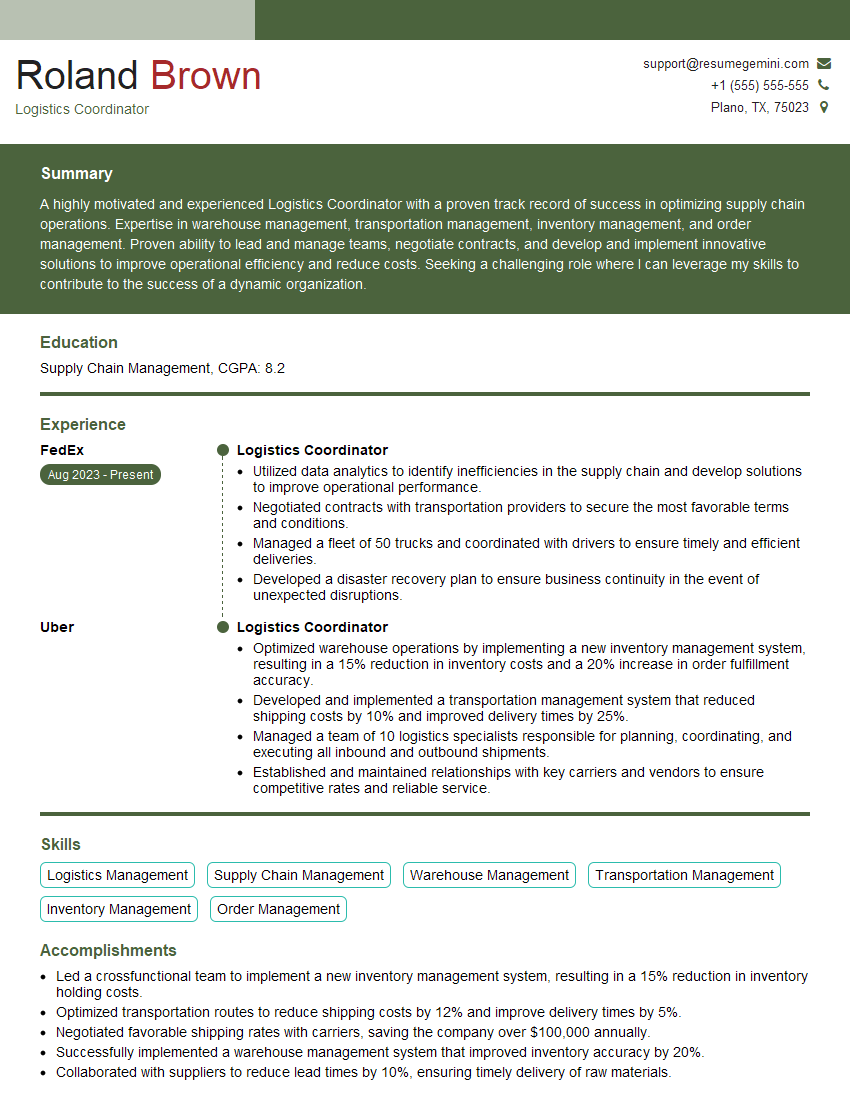
Logistics Coordinator Resume Sample
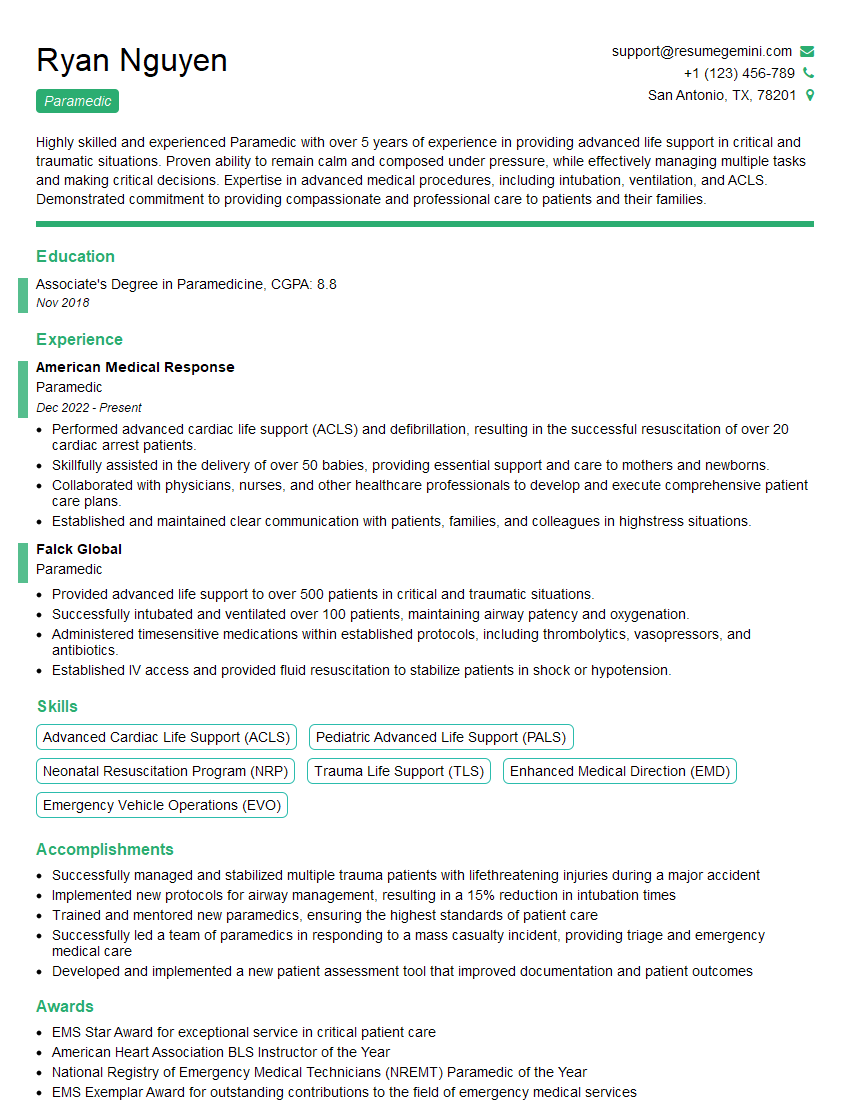
Paramedic Resume Sample
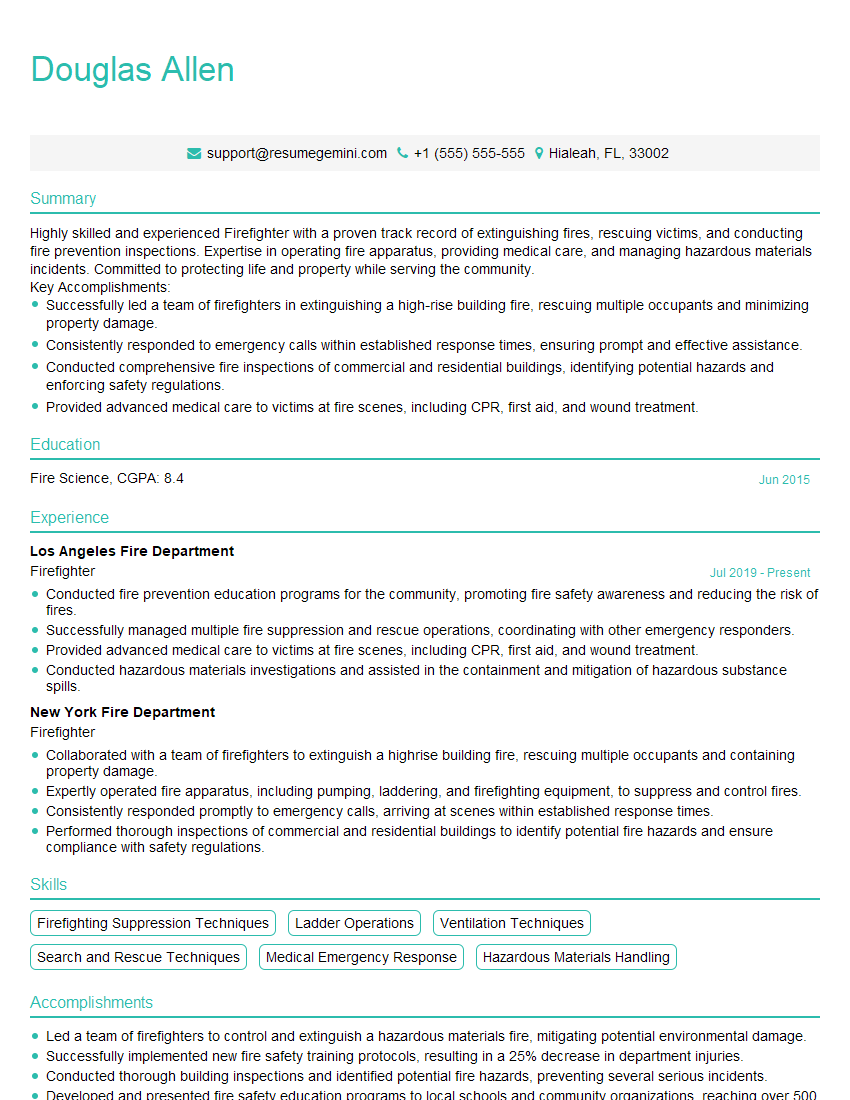
Firefighter Resume Sample
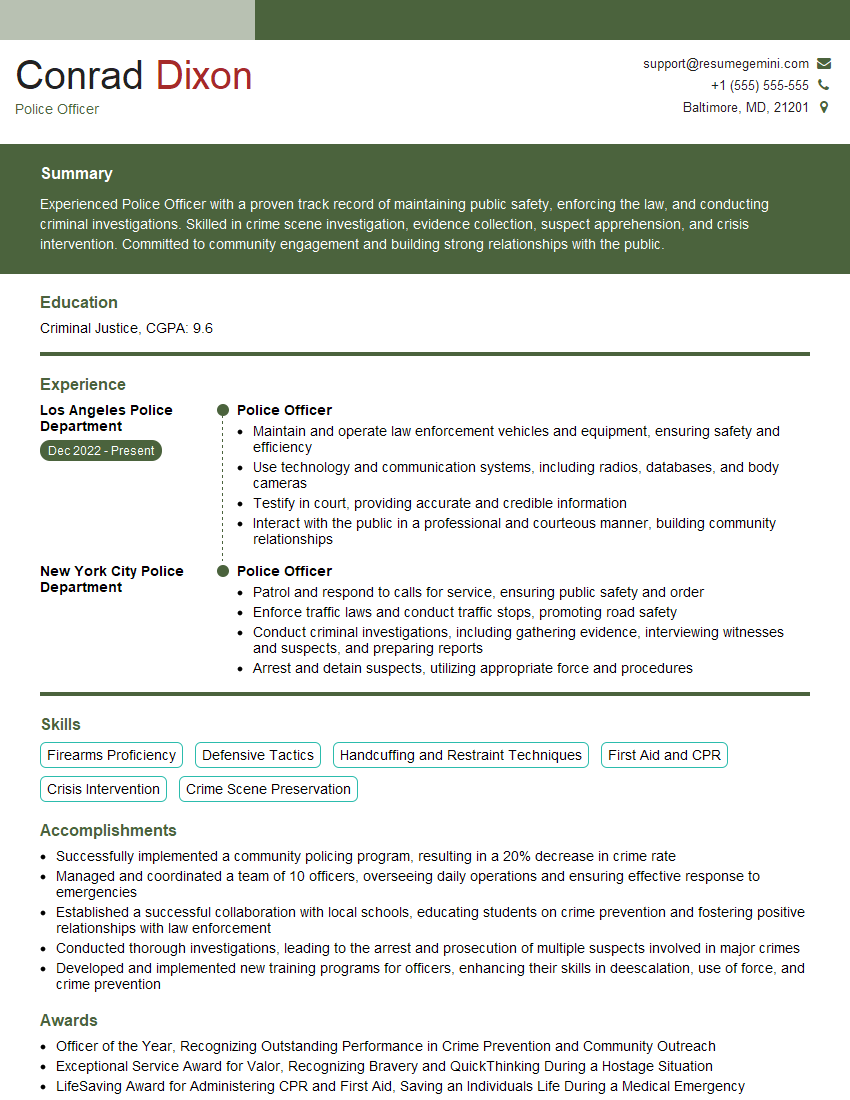
Police Officer Resume Sample
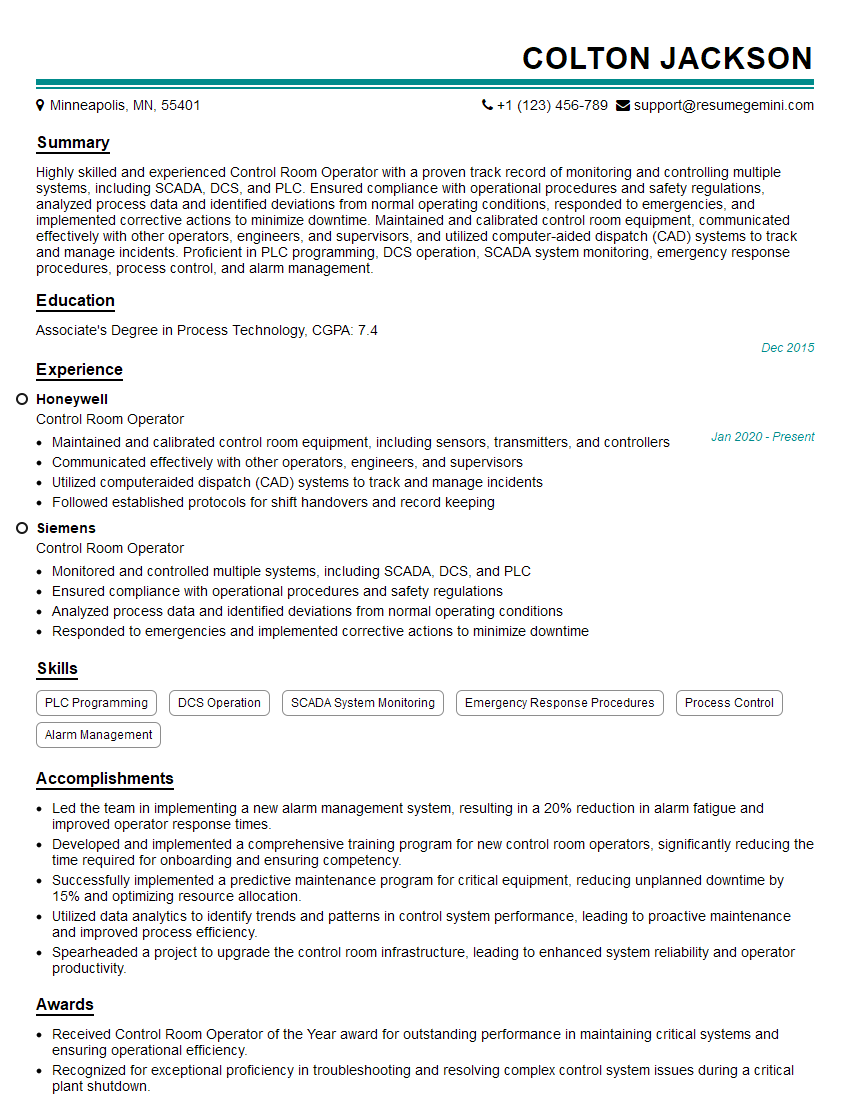
Control Room Operator Resume Sample
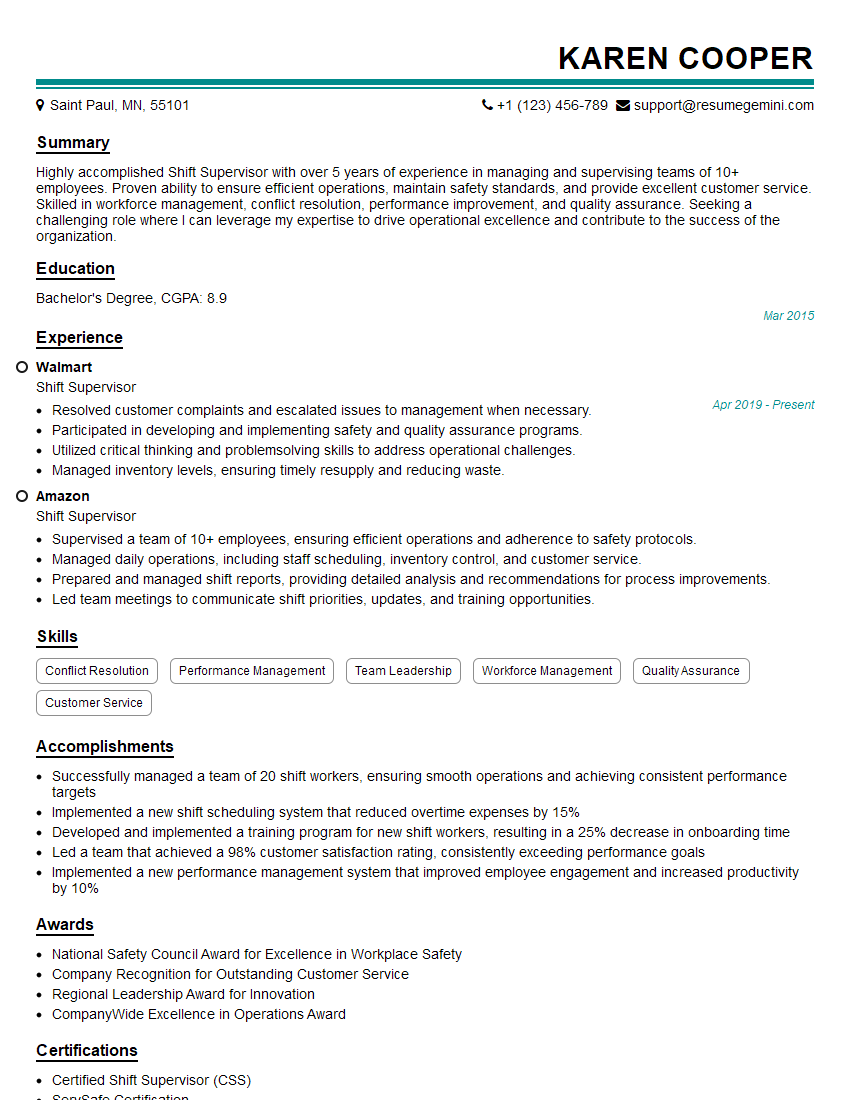
Shift Supervisor Resume Sample

Call Center Agent Resume Sample
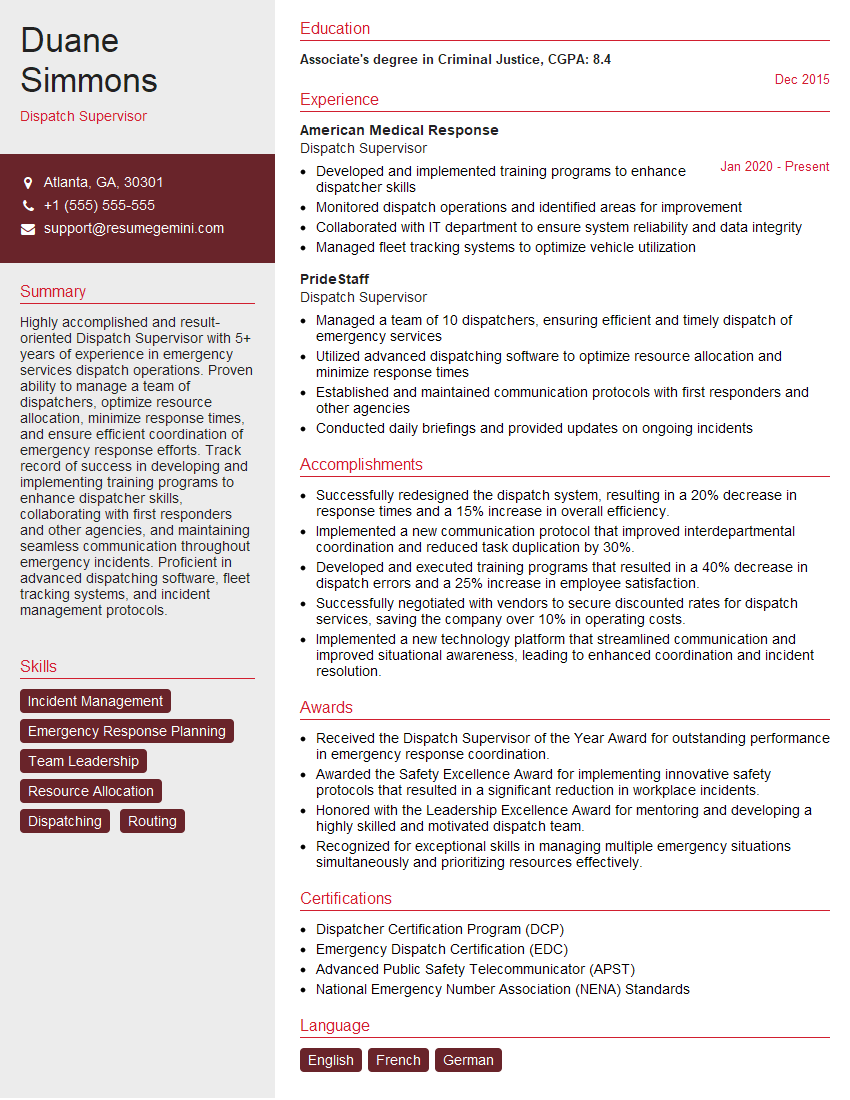
Dispatch Supervisor Resume Sample
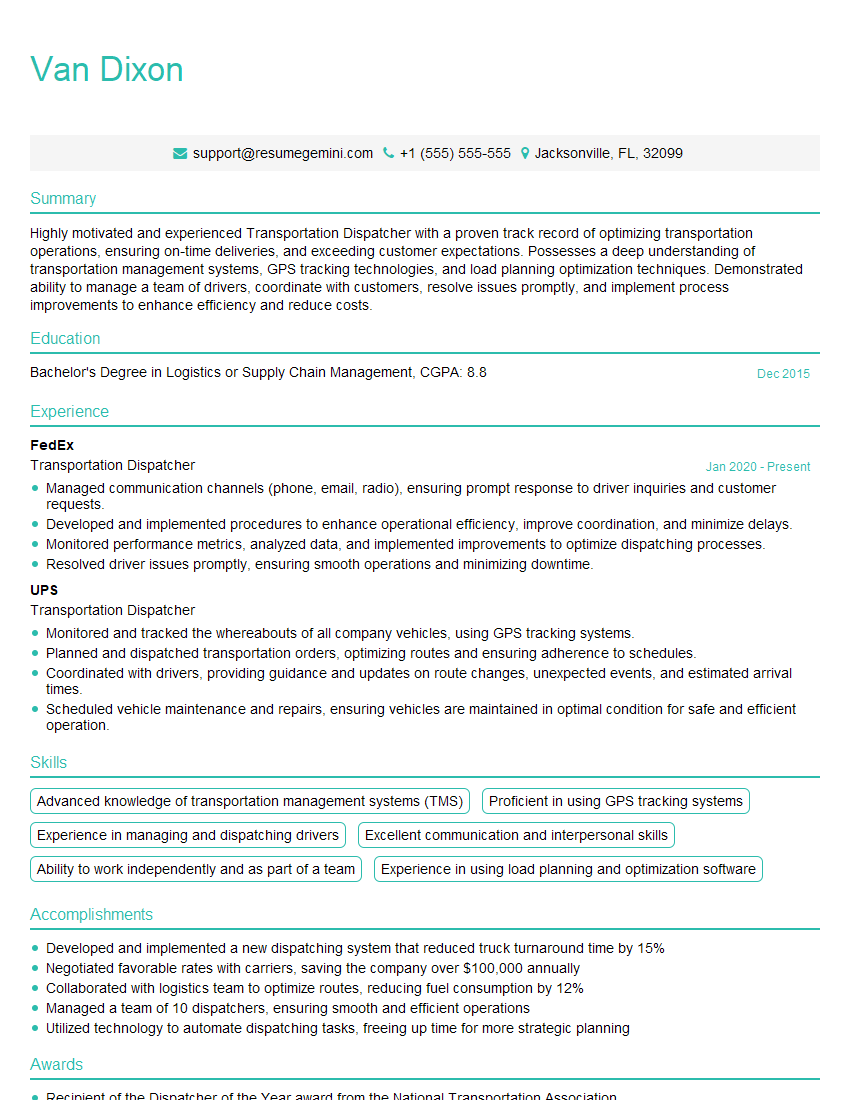
Transportation Dispatcher Resume Sample
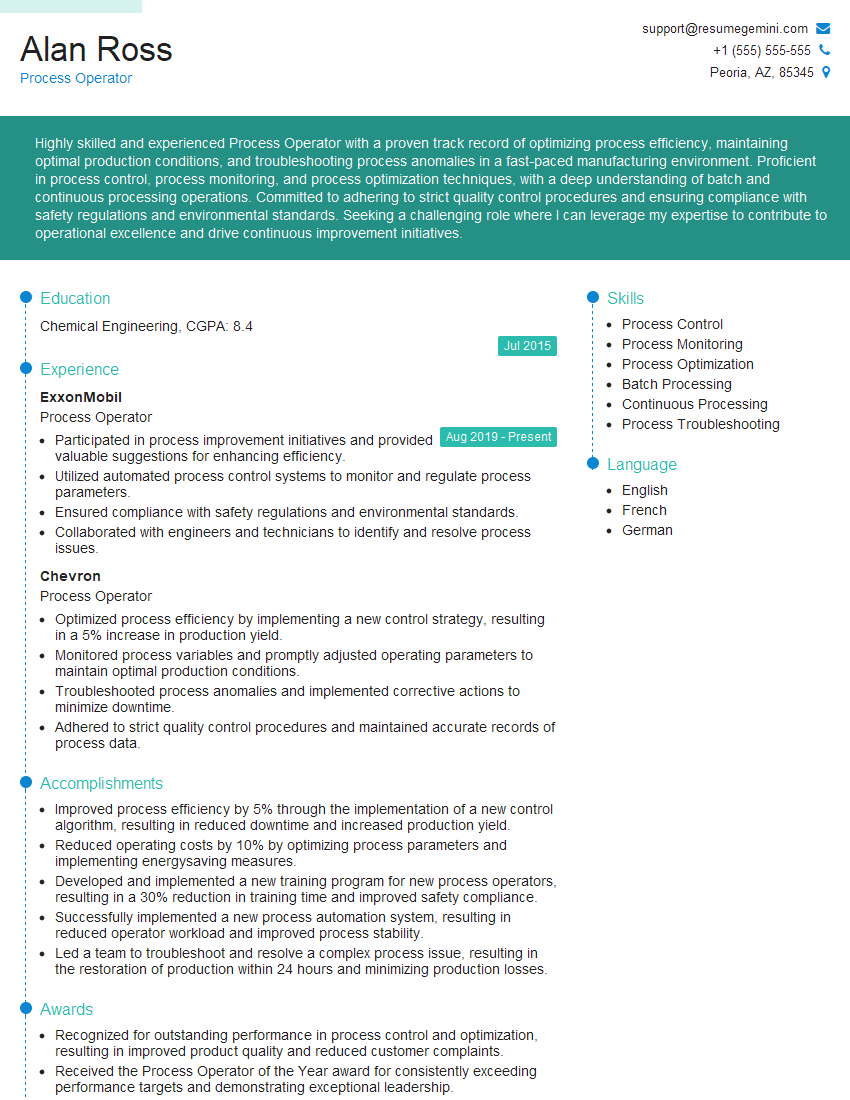
Process Operator Resume Sample
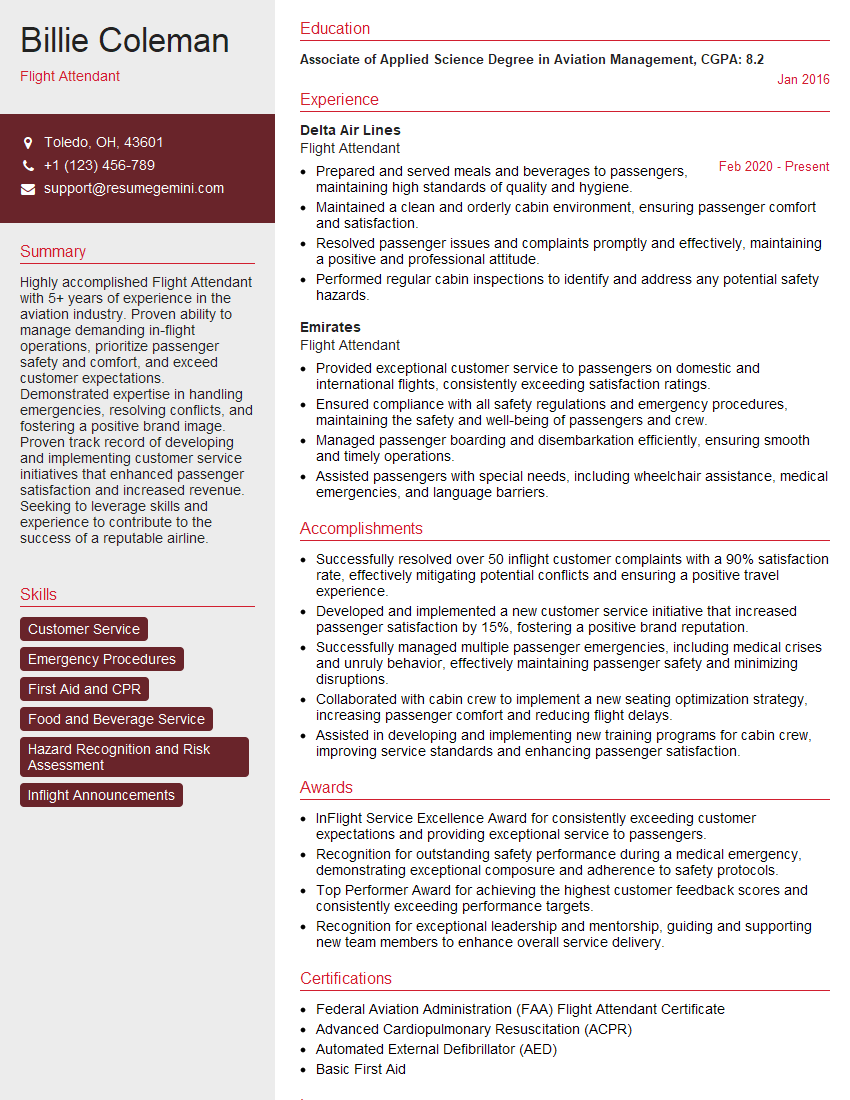
Flight Attendant Resume Sample
Explore more articles
Users Rating of Our Blogs
Share Your Experience
We value your feedback! Please rate our content and share your thoughts (optional).
What Readers Say About Our Blog
I Redesigned Spongebob Squarepants and his main characters of my artwork.
https://www.deviantart.com/reimaginesponge/art/Redesigned-Spongebob-characters-1223583608
IT gave me an insight and words to use and be able to think of examples
Hi, I’m Jay, we have a few potential clients that are interested in your services, thought you might be a good fit. I’d love to talk about the details, when do you have time to talk?
Best,
Jay
Founder | CEO