The thought of an interview can be nerve-wracking, but the right preparation can make all the difference. Explore this comprehensive guide to Shipment Loading interview questions and gain the confidence you need to showcase your abilities and secure the role.
Questions Asked in Shipment Loading Interview
Q 1. Explain the process of loading a shipment onto a truck, from receiving to securing.
Loading a shipment onto a truck is a multi-step process that requires precision and attention to detail. It begins with receiving the shipment and ends with its securement. Think of it like building a perfect Lego castle – each step is crucial for the final structure’s stability.
- Receiving and Verification: This involves checking the incoming shipment against the accompanying paperwork (e.g., packing list, bill of lading) to verify the quantity, condition, and type of goods. Any discrepancies are immediately noted and reported.
- Load Planning: Before anything is loaded, a plan is created to optimize space utilization and weight distribution within the truck. This is particularly important for safety and efficient use of resources, reducing the chance of an accident during transit.
- Loading: Goods are loaded systematically according to the load plan. Heavier items are generally placed lower and towards the center of gravity to maintain stability. Fragile goods are carefully handled and placed strategically to avoid damage.
- Securing: This is arguably the most critical step. Proper securing involves using appropriate methods to prevent shifting or movement during transit. This could involve strapping, blocking and bracing, or using dunnage (protective material between goods and walls of the truck).
- Documentation: After loading, all necessary documentation is updated, including weight and dimensions of the loaded truck, to comply with regulations and for accurate tracking.
For example, I once loaded a shipment containing fragile ceramic vases. Careful planning involved cushioning each vase individually, placing them in the center of the truck, and then securing them with a combination of foam padding and straps to prevent any damage. The entire process requires meticulous attention to detail to ensure both efficiency and the safety of the products.
Q 2. What are the different types of loading equipment you are familiar with?
I’m familiar with a wide range of loading equipment, each suited to different cargo types and loading environments. Think of them as different tools for different jobs in a toolbox.
- Forklifts: Essential for handling palletized goods efficiently. Different forklifts exist with varying lifting capacities to accommodate various pallet sizes and weights.
- Pallet Jacks: Used for moving smaller, lighter pallets around the loading dock. They are very maneuverable and useful in tight spaces.
- Conveyors: These systems automate the movement of goods from loading docks to trucks, increasing speed and efficiency, especially in high-volume operations.
- Overhead Cranes: Used for handling very heavy or oversized items that cannot be moved with forklifts or pallet jacks.
- Dock Levelers: These bridge the gap between the truck and the dock, creating a safe and smooth transition, preventing damage to goods and reducing loading time.
- Strapping Machines: These automatically tighten and secure straps around loads to prevent shifting during transit.
The selection of equipment depends on factors like the type of cargo, its weight and dimensions, available space, and the overall loading environment. Choosing the right equipment significantly reduces the risk of accidents and improves efficiency.
Q 3. How do you ensure the safety and security of a shipment during loading?
Ensuring shipment safety and security during loading is paramount. It’s not just about preventing damage; it’s about preventing accidents and complying with regulations. We use a multi-pronged approach that involves:
- Proper Load Planning and Weight Distribution: Preventing imbalance and shifting during transit is key. This minimizes the risk of tipping or accidents.
- Securement Techniques: Using appropriate strapping, blocking, and bracing techniques to keep the cargo fixed in place. Proper securing is crucial for safety and cargo protection.
- Damage Prevention Measures: Employing cushioning materials, protective coverings, and careful handling techniques to avoid damage to fragile goods. This could include using bubble wrap, air pillows, or other appropriate packaging.
- Inventory Control: Careful tracking of goods throughout the loading process helps prevent loss or theft. This ensures accountability and transparency.
- Compliance with Regulations: Adhering to all relevant safety regulations and transport rules to avoid legal issues and ensure safe transportation.
For instance, when loading hazardous materials, we use specialized equipment and follow strict safety protocols, including proper labeling and segregation of different hazardous goods. This not only protects the shipment but also the handlers and the surrounding environment.
Q 4. Describe your experience with load planning and optimization.
Load planning and optimization are crucial for efficient and safe transportation. It’s like a game of Tetris, fitting different shapes (goods) into a confined space (truck) in the most effective way. My experience includes using:
- 3D Load Planning Software: These programs simulate the loading process, allowing for virtual optimization of space and weight distribution before the actual loading begins.
- Manual Load Planning: For smaller shipments or when software isn’t available, I use my expertise in manual load planning, strategically arranging cargo based on size, weight, and fragility.
- Weight Distribution Analysis: I carefully consider the center of gravity to avoid instability and maintain a balanced load, minimizing the risk of accidents.
- Cube Optimization: I focus on maximizing the use of available space within the truck. This reduces the number of trips and improves cost-effectiveness.
I remember one instance where a client had a shipment of oddly shaped furniture. Using 3D software, I was able to create a load plan that fit all the pieces into a single truck without compromising safety, saving the client considerable transportation costs.
Q 5. How do you handle damaged goods during the loading process?
Handling damaged goods during loading is a critical aspect that requires immediate attention and proper documentation. The key is to be proactive and systematic.
- Identification and Documentation: Any damaged goods are immediately identified, and the damage is meticulously documented, including photographic evidence. This creates a record for potential insurance claims.
- Segregation: Damaged goods are separated from undamaged ones to prevent further damage or contamination.
- Reporting: The damage is reported to the relevant parties, including the client and the transportation company. This ensures transparency and allows for appropriate action to be taken.
- Disposition: Decisions regarding the disposition of the damaged goods are made in consultation with the client. Options include repair, replacement, or disposal.
For example, if a pallet of goods arrived with some boxes crushed, I’d immediately note the damage, take pictures, and then separate the damaged boxes from the rest. I’d then contact the client to discuss options – whether they want to proceed with the shipment, request a replacement, or initiate a damage claim.
Q 6. What is your experience with different types of cargo (e.g., palletized, loose, oversized)?
My experience encompasses a broad range of cargo types, each requiring specialized handling techniques.
- Palletized Cargo: This is the most common type, and efficient handling involves the use of forklifts and pallet jacks. Ensuring the pallets are stable and properly secured is crucial.
- Loose Cargo: This requires more careful planning and securement techniques to prevent shifting and damage during transit. Proper bracing and dunnage are vital.
- Oversized Cargo: Handling oversized loads often necessitates specialized equipment like cranes and specialized trailers. Strict adherence to regulations and safety protocols is mandatory.
- Hazardous Materials: This demands meticulous attention to safety regulations and specialized handling techniques. Appropriate labeling, segregation, and securement are essential.
- Refrigerated Cargo: These shipments require temperature-controlled environments throughout the loading and transportation process. Proper equipment and monitoring are crucial.
For instance, loading oversized machinery required detailed planning and coordination with specialized trucking companies and crane operators. Safety considerations and permitting requirements were carefully addressed throughout the process.
Q 7. How do you prioritize shipments for loading when multiple orders are pending?
Prioritizing shipments when multiple orders are pending involves a systematic approach that balances several factors. It’s like juggling multiple balls – you need to keep everything moving smoothly and efficiently.
- Delivery Deadlines: Shipments with the most urgent delivery deadlines are usually prioritized. This ensures timely delivery to customers.
- Cargo Type and Handling Requirements: Shipments requiring specialized handling or equipment might be prioritized to avoid delays or complications.
- Size and Weight: Larger or heavier shipments might be prioritized to optimize truck utilization and reduce the number of trips needed.
- Customer Importance: High-value or high-priority customers’ orders are given preference. This maintains strong business relationships.
- Pre-arranged schedules: Shipments pre-arranged with specific delivery times are prioritized to meet those commitments.
For example, if we have a shipment of perishable goods with a tight deadline alongside a less urgent shipment of non-perishable goods, the perishable goods would be prioritized to prevent spoilage. This proactive approach demonstrates our commitment to customer satisfaction and maintaining product quality.
Q 8. How familiar are you with weight and balance considerations during loading?
Weight and balance are critical in shipment loading, especially for air and sea freight, to ensure safe and stable transport. Improper weight distribution can lead to instability, potentially causing accidents. This involves calculating the center of gravity (CG) of the loaded vehicle or vessel. The CG must fall within the manufacturer’s specified limits to prevent tipping or structural damage. We use specialized software and load charts to accurately determine the weight and position of each item, ensuring the CG remains within the safe operating range. For example, heavier items are typically placed lower and closer to the center of the vehicle, while lighter items can be positioned higher and further out, as long as it remains within safety limits. Failing to consider weight and balance can result in fines, delays, and even catastrophic accidents.
Q 9. Explain your understanding of hazardous materials handling and shipping regulations.
Handling hazardous materials (HAZMAT) requires strict adherence to regulations such as those outlined by the International Air Transport Association (IATA), the International Maritime Organization (IMO), and the Department of Transportation (DOT). Understanding these regulations is paramount. This includes proper classification of the hazardous material, using the correct packaging and labeling as per the regulations, completing necessary documentation (e.g., shipping papers), and ensuring the transportation mode is appropriate for the specific HAZMAT. For instance, certain flammable materials require specialized containers and may have restrictions on transport by air. Improper handling of HAZMAT can lead to serious accidents, environmental damage, and legal penalties. I am proficient in using the appropriate safety data sheets (SDS) and complying with all relevant shipping regulations.
Q 10. What are your methods for preventing cargo shifting or damage during transit?
Preventing cargo shifting and damage involves utilizing various securing methods. This includes using appropriate dunnage (such as wood blocks, air bags, or inflatable dunnage bags) to fill voids and prevent movement. We also utilize straps, chains, and other tie-down systems to secure the cargo firmly in place. Proper blocking and bracing is essential, especially for fragile or irregularly shaped items. For example, palletized goods might be further secured using shrink wrap to prevent individual items from shifting. The choice of securing methods depends on the type of cargo, the mode of transport, and the duration of the journey. Regular inspections during loading and transit are vital to ensure that the cargo remains secure. Failure to secure cargo properly can result in damage, delays, and safety hazards.
Q 11. How do you verify the accuracy of a shipment before loading?
Verifying shipment accuracy before loading is a multi-step process. We begin by comparing the packing list or bill of lading against the physical goods received. Each item’s quantity, condition, and identifying details (such as lot numbers or serial numbers) are meticulously checked. Any discrepancies are immediately noted and addressed, and the appropriate documentation is updated. This often includes visual inspection for any damage or signs of tampering. We utilize barcodes or RFID tags for efficient inventory tracking and verification, reducing the potential for human error. For large shipments, we may use specialized counting equipment to ensure accuracy. Accurate verification ensures smooth transport and minimizes potential issues down the line.
Q 12. Describe your experience with using loading manifests and inventory tracking systems.
I have extensive experience with loading manifests and inventory tracking systems. Loading manifests act as a detailed record of all items loaded onto a vehicle or vessel, including descriptions, quantities, weights, and locations within the shipment. I am proficient in using various inventory management systems – both manual and digital – to track and manage inventory in real-time, ensuring accuracy and efficiency. These systems help optimize loading processes and provide visibility throughout the supply chain. For example, using a digital manifest allows for quick identification of items and reduces the risk of errors in comparison to a manual paper-based system. This is essential for preventing delays and ensuring that the correct goods arrive at their final destination.
Q 13. How do you maintain a clean and organized loading dock?
Maintaining a clean and organized loading dock is critical for safety and efficiency. This involves implementing a system for efficient workflow, clearly designated areas for different tasks, and a regular cleaning schedule to prevent accidents and streamline operations. We use proper signage and floor markings to improve visibility and prevent congestion. Proper waste disposal and recycling programs are also necessary. A well-organized loading dock minimizes risks associated with slips, trips, and falls, and allows for a quicker and more efficient loading process. A clean and organized environment also helps prevent damage to goods and improves overall morale amongst the workers.
Q 14. How do you handle discrepancies between the order and the actual goods?
Handling discrepancies between the order and the actual goods requires a methodical approach. First, a thorough investigation is undertaken to pinpoint the source of the discrepancy. This may involve reviewing the original order, the packing list, and the receiving documentation. Depending on the nature of the discrepancy, various actions are taken, such as contacting the supplier to rectify the error or adjusting the manifest to reflect the actual contents. In cases of missing items, alternative arrangements need to be made to provide the missing goods. Detailed documentation of the discrepancy and the steps taken to resolve it are crucial for auditing and preventing future issues. Accurate and prompt reporting helps maintain customer satisfaction and prevent disruptions in the supply chain.
Q 15. Describe your experience with different types of packaging materials.
My experience encompasses a wide range of packaging materials, each chosen strategically based on the product’s fragility, weight, and shipping conditions. I’m proficient with corrugated cardboard boxes – the workhorse of shipping – understanding the importance of choosing the correct weight and dimensions to prevent crushing. I’m also experienced with various types of protective inserts, including bubble wrap, foam peanuts, and air pillows, crucial for preventing damage during transit. For heavier or more delicate items, I utilize wooden crates and pallets, ensuring secure fastening and appropriate load bearing capacity. I’m familiar with different types of stretch film for palletizing, understanding the tension required to maintain stability. Finally, my experience also extends to specialized packaging like ESD (Electrostatic Discharge) bags for electronics, and vacuum-sealed packaging for items sensitive to moisture or air. The selection process always begins with a risk assessment of the product and its journey.
For example, once I shipped a delicate antique clock. Standard cardboard wouldn’t suffice. We built a custom wooden crate, lined with foam padding, and secured the clock within using specialized straps to prevent any movement. This careful approach ensured safe delivery.
Career Expert Tips:
- Ace those interviews! Prepare effectively by reviewing the Top 50 Most Common Interview Questions on ResumeGemini.
- Navigate your job search with confidence! Explore a wide range of Career Tips on ResumeGemini. Learn about common challenges and recommendations to overcome them.
- Craft the perfect resume! Master the Art of Resume Writing with ResumeGemini’s guide. Showcase your unique qualifications and achievements effectively.
- Don’t miss out on holiday savings! Build your dream resume with ResumeGemini’s ATS optimized templates.
Q 16. What are some common loading errors and how do you prevent them?
Common loading errors often stem from poor planning and execution. Improper weight distribution can lead to instability and potential damage during transit. Overloading a vehicle is another significant risk, causing structural damage and potentially breaching safety regulations. Insecure stacking, where boxes aren’t properly interlocked or secured, is also a frequent issue, resulting in shifting and damage during transit. Failing to account for the center of gravity can lead to tipping. Finally, neglecting proper documentation – ensuring accurate counts and labels – contributes to confusion and delays.
To prevent these errors, we follow a systematic approach. This includes pre-loading planning, utilizing load optimization software to determine the most efficient arrangement, employing secure fastening techniques, and double-checking weight limits and vehicle capacities. We implement a comprehensive checklist for each load, ensuring adherence to safety standards and best practices. Regular training for loaders highlights potential pitfalls and emphasizes proper techniques. Clear communication among team members is paramount to avoid misunderstandings and ensure everyone is aligned with the loading plan.
Q 17. How do you communicate with drivers and other team members during the loading process?
Clear and efficient communication is crucial during loading. I utilize a combination of methods to ensure everyone is on the same page. Before loading starts, we conduct a pre-load briefing, reviewing the manifest, identifying potential challenges, and allocating tasks. During the loading process, I use two-way radios or mobile phones to communicate directly with the driver, providing real-time updates on progress and any unexpected issues. Clear hand signals are also used to guide the driver when maneuvering the vehicle. I maintain a log of all communications and any changes made to the loading plan. After loading, I conduct a final check with the driver, confirming load securement and the accuracy of the documentation. This approach helps maintain a safe and efficient workflow.
Q 18. How do you address delays or unexpected issues during loading?
Delays and unexpected issues are inevitable in shipping. My strategy involves proactive problem-solving. If a part of the shipment is missing, we immediately contact the warehouse or sender to resolve the issue. If there’s equipment malfunction, like a forklift breakdown, I’ll initiate a repair request or find an alternative solution, such as manual handling (following all safety protocols). Weather delays necessitate revisiting the load plan to ensure stability, for example, securing the load more tightly if rain is expected. For damaged goods, I’ll document the damage thoroughly, notify the relevant parties, and if possible, arrange for replacement. Timely communication with all stakeholders is vital throughout, keeping everyone informed of the situation and the steps being taken to mitigate the delay.
Q 19. What safety procedures do you follow during shipment loading?
Safety is paramount. We adhere to strict safety protocols throughout the loading process. This begins with a pre-load inspection of the loading area and equipment, ensuring everything is in good working order. Personal Protective Equipment (PPE), including safety shoes, high-visibility vests, and gloves, is mandatory. We strictly enforce safe lifting techniques to prevent injuries, utilizing equipment like pallet jacks and forklifts appropriately. We establish clear designated walkways and traffic routes within the loading area to prevent accidents. Regular safety training and toolbox talks reinforce these procedures, promoting a culture of safety awareness among the team. All potential hazards, such as uneven surfaces or obstructions, are immediately addressed. Post-load inspection ensures the load is secure and ready for transit without compromising safety.
Q 20. What are your strategies for improving loading efficiency?
Improving loading efficiency involves a multifaceted approach. Load optimization software plays a key role, allowing us to maximize space utilization and minimize wasted time. Proper training and cross-training of personnel improves productivity and reduces errors. Implementing a well-organized warehouse layout reduces travel time and simplifies the loading process. Efficient inventory management prevents delays due to missing items or misplaced goods. Standardized processes and checklists minimize confusion and ensure consistency. Regularly reviewing and adjusting the loading process based on data analysis (measuring cycle times, error rates, etc.) facilitates continuous improvement. For example, we experimented with different stacking patterns and found a 15% improvement in space utilization.
Q 21. How do you ensure compliance with all relevant regulations and safety standards?
Compliance with regulations is not just a matter of procedure; it’s about safety and responsibility. We strictly adhere to all relevant transportation regulations, including weight limits, load securement standards, and hazardous materials handling procedures (DOT, IATA, etc.). We maintain meticulous records of all shipments, including manifests, bills of lading, and hazardous materials declarations. Regular audits ensure compliance and identify areas for improvement. Driver training includes updates on the latest regulations and best practices. We work closely with regulatory agencies to stay abreast of changes and maintain our compliance status. Our commitment to compliance extends beyond the legal requirements, fostering a culture of responsible and ethical practices in all our shipping activities.
Q 22. Describe a time you had to solve a problem related to shipment loading.
One time, we had a critical shipment of temperature-sensitive pharmaceuticals that needed to be loaded onto a refrigerated truck. The original loading plan, generated by the WMS, hadn’t accounted for the varying sizes of the pharmaceutical boxes, leading to inefficient space usage and a potential risk of exceeding the truck’s weight capacity. This posed a serious problem as we risked delaying delivery and compromising the integrity of the medicine.
To solve this, I first reviewed the manifest and the dimensions of each box, then used a 3D loading optimization software. This software allowed me to visualize the truck’s interior space and experiment with different packing arrangements. I prioritized placing the largest boxes at the bottom to maximize weight distribution and stability. Then I strategically placed smaller boxes to fill gaps and further optimize space. This allowed us to load all the pharmaceuticals without exceeding weight limits and without compromising the required temperature control. The shipment was successfully delivered on time and without incident.
This experience highlighted the importance of not solely relying on automated systems, but also utilizing critical thinking and specialized software to achieve optimal loading and ensure on-time delivery, especially for high-value or temperature-sensitive goods.
Q 23. What is your experience with using warehouse management systems (WMS)?
I have extensive experience with various Warehouse Management Systems (WMS), including Blue Yonder, Manhattan Associates, and Oracle WMS. My expertise ranges from data entry and order processing to advanced functionalities like shipment planning and optimization. I’m proficient in using WMS to generate loading manifests, track inventory, allocate warehouse space, and manage labor resources. I can also configure reporting dashboards within the system to monitor key performance indicators (KPIs) such as loading efficiency and on-time delivery rates.
For example, in a previous role, I used Blue Yonder WMS to integrate data from our ERP system, automatically generating optimized loading plans based on parameters such as weight distribution, product fragility, and delivery routes. The system significantly improved our loading efficiency by 15%, reducing labor costs and delivery times.
Q 24. How do you adapt to different types of loading equipment and workflows?
Adaptability is key in shipment loading. I’ve worked with various loading equipment, from forklifts and pallet jacks to conveyor belts and automated guided vehicles (AGVs). My approach focuses on understanding the specific capabilities and limitations of each piece of equipment and tailoring my loading strategy accordingly. For example, when using a forklift, I prioritize safety by ensuring stable stacking and avoiding overloading. With conveyor belts, I focus on maintaining a smooth flow of goods to prevent bottlenecks.
Regarding workflows, I’m comfortable working with both traditional manual processes and automated systems. I can quickly learn and adapt to new software and procedures. Understanding the overall workflow allows me to anticipate potential bottlenecks and proactively resolve issues before they impact the loading process.
Q 25. Describe your experience with different shipping methods (e.g., LTL, FTL).
I have extensive experience with various shipping methods including Less-than-Truckload (LTL) and Full-Truckload (FTL). LTL shipments involve sharing truck space with other shippers, requiring careful consideration of weight distribution and preventing damage to other goods. FTL shipments, in contrast, utilize an entire truck for a single shipment, providing greater control and efficiency. My experience includes planning and executing shipments using both methods, and coordinating with carriers to ensure timely and cost-effective delivery.
For LTL, I utilize knowledge of freight classification to minimize costs while ensuring safe transport. For FTL, I focus on optimizing space utilization to maximize the volume shipped per truck. The choice between LTL and FTL depends on factors like shipment volume, urgency, and cost considerations.
Q 26. How do you handle special handling requirements for certain goods?
Handling special handling requirements involves careful attention to detail and adherence to safety regulations. This includes working with fragile goods, hazardous materials, temperature-sensitive items, and oversized cargo. I’m familiar with industry best practices for securing these items during loading and transportation.
For instance, I’ve worked with shipments requiring climate control. This involved not only ensuring the truck’s refrigeration system functioned correctly, but also strategically loading the items to maintain uniform temperature throughout the shipment, using thermal blankets or other protective materials where necessary. I’m also experienced in using specialized equipment and packaging to protect fragile goods and following stringent regulations for handling hazardous materials.
Q 27. What are your experience with inventory control and cycle counting?
Inventory control and cycle counting are crucial for efficient warehouse operations. I have experience performing cycle counts, which involves regularly verifying a small subset of inventory to maintain accuracy. This helps identify discrepancies and ensure inventory records accurately reflect the physical stock. This proactive approach prevents larger inventory discrepancies from accumulating and helps us quickly address issues before they become major problems.
I’m also familiar with different inventory management techniques, including FIFO (First-In, First-Out) and LIFO (Last-In, First-Out), and understand how these methods impact inventory control and loading priorities. Accurate inventory control directly impacts loading efficiency as it ensures we have the right items available at the right time for shipment.
Q 28. What are your salary expectations?
My salary expectations are in the range of $75,000 to $90,000 per year, depending on the specifics of the benefits package and the overall compensation and benefits offered. This range is based on my experience, skills, and the current market rate for similar positions.
I am open to discussing this further and am confident that my contributions to your company will far outweigh my compensation.
Key Topics to Learn for Shipment Loading Interview
- Weight and Balance Calculations: Understanding center of gravity, weight distribution, and load stability principles. Practical application includes calculating the optimal placement of various cargo items to ensure safe and balanced transportation.
- Cargo Securing Techniques: Mastering various methods for securing different types of cargo, including the use of straps, chains, nets, and other equipment. This includes understanding relevant safety regulations and best practices to prevent shifting during transit.
- Load Planning and Optimization: Efficiently utilizing space within a vehicle or container to maximize capacity while maintaining stability. This involves understanding different loading patterns and using software or techniques to optimize space utilization.
- Hazardous Materials Handling: Knowledge of regulations and procedures for handling hazardous materials, including proper labeling, segregation, and securing techniques. Understanding the implications of non-compliance is crucial.
- Inventory Management and Tracking: Accurately tracking shipments, managing inventory levels, and ensuring proper documentation throughout the loading process. This includes understanding barcode scanning, inventory control systems, and relevant paperwork.
- Safety Procedures and Regulations: Familiarity with OSHA (or relevant regional) safety regulations, best practices for safe loading and unloading, and the use of Personal Protective Equipment (PPE).
- Problem-Solving and Decision-Making: Ability to quickly assess situations, identify potential problems, and make informed decisions under pressure. This includes adapting to unexpected challenges and finding creative solutions during the loading process.
Next Steps
Mastering shipment loading opens doors to diverse and rewarding careers in logistics, transportation, and supply chain management. It’s a highly sought-after skill set that demonstrates practical problem-solving abilities and attention to detail. To stand out, focus on building an ATS-friendly resume that highlights your skills and experience effectively. ResumeGemini is a trusted resource to help you craft a professional and impactful resume. They provide examples of resumes tailored to Shipment Loading to guide you through the process, ensuring your qualifications shine through.

Operations Manager Resume Sample
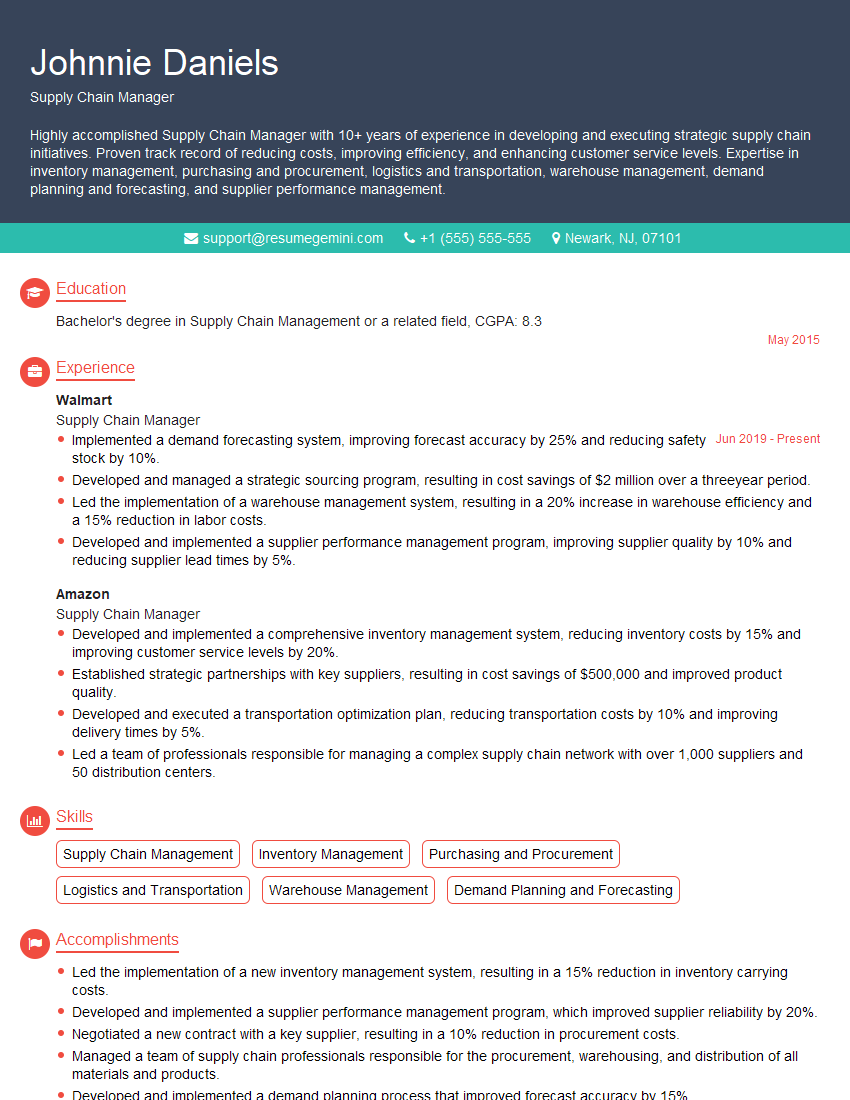
Supply Chain Manager Resume Sample
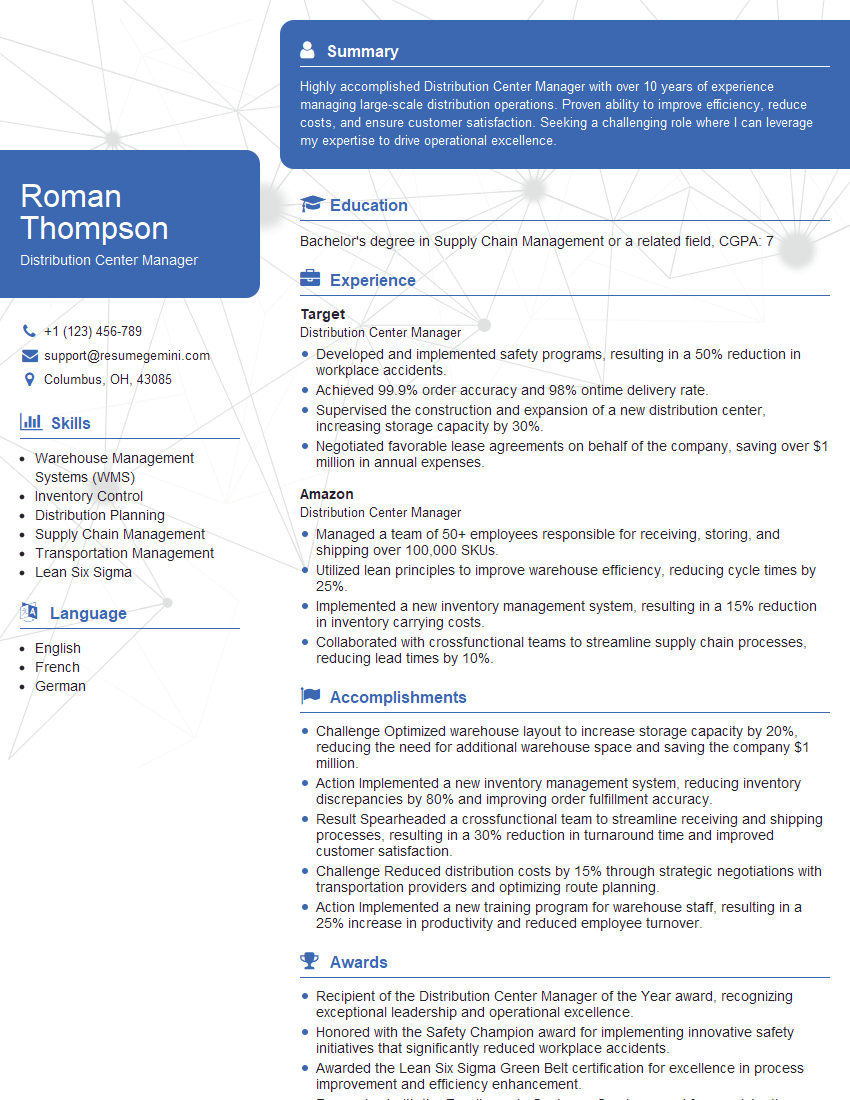
Distribution Center Manager Resume Sample

Logistics Manager Resume Sample

Warehouse Manager Resume Sample
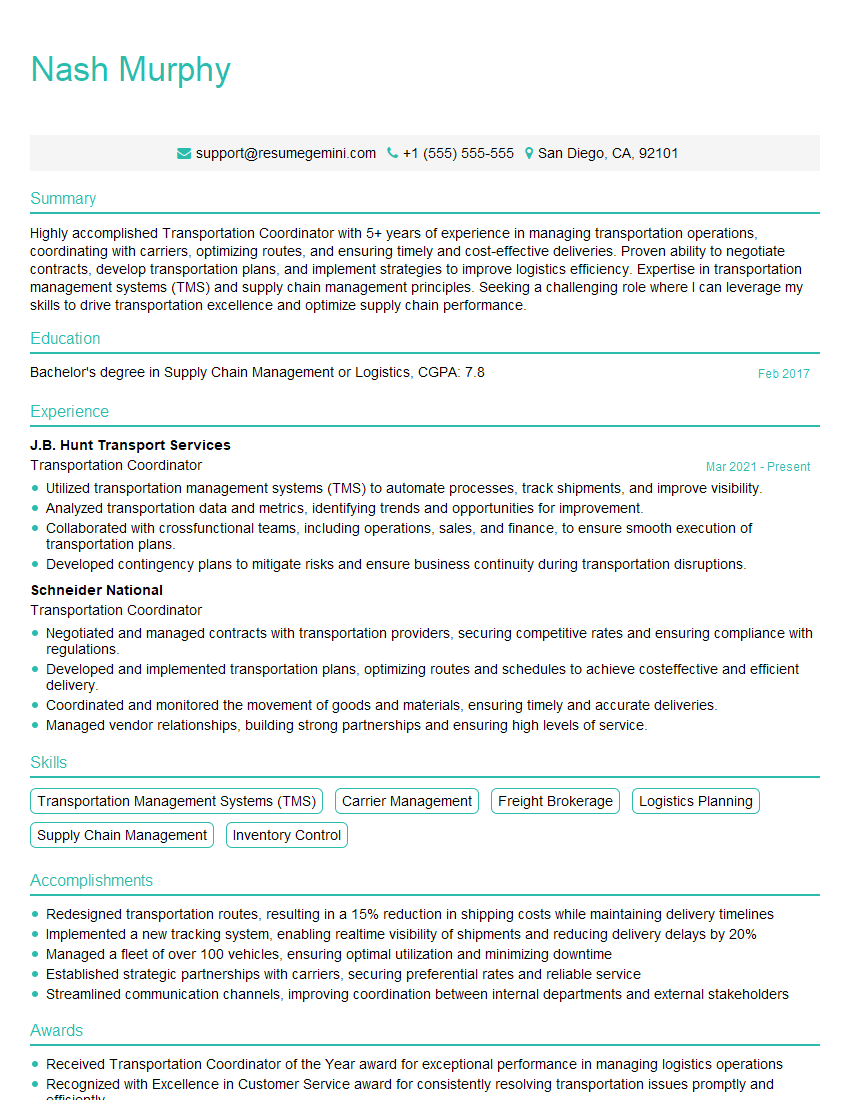
Transportation Coordinator Resume Sample
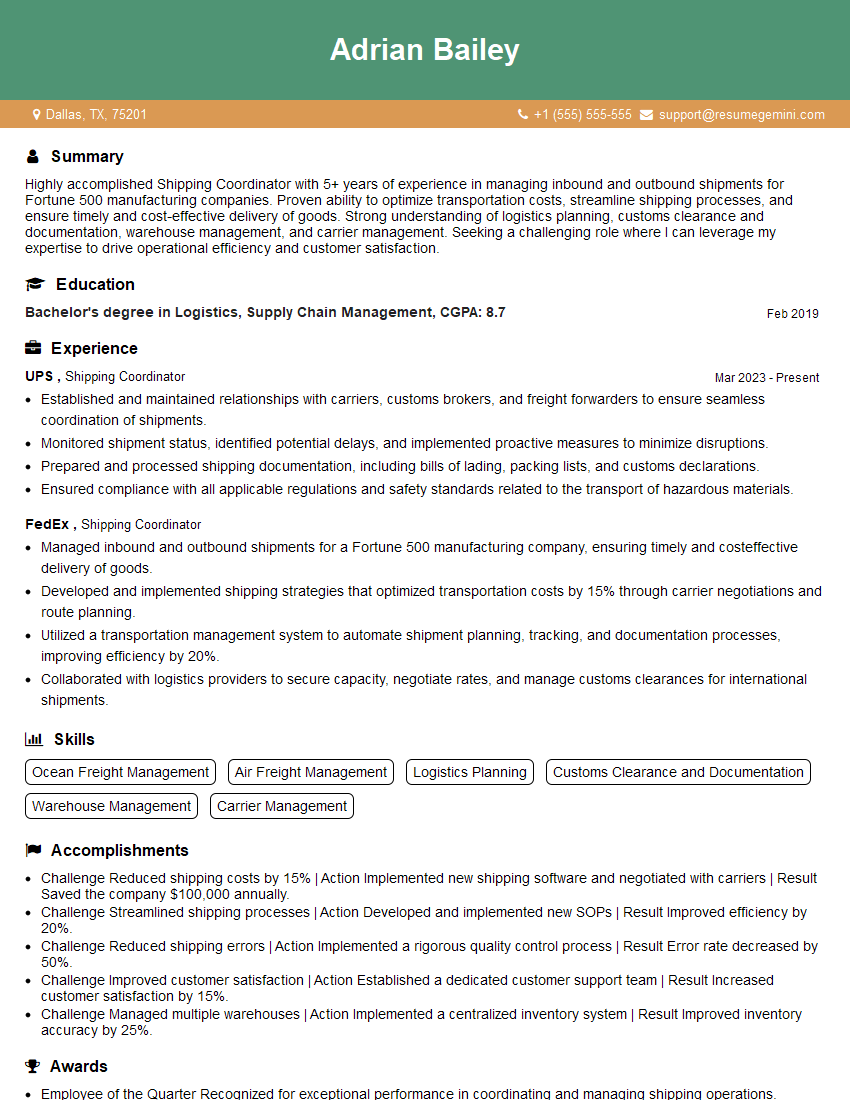
Shipping Coordinator Resume Sample
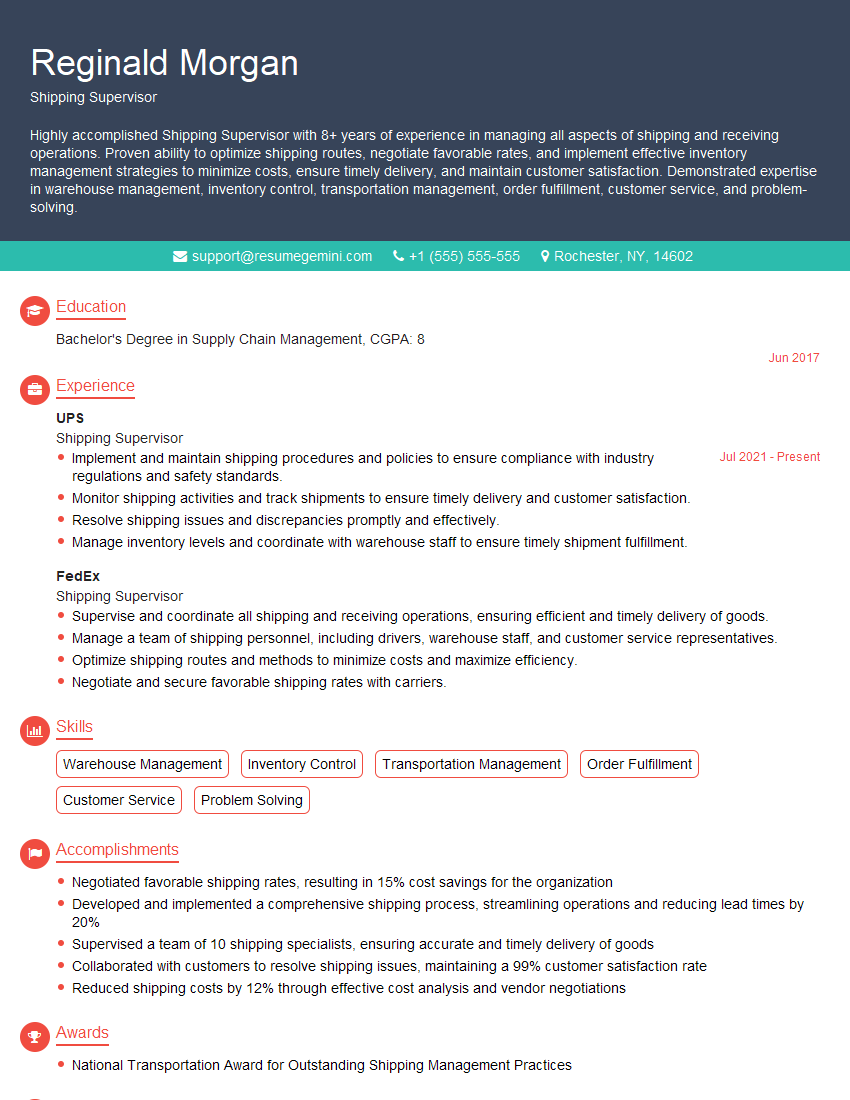
Shipping Supervisor Resume Sample
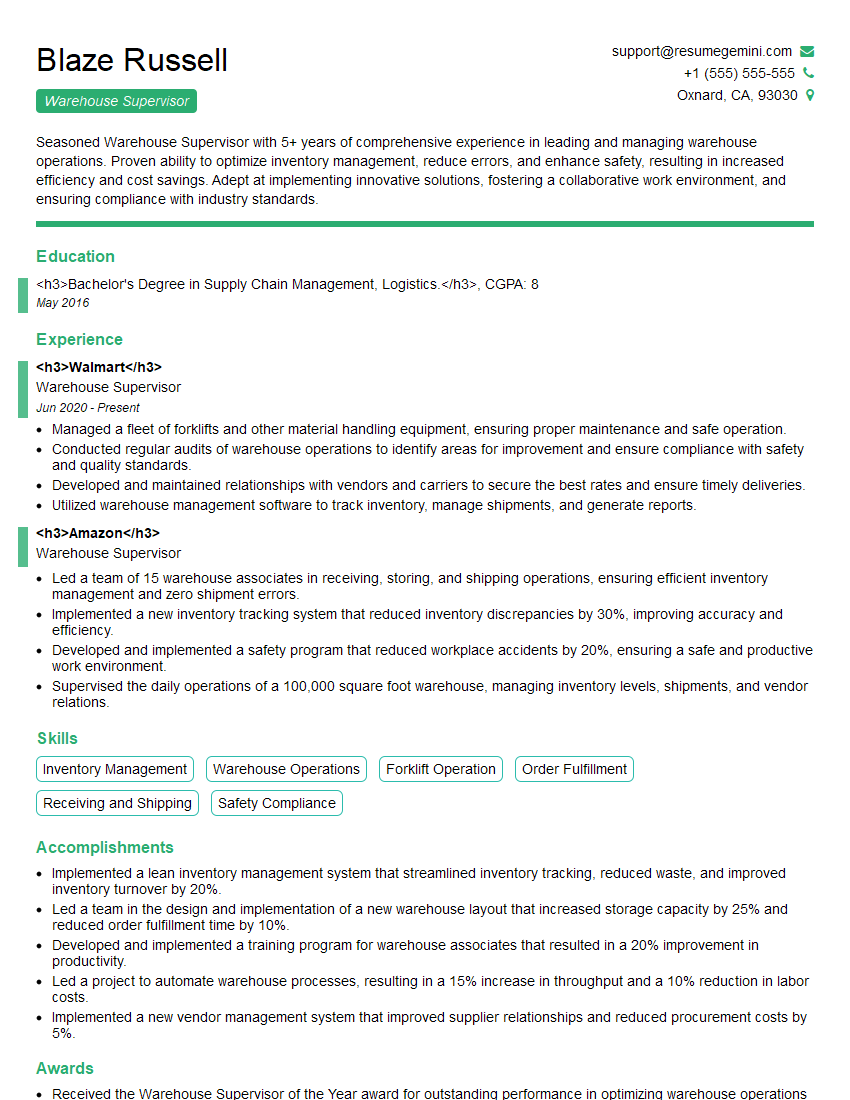
Warehouse Supervisor Resume Sample

Logistics Supervisor Resume Sample
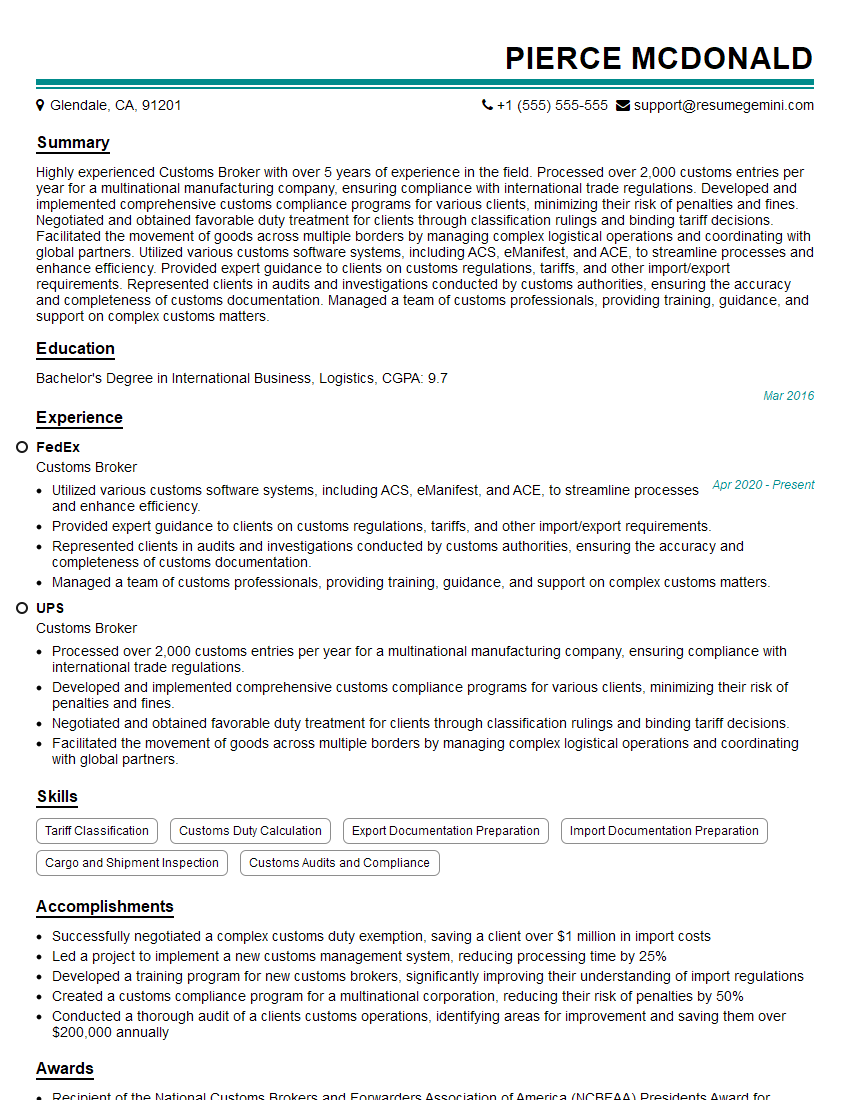
Customs Broker Resume Sample
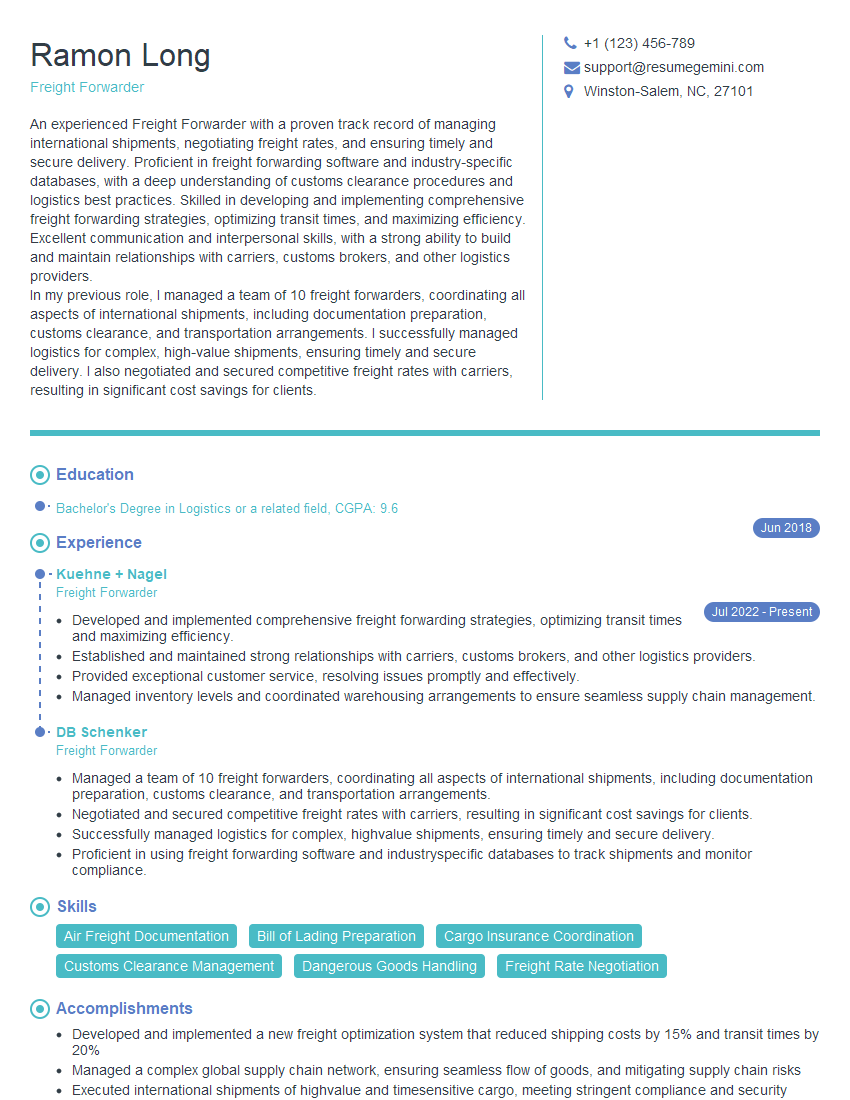
Freight Forwarder Resume Sample

Inventory Control Specialist Resume Sample
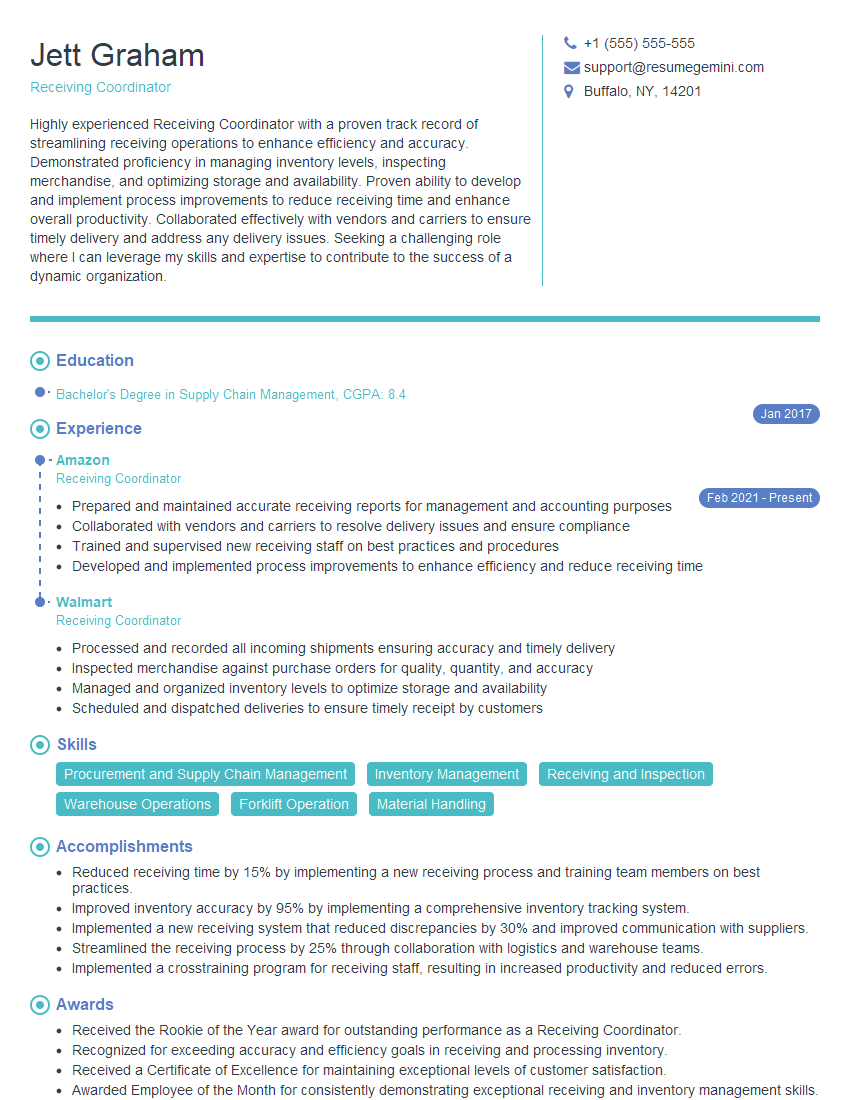
Receiving Coordinator Resume Sample

Shipping and Receiving Clerk Resume Sample
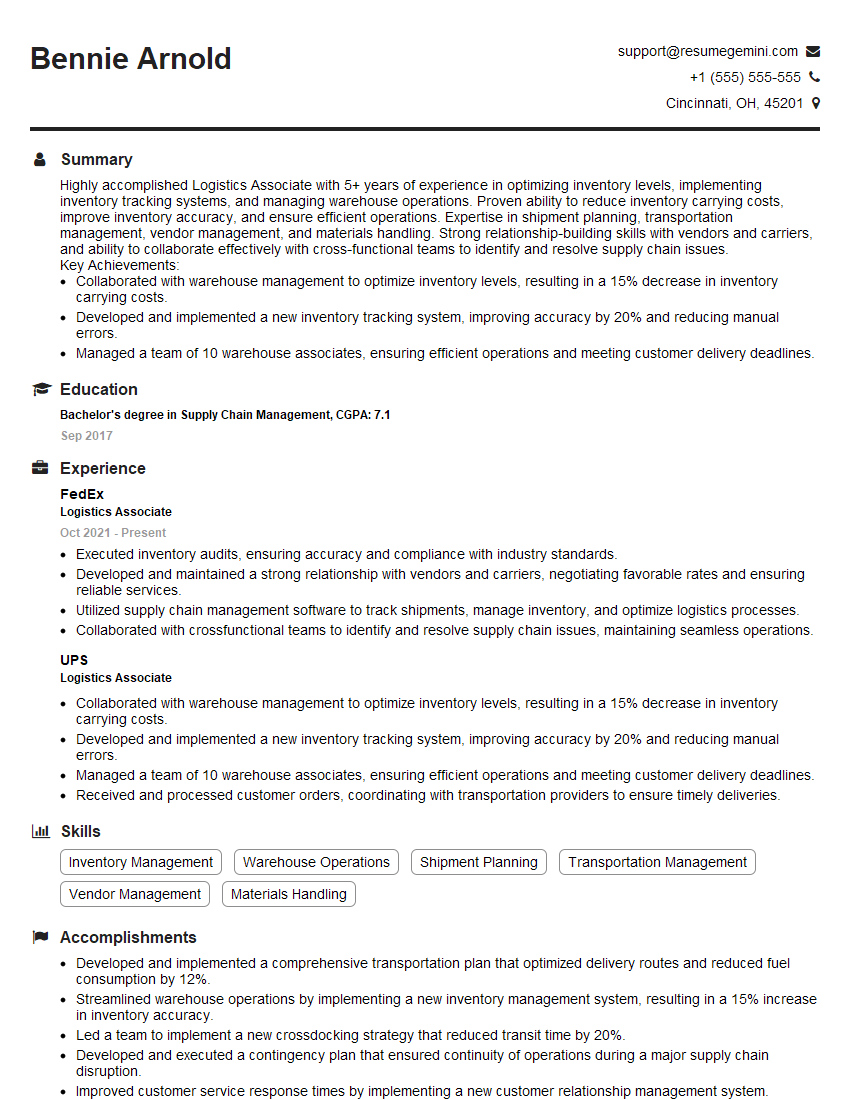
Logistics Associate Resume Sample
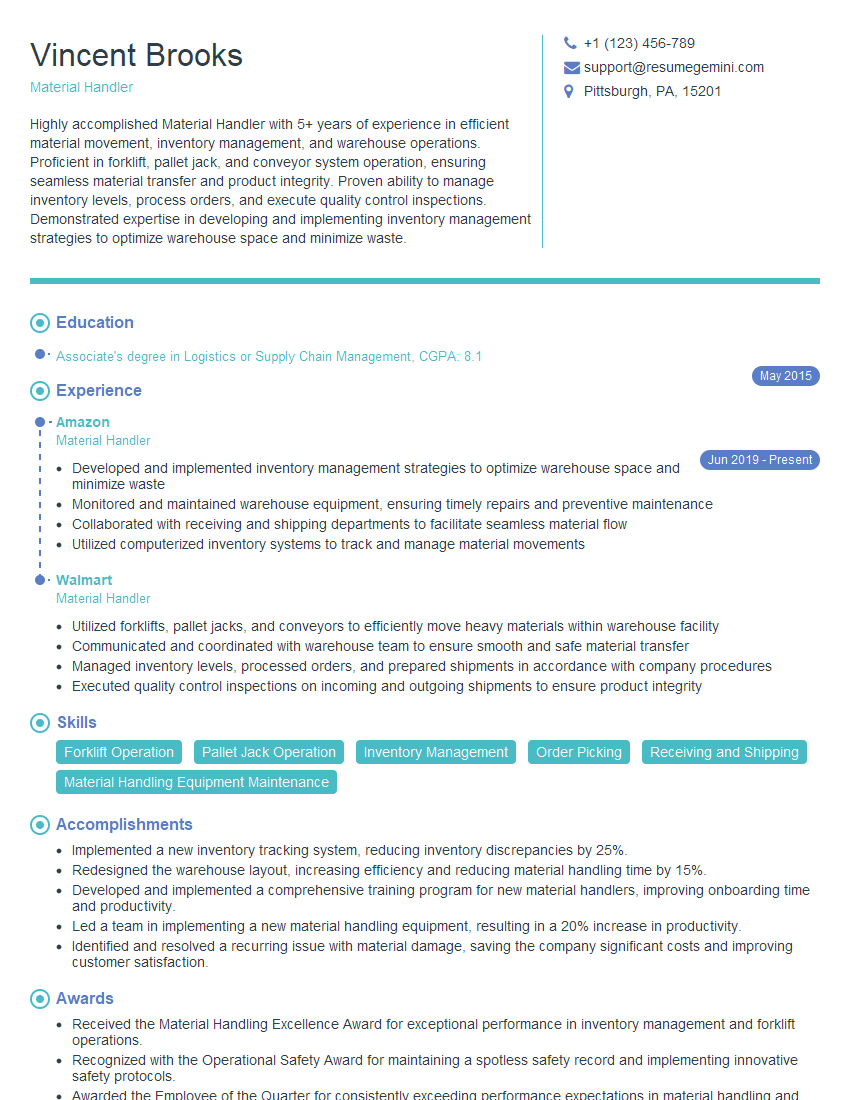
Material Handler Resume Sample
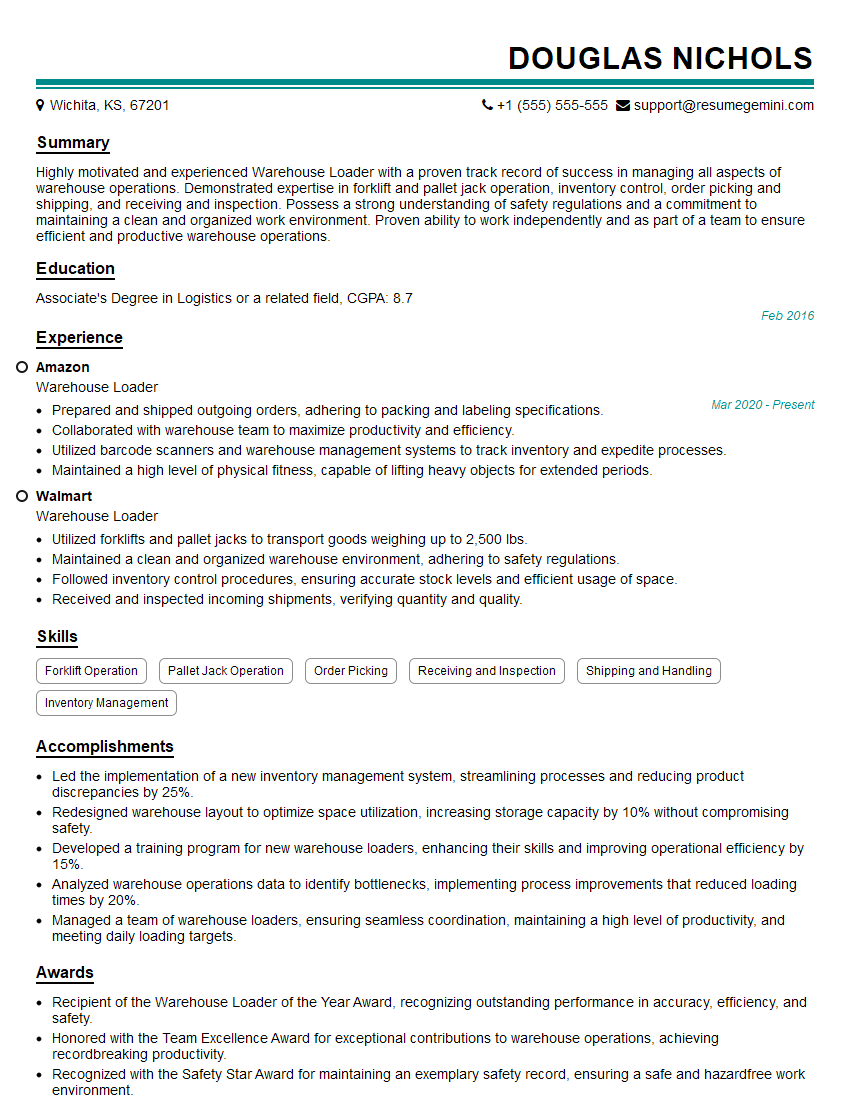
Warehouse Loader Resume Sample
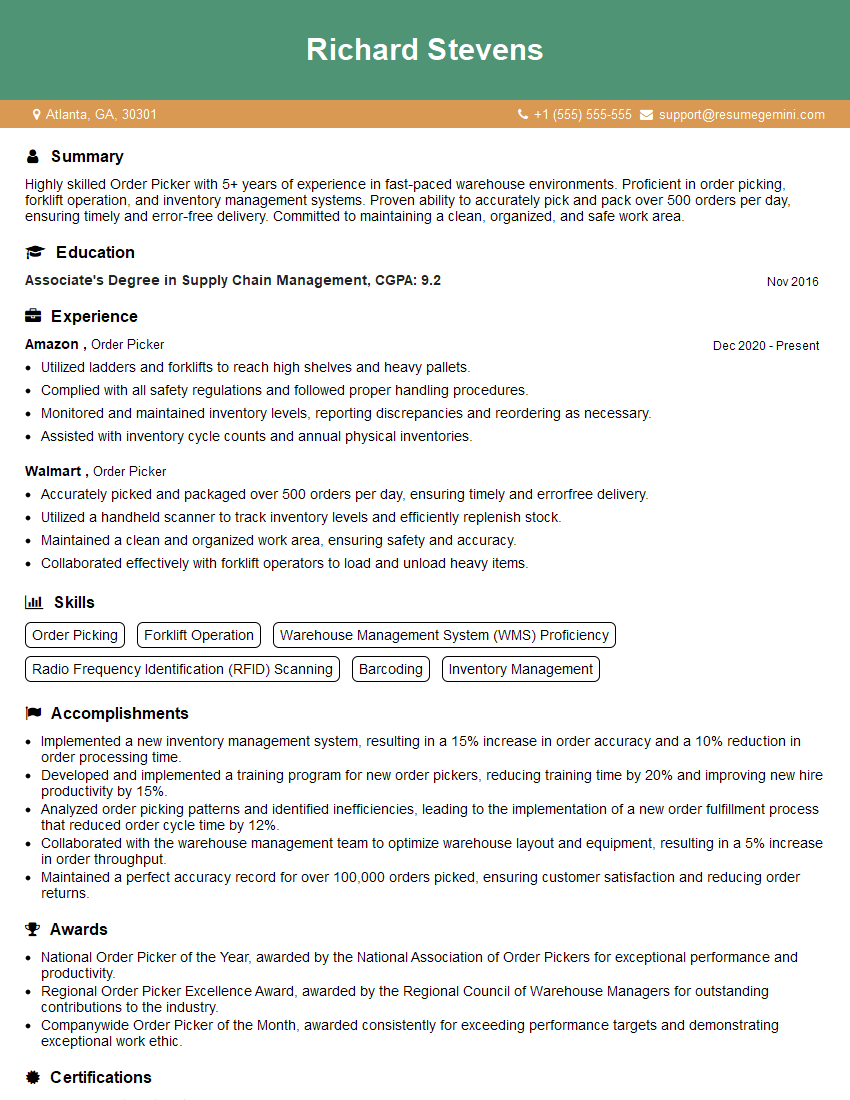
Order Picker Resume Sample
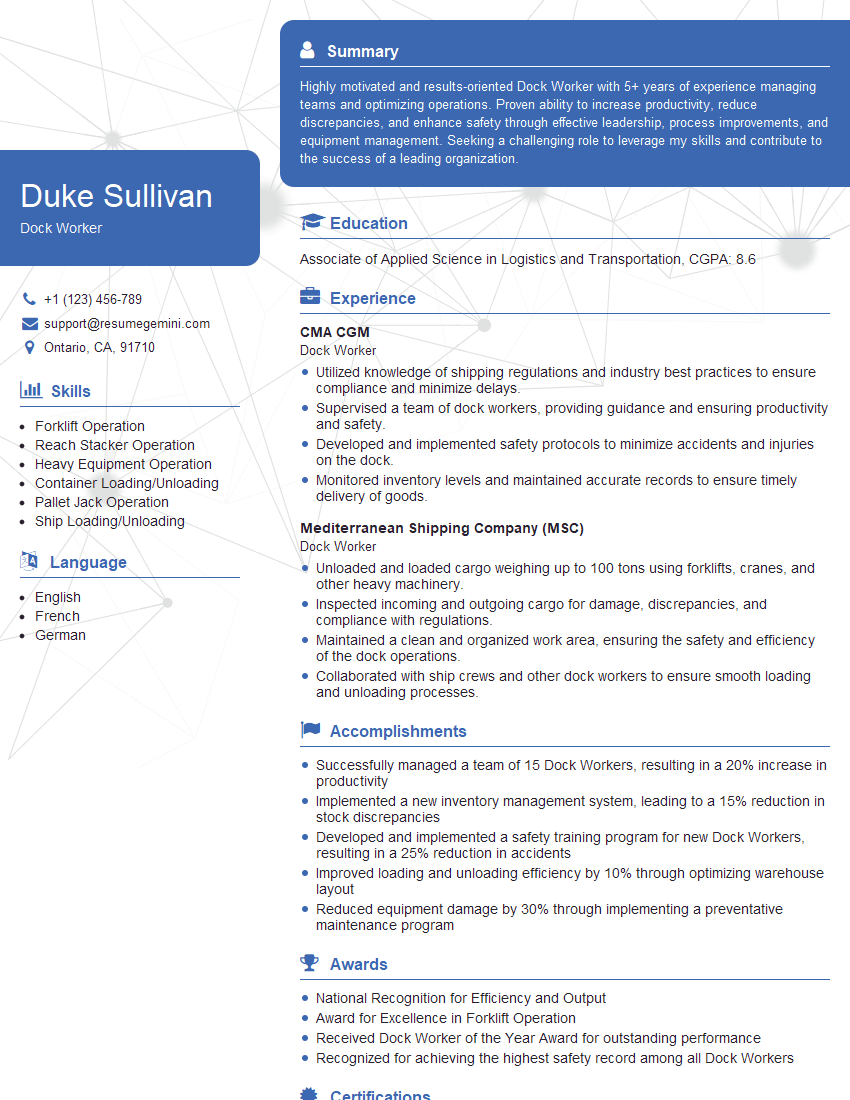
Dock Worker Resume Sample
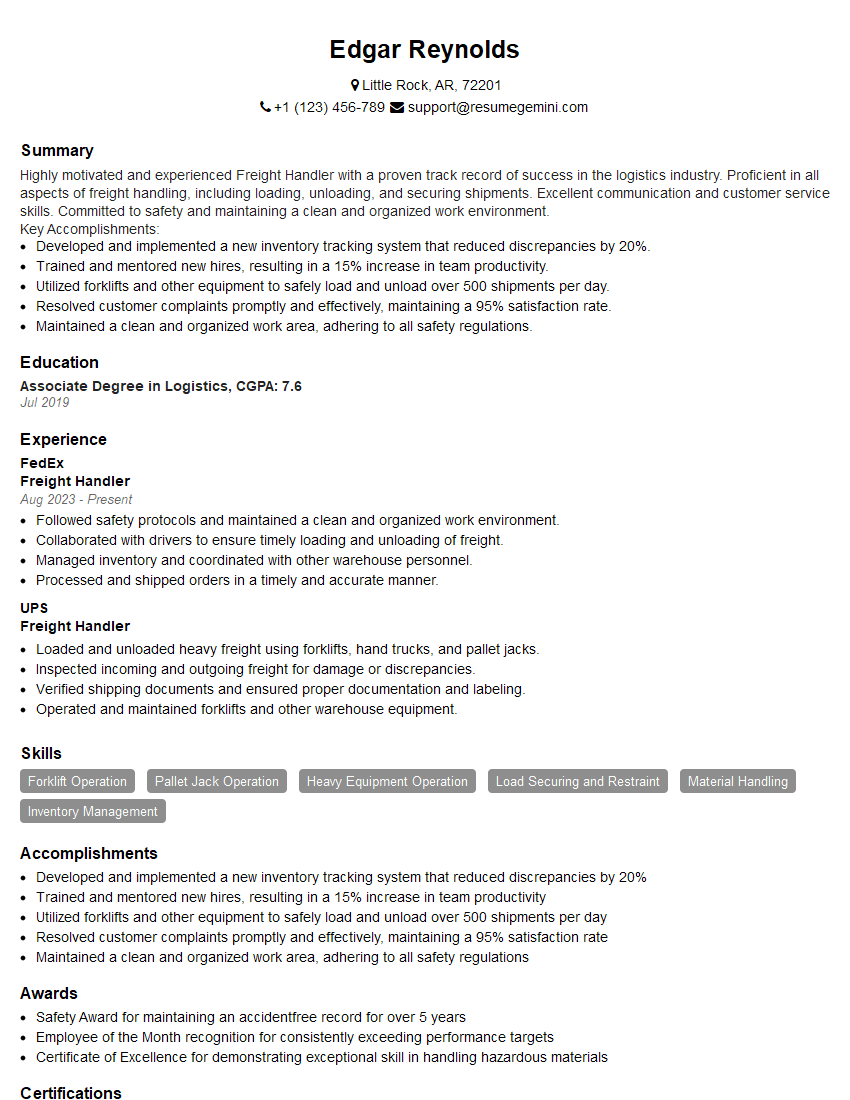
Freight Handler Resume Sample
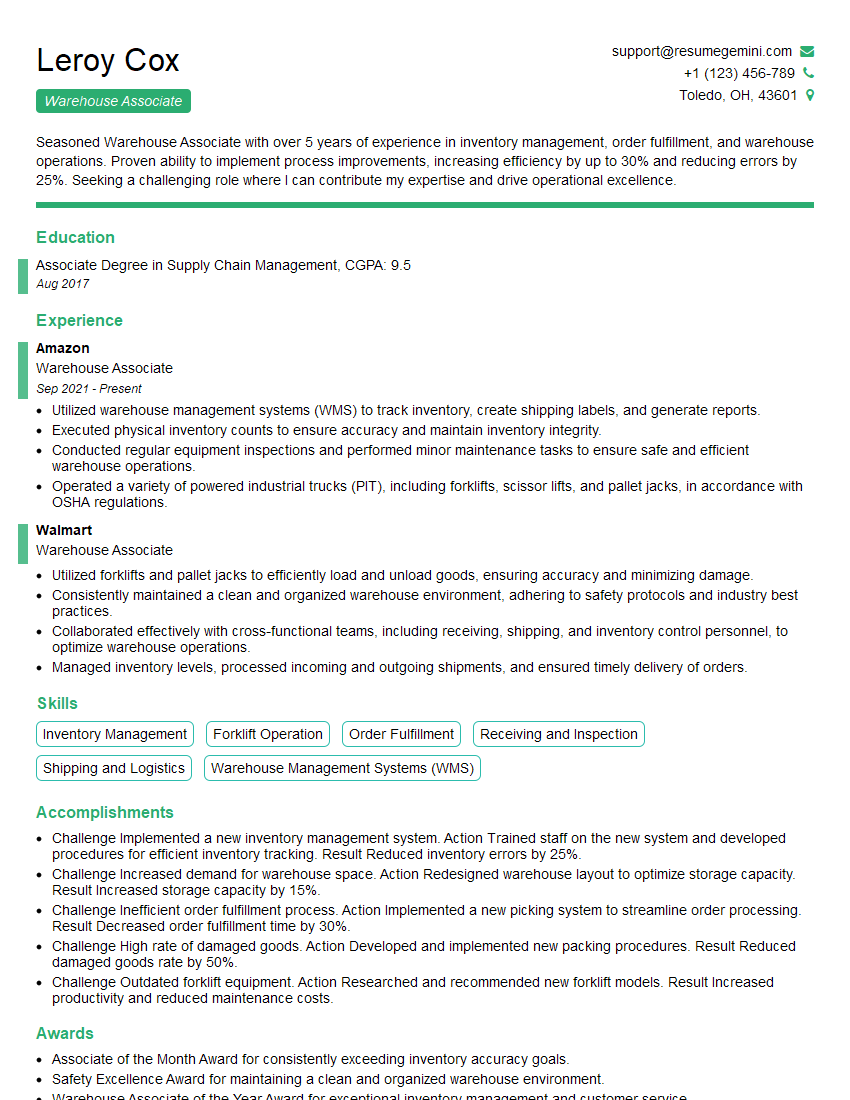
Warehouse Associate Resume Sample
- Operations Manager
- Supply Chain Manager
- Distribution Center Manager
- Logistics Manager
- Warehouse Manager
- Transportation Coordinator
- Shipping Coordinator
- Shipping Supervisor
- Warehouse Supervisor
- Logistics Supervisor
- Customs Broker
- Freight Forwarder
- Inventory Control Specialist
- Receiving Coordinator
- Shipping and Receiving Clerk
- Logistics Associate
- Material Handler
- Warehouse Loader
- Order Picker
- Dock Worker
- Freight Handler
- Warehouse Associate
Explore more articles
Users Rating of Our Blogs
Share Your Experience
We value your feedback! Please rate our content and share your thoughts (optional).
What Readers Say About Our Blog
I Redesigned Spongebob Squarepants and his main characters of my artwork.
https://www.deviantart.com/reimaginesponge/art/Redesigned-Spongebob-characters-1223583608
IT gave me an insight and words to use and be able to think of examples
Hi, I’m Jay, we have a few potential clients that are interested in your services, thought you might be a good fit. I’d love to talk about the details, when do you have time to talk?
Best,
Jay
Founder | CEO