Interviews are more than just a Q&A session—they’re a chance to prove your worth. This blog dives into essential Signal Testing and Commissioning interview questions and expert tips to help you align your answers with what hiring managers are looking for. Start preparing to shine!
Questions Asked in Signal Testing and Commissioning Interview
Q 1. Explain the process of signal testing and commissioning.
Signal testing and commissioning is a crucial process ensuring the reliable performance of systems relying on signal transmission, such as communication networks, industrial automation, and aerospace systems. It involves a systematic approach of verifying the integrity and functionality of signals throughout the entire system lifecycle. This process typically begins with the design phase where specifications are outlined. Next comes the installation phase, followed by the comprehensive testing and verification phase. Finally, the system is formally commissioned and handed over after meeting all specified performance criteria.
The process generally follows these steps:
- Planning and Design: Defining test plans, identifying critical signal paths, and selecting appropriate test equipment.
- Installation and Cabling: Ensuring proper installation of signal cables and connectors adhering to best practices.
- Signal Testing: Performing various tests to measure signal strength, noise levels, attenuation, and other key parameters.
- Troubleshooting and Correction: Identifying and rectifying any signal integrity issues discovered during testing.
- Documentation: Maintaining detailed records of all testing procedures, results, and corrective actions.
- Commissioning and Handover: Formal acceptance of the system after successful completion of all tests and compliance with specifications.
For example, in a fiber optic network, signal testing would involve measuring optical power levels at various points, checking for optical return loss, and ensuring proper connectivity.
Q 2. Describe your experience with different types of signal testing equipment.
My experience encompasses a wide range of signal testing equipment, including:
- Spectrum Analyzers: Used for analyzing the frequency content of signals, identifying noise, and measuring signal strength. I’ve extensively used Agilent and Rohde & Schwarz spectrum analyzers for various applications, from characterizing RF signals in wireless systems to analyzing noise in high-speed data links.
- Oscilloscope: Essential for time-domain analysis, viewing waveforms, measuring rise and fall times, and identifying signal distortion. I’m proficient with both digital and analog oscilloscopes, frequently using Tektronix and Keysight models.
- Network Analyzers: These are critical for characterizing the performance of transmission lines and networks by measuring parameters like reflection coefficient (S11), transmission coefficient (S21), and return loss. I have experience with vector network analyzers (VNAs) from various manufacturers.
- Protocol Analyzers: Used for capturing and analyzing digital communication protocols, such as Ethernet, USB, and serial communication. This is vital for verifying data integrity and timing in complex systems. I’ve employed tools from companies such as Wireshark and Ixia.
- Signal Generators: Used to generate known signals for testing and calibrating other equipment. I’m familiar with a variety of signal generators capable of generating various waveforms, frequencies, and amplitudes.
The choice of equipment depends heavily on the specific application and the type of signals being tested. For instance, while a spectrum analyzer is ideal for RF characterization, an oscilloscope is better suited for analyzing the time-domain behavior of digital signals.
Q 3. How do you troubleshoot signal integrity issues?
Troubleshooting signal integrity issues requires a systematic and methodical approach. It often begins with a thorough understanding of the system architecture and the expected signal characteristics. My approach typically involves:
- Visual Inspection: Checking for obvious physical problems like loose connectors, damaged cables, or improper grounding.
- Signal Measurements: Using appropriate test equipment (as described above) to measure signal levels, noise, distortion, and other relevant parameters at various points in the signal path. This often involves comparing the measured values to the specified tolerances.
- Isolation and Testing: Systematically isolating sections of the signal path to pinpoint the source of the problem. This may involve swapping components, disconnecting cables, or using signal tracing techniques.
- Data Analysis: Carefully analyzing the collected data to identify patterns, anomalies, or other clues indicating the root cause of the issue. This often involves using specialized software tools to interpret test results.
- Corrective Actions: Implementing the necessary corrective actions, which may include repairing or replacing damaged components, re-cabling, adjusting system settings, or even redesigning parts of the system.
- Verification: After implementing corrective actions, it is crucial to retest the system to verify that the issue has been resolved and system performance meets specifications.
For example, if a network connection is intermittent, I might first check the cable connections, then measure the signal strength and noise levels, and finally use a network analyzer to identify potential impedance mismatches.
Q 4. What are the common challenges faced during signal testing and commissioning?
Common challenges during signal testing and commissioning include:
- Environmental Factors: Temperature variations, humidity, and electromagnetic interference (EMI) can significantly affect signal integrity. For instance, high temperatures can increase signal attenuation in optical fibers, while EMI can introduce noise into sensitive electronic circuits.
- Complex System Architectures: Modern systems are often incredibly complex, making it difficult to isolate and identify the source of signal integrity issues. This requires a systematic approach and specialized troubleshooting skills.
- Limited Access: In some cases, physical access to certain parts of the system may be limited, making it difficult to perform thorough testing and troubleshooting. This might necessitate the use of specialized remote testing techniques.
- Time Constraints: Projects often operate under tight deadlines, putting pressure on the testing and commissioning process. This emphasizes efficient planning and skilled execution.
- Lack of Proper Documentation: Poor documentation can make it difficult to understand the system architecture, troubleshoot problems, or maintain the system over its lifetime. This highlights the importance of detailed and clear documentation procedures.
Successfully navigating these challenges requires careful planning, meticulous execution, and a deep understanding of both the system and the relevant testing techniques.
Q 5. Explain your understanding of signal attenuation and its impact on system performance.
Signal attenuation refers to the reduction in signal strength as it travels through a transmission medium. This loss of signal strength can be due to various factors, including absorption, scattering, and dispersion in the transmission medium (like a cable or optical fiber). It’s expressed in decibels (dB) and is a crucial factor affecting system performance. High attenuation leads to weak signals, which can result in increased bit error rates, poor data quality, and ultimately, system failure.
The impact of signal attenuation on system performance can be significant, depending on the application. In high-speed data communication, even small amounts of attenuation can affect data transmission rates and error rates. In long-haul fiber optic networks, attenuation is a major consideration, and optical amplifiers are often used to compensate for these losses. In industrial control systems, excessive signal attenuation can lead to inaccurate sensor readings or malfunctioning actuators.
For example, consider a long Ethernet cable. High attenuation means the signal arriving at the far end will be weaker. This weakness can cause data packets to be lost or corrupted, resulting in slow network performance or disconnections. Proper cable selection and sometimes the use of signal boosters are key to mitigating this problem.
Q 6. How do you ensure the accuracy of your signal testing results?
Ensuring the accuracy of signal testing results requires meticulous attention to detail and the use of calibrated equipment. My approach involves:
- Calibrated Equipment: All test equipment must be regularly calibrated and traceable to national standards. This ensures that the measurements are accurate and reliable. Calibrations should be documented thoroughly.
- Proper Test Procedures: Following standardized test procedures and maintaining a consistent methodology ensures repeatability and reduces the likelihood of errors.
- Environmental Control: Controlling environmental factors, such as temperature and humidity, can minimize their impact on signal integrity and test results. This might include climate-controlled test environments.
- Multiple Measurements: Taking multiple measurements at each point and averaging the results helps reduce the impact of random errors and improve the accuracy of the final results.
- Data Validation: After collecting data, validating the results against known good signals or against predicted values is crucial for confirming the accuracy and consistency of the measurements.
- Documentation: Maintaining thorough documentation of all test procedures, equipment used, and results. This allows for review and auditing of the entire process.
For instance, before conducting any measurements, I’d verify the calibration status of all equipment and record it in the test documentation, which would be part of a formal test report. Any deviation from accepted tolerances would trigger further investigation.
Q 7. What are your preferred methods for documenting signal testing procedures?
I prefer using a combination of methods for documenting signal testing procedures to ensure clarity and traceability:
- Detailed Test Plans: Prior to starting any tests, a comprehensive test plan outlining the objectives, procedures, equipment, and acceptance criteria is created. This plan serves as a roadmap for the entire testing process.
- Test Procedures: Step-by-step instructions for performing each test are documented, including specific settings, connections, and expected results. These procedures are often included as appendices to the test plan.
- Data Sheets: Data sheets are used to record test results, including date, time, equipment used, and measured values. This provides a structured format for organizing and analyzing the collected data.
- Test Reports: A formal test report summarizes the test results, analyzes the data, and indicates whether the system meets the specified requirements. This report is typically a key deliverable for the project.
- Digital Tools: Software and databases are increasingly employed to manage test data, generate reports, and track progress. This can aid in the long-term accessibility and organization of this data.
Using a combination of these methods ensures a complete and auditable record of all testing activities, facilitating troubleshooting, system maintenance, and future upgrades.
Q 8. Describe your experience with different communication protocols (e.g., Ethernet, RS-485).
My experience encompasses a wide range of communication protocols, crucial for signal testing and commissioning. I’m proficient with both Ethernet and RS-485, understanding their strengths and limitations in various applications.
Ethernet, being a high-speed, network-based protocol, is ideal for applications requiring large amounts of data transfer, like those found in industrial automation and data acquisition systems. I’ve extensively used Ethernet in projects involving PLC communication, where precise timing and high bandwidth are essential for seamless operation. Troubleshooting Ethernet involves using tools like packet sniffers to diagnose network issues, such as cable faults, IP address conflicts, or routing problems.
RS-485, on the other hand, excels in noisy industrial environments due to its differential signaling and multi-drop capabilities. I’ve utilized RS-485 extensively in projects involving sensor networks and remote I/O systems where long cable runs and electromagnetic interference (EMI) are common concerns. Testing often involves checking signal levels, ensuring proper termination, and verifying the communication speed. I’ve successfully debugged various RS-485 issues, including incorrect termination, wiring faults, and driver misconfigurations.
Beyond these two, my experience also includes working with other protocols like Modbus, Profibus, and CAN bus, depending on the specific project requirements. Understanding the nuances of each protocol is critical for successful signal testing and commissioning.
Q 9. How do you handle unexpected issues during commissioning?
Unexpected issues during commissioning are inevitable. My approach focuses on methodical troubleshooting. I start with a clear understanding of the system’s specifications and expected behavior. I then systematically isolate the problem using a combination of techniques.
- Visual Inspection: Checking for loose connections, damaged cables, and obvious physical issues.
- Signal Tracing: Using oscilloscopes and multimeters to trace signals and identify points of failure.
- Diagnostic Tools: Employing built-in diagnostics of equipment, such as PLCs or network devices, to identify error codes or unusual behavior.
- Documentation Review: Carefully reviewing system documentation, wiring diagrams, and specifications to ensure correct configuration.
For example, during a recent commissioning project, we experienced intermittent communication failures on an RS-485 network. Through systematic signal tracing, we discovered a faulty termination resistor, causing signal reflections and data corruption. Replacing the resistor solved the problem instantly. Beyond technical skills, good communication and collaboration with the client and team are paramount in resolving these issues effectively and ensuring a smooth project completion.
Q 10. Explain your experience with different types of signal analyzers.
My experience with signal analyzers spans various types, each suited for different applications. I’m comfortable using oscilloscopes for time-domain analysis, observing voltage levels, rise/fall times, and signal integrity. Spectrum analyzers are crucial for identifying frequency-domain characteristics, such as noise, harmonics, and signal purity. Logic analyzers are essential for debugging digital signals, observing data patterns and identifying timing issues.
For example, while commissioning a high-speed data acquisition system, I used a high-bandwidth oscilloscope to accurately measure jitter and signal rise times, ensuring compliance with the system’s specifications. In another instance, a spectrum analyzer helped identify unwanted interference that was causing data errors in a sensor network, enabling me to implement effective shielding and filtering.
My experience extends to specialized analyzers like protocol analyzers (e.g., for Ethernet or CAN bus), which decode and analyze the communication protocols, providing valuable insights into data traffic and identifying protocol-level errors. The choice of signal analyzer is critically dependent on the specific requirements of the system and the nature of the signals under test.
Q 11. How do you ensure signal integrity in high-speed data transmission systems?
Ensuring signal integrity in high-speed data transmission systems is critical for reliable operation. It’s a multi-faceted problem solved through a combination of strategies.
- Proper Cable Selection: Using cables with appropriate impedance and low signal attenuation for the transmission speed and distance. Twisted-pair cables are commonly used to minimize EMI.
- Careful Termination: Correctly terminating the transmission line to minimize signal reflections, a common cause of signal distortion.
- Signal Equalization: Employing equalization techniques to compensate for signal distortion caused by cable capacitance and inductance, especially at higher frequencies.
- EMI/RFI Shielding: Shielding cables and equipment to protect against electromagnetic and radio-frequency interference.
- Clock Synchronization: Using precise clock synchronization mechanisms to ensure reliable data transmission in systems with multiple devices.
For instance, in a high-speed Ethernet network, improper termination can lead to signal reflections, resulting in data errors. Similarly, inadequate shielding can introduce noise, compromising data integrity. Choosing the right cables, implementing proper termination, and employing shielding techniques ensure signal integrity and a robust system.
Q 12. Describe your experience with automated testing systems.
I have significant experience with automated testing systems, which significantly improve efficiency and repeatability in signal testing and commissioning. These systems typically involve programmable instruments, automated test sequences, and data logging capabilities. They often include software interfaces for test setup, execution, and result analysis.
I’ve used automated test systems to perform repetitive signal integrity tests, functional tests, and performance characterizations. A significant advantage is the ability to create comprehensive test reports with detailed data analysis. One project involved an automated system for testing thousands of sensors, significantly reducing testing time and improving accuracy compared to manual testing.
The software aspect of automated systems is critical. Familiarity with programming languages like LabVIEW or Python is essential for developing and maintaining automated test sequences. These systems require thorough planning and rigorous validation to ensure accuracy and reliability of results. They are particularly beneficial when dealing with large-scale projects or complex systems.
Q 13. How do you interpret signal test results and identify potential problems?
Interpreting signal test results involves carefully analyzing the data obtained from various instruments like oscilloscopes, spectrum analyzers, and protocol analyzers. The interpretation process is guided by the system specifications and expected behavior.
For example, observing excessive jitter on an oscilloscope indicates timing irregularities that may lead to data errors. High levels of noise on a spectrum analyzer suggest interference that could compromise signal integrity. Errors in a protocol analyzer’s output indicate protocol-level issues, like framing errors or checksum mismatches.
Identifying potential problems requires correlating test results with system documentation, understanding the expected signal characteristics, and analyzing trends in the data. For instance, a gradual increase in signal attenuation over time might indicate a cable degradation problem. A systematic approach to data analysis, combined with a deep understanding of the system, is crucial for accurate diagnosis and effective troubleshooting.
Q 14. What safety precautions do you take during signal testing and commissioning?
Safety is paramount during signal testing and commissioning. My approach prioritizes risk assessment and the implementation of appropriate safety measures. This involves:
- Lockout/Tagout Procedures: Following strict lockout/tagout procedures before working on energized equipment to prevent accidental electrical shock.
- Personal Protective Equipment (PPE): Using appropriate PPE, such as safety glasses, gloves, and insulated tools, to protect against electrical hazards and physical injuries.
- Grounding and Bonding: Ensuring proper grounding and bonding of equipment to prevent static electricity and ground loops.
- Safe Working Practices: Following safe working practices, such as using insulated tools, avoiding contact with high-voltage components, and working with appropriate voltage levels.
- Emergency Procedures: Familiarizing myself with the site’s emergency procedures and ensuring accessibility of emergency equipment.
I always prioritize safety and work within established safety protocols. Before any testing, a thorough risk assessment is performed, identifying potential hazards and implementing the necessary safety precautions. This ensures a safe working environment for myself and my colleagues.
Q 15. Explain your experience with signal conditioning techniques.
Signal conditioning is crucial for adapting a sensor’s or transducer’s raw signal to a format suitable for processing and analysis. It involves a series of techniques to improve the signal’s quality, amplify it, filter out noise, and convert it into a usable format. Think of it as preparing ingredients before cooking – you wouldn’t throw raw meat directly into the oven!
- Amplification: Weak signals from sensors need amplification to be accurately measured. For example, a thermocouple producing millivolts needs amplification to a few volts for accurate data acquisition. This often involves operational amplifiers (op-amps).
- Filtering: Signals are often contaminated with noise. Filters remove unwanted frequencies. For example, a low-pass filter eliminates high-frequency noise introduced by power lines, ensuring only the desired signal frequencies pass through. A high-pass filter removes low-frequency drifts.
- Attenuation: Conversely, strong signals might need to be attenuated to prevent overloading the measuring instrument. This is commonly done using attenuators, passive circuits that reduce signal strength.
- Isolation: This technique electrically isolates the signal from the measurement system to prevent ground loops and noise interference. Isolation amplifiers are often used.
- Linearization: Some sensors have non-linear outputs. Linearization techniques, often through software or specialized circuits, correct this to provide a linear relationship between input and output.
In my experience, I’ve frequently used signal conditioning during the commissioning of industrial process control systems. For instance, I had to design a conditioning circuit for a strain gauge measuring stress on a bridge, incorporating amplification and filtering to ensure reliable and accurate measurements despite the presence of significant environmental noise.
Career Expert Tips:
- Ace those interviews! Prepare effectively by reviewing the Top 50 Most Common Interview Questions on ResumeGemini.
- Navigate your job search with confidence! Explore a wide range of Career Tips on ResumeGemini. Learn about common challenges and recommendations to overcome them.
- Craft the perfect resume! Master the Art of Resume Writing with ResumeGemini’s guide. Showcase your unique qualifications and achievements effectively.
- Don’t miss out on holiday savings! Build your dream resume with ResumeGemini’s ATS optimized templates.
Q 16. How do you manage your time effectively during a complex commissioning project?
Managing time effectively on a complex commissioning project involves a structured approach. Chaos is the enemy of efficiency! I typically use a combination of project management tools and strategies:
- Detailed Project Planning: Before starting, I create a comprehensive schedule breaking down the project into smaller, manageable tasks. This includes setting realistic deadlines for each task and allocating resources effectively.
- Prioritization: I use methods like MoSCoW (Must have, Should have, Could have, Won’t have) to prioritize tasks based on their criticality and impact on the overall project. This ensures focus on the most important aspects first.
- Regular Monitoring & Reporting: I track progress daily, identifying potential roadblocks early. Regular meetings with the team and stakeholders ensure everyone is aligned and informed of any changes.
- Risk Management: Identifying potential risks and developing mitigation strategies is crucial. This might involve having backup equipment or procedures.
- Clear Communication: Maintaining open communication with the team and clients ensures everyone is on the same page and potential problems are addressed swiftly.
For example, during a recent project involving the commissioning of a large-scale automation system, I implemented this methodology. By effectively prioritizing tasks and proactively addressing potential problems, we were able to complete the project on time and within budget.
Q 17. Describe your experience with different types of cables and connectors.
My experience encompasses a wide range of cables and connectors, each suited for specific signal types and environments. Selecting the right one is critical for signal integrity. It’s like choosing the right tool for the job – a hammer won’t work for screwing in a screw!
- Coaxial Cables (RG-58, RG-59, LMR-400): Used for high-frequency signals, they minimize signal loss and interference due to their characteristic impedance and shielding.
- Twisted-Pair Cables (CAT5e, CAT6): Common for data transmission (Ethernet), the twisting reduces electromagnetic interference.
- Fiber Optic Cables: Used for long-distance, high-bandwidth transmission, offering excellent immunity to electromagnetic interference.
- Connectors (BNC, SMA, RJ45, SC/FC): These connectors need to be properly matched to the cable type for optimal performance and reliability. Improper connections are a frequent source of signal problems.
In one instance, I diagnosed a system malfunction stemming from a faulty BNC connector on a coaxial cable used for transmitting high-frequency signals. Replacing the connector immediately resolved the issue, highlighting the importance of selecting and maintaining appropriate connectors.
Q 18. How do you ensure compliance with relevant industry standards and regulations?
Compliance with industry standards and regulations is paramount in signal testing and commissioning. This ensures safety, reliability, and interoperability. I’m familiar with various standards, including:
- IEC 61000: Covers electromagnetic compatibility (EMC), crucial for ensuring that equipment doesn’t generate or is susceptible to electromagnetic interference.
- ANSI/ISA-S67.01: Covers instrumentation and automation engineering.
- IEEE standards: Various IEEE standards govern different aspects of electrical engineering, including signal processing and communication.
- National and regional regulations: These vary by country and region and dictate specific safety and compliance requirements.
During commissioning, I meticulously document all tests conducted, ensuring compliance with relevant standards. This documentation is vital for audits and for demonstrating adherence to regulations. I also make sure that all equipment used meets the necessary safety certifications (e.g., UL, CE).
Q 19. Explain your understanding of impedance matching and its importance in signal integrity.
Impedance matching is the practice of ensuring that the impedance of a signal source, transmission line, and load are equal. This is essential for maximizing power transfer and minimizing signal reflections. Think of it as ensuring smooth water flow in a pipe – mismatched impedances are like a sudden constriction or expansion, causing turbulence and loss of water (signal).
Importance for Signal Integrity: Mismatched impedance leads to reflections. These reflections can cause signal distortion, attenuation, and even data corruption. In high-speed digital systems, this is particularly critical.
Example: If a 50-ohm source is connected to a 75-ohm load via a 50-ohm cable, reflections will occur at the load, leading to signal degradation. Using a matching network (e.g., transformers, attenuators) can solve this.
My experience involves using impedance matching techniques extensively in high-speed data acquisition systems. I’ve used specialized equipment like network analyzers to measure and adjust impedance to optimize signal transmission quality.
Q 20. How do you troubleshoot noise and interference in signal transmission?
Troubleshooting noise and interference involves a systematic approach. It’s like detective work – you need to gather clues and deduce the culprit.
- Identify the source: Is the noise related to the signal source, transmission line, or the receiving end? Use oscilloscopes, spectrum analyzers, and signal generators to pinpoint the frequency and characteristics of the noise.
- Analyze the noise type: Is it white noise (random), periodic noise (from power lines), or impulse noise (from transient events)? Knowing the type of noise helps you choose the appropriate solution.
- Implement mitigation techniques: These might include:
- Shielding: Using shielded cables and enclosures to reduce electromagnetic interference.
- Filtering: Employing filters to remove specific frequency components of the noise.
- Grounding: Ensuring proper grounding to eliminate ground loops and common-mode noise.
- Signal conditioning: Using techniques like amplification, attenuation, and isolation to enhance signal-to-noise ratio.
In a recent project, a system was plagued by periodic noise at 50 Hz. By carefully analyzing the signals and tracing the source, we discovered that the noise was being induced by nearby power lines. Implementing proper grounding and using a notch filter centered at 50 Hz effectively removed the noise.
Q 21. Describe your experience with different types of signal generators.
My experience includes working with various signal generators, each with its strengths and weaknesses. The choice depends on the application’s requirements.
- Function Generators: Produce various waveforms (sine, square, triangle, etc.) with adjustable frequency and amplitude. Ideal for testing the response of circuits to different waveforms.
- Arbitrary Waveform Generators (AWGs): Can generate complex and custom waveforms, offering great flexibility for simulating real-world signals. Used in advanced testing and research.
- Pulse Generators: Produce short pulses with precise timing control, useful for testing timing circuits and digital systems.
- RF Signal Generators: Generate radio-frequency signals for testing communication systems and other RF applications.
During the commissioning of a telecommunication system, we utilized a high-precision RF signal generator to simulate real-world signal conditions, ensuring the system’s robustness and performance under various scenarios. The generator helped us identify and resolve several subtle issues related to signal integrity before the system went live.
Q 22. What are your methods for validating the performance of a commissioned system?
Validating a commissioned system’s performance involves a multi-step process ensuring it meets design specifications and operational requirements. This goes beyond simply checking if the system is ‘on’. We need to verify its functionality across various aspects.
- Functional Testing: We perform tests to verify that each component and subsystem functions as intended. This includes signal strength, signal quality, latency, and error rate measurements. For example, in a fiber optic network, we’d measure attenuation and bit error rate to ensure data integrity.
- Performance Testing: This focuses on how the system performs under various loads and conditions. This might involve simulating peak traffic on a network or testing a control system’s response to rapid changes in input. We look for bottlenecks and areas for improvement.
- Acceptance Testing: This involves collaborative testing with the client to ensure the system meets their needs and expectations. This often includes demonstrating specific functionalities and answering any queries they may have.
- Documentation: Meticulous documentation is crucial. We maintain detailed records of test procedures, results, and any identified discrepancies. This forms the basis for ongoing maintenance and future upgrades.
Imagine commissioning a new building’s security system. We wouldn’t just check if the cameras turn on. We’d test image clarity, recording functionality, network connectivity, and response times under various lighting conditions and network loads. This ensures the system is truly functional and meets the building’s security needs.
Q 23. How do you create and maintain test plans for signal testing and commissioning?
Creating and maintaining robust test plans is paramount. A well-structured plan ensures thorough testing and efficient troubleshooting. My approach involves a phased methodology:
- Requirements Gathering: We begin by thoroughly reviewing the system design specifications and client requirements. This clarifies the scope of testing and ensures alignment with project goals.
- Test Case Development: Based on requirements, we develop specific test cases outlining the steps, expected results, and pass/fail criteria. This includes defining test parameters, such as signal levels, frequencies, and tolerances.
- Test Environment Setup: We carefully set up the test environment, mirroring the operational environment as closely as possible. This minimizes discrepancies between test results and real-world performance.
- Test Execution and Documentation: Test cases are executed systematically, with all results meticulously documented. Any deviations from expected results are carefully noted and investigated.
- Test Plan Review and Update: The plan is regularly reviewed and updated to reflect changes in the system design or requirements. This ensures the test plan remains relevant and comprehensive throughout the project lifecycle.
For example, a test case for a control system might involve sending a specific signal and verifying the system’s response, ensuring that the system’s reaction time and accuracy are within pre-defined tolerances.
Q 24. Describe your experience with using specialized software for signal analysis.
I have extensive experience with various signal analysis software, including National Instruments LabVIEW, MATLAB, and specialized oscilloscopes with embedded software. These tools allow for detailed analysis of signals, including frequency analysis, time-domain analysis, and spectral analysis.
- LabVIEW: Ideal for building custom test applications and automating complex measurement tasks, particularly beneficial in large-scale projects.
- MATLAB: Powerful for signal processing, modeling, and data analysis. I frequently use it for analyzing large datasets and visualizing signal characteristics.
- Specialized Oscilloscopes: Essential for real-time signal visualization and troubleshooting. The built-in analysis capabilities help quickly identify signal anomalies, such as noise or distortion.
In one project, we used LabVIEW to automate the testing of thousands of sensors in a large industrial plant. This ensured consistent testing and significantly reduced the time required for validation.
Q 25. How do you communicate technical information effectively to both technical and non-technical audiences?
Effective communication is essential in my role. I adapt my communication style depending on the audience.
- Technical Audiences: I use precise technical terminology, detailed explanations, and data visualizations (charts and graphs) to convey complex information clearly and efficiently. For instance, I can discuss bit error rates, signal-to-noise ratios, and spectral masks with engineering colleagues.
- Non-Technical Audiences: I use simpler language, analogies, and visual aids to make technical concepts easily understandable. For example, I might explain signal attenuation using the analogy of sound fading with distance.
In a recent project involving a new hospital’s network infrastructure, I presented detailed technical reports to the engineering team while summarizing key findings and potential risks in layman’s terms for the hospital administration.
Q 26. Describe your experience with troubleshooting faulty signal pathways and components.
Troubleshooting faulty signal pathways requires a systematic approach. My process typically involves:
- Signal Tracing: Using specialized equipment (oscilloscopes, signal generators, network analyzers), I trace the signal path from source to destination, identifying points of signal degradation or loss.
- Component Testing: I test individual components (cables, connectors, amplifiers, etc.) to isolate the faulty component. This might involve using a multimeter to check continuity or using a spectrum analyzer to identify frequency-specific issues.
- Environmental Factors: I consider environmental factors, such as electromagnetic interference (EMI) or ground loops, which can affect signal integrity. This might involve shielding cables or improving grounding.
- Documentation: I meticulously document the troubleshooting process, including the steps taken, findings, and solutions implemented. This is crucial for future reference and helps prevent similar issues.
Once, I resolved an intermittent signal loss on a high-speed data link by identifying a faulty connector causing intermittent signal attenuation. Careful observation, detailed testing, and systematic troubleshooting helped isolate and resolve the issue quickly.
Q 27. Explain your understanding of electromagnetic compatibility (EMC) and its relevance to signal testing.
Electromagnetic Compatibility (EMC) is crucial in signal testing. EMC refers to the ability of a device or system to function correctly in its electromagnetic environment without causing unacceptable electromagnetic interference to other devices.
In signal testing, EMC considerations are vital because any unwanted electromagnetic emissions or susceptibility can corrupt signals. For instance, high-frequency noise could interfere with a low-level control signal, leading to malfunction. We employ various techniques to ensure EMC compliance, including:
- Shielding: Protecting sensitive circuits and cables from external electromagnetic fields.
- Filtering: Using filters to attenuate unwanted frequencies.
- Grounding: Proper grounding techniques to reduce ground loops and minimize noise.
- EMC Testing: Conducting EMC testing to verify that the system meets regulatory requirements and avoids interference with other systems.
Failure to consider EMC can lead to signal degradation, system malfunctions, and even safety hazards. For example, a poorly shielded medical device could be susceptible to interference, potentially affecting its operation and patient safety.
Q 28. How do you handle conflicts or disagreements with other team members during a project?
Conflicts are inevitable in team projects. My approach focuses on open communication and collaboration:
- Active Listening: I listen carefully to all perspectives, even if I disagree. Understanding the other person’s viewpoint is the first step to finding a solution.
- Respectful Dialogue: I maintain a respectful and professional tone, focusing on the issue at hand, not personalities.
- Data-Driven Decisions: I advocate for using data and evidence to support arguments, rather than relying on opinions.
- Compromise and Collaboration: I seek to find a compromise that satisfies the project needs and addresses everyone’s concerns, if possible. Sometimes we need to prioritize tasks based on their importance and urgency.
- Escalation (If Necessary): If the conflict cannot be resolved within the team, I escalate the issue to a higher authority, but only after attempting to find a solution internally.
In one project, there was a disagreement between engineers on the best methodology for testing a new communication protocol. By facilitating open discussion, considering both viewpoints and supporting arguments with data, we arrived at a consensus that incorporated elements of both approaches, resulting in a more comprehensive test plan.
Key Topics to Learn for Signal Testing and Commissioning Interview
- Signal Integrity: Understanding signal degradation, impedance matching, and the impact of various cable types and connectors. Practical application: Troubleshooting signal attenuation in a real-world system.
- Testing Methodologies: Familiarity with different testing techniques (e.g., time-domain reflectometry (TDR), frequency-domain reflectometry (FDR), network analyzers). Practical application: Selecting the appropriate testing method for a specific scenario and interpreting the results.
- Commissioning Procedures: Knowledge of the step-by-step process of commissioning systems, including testing, verification, and documentation. Practical application: Describing your experience in a systematic approach to commissioning and troubleshooting.
- Troubleshooting Techniques: Developing problem-solving skills to identify and resolve signal integrity issues. Practical application: Explaining how you’d approach diagnosing intermittent signal loss in a complex system.
- Safety Procedures and Regulations: Understanding and adhering to relevant safety standards and regulations during testing and commissioning activities. Practical application: Explaining your experience implementing safety protocols on a project.
- Documentation and Reporting: Creating clear and concise documentation of testing procedures, results, and commissioning reports. Practical application: Describing your experience in generating professional technical reports.
- Specific Industry Standards: Research relevant standards (e.g., IEC, ISA) applicable to your target industry and roles. Practical application: Demonstrating understanding of relevant standards in your field.
Next Steps
Mastering Signal Testing and Commissioning opens doors to exciting career opportunities in various industries, offering excellent growth potential and competitive salaries. To maximize your chances of landing your dream job, it’s crucial to present yourself effectively. Creating an ATS-friendly resume is paramount. We highly recommend leveraging ResumeGemini, a trusted resource for building professional resumes that stand out. ResumeGemini provides examples of resumes tailored specifically to Signal Testing and Commissioning, helping you craft a compelling document that showcases your skills and experience.

Project Engineer Resume Sample
Network Engineer Resume Sample
Automation Engineer Resume Sample
Test Engineer Resume Sample
Telecommunications Engineer Resume Sample
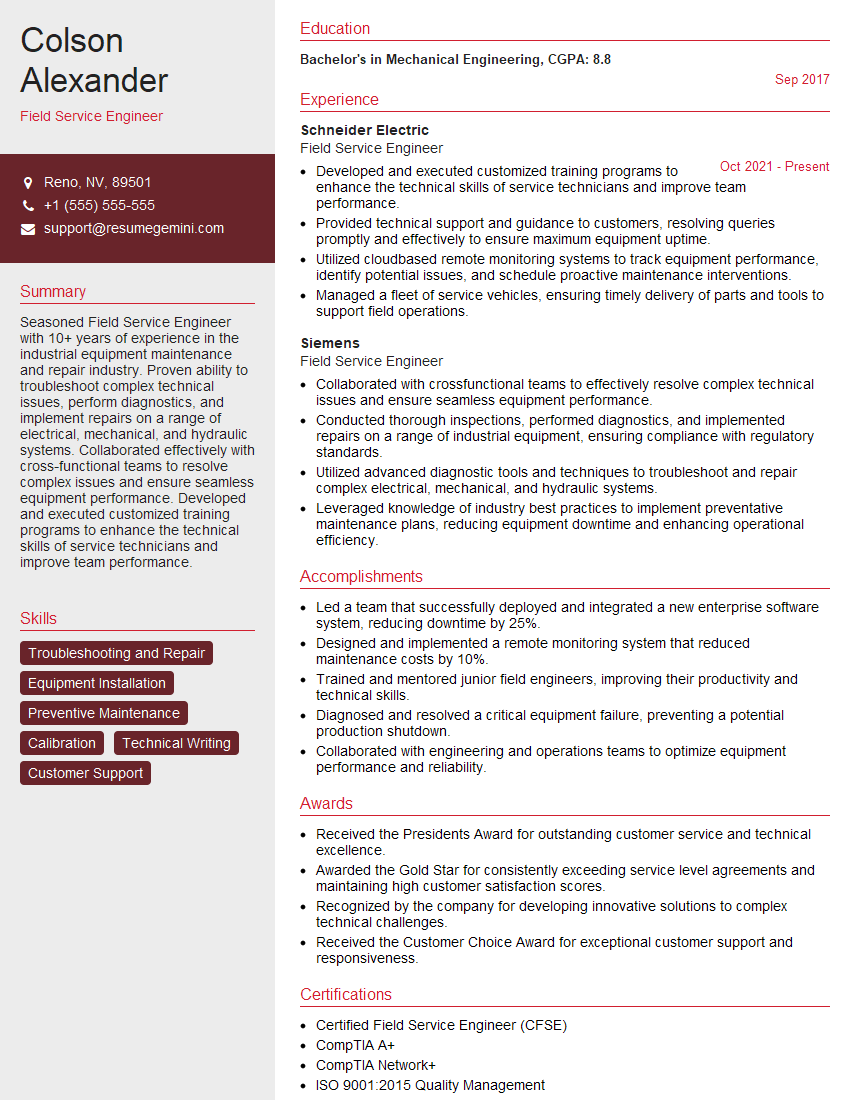
Field Service Engineer Resume Sample
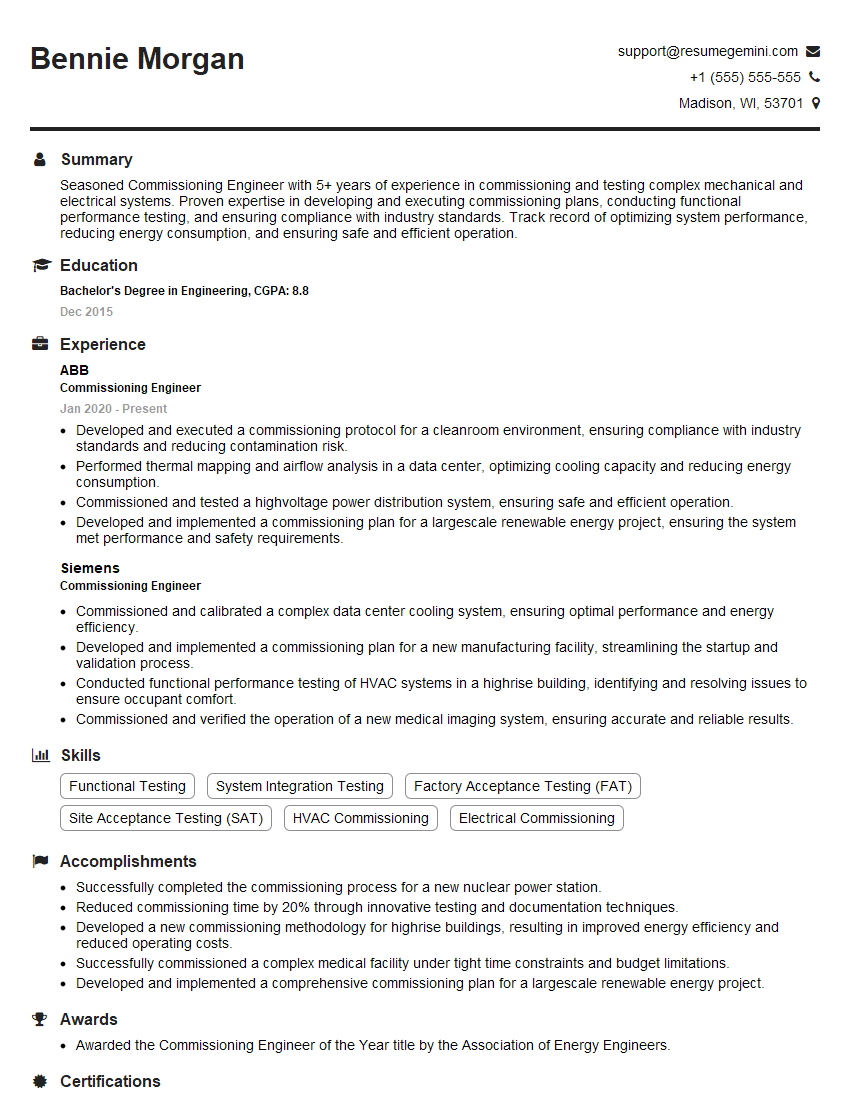
Commissioning Engineer Resume Sample
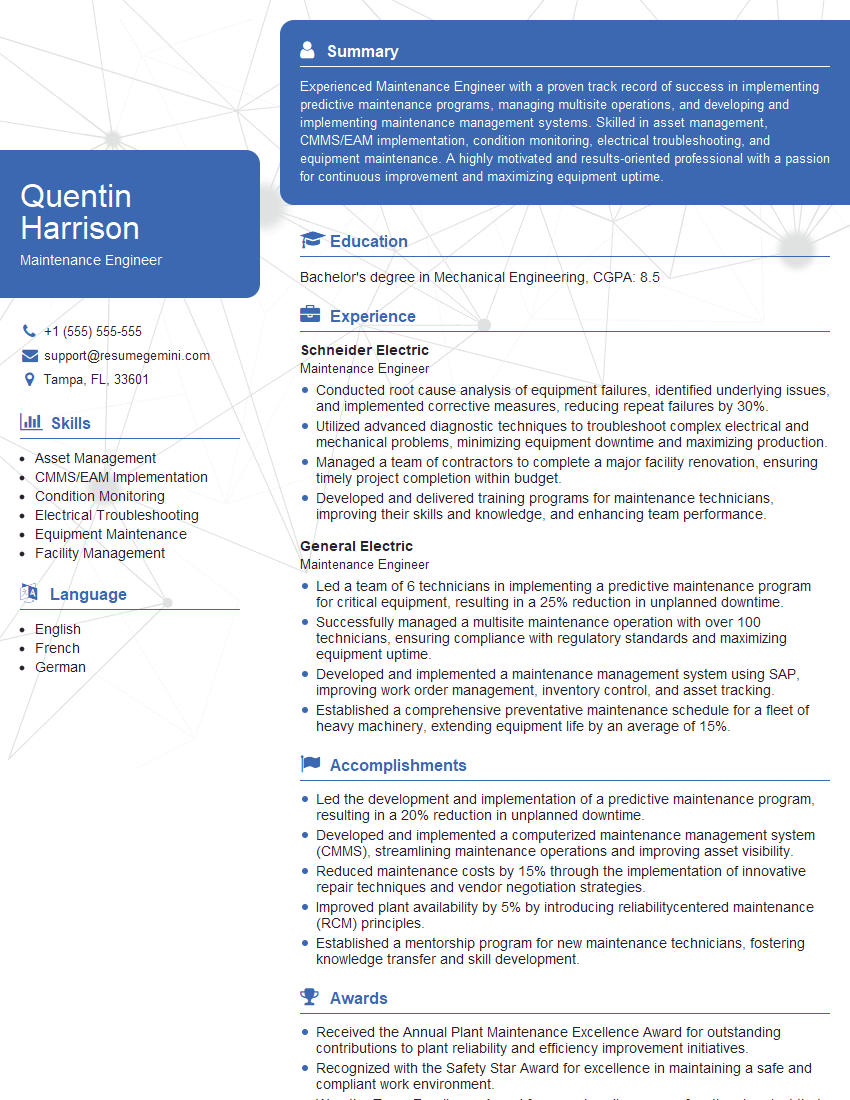
Maintenance Engineer Resume Sample
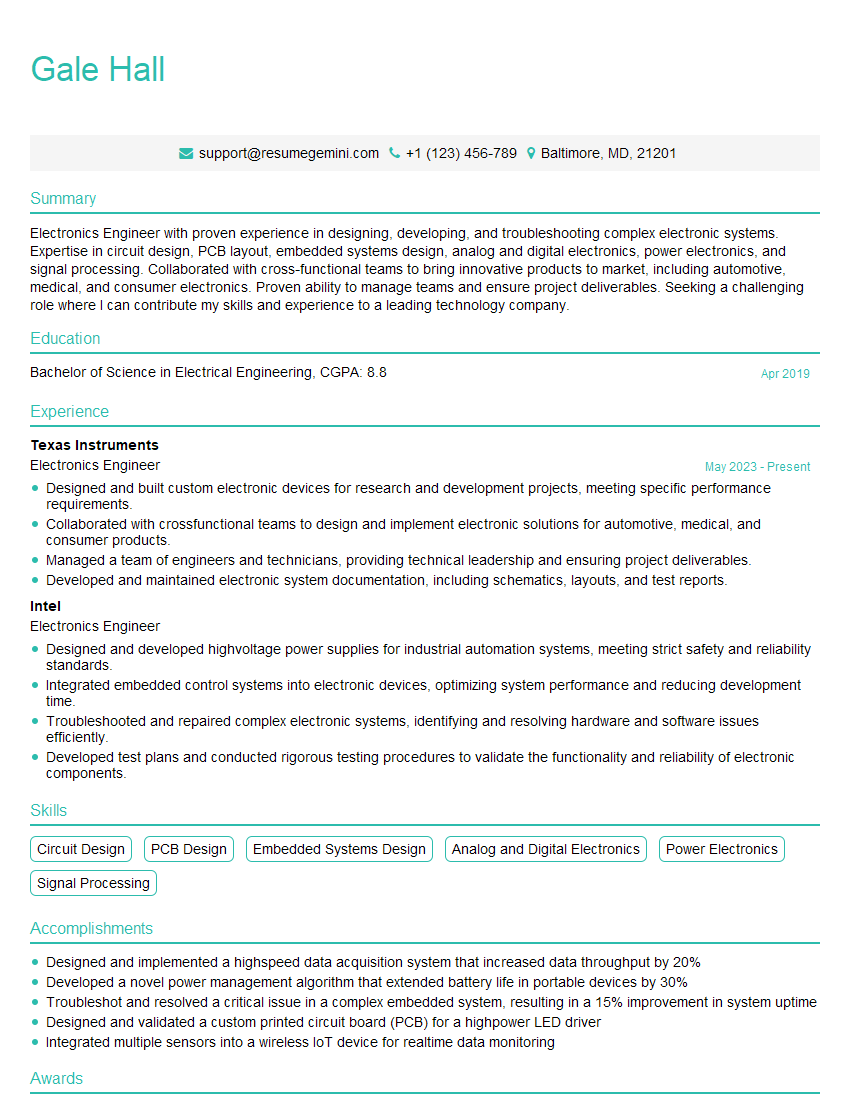
Electronics Engineer Resume Sample
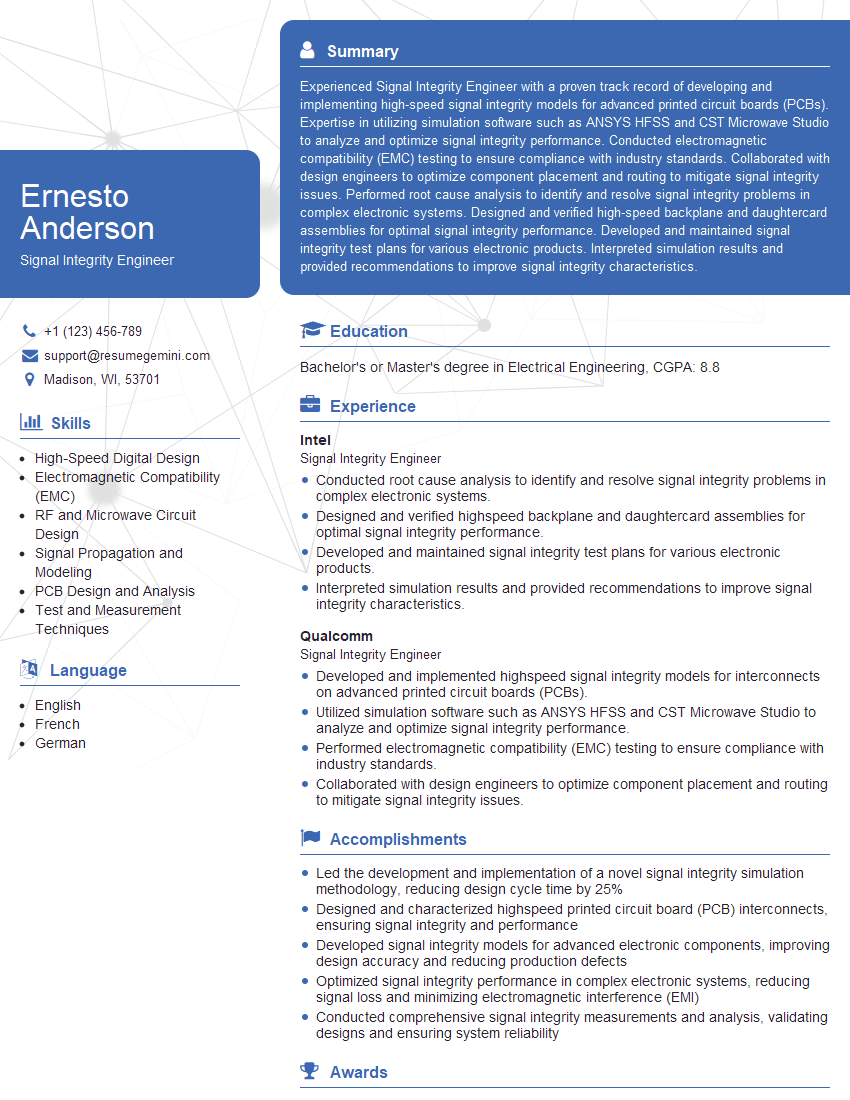
Signal Integrity Engineer Resume Sample

Quality Assurance Engineer Resume Sample
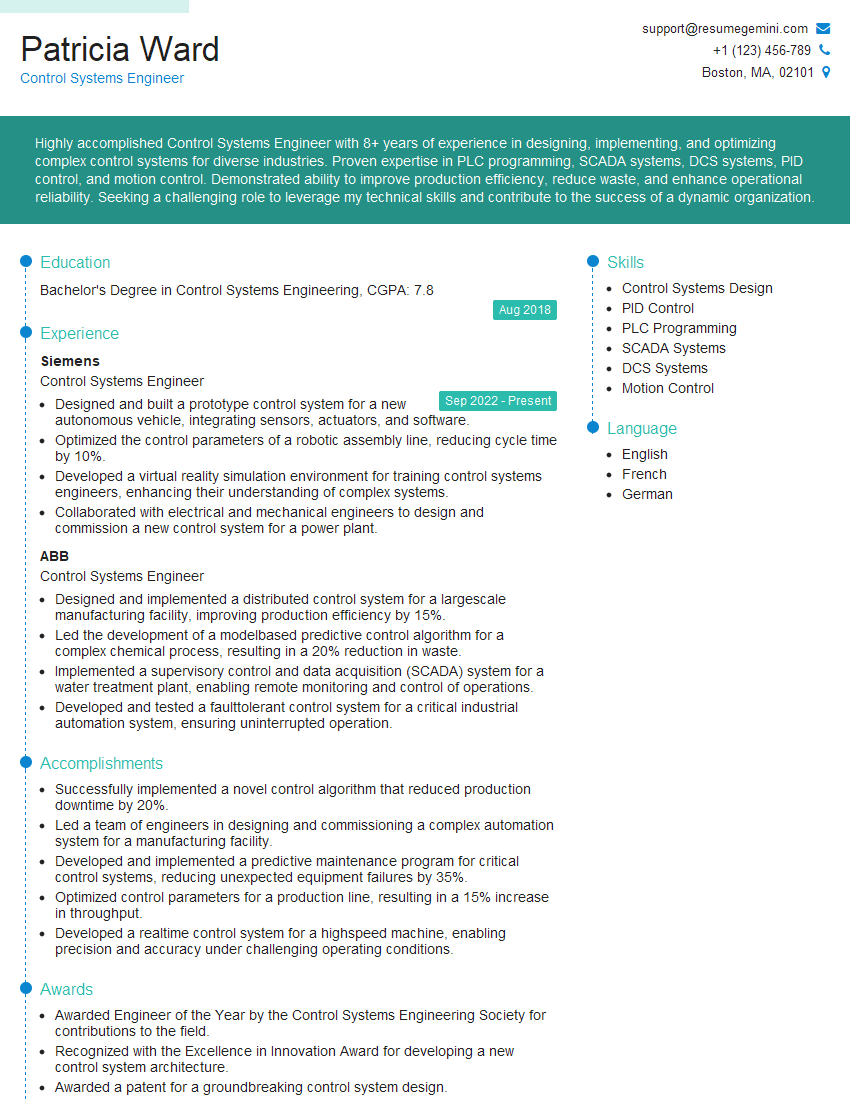
Control Systems Engineer Resume Sample
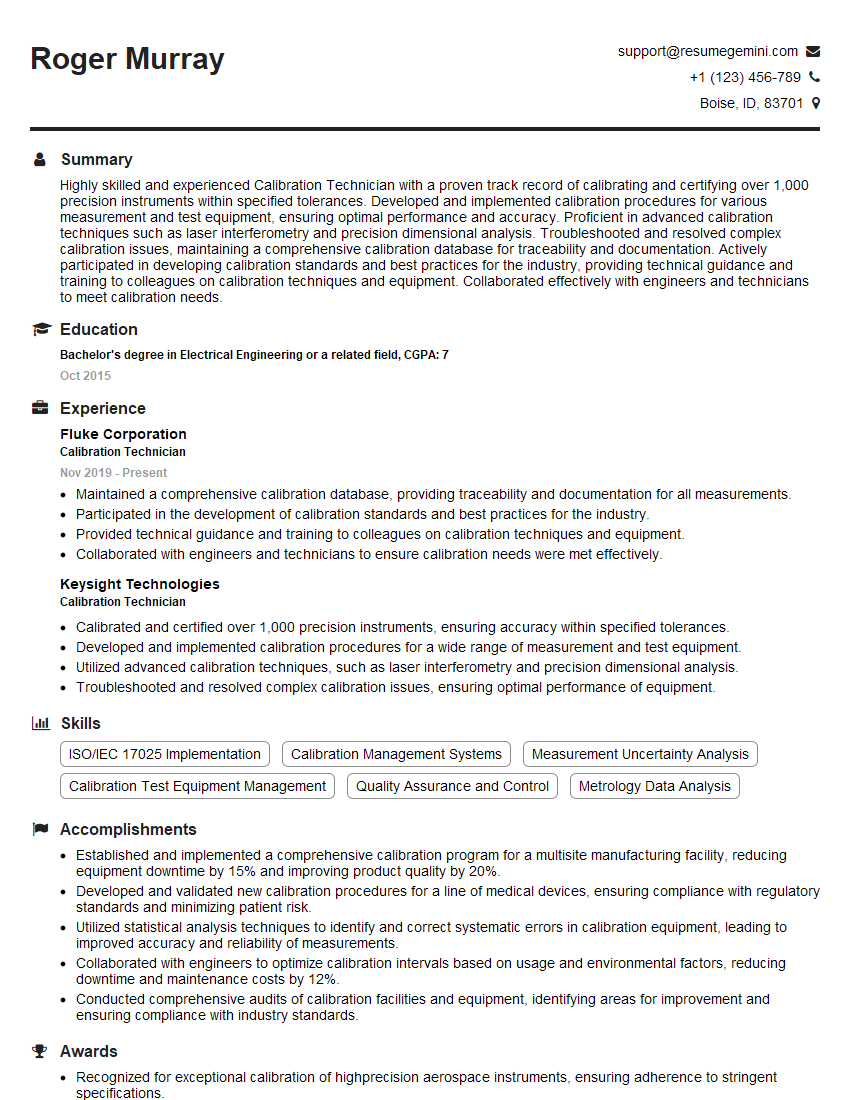
Calibration Technician Resume Sample
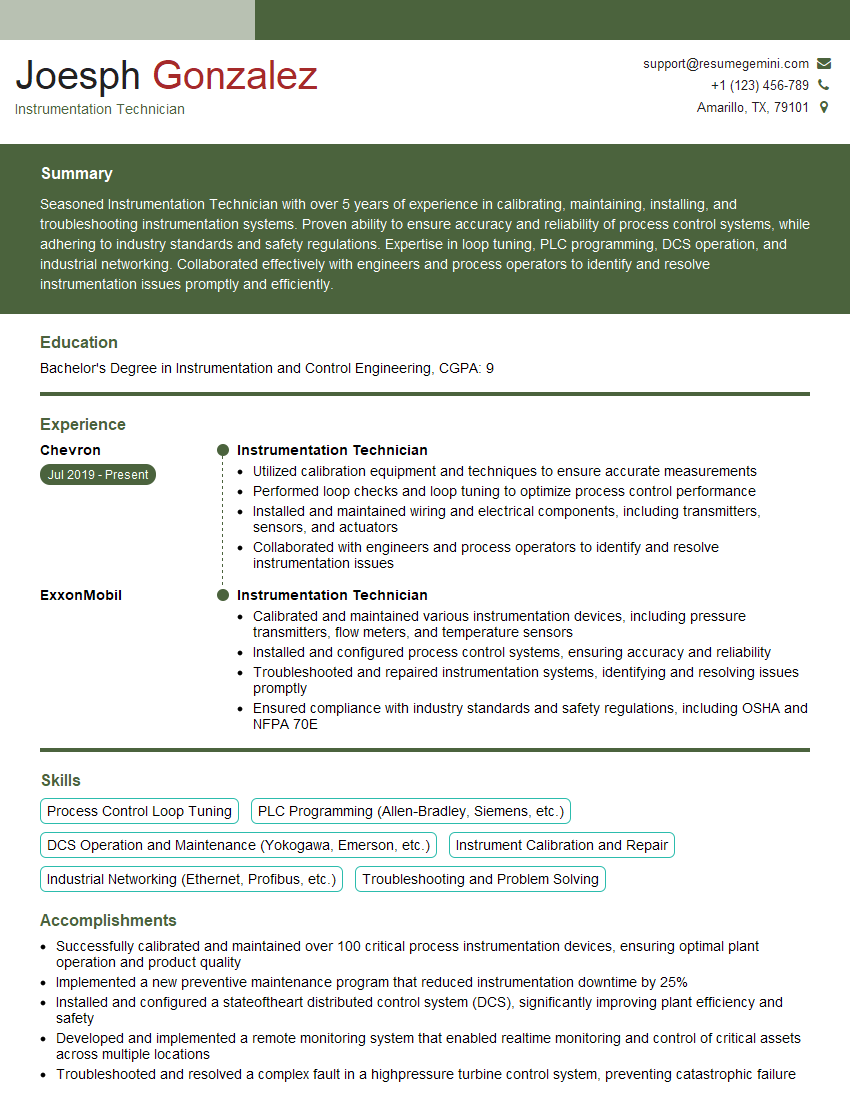
Instrumentation Technician Resume Sample
- Project Engineer
- Network Engineer
- Automation Engineer
- Test Engineer
- Telecommunications Engineer
- Field Service Engineer
- Commissioning Engineer
- Maintenance Engineer
- Electronics Engineer
- Signal Integrity Engineer
- Quality Assurance Engineer
- Control Systems Engineer
- Calibration Technician
- Instrumentation Technician
Explore more articles
Users Rating of Our Blogs
Share Your Experience
We value your feedback! Please rate our content and share your thoughts (optional).
What Readers Say About Our Blog
I Redesigned Spongebob Squarepants and his main characters of my artwork.
https://www.deviantart.com/reimaginesponge/art/Redesigned-Spongebob-characters-1223583608
IT gave me an insight and words to use and be able to think of examples
Hi, I’m Jay, we have a few potential clients that are interested in your services, thought you might be a good fit. I’d love to talk about the details, when do you have time to talk?
Best,
Jay
Founder | CEO