Unlock your full potential by mastering the most common Silviculture Practices interview questions. This blog offers a deep dive into the critical topics, ensuring you’re not only prepared to answer but to excel. With these insights, you’ll approach your interview with clarity and confidence.
Questions Asked in Silviculture Practices Interview
Q 1. Explain the difference between even-aged and uneven-aged silvicultural systems.
Even-aged and uneven-aged silvicultural systems represent fundamentally different approaches to managing forest stands. Think of it like gardening – even-aged is like planting a whole bed of sunflowers all at once, while uneven-aged is like having a mix of sunflowers at various stages of growth, from seedlings to mature plants.
Even-aged management aims to create stands with trees of relatively the same age, typically resulting from clearcutting or shelterwood harvesting. This simplifies management but can lead to less biodiversity and increased vulnerability to pests and diseases. A monoculture of even-aged pines, for example, is more susceptible to a pine beetle infestation than a mixed-age forest.
Uneven-aged management, on the other hand, maintains a mix of tree ages and sizes within the stand. This is achieved through selective logging, removing individual trees or small groups at different times. This approach promotes greater biodiversity, resilience, and more consistent timber yields over time. An example would be a forest with a mix of mature oaks, young maples, and seedlings of various species.
Q 2. Describe the process of site preparation for reforestation.
Site preparation before reforestation is crucial for successful seedling establishment. It’s like preparing a garden bed – you wouldn’t just toss seeds onto rocky ground and expect healthy plants! The goal is to create favorable conditions for seedling growth.
The process typically involves several steps:
- Clearing: Removing unwanted vegetation, debris, and competing trees. This might involve machinery like bulldozers or feller bunchers, or manual methods like hand-clearing.
- Burning: Controlled burns can reduce competing vegetation and improve nutrient availability. This must be done carefully and under strict regulations to prevent wildfires.
- Mounding or furrowing: Creating raised beds (mounds) or trenches (furrows) can enhance drainage and improve seedling establishment, especially in poorly drained soils.
- Herbicide application: Chemical control of competing vegetation can be employed, but this must be done responsibly, considering environmental impacts and selecting appropriate herbicides.
The specific methods chosen depend on factors like the site’s characteristics, the species being planted, and environmental regulations.
Q 3. What are the common methods used for controlling competing vegetation in young stands?
Controlling competing vegetation in young stands is essential to ensure the survival and growth of planted seedlings. These competitors steal water, nutrients, and sunlight, hindering the desired trees’ development.
Common methods include:
- Herbicides: Carefully applied herbicides can effectively control weeds and grasses. Selection of the correct herbicide is crucial, depending on the type of vegetation and surrounding environment.
- Mechanical control: Techniques like mowing, slashing, or cultivation can remove competing vegetation. This method is labor-intensive but environmentally friendly, although repeated applications may be needed.
- Prescribed burning: Controlled burns can effectively eliminate competing vegetation, particularly grasses and shrubs, but require careful planning and execution to avoid damage to young trees.
- Biological control: In some cases, introducing natural enemies of the competing vegetation, such as specific insects or pathogens, can be a viable approach, but this requires careful assessment to avoid unintended consequences.
Often, a combination of these methods is employed for optimal results.
Q 4. Explain the concept of stand density management and its importance.
Stand density management involves controlling the number of trees per unit area to optimize growth, yield, and forest health. It’s like thinning a garden to allow individual plants to thrive. Too many trees competing for resources leads to smaller, weaker trees, while too few trees means underutilized growing space.
The importance of stand density management lies in its ability to:
- Enhance tree growth: By reducing competition, remaining trees have access to more resources, leading to faster growth and larger timber size.
- Improve tree quality: Thinner stands result in straighter, taller trees with fewer knots, increasing their market value.
- Reduce risk of disease and pests: Improved spacing reduces susceptibility to diseases and pests that thrive in overcrowded conditions.
- Increase biodiversity: Careful thinning can create diverse stand structures, beneficial for wildlife habitat.
Q 5. Discuss the various thinning methods and their effects on forest growth and structure.
Various thinning methods exist, each impacting forest growth and structure differently. Choosing the appropriate method depends on the desired outcome and stand characteristics.
Common thinning methods include:
- Low thinning: Removes smaller, suppressed trees, leaving the larger, dominant trees. This promotes growth of high-quality sawtimber.
- Crown thinning: Removes trees from the upper canopy, reducing competition for sunlight and improving the growth of remaining trees. This can be useful in reducing fire risk.
- Pre-commercial thinning: Performed early in stand development, often before trees have commercial value. It aims to improve the growth and quality of remaining trees, ensuring more valuable timber later.
- Selection thinning: Individual trees are removed based on their size, health, and species, mimicking natural processes. This results in a more diverse age and size distribution.
The effects vary: low thinning may reduce biodiversity, while selection thinning increases it. Crown thinning reduces fire risk but may not necessarily maximize overall growth. The choice must be guided by specific management goals and forest conditions.
Q 6. How do you assess the health and vigor of a forest stand?
Assessing forest stand health and vigor involves a multifaceted approach, combining visual observations with quantitative data. It’s like giving the forest a yearly checkup to ensure it’s thriving.
Methods include:
- Visual assessment: Examining crown density, foliage color, presence of disease symptoms, and evidence of pest damage. Look for signs of stress like discoloration or dieback.
- Growth measurements: Measuring tree height, diameter, and increment cores to assess growth rates and overall health.
- Soil analysis: Determining soil nutrient levels, moisture content, and drainage characteristics, which influence tree health.
- Foliar analysis: Testing leaf samples to assess nutrient deficiencies or toxicities.
- Remote sensing: Utilizing aerial photography or satellite imagery to monitor large areas and detect potential problems such as disease outbreaks or areas of stress.
A combination of these approaches provides a comprehensive assessment of the forest stand’s condition.
Q 7. What are the key factors to consider when selecting tree species for reforestation?
Selecting tree species for reforestation requires careful consideration of several factors. It’s like choosing the right plants for your garden, based on climate, soil, and desired outcome.
Key factors include:
- Climate: Matching the species’ climate tolerance to the site’s temperature, precipitation, and frost risk is crucial. A drought-resistant species is vital in arid regions.
- Soil conditions: Considering soil type, drainage, nutrient levels, and pH to ensure suitable conditions for growth. Some species thrive on well-drained sandy soils, others prefer heavier clay soils.
- Site characteristics: Factors such as elevation, slope, aspect (direction the slope faces), and potential for natural disturbances (e.g., wildfires, landslides) need to be considered.
- Economic factors: Market demand, timber value, and growth rates determine the economic feasibility of planting particular species. Fast-growing species may be favored for short rotations.
- Ecological considerations: Selecting species that promote biodiversity, enhance ecosystem services, and are well-suited for the specific ecological context of the site is crucial for long-term forest health.
Careful consideration of these factors leads to successful reforestation and sustainable forest management.
Q 8. Explain the principles of natural regeneration.
Natural regeneration is the process where a forest renews itself naturally, without human intervention, primarily through seed dispersal and sprouting. It’s a cost-effective and ecologically sound method, mimicking the natural processes of forest succession.
The principles revolve around understanding the species’ reproductive biology. For example, understanding seed dispersal mechanisms (wind, animals) is crucial for promoting successful regeneration. We need to consider factors like seed viability, germination requirements (light, moisture, temperature), seedling establishment, and competition from other vegetation.
Let’s consider a scenario with a harvested area dominated by oak trees. Successful natural regeneration depends on ensuring sufficient seed production from nearby mature oaks, creating suitable microhabitats for seed germination (reduced competition, appropriate soil conditions), and protecting the seedlings from browsing animals. This might involve leaving seed trees strategically, managing understory vegetation, or employing temporary fencing. We’d also monitor seedling survival rates to assess regeneration success.
Q 9. Describe the role of prescribed fire in silviculture.
Prescribed fire, a carefully planned and controlled burn, plays a vital role in silviculture. It’s a powerful tool for mimicking natural fire regimes crucial for maintaining forest health and structure. It’s not about uncontrolled wildfires but a managed approach that promotes ecological benefits.
Its applications are numerous: It can reduce fuel loads, mitigating the risk of catastrophic wildfires. It can control unwanted vegetation, freeing up resources for desirable species. For example, fire can reduce competition from dense undergrowth, promoting the growth of pine seedlings which need sunlight. It can also stimulate seed germination for certain species (like some pines and wildflowers) and enhance nutrient cycling by returning organic matter to the soil. Additionally, it can help manage pests and diseases by killing insects and pathogens.
However, prescribed fire requires careful planning and execution. Factors like weather conditions, fuel type, topography, and fire behavior must be meticulously assessed to ensure safety and ecological effectiveness. The wrong approach could have negative environmental impacts. Post-burn monitoring is critical to assess the success of the treatment and ensure no uncontrolled spread.
Q 10. How do you manage pests and diseases in a forest stand?
Pest and disease management in a forest stand requires an integrated approach combining preventative measures with targeted interventions. This is crucial to maintain forest health and productivity. A ‘wait-and-see’ attitude is rarely effective and can lead to substantial losses.
Preventative measures include promoting overall stand health (proper spacing, species diversity, and good nutrition). Early detection through regular monitoring is key. If an infestation occurs, we can use various strategies. This might include biological control (introducing natural predators or parasites), cultural control (modifying forest conditions to make it less favorable for pests), and chemical control (using pesticides judiciously, as a last resort, and carefully considering environmental impacts). It is vital to understand the pest lifecycle and the vulnerabilities of the organism.
For example, if an outbreak of bark beetles is detected in a pine stand, we might use pheromone traps to monitor population levels, remove infested trees to prevent spread, and consider introducing beneficial insects that prey on bark beetles. We would also consider the effectiveness of these treatments and evaluate whether they are having the desired effect.
Q 11. What are the common silvicultural techniques used for improving timber quality?
Improving timber quality involves silvicultural practices aimed at producing larger, straighter, and higher-value trees. Several techniques contribute to this goal.
- Thinning: Removing less desirable trees to increase space and resources for the remaining trees, promoting better growth.
- Pruning: Removing lower branches to increase the length of clear, knot-free wood. This is especially important for high-value species like hardwoods.
- Crown cleaning: Removing competing or diseased branches from the upper crown to promote the growth of the main stem.
- Spacing: Controlling the initial spacing between trees to maximize their growth potential and minimize competition.
For instance, in a Douglas-fir plantation, thinning would help reduce competition for sunlight, water, and nutrients, resulting in taller, larger trees with higher-quality timber. Pruning would increase the value of the timber by creating clear wood, suitable for high-value products. The choice of techniques will depend on the species, site conditions, and economic objectives.
Q 12. Explain the importance of biodiversity in forest management.
Biodiversity is paramount in forest management. It’s not just about the number of tree species, but also the variety of plants, animals, fungi, and microorganisms that make up the forest ecosystem.
A biodiverse forest is more resilient to disturbances like pests, diseases, and climate change. It provides a wider range of ecosystem services, including carbon sequestration, water purification, and soil stabilization. A diverse forest also supports a more complex food web, enhances nutrient cycling, and improves overall forest productivity.
Promoting biodiversity can involve techniques like mixed-species planting, maintaining a range of tree ages and sizes, retaining deadwood for habitat, and managing understory vegetation to create a variety of habitats. Consider a forest managed solely for timber production. It could achieve high yields of one species but lack the resilience and ecological benefits of a more diverse stand, including loss of habitat for various animals and reduced carbon sequestration.
Q 13. How do you assess the economic feasibility of a silvicultural project?
Assessing the economic feasibility of a silvicultural project involves a detailed cost-benefit analysis considering both immediate and long-term financial implications.
This includes estimating costs such as site preparation, planting, thinning, harvesting, and transportation. Revenue projections are based on the expected volume and quality of timber, taking into account market prices and anticipated growth rates. We also need to consider the time value of money, discounting future revenues to their present value. Other factors like risks (e.g., pest outbreaks, market fluctuations), potential non-timber forest products, and any environmental costs or benefits should be factored into a comprehensive economic analysis.
For example, a project might involve planting a fast-growing species. However, if the market price for that species drops dramatically in the projected harvest year, the project’s profitability could be significantly reduced. This is why financial models and sensitivity analysis are crucial in planning these projects.
Q 14. Describe the role of GIS in silvicultural planning and monitoring.
Geographic Information Systems (GIS) are indispensable in silvicultural planning and monitoring. They provide powerful tools for visualizing, analyzing, and managing spatial data related to forests.
GIS allows us to map forest stands, identify areas suitable for different silvicultural treatments, plan road networks for efficient harvesting, and monitor the growth and health of trees over time. It aids in integrating various datasets, like topography, soil type, and species distribution, to create detailed forest management plans.
For example, using GIS, we can overlay data on slope steepness, soil depth, and accessibility to identify areas where mechanical harvesting is feasible and areas where other methods are more appropriate. We can also use remote sensing data from satellites or drones to monitor forest conditions, detect pest infestations, or assess the effects of treatments.
Q 15. How do you incorporate climate change considerations into silvicultural practices?
Incorporating climate change considerations into silvicultural practices is crucial for ensuring the long-term health and productivity of our forests. We’re no longer just managing trees; we’re managing ecosystems under a changing climate.
This involves several key strategies:
- Species Selection and Genetic Diversity: Choosing tree species and genotypes adapted to projected future climate conditions, such as increased temperatures and altered precipitation patterns, is paramount. This might involve selecting drought-tolerant species or those with higher heat resistance. Maintaining genetic diversity within stands provides resilience against unexpected climate shifts.
- Forest Structure and Management: Modifying forest structure to enhance resilience involves practices like creating mixed-species stands, reducing stand density in fire-prone areas, and promoting diverse age classes. This reduces the vulnerability of the entire stand to a single stressor like a severe drought or pest outbreak.
- Silvicultural Systems: Adapting silvicultural systems to incorporate climate change projections might mean shifting from even-aged to uneven-aged management in certain regions to improve resilience. Uneven-aged stands, with a mix of ages and sizes, are often more resistant to disturbances.
- Monitoring and Adaptive Management: Continuous monitoring of forest health, growth, and responses to climate change is essential. This data informs adaptive management strategies, allowing for adjustments in silvicultural practices as needed. We might observe unexpected growth patterns and adjust thinning schedules accordingly.
For example, in a region projected to experience increased drought, we might shift from planting pure stands of a single, water-intensive species to a mixed stand including more drought-resistant species and promoting understory vegetation to retain soil moisture.
Career Expert Tips:
- Ace those interviews! Prepare effectively by reviewing the Top 50 Most Common Interview Questions on ResumeGemini.
- Navigate your job search with confidence! Explore a wide range of Career Tips on ResumeGemini. Learn about common challenges and recommendations to overcome them.
- Craft the perfect resume! Master the Art of Resume Writing with ResumeGemini’s guide. Showcase your unique qualifications and achievements effectively.
- Don’t miss out on holiday savings! Build your dream resume with ResumeGemini’s ATS optimized templates.
Q 16. Explain the concept of sustainable forest management.
Sustainable forest management (SFM) is an approach that balances the ecological, economic, and social dimensions of forest management. It aims to meet the needs of the present without compromising the ability of future generations to meet their own needs. Think of it like a three-legged stool – if one leg (ecological, economic, or social) is weak, the whole system is unstable.
Key principles of SFM include:
- Maintaining biodiversity: Protecting and enhancing the variety of plant and animal life within the forest.
- Conserving soil and water resources: Preventing erosion and protecting water quality.
- Ensuring the long-term productivity of the forest: Maintaining or increasing the forest’s capacity to produce goods and services.
- Providing economic benefits to local communities: Supporting jobs and livelihoods related to the forest.
- Involving stakeholders: Engaging local communities, industry, and other stakeholders in forest management decisions.
A practical example of SFM might involve implementing selective logging, where only mature trees are harvested, leaving behind younger trees to continue growing and maintaining forest cover. This contrasts with clear-cutting, which removes all trees from a designated area, leading to potentially more significant environmental impacts.
Q 17. Discuss the environmental impact of different harvesting methods.
Different harvesting methods have varying environmental impacts. The impact depends on factors such as the type of forest, the terrain, and the specific techniques used.
- Clearcutting: This involves removing all trees from an area. While efficient, it leads to significant soil disturbance, increased erosion risk, loss of wildlife habitat, and altered water regimes. It can be appropriate in certain situations, such as regenerating species that require full sunlight, but requires careful planning to mitigate negative impacts.
- Selective Harvesting: Removing only specific trees (mature, diseased, or less desirable) minimizes soil disturbance and maintains forest cover, protecting biodiversity and reducing erosion. However, it can be more expensive and time-consuming.
- Shelterwood Harvesting: Gradually removing trees in stages, leaving some trees to provide shelter for regeneration and retain ecological processes. This method maintains forest cover and reduces the impact on soil and wildlife habitat.
- Seed-Tree Harvesting: Leaving a small number of seed trees to regenerate the forest naturally. Similar benefits to shelterwood, but with potentially less resilience due to lower diversity in the remaining trees.
The environmental impact is significantly influenced by how post-harvest activities, such as slash disposal and reforestation, are managed. For example, properly disposing of logging slash can minimize fire risk, while effective reforestation efforts can help restore forest cover quickly.
Q 18. What are the best practices for erosion control in logged areas?
Erosion control in logged areas is vital to protect water quality, prevent sedimentation of streams, and maintain soil fertility. Several best practices are employed:
- Leaving buffer strips: Maintaining vegetation along streams and other water bodies prevents erosion and protects water quality.
- Waterbar construction: Creating small ditches across slopes to intercept and divert runoff, reducing erosion.
- Contour trenching: Constructing trenches along contour lines to slow runoff and promote water infiltration.
- Mulching: Spreading organic material (slash, wood chips) over the ground to protect soil from erosion and improve soil moisture retention.
- Reforestation or afforestation: Planting trees as quickly as possible after logging to re-establish vegetation cover and stabilize the soil.
- Careful road construction and maintenance: Minimizing soil disturbance during road construction and maintaining adequate drainage to prevent erosion.
Choosing appropriate techniques depends on site-specific conditions like slope steepness, soil type, and rainfall intensity. A steep slope will require more intensive erosion control measures than a gentle slope.
Q 19. Describe your experience with different silvicultural tools and equipment.
My experience encompasses a wide range of silvicultural tools and equipment, from traditional hand tools to sophisticated machinery. This includes:
- Hand Tools: Axes, saws, shovels, and rakes for site preparation, planting, and tending operations in smaller areas or sensitive sites.
- Planting Equipment: Various types of planting bars and mechanical planters for efficient and consistent tree planting.
- Harvesting Equipment: Chain saws, feller bunchers, skidders, and forwarders for various harvesting techniques, from selective logging to clear-cutting. The choice depends on the size and type of the operation and forest structure.
- Site Preparation Equipment: Bulldozers, excavators, and other heavy equipment for land clearing and site preparation, used judiciously to minimize soil disturbance.
- Prescribed Burning Equipment: Specialized equipment for safely conducting prescribed burns to reduce fuel loads and enhance forest health. This requires thorough training and safety protocols.
Experience with different equipment necessitates knowledge of their limitations, safety protocols, and environmental impact. For example, while heavy machinery can be efficient, it can also lead to significant soil compaction and erosion if not used properly.
Q 20. How do you monitor the effectiveness of silvicultural treatments?
Monitoring the effectiveness of silvicultural treatments is crucial to ensure they achieve their intended goals. This involves a combination of field measurements, remote sensing, and data analysis. We need to track progress and adjust our approach where necessary.
Common methods include:
- Tree measurements: Assessing height, diameter, and crown characteristics at regular intervals to monitor growth and survival rates.
- Plot sampling: Establishing permanent sample plots to track changes in forest structure, composition, and biodiversity over time.
- Remote sensing: Utilizing aerial photography, LiDAR, and satellite imagery to map forest extent, assess canopy cover, and detect forest disturbances.
- Soil analysis: Evaluating soil properties such as organic matter content, nutrient levels, and water infiltration to monitor soil health and assess the impact of silvicultural treatments.
- Wildlife monitoring: Assessing wildlife populations and habitat use to evaluate the effects of silvicultural treatments on biodiversity.
Data analysis helps identify trends and patterns, informing future management decisions. For example, if growth rates are lower than expected, we might need to adjust fertilization or thinning regimes.
Q 21. What are the challenges associated with managing forests in different climatic zones?
Managing forests in different climatic zones presents unique challenges due to variations in temperature, precipitation, growing seasons, and the presence of different species.
- Temperature Extremes: Forests in arid zones face challenges like drought and heat stress, while boreal forests face extreme cold and short growing seasons. Silvicultural techniques need to be adapted to these conditions.
- Precipitation Patterns: Regions with high rainfall might experience increased risk of landslides and pathogens, requiring different erosion control and disease management strategies than drier regions.
- Growing Seasons: Shorter growing seasons limit the time available for tree growth and regeneration in higher latitudes. Silvicultural practices must be adapted to maximize growth within this limited timeframe.
- Species Suitability: Different tree species thrive in different climates. Selecting appropriate species for each region is essential for ensuring forest productivity and resilience.
- Pest and Disease Outbreaks: The range and prevalence of pests and diseases can vary significantly across climatic zones. Understanding and managing these threats is crucial for maintaining forest health.
For example, in a tropical rainforest, silvicultural interventions might focus on selective logging to minimize disturbance and maintain biodiversity, while in a boreal forest, fire management and adaptation to permafrost thaw might be more significant concerns.
Q 22. Explain the importance of soil conservation in silviculture.
Soil conservation is absolutely paramount in silviculture – the art and science of cultivating forests. Healthy soil underpins the entire forest ecosystem; it provides the essential nutrients and water necessary for tree growth, and its structure influences drainage, aeration, and overall tree health. Without proper soil conservation, we risk losing the very foundation upon which our forest management practices depend.
Imagine a forest floor stripped bare by erosion. The exposed soil is vulnerable to wind and water damage, leading to nutrient loss and decreased water infiltration. This, in turn, weakens trees, making them more susceptible to disease, pests, and fire. Furthermore, eroded soil can clog waterways, impacting water quality and downstream ecosystems.
Effective soil conservation strategies in silviculture include minimizing soil disturbance during harvesting operations (e.g., using reduced-impact logging techniques), implementing reforestation programs that promote rapid ground cover establishment, and employing contour planting and terracing to reduce erosion on slopes. We also focus on maintaining healthy organic matter levels in the soil through practices like leaving behind woody debris after harvest, which acts as a natural mulch.
Q 23. Describe your experience with working with different stakeholders in forest management.
My experience collaborating with diverse stakeholders in forest management is extensive. I’ve worked with landowners, logging contractors, environmental NGOs, local communities, government agencies, and researchers. Each group brings unique perspectives and priorities to the table, which often requires a delicate balancing act.
For example, in one project, I worked with a local community that relied on the forest for non-timber forest products (NTFPs), like medicinal plants and mushrooms. We needed to coordinate timber harvesting activities with the community’s needs to ensure sustainable access to these valuable resources. This involved participatory forest management workshops and detailed mapping of NTFP harvesting areas to avoid conflicts.
Another instance involved negotiating with a logging contractor to minimize the environmental impact of their operations. This required clear communication about sustainable harvesting practices, regular site monitoring, and employing techniques such as directional felling and buffer strip creation to protect sensitive areas.
Q 24. How do you manage conflicts between different forest uses?
Managing conflicts between different forest uses requires a structured, collaborative approach. It often involves navigating competing demands for timber production, biodiversity conservation, recreation, and water resource management. Open communication and a willingness to compromise are crucial.
My strategy typically involves:
- Identifying the stakeholders: Pinpointing all parties with an interest in the forest.
- Facilitating dialogue: Creating a platform for open communication and understanding different perspectives.
- Data-driven decision-making: Utilizing scientific data and analysis to inform decisions about forest management practices.
- Developing a comprehensive management plan: Creating a plan that integrates different forest uses while addressing potential conflicts.
- Implementing monitoring and adaptive management: Continuously monitoring the effectiveness of the management plan and making adjustments as needed.
For instance, in one case, there was conflict between hikers wanting more trails and a timber company wanting to harvest a specific area. By working with all stakeholders, we created a management plan that designated specific areas for hiking trails, while ensuring the timber company had access to suitable harvest areas that minimized disruption to the hiking experience.
Q 25. What are your experiences with forest certification schemes (e.g., FSC) ?
I have significant experience with forest certification schemes, primarily the Forest Stewardship Council (FSC). FSC certification provides a framework for sustainable forest management, ensuring responsible practices throughout the entire supply chain. Obtaining and maintaining FSC certification requires rigorous third-party audits to verify compliance with their standards. This involves detailed documentation of forest management practices, including harvesting plans, reforestation efforts, biodiversity conservation measures, and worker safety protocols.
In my work, I’ve guided several forestry operations through the FSC certification process, which entailed helping them develop comprehensive sustainable forest management plans aligned with FSC principles and criteria. This has involved training staff on best practices, conducting internal audits, and preparing documentation for external audits. Achieving FSC certification demonstrates a commitment to responsible forestry, enhancing market access and improving the environmental and social reputation of the forest operation.
Q 26. Explain your knowledge of forest growth and yield models.
Forest growth and yield models are essential tools for predicting future forest growth and yield based on various factors like species, site conditions, and management practices. These models are crucial for developing sustainable forest management plans. They can be simple or complex, ranging from empirical models based on statistical relationships to process-based models simulating the physiological processes of tree growth.
I’m proficient in using several growth and yield models, including those based on diameter distributions (e.g., Weibull distribution), height-diameter relationships, and site index curves. These models allow me to estimate timber volume, predict future stand structure, and evaluate the impact of different silvicultural treatments on forest productivity. I often use software like FVS (Forest Vegetation Simulator) or other specialized modeling packages to run simulations and visualize potential future scenarios.
Q 27. How do you incorporate wildlife habitat considerations into silvicultural practices?
Incorporating wildlife habitat considerations into silvicultural practices is crucial for biodiversity conservation. This requires a holistic approach that recognizes the needs of different wildlife species and the various habitats they require.
Strategies include:
- Creating habitat diversity: Using a variety of silvicultural techniques to create a mosaic of different forest ages and structures. This provides habitat for a broader range of species.
- Maintaining snags and downed wood: Leaving behind dead trees and woody debris provides essential habitat for cavity-nesting birds and other wildlife.
- Protecting riparian zones: Maintaining buffers of vegetation along streams and rivers provides crucial habitat and protects water quality.
- Considering wildlife movement corridors: Planning harvesting activities to minimize fragmentation of habitat and maintain connectivity for wildlife.
- Using prescribed burns: Carefully planned prescribed burns can improve habitat for species adapted to fire-dependent ecosystems.
For example, in a recent project, we designed a harvesting plan that included leaving behind specific trees and groups of trees to create habitat for endangered owls. This required careful consideration of the owls’ nesting preferences and their foraging requirements.
Q 28. Describe your understanding of forest regeneration techniques specific to your region.
Forest regeneration techniques vary significantly depending on the region and species involved. In my region ([Specify your region here, e.g., the Pacific Northwest]), we primarily use a combination of natural regeneration and artificial regeneration methods.
Natural regeneration relies on the natural reseeding or sprouting of trees after harvesting. This often involves careful planning of harvesting methods to minimize soil disturbance and promote seed dispersal. We may also utilize techniques such as shelterwood cutting, which involves leaving behind a portion of the mature trees to provide shade and protection for seedlings.
Artificial regeneration involves planting seedlings or using direct seeding. This is especially common when natural regeneration is slow or unreliable. Site preparation techniques, such as scarification or burning, may be used to create favorable conditions for seedling establishment. The choice of seedlings is crucial, ensuring the species are adapted to the site conditions and climate.
The selection of regeneration methods depends on various factors such as the species, site quality, cost-effectiveness, and the desired forest structure. For example, in areas with difficult terrain or poor seed production, artificial regeneration might be more effective. Where natural regeneration is readily successful, it’s often the preferred method due to its lower cost and environmental benefits.
Key Topics to Learn for Silviculture Practices Interview
- Forest Stand Dynamics: Understanding growth patterns, species interactions, and factors influencing stand development. Practical application: Analyzing stand structure to predict future yield and inform management decisions.
- Silvicultural Systems: Knowledge of various silvicultural systems (e.g., clearcutting, shelterwood, selection) and their suitability for different forest types and objectives. Practical application: Choosing the optimal silvicultural system based on site conditions and management goals, considering ecological and economic factors.
- Site Preparation and Planting: Techniques for preparing sites for regeneration, including site assessment, weed control, and planting methods. Practical application: Designing and implementing effective site preparation plans to maximize seedling survival and growth.
- Thinning and Pruning: Principles and techniques for thinning and pruning to improve tree growth, quality, and forest health. Practical application: Developing thinning schedules and implementing pruning practices to optimize timber yield and value.
- Forest Health and Protection: Identifying and managing forest pests, diseases, and wildfires. Practical application: Developing and implementing integrated pest management strategies to minimize damage and maintain forest health.
- Sustainable Forestry Practices: Understanding and applying principles of sustainable forest management, including biodiversity conservation, carbon sequestration, and water resource management. Practical application: Integrating ecological considerations into silvicultural planning and decision-making.
- Data Analysis and Interpretation: Analyzing forest inventory data, growth and yield models, and other relevant data to inform management decisions. Practical application: Using data analysis to evaluate the effectiveness of silvicultural treatments and to make informed predictions about future forest conditions.
Next Steps
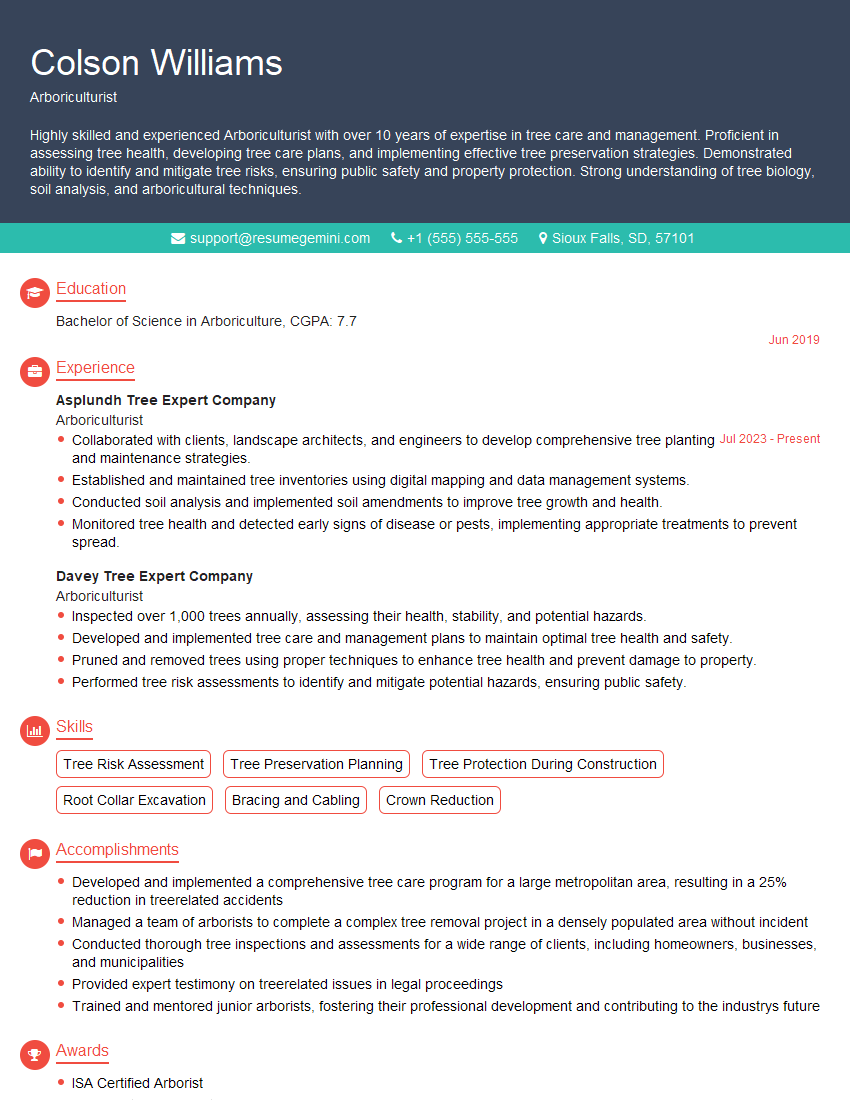
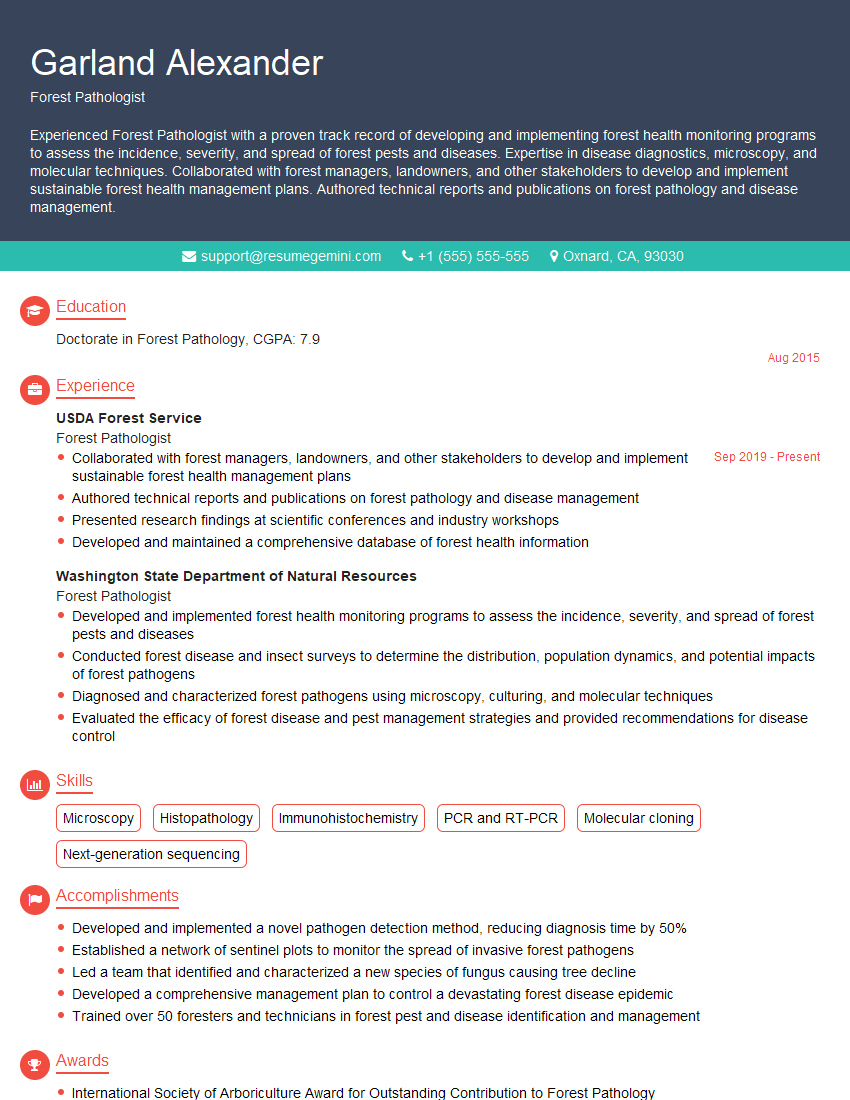
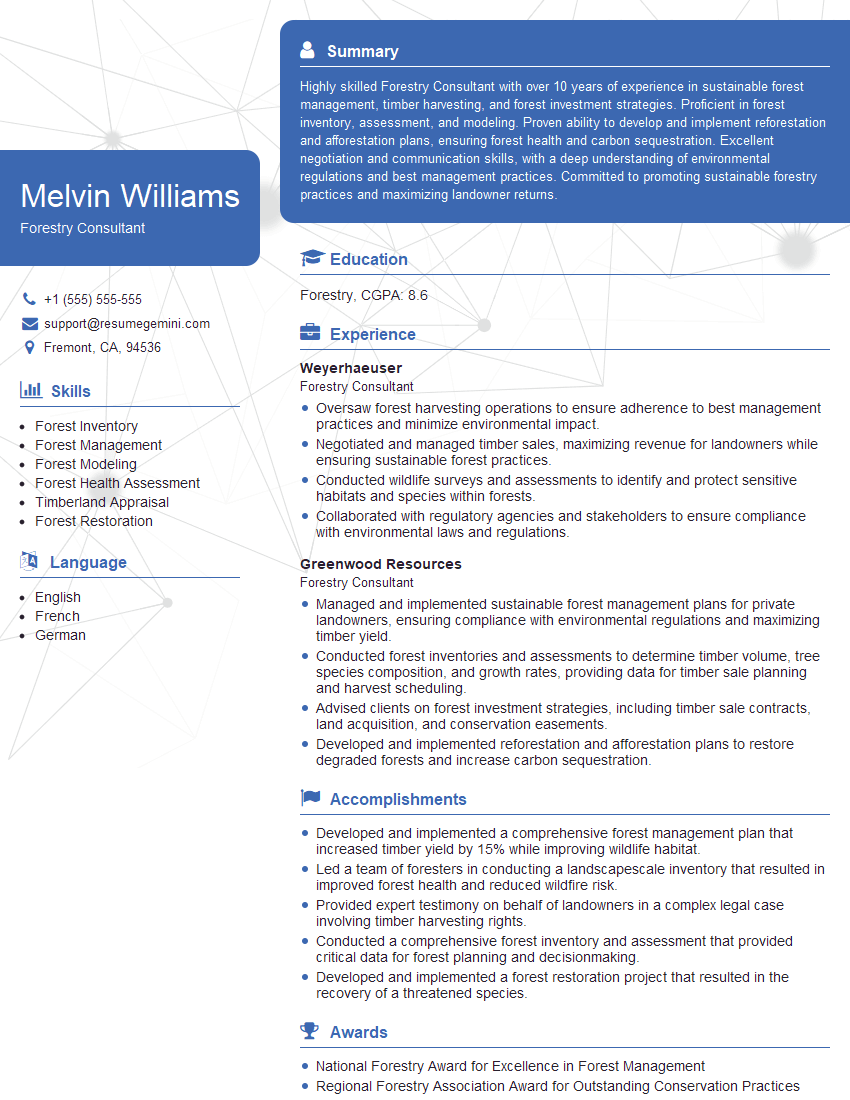
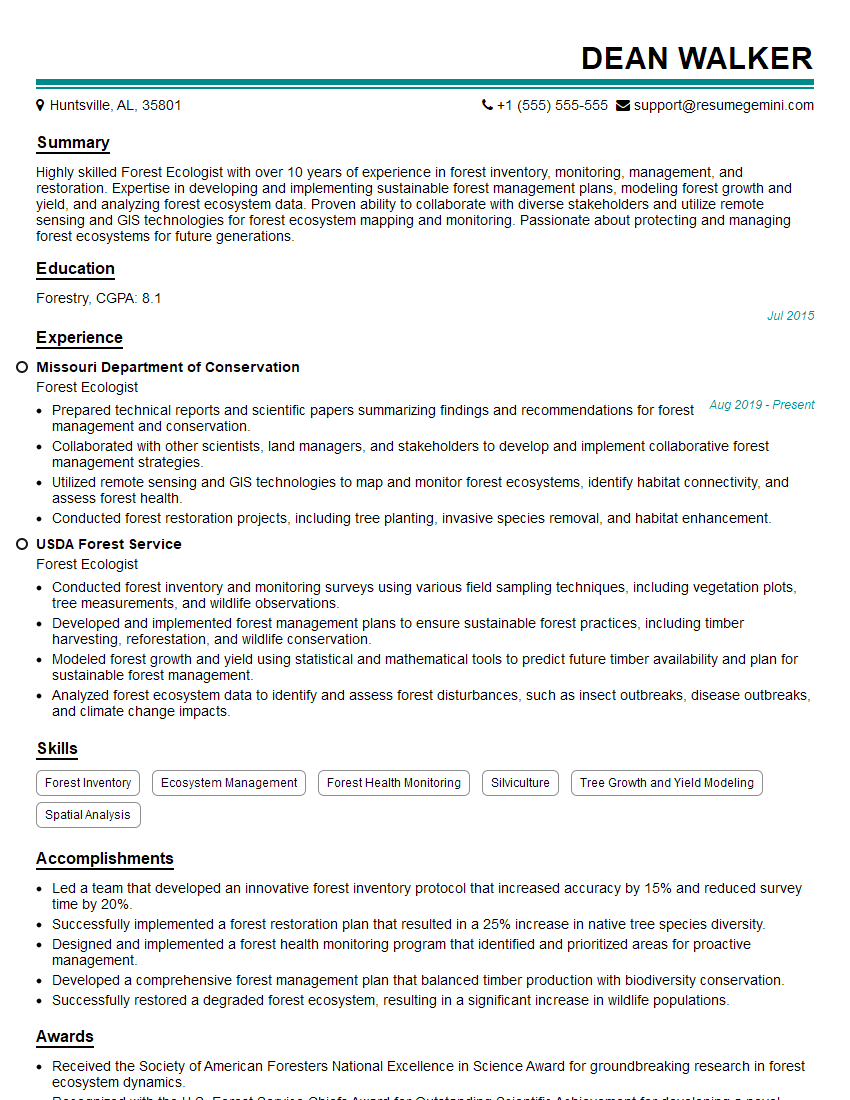
Mastering Silviculture Practices is crucial for career advancement in the forestry sector, opening doors to diverse and impactful roles. A strong understanding of these principles demonstrates your expertise and commitment to sustainable forest management. To maximize your job prospects, crafting an ATS-friendly resume is essential. ResumeGemini is a trusted resource that can help you build a professional and effective resume that highlights your skills and experience. ResumeGemini provides examples of resumes tailored specifically to Silviculture Practices, guiding you in showcasing your unique qualifications to potential employers.

Explore more articles
Users Rating of Our Blogs
Share Your Experience
We value your feedback! Please rate our content and share your thoughts (optional).
What Readers Say About Our Blog
I Redesigned Spongebob Squarepants and his main characters of my artwork.
https://www.deviantart.com/reimaginesponge/art/Redesigned-Spongebob-characters-1223583608
IT gave me an insight and words to use and be able to think of examples
Hi, I’m Jay, we have a few potential clients that are interested in your services, thought you might be a good fit. I’d love to talk about the details, when do you have time to talk?
Best,
Jay
Founder | CEO