The right preparation can turn an interview into an opportunity to showcase your expertise. This guide to Skilled in Production Planning and Scheduling interview questions is your ultimate resource, providing key insights and tips to help you ace your responses and stand out as a top candidate.
Questions Asked in Skilled in Production Planning and Scheduling Interview
Q 1. Explain the difference between MRP (Material Requirements Planning) and MPS (Master Production Schedule).
MRP (Material Requirements Planning) and MPS (Master Production Schedule) are both crucial components of production planning, but they serve different purposes. Think of it like building a house: the MPS is the overall blueprint, specifying what houses (products) will be built and when, while the MRP is the detailed shopping list, figuring out all the materials (raw materials, components) needed to construct those houses at the right times.
The MPS is a high-level plan that specifies the quantity of each finished product to be manufactured over a specific time horizon. It’s driven by sales forecasts, customer orders, and inventory levels. It acts as the driving force for the entire production planning system.
The MRP, on the other hand, explodes the MPS. It takes the MPS and determines the precise quantities of raw materials, sub-assemblies, and components needed to produce the finished goods according to the MPS schedule. It also considers lead times, inventory levels, and planned orders to ensure that all necessary materials are available when required.
In short: The MPS defines *what* and *when* to produce, while the MRP defines *how much* of each component is needed to meet the MPS.
Example: Imagine a furniture company manufacturing tables. The MPS might specify 100 tables to be produced in October. The MRP would then calculate the required number of table legs, table tops, screws, and other components needed to build those 100 tables, accounting for any existing inventory and lead times for procuring materials.
Q 2. Describe your experience with capacity planning techniques.
My experience with capacity planning techniques encompasses various methods, from simple calculations to sophisticated software simulations. I’ve extensively utilized techniques like:
- Capacity Requirements Planning (CRP): This involves comparing the capacity needed to meet the MPS with the available capacity of resources (machines, labor, etc.). I’ve used this to identify potential bottlenecks and adjust production schedules accordingly. For instance, in a previous role, CRP highlighted a shortage of skilled welders during a peak production period. We addressed this by hiring temporary staff and re-allocating some tasks.
- Theory of Constraints (TOC): I’ve employed TOC to identify the most significant constraint in the production process and focus on improving its efficiency. In one project, we discovered that a slow-moving paint drying station was the bottleneck. By investing in a faster drying system, we significantly increased overall production output.
- Simulation Software: I’m proficient in using simulation software to model various ‘what-if’ scenarios. This allows us to test different capacity plans and production schedules before implementing them in the real world, minimizing the risk of disruptions.
Furthermore, I am adept at considering both short-term and long-term capacity needs, ensuring we have the resources needed to meet current demands while also planning for future growth.
Q 3. How do you handle unexpected production delays or disruptions?
Unexpected delays and disruptions are inevitable in production. My approach involves a combination of proactive measures and reactive responses.
Proactive Measures: I focus on building robust plans with built-in buffers. This includes maintaining safety stock of critical components, identifying alternative suppliers, and incorporating buffer time in the production schedule.
Reactive Responses: When disruptions occur, I follow a systematic approach:
- Identify the root cause: Thoroughly investigate the cause of the delay (e.g., machine breakdown, material shortage, labor issues).
- Assess the impact: Determine the extent of the delay’s impact on downstream processes and customer deliveries.
- Develop mitigation strategies: This might involve rescheduling production, utilizing overtime, outsourcing some work, or finding alternative materials.
- Communicate effectively: Keep all stakeholders, including customers, informed about the situation and the mitigation plan. Transparency builds trust and minimizes negative consequences.
- Post-mortem analysis: After the disruption is resolved, conduct a thorough analysis to identify areas for improvement and prevent similar disruptions in the future.
For example, when a key supplier experienced a fire, impacting our supply of a crucial component, we swiftly identified alternative suppliers, negotiated expedited shipping, and implemented temporary substitutes to maintain production continuity. We also proactively communicated the delay to our customers and worked collaboratively to manage expectations.
Q 4. What methods do you use to forecast demand?
Accurate demand forecasting is crucial for effective production planning. I use a combination of quantitative and qualitative methods, tailoring the approach based on the specific product and market conditions. Methods I frequently employ include:
- Time Series Analysis: This involves analyzing historical sales data to identify trends, seasonality, and cyclical patterns. Techniques like moving averages, exponential smoothing, and ARIMA models are utilized to forecast future demand.
- Causal Forecasting: This approach involves identifying factors that influence demand (e.g., economic indicators, marketing campaigns, competitor actions) and using regression analysis to predict future demand.
- Qualitative Forecasting: This involves gathering expert opinions and market research data to gain insights into future demand. Methods include Delphi method, market surveys, and sales force composite.
- Sales & Operations Planning (S&OP): This collaborative process brings together various departments (sales, marketing, production, finance) to align on a unified demand forecast and production plan.
The best approach often involves a combination of these methods. For example, I might use time series analysis to establish a baseline forecast, then adjust it based on insights from sales and marketing teams regarding upcoming promotions or economic trends.
Q 5. How do you prioritize production orders in a high-demand environment?
Prioritizing production orders in a high-demand environment requires a well-defined system that balances customer needs with operational capabilities. I use a combination of methods to achieve this:
- Critical Ratio Scheduling: This method prioritizes jobs based on their due dates and remaining processing time. Jobs with a critical ratio (time remaining/time available) below 1 are prioritized.
- Customer Priority: High-value customers or those with urgent needs often receive priority. This often involves a formal customer segmentation scheme to guide prioritization.
- Material Availability: Jobs that require materials already in stock might be prioritized over jobs requiring materials with longer lead times.
- Production Capacity: Prioritization might consider which order best utilizes available resources and machine capabilities to minimize idle time.
- Shortest Processing Time (SPT): This approach prioritizes jobs with the shortest processing times to maximize throughput.
The best approach often involves using a weighted scoring system to combine various factors. For instance, a job might receive a higher score if it has both a critical ratio below 1 and belongs to a high-value customer. This system is dynamic; priorities can be adjusted as conditions change.
Q 6. Explain your experience with different scheduling algorithms (e.g., FIFO, priority scheduling).
I have extensive experience with various scheduling algorithms, each with its strengths and weaknesses. Here are a few examples:
- FIFO (First-In, First-Out): This is a simple approach where jobs are processed in the order they arrive. While easy to implement, it doesn’t consider due dates or priorities, leading to potential lateness for urgent jobs. I’ve used this for less critical items where on-time delivery is less stringent.
- Priority Scheduling: This assigns priorities to jobs based on various factors (due dates, customer importance, etc.). It allows for more efficient use of resources but requires a robust priority assignment system. I often use this in environments with a mix of high and low-priority orders.
- Shortest Processing Time (SPT): As mentioned earlier, this minimizes the average completion time and maximizes throughput. This is useful when minimizing overall production time is crucial. This was very effective in a fast-paced manufacturing setting I worked in.
- Critical Ratio Scheduling: This algorithm dynamically prioritizes jobs based on the critical ratio (mentioned in question 5). It’s particularly effective when on-time delivery is crucial.
- Back Scheduling: This approach starts from the due date and works backward to determine the latest start times for each operation. This ensures adherence to due dates and effective resource planning.
The selection of the most suitable algorithm depends heavily on the specific production environment, the characteristics of the jobs, and the priorities of the organization. Often, a hybrid approach combining elements of different algorithms is the most effective.
Q 7. How do you optimize inventory levels to minimize costs and meet demand?
Optimizing inventory levels is a delicate balancing act between minimizing costs and ensuring sufficient stock to meet demand. This involves a deep understanding of inventory management principles and the use of appropriate techniques.
Key techniques I utilize include:
- Economic Order Quantity (EOQ): This classic model helps determine the optimal order quantity that minimizes the total inventory costs (holding costs, ordering costs). I’ve used this extensively for stable demand items.
- Just-in-Time (JIT) Inventory Management: This aims to minimize inventory by receiving materials only when needed. It requires close collaboration with suppliers and a highly efficient production system. I’ve implemented aspects of JIT in environments where rapid response to changing demands was vital.
- Safety Stock Calculations: This involves calculating buffer stock to account for demand variability and lead time uncertainty. I regularly use safety stock calculations to mitigate risk in uncertain demand scenarios.
- ABC Analysis: This technique categorizes inventory items based on their value and consumption. High-value items (A) receive closer attention and tighter control, while lower-value items (C) may have simpler inventory management procedures. This enables efficient resource allocation for inventory control.
- Inventory Turnover Ratio: Tracking this ratio helps assess the efficiency of inventory management. A high turnover ratio indicates efficient inventory movement, while a low ratio may indicate excessive inventory levels.
The specific approach I take depends on the characteristics of the products, the supply chain, and the company’s risk tolerance. The goal is always to find a balance that minimizes total inventory costs without compromising customer service levels.
Q 8. Describe your experience with ERP or MRP systems.
Throughout my career, I’ve extensively utilized both ERP (Enterprise Resource Planning) and MRP (Material Requirements Planning) systems. ERP systems, such as SAP or Oracle, provide a holistic view of the entire business, integrating production planning with finance, sales, and human resources. MRP systems, often integrated within ERPs, focus specifically on managing inventory and production schedules based on demand forecasts and bill of materials.
For example, in my previous role at Acme Manufacturing, we used SAP to manage our entire production process. This involved using the system’s Production Planning module to create detailed production schedules, considering factors like machine capacity, material availability, and labor requirements. The system automatically generated purchase requisitions for raw materials based on the planned production, ensuring we had the necessary components on hand. We also leveraged the system’s capacity planning capabilities to identify potential bottlenecks and adjust schedules accordingly.
In another instance, at Beta Company, we used a more streamlined MRP system. This involved manually inputting demand forecasts and bill of materials, and the system would then calculate the required materials and generate schedules. While less sophisticated than a full ERP, this system was effective for managing our smaller-scale operations and ensuring efficient material flow.
Q 9. How do you measure the effectiveness of your production planning and scheduling?
Measuring the effectiveness of production planning and scheduling involves a multi-faceted approach. We don’t solely rely on a single metric, but rather a combination of KPIs to get a comprehensive picture. Key metrics include:
- On-time delivery rate: This measures the percentage of orders shipped on or before their due date, reflecting the accuracy of our scheduling. A high percentage indicates strong planning and execution.
- Inventory turnover rate: This shows how efficiently we manage inventory. A higher rate suggests less capital tied up in stock and reduced risk of obsolescence.
- Production efficiency: This measures the ratio of actual output to planned output, revealing areas for improvement in production processes. A high ratio indicates efficient use of resources.
- Lead time: This measures the time it takes to fulfill an order from placement to delivery. Shorter lead times indicate efficient planning and execution, satisfying customers more quickly.
- Manufacturing cycle time: This tracks the time it takes to complete one production cycle, highlighting potential bottlenecks and areas for process improvement. A lower cycle time increases efficiency.
By regularly monitoring these KPIs and analyzing trends, we identify areas needing improvement and adjust our planning strategies accordingly.
Q 10. How do you identify and resolve production bottlenecks?
Identifying and resolving production bottlenecks requires a systematic approach. I typically employ the following steps:
- Data Collection: Gathering data on production times, machine utilization, material availability, and labor hours using shop floor data systems or manual tracking.
- Bottleneck Identification: Analyzing the collected data to pinpoint the stages in the production process that are causing delays or constraints. This could involve identifying machines operating below capacity, shortages of critical materials, or inefficient work processes.
- Root Cause Analysis: Once the bottleneck is identified, conducting a root cause analysis to understand the underlying reasons for the constraint. This might involve interviewing workers, reviewing production records, and assessing the overall efficiency of processes.
- Solution Development: Developing and implementing solutions to address the root cause of the bottleneck. This could involve process optimization, equipment upgrades, additional personnel, improving material handling, or changes to scheduling.
- Monitoring and Evaluation: Continuously monitoring the effectiveness of the implemented solutions and making further adjustments as needed. This iterative process is crucial to ensure long-term improvements.
For instance, in one project, we discovered a bottleneck at a specific machine due to frequent breakdowns. After analyzing maintenance records, we realized insufficient preventative maintenance was the root cause. Implementing a more robust preventative maintenance program resolved the issue, significantly improving production flow.
Q 11. What are the key performance indicators (KPIs) you track in production planning?
The key performance indicators (KPIs) I track in production planning are crucial for measuring efficiency and identifying areas for improvement. These include:
- On-time delivery (OTD): Percentage of orders delivered on or before the promised date.
- Production lead time: Time taken from order placement to completion.
- Inventory turnover: How many times inventory is sold and replaced within a given period.
- Capacity utilization: Percentage of production capacity being used.
- Production yield: Ratio of good units produced to total units started.
- Total productive maintenance (TPM): Measures the effectiveness of maintenance activities in maximizing equipment uptime.
- Manufacturing cycle efficiency (MCE): Measures the value-added time versus the total lead time.
- Defect rate: Percentage of defective products produced.
Regularly monitoring these KPIs allows for proactive adjustments to the production plan, ensuring that we meet customer demands and production goals efficiently.
Q 12. How do you communicate production schedules to different stakeholders?
Communicating production schedules effectively to various stakeholders is critical for seamless operations. My approach involves using a multi-channel strategy tailored to each audience:
- Production Team: Daily stand-up meetings, visual scheduling boards (Kanban), and digital dashboards showing real-time production status provide clear, concise updates.
- Management: Weekly reports summarizing key performance indicators (KPIs), upcoming deadlines, and potential risks are communicated through emails and presentations.
- Sales & Marketing: Order delivery dates and potential lead times are communicated via dedicated software interfaces or regular meetings. This maintains transparency and ensures accurate customer expectations.
- Suppliers: Purchase orders with detailed delivery schedules are electronically transmitted. Regular communication regarding any adjustments or issues is essential to maintain a smooth supply chain.
Utilizing various communication channels ensures transparency and reduces misunderstandings, leading to increased coordination and efficiency.
Q 13. How do you handle conflicting priorities between different production lines or projects?
Handling conflicting priorities between different production lines or projects requires a well-defined prioritization framework. I usually employ a combination of approaches:
- Prioritization Matrix: A matrix is used to rank projects based on factors like urgency, impact, and customer importance. This provides a clear objective basis for decision-making.
- Negotiation and Collaboration: Open communication with stakeholders involved in the conflicting projects is essential. This allows for finding mutually acceptable solutions, potentially involving adjustments to timelines or resource allocation.
- Resource Allocation: Careful allocation of resources, including personnel, equipment, and materials, is crucial. Optimizing resource use minimizes conflicts and keeps all projects moving forward.
- Project Management Software: Utilizing project management software to track progress, dependencies, and resource allocation helps visualize the impact of decisions and maintain coordination.
For instance, I once faced a situation where a high-priority rush order clashed with a large, ongoing project. Through negotiation with the project stakeholders, we re-allocated resources and slightly adjusted timelines, allowing both projects to proceed successfully, albeit with minor adjustments to their schedules.
Q 14. Explain your experience with lean manufacturing principles.
My experience with lean manufacturing principles is extensive. I’ve successfully implemented lean methodologies to optimize production processes, reduce waste, and improve efficiency. This involves focusing on eliminating seven types of waste (muda): transport, inventory, motion, waiting, overproduction, over-processing, and defects.
In a previous role, we implemented a Kanban system to manage workflow. This drastically reduced lead times and work-in-progress inventory. We also implemented 5S (sort, set in order, shine, standardize, sustain) to organize our workspace, improving safety and efficiency. The application of value stream mapping allowed us to identify non-value-added activities and streamlined our entire production process. This resulted in significantly reduced lead times, improved quality, and increased overall efficiency.
Lean manufacturing is not just about tools and techniques; it’s a philosophy of continuous improvement. By fostering a culture of problem-solving and teamwork, we empower employees to identify and eliminate waste at every step of the process. This continuous improvement cycle is crucial for sustained success.
Q 15. What is your approach to continuous improvement in production planning?
Continuous improvement in production planning isn’t a one-time event; it’s an ongoing commitment. My approach is multifaceted, focusing on data-driven decision-making, process optimization, and proactive problem-solving. I utilize a combination of Lean manufacturing principles and the PDCA (Plan-Do-Check-Act) cycle.
- Data Analysis: Regularly analyzing key performance indicators (KPIs) such as lead times, production efficiency, inventory levels, and defect rates helps identify bottlenecks and areas for improvement. For instance, consistently high lead times might suggest a need to optimize the scheduling algorithm or streamline material handling.
- Process Mapping & Value Stream Mapping: Visually mapping out the entire production process helps identify waste and non-value-added activities. This allows for targeted improvements, focusing on eliminating unnecessary steps or delays. For example, value stream mapping might reveal excessive transportation time between workstations, leading to a reconfiguration of the factory layout.
- Kaizen Events: Participating in short, focused improvement events (Kaizen) with cross-functional teams enables rapid implementation of small, incremental changes. This approach allows for quick wins and keeps the momentum of continuous improvement alive.
- Technology Implementation: Leveraging advanced planning and scheduling (APS) software allows for more accurate forecasting, optimized scheduling, and real-time monitoring of production. The system’s analytics features often provide insights into areas needing attention.
- Feedback Loops: Establishing regular feedback loops with all stakeholders – from shop floor workers to sales – ensures that improvement initiatives address real-world challenges and are relevant to everyone involved.
Ultimately, continuous improvement is about fostering a culture of ongoing learning and adaptation within the production planning team.
Career Expert Tips:
- Ace those interviews! Prepare effectively by reviewing the Top 50 Most Common Interview Questions on ResumeGemini.
- Navigate your job search with confidence! Explore a wide range of Career Tips on ResumeGemini. Learn about common challenges and recommendations to overcome them.
- Craft the perfect resume! Master the Art of Resume Writing with ResumeGemini’s guide. Showcase your unique qualifications and achievements effectively.
- Don’t miss out on holiday savings! Build your dream resume with ResumeGemini’s ATS optimized templates.
Q 16. Describe a time when you had to make a critical decision under pressure in production planning.
In my previous role, we experienced an unexpected surge in orders just before a major trade show. This put immense pressure on our production schedule, threatening to cause significant delays and potentially jeopardize our participation in the show. The existing schedule was simply not feasible given the new demand.
Under pressure, I quickly assessed the situation. I prioritized orders based on their due dates and the impact of potential delays. I then worked with the purchasing department to expedite the delivery of critical materials and with the production team to implement overtime shifts. Simultaneously, I re-sequenced jobs on the production floor using a heuristic scheduling algorithm prioritizing the most critical items.
We managed to successfully meet the deadline for the majority of orders, and our participation in the trade show was not affected. This situation highlighted the importance of flexible planning, strong cross-functional collaboration, and the ability to make rapid, data-driven decisions under pressure.
Q 17. How do you ensure accurate data integrity in production planning systems?
Data integrity is paramount in production planning. Inaccurate data leads to flawed decisions, inefficiencies, and potentially significant financial losses. My approach focuses on prevention and detection.
- Data Validation Rules: Implementing strict data validation rules within the planning system prevents inaccurate data from entering the system in the first place. For example, setting range checks for quantities or unit prices.
- Data Source Verification: Ensuring data originates from reliable sources and undergoes verification before being used in planning. This might involve reconciling data from different systems or manual spot-checking.
- Regular Data Audits: Performing regular audits of the data to identify and correct any inconsistencies or errors. This can involve comparing planned vs. actual production data, analyzing inventory discrepancies, and reviewing historical data for anomalies.
- Data Reconciliation Processes: Establishing clear procedures for reconciling discrepancies between different data sources. This might involve using reconciliation software or manual processes depending on the data volumes and complexity.
- Training and Awareness: Training all personnel involved in data entry and management on the importance of accuracy and the proper procedures to follow. This ensures everyone is accountable for maintaining data integrity.
Furthermore, employing a robust data management system with version control and change tracking capabilities helps maintain the integrity of the data over time, making it easier to track and correct errors.
Q 18. How do you collaborate with other departments (e.g., purchasing, sales) to optimize production planning?
Effective collaboration with other departments is crucial for optimizing production planning. It’s not just about sharing data; it’s about creating a shared understanding and working towards common goals.
- Regular Meetings: Holding regular meetings with purchasing, sales, and other relevant departments to align on production plans, forecast demand, and address potential issues proactively. This fosters transparent communication.
- Shared Systems and Data: Utilizing shared planning systems and databases to ensure everyone has access to the same up-to-date information, eliminating data silos and promoting transparency.
- Collaborative Forecasting: Collaboratively developing sales forecasts by incorporating insights from market research, sales trends, and customer demand. This prevents unrealistic targets that can disrupt production schedules.
- Material Requirements Planning (MRP) Integration: Integrating the production plan with the MRP system ensures accurate procurement of materials, preventing production delays due to shortages.
- Joint Problem-Solving: Establishing a collaborative approach to problem-solving, encouraging all departments to work together to address issues such as production bottlenecks or material delays.
Building trust and fostering open communication are key to ensuring successful collaboration, resulting in a more efficient and responsive production process.
Q 19. What are your strategies for managing change in production planning processes?
Managing change in production planning requires a structured approach to minimize disruption and maximize the chances of successful implementation. My strategy involves careful planning, communication, and training.
- Needs Assessment: Begin with a thorough needs assessment to understand the reasons for the change and the impact it will have on different aspects of the production process.
- Change Management Plan: Develop a detailed change management plan outlining the steps involved, timelines, responsibilities, and resources required. This ensures everyone knows what is expected.
- Communication Strategy: Implement a clear and consistent communication strategy to keep everyone informed about the changes, addressing their concerns and questions. Transparency is crucial.
- Training and Support: Provide adequate training and ongoing support to ensure everyone understands the new processes and systems. Hands-on training and mentoring can be particularly helpful.
- Pilot Testing: Where possible, conduct a pilot test of the new processes or systems in a controlled environment before full-scale implementation. This allows for identification and resolution of any unforeseen issues.
- Monitoring and Evaluation: Continuously monitor the impact of the changes and evaluate their effectiveness. Regular feedback sessions are valuable for identifying needed adjustments.
A phased implementation approach can also minimize disruption, allowing for adjustments based on early feedback.
Q 20. How familiar are you with Six Sigma methodologies in a production environment?
I am very familiar with Six Sigma methodologies and their application in production environments. Six Sigma is a data-driven approach to process improvement that aims to reduce variation and defects. I have practical experience using DMAIC (Define, Measure, Analyze, Improve, Control) methodology for production planning optimization.
- Define: Clearly defining the problem or opportunity for improvement within the production planning process. This could involve defining specific KPIs to target.
- Measure: Collecting and analyzing data to understand the current state of the process and measure its performance against benchmarks.
- Analyze: Identifying the root causes of variation and defects using statistical tools such as control charts and process capability analysis.
- Improve: Developing and implementing solutions to address the root causes and improve process performance. This might include changes to scheduling algorithms, inventory management policies, or other aspects of the production plan.
- Control: Implementing monitoring and control mechanisms to maintain the improved performance level and prevent future deviations.
Six Sigma’s emphasis on data-driven decision-making and continuous improvement aligns perfectly with my approach to production planning, leading to significant efficiency gains and quality improvements.
Q 21. How do you handle large datasets and analyze them for production planning purposes?
Handling and analyzing large datasets for production planning requires the use of appropriate tools and techniques. My approach involves leveraging data analytics software and statistical methods.
- Data Warehousing and ETL: Utilizing data warehousing techniques and Extract, Transform, Load (ETL) processes to consolidate data from different sources into a centralized repository for efficient analysis.
- Data Visualization Tools: Employing data visualization tools such as Tableau or Power BI to create dashboards and reports that provide clear and insightful visualizations of production data, facilitating quick identification of trends and patterns.
- Statistical Software: Utilizing statistical software packages such as R or Python with libraries like Pandas and Scikit-learn to perform advanced statistical analysis, including forecasting, regression analysis, and time series analysis. This allows for more sophisticated data analysis.
- Predictive Modeling: Employing machine learning algorithms to develop predictive models for forecasting demand, optimizing inventory levels, and predicting potential production bottlenecks. This allows for proactive decision-making.
- Database Management Systems (DBMS): Working with efficient database management systems like SQL Server or PostgreSQL to manage and query large datasets effectively. Proper database design and indexing techniques are crucial for efficient data retrieval.
The choice of tools and techniques depends on the specific needs and the complexity of the data, but the goal remains to extract meaningful insights from the data to inform better production planning decisions.
Q 22. Describe your experience with simulation tools for production planning.
Simulation tools are crucial for optimizing production planning by allowing us to test different scenarios without real-world disruptions. My experience encompasses using various simulation software, including Arena and AnyLogic. For instance, in a previous role at a manufacturing plant producing automotive parts, we used Arena to model the entire production line. We inputted data on machine capabilities, production times, and potential bottlenecks. The simulation allowed us to identify a significant delay caused by a specific assembly station operating at a lower efficiency than projected. By adjusting staffing and optimizing the sequence of tasks at that station, the simulation showed a 15% reduction in overall production time and a 10% increase in throughput. This avoided costly investments in new equipment and maximized the utilization of existing resources.
Beyond simple modeling, these tools help in exploring ‘what-if’ scenarios. For example, we can simulate the impact of unexpected machine downtime or a sudden surge in demand. This proactive approach allows us to develop contingency plans and make informed decisions, minimizing the risk of production delays and ensuring we meet customer expectations.
Q 23. What is your experience with different types of production environments (e.g., make-to-stock, make-to-order)?
I have extensive experience across various production environments, including make-to-stock (MTS), make-to-order (MTO), and even a hybrid approach combining elements of both. In an MTS environment, like a consumer goods company producing packaged food, the focus is on predicting demand and producing goods in advance to meet anticipated customer needs. This requires accurate forecasting and efficient inventory management to avoid stockouts or overstocking. My experience involves optimizing inventory levels, utilizing safety stock calculations, and fine-tuning production schedules based on sales forecasts and historical data.
Conversely, in an MTO setting, like a custom furniture manufacturer, production only begins after receiving a customer order. This requires a robust order management system and flexible production processes to handle diverse product configurations and customization requests. My experience here includes streamlining the order fulfillment process, scheduling resources effectively, and managing lead times to meet customer deadlines. In several projects I’ve worked on, a hybrid approach was the most effective; we’d produce a core set of common items to stock (MTS) while handling bespoke requests through an MTO system, providing a balance between efficiency and customer customization.
Q 24. How do you incorporate safety and quality standards into production planning?
Safety and quality are paramount and are integrated into every stage of production planning. This begins with selecting and using only certified, high-quality materials. We then incorporate safety procedures into our production schedules, factoring in time for planned maintenance, machine inspections, and employee training. In my experience, this includes meticulously documenting safety protocols and conducting regular safety audits to ensure compliance with regulations and internal standards.
Quality control checkpoints are strategically placed within the production process to identify and rectify defects early. This not only minimizes waste and rework but also enhances product quality. For instance, in a previous project involving pharmaceutical manufacturing, incorporating quality checks at each step dramatically reduced product recalls and maintained high standards of compliance.
Furthermore, capacity planning needs to account for safety and quality. This means allocating sufficient time and resources for quality control activities without compromising overall production efficiency. A well-structured production plan ensures that safety and quality are not just add-ons but fundamental elements.
Q 25. Explain your proficiency in using relevant software (mention specific software if applicable).
My proficiency in production planning software is extensive. I’m highly experienced with SAP ERP, specifically the Production Planning (PP) module. I have used it for master data maintenance, material requirements planning (MRP), capacity requirements planning (CRP), and production order management. I’m also proficient in using MS Project for detailed scheduling and Gantt chart creation, and familiar with advanced planning and scheduling (APS) systems like Preactor, which allows for more sophisticated optimization algorithms and scenario planning.
In a past project, using SAP PP’s MRP functionality, I was able to significantly reduce inventory holding costs by optimizing the procurement and production schedules. The system’s robust reporting capabilities allowed me to monitor key metrics in real-time and proactively address potential issues.
Q 26. Describe your experience with different forecasting techniques (e.g., moving average, exponential smoothing).
Accurate demand forecasting is essential for effective production planning. My experience includes using a variety of forecasting techniques, including moving average, exponential smoothing, and more advanced methods like ARIMA modeling. The choice of technique depends on factors like data availability, data characteristics (seasonality, trends), and the desired level of accuracy.
For example, a simple moving average is suitable for products with relatively stable demand, while exponential smoothing is more effective in handling trends and seasonality. In scenarios with complex demand patterns, I would employ ARIMA or other time-series models. I always validate the forecast accuracy using appropriate metrics such as Mean Absolute Deviation (MAD) or Mean Squared Error (MSE) and adjust the forecasting model accordingly. The goal is to strike a balance between forecast accuracy and computational complexity.
Q 27. How do you balance production costs with customer service levels?
Balancing production costs with customer service levels is a constant optimization challenge. This involves careful consideration of various factors such as inventory holding costs, production costs, expedited shipping costs, and the potential cost of lost sales due to stockouts or late deliveries. The key is to find the optimal balance point, often through a cost-benefit analysis.
For instance, maintaining high inventory levels might reduce stockouts but increases storage and carrying costs. Conversely, keeping inventory low could reduce costs but increase the risk of stockouts and lost sales. I use various techniques like simulation and optimization algorithms to explore different scenarios and identify the most cost-effective approach while meeting customer service level targets. This might involve adjusting production schedules, exploring alternative sourcing options, or implementing a more responsive inventory management system.
Q 28. What is your approach to risk management in production planning?
My approach to risk management in production planning is proactive and multi-layered. It begins with identifying potential risks, such as supplier disruptions, machine failures, unexpected demand fluctuations, or quality issues. This often involves brainstorming sessions with cross-functional teams, utilizing industry best practices, and leveraging historical data to assess the probability and impact of each risk.
Once risks are identified, I develop mitigation strategies. This could include securing multiple suppliers, implementing robust maintenance programs, holding safety stock, or developing contingency plans to handle unexpected events. These strategies are documented and integrated into the production plan. Regular monitoring and review are also crucial to track the effectiveness of the mitigation strategies and adjust the plan as needed. Ultimately, a well-defined risk management process minimizes disruptions and ensures production stability.
Key Topics to Learn for Skilled in Production Planning and Scheduling Interview
- Demand Forecasting & Capacity Planning: Understanding different forecasting methods (e.g., moving average, exponential smoothing) and their application in determining production capacity needs. Practical application: Analyzing historical sales data to predict future demand and adjust production schedules accordingly.
- Master Production Scheduling (MPS): Developing and managing a master production schedule that aligns with sales forecasts and available resources. Practical application: Utilizing MRP (Material Requirements Planning) software to generate a feasible MPS that minimizes inventory and meets customer demand.
- Production Scheduling Techniques: Familiarization with various scheduling algorithms (e.g., FIFO, LIFO, priority scheduling) and their suitability for different production environments. Practical application: Optimizing production schedules to minimize lead times and maximize efficiency.
- Inventory Management: Understanding inventory control techniques (e.g., EOQ, safety stock) and their impact on production planning. Practical application: Balancing inventory levels to meet demand without excessive storage costs.
- Lean Manufacturing Principles: Applying lean principles (e.g., Kaizen, 5S) to improve efficiency and reduce waste in the production process. Practical application: Identifying and eliminating bottlenecks in the production line to improve throughput.
- Supply Chain Management Integration: Understanding the relationship between production planning and the broader supply chain, including procurement and logistics. Practical application: Collaborating with suppliers to ensure timely delivery of materials.
- Problem-Solving & Optimization: Demonstrating the ability to identify and resolve production scheduling issues, such as delays, shortages, or capacity constraints. Practical application: Using data analysis to identify root causes of production problems and implement effective solutions.
Next Steps
Mastering Skilled in Production Planning and Scheduling opens doors to exciting career advancements and higher earning potential. A well-crafted resume is crucial for showcasing your expertise and securing your dream role. Building an ATS-friendly resume is key to getting noticed by recruiters. To help you create a compelling and effective resume, we recommend using ResumeGemini. ResumeGemini provides a streamlined and user-friendly platform for building professional resumes, and we offer examples of resumes tailored to Skilled in Production Planning and Scheduling to help you get started. Take the next step towards your career success today!
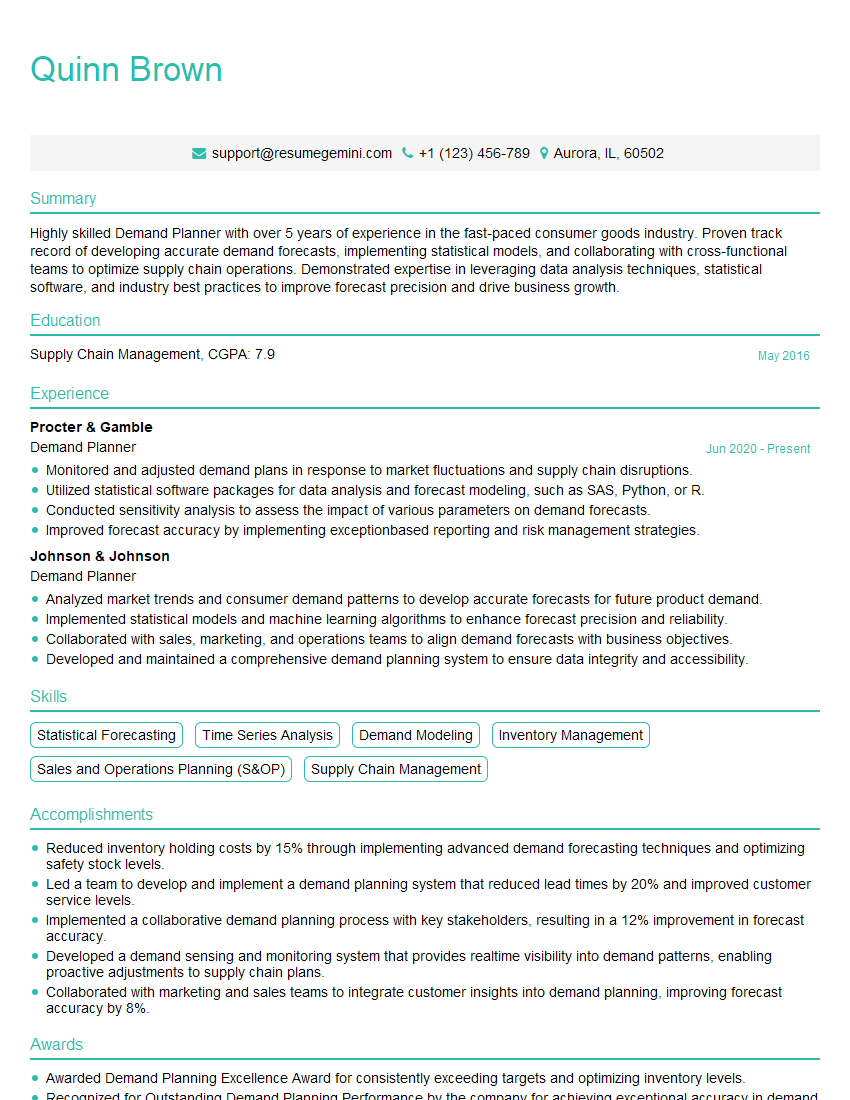
Demand Planner Resume Sample

Manufacturing Planner Resume Sample
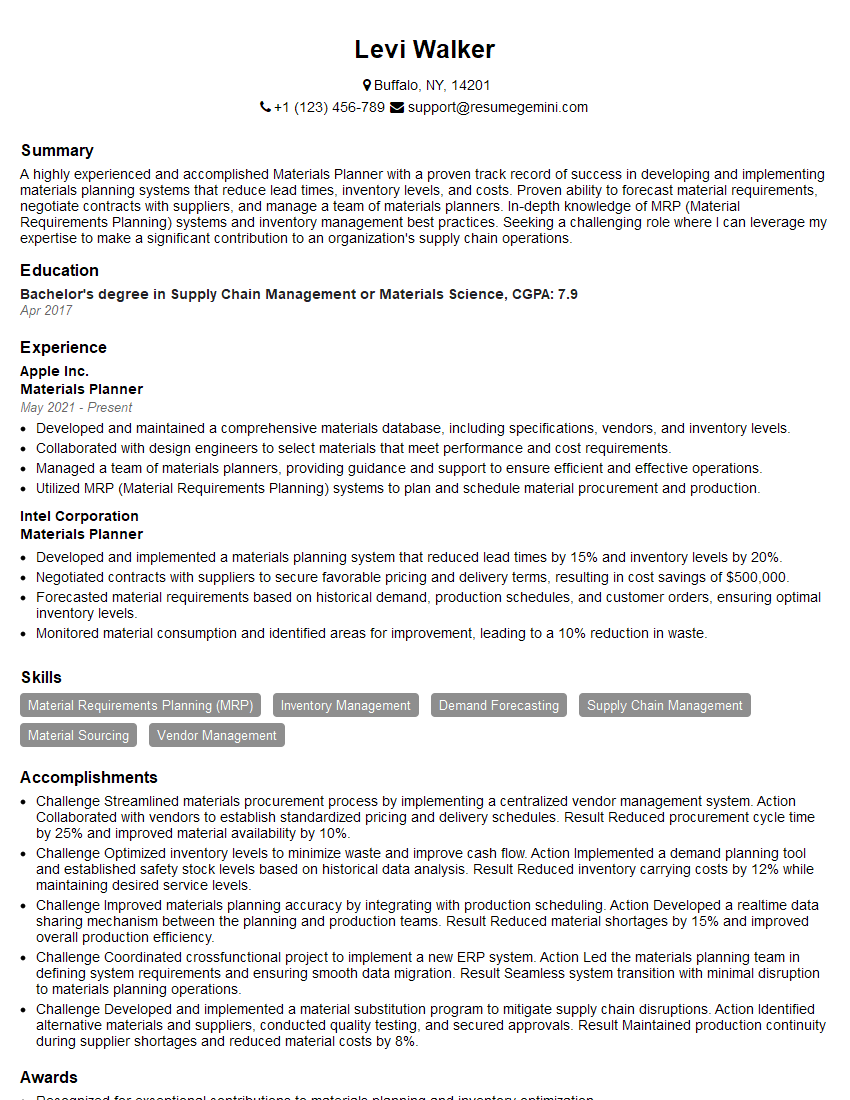
Materials Planner Resume Sample
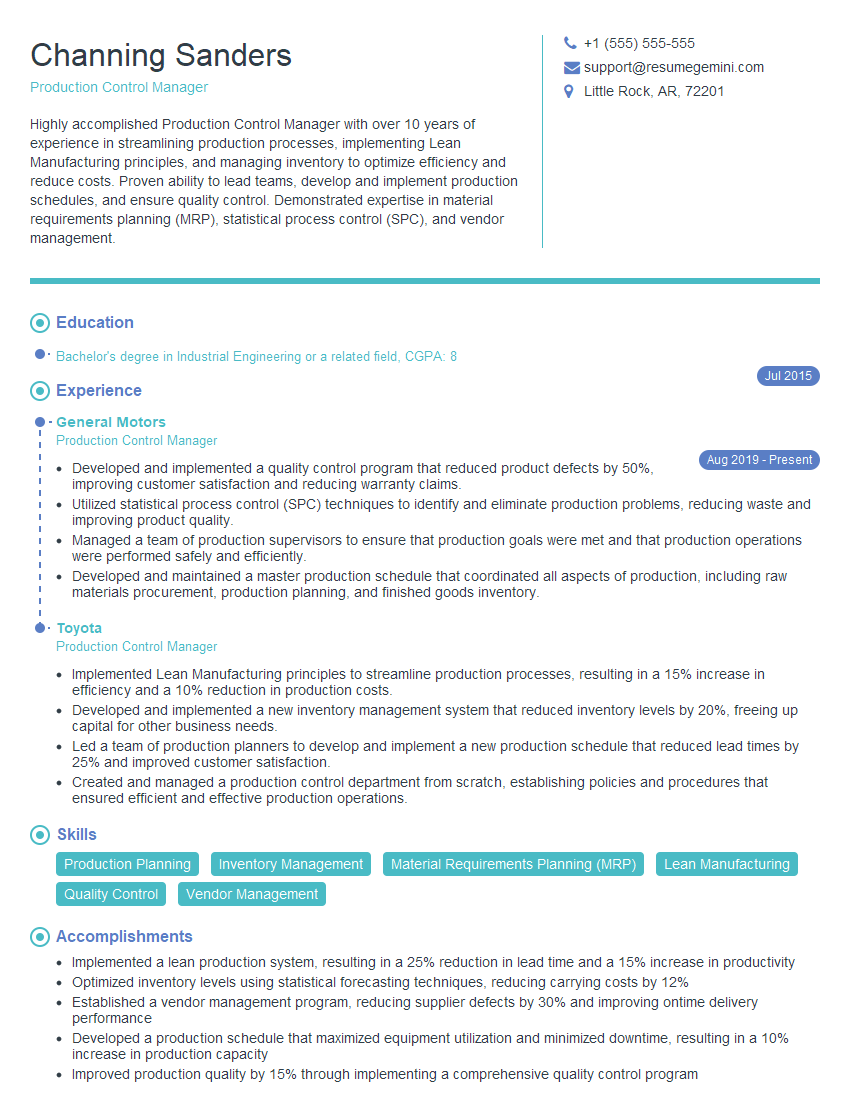
Production Control Manager Resume Sample
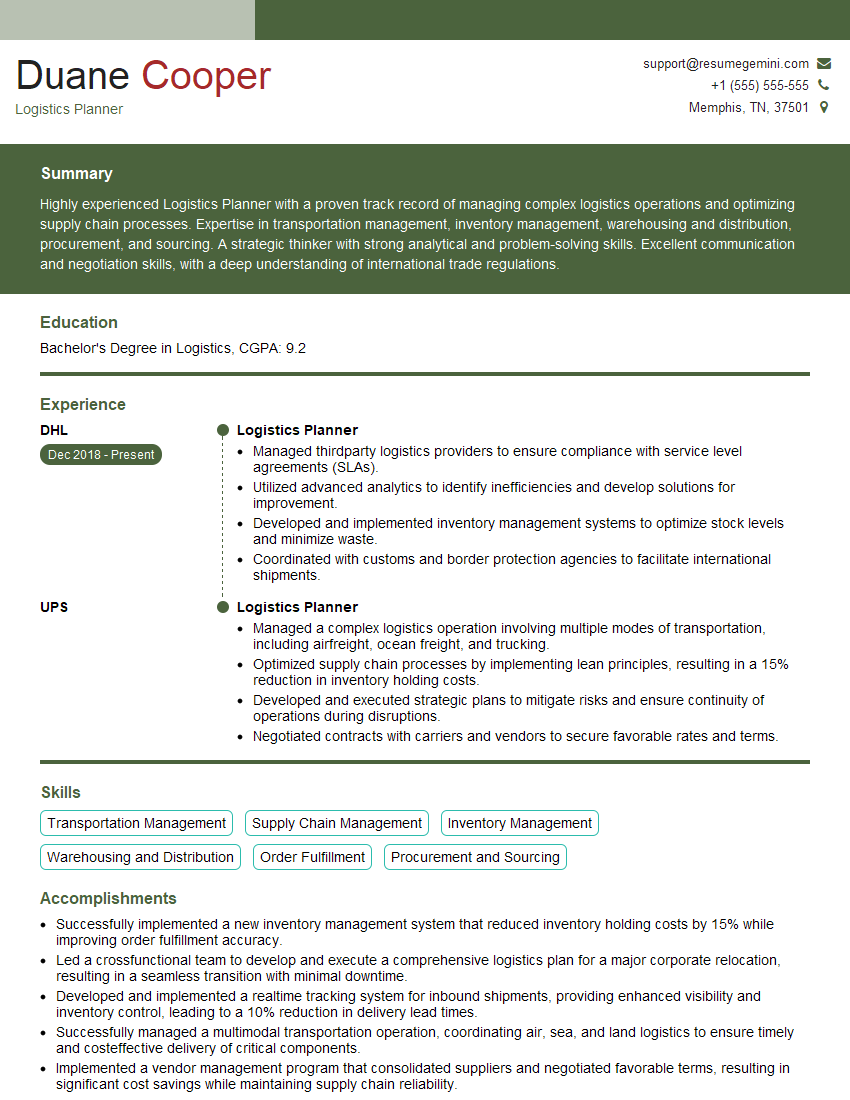
Logistics Planner Resume Sample
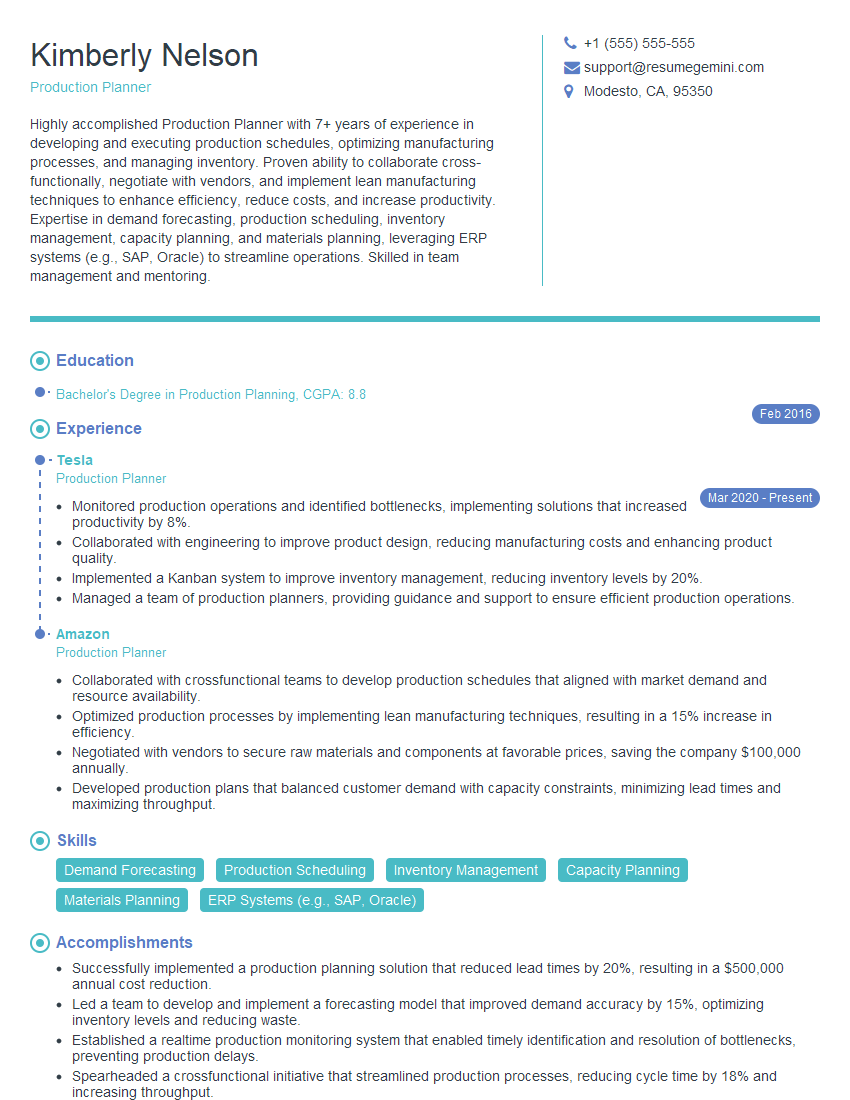
Production Planner Resume Sample
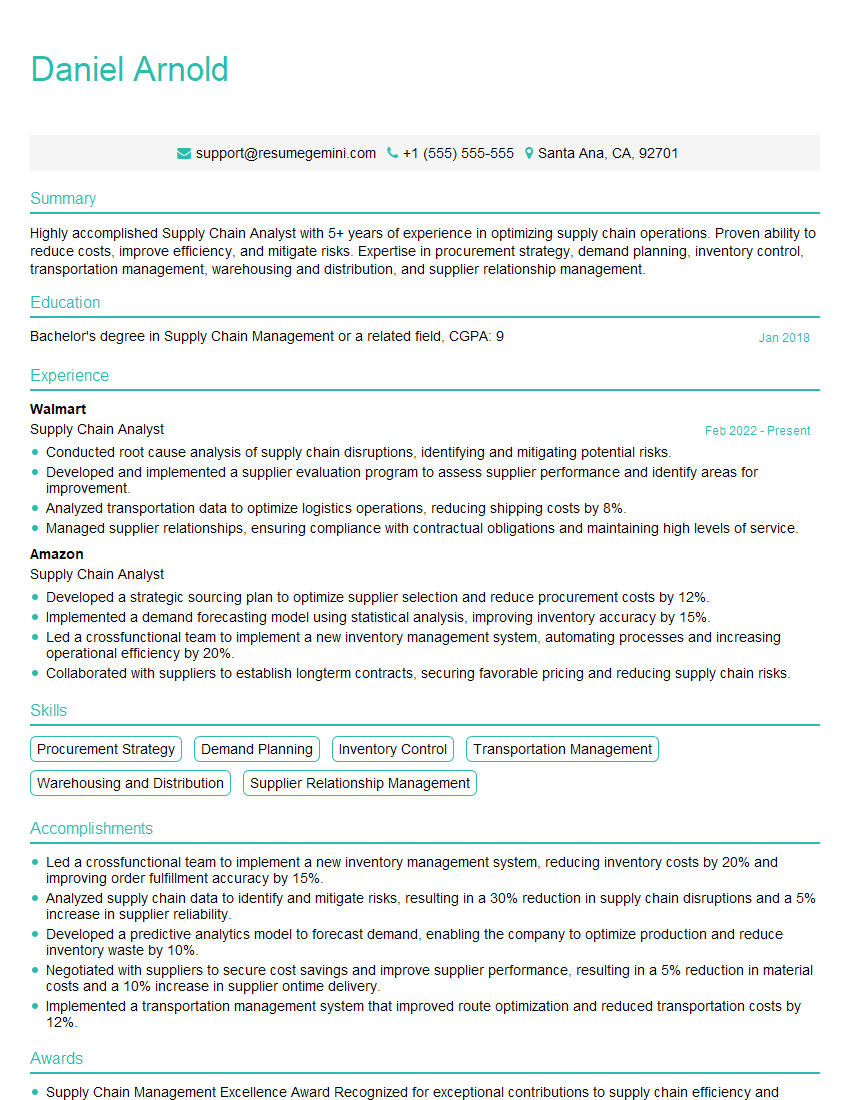
Supply Chain Analyst Resume Sample

Operations Research Analyst Resume Sample

Planning Manager Resume Sample
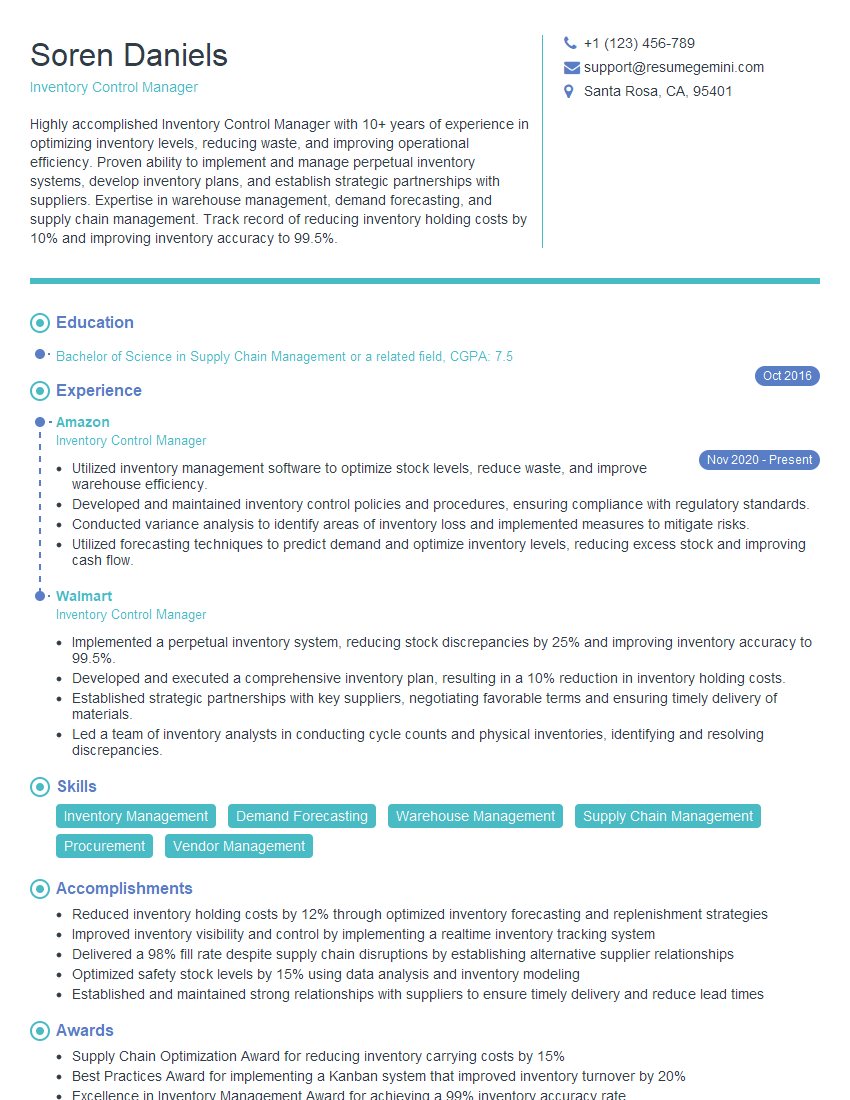
Inventory Control Manager Resume Sample
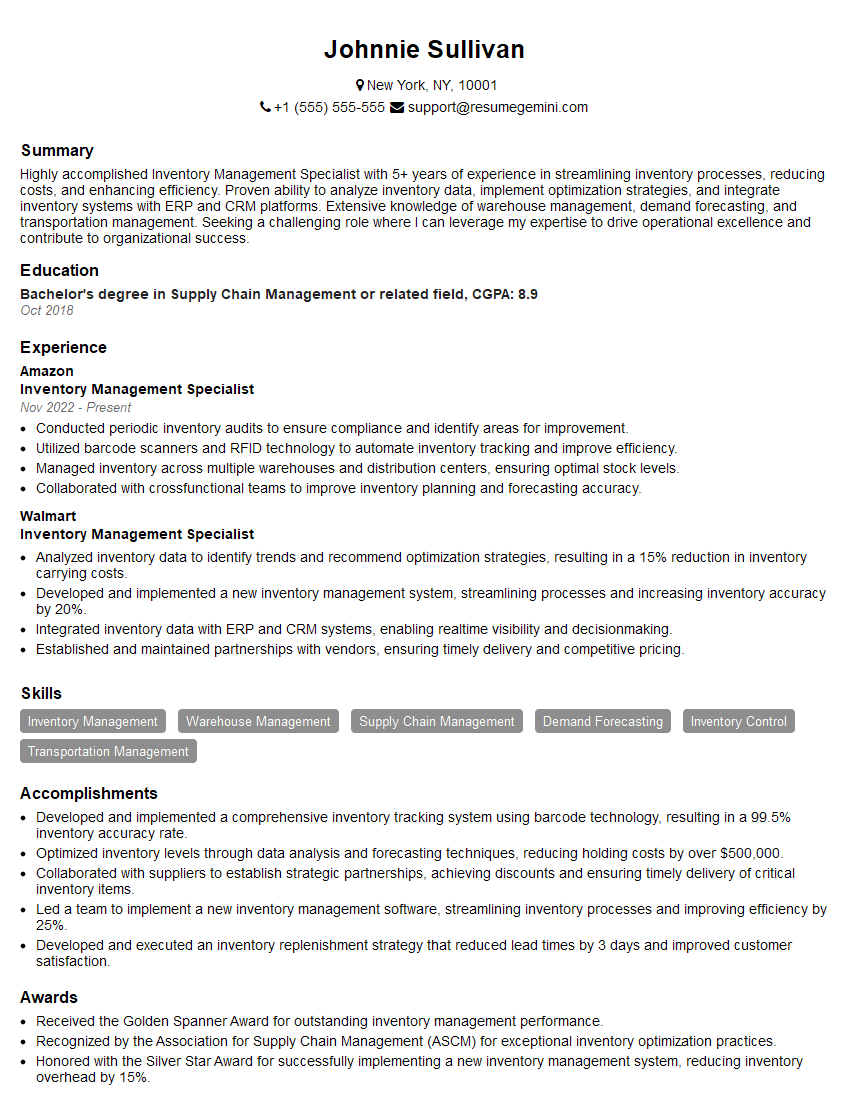
Inventory Management Specialist Resume Sample
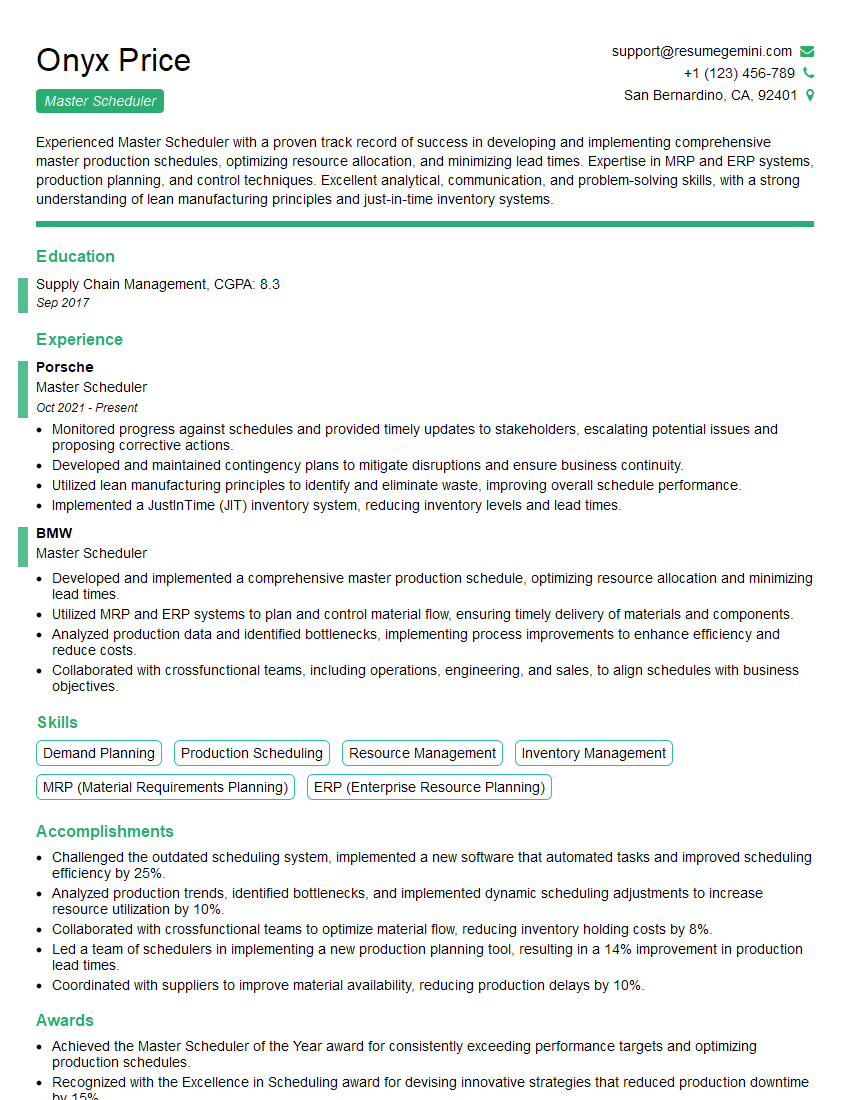
Master Scheduler Resume Sample
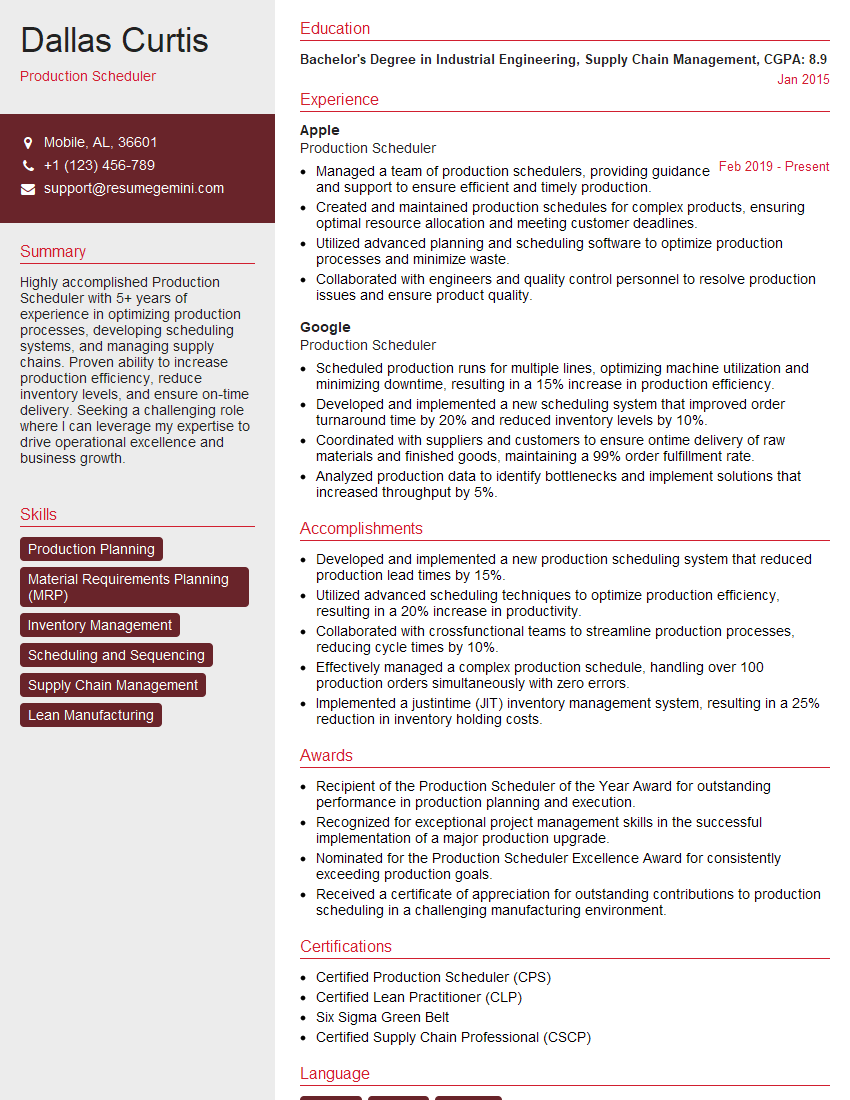
Production Scheduler Resume Sample
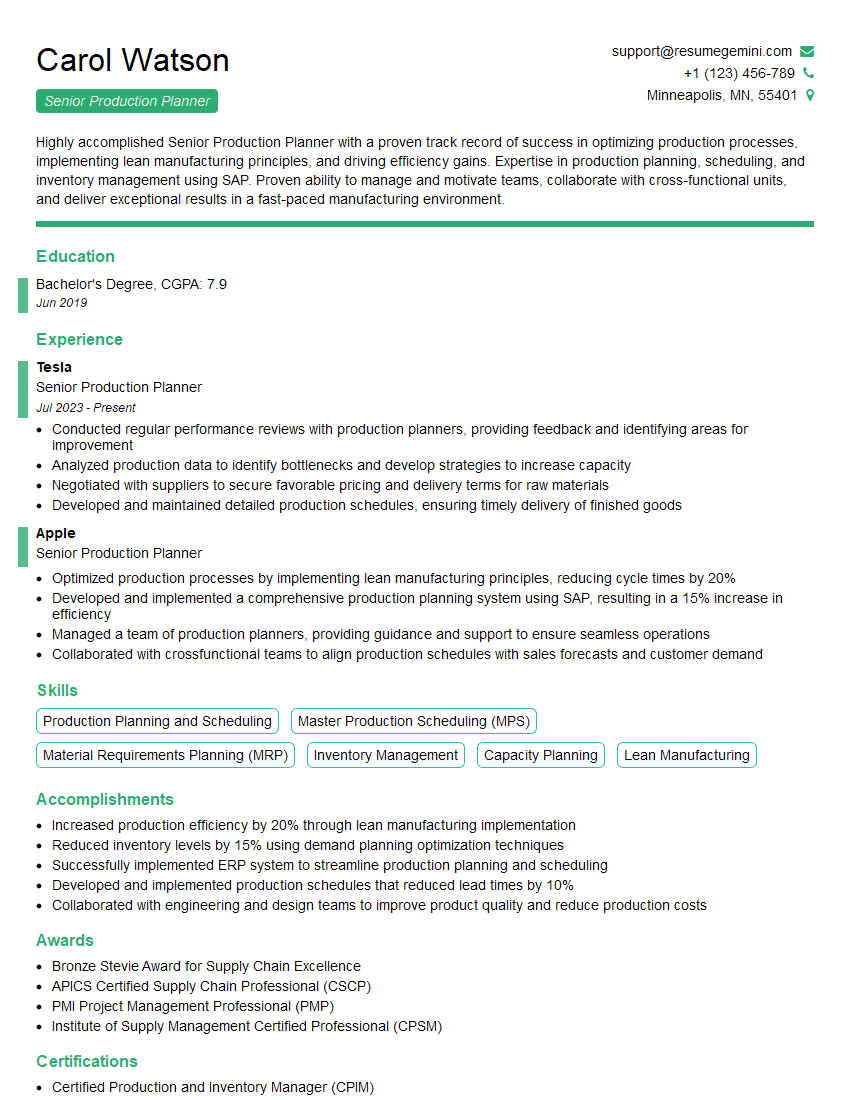
Senior Production Planner Resume Sample
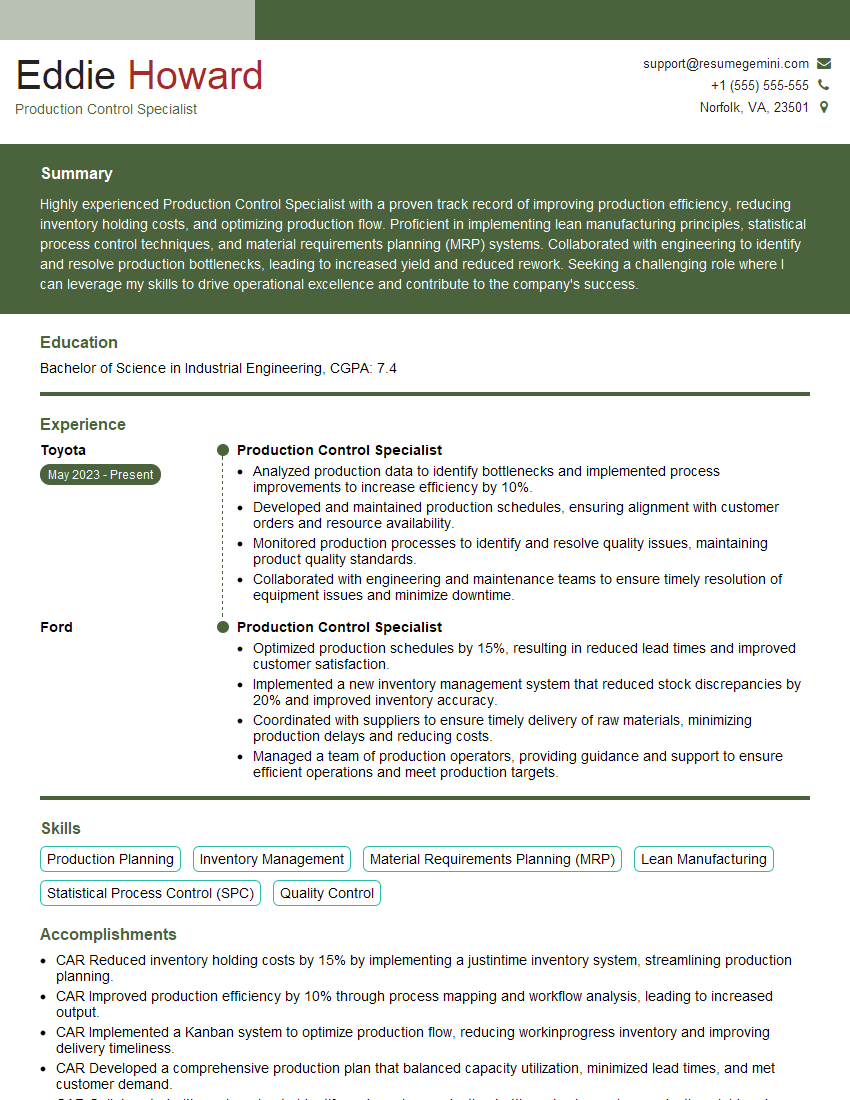
Production Control Specialist Resume Sample
- Demand Planner
- Manufacturing Planner
- Materials Planner
- Production Control Manager
- Logistics Planner
- Production Planner
- Supply Chain Analyst
- Operations Research Analyst
- Planning Manager
- Inventory Control Manager
- Inventory Management Specialist
- Master Scheduler
- Production Scheduler
- Senior Production Planner
- Production Control Specialist
Explore more articles
Users Rating of Our Blogs
Share Your Experience
We value your feedback! Please rate our content and share your thoughts (optional).
What Readers Say About Our Blog
I Redesigned Spongebob Squarepants and his main characters of my artwork.
https://www.deviantart.com/reimaginesponge/art/Redesigned-Spongebob-characters-1223583608
IT gave me an insight and words to use and be able to think of examples
Hi, I’m Jay, we have a few potential clients that are interested in your services, thought you might be a good fit. I’d love to talk about the details, when do you have time to talk?
Best,
Jay
Founder | CEO