Every successful interview starts with knowing what to expect. In this blog, we’ll take you through the top Special Needs Assessment interview questions, breaking them down with expert tips to help you deliver impactful answers. Step into your next interview fully prepared and ready to succeed.
Questions Asked in Special Needs Assessment Interview
Q 1. Describe your experience conducting comprehensive special needs assessments.
Over the past ten years, I’ve conducted hundreds of comprehensive special needs assessments for children and adults across a wide range of diagnoses, including autism spectrum disorder, intellectual disabilities, learning disabilities, and ADHD. My experience encompasses various settings, from schools and clinics to private practice, allowing me to adapt my approach to diverse contexts and individual needs. I’m adept at navigating complex cases, integrating multiple data points, and collaborating effectively with families, educators, and other professionals to develop effective intervention plans.
For instance, I recently assessed a young student struggling academically. By combining standardized testing with observations in the classroom and interviews with parents and teachers, I identified a specific learning disability affecting reading comprehension. This allowed us to create a tailored educational plan that focused on his specific strengths and weaknesses.
Q 2. Explain the different assessment tools and methods you are proficient in.
My assessment toolbox is quite diverse. I’m proficient in administering and interpreting a wide range of standardized tests, including measures of intelligence (e.g., WISC-V, Stanford-Binet), academic achievement (e.g., WIAT-4, Woodcock-Johnson IV), adaptive behavior (e.g., Vineland Adaptive Behavior Scales, ABAS-3), and autism-specific assessments (e.g., ADOS-2, ADI-R). Beyond standardized tests, I regularly employ functional behavioral assessments (FBAs), developmental screenings, and observational measures to gain a holistic understanding of an individual’s strengths and challenges. I also incorporate qualitative data through interviews and informal assessments to build a comprehensive profile.
Q 3. How do you determine the validity and reliability of assessment results?
Ensuring the validity and reliability of assessment results is paramount. Validity refers to whether the test actually measures what it claims to measure, while reliability indicates the consistency of the results. I address this through several strategies. First, I select assessment tools known for their strong psychometric properties, referencing their established validity and reliability coefficients. Second, I carefully consider the appropriateness of the assessment for the individual’s age, cultural background, and communication abilities, mitigating potential biases. Third, I use multiple assessment methods (e.g., standardized tests and observations) to triangulate findings, increasing confidence in the conclusions drawn. Finally, I meticulously document the assessment process, including any contextual factors that might influence results, ensuring transparency and promoting accurate interpretation.
Q 4. What are the key components of a comprehensive special needs assessment?
A comprehensive special needs assessment is far more than just a single test score. It’s a multifaceted process aiming to provide a detailed picture of an individual’s functioning across various domains. Key components include:
- Cognitive Abilities: Assessment of intellectual functioning, learning styles, and cognitive strengths and weaknesses.
- Academic Achievement: Evaluation of performance in reading, writing, math, and other academic areas.
- Adaptive Behavior: Measurement of daily living skills, social skills, and communication skills.
- Social-Emotional Functioning: Assessment of emotional regulation, social interaction, and behavior.
- Physical Health and Sensory Considerations: Evaluation of physical health status and any sensory processing challenges.
- Medical History and Developmental History: Gathering relevant information to understand the individual’s background and potential contributing factors.
The integration of these elements provides a complete understanding of the individual’s needs and informs effective intervention planning.
Q 5. How do you integrate information from multiple sources (parents, teachers, etc.) during the assessment process?
Integrating information from multiple sources is crucial for a well-rounded assessment. I establish clear communication channels with parents, teachers, and other relevant professionals from the outset. I use structured interviews and questionnaires to gather specific information about the individual’s strengths and challenges across different settings. I also actively listen to their perspectives and experiences, acknowledging the value of their insights, which often offer unique perspectives that standardized tests may not capture. I synthesize this information carefully, noting consistencies and discrepancies, to gain a comprehensive understanding of the individual’s functioning. This collaborative approach builds trust and ensures the assessment reflects a holistic view of the individual.
Q 6. Explain your approach to assessing cognitive abilities in individuals with special needs.
Assessing cognitive abilities in individuals with special needs requires a nuanced approach. I utilize a combination of standardized intelligence tests and informal assessments. Standardized tests like the WISC-V or Stanford-Binet provide a quantitative measure of intellectual functioning, but I also consider qualitative observations during testing to understand cognitive processing styles. For individuals with significant communication challenges, I might employ nonverbal measures or adapt testing procedures as needed. I meticulously interpret scores in context, acknowledging potential biases and considering the individual’s developmental history and environmental factors. Furthermore, I focus on identifying cognitive strengths alongside weaknesses, creating a profile that guides personalized interventions.
Q 7. How do you assess adaptive behavior skills?
Adaptive behavior refers to the ability to perform everyday tasks and meet the demands of daily life. Assessment of adaptive behavior is crucial in understanding an individual’s level of independence and functional skills. I typically use standardized measures like the Vineland Adaptive Behavior Scales or the ABAS-3. These tools assess various domains such as communication, daily living skills, socialization, and motor skills. In addition to standardized tests, I may use observational methods and information from caregivers and educators to gain a comprehensive understanding of the individual’s adaptive functioning across various contexts. This integrated approach provides a richer picture of the individual’s capabilities and needs in real-world settings.
Q 8. Describe your experience assessing social-emotional functioning.
Assessing social-emotional functioning involves understanding an individual’s ability to manage emotions, build relationships, and navigate social situations. This is a crucial aspect of a comprehensive special needs assessment, as difficulties in this area can significantly impact learning and overall well-being. My approach is multifaceted and employs a combination of methods.
- Observations: I observe the individual in various settings – classroom, play areas, and during interactions with peers and adults – noting their interactions, emotional expressions, and responses to different situations. For example, I might observe how a child responds to frustration during a task or how they initiate and maintain play with other children.
- Interviews: I conduct structured and unstructured interviews with the individual (if age-appropriate), parents, teachers, and other relevant professionals to gather information about their social-emotional strengths and challenges. These conversations provide valuable insights into their typical behaviors, coping mechanisms, and social skills. For instance, I might ask a parent about the child’s ability to understand and respond to different emotional cues from others.
- Standardized Assessments: I use standardized tools like the Social Skills Improvement System (SSIS) or the Child Behavior Checklist (CBCL) to objectively measure social-emotional skills and identify potential areas of concern. These assessments provide quantifiable data to complement qualitative observations and interviews.
- Informal Assessments: I also employ informal assessments, like role-playing scenarios or storytelling activities, to gauge the individual’s understanding of social rules, empathy, and emotional regulation. These methods can be particularly useful for children who struggle with standardized testing.
Integrating data from all these methods provides a holistic understanding of the individual’s social-emotional functioning, leading to accurate and individualized recommendations.
Q 9. How do you assess communication and language skills in individuals with special needs?
Assessing communication and language skills in individuals with special needs requires a comprehensive approach that considers both receptive (understanding) and expressive (producing) language abilities. The methods I use depend on the individual’s age, developmental level, and communication preferences.
- Language Samples: I collect conversational language samples to analyze grammar, vocabulary, sentence structure, and fluency. This involves observing the individual in natural settings or during structured interactions.
- Standardized Tests: I utilize standardized tests like the Clinical Evaluation of Language Fundamentals (CELF) or the Peabody Picture Vocabulary Test (PPVT) to measure specific language skills and compare performance to age-matched norms. These tests offer objective measures and can help identify specific language impairments.
- Alternative Communication Assessments: For individuals who use augmentative and alternative communication (AAC) methods, like sign language or communication devices, I assess their proficiency and effectiveness in conveying their needs and desires.
- Play-Based Assessments: For younger children, play-based assessments can reveal a lot about their language comprehension and expressive abilities. I observe how they use language during play, their understanding of instructions, and their ability to participate in collaborative play.
- Observation and Interaction: Careful observation of the individual’s communication in everyday situations provides valuable insights into their communication strengths and challenges. I look at their ability to initiate communication, respond to questions, follow directions, and engage in meaningful conversations.
Integrating information from various sources allows me to create a detailed profile of the individual’s communication and language skills, enabling the development of appropriate intervention strategies.
Q 10. Explain your process for identifying specific learning disabilities.
Identifying specific learning disabilities (SLDs) is a complex process that involves ruling out other potential causes for academic difficulties and demonstrating a significant discrepancy between the individual’s ability and academic achievement. My process follows a multi-tiered approach.
- Comprehensive Academic Assessment: I thoroughly assess the individual’s academic skills in reading, writing, and mathematics using standardized achievement tests. This helps identify areas of strength and weakness.
- Cognitive Ability Testing: I administer intelligence tests (e.g., WISC-V, Stanford-Binet) to determine the individual’s cognitive abilities. This is crucial for comparing academic performance to cognitive potential.
- Processing Speed and Memory Assessments: I assess processing speed and working memory, which are often implicated in SLDs. This may involve tests assessing visual-spatial skills, auditory processing, and memory tasks.
- Response to Intervention (RTI): I consider the individual’s response to evidence-based interventions in the classroom. A lack of progress despite targeted instruction can be a significant indicator of an SLD.
- Review of Educational History: I review the individual’s educational history, including previous assessments and interventions, to gain a comprehensive understanding of their academic journey.
The diagnosis of an SLD is made by integrating information from all these sources and considering various factors like the individual’s age, developmental history, and educational context. It’s essential to note that a discrepancy alone doesn’t automatically indicate an SLD. The whole picture must be considered to reach an accurate conclusion. For example, a child might score low on reading achievement but might also have an extremely low cognitive ability, making the discrepancy insignificant.
Q 11. How do you assess motor skills and physical abilities?
Assessing motor skills and physical abilities involves evaluating the individual’s gross motor skills (large muscle movements) and fine motor skills (small muscle movements), as well as their overall physical health and coordination.
- Observation: I observe the individual’s movement patterns during various activities, such as walking, running, jumping, catching, writing, and manipulating objects. This provides insights into their motor coordination, balance, and dexterity.
- Standardized Tests: I may use standardized tests like the Bruininks-Oseretsky Test of Motor Proficiency (BOT-2) or the Peabody Developmental Motor Scales (PDMS-2) to objectively measure motor skills and compare them to age-related norms.
- Functional Assessments: I conduct functional assessments to evaluate the individual’s ability to perform everyday tasks that require motor skills, such as dressing, eating, writing, and participating in sports or recreational activities.
- Physical Examination: In collaboration with medical professionals, I may obtain information from a physical examination to identify any underlying medical conditions or physical limitations affecting motor skills.
For example, I might observe a child struggling to tie their shoelaces or hold a pencil correctly, indicating potential fine motor difficulties. Or, I might observe a child having difficulty running or maintaining balance, suggesting gross motor skill challenges. This information helps me develop tailored recommendations that might include occupational therapy, physical therapy or adaptive equipment.
Q 12. What are some common challenges encountered during special needs assessments?
Several challenges can arise during special needs assessments. These challenges necessitate flexibility, creativity, and a deep understanding of the individual’s needs.
- Limited Communication: Individuals with limited communication skills can make it difficult to gather accurate information. This may necessitate using alternative assessment methods, such as visual supports or assistive technology.
- Behavioral Challenges: Challenging behaviors can disrupt the assessment process. Strategies for managing these behaviors, such as creating a calm and structured environment, are vital.
- Cultural and Linguistic Differences: Cultural and linguistic differences can impact the validity and reliability of assessment results. Using culturally sensitive assessments and interpreters when needed is crucial.
- Access to Resources: Limited access to appropriate assessment tools, trained professionals, or specialized equipment can hinder the assessment process.
- Parental Involvement: Lack of parental involvement or cooperation can limit the scope and accuracy of the assessment.
- Time Constraints: Time constraints can prevent a thorough assessment. Adequate time must be allocated to effectively assess all areas of concern.
Addressing these challenges requires careful planning, adaptability, and a collaborative approach involving parents, educators, and other relevant professionals.
Q 13. How do you adapt assessment procedures for individuals with diverse communication styles or physical limitations?
Adapting assessment procedures for individuals with diverse communication styles or physical limitations is essential to ensure fair and accurate evaluations. This often involves utilizing alternative methods and employing assistive technologies.
- Alternative Communication Methods: For individuals who use AAC, I incorporate their preferred method (e.g., sign language, picture exchange system, communication devices) into the assessment process. This could involve using visual supports, adapted materials, or allowing sufficient time for communication.
- Assistive Technology: I utilize assistive technology, such as voice recognition software or adaptive keyboards, to enable individuals with physical limitations to participate in the assessment. Examples include specialized computer software and adaptive writing tools.
- Modified Assessment Procedures: I adapt the assessment procedures to match the individual’s needs. This may involve breaking down tasks into smaller steps, providing extra time, or modifying the format of the assessment.
- Environmental Modifications: Creating a supportive and accessible assessment environment is crucial. This may involve using quiet spaces, reducing distractions, providing adaptive seating, or adapting the physical layout of the assessment room.
- Collaboration with Support Staff: I work closely with support staff, including therapists and educators, to understand the individual’s strengths, challenges, and communication preferences, and adapt the assessment accordingly.
For example, I may use a picture-based vocabulary test for a non-verbal child or provide extra time for a child with ADHD to complete a written task. The key is to ensure the assessment accurately reflects the individual’s abilities, rather than their limitations.
Q 14. Describe your experience working with individuals with Autism Spectrum Disorder (ASD).
My experience working with individuals with Autism Spectrum Disorder (ASD) involves a deep understanding of the diagnostic criteria, the wide range of presentations within ASD, and the need for individualized assessment approaches. I approach each assessment with sensitivity and a focus on the individual’s strengths and unique characteristics.
- ADOS-2 and ADI-R: I frequently utilize standardized diagnostic instruments such as the Autism Diagnostic Observation Schedule (ADOS-2) and the Autism Diagnostic Interview-Revised (ADI-R) to assess the presence and severity of ASD symptoms. These assessments provide structured observations and interviews to capture key behavioral characteristics.
- Developmental History: I gather a detailed developmental history from parents and caregivers, paying close attention to early developmental milestones, communication patterns, and social interactions. Early developmental indicators are crucial in understanding the trajectory of the individual’s development.
- Adaptive Behavior Assessments: I use adaptive behavior scales (e.g., ABAS-3) to assess the individual’s daily living skills and independence in various areas, such as self-care, communication, and social skills. This provides valuable information about their functional abilities.
- Sensory Profiles: I often include a thorough sensory assessment to understand the individual’s sensory sensitivities and preferences. This helps identify potential triggers for challenging behaviors and inform appropriate strategies for support.
- Strength-Based Approach: I emphasize a strength-based approach, highlighting the individual’s strengths and areas of competence, while acknowledging and addressing their challenges. This fosters a positive and collaborative assessment process.
Working with individuals with ASD requires a holistic approach, incorporating information from multiple sources to create a comprehensive understanding of their strengths, challenges, and needs. This allows for the creation of personalized support plans tailored to their specific profile.
Q 15. How do you assess the need for assistive technology?
Assessing the need for assistive technology is a multi-step process that focuses on identifying the gap between a student’s abilities and their learning or participation needs. It’s not about simply providing technology; it’s about strategically selecting tools that enable greater access and independence.
- Identify the Functional Limitation: We begin by meticulously documenting the student’s challenges. This involves observing them in various settings, reviewing their academic performance, and conducting interviews with the student, parents, and teachers. For example, a student might struggle with fine motor skills, affecting their handwriting.
- Determine the Impact on Learning/Participation: How does this limitation affect their ability to learn and participate fully in school and other activities? Does the difficulty with handwriting prevent them from completing assignments on time or participating effectively in class discussions?
- Explore Potential Assistive Technologies: Based on the identified limitation and its impact, we brainstorm potential solutions. In the handwriting example, options might include a keyboard, speech-to-text software, or a pen grip.
- Trial and Evaluation: We don’t just recommend; we trial various technologies to see what works best for the individual student. This involves a period of observation and feedback to ensure the chosen technology effectively addresses the identified need and is user-friendly.
- Training and Support: Finally, effective implementation requires training for both the student and relevant adults on how to use the assistive technology effectively. Ongoing support is essential to address any challenges that may arise.
Career Expert Tips:
- Ace those interviews! Prepare effectively by reviewing the Top 50 Most Common Interview Questions on ResumeGemini.
- Navigate your job search with confidence! Explore a wide range of Career Tips on ResumeGemini. Learn about common challenges and recommendations to overcome them.
- Craft the perfect resume! Master the Art of Resume Writing with ResumeGemini’s guide. Showcase your unique qualifications and achievements effectively.
- Don’t miss out on holiday savings! Build your dream resume with ResumeGemini’s ATS optimized templates.
Q 16. Explain your understanding of the Individuals with Disabilities Education Act (IDEA).
The Individuals with Disabilities Education Act (IDEA) is a landmark U.S. law guaranteeing free and appropriate public education (FAPE) to eligible children with disabilities. It mandates a collaborative process involving parents, educators, and other professionals to develop an Individualized Education Program (IEP) tailored to each student’s unique needs. IDEA ensures that students with disabilities have access to the same educational opportunities as their non-disabled peers. Key components include:
- FAPE: Schools must provide special education and related services at no cost to families.
- Individualized Education Program (IEP): A legally binding document outlining the student’s specific learning goals, services, and accommodations.
- Least Restrictive Environment (LRE): Students with disabilities should be educated with non-disabled peers to the maximum extent appropriate.
- Due Process: Parents have rights to participate in the decision-making process and can challenge decisions they disagree with.
- Parental Involvement: IDEA emphasizes the crucial role of parents in their child’s education, granting them rights and opportunities to participate actively.
IDEA’s impact is profound, providing a legal framework that ensures children with disabilities receive the support they need to thrive academically and socially.
Q 17. Describe your experience with Individualized Education Program (IEP) development.
My experience in IEP development spans over [Number] years, encompassing a wide range of disabilities and educational settings. My approach is highly collaborative and data-driven. I begin by:
- Gathering information: This involves reviewing existing assessments, reports, and observations. I also conduct my own assessments, including observation in the classroom and interviews with parents, teachers, and the student (when appropriate).
- Identifying strengths and needs: I analyze the data to understand the student’s strengths and areas where they need support. This is crucial for setting realistic and attainable goals. For example, a student might struggle with reading but excel in art. We will utilize this strength as part of their learning plan
- Developing measurable goals: The IEP must include specific, measurable, achievable, relevant, and time-bound (SMART) goals. We define precise criteria for determining success in each area.
- Identifying appropriate services and accommodations: This might involve specialized instruction, assistive technology, behavioral interventions, or modifications to the curriculum.
- Developing a plan for evaluation: The IEP includes a plan for monitoring progress toward the established goals. This ensures that we can adjust the plan as needed to best meet the student’s evolving needs.
I ensure that the IEP is a living document, regularly reviewed and updated to reflect the student’s progress. I believe in empowering students and families to actively participate in the IEP process, fostering a sense of ownership and commitment.
Q 18. How do you collaborate with families and other professionals involved in a student’s education?
Collaboration is the cornerstone of effective special needs assessment and intervention. I work closely with families and other professionals, employing a variety of communication strategies to ensure open dialogue and shared decision-making.
- Regular meetings: I schedule regular meetings with parents, teachers, therapists, and other relevant professionals to discuss the student’s progress, challenges, and potential solutions.
- Open communication: I maintain open communication channels, readily responding to questions and concerns. I use a variety of communication methods, adapting to families’ preferences, including emails, phone calls and in-person meetings.
- Shared decision-making: I value families’ perspectives and insights, incorporating their input into the assessment and intervention planning process. This makes the family a part of the solution and increases buy-in.
- Respectful communication: I always strive to communicate with respect and empathy, recognizing that parents and other professionals may have diverse backgrounds and perspectives.
For example, in one case, I worked closely with a family whose child had autism. Through regular communication and collaboration, we were able to develop an IEP that addressed the child’s specific needs and supported their progress. The family felt empowered and informed throughout the process.
Q 19. Explain your approach to providing feedback to families about assessment results.
Providing feedback on assessment results to families requires sensitivity, clarity, and a focus on empowering the family.
- Schedule a meeting: I schedule a dedicated meeting to discuss the results in a comfortable and private setting.
- Use clear and simple language: I avoid technical jargon and explain the results in a way that parents can easily understand. I use visuals like graphs and charts to present data clearly.
- Focus on strengths and areas for growth: I highlight the student’s strengths alongside areas where they may need support. This approach emphasizes positive aspects while creating a clear picture of areas needing further development.
- Collaboratively develop a plan: I work with families to develop a plan for addressing the identified areas for growth. This plan should be based on the family’s priorities and the student’s strengths and learning styles.
- Provide resources and support: I provide families with relevant resources and support services, such as links to relevant organizations or community programs.
I remember one instance where I had to discuss challenging assessment results with a family. By highlighting the student’s strengths and collaboratively creating a support plan, we transformed a potentially difficult conversation into a hopeful and constructive dialogue.
Q 20. How do you ensure culturally sensitive assessment practices?
Culturally sensitive assessment practices are critical for ensuring fair and equitable outcomes for all students. This involves considering the student’s cultural background, language, and family values when selecting and administering assessments and interpreting results.
- Use culturally appropriate assessment tools: Assessments should be relevant to the student’s cultural background and avoid cultural bias. This might involve using assessments that are translated into the student’s native language or modified to reflect their cultural experiences.
- Consider communication styles: Different cultures have different communication styles. Some cultures value direct communication, while others may prefer more indirect communication. Understanding these differences is crucial for effective communication with families.
- Involve interpreters or translators: If the student or family does not speak English, it’s crucial to use qualified interpreters or translators. This ensures accurate communication and prevents misunderstandings.
- Be mindful of family values: Family values and beliefs can influence the student’s learning and behavior. Understanding these values is essential for developing effective interventions.
- Seek cultural consultation: When in doubt, seek advice from cultural consultants or community leaders. They can help navigate cultural complexities and prevent unintended biases in assessment and intervention planning.
For instance, I once worked with a student whose family emphasized collectivism. Understanding this cultural value allowed me to adapt the assessment and intervention strategies to better align with the student’s family values and learning style.
Q 21. Describe your experience with different assessment models (e.g., ecological, strengths-based).
My experience encompasses various assessment models, recognizing that a single approach is rarely sufficient. I integrate different perspectives to gain a holistic understanding of the student’s needs.
- Ecological Assessment: This model examines the student’s functioning within their various environments (home, school, community). It helps identify environmental factors that either support or hinder the student’s learning and development. For example, we might observe the student in their classroom, at home, and during extracurricular activities.
- Strengths-Based Assessment: This approach focuses on identifying the student’s strengths and abilities, using these as a foundation for developing interventions. Rather than solely focusing on weaknesses, we build upon existing skills to promote self-efficacy and growth.
- Developmental Assessment: This involves assessing the student’s developmental milestones in various areas, such as cognitive, language, motor, and social-emotional development. This provides a framework for understanding where the student is developmentally and identifying potential areas of delay or deficit.
I often combine elements of these models, tailoring my approach to meet the unique needs of each student. For example, in one case, I used an ecological assessment to understand how a student’s home environment was influencing their school performance, then utilized a strengths-based approach to leverage the student’s artistic talent to improve academic motivation.
Q 22. How do you prioritize assessment needs based on individual student requirements?
Prioritizing assessment needs for students with special needs requires a multi-faceted approach. It’s not simply a matter of tackling the most obvious needs first; rather, it involves a careful consideration of the student’s individual strengths, weaknesses, and overall developmental trajectory. Think of it like building a house – you wouldn’t start by painting the walls before laying the foundation.
My approach involves a three-step process:
- Initial Screening and Referral: This stage identifies the student’s areas of concern, using standardized tests, teacher observations, and parent input. We look for significant discrepancies between the student’s abilities and their peers. For example, a student consistently struggling with reading comprehension despite adequate instruction would warrant further investigation.
- Comprehensive Assessment: This involves a detailed evaluation using a range of assessment tools tailored to the specific concerns. This might include cognitive assessments (IQ tests), academic achievement tests, adaptive behavior scales, and social-emotional assessments. The data gathered helps us pinpoint the specific nature and severity of the learning difficulties. If we suspect a learning disability, we might use specific tests such as the Woodcock-Johnson IV or the Wechsler Intelligence Scale for Children.
- Prioritization Based on Impact and Intervention Potential: Once we have a comprehensive picture, we prioritize needs based on their impact on the student’s overall learning and development. Needs that severely impact the student’s ability to access education are prioritized, as are needs for which effective interventions are readily available. For example, a severe speech impediment hindering communication would likely take precedence over a mild difficulty in handwriting, although both would be addressed eventually.
This approach ensures that resources are allocated effectively and interventions are targeted to address the most pressing needs, leading to improved outcomes for the student.
Q 23. What are some ethical considerations in special needs assessment?
Ethical considerations in special needs assessment are paramount. Our actions directly impact a child’s life, educational opportunities, and self-esteem. Key ethical considerations include:
- Cultural Sensitivity: Assessments must be culturally appropriate and avoid biases that may unfairly disadvantage students from diverse backgrounds. We need to ensure the assessment tools and methods are relevant to the student’s cultural experience and language.
- Non-Discriminatory Assessment: Assessments must be fair and unbiased, avoiding practices that might perpetuate stereotypes or discriminatory outcomes. This requires careful selection of assessment instruments and a thorough understanding of their limitations.
- Informed Consent: Parents or guardians must provide informed consent before any assessment is conducted. This involves fully explaining the purpose, procedures, and potential implications of the assessment in a language they understand.
- Confidentiality and Privacy: All information gathered during the assessment must be kept strictly confidential and protected in accordance with legal regulations (e.g., FERPA in the US).
- Competence: Assessors must only conduct assessments within their scope of competence. They should be properly trained and qualified to use the specific assessment tools and interpret the results.
- Accurate Reporting: Assessment reports must be accurate, objective, and clearly written, avoiding subjective interpretations or unsupported conclusions. They should focus on the student’s strengths and needs, offering recommendations for effective interventions.
Ethical dilemmas can arise, requiring careful consideration and potentially consultation with colleagues or ethical review boards. For example, a student might perform poorly on a standardized test due to anxiety, raising questions about the validity of the test result as a true reflection of the student’s abilities.
Q 24. How do you maintain confidentiality and privacy in your assessment work?
Maintaining confidentiality and privacy in special needs assessment is critical. It’s built into the foundation of my professional practice.
My strategies include:
- Secure Storage of Records: All assessment records are stored in secure, password-protected electronic files and/or locked cabinets, accessible only to authorized personnel.
- Limited Access to Information: Access to assessment data is restricted to those directly involved in the student’s educational program, following strict adherence to regulations such as FERPA.
- Confidentiality in Communication: All communication regarding assessment results is conducted in a private setting or through secure electronic channels. I avoid discussing assessment information in public places or with unauthorized individuals.
- Data Anonymization: When sharing aggregated data for research or professional development purposes, I ensure that individual student information is anonymized to protect privacy. This means removing any identifying information, like names and dates of birth.
- Adherence to Legal and Ethical Guidelines: I strictly adhere to all relevant legal and ethical guidelines regarding confidentiality and data privacy. I’m familiar with and comply with all relevant laws and regulations at the state and federal levels.
Breaches of confidentiality can have serious consequences, impacting the student’s trust and potentially leading to legal action. My commitment to confidentiality is unwavering.
Q 25. Describe a situation where you had to overcome a challenge during an assessment.
I once encountered a student who presented significant challenges in assessment due to severe autism spectrum disorder (ASD). This student exhibited sensory sensitivities that made traditional testing methods nearly impossible.
The challenge was to obtain a valid and reliable assessment of the student’s cognitive abilities and academic skills. Simply attempting to administer a standard IQ test in a typical setting would have yielded unreliable results.
To overcome this, I collaborated with the student’s therapists and teachers to develop a modified assessment approach. We used a combination of strategies:
- Breaking down the assessment into shorter sessions: To reduce sensory overload, we conducted assessments in shorter, more frequent sessions, allowing for breaks as needed.
- Adapting the testing environment: The testing environment was modified to minimize distractions and sensory stimulation. We adjusted the lighting, noise levels, and seating arrangements based on the student’s preferences and needs.
- Using alternative assessment methods: In addition to traditional tests, we incorporated observations of the student’s performance in naturalistic settings and used alternative assessment tools that focused on functional skills.
- Employing assistive technologies: We used assistive technologies, such as communication aids, to support the student’s participation in the assessment process.
Through this flexible and collaborative approach, we were able to gather valuable information that allowed us to develop an individualized education program (IEP) tailored to meet the student’s unique needs. The key takeaway was the importance of flexibility and adaptability in assessment, recognizing that a “one-size-fits-all” approach does not work for all students.
Q 26. How do you stay current with best practices in special needs assessment?
Staying current with best practices in special needs assessment is crucial. The field is constantly evolving with new research, assessment tools, and intervention strategies. I use a multi-pronged approach:
- Professional Development: I regularly attend conferences, workshops, and seminars related to special education and assessment. This allows me to learn about the latest research and best practices, as well as network with other professionals in the field.
- Continuing Education Units (CEUs): I actively pursue CEUs to maintain my professional certifications and stay abreast of changes in assessment methods and legal requirements.
- Professional Organizations: I am a member of professional organizations such as the American Association on Intellectual and Developmental Disabilities (AAIDD) and the National Association of School Psychologists (NASP), accessing their publications and resources.
- Journals and Research Literature: I regularly read professional journals and research articles to stay informed about new developments and evidence-based practices in special education and assessment.
- Collaboration with Colleagues: I engage in regular discussions and collaborations with experienced colleagues in the field, exchanging information, ideas, and experiences.
By continuously updating my knowledge and skills, I ensure that my assessment practices are informed by the latest research and evidence-based methodologies, leading to more accurate and effective evaluations for students with special needs.
Q 27. What are your strengths and weaknesses as a special needs assessor?
As a special needs assessor, my strengths lie in my ability to build rapport with students, my experience with diverse assessment methods, and my commitment to ethical and culturally responsive practice. I excel at creating a comfortable and safe assessment environment, allowing students to demonstrate their abilities to the best of their potential. My experience across various populations and diagnostic categories allows me to apply different assessment techniques effectively.
An area I’m always working to improve is my technological proficiency. While I am comfortable using various software programs for data analysis and report writing, I want to enhance my skills in using assistive technologies and digital assessment tools to further enhance my ability to assess students with diverse needs. I regularly attend training sessions and workshops to address this weakness. Continuous learning is a priority for me.
Q 28. Where do you see yourself in five years in the field of special needs assessment?
In five years, I envision myself as a leading expert in special needs assessment, specializing in the application of technology in assessment for students with complex needs. I aim to contribute to the advancement of the field through research, publications, and presentations at national conferences. I also see myself mentoring and training other professionals in best practices and ethical considerations in assessment. My ultimate goal is to leverage my expertise to ensure that all students with special needs have access to fair, equitable, and effective assessments that lead to appropriate and supportive educational interventions.
Key Topics to Learn for Your Special Needs Assessment Interview
Preparing for a Special Needs Assessment interview requires a comprehensive understanding of various aspects. This section outlines key areas to focus your studies.
- Developmental Theories: Understand key developmental theories (e.g., Piaget, Vygotsky, Erikson) and how they inform assessment practices. Consider how these theories apply to diverse learners with varying needs.
- Assessment Instruments and Methods: Familiarize yourself with a range of assessment tools, both formal (standardized tests) and informal (observations, checklists, interviews). Practice critically evaluating the strengths and limitations of different approaches.
- Legal and Ethical Considerations: Understand relevant laws and ethical guidelines concerning assessment of individuals with special needs, including confidentiality, informed consent, and culturally responsive assessment.
- Interpreting Assessment Data: Develop your skills in analyzing and interpreting assessment data to accurately identify strengths, weaknesses, and support needs. Practice formulating clear and concise reports based on your findings.
- Individualized Education Programs (IEPs) and 504 Plans: Gain a thorough understanding of the IEP and 504 processes, including participation in team meetings, goal setting, and progress monitoring.
- Collaboration and Communication: Special Needs Assessment is a collaborative process. Prepare to discuss effective strategies for communicating assessment results to parents, teachers, and other professionals.
- Adaptive and Assistive Technologies: Understand the role of technology in supporting learners with special needs, and be prepared to discuss various adaptive and assistive technologies.
- Cultural Considerations in Assessment: Be prepared to discuss how cultural factors can influence assessment results and the importance of culturally responsive assessment practices.
Next Steps: Maximize Your Job Prospects
Mastering Special Needs Assessment opens doors to rewarding careers making a real difference in the lives of others. To stand out from the competition, a strong, ATS-friendly resume is crucial. This highlights your skills and experience effectively, ensuring your application gets noticed by recruiters.
We highly recommend using ResumeGemini to create a compelling resume tailored to your unique experience. ResumeGemini provides a user-friendly platform, ensuring your resume is optimized for Applicant Tracking Systems (ATS) and showcases your qualifications in the best possible light. Examples of resumes specifically tailored for Special Needs Assessment professionals are available within the ResumeGemini resource library.
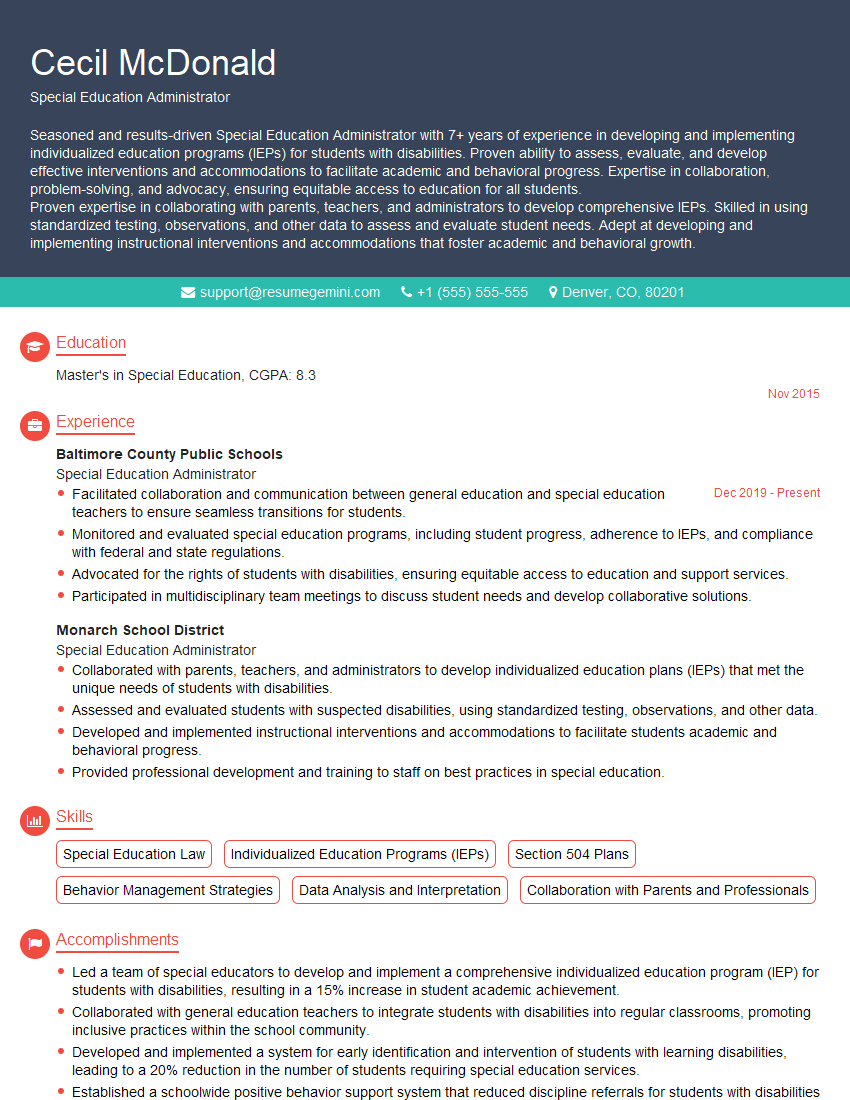
Special Education Administrator Resume Sample
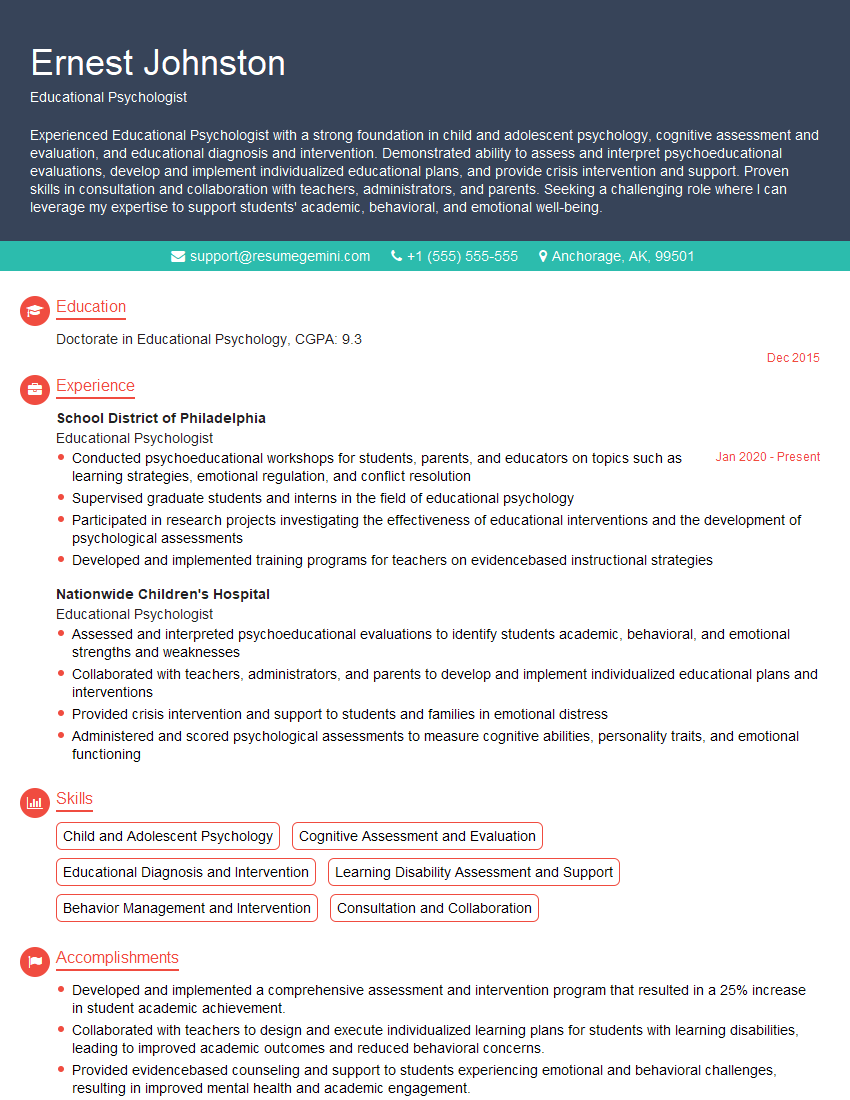
Educational Psychologist Resume Sample
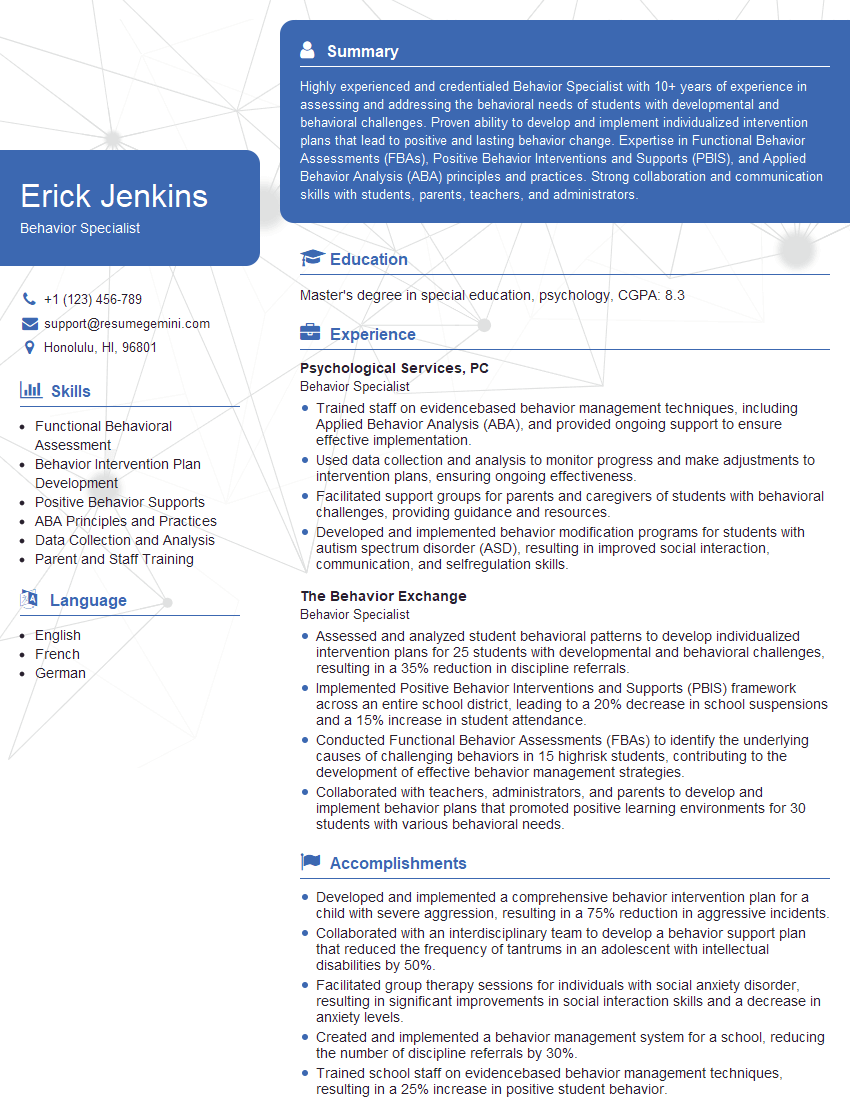
Behavior Specialist Resume Sample
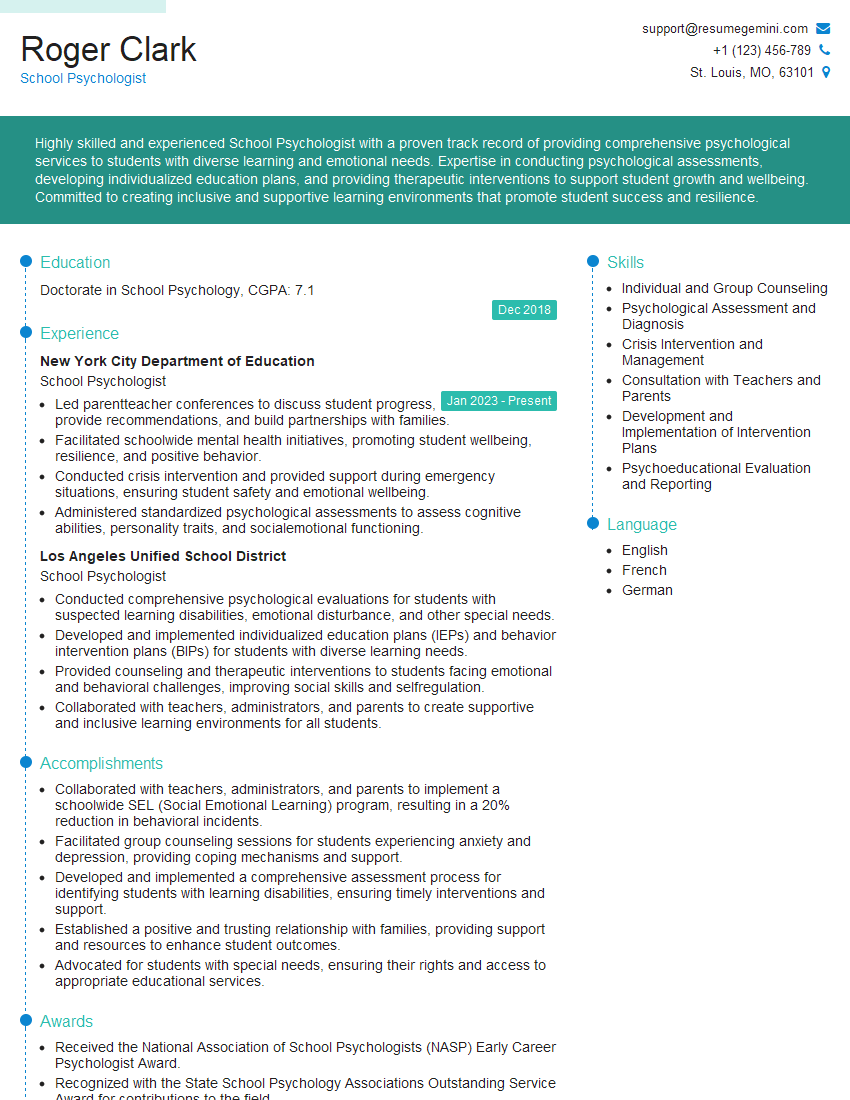
School Psychologist Resume Sample

Rehabilitation Counselor Resume Sample
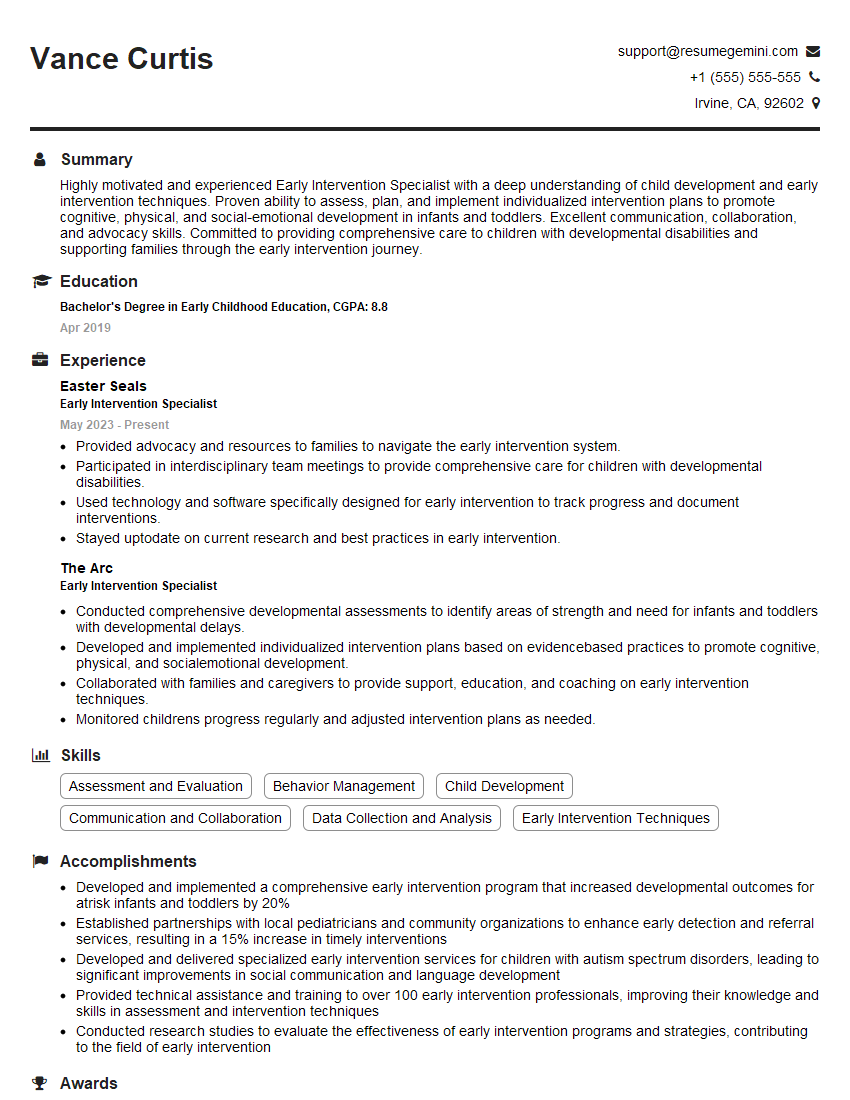
Early Intervention Specialist Resume Sample
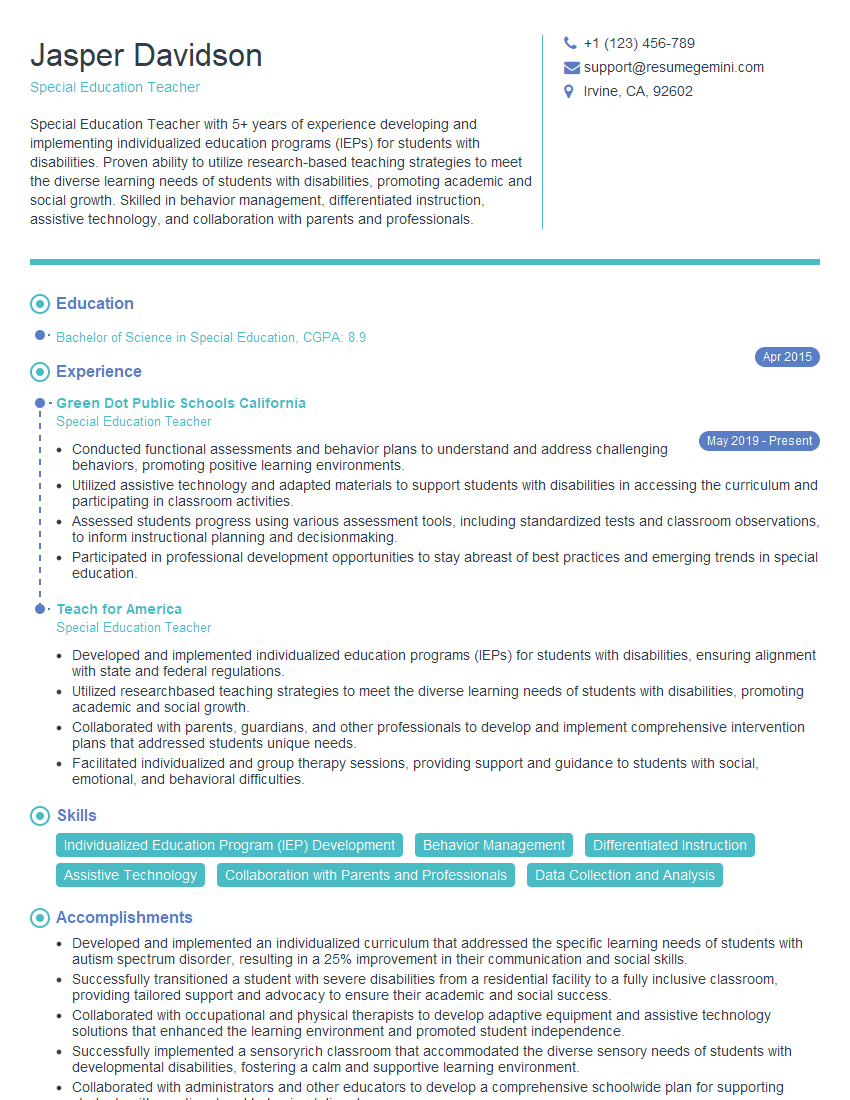
Special Education Teacher Resume Sample
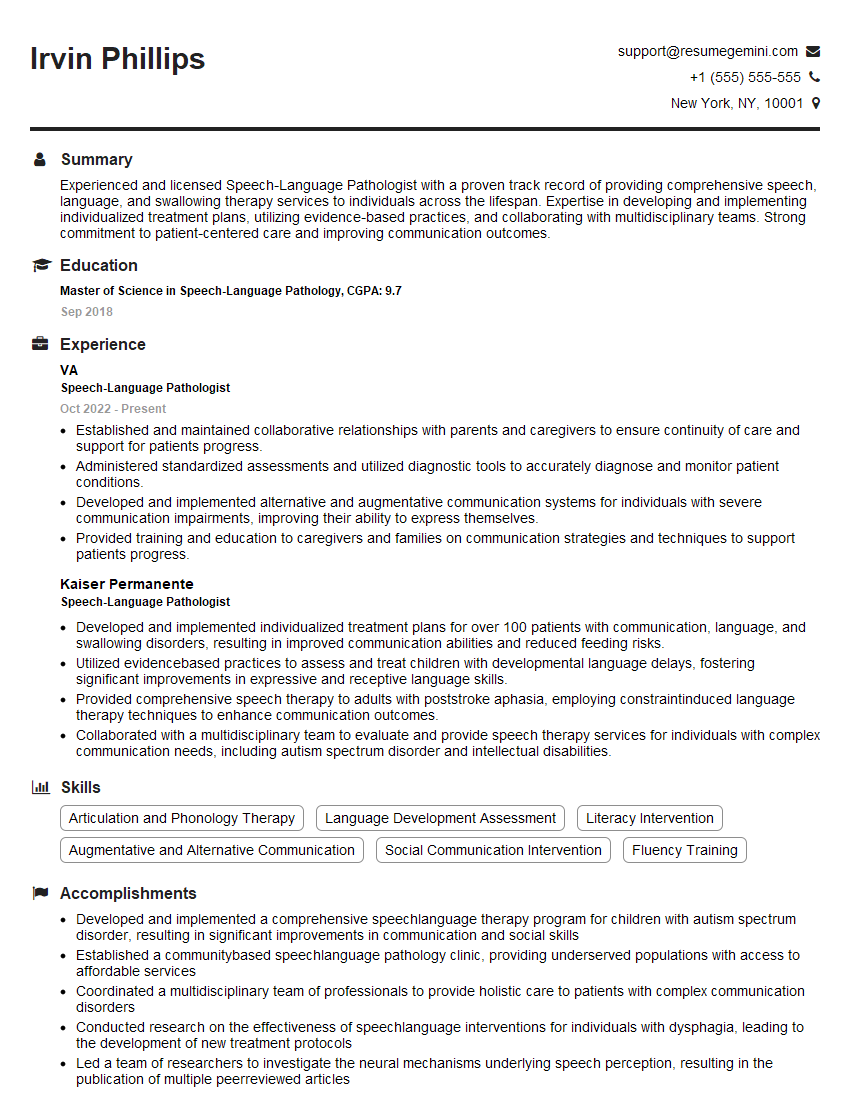
Speech-Language Pathologist Resume Sample
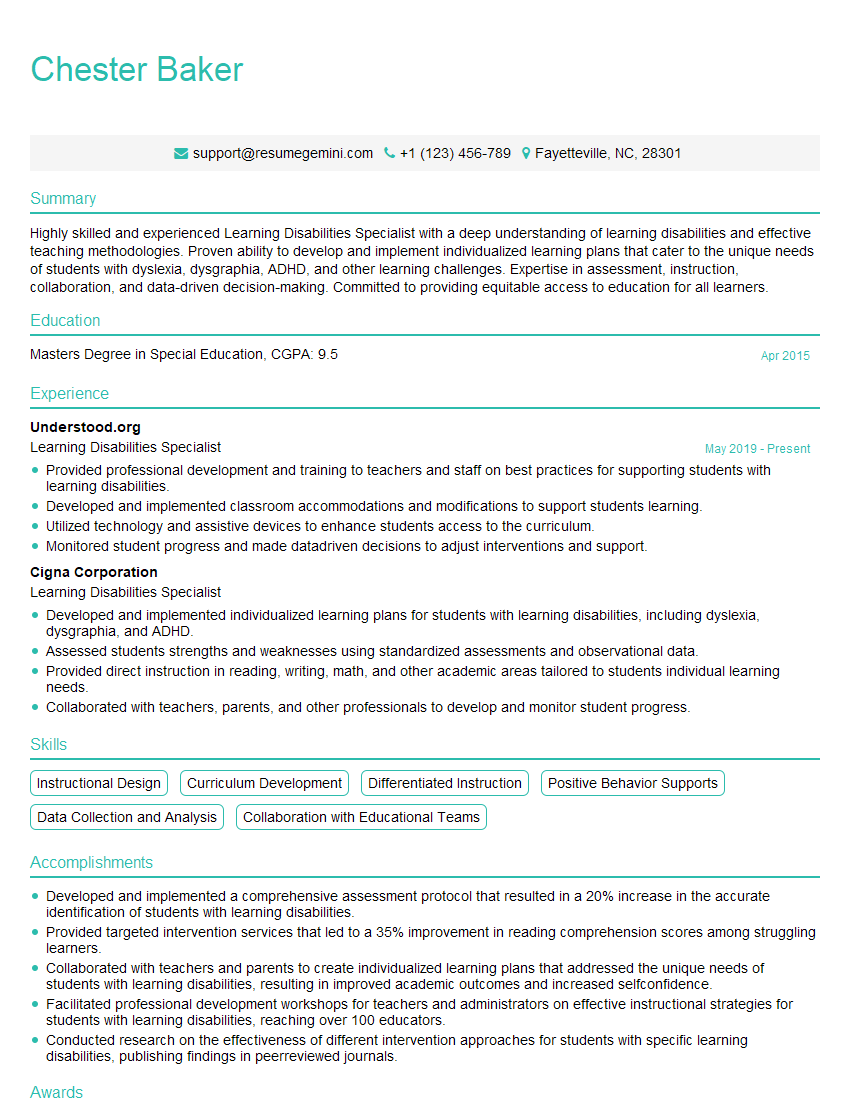
Learning Disabilities Specialist Resume Sample
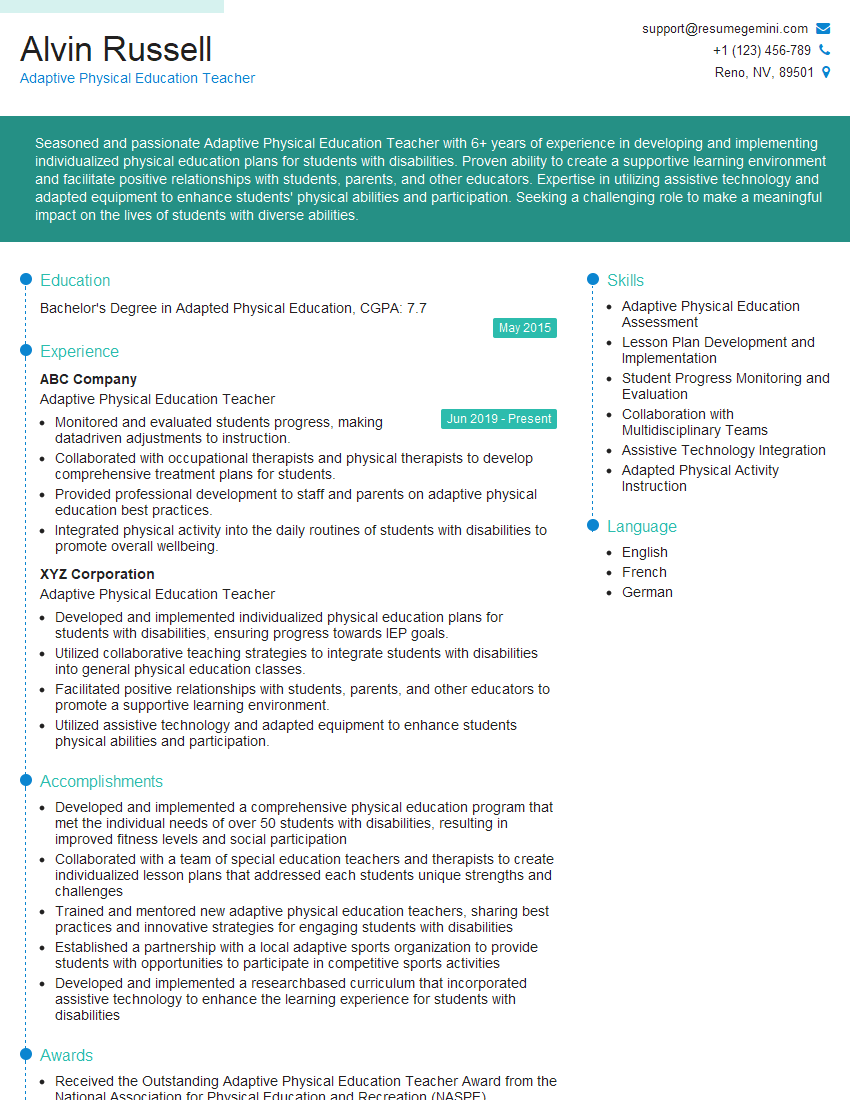
Adaptive Physical Education Teacher Resume Sample
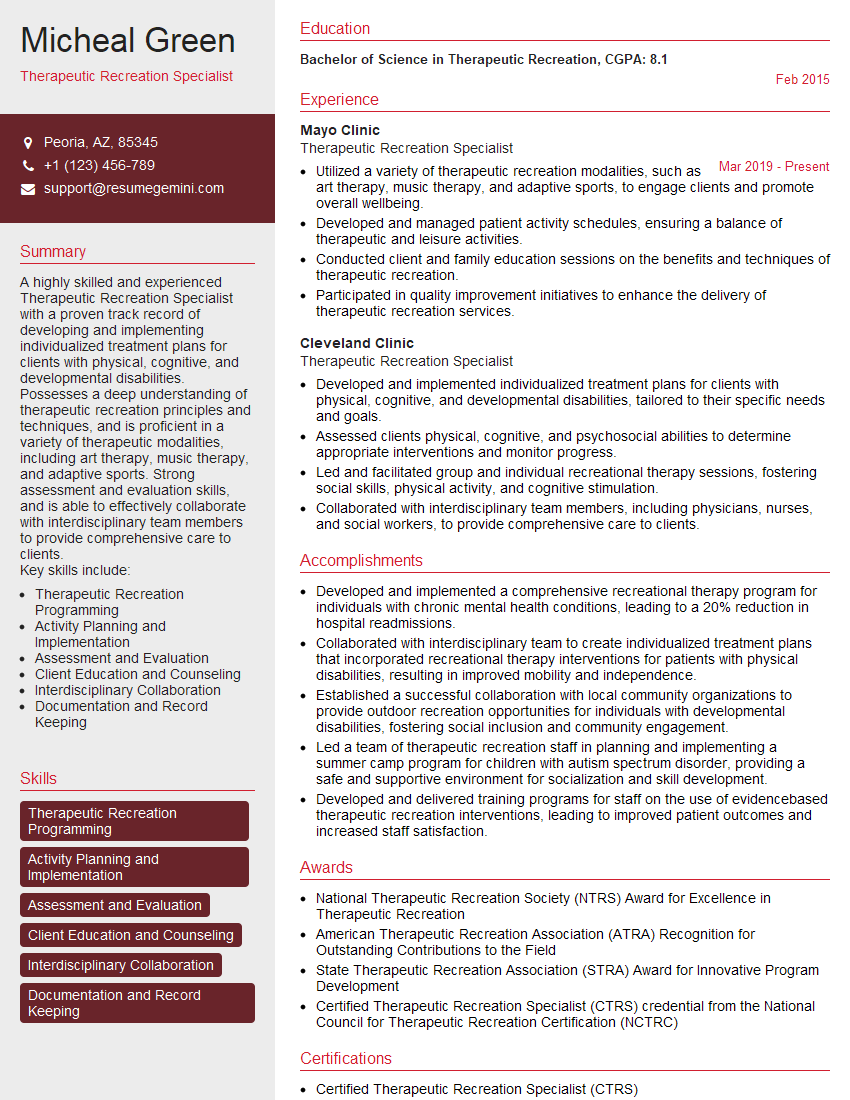
Therapeutic Recreation Specialist Resume Sample
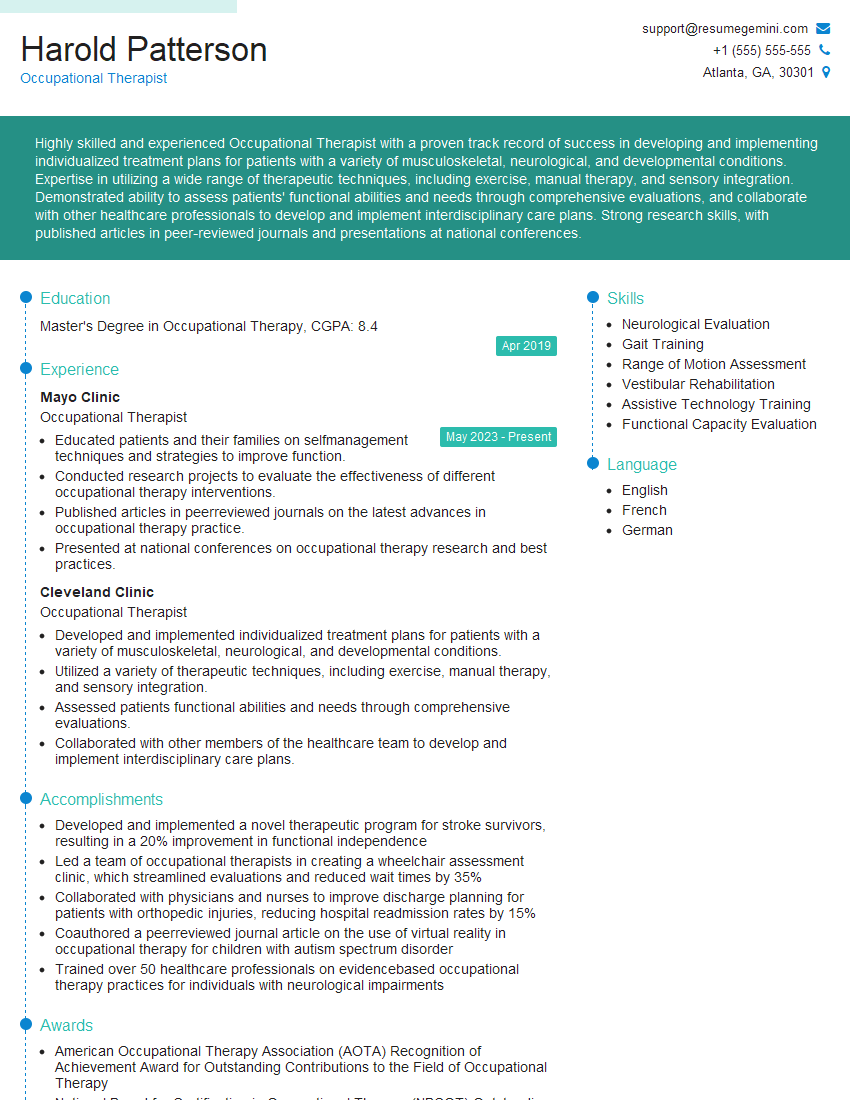
Occupational Therapist Resume Sample
- Special Education Administrator
- Educational Psychologist
- Behavior Specialist
- School Psychologist
- Rehabilitation Counselor
- Early Intervention Specialist
- Special Education Teacher
- Speech-Language Pathologist
- Learning Disabilities Specialist
- Adaptive Physical Education Teacher
- Therapeutic Recreation Specialist
- Occupational Therapist
Explore more articles
Users Rating of Our Blogs
Share Your Experience
We value your feedback! Please rate our content and share your thoughts (optional).
What Readers Say About Our Blog
I Redesigned Spongebob Squarepants and his main characters of my artwork.
https://www.deviantart.com/reimaginesponge/art/Redesigned-Spongebob-characters-1223583608
IT gave me an insight and words to use and be able to think of examples
Hi, I’m Jay, we have a few potential clients that are interested in your services, thought you might be a good fit. I’d love to talk about the details, when do you have time to talk?
Best,
Jay
Founder | CEO