Are you ready to stand out in your next interview? Understanding and preparing for Stacking and storing paper interview questions is a game-changer. In this blog, we’ve compiled key questions and expert advice to help you showcase your skills with confidence and precision. Let’s get started on your journey to acing the interview.
Questions Asked in Stacking and storing paper Interview
Q 1. What are the optimal stacking methods for different paper sizes and weights?
Optimal stacking methods depend heavily on paper size and weight. Think of it like building a tower – lighter, smaller blocks (paper) are easier to stack high and maintain stability. Heavier, larger sheets require more attention to prevent collapse or damage.
- Smaller, Lighter Papers (e.g., A4, letter): These can be stacked higher, potentially reaching several feet, provided the stack is square and stable. I usually recommend using sturdy pallets or shelving for larger quantities. Re-stacking into smaller batches is advisable for easier handling and preventing damage.
- Larger, Heavier Papers (e.g., poster boards, cardstock): These need a more cautious approach. Smaller stacks are preferable, perhaps no more than a few inches high depending on weight. Using supports like cardboard dividers between stacks prevents bending and warping. Always ensure the base is completely stable before adding more weight.
- Rolls of Paper: Rolls require dedicated storage, often with specialized racking systems that prevent unrolling or damage to the cores. They should be stored horizontally, preferably on their sides to distribute weight evenly.
In all cases, maintaining a square and even stack is crucial. Irregular stacks are more prone to tipping and damage.
Q 2. How do you prevent paper damage during storage?
Preventing paper damage during storage involves understanding the enemy: moisture, extreme temperatures, and pests. Think of it like preserving precious artifacts – you need a controlled environment.
- Climate Control: Consistent temperature and humidity are vital. Avoid storing paper in damp or overly dry locations. Basements are often too humid, while attics can be excessively dry and hot.
- Pest Control: Rodents and insects can cause significant damage. Regular cleaning and pest control measures are essential. Consider using airtight containers for particularly valuable paper.
- Proper Stacking: As mentioned before, correct stacking techniques minimize bending, crushing, and warping. Never overload shelves.
- Protective Packaging: For sensitive documents or high-quality paper, using acid-free boxes or archival-quality sleeves can greatly enhance longevity.
- Vertical Storage: For unbound sheets, vertical storage, as opposed to horizontal, reduces pressure on the paper and decreases chances of damage from pressure.
Q 3. Explain your experience with inventory management systems for paper products.
My experience with inventory management systems for paper products includes using both simple spreadsheets and more sophisticated software solutions. I’ve worked with systems that track stock levels, order history, and supplier information. The key is choosing a system appropriate to the scale of operation. For a small office, a spreadsheet might suffice. Larger operations, however, benefit greatly from specialized inventory management software (IMS).
In my previous role, we implemented an IMS that integrated with our purchasing system, automatically generating purchase orders when stock levels dropped below a pre-set threshold. This significantly reduced stock-outs and improved efficiency. The software also provided real-time visibility into our inventory, enabling better forecasting and planning. This allowed us to reduce waste and optimize storage space.
Q 4. Describe your approach to maintaining a safe and organized paper storage area.
Maintaining a safe and organized paper storage area is paramount. It’s all about creating a system that’s both efficient and prevents accidents. I approach this by applying the 5S methodology (Sort, Set in Order, Shine, Standardize, Sustain):
- Sort: Regularly clear out outdated or unnecessary paper. Implement a document retention policy.
- Set in Order: Organize the storage space logically. Use clearly labeled shelves, racks, and bins. Frequently accessed items should be easily accessible.
- Shine: Keep the area clean and free of dust and debris. Regular cleaning is important to prevent mold and pests.
- Standardize: Establish clear procedures for receiving, storing, and retrieving paper. This ensures consistency and avoids confusion.
- Sustain: Make these practices a habit. Regular audits will maintain the organized and efficient system.
Adequate lighting and clear pathways are also important safety features to prevent trips and falls.
Q 5. What safety precautions do you follow when stacking and handling large quantities of paper?
Safety is paramount when handling large quantities of paper. Think of it like handling any large load—careful planning and execution are key.
- Proper Lifting Techniques: Always use appropriate lifting techniques to prevent back injuries. For large or heavy quantities, use material handling equipment like pallet jacks or forklifts.
- Stable Stacking: Ensure that stacks are stable and not likely to topple. Avoid uneven or overhanging stacks.
- Protective Gear: Consider using gloves to avoid paper cuts, especially when handling large quantities of paper.
- Floor Safety: Maintain a clean and clutter-free floor to prevent slips, trips, and falls.
- Teamwork: For very large or heavy loads, teamwork is crucial. Communicate clearly during lifting and moving operations.
Q 6. How would you handle a damaged or mislabeled package of paper?
Handling damaged or mislabeled packages requires a methodical approach. My first step is always to assess the extent of the damage.
- Assessment: Examine the package for the extent of any damage. Is the paper damaged? Is the packaging compromised?
- Documentation: Thoroughly document the damage, including photos if needed. Note the quantity affected, the type of damage and the contents if they are visible.
- Segregation: Isolate the damaged package from undamaged inventory to prevent further damage or contamination.
- Notification: Notify the appropriate personnel (e.g., supervisor, supplier) and initiate any necessary returns or replacements.
- Corrective Action: Investigate the cause of the damage to prevent future occurrences. This might involve improving packaging, transportation methods, or storage procedures.
For mislabeling, the process is similar. Thorough documentation and notification are key, with an emphasis on accurate re-labeling if possible.
Q 7. What are the common causes of paper degradation and how can they be prevented?
Paper degradation is primarily caused by environmental factors and poor handling. Think of it like the aging process – you can slow it down, but you can’t stop it completely.
- Moisture: Exposure to humidity leads to mold, mildew, and weakening of the fibers. This is a primary cause of paper degradation.
- Light Exposure: UV light causes fading and deterioration of paper fibers, especially in color prints.
- Temperature Fluctuations: Extreme temperature changes can cause paper to become brittle and crack.
- Acidic Materials: Contact with acidic materials can accelerate deterioration. Acid-free storage materials can help prevent this.
- Pests: Insects and rodents can damage paper directly through chewing or indirectly by introducing moisture and fungi.
Prevention involves controlling humidity and temperature, minimizing exposure to light, and using acid-free storage materials. Regular inspections and pest control are also crucial.
Q 8. How familiar are you with different types of paper and their storage requirements?
Understanding the diverse types of paper and their specific storage needs is crucial for maintaining quality and preventing damage. Different papers have varying sensitivities to humidity, temperature, and light. For instance, archival-quality papers, often used for important documents or artwork, require a cool, dry, and dark environment to prevent degradation. Their storage might involve acid-free boxes and climate-controlled rooms. Conversely, standard printing paper, while less sensitive, still benefits from being stored in a dry place, away from direct sunlight to avoid discoloration or yellowing. Different paper weights also impact storage – heavier stocks require more robust shelving to prevent bending or damage. I’m familiar with various paper types, including coated and uncoated, bond paper, cardstock, specialty papers, and understand their specific environmental requirements.
- Archival Paper: Acid-free boxes, climate-controlled storage, low humidity.
- Printing Paper: Dry, stable temperature, away from direct sunlight.
- Cardstock: Sturdy shelving to avoid bending.
Q 9. Describe your experience with using pallet jacks or forklifts for moving paper.
My experience with pallet jacks and forklifts in the context of paper handling involves safe and efficient movement of large quantities of paper. I’m proficient in operating both, always prioritizing safety protocols. This includes properly securing the load, ensuring the stability of the pallets, and maintaining awareness of my surroundings to prevent accidents. I understand the weight limits of both equipment and the importance of proper load distribution to avoid tipping or damage to the paper. For example, I’ve used a pallet jack to move smaller stacks of paper within a warehouse, while a forklift was necessary for transporting large pallets to and from loading docks. Knowing the weight and dimensions of a load is crucial to select the appropriate equipment and avoid damage. I’ve trained numerous colleagues in the safe and effective operation of these machines, stressing the importance of pre-shift checks and adherence to all safety regulations.
Q 10. How do you ensure the efficient flow of paper within a warehouse?
Efficient paper flow within a warehouse relies on well-defined processes and effective space management. This involves strategic placement of incoming and outgoing paper, clear labeling, and a well-organized racking system. FIFO (First-In, First-Out) inventory management is key. This means the oldest paper is used first, minimizing waste due to obsolescence or spoilage. Clear pathways should be maintained to ensure easy movement of pallets and reduce congestion. Implementing a barcode scanning system for tracking and managing inventory adds to efficiency. In my previous role, we implemented a Kanban system which signaled restocking needs based on consumption rate, minimizing excess storage and optimizing space.
Q 11. What is your experience with paper recycling programs?
I have extensive experience with paper recycling programs. My involvement has ranged from understanding the different paper grades (e.g., mixed paper, corrugated cardboard) accepted by recycling facilities, to overseeing the segregation of paper waste within the warehouse, to ensuring that the recycling process is both environmentally and cost-effective. We’ve partnered with local recycling companies, negotiating contracts that meet our needs while supporting sustainable practices. I’ve also been involved in educational initiatives to increase awareness of proper recycling procedures amongst our staff, reducing contamination and maximizing recycling rates. Tracking the tonnage of recycled materials and evaluating the cost savings and environmental impact are also key components of my responsibilities in this area.
Q 12. How would you handle a situation where there is insufficient storage space for paper?
Insufficient storage space requires a multi-pronged approach. First, a thorough inventory audit identifies slow-moving or obsolete paper that can be disposed of or recycled, freeing up space. Second, optimizing existing storage by maximizing vertical space using higher racking systems and improving organization can significantly increase capacity. Third, re-evaluating the purchasing strategy to order smaller, more frequent deliveries, instead of large bulk orders that require extensive storage space is crucial. Finally, exploring off-site storage options, like renting external warehousing space could be a viable solution. Prioritizing the storage of frequently used items in readily accessible areas should also be a part of the plan.
Q 13. Describe a time you improved the efficiency of a paper handling process.
In a previous role, we faced delays in the order fulfillment process due to inefficient paper retrieval methods. The warehouse layout was disorganized, leading to significant time wasted searching for specific paper types. I proposed and implemented a new zoning system, clearly labeling and categorizing all paper stock based on usage frequency and size. We also introduced a color-coded shelving system to further streamline retrieval. This change, combined with retraining staff on the new system, reduced order fulfillment times by 25% and minimized errors. This demonstrated the importance of systematic organization in improving warehouse efficiency.
Q 14. How do you maintain accurate inventory records for paper products?
Accurate inventory records are critical for managing paper products. We use a combination of methods to achieve this. A robust inventory management system, often integrated with our warehouse management system (WMS), is the foundation. This system tracks paper inflows and outflows, allowing real-time monitoring of stock levels. Regular physical inventory counts are conducted to validate the accuracy of the system and identify any discrepancies. Barcode or RFID tagging provides fast and accurate identification of each pallet or box. Regular reporting and analysis are essential to spot trends, identify potential stockouts, and adjust purchasing accordingly. This multi-faceted approach maintains inventory accuracy and supports efficient operational management.
Q 15. What are some common problems encountered in paper storage and how do you address them?
Common problems in paper storage stem from improper handling, inadequate environmental control, and poor organization. For instance, humidity can cause warping and mildew, while improper stacking leads to collapse and damage. I address these by implementing a multi-pronged approach:
Environmental Control: Maintaining a stable temperature and humidity level (ideally around 70°F and 50% relative humidity) is crucial. This prevents paper from becoming brittle, warped, or susceptible to mold.
Proper Stacking: I ensure that stacks are not too tall or unstable, and that weight is evenly distributed. This prevents collapse and keeps the paper in good condition. I use strong shelving and avoid overloading them.
Pest Control: Regular inspections for pests like insects and rodents are necessary. Any infestation needs to be addressed immediately, potentially requiring professional pest control services.
Regular Audits: Periodic checks of the storage area allow for early detection of any issues, ensuring timely intervention and preventing significant damage.
For example, in a previous role, we experienced a significant humidity spike that led to warping in several boxes of archived documents. By implementing improved climate control and rotating the stock, we mitigated further damage and prevented the problem from recurring.
Career Expert Tips:
- Ace those interviews! Prepare effectively by reviewing the Top 50 Most Common Interview Questions on ResumeGemini.
- Navigate your job search with confidence! Explore a wide range of Career Tips on ResumeGemini. Learn about common challenges and recommendations to overcome them.
- Craft the perfect resume! Master the Art of Resume Writing with ResumeGemini’s guide. Showcase your unique qualifications and achievements effectively.
- Don’t miss out on holiday savings! Build your dream resume with ResumeGemini’s ATS optimized templates.
Q 16. What is your understanding of FIFO (First-In, First-Out) inventory management?
FIFO, or First-In, First-Out, is a crucial inventory management system that ensures the oldest items are used or processed first. In the context of paper storage, this means that the oldest documents are the ones accessed and moved first, preventing them from becoming lost or forgotten at the bottom of a stack. Think of it like a queue; the first one in line is the first one served.
Implementing FIFO in paper storage involves using clearly marked dates on boxes or shelves, along with a system for tracking document intake and retrieval. This could involve simple labeling or a more sophisticated database tracking the movement of documents. Proper FIFO management helps reduce waste, improve efficiency by prioritizing time-sensitive documents, and prevents older documents from deteriorating needlessly.
Q 17. Explain the importance of proper labeling and organization in paper storage.
Proper labeling and organization are paramount for efficient paper storage. They facilitate quick retrieval of documents, reduce searching time, and prevent the loss or misplacement of important information. Imagine searching for a needle in a haystack – that’s what an unorganized paper storage area feels like.
Clear and Consistent Labeling: Each box or file should be clearly labeled with the contents, date, and any relevant identifier. Using a standardized labeling system ensures consistency and ease of understanding. For instance, a system like “Project X – Documents – 2023-Q3” provides a clear and concise description.
Logical Organization: Documents should be organized according to a logical system, such as chronological order, project, client, or department. This makes it easy for anyone to find what they’re looking for.
Color-Coding: Using color-coded labels can further enhance organization and make it easier to visually identify different categories of documents.
In a previous project managing a large archive, we implemented a color-coded system based on the client. This dramatically reduced search time and improved overall efficiency.
Q 18. How do you prioritize tasks when managing multiple paper handling responsibilities?
Prioritizing tasks when handling multiple paper-related responsibilities involves a structured approach. I typically use a combination of methods:
Urgency and Importance Matrix: I categorize tasks based on their urgency and importance. Urgent and important tasks take priority, while less urgent and important tasks can be scheduled later. This helps prevent overwhelming the workflow and ensures focus on what truly matters.
Time Blocking: Allocating specific time slots for particular tasks allows for focused work and prevents distractions. This is particularly useful when dealing with multiple concurrent projects.
Delegation: If possible, I delegate tasks that can be handled by others, freeing up time to focus on more critical responsibilities.
For example, if I had urgent requests for specific client files and also a large archiving project, I would prioritize the client requests due to their immediate urgency. The archiving project, while important, can be tackled systematically using time blocking techniques.
Q 19. Describe your experience with using different types of shelving units for paper.
My experience spans various shelving units, each with its own advantages and disadvantages:
Mobile Shelving: Ideal for large archives where space is a constraint, offering high capacity and easy access through movable units. However, they require more initial investment.
Fixed Shelving: Simple, cost-effective, and suitable for smaller storage areas. However, it’s less flexible than mobile shelving.
Lateral Filing Cabinets: Excellent for organizing and storing smaller documents, with easy access and protection from dust and damage. They can take up floor space however.
Open Shelving: Provides easy visibility, but offers less protection against dust, humidity, and damage.
The choice of shelving depends heavily on the type of paper, quantity, budget, and available space. For example, in a high-security environment, I’d favor lateral filing cabinets with locking mechanisms. For a large archive with limited space, mobile shelving is generally preferable.
Q 20. How do you ensure the security of sensitive paper documents?
Securing sensitive paper documents requires a layered approach:
Physical Security: Access to storage areas should be restricted, using locks, security systems, and potentially security personnel. Documents should be stored in locked cabinets or secure rooms.
Data Security: When applicable, sensitive information should be shredded or otherwise securely destroyed after its usefulness is over, complying with privacy regulations.
Inventory Control: Maintaining a detailed inventory of all sensitive documents helps track their movement and location, reducing the risk of loss or theft.
Background Checks and Training: Personnel handling sensitive documents should undergo background checks and receive training on security protocols.
For example, in a previous role handling confidential medical records, we used a combination of locked cabinets, access-controlled storage rooms, and a detailed inventory system to ensure the security of the documents.
Q 21. What are the ideal environmental conditions for storing paper to prevent damage?
Ideal environmental conditions for paper storage are crucial in preserving its longevity. Excessive heat, humidity, and light can all lead to deterioration. The best conditions include:
Temperature: A stable temperature between 68-72°F (20-22°C) is recommended. Avoid extreme temperature fluctuations.
Humidity: Relative humidity should be maintained between 40-60%. High humidity can lead to mold growth, while low humidity can cause brittleness.
Light: Direct sunlight and strong artificial light should be avoided, as they can cause discoloration and fading.
Air Circulation: Adequate air circulation is important to prevent the build-up of moisture and mold.
Think of it like preserving a precious artifact – careful environmental control is essential for long-term preservation. Failing to maintain these conditions can lead to irreparable damage, resulting in loss of valuable information.
Q 22. What software or systems have you used to track paper inventory?
Throughout my career, I’ve utilized various software and systems for tracking paper inventory, adapting my approach based on the specific needs of each organization. In smaller settings, simple spreadsheet programs like Microsoft Excel or Google Sheets, often coupled with barcoding, proved sufficient. These allowed for easy tracking of quantities, paper types (e.g., bond, cardstock, specialty papers), and location within the storage area. For larger operations, I’ve implemented more robust Enterprise Resource Planning (ERP) systems and dedicated inventory management software. These systems offer more advanced features such as automated stock alerts, real-time tracking capabilities, and integration with purchasing and shipping processes. For example, in my previous role at a large printing company, we utilized an ERP system that integrated seamlessly with our production scheduling, allowing us to predict paper needs precisely and avoid shortages.
One system I found particularly effective was a cloud-based inventory management solution that included mobile scanning capabilities. This allowed for quick and accurate updates to the inventory database, even from remote locations within the warehouse. This improved accuracy and reduced the time spent on manual data entry.
Q 23. How do you handle discrepancies between physical inventory and recorded inventory of paper?
Discrepancies between physical and recorded inventory are inevitable, but addressing them promptly is crucial. My approach is systematic and involves a multi-step process. First, I conduct a thorough recount of the physical inventory, carefully checking for any damaged or misplaced stock. Next, I compare the physical count with the recorded inventory, identifying the specific differences. Common causes include data entry errors, theft, or damage. I then investigate the root cause of each discrepancy. For example, if there’s a significant shortage of a particular type of paper, I might review recent usage reports to see if there were any unexpected spikes in demand, or I might investigate the possibility of damage or theft.
Once the cause is identified, corrective actions are taken. This might involve updating the inventory records, implementing stricter security measures (e.g., improved access control, security cameras), implementing better stock rotation practices, or retraining staff on inventory procedures. Regular reconciliation of physical and recorded inventory, ideally on a weekly or monthly basis depending on the volume and turnover, is essential to detect and address discrepancies early.
Q 24. What are your strategies for maintaining a clean and organized paper storage area?
Maintaining a clean and organized paper storage area is critical for efficiency, safety, and preventing damage. My strategy revolves around clear labeling, proper stacking techniques, and regular cleaning. Each storage location should be clearly identified with labels indicating the paper type, size, and quantity. I prefer a consistent labeling system using a color-coding scheme for easy visual identification. For example, different colored labels could indicate different paper types, weights or grades.
Proper stacking is essential to prevent collapses and damage. Pallets should be stable, and stacks shouldn’t exceed recommended heights, with consideration given to the paper’s weight and the storage rack’s load capacity. Aisleways need to be kept clear to allow for easy access to stock and to enable equipment like forklifts to maneuver safely. Regular cleaning involves sweeping floors, removing debris, and checking for signs of pest infestation. Regular inspections are conducted to ensure that the organization of the storage area is maintained.
Q 25. Describe your experience working with different types of packaging materials for paper.
My experience encompasses a wide range of packaging materials used for paper storage and transport, each with its own strengths and limitations. I’ve worked extensively with standard corrugated cardboard boxes, ideal for protecting paper from minor impacts and moisture. For heavier or more valuable papers, I’ve utilized reinforced boxes or custom-made crates offering added protection. Shrink wrapping is another technique I’ve employed to create a water-resistant barrier and to secure bundles of paper. For archival-quality papers or those needing exceptional protection from the elements, I’ve used acid-free boxes and archival-quality wraps to minimize degradation over time.
Furthermore, I’m familiar with palletization and the use of stretch film to secure pallets of paper for efficient transport and storage. The choice of packaging material always depends on factors such as the paper’s value, fragility, the intended storage duration, and the environmental conditions.
Q 26. How familiar are you with OSHA regulations related to paper handling and storage?
I am very familiar with OSHA regulations related to paper handling and storage. These regulations prioritize the safety of workers and ensure a safe working environment. Key aspects I focus on include proper stacking procedures to prevent collapses, appropriate use of material handling equipment to avoid injuries, clear aisleways to ensure free movement, and the use of Personal Protective Equipment (PPE) such as gloves and safety shoes, where appropriate. I am aware of weight limits for manual handling and regulations regarding the safe use of forklifts and other machinery. Furthermore, I understand the importance of regularly inspecting storage areas to identify and mitigate potential hazards.
I ensure that all employees are properly trained in safe paper handling and storage procedures, and that safety guidelines are clearly communicated and enforced. Regular safety meetings and training are key to maintaining a safe working environment and adherence to OSHA standards.
Q 27. How do you assess the condition of paper before storing it?
Assessing the condition of paper before storage is crucial to prevent damage and maintain quality. I begin by visually inspecting the paper for any signs of damage such as tears, creases, or discoloration. I check for moisture damage (e.g., warped sheets or mildewed odor) and look for any signs of pest infestation like insect holes or droppings. For valuable or archival papers, a more thorough examination might be necessary, which could include checking the paper’s pH level to assess its acidity.
The goal is to identify and separate any damaged or substandard paper to prevent contamination or damage to other stock. Papers showing signs of damage are stored separately and may be designated for different uses depending on the severity of the damage. Proper handling techniques, including wearing gloves to minimize handling marks, are crucial during this inspection process.
Q 28. What measures do you take to prevent pest infestation in a paper storage area?
Preventing pest infestation in a paper storage area is paramount to protect the paper’s quality and prevent potential damage. My approach employs a multi-pronged strategy emphasizing preventative measures and proactive monitoring. Firstly, maintaining a clean and dry environment is crucial. Regular sweeping, mopping, and removal of debris minimize the attraction of pests. Proper sealing of entry points, such as cracks and gaps in walls and floors, prevents pests from entering the storage area.
Secondly, I utilize preventative measures like pest traps and baits strategically placed throughout the storage area. These need to be checked and replaced regularly. In cases of infestation, I’d engage professional pest control services to implement a safe and effective treatment plan, ensuring compliance with relevant safety and environmental regulations. A regular inspection schedule helps detect early signs of pest activity, allowing for swift intervention and preventing a major infestation.
Key Topics to Learn for Stacking and Storing Paper Interview
- Understanding Paper Types and Properties: Learn about different paper weights, sizes, finishes (coated, uncoated), and their impact on stacking and storage methods. This includes understanding how different paper types react to humidity and temperature.
- Efficient Stacking Techniques: Explore optimal stacking methods to prevent damage, such as alternating directions or using separators. Consider the impact of stack height and weight on stability and potential for collapse.
- Storage Environment and Conditions: Understand the importance of maintaining a climate-controlled environment to prevent warping, moisture damage, and pest infestation. Learn about appropriate shelving, racking, and pallet configurations.
- Inventory Management and Organization: Discuss methods for tracking paper inventory, implementing FIFO (First-In, First-Out) systems, and using labeling techniques for efficient retrieval and stock rotation.
- Safety Procedures and Regulations: Familiarize yourself with workplace safety regulations related to manual handling of heavy paper stacks, forklift operation (if applicable), and preventing workplace injuries.
- Problem-Solving and Troubleshooting: Prepare to discuss scenarios involving damaged paper, inefficient storage practices, or inventory discrepancies. Showcase your analytical skills in identifying root causes and recommending solutions.
- Technology and Automation: Research the role of technology in modern warehousing and paper storage, such as automated stacking systems, inventory management software, and robotic solutions. Discuss potential benefits and challenges.
Next Steps
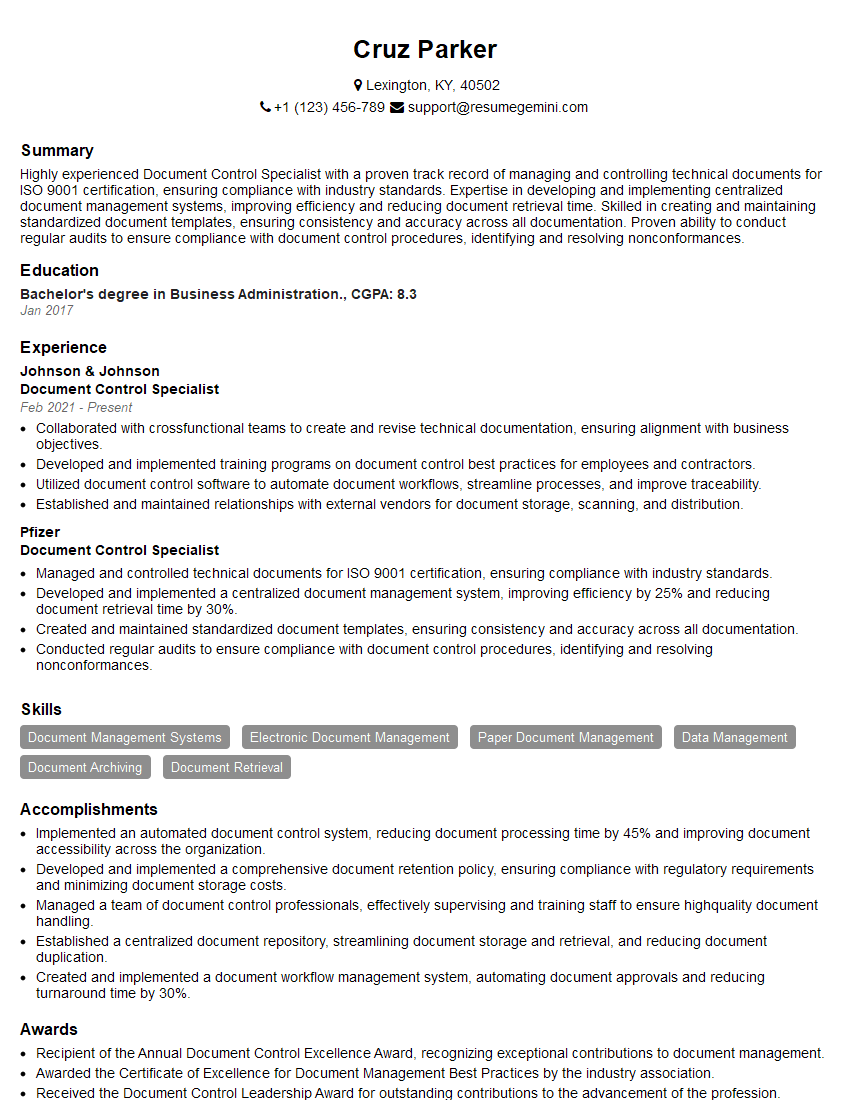
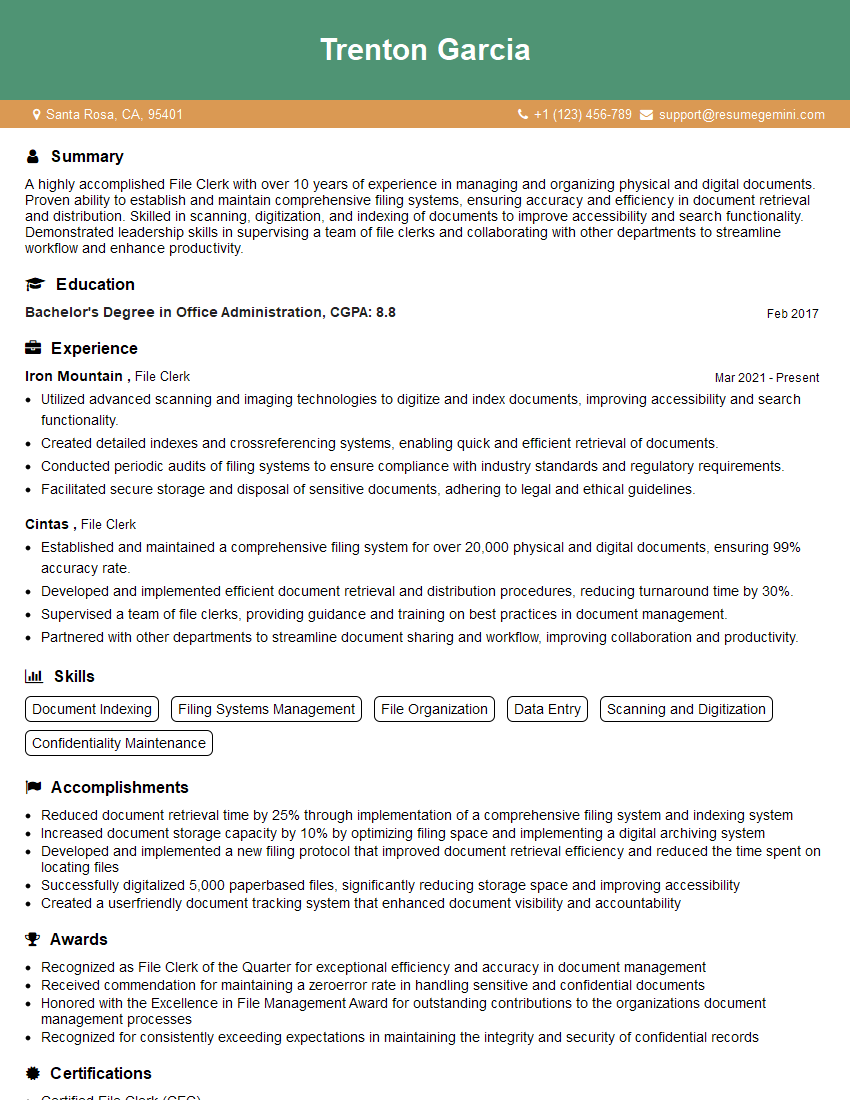
Mastering the art of stacking and storing paper is crucial for success in many roles within logistics, warehousing, and archiving. A strong understanding of these principles demonstrates efficiency, attention to detail, and a commitment to quality. To significantly boost your job prospects, creating an ATS-friendly resume is essential. ResumeGemini is a trusted resource that can help you craft a professional and impactful resume that highlights your skills and experience. ResumeGemini provides examples of resumes tailored to the specifics of stacking and storing paper, ensuring your application stands out.
Explore more articles
Users Rating of Our Blogs
Share Your Experience
We value your feedback! Please rate our content and share your thoughts (optional).
What Readers Say About Our Blog
I Redesigned Spongebob Squarepants and his main characters of my artwork.
https://www.deviantart.com/reimaginesponge/art/Redesigned-Spongebob-characters-1223583608
IT gave me an insight and words to use and be able to think of examples
Hi, I’m Jay, we have a few potential clients that are interested in your services, thought you might be a good fit. I’d love to talk about the details, when do you have time to talk?
Best,
Jay
Founder | CEO