Preparation is the key to success in any interview. In this post, we’ll explore crucial Strong Work Ethic and Reliability interview questions and equip you with strategies to craft impactful answers. Whether you’re a beginner or a pro, these tips will elevate your preparation.
Questions Asked in Strong Work Ethic and Reliability Interview
Q 1. Describe a time you had to meet a tight deadline. What strategies did you use?
Meeting tight deadlines requires a proactive and organized approach. It’s not just about working harder, but working smarter. In one instance, I was tasked with finalizing a critical marketing report for a major product launch, only having three days to complete what typically took a week.
- Prioritization: I immediately broke down the report into smaller, manageable tasks, focusing on the most crucial sections first. This allowed me to achieve significant progress early on and identify any potential roadblocks quickly.
- Time Blocking: I created a detailed schedule, allocating specific time blocks for each task. This helped maintain focus and prevent distractions. I also built in buffer time to account for unforeseen delays.
- Resource Optimization: I leveraged available resources effectively. This included collaborating closely with colleagues who possessed relevant expertise and utilizing project management tools to track progress and identify dependencies.
- Effective Communication: I maintained constant communication with my supervisor, providing regular updates on my progress and highlighting any potential challenges. This ensured transparency and prevented surprises.
Through this combination of strategies, I successfully delivered the report on time and to a high standard, even under intense pressure. The key takeaway was the importance of planning, efficient resource utilization, and clear communication in managing tight deadlines.
Q 2. How do you prioritize tasks when facing multiple deadlines?
Prioritizing tasks with multiple deadlines necessitates a structured approach. I often employ the Eisenhower Matrix (urgent/important), combined with a clear understanding of dependencies between tasks.
- Eisenhower Matrix: I categorize tasks into four quadrants: Urgent & Important (Do First), Important but Not Urgent (Schedule), Urgent but Not Important (Delegate), and Neither Urgent nor Important (Eliminate). This helps me focus on the most critical tasks first.
- Dependency Mapping: Before prioritizing, I identify tasks that depend on others. Completing prerequisite tasks before those that rely on them ensures a smooth workflow. This prevents bottlenecks and maximizes efficiency.
- Time Estimation: Realistic time estimations are crucial. I often overestimate slightly to account for unexpected delays, avoiding the last-minute rush.
- Flexibility: Rigid schedules often fail. I maintain some flexibility to adjust priorities as needed, based on changing circumstances or new information.
This structured approach allows me to effectively manage competing deadlines and ensure consistent progress across all projects. Think of it like a conductor of an orchestra, ensuring each instrument plays its part at the right time for a harmonious outcome.
Q 3. Have you ever had to work with unreliable team members? How did you handle it?
Working with unreliable team members is challenging, but it’s important to address the situation professionally and constructively. In one project, a team member consistently missed deadlines and failed to deliver quality work.
- Direct Communication: I first had a private conversation with the individual, expressing my concerns in a respectful and factual manner. I focused on the impact of their unreliability on the team and project timeline, rather than personal criticisms.
- Collaboration and Support: I explored whether there were underlying reasons for their unreliability. Offering support or identifying obstacles can sometimes resolve the issue.
- Documentation: I kept thorough records of missed deadlines, incomplete tasks, and any communication related to the issue. This documentation served as evidence if further action was required.
- Escalation (if necessary): If direct communication and support proved unsuccessful, I escalated the matter to the project manager, who could intervene and implement appropriate corrective actions.
While it’s difficult, maintaining professionalism and focusing on solutions rather than blame helped navigate this situation. The goal is to address the performance issue without compromising team morale or project success.
Q 4. How do you maintain your focus and productivity during challenging projects?
Maintaining focus and productivity during challenging projects requires a multi-faceted approach that addresses both internal and external factors.
- Clear Goals and Objectives: A well-defined scope helps maintain focus. Frequent review of goals helps track progress and prevent drift.
- Time Management Techniques: Techniques like the Pomodoro Technique (working in focused intervals with short breaks) and time blocking can dramatically improve productivity.
- Minimize Distractions: Creating a distraction-free workspace, turning off notifications, and using website blockers are effective ways to minimize interruptions.
- Self-Care: Adequate sleep, regular exercise, and a healthy diet are essential for sustained focus and energy. Burnout is a real risk during challenging projects.
- Regular Breaks: Taking short breaks throughout the day allows for mental rest and prevents mental fatigue.
Think of it as training for a marathon, not a sprint. Consistent effort, combined with strategic breaks and self-care, leads to sustained productivity and better results in the long run.
Q 5. Describe your approach to time management.
My approach to time management centers around planning, prioritization, and consistent tracking. I don’t believe in rigid schedules, but rather in flexible frameworks adaptable to changing situations.
- Planning and Prioritization: I begin each day/week with a prioritized to-do list, outlining tasks based on urgency and importance. I use tools such as calendars and task management software.
- Time Blocking: I allocate specific time blocks for various tasks, acknowledging that some tasks will require more time than others.
- Regular Reviews: I conduct regular reviews of my progress, adjusting my schedule as necessary based on what’s been accomplished and any new priorities.
- Delegation: When possible, I delegate tasks to others to leverage their skills and free up my time for more critical responsibilities.
This approach allows for flexibility while ensuring that I remain organized and focused on my most important tasks. It’s about adapting to the flow of the day, not rigidly adhering to a pre-set plan.
Q 6. How do you handle unexpected obstacles or setbacks in your work?
Unexpected obstacles are inevitable in any project. My approach emphasizes proactive problem-solving and maintaining a positive attitude.
- Identify the Problem: The first step is to clearly identify the obstacle and its impact on the project.
- Assess Options: I brainstorm potential solutions, considering their feasibility, cost, and impact on the project timeline.
- Choose the Best Solution: Based on my assessment, I choose the most effective solution, considering all factors.
- Implement and Monitor: I implement the chosen solution and monitor its effectiveness, making adjustments as needed.
- Learn from the Experience: After resolving the obstacle, I reflect on the experience, identifying any lessons learned that can be applied to future projects to prevent similar situations.
It’s essential to maintain a positive attitude throughout this process. Viewing obstacles as challenges to overcome, rather than setbacks, can help maintain momentum and project morale.
Q 7. Give an example of a time you went above and beyond your job description.
During a particularly busy period, our team was struggling to meet a crucial deadline for a software release. My role was primarily focused on testing, but I noticed our documentation team was falling behind. This was critical for the smooth rollout of the new software.
While outside my official job description, I volunteered to assist them during my evenings and weekends. I helped them organize the documentation, ensuring it was comprehensive and easy to understand. This extra effort allowed them to catch up and meet the deadline, avoiding a significant delay in the software launch.
This demonstrates my commitment to team success and my willingness to go beyond my defined responsibilities to contribute to the overall goals of the organization. This wasn’t just about completing tasks; it was about ensuring the success of the entire team.
Q 8. How do you ensure the accuracy and quality of your work?
Ensuring accuracy and quality in my work is paramount. My approach is multifaceted and involves a rigorous process from inception to completion. It begins with a thorough understanding of the task at hand, clarifying any ambiguities with stakeholders before proceeding. I then meticulously plan my workflow, breaking down complex tasks into smaller, manageable steps. This allows for better control and identification of potential errors early on. During execution, I employ various checks and balances, such as double-checking calculations, reviewing my work for inconsistencies, and using quality control tools relevant to the specific task. Finally, I always allocate time for a final review before submitting the work, comparing it against the initial requirements and looking for any missed details or errors. Think of it like building a house; you wouldn’t skip inspecting the foundation or the framing before putting on the roof! This systematic approach has consistently resulted in high-quality deliverables and has earned me positive feedback throughout my career.
Q 9. Describe a situation where you had to make a difficult decision under pressure.
In a previous role, we faced an unexpected system failure right before a crucial client deadline. The pressure was immense, as a delayed delivery would have severe consequences. My team was divided on the best course of action; some suggested postponing the deadline, others favored a risky quick fix. After carefully assessing the situation, I proposed a third option: We would implement a temporary workaround to deliver the core functionalities on time, while simultaneously working on a permanent solution. This approach minimized the immediate risk to the client while ensuring we addressed the root cause of the problem. It required me to make tough choices about resource allocation and prioritizing tasks, but ultimately, we successfully delivered a functional product on time, mitigating potential damage to our reputation and maintaining client trust. This situation taught me the importance of clear thinking, decisive action, and effective communication under pressure.
Q 10. How do you handle criticism or feedback on your work?
I view criticism and feedback as invaluable opportunities for growth and improvement. I actively seek feedback, understanding that it’s not personal but rather an opportunity to refine my skills and processes. My approach is to listen attentively, ask clarifying questions to understand the perspective fully, and then thoughtfully consider the feedback. I don’t get defensive; instead, I focus on what I can learn from the critique. For example, if feedback points to a flaw in my methodology, I analyze it, identify the root cause, and implement corrective measures to prevent similar issues in the future. Constructive criticism fuels my commitment to continuous improvement, ultimately leading to better work outcomes. I believe that embracing feedback is a vital aspect of professional development and personal growth.
Q 11. How do you stay motivated and engaged in your work?
Staying motivated and engaged in my work stems from a genuine passion for what I do and a commitment to continuous learning. I find intrinsic motivation in tackling challenges and seeing projects through to successful completion. To maintain engagement, I diversify my tasks to avoid monotony, seek out opportunities to learn new skills, and celebrate both individual and team accomplishments. Setting realistic goals and breaking down large projects into smaller, achievable milestones also helps to maintain momentum and a sense of progress. Furthermore, I believe in fostering a positive work environment through collaboration and teamwork. Helping colleagues and contributing to a shared success boosts my own motivation and job satisfaction. It’s like running a marathon; you need to pace yourself, find your rhythm, and focus on the finish line to stay the course.
Q 12. Describe your approach to problem-solving.
My approach to problem-solving is systematic and analytical. I typically follow a structured process: First, I clearly define the problem, gathering all relevant information and considering different perspectives. Then, I brainstorm potential solutions, considering both short-term and long-term implications. I then evaluate each solution based on feasibility, cost, and effectiveness, using data and evidence to support my decisions. Once a solution is chosen, I develop an action plan with clear steps, timelines, and responsibilities. I monitor the progress closely and make adjustments as needed. Finally, I document the entire process, including the problem, the solution, and the results, to learn from the experience and improve future problem-solving efforts. Think of it as a scientific experiment; you hypothesize, test, analyze, and refine your approach based on the results.
Q 13. How do you handle conflicting priorities?
Handling conflicting priorities requires effective prioritization and time management skills. I use a combination of techniques, including creating a prioritized task list based on deadlines, importance, and impact. I also utilize time-blocking to allocate specific time slots for high-priority tasks and proactively communicate with stakeholders to manage expectations and negotiate deadlines when necessary. For example, if I have multiple urgent tasks, I use a matrix to categorize them based on urgency and importance, allowing me to focus on the most critical tasks first. This systematic approach ensures that I address the most crucial tasks while keeping other commitments in sight. Clear communication is key to avoiding misunderstandings and ensuring everyone is on the same page.
Q 14. How do you learn new skills and adapt to changes in the workplace?
I am a strong believer in continuous learning and adaptation. To learn new skills, I leverage various resources, including online courses, workshops, and mentorship opportunities. I actively seek out challenges that push me beyond my comfort zone and allow me to develop new competencies. I also embrace changes in the workplace as opportunities for growth and improvement. When faced with a new technology or process, I dedicate time to understanding the underlying principles and actively seek guidance from colleagues or experts. My adaptability stems from a willingness to learn and a proactive approach to acquiring new skills. The ability to adapt and learn new skills is essential in today’s rapidly evolving work environment.
Q 15. How do you contribute to a positive team environment?
Contributing to a positive team environment is crucial for productivity and overall success. It’s about fostering collaboration, mutual respect, and open communication. I believe in actively participating in team discussions, offering constructive feedback, and being supportive of my colleagues.
- Active Listening: I make a conscious effort to listen attentively during team meetings and discussions, ensuring everyone feels heard and valued.
- Collaborative Problem-Solving: I actively participate in brainstorming sessions, offering my expertise and insights while respecting others’ perspectives. I see challenges as opportunities for collective growth.
- Celebrating Successes: Recognizing and celebrating team accomplishments boosts morale and strengthens the sense of camaraderie. I often take the initiative to acknowledge individual and team achievements.
- Open Communication: I maintain clear and open communication, promptly addressing any concerns or conflicts that may arise. I believe in proactive communication to prevent misunderstandings.
For example, in a previous project, I noticed a team member struggling with a particular task. Instead of simply offering a solution, I took the time to understand their challenges and offered collaborative support, leading to a successful completion of the task and strengthened team bonds.
Career Expert Tips:
- Ace those interviews! Prepare effectively by reviewing the Top 50 Most Common Interview Questions on ResumeGemini.
- Navigate your job search with confidence! Explore a wide range of Career Tips on ResumeGemini. Learn about common challenges and recommendations to overcome them.
- Craft the perfect resume! Master the Art of Resume Writing with ResumeGemini’s guide. Showcase your unique qualifications and achievements effectively.
- Don’t miss out on holiday savings! Build your dream resume with ResumeGemini’s ATS optimized templates.
Q 16. Describe a time you had to work independently on a project.
Working independently is a skill I’ve honed over time. It demands strong self-discipline, organizational skills, and the ability to manage time effectively. I had an instance where I was solely responsible for developing a new algorithm for optimizing our company’s internal search engine.
This required me to meticulously plan my approach, set realistic deadlines, and track my progress consistently. I broke down the project into smaller, manageable tasks, prioritizing them based on their dependency and complexity. Regular self-assessments ensured I was on track and allowed for timely adjustments to my schedule if needed. The end result was a successful algorithm implementation that improved search efficiency significantly. This experience highlighted my ability to work autonomously and deliver high-quality results under minimal supervision.
Q 17. How do you handle stress and pressure in the workplace?
Stress and pressure are inevitable in any workplace. My approach to managing them involves a combination of proactive strategies and coping mechanisms.
- Prioritization and Time Management: I use tools like task management software to effectively prioritize tasks and allocate time efficiently. This helps me stay organized and prevents feeling overwhelmed.
- Breaks and Mindfulness: Regular short breaks throughout the day are crucial for maintaining focus and reducing stress. Practicing mindfulness techniques, such as deep breathing, helps me to stay calm and centered.
- Seeking Support: I’m not afraid to reach out to my colleagues or supervisor if I’m feeling overwhelmed. Open communication and collaboration are key to overcoming challenges effectively.
- Healthy Lifestyle: Maintaining a healthy lifestyle, including regular exercise and a balanced diet, significantly contributes to stress resilience.
For example, during a particularly demanding project with tight deadlines, I implemented a strict time-management schedule and scheduled regular breaks for physical activity. This helped me stay focused and deliver quality work without sacrificing my well-being.
Q 18. Describe your experience working in a fast-paced environment.
Fast-paced environments are where I truly thrive. My experience in such settings has honed my ability to adapt quickly, prioritize effectively, and maintain a high level of productivity under pressure.
During my time at [Previous Company Name], I worked on a project requiring the rapid development and deployment of a new software feature. The environment demanded quick decision-making, adaptability, and seamless collaboration with cross-functional teams. Through clear communication, efficient task allocation, and a focus on prioritizing critical tasks, we successfully launched the feature ahead of schedule, exceeding expectations.
I enjoy the dynamism and challenges inherent in fast-paced environments; they allow me to continuously learn and improve my skills.
Q 19. How do you ensure you meet all the requirements of your job description?
Ensuring I meet all job requirements involves a multi-faceted approach focused on understanding, planning, and consistent execution.
- Thorough Understanding: I take the time to thoroughly understand my job description, identifying key responsibilities, performance expectations, and required skills.
- Proactive Planning: I create a personal plan that maps out how I will achieve each requirement. This might involve seeking training, collaborating with colleagues, or establishing a personalized workflow.
- Consistent Self-Assessment: I regularly evaluate my performance against the job description, ensuring I am consistently meeting expectations. This involves seeking feedback and identifying areas for improvement.
- Continuous Learning: I actively pursue opportunities to enhance my skills and knowledge to exceed expectations. This might involve attending workshops, online courses, or pursuing certifications.
For example, I recently identified a skill gap in data analysis that was relevant to my role. I proactively enrolled in an online course to improve my skills, directly benefiting my performance and enabling me to contribute more effectively to my team.
Q 20. How do you track your progress on projects?
Tracking progress on projects is essential for maintaining accountability and ensuring timely completion. My approach involves a combination of tools and techniques.
- Project Management Software: I utilize project management software (e.g., Jira, Asana, Trello) to create task lists, set deadlines, and track progress visually. This provides a clear overview of the project’s status and helps me identify potential roadblocks early on.
- Regular Check-ins: I schedule regular check-ins with my supervisor or team to discuss progress, address challenges, and ensure alignment with project goals.
- Progress Reports: I provide regular progress reports detailing completed tasks, outstanding items, and any potential risks or delays. This maintains transparency and fosters open communication.
- Metrics and Data: Wherever applicable, I use metrics and data to quantify progress. This allows for objective assessment and provides a clear picture of project performance.
For instance, on a recent web development project, I used Jira to track individual tasks, assigning deadlines and monitoring their completion status. This enabled me to identify and address delays proactively, ensuring the project was completed on time and within budget.
Q 21. How do you handle situations where you make a mistake?
Mistakes are inevitable, and how we handle them defines our professionalism and ability to learn. My approach is grounded in transparency, accountability, and a focus on learning and improvement.
- Acknowledge and Own the Mistake: The first step is to acknowledge the mistake and take full responsibility for it. Avoiding blame or shifting responsibility hinders growth.
- Analyze the Root Cause: I thoroughly analyze the situation to identify the root cause of the mistake. This helps prevent similar errors in the future.
- Develop a Corrective Action Plan: I develop a clear plan to correct the mistake and mitigate its impact. This may involve collaborating with colleagues to find solutions.
- Learn and Improve: Finally, I take the time to reflect on the situation, identifying lessons learned and incorporating them into my future work. This fosters continuous growth and improvement.
For example, in a previous role, I inadvertently sent an incorrect email to a client. I immediately acknowledged the error, apologized sincerely, and promptly corrected the information. I then analyzed my workflow to identify where the mistake occurred and implemented a system to prevent similar errors in the future. This experience reinforced the importance of meticulous attention to detail and proactive error prevention.
Q 22. How do you anticipate potential problems in your work?
Anticipating potential problems is crucial for proactive problem-solving and project success. I approach this by employing a systematic process that involves several key steps. First, I thoroughly review project requirements, identifying potential ambiguities or gaps. Second, I leverage my experience to predict common challenges associated with similar projects. Third, I engage in brainstorming sessions with colleagues, encouraging diverse perspectives and identifying potential blind spots. Finally, I create contingency plans addressing these anticipated problems, outlining alternative approaches or solutions should the initial plan encounter difficulties. For example, in a previous project involving software development, I anticipated potential delays in the third-party API integration. I proactively communicated this to the project manager and suggested a parallel task to work on documentation, ensuring we remained on schedule even if the API integration faced unexpected delays. This proactive approach saved the project valuable time and resources.
Q 23. How do you communicate effectively with your colleagues and supervisors?
Effective communication is the cornerstone of teamwork and project success. I believe in clear, concise, and respectful communication, adapting my style to the audience. With colleagues, I favor open and collaborative discussions, utilizing tools like project management software for updates and shared documentation. With supervisors, I maintain regular updates on progress, highlighting achievements and addressing any concerns proactively. I am also a strong listener, ensuring I fully understand the needs and expectations of both colleagues and supervisors before responding. For instance, in a past team project, I noticed a colleague struggling with a particular aspect of the design. Instead of offering unsolicited advice, I initiated a conversation, listened to their concerns, and collaboratively brainstormed solutions. This open dialogue led to a more effective and efficient outcome. With supervisors, I always ensure that my reports are precise, easily understandable, and include all relevant data. This clarity in communication promotes trust and facilitates smoother workflow.
Q 24. Give an example of a time you demonstrated initiative.
During a previous marketing campaign, I noticed a significant drop in engagement on one of our social media platforms. While it wasn’t directly assigned to my role, I recognized the potential impact on the overall campaign’s success. Instead of waiting for instructions, I independently researched the issue, identifying a potential cause in the algorithm changes. I then proposed a revised content strategy and an A/B testing approach to address the drop in engagement. This initiative not only improved engagement on the platform but also demonstrated my proactive problem-solving skills and commitment to the overall campaign goals. This example illustrates my belief that taking initiative often leads to improved results and a more positive working environment.
Q 25. How do you stay organized and manage your workload effectively?
Organization and workload management are paramount to my effectiveness. I utilize a combination of strategies including task prioritization using methods like Eisenhower Matrix (urgent/important), time blocking, and project management tools such as Trello or Asana. I break down large projects into smaller, manageable tasks with clearly defined deadlines. Regularly reviewing my progress and adjusting my schedule as needed ensures that I stay on track and avoid feeling overwhelmed. For example, I might assign specific time slots for focused work on high-priority tasks, interspersed with shorter periods for less demanding tasks. This structured approach ensures both efficiency and effective time management. In addition, I maintain a comprehensive to-do list and actively track my progress, allowing me to visualize workload and adjust accordingly.
Q 26. How do you maintain a positive attitude even when facing challenges?
Maintaining a positive attitude is crucial, even during challenging situations. I approach challenges as opportunities for growth and learning. I focus on problem-solving rather than dwelling on negative emotions. Positive self-talk and celebrating small victories along the way help sustain my motivation. For example, if I encounter a setback, I analyze the situation objectively, identify the root cause, and formulate a plan to overcome it. I also believe in seeking support from colleagues when needed, fostering a collaborative and supportive work environment. This approach allows me to manage stress effectively and stay focused on achieving positive outcomes, even when facing difficult situations. Viewing challenges as opportunities allows for valuable personal and professional growth.
Q 27. How do you demonstrate commitment to your work?
My commitment to my work is reflected in my consistent dedication and proactive approach. This includes going the extra mile to meet deadlines, delivering high-quality work, and consistently seeking improvement in my skills and performance. I demonstrate this through my active participation in team meetings, my willingness to take on new challenges, and my proactive communication with colleagues and supervisors. I am also committed to continuous learning, regularly updating my skills and knowledge to meet the evolving demands of my profession. For example, I volunteered to lead a training session for my team on a new software, demonstrating my commitment to both individual growth and team improvement. This commitment to continuous improvement fosters a positive and productive work environment.
Q 28. Describe a time you had to overcome a significant obstacle to complete a project.
In a previous project, we faced a major setback when our primary data source became unavailable just days before the deadline. This obstacle threatened to derail the entire project. Instead of panicking, I worked collaboratively with the team, exploring alternative data sources. We identified a secondary, less reliable dataset, but with careful data cleansing and validation, we were able to use it to complete the project on time, albeit with a slightly reduced scope. This experience highlighted the importance of adaptability, teamwork, and creative problem-solving under pressure. The successful completion of the project, despite the significant obstacle, strengthened my belief in the power of collaboration and perseverance. This experience also taught me the value of having a backup plan, and now I incorporate risk assessment and mitigation strategies into every project I undertake.
Key Topics to Learn for Strong Work Ethic and Reliability Interview
- Defining a Strong Work Ethic: Understanding what constitutes a strong work ethic beyond simply “hard work,” including aspects like dedication, perseverance, and proactive problem-solving.
- Demonstrating Reliability: Providing concrete examples of how you’ve consistently met deadlines, followed through on commitments, and maintained a high level of dependability in previous roles. This includes showcasing your ability to manage your time effectively and prioritize tasks.
- Practical Application: The STAR Method: Mastering the STAR method (Situation, Task, Action, Result) to structure your responses and provide compelling evidence of your strong work ethic and reliability in past experiences.
- Proactive Problem-Solving: Highlighting instances where you anticipated potential issues and took steps to prevent them, or effectively addressed challenges that arose, demonstrating initiative and responsibility.
- Teamwork and Collaboration: Showcasing your ability to contribute positively to a team environment, be a reliable team member, and support colleagues in achieving shared goals.
- Adaptability and Resilience: Demonstrating your ability to adapt to changing circumstances, overcome setbacks, and maintain a positive attitude in challenging situations. This showcases your resilience and commitment to the task at hand.
- Continuous Learning and Improvement: Highlighting your commitment to self-improvement, seeking feedback, and actively learning new skills to enhance your performance and contribute more effectively.
Next Steps
Mastering the concepts of strong work ethic and reliability is crucial for career advancement. Employers highly value candidates who are dependable and consistently deliver high-quality work. To significantly improve your job prospects, it’s essential to craft a compelling resume that showcases these qualities effectively to Applicant Tracking Systems (ATS). ResumeGemini is a trusted resource that can help you build a professional and ATS-friendly resume, highlighting your strengths and experience in a way that grabs the attention of recruiters. Examples of resumes tailored to emphasize a strong work ethic and reliability are provided to help you get started. Take this opportunity to refine your resume and make a powerful statement to potential employers.
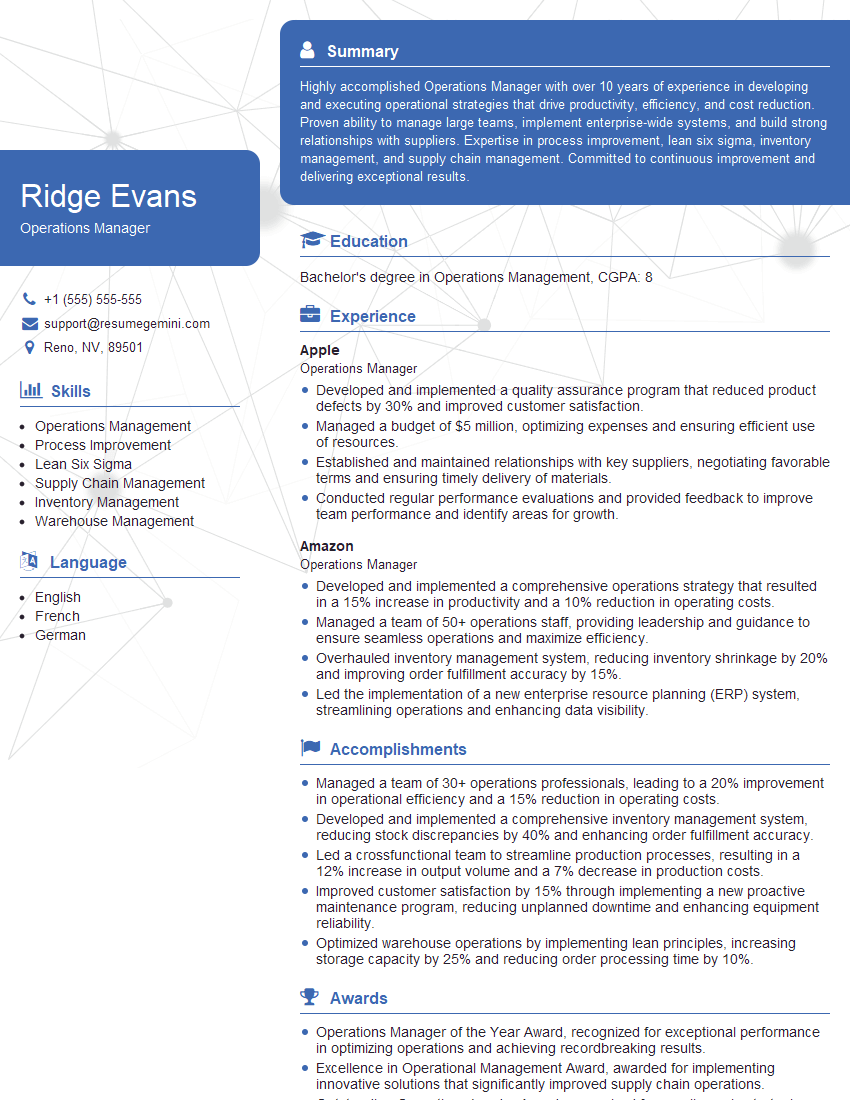
Operations Manager Resume Sample
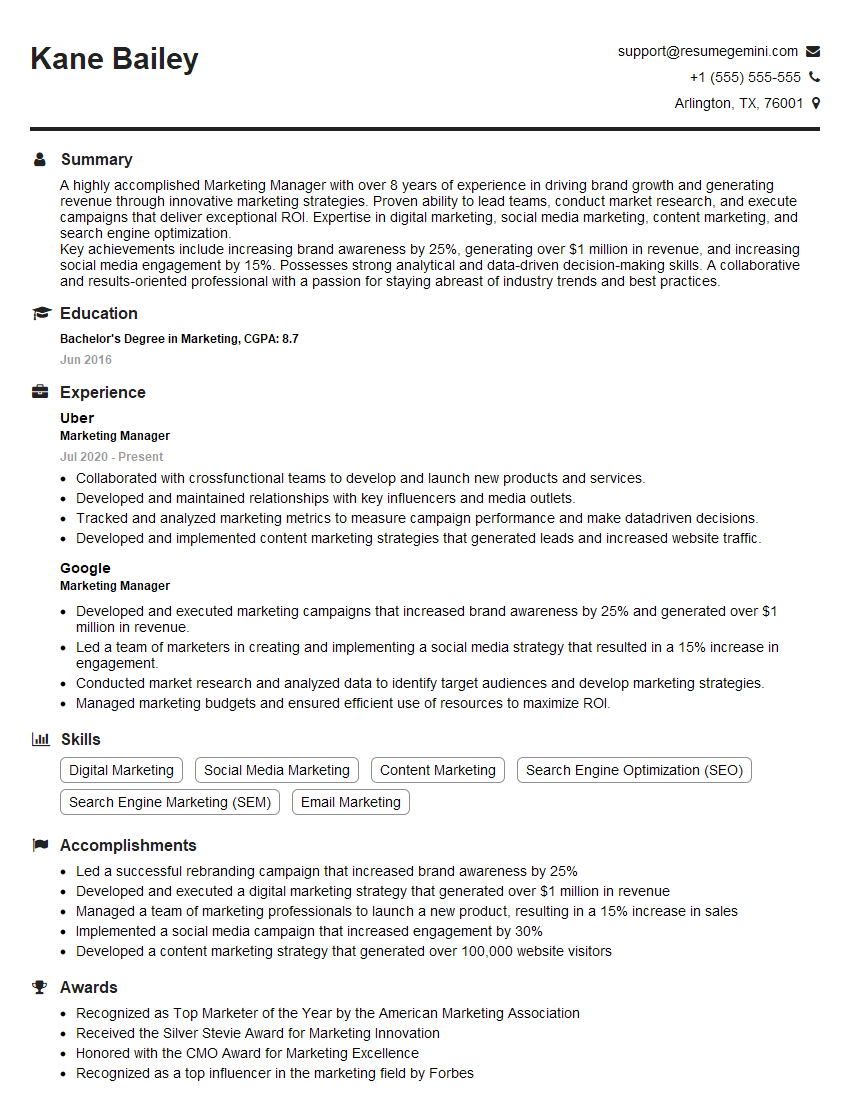
Marketing Manager Resume Sample
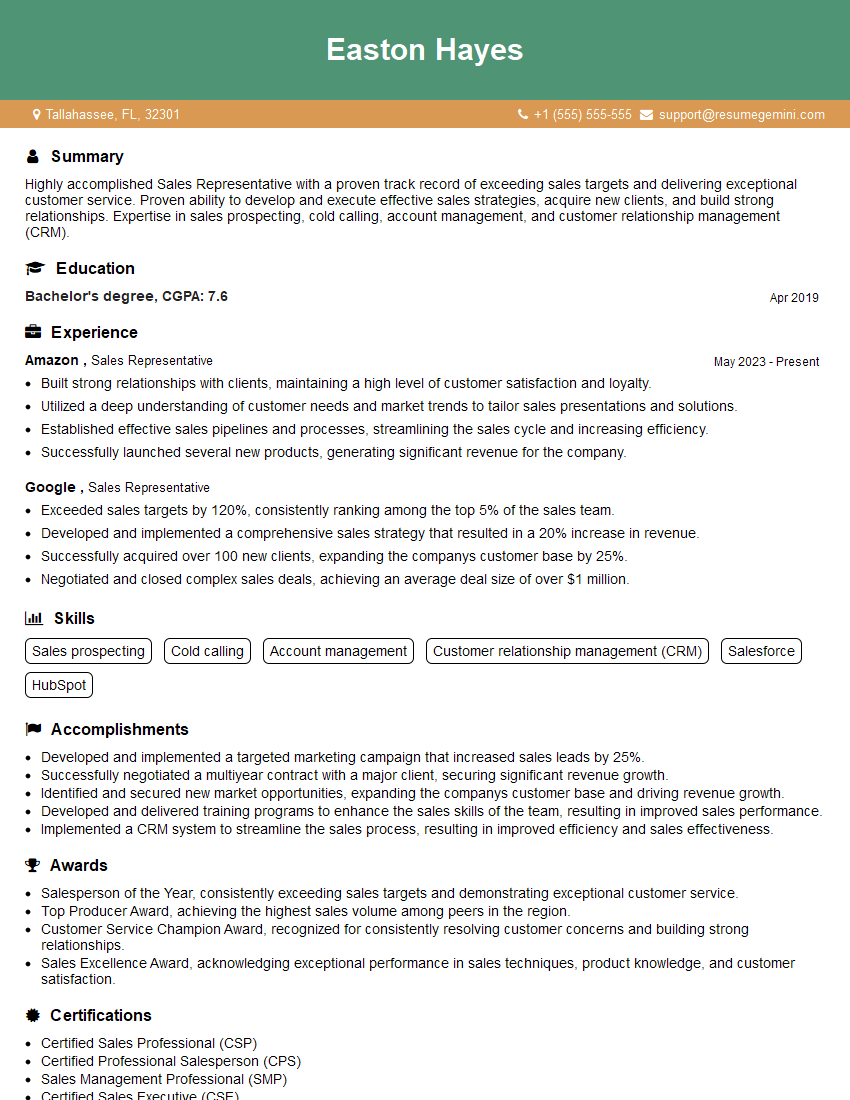
Sales Representative Resume Sample
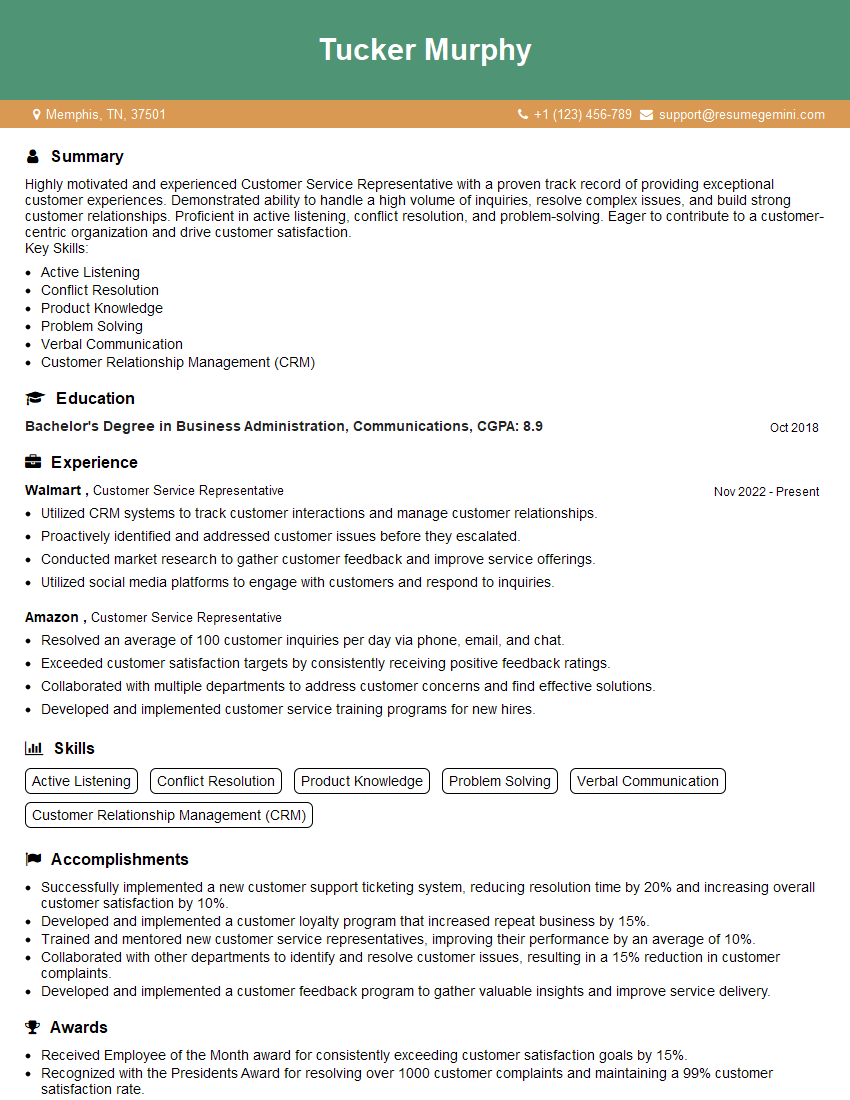
Customer Service Representative Resume Sample
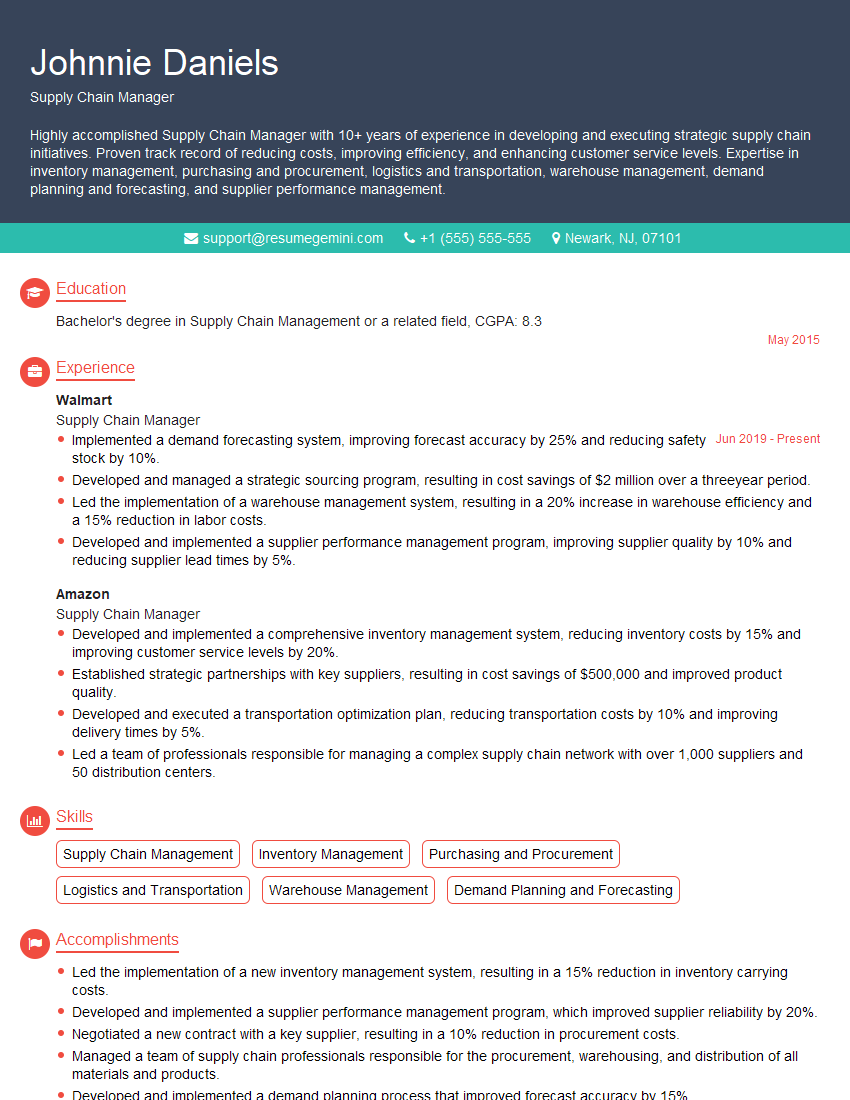
Supply Chain Manager Resume Sample
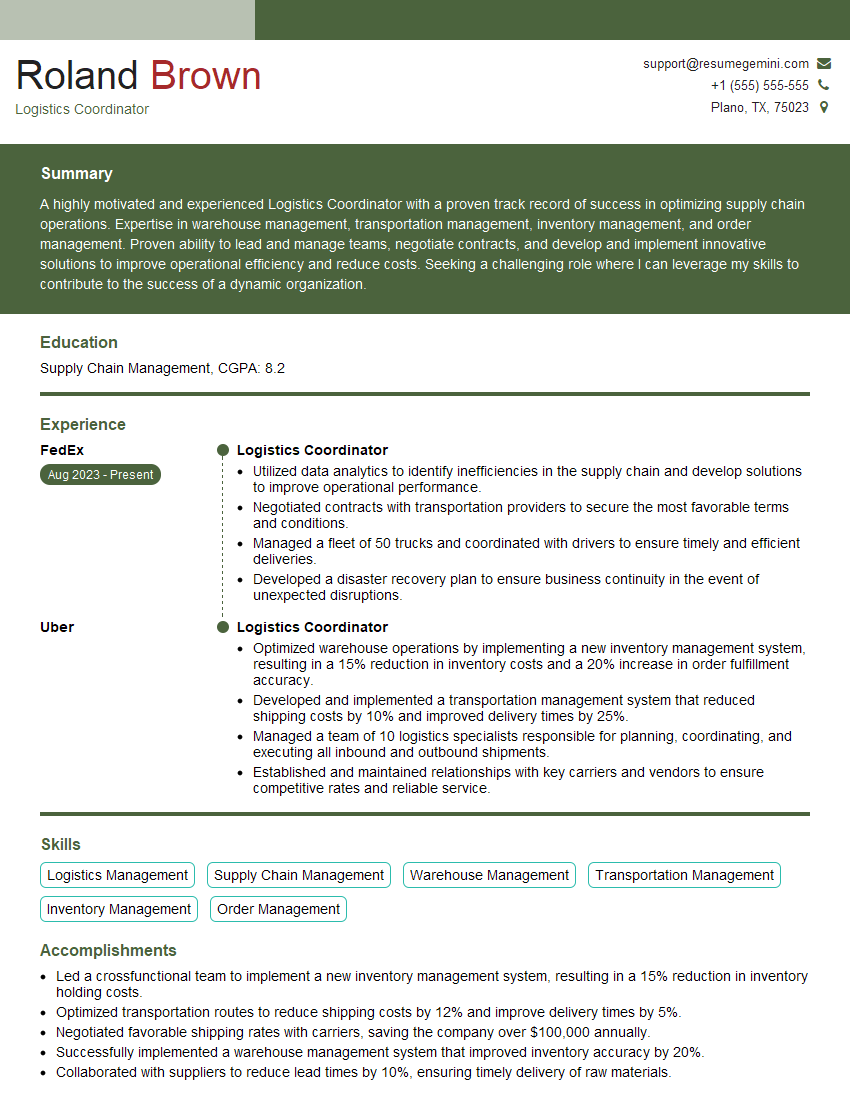
Logistics Coordinator Resume Sample
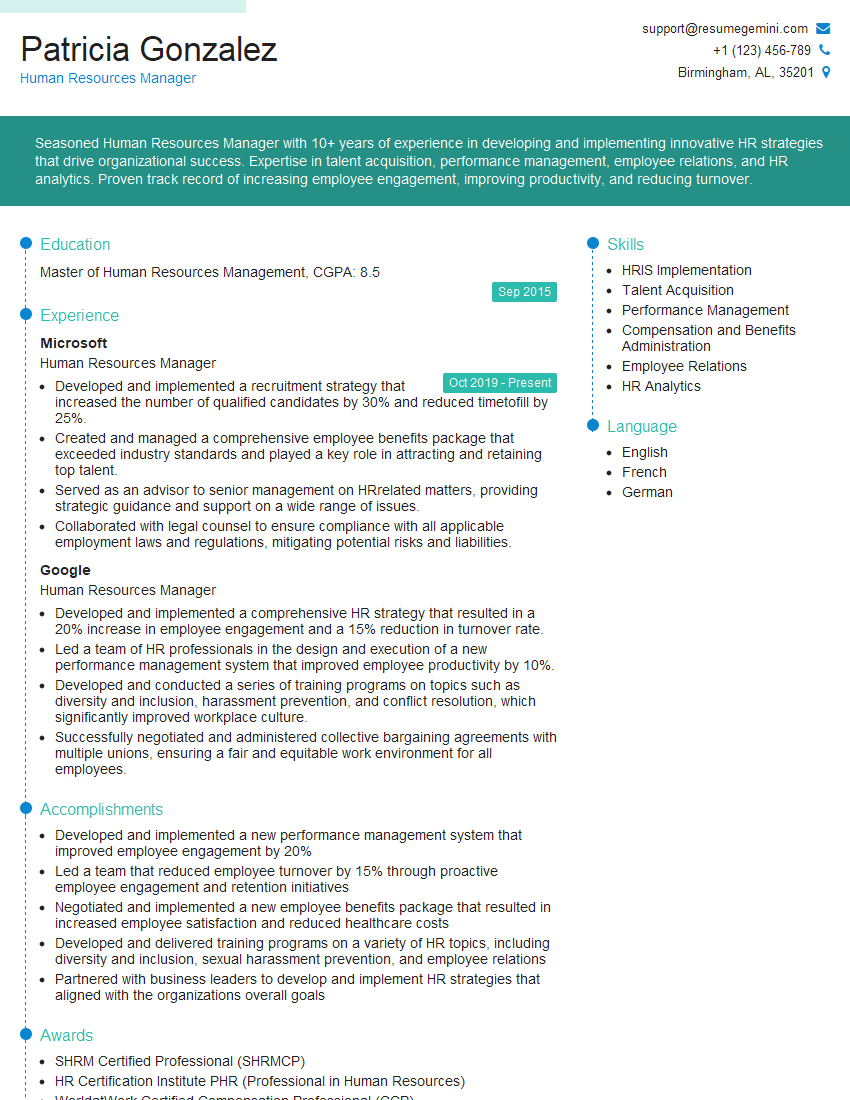
Human Resources Manager Resume Sample
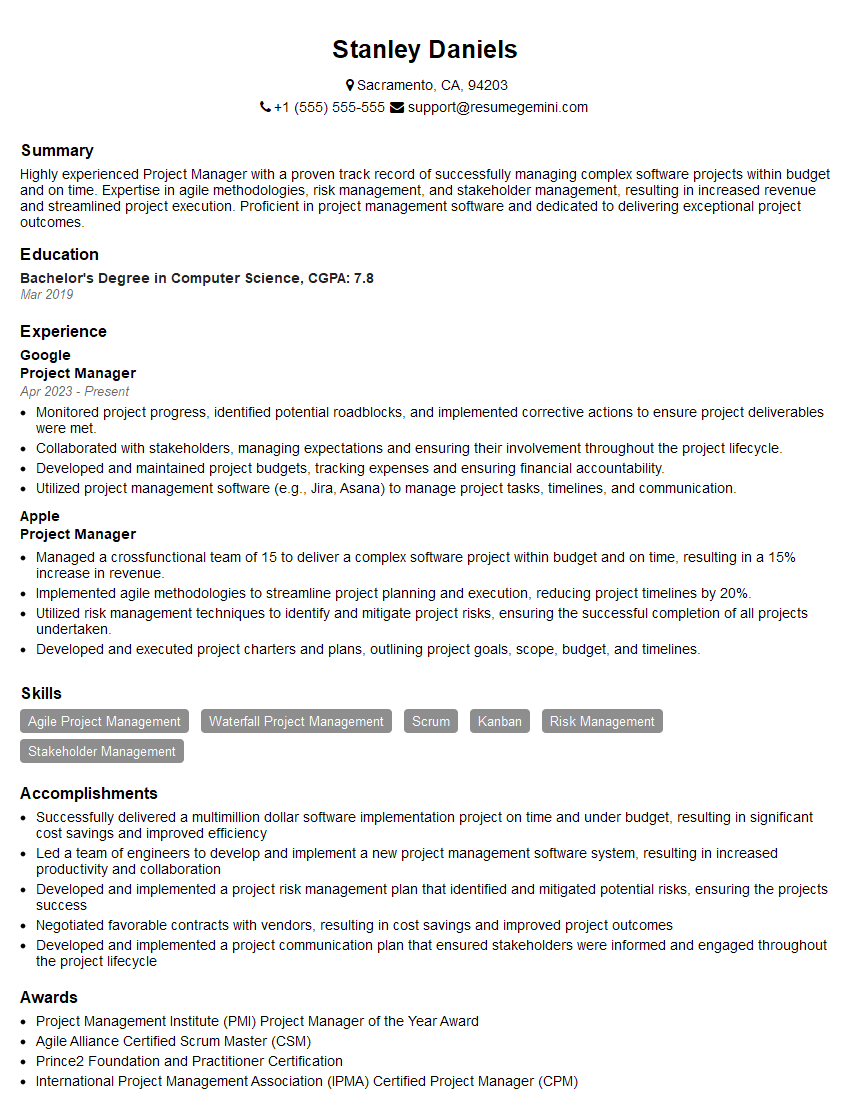
Project Manager Resume Sample
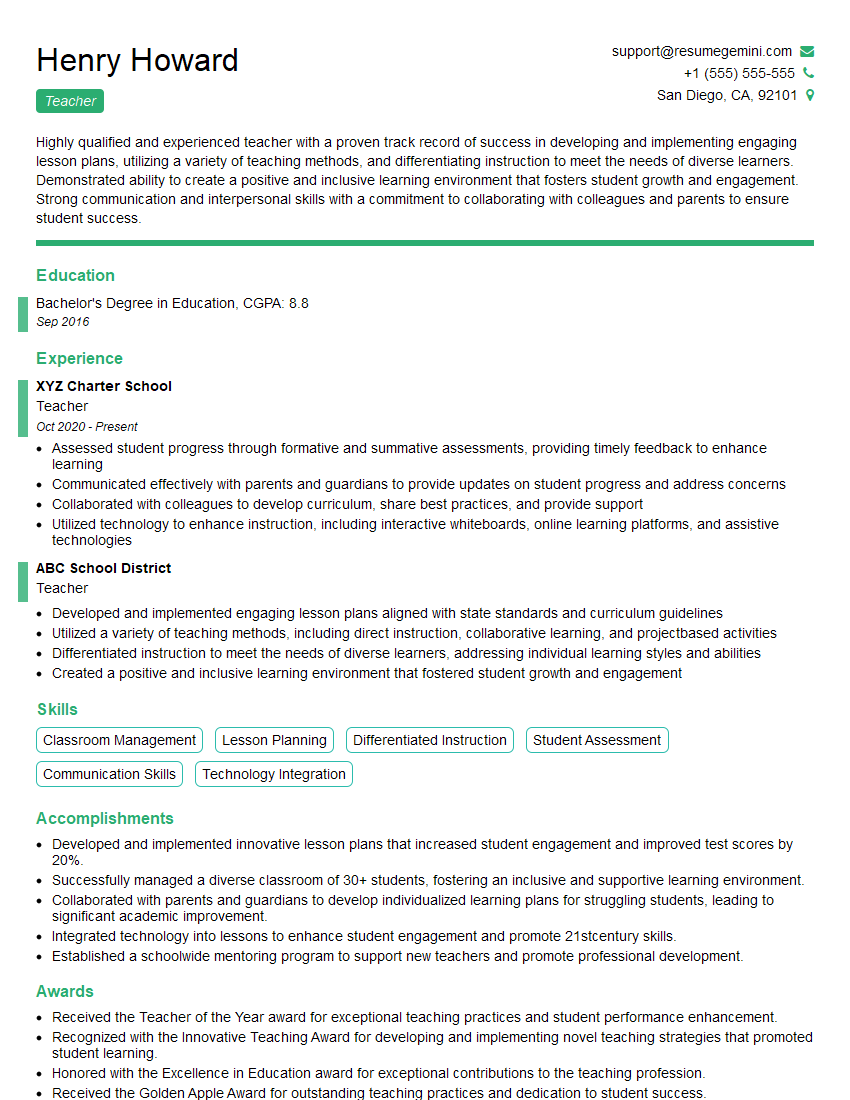
Teacher Resume Sample
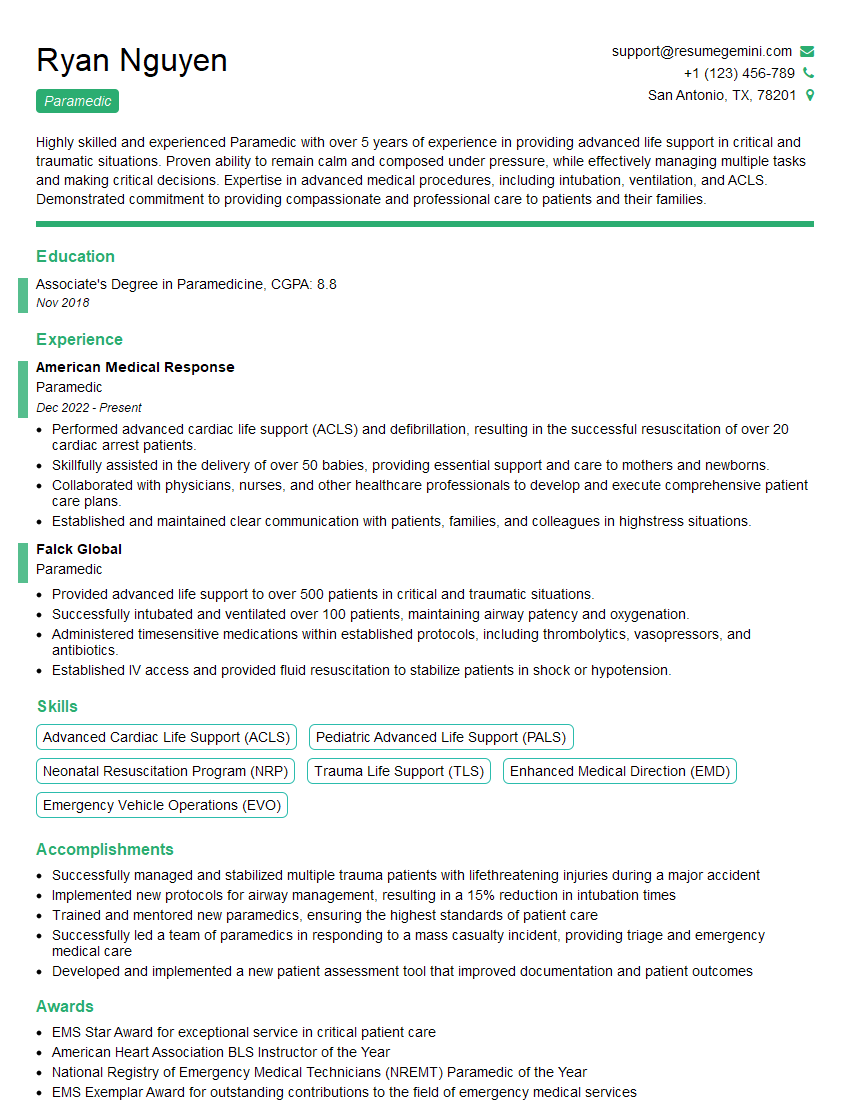
Paramedic Resume Sample
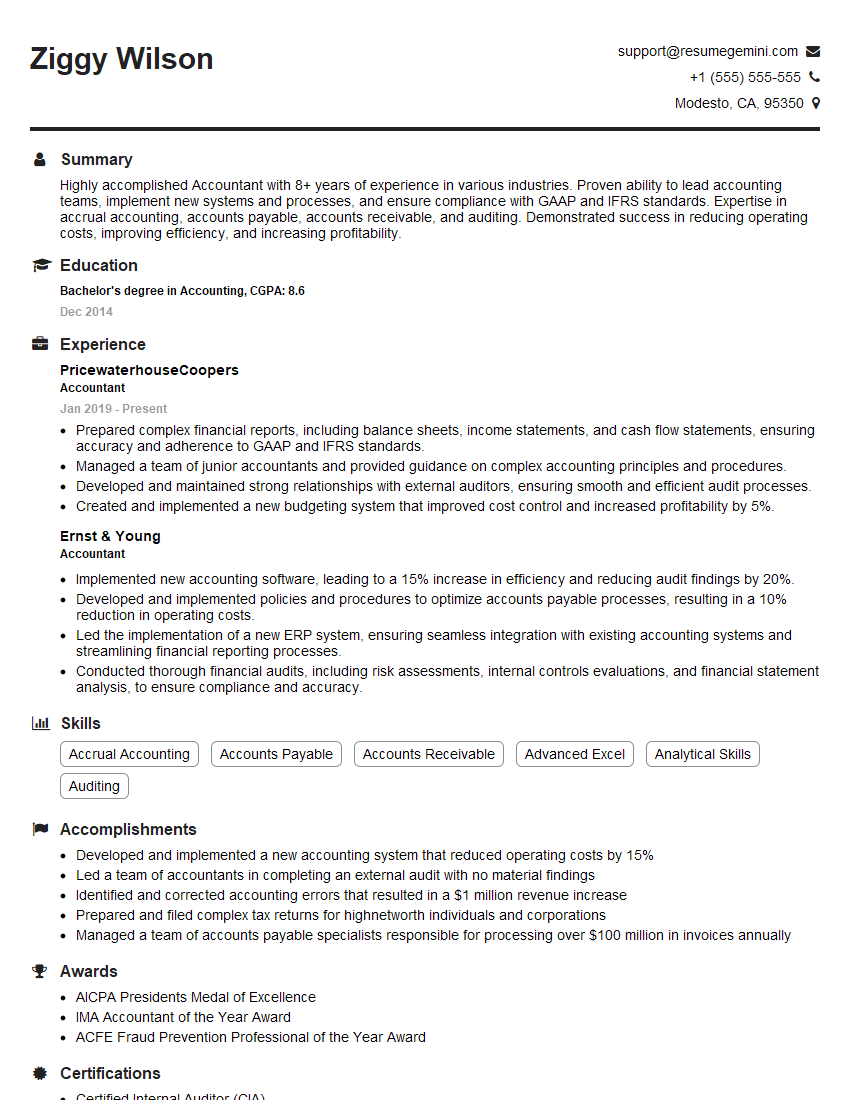
Accountant Resume Sample
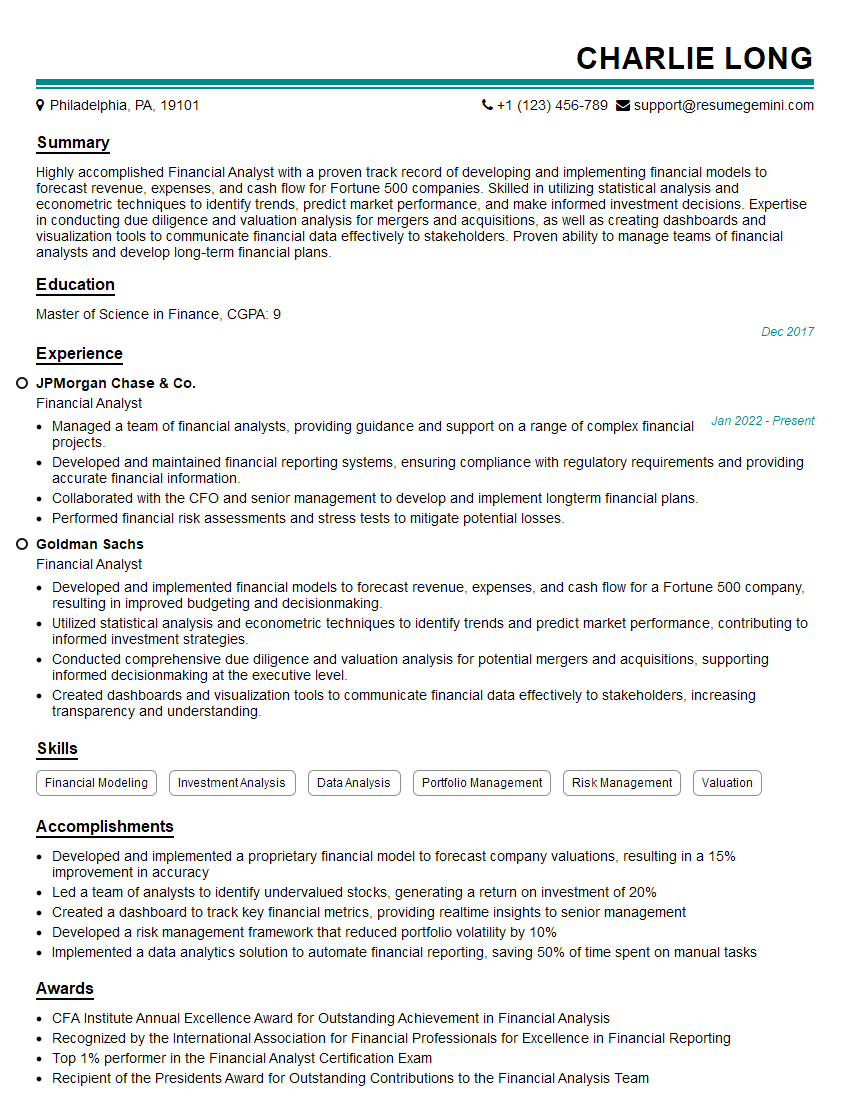
Financial Analyst Resume Sample
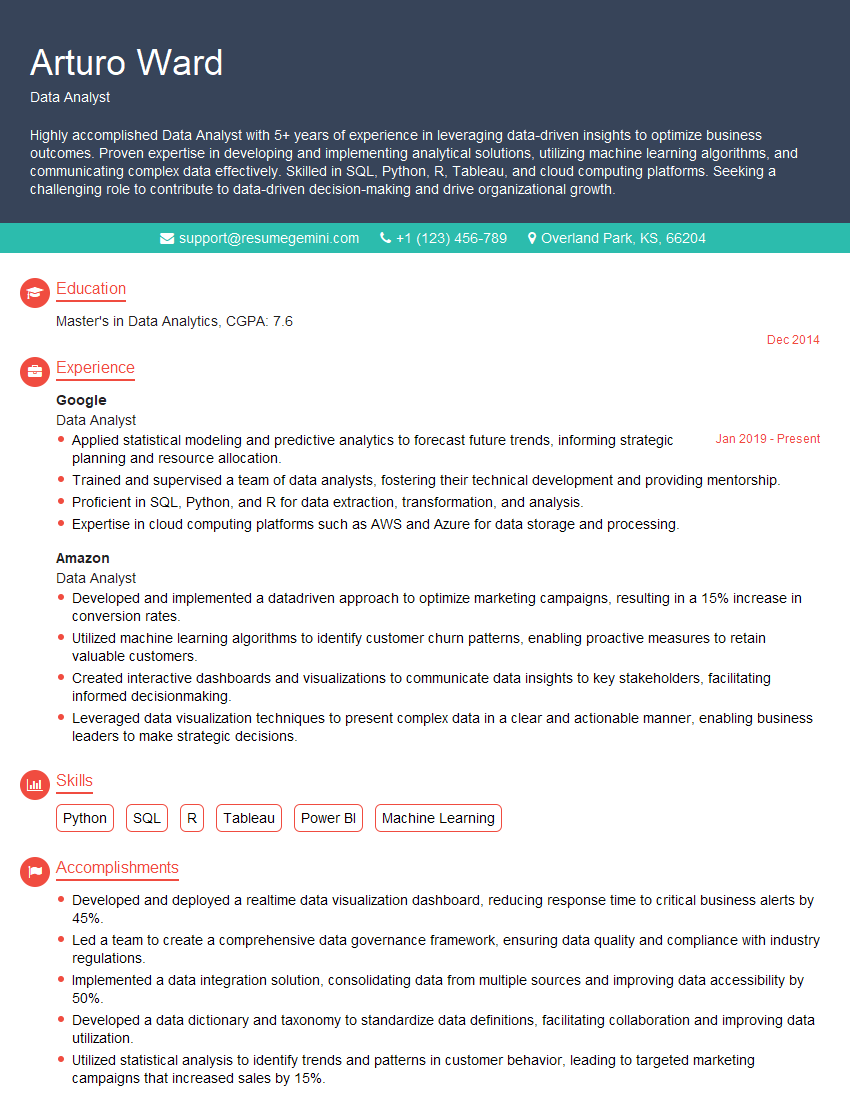
Data Analyst Resume Sample
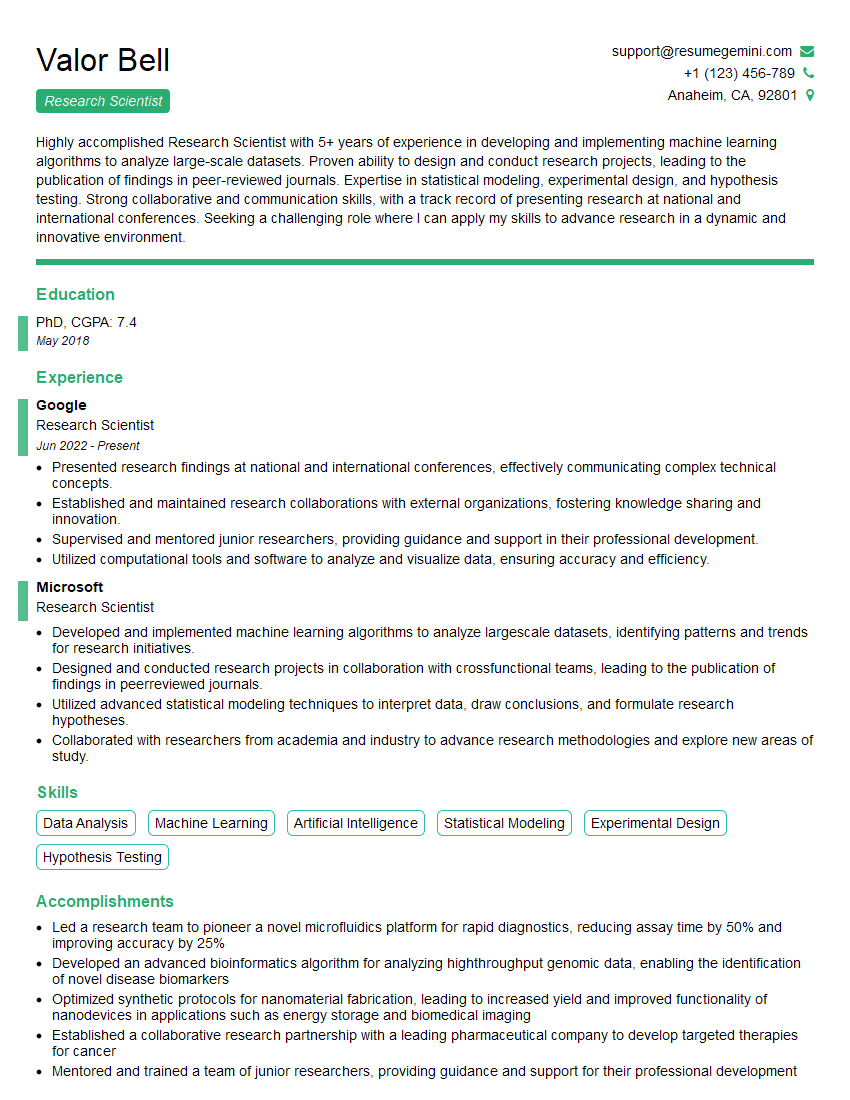
Research Scientist Resume Sample
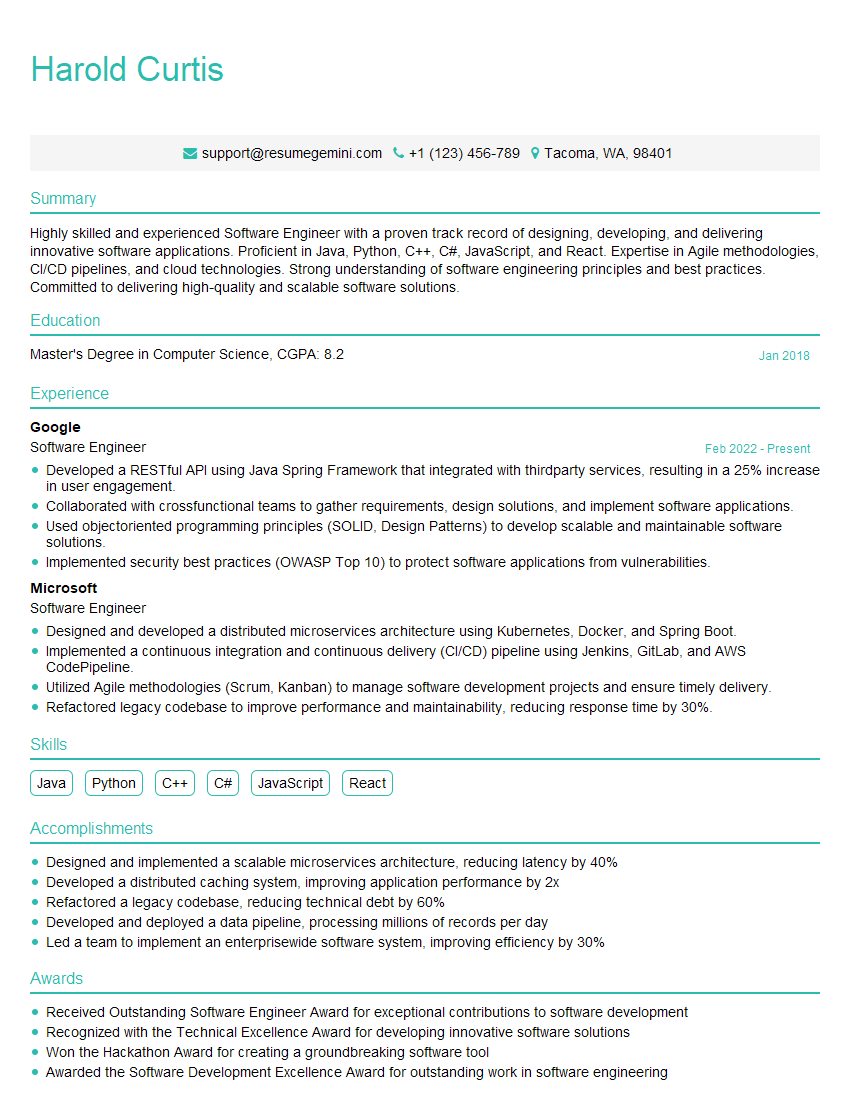
Software Engineer Resume Sample
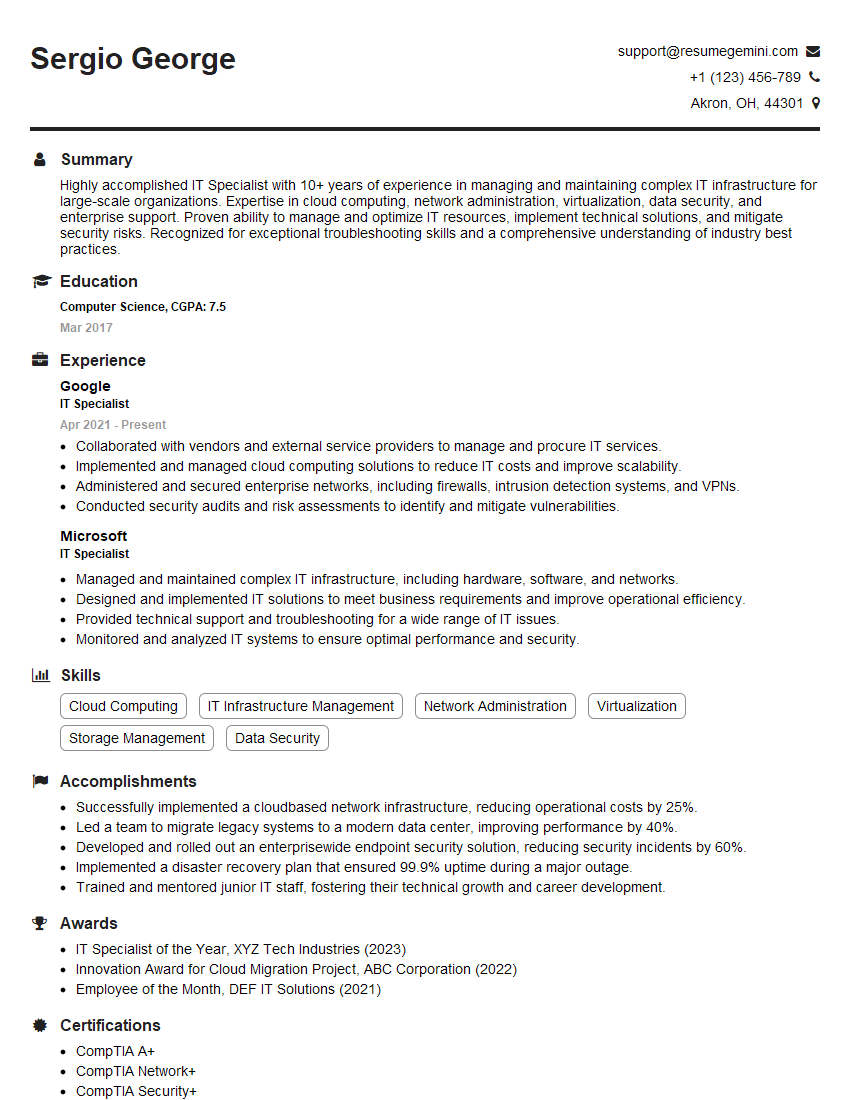
IT Specialist Resume Sample
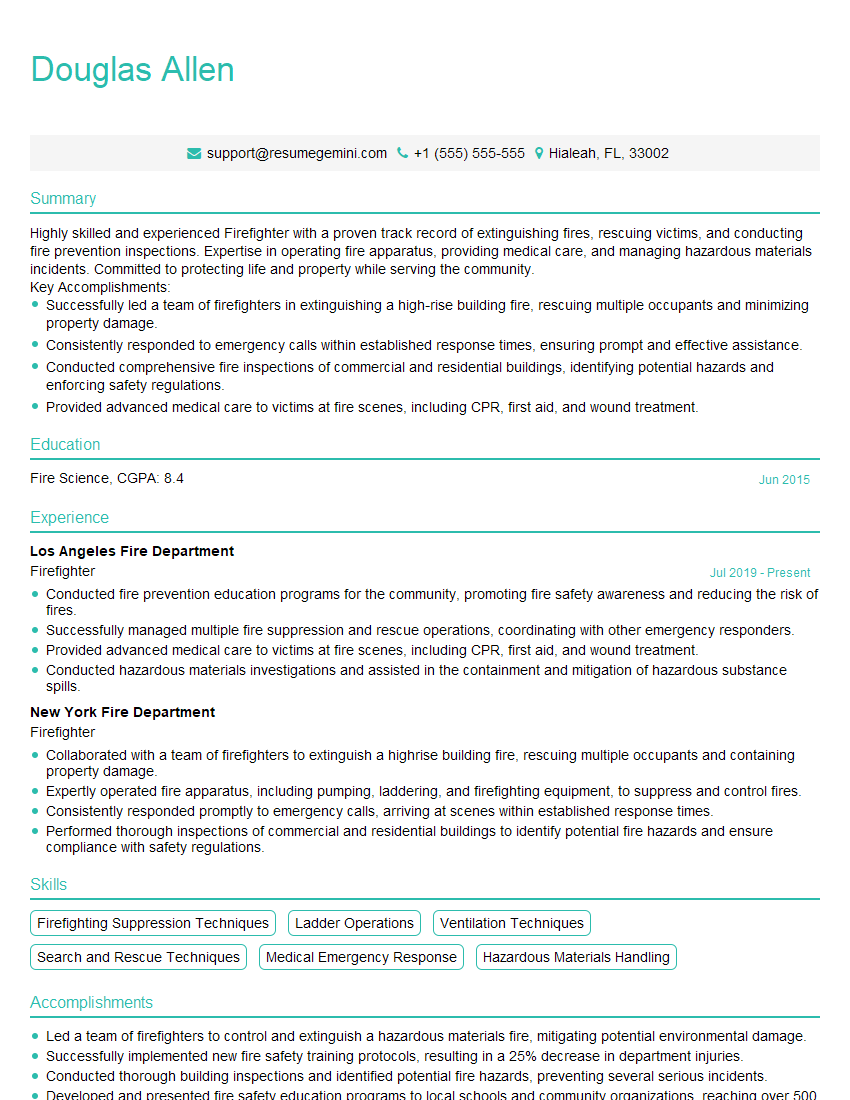
Firefighter Resume Sample
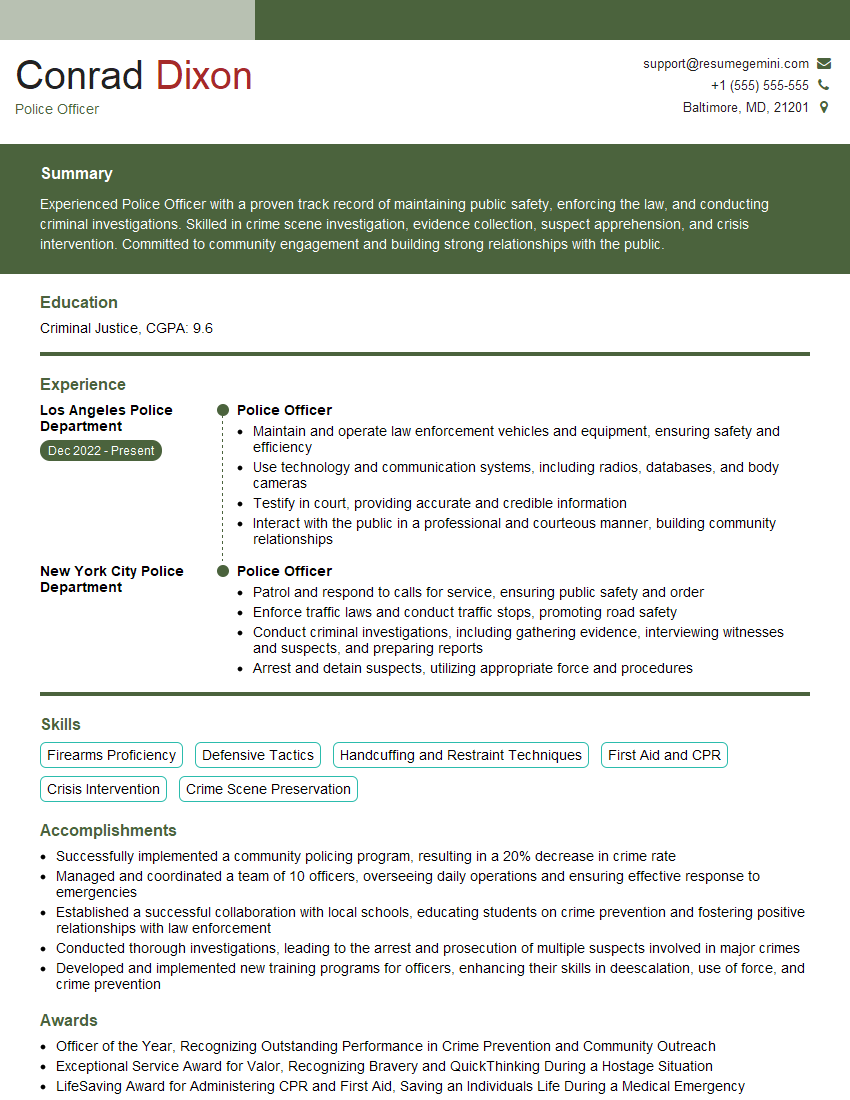
Police Officer Resume Sample
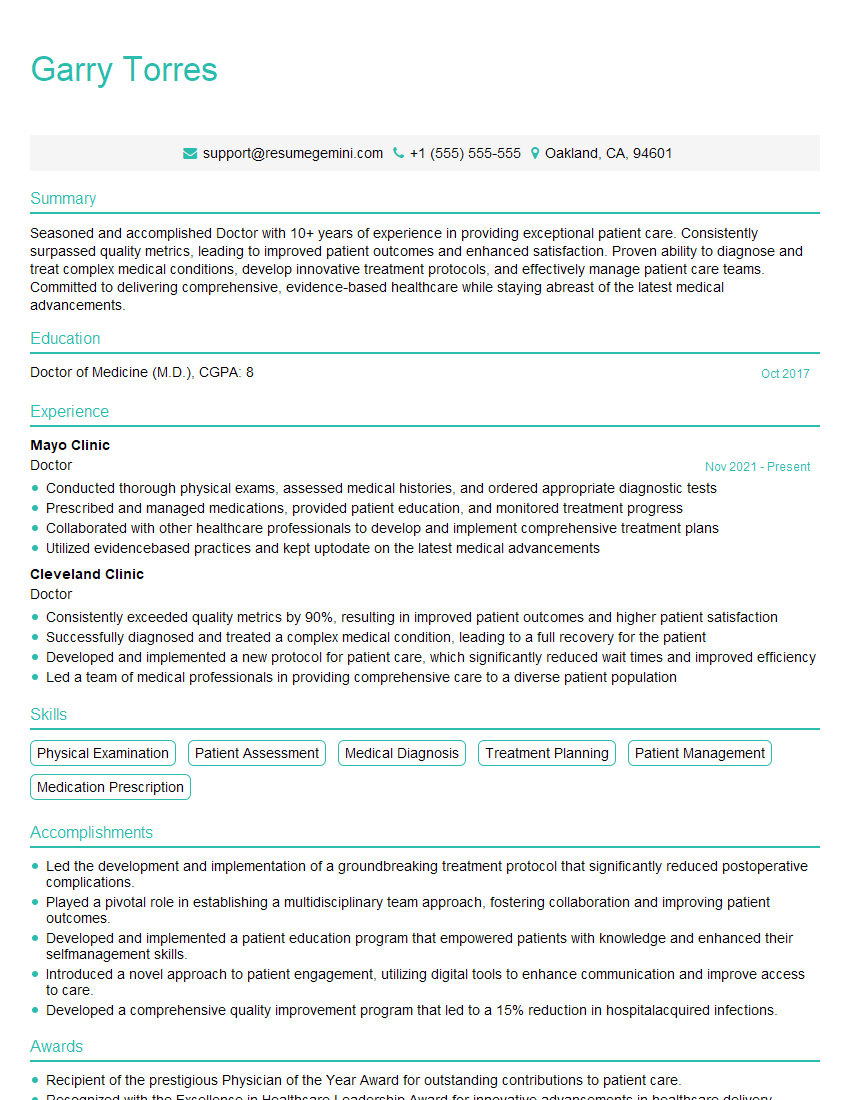
Doctor Resume Sample
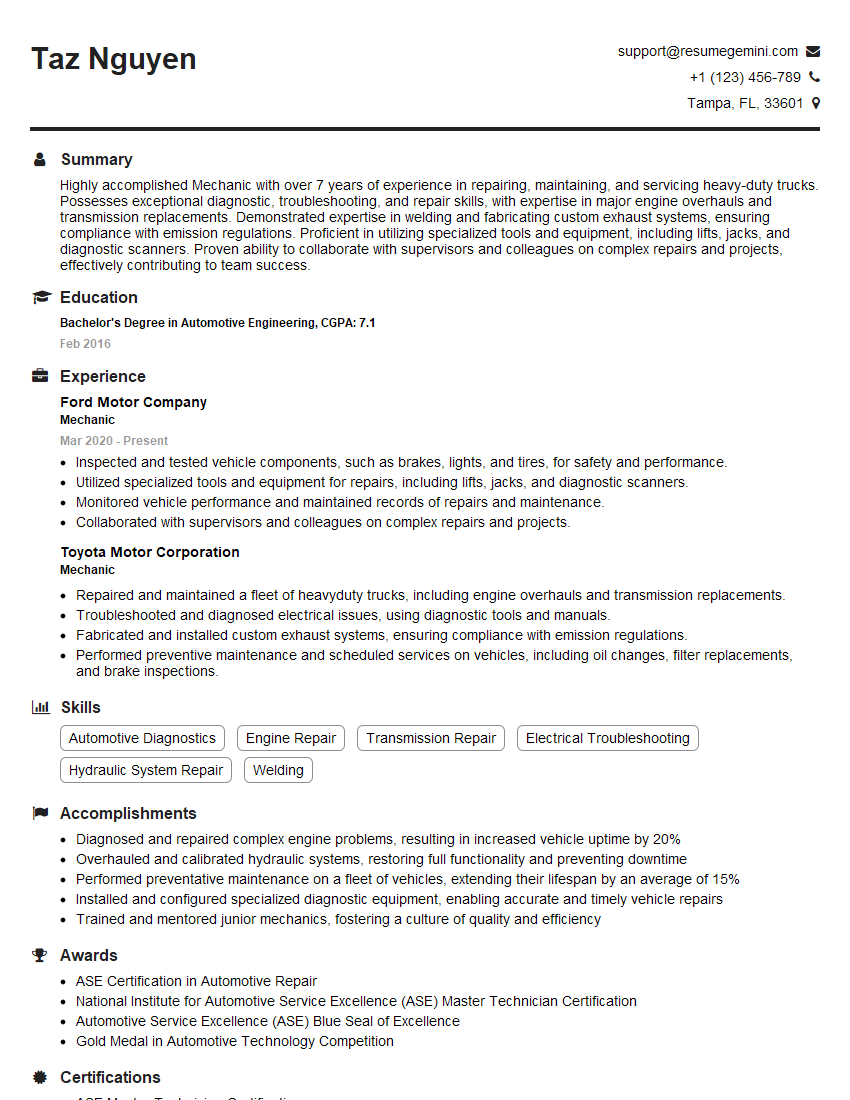
Mechanic Resume Sample
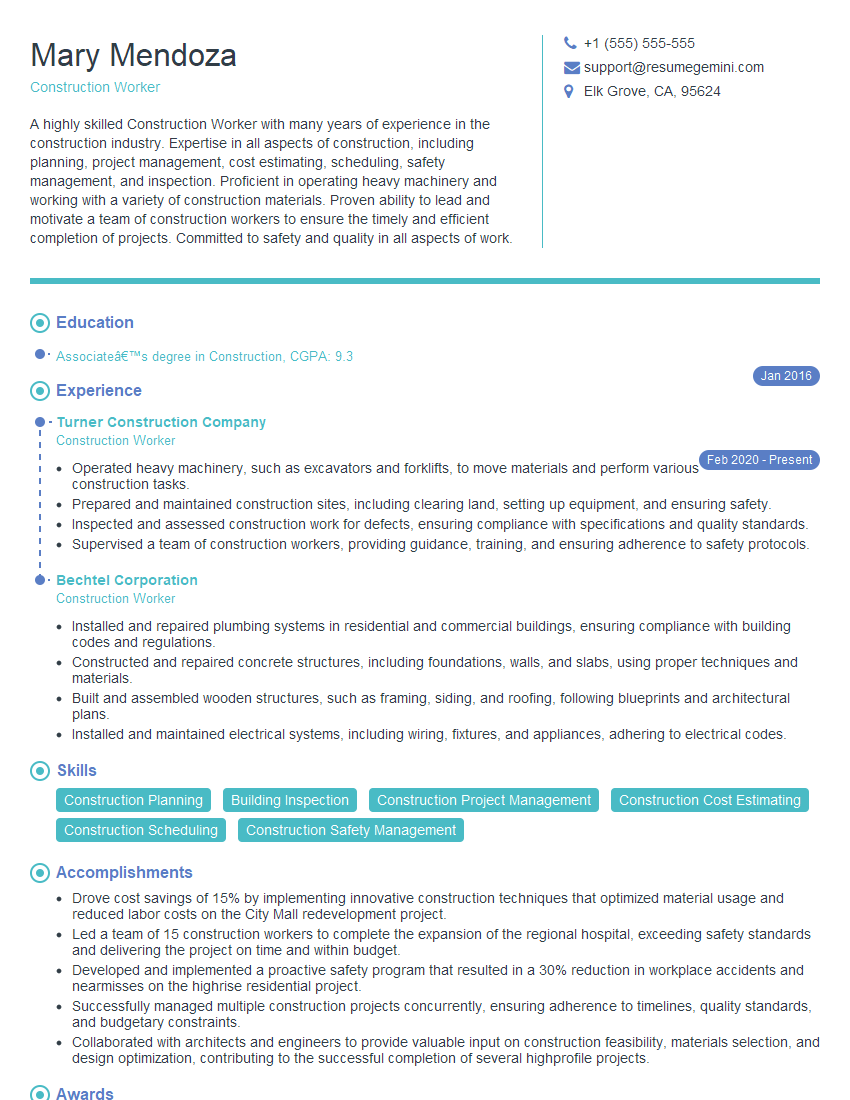
Construction Worker Resume Sample
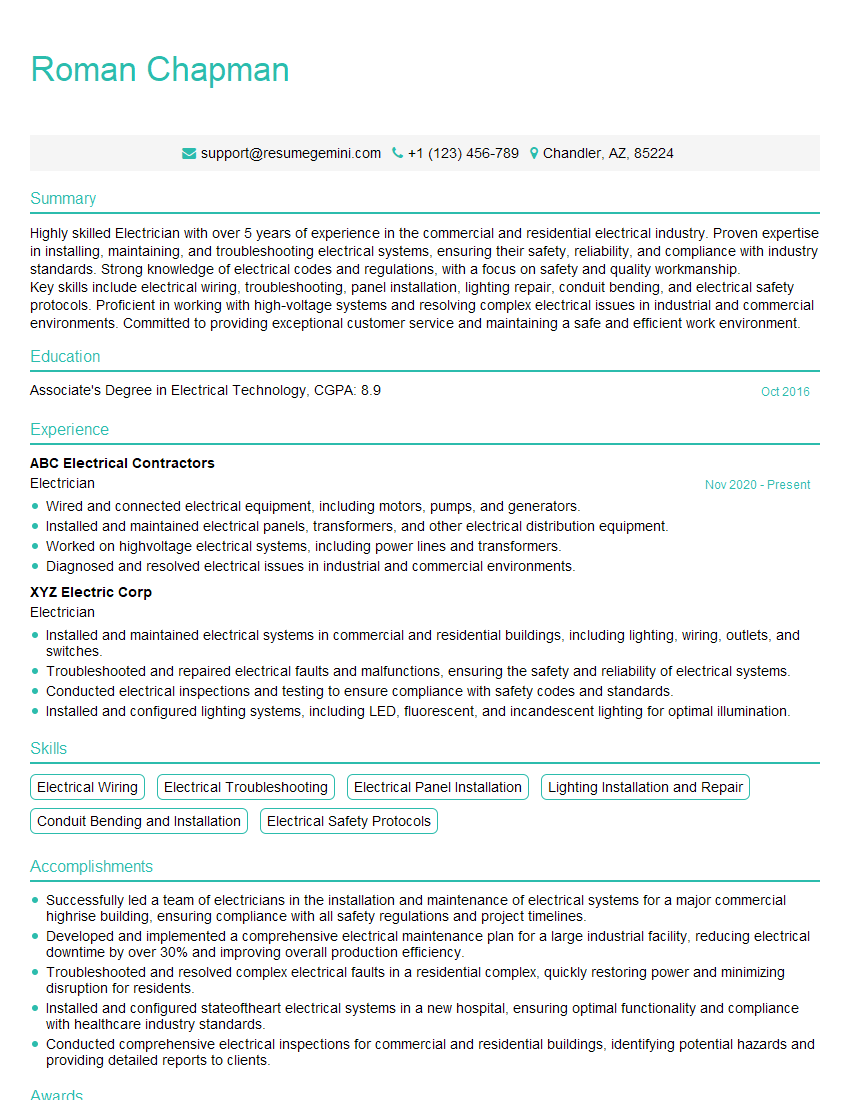
Electrician Resume Sample
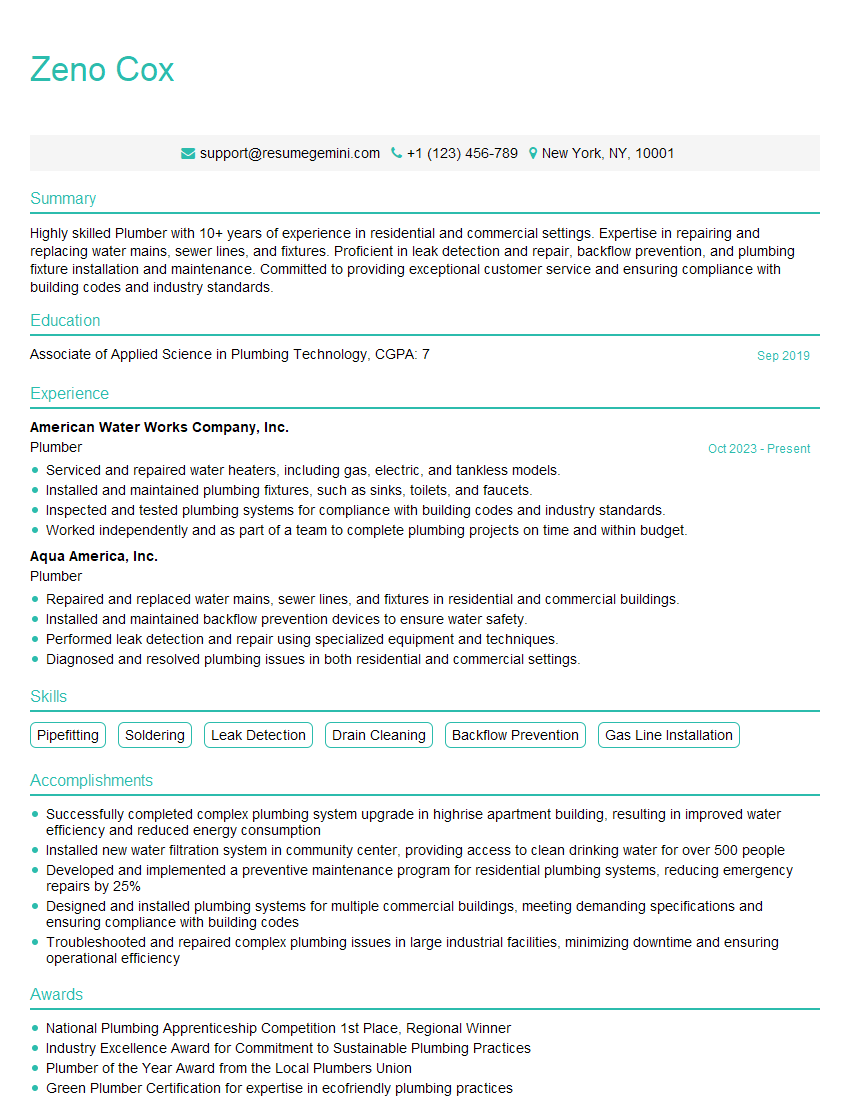
Plumber Resume Sample
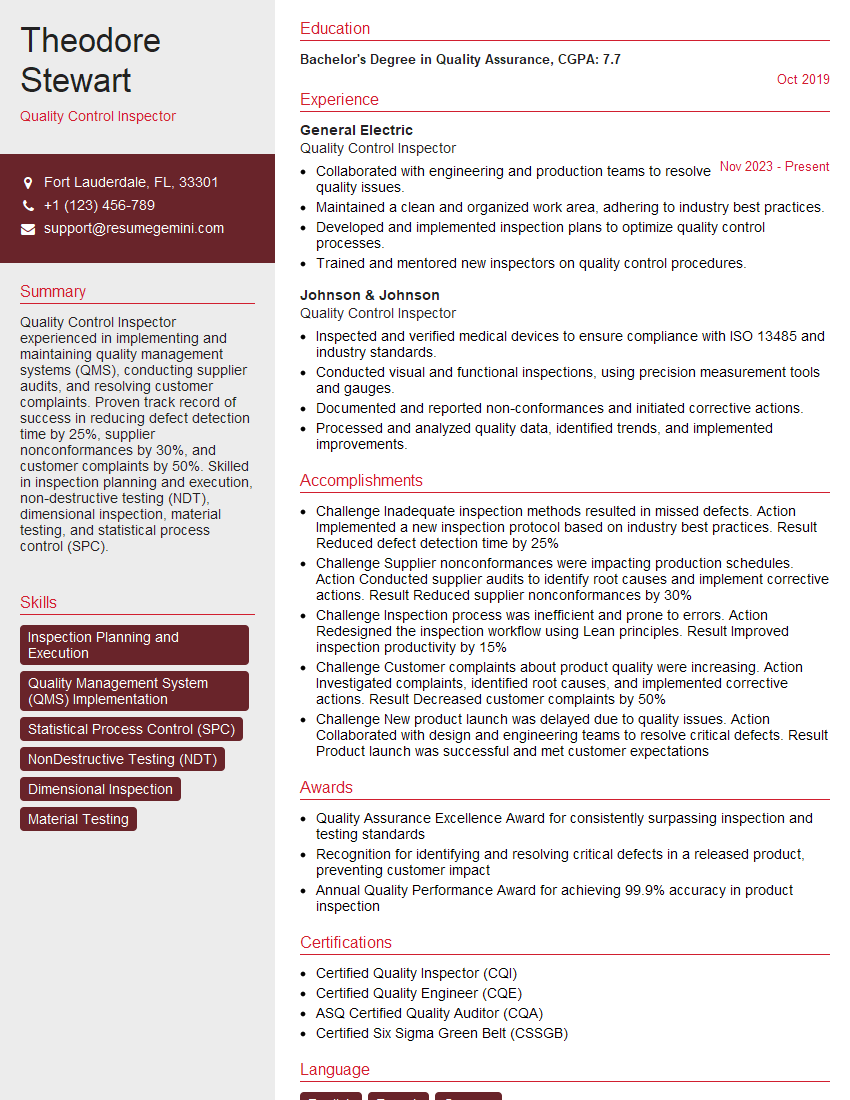
Quality Control Inspector Resume Sample
- Operations Manager
- Marketing Manager
- Sales Representative
- Customer Service Representative
- Supply Chain Manager
- Logistics Coordinator
- Human Resources Manager
- Project Manager
- Teacher
- Paramedic
- Accountant
- Financial Analyst
- Data Analyst
- Research Scientist
- Software Engineer
- IT Specialist
- Firefighter
- Police Officer
- Doctor
- Mechanic
- Construction Worker
- Electrician
- Plumber
- Quality Control Inspector
Explore more articles
Users Rating of Our Blogs
Share Your Experience
We value your feedback! Please rate our content and share your thoughts (optional).
What Readers Say About Our Blog
I Redesigned Spongebob Squarepants and his main characters of my artwork.
https://www.deviantart.com/reimaginesponge/art/Redesigned-Spongebob-characters-1223583608
IT gave me an insight and words to use and be able to think of examples
Hi, I’m Jay, we have a few potential clients that are interested in your services, thought you might be a good fit. I’d love to talk about the details, when do you have time to talk?
Best,
Jay
Founder | CEO