Interviews are opportunities to demonstrate your expertise, and this guide is here to help you shine. Explore the essential Student-Led IEPs interview questions that employers frequently ask, paired with strategies for crafting responses that set you apart from the competition.
Questions Asked in Student-Led IEPs Interview
Q 1. Describe your experience facilitating Student-Led IEP meetings.
Facilitating Student-Led IEPs is a rewarding experience that centers the student’s voice in their educational planning. My experience spans several years and various grade levels, from elementary to high school. I’ve worked with students with diverse learning needs and backgrounds, adapting my approach to each individual’s communication style and developmental stage. I’ve found that a successful Student-Led IEP relies heavily on pre-meeting preparation and a collaborative environment where the student feels empowered to share their perspectives and goals.
For instance, I recently worked with a high school student with ADHD who meticulously prepared a presentation outlining his strengths, weaknesses, and desired accommodations. He even created visual aids to illustrate his challenges with organization and time management. Witnessing his confidence and ownership of his IEP was truly inspiring. Another example involves a younger student who, with support, successfully presented a simple, picture-based summary of his learning preferences and goals.
Q 2. How do you ensure student voice and choice in the IEP process?
Ensuring student voice and choice is paramount in Student-Led IEPs. This isn’t merely about the student presenting the IEP; it’s about fostering genuine participation and decision-making throughout the process. I achieve this through several strategies:
- Pre-Meeting Discussions: I hold one-on-one sessions with the student well in advance of the meeting to explore their academic strengths, challenges, and aspirations. We discuss potential goals, accommodations, and services. This helps them understand the IEP process and formulate their own ideas.
- Choice and Agency: I offer students options wherever possible. For example, ‘Would you prefer to work with a graphic organizer or a checklist for note-taking?’ or ‘Which subject area do you want to focus on improving first?’.
- Personalized Materials: We collaboratively create materials for the presentation, using methods the student finds comfortable (e.g., visual aids, written outlines, or even a video presentation). This ensures the student feels comfortable and confident.
- Role-Playing and Practice: We rehearse the presentation before the actual IEP meeting. This allows the student to practice their delivery and address potential questions.
Q 3. What strategies do you employ to prepare students for leading their IEP meetings?
Preparing students to lead their IEP meetings requires a multifaceted approach focusing on building confidence, knowledge, and communication skills. This preparation isn’t a one-size-fits-all approach; it’s tailored to the individual student’s capabilities and learning style.
- Educational Workshops: I conduct age-appropriate workshops on IEP components, self-advocacy, and effective communication skills. This may involve using visual aids, role-playing, and real-life examples.
- Individualized Support: I provide one-on-one coaching to help students understand their own strengths and weaknesses, and how these relate to their educational goals. We discuss how to articulate their needs clearly and confidently.
- Goal Setting and Prioritization: We collaborate to identify achievable and measurable goals that align with the student’s aspirations and academic needs. We then break down these goals into smaller, manageable steps.
- Technology Integration: If appropriate, I incorporate technology such as presentation software or assistive technology to support the student’s presentation and enhance engagement.
Q 4. How do you address potential challenges or roadblocks during a Student-Led IEP?
Challenges can arise during Student-Led IEPs, such as the student feeling overwhelmed, encountering unexpected questions, or encountering resistance from participants. My strategies for addressing these include:
- Providing Support During the Meeting: I discreetly offer verbal cues or prompts if the student becomes flustered or needs assistance recalling information. A pre-arranged signal can be helpful.
- Addressing Resistance: If participants express reservations about the student’s suggestions, I facilitate a respectful discussion to explore the rationale behind their concerns and work towards a collaborative solution.
- Flexibility and Adaptability: I am prepared to adjust the meeting agenda as needed, allowing for spontaneous discussions and adapting the student’s presentation based on their comfort level.
- Post-Meeting Debrief: After the meeting, I provide the student with positive reinforcement and address any anxieties or concerns they might have experienced. This ensures they feel supported and prepared for future meetings.
Q 5. Explain how you adapt your approach to Student-Led IEPs based on student age and ability.
Adapting my approach based on a student’s age and ability is crucial for the success of a Student-Led IEP. Younger students require more structured support and simplified materials. Older students can take on more responsibility in planning and presenting their IEP.
For younger students, I use visual aids, simpler language, and shorter presentations. I may also involve a trusted adult to assist with certain aspects of the presentation. For older students, I encourage more independent planning and leadership, offering guidance and support as needed. They might develop a complex presentation with detailed data and self-advocacy strategies. The level of independence gradually increases as the student matures and their skills develop.
Q 6. What are the key differences between traditional IEPs and Student-Led IEPs?
The key difference between traditional IEPs and Student-Led IEPs lies in who holds the central role in the process. In a traditional IEP, professionals primarily drive the discussion and decision-making. While the student and parents are involved, the professionals typically lead the meeting and often dictate the plan.
In a Student-Led IEP, the student actively leads the meeting, presenting their goals, strengths, weaknesses, and desired accommodations. The professionals act as facilitators and collaborators, guiding and supporting the student. This shift in power dynamics empowers the student and fosters greater ownership of their education. This leads to improved self-advocacy skills, increased student engagement, and ultimately, a more effective IEP.
Q 7. How do you ensure all participants (parents, teachers, etc.) are actively involved in a Student-Led IEP?
Ensuring active participation from all stakeholders—parents, teachers, administrators, and other professionals—is essential for a successful Student-Led IEP. I employ several strategies to achieve this:
- Pre-Meeting Communication: I proactively communicate the meeting’s purpose and format to all attendees in advance. This includes sending out agendas and any relevant materials.
- Collaborative Planning: I encourage all participants to contribute their perspectives during the pre-meeting planning sessions. This helps ensure that the IEP reflects the input of everyone involved.
- Structured Meeting Format: The meeting follows a structured agenda, including time for the student’s presentation, question-and-answer sessions, and collaborative decision-making. This maintains focus and allows for everyone’s input.
- Active Listening and Facilitation: I ensure that all voices are heard and respected. I actively facilitate discussions and address any disagreements or conflicts constructively. I use techniques such as summarizing points, paraphrasing ideas and encouraging respectful dialogue.
Q 8. Describe a time you had to manage a challenging dynamic during a Student-Led IEP meeting.
One particularly challenging dynamic I encountered involved a student with significant emotional regulation difficulties. During the Student-Led IEP meeting, the student became overwhelmed and started to cry. This disrupted the planned flow and created tension amongst the participants. My approach involved immediately acknowledging the student’s feelings and validating their experience. I paused the meeting, creating a calm and supportive environment. I privately spoke with the student to address their immediate needs, reassuring them that it was okay to feel this way. We then collaboratively decided to take a short break. When we resumed, we shifted the meeting’s focus to allow the student more control over the pacing and conversation. We utilized a visual schedule to help him stay grounded and empowered him to choose which topics we discussed first. This collaborative approach, prioritizing emotional well-being, allowed us to successfully navigate the situation and ultimately achieve our meeting objectives. The key was flexibility and empathy; recognizing that sometimes the process needs to adapt to the student’s needs, not the other way around.
Q 9. How do you use data to inform the goals and objectives within a Student-Led IEP?
Data is the cornerstone of effective Student-Led IEPs. We use a variety of data sources to inform goal setting, including academic performance (grades, test scores, classroom assignments), behavioral data (classroom observations, discipline records, self-monitoring data), and social-emotional data (social skills assessments, surveys, anecdotal records). For example, if a student’s reading comprehension scores consistently fall below grade level, we use this data to identify specific areas of weakness (e.g., decoding, vocabulary, inference). This data informs the creation of measurable goals, such as “Increase reading comprehension score by 2 grade levels in 6 months as measured by the [specific assessment]” We analyze trends in the data to ensure goals are attainable and aligned with the student’s individual learning needs and strengths. The process becomes iterative; we monitor progress regularly, adjusting goals or interventions as needed based on ongoing data collection and analysis.
Q 10. What specific accommodations or modifications have you successfully implemented based on a Student-Led IEP?
In one case, a Student-Led IEP identified a student’s difficulty with note-taking in a large lecture setting as a significant barrier to academic success. Based on this, we implemented several accommodations and modifications. First, we provided the student with an electronic note-taking device equipped with speech-to-text software, allowing them to focus on the lecture content rather than struggling to write everything down. Second, we worked with the teachers to ensure they provided pre-lecture outlines, enabling the student to anticipate the lecture’s structure. Third, the student was provided with access to class notes from a peer note-taker. The combination of these strategies dramatically improved the student’s performance. The success of these accommodations stemmed directly from the student’s active involvement in identifying their needs and participating in the development of solutions during the IEP meeting. It highlighted the importance of student voice in creating effective support plans.
Q 11. How do you teach students self-advocacy skills within the context of Student-Led IEPs?
Teaching self-advocacy is an integral part of the Student-Led IEP process. We utilize a multi-faceted approach. Firstly, we explicitly teach students relevant vocabulary related to IEPs, accommodations, and modifications. We then use role-playing exercises to simulate IEP meetings, allowing students to practice expressing their needs and preferences confidently. Students receive guided practice in articulating their strengths, challenges, and desired learning outcomes. We also incorporate goal-setting and self-monitoring techniques, empowering students to track their progress and identify areas needing adjustment. Additionally, we provide students with templates and visual aids (like checklists) to help them organize their thoughts and prepare for meetings. Finally, we encourage students to share their experiences and reflect on their progress throughout the process, building confidence and self-awareness.
Q 12. What assistive technology or tools do you utilize to support student participation in Student-Led IEPs?
Assistive technology plays a vital role in enhancing student participation in Student-Led IEPs. Depending on individual needs, we might utilize speech-to-text software, text-to-speech software, graphic organizers, visual timers, and digital note-taking apps. For students with fine motor challenges, we might use adaptive keyboards or touch screens. The selection of assistive technology is always individualized and driven by the student’s specific needs and learning preferences as identified in the IEP. Crucially, the student is involved in selecting and learning how to use the technology, maximizing its effectiveness and building confidence in their ability to utilize technology as a self-advocacy tool.
Q 13. How do you document the student’s progress and participation in the Student-Led IEP process?
Documentation of student progress and participation in the Student-Led IEP process is rigorous and multifaceted. We maintain detailed meeting minutes, which include a record of the student’s contributions, the goals established, and the agreed-upon accommodations and modifications. We use a combination of qualitative and quantitative data to track progress. Qualitative data includes anecdotal notes from teachers, observations of the student’s participation, and the student’s self-reported reflections. Quantitative data includes progress monitoring data on academic and behavioral goals, often tracked through charts or graphs displayed visually to the student. This comprehensive documentation is essential for evaluating the effectiveness of the IEP and informing future planning. Crucially, the student is involved in reviewing and reflecting on this documentation.
Q 14. How do you evaluate the effectiveness of a Student-Led IEP?
Evaluating the effectiveness of a Student-Led IEP is an ongoing process. We use a multi-pronged approach. Firstly, we regularly monitor the student’s progress toward the established goals using both formative and summative assessments. Secondly, we gather feedback from the student, teachers, and parents, evaluating whether the accommodations and modifications are effective and whether they meet the student’s evolving needs. Thirdly, we analyze the data collected (both quantitative and qualitative) to determine whether the IEP is resulting in improved academic performance, behavior, and social-emotional well-being. Finally, we use this data to revise the IEP as needed, ensuring it continues to be a relevant and effective tool in supporting the student’s success. The student’s perspective is central to this evaluation process, helping us understand what’s working and what can be improved.
Q 15. What are the legal and ethical considerations surrounding Student-Led IEPs?
Student-Led IEPs, while empowering, necessitate careful consideration of legal and ethical implications. Legally, we must ensure full compliance with the Individuals with Disabilities Education Act (IDEA), guaranteeing parental rights and the student’s right to a Free Appropriate Public Education (FAPE). This includes providing parents with all relevant information in their preferred language and ensuring they have ample opportunity to participate in the IEP process. Ethically, we prioritize the student’s best interests, ensuring their voice is heard without coercion and that decisions reflect their capabilities and aspirations, while respecting their evolving developmental stage and capacity for self-advocacy. Transparency and fairness are paramount, avoiding any bias or undue influence on the student’s choices.
For instance, a student might express a strong preference for a specific intervention. Ethically, we must explore the rationale behind this choice, and weigh it against its pedagogical appropriateness and availability of resources. If the choice isn’t feasible, we need to engage the student in a collaborative discussion exploring alternative, equally effective solutions. Legally, we must meticulously document this process, demonstrating transparency and a commitment to parental collaboration.
Career Expert Tips:
- Ace those interviews! Prepare effectively by reviewing the Top 50 Most Common Interview Questions on ResumeGemini.
- Navigate your job search with confidence! Explore a wide range of Career Tips on ResumeGemini. Learn about common challenges and recommendations to overcome them.
- Craft the perfect resume! Master the Art of Resume Writing with ResumeGemini’s guide. Showcase your unique qualifications and achievements effectively.
- Don’t miss out on holiday savings! Build your dream resume with ResumeGemini’s ATS optimized templates.
Q 16. Describe your experience working with diverse student populations in the context of Student-Led IEPs.
My experience working with diverse student populations in Student-Led IEPs has been incredibly rewarding. I’ve worked with students from various cultural backgrounds, linguistic abilities, and socioeconomic levels. The key is adapting our approach to meet individual needs. For students with limited English proficiency, we use interpreters or translated materials, ensuring full understanding. For students from cultures where direct confrontation is uncommon, we adapt our communication style to be more indirect and collaborative. With students from low-income backgrounds, we address potential barriers to accessing resources listed in the IEP, proactively connecting families with community support services.
One student, a recent immigrant with limited English, initially struggled to participate actively. We adjusted our approach by utilizing visual aids and incorporating more hands-on activities during the IEP meeting, allowing her to express her needs nonverbally at first. We then gradually worked on her verbal English skills, building her confidence throughout the process. This demonstrates the importance of flexibility and sensitivity to the unique challenges faced by diverse learners.
Q 17. How do you ensure parental understanding and participation in Student-Led IEPs?
Parental understanding and participation are critical to the success of Student-Led IEPs. I begin by explaining the process clearly and simply, using non-technical language. I provide ample opportunities for questions and answers, utilizing various communication methods (e.g., phone calls, emails, home visits) to accommodate parents’ schedules and preferences. I make sure to translate materials and use interpreters when necessary. Collaboration is key; we co-create goals and strategies, valuing parental insights and expertise about their child. We actively solicit their feedback and suggestions throughout the IEP process.
For example, I recently worked with a family who was initially hesitant about their child leading the IEP. Through regular communication and by demonstrating how their child’s voice would be central to the decision-making process, I built their trust and confidence. We developed a collaborative schedule where the parent co-led parts of the IEP meeting with their child, empowering both the student and the parent.
Q 18. How do you address disagreements among team members during a Student-Led IEP meeting?
Disagreements among team members during Student-Led IEPs are inevitable. My approach centers on respectful and collaborative problem-solving. I facilitate open dialogue, encouraging each member to express their perspectives and concerns clearly and respectfully. I actively listen to each point of view and help the team identify the underlying issues and common ground. I use collaborative problem-solving strategies, brainstorming potential solutions together and weighing the pros and cons of each. If consensus cannot be reached, I follow established conflict resolution protocols, mediating discussions and possibly involving higher-level administrators when necessary. The goal is to find a solution that accommodates all stakeholders while maintaining the student’s best interest.
For instance, a disagreement arose regarding the appropriateness of a particular technology for a student. By facilitating a discussion exploring research on the technology’s effectiveness for similar students, we were able to find a compromise that satisfied all team members and adequately addressed the student’s learning needs.
Q 19. What are some common misconceptions about Student-Led IEPs?
Some common misconceptions about Student-Led IEPs include the belief that it is simply about the student presenting their goals without adult input or that it’s only suitable for high-functioning students. Student-led IEPs are not about the student solely leading the meeting but about empowering them to be active participants in the decision-making process. All students, regardless of their abilities, can benefit from having a voice and a sense of ownership in their educational journey. The level of student participation will naturally vary depending on their age, cognitive abilities, and maturity level. Adults play a crucial role in guiding and supporting the student through this process.
Another misconception is that Student-Led IEPs require significantly more time and resources. While preparation is more involved, the benefits in terms of student engagement, motivation, and long-term success often outweigh the initial investment.
Q 20. How do you foster collaboration and communication among all stakeholders in a Student-Led IEP?
Fostering collaboration and communication is essential. I utilize a variety of strategies, starting with pre-meeting communication to share agendas and relevant documents. During the meeting, I establish clear roles and responsibilities for each stakeholder and actively encourage participation from all members. I employ visual aids, like charts and graphs, to facilitate understanding and create a supportive and inclusive environment where everyone feels comfortable expressing their ideas. Post-meeting follow-up includes sharing minutes and action plans to ensure accountability and sustained communication. Regular check-ins between meetings ensure ongoing collaboration and support.
For example, I’ve used a collaborative online platform to share documents and facilitate discussions before and after meetings, enabling ongoing communication and easy access to information for all stakeholders.
Q 21. What are the benefits of implementing Student-Led IEPs?
Student-Led IEPs offer numerous benefits. They increase student engagement and motivation by fostering a sense of ownership and responsibility for their education. Students develop crucial self-advocacy skills, essential for their success beyond school. Improved communication and collaboration among stakeholders lead to more effective and personalized learning plans. The process strengthens the student-teacher-parent relationship, building trust and fostering a collaborative approach to education. Ultimately, increased student participation and a clearer understanding of their goals leads to improved academic and social-emotional outcomes.
I’ve witnessed firsthand how a student’s active participation in their IEP transformed their outlook on school. Taking ownership of their goals increased their motivation and led to significant improvements in their academic performance and overall well-being.
Q 22. How do you support students with different learning styles during Student-Led IEP meetings?
Supporting diverse learning styles during Student-Led IEPs is crucial for ensuring student voice and meaningful participation. We begin by understanding each student’s preferred learning method – visual, auditory, kinesthetic, or a combination.
- Visual Learners: We use visual aids like charts, graphs, and presentations to illustrate progress and goals. For example, a student might create a visual timeline showcasing their academic journey and future aspirations.
- Auditory Learners: We incorporate discussions, verbal presentations, and recordings. A student might present their progress using a recorded speech or participate in a Q&A session.
- Kinesthetic Learners: We encourage hands-on activities, such as using manipulatives to represent data or creating physical models to represent their goals. They might use building blocks to illustrate their learning plan.
- Multi-modal Learners: We blend approaches, perhaps using a presentation with interactive elements and opportunities for discussion.
Adaptability is key; we flexibly adjust our approach based on individual student needs and preferences, ensuring all students feel comfortable and empowered to lead their IEP discussion.
Q 23. Describe your experience using technology to enhance student participation in Student-Led IEPs.
Technology plays a significant role in boosting student participation and engagement in Student-Led IEPs. We utilize various tools to create interactive and accessible experiences.
- Presentation Software (PowerPoint, Google Slides): Students can create visually appealing presentations to showcase their strengths, areas needing support, and IEP goals. This helps them practice public speaking and organize their thoughts.
- Interactive Whiteboards (SMART Board): Collaborative brainstorming and goal-setting can be facilitated using interactive whiteboards, making the meeting more dynamic.
- Digital Portfolios: Students can showcase their work and progress through a digital portfolio, providing concrete evidence of their achievements and highlighting their growth over time.
- Video Conferencing (Zoom, Google Meet): For students who might feel more comfortable sharing from a remote location or have mobility challenges, online platforms offer an inclusive alternative.
For example, one student used a self-created video presentation showcasing their progress in a particular subject, allowing for a more creative and engaging experience than a traditional presentation.
Q 24. What are some resources you utilize to stay updated on best practices in Student-Led IEPs?
Staying current on best practices requires a multifaceted approach. I regularly consult a range of resources:
- Professional Organizations: I actively participate in webinars and conferences hosted by organizations such as the Council for Exceptional Children (CEC) to learn about cutting-edge research and effective strategies.
- Educational Journals and Publications: Peer-reviewed journals offer valuable insights into the latest research on student-led IEPs and effective individualized education strategies.
- Online Courses and Workshops: Numerous online platforms provide professional development opportunities focused on best practices in special education, including aspects of student-led IEPs.
- Collaboration with Colleagues: I regularly engage in discussions and share experiences with colleagues within my district and beyond, learning from their expertise and challenges.
This multi-pronged approach ensures that my knowledge remains up-to-date and that my practices are continually refined.
Q 25. How do you differentiate instruction based on information gathered during Student-Led IEPs?
The information gathered during Student-Led IEPs is instrumental in differentiating instruction. By actively listening to the student’s self-assessment, strengths, weaknesses, and preferred learning methods, we tailor our approach to meet their unique needs.
- Targeted Instruction: If a student identifies a specific area of difficulty, we can focus instruction on those skills using differentiated activities and assignments.
- Adjusted Pacing: The IEP meeting might reveal a need for a faster or slower pace of instruction based on the student’s learning rate. We adapt accordingly.
- Varied Instructional Strategies: Understanding a student’s preferred learning style (visual, auditory, kinesthetic) informs our choice of instructional methods, materials, and activities.
- Assistive Technology: If the IEP highlights a need for assistive technology, we integrate appropriate tools into the learning process. This might involve using text-to-speech software or graphic organizers.
For example, a student who identifies a weakness in writing might receive more focused writing support through sentence starters, graphic organizers, or peer editing activities.
Q 26. How do you measure student progress towards IEP goals after a Student-Led IEP?
Measuring student progress after a Student-Led IEP involves a multi-faceted approach that aligns with the goals outlined in the IEP. We utilize both formative and summative assessments to track progress.
- Formative Assessments: These ongoing assessments, like classwork, quizzes, and observation notes, provide real-time feedback and allow for adjustments to instruction. We regularly check in with the student to track their progress and address any emerging challenges.
- Summative Assessments: These larger assessments, like unit tests, projects, and standardized tests, offer a more comprehensive overview of the student’s overall achievement. These data points help determine if the IEP goals are being met.
- Student Self-Assessment: We encourage students to reflect on their progress regularly, comparing their performance to the IEP goals. This metacognitive process is valuable in understanding their learning journey and identifying areas for continued growth.
- Data Tracking Systems: Using digital platforms to track and visually represent progress helps both the student and teachers monitor progress toward IEP goals.
This combination of data provides a holistic picture of the student’s progress and guides ongoing adjustments to their educational plan.
Q 27. Describe a successful Student-Led IEP you facilitated and the outcomes achieved.
One particularly successful Student-Led IEP involved a student, Sarah, who struggled with reading comprehension. Sarah, with guidance, prepared a presentation detailing her challenges, highlighting her strengths in oral communication and collaborative learning. She proposed specific strategies, such as using audiobooks alongside reading materials and participating in peer-supported learning groups.
The outcomes were remarkably positive. Sarah actively led the IEP meeting, articulating her needs confidently. By incorporating her suggestions, we saw a significant improvement in her reading comprehension scores within the following semester. Her participation fostered a sense of ownership and self-advocacy, boosting her confidence and academic performance.
The success of this IEP was largely attributed to Sarah’s active involvement and the collaborative spirit of the meeting. Her voice was heard, and her learning needs were addressed in a student-centered and personalized manner.
Q 28. How do you adapt your communication style to effectively engage students in leading their own IEPs?
Adapting my communication style is vital for empowering students to lead their IEPs. I strive to create a safe and supportive environment where students feel comfortable expressing themselves.
- Active Listening: I focus intently on the student’s words, using non-verbal cues like nodding and eye contact to show I am engaged.
- Open-Ended Questions: Instead of yes/no questions, I ask open-ended questions that encourage thoughtful responses and deeper exploration of the student’s perspective. For example, instead of asking “Do you understand this?” I would ask, “Can you explain to me what you understand about this?”
- Positive Reinforcement: I praise the student’s efforts and contributions, fostering a sense of confidence and encouraging them to continue participating actively.
- Collaborative Approach: I treat the IEP meeting as a partnership, valuing the student’s input and making them an integral part of the decision-making process. I work alongside them, not directing them.
By fostering a collaborative and supportive environment, I empower students to take ownership of their IEP, leading to more meaningful and effective outcomes.
Key Topics to Learn for Student-Led IEP Interviews
- Understanding the IEP Process: Grasp the fundamentals of Individualized Education Programs (IEPs), including legal frameworks and the roles of various stakeholders.
- Student-Led Conference Facilitation: Learn effective strategies for guiding students in presenting their IEP goals and progress. Practice active listening and collaborative problem-solving techniques.
- Data Analysis and Goal Setting: Master the skills to interpret student data (academic, behavioral, social-emotional) and translate it into meaningful, measurable IEP goals.
- Collaboration and Communication: Understand the importance of effective communication with students, parents, teachers, and administrators. Practice building consensus and navigating diverse perspectives.
- Advocacy and Support: Explore strategies for empowering students to advocate for their own educational needs and providing them with the necessary support to achieve their goals.
- Differentiated Instruction and Accommodations: Familiarize yourself with various instructional strategies and accommodations that can be incorporated into IEPs to meet diverse learning needs.
- IEP Goal Implementation and Monitoring: Understand how to effectively implement IEP goals and track student progress. Develop strategies for adjusting goals and interventions based on ongoing assessment.
- Legal and Ethical Considerations: Become familiar with relevant laws and ethical guidelines related to IEPs and special education.
Next Steps
Mastering Student-Led IEPs significantly enhances your value as an educator, demonstrating your commitment to student empowerment and personalized learning. This expertise is highly sought after in today’s educational landscape, opening doors to exciting career opportunities and advancement. To maximize your job prospects, crafting an ATS-friendly resume is crucial. We strongly recommend using ResumeGemini to build a compelling resume that highlights your skills and experience effectively. ResumeGemini offers examples of resumes tailored specifically to Student-Led IEP roles to guide you in creating a winning application.
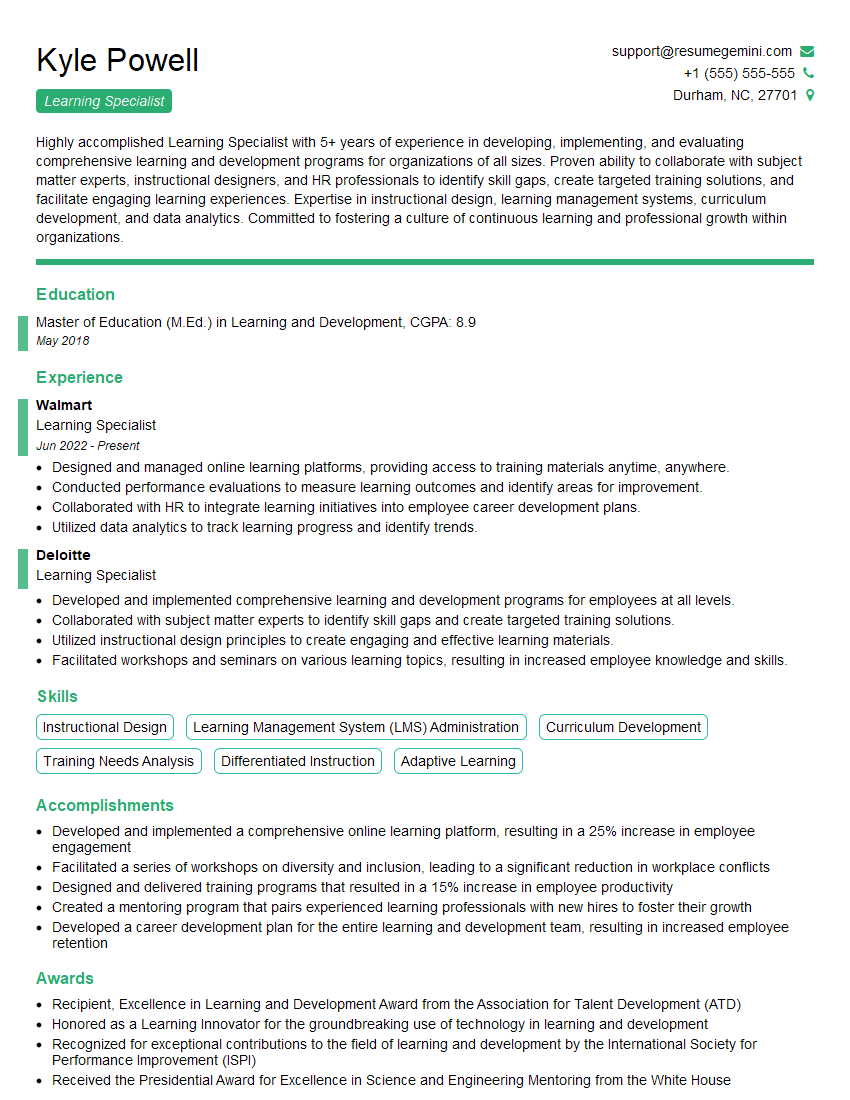
Learning Specialist Resume Sample

Special Education Director Resume Sample
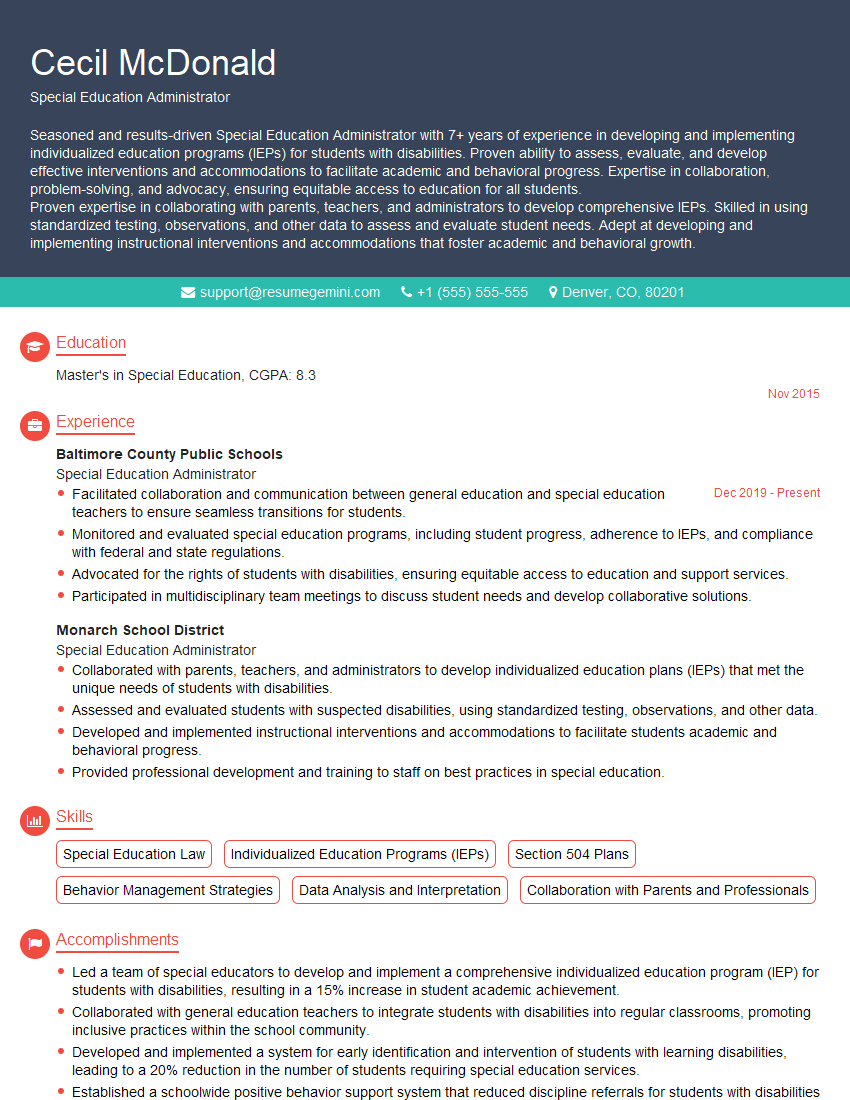
Special Education Administrator Resume Sample
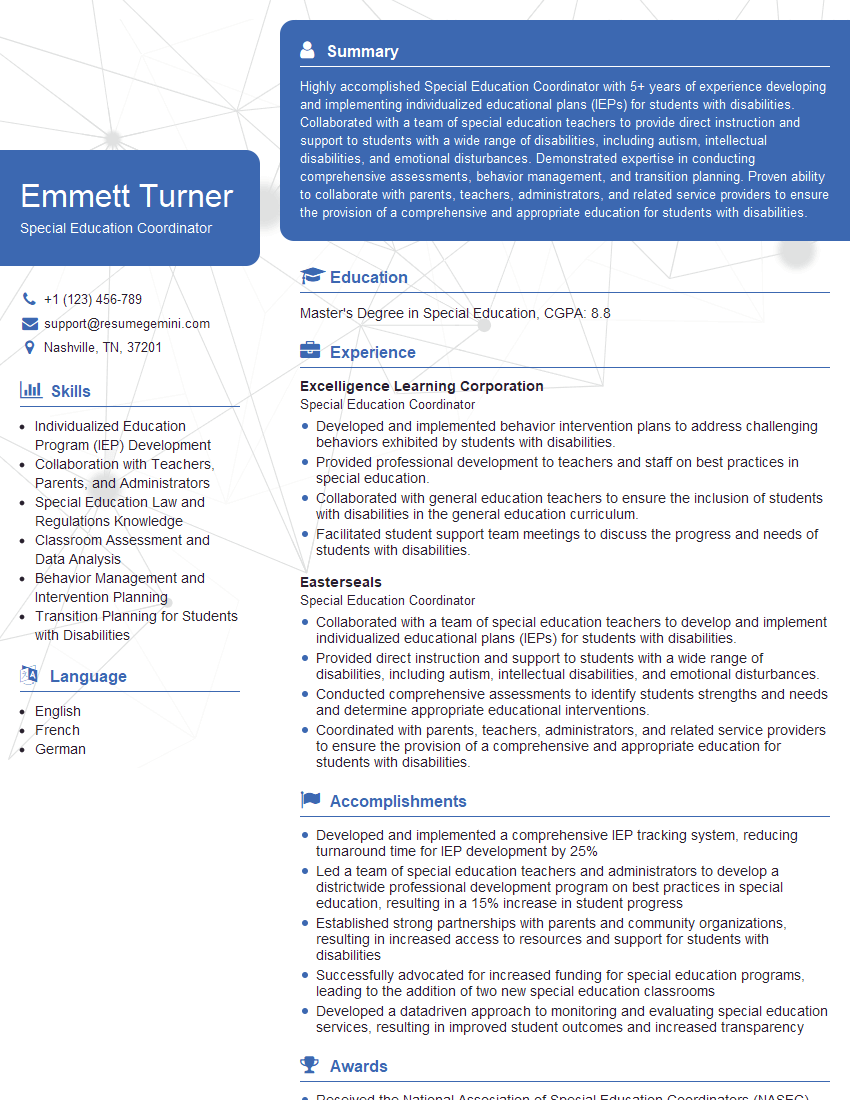
Special Education Coordinator Resume Sample
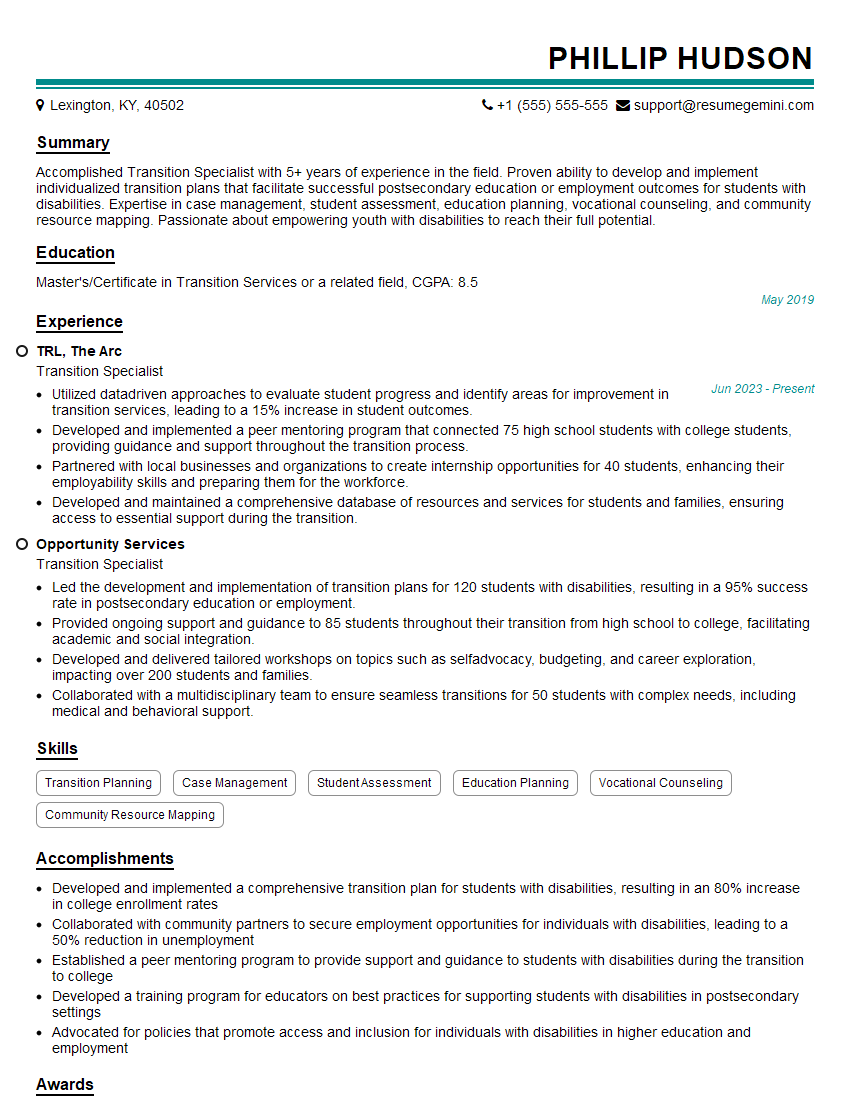
Transition Specialist Resume Sample
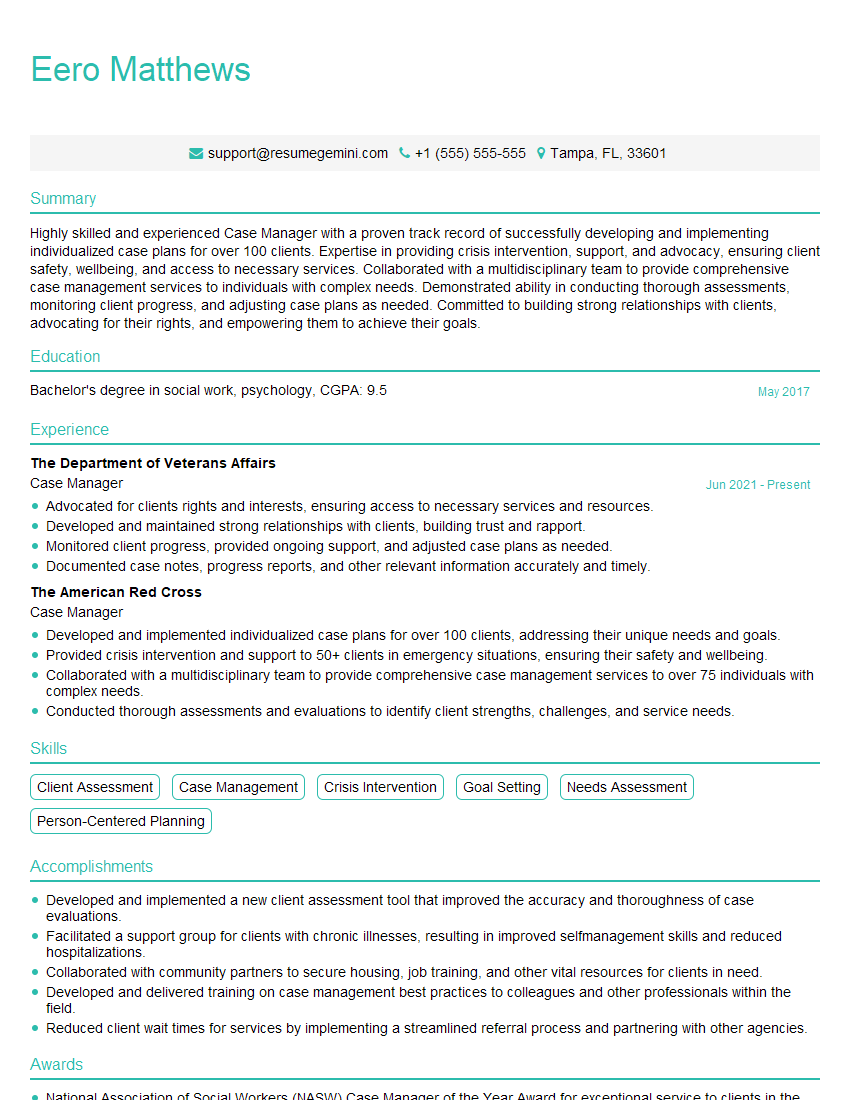
Case Manager Resume Sample
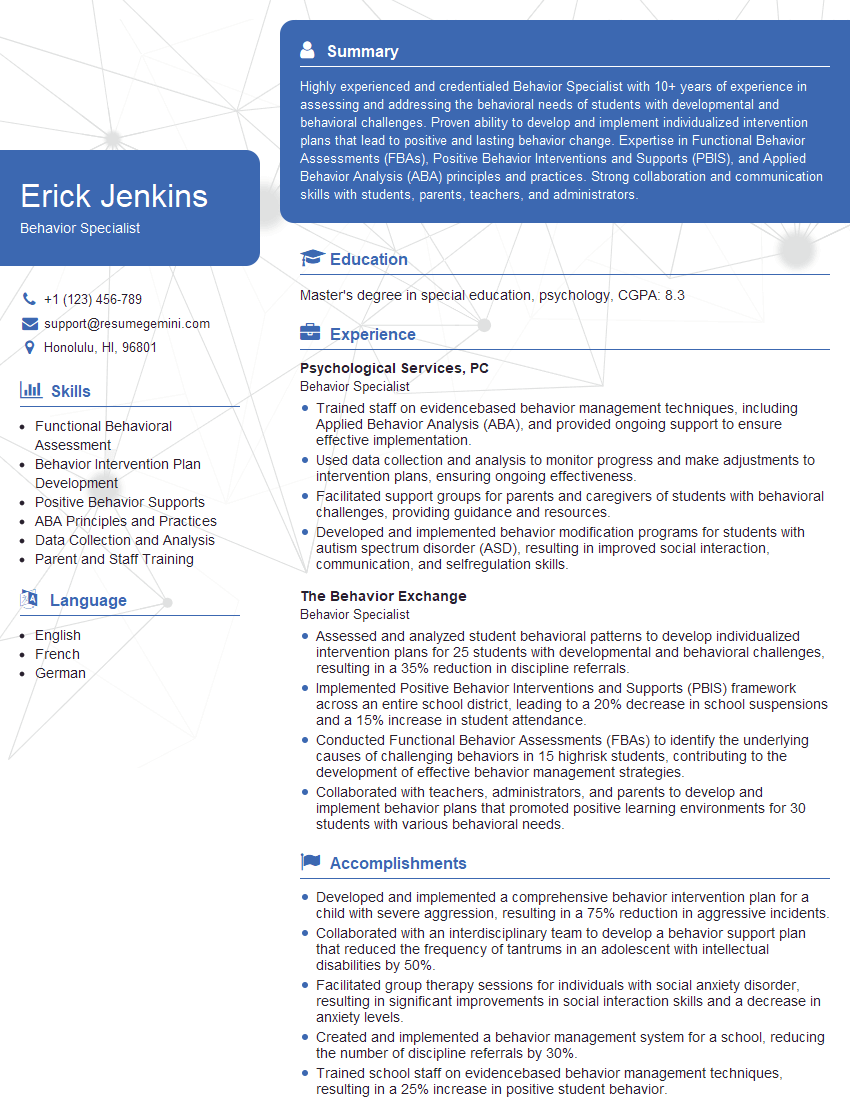
Behavior Specialist Resume Sample
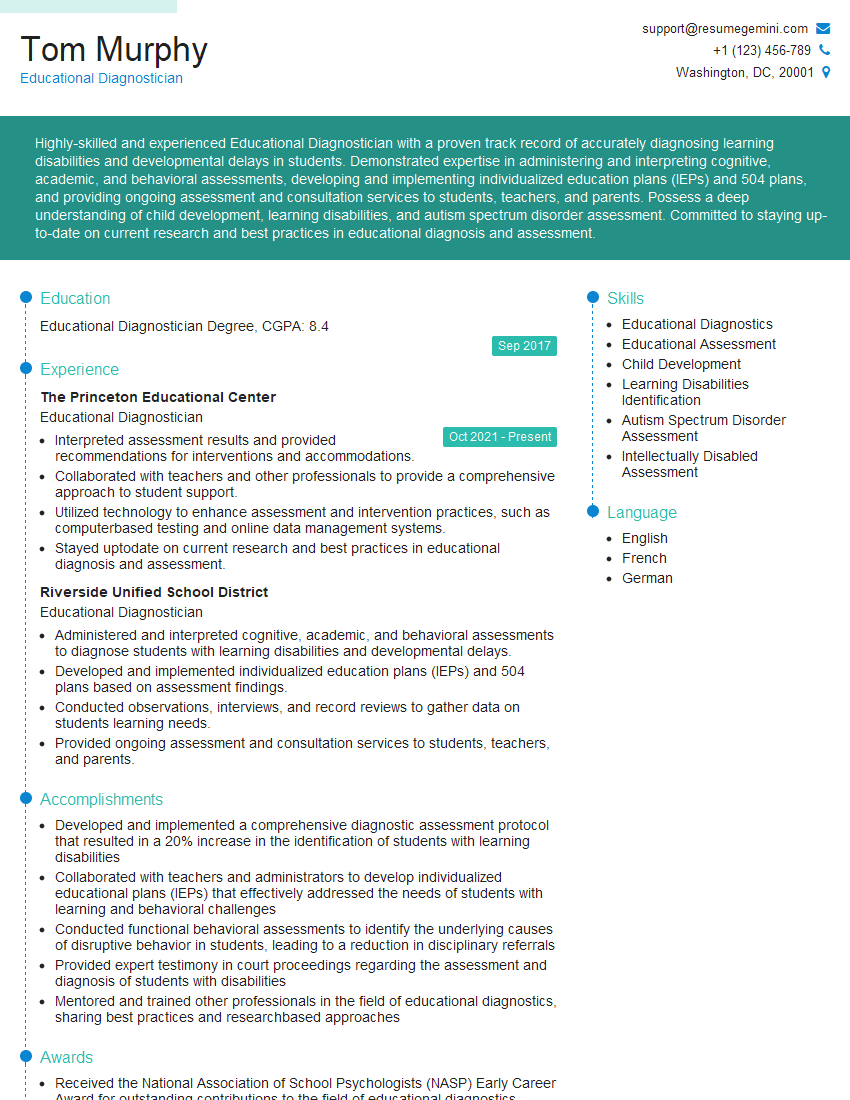
Educational Diagnostician Resume Sample
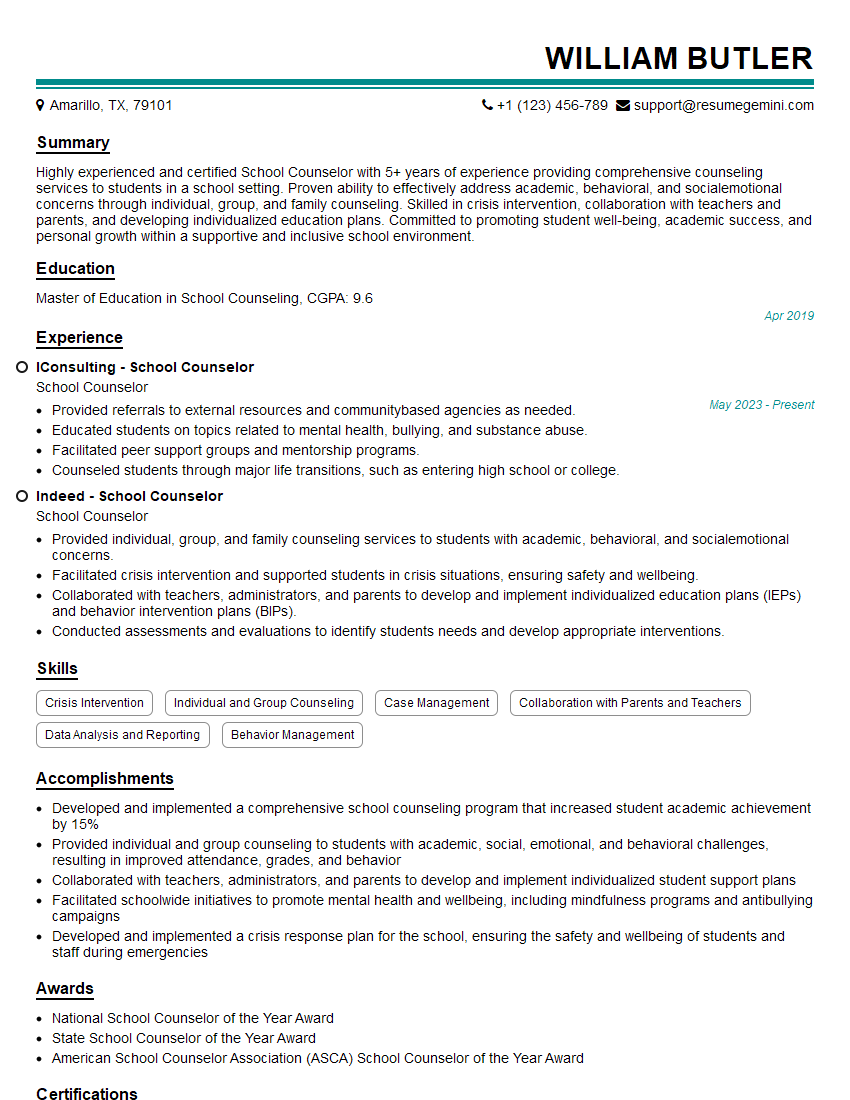
School Counselor Resume Sample
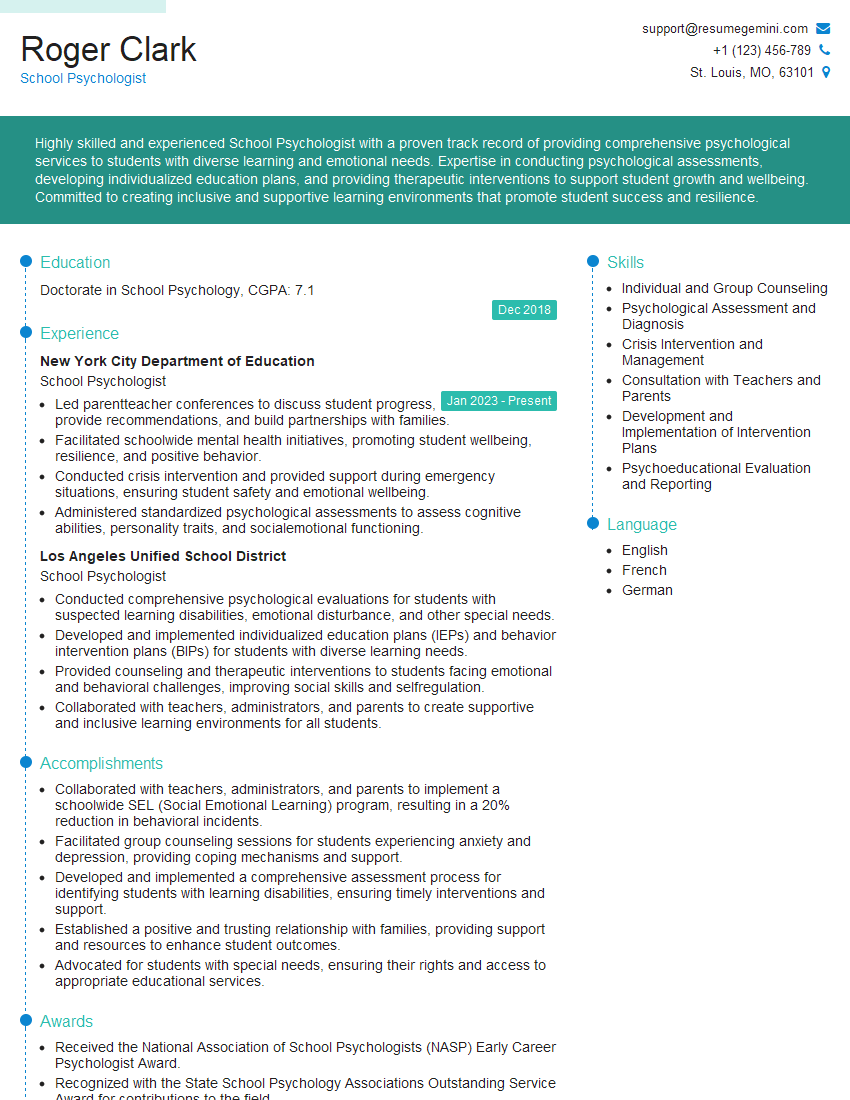
School Psychologist Resume Sample
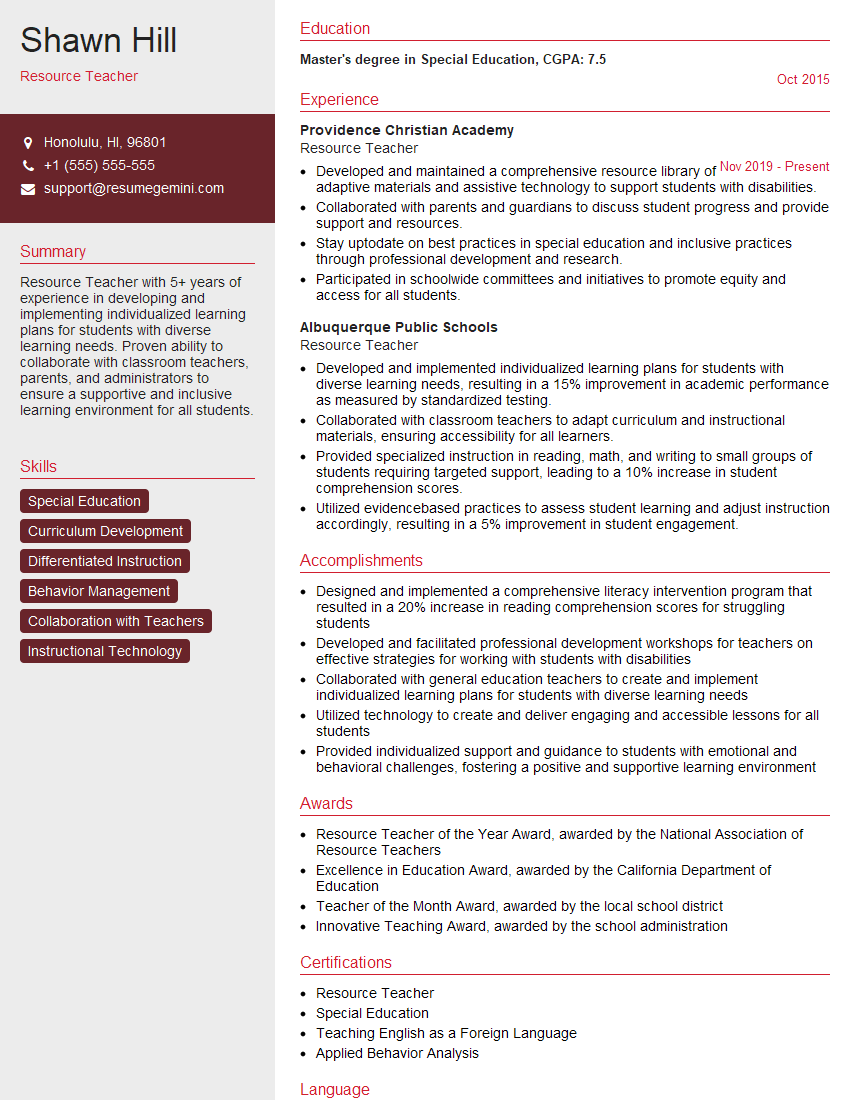
Resource Teacher Resume Sample
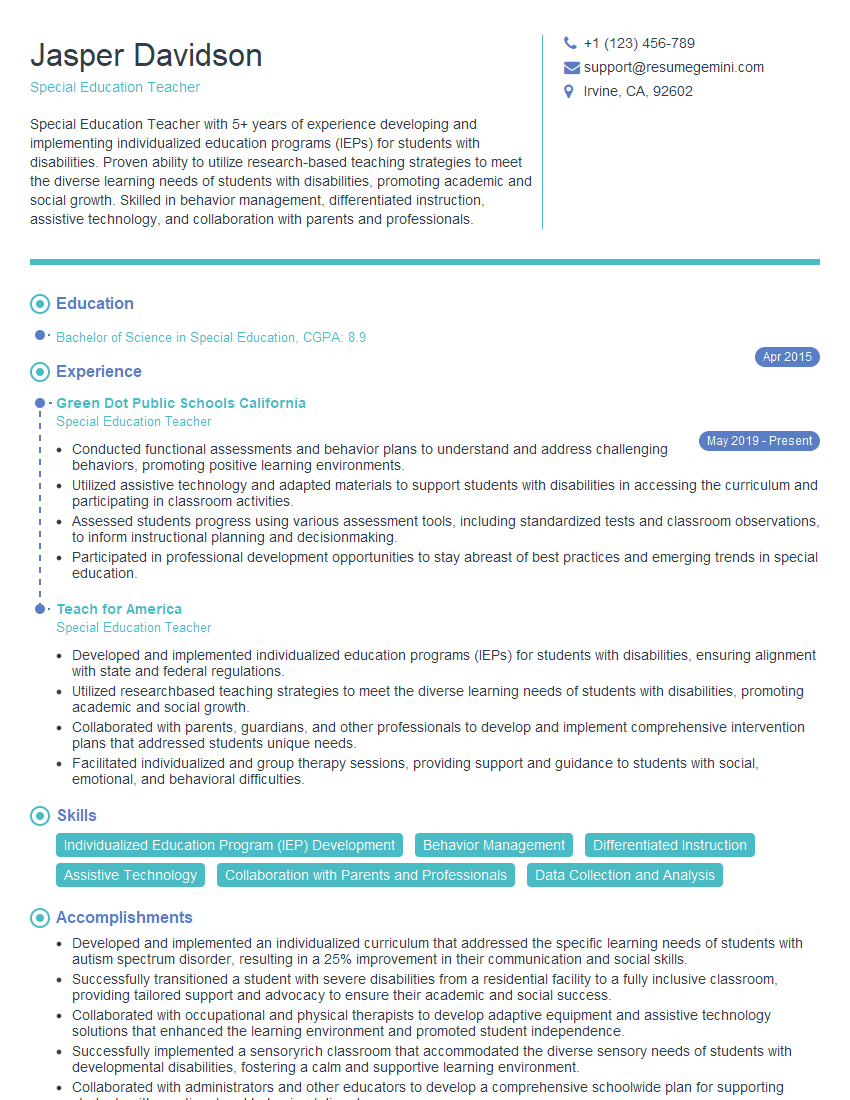
Special Education Teacher Resume Sample
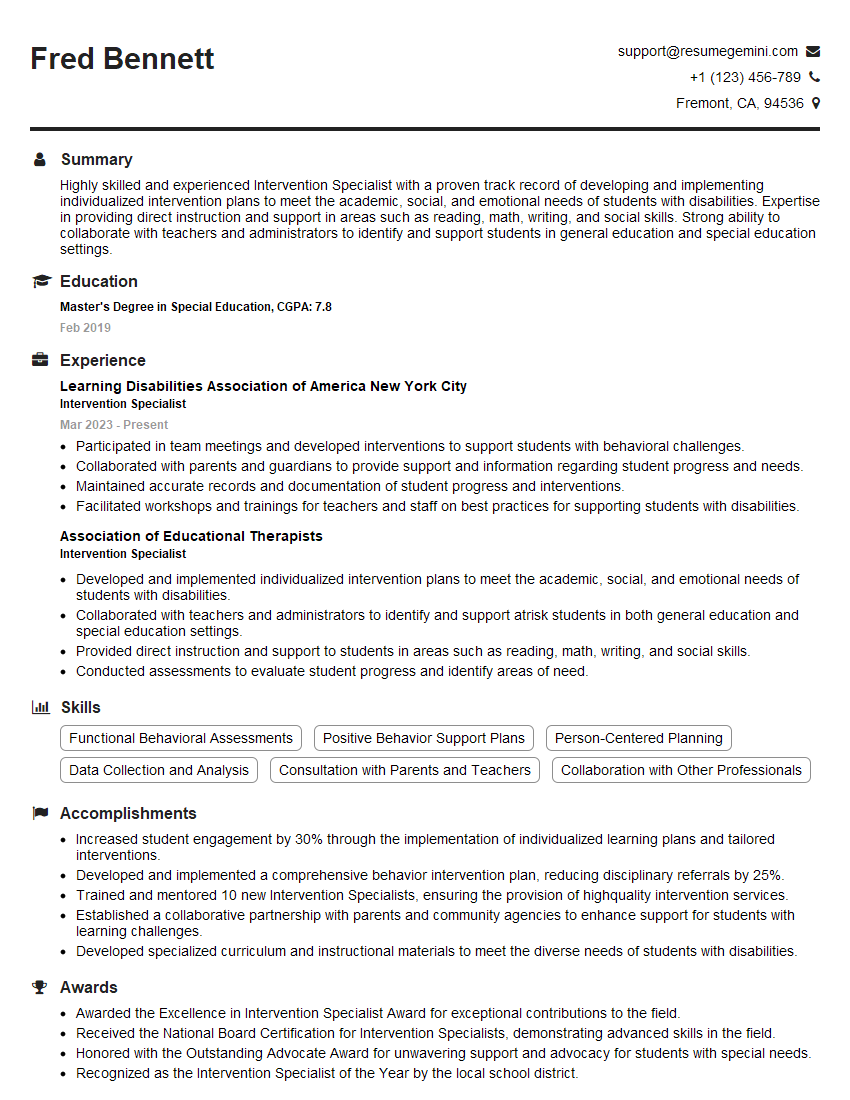
Intervention Specialist Resume Sample
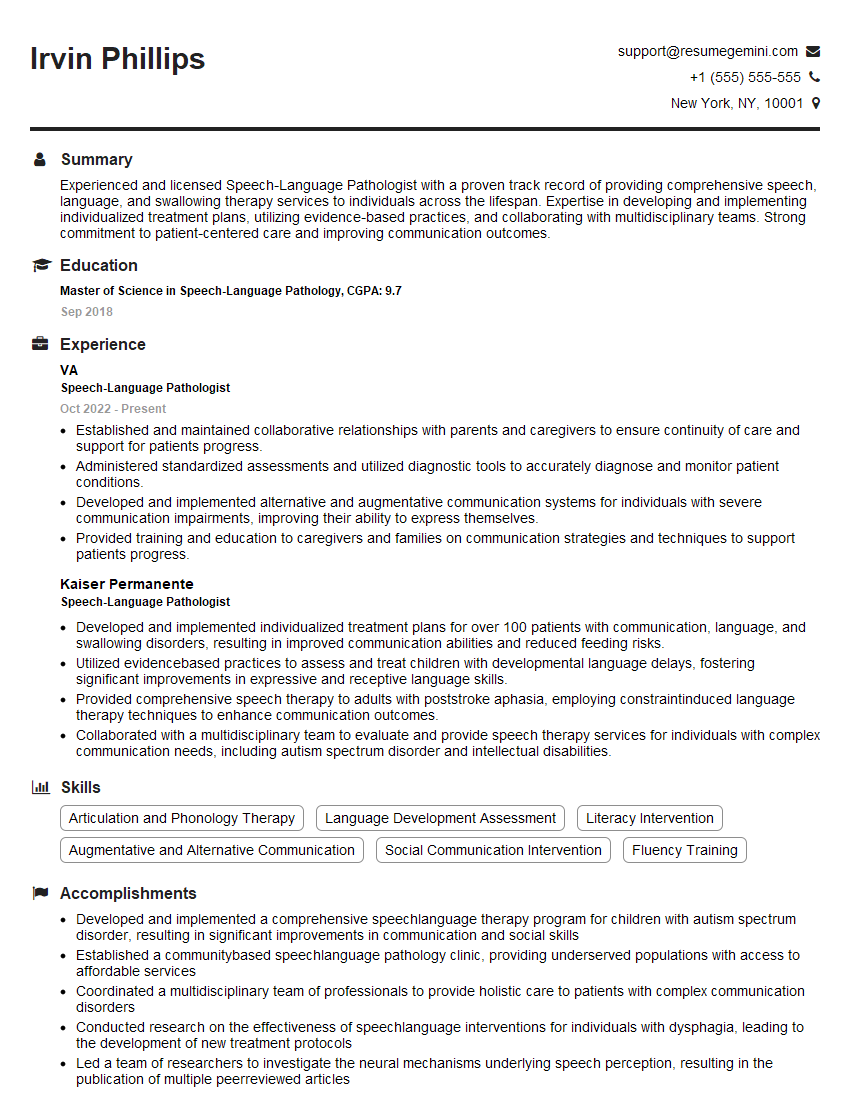
Speech-Language Pathologist Resume Sample
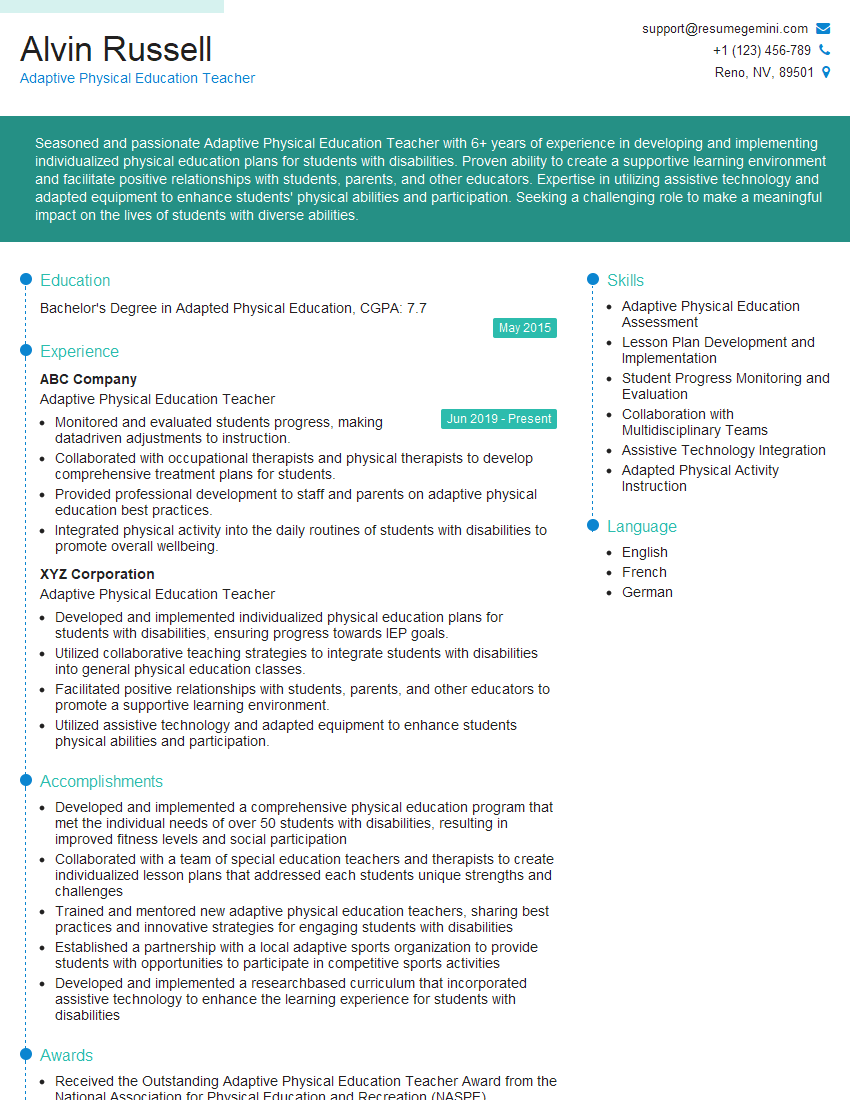
Adaptive Physical Education Teacher Resume Sample
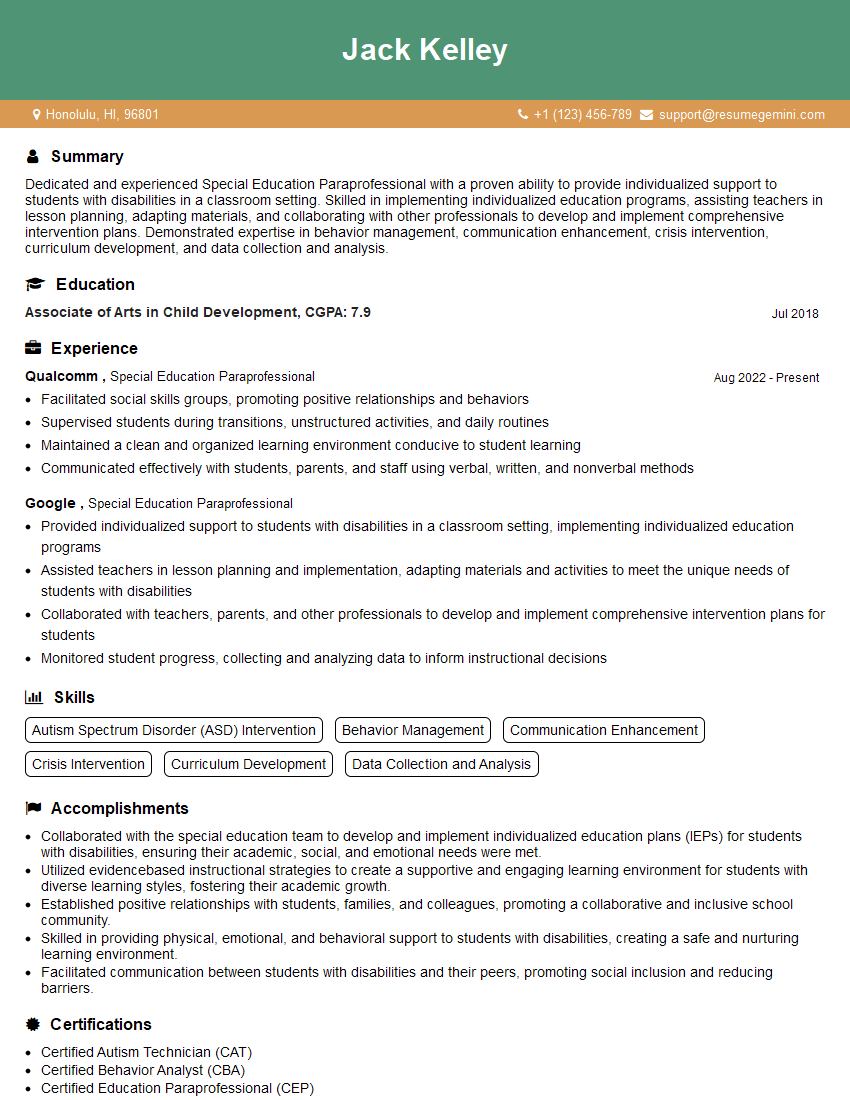
Special Education Paraprofessional Resume Sample
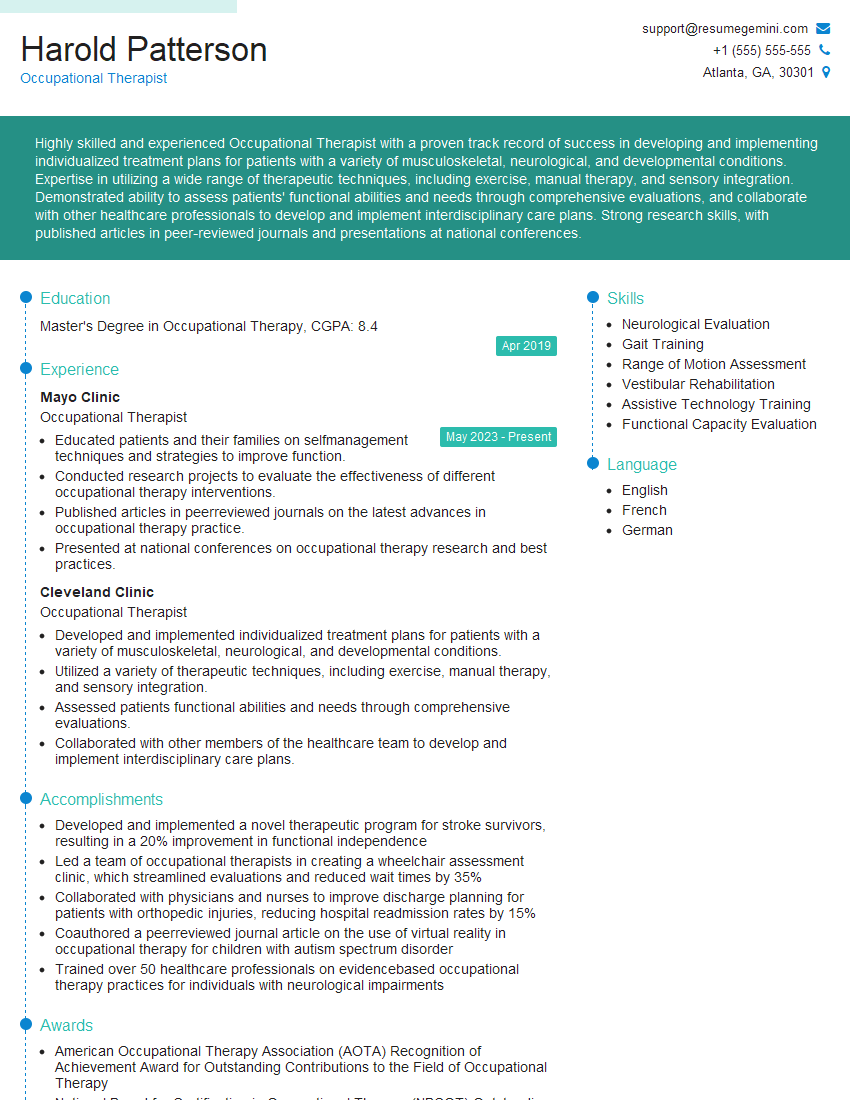
Occupational Therapist Resume Sample
- Learning Specialist
- Special Education Director
- Special Education Administrator
- Special Education Coordinator
- Transition Specialist
- Case Manager
- Behavior Specialist
- Educational Diagnostician
- School Counselor
- School Psychologist
- Resource Teacher
- Special Education Teacher
- Intervention Specialist
- Speech-Language Pathologist
- Adaptive Physical Education Teacher
- Special Education Paraprofessional
- Occupational Therapist
Explore more articles
Users Rating of Our Blogs
Share Your Experience
We value your feedback! Please rate our content and share your thoughts (optional).
What Readers Say About Our Blog
I Redesigned Spongebob Squarepants and his main characters of my artwork.
https://www.deviantart.com/reimaginesponge/art/Redesigned-Spongebob-characters-1223583608
IT gave me an insight and words to use and be able to think of examples
Hi, I’m Jay, we have a few potential clients that are interested in your services, thought you might be a good fit. I’d love to talk about the details, when do you have time to talk?
Best,
Jay
Founder | CEO