Feeling uncertain about what to expect in your upcoming interview? We’ve got you covered! This blog highlights the most important Student Mentoring and Counseling interview questions and provides actionable advice to help you stand out as the ideal candidate. Let’s pave the way for your success.
Questions Asked in Student Mentoring and Counseling Interview
Q 1. Describe your experience developing individualized mentoring plans for students.
Developing individualized mentoring plans is crucial for effective student support. It involves a thorough understanding of each student’s unique needs, goals, and learning style. My approach begins with an initial consultation where we explore their academic aspirations, identify any challenges they’re facing, and discuss their strengths. I then collaboratively create a personalized plan outlining specific, measurable, achievable, relevant, and time-bound (SMART) goals. This might include strategies for time management, study skills development, or seeking academic resources. For instance, a student struggling with procrastination might have goals focused on breaking down large assignments into smaller tasks, using a planner effectively, and setting realistic deadlines. The plan is regularly reviewed and adjusted based on the student’s progress and evolving needs. We document this process, ensuring transparency and accountability. This dynamic approach ensures the plan remains relevant and effective throughout the mentoring relationship.
Q 2. How do you identify and address students’ academic challenges?
Identifying and addressing academic challenges requires a multi-faceted approach. I begin by actively listening to the student, allowing them to articulate their struggles openly. This often reveals underlying issues beyond simply poor grades; it could be a lack of understanding of the subject matter, difficulties with specific learning styles, or even personal issues impacting their academic performance. I use various assessment tools, including reviewing academic records, conducting learning style assessments, and engaging in informal conversations to gain a comprehensive understanding. Once the root cause is identified, we collaboratively develop strategies to address it. This may involve connecting them with tutoring services, recommending specific study techniques, or exploring alternative learning methods. For example, if a student struggles with reading comprehension, we might explore visual learning aids or audiobooks. Ongoing monitoring and feedback are vital to ensure the effectiveness of implemented strategies.
Q 3. Explain your approach to conflict resolution among mentees.
Conflict resolution among mentees, when it arises, is handled with fairness, empathy, and a focus on restorative practices. My approach prioritizes creating a safe and respectful space for open communication. I facilitate discussions rather than dictating solutions, encouraging students to actively participate in resolving their disagreements. I utilize active listening skills to understand each perspective and help them identify the root cause of the conflict. The emphasis is on finding a mutually acceptable solution that respects everyone involved. For example, if two mentees disagree on a group project, I would guide them in a structured dialogue, helping them brainstorm solutions, compromise, and create a collaborative plan moving forward. This process teaches valuable conflict resolution skills that extend far beyond the mentoring relationship.
Q 4. What strategies do you employ to build rapport and trust with students?
Building rapport and trust is paramount for a successful mentoring relationship. It’s about creating a safe and supportive environment where the student feels comfortable sharing their concerns and experiences without judgment. I begin by demonstrating genuine interest in their lives, both academic and personal, through attentive listening and thoughtful questions. I create a non-judgmental space by actively validating their emotions and experiences. Consistency, reliability, and transparency are also crucial. Following through on commitments and being open about my own experiences helps build trust. It’s about demonstrating that I am there for them, not only as an academic advisor but also as a supportive mentor. Sharing relatable personal anecdotes (when appropriate) can help build a stronger connection and make them feel understood.
Q 5. How do you assess a student’s learning style and adapt your approach accordingly?
Assessing learning styles is crucial for tailoring my approach to individual student needs. I utilize a combination of methods, including formal learning style inventories (like VARK or Kolb), informal observations during mentoring sessions, and discussions about their preferred learning methods. For example, a student who thrives in hands-on activities might benefit from group projects, practical applications, and interactive learning exercises. Conversely, a student who prefers a visual approach might benefit from diagrams, charts, and presentations. Once a student’s preferred learning style is understood, I adapt my communication strategies, the materials I provide, and the activities we engage in accordingly. This personalized approach significantly enhances their comprehension and engagement with the material.
Q 6. Describe a time you had to advocate for a student’s needs.
I once advocated for a student who was struggling with severe anxiety impacting their academic performance. Despite their academic capabilities, their anxiety prevented them from participating in class or completing assignments. I initially worked with them to manage their anxiety through coping mechanisms and stress-reduction techniques. However, it became apparent that they needed further support. I met with their instructors to explain their situation, advocating for reasonable accommodations such as extended deadlines and alternative assessment methods. I also connected them with the university’s counseling services to receive professional support. Through collaborative effort, we ensured the student received the necessary support to succeed, highlighting the importance of advocating for student well-being.
Q 7. How do you handle confidentiality concerns with student information?
Confidentiality is a cornerstone of my work. I strictly adhere to all relevant privacy policies and regulations regarding student information. I only share information on a need-to-know basis with relevant personnel (e.g., academic advisors, counselors) who are also bound by confidentiality agreements. I always obtain informed consent before disclosing any information. I am meticulous in safeguarding sensitive student data, both electronically and physically. Students are explicitly informed about the limits of confidentiality at the outset of our relationship. For instance, I would explain that I am mandated to report instances of self-harm or threats to others. This approach ensures that students are aware of both the protections and limitations of confidentiality.
Q 8. Explain your experience using various counseling techniques.
My experience encompasses a range of counseling techniques tailored to individual student needs. I’m proficient in person-centered therapy, focusing on empathy and unconditional positive regard to help students explore their feelings and develop self-awareness. I also utilize cognitive behavioral therapy (CBT), teaching students to identify and challenge negative thought patterns and develop coping mechanisms. Solution-focused brief therapy is another valuable tool, helping students define specific goals and identify steps to achieve them. For example, a student struggling with test anxiety might benefit from CBT techniques to manage negative self-talk, while a student facing a major life transition might find solution-focused therapy more effective in creating a concrete action plan.
Furthermore, I integrate motivational interviewing, a collaborative approach that empowers students to find their own solutions and build intrinsic motivation for change. With students facing significant challenges, I may incorporate elements of trauma-informed care, ensuring a safe and supportive environment. The selection of techniques is always informed by a thorough assessment of the student’s individual circumstances and presenting issues.
Q 9. How do you measure the effectiveness of your mentoring interventions?
Measuring the effectiveness of mentoring interventions involves a multi-faceted approach. Quantitative data, such as academic performance improvements (GPA, standardized test scores), attendance rates, and disciplinary actions, provide valuable objective measures. However, these alone don’t fully capture the impact. Qualitative data is equally crucial. This includes regular progress meetings where we discuss goals, challenges, and successes. I use feedback forms and surveys to gather student perspectives on their progress and the effectiveness of the mentoring relationship. I also utilize pre- and post-intervention assessments that track changes in self-esteem, self-efficacy, and mental well-being using standardized measures such as the Rosenberg Self-Esteem Scale.
For instance, if a mentee is struggling with social isolation, I might track their participation in social events, their reported levels of loneliness, and their expressed confidence in their social interactions over time. By combining quantitative and qualitative data, I can develop a comprehensive understanding of the intervention’s effectiveness and adapt my approach as needed.
Q 10. How do you support students experiencing mental health challenges?
Supporting students facing mental health challenges requires a sensitive and collaborative approach. My first step is always to create a safe and non-judgmental space where students feel comfortable sharing their experiences. I actively listen, validate their feelings, and provide reassurance. I assess the severity of their challenges, differentiating between those I can support directly through counseling and those requiring referral to specialized mental health professionals. For example, if a student is experiencing symptoms of depression or anxiety, I might implement CBT techniques to help them manage their symptoms. However, if a student discloses suicidal ideation, I prioritize immediate referral to a psychiatrist or psychologist.
I work closely with school counselors, psychologists, and other support staff to coordinate care. I provide resources, connect students with relevant services (such as crisis hotlines or therapy services), and help them navigate the process of seeking professional help. Confidentiality is paramount, and I adhere strictly to ethical guidelines regarding student privacy and data protection. Maintaining regular communication with parents/guardians (with the student’s consent) is also vital in ensuring comprehensive support.
Q 11. Describe your experience working with diverse student populations.
My experience working with diverse student populations is extensive. I understand that students come from various backgrounds, cultures, socioeconomic statuses, and have unique identities (religious, sexual, ethnic, etc.). I actively work to create an inclusive environment where all students feel respected and valued. This includes actively listening to students’ experiences and perspectives, acknowledging their unique identities, and adapting my counseling style to be culturally sensitive and responsive.
For instance, when working with a student from a different cultural background, I carefully consider how cultural norms might influence their communication style and approach to problem-solving. I might use interpreters or culturally relevant materials to enhance communication and understanding. I also seek training and consult with experts to broaden my understanding of diverse cultural perspectives and ensure that my interactions are appropriate and effective.
Q 12. What are your strategies for time management and caseload management?
Effective time and caseload management are essential for providing quality mentoring. I utilize a combination of strategies to balance my responsibilities. I employ scheduling tools and calendars to plan appointments, allocate time for administrative tasks, and ensure adequate time for individual mentoring sessions. I prioritize tasks based on urgency and importance. I also set realistic expectations for myself and my mentees, ensuring that goals are achievable and deadlines are manageable.
Regularly reviewing my caseload allows me to identify students who need more support or those who are making good progress. This enables me to adjust my time allocation as needed. Delegation and collaboration with colleagues, when appropriate, are also crucial in managing a large caseload. Regular self-reflection helps me assess my effectiveness and identify areas for improvement in my time management strategies.
Q 13. How do you maintain ethical boundaries in your mentoring relationships?
Maintaining ethical boundaries is paramount in mentoring relationships. I strictly adhere to professional codes of conduct, ensuring transparency and clear expectations from the outset. This includes establishing clear boundaries regarding the scope of the mentoring relationship, ensuring it remains professional and does not venture into personal areas. I avoid dual relationships, such as becoming friends or engaging in social interactions outside of the mentoring context.
Confidentiality is strictly observed, only sharing information with relevant stakeholders (parents/guardians, school officials) with the student’s consent, when legally required or when there is concern for the student’s safety. I regularly reflect on my interactions to ensure I maintain professional boundaries and address any potential conflicts of interest promptly. If a boundary issue arises, I seek supervision or consultation from experienced colleagues to ensure ethical practice.
Q 14. How do you collaborate with parents/guardians regarding student progress?
Collaboration with parents/guardians is crucial for student success. I obtain parental consent before engaging in any mentoring activities and keep them informed of their child’s progress. Regular communication, whether through phone calls, emails, or written reports, is vital. I communicate progress towards goals, challenges faced, and strategies implemented. I strive to create a partnership with parents/guardians, working collaboratively to support the student’s development.
Meetings with parents/guardians provide an opportunity for shared understanding and collaboration. These meetings focus on open communication, focusing on the student’s strengths, areas for improvement, and strategies for mutual support. I ensure all discussions are conducted with respect and sensitivity, always prioritizing the student’s well-being and confidentiality.
Q 15. What are your strategies for motivating and encouraging unmotivated students?
Motivating unmotivated students requires a multifaceted approach that focuses on understanding the root cause of their disengagement. It’s rarely a simple lack of will; often, underlying issues like academic struggles, social isolation, mental health concerns, or family problems contribute to a lack of motivation.
- Building Rapport: I begin by establishing a trusting relationship. This involves active listening, showing genuine empathy, and creating a safe space where they feel comfortable sharing their concerns without judgment. For instance, I might start a session by asking about their hobbies or interests outside of school to connect on a personal level.
- Identifying Strengths and Interests: Uncovering their strengths and connecting academics to their interests is crucial. If a student loves video games, for example, I might explore how problem-solving skills in games translate to math or critical thinking in history.
- Setting Realistic Goals: Instead of overwhelming them with large, unattainable goals, we work together to set small, achievable milestones. Celebrating each success, no matter how small, reinforces their confidence and builds momentum. For instance, instead of aiming for a perfect grade on a test, we might focus on mastering one specific concept first.
- Providing Support and Resources: I connect students with relevant resources, such as tutoring, academic advising, or mental health services, depending on their needs. It’s about empowering them to take control of their situation.
- Encouraging Self-Reflection: I guide them in self-reflection exercises to help them identify their own strengths, values, and goals. This process helps them find intrinsic motivation and a sense of purpose.
For example, I once worked with a student who was consistently missing assignments and seemed apathetic. Through conversations, I discovered he was struggling with anxiety related to social situations. We worked together to create a plan, starting with smaller assignments and gradually increasing his workload, along with connecting him with the school counselor for anxiety management techniques. This gradual approach led to significant improvement in his motivation and academic performance.
Career Expert Tips:
- Ace those interviews! Prepare effectively by reviewing the Top 50 Most Common Interview Questions on ResumeGemini.
- Navigate your job search with confidence! Explore a wide range of Career Tips on ResumeGemini. Learn about common challenges and recommendations to overcome them.
- Craft the perfect resume! Master the Art of Resume Writing with ResumeGemini’s guide. Showcase your unique qualifications and achievements effectively.
- Don’t miss out on holiday savings! Build your dream resume with ResumeGemini’s ATS optimized templates.
Q 16. Describe your experience with crisis intervention in a student setting.
Crisis intervention requires immediate action to ensure a student’s safety and well-being. My experience includes instances of suicidal ideation, self-harm, and severe emotional distress. My approach follows a structured framework:
- Assess the Situation: The first step is to assess the immediate danger. Am I dealing with an imminent threat of self-harm or harm to others? This involves active listening to understand the student’s emotional state, identifying triggers, and assessing the risk of suicide or self-harm.
- Ensure Safety: If there’s an immediate risk, my priority is to ensure the student’s safety. This might involve contacting emergency services (911), campus security, or parents/guardians, depending on the situation and the student’s wishes (within ethical and legal boundaries).
- Provide Support: I offer empathetic support, validating their feelings without judgment. I create a safe space for them to express their emotions.
- Develop a Safety Plan: Working collaboratively, we create a safety plan that includes coping mechanisms, contact information for support resources (crisis hotline, mental health professionals), and strategies for managing triggers.
- Refer to Professionals: I facilitate referrals to appropriate mental health professionals, counseling services, or other specialized support as needed. This is crucial because I am not a licensed therapist and my role is to provide initial support and facilitate access to professional care.
One instance involved a student who expressed suicidal thoughts. I immediately ensured their safety by contacting campus security and their parents, following school protocol. I then worked with the student to develop a safety plan and connected them with a crisis hotline and our school’s counseling services for ongoing support.
Q 17. How do you document student interactions and progress?
Accurate documentation of student interactions and progress is essential for accountability, continuity of care, and compliance with regulations. My documentation methods include:
- Detailed Notes: I maintain detailed notes after each meeting, including the date, time, location, student’s presenting concerns, discussions held, interventions implemented, and any agreements made. These notes are objective and avoid subjective interpretations, focusing on observable behaviors and statements.
- Progress Tracking: I use a structured format to track student progress toward identified goals. This might involve a progress chart, a checklist, or a more detailed narrative tracking specific behaviors, emotional states, and the effectiveness of interventions.
- Secure Storage: All documentation is stored securely, adhering to FERPA regulations (discussed in the next answer) and institutional policies regarding confidentiality. Electronic records are password-protected, and physical records are kept in locked cabinets.
- Regular Reviews: I regularly review student documentation to assess progress, identify areas needing adjustment, and ensure continuity of care.
For instance, I use a simple template for each session, listing key information and leaving space for detailed notes on the student’s verbal and non-verbal communication, emotional state, and the focus of our discussion. These records are vital for me and other professionals involved in a student’s care to continue to provide the best possible support.
Q 18. Explain your understanding of FERPA regulations.
The Family Educational Rights and Privacy Act (FERPA) is a federal law protecting the privacy of student education records. Understanding and adhering to FERPA is crucial in my role. Key aspects include:
- Confidentiality: I am obligated to maintain the confidentiality of all student information, only sharing it with authorized individuals (e.g., parents/guardians with proper consent, school officials with a legitimate educational interest) or when required by law (e.g., mandated reporting of child abuse).
- Parental Rights: Parents/guardians of eligible students generally have the right to inspect and review their child’s educational records, request amendments to inaccurate information, and control the release of information to third parties.
- Student Rights: Once students reach the age of 18 (or are enrolled in a postsecondary institution), they are granted these same rights.
- Exceptions: FERPA allows disclosure without consent in specific circumstances, such as for directory information (generally name, address, phone number, etc. unless the student or parent opts out) or to comply with a court order.
I take meticulous care to ensure that all my interactions and record-keeping practices comply fully with FERPA regulations. This includes securing my documentation, obtaining appropriate consent before sharing information, and being aware of the exceptions to confidentiality.
Q 19. How do you identify and refer students to appropriate resources?
Identifying and referring students to appropriate resources is a critical component of effective mentoring and counseling. This process involves:
- Assessment: I carefully assess the student’s needs through active listening, observation, and relevant assessments (if necessary and appropriate). This helps identify the underlying issues contributing to their difficulties.
- Resource Knowledge: I maintain a thorough understanding of the available resources within the school and the broader community, including academic support services, mental health professionals, social services, and community organizations.
- Collaboration: I often collaborate with other professionals, such as teachers, school counselors, and administrators, to provide a holistic approach to support the student’s needs.
- Referral Process: The referral process involves explaining the available resources to the student, discussing the benefits and potential drawbacks of each option, and assisting them in making informed decisions. I then facilitate the referral by providing contact information, scheduling appointments, or accompanying them to the initial meeting if appropriate and requested.
- Follow-up: I often follow up with students after referrals to monitor their progress and provide ongoing support.
For example, a student struggling with test anxiety might be referred to a study skills workshop or a counselor specializing in anxiety management. A student facing financial challenges might be referred to financial aid services or community resources.
Q 20. What are your strengths and weaknesses as a mentor/counselor?
As a mentor and counselor, my strengths lie in my ability to build rapport quickly with students, my active listening skills, and my empathy. I am patient, adaptable, and resourceful in finding solutions to meet students’ diverse needs. I am also highly organized and detail-oriented in my documentation and follow-up.
A weakness I am actively working on is setting stricter boundaries with students while maintaining empathy and support. Sometimes, the desire to help can lead me to take on too much, which can be counterproductive in the long run. I am addressing this by learning to better delegate tasks and manage my time more effectively, ensuring I maintain a healthy balance between professional support and personal well-being.
Q 21. How do you handle challenging or confrontational student behaviors?
Handling challenging or confrontational student behaviors requires a calm, assertive, and consistent approach, always keeping student safety and well-being as the top priority.
- Remain Calm: The first step is to remain calm and composed, even in the face of provocation. My emotional response significantly impacts the student’s reaction. Taking deep breaths and maintaining a neutral demeanor helps de-escalate the situation.
- Active Listening: I actively listen to understand their perspective, even if I don’t agree with their behavior. This shows respect and helps them feel heard, which can reduce defensiveness.
- Set Clear Boundaries: I clearly communicate expectations and boundaries in a respectful but firm manner. This helps students understand the consequences of their actions and promotes responsible behavior.
- Collaboration: If the behavior persists or escalates, I collaborate with other school professionals (teachers, administrators, counselors) to develop a comprehensive plan to address the issue. This might involve parent/guardian involvement or referral to specialized services.
- Document Everything: I meticulously document all instances of challenging behavior, including the context, the student’s actions, my response, and the outcome. This documentation is crucial for providing a complete picture of the situation and ensuring consistent interventions.
For instance, if a student becomes verbally aggressive, I might calmly acknowledge their feelings, restate my expectations for respectful communication, and provide them with options for calming down. If the behavior continues, I would involve other school officials to create a consistent response plan that promotes a safe and respectful learning environment for everyone.
Q 22. Describe your experience with career counseling and guidance.
Career counseling and guidance involve helping students explore their interests, skills, and values to make informed decisions about their future academic and professional paths. My experience spans over [Number] years, encompassing individual and group sessions, workshops, and presentations. I’ve worked with students from diverse backgrounds and at various stages of their academic journey, from high school students considering college options to graduate students seeking career placements.
For example, I recently helped a student who was struggling to decide between pursuing a career in medicine and engineering. Through a series of assessments, discussions, and informational interviews, we explored his aptitudes, passions, and potential career paths within each field. Ultimately, he chose engineering after realizing his strong analytical skills and interest in problem-solving were a better fit for his personality and long-term goals. I also have experience using career aptitude tests like the Strong Interest Inventory and Myers-Briggs Type Indicator to help students understand their strengths and preferences.
My approach is highly personalized, focusing on active listening and collaboratively developing a plan that aligns with the student’s unique aspirations and circumstances. I guide them through the process of researching career options, networking with professionals, developing resumes and cover letters, and preparing for job interviews.
Q 23. How do you adapt your communication style to different student personalities?
Adapting my communication style is crucial for effective student mentoring. I recognize that each student is unique, with different learning styles, communication preferences, and levels of comfort. My approach involves actively observing student behavior and adjusting my communication accordingly.
- For introverted students: I provide a safe and supportive space for them to express themselves at their own pace, using open-ended questions and active listening techniques to encourage them to share their thoughts and concerns. I may schedule shorter, more frequent sessions to avoid overwhelming them.
- For extroverted students: I engage in more interactive discussions and encourage their participation in group activities. I can utilize brainstorming sessions and group projects to leverage their energy and enthusiasm.
- For students with learning differences: I adjust the pace and format of our sessions as needed, perhaps using visual aids or other alternative methods to enhance understanding. I collaborate closely with other support staff like learning specialists to create a comprehensive support system.
Essentially, my communication style is flexible and responsive to the individual needs of each student. I constantly assess their comfort level and tailor my approach to create a positive and productive mentoring relationship.
Q 24. What are some common challenges in student mentoring, and how do you address them?
Common challenges in student mentoring include:
- Lack of Motivation or Engagement: Some students may struggle with self-motivation or find it difficult to engage in the mentoring process. I address this by collaborating with the student to identify their goals and develop a plan that excites and motivates them. We often use SMART goals (Specific, Measurable, Achievable, Relevant, Time-bound).
- Academic Struggles: Many students face academic challenges, impacting their overall well-being. I connect them with appropriate academic resources, like tutoring or learning centers, and offer strategies for improving study habits and time management.
- Personal Issues: Students may experience personal difficulties that affect their academic performance and overall well-being. I provide a safe space for them to discuss their challenges and connect them with the appropriate resources, such as counseling services or support groups. Sometimes, it is necessary to refer them to external professionals.
- Communication Barriers: Misunderstandings or communication gaps can hinder the mentoring relationship. I proactively address these by fostering open communication and active listening. Regular check-ins and feedback sessions ensure mutual understanding.
Addressing these challenges requires a holistic approach, combining empathy, problem-solving skills, and resourcefulness. My role is to support students in overcoming obstacles and achieving their goals, building their resilience along the way.
Q 25. How do you stay current with best practices in student mentoring and counseling?
Staying current with best practices is essential. I achieve this through several methods:
- Professional Development Workshops and Conferences: Regularly attending workshops and conferences allows me to learn about new approaches, research findings, and emerging trends in the field.
- Professional Journals and Publications: I subscribe to relevant journals and publications, staying abreast of the latest research and best practices in student mentoring and counseling.
- Networking with Colleagues: Engaging with colleagues through professional organizations and online forums provides opportunities for sharing experiences and learning from others’ expertise.
- Continuing Education Courses: I participate in continuing education courses to update my knowledge and skills, ensuring that I am utilizing evidence-based practices.
This continuous learning approach ensures that I provide the most effective and up-to-date support to my students.
Q 26. Describe your experience using technology to support student mentoring.
Technology plays a significant role in supporting student mentoring. I utilize various tools to enhance communication, collaboration, and accessibility:
- Video conferencing: Platforms like Zoom or Google Meet allow for convenient and flexible meetings, especially for students with busy schedules or geographic limitations.
- Learning Management Systems (LMS): LMS platforms like Canvas or Blackboard facilitate sharing resources, assignments, and progress updates. I use them to track student progress and provide timely feedback.
- Online Scheduling Tools: Tools like Calendly streamline appointment scheduling, making it easier for students to book sessions at their convenience.
- Secure Messaging Platforms: Secure platforms ensure confidential communication and allow for quick responses to student inquiries.
I am proficient in using these technologies to create a more efficient and accessible mentoring experience for my students, while maintaining confidentiality and ethical guidelines.
Q 27. How do you ensure equity and inclusivity in your mentoring practices?
Equity and inclusivity are paramount in my mentoring practices. I strive to create a safe and welcoming environment where all students feel valued and respected, regardless of their background, identity, or circumstances.
- Culturally Responsive Mentoring: I adapt my approach to reflect the cultural backgrounds and experiences of my students. This involves learning about different cultural perspectives and adapting my communication and teaching styles accordingly.
- Addressing Bias: I am mindful of my own biases and actively work to mitigate their influence on my interactions with students. I strive for objective and fair assessment of each student’s needs and potential.
- Promoting Inclusive Language: I use inclusive language that avoids stereotypes and reinforces respect for all individuals.
- Accessibility Considerations: I ensure that my resources and communication are accessible to students with disabilities, utilizing various accommodations as needed.
By actively promoting equity and inclusivity, I aim to empower all students to reach their full potential.
Q 28. What are your long-term goals in the field of student mentoring and counseling?
My long-term goals involve becoming a leader in the field of student mentoring and counseling. I aspire to:
- Develop and implement innovative mentoring programs: I aim to design programs that address the evolving needs of students, integrating technology and evidence-based practices.
- Conduct research on effective mentoring strategies: I plan to contribute to the field through research that examines the impact of mentoring on student success and well-being.
- Train and mentor other professionals: Sharing my knowledge and experience by training future mentors will contribute to the development of the profession.
- Advocate for policies and practices that support student success: I will work towards creating systemic changes that promote equity and access to quality mentoring for all students.
Ultimately, I want to make a significant contribution to the field, helping to improve the lives and futures of countless students.
Key Topics to Learn for Student Mentoring and Counseling Interview
- Developmental Theories: Understanding key theories like Erikson’s stages of psychosocial development, Piaget’s cognitive development theory, and Kohlberg’s stages of moral development. Consider how these frameworks inform your approach to mentoring and counseling.
- Active Listening and Communication Skills: Mastering techniques for empathetic listening, non-verbal communication, and providing constructive feedback. Prepare examples showcasing your ability to build rapport and effectively communicate with diverse student populations.
- Crisis Intervention and Support: Familiarize yourself with strategies for identifying and responding to student crises, including mental health concerns, academic struggles, and personal challenges. Consider ethical considerations and appropriate referral processes.
- Diversity, Equity, and Inclusion (DEI): Demonstrate understanding of culturally responsive practices and the importance of creating an inclusive environment for all students. Prepare examples highlighting your commitment to DEI principles.
- Ethical Considerations in Counseling: Understand the ethical guidelines and legal considerations relevant to student mentoring and counseling, including confidentiality, informed consent, and boundaries.
- Individualized Support Planning: Showcase your ability to assess student needs, develop individualized support plans, and track progress effectively. Practice describing your approach to goal setting and collaboration with students.
- Assessment and Evaluation: Demonstrate knowledge of various assessment techniques used to evaluate student progress and identify areas needing further support. This could include informal observation, formal testing, or self-reflection exercises.
- Collaboration and Teamwork: Highlight your experience working effectively with colleagues, teachers, parents, and other stakeholders to support students’ holistic development.
Next Steps
Mastering Student Mentoring and Counseling is vital for a rewarding and impactful career. It allows you to make a tangible difference in the lives of young people and contribute significantly to their success. To significantly enhance your job prospects, focus on building an ATS-friendly resume that effectively highlights your skills and experience. We highly recommend using ResumeGemini, a trusted resource for creating professional resumes. ResumeGemini provides examples of resumes tailored specifically to Student Mentoring and Counseling roles, ensuring your application stands out.
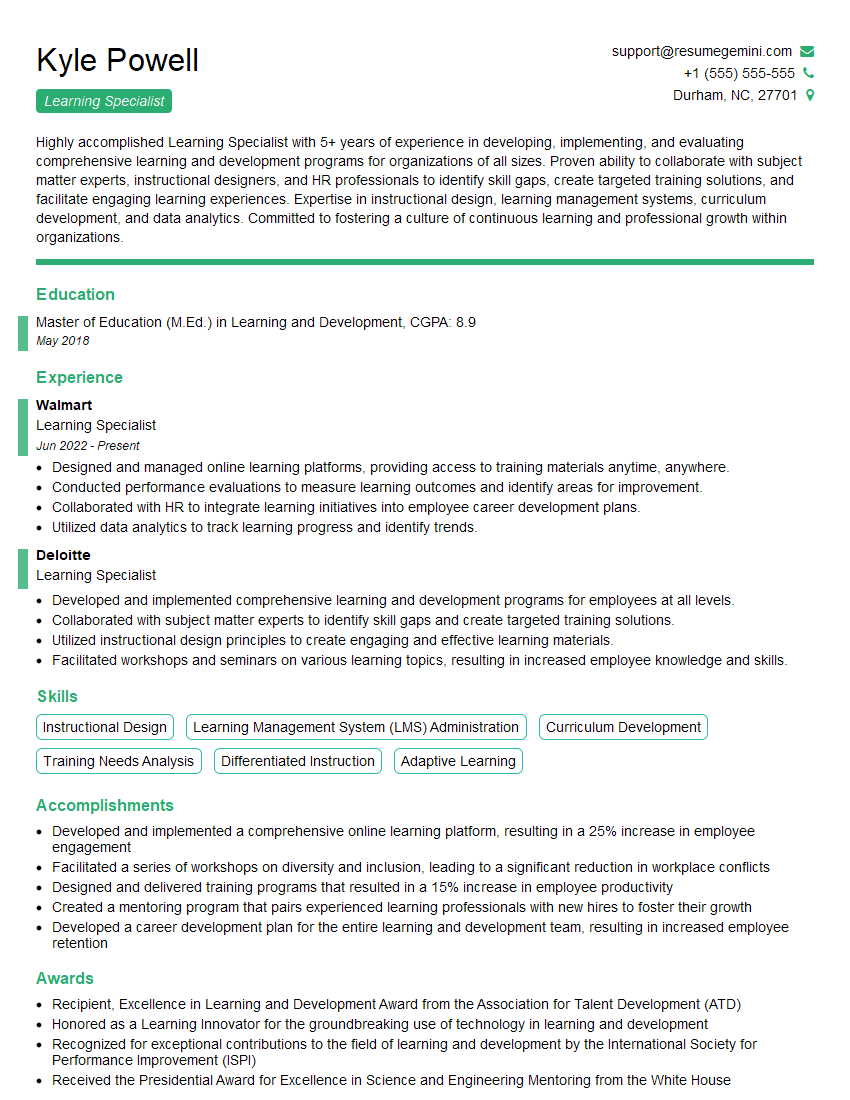
Learning Specialist Resume Sample
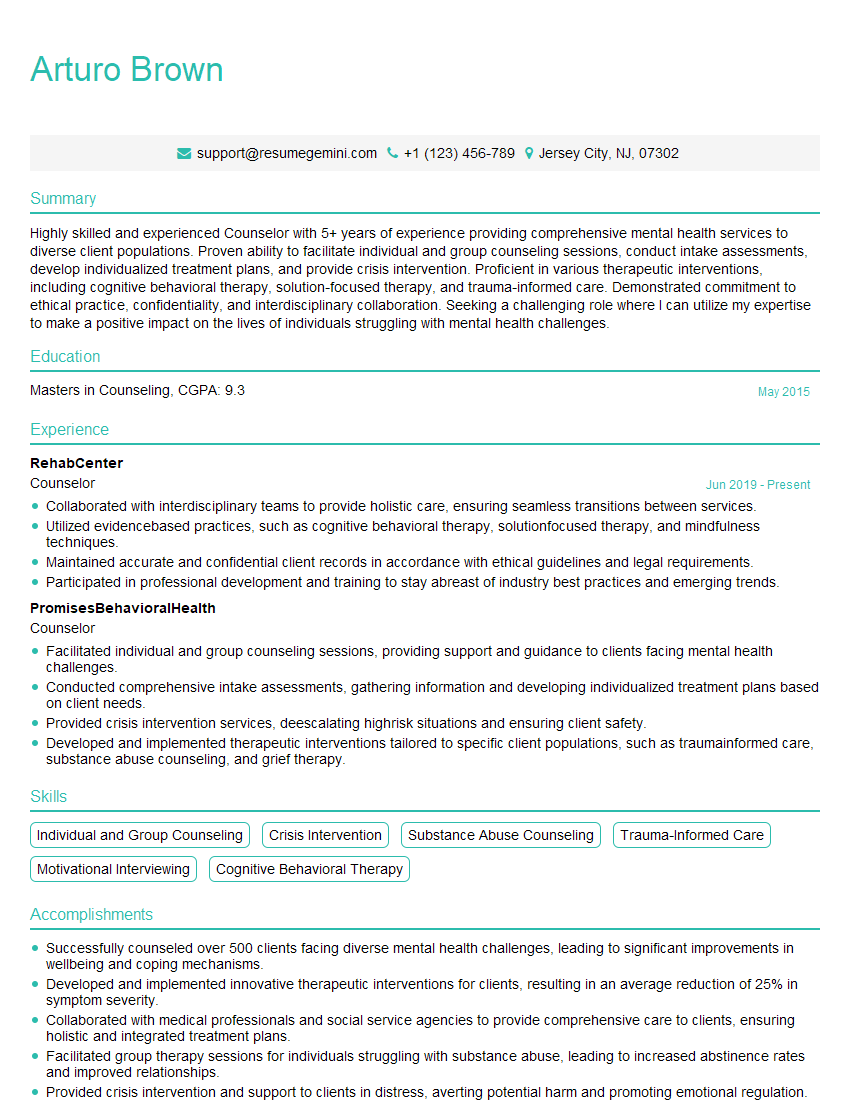
Counselor Resume Sample
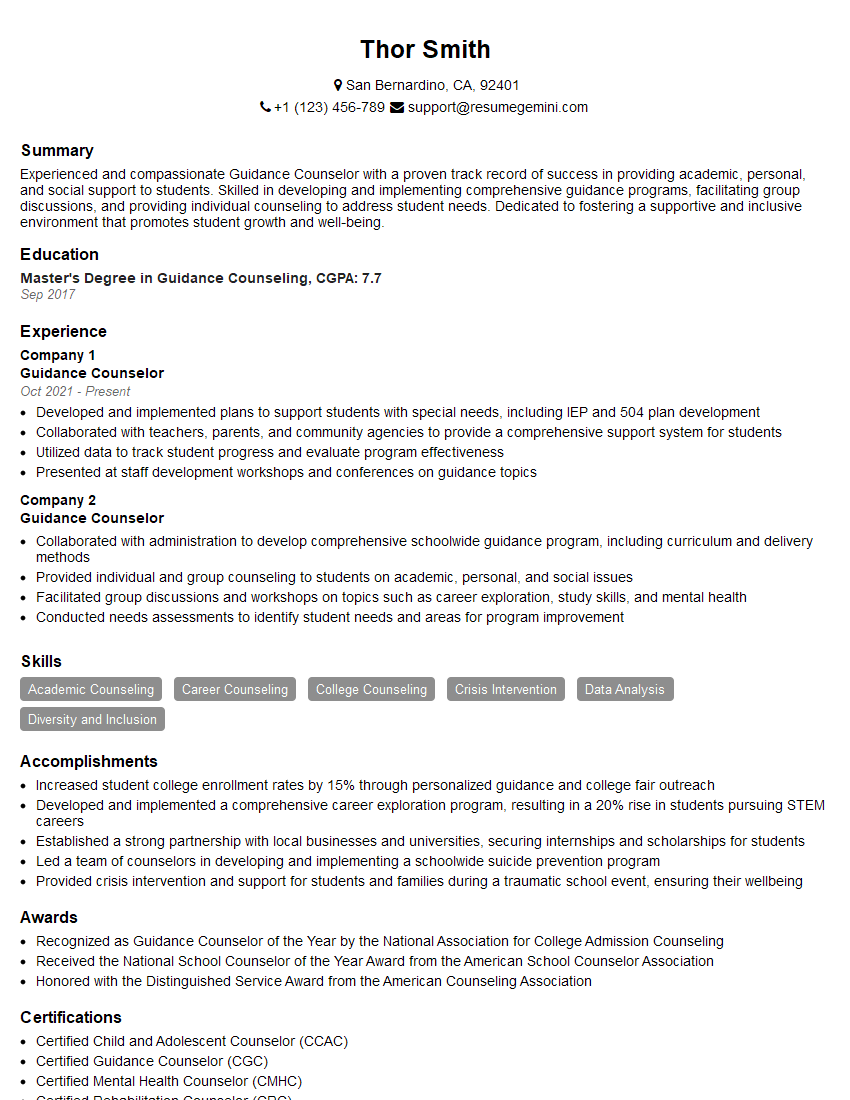
Guidance Counselor Resume Sample
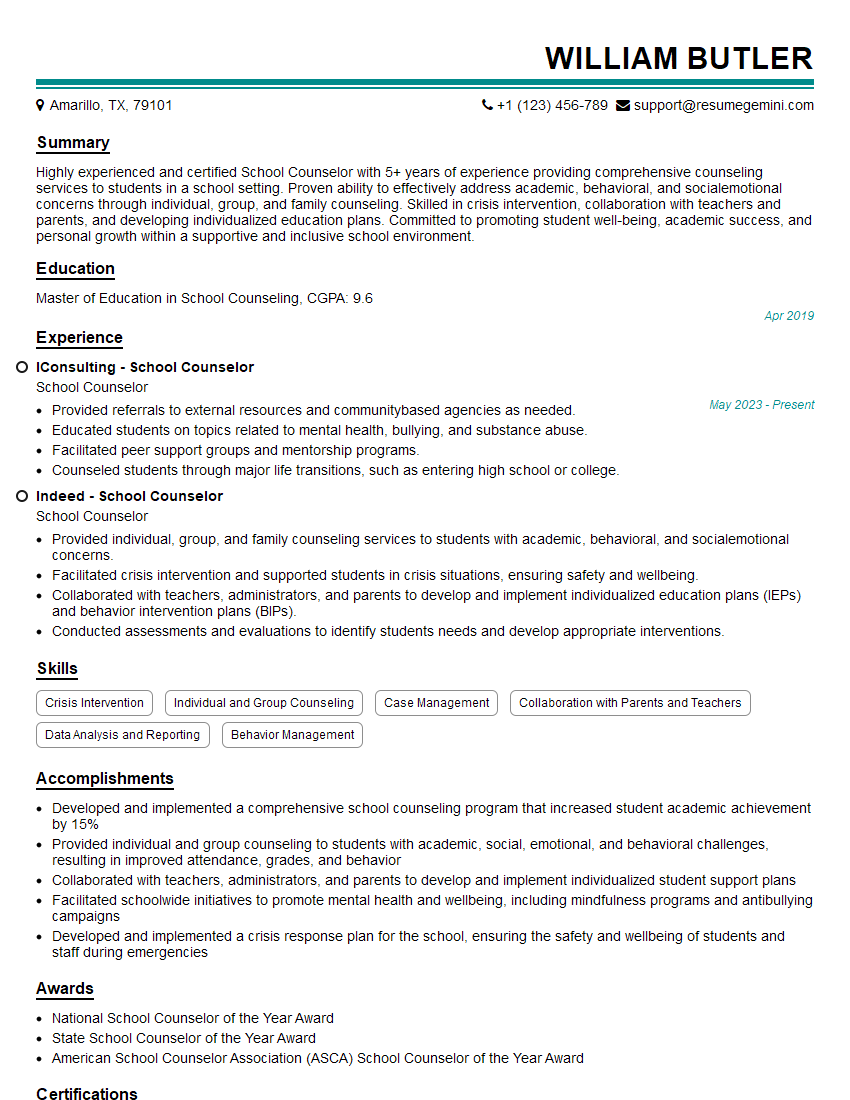
School Counselor Resume Sample
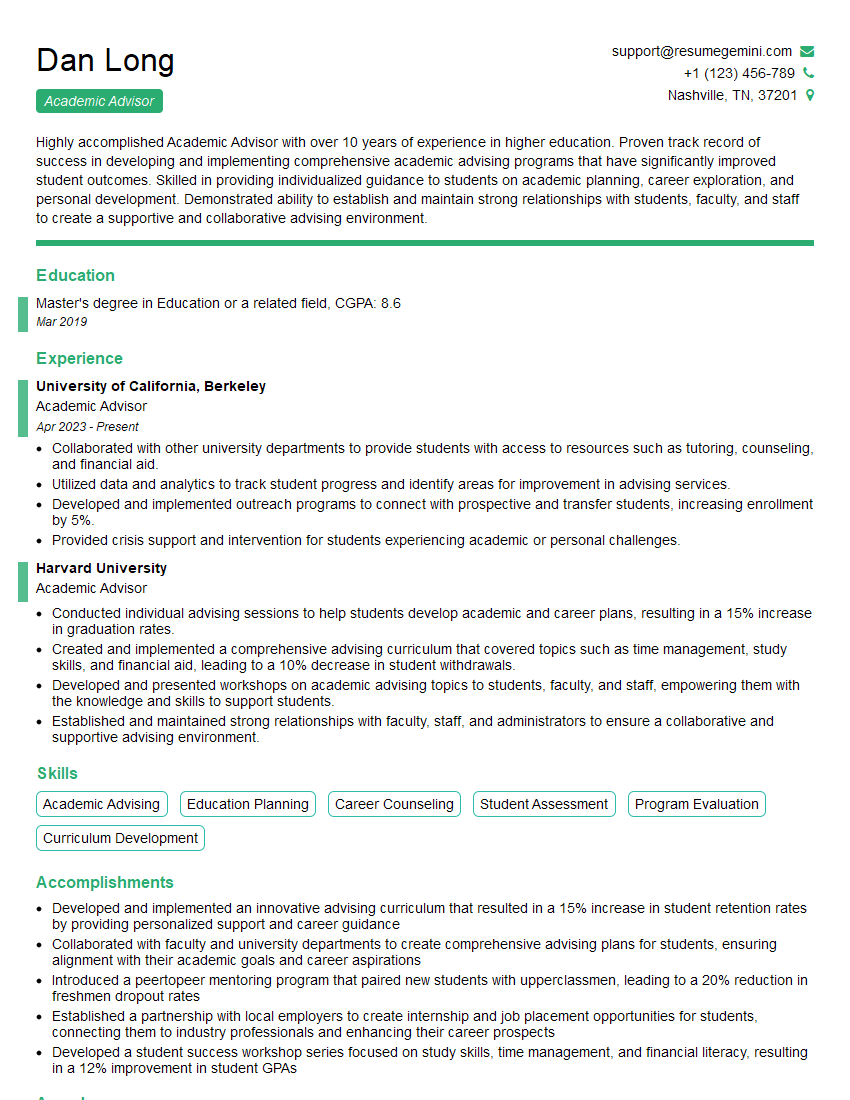
Academic Advisor Resume Sample
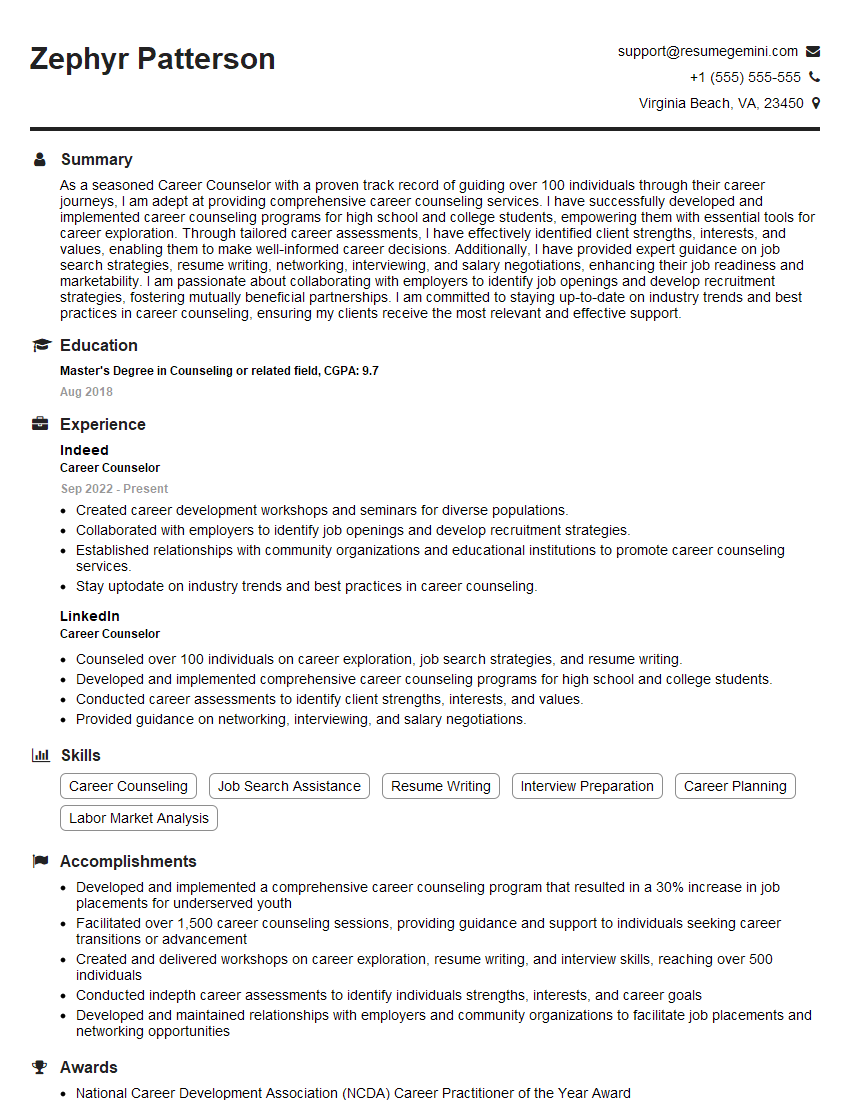
Career Counselor Resume Sample
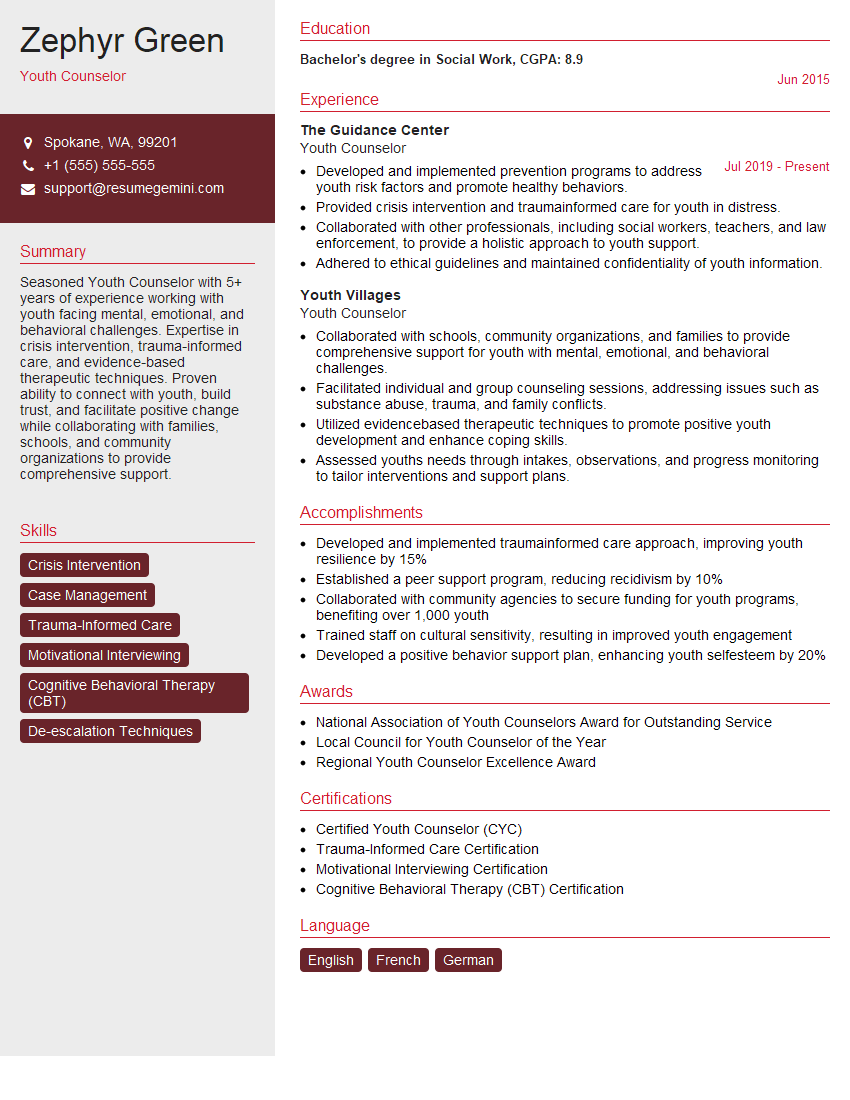
Youth Counselor Resume Sample
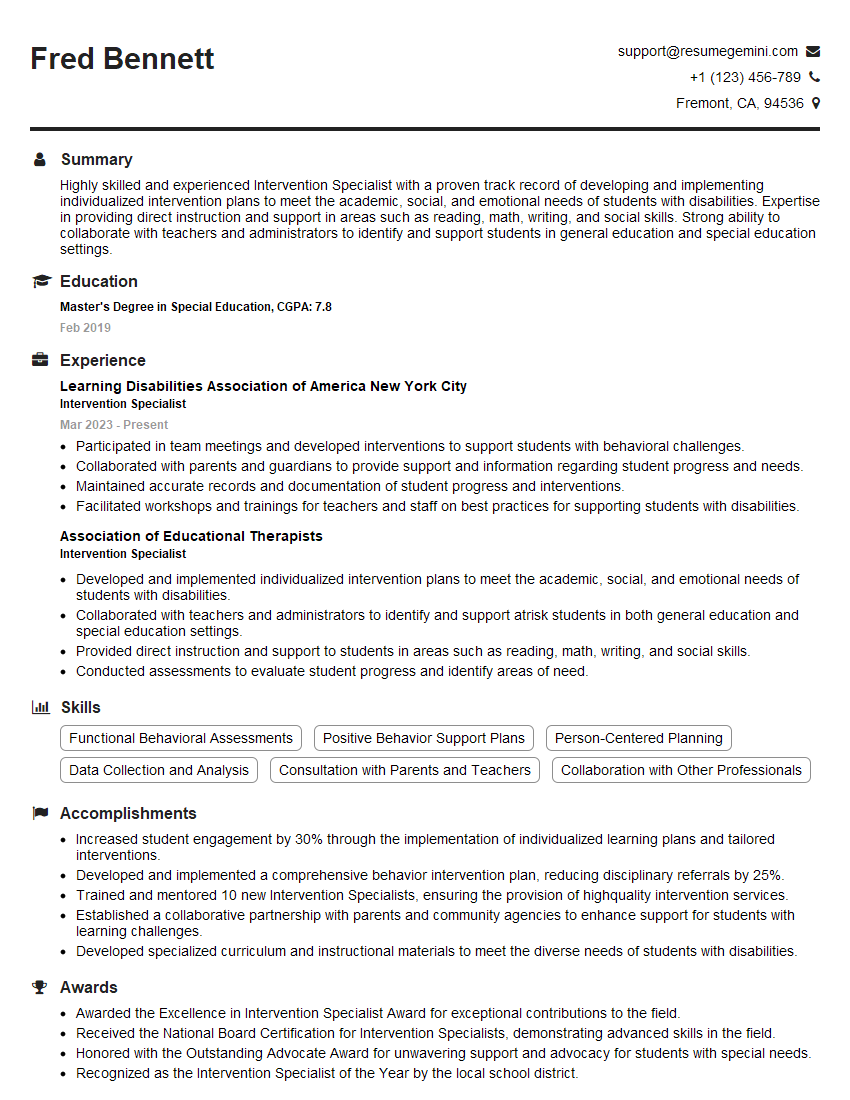
Intervention Specialist Resume Sample

Tutor Resume Sample
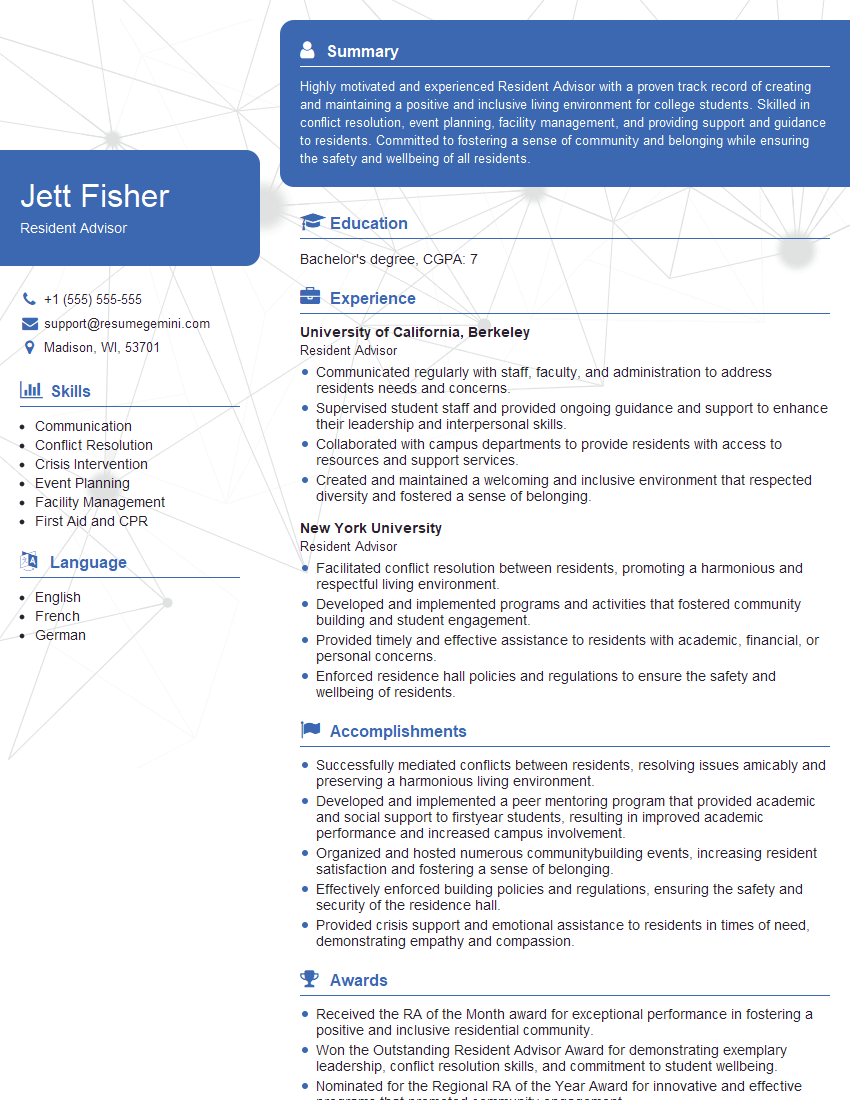
Resident Advisor Resume Sample
Explore more articles
Users Rating of Our Blogs
Share Your Experience
We value your feedback! Please rate our content and share your thoughts (optional).
What Readers Say About Our Blog
I Redesigned Spongebob Squarepants and his main characters of my artwork.
https://www.deviantart.com/reimaginesponge/art/Redesigned-Spongebob-characters-1223583608
IT gave me an insight and words to use and be able to think of examples
Hi, I’m Jay, we have a few potential clients that are interested in your services, thought you might be a good fit. I’d love to talk about the details, when do you have time to talk?
Best,
Jay
Founder | CEO