Are you ready to stand out in your next interview? Understanding and preparing for Sustainable Design and Ethos interview questions is a game-changer. In this blog, we’ve compiled key questions and expert advice to help you showcase your skills with confidence and precision. Let’s get started on your journey to acing the interview.
Questions Asked in Sustainable Design and Ethos Interview
Q 1. Describe your experience with LEED or other green building certification systems.
LEED (Leadership in Energy and Environmental Design) is the most widely used green building rating system globally. My experience spans various LEED certification levels, from LEED Certified to LEED Platinum. I’ve been involved in all phases of projects, from initial design charrettes and material selection to construction oversight and final certification documentation. This includes managing the complex process of documenting energy modeling, water efficiency strategies, and sustainable site development. For example, on a recent school renovation project, we achieved LEED Gold certification by incorporating features such as rainwater harvesting, high-performance glazing, and locally sourced materials. Another project, a new office building, targeted LEED Platinum through a focus on renewable energy, a highly efficient HVAC system, and a comprehensive waste management plan. I’m also familiar with other green building rating systems like BREEAM (Building Research Establishment Environmental Assessment Method) and Green Globes, understanding their nuances and how they can be applied to different project types and contexts.
Q 2. Explain the principles of circular economy and how you’ve applied them in a project.
The circular economy is a model that aims to minimize waste and maximize the use of resources. Unlike the traditional linear ‘take-make-dispose’ model, the circular economy emphasizes reducing, reusing, and recycling materials. In a recent urban revitalization project, we implemented circular economy principles by prioritizing the reuse of existing building materials. Instead of demolishing older buildings entirely, we salvaged and repurposed bricks, timber, and even some metal components for new constructions within the development. This reduced the need for new materials, minimized construction waste, and preserved the historical character of the area. We also incorporated a robust waste management strategy during construction, separating materials for recycling and repurposing wherever possible. We worked with local artisans to create new furniture from reclaimed timber, further highlighting the creative potential of circular economy principles. This approach not only decreased the environmental impact but also created economic opportunities within the community.
Q 3. How do you assess the environmental impact of a design or product?
Assessing the environmental impact of a design or product involves a multifaceted approach. It starts with understanding the entire lifecycle of the product, from material extraction and manufacturing to its use and eventual disposal. We utilize several tools and techniques, including Life Cycle Assessments (LCAs) which I’ll discuss further in the next question, Environmental Product Declarations (EPDs) which provide standardized data on the environmental impact of building products, and embodied carbon calculations to evaluate the carbon footprint of materials. We also consider the social and economic impacts through criteria such as local sourcing, fair labor practices, and the potential for future reuse and recycling. Essentially, we aim to create a holistic environmental impact assessment that accounts for all relevant factors. For example, selecting sustainably harvested timber over virgin rainforest timber reduces deforestation and carbon emissions while sourcing materials locally minimizes transportation impacts.
Q 4. What are your preferred methods for conducting a Life Cycle Assessment (LCA)?
My preferred methods for conducting a Life Cycle Assessment (LCA) involve using reputable LCA software such as SimaPro or Gabi, which allow for a detailed analysis of a product or building’s environmental impact across its entire life cycle. The process usually begins by defining the system boundaries—specifying what is included and excluded from the analysis. Then we gather data on material inputs, energy use, emissions, and waste generation during each life cycle stage (raw material acquisition, manufacturing, transportation, use, end-of-life). We use various databases, such as those provided by manufacturers or independent organizations, to obtain this data. Finally, the software calculates the environmental impacts, often expressed in terms of various indicators like global warming potential, acidification potential, and eutrophication potential. This detailed analysis allows for informed decision-making, enabling comparisons between different design options and identification of areas for improvement. It’s crucial to understand the limitations of any LCA, as data availability and methodological choices can affect the results.
Q 5. Discuss your familiarity with sustainable material selection and sourcing.
Sustainable material selection and sourcing is a cornerstone of my design philosophy. This involves prioritizing materials with low environmental impact, considering factors like embodied carbon, recyclability, renewable resource origin, and sustainable forestry practices. I prefer to work with materials that have transparent supply chains, ensuring ethical sourcing and fair labor practices. Examples include using reclaimed wood, bamboo, rapidly renewable materials like hemp, and recycled content in building materials like steel and concrete. We also incorporate locally sourced materials whenever possible, minimizing transportation distances and their associated carbon footprint. I frequently utilize material databases and EPDs to compare the environmental performance of different materials, ensuring informed choices that contribute to a project’s overall sustainability goals. For instance, choosing locally sourced clay bricks over concrete significantly reduces embodied carbon and transportation impacts while supporting local industries.
Q 6. How do you incorporate ethical considerations into your design process?
Ethical considerations are integral to every stage of my design process. This includes ensuring fair labor practices throughout the supply chain, prioritizing the health and safety of workers, and supporting local communities. I actively seek out materials and suppliers with transparent and ethical business practices, often auditing their operations to verify their claims. Furthermore, I consider the social and cultural impacts of designs, striving to create projects that benefit the community and respect its heritage. For example, in a community center project, we prioritized the use of local craftspeople and artisans, providing economic opportunities and celebrating local traditions. We also designed the building to be accessible and inclusive, meeting the needs of all community members. Ethical design is not just about environmental sustainability, it’s about creating a positive social and economic impact.
Q 7. Explain your understanding of embodied carbon and strategies for its reduction.
Embodied carbon refers to the greenhouse gas emissions associated with the manufacturing, transportation, and installation of building materials. Reducing embodied carbon is crucial for achieving net-zero carbon building targets. Strategies for its reduction include: 1. Material Selection: Prioritizing low-carbon materials like timber from sustainably managed forests, recycled steel, and low-cement concrete. 2. Material Reuse and Recycling: Incorporating reclaimed materials wherever possible and designing for easy deconstruction and material reuse at the end of the building’s life. 3. Design Optimization: Minimizing material use through efficient design and precise construction techniques. 4. Carbon Offsetting: Investing in projects that remove carbon dioxide from the atmosphere to compensate for unavoidable embodied carbon emissions. A recent project involved using cross-laminated timber (CLT) for the structural frame, significantly reducing embodied carbon compared to a traditional steel or concrete structure. Careful material selection and design optimization were key to minimizing the overall carbon footprint of the building.
Q 8. Describe your experience with renewable energy integration in building design.
My experience with renewable energy integration in building design spans over a decade, encompassing various project scales and building types. I’ve worked on projects integrating photovoltaic (PV) systems, solar thermal collectors, wind turbines, and geothermal energy solutions. For instance, on a recent project for a university building, we successfully integrated a rooftop PV array, generating a significant portion of the building’s electricity needs and reducing reliance on the grid. This involved careful consideration of roof orientation, shading, and system capacity to maximize energy generation. Another project involved incorporating geothermal heat pumps for heating and cooling, significantly lowering operational costs and carbon emissions compared to traditional HVAC systems. This demanded thorough site assessments to determine the feasibility and optimal design of the geothermal field.
My approach always begins with a comprehensive energy audit to understand the building’s energy demands and identify opportunities for renewable energy integration. This is followed by a detailed feasibility study, considering factors like cost-effectiveness, technical feasibility, and regulatory compliance. The final design stage incorporates the selected renewable energy systems, ensuring seamless integration with the building’s overall design and infrastructure.
Q 9. How do you measure the success of a sustainable design initiative?
Measuring the success of a sustainable design initiative goes beyond simply achieving LEED certification or meeting a specific energy reduction target. It requires a holistic approach, encompassing environmental, social, and economic aspects. Key performance indicators (KPIs) I utilize include:
- Environmental Impact: Reduced carbon footprint (measured in tons of CO2e), water consumption (gallons/year), and waste generation (tons/year). We often use Life Cycle Assessment (LCA) methodologies to comprehensively evaluate environmental impacts.
- Economic Performance: Reduced operational costs (energy, water, waste management), increased property value, and return on investment (ROI) for sustainable features. For example, a detailed financial model can demonstrate the long-term cost savings of a geothermal system compared to traditional heating.
- Social Impact: Improved occupant health and well-being (through better indoor air quality and natural light), enhanced community engagement, and creation of green jobs. Post-occupancy evaluation surveys are invaluable in assessing occupant satisfaction and building performance.
Ultimately, success is judged by the long-term positive impact of the design on the environment, the building’s occupants, and the wider community.
Q 10. What is your approach to managing waste during a construction project?
Managing waste during construction is paramount for any sustainable project. My approach is based on a waste hierarchy: avoid, reduce, reuse, recycle, and dispose. This involves proactive planning from the very beginning of the project. First, we meticulously analyze the project’s material specifications to identify opportunities for minimizing waste generation. This might include using prefabricated components to reduce on-site waste or specifying materials with high recycled content.
During construction, we implement strict waste segregation protocols, clearly labeling different waste streams (e.g., wood, metal, plastic, demolition debris). This enables efficient recycling and proper disposal of non-recyclable materials. We collaborate closely with contractors to ensure adherence to these protocols and track waste generation meticulously. We also explore opportunities for reuse of materials whenever possible, for example, reusing salvaged timber or repurposing demolition debris on-site. Detailed waste management plans and regular progress reports are crucial to maintain accountability and achieve our waste reduction goals.
Q 11. Describe your experience with sustainable water management strategies.
Sustainable water management strategies are crucial in minimizing a building’s environmental footprint. My experience includes designing buildings with rainwater harvesting systems for non-potable uses (irrigation, toilet flushing), implementing greywater recycling systems for reuse of wastewater from showers and sinks, and utilizing water-efficient fixtures and appliances. For instance, on a recent residential development, we integrated a rainwater harvesting system to supplement the irrigation system for landscaping, reducing reliance on municipal water sources and lowering water bills. Another project involved installing low-flow showerheads and toilets, significantly reducing water consumption per occupant. The selection of drought-tolerant landscaping also played a key role in minimizing water usage.
My approach always includes a detailed water audit to assess baseline water usage and identify potential reduction opportunities. This is followed by a feasibility analysis for various water management strategies, considering factors such as cost, space constraints, and regulatory compliance.
Q 12. How familiar are you with different sustainable transportation options?
I am highly familiar with various sustainable transportation options. This includes promoting walkability and bikeability through site design and planning, incorporating electric vehicle charging stations, providing secure bicycle storage, encouraging the use of public transportation through proximity to transit hubs, and optimizing building location to minimize commute distances. I’ve worked on projects where we incorporated bicycle parking and showers to incentivize cycling commutes, and we’ve designed buildings with dedicated spaces for ride-sharing programs. On another project, we minimized parking spaces to encourage alternative transportation modes and optimized building orientation for natural ventilation, further reducing reliance on energy-intensive HVAC systems. Considering the entire life cycle impact of transportation, from material sourcing to occupant commuting, is a key element in sustainable building design.
Q 13. What are the key challenges in implementing sustainable design solutions?
Implementing sustainable design solutions presents several challenges. High upfront costs compared to conventional methods can be a significant barrier. Often, the long-term cost savings and environmental benefits are not immediately apparent to clients, making it crucial to demonstrate the return on investment through detailed lifecycle cost analysis. Another challenge is the lack of awareness and understanding of sustainable design principles among some stakeholders, including clients, contractors, and even some building professionals. Overcoming this necessitates clear and effective communication and education.
Furthermore, achieving truly sustainable designs often requires navigating complex regulatory frameworks and obtaining necessary permits. Also, the availability of sustainable materials and technologies may be limited in certain regions, leading to supply chain challenges. Finally, ensuring the long-term performance and durability of sustainable systems requires careful selection and maintenance. Careful planning and a collaborative approach involving all stakeholders are crucial to mitigate these challenges.
Q 14. How do you communicate complex sustainability concepts to non-technical audiences?
Communicating complex sustainability concepts to non-technical audiences requires clear, concise language and engaging visuals. I avoid jargon and use analogies to make abstract concepts relatable. For example, explaining carbon footprint reduction by comparing it to household energy use can be much more effective than discussing life cycle assessment methodologies. Visual aids like charts, graphs, and infographics are incredibly useful in conveying data and illustrating the benefits of sustainable design.
Storytelling is also a powerful communication tool. Sharing real-world examples of successful sustainable building projects, highlighting the positive impacts on the environment and the community, can be more persuasive than simply presenting data. Interactive presentations, workshops, and site visits can further enhance engagement and understanding. Emphasizing the cost savings and other benefits relevant to the audience is crucial to ensuring the message resonates.
Q 15. Describe a time you had to overcome resistance to sustainable practices.
One of the biggest challenges I faced was convincing a client to adopt a more sustainable building material, even though it was slightly more expensive upfront. Their initial resistance stemmed from a perceived higher initial cost and unfamiliarity with the material’s long-term benefits. To overcome this, I presented a comprehensive Life Cycle Assessment (LCA) comparing the chosen material with the client’s initial preference. This LCA highlighted the lower embodied carbon, reduced operational energy consumption, and the material’s longer lifespan, demonstrating significant cost savings over the building’s 50-year lifespan. I also presented case studies of similar projects where the sustainable option not only met environmental goals but also enhanced the building’s value and appeal to potential tenants. This multi-pronged approach, focusing on both financial and environmental benefits, ultimately convinced the client to embrace the more sustainable choice.
Career Expert Tips:
- Ace those interviews! Prepare effectively by reviewing the Top 50 Most Common Interview Questions on ResumeGemini.
- Navigate your job search with confidence! Explore a wide range of Career Tips on ResumeGemini. Learn about common challenges and recommendations to overcome them.
- Craft the perfect resume! Master the Art of Resume Writing with ResumeGemini’s guide. Showcase your unique qualifications and achievements effectively.
- Don’t miss out on holiday savings! Build your dream resume with ResumeGemini’s ATS optimized templates.
Q 16. Explain your understanding of the triple bottom line (people, planet, profit).
The triple bottom line (TBL) is a framework for evaluating the sustainability of a project or organization by considering its impact on three key areas: People, Planet, and Profit. It goes beyond simply maximizing profit, incorporating social and environmental considerations as equally vital aspects of success.
- People focuses on the social impact – fair labor practices, community well-being, equitable access to resources, and overall human rights.
- Planet considers the environmental impact – minimizing carbon footprint, conserving resources, reducing waste, protecting biodiversity and mitigating pollution.
- Profit refers to the economic viability and sustainability of the project, ensuring long-term financial health while achieving the other two pillars.
For example, a sustainable clothing company might prioritize fair wages for workers (People), use organic cotton and reduce water consumption in production (Planet), and ensure profitability through fair pricing and responsible marketing (Profit). A balanced approach across all three is key to true sustainability.
Q 17. What are your strategies for ensuring social equity in sustainable design projects?
Ensuring social equity in sustainable design projects is paramount. My strategies include:
- Community Engagement: Actively involving the local community from the initial design phase. This ensures their needs and concerns are addressed, preventing displacement or negative impacts on vulnerable populations. For example, in a housing project, we’d hold workshops and surveys to gather community feedback on design and accessibility needs.
- Prioritizing Access and Affordability: Designing projects that are accessible to all socioeconomic groups. This might involve incorporating mixed-income housing options, providing affordable transportation solutions, or creating inclusive public spaces.
- Supporting Local Labor: Using local materials and employing local workers whenever feasible. This strengthens the local economy and creates opportunities for marginalized communities.
- Considering Cultural Sensitivity: Incorporating elements of local culture and tradition into the design to ensure the project integrates harmoniously into the existing community.
For example, in a park design project, we would consult with local residents about desired amenities, ensuring accessibility for people with disabilities and considering the needs of different age groups.
Q 18. How do you prioritize competing sustainability goals in a project?
Prioritizing competing sustainability goals often requires a multi-criteria decision analysis (MCDA) approach. This involves:
- Identifying Goals: Clearly define all relevant sustainability goals (e.g., reducing carbon emissions, minimizing water usage, improving air quality, enhancing biodiversity).
- Weighting Goals: Assign weights to each goal based on their relative importance to the project’s overall objectives. This may involve stakeholder input or a weighted scoring system.
- Evaluating Alternatives: Assess how different design solutions perform against each goal. This could involve quantitative data from simulations or qualitative assessments.
- Selecting the Best Option: Choose the design option that achieves the highest overall score based on the weighted goals.
Imagine a project aiming to reduce energy consumption and minimize embodied carbon. Using MCDA, we might assign a higher weight to energy reduction if the project is located in a climate-sensitive region with high electricity costs. Software tools can facilitate this process.
Q 19. Explain your understanding of climate change and its impact on design.
Climate change presents significant challenges and opportunities for design. Its impact manifests in several ways: increased frequency and intensity of extreme weather events (heat waves, floods, storms), rising sea levels, changes in precipitation patterns, and increased risks of natural disasters.
Design responses need to prioritize resilience and adaptation. This includes:
- Designing for extreme weather: Incorporating features that withstand high winds, flooding, and extreme temperatures, such as strengthened building envelopes and elevated foundations.
- Reducing carbon emissions: Implementing energy-efficient building designs, using renewable energy sources, and minimizing embodied carbon in materials.
- Improving resource efficiency: Optimizing water and energy use through smart building technologies and efficient systems.
- Protecting ecosystems: Designing projects that minimize their ecological footprint and enhance local biodiversity.
For instance, a coastal development project should incorporate flood defenses, elevate structures above projected sea levels, and use materials with low embodied carbon. A new building would benefit from solar panels, green roofs and high insulation values.
Q 20. Describe your experience with sustainable urban planning principles.
Sustainable urban planning focuses on creating livable, resilient, and environmentally friendly cities. My experience encompasses applying principles like:
- Compact Development: Designing denser, mixed-use neighborhoods to reduce sprawl, improve walkability, and minimize transportation needs.
- Transit-Oriented Development (TOD): Building developments around public transportation hubs to reduce reliance on cars and improve accessibility.
- Green Infrastructure: Incorporating green spaces, parks, and permeable surfaces to manage stormwater runoff, improve air quality, and enhance biodiversity.
- Renewable Energy Integration: Integrating renewable energy sources, such as solar and wind power, into urban infrastructure.
- Waste Management Strategies: Designing systems for effective waste management, including recycling, composting, and waste reduction strategies.
For example, I worked on a project that redeveloped a brownfield site into a mixed-use neighborhood with green spaces, pedestrian-friendly streets, and a dedicated bus rapid transit system. This approach fostered sustainability, minimized the urban footprint, and improved the quality of life for residents.
Q 21. What software or tools do you use for sustainable design analysis?
I utilize a range of software and tools for sustainable design analysis, including:
- Building Information Modeling (BIM) software: Such as Revit or ArchiCAD, to model and analyze building performance, energy use, and material quantities.
- Energy modeling software: Such as EnergyPlus or IESVE, to simulate building energy consumption and identify opportunities for optimization.
- Life Cycle Assessment (LCA) software: Such as SimaPro or GaBi, to assess the environmental impacts of building materials and construction processes throughout their entire lifecycle.
- Geographic Information Systems (GIS) software: Such as ArcGIS, to analyze site conditions, assess environmental impacts, and optimize urban planning strategies.
- Sustainability assessment tools: Such as LEED or BREEAM, to evaluate the environmental performance of buildings and achieve certification.
The choice of software depends on the specific project requirements and the types of analyses being conducted. Often, I use a combination of these tools to gain a comprehensive understanding of a project’s sustainability performance.
Q 22. How do you incorporate user feedback into sustainable design projects?
Incorporating user feedback is crucial for creating truly sustainable designs. It’s not just about building environmentally friendly structures; it’s about designing solutions people will actually use and maintain. We achieve this through a multi-stage process.
- Early-stage feedback: We conduct surveys, focus groups, and interviews at the concept stage to understand user needs, preferences, and potential barriers to adoption. For example, when designing a community garden, we’d interview residents about their gardening experience, preferred plants, and available time.
- Prototyping and testing: We create prototypes – physical or digital – and test them with users, observing their interactions and gathering feedback. This allows for iterative design improvements. Perhaps during testing of a water-efficient showerhead, users suggest a specific handle design for better usability.
- Post-launch evaluation: After implementation, we monitor user satisfaction and identify areas for improvement through surveys, user interviews, or data analysis from smart sensors (if integrated). For instance, tracking energy consumption in a green building helps us optimize systems based on real-world usage.
This iterative approach ensures that the final design is both sustainable and user-friendly, maximizing its long-term impact and acceptance.
Q 23. How do you stay updated on the latest advancements in sustainable design?
Staying ahead in sustainable design requires continuous learning. I employ a multi-pronged approach:
- Professional networks: I actively participate in industry conferences, workshops, and online communities like the US Green Building Council (USGBC) or the International Living Future Institute. These provide invaluable access to the latest research, best practices, and networking opportunities.
- Academic journals and publications: I regularly read peer-reviewed journals focusing on sustainable architecture, engineering, and materials science. This ensures I’m aware of breakthroughs in areas such as bio-based materials or renewable energy integration.
- Industry publications and websites: I follow leading publications and websites dedicated to sustainable design and green building, staying informed about emerging technologies and policy changes. This helps me anticipate future trends and incorporate them into my projects.
- Continuing education: I actively pursue professional development courses and certifications relevant to sustainable design principles and technologies. This commitment demonstrates my dedication to excellence and keeps my skills sharp.
By combining these methods, I maintain a comprehensive understanding of the constantly evolving field of sustainable design.
Q 24. Describe your experience working within a multidisciplinary team on a sustainable project.
My experience working in multidisciplinary teams on sustainable projects has been incredibly rewarding. Effective collaboration is paramount. I’ve worked on a project to retrofit an existing building to meet LEED Platinum standards. The team consisted of architects, engineers, sustainability consultants, contractors, and even sociologists who assessed the building’s impact on the surrounding community.
My role involved integrating sustainability goals throughout the design process. This included:
- Facilitating communication: I ensured everyone understood the project’s sustainability goals and how their individual contributions aligned with the overall objectives. Regular meetings and clear communication protocols were essential.
- Identifying synergies: I helped find opportunities to leverage each discipline’s expertise to achieve synergistic outcomes. For example, the structural engineer’s design could incorporate recycled materials suggested by the material consultant, reducing the environmental impact.
- Managing trade-offs: Sometimes, competing priorities arose. I facilitated discussions to find balanced solutions, ensuring sustainability wasn’t compromised unnecessarily. For instance, we might have needed to balance the cost of energy-efficient windows with the budget.
Successful collaboration hinges on open communication, mutual respect, and a shared commitment to creating a truly sustainable and successful project.
Q 25. How do you approach risk assessment and mitigation related to sustainability?
Risk assessment and mitigation in sustainable design are crucial. We use a structured approach:
- Identify potential risks: We brainstorm potential environmental, social, and economic risks, considering factors like material sourcing, construction techniques, and long-term maintenance. For example, relying on a single supplier for a crucial material could disrupt the project if that supplier encounters problems.
- Assess the likelihood and impact of risks: We analyze the probability of each risk occurring and its potential consequences. A risk matrix helps visualize this information.
- Develop mitigation strategies: We devise plans to reduce the likelihood or impact of identified risks. This could involve diversifying suppliers, incorporating redundancy in systems, or developing contingency plans.
- Monitor and adapt: Throughout the project lifecycle, we monitor risks and adjust mitigation strategies as needed. Regular reviews help us proactively address emerging challenges.
A proactive approach ensures that potential problems are identified and addressed early, minimizing negative impacts and increasing the project’s chance of success.
Q 26. How do you ensure the long-term viability of a sustainable design solution?
Ensuring long-term viability requires a holistic approach that considers the entire life cycle of the design. We focus on:
- Durability and longevity: We select materials and construction methods known for their durability and resistance to degradation. This minimizes the need for frequent repairs and replacements.
- Adaptability and flexibility: We design solutions that can adapt to future changes in needs or technology. For instance, a building might be designed to easily accommodate renewable energy upgrades in the future.
- Maintainability and accessibility: We consider the ease of maintenance and repair throughout the design process. Easily accessible components reduce repair costs and downtime.
- Community engagement: We foster a sense of ownership and responsibility among users, educating them on the importance of maintaining the sustainable features. Community workshops and educational materials can be invaluable.
- Economic viability: We analyze the long-term economic costs and benefits, ensuring that the design remains financially feasible over its lifespan. Life-cycle cost analysis helps us compare different options.
By addressing these aspects, we create sustainable designs that are not only environmentally sound but also economically and socially viable in the long run.
Q 27. What are your thoughts on the role of technology in advancing sustainable design?
Technology plays a transformative role in advancing sustainable design. It provides powerful tools for:
- Simulation and modeling: Software like BIM (Building Information Modeling) allows us to simulate the performance of buildings and systems, optimizing energy efficiency, material usage, and environmental impact before construction.
- Data acquisition and analysis: Smart sensors and IoT (Internet of Things) devices allow us to collect real-time data on energy consumption, water usage, and other key metrics. This data provides valuable insights for optimization and improved performance.
- Material innovation: Technology is driving the development of innovative, sustainable materials such as bio-based plastics, recycled aggregates, and self-healing concrete, reducing reliance on resource-intensive materials.
- Design optimization: AI and machine learning algorithms can analyze vast datasets to identify optimal design solutions that minimize environmental impact while meeting functional requirements.
However, it’s essential to use technology responsibly, ensuring that its implementation doesn’t increase overall energy consumption or create new environmental problems (like e-waste).
Q 28. Describe your experience with reporting and tracking sustainability metrics.
Reporting and tracking sustainability metrics are integral to demonstrating the effectiveness of our designs. We use a combination of methods:
- LEED certification: For building projects, we aim for LEED certification, following the rigorous standards for sustainable design and construction. This provides a standardized framework for tracking and reporting metrics.
- Life Cycle Assessment (LCA): We conduct LCAs to assess the environmental impact of materials and processes throughout the product lifecycle, from extraction to disposal. This provides a comprehensive picture of the design’s sustainability.
- Environmental Product Declarations (EPDs): We utilize EPDs to quantify the environmental impact of specific building products and materials, enabling informed material selection.
- Monitoring and evaluation tools: We use software and sensor networks to monitor energy consumption, water usage, and other key performance indicators in real-time. This data provides valuable feedback and allows us to identify opportunities for improvement.
- Reporting platforms: We use reporting platforms to consolidate data from different sources, create visually appealing reports, and share progress with stakeholders. This transparent process builds trust and accountability.
Accurate and transparent reporting is essential to demonstrate the value of sustainable design and to continuously improve our practices.
Key Topics to Learn for Your Sustainable Design and Ethos Interview
- Life Cycle Assessment (LCA): Understanding the environmental impact of a product from cradle to grave. Practical application: Analyzing the carbon footprint of a building design.
- Circular Economy Principles: Designing for durability, repairability, recyclability, and reuse. Practical application: Developing a modular furniture system for easy disassembly and component reuse.
- Sustainable Materials Selection: Knowledge of eco-friendly materials and their properties (e.g., recycled content, bio-based materials, sustainably harvested timber). Practical application: Specifying materials with low embodied carbon for a construction project.
- Biomimicry and Bio-Inspired Design: Learning from nature’s designs and processes to create sustainable solutions. Practical application: Designing energy-efficient buildings inspired by termite mounds.
- Sustainable Design Standards and Certifications: Familiarity with LEED, BREEAM, or other relevant green building certifications. Practical application: Implementing strategies to achieve LEED certification for a new development.
- Environmental Justice and Social Equity: Considering the social and economic impacts of design decisions. Practical application: Designing affordable and sustainable housing in underserved communities.
- Renewable Energy Integration: Understanding and applying renewable energy technologies in design projects (e.g., solar, wind, geothermal). Practical application: Designing a net-zero energy building.
- Water Conservation Strategies: Implementing design solutions to minimize water consumption and pollution. Practical application: Designing a greywater recycling system for a residential building.
- Waste Management and Reduction: Designing for minimal waste generation and efficient waste management systems. Practical application: Designing a product with minimal packaging and easily recyclable components.
- Sustainable Transportation and Mobility: Considering transportation impacts and promoting sustainable transport solutions in design. Practical application: Designing a building with excellent public transit access and bicycle infrastructure.
Next Steps
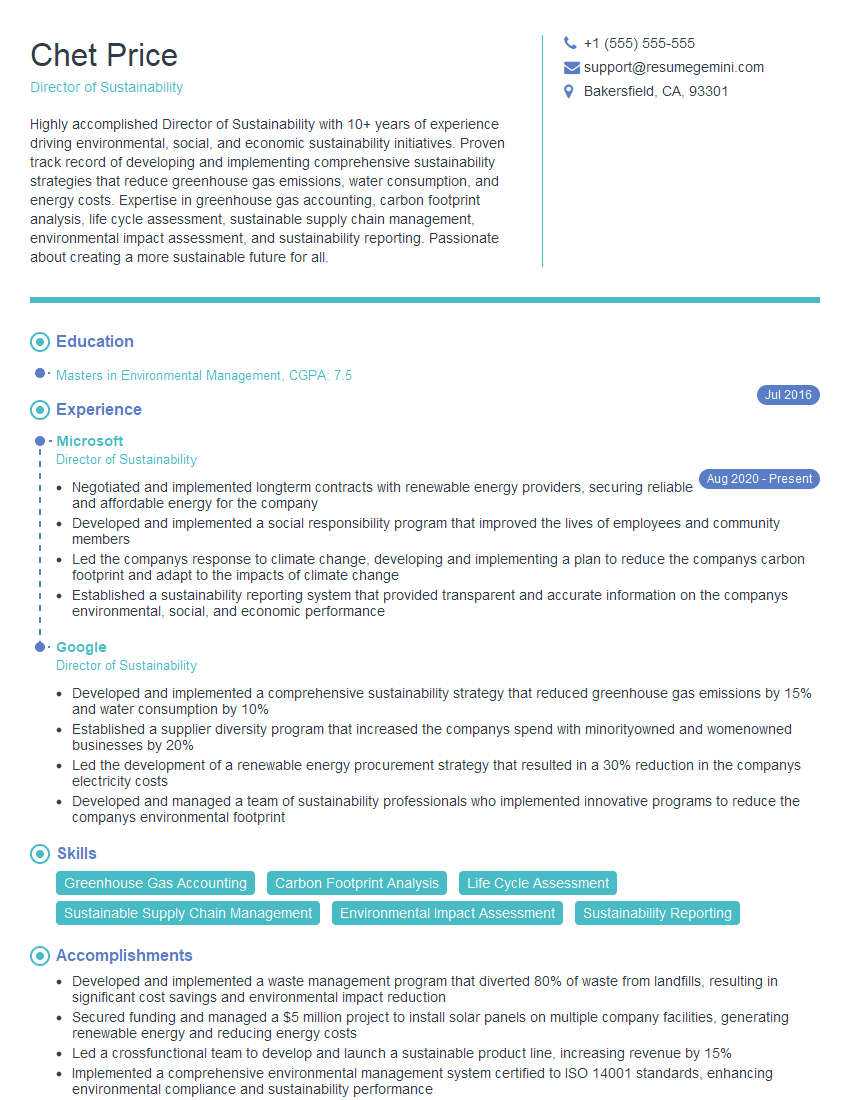
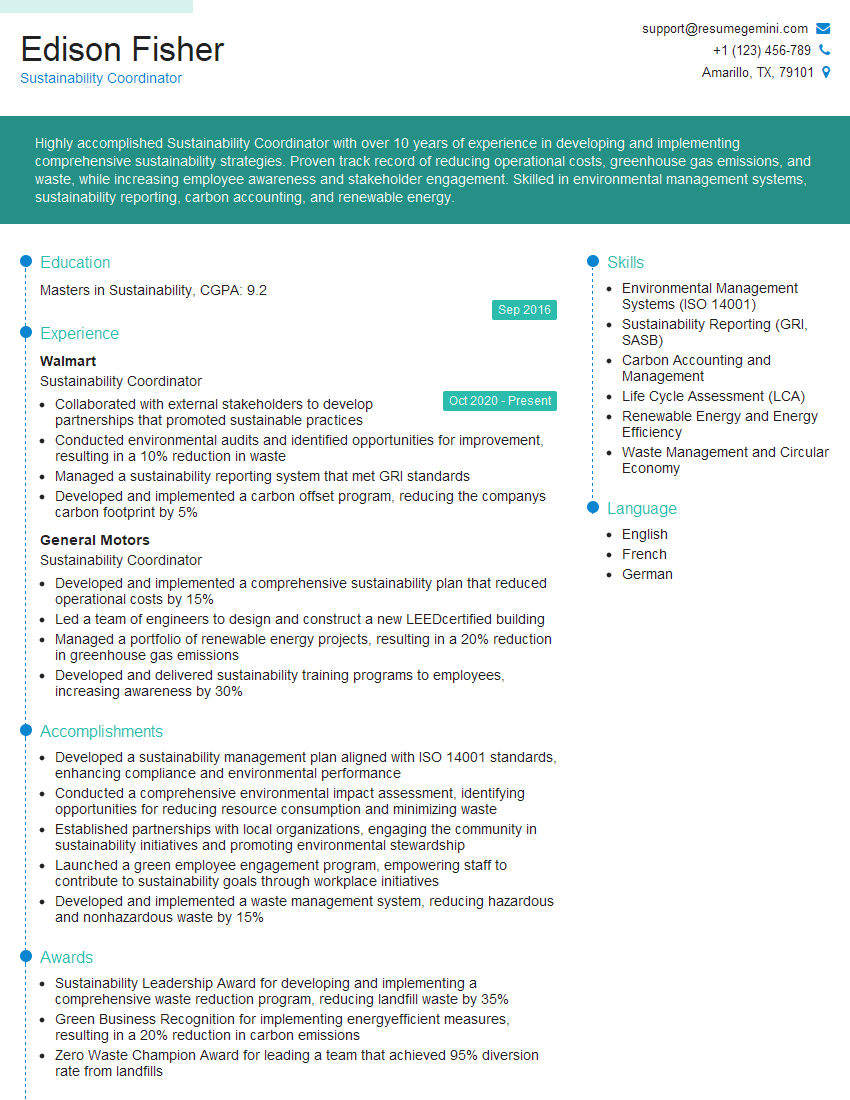
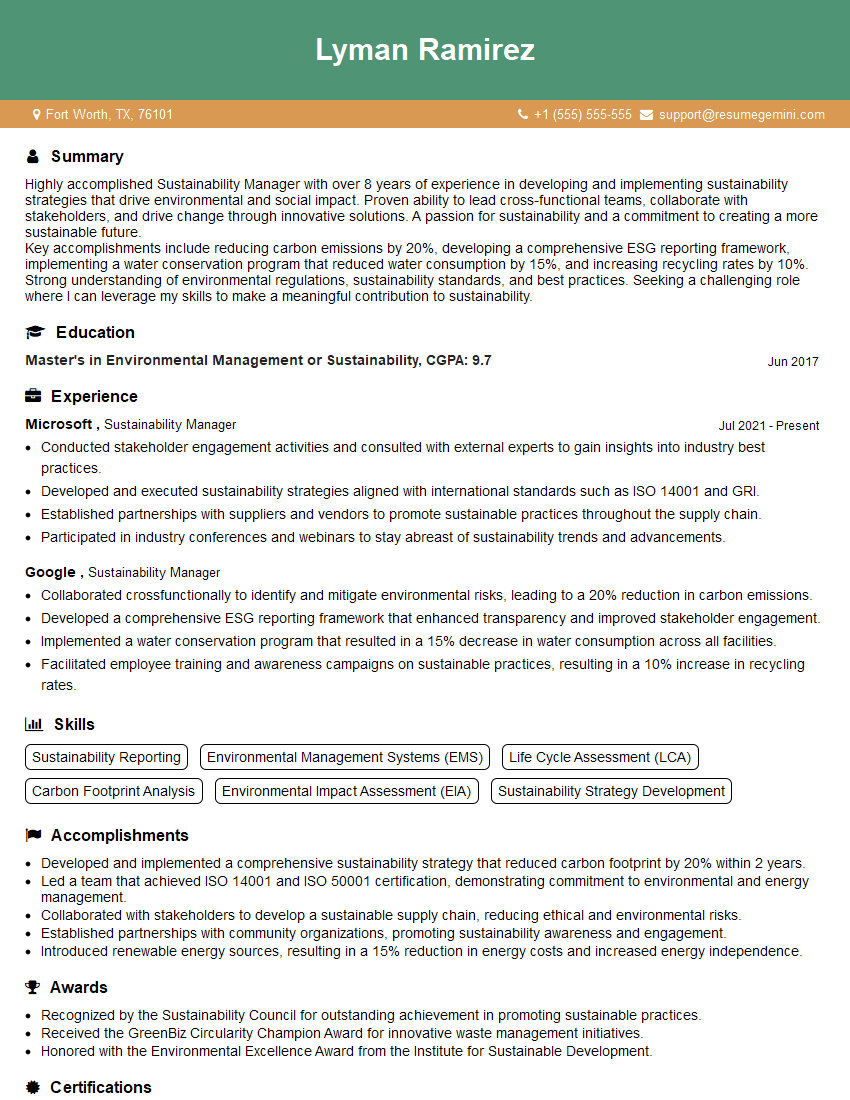
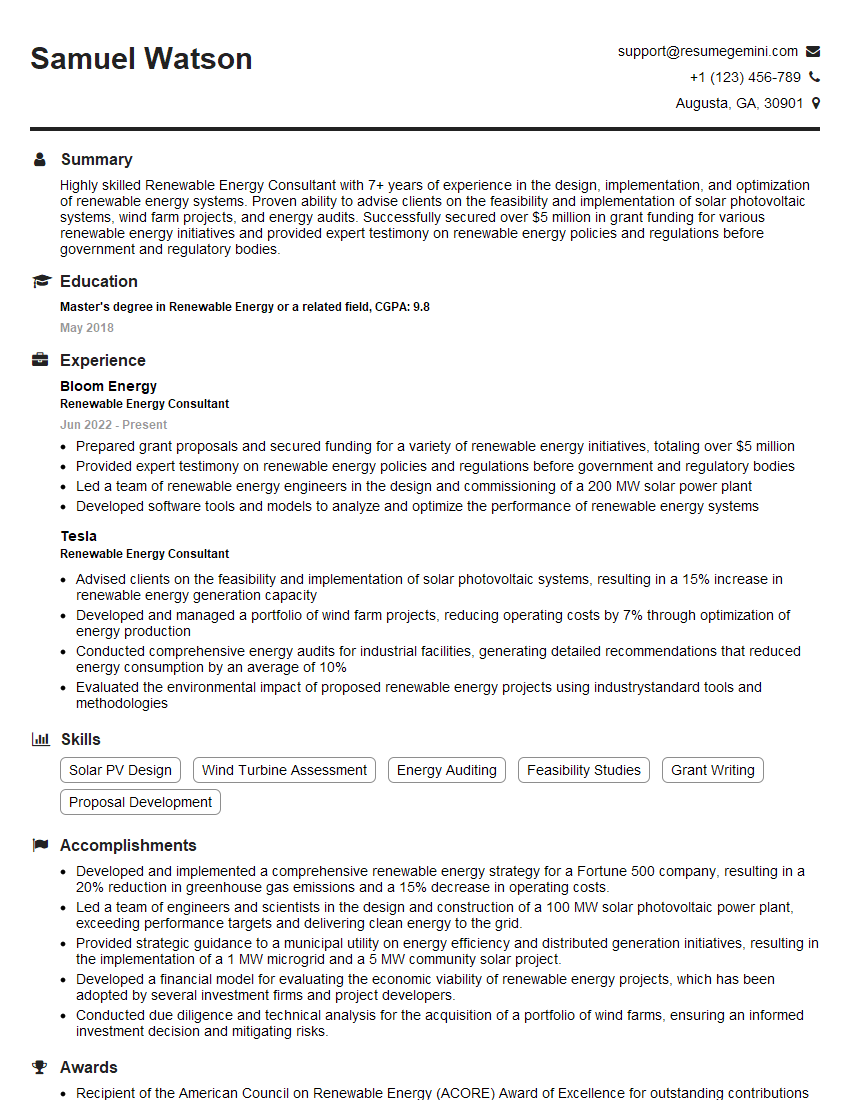
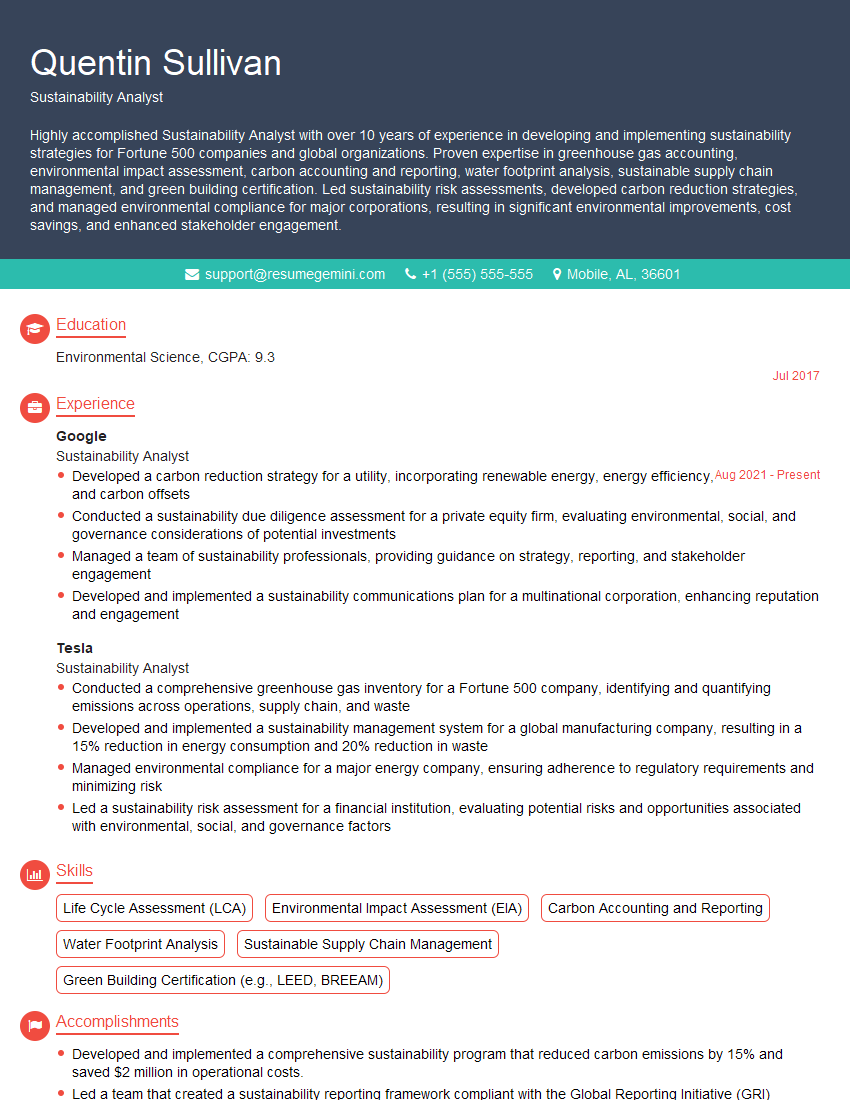
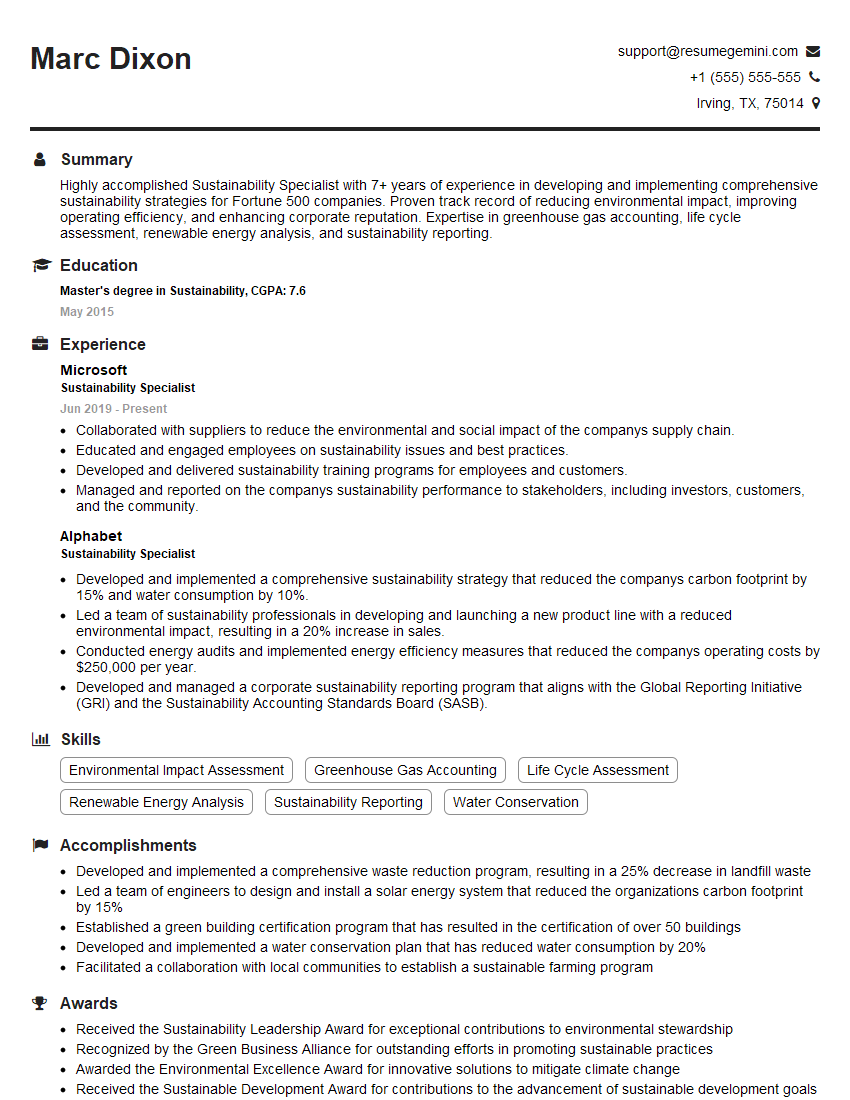
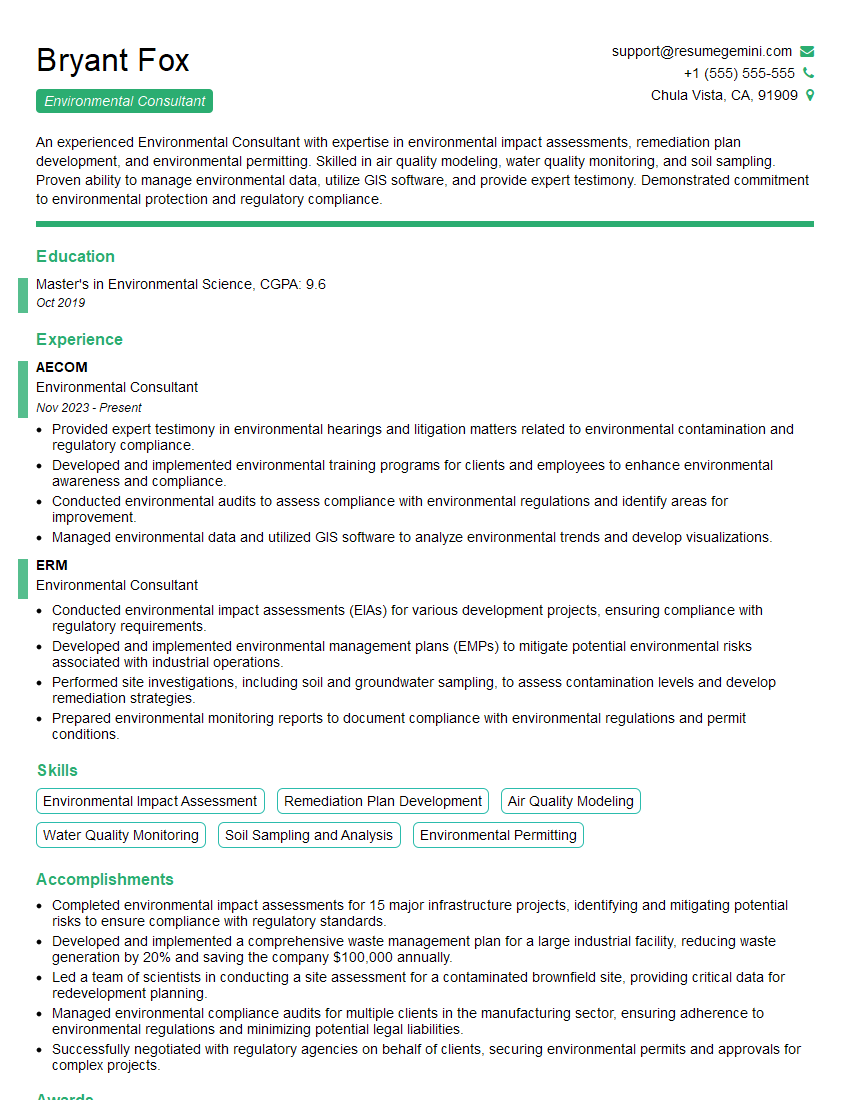
Mastering Sustainable Design and Ethos is crucial for a thriving career in this increasingly important field. It demonstrates your commitment to environmental responsibility and innovative problem-solving, making you a highly desirable candidate. To significantly enhance your job prospects, create an ATS-friendly resume that highlights your relevant skills and experience. ResumeGemini is a trusted resource that can help you craft a compelling and effective resume. We provide examples of resumes tailored to Sustainable Design and Ethos to help you get started. Invest in your future – build a resume that showcases your expertise and secures your dream job.
Explore more articles
Users Rating of Our Blogs
Share Your Experience
We value your feedback! Please rate our content and share your thoughts (optional).
What Readers Say About Our Blog
I Redesigned Spongebob Squarepants and his main characters of my artwork.
https://www.deviantart.com/reimaginesponge/art/Redesigned-Spongebob-characters-1223583608
IT gave me an insight and words to use and be able to think of examples
Hi, I’m Jay, we have a few potential clients that are interested in your services, thought you might be a good fit. I’d love to talk about the details, when do you have time to talk?
Best,
Jay
Founder | CEO