Every successful interview starts with knowing what to expect. In this blog, we’ll take you through the top Take and record vital signs interview questions, breaking them down with expert tips to help you deliver impactful answers. Step into your next interview fully prepared and ready to succeed.
Questions Asked in Take and record vital signs Interview
Q 1. What are the five standard vital signs?
The five standard vital signs are the cornerstones of assessing a patient’s overall health status. They provide a snapshot of the body’s fundamental functions and can alert us to potential problems. These are:
- Heart rate (HR): The number of times the heart beats per minute.
- Blood pressure (BP): The force of blood against the artery walls, measured in millimeters of mercury (mmHg).
- Respiratory rate (RR): The number of breaths per minute.
- Temperature (T): The body’s internal temperature, usually measured in degrees Celsius (°C) or Fahrenheit (°F).
- Oxygen saturation (SpO2): The percentage of hemoglobin saturated with oxygen. While not always considered a ‘standard’ fifth vital sign in all settings, it is becoming increasingly common due to its importance in assessing respiratory function.
Monitoring these vital signs allows medical professionals to detect early signs of illness or deterioration, helping with timely interventions and improved patient outcomes.
Q 2. Explain the normal ranges for adult heart rate, blood pressure, respiratory rate, and temperature.
Normal ranges for adult vital signs can vary slightly depending on individual factors like age, sex, fitness level, and even time of day. However, here’s a general guideline:
- Heart rate (HR): 60-100 beats per minute (bpm). A resting heart rate below 60 bpm is called bradycardia, while above 100 bpm is tachycardia.
- Blood pressure (BP): Ideally below 120/80 mmHg (systolic/diastolic). Values between 120/80 mmHg and 139/89 mmHg are considered prehypertension, while higher values indicate hypertension.
- Respiratory rate (RR): 12-20 breaths per minute. Rates outside this range might indicate respiratory distress.
- Temperature (T): Around 37°C (98.6°F) orally. Rectal temperature is typically slightly higher, while axillary temperature is lower.
It’s crucial to remember these are just ranges, and deviations aren’t always cause for immediate alarm. Context, patient history and other clinical findings are always taken into account.
Q 3. Describe the procedure for accurately measuring blood pressure using a sphygmomanometer.
Accurately measuring blood pressure requires a systematic approach. Here’s a step-by-step procedure:
- Prepare the patient: Ensure the patient is seated comfortably, arm supported at heart level, and has rested for at least 5 minutes.
- Position the cuff: Place the inflatable bladder of the sphygmomanometer cuff around the patient’s upper arm, 2-3 cm above the antecubital fossa (the bend of the elbow). Ensure it’s snug but not too tight.
- Palpate the brachial artery: Locate the brachial artery just inside the elbow to aid in proper cuff placement and auscultation.
- Inflate the cuff: Rapidly inflate the cuff using the bulb until the pulsations are no longer felt, then add 30 mmHg.
- Auscultate with a stethoscope: Place the stethoscope’s diaphragm over the brachial artery. Slowly deflate the cuff at a rate of 2-3 mmHg per second.
- Identify systolic and diastolic pressures: The first clear tapping sound is the systolic pressure (top number). The point where the sounds disappear completely is the diastolic pressure (bottom number).
- Record the reading: Record the systolic and diastolic pressures as a fraction (e.g., 120/80 mmHg).
Several factors can influence blood pressure readings, including cuff size, patient position, and even stress. Multiple readings, with proper technique, should be taken to ensure accuracy.
Q 4. How do you identify and respond to abnormal vital signs?
Abnormal vital signs warrant immediate attention. Identifying them requires comparing the measured values to established normal ranges and considering the patient’s overall clinical picture. For instance, a significantly elevated heart rate might indicate infection, while a low respiratory rate could suggest drug overdose or neurological issues.
The response to abnormal vital signs depends on the specific abnormality and its severity. It often involves:
- Re-checking the measurement: Confirming the abnormality through a second measurement.
- Assessing the patient’s overall condition: Looking for other signs and symptoms that might explain the abnormality.
- Notifying the appropriate healthcare provider: Reporting the findings immediately to the physician or nurse in charge.
- Implementing appropriate interventions: Based on the specific issue, this could include supplemental oxygen, fluid resuscitation, medication, or other supportive measures.
Effective communication and teamwork are essential in managing patients with abnormal vital signs.
Q 5. What are the potential causes of tachycardia and bradycardia?
Tachycardia (fast heart rate) and bradycardia (slow heart rate) can be caused by a wide range of factors, including:
- Tachycardia: Fever, dehydration, anxiety, strenuous exercise, certain medications, heart conditions (e.g., atrial fibrillation), hypoxia (low blood oxygen), anemia, hyperthyroidism.
- Bradycardia: Hypothermia, certain medications, heart conditions (e.g., heart block), increased intracranial pressure, electrolyte imbalances.
A proper diagnosis requires a comprehensive medical evaluation, not just the observation of the heart rate alone. Both tachycardia and bradycardia can be life-threatening if severe, underscoring the importance of prompt medical attention.
Q 6. What are the potential causes of hypertension and hypotension?
Hypertension (high blood pressure) and hypotension (low blood pressure) also have diverse potential causes. Some common factors include:
- Hypertension: Obesity, high sodium diet, lack of exercise, genetics, chronic kidney disease, stress, smoking, diabetes, sleep apnea.
- Hypotension: Dehydration, blood loss, heart failure, severe infection (sepsis), allergic reactions (anaphylaxis), certain medications, neurological conditions.
It is important to note that the specific causes of hypertension and hypotension will vary from patient to patient. A thorough evaluation by a medical professional is needed for accurate diagnosis and management.
Q 7. How do you assess respiratory rate and what are signs of respiratory distress?
Respiratory rate is assessed by observing the rise and fall of the chest or abdomen for one full minute. Count the number of breaths taken within that minute. This should be done unobtrusively so the patient doesn’t alter their breathing pattern.
Signs of respiratory distress can include:
- Increased respiratory rate (tachypnea): Breathing significantly faster than normal.
- Decreased respiratory rate (bradypnea): Breathing significantly slower than normal.
- Shortness of breath (dyspnea): Difficulty breathing, often accompanied by labored breathing.
- Use of accessory muscles: Using neck and shoulder muscles to assist breathing.
- Nasal flaring: Widening of the nostrils during breathing.
- Retractions: Indrawing of the skin between the ribs or above the clavicles during inspiration.
- Cyanosis: Bluish discoloration of the skin and mucous membranes due to low oxygen saturation.
- Wheezing or grunting sounds: Abnormal breathing sounds that may indicate airway obstruction.
The presence of several of these signs often indicates a serious problem requiring immediate medical intervention.
Q 8. Explain the different methods for measuring body temperature.
Measuring body temperature involves several methods, each with its own advantages and disadvantages. The most common are:
- Oral: A thermometer is placed under the tongue. This is a convenient method, but can be affected by recently consumed hot or cold beverages.
- Axillary (Armpit): A thermometer is placed in the armpit. This is less accurate than oral or rectal measurements and takes longer to obtain a reading.
- Rectal: A thermometer is inserted into the rectum. This provides a highly accurate core body temperature reading, but can be uncomfortable for patients and is generally avoided unless other methods are unsuitable.
- Tympanic (Ear): An infrared thermometer is used to measure the temperature of the eardrum. This is quick and relatively comfortable, but accuracy can be affected by earwax or improper placement.
- Temporal Artery: A thermometer is scanned across the forehead. This method is non-invasive, quick and convenient, but accuracy may vary depending on the device and environmental factors.
The choice of method depends on the patient’s age, condition, and the clinical setting. For example, rectal temperature is often preferred for infants and young children, while oral temperature is commonly used for older children and adults.
Q 9. What are the factors that can affect vital sign readings?
Numerous factors can influence vital sign readings. These can be broadly categorized as:
- Patient-related factors: Age (infants and elderly have different normal ranges), anxiety (increases heart rate and respiration), recent exercise (elevated heart rate and temperature), dehydration (increased heart rate), medication (some drugs affect heart rate or blood pressure), and underlying medical conditions (fever, heart disease).
- Environmental factors: Room temperature (can affect skin temperature), noise levels (stress and anxiety), and lighting conditions (may affect patient comfort).
- Methodological factors: Incorrect technique in measuring vital signs (e.g., improper cuff placement for blood pressure), malfunctioning equipment, and observer bias.
It’s crucial to be aware of these factors and document any influencing circumstances to ensure accurate interpretation of the results. For instance, if a patient has just finished exercising, we would note that fact to avoid misinterpreting an elevated heart rate as a sign of a medical emergency.
Q 10. How do you document vital signs accurately and completely?
Accurate and complete documentation is essential for patient safety and continuity of care. When recording vital signs, I always include:
- Date and time: Precise timing is crucial for tracking trends.
- Route of measurement: (e.g., oral, rectal, axillary) for temperature.
- Value obtained: Record the numerical readings for temperature, heart rate, respiratory rate, blood pressure (systolic and diastolic), and oxygen saturation.
- Method used: Specify the type of equipment (e.g., digital thermometer, sphygmomanometer, pulse oximeter).
- Any deviations from normal ranges: Note any significant irregularities and their potential causes.
- Initials or signature: To ensure accountability.
For example, a proper entry might look like this: 10/26/2024 08:00 AM, Temp (oral): 98.6°F, HR: 72 bpm, RR: 16 breaths/min, BP: 120/80 mmHg, SpO2: 99% on room air. J.Doe, RN
Q 11. Describe your experience using electronic health records (EHRs) to record vital signs.
I have extensive experience using electronic health records (EHRs) to document vital signs. EHR systems have streamlined the process significantly. I’m proficient in using various EHR systems to input and retrieve vital signs data, including generating charts and graphs to visualize trends over time. The EHR’s automated alerts for abnormal values aid in prompt clinical intervention. For example, if a patient’s heart rate significantly increases, the EHR system may trigger an alert, prompting the appropriate clinical response. This integrated system improves efficiency and ensures accuracy in data management.
Q 12. How do you handle a patient who is anxious or uncomfortable during vital sign measurement?
Patient comfort and anxiety reduction are paramount. If a patient appears anxious or uncomfortable, I would first establish rapport by explaining the procedure clearly and calmly. I would answer any questions they have and provide reassurance. Depending on the patient’s preferences and the situation, I might offer distractions such as conversation, a calming technique (e.g., deep breathing), or adjusting the environment (e.g., dimming lights).
If the anxiety persists, or if the patient is physically uncomfortable, I would defer the measurement or consult with a nurse or physician to determine an alternative approach.
Q 13. What safety precautions should be taken when taking vital signs?
Safety is paramount when taking vital signs. Precautions include:
- Hand hygiene: Always wash hands before and after interacting with a patient.
- Proper equipment use: Ensure all equipment is functioning correctly and calibrated before use.
- Infection control: Use appropriate barrier precautions (e.g., gloves) as needed. Disposable equipment should be used properly and disposed of appropriately.
- Patient positioning: Ensure patient is in a comfortable and safe position.
- Appropriate technique: Avoid applying excessive pressure when taking blood pressure or using a thermometer.
For example, before using a blood pressure cuff, I would ensure it’s the correct size for the patient’s arm to prevent inaccurate readings or discomfort. Any malfunctioning or damaged equipment would be immediately reported and replaced.
Q 14. How do you ensure the accuracy and reliability of vital sign measurements?
Ensuring accuracy and reliability involves a multi-pronged approach:
- Calibration and maintenance: Regularly check and calibrate equipment to ensure accuracy.
- Proper technique: Adhere to standardized procedures for measuring vital signs.
- Multiple readings: Taking multiple readings, especially for blood pressure, and averaging them can improve accuracy.
- Double-checking measurements: When possible, have another healthcare professional verify the readings, particularly in critical situations.
- Documentation of any influencing factors: Note any factors that might affect the accuracy of the readings (as discussed in question 2).
By implementing these strategies, we minimize the possibility of errors and ensure the vital signs obtained reflect the patient’s true physiological state.
Q 15. What are the appropriate actions to take if you obtain an unusual vital sign reading?
Obtaining an unusual vital sign reading requires a systematic approach. First, re-check the reading using the same method and equipment. If the unusual reading persists, consider the patient’s clinical presentation. Are they exhibiting any symptoms that correlate with the abnormal reading? For example, a low oxygen saturation (SpO2) might coincide with shortness of breath or cyanosis. Next, report the abnormal reading immediately to the appropriate healthcare provider (nurse, physician, etc.). It’s vital to provide a clear and concise report, including the specific value, the time of measurement, and any relevant patient observations. Finally, implement appropriate interventions based on the provider’s orders. This could range from repositioning the patient to administering oxygen or medications.
For example, if a patient’s blood pressure suddenly drops significantly, I would immediately re-check it, assess for signs of shock (pale skin, rapid weak pulse, altered mental status), and report the finding to the nurse or physician. They might order intravenous fluids or other treatments to address the hypotension.
Career Expert Tips:
- Ace those interviews! Prepare effectively by reviewing the Top 50 Most Common Interview Questions on ResumeGemini.
- Navigate your job search with confidence! Explore a wide range of Career Tips on ResumeGemini. Learn about common challenges and recommendations to overcome them.
- Craft the perfect resume! Master the Art of Resume Writing with ResumeGemini’s guide. Showcase your unique qualifications and achievements effectively.
- Don’t miss out on holiday savings! Build your dream resume with ResumeGemini’s ATS optimized templates.
Q 16. Describe your experience in prioritizing patients based on the urgency of their vital signs.
Prioritizing patients based on vital signs requires a keen understanding of the significance of each reading. I use a framework that incorporates both the absolute values and the trends. Patients with severely abnormal readings (e.g., dangerously low blood pressure, extremely high heart rate, critically low oxygen saturation) are always prioritized. I also consider the rate of change. A rapid deterioration in vital signs, even if the absolute value is not yet critically low, requires immediate attention. Imagine two patients: Patient A has a slightly elevated heart rate but it’s been stable for hours; Patient B has a normal heart rate but it has suddenly doubled in the last 10 minutes. Patient B requires immediate assessment. Ultimately, my experience helps me efficiently and effectively triage patients based on the urgency of their vital signs, working collaboratively with the healthcare team.
Q 17. How do you maintain the cleanliness and hygiene of equipment used for taking vital signs?
Maintaining cleanliness and hygiene of vital signs equipment is paramount to preventing cross-contamination. After each use, I meticulously clean all surfaces that come into contact with the patient, using an appropriate disinfectant (e.g., alcohol wipes for blood pressure cuffs and pulse oximeters). Reusable equipment is then appropriately stored according to facility protocols. Disposable equipment, like single-use blood pressure cuffs, is discarded in designated receptacles. Regular calibration and maintenance of equipment are also crucial to ensure accuracy and prolong their lifespan. I also regularly check the expiration dates of disposable items and ensure all equipment is in good working order.
Think of it like this: we wouldn’t reuse a toothbrush without cleaning it – the same principle applies to medical equipment. Maintaining a clean and hygienic environment reduces the risk of infection for both patients and healthcare workers.
Q 18. What is orthostatic hypotension and how is it measured?
Orthostatic hypotension is a sudden drop in blood pressure when a person stands up from a sitting or lying position. It’s caused by a temporary inability of the circulatory system to adjust quickly to the change in posture. To measure orthostatic hypotension, we take the patient’s blood pressure and heart rate in three positions: supine (lying down), sitting, and standing. Each measurement is taken after the patient has been in that position for at least one to three minutes. A significant drop in systolic blood pressure (≥20 mmHg) or diastolic blood pressure (≥10 mmHg) when moving from supine to standing, along with a possible increase in heart rate, indicates orthostatic hypotension.
Q 19. Explain the difference between systolic and diastolic blood pressure.
Blood pressure is measured as two numbers: systolic and diastolic. The systolic pressure is the higher number; it represents the pressure in your arteries when your heart beats (contracts) and pushes blood out. The diastolic pressure is the lower number and reflects the pressure in your arteries when your heart is at rest between beats. For example, a blood pressure of 120/80 mmHg means a systolic pressure of 120 mmHg and a diastolic pressure of 80 mmHg. Both systolic and diastolic pressures are important indicators of cardiovascular health. Sustained elevation in either can indicate hypertension.
Q 20. How do you interpret a pulse oximetry reading?
Pulse oximetry measures the oxygen saturation (SpO2) of arterial blood. The reading, displayed as a percentage, indicates the proportion of hemoglobin in the blood carrying oxygen. A normal SpO2 reading is typically between 95% and 100%. Readings below 95% suggest hypoxemia (low blood oxygen levels) and warrant further investigation. Factors that can affect the accuracy of pulse oximetry include poor peripheral perfusion (circulation), nail polish, and ambient light. It is crucial to note that while pulse oximetry is a valuable tool, it only measures oxygen saturation and doesn’t provide a complete picture of respiratory function.
Q 21. What are the signs and symptoms of hypothermia and hyperthermia?
Hypothermia is a dangerously low body temperature (below 35°C or 95°F). Signs and symptoms include shivering (initially), slowed heart rate and breathing, confusion, drowsiness, loss of coordination, and even loss of consciousness. Hyperthermia, on the other hand, is a dangerously high body temperature (above 40°C or 104°F). Symptoms include rapid pulse, rapid breathing, fever, headache, dizziness, nausea, vomiting, and confusion. In severe cases, both hypothermia and hyperthermia can be life-threatening and require immediate medical attention.
Q 22. What is the importance of accurately recording vital signs?
Accurately recording vital signs is paramount in healthcare because they provide a crucial snapshot of a patient’s physiological state. These measurements—temperature, pulse, respiration rate, blood pressure, and sometimes oxygen saturation—serve as objective data points that help clinicians monitor a patient’s overall health, detect subtle changes indicative of deterioration, and assess the effectiveness of treatments. Without precise vital sign documentation, it becomes challenging to track progress, identify potential complications, and make informed decisions about a patient’s care. Imagine trying to manage a patient’s condition without knowing their baseline temperature or blood pressure – it would be like navigating with a faulty compass.
Accurate recording allows for early identification of issues, like a rising fever signaling an infection or a dropping blood pressure suggesting shock. This early detection can significantly improve patient outcomes by enabling timely interventions.
Q 23. How do you differentiate between subjective and objective data when documenting vital signs?
Differentiating between subjective and objective data is essential for accurate documentation. Objective data are factual measurements that can be observed and quantified, such as a patient’s temperature (99.8°F), pulse (80 bpm), or blood pressure (120/80 mmHg). These are things we can measure directly with instruments. Subjective data, on the other hand, are based on the patient’s perception or feelings and reported to the healthcare professional. Examples include the patient stating they feel “dizzy” or reporting “severe chest pain.”
When documenting vital signs, we primarily record objective data. While noting the patient’s subjective complaints is crucial for a holistic assessment, it’s crucial to keep the objective data separate to maintain accuracy and avoid bias in interpretation. For example, a patient might report feeling cold (subjective), but their recorded temperature may be normal (objective), indicating that their sensation is not necessarily indicative of an underlying problem. Good documentation clearly separates these two types of data.
Q 24. Describe a situation where your quick assessment of vital signs prevented a critical event.
During my time in the emergency department, a patient arrived complaining of mild dizziness. While their initial vital signs were within normal ranges, I noticed a subtle but persistent drop in their blood pressure over a few minutes during my assessment. My initial assessment, including a thorough history and a quick pulse oximetry measurement, showed the oxygen saturation was below 90%. This wasn’t initially apparent from their reported symptoms alone. My concern prompted me to immediately alert the attending physician. Further investigation revealed internal bleeding, requiring immediate surgical intervention. Had we not acted promptly based on this continuous monitoring of vital signs and identifying the low SpO2, the situation could have easily become life-threatening.
Q 25. What are some common errors in vital sign measurement and how can they be avoided?
Several common errors can occur during vital sign measurement. Incorrect cuff size during blood pressure measurement can lead to falsely high or low readings. For example, a cuff that’s too small will yield a falsely high reading, while one too large will result in a falsely low reading. Improper technique in palpating a pulse (e.g., using excessive pressure) can lead to inaccurate pulse rates. Incorrect placement of the thermometer can affect temperature readings. Similarly, failure to properly calibrate equipment leads to inaccurate and unreliable data.
To avoid these errors, consistent training and adherence to established protocols are essential. This includes ensuring proper cuff size selection, correct pulse palpation technique, accurate thermometer placement, and regular equipment calibration. Double-checking measurements and comparing readings over time can also help identify and correct inconsistencies.
Q 26. Explain the use of different types of thermometers and their advantages and disadvantages.
Various types of thermometers are used for temperature measurement, each with its own advantages and disadvantages:
- Electronic thermometers: These are quick, easy to use, and provide digital readouts. However, they may not be as accurate as other methods.
- Tympanic thermometers (ear thermometers): These are convenient and quick, particularly useful in children, but can be less accurate if the ear canal isn’t clean or if the probe isn’t properly positioned.
- Temporal artery thermometers (forehead thermometers): These are non-invasive and easy to use, especially for infants and young children, but can be affected by environmental temperature changes.
- Rectal thermometers: Considered the most accurate method for measuring core body temperature, but are invasive and less comfortable for the patient, and therefore often avoided except in specific circumstances.
- Oral thermometers: Relatively convenient and widely used, but readings can be affected by recent food or drink intake.
The choice of thermometer depends on the patient’s age, condition, and the clinical situation. Understanding the limitations of each type and adhering to established guidelines ensures accuracy and patient comfort.
Q 27. How do you manage a patient with irregular pulse?
Managing a patient with an irregular pulse requires careful attention to detail and prompt action. First, I would accurately document the irregularity, noting the rhythm, rate, and any other abnormalities. Then, I would assess the patient’s overall condition looking for associated symptoms such as chest pain, shortness of breath, dizziness, or lightheadedness. It’s vital to monitor the patient continuously for any changes in their condition and report immediately to the physician. The doctor may order an electrocardiogram (ECG) or other diagnostic tests to determine the cause of the irregularity which could range from benign causes to serious cardiac conditions. Appropriate interventions, such as medication or further investigations, are determined based on the underlying cause.
The approach needs to be systematic and should encompass a complete assessment beyond just the pulse rate. It’s a collaborative effort, integrating my observation with the expertise of the medical team.
Q 28. What are the considerations for taking vital signs in pediatric patients?
Taking vital signs in pediatric patients requires a modified approach due to their developmental differences. Age-appropriate techniques are crucial. For example, using a tympanic thermometer is generally preferred for infants and young children instead of rectal measurements which are invasive. The size and type of blood pressure cuff must be adjusted appropriately for the child’s age and size. For younger children, obtaining a reliable heart rate or respiratory rate might involve observing their chest rise and fall instead of using a direct palpation, especially if they’re agitated. The chosen method should consider the child’s developmental stage and ability to cooperate. Calming the child and creating a comfortable environment is also vital to obtain the most accurate readings. If necessary, a parent’s assistance can be invaluable in obtaining vital signs for a young child who is reluctant.
Key Topics to Learn for Take and Record Vital Signs Interview
- Understanding Vital Signs: Definition and significance of temperature, pulse, respiration rate, blood pressure, and oxygen saturation (SpO2). Theoretical basis for each measurement and their interrelation.
- Equipment and Techniques: Proper use of thermometers (oral, axillary, rectal, tympanic), sphygmomanometers, stethoscopes, and pulse oximeters. Mastering accurate and efficient measurement techniques, including patient positioning and minimizing error.
- Interpreting Vital Signs: Recognizing normal ranges and deviations from normal. Understanding the implications of abnormal vital signs and their potential causes. Developing a systematic approach to interpreting data and identifying patterns.
- Documentation and Reporting: Accurate and timely recording of vital signs in patient charts or electronic health records (EHRs). Understanding medical terminology and proper documentation protocols. Communicating findings clearly and concisely to healthcare professionals.
- Safety and Infection Control: Adhering to standard precautions and infection control guidelines. Proper hand hygiene, use of personal protective equipment (PPE), and safe disposal of used equipment. Understanding potential hazards and implementing safety measures.
- Troubleshooting and Problem-Solving: Identifying and addressing technical issues with equipment. Managing situations where obtaining accurate measurements is challenging (e.g., uncooperative patients, difficult-to-palpate pulses). Knowing when and how to seek assistance from senior colleagues.
Next Steps
Mastering the skill of taking and recording vital signs is crucial for a successful career in healthcare, offering a solid foundation for many roles and showcasing your attention to detail and commitment to patient safety. A well-crafted resume is essential for showcasing these skills effectively to potential employers. To increase your chances of getting noticed by Applicant Tracking Systems (ATS), focus on creating an ATS-friendly resume that highlights your competencies. ResumeGemini is a trusted resource that can help you build a professional resume tailored to your specific experience and the requirements of your target roles. Examples of resumes tailored to “Take and record vital signs” positions are available to help you get started.

Health Unit Coordinator Resume Sample
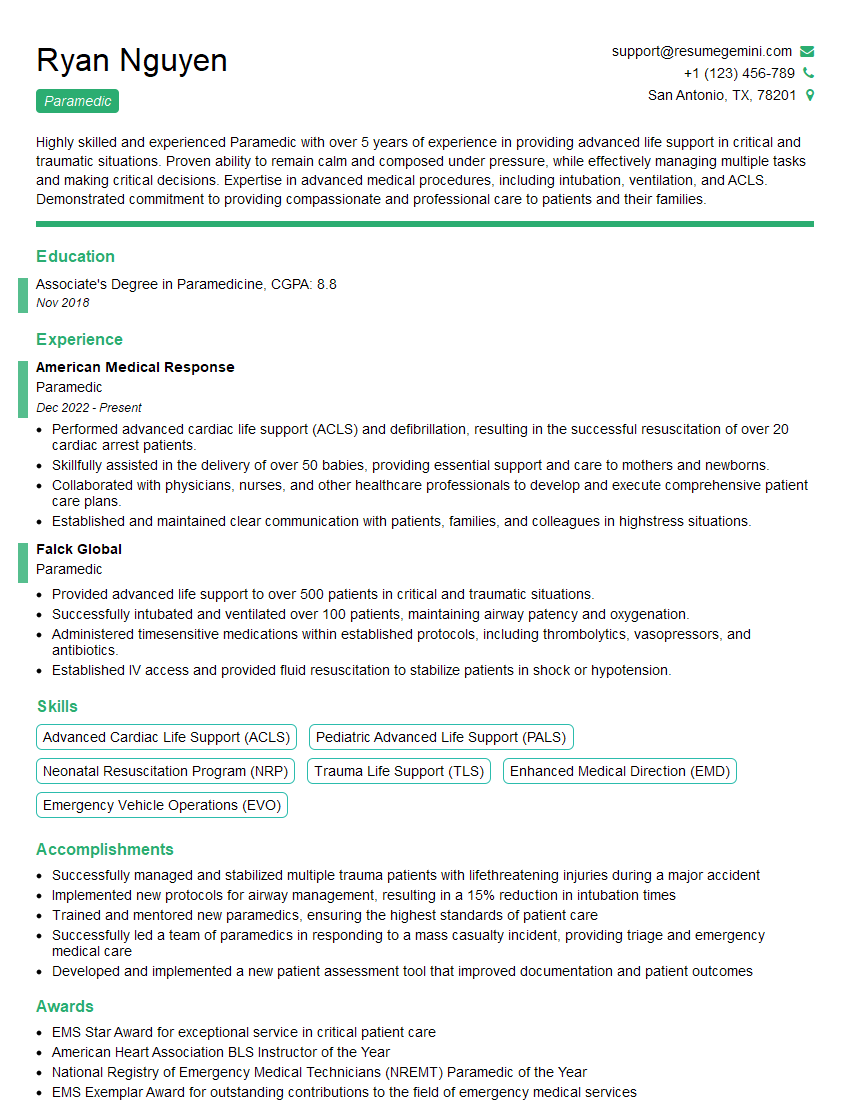
Paramedic Resume Sample
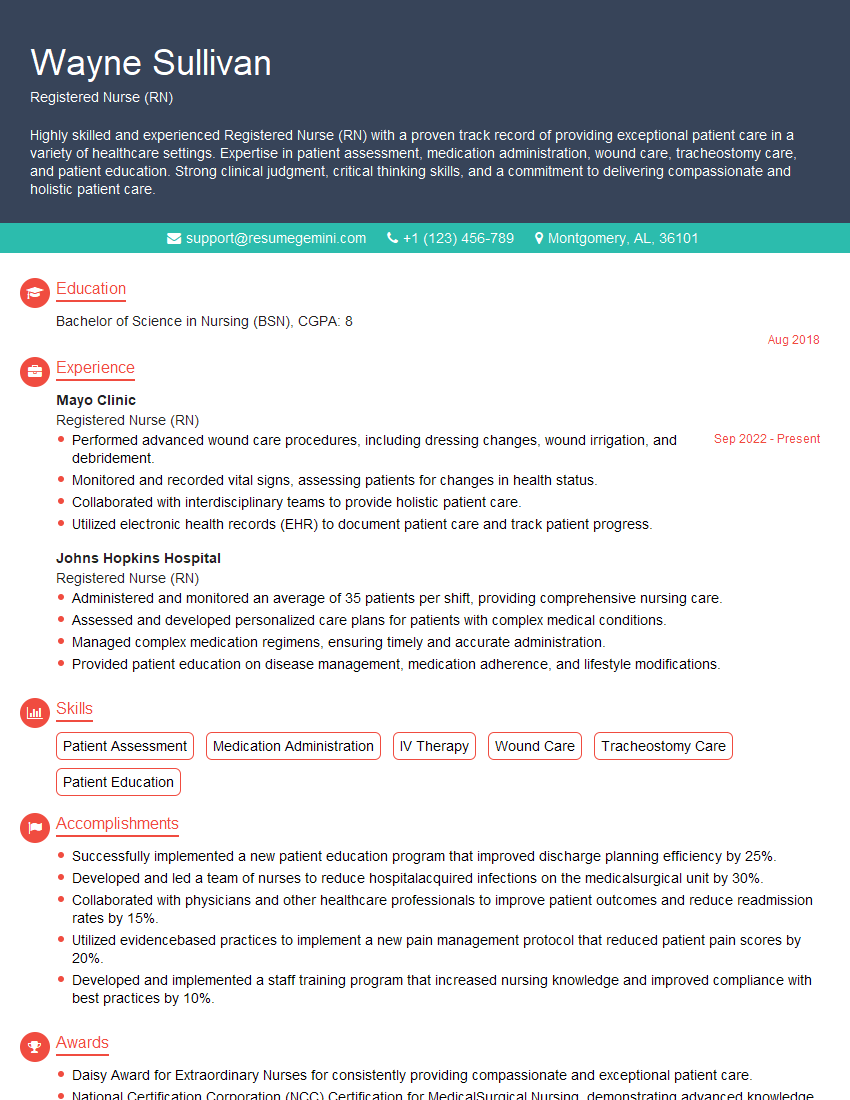
Registered Nurse (RN) Resume Sample
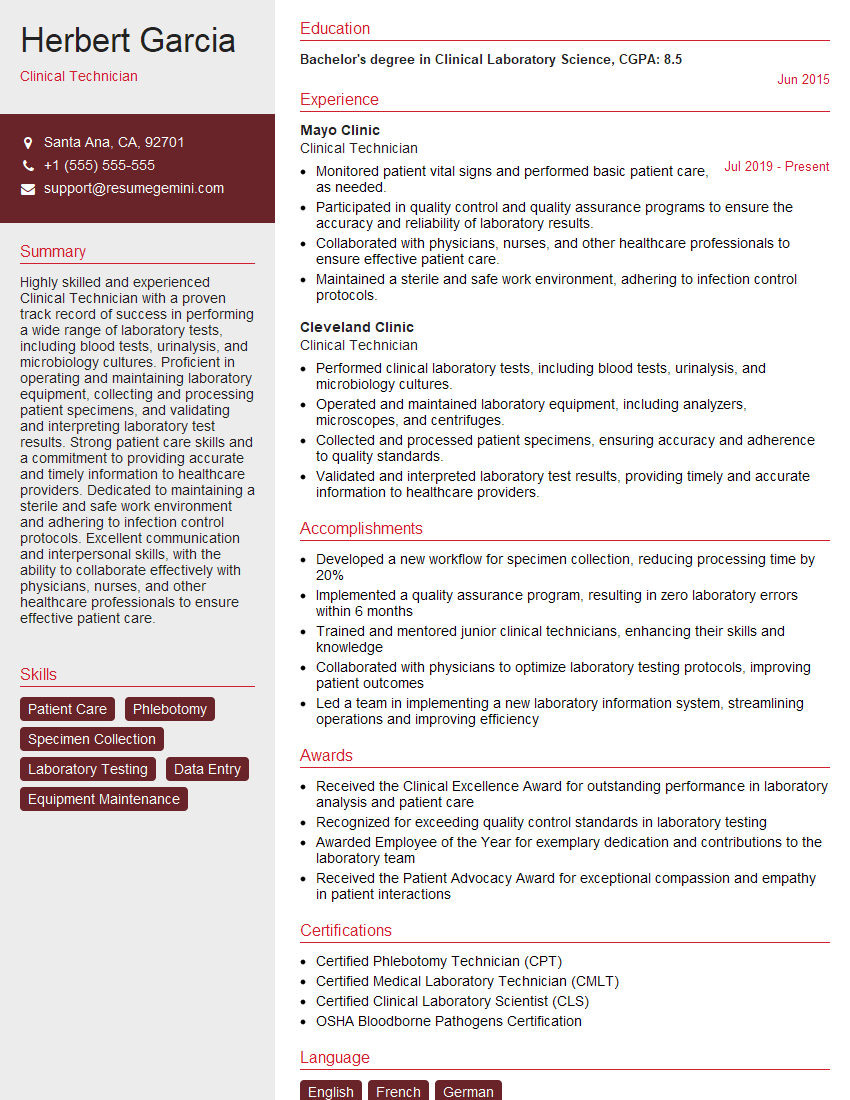
Clinical Technician Resume Sample

Monitor Technician Resume Sample
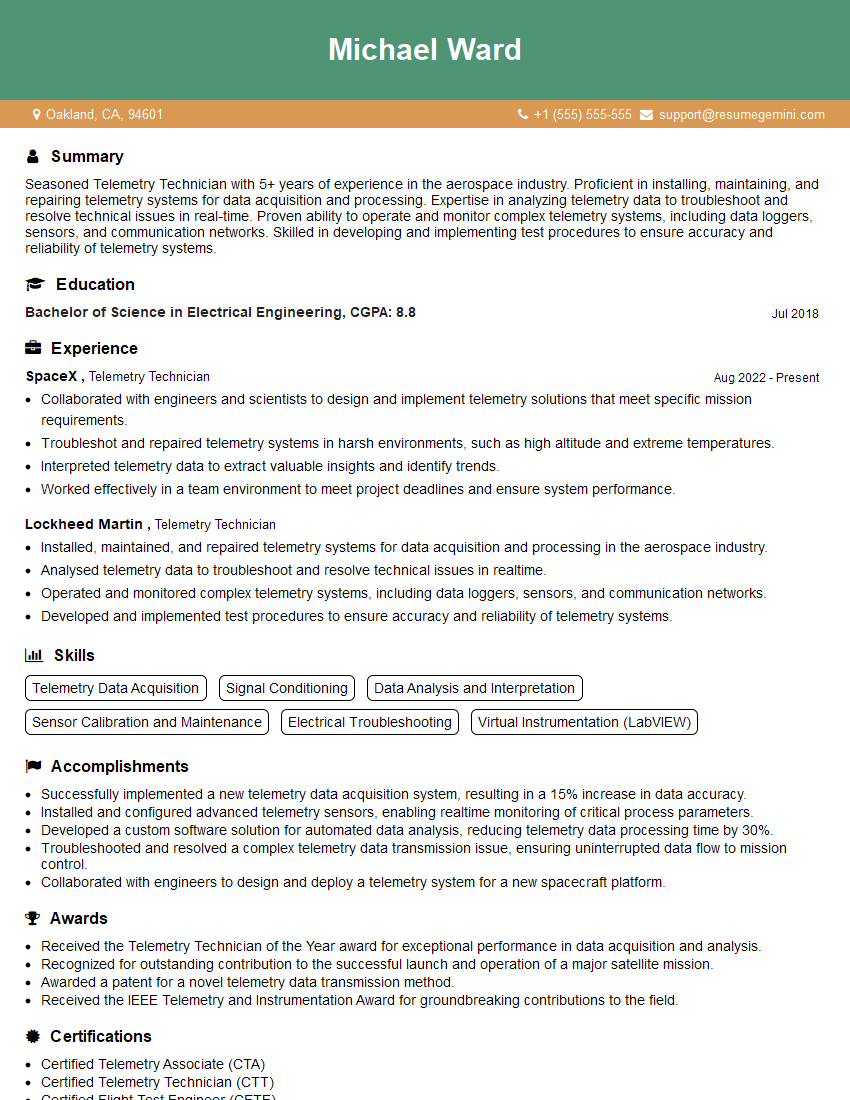
Telemetry Technician Resume Sample
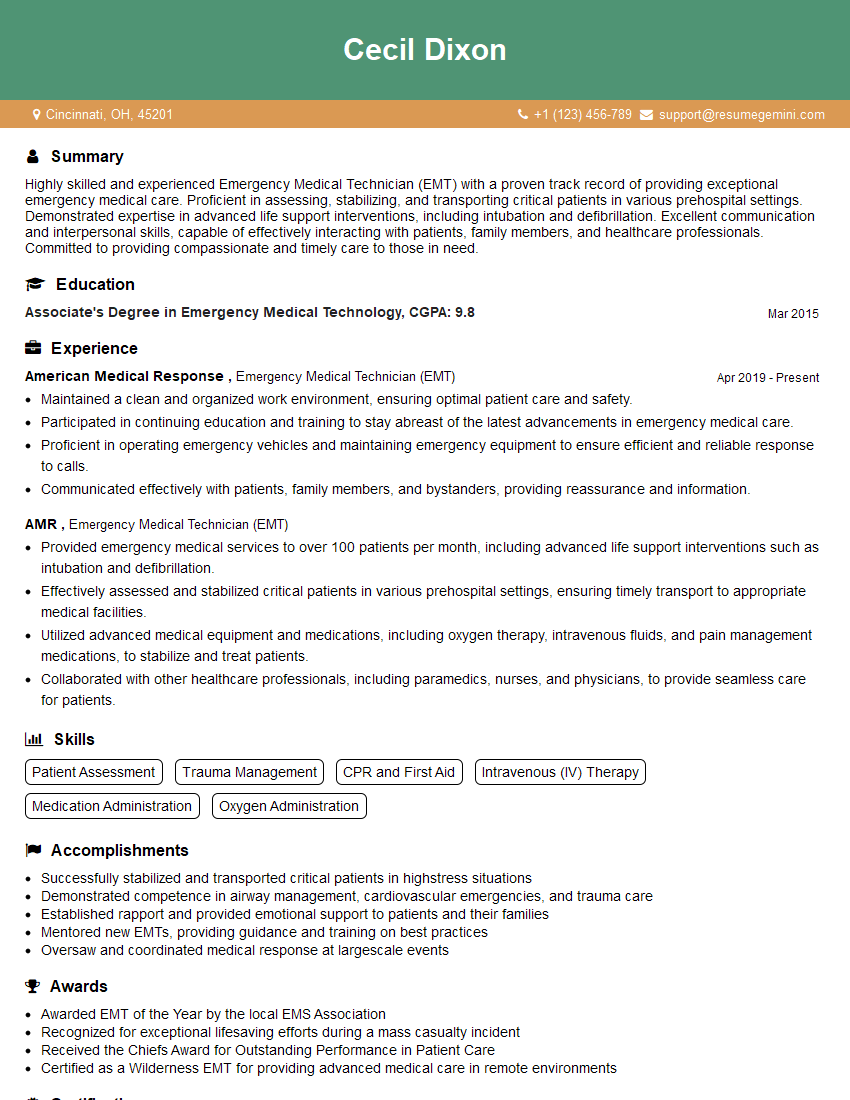
Emergency Medical Technician (EMT) Resume Sample
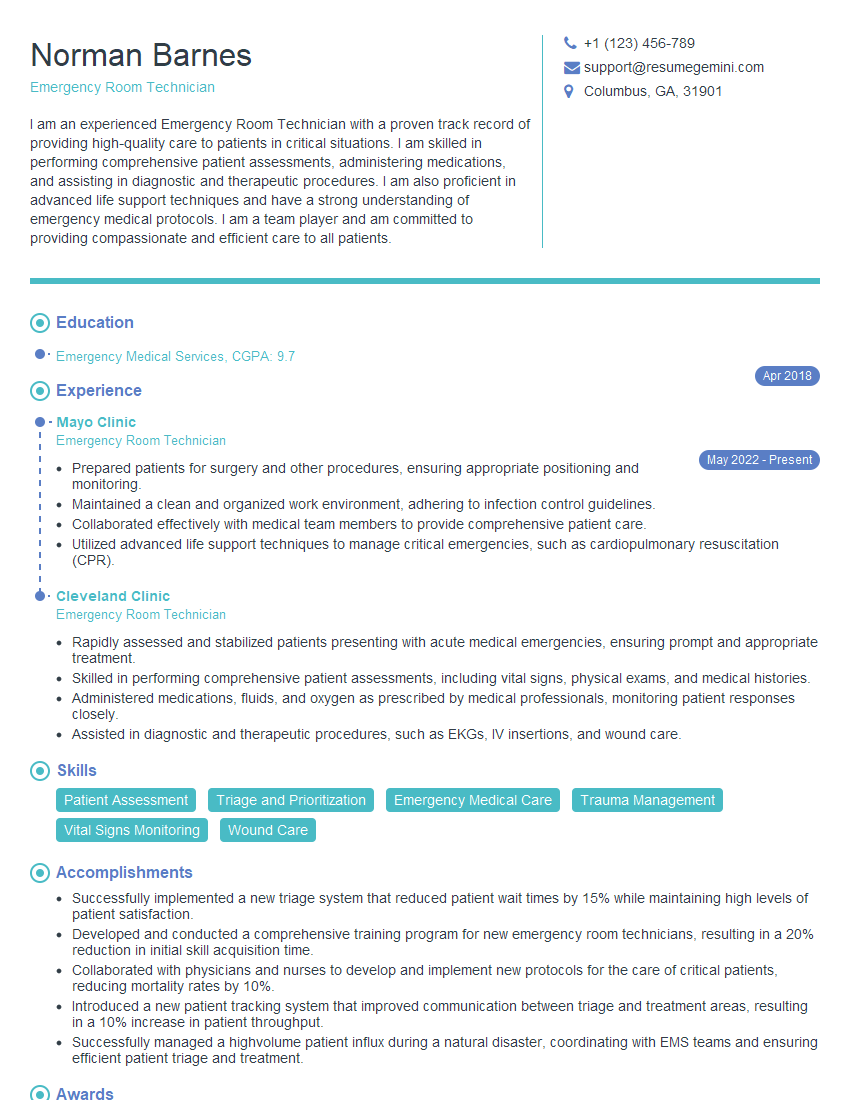
Emergency Room Technician Resume Sample
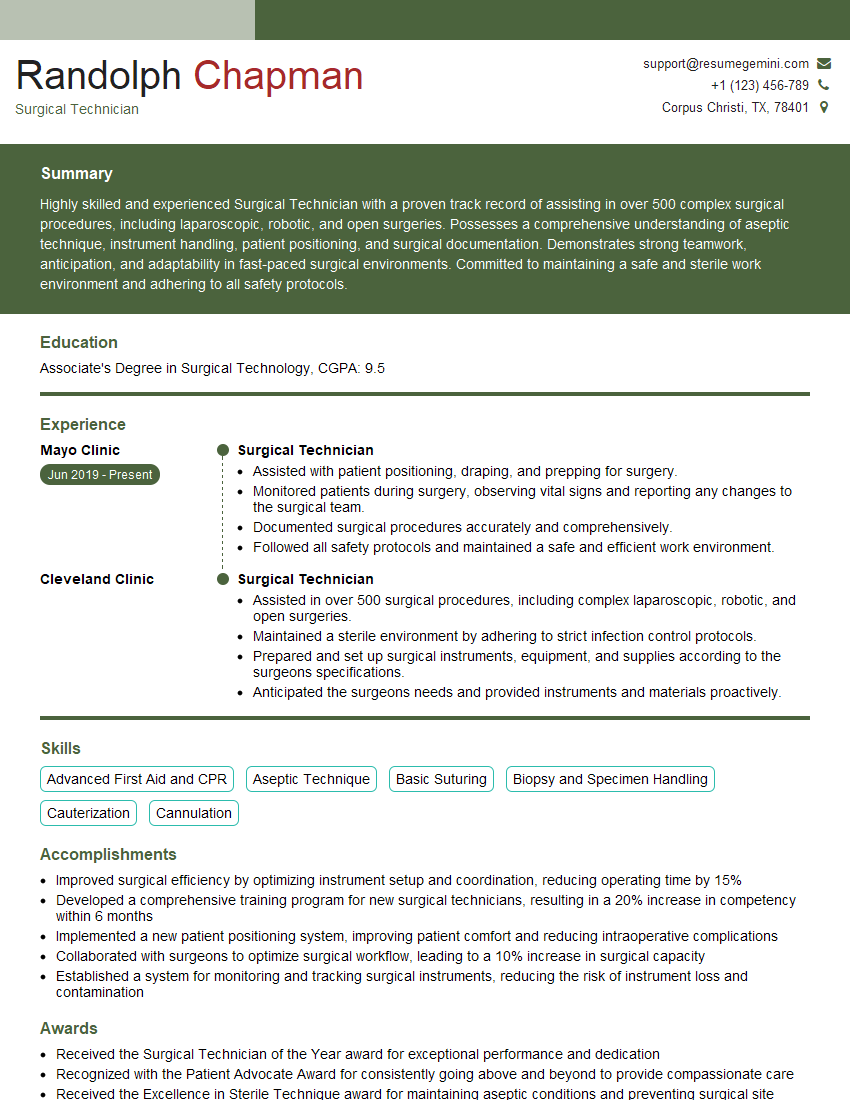
Surgical Technician Resume Sample
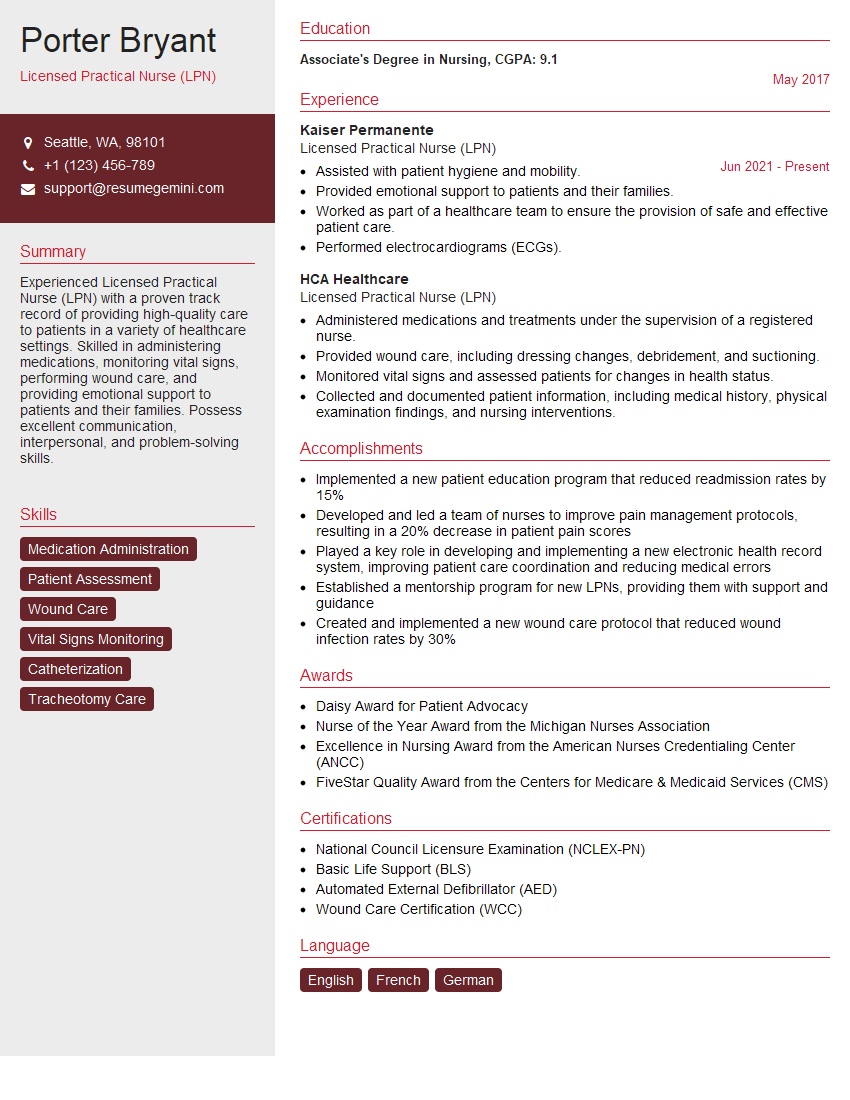
Licensed Practical Nurse (LPN) Resume Sample
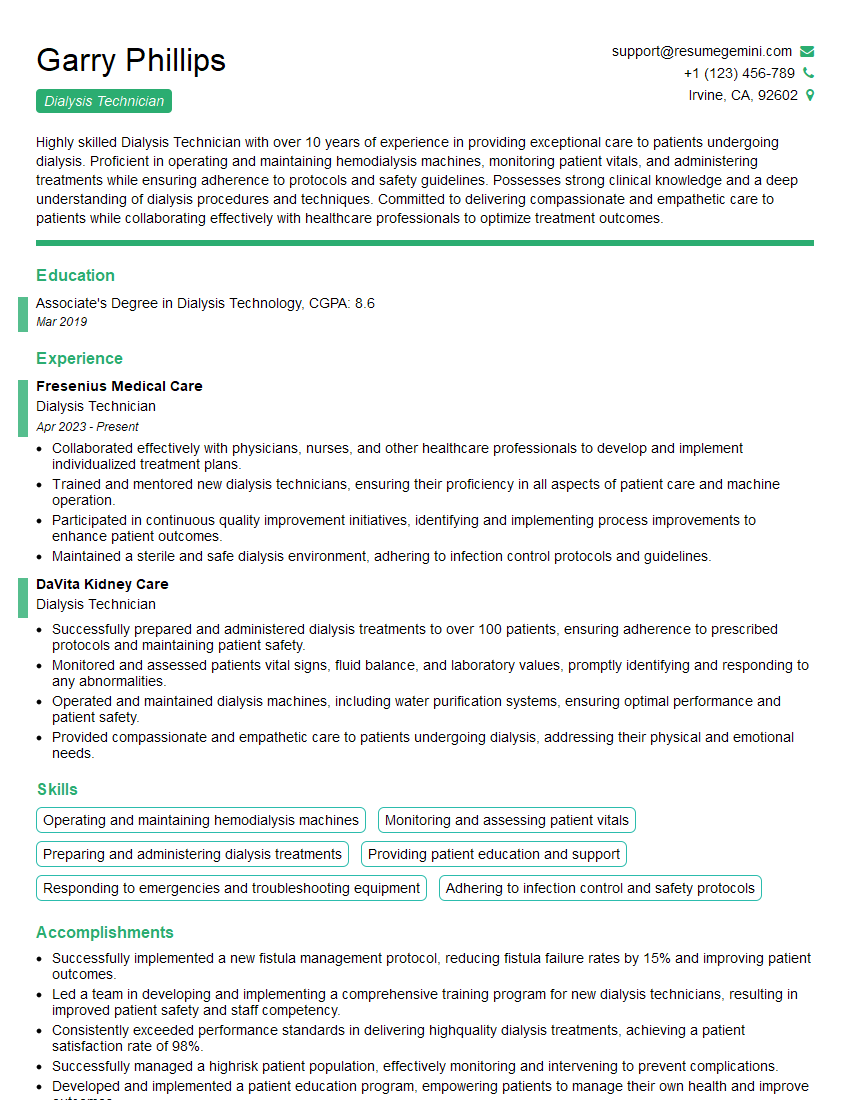
Dialysis Technician Resume Sample
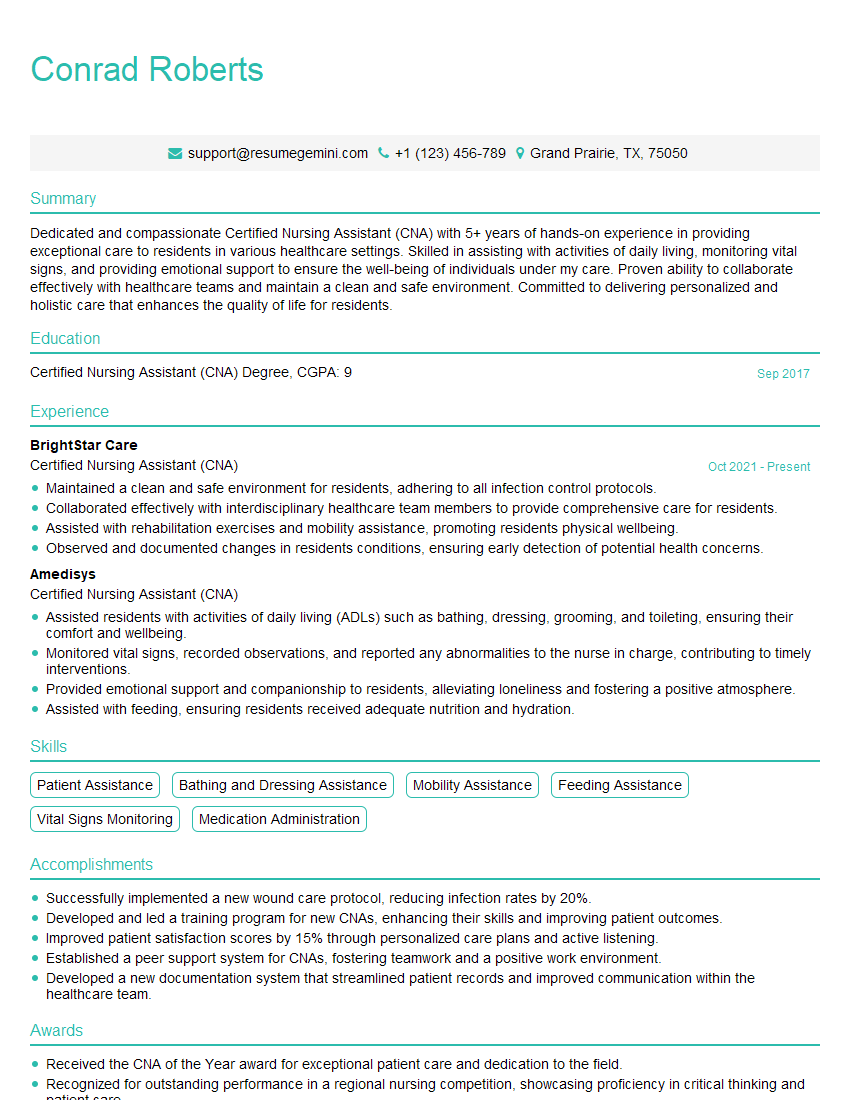
Certified Nursing Assistant (CNA) Resume Sample
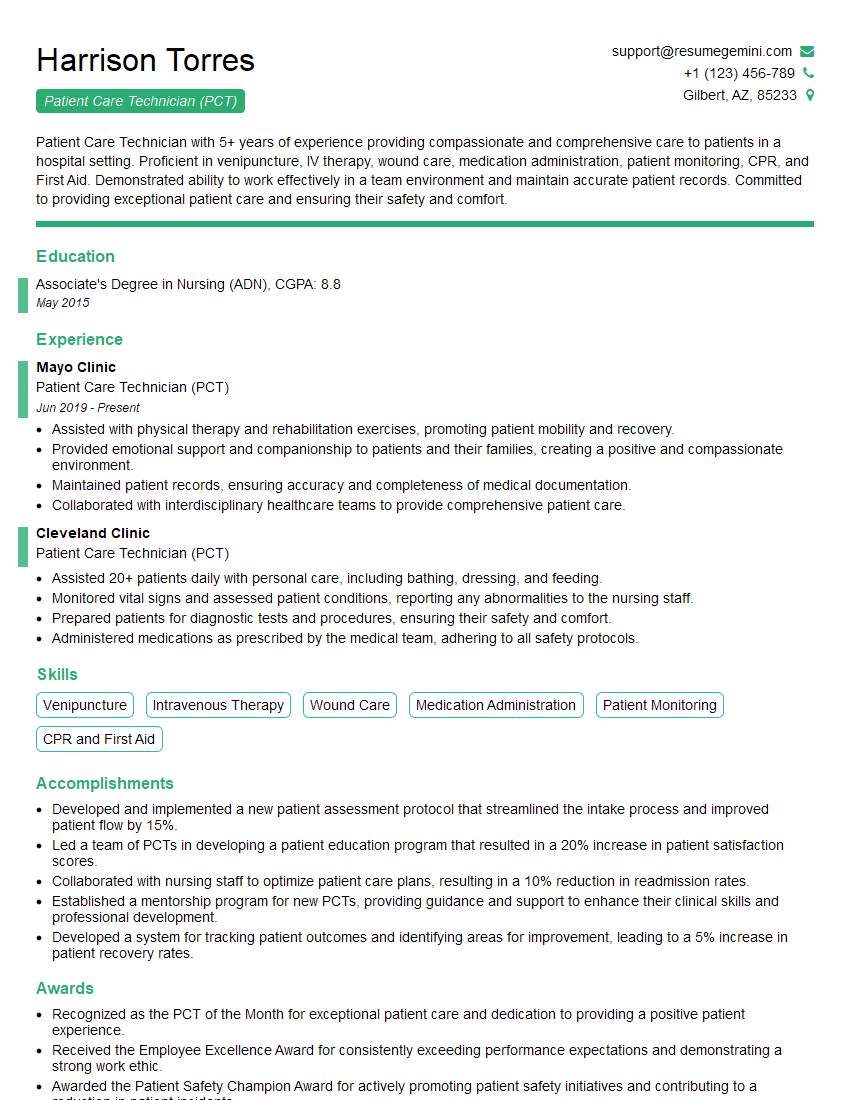
Patient Care Technician (PCT) Resume Sample
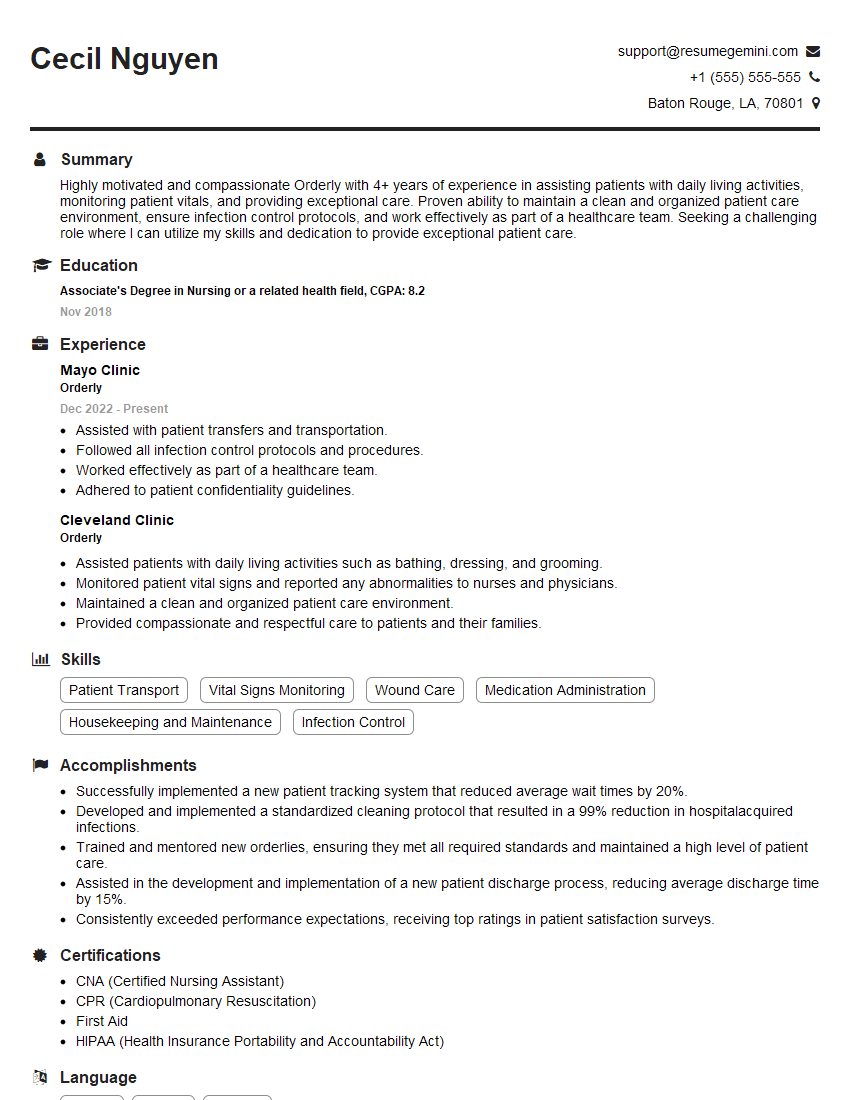
Orderly Resume Sample
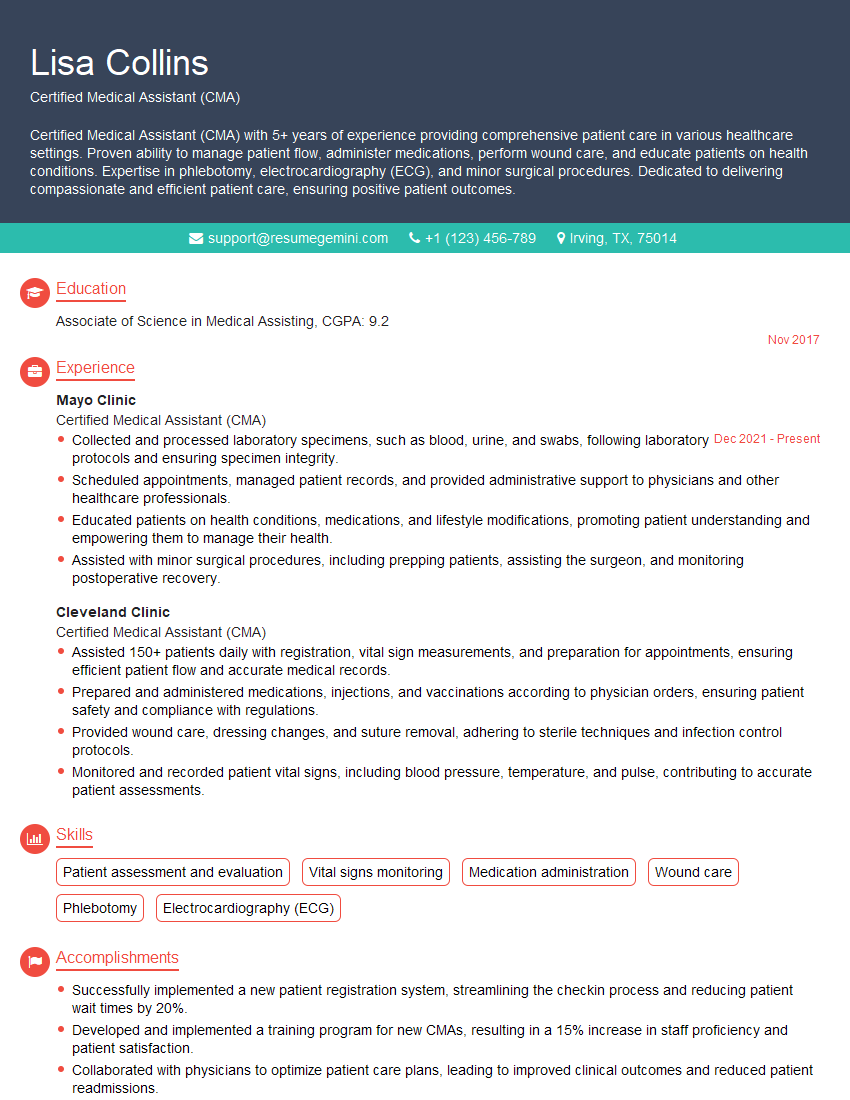
Certified Medical Assistant (CMA) Resume Sample
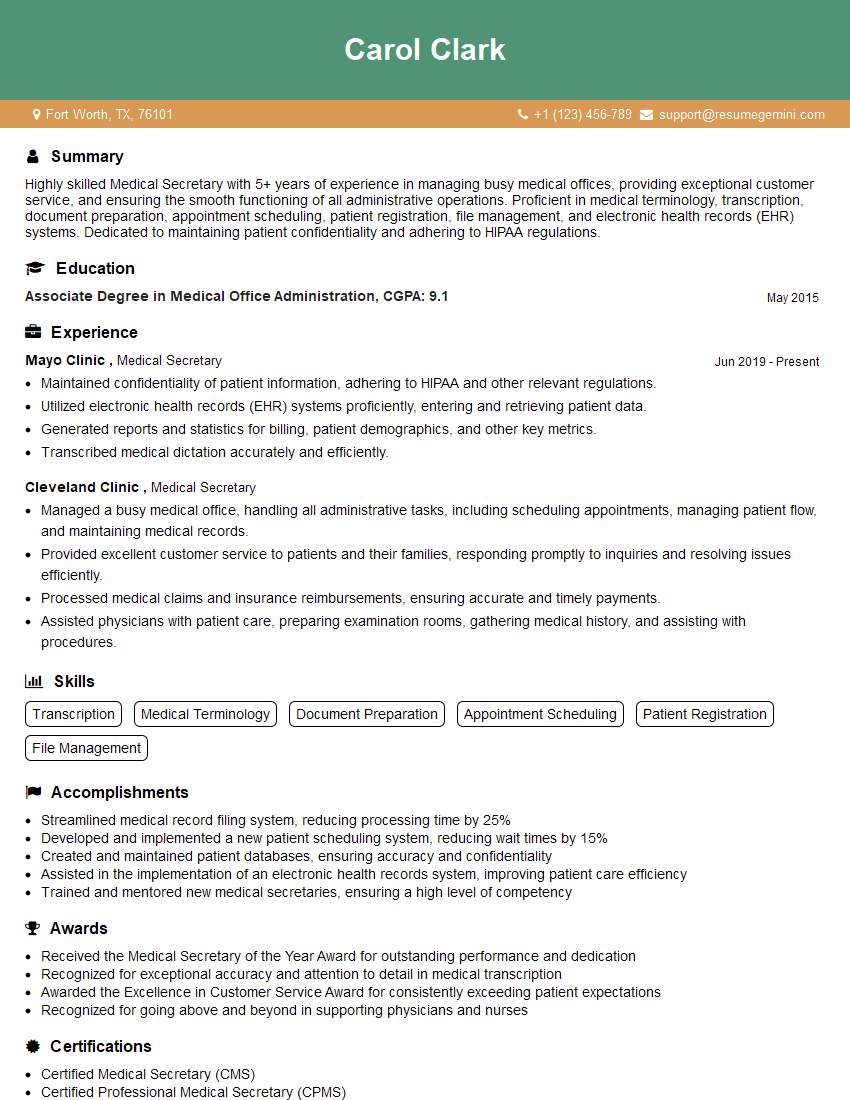
Medical Secretary Resume Sample
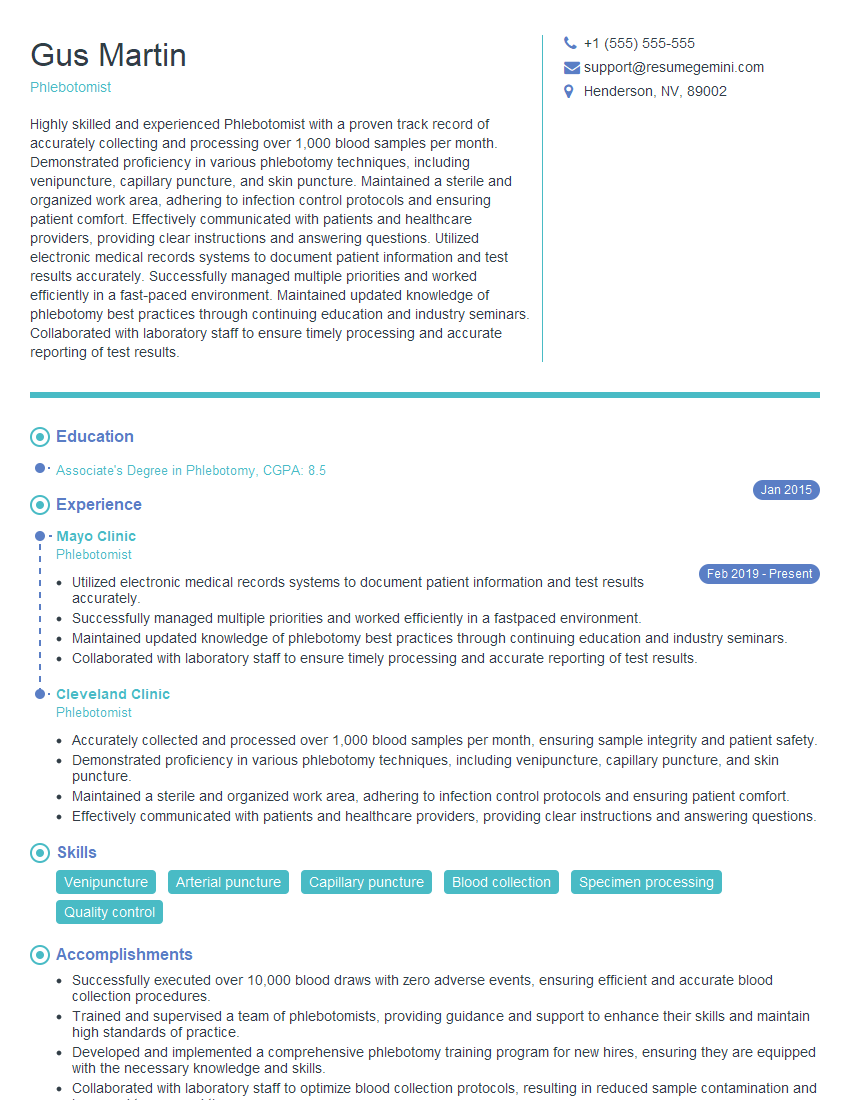
Phlebotomist Resume Sample
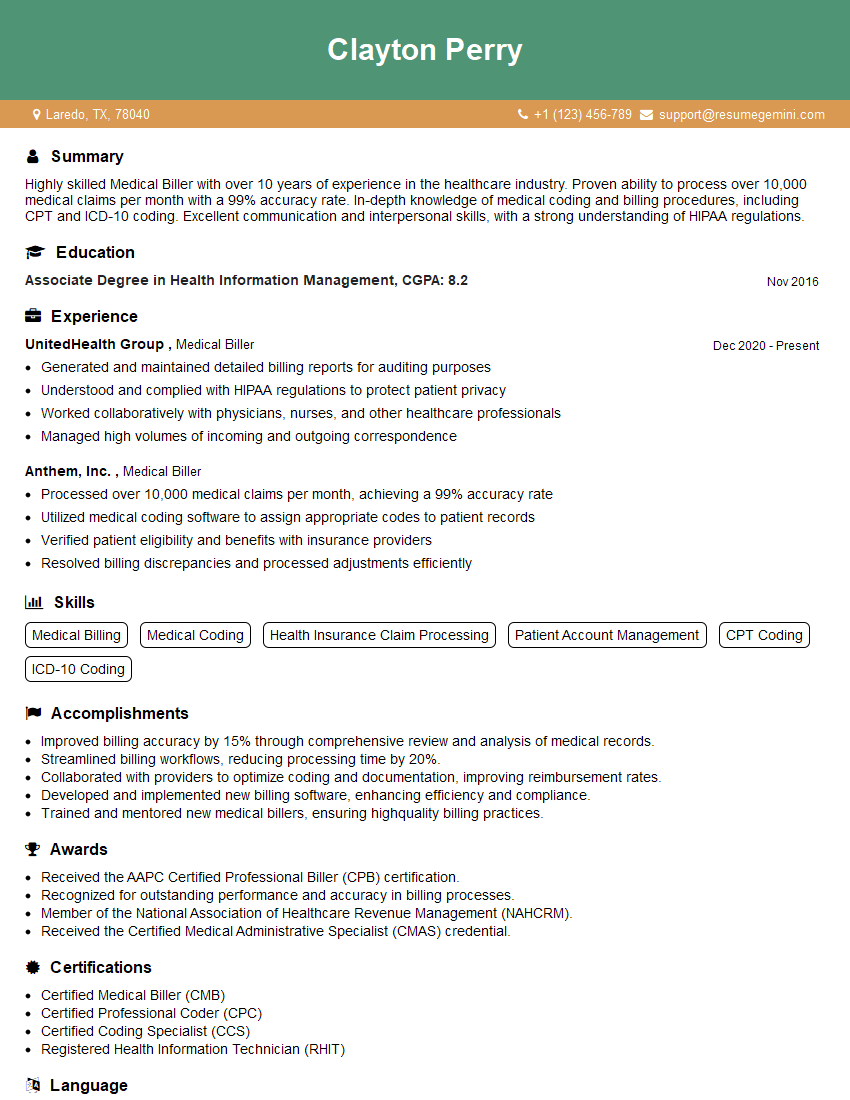
Medical Biller Resume Sample
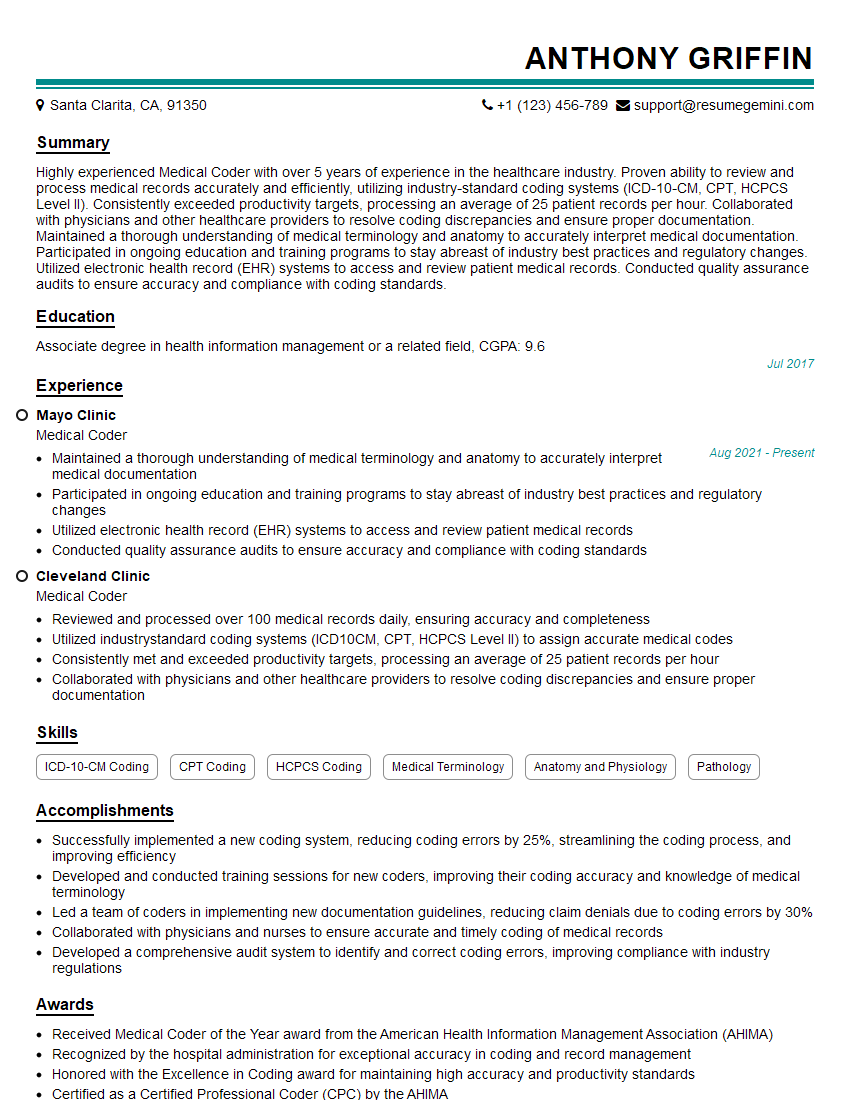
Medical Coder Resume Sample
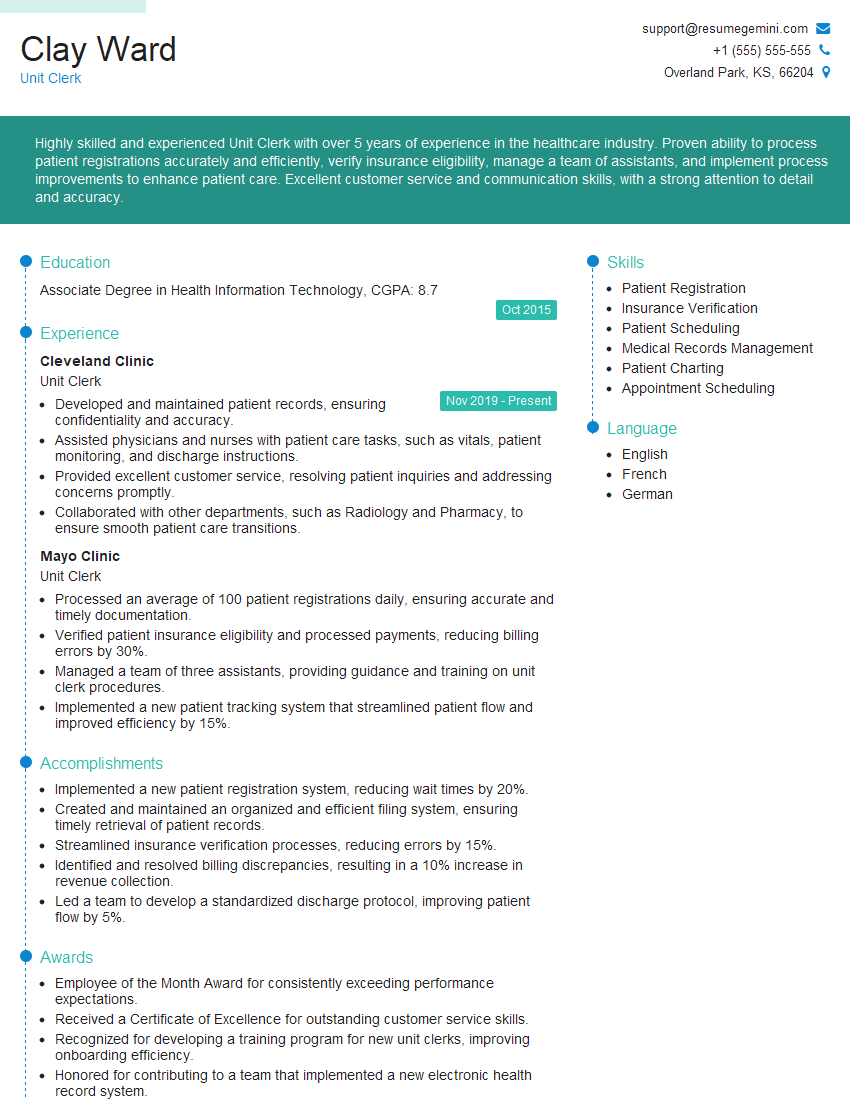
Unit Clerk Resume Sample
- Health Unit Coordinator
- Paramedic
- Registered Nurse (RN)
- Clinical Technician
- Monitor Technician
- Telemetry Technician
- Emergency Medical Technician (EMT)
- Emergency Room Technician
- Surgical Technician
- Licensed Practical Nurse (LPN)
- Dialysis Technician
- Certified Nursing Assistant (CNA)
- Patient Care Technician (PCT)
- Orderly
- Certified Medical Assistant (CMA)
- Medical Secretary
- Phlebotomist
- Medical Biller
- Medical Coder
- Unit Clerk
Explore more articles
Users Rating of Our Blogs
Share Your Experience
We value your feedback! Please rate our content and share your thoughts (optional).
What Readers Say About Our Blog
I Redesigned Spongebob Squarepants and his main characters of my artwork.
https://www.deviantart.com/reimaginesponge/art/Redesigned-Spongebob-characters-1223583608
IT gave me an insight and words to use and be able to think of examples
Hi, I’m Jay, we have a few potential clients that are interested in your services, thought you might be a good fit. I’d love to talk about the details, when do you have time to talk?
Best,
Jay
Founder | CEO