The right preparation can turn an interview into an opportunity to showcase your expertise. This guide to Team player with a positive attitude interview questions is your ultimate resource, providing key insights and tips to help you ace your responses and stand out as a top candidate.
Questions Asked in Team player with a positive attitude Interview
Q 1. Describe a time you had to collaborate with a difficult team member. What was your approach?
In a previous project, I collaborated with a team member who consistently missed deadlines and lacked proactive communication. My approach focused on understanding the root cause of the issue before addressing the behavior. I initiated a one-on-one conversation, creating a safe space for open dialogue. Instead of directly criticizing, I asked open-ended questions like, “How are you feeling about the workload?” and “Are there any obstacles preventing you from meeting deadlines?” This helped me understand that they were overwhelmed by a sudden increase in responsibilities. We then collaboratively redefined their tasks, prioritizing essential items and breaking down complex tasks into smaller, manageable steps. I also offered support, pairing with them on some tasks and providing regular check-ins to track progress and offer assistance. The result was a significant improvement in their performance, team morale, and project completion.
Q 2. How do you handle conflict within a team setting?
Conflict is inevitable in any team, but how we handle it shapes the team’s overall success. My approach centers around fostering open communication and focusing on the issue, not personalities. I encourage team members to express their perspectives clearly and respectfully. I actively listen to understand each viewpoint, creating a space where everyone feels heard. Once everyone has shared their thoughts, I facilitate a collaborative problem-solving session, focusing on finding a solution that meets the needs of all involved. If the conflict involves personality clashes, I emphasize focusing on the task at hand and identifying areas of mutual agreement. Using a structured approach, such as brainstorming possible solutions and evaluating them based on practicality and impact, helps keep the discussion productive and solution-oriented.
Q 3. Give an example of a time you went above and beyond to help your team succeed.
During a critical project launch, our team faced an unexpected technical glitch that threatened to delay the rollout. While others were focused on identifying the issue, I saw an opportunity to proactively address the potential impact. Knowing we had a backup plan but it needed significant preparation, I volunteered to stay late and work through the night to configure and test the backup system. This ensured that we had a functioning alternative ready to deploy if necessary. Although the primary system was eventually resolved, my proactive effort saved the team valuable time and stress. This demonstrated my commitment to the team’s success and showcased initiative beyond my defined responsibilities.
Q 4. How do you contribute to a positive and productive team environment?
I contribute to a positive and productive team environment by actively promoting open communication, collaboration, and mutual respect. I believe in celebrating both individual and team accomplishments, recognizing that success is a collective effort. I actively participate in team-building activities and encourage open discussions, creating an inclusive space where everyone feels valued and respected. Furthermore, I proactively offer support to team members, sharing knowledge and resources, and helping them overcome challenges. A positive attitude is contagious, and I actively work to create an atmosphere of optimism and encouragement, even during challenging times.
Q 5. Describe your preferred team communication style.
My preferred team communication style is open, direct, and proactive. I believe in clear, concise communication, ensuring everyone is on the same page. I utilize various communication channels, choosing the most appropriate method depending on the situation. For example, quick updates might be communicated via instant messaging, while more detailed discussions or complex problem-solving requires face-to-face meetings or video calls. I make sure to actively listen, seek clarification, and confirm understanding to minimize misunderstandings. Regular check-ins and feedback sessions ensure alignment and address any emerging concerns promptly. I also strive to be responsive, acknowledging messages and queries promptly to maintain efficient communication flow.
Q 6. How do you adapt to different team dynamics?
Adapting to different team dynamics is crucial for effective collaboration. My approach involves actively observing the team’s communication styles, work processes, and decision-making approaches. I actively listen to understand individual preferences and working styles, tailoring my communication and collaboration methods accordingly. I am flexible and willing to adjust my work style to complement the team’s overall dynamic, ensuring seamless integration and effective collaboration. This includes being sensitive to different communication styles, offering support to those who may need it, and respecting individual working preferences. By being adaptable and understanding, I ensure that my contributions complement the team’s strengths and address any potential weaknesses.
Q 7. Have you ever had to mentor or train a new team member? Describe your experience.
I mentored a junior team member during a previous project. My approach was based on creating a supportive and learning-oriented environment. I started by establishing a clear understanding of their skills and experience level, identifying areas where they needed further development. I provided them with regular feedback, both positive reinforcement and constructive criticism, using clear, actionable suggestions for improvement. I paired them with more senior team members for collaborative work, allowing them to learn from their experience and contribute actively. I also offered resources like online courses and relevant documentation to help them enhance their skillset. This approach fostered their confidence, accelerated their learning curve, and enhanced their contribution to the team’s success. The experience was highly rewarding, both for the mentee’s growth and for my own leadership development.
Q 8. How do you handle criticism from colleagues?
I view criticism as an opportunity for growth. My approach is to actively listen to the feedback, ask clarifying questions to fully understand the perspective, and then reflect on how I can improve. I don’t take criticism personally; instead, I focus on the constructive elements. For example, if a colleague points out a flaw in my report, I wouldn’t get defensive. Instead, I would thank them for pointing it out, ask for specific examples, and then work on revising the report to address the issues. I believe a crucial aspect is to demonstrate a willingness to learn and adapt, showing that I value their input and am committed to continuous improvement.
Q 9. How do you maintain a positive attitude during challenging projects?
Maintaining a positive attitude during challenging projects requires a proactive and strategic approach. I focus on breaking down large, daunting tasks into smaller, more manageable steps. This creates a sense of accomplishment as each step is completed, boosting morale. I also prioritize celebrating small wins along the way, acknowledging both individual and team achievements. Furthermore, I actively seek support from colleagues and proactively communicate any challenges or roadblocks. Open communication fosters collaboration and a shared sense of purpose, helping to navigate difficulties collectively. Finally, I remind myself of the project’s overall goals and the positive impact it will have; focusing on the bigger picture can help maintain perspective during tough times. For instance, during a particularly stressful product launch, focusing on the positive impact of the product on users helped keep me motivated and energized.
Q 10. Describe a time you failed to meet a team goal. What did you learn?
In a previous project, our team missed a crucial deadline due to underestimating the complexity of a particular integration. We lacked clear communication about the potential risks and didn’t allocate sufficient time for testing. The key learning was the importance of thorough planning, accurate risk assessment, and proactive communication within the team. We implemented a more robust project management methodology, including regular progress meetings, risk mitigation plans, and thorough testing protocols. This experience taught me the value of transparency, collaboration, and detailed planning in ensuring project success.
Q 11. How do you balance individual contributions with team objectives?
Balancing individual contributions with team objectives is crucial for overall success. I believe in aligning my individual tasks with the broader team goals, ensuring my work directly contributes to the collective outcome. I actively participate in team discussions to understand the priorities and strategize how my skills can best support the team. For instance, if the team is prioritizing a specific feature, I would focus my efforts on that aspect, even if it means temporarily setting aside other less urgent tasks. Open communication and collaboration are essential to ensure alignment and avoid duplication of effort.
Q 12. How do you prioritize tasks when working on multiple projects simultaneously?
When juggling multiple projects, I utilize a prioritization framework like the Eisenhower Matrix (urgent/important). This allows me to categorize tasks based on their urgency and importance. I focus on completing high-priority, urgent tasks first, followed by important but less urgent tasks. I schedule dedicated time blocks for each project, avoiding multitasking and ensuring focused attention. Furthermore, I utilize project management tools to track progress and deadlines, which helps to visualize the workload and allocate time effectively. Regular reviews of the prioritized tasks ensure adjustments are made as needed, maintaining flexibility and adaptability.
Q 13. How do you ensure your contributions are aligned with the overall team goals?
I ensure alignment by actively participating in team planning sessions and proactively seeking clarification on goals and objectives. I regularly review the project roadmap and ensure my tasks directly contribute to the overall team goals. I also maintain open communication with the team lead and colleagues to confirm my understanding and identify any potential conflicts or misalignments. For instance, before starting any new task, I would double-check with the team lead to ensure it fits within the overall project strategy. This proactive approach helps ensure I’m working efficiently and effectively towards the shared goals.
Q 14. Describe a situation where you had to persuade a team member to adopt a different approach.
In one project, a team member was resistant to adopting a new, more efficient workflow. I approached the situation by first actively listening to their concerns and understanding their resistance. I then presented the benefits of the new workflow using data and concrete examples of how it would improve efficiency and reduce workload. I also offered to support them through the transition and addressed their specific concerns with practical solutions. Through collaboration and demonstrating the tangible advantages, I successfully persuaded them to adopt the new approach, resulting in increased productivity and improved team collaboration. The key was to build trust and show empathy, demonstrating that the change was beneficial for the team as a whole.
Q 15. How do you handle disagreements about project methodologies or deadlines?
Disagreements regarding project methodologies or deadlines are inevitable in team environments. My approach prioritizes collaborative problem-solving and respectful communication. I begin by actively listening to all perspectives, ensuring everyone feels heard and valued. This often involves asking clarifying questions to understand the root of the disagreement. For example, if a deadline is contested, I’d explore the reasons behind the concern – are there resource constraints, unforeseen challenges, or simply a misalignment in understanding the scope of work? Once the issues are clearly defined, we collaboratively brainstorm solutions. This might involve adjusting the project timeline, re-allocating resources, or refining the project scope. Ultimately, we aim for a consensus that balances project goals with team capacity and well-being. I believe in documenting agreed-upon changes, ensuring everyone is clear on the revised plan and their responsibilities.
Career Expert Tips:
- Ace those interviews! Prepare effectively by reviewing the Top 50 Most Common Interview Questions on ResumeGemini.
- Navigate your job search with confidence! Explore a wide range of Career Tips on ResumeGemini. Learn about common challenges and recommendations to overcome them.
- Craft the perfect resume! Master the Art of Resume Writing with ResumeGemini’s guide. Showcase your unique qualifications and achievements effectively.
- Don’t miss out on holiday savings! Build your dream resume with ResumeGemini’s ATS optimized templates.
Q 16. How do you provide constructive feedback to team members?
Providing constructive feedback is crucial for team growth. My approach centers on the “situation-behavior-impact” model. I focus on specific situations where improvement is needed, describing the observed behavior objectively without judgment. Finally, I explain the impact of that behavior on the project or the team. For instance, instead of saying “You’re disorganized,” I might say, “During the last meeting, I noticed several key deadlines were missed. This resulted in the design team having to rush, impacting the quality of the final product.” I always frame feedback as an opportunity for learning and improvement, focusing on solutions rather than blame. I encourage open dialogue and actively listen to their perspective to ensure a two-way conversation, not a one-way critique. I also ensure the feedback is timely and specific, avoiding vague or generalized comments.
Q 17. How do you build rapport with colleagues and foster a sense of camaraderie?
Building rapport and camaraderie relies on genuine connection and mutual respect. I proactively initiate conversations beyond project-related topics, showing genuine interest in my colleagues’ lives and perspectives. This could involve casual chats during breaks, team lunches, or even participating in team-building activities outside of work. I believe in celebrating team successes, both big and small, and acknowledging individual contributions. Recognizing hard work boosts morale and reinforces a sense of shared accomplishment. I also actively listen and empathize with my colleagues, creating a safe space where they feel comfortable sharing concerns or challenges. Building trust is paramount, so I am always reliable and dependable in my work and commitments, demonstrating my commitment to the team’s collective success.
Q 18. How do you identify and resolve team conflicts before they escalate?
Conflict resolution requires early intervention and a neutral approach. I actively monitor team dynamics, looking for signs of tension or disagreement. If I observe a conflict brewing, I try to address it promptly through informal conversations with the involved parties. My goal is to understand each person’s perspective without taking sides. I facilitate a structured discussion, encouraging active listening and open communication. If the conflict persists, I might suggest a more formal mediation process, perhaps involving a neutral third party. The key is to create an environment where individuals feel safe to express their concerns and collaborate on solutions. The focus should always be on finding common ground and resolving the underlying issues, rather than assigning blame.
Q 19. How do you stay motivated and engaged in team projects?
Maintaining motivation and engagement involves finding intrinsic value in the work. I actively seek opportunities for professional growth within team projects, viewing them as a chance to expand my skills and contribute meaningfully. Celebrating milestones and acknowledging progress along the way keeps the team energized and focused. Regular feedback and open communication help ensure everyone feels valued and their contributions are recognized. I also try to maintain a positive outlook, focusing on solutions rather than problems and emphasizing the positive impact of our work. Open communication with my team members ensures everyone feels involved and valued, promoting a sense of shared purpose and success.
Q 20. Describe a situation where you had to take initiative to improve team processes.
In a previous project, our team struggled with inefficient communication, leading to missed deadlines and duplicated efforts. I took the initiative to implement a centralized project management system. I researched different platforms, presented the options to the team, and led the effort to onboard everyone. This improved communication, tracking of tasks, and overall organization. We saw a significant improvement in project completion rates and a reduction in conflicts. The implementation of this system required strong communication skills and the ability to guide the team through the transition. The positive impact on efficiency and team morale clearly demonstrated the value of taking initiative to improve processes.
Q 21. How do you contribute to decision-making within the team?
I actively contribute to decision-making by ensuring my voice is heard and I provide well-reasoned input based on facts and data. I listen carefully to other team members’ perspectives and offer my insights to the group. I am comfortable offering different approaches or solutions, and I also welcome the perspectives of others and ensure that all voices are heard and considered before a final decision is made. I value collaborative decision making as it provides a more comprehensive understanding of the project and increases buy-in from team members. I am also prepared to challenge ideas that I feel are not in the best interests of the project, respectfully and professionally presenting my counterarguments with supporting evidence.
Q 22. How do you handle setbacks or unexpected challenges while working as part of a team?
Setbacks are inevitable in teamwork. My approach focuses on proactive problem-solving and maintaining a positive attitude. First, I analyze the situation objectively, identifying the root cause of the challenge. This involves gathering information from team members, reviewing relevant data, and avoiding immediate emotional responses. Then, I propose solutions, focusing on collaborative brainstorming and leveraging the diverse skills within the team. For instance, if a project deadline is threatened due to unexpected technical difficulties, I wouldn’t simply panic; instead, I’d suggest re-prioritizing tasks, seeking assistance from other departments if needed, and transparently communicating the situation and proposed solutions to stakeholders. Finally, I focus on learning from the experience, documenting lessons learned, and incorporating these insights into future project planning to prevent similar issues.
A real-world example: During a software development project, a critical third-party API went down unexpectedly, delaying our launch. We held an immediate team meeting, assessed the impact, explored alternative solutions (using a temporary workaround), and revised our timeline. Open communication and collaborative problem-solving allowed us to mitigate the damage and successfully launch with minimal delay.
Q 23. How do you measure the success of your team’s accomplishments?
Measuring team success goes beyond simply achieving the project goals; it involves a holistic assessment encompassing various key performance indicators (KPIs). We evaluate success based on several factors: Did we meet deadlines? Did we stay within budget? Did we achieve the desired quality standards? But equally important is assessing team dynamics and individual growth. We use metrics like team member satisfaction surveys, project completion rates, and customer feedback. Furthermore, we analyze whether we successfully fostered a collaborative and supportive environment.
For instance, delivering a project on time and within budget is excellent, but if team morale was low due to poor communication or lack of support, the overall success is diminished. Regular retrospectives – meetings where the team reflects on past projects to identify areas of improvement – are crucial to consistently improving our team performance and measuring long-term success.
Q 24. How do you support team members who are struggling to meet their goals?
Supporting struggling team members requires empathy, understanding, and a proactive approach. My strategy begins with open and honest communication. I’d first listen to their concerns, identifying the root causes of their struggles. Are they facing technical challenges? Are they overwhelmed by their workload? Or are there personal factors affecting their performance? Once the issue is identified, I offer specific, actionable support. This could include providing additional training, assigning tasks differently, offering mentorship, or connecting them with appropriate resources.
I believe in fostering a culture of mutual support. I’ve had instances where a teammate was struggling with a particular coding problem. Instead of simply providing the solution, I guided them through the debugging process, helping them understand the underlying concepts. This not only solved the immediate problem but also improved their problem-solving skills.
Q 25. Describe your experience with different collaboration tools and technologies.
My experience with collaboration tools is extensive. I’m proficient in using project management tools like Jira and Asana for task management, tracking progress, and managing sprints. For communication, I rely on Slack for quick messages and discussions, and Microsoft Teams for video conferencing and file sharing. For document collaboration, I use Google Docs and Microsoft Office 365. I also have experience with version control systems like Git and GitHub for code management.
The choice of tools depends on the project and team needs. For smaller projects, simpler tools may suffice, while larger, more complex projects require more sophisticated tools. The key is choosing tools that enhance collaboration, streamline workflows, and improve communication, ultimately leading to increased productivity.
Q 26. How do you maintain a work-life balance while working effectively within a team?
Maintaining work-life balance is paramount for long-term well-being and productivity. This requires conscious effort and strategies. I prioritize tasks, focusing on the most important ones first, and avoid multitasking as it often reduces efficiency. I set clear boundaries between work and personal life, defining specific work hours and sticking to them as much as possible. I utilize time management techniques like the Pomodoro Technique to improve focus and avoid burnout.
Regular breaks and physical activity are also essential. I make sure to take short breaks throughout the workday to recharge and engage in activities I enjoy outside of work. Open communication with my team and manager is also vital. If I’m feeling overwhelmed, I communicate this proactively, exploring solutions together.
Q 27. How do you ensure effective communication within a remote team?
Effective communication in remote teams is crucial and requires a multi-faceted approach. Regular virtual meetings, using tools like Zoom or Google Meet, are essential for maintaining connection and ensuring everyone is aligned on project goals. Using project management tools with integrated communication features is also beneficial. Asynchronous communication, via email or project management platforms, allows team members in different time zones to collaborate effectively. Clear communication protocols, outlining preferred communication channels and response times, should be established.
Over-communication is better than under-communication in remote settings. I make a conscious effort to provide regular updates, actively solicit feedback, and use visual aids like screenshots or videos to enhance understanding, avoiding ambiguity.
Q 28. Describe a time you had to deal with a negative team member. How did you handle it?
I once worked with a team member who consistently missed deadlines and lacked proactive communication. My approach focused on addressing the issue directly but constructively. I scheduled a private meeting with this individual, where I actively listened to their perspective, trying to understand the reasons behind their behavior. It turned out they were struggling with a personal issue that was affecting their work. We collaboratively identified ways to support them, including adjusting their workload and providing additional support. We also established clear expectations and communication protocols. Through open communication and empathetic support, we managed to improve their performance and overall contribution to the team.
It’s important to remember that addressing negative behavior is not about blame but about finding solutions and helping team members succeed. The focus should always be on improving team dynamics and overall productivity.
Key Topics to Learn for Team Player with a Positive Attitude Interview
- Understanding Teamwork Dynamics: Explore different team structures, communication styles, and conflict resolution strategies. Consider how your personal strengths contribute to a collaborative environment.
- Active Listening and Communication: Practice actively listening to understand perspectives, clearly articulating your ideas, and providing constructive feedback. Think about examples where you effectively communicated within a team setting.
- Problem-Solving Collaboratively: Illustrate your ability to brainstorm solutions with others, consider diverse viewpoints, and contribute effectively to a shared decision-making process. Prepare examples showcasing your collaborative problem-solving skills.
- Maintaining a Positive Attitude: Reflect on how you approach challenges and setbacks with resilience and optimism. Consider examples demonstrating your ability to inspire and motivate others, even in difficult situations.
- Adaptability and Flexibility: Discuss your ability to adjust to changing priorities, work styles, and team compositions. Showcase examples where you successfully adapted to unexpected circumstances within a team context.
- Respect and Inclusivity: Highlight your understanding of the importance of creating an inclusive and respectful team environment where everyone feels valued and heard. Prepare examples demonstrating your commitment to diversity and teamwork.
Next Steps
Mastering the art of being a team player with a positive attitude is crucial for career advancement. It demonstrates essential soft skills highly valued by employers and opens doors to greater opportunities for collaboration, leadership, and professional growth. To significantly increase your job prospects, focus on creating an ATS-friendly resume that effectively showcases these skills. ResumeGemini is a trusted resource to help you build a professional and impactful resume that highlights your strengths and experiences. We provide examples of resumes tailored to demonstrate a “Team Player with a Positive Attitude” profile – review these examples to further enhance your application materials.

Operations Manager Resume Sample
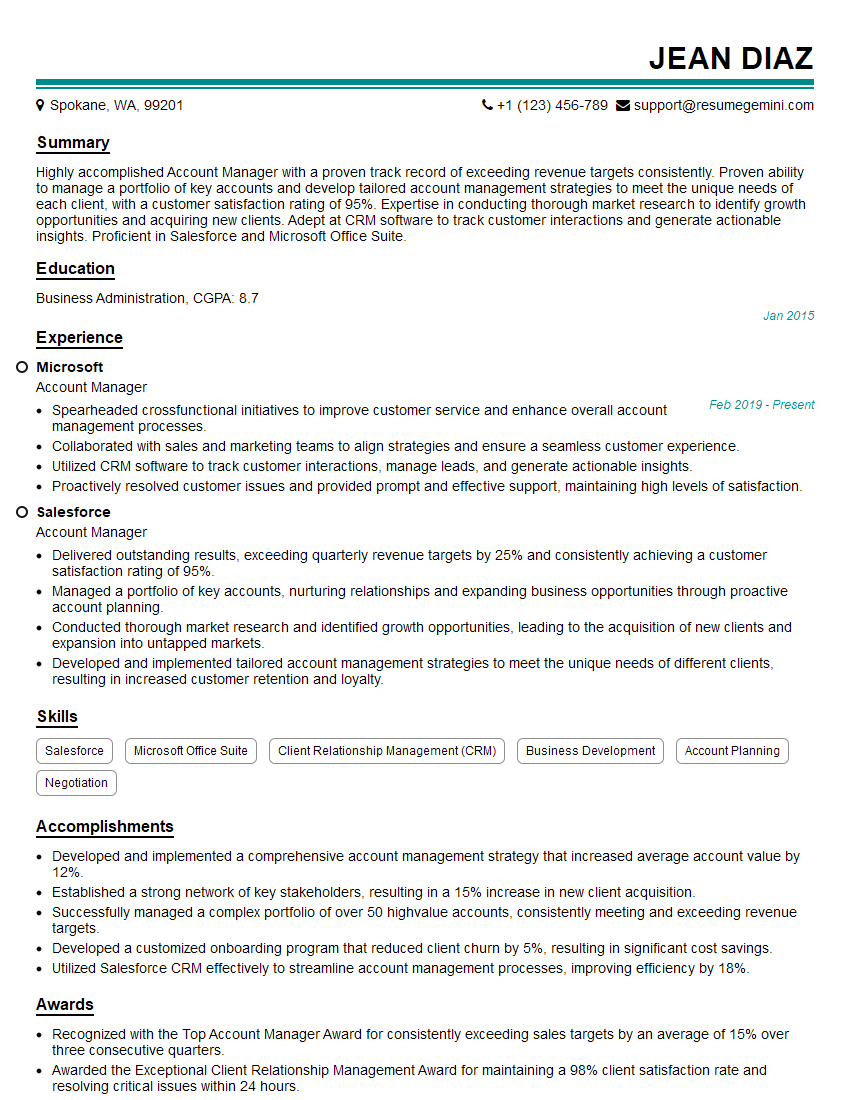
Account Manager Resume Sample
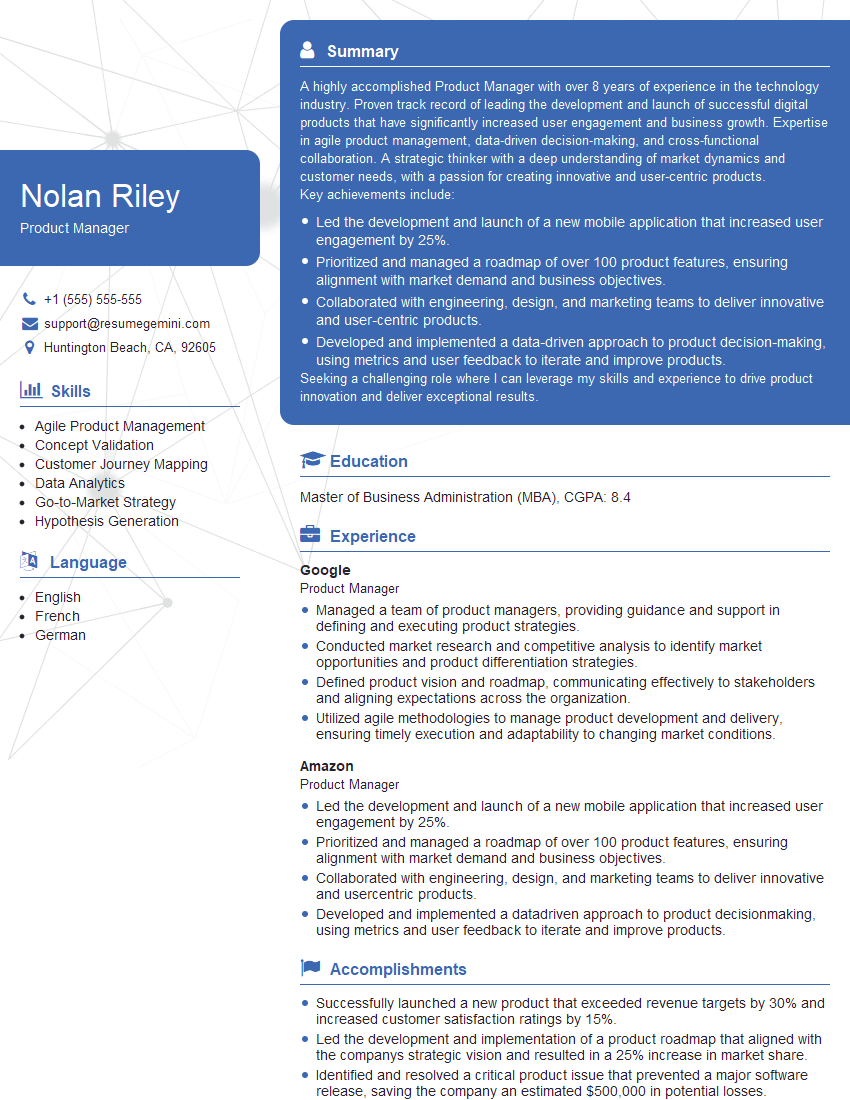
Product Manager Resume Sample
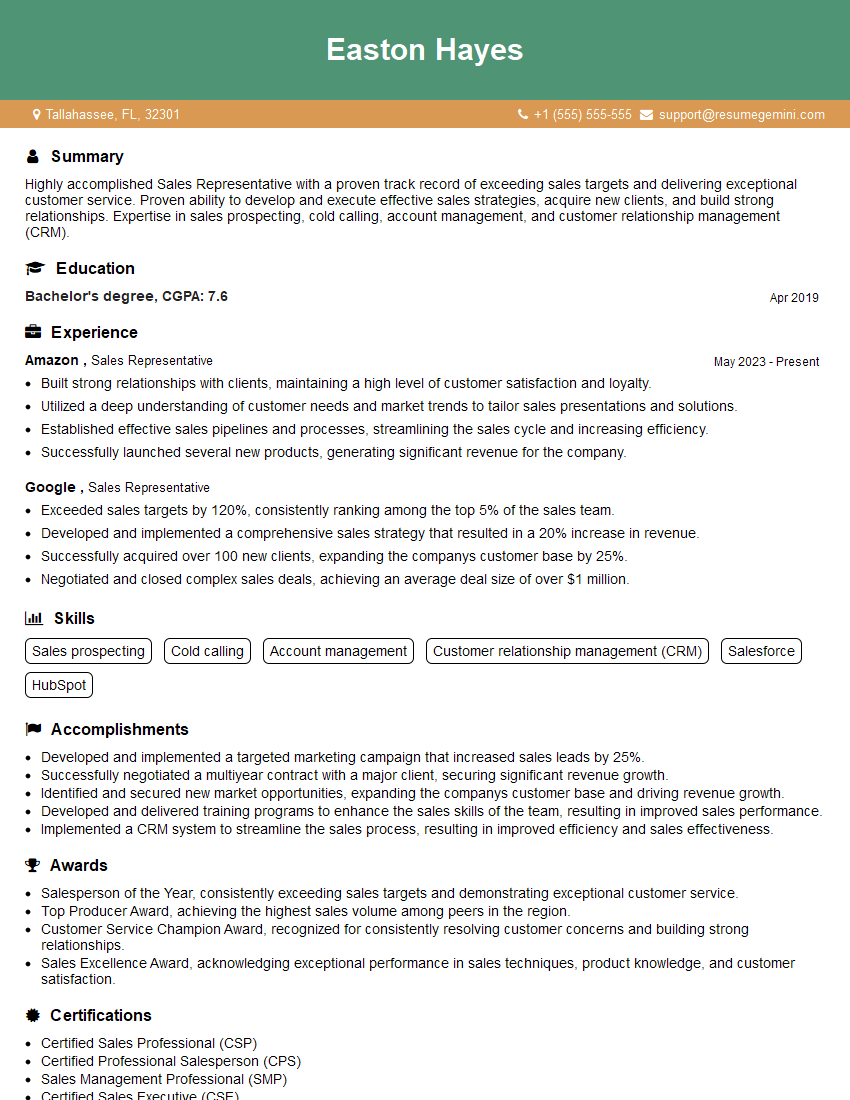
Sales Representative Resume Sample
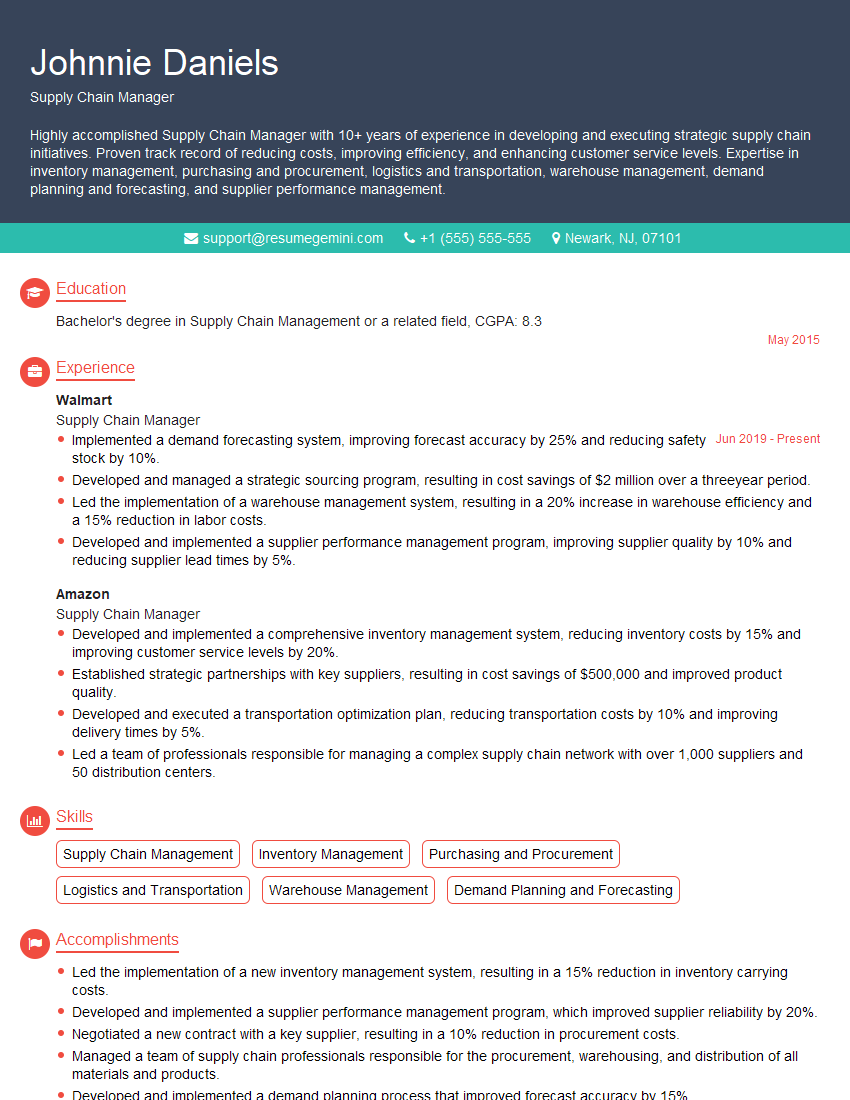
Supply Chain Manager Resume Sample
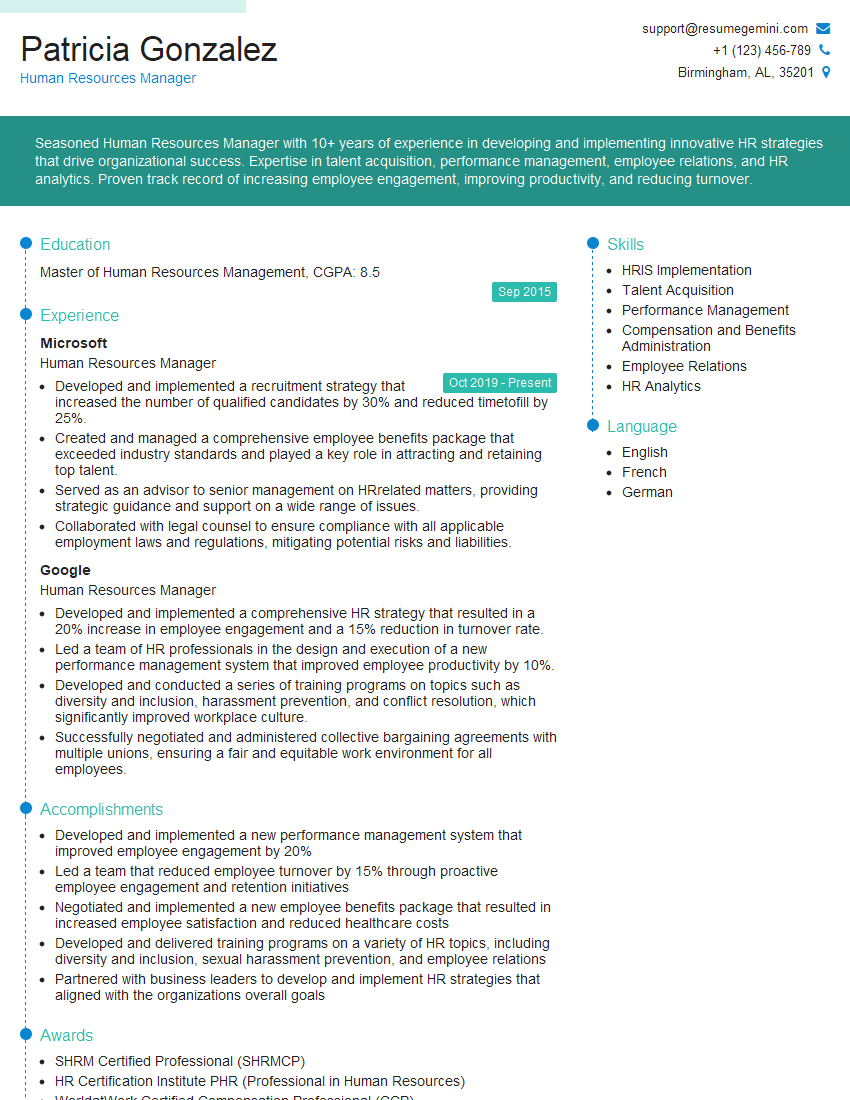
Human Resources Manager Resume Sample
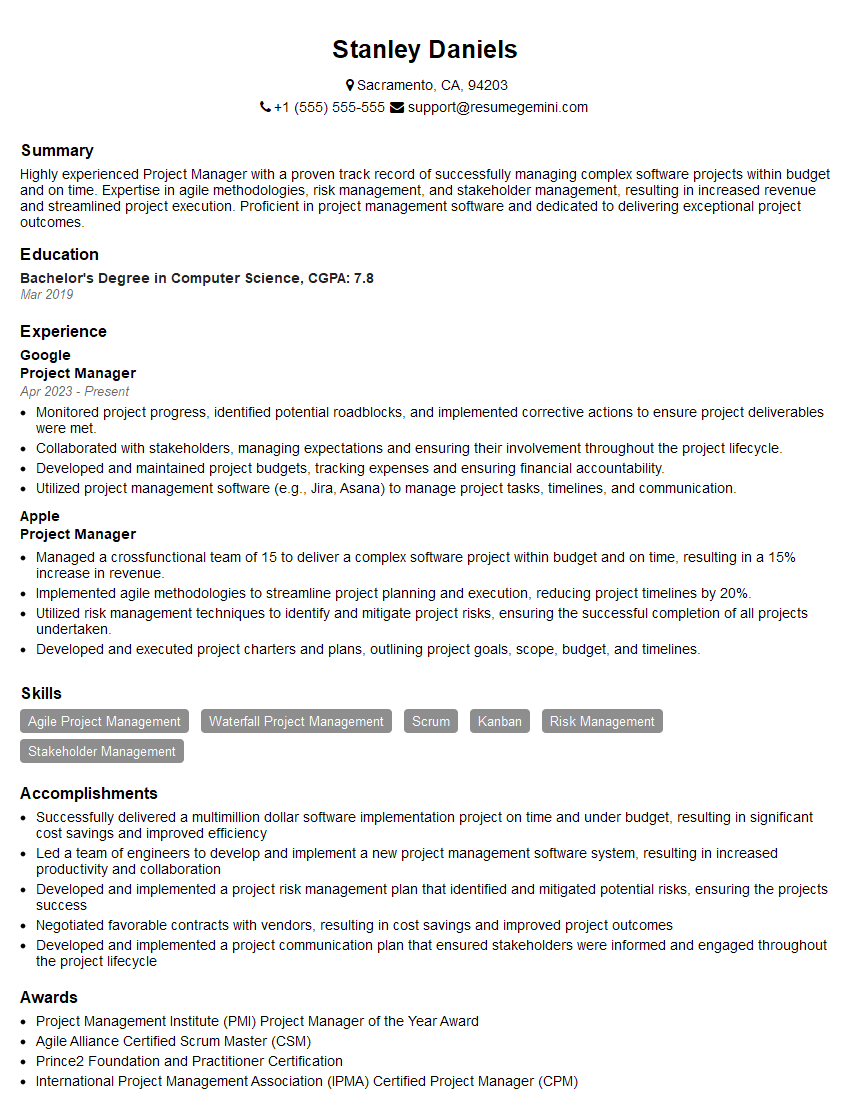
Project Manager Resume Sample
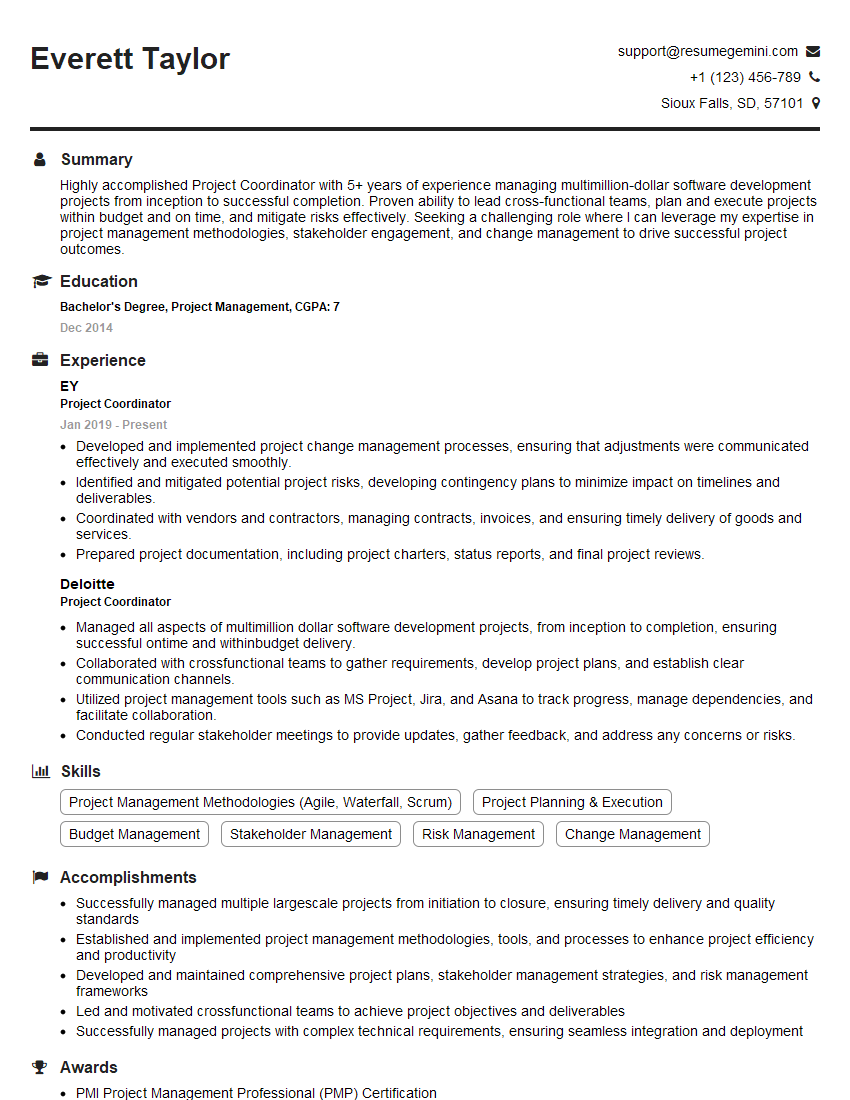
Project Coordinator Resume Sample
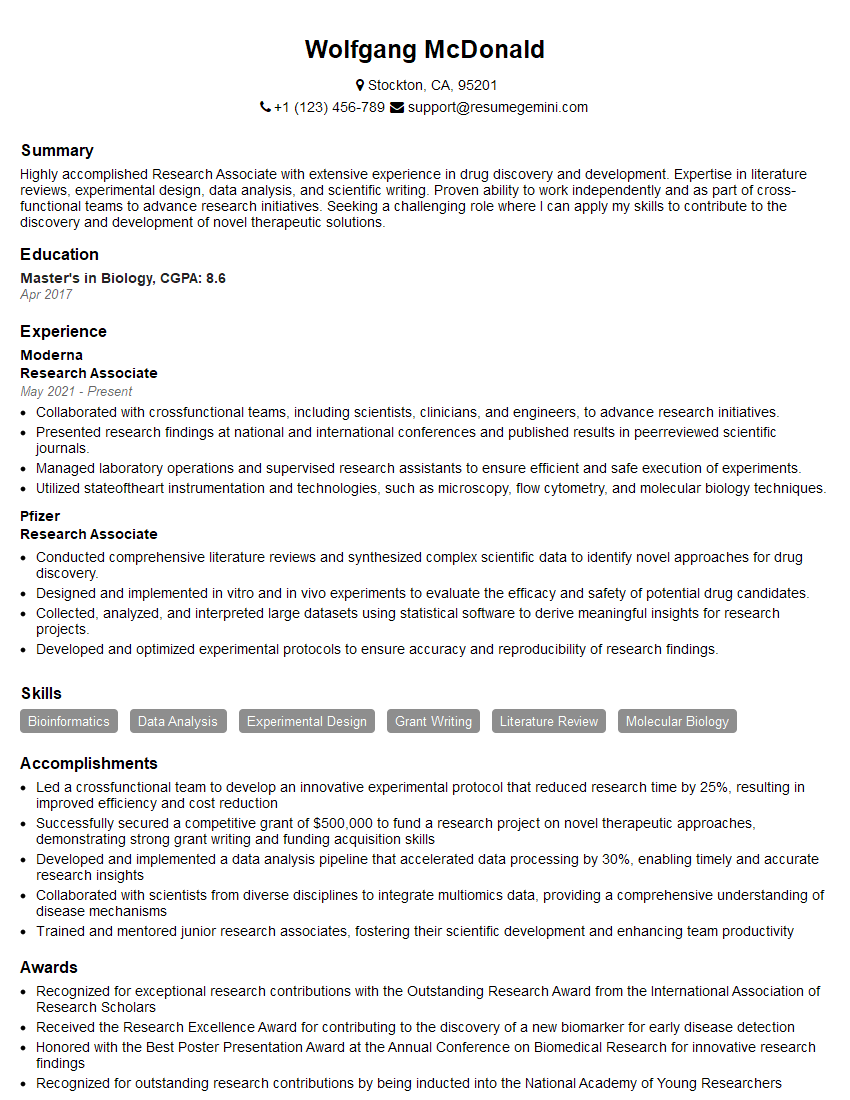
Research Associate Resume Sample
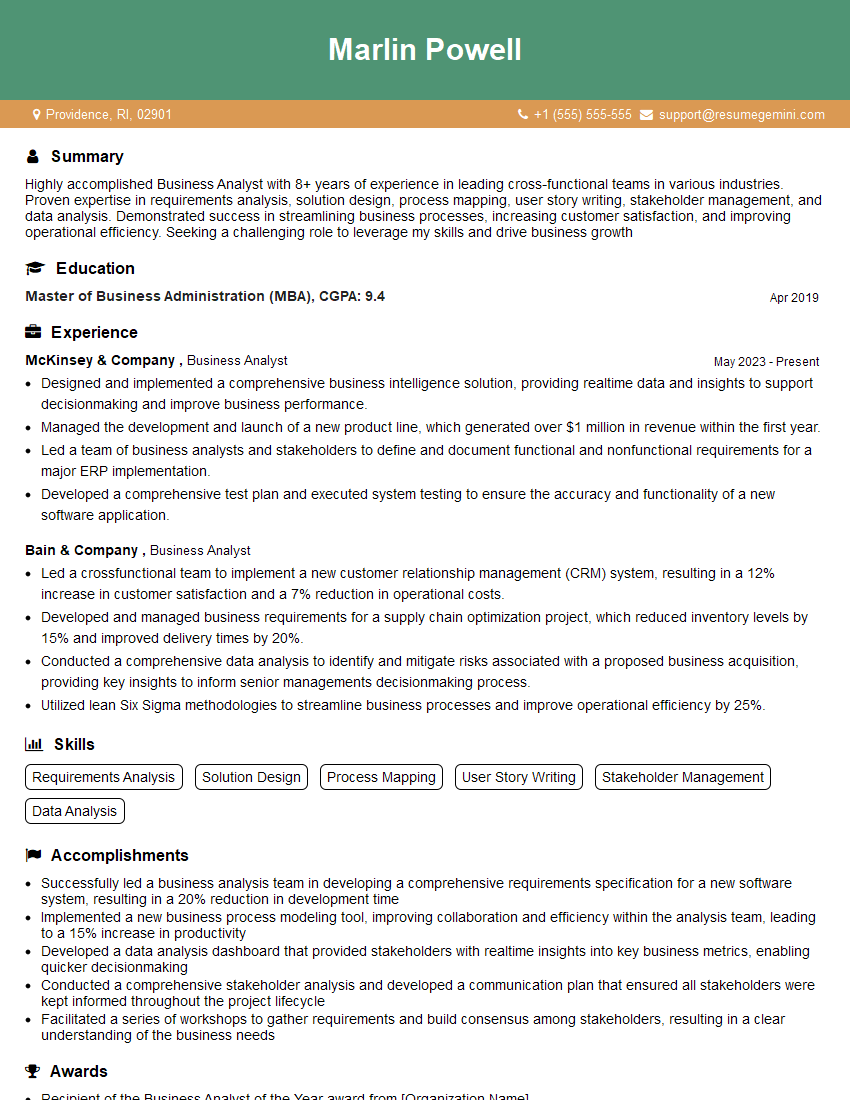
Business Analyst Resume Sample
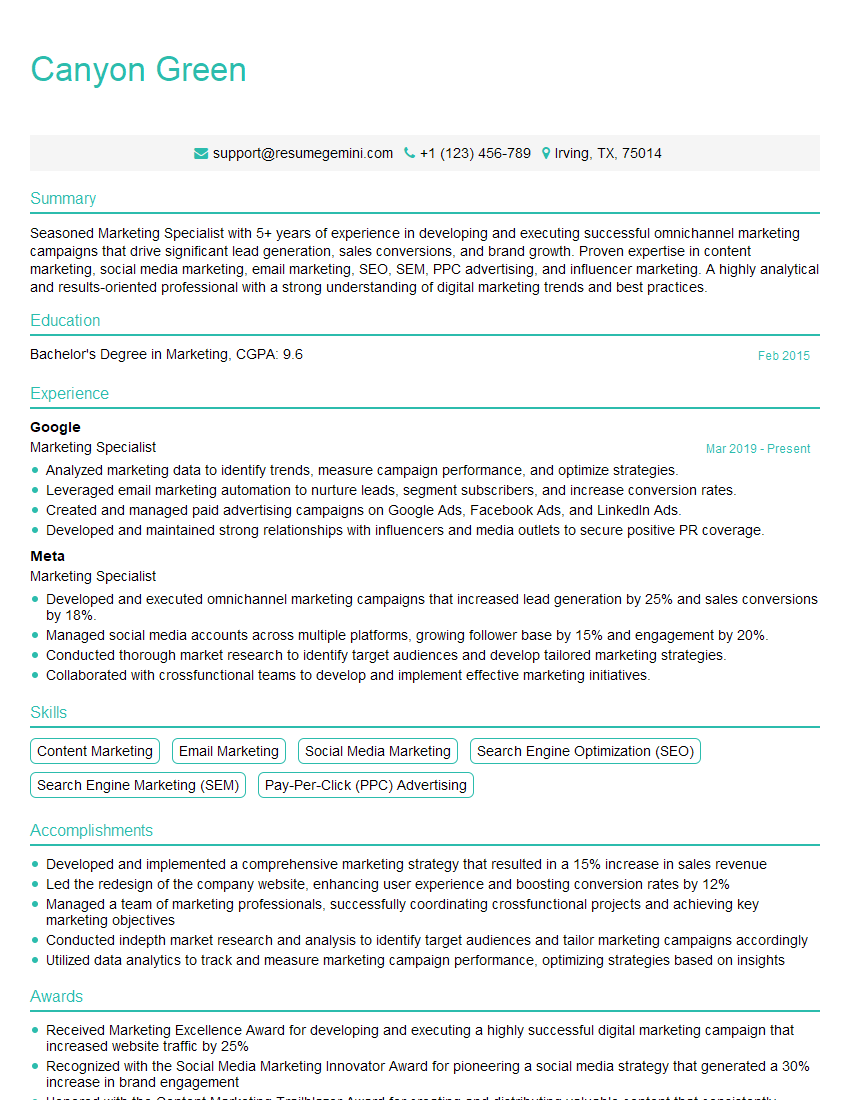
Marketing Specialist Resume Sample
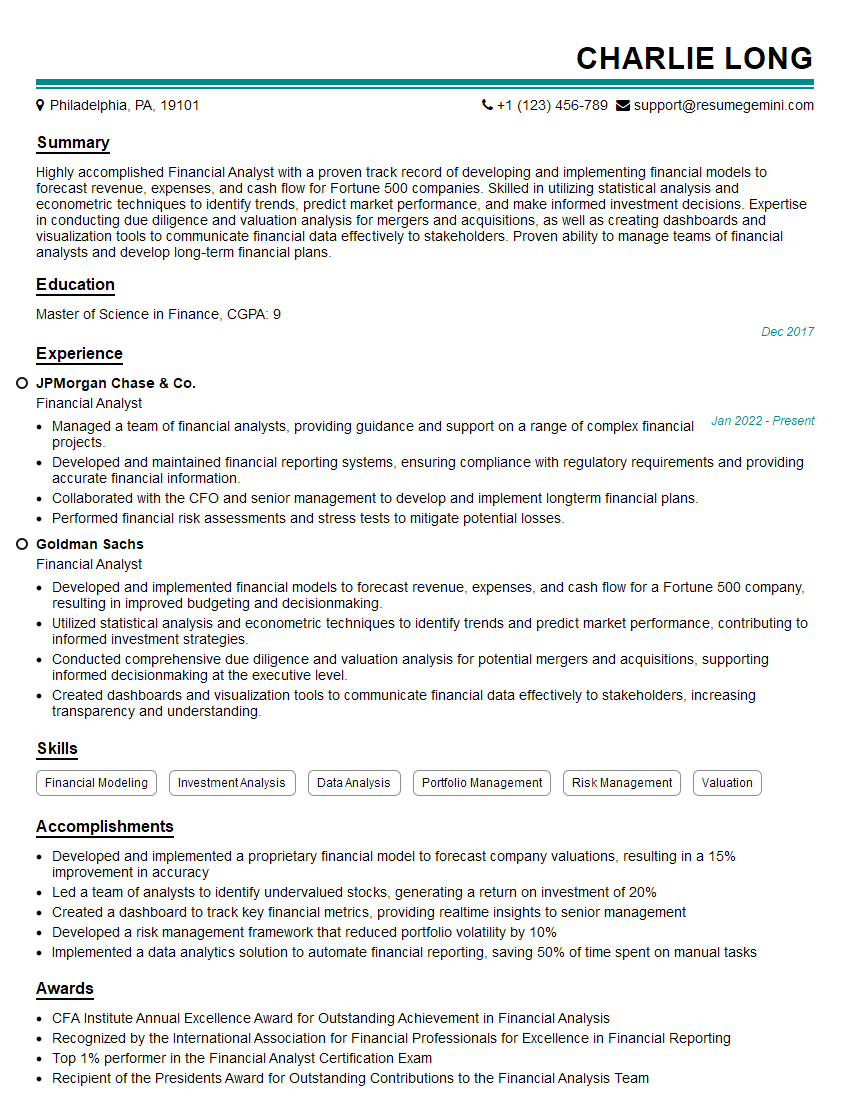
Financial Analyst Resume Sample
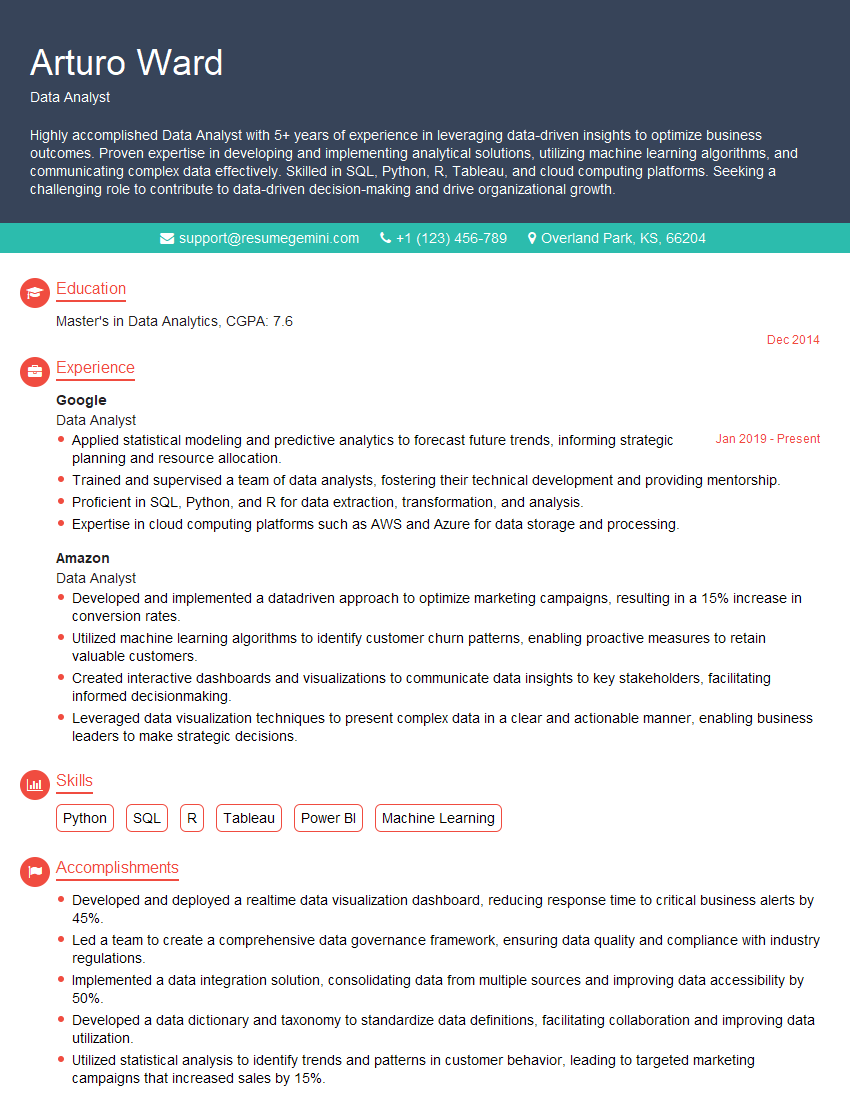
Data Analyst Resume Sample
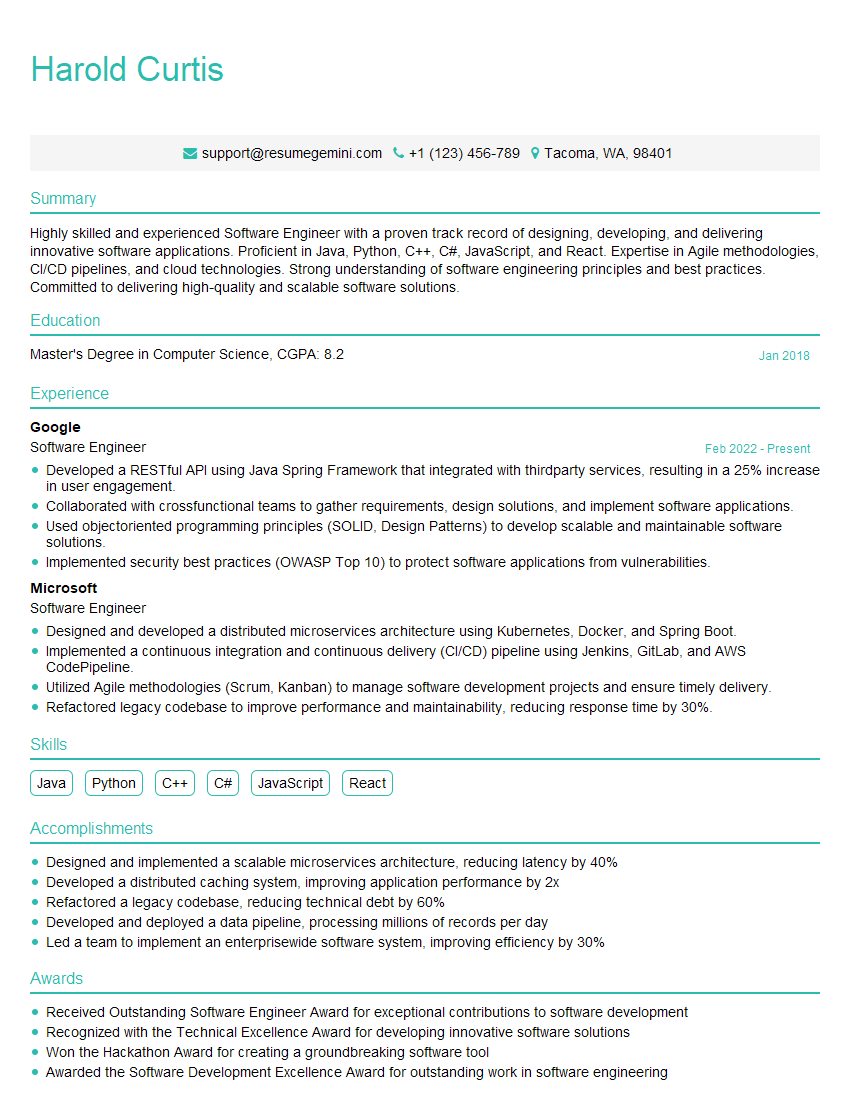
Software Engineer Resume Sample
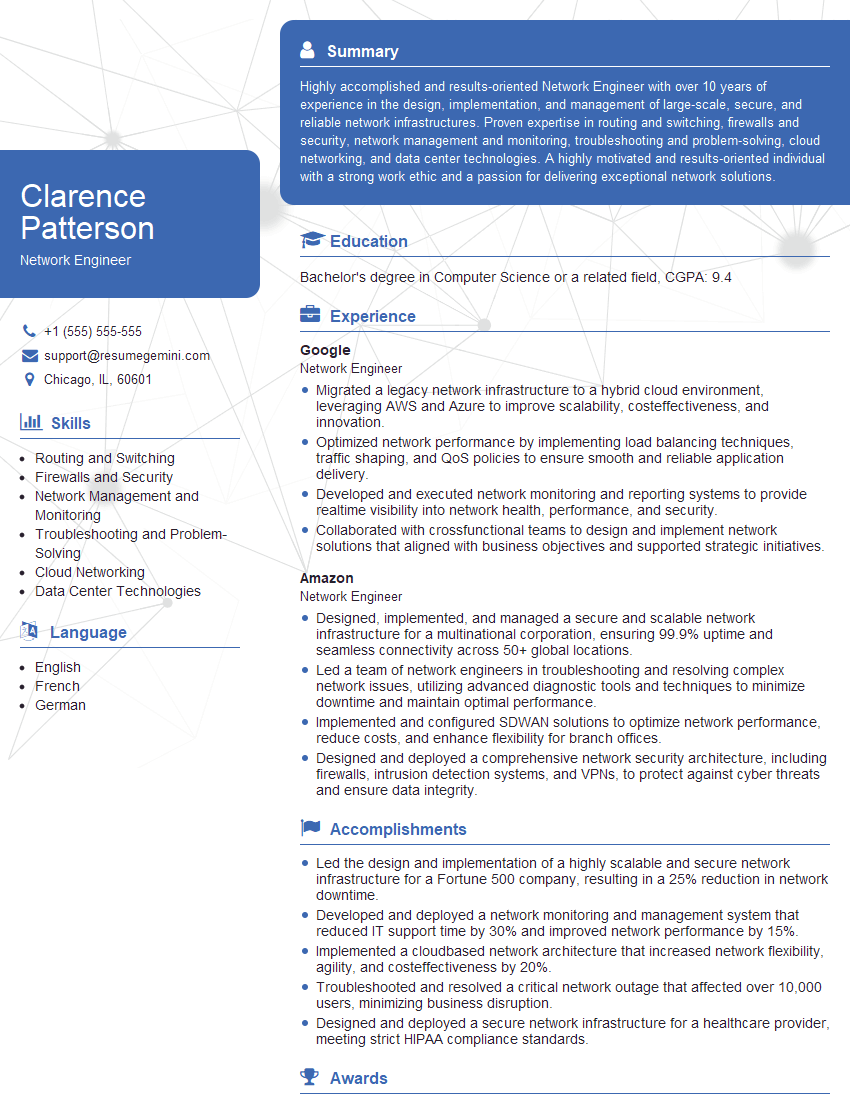
Network Engineer Resume Sample
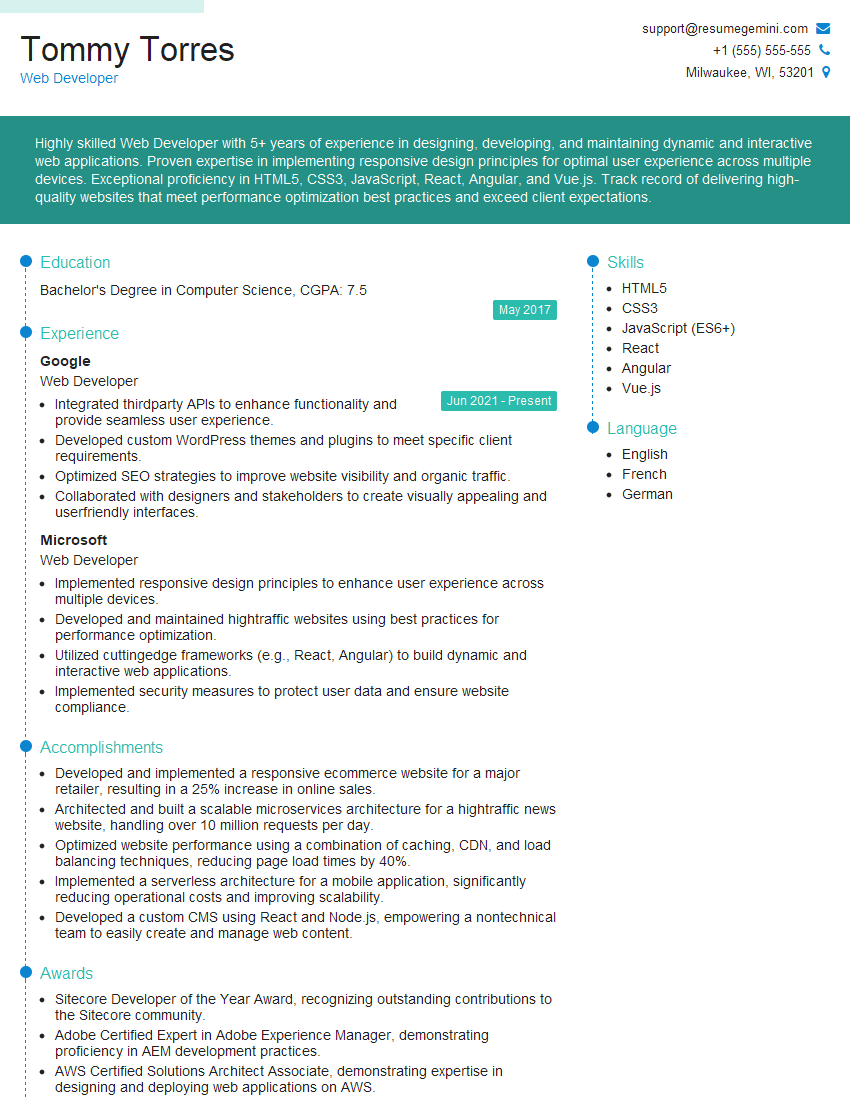
Web Developer Resume Sample
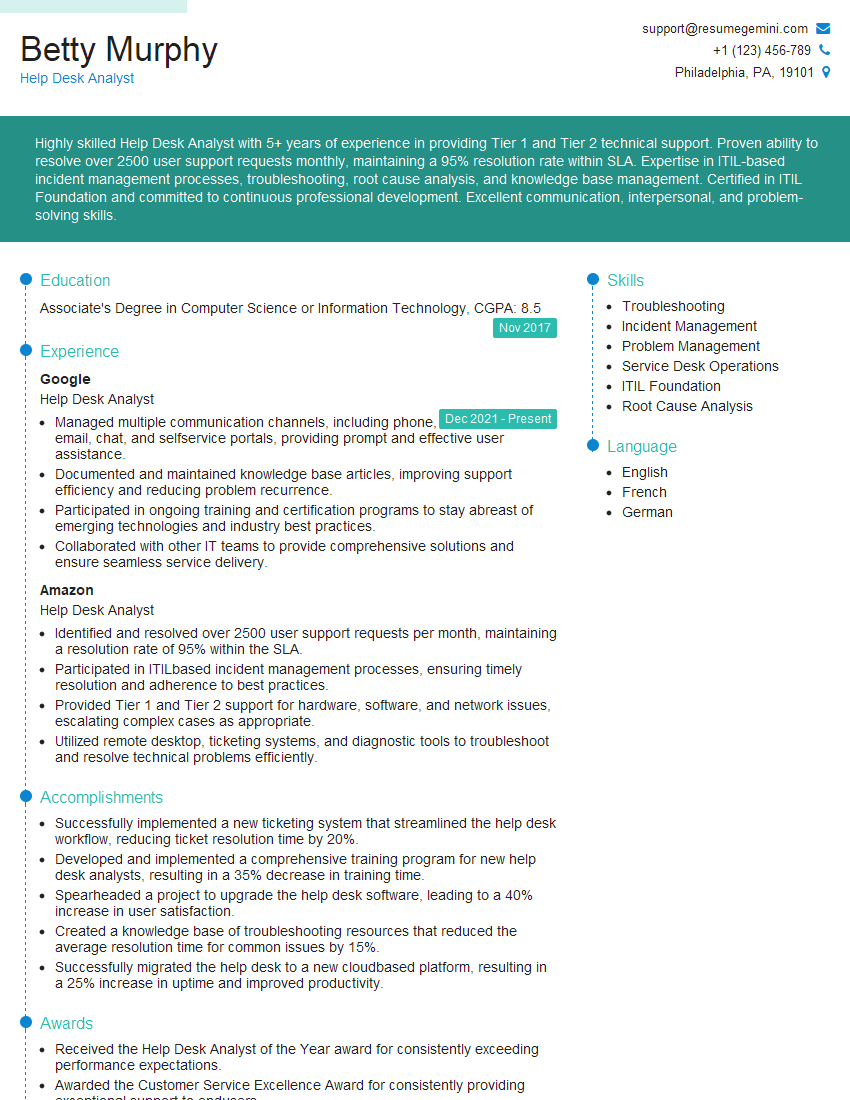
Help Desk Analyst Resume Sample
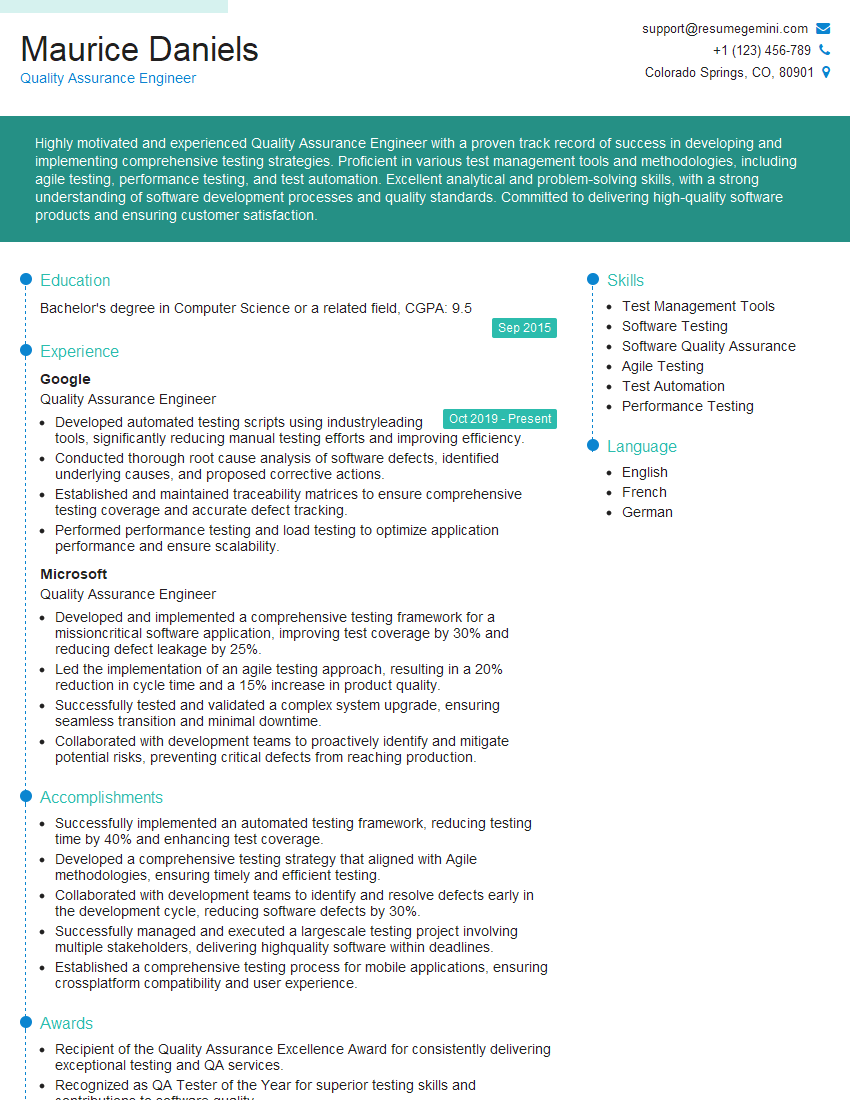
Quality Assurance Engineer Resume Sample

Technical Writer Resume Sample
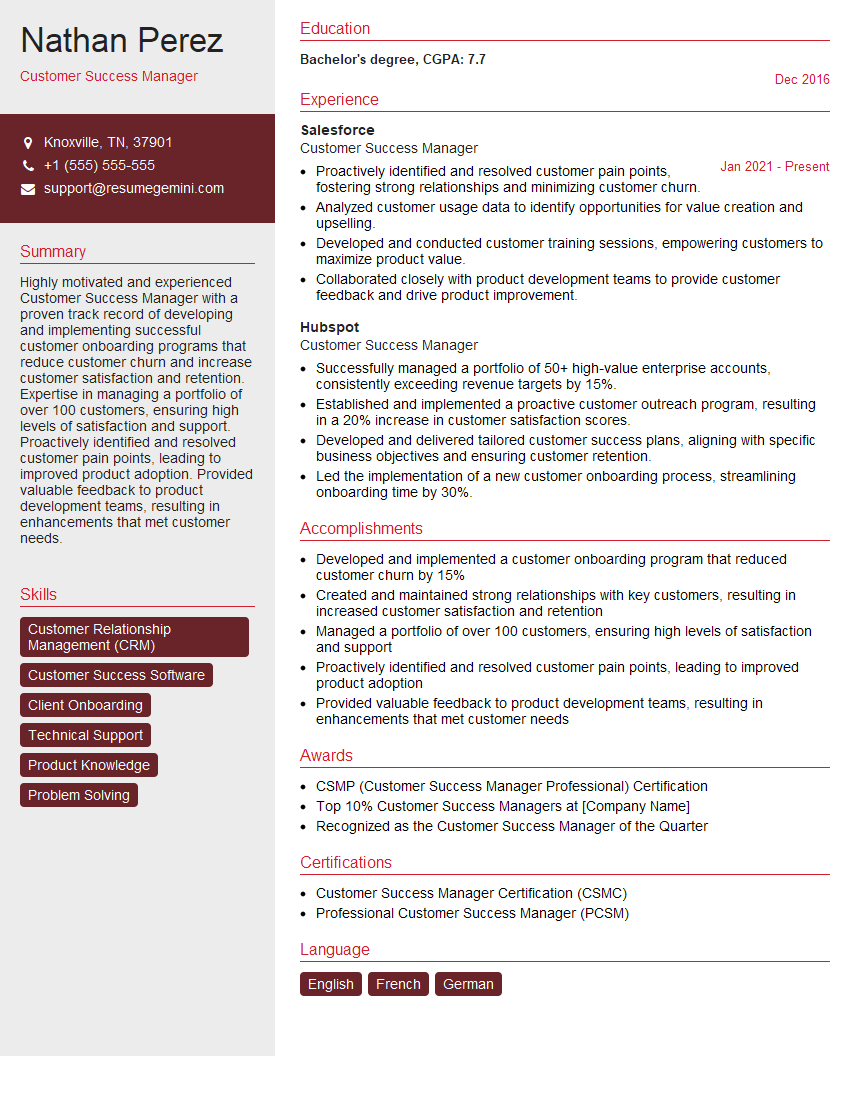
Customer Success Manager Resume Sample
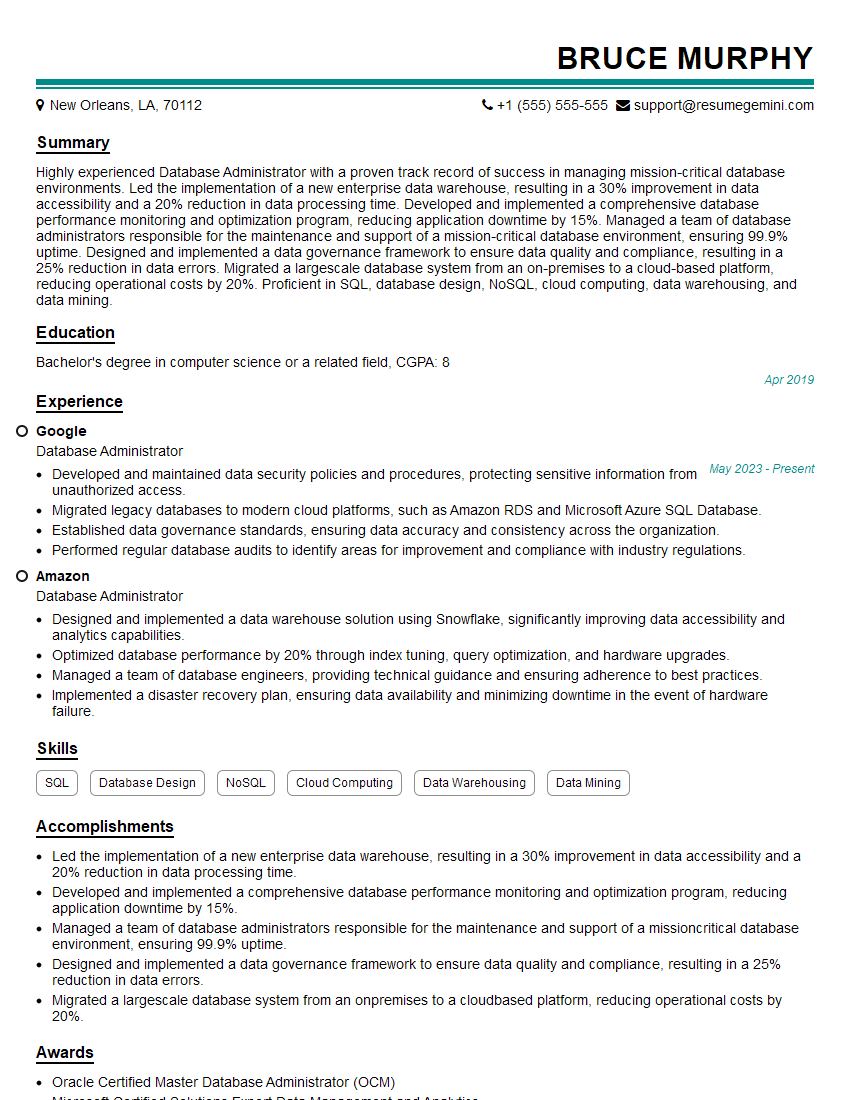
Database Administrator Resume Sample
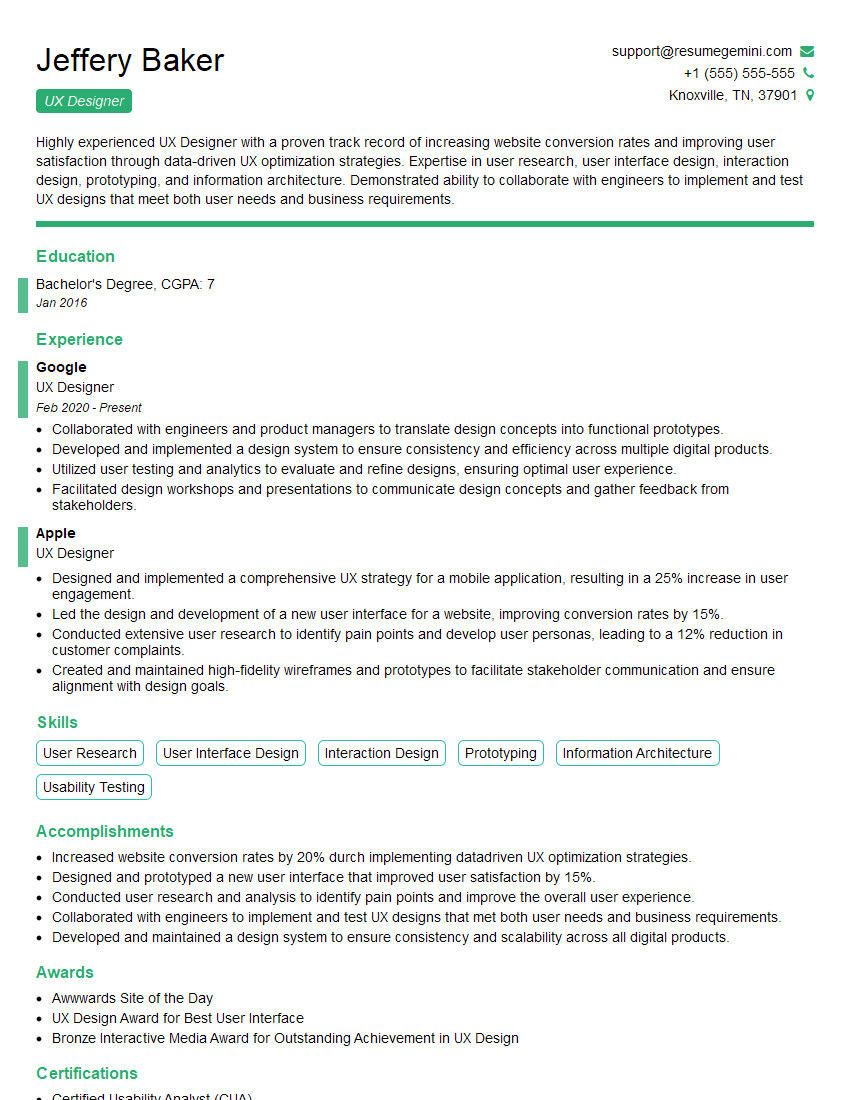
UX Designer Resume Sample
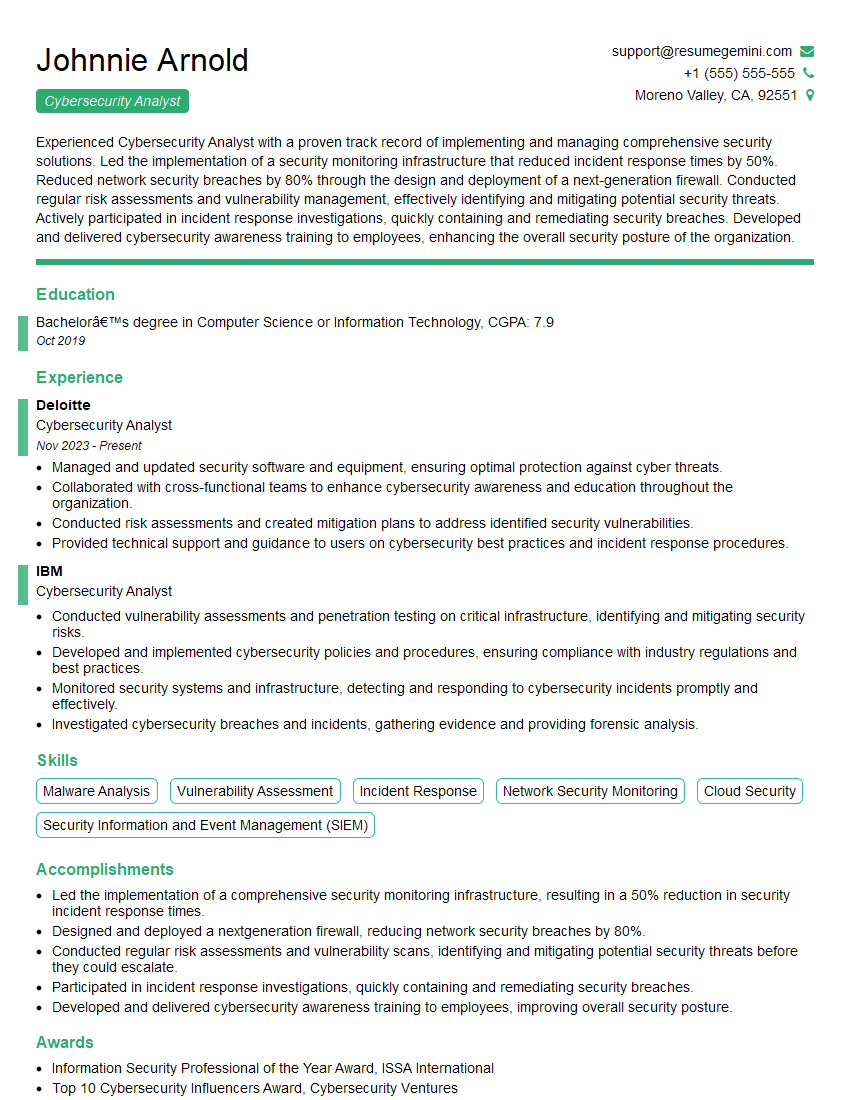
Cybersecurity Analyst Resume Sample
- Operations Manager
- Account Manager
- Product Manager
- Sales Representative
- Supply Chain Manager
- Human Resources Manager
- Project Manager
- Project Coordinator
- Research Associate
- Business Analyst
- Marketing Specialist
- Financial Analyst
- Data Analyst
- Software Engineer
- Network Engineer
- Web Developer
- Help Desk Analyst
- Quality Assurance Engineer
- Technical Writer
- Customer Success Manager
- Database Administrator
- UX Designer
- Cybersecurity Analyst
Explore more articles
Users Rating of Our Blogs
Share Your Experience
We value your feedback! Please rate our content and share your thoughts (optional).
What Readers Say About Our Blog
Really detailed insights and content, thank you for writing this detailed article.
IT gave me an insight and words to use and be able to think of examples