Preparation is the key to success in any interview. In this post, we’ll explore crucial Teen Pregnancy Prevention interview questions and equip you with strategies to craft impactful answers. Whether you’re a beginner or a pro, these tips will elevate your preparation.
Questions Asked in Teen Pregnancy Prevention Interview
Q 1. Describe evidence-based teen pregnancy prevention strategies.
Evidence-based teen pregnancy prevention strategies focus on delaying sexual initiation, reducing the frequency of sexual activity, and increasing consistent and correct condom use. These strategies are multifaceted and often involve a combination of approaches.
- Comprehensive sex education: This includes medically accurate information about sexual health, contraception, abstinence, and healthy relationships. It’s crucial to teach young people how to make informed decisions about their sexual health.
- Access to contraception: Easy access to a variety of contraceptive methods, including long-acting reversible contraception (LARC) like IUDs and implants, is essential. Removing barriers to accessing these services is key.
- School-based health centers: These centers provide convenient and confidential access to healthcare services, including reproductive health services, for adolescents.
- Community-based programs: These programs often offer youth development activities, mentoring, and support services to address the broader social and economic factors that contribute to teen pregnancy.
- Parent-child communication: Open communication between parents and their children about sex and relationships can help build trust and provide guidance.
- Media campaigns: Public awareness campaigns can help normalize conversations about sexual health and responsible decision-making.
For example, a successful program might combine comprehensive sex education in schools with access to free or low-cost contraception at local clinics and community outreach programs that promote healthy relationships.
Q 2. What are the most significant risk factors for teen pregnancy?
Several significant risk factors contribute to teen pregnancy. These factors often intertwine and create a complex web of influence.
- Early sexual initiation: Starting sexual activity at a younger age significantly increases the risk of unintended pregnancy.
- Lack of access to or use of contraception: Not using contraception consistently and correctly during sexual activity is a primary driver of teen pregnancy.
- Low socioeconomic status: Poverty and limited access to resources can significantly impact a teen’s ability to access healthcare and education, increasing their vulnerability.
- Lack of parental involvement: A lack of communication and support from parents can make teens less likely to make responsible choices about their sexual health.
- Exposure to violence or trauma: Experiences of violence or trauma can increase the risk of early sexual activity and unintended pregnancy.
- Substance abuse: Alcohol and drug use can impair judgment and increase risky sexual behaviors.
- Lack of knowledge about sexual health: A lack of comprehensive sex education can lead to misconceptions and risky behaviors.
Imagine a teenager from a low-income family with limited parental involvement and no access to comprehensive sex education. This combination of risk factors significantly increases their likelihood of experiencing teen pregnancy.
Q 3. Explain the role of comprehensive sex education in reducing teen pregnancy rates.
Comprehensive sex education plays a vital role in reducing teen pregnancy rates by providing young people with the knowledge and skills needed to make informed decisions about their sexual health.
It moves beyond simply abstinence-only approaches. It encompasses:
- Medically accurate information: Providing factual information about human anatomy, puberty, reproduction, sexually transmitted infections (STIs), and contraception.
- Relationship skills: Teaching effective communication, assertiveness, and healthy relationship skills helps teens navigate complex social situations and make responsible choices.
- Decision-making skills: Equipping teens with critical thinking skills enables them to consider consequences and make informed decisions about their sexual health.
- Abstinence education: While promoting abstinence as a valid choice, it’s crucial to also provide information about contraception for those who choose to be sexually active. Presenting only abstinence can be ineffective and even harmful.
Studies consistently show that comprehensive sex education is more effective at reducing teen pregnancy rates compared to abstinence-only approaches. It empowers young people to protect their health and make informed choices aligned with their values.
Q 4. How would you address the unique needs of diverse adolescent populations regarding sexual health?
Addressing the unique needs of diverse adolescent populations requires a culturally sensitive and inclusive approach. Teenagers from various racial, ethnic, socioeconomic, and LGBTQ+ backgrounds face distinct challenges and require tailored interventions.
- Culturally relevant materials: Using materials and methods that resonate with the cultural backgrounds and experiences of the adolescents is crucial.
- LGBTQ+ inclusive education: Ensuring the inclusion of LGBTQ+ youth and their specific health needs within sex education programs is essential.
- Addressing disparities in access: Working to overcome barriers to healthcare access faced by marginalized communities is vital.
- Engaging community leaders: Collaborating with community leaders and organizations trusted by specific populations can enhance the reach and impact of interventions.
- Providing gender-affirming care: For transgender and gender non-conforming youth, providing access to gender-affirming care and inclusive healthcare is critical.
For instance, a program targeting a predominantly Latino community should utilize Spanish-language materials and involve community leaders who are respected within that culture. Similarly, an inclusive program should incorporate specific information on sexual health issues relevant to LGBTQ+ youth.
Q 5. Discuss effective communication techniques for educating teenagers about sexual health.
Effective communication with teenagers about sexual health requires empathy, trust, and a non-judgmental approach.
- Open and honest communication: Creating a safe space for open dialogue is paramount. Start by asking what they already know and address their questions directly and honestly.
- Active listening: Pay attention to their concerns and perspectives, validating their feelings even if you disagree with their choices.
- Using appropriate language: Avoid using jargon or overly technical terms. Use language that is easy to understand and age-appropriate.
- Using various communication methods: Utilize a range of methods such as one-on-one conversations, group discussions, and educational materials tailored to their age and interests.
- Normalizing conversations: Make it clear that talking about sex and sexual health is normal and healthy. Reduce stigma and encourage open communication.
- Providing accurate information: Offer age-appropriate and scientifically accurate information about sexual health, contraception, and STIs.
For example, rather than lecturing a teenager, start a conversation by asking, “What questions do you have about sex and relationships?” This approach fosters trust and makes them more receptive to information.
Q 6. How do you evaluate the effectiveness of a teen pregnancy prevention program?
Evaluating the effectiveness of a teen pregnancy prevention program involves a multi-pronged approach that uses both quantitative and qualitative data.
- Quantitative data: This involves measuring changes in key indicators such as pregnancy rates, STI rates, and contraceptive use among the target population. Pre- and post-program surveys, data from school health centers, and local health department records can be valuable.
- Qualitative data: Gathering qualitative data helps understand the program’s impact on behaviors, attitudes, and knowledge. Methods include focus groups, interviews, and feedback from participants and program staff.
- Process evaluation: Evaluating program implementation and assessing the fidelity to the program design. This helps identify areas for improvement and ensures the program is delivered as intended.
- Cost-effectiveness analysis: Assessing the cost of the program in relation to its impact helps determine the program’s efficiency and value for resources invested.
For instance, a program might track the percentage of teens who report using contraception consistently after participating in the program. It could also conduct focus groups to understand whether the program helped them feel more comfortable talking about sexual health with their parents or peers.
Q 7. What are the ethical considerations surrounding teen pregnancy prevention programs?
Ethical considerations surrounding teen pregnancy prevention programs are crucial. These programs must uphold the rights and well-being of adolescents while aiming for effectiveness.
- Informed consent: Adolescents must be fully informed about the program and provide their voluntary consent to participate. Parental consent policies need careful consideration, balancing parental rights with adolescents’ autonomy.
- Confidentiality: Maintaining the confidentiality of participants’ personal information is essential to build trust and encourage honest participation. Clear guidelines on data security and disclosure must be in place.
- Respect for diverse values: Programs should respect the diverse values and beliefs of adolescents and their families, avoiding judgment or coercion.
- Equity and access: Programs should strive to ensure equitable access for all adolescents, regardless of their race, ethnicity, socioeconomic status, sexual orientation, or gender identity.
- Avoiding coercion or manipulation: Programs must avoid any tactics that pressure or manipulate adolescents into making specific choices regarding their sexual behavior.
For example, a program must obtain informed consent from both the adolescent and their parents if required by law, while ensuring that the adolescent understands their rights and can withdraw from the program at any time.
Q 8. Explain the importance of involving parents and families in teen pregnancy prevention efforts.
Involving parents and families is crucial for effective teen pregnancy prevention because it creates a supportive network and fosters open communication about sexual health. Parents often hold significant influence over their teenagers’ decisions and behaviors. By educating parents about healthy relationships, responsible sexual behavior, and available resources, we can empower them to have age-appropriate conversations with their children.
- Early Intervention: Parents can identify warning signs early, such as risky behaviors or unhealthy relationships, allowing for timely intervention.
- Access to Resources: Parents can help teens access contraception, sexual health services, and counseling.
- Building Trust: Open communication within families creates a safe space for teens to seek advice and support, reducing the likelihood of risky sexual behavior.
- Role Modeling: Parents can model healthy communication and responsible decision-making, influencing their children’s choices.
For example, a parent who openly discusses healthy relationships and contraception with their child creates a more comfortable environment for the teen to ask questions and seek guidance. Conversely, a lack of open communication can lead to teens seeking information from unreliable sources or engaging in risky behaviors.
Q 9. Describe the different types of contraceptive methods and their effectiveness.
Several contraceptive methods offer varying degrees of effectiveness in preventing pregnancy. It’s essential to consider factors like reliability, convenience, and potential side effects when choosing a method.
- Highly Effective (failure rates less than 1%):
- Implants: Small rods inserted under the skin, releasing hormones to prevent ovulation. Lasts for several years.
- IUDs (Intrauterine Devices): Small devices inserted into the uterus. Hormonal IUDs release hormones, while copper IUDs create a hostile environment for sperm.
- Sterilization (Tubal ligation or vasectomy): Permanent methods of preventing pregnancy.
- Moderately Effective (failure rates 1-10%):
- Birth Control Pills (oral contraceptives): Contain hormones to prevent ovulation. Requires daily adherence.
- Patch: A skin patch releasing hormones, similar to birth control pills.
- Injection: A shot of hormones administered every few months.
- Diaphragm/Cervical Cap: Barrier methods requiring insertion before sex.
- Least Effective (failure rates greater than 10%):
- Condoms (male and female): Barrier methods that protect against STIs. Effectiveness depends on proper use.
- Withdrawal Method: Withdrawing before ejaculation; highly unreliable.
- Fertility Awareness Methods: Tracking menstrual cycles to predict ovulation. Requires careful monitoring and may not be suitable for everyone.
It’s crucial to emphasize that even highly effective methods can fail if not used correctly and consistently. Comprehensive sex education should cover all methods and their respective effectiveness, highlighting the importance of correct and consistent use.
Q 10. How would you address misinformation and myths surrounding sexual health among teens?
Addressing misinformation and myths is crucial for promoting accurate sexual health knowledge among teens. This often requires using multiple strategies in a multi-pronged approach.
- Evidence-Based Education: Providing factual information using reliable sources (e.g., Planned Parenthood, CDC) in age-appropriate settings. This includes discussions about puberty, anatomy, contraception, STIs, and healthy relationships.
- Interactive Workshops and Q&A Sessions: Creating safe spaces for teens to ask questions without judgment and address concerns directly. Peer educators can be particularly effective.
- Debunking Myths: Directly addressing common misconceptions and myths with evidence-based explanations. For example, clarifying that the withdrawal method is unreliable or that STIs can be asymptomatic.
- Media Literacy: Teaching teens to critically evaluate information they find online and in the media, helping them distinguish between credible and unreliable sources.
- Utilizing Multiple Channels: Reaching teens through various channels—schools, community centers, online platforms—to maximize reach and engagement.
For instance, we can use interactive games or online quizzes to make learning engaging and memorable, countering the spread of misinformation on social media with accurate facts, and fostering critical thinking.
Q 11. What are the potential long-term consequences of teen pregnancy for both the parent and child?
Teen pregnancy can have significant long-term consequences for both the parent and the child. The challenges are often interconnected and can impact multiple life domains.
- Teen Parent:
- Educational Disruption: Increased likelihood of dropping out of school, limiting future educational and career opportunities.
- Financial Instability: Higher risk of poverty and reliance on public assistance.
- Mental Health Challenges: Increased risk of depression, anxiety, and stress.
- Limited Life Opportunities: Reduced career prospects, lower income potential, and delayed achievement of personal goals.
- Child:
- Health Issues: Higher risk of premature birth, low birth weight, and developmental delays.
- Educational Challenges: Increased risk of lower academic achievement and school dropout.
- Social and Emotional Difficulties: Greater susceptibility to behavioral problems and emotional difficulties.
- Increased Risk of Poverty: Higher likelihood of growing up in poverty.
These consequences can create a cycle of disadvantage, impacting multiple generations. Early intervention and support services are crucial to mitigate these risks.
Q 12. How would you handle a situation where a teenager discloses an unintended pregnancy?
When a teenager discloses an unintended pregnancy, it’s vital to respond with empathy, support, and non-judgmental guidance. The goal is to empower the teen to make informed decisions about their options.
- Listen Empathetically: Create a safe space for the teen to share their feelings and concerns without interruption or judgment.
- Provide Accurate Information: Offer comprehensive information on their options, including continuing the pregnancy and parenting, adoption, or abortion. These options should be presented neutrally, without bias.
- Connect with Resources: Refer the teen to appropriate resources, such as medical professionals, counseling services, social workers, and support groups. This may include healthcare providers for prenatal care, adoption agencies, and crisis pregnancy centers.
- Support Decision-Making: Help the teen weigh their options and make a decision that is right for them, without pressure or coercion. This may involve helping them explore their values, goals, and support networks.
- Provide Ongoing Support: Regardless of the decision, provide ongoing support and guidance throughout the process. This includes emotional support, access to resources, and assistance with navigating the challenges ahead.
Remember, confidentiality is crucial unless there is a threat to the teen’s safety or well-being. The approach should always be client-centered, ensuring the teen feels empowered and supported.
Q 13. Describe your experience working with adolescents and families.
Throughout my career, I have worked extensively with adolescents and families in various settings, including schools, community health centers, and non-profit organizations. My experience encompasses providing individual and group counseling, conducting workshops on sexual health and healthy relationships, and collaborating with schools to develop comprehensive sex education programs.
I have facilitated numerous parent-teen dialogues, building bridges of communication and trust between parents and their children. This involved educating parents about the developmental needs of adolescents, fostering open communication about sensitive topics, and providing guidance on addressing risky behaviors. I’ve also provided individual counseling to teens grappling with issues related to sexuality, relationships, and life transitions.
Working with families has provided me with a deep understanding of the complexities that impact adolescent well-being and the importance of a multi-faceted approach to teen pregnancy prevention.
Q 14. What are your strengths in working with at-risk youth?
My strengths in working with at-risk youth include building rapport, active listening, and tailoring interventions to their specific needs and circumstances. I am skilled in creating safe and supportive environments where young people feel comfortable sharing their experiences and concerns.
- Empathy and Non-Judgmental Approach: I create a trusting relationship by being empathetic, accepting, and respectful, recognizing the vulnerabilities and challenges faced by at-risk youth.
- Cultural Competency: I am sensitive to cultural and socioeconomic factors that influence the lives of adolescents, adapting my approach to meet their unique needs.
- Collaboration and Advocacy: I actively collaborate with other professionals, parents, and community resources to ensure at-risk youth have access to comprehensive support services.
- Strength-Based Approach: I focus on the strengths and resilience of young people, empowering them to overcome obstacles and achieve their goals. This involves identifying and building on their existing coping mechanisms and resources.
For example, I helped a young person struggling with substance abuse by connecting them with a peer support group and building on their existing artistic talents to provide a positive outlet. This holistic approach addresses the root causes of risk and fosters lasting change.
Q 15. How would you build trust and rapport with adolescents?
Building trust with adolescents is paramount in teen pregnancy prevention. It’s about creating a safe, non-judgmental space where they feel comfortable sharing their thoughts and feelings without fear of criticism or repercussions. This requires active listening, empathy, and demonstrating genuine care for their well-being.
- Active Listening: Instead of interrupting or offering solutions immediately, I focus on truly understanding their perspective. I use reflective listening techniques, repeating back what they say to ensure I’ve grasped their message and to show that I’m paying attention.
- Empathy and Validation: Adolescence is a challenging time, filled with hormonal changes, peer pressure, and navigating complex relationships. Acknowledging their feelings and validating their experiences – even if I don’t agree with their choices – helps build connection. For example, saying something like, “That sounds really difficult,” or “I can understand why you might feel that way,” can go a long way.
- Building Rapport Through Shared Activities: Engaging in activities that adolescents find relatable can foster trust. This could involve informal group discussions, using interactive games, or incorporating technology, such as using social media platforms responsibly to share relevant information.
- Maintaining Confidentiality: It’s crucial to clearly communicate the limits of confidentiality (e.g., mandatory reporting of abuse) while ensuring adolescents understand that their discussions are treated with respect and sensitivity.
For instance, during a group session, I once had a young girl hesitant to speak up. By creating a relaxed atmosphere with icebreaker activities and using open-ended questions, she eventually shared her concerns about peer pressure related to sex. This allowed me to address her specific needs and concerns effectively.
Career Expert Tips:
- Ace those interviews! Prepare effectively by reviewing the Top 50 Most Common Interview Questions on ResumeGemini.
- Navigate your job search with confidence! Explore a wide range of Career Tips on ResumeGemini. Learn about common challenges and recommendations to overcome them.
- Craft the perfect resume! Master the Art of Resume Writing with ResumeGemini’s guide. Showcase your unique qualifications and achievements effectively.
- Don’t miss out on holiday savings! Build your dream resume with ResumeGemini’s ATS optimized templates.
Q 16. Describe your understanding of abstinence-only vs. comprehensive sex education.
Abstinence-only and comprehensive sex education represent vastly different approaches to sex education. Abstinence-only education focuses solely on abstinence as the only way to prevent pregnancy and sexually transmitted infections (STIs). It typically avoids discussion of contraception or other aspects of sexual health. Comprehensive sex education, on the other hand, provides a broader approach. It encompasses abstinence but also includes information on contraception, STI prevention, healthy relationships, consent, and body image.
The key difference lies in the scope and depth of the information provided. Abstinence-only education often lacks the tools and knowledge needed for adolescents to make informed decisions if they choose to engage in sexual activity, whereas comprehensive sex education empowers adolescents with the knowledge and skills to protect their sexual and reproductive health regardless of their choices.
Research consistently demonstrates that comprehensive sex education is significantly more effective in delaying sexual initiation, reducing risky sexual behaviors, and increasing the use of contraception among teenagers. Abstinence-only programs, conversely, have not shown effectiveness in these areas.
Q 17. How do you address barriers to accessing sexual and reproductive health services?
Barriers to accessing sexual and reproductive health services for adolescents are numerous and complex. They can include financial constraints, lack of insurance coverage, geographical limitations (especially in rural areas), lack of transportation, parental involvement issues, stigma and shame surrounding sexual health, fear of judgment from healthcare providers, and limited knowledge about available resources.
- Addressing Financial Barriers: Collaborating with community organizations and seeking grants to provide financial assistance or subsidized services is crucial.
- Transportation: Partnering with public transportation services or providing transportation assistance can help overcome this barrier.
- Parental Involvement: Providing confidential services and ensuring adolescents’ right to privacy while balancing parental concerns requires careful navigation. This may involve offering separate sessions for adolescents and their parents.
- Cultural Sensitivity: Addressing stigma requires culturally sensitive approaches that respect diverse values and beliefs.
- Outreach Programs: Implementing proactive outreach programs in schools, community centers, and youth organizations can raise awareness about available resources and dispel misconceptions. This can include workshops, presentations, and informal Q&A sessions.
For example, in a previous role, we organized a mobile health clinic that provided free services in underserved neighborhoods, overcoming geographical and transportation barriers. We also partnered with local community leaders to address cultural concerns and build trust.
Q 18. What is your experience with community-based teen pregnancy prevention initiatives?
My experience with community-based teen pregnancy prevention initiatives is extensive. I’ve been involved in various projects, including school-based health clinics, peer education programs, and community outreach initiatives.
In one program, we implemented a peer education program where older teens trained in sexual health education provided information and support to their younger peers. This strategy proved incredibly effective because it fostered trust and provided a relatable and accessible platform for information sharing. The peer educators, having recently navigated adolescence themselves, were more readily understood and trusted by their peers.
In another project, we worked closely with local businesses and community organizations to establish a comprehensive network of support services. This involved mapping resources, coordinating referrals, and creating a user-friendly directory accessible to all adolescents and parents.
Successful community initiatives depend on strong partnerships and understanding the unique context of each community. Tailoring approaches to the specific needs and challenges of a community is essential for effective outcomes.
Q 19. Explain how you would incorporate culturally sensitive approaches into your work.
Incorporating culturally sensitive approaches is fundamental to effective teen pregnancy prevention. It requires understanding the unique cultural values, beliefs, and practices of the communities we serve, and tailoring our interventions to resonate with their specific needs. This goes beyond simply translating materials into different languages.
- Community Engagement: I prioritize involving community members in the design and implementation of programs. This ensures that initiatives are relevant, culturally appropriate, and address the specific concerns of the target population.
- Culturally Competent Staff: Recruiting and training staff who reflect the diversity of the communities we serve and who have a deep understanding of cultural nuances is crucial.
- Respectful Communication: Using respectful and inclusive language, avoiding stereotypes and biases, and actively listening to the concerns and perspectives of individuals from diverse backgrounds are key to establishing trust.
- Addressing Religious and Spiritual Beliefs: Recognizing the role that religion and spirituality play in shaping values and beliefs about sexuality is important. Our programs should respect these beliefs and avoid imposing external values.
For example, when working with a predominantly Latino community, I made sure to involve community leaders in the planning and delivery of our programs, and we utilized culturally relevant materials and communication styles.
Q 20. Describe your experience with data analysis and program evaluation.
Data analysis and program evaluation are critical components of my work. I have extensive experience in using quantitative and qualitative data to assess program effectiveness and make data-driven decisions. This involves collecting data through surveys, interviews, focus groups, and program records, then analyzing the data to identify trends, patterns, and areas for improvement.
Example: Analyzing survey data to determine the effectiveness of a peer education program in increasing condom use among adolescents.
I use statistical software (e.g., SPSS, SAS) for quantitative data analysis and qualitative data analysis techniques (e.g., thematic analysis) to interpret findings. I then utilize this data to generate reports, presentations, and publications that communicate findings to stakeholders and inform program modifications.
My experience also includes developing logic models and program evaluation plans, defining key performance indicators, and using various evaluation frameworks (e.g., logic models, outcome mapping) to ensure rigorous and meaningful evaluation.
Q 21. How would you collaborate with other professionals involved in adolescent health?
Collaboration is essential in teen pregnancy prevention. I work closely with a variety of professionals, including healthcare providers, school counselors, social workers, community leaders, and parents. Effective collaboration requires open communication, shared goals, and a willingness to leverage each other’s expertise.
- Regular Meetings and Communication: Establishing regular meetings and communication channels enables coordinated efforts and avoids duplication of services.
- Shared Information Systems: Using shared electronic health records or databases facilitates information sharing and improves referral processes.
- Referral Networks: Creating strong referral networks ensures adolescents can easily access the services they need, regardless of the initial point of contact.
- Joint Training and Professional Development: Participating in joint training programs strengthens collaborative partnerships and enhances interprofessional understanding.
For example, in a previous project, I worked closely with school nurses to ensure adolescents could access sexual health services easily, while also collaborating with social workers to address social and emotional issues affecting their lives. This integrated approach ensured that adolescents receive comprehensive support, leading to better health outcomes.
Q 22. How do you handle confidentiality when working with adolescents?
Confidentiality is paramount when working with adolescents. It’s crucial to establish trust, and that begins with clearly explaining our confidentiality policies at the outset. I would explain that while there are exceptions (like instances of self-harm or harm to others), information shared in our sessions will remain private unless legally mandated to be disclosed. This involves using appropriate language, avoiding judgmental tones, and always obtaining informed consent whenever possible. For example, before discussing sensitive topics like sexual health, I would explain the limits of confidentiality and obtain consent before proceeding. I also maintain strict adherence to HIPAA regulations and any other relevant state or local laws regarding privacy. I would emphasize that even seemingly insignificant details can be important in building a relationship based on trust.
Q 23. How would you respond to parental opposition to sex education?
Parental opposition to sex education is a complex issue that requires a sensitive and collaborative approach. I would begin by acknowledging the parents’ concerns, validating their right to guide their children’s upbringing, and emphasizing that my goal is to empower teenagers with knowledge to make informed decisions, not to contradict parental values. I would explain that comprehensive sex education includes abstinence as a key component but also covers topics like contraception, healthy relationships, and consent, which are essential for reducing teen pregnancies and STIs. I would offer to work collaboratively with parents, explaining the curriculum and addressing their specific concerns in a respectful and open dialogue. If necessary, I would provide them with resources from reputable organizations such as Planned Parenthood or the American Academy of Pediatrics to help alleviate their anxieties about what’s being taught. Building bridges of communication and understanding is critical in navigating these differences.
Q 24. What strategies would you use to promote healthy relationships among teenagers?
Promoting healthy relationships among teenagers is a multifaceted undertaking. My strategies would incorporate educational workshops and group discussions that focus on: communication skills, conflict resolution, setting boundaries, understanding consent, recognizing healthy vs. unhealthy relationship dynamics, and identifying manipulative behavior. Role-playing scenarios would help them practice these skills in a safe environment. I would also emphasize the importance of self-esteem, respect, and equality in relationships. Furthermore, I’d provide access to resources and support networks for teens experiencing unhealthy or abusive relationships. An effective approach involves using real-life examples and scenarios to illustrate the concepts discussed, fostering critical thinking and encouraging open discussions. For example, I might show movie clips that depict both positive and negative relationship interactions and then lead a discussion on how those situations could have been handled differently.
Q 25. What are your thoughts on the role of technology in teen pregnancy prevention?
Technology plays a powerful, double-edged sword role in teen pregnancy prevention. On one hand, the internet offers access to vital information about sexual health, contraception, and healthy relationships through reputable websites and apps. It can also provide access to telehealth services. On the other hand, online platforms can also expose teens to unrealistic portrayals of sex, harmful stereotypes, and potentially exploitative content. Therefore, my approach involves media literacy education. This teaches teens to critically evaluate online information, to identify credible sources, and to understand the potential risks associated with online interactions. Additionally, utilizing technology effectively means providing teens with age-appropriate and evidence-based information online, through appropriate apps, and social media campaigns that promote healthy sexual behavior and relationships. A balanced strategy acknowledges the potential risks and benefits of technology in this area, and actively equips teens with the skills to navigate them safely.
Q 26. How would you adapt your approach to meet the needs of different learning styles?
Recognizing that teenagers have diverse learning styles is essential for effective education. I’d employ a multi-sensory approach that caters to visual, auditory, and kinesthetic learners. For visual learners, I’d use diagrams, charts, and videos. Auditory learners would benefit from lectures, discussions, and podcasts. Kinesthetic learners would engage best with hands-on activities, role-playing, and simulations. For example, I might use a game format to teach about consent or a real-life case study to illustrate consequences. I would also incorporate various assessment methods to measure understanding— quizzes, presentations, written assignments—that align with different learning preferences. Flexibility and adaptability are key to ensuring everyone feels understood and can participate fully.
Q 27. Describe your experience developing and delivering educational workshops or presentations.
I have extensive experience developing and delivering educational workshops and presentations on teen pregnancy prevention. I have collaborated with schools, community centers, and youth organizations to design engaging and informative sessions tailored to specific age groups and community needs. These sessions utilize interactive methods like group discussions, games, and case studies to keep the material engaging and relevant. For instance, one successful workshop series involved a partnership with a local high school, where we presented a six-week program combining classroom lectures, group discussions, and guest speakers from healthcare and social services. Feedback consistently highlighted the positive impact of the interactive sessions and the accessibility of the information presented. Post-workshop evaluations demonstrate improved knowledge and attitudes related to sexual health, contraception, and healthy relationships among the participants.
Q 28. How would you advocate for policies that support teen pregnancy prevention?
Advocating for policies that support teen pregnancy prevention requires a multifaceted strategy. Firstly, I would actively support comprehensive sex education in schools, which includes medically accurate information about contraception, healthy relationships, and consent. Secondly, I would advocate for increased access to affordable and confidential reproductive healthcare services, including contraception and STI testing. Thirdly, I would promote policies that address the socioeconomic factors that contribute to teen pregnancy, such as poverty, lack of access to education, and limited opportunities. This could involve supporting initiatives that provide job training, mentorship programs, and affordable housing options. Finally, I would work with policymakers and community organizations to raise awareness about the importance of teen pregnancy prevention and the effectiveness of evidence-based interventions. Engaging in community outreach programs and public speaking to advocate for effective policies is crucial.
Key Topics to Learn for Teen Pregnancy Prevention Interview
- Comprehensive Sex Education: Understanding the different approaches to sex education (abstinence-only, comprehensive), their effectiveness, and ethical considerations. Practical application: Analyzing the impact of different educational programs on teen pregnancy rates in specific communities.
- Reproductive Health Services: Knowledge of access to contraception, prenatal care, and reproductive healthcare services for teens. Practical application: Developing strategies to improve access to these services, considering barriers like cost, location, and cultural factors.
- Risk Factors and Protective Factors: Identifying individual, family, and community factors that contribute to or prevent teen pregnancy. Practical application: Designing targeted interventions based on identified risk and protective factors within specific populations.
- Program Evaluation and Data Analysis: Understanding how to measure the effectiveness of teen pregnancy prevention programs using quantitative and qualitative data. Practical application: Interpreting data to inform program improvement and resource allocation.
- Community Engagement and Collaboration: The importance of partnering with schools, healthcare providers, community organizations, and families to implement effective prevention strategies. Practical application: Developing strategies to build strong community partnerships and overcome challenges in collaboration.
- Policy and Advocacy: Understanding the role of policy in influencing teen pregnancy rates and the importance of advocating for evidence-based policies. Practical application: Analyzing the impact of existing policies and proposing improvements based on research and best practices.
- Cultural Sensitivity and Ethical Considerations: Recognizing the diverse cultural contexts in which teen pregnancy prevention programs operate and ensuring culturally appropriate and ethical approaches. Practical application: Adapting intervention strategies to meet the unique needs of different cultural groups.
Next Steps
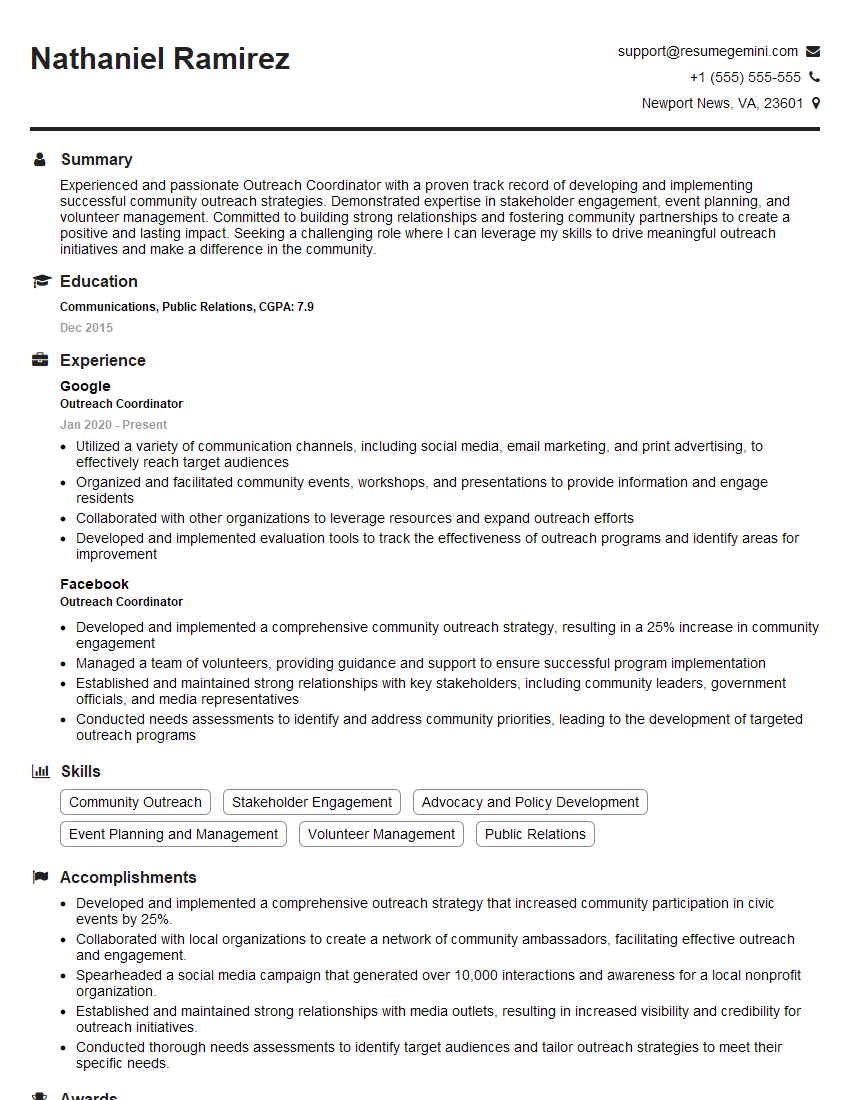
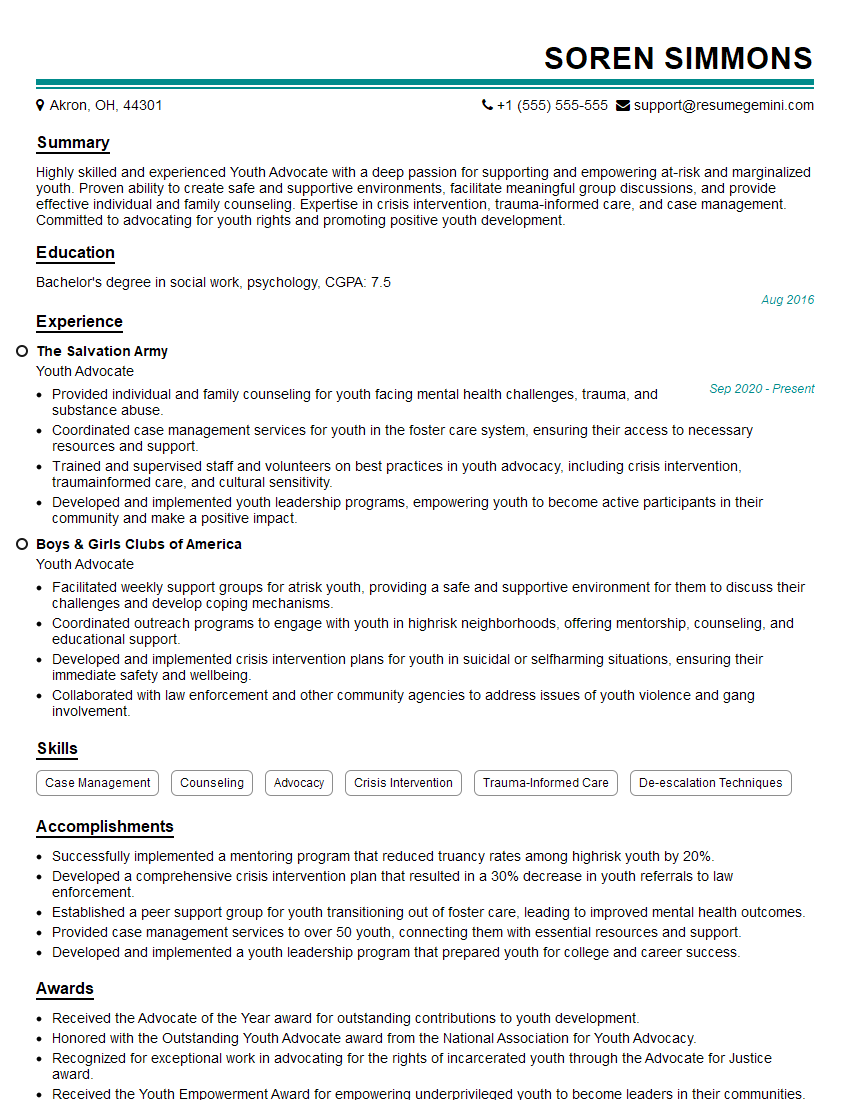
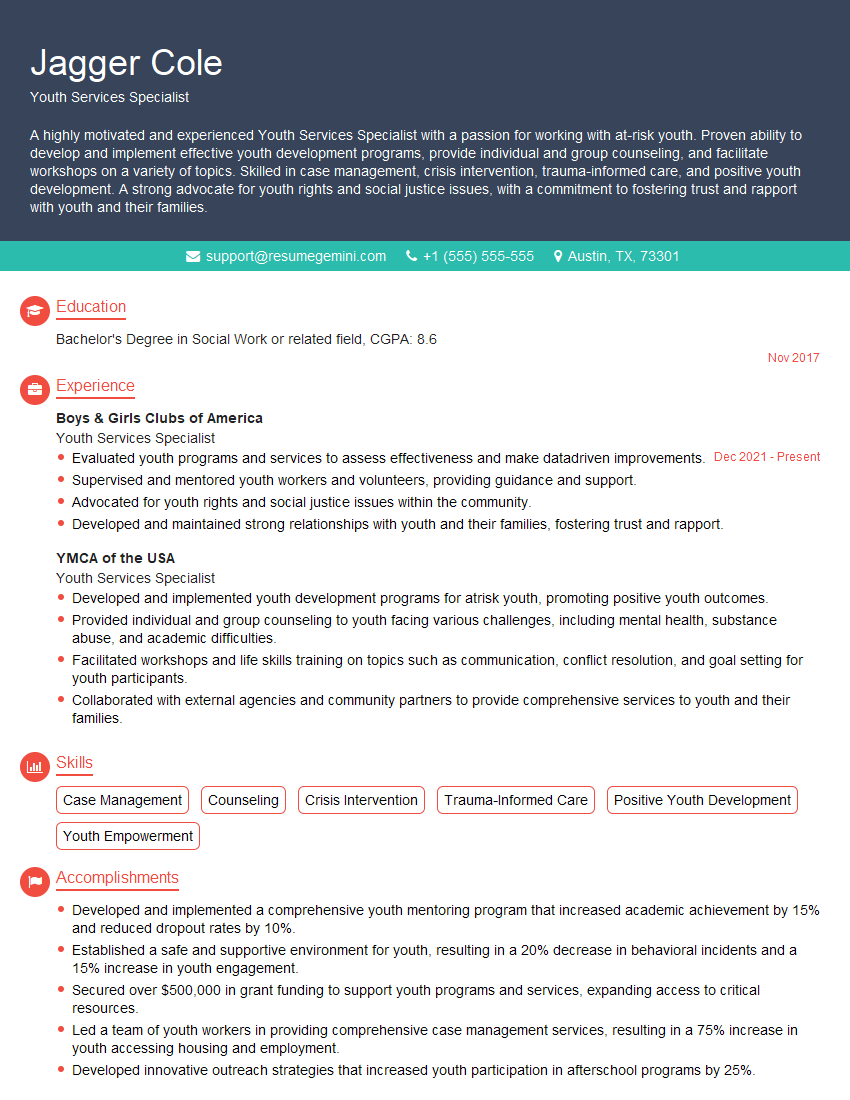
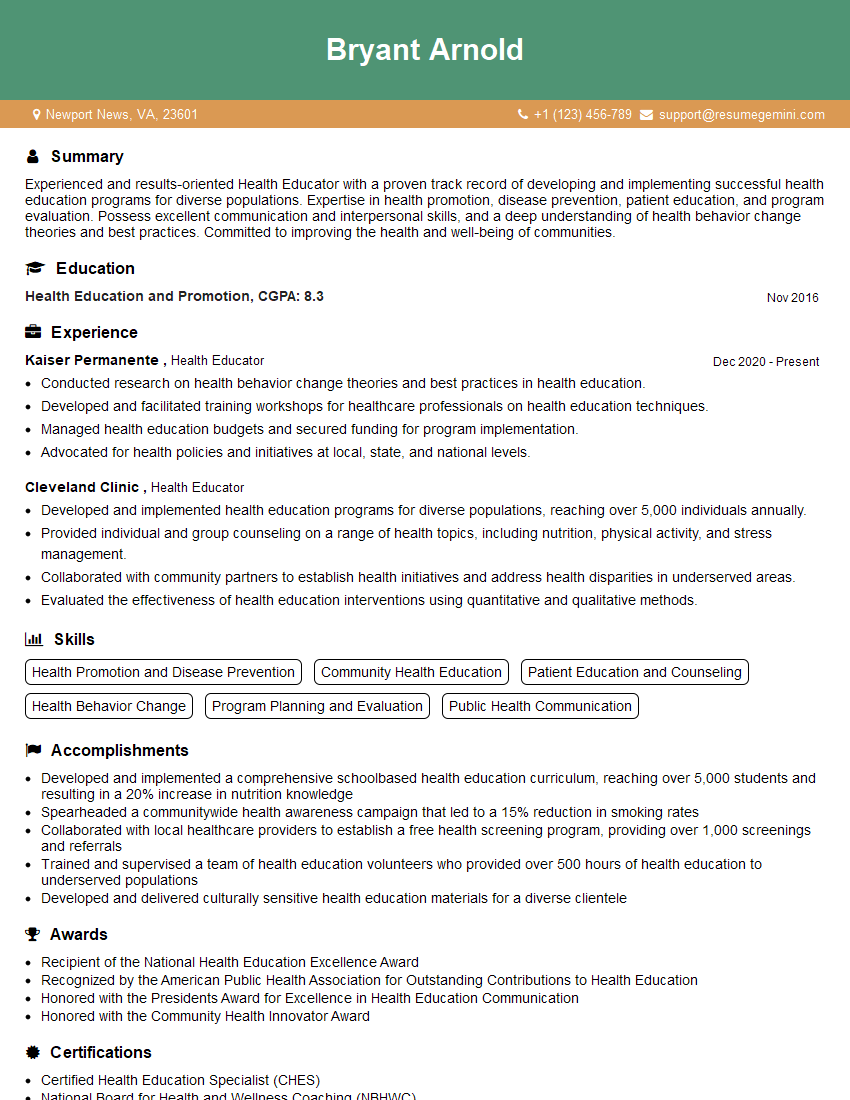
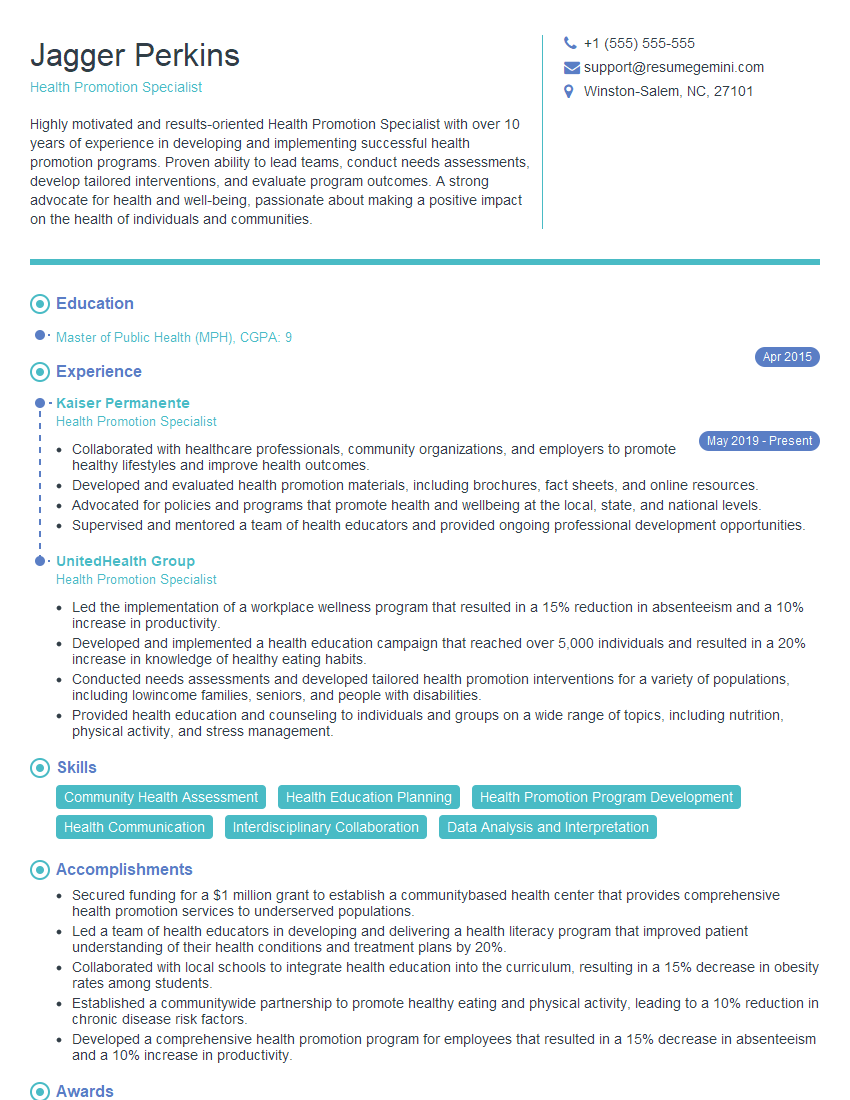
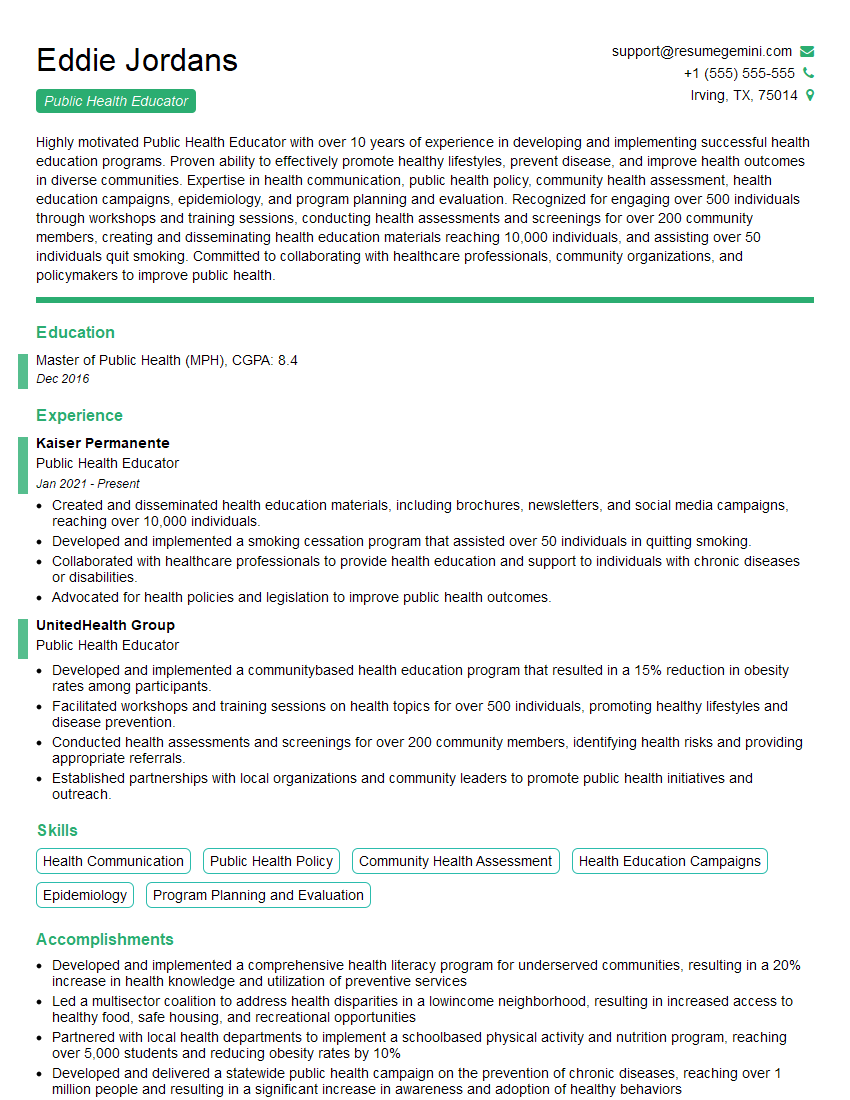
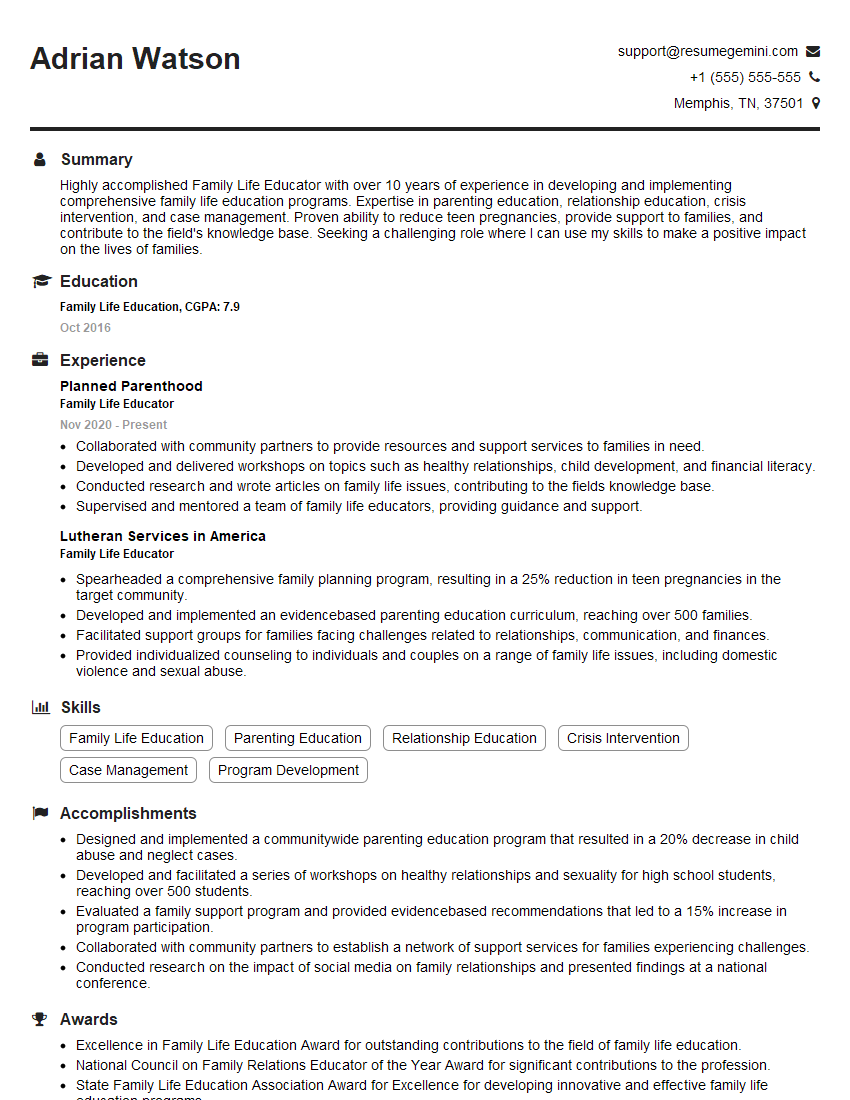
Mastering Teen Pregnancy Prevention demonstrates a commitment to public health and social justice, significantly enhancing your career prospects in fields like public health, social work, healthcare, and education. A strong resume is crucial for showcasing your skills and experience to potential employers. To increase your chances of getting noticed by Applicant Tracking Systems (ATS), focus on building an ATS-friendly resume that highlights your relevant qualifications and achievements. ResumeGemini is a trusted resource that can help you create a professional and effective resume tailored to the specific requirements of Teen Pregnancy Prevention roles. Examples of resumes tailored to this field are available to help guide your resume creation process.
Explore more articles
Users Rating of Our Blogs
Share Your Experience
We value your feedback! Please rate our content and share your thoughts (optional).
What Readers Say About Our Blog
I Redesigned Spongebob Squarepants and his main characters of my artwork.
https://www.deviantart.com/reimaginesponge/art/Redesigned-Spongebob-characters-1223583608
IT gave me an insight and words to use and be able to think of examples
Hi, I’m Jay, we have a few potential clients that are interested in your services, thought you might be a good fit. I’d love to talk about the details, when do you have time to talk?
Best,
Jay
Founder | CEO