Preparation is the key to success in any interview. In this post, we’ll explore crucial Terrorism Risk Management interview questions and equip you with strategies to craft impactful answers. Whether you’re a beginner or a pro, these tips will elevate your preparation.
Questions Asked in Terrorism Risk Management Interview
Q 1. Describe your experience in conducting terrorism risk assessments.
Conducting terrorism risk assessments involves a systematic process of identifying, analyzing, and evaluating the potential for terrorist attacks against a specific target or area. It’s like a thorough security checkup for a building, a city, or even a whole country. My approach begins with clearly defining the scope – what assets are we protecting, and what types of terrorist threats are most relevant? Then, we gather information from various sources, including open-source intelligence, threat databases, and on-site inspections. This data forms the basis for a quantitative and qualitative analysis of vulnerabilities, considering factors like physical security, personnel safety, and operational resilience. Finally, we produce a report detailing the identified risks, their likelihood, and potential impact, prioritizing them for mitigation efforts. For instance, in assessing a major sporting event, we’d analyze potential entry points, crowd management protocols, and the presence of critical infrastructure that could be targets. The final report then helps security planners allocate resources effectively.
Q 2. Explain your understanding of different terrorist typologies and their motivations.
Understanding terrorist typologies is crucial for effective risk management. It’s not just about dealing with a generic ‘terrorist’; it’s about understanding the specific motivations, tactics, and capabilities of various groups. We can categorize them based on their ideologies (religious extremism, left-wing/right-wing extremism, nationalism, separatism), their goals (political influence, territorial control, social disruption), and their operational capabilities (lone actors versus sophisticated networks). For example, a nationalist group might focus on symbolic attacks to gain public attention, while a religiously motivated group might plan large-scale attacks to cause mass casualties. Understanding their motivations helps us predict their potential targets and methods, allowing for more effective preventative measures. Analyzing past attacks by similar groups provides crucial insight into their modus operandi and capabilities.
Q 3. How do you identify and prioritize terrorism-related threats?
Identifying and prioritizing threats involves a structured approach that blends quantitative and qualitative analysis. We start by analyzing available intelligence to identify potential threats, considering factors such as the group’s capabilities, intentions, and past activity. A threat matrix is often used to visually represent the likelihood and impact of various threats. For example, a high-likelihood, high-impact threat like a bomb threat against a heavily populated area will get top priority. We then prioritize them based on a combination of factors including the likelihood of the threat occurring, the potential severity of the consequences, and the vulnerability of the target. This is not simply a statistical exercise; we also consider the context, taking into account geopolitical situations and potential escalation scenarios. We use this information to refine our risk assessments and allocate resources accordingly, focusing on neutralizing the most critical threats first.
Q 4. What methodologies do you utilize for vulnerability assessments related to terrorism?
Vulnerability assessments are crucial for identifying weaknesses that terrorists could exploit. My approach employs a multi-faceted methodology. Firstly, a physical site survey is conducted, identifying security gaps such as inadequate perimeter security, weak access control, or vulnerable infrastructure. Secondly, we perform a procedural review, examining operational procedures and protocols to identify vulnerabilities in internal processes. We also use checklists and standardized methodologies, such as the well-known OCTAVE method, to systematically review areas such as access control, emergency response, and communications. Lastly, we use simulations and tabletop exercises to test the robustness of security measures and identify weaknesses under pressure. For instance, simulating a hostage situation allows us to test the effectiveness of our crisis response plans and identify any communication breakdowns.
Q 5. Outline your approach to developing and implementing a terrorism risk mitigation plan.
Developing and implementing a terrorism risk mitigation plan is an iterative process. It begins with clearly identifying the risks based on the assessments mentioned earlier. Then, we develop strategies to reduce the likelihood and impact of these threats. This may involve enhancing physical security measures (e.g., installing better surveillance systems, improving access control), implementing improved training and drills for staff and emergency responders, and developing robust crisis management plans. The plan is never static. It must be regularly reviewed and updated based on new intelligence, lessons learned, and changes in the threat landscape. For example, after a specific type of attack, the plan might be modified to incorporate new protective measures or enhance specific training exercises.
Q 6. How do you integrate threat intelligence into your risk management process?
Threat intelligence is the lifeblood of effective terrorism risk management. We integrate it by actively monitoring multiple sources, both open-source (news reports, social media) and closed-source (government agencies, private intelligence firms). This information is analyzed to identify emerging threats, track terrorist activity, and predict potential attacks. We then use this intelligence to update our risk assessments, refine our mitigation strategies, and inform our crisis management plans. For example, if intelligence suggests a specific group is planning an attack using a particular tactic, we can adjust our security measures to address that vulnerability. This is a continuous cycle: intelligence informs risk management, which in turn guides the acquisition of further intelligence.
Q 7. Describe your experience in crisis management related to terrorism incidents.
My experience in crisis management related to terrorism incidents involves acting swiftly and decisively under extreme pressure. It’s about coordinating response teams, securing the scene, managing casualties, and communicating effectively with stakeholders. This involves pre-planning and conducting regular exercises that simulate a range of scenarios. These exercises help us test our procedures and identify areas for improvement. During an actual incident, my focus is on maintaining order, coordinating emergency services, and ensuring the safety of those affected. Effective communication is paramount – keeping the public, government agencies, and the media informed appropriately during chaotic circumstances. Post-incident, we conduct thorough reviews to learn from our experiences and refine our future responses.
Q 8. How do you ensure effective communication and coordination during a terrorism-related crisis?
Effective communication and coordination during a terrorism-related crisis are paramount. Think of it like a well-orchestrated orchestra – each section (law enforcement, intelligence, emergency services, etc.) needs to play its part in harmony, conducted by a strong central command. We achieve this through pre-established protocols and technological tools.
Pre-Incident Planning: We develop detailed crisis communication plans, designating roles, responsibilities, and communication channels. This includes establishing secure communication systems (e.g., encrypted channels) to share sensitive information rapidly. Regular drills and exercises ensure everyone is familiar with these plans and can adapt to unforeseen circumstances.
Common Operating Picture (COP): During a crisis, a real-time, shared situational awareness is vital. This is achieved through a COP, a centralized system providing all stakeholders with a unified view of the unfolding events. This could involve geospatial mapping software integrating real-time feeds from various sources like CCTV, social media, and first responders.
Clear Communication Protocols: Standardized communication protocols—such as using pre-defined terminology and reporting formats—eliminate confusion and ensure everyone understands the message clearly. Regular updates to stakeholders, including affected communities, are vital to manage fear and misinformation.
Post-Incident Debriefing: Following the crisis, a comprehensive debriefing analyzes what worked well, what didn’t, and what improvements are needed in our communication and coordination strategies. Lessons learned are integrated into future planning, improving our response capabilities.
Q 9. Explain your understanding of relevant national and international counterterrorism legislation.
My understanding of national and international counterterrorism legislation is extensive, encompassing legal frameworks designed to prevent, investigate, and prosecute terrorist activities. This involves a complex interplay of domestic laws and international treaties.
National Level: Each country has its own specific laws addressing terrorism, often defining terrorist acts, outlining investigative powers for law enforcement, and establishing procedures for prosecuting offenders. These laws often balance national security needs with individual rights, presenting complex legal challenges. For example, laws regarding surveillance, data retention, and preemptive arrests are carefully scrutinized to ensure they adhere to legal and ethical boundaries.
International Level: International cooperation is critical. Treaties and conventions like the UN Convention against Transnational Organized Crime and its Protocol to Prevent, Suppress and Punish Trafficking in Persons, Especially Women and Children, provide frameworks for international collaboration in investigating and prosecuting terrorist networks that often operate across borders. International legal instruments help harmonize national approaches and facilitate information sharing among nations.
Challenges: The evolving nature of terrorism creates ongoing challenges for legal frameworks. New technologies, evolving tactics, and the transnational character of terrorism require ongoing adaptation and refinement of existing legislation and international cooperation agreements.
Q 10. How do you measure the effectiveness of your terrorism risk management strategies?
Measuring the effectiveness of terrorism risk management strategies isn’t a simple matter of counting averted attacks (which are, by nature, difficult to quantify). Instead, we employ a multi-faceted approach. It’s like assessing the effectiveness of a public health campaign; you look for a reduction in risk factors, not just the absence of a disease.
Risk Reduction Metrics: We track key indicators reflecting the reduction in vulnerabilities across critical infrastructure, transportation networks, and public spaces. This might include improvements in security measures, enhanced training for first responders, or better information sharing between agencies.
Effectiveness of Response: We evaluate the speed and efficiency of our response to incidents, whether real or simulated. This involves analyzing response times, coordination among agencies, and the effectiveness of mitigation strategies.
Community Resilience: We assess the resilience of communities in dealing with terrorism-related incidents. This includes public awareness and preparedness levels, and the community’s ability to recover from such events. Community feedback is critical in this assessment.
Data Analysis and Modeling: We continuously refine our risk assessment models using data analytics, incorporating new intelligence, technological advancements, and evolving threat landscapes. This helps us predict and prepare for future threats.
Q 11. What are the key performance indicators (KPIs) you use to track terrorism risk?
Key Performance Indicators (KPIs) for tracking terrorism risk are carefully selected to provide a comprehensive view of the threat landscape and the effectiveness of our mitigation efforts. They are not just numbers; they tell a story of our preparedness and success.
Threat Assessment Reports: The frequency and severity of credible threats identified through intelligence gathering and analysis.
Vulnerability Assessments: The number and criticality of identified vulnerabilities in infrastructure and public spaces.
Security Enhancements Implemented: The number of implemented security measures, such as improved surveillance systems or increased personnel training.
Emergency Response Times: The time it takes to deploy resources and respond to simulated or real-world terrorist incidents.
Public Awareness and Training: Levels of public awareness and participation in terrorism prevention and response training programs.
Successful Disruptions/Arrests: Number of successful terrorist plots disrupted and individuals arrested.
Q 12. Describe your experience in working with law enforcement and intelligence agencies.
My experience working with law enforcement and intelligence agencies has been extensive, built on trust, collaboration, and a shared understanding of the complexities of counterterrorism. This involves a multi-agency approach.
Joint Operations: I’ve participated in numerous joint operations involving intelligence sharing, threat assessments, and coordinating responses to specific threats. This frequently involves information sharing platforms and regular meetings to ensure effective collaboration.
Intelligence Analysis: I’ve worked closely with intelligence analysts to interpret complex data, identify emerging threats, and develop predictive models to anticipate terrorist activities. This involves understanding the methodologies and sources of intelligence from various agencies.
Training and Exercises: I’ve been involved in developing and delivering training programs for law enforcement and intelligence professionals, focusing on counterterrorism tactics, techniques, and procedures. This includes designing and executing realistic simulations of terrorist events.
Relationship Building: Developing strong working relationships with personnel from diverse agencies is crucial. It’s built on mutual respect, effective communication, and a shared commitment to national security. Trust is the foundation upon which collaborative efforts are built.
Q 13. How do you address the ethical considerations involved in counterterrorism measures?
Addressing ethical considerations in counterterrorism is paramount. We must always balance the need for national security with the fundamental rights and freedoms of individuals. This requires careful consideration and a commitment to transparency and accountability. It’s about striking a delicate balance, always respecting human rights.
Proportionality: Counterterrorism measures must be proportionate to the threat; excessive force or intrusive measures are unacceptable unless absolutely necessary and justifiable.
Accountability: There must be robust mechanisms for oversight and accountability to prevent abuses of power. Independent review boards and transparency in decision-making processes are vital.
Due Process: Individuals suspected of terrorism-related activities must have access to fair legal processes, including the right to a fair trial, legal representation, and protection against arbitrary detention.
Data Privacy: Safeguarding personal data collected during counterterrorism investigations is crucial. There should be strict regulations governing the collection, storage, and use of such data to protect privacy.
Respect for Cultural Diversity: Counterterrorism strategies should be sensitive to cultural diversity and avoid measures that could disproportionately affect specific communities or religious groups.
Q 14. What are the limitations of current terrorism risk management models?
Current terrorism risk management models, while valuable, face several limitations. They are constantly evolving to address a dynamic and unpredictable threat. Think of them as maps that need continuous updates to remain relevant.
Predictive Limitations: Predicting terrorist attacks with complete accuracy is challenging. Models rely on available intelligence and historical data, but terrorist groups adapt, and their actions are inherently difficult to predict with certainty.
Data Gaps and Bias: Existing models often suffer from data limitations or biases that can skew risk assessments. The absence of data on certain aspects of a terrorist network can impair an accurate assessment.
Complexity and Uncertainty: The multifaceted nature of terrorism involves several interconnected factors, including political instability, social grievances, and technological advancements. This complexity makes accurate modeling extremely difficult.
Adaptability of Terrorist Groups: Terrorist organizations constantly adapt their tactics and strategies to evade detection and circumvent existing security measures, rendering established models less effective over time.
Ethical and Legal Constraints: Ethical and legal considerations can limit the scope and application of risk management measures. The need to balance security and civil liberties can hinder certain preventative measures.
Q 15. How do you incorporate technological advancements in your terrorism risk management approach?
Technological advancements are crucial for modern terrorism risk management. We leverage various technologies to enhance our capabilities across the entire risk management lifecycle, from threat identification to response and recovery.
- Predictive Policing & Analytics: We utilize sophisticated data analytics platforms to identify patterns and predict potential terrorist threats. This involves analyzing large datasets – including social media activity, travel patterns, and financial transactions – using machine learning algorithms to identify anomalies and high-risk individuals or groups. For example, we might use algorithms to detect unusual spikes in online searches related to explosives or the gathering of specific materials.
- Biometrics and Facial Recognition: Biometric technologies, such as fingerprint and facial recognition, can enhance security screening at high-risk locations, potentially identifying individuals on watchlists quickly and efficiently. However, we always prioritize ethical considerations and privacy regulations when implementing such technologies.
- Cybersecurity: Given the increasing use of the internet for terrorist communication and planning, strong cybersecurity measures are paramount. This includes intrusion detection systems, threat intelligence feeds, and robust data encryption to protect sensitive information and monitor online activity for suspicious behavior.
- Sensor Networks and IoT: Integrating sensor networks and Internet of Things (IoT) devices allows for real-time monitoring of critical infrastructure and public spaces. Data from these devices can detect unusual activities and provide early warnings of potential attacks.
The key is to integrate these technologies thoughtfully, ensuring data integrity, accuracy, and responsible use to maximize their effectiveness while minimizing risks.
Career Expert Tips:
- Ace those interviews! Prepare effectively by reviewing the Top 50 Most Common Interview Questions on ResumeGemini.
- Navigate your job search with confidence! Explore a wide range of Career Tips on ResumeGemini. Learn about common challenges and recommendations to overcome them.
- Craft the perfect resume! Master the Art of Resume Writing with ResumeGemini’s guide. Showcase your unique qualifications and achievements effectively.
- Don’t miss out on holiday savings! Build your dream resume with ResumeGemini’s ATS optimized templates.
Q 16. How do you balance security measures with operational efficiency and privacy concerns?
Balancing security, efficiency, and privacy is a constant challenge in terrorism risk management. It requires a multi-faceted approach that prioritizes proportionate measures and minimizes unnecessary restrictions.
- Risk-Based Approach: We tailor security measures to the specific risk level of each situation. A high-risk event like a major political gathering would demand significantly higher security than a routine event. This ensures efficiency by avoiding over-the-top security measures in low-risk contexts.
- Privacy by Design: We integrate privacy considerations from the outset when designing and implementing security systems. This includes minimizing data collection, using data anonymization techniques where appropriate, and adhering to strict data protection regulations. We ensure all security measures are transparent and accountably applied.
- Technology-Enabled Efficiency: Advanced technologies can streamline security processes and improve efficiency. For instance, automated threat detection systems can reduce the workload on human analysts, freeing them to focus on higher-level tasks.
- Continuous Monitoring and Evaluation: We continuously monitor the effectiveness and impact of security measures, regularly reviewing their performance to optimize security while protecting operational efficiency and individual rights. This may involve regular audits and stakeholder feedback sessions.
Ultimately, the goal is to create a secure environment that is both effective and respects individual liberties. This requires ongoing dialogue with various stakeholders, including the public, to build trust and transparency.
Q 17. Describe your experience in developing and delivering security awareness training.
Developing and delivering effective security awareness training is crucial for mitigating terrorism risks. My experience involves designing and implementing comprehensive programs tailored to various audiences, from high-level executives to front-line staff.
- Needs Assessment: I begin by assessing the specific security threats and vulnerabilities faced by the organization and the target audience’s existing knowledge and understanding of these threats.
- Curriculum Development: The training curriculum covers relevant topics, such as recognizing suspicious behavior, responding to active shooter situations, and understanding social engineering techniques. The content is presented in clear, concise language, using real-world examples and case studies to enhance engagement. For example, I might use a scenario-based simulation of a suspicious package delivery to illustrate the importance of reporting and appropriate protocols.
- Delivery Methods: We employ diverse training methods, including online modules, workshops, and interactive simulations. We use a blend of theory and practice, ensuring participants develop practical skills and retain the information through engaging activities and testing.
- Assessment and Evaluation: The effectiveness of the training is assessed through post-training assessments and regular feedback sessions. This helps us track progress, identify knowledge gaps, and continually improve the program’s content and delivery.
I’ve successfully implemented security awareness programs in various settings, resulting in improved employee awareness, increased reporting of suspicious activities, and improved response capabilities.
Q 18. What are the key factors to consider when conducting a post-incident analysis of a terrorist attack?
Post-incident analysis of a terrorist attack is critical for learning from mistakes and improving future preparedness. It involves a thorough investigation to identify the causes, consequences, and lessons learned.
- Immediate Response and Stabilization: The initial phase focuses on securing the scene, providing emergency medical assistance, and collecting initial evidence.
- Investigation and Evidence Gathering: A comprehensive investigation follows, including forensic analysis, witness interviews, and review of CCTV footage to determine the attack’s circumstances, the perpetrators’ motives and methods, and the vulnerabilities exploited.
- Vulnerability Assessment: This stage identifies systemic weaknesses in security protocols, intelligence gathering, and response mechanisms that allowed the attack to occur. This might include gaps in surveillance, communication breakdowns, or inadequacies in emergency response procedures.
- Lessons Learned and Recommendations: The analysis culminates in a report that outlines key findings, identifies areas for improvement, and proposes concrete recommendations for enhancing security protocols, intelligence gathering, and emergency response capabilities. For example, if poor communication was identified as a major issue, we might recommend investing in more robust communication systems and training programs.
- Implementation and Monitoring: The final step involves implementing the recommendations, followed by ongoing monitoring and evaluation to ensure the effectiveness of the changes made.
Effective post-incident analysis is not just about assigning blame; it is about using the experience to proactively enhance security and resilience.
Q 19. How do you utilize data analytics in terrorism risk assessment and prediction?
Data analytics plays a vital role in terrorism risk assessment and prediction. We leverage advanced analytical techniques to identify patterns, predict potential threats, and allocate resources effectively.
- Data Collection and Integration: We integrate data from various sources, including open-source intelligence (OSINT), law enforcement databases, financial transaction records, and social media platforms. Data cleaning and standardization are crucial steps to ensure data quality.
- Statistical Modeling and Machine Learning: We employ statistical models and machine learning algorithms to identify patterns and relationships in the data that might indicate emerging threats. For example, we can use clustering algorithms to group individuals based on their online activities and communication patterns, allowing us to identify potential terrorist cells.
- Predictive Modeling: We develop predictive models to forecast the likelihood of future terrorist attacks based on historical data and identified risk factors. This enables preemptive measures and resource allocation.
- Risk Mapping and Visualization: We use Geographic Information Systems (GIS) to visualize risk factors geographically, allowing for the identification of high-risk areas and the deployment of resources accordingly. This enables proactive security measures and facilitates informed decision-making.
It’s crucial to remember that data analysis is only one piece of the puzzle. Human expertise and judgment are still essential for interpreting the results and making informed decisions.
Q 20. Explain your understanding of the impact of social media on terrorist activities.
Social media has significantly impacted terrorist activities, providing new avenues for recruitment, propaganda dissemination, and operational planning. Understanding this impact is crucial for effective counter-terrorism strategies.
- Recruitment and Radicalization: Terrorist groups leverage social media to reach potential recruits, spreading extremist ideologies and promoting a sense of belonging. They use sophisticated techniques to target vulnerable individuals and encourage them to join their cause.
- Propaganda and Ideological Dissemination: Social media platforms are used to disseminate propaganda, promoting the group’s narrative and justifying their actions. This often involves emotionally charged content designed to garner support and recruit new followers.
- Operational Planning and Coordination: While encrypted communication channels are often preferred for sensitive operational planning, social media can be used for less sensitive aspects of coordination and communication.
- Fundraising and Logistics: Social media can be used to solicit funds and resources for terrorist activities.
Mitigating the risks associated with social media requires a multi-pronged approach, including monitoring social media for terrorist activity, disrupting online recruitment efforts, and countering extremist narratives with alternative messages.
Q 21. How do you mitigate the risk of insider threats related to terrorism?
Insider threats pose a significant risk, as individuals with legitimate access to sensitive information or infrastructure can cause significant damage. Mitigating insider threats related to terrorism requires a proactive and multi-layered approach.
- Pre-employment Screening and Background Checks: Thorough background checks, including security clearances and psychological evaluations, are crucial to identify potential risks before hiring.
- Access Control and Least Privilege: Implementing strict access control measures ensures that individuals only have access to the information and systems necessary for their roles. This principle of ‘least privilege’ limits the potential damage caused by a compromised insider.
- Employee Monitoring and Surveillance: While respecting privacy, monitoring employee activities, including online behavior and communications, can detect suspicious patterns. However, such monitoring must be conducted ethically and in accordance with relevant regulations.
- Security Awareness Training: Regular security awareness training educates employees about insider threats, emphasizing the importance of reporting suspicious activity and adhering to security protocols.
- Whistleblower Protection Programs: Establishing secure and confidential channels for reporting suspicious behavior encourages employees to come forward without fear of retribution.
A holistic approach that combines security measures with a strong focus on employee well-being and fostering a culture of security awareness is essential for effectively mitigating the risk of insider threats.
Q 22. Describe your experience in developing and implementing a business continuity plan for terrorism-related disruptions.
Developing and implementing a business continuity plan (BCP) for terrorism-related disruptions requires a multifaceted approach. It’s not just about reacting to an event, but proactively mitigating risks and ensuring business operations can resume quickly and effectively after a significant incident. My experience involves a five-stage process:
- Risk Assessment: This stage involves identifying potential terrorist threats relevant to our organization, assessing their likelihood and potential impact, and prioritizing those posing the greatest risk. For example, we might analyze the potential for a bomb threat, cyberattack, or physical attack based on our location, industry, and profile.
- Business Impact Analysis: This critical step involves determining which business functions are most crucial and the consequences of their disruption. This helps prioritize recovery efforts. We might determine that our data center is a critical asset, requiring robust backup and recovery plans.
- Plan Development: This stage involves outlining procedures for various scenarios. For instance, it might detail alternative communication systems, data backup and recovery methods, relocation strategies for staff, and procedures for coordinating with emergency responders. We’d include communication protocols using redundant systems, a detailed staff contact list, and backup workspace locations.
- Testing and Training: Regular tabletop exercises and drills are crucial to validate the plan’s effectiveness. These exercises allow us to identify weaknesses and improve the plan. A realistic scenario might involve simulating a bomb threat and practicing evacuation and communication procedures.
- Review and Update: The plan should be reviewed and updated regularly to reflect evolving threats and organizational changes. This includes incorporating lessons learned from exercises and keeping abreast of the latest intelligence and best practices. This is especially important given the dynamic nature of terrorism.
For example, in a previous role, I spearheaded the development of a BCP for a large financial institution that included not only physical security but also robust cybersecurity measures, employee training on active shooter response, and an offsite data backup and recovery system. This plan successfully minimized disruption during a simulated cyberattack scenario.
Q 23. What are the critical elements of a robust security infrastructure to counter terrorism?
A robust security infrastructure to counter terrorism involves a layered approach, combining physical, technological, and human elements. It’s akin to building a castle with multiple defenses.
- Physical Security: This includes perimeter security (fencing, access controls, CCTV), building security (access control systems, intrusion detection, surveillance), and protection of critical assets (safe rooms, hardened facilities). This layer acts as the outer wall.
- Technological Security: This encompasses cybersecurity measures (firewalls, intrusion detection systems, data encryption), surveillance technologies (CCTV, facial recognition, license plate readers), and communication systems (redundant communication channels for emergency response). Think of this as the castle’s archers and defensive weaponry.
- Human Security: This is arguably the most crucial aspect. It involves personnel training (security awareness, threat detection, response protocols), background checks, access control management, and emergency response planning. This is the castle’s trained garrison.
- Intelligence and Information Sharing: This involves actively monitoring threat intelligence, cooperating with law enforcement, and establishing reporting mechanisms for suspicious activity. This layer represents the scouts and spies who gather information for the castle’s defense.
A critical element is the integration of these layers. They must work seamlessly together for maximum effectiveness. For example, an intrusion detection system (technology) should trigger an alert to security personnel (human), who can then review CCTV footage (technology) and respond appropriately.
Q 24. How do you evaluate the effectiveness of physical security measures against potential terrorist attacks?
Evaluating the effectiveness of physical security measures requires a multifaceted approach combining quantitative and qualitative assessments.
- Vulnerability Assessments: Identifying potential weaknesses in the security system through physical inspections, penetration testing, and threat modeling. For example, we might simulate a potential attack to see how easily a perimeter can be breached.
- Performance Metrics: Tracking key indicators like response times to security breaches, number of security incidents, and effectiveness of security systems. We’d analyze data on intrusion attempts and successful responses.
- Incident Reviews: Thoroughly analyzing past security incidents to identify failures in the system and areas for improvement. This involves looking at the causes of failures and what could be improved.
- External Audits: Seeking independent assessments from security professionals to provide an unbiased evaluation of the system’s effectiveness. This offers a fresh perspective and identification of unseen vulnerabilities.
- Employee Feedback: Gathering feedback from security personnel and employees about their experiences with the security system. This can highlight usability issues or areas for improvement.
For instance, in a previous assessment of a government building, we identified weaknesses in the perimeter security through a penetration test, which led to improvements in fencing and access control systems. We also used performance metrics like response times to security alerts to track the effectiveness of our security personnel’s training.
Q 25. Explain your experience in managing security budgets and resources effectively.
Managing security budgets and resources effectively requires a strategic approach focused on prioritization, cost-benefit analysis, and continuous monitoring.
- Prioritization: Allocate resources based on the identified risks and vulnerabilities. Prioritize high-impact, high-likelihood threats first. This might mean focusing resources on upgrading critical infrastructure over less critical assets.
- Cost-Benefit Analysis: Evaluate the cost of security measures against their potential benefits in preventing losses. This is a crucial step in demonstrating the return on investment (ROI) for security initiatives.
- Resource Allocation: Develop a comprehensive budget that allocates funds to various security initiatives, including personnel, technology, training, and maintenance. This requires careful planning and understanding of the various costs involved.
- Performance Monitoring: Regularly monitor the use of resources and evaluate their effectiveness to identify any inefficiencies or areas for improvement. This includes tracking spending against the budget and assessing the effectiveness of each security measure.
- Continuous Improvement: Use data-driven insights to optimize resource allocation, ensuring that resources are used effectively to maximize the overall security posture. This ensures that resources are used in the most effective and efficient ways.
In a past project, I used a data-driven approach to demonstrate the ROI of investing in advanced surveillance technology, leading to increased budget allocation for this area. By analyzing the cost savings from averted incidents, I justified the investment and demonstrated its value.
Q 26. How do you adapt your risk management strategies to evolving terrorism threats?
Adapting risk management strategies to evolving terrorism threats necessitates a proactive and dynamic approach.
- Threat Intelligence Monitoring: Actively monitor and analyze threat intelligence from various sources, including government agencies, private intelligence firms, and open-source information. This involves staying up-to-date with the latest trends and developments in the global threat landscape.
- Scenario Planning: Develop and regularly update scenario plans to anticipate potential future threats and their potential impact on the organization. This requires thinking critically about various possible scenarios and their consequences.
- Flexibility and Adaptability: Design risk management strategies that are flexible and adaptable to changing circumstances. The security landscape is constantly evolving, so our responses must also be adaptable.
- Technology Upgrades: Invest in advanced technologies to enhance security capabilities, including AI-driven threat detection systems, enhanced cybersecurity measures, and upgraded surveillance technologies. Technology allows for proactive threat detection and faster responses.
- Collaboration and Information Sharing: Collaborate with other organizations and law enforcement agencies to share threat information and best practices. Information sharing allows for a better understanding of emerging threats and coordinated responses.
For example, after a significant shift in terrorist tactics, we updated our security protocols to focus on potential cyberattacks, which previously hadn’t been a major focus. This included additional employee training and investment in advanced cybersecurity tools.
Q 27. Describe your experience in conducting tabletop exercises or simulations related to terrorism.
Conducting tabletop exercises and simulations is a critical component of effective terrorism risk management. They allow us to test our plans, identify weaknesses, and train personnel in a safe and controlled environment.
- Scenario Development: Develop realistic scenarios based on potential threats, considering different attack vectors and levels of severity. The scenarios should be engaging and challenge participants to think critically.
- Participant Selection: Assemble a diverse team of participants representing different departments and roles within the organization. This ensures that the exercise covers all aspects of the response.
- Exercise Facilitation: Facilitate the exercise in a controlled environment, ensuring that the scenario unfolds realistically and participants are challenged to make decisions under pressure. This involves guiding the participants through the simulation.
- Debriefing and Analysis: Conduct a thorough debriefing session after the exercise to analyze the team’s performance, identify areas for improvement, and refine the organization’s response plans. This critical step provides learning opportunities.
- Documentation and Reporting: Document the exercise’s outcomes, including identified weaknesses and recommendations for improvement. This provides a record of the exercise for future review and improvements.
In one exercise, we simulated a coordinated attack involving multiple locations. The exercise identified communication breakdowns between teams, leading to improvements in our emergency communication protocols. We also found weaknesses in our evacuation procedures which were subsequently addressed.
Q 28. How do you ensure the ongoing training and development of your security personnel in counterterrorism measures?
Ensuring ongoing training and development of security personnel is paramount for effective counterterrorism. This requires a comprehensive and multifaceted approach.
- Initial Training: Provide comprehensive initial training covering relevant security procedures, threat awareness, response protocols, and the use of security technologies. This is the foundation upon which all further training is built.
- Refresher Training: Regular refresher training to update personnel on evolving threats, new technologies, and best practices. This ensures personnel are up-to-date on all relevant procedures and information.
- Specialized Training: Offer specialized training programs in areas such as active shooter response, bomb threat management, and cybersecurity incident handling. This ensures that personnel have the expertise to deal with specific threats.
- Simulation and Drills: Regularly conduct simulations and drills to reinforce training and allow personnel to practice their response skills in realistic scenarios. This allows personnel to put their training into practice.
- Performance Evaluation: Regularly evaluate the performance of security personnel to identify areas for improvement and ensure that personnel are meeting expected standards. This ensures a high level of competence among the team.
For instance, we implemented a yearly training program for our security personnel that includes both classroom instruction and realistic simulations. This program has been successful in improving the team’s preparedness for various threats and ensuring a high level of readiness.
Key Topics to Learn for Terrorism Risk Management Interview
- Threat Assessment and Analysis: Understanding methodologies for identifying, analyzing, and prioritizing terrorism threats. This includes understanding different threat actors, their motivations, and capabilities.
- Risk Assessment and Mitigation: Applying frameworks to evaluate the likelihood and impact of terrorist attacks, developing and implementing strategies to reduce vulnerabilities and mitigate risks. Practical application involves case studies and scenario planning.
- Crisis Management and Response: Developing and executing plans for responding to terrorist incidents, including communication strategies, emergency response protocols, and post-incident recovery.
- Security Technologies and Measures: Familiarity with physical security measures, technological solutions (e.g., surveillance systems, threat detection), and their integration into comprehensive security plans.
- Legal and Regulatory Frameworks: Understanding relevant laws, regulations, and international treaties related to counter-terrorism and security. This includes knowledge of data privacy and ethical considerations.
- Insurance and Financial Aspects: Understanding terrorism insurance, risk transfer mechanisms, and the financial implications of terrorist attacks on organizations and governments.
- Stakeholder Engagement and Communication: Effective communication strategies for informing and coordinating with various stakeholders (internal and external) during both preventative measures and crisis situations.
- Data Analysis and Predictive Modeling: Utilizing data analytics techniques to identify patterns, predict potential threats, and inform decision-making processes.
Next Steps
Mastering Terrorism Risk Management opens doors to impactful and rewarding careers in various sectors, from government and intelligence agencies to private corporations and non-profit organizations. A strong understanding of these concepts demonstrates valuable skills highly sought after in today’s complex security landscape. To maximize your job prospects, creating an ATS-friendly resume is crucial. ResumeGemini is a trusted resource to help you build a professional resume that highlights your skills and experience effectively. Examples of resumes tailored to Terrorism Risk Management are available within ResumeGemini to guide you in crafting your own compelling application.
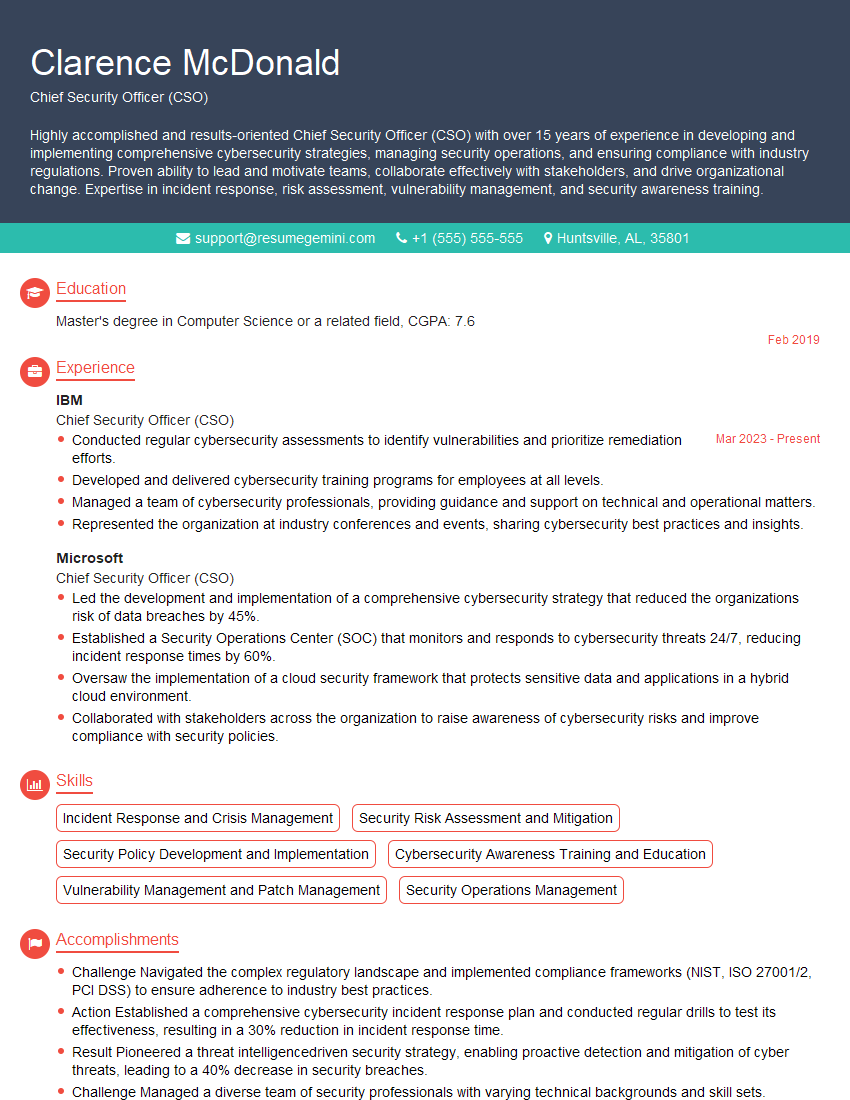
Chief Security Officer (CSO) Resume Sample
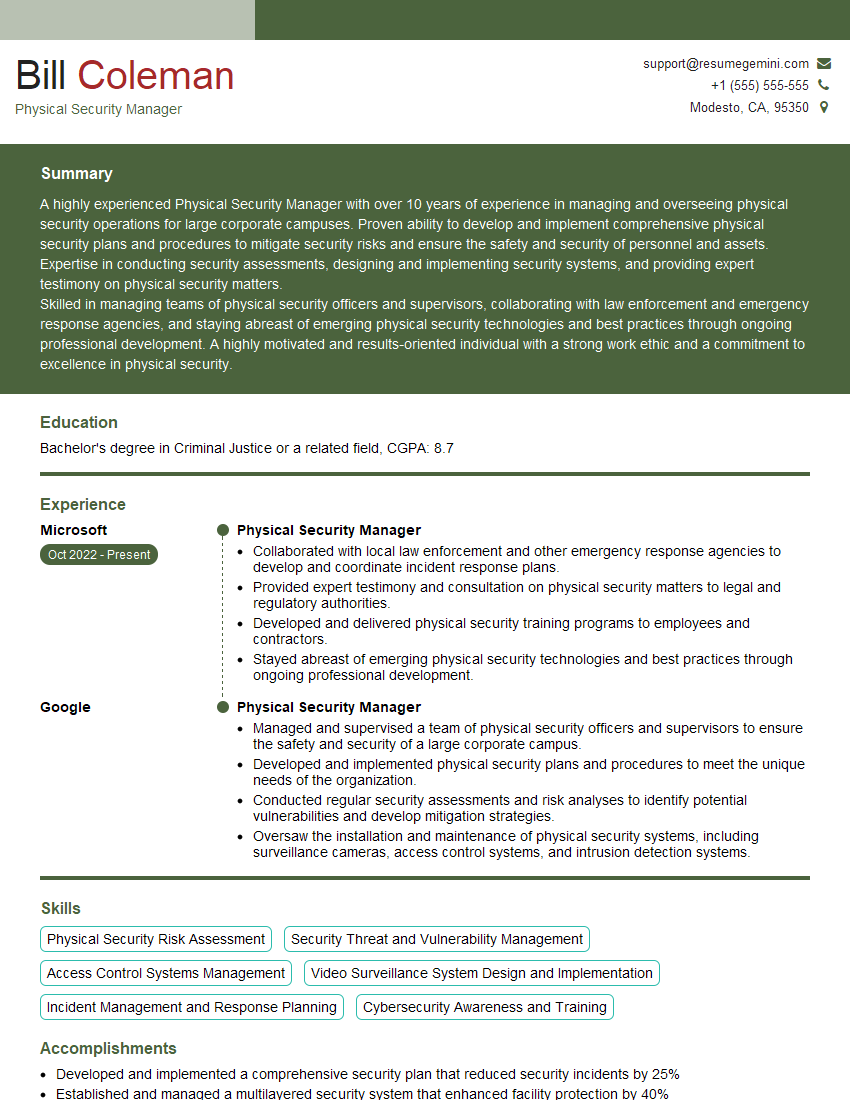
Physical Security Manager Resume Sample
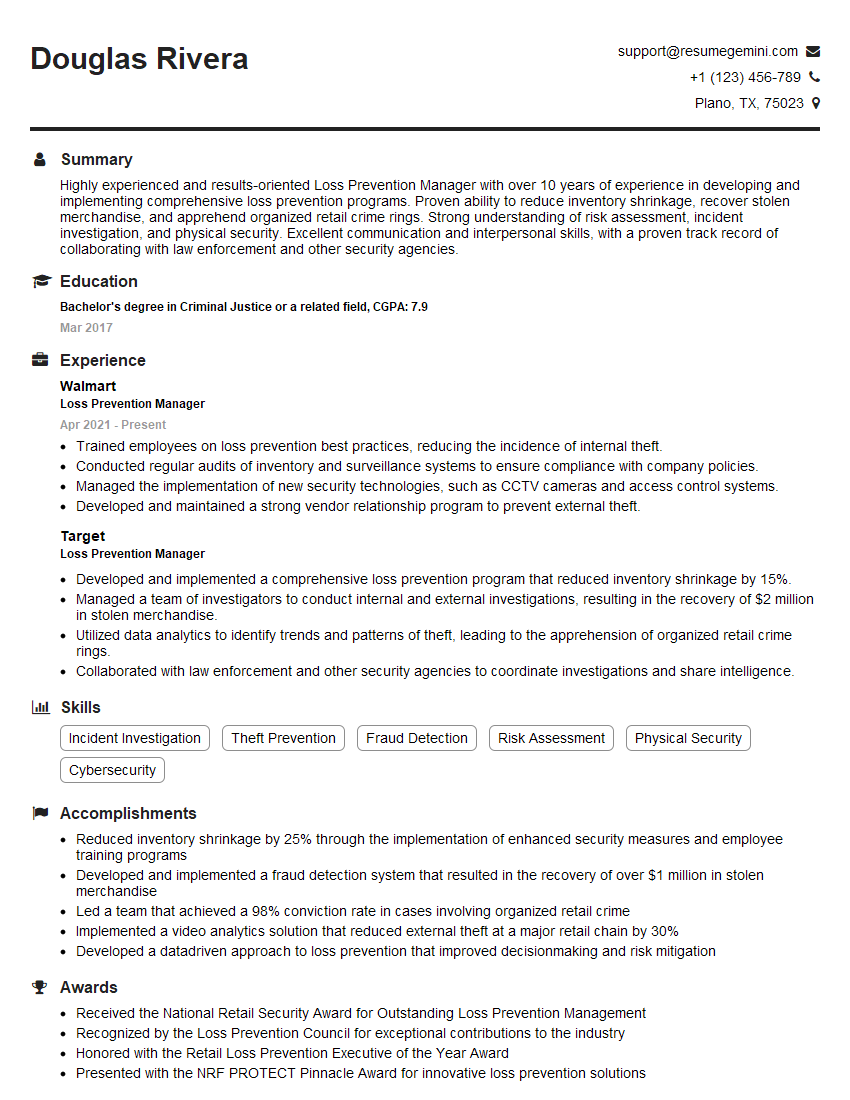
Loss Prevention Manager Resume Sample
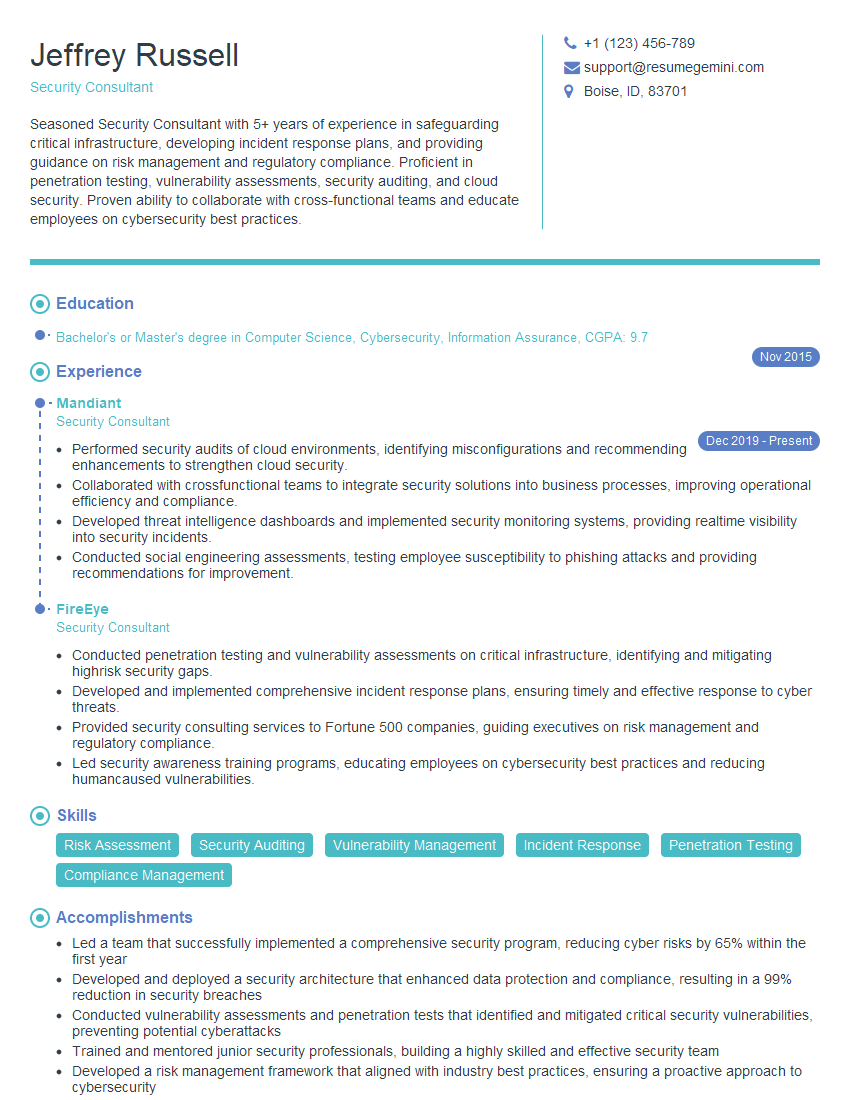
Security Consultant Resume Sample
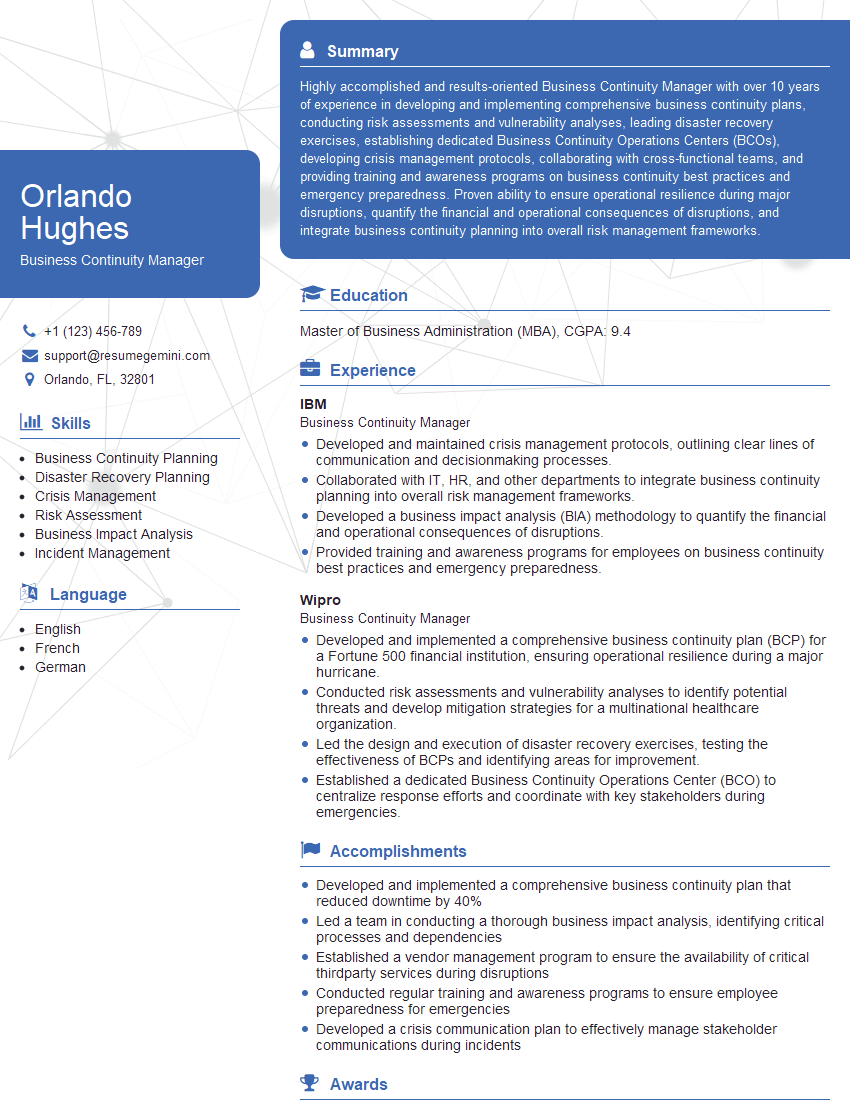
Business Continuity Manager Resume Sample
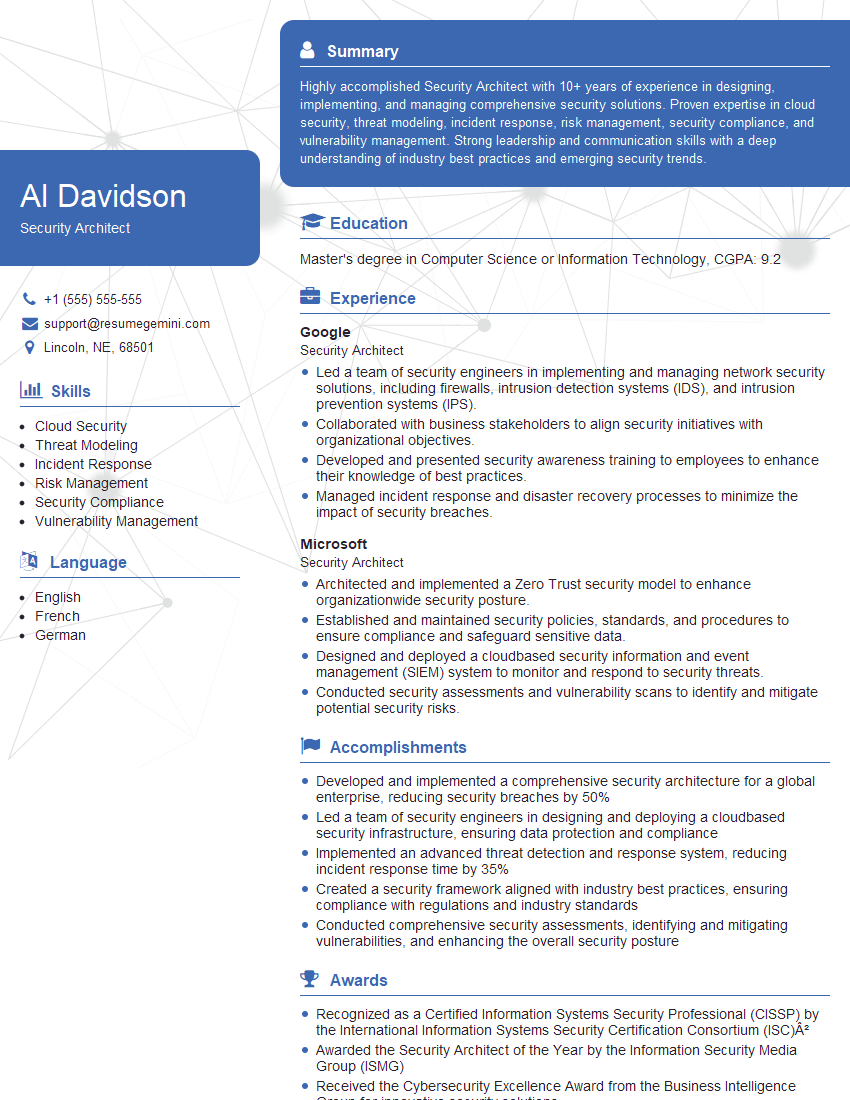
Security Architect Resume Sample
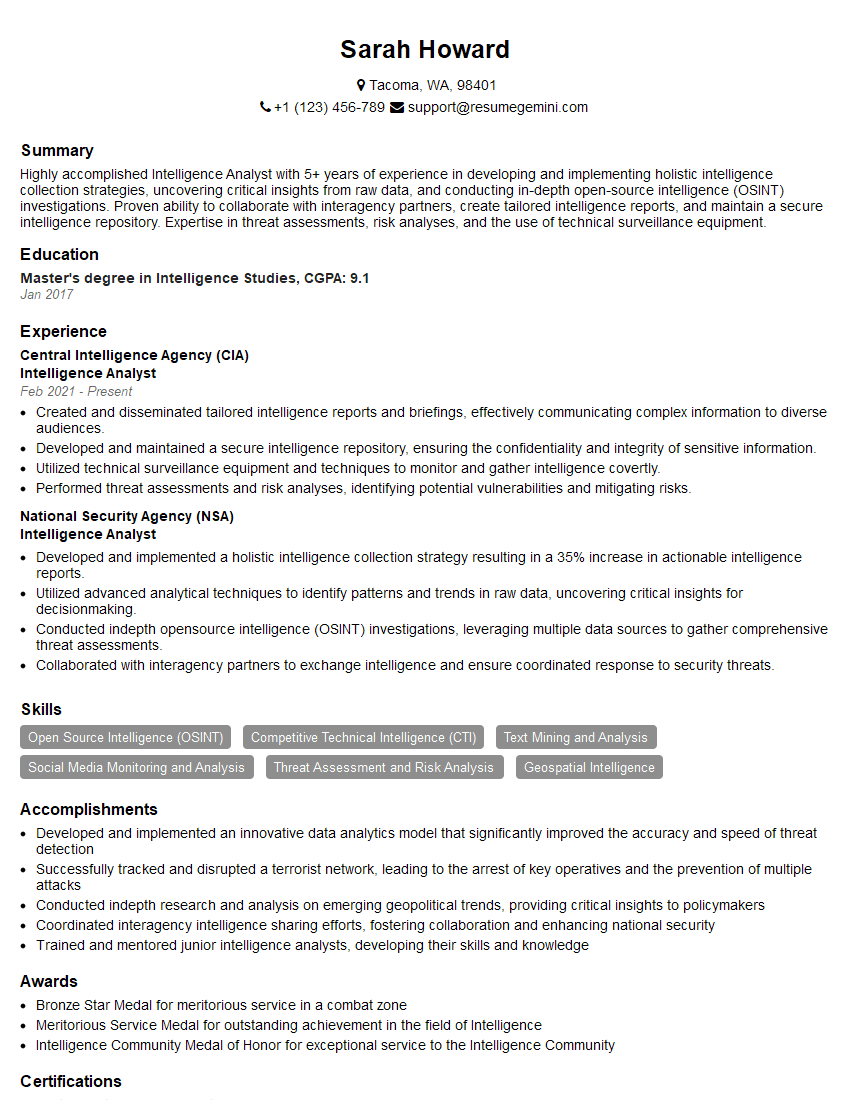
Intelligence Analyst Resume Sample
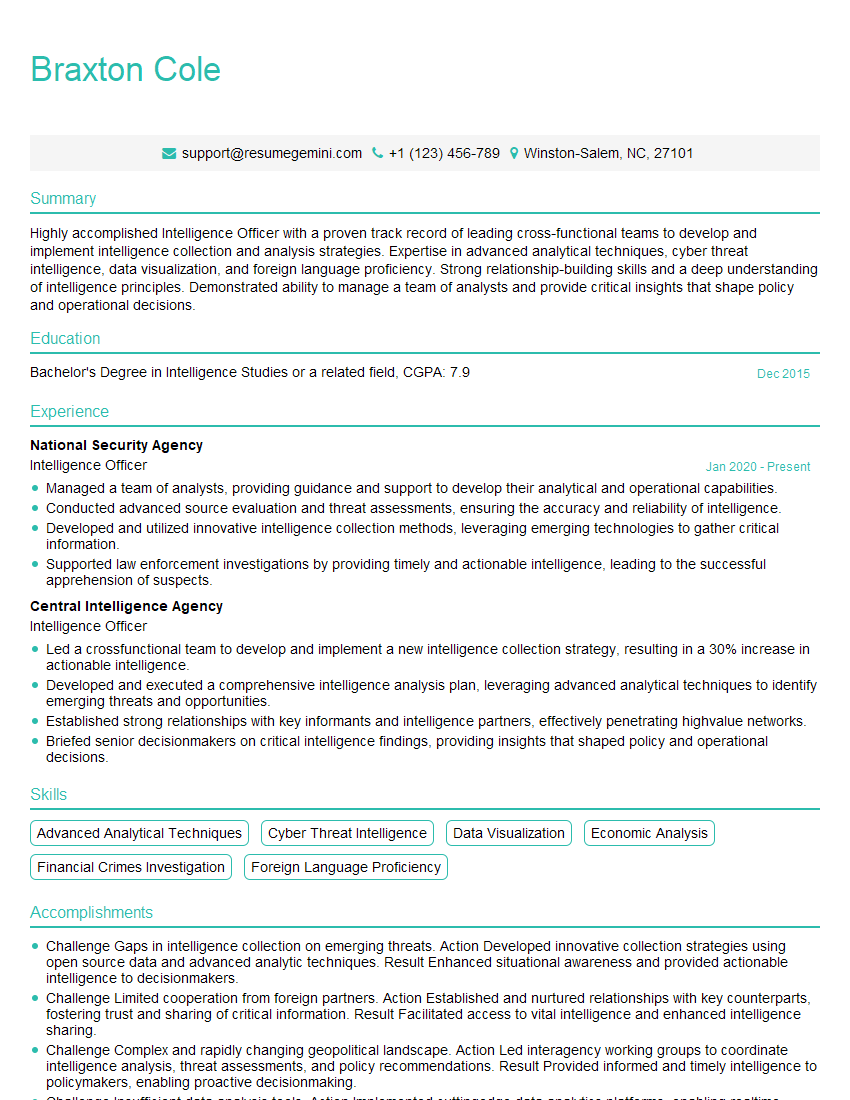
Intelligence Officer Resume Sample
Explore more articles
Users Rating of Our Blogs
Share Your Experience
We value your feedback! Please rate our content and share your thoughts (optional).
What Readers Say About Our Blog
I Redesigned Spongebob Squarepants and his main characters of my artwork.
https://www.deviantart.com/reimaginesponge/art/Redesigned-Spongebob-characters-1223583608
IT gave me an insight and words to use and be able to think of examples
Hi, I’m Jay, we have a few potential clients that are interested in your services, thought you might be a good fit. I’d love to talk about the details, when do you have time to talk?
Best,
Jay
Founder | CEO