Every successful interview starts with knowing what to expect. In this blog, we’ll take you through the top The PAX Good Behavior Game interview questions, breaking them down with expert tips to help you deliver impactful answers. Step into your next interview fully prepared and ready to succeed.
Questions Asked in The PAX Good Behavior Game Interview
Q 1. Explain the core principles of the PAX Good Behavior Game.
The PAX Good Behavior Game is a classroom management strategy built on the principles of positive reinforcement and group contingency. Its core is simple: students work collaboratively to minimize disruptive behaviors. Instead of focusing on punishing individual misbehavior, the PAX Game incentivizes the entire class to maintain a positive learning environment. This fosters a sense of shared responsibility and empowers students to self-regulate. The game relies on the power of positive peer pressure, creating a classroom culture where good behavior is the norm rather than the exception.
In essence, the PAX Game utilizes a team-based approach. The class is divided into two or more teams, and points are awarded to the team with the fewest disruptions within a predetermined time period. The team with the fewest points at the end wins a pre-agreed reward. This structure intrinsically motivates students to actively support each other’s positive behavior.
Q 2. Describe the different variations or adaptations of the PAX Good Behavior Game.
The PAX Good Behavior Game boasts impressive adaptability. While the basic premise remains consistent, variations cater to different contexts and age groups. Some common adaptations include:
- Variations in point systems: Points can be awarded for specific positive behaviors (e.g., raising hands, participation), or deducted for specific disruptions (e.g., talking out of turn, leaving seats without permission). The specific behaviors targeted should align with the classroom’s specific needs.
- Team structures: Teams can be formed randomly, by student choice, or based on academic groupings. The choice will depend on classroom dynamics and learning objectives.
- Reward systems: Rewards can be simple (extra recess time, class party) or more elaborate (special privileges, class choice activities). The key is to select rewards that are motivating for the specific students.
- Individualized PAX: The game can be adapted for individual students struggling with self-regulation, with points awarded for achieving specific personal goals.
- Combining with other strategies: The PAX Game can be integrated effectively with other behavior management techniques, creating a comprehensive system.
Q 3. How would you implement the PAX Good Behavior Game in a classroom with diverse learners?
Implementing the PAX Good Behavior Game in a diverse classroom requires careful consideration of individual learning styles, cultural backgrounds, and developmental needs. Prioritizing inclusivity and equitable participation is crucial. Here’s a step-by-step approach:
- Establish clear expectations: Collaboratively create a list of positive behaviors and agreed-upon disruptions, ensuring they are visually accessible and easily understood by all students. Consider using visuals or translated materials as needed.
- Flexible team formation: Group students strategically, considering learning styles, social dynamics, and cultural backgrounds. Avoid creating teams that exacerbate existing inequalities. This may involve rotating team members over time.
- Differentiated rewards: Offer a range of rewards that cater to different interests and preferences. Consider providing choices to ensure that the rewards are meaningful for everyone.
- Culturally responsive communication: Use clear, concise language, and ensure that all instructions are easily understood. Utilize visual aids and other communication strategies as needed. Be sensitive to cultural norms and avoid unintentionally marginalizing any student.
- Ongoing monitoring and adjustments: Regularly assess the effectiveness of the game and make adjustments as needed. Gather feedback from students and parents to enhance inclusivity and effectiveness.
Q 4. What are the key elements of effective team-based competition in the PAX Game?
Effective team-based competition in the PAX Game hinges on several key elements:
- Clear rules and expectations: Students need a comprehensive understanding of the rules, including how points are awarded and deducted, and the criteria for winning. Rules should be displayed visually.
- Fair and transparent point system: The point system should be unbiased and easily understood by all students. Inconsistencies can lead to frustration and undermine the game’s effectiveness.
- Team cohesion and collaboration: Students should feel a sense of belonging and responsibility towards their team. Teamwork and support are essential for the game’s success. Activities encouraging teamwork can help build cohesion.
- Motivating rewards: The rewards should be age-appropriate, engaging, and relevant to the students’ interests. Rewards reinforce positive behavior and maintain motivation.
- Regular feedback and celebration: Publicly acknowledge team achievements and celebrate successes. This boosts morale and reinforces positive behavior patterns.
Q 5. How do you address disruptive behaviors that occur during the PAX Game?
Disruptive behaviors during the PAX Game should be addressed calmly and consistently, focusing on redirecting behavior rather than punishment. The goal is not to penalize but to guide students toward appropriate actions. Here’s a structured approach:
- Verbal reminders and redirecting: Gently remind students of the rules and guide them back to appropriate behavior. Use positive language and encourage them to make better choices.
- Private conversations: Address individual behaviors privately, understanding the underlying causes. Provide individualized support as needed.
- Consistent application of consequences: When necessary, apply pre-determined consequences for disruptive behaviors within the framework of the game (loss of points for the team, etc.). Ensure this is done fairly and transparently.
- Review and adjustment: If disruptive behavior persists, reassess the rules, reward system, or team dynamics. The game needs to be adaptable and responsive to the students’ needs.
- Collaboration with parents/guardians: Involve parents when needed to address persistent issues, focusing on collaboration and support.
Q 6. How would you modify the PAX Game for different age groups (e.g., preschool, elementary, middle school)?
Modifying the PAX Game for different age groups requires adjusting the complexity of the rules, the types of rewards, and the focus on behavior expectations.
- Preschool: Use simple rules and visual cues. Focus on observable behaviors like staying seated, sharing, and listening. Rewards can include stickers, extra playtime, or special privileges. Short game durations are essential.
- Elementary: Introduce a points system and team competition. Focus on behaviors like following directions, participating in class, and respecting others. Rewards can include class parties, extra recess, or special classroom activities.
- Middle School: Increase the complexity of the rules and rewards. Include a wider range of behaviors such as completing assignments, academic performance, and positive social interactions. Rewards can include class choice activities, technology use privileges, or field trip incentives. More autonomy in team dynamics and reward choices can be given.
The key across age groups is to keep the rules clear, the rewards motivating, and the game engaging. Regular reflection and adjustment are crucial to maintain effectiveness.
Q 7. What data would you collect to assess the effectiveness of the PAX Good Behavior Game in your classroom?
Assessing the effectiveness of the PAX Good Behavior Game requires collecting both quantitative and qualitative data. This multifaceted approach provides a comprehensive understanding of the game’s impact:
- Quantitative Data:
- Point totals: Track the points earned by each team over time to monitor overall classroom behavior trends.
- Frequency of disruptive behaviors: Record the number of times specific disruptive behaviors occur, comparing data before, during, and after implementing the game.
- Teacher observations: Track teacher-recorded instances of positive and negative behaviors to supplement student-reported data. Use a checklist for consistency.
- Qualitative Data:
- Student feedback: Gather student perspectives on the game through surveys, interviews, or class discussions to identify areas for improvement.
- Teacher reflections: Document the teacher’s observations on the game’s impact on classroom management, student engagement, and overall learning environment.
- Parent feedback: Collect parent perspectives on their child’s behavioral changes at home, reflecting the game’s spillover effects.
Analyzing this data will help you understand the game’s effectiveness, identify areas needing adjustment, and demonstrate its impact on classroom behavior and learning.
Q 8. How do you incorporate student input and feedback into the PAX Game?
Student input is crucial for the PAX Game’s success. It fosters a sense of ownership and increases buy-in. We achieve this in several ways. First, we involve students in defining the classroom’s expectations and identifying specific behaviors that will earn points. This might involve brainstorming sessions where students suggest positive behaviors and discuss the consequences of negative behaviors. For example, instead of simply saying ‘no talking out of turn,’ we might collaboratively define it as ‘raising your hand and waiting to be called on before speaking.’ Second, we regularly solicit feedback through class discussions and informal check-ins. We ask questions like, ‘How is the game working for you?’, ‘Are the rules clear?’, and ‘Is the point system fair?’ Finally, we adjust the game based on this feedback. If students feel a particular rule is too strict or unfair, we’ll re-evaluate it together. This iterative process ensures the game remains relevant and motivating for everyone.
Q 9. How do you ensure fairness and equity in the implementation of the PAX Game?
Fairness and equity are paramount in the PAX Game. We address this by establishing clear and transparent rules from the outset. These rules are explained thoroughly and agreed upon by all students. We also use a consistent point system and scoring method. For example, we might use a simple tally system or a visual aid such as a chart to track points, making the process highly visible and transparent. To address potential inequities, we might adapt the game based on student needs. If a student has difficulty understanding the rules, we provide extra support. If a student struggles with self-regulation, we provide individualized strategies to help them succeed within the game. We also pay close attention to any patterns of inequitable behavior among students and intervene promptly to ensure a fair and inclusive environment. For instance, if one group repeatedly wins due to a skill imbalance, we might adjust team compositions or introduce team challenges that reward collaborative efforts rather than individual performance.
Q 10. Describe your experience using reinforcement strategies within the PAX Game.
Reinforcement is central to the PAX Game’s effectiveness. We focus on positive reinforcement, rewarding positive behaviors with points and acknowledging good performance frequently. Verbal praise, class-wide celebrations, and individual recognition are essential components of our reinforcement strategy. We might incorporate small, tangible rewards after achieving a certain number of points, such as extra recess time or a class-wide movie day. However, the main focus is on intrinsic rewards—the feeling of accomplishment and contributing to a positive classroom environment. We also use clear and consistent consequences for negative behaviors, focusing on redirecting the behavior rather than solely punitive measures. For example, instead of immediately docking points, we may offer a verbal reminder or a chance to correct the behavior. This approach helps maintain a positive and supportive learning environment.
Q 11. How do you handle situations where teams consistently lose or win?
Consistent winning or losing can undermine the PAX Game’s effectiveness. If one team consistently wins, it can lead to disengagement among other teams, while consistent losing can be demoralizing. To address this, we first analyze the reason. Is it due to a skill imbalance? Are the rules clear and fair to all teams? Are there particular behaviors that one team excels at managing better than others? Based on our assessment, we take corrective steps. This could involve adjusting team composition, revisiting and clarifying the rules, providing additional support and coaching to struggling teams, or introducing more collaborative challenges that encourage teamwork over individual performance. We might also change the point system or introduce bonus points for specific behaviors to create more opportunities for all teams to earn points. The goal is to ensure the game remains engaging and challenging for everyone, fostering a sense of fair competition and cooperation.
Q 12. How do you integrate the PAX Game with other classroom management strategies?
The PAX Game works well in conjunction with other classroom management strategies. It’s not a standalone solution but rather a powerful tool that complements other approaches. We integrate it with established classroom routines, such as morning meetings, where we review rules and expectations. We also connect it with our behavior charts or reward systems, using PAX points to contribute towards bigger rewards or achievements. For instance, earning a certain number of PAX points might unlock a special class activity or reward. This synergistic approach allows us to reinforce positive behaviors consistently across different aspects of the classroom. Furthermore, the data collected through the PAX Game can inform our individual student support plans, helping us identify areas where students need more assistance with self-regulation or behavior management.
Q 13. What are some common challenges encountered when using the PAX Good Behavior Game, and how do you overcome them?
Common challenges include student disengagement, rule ambiguity, and inconsistent implementation. Disengagement can occur if students don’t understand the rules, feel the game is unfair, or if the rewards are not motivating enough. We address this by making sure the rules are clear and simple, providing ample opportunities for feedback, and using a variety of rewards to maintain interest. Rule ambiguity is tackled by clearly defining behaviors, creating visual aids and regularly reviewing the rules. Inconsistent implementation can occur if teachers aren’t consistently monitoring behaviors or if the consequences are not applied fairly. To overcome this, we use checklists and observation tools, ensuring consistent monitoring and impartial application of the rules. We also schedule regular team meetings to address any challenges and maintain consistent implementation across all team members. By proactively addressing these potential problems, we enhance the game’s effectiveness and contribute to a positive classroom environment.
Q 14. How do you maintain student engagement and motivation throughout the PAX Game?
Maintaining engagement and motivation is crucial. We achieve this through several strategies. Firstly, we make the game fun and engaging by using a variety of activities and rewards. Secondly, we involve students in the decision-making process, giving them a sense of ownership and control. Thirdly, we provide regular feedback and celebrate successes. We use positive reinforcement regularly, focusing on praising effort and progress rather than solely focusing on results. We also adapt the game as needed, responding to student feedback and adjusting rules or rewards as necessary. The key is to remain flexible and creative, ensuring the game remains enjoyable and relevant to the students throughout the school year. We might introduce themed weeks, incorporate class-wide competitions, or offer opportunities for students to design their own challenges, constantly refreshing the game experience.
Q 15. Explain the importance of teacher modeling and positive reinforcement in the PAX Game.
Teacher modeling and positive reinforcement are cornerstones of the PAX Good Behavior Game’s success. It’s not just about punishing undesirable behaviors; it’s about actively shaping positive ones.
Teacher Modeling: Teachers must consistently demonstrate the expected behaviors. This means actively displaying calmness, patience, organization, and respectful communication. Students learn by observing their teachers, and inconsistent modeling undermines the game’s effectiveness. For example, if a teacher frequently raises their voice, it sends a mixed message to students about acceptable behavior, even if the rules explicitly forbid shouting.
Positive Reinforcement: The PAX Game relies heavily on rewarding positive behavior, not just punishing negative behavior. This could involve praising students for following rules, celebrating collective successes (when the class stays under the agreed-upon point threshold), and providing positive feedback regularly, Even small gestures, like a nod of approval or a quick positive comment, work wonders. Instead of focusing on punishment, we focus on celebrating the positive behaviors we want to see more of. This builds a positive classroom culture.
Career Expert Tips:
- Ace those interviews! Prepare effectively by reviewing the Top 50 Most Common Interview Questions on ResumeGemini.
- Navigate your job search with confidence! Explore a wide range of Career Tips on ResumeGemini. Learn about common challenges and recommendations to overcome them.
- Craft the perfect resume! Master the Art of Resume Writing with ResumeGemini’s guide. Showcase your unique qualifications and achievements effectively.
- Don’t miss out on holiday savings! Build your dream resume with ResumeGemini’s ATS optimized templates.
Q 16. How do you use data from the PAX Game to inform instructional decisions?
Data from the PAX Game provides invaluable insights into classroom dynamics and informs instructional decisions. We meticulously track points earned, identifying patterns and trends in student behavior over time.
For instance, if a particular team consistently accumulates points during specific activities (e.g., independent reading time, group projects), it might suggest the need for adjustments in instruction or classroom management strategies related to those activities. Maybe a different approach to independent work would create a more focused learning environment. It can also highlight if certain students consistently struggle. Are they getting the support they need? Do they understand the expectations? By analyzing this data, we can personalize instruction and address individual needs more effectively. A classroom struggling consistently might highlight a need to review expectations and classroom procedures. We would look for common issues, such as unclear directions or too much unstructured time.
Q 17. How do you communicate the rules and expectations of the PAX Game to students?
Communicating PAX Game rules and expectations requires a clear, concise, and engaging approach. I begin by collaboratively creating a set of rules with the students, emphasizing the positive aspects of the game and its benefits to the learning environment. We discuss the purpose of the game (to foster a more positive and productive learning space), the rewards associated with success (class rewards, individual recognition, etc.), and the consequences of exceeding the point limit (losing privileges, extra work).
We don’t just state rules; we demonstrate them through role-playing and clear visual aids like posters displaying the rules and point system. We use age-appropriate language and frequently review the rules, providing opportunities for questions and clarifications. Regular check-ins and reminders are also critical. This ensures that everyone understands and commits to the agreed-upon rules.
Q 18. How do you differentiate instruction and support for students with varying needs during the PAX Game?
Differentiation is key in the PAX Game. Students have diverse needs, and a ‘one-size-fits-all’ approach would be ineffective. We may adjust the point system or rules to accommodate specific learners. For example, a student with ADHD might need more frequent reminders or shorter intervals between game segments.
Students with IEPs or 504 plans have their individualized needs addressed. Modifications might include providing visual cues, modifying the scoring system, or offering alternative ways to earn points. A student with anxiety might benefit from specific verbal support and encouragement. The key is to adapt the game to meet their individual requirements while still maintaining the integrity of the system and fairness for all.
Q 19. What are the ethical considerations when implementing the PAX Good Behavior Game?
Ethical considerations are paramount when implementing the PAX Game. The primary concern is ensuring fairness and avoiding any form of punishment that could be deemed punitive or discriminatory. We must ensure that all students feel included, respected, and valued. The game should never be used as a tool for shaming or excluding any student.
Transparency is vital – students and parents must understand the game’s rules and how data is used. We maintain confidentiality, protecting students’ privacy at all times. If there are repeated behavioral issues for certain students, that needs to be addressed individually, rather than solely relying on the PAX Game. The data is used to inform better practice, not as a punitive measure.
Q 20. How do you involve parents or guardians in the PAX Good Behavior Game?
Parent or guardian involvement significantly enhances the PAX Game’s effectiveness. We regularly communicate with parents through newsletters, emails, or parent-teacher conferences. We explain the game’s goals, rules, and how it contributes to a positive classroom environment.
We might invite parents to observe the game in action, providing them with an opportunity to understand its mechanics and impact. We may also share data to provide them insights into their child’s behavior in class. Involving parents fosters collaboration and ensures consistency in expectations between home and school, reinforcing positive behaviors outside the classroom.
Q 21. Describe a time you had to adapt the PAX Game to meet the unique needs of a specific student or classroom.
In one classroom, a student with significant behavioral challenges repeatedly disrupted the class, significantly impacting the entire group’s ability to participate in the PAX Game and learn effectively. Simply removing them from the game wasn’t a viable option, as it could have been counterproductive and isolating.
Instead, we worked collaboratively with the student and support staff to create an individualized plan. This involved modifying the game’s point system for him and establishing clear, achievable behavioral goals. We implemented a visual reward chart for his individual progress, separate from the main class PAX game. Successes in meeting those personal goals were positively reinforced. This strategy supported the student while minimizing his disruptive impact on others. It showed how we can adapt the system without compromising its core principles of promoting positive behavior and inclusivity.
Q 22. How do you ensure the PAX Game promotes a positive and inclusive classroom environment?
The PAX Good Behavior Game’s success hinges on creating a positive and inclusive classroom environment. This isn’t merely an add-on; it’s fundamental to the game’s effectiveness. We achieve this through several key strategies:
- Establishing clear, positive expectations: Instead of focusing solely on what students shouldn’t do, we collaboratively define positive behaviors we want to see more of. For example, instead of ‘no talking out of turn,’ we might aim for ‘active listening and respectful participation.’ This shifts the focus to positive actions.
- Building a strong classroom community: The PAX Game fosters teamwork. Students work together to achieve a shared goal, promoting collaboration and mutual support. Regular class meetings provide opportunities for students to voice their opinions and contribute to creating a positive atmosphere.
- Differentiating instruction and expectations: We recognize that students have different needs and abilities. The game can be adapted to accommodate diverse learning styles and behavior challenges. For example, we may provide visual cues or offer individual support to students who need more assistance.
- Celebrating diversity and inclusivity: The classroom rules and positive behaviors are designed to be culturally responsive and inclusive of all students, regardless of their background or abilities. We create a safe space where everyone feels valued and respected.
- Consistent positive reinforcement: The PAX Game naturally incorporates positive reinforcement. The focus is on rewarding collective success, which encourages students to support each other and celebrate accomplishments as a team.
For instance, in one class, we established ‘respectful communication’ as a key behavior. Students brainstormed what that looked like in practice, and we used visual aids to reinforce the expectations. The result was a significant decrease in disruptive behavior and a noticeable increase in student collaboration.
Q 23. What are some alternative strategies to the PAX Game for managing student behavior?
While the PAX Game is highly effective, it’s not a one-size-fits-all solution. Several alternative strategies can be used to manage student behavior, either in conjunction with or instead of the PAX Game:
- Positive Behavior Interventions and Supports (PBIS): This school-wide framework focuses on teaching and reinforcing positive behaviors. It uses a tiered system of support, providing interventions based on individual student needs.
- Classroom Management Techniques: Strategies like proximity control, nonverbal cues, and effective transitions can proactively manage minor disruptions. Clear routines and procedures minimize behavior issues.
- Individualized Behavior Plans (IBPs): For students with specific behavior challenges, IBPs provide tailored support and interventions.
- Conflict Resolution Strategies: Teaching students how to resolve conflicts peacefully can significantly reduce disruptive behaviors. Role-playing and mediation can be valuable tools.
- Token Economy Systems: Students earn tokens for positive behaviors which can be exchanged for rewards. This approach is particularly effective for younger students.
The best approach often involves a combination of strategies tailored to the specific needs of the students and the classroom environment. For example, we might implement PBIS school-wide, use classroom management techniques daily, and develop IBPs for students requiring more intensive support.
Q 24. How do you track student progress and celebrate success during the PAX Game?
Tracking progress and celebrating success are crucial for the PAX Game’s effectiveness. We employ several methods:
- Visual Displays: A simple chart or graph visually tracks the team’s daily or weekly points. This allows students to see their progress and motivates them to maintain positive behavior.
- Class Charts or Graphs: These show progress over time, highlighting periods of consistent good behavior. We use color-coding or stickers to make the data engaging.
- Individual Recognition: While the emphasis is on teamwork, recognizing individual contributions can be motivating. We might praise specific students for consistently demonstrating positive behaviors.
- Class Rewards: Achieving a predetermined number of points can unlock class rewards, such as extra recess time, a class party, or a special activity. These rewards should be meaningful to the students.
- Celebrations and Assemblies: School-wide recognition for classes demonstrating exceptional behavior can build school-wide positive behavior momentum.
For example, one class created a fun ‘rocket ship’ chart. Each day of good behavior added a layer to the rocket, culminating in a class celebration when the rocket reached space! This made tracking progress both engaging and rewarding.
Q 25. What are the limitations of the PAX Good Behavior Game?
While the PAX Good Behavior Game is a powerful tool, it has limitations:
- Potential for Competition: The competitive aspect can sometimes create negative dynamics, especially if some students consistently struggle. Careful monitoring and support are essential to ensure the game remains positive and inclusive.
- Limited Scope: The game primarily addresses classroom behavior. It doesn’t address underlying issues such as learning disabilities or social-emotional challenges that contribute to behavior problems.
- Teacher Dependence: The effectiveness of the game depends heavily on the teacher’s consistent implementation and management.
- Group Dynamics: A single disruptive student can significantly impact the whole class’s score. Strategies to address individual challenges within the group are essential.
- Lack of Individualized Feedback: The game focuses on collective progress, limiting opportunities for personalized feedback on individual behaviors.
To mitigate these limitations, we emphasize a supportive classroom environment, adapt the game to suit individual needs, and integrate other behavioral interventions as necessary.
Q 26. How do you ensure that the PAX Good Behavior Game aligns with school-wide behavior expectations?
Aligning the PAX Game with school-wide behavior expectations is critical for consistency and effectiveness. This involves several steps:
- Collaboration with School Administration and Staff: The school’s behavior matrix or positive behavior interventions and supports (PBIS) framework should inform the selection of positive behaviors targeted by the PAX Game.
- Consistent Language and Definitions: Ensure that the language and definitions of positive behaviors used in the PAX Game align with the school’s overall expectations. This prevents confusion and ensures uniformity.
- Shared Expectations: The positive behaviors targeted by the PAX Game should reflect and support the school’s overall goals for student behavior.
- Integration with School-Wide Systems: The data collected through the PAX Game can be integrated into the school’s broader system for tracking student behavior and progress.
- Professional Development: Providing consistent professional development to teachers on the implementation of the PAX Game and its alignment with school-wide initiatives ensures that all teachers understand and use the game effectively.
For example, if the school emphasizes ‘respect’ as a core value, the PAX Game should reflect this by incorporating specific examples of respectful behavior into the rules and point system.
Q 27. How would you explain the PAX Good Behavior Game to a parent?
Explaining the PAX Good Behavior Game to a parent should focus on simplicity and positive outcomes. I’d say something like this:
“The PAX Good Behavior Game is a fun and effective classroom strategy that helps students learn and practice positive behaviors. It’s a team-based game where students work together to earn points for displaying good behavior like active listening, following directions, and being kind to others. The more points the class earns, the more opportunities they get for rewards like extra recess or a fun class activity. It’s designed to foster a positive classroom environment and help children develop important social and emotional skills.”
I would then further explain how the specific behaviors chosen for the game align with the school’s overall expectations and how the game helps students develop self-regulation and positive social interactions. I would also emphasize that it’s a positive reinforcement approach, focusing on what students are doing well rather than solely punishing negative behavior. Transparency in tracking progress and clear communication with parents are key to building support and understanding.
Q 28. Describe your experience with using technology to enhance the PAX Good Behavior Game (if applicable).
Technology can significantly enhance the PAX Good Behavior Game. I’ve used several tech tools to improve efficiency and engagement:
- Digital Point Tracking Systems: Using tablets or interactive whiteboards to track points reduces administrative burden and makes the process more engaging for students. Apps can also automate reward distribution.
- Data Visualization: Software can create dynamic charts and graphs showing progress over time. This provides clear visual representations of team success and individual contributions.
- Student-Led Point Tracking: Empowering students to help track points using classroom technology enhances their ownership and responsibility.
- Communication Tools: Parent communication platforms can be used to share progress updates and celebrate successes with families.
In one class, we used a simple spreadsheet shared via Google Classroom to track points. Students helped update the spreadsheet, fostering a sense of teamwork. This made tracking progress efficient and transparent for everyone.
Key Topics to Learn for The PAX Good Behavior Game Interview
- Understanding the PAX Good Behavior Game’s Core Principles: Familiarize yourself with the game’s foundational principles, including its goals, methodology, and theoretical underpinnings in behavior modification.
- Practical Application in Diverse Settings: Explore how the PAX Good Behavior Game is implemented in various contexts, such as classrooms, therapeutic settings, and community programs. Consider the adaptations needed for different age groups and populations.
- Data Collection and Analysis: Understand the importance of data collection in evaluating the effectiveness of the PAX Good Behavior Game. Learn how to interpret data, track progress, and make informed adjustments to the game’s implementation.
- Addressing Challenges and Problem-Solving: Prepare to discuss common challenges encountered when implementing the PAX Good Behavior Game and how to proactively address them. This includes managing disruptive behavior, adapting the game to individual needs, and maintaining student engagement.
- Ethical Considerations and Best Practices: Familiarize yourself with the ethical considerations surrounding the use of behavior modification techniques and ensure you understand best practices for implementing the PAX Good Behavior Game responsibly and ethically.
- Collaboration and Teamwork: The PAX Good Behavior Game often involves collaboration with teachers, parents, and other professionals. Be ready to discuss your experience and skills in teamwork and collaboration.
Next Steps
Mastering The PAX Good Behavior Game can significantly enhance your career prospects in education, behavioral health, and related fields. It demonstrates your commitment to positive behavioral interventions and your ability to create engaging and effective learning environments. To maximize your job search success, creating an ATS-friendly resume is crucial. ResumeGemini is a trusted resource that can help you build a professional and impactful resume tailored to highlight your skills and experience related to The PAX Good Behavior Game. Examples of resumes specifically tailored to The PAX Good Behavior Game are provided to help guide you. Take advantage of these resources to showcase your expertise and secure your dream role.
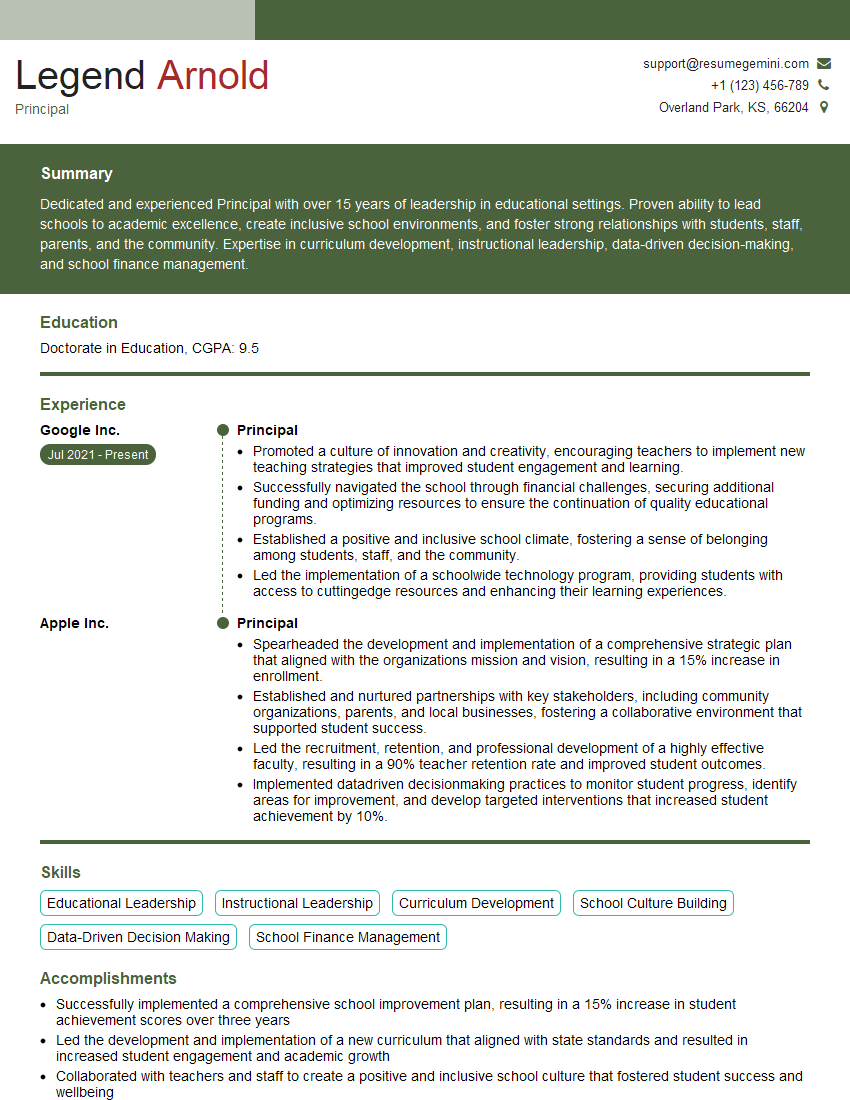
Principal Resume Sample
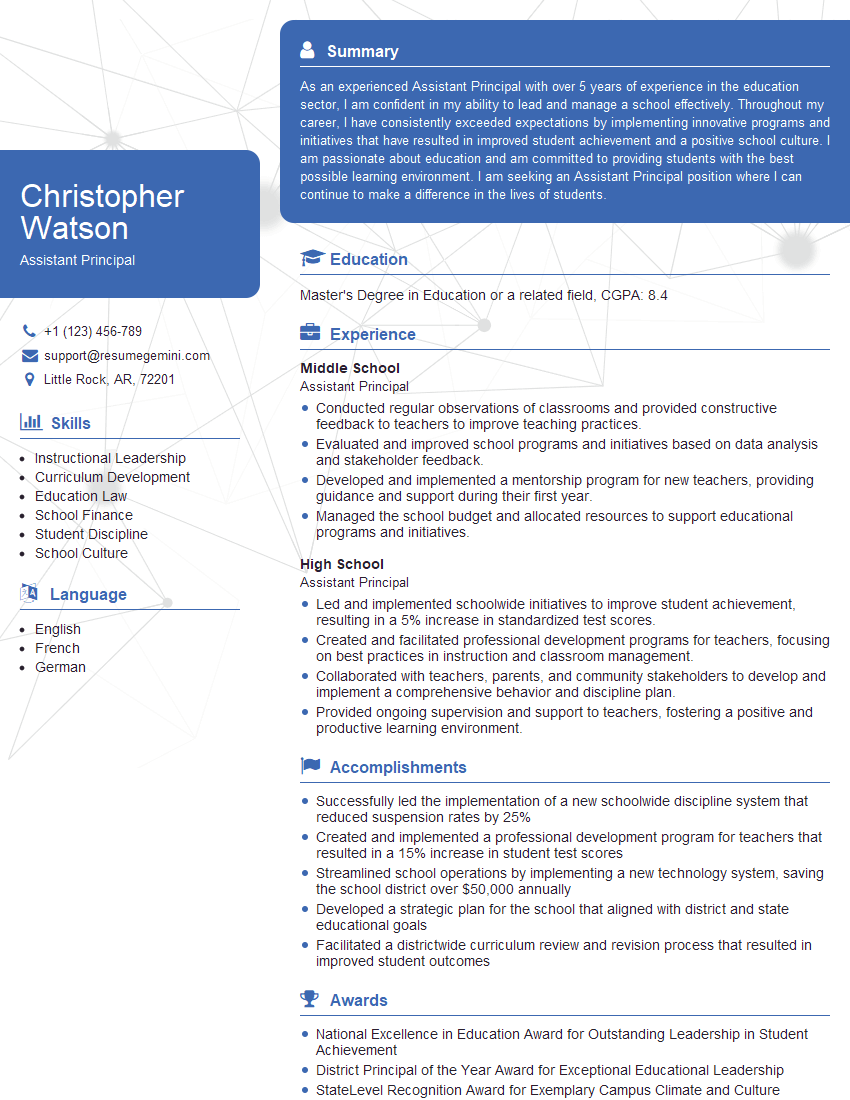
Assistant Principal Resume Sample
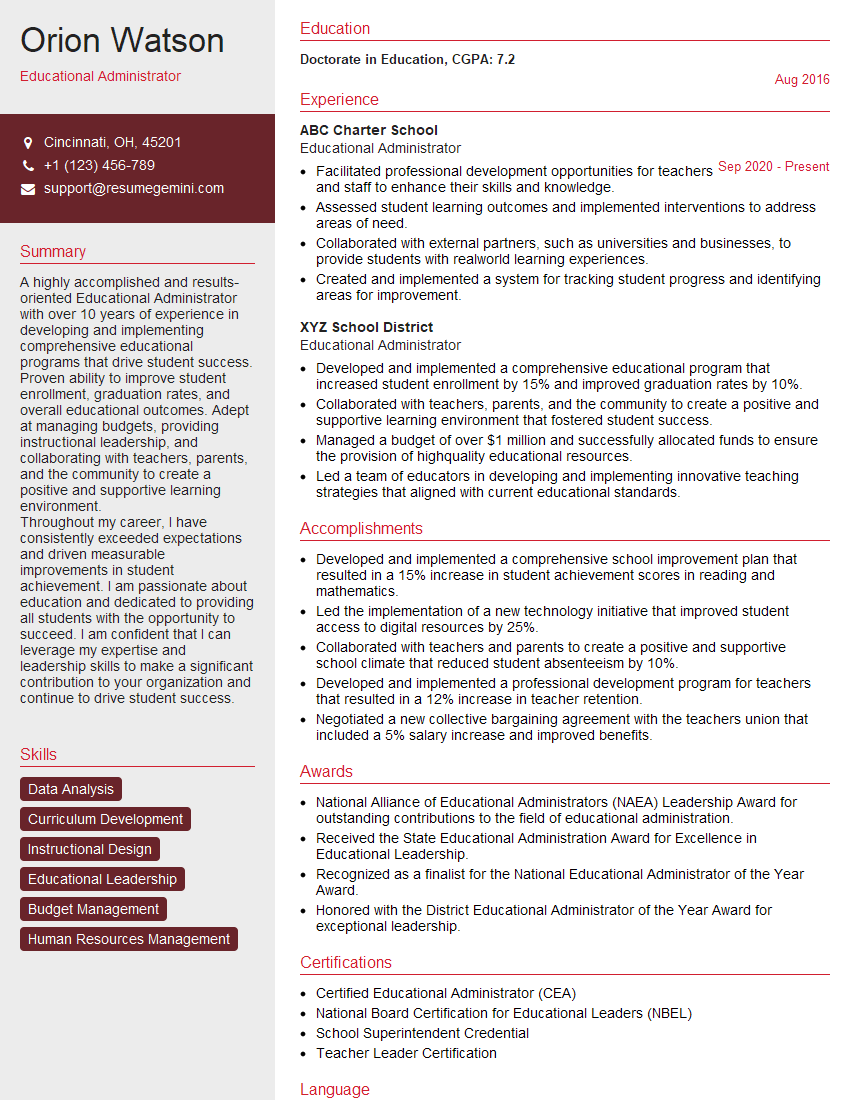
Educational Administrator Resume Sample
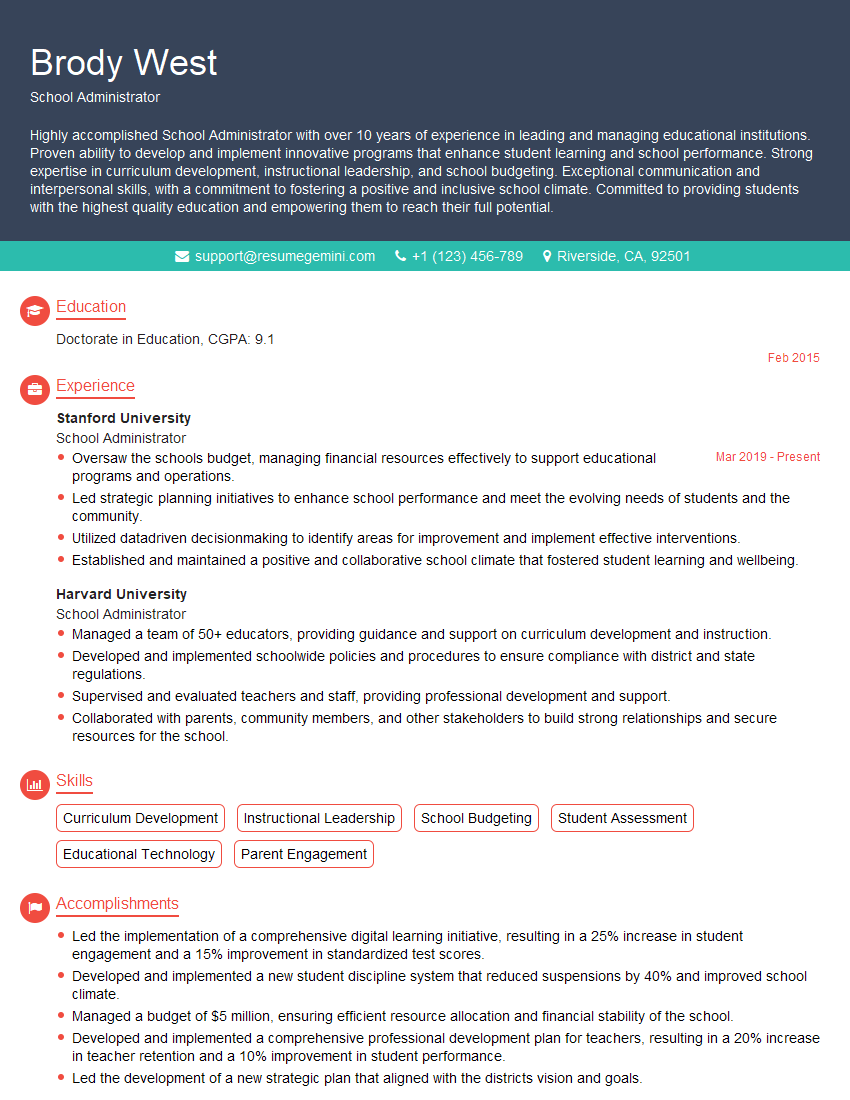
School Administrator Resume Sample

Curriculum Developer Resume Sample
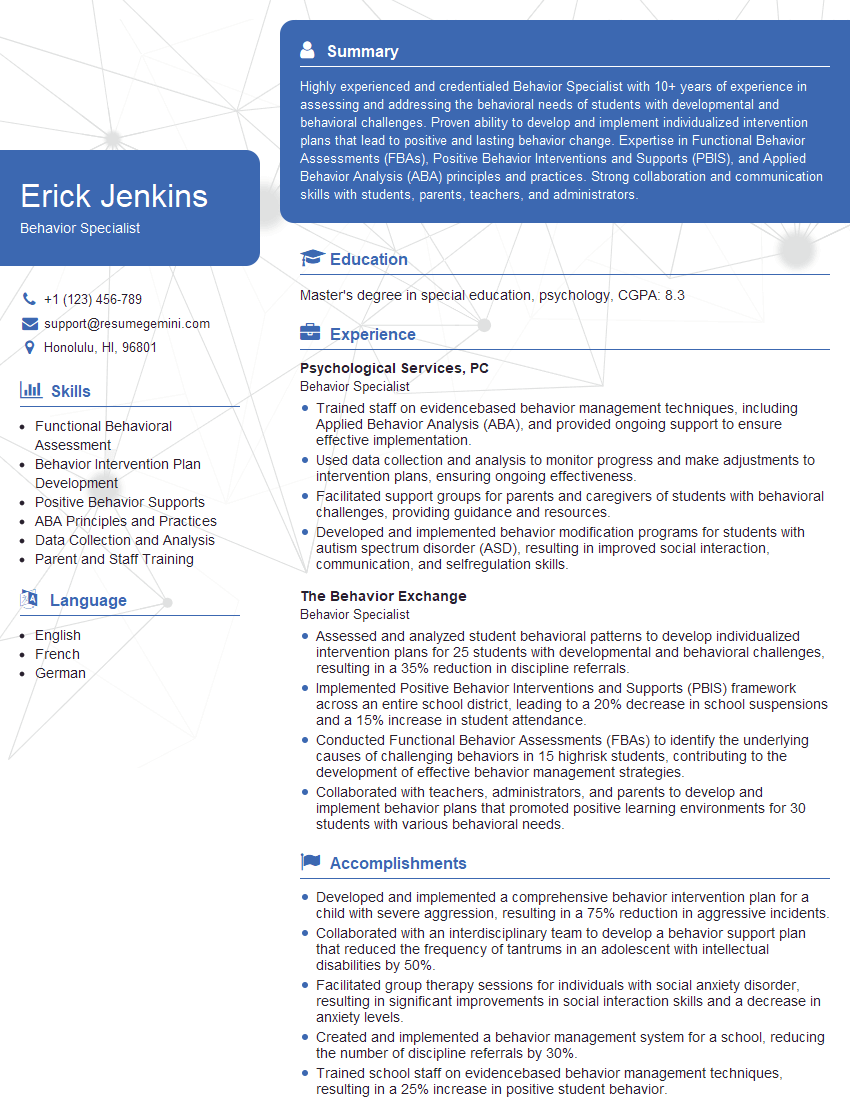
Behavior Specialist Resume Sample
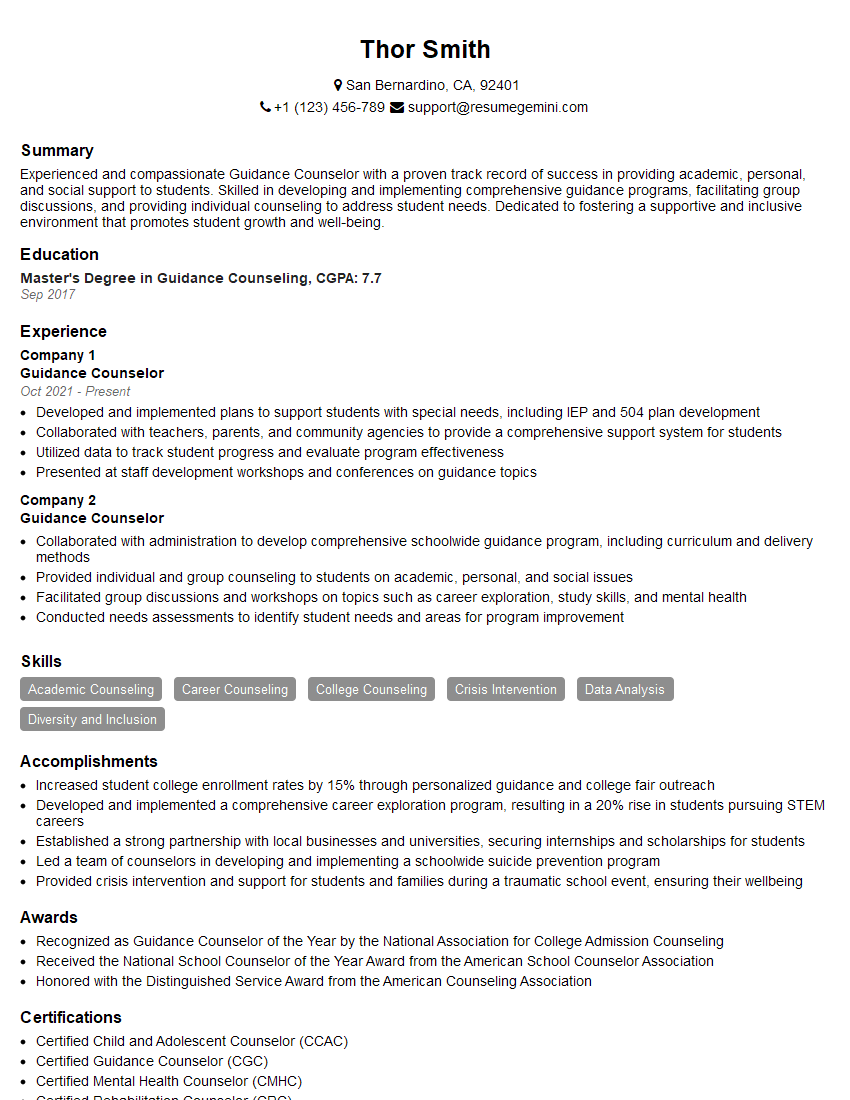
Guidance Counselor Resume Sample
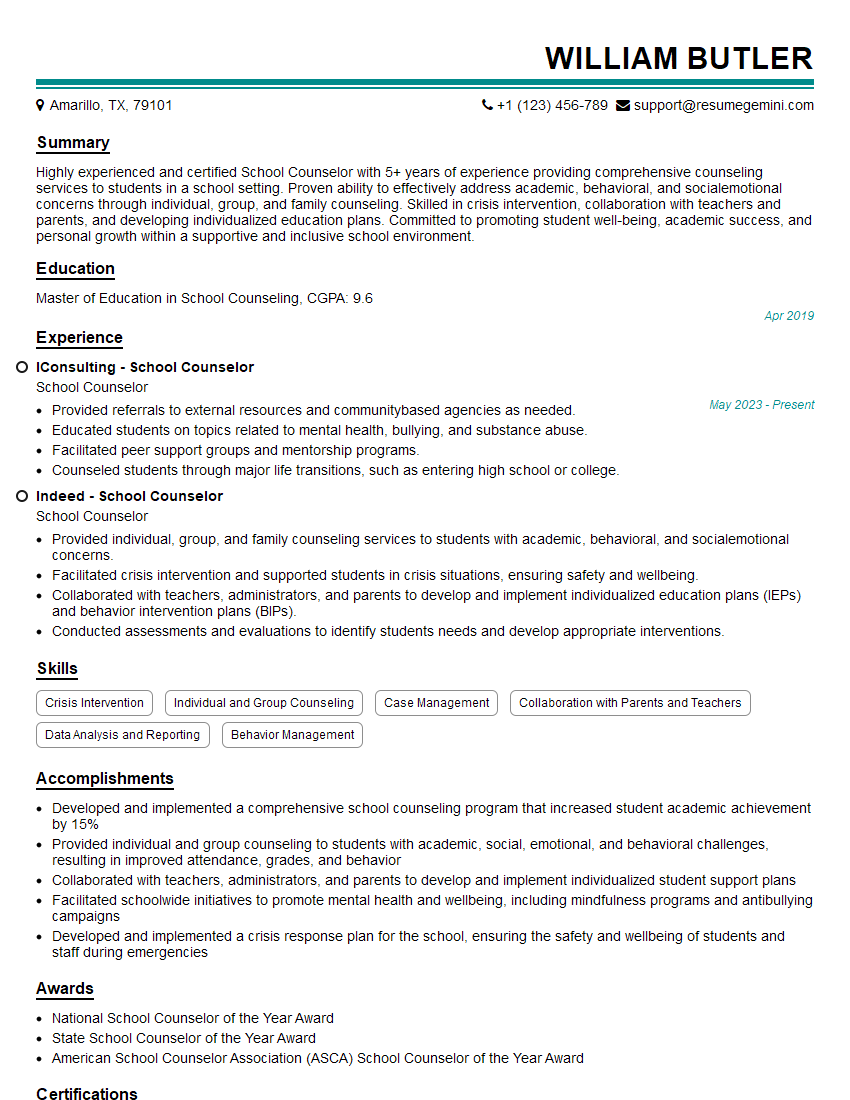
School Counselor Resume Sample
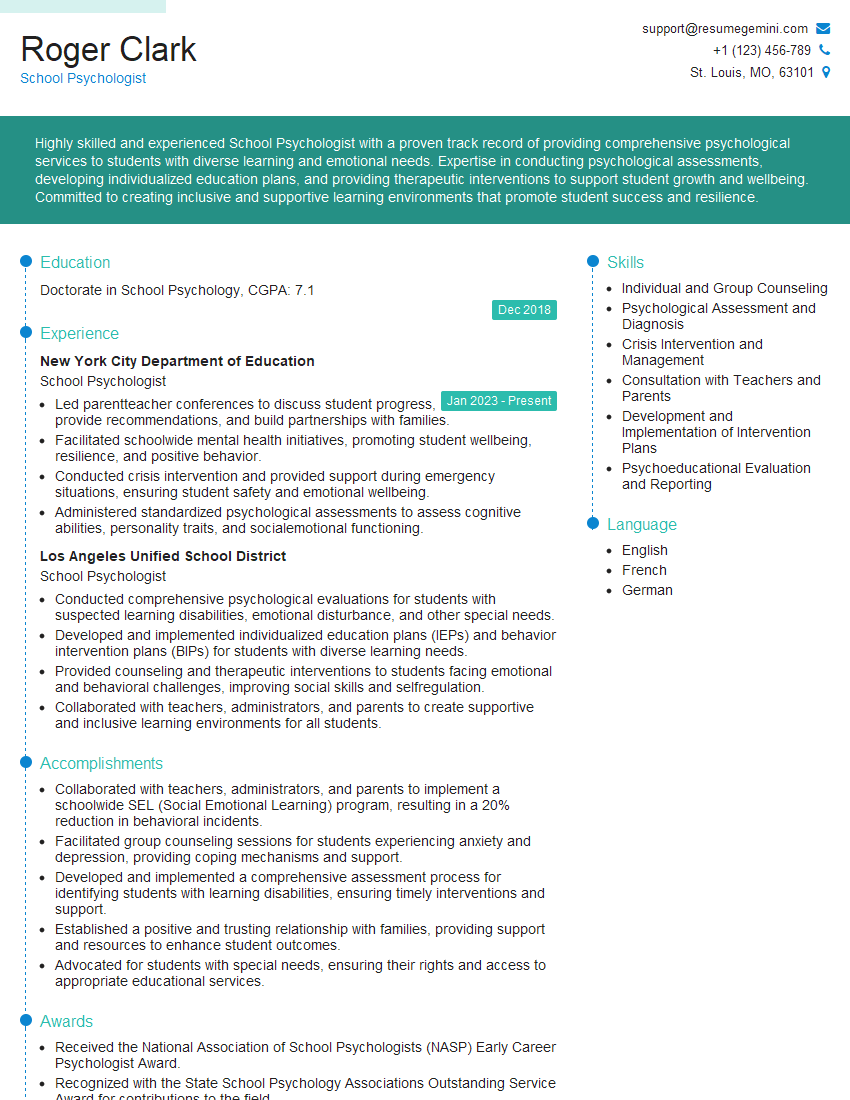
School Psychologist Resume Sample
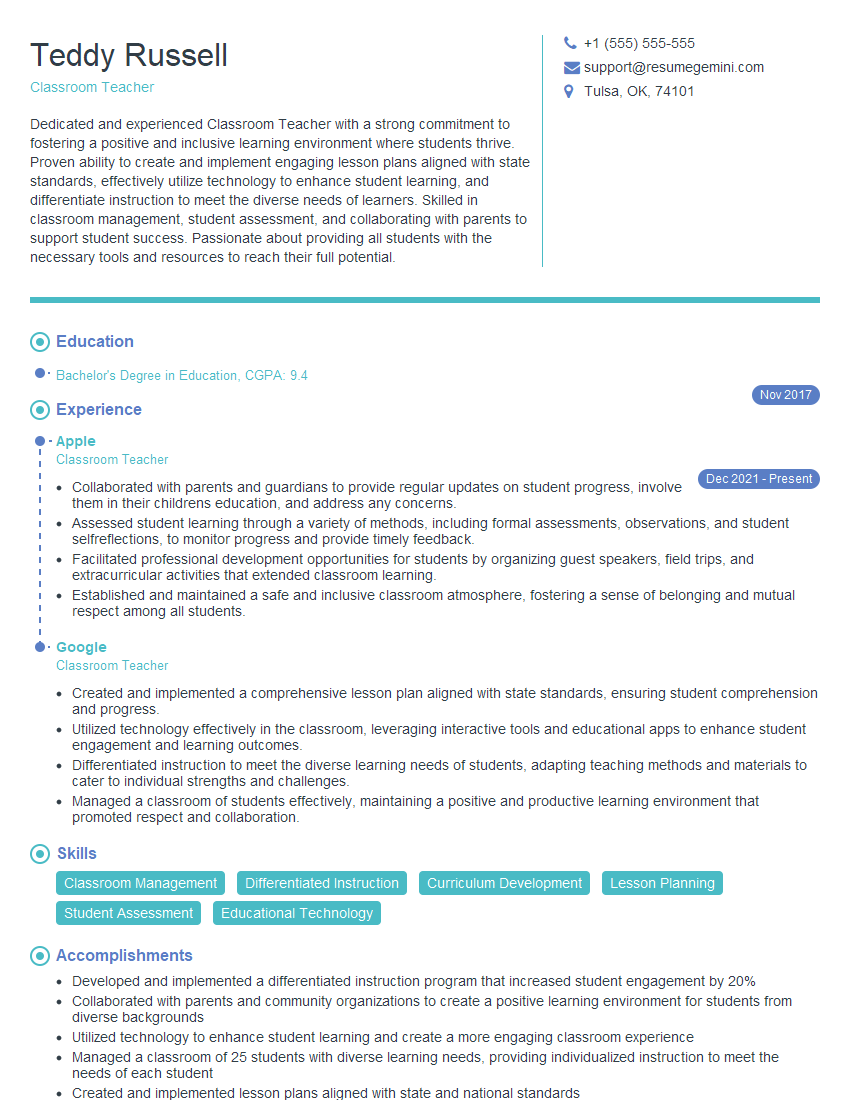
Classroom Teacher Resume Sample
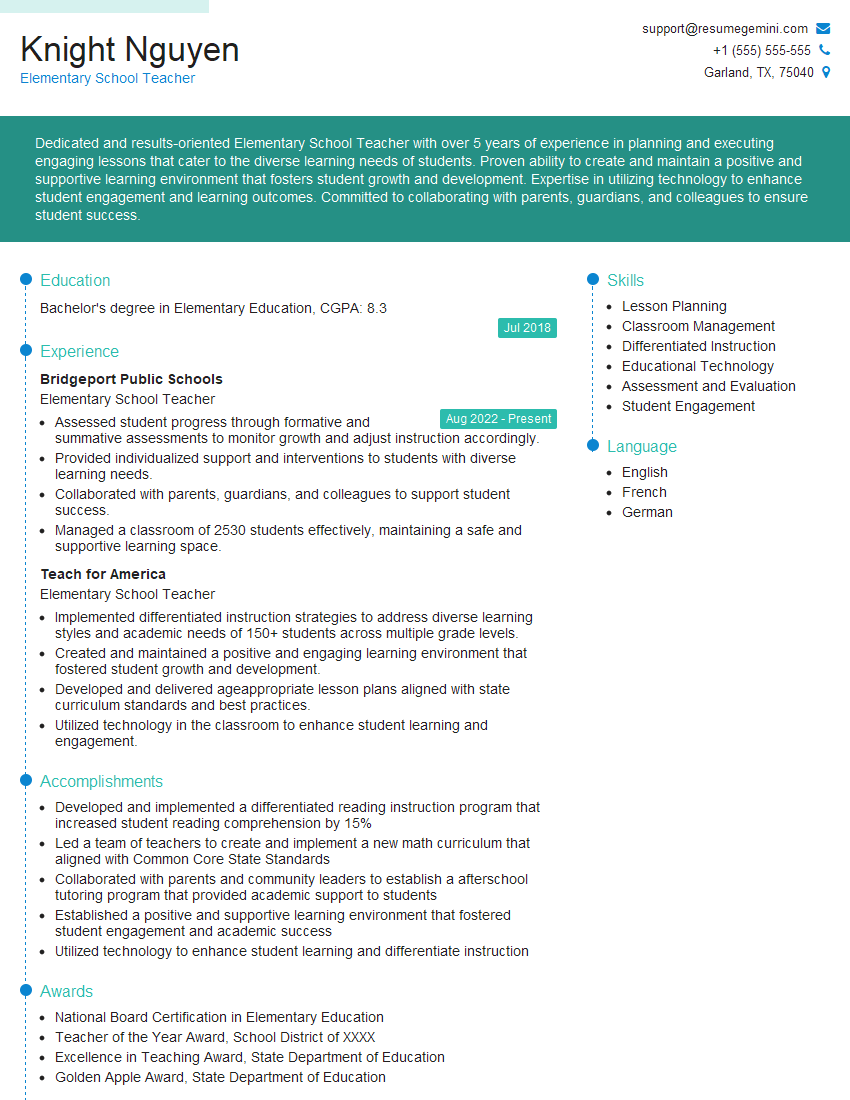
Elementary School Teacher Resume Sample
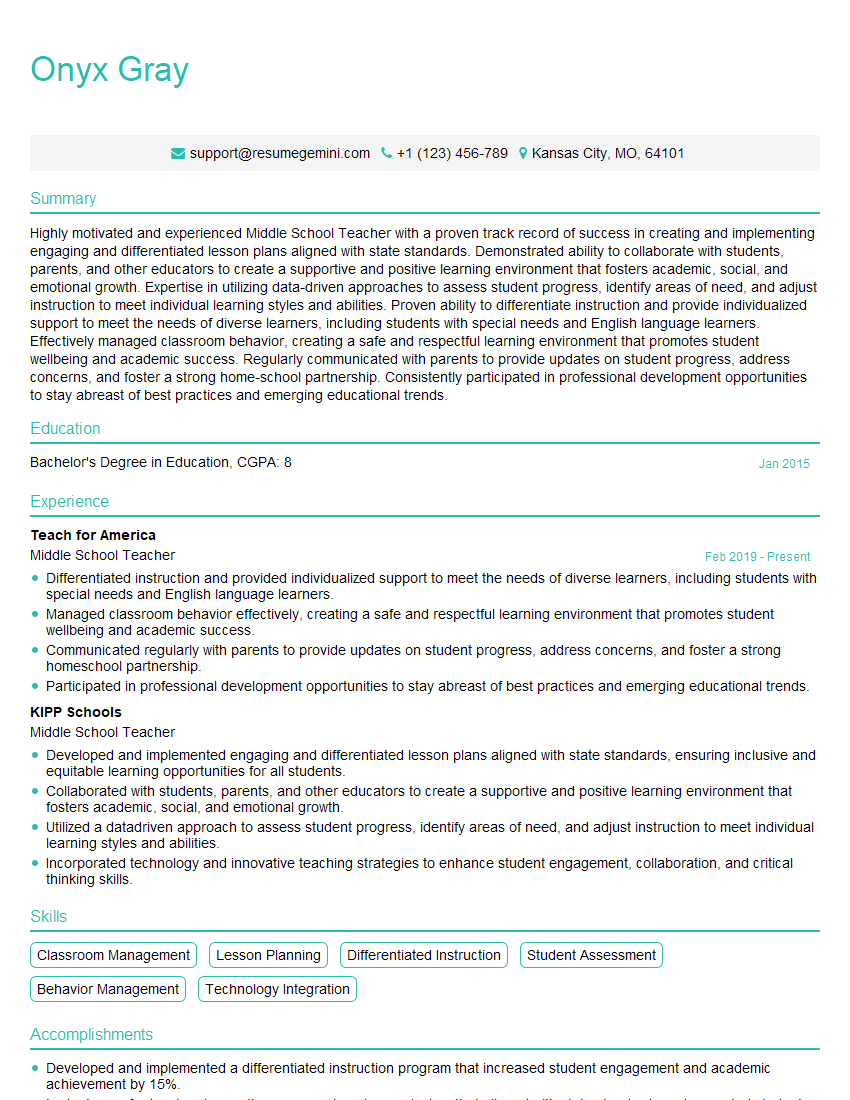
Middle School Teacher Resume Sample
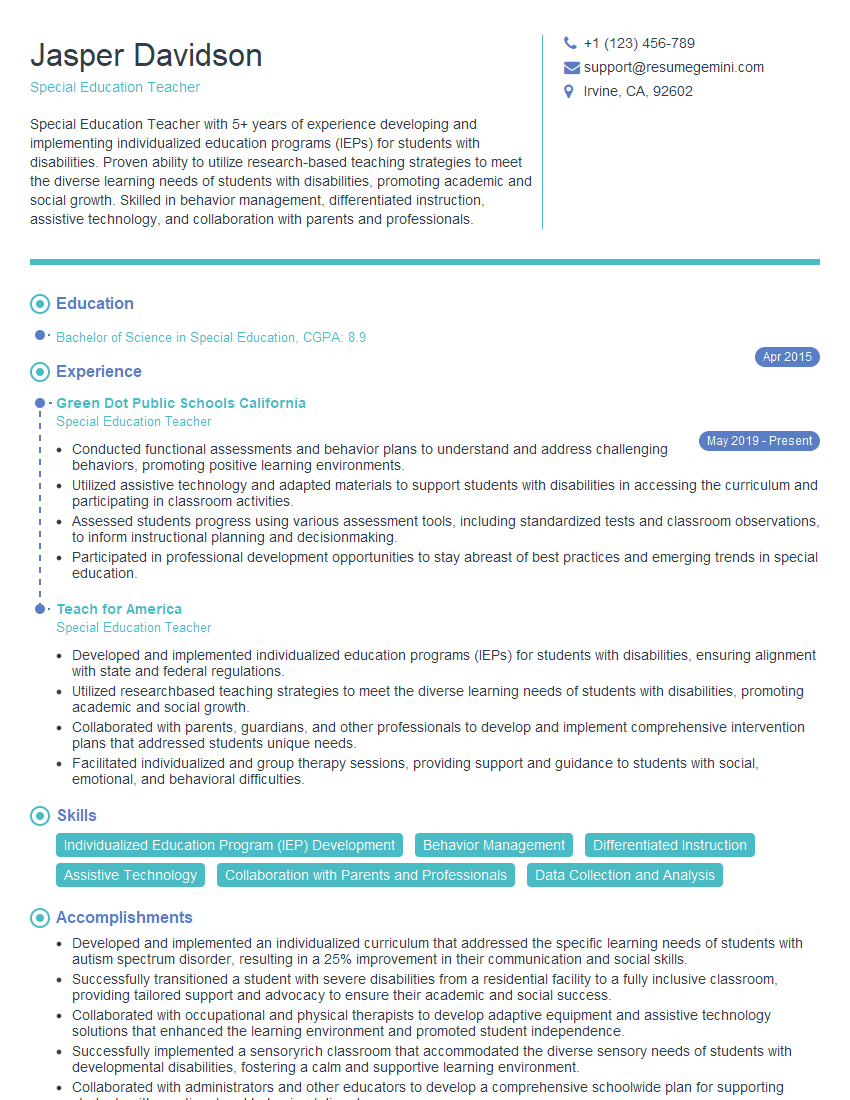
Special Education Teacher Resume Sample
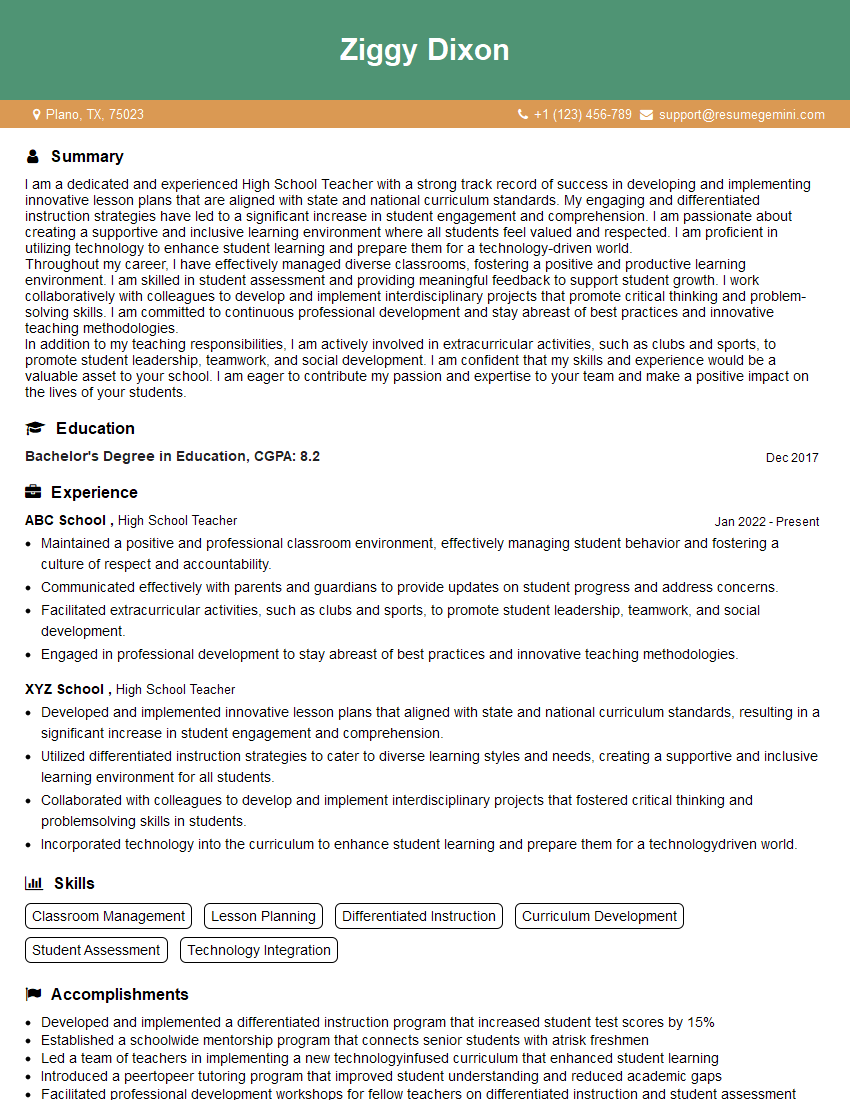
High School Teacher Resume Sample
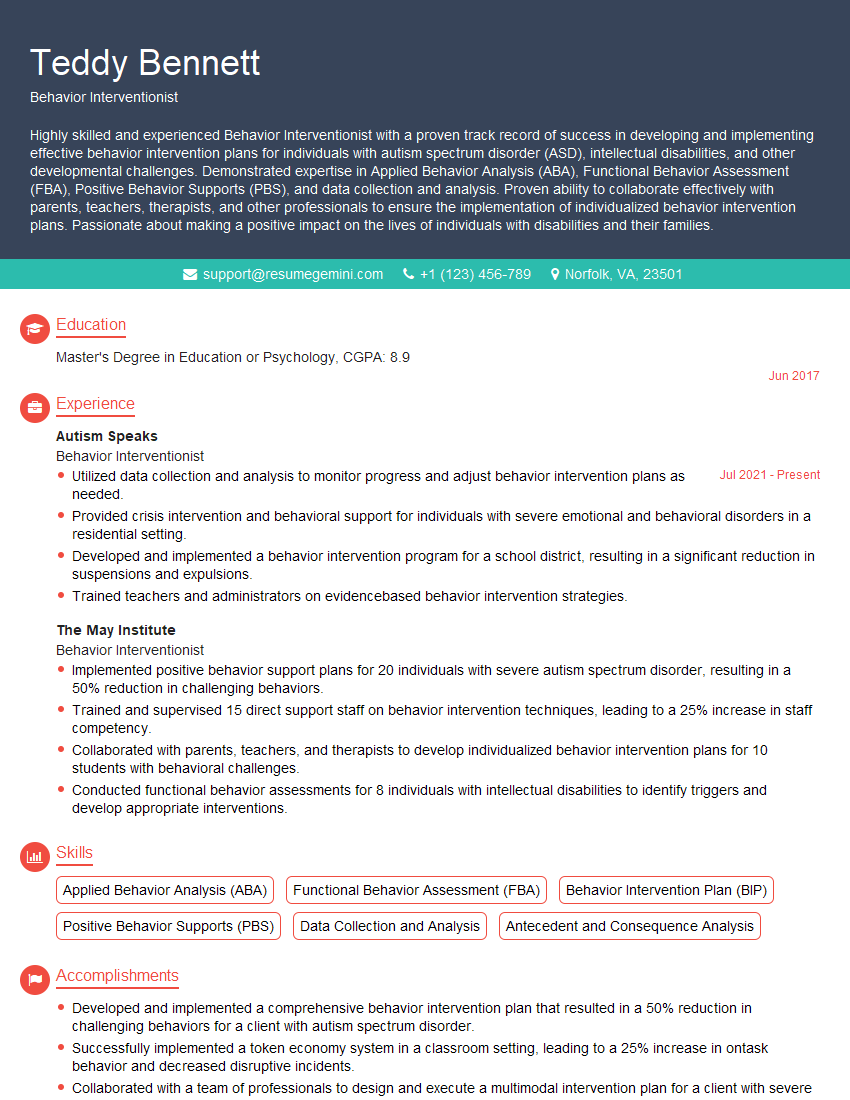
Behavior Interventionist Resume Sample
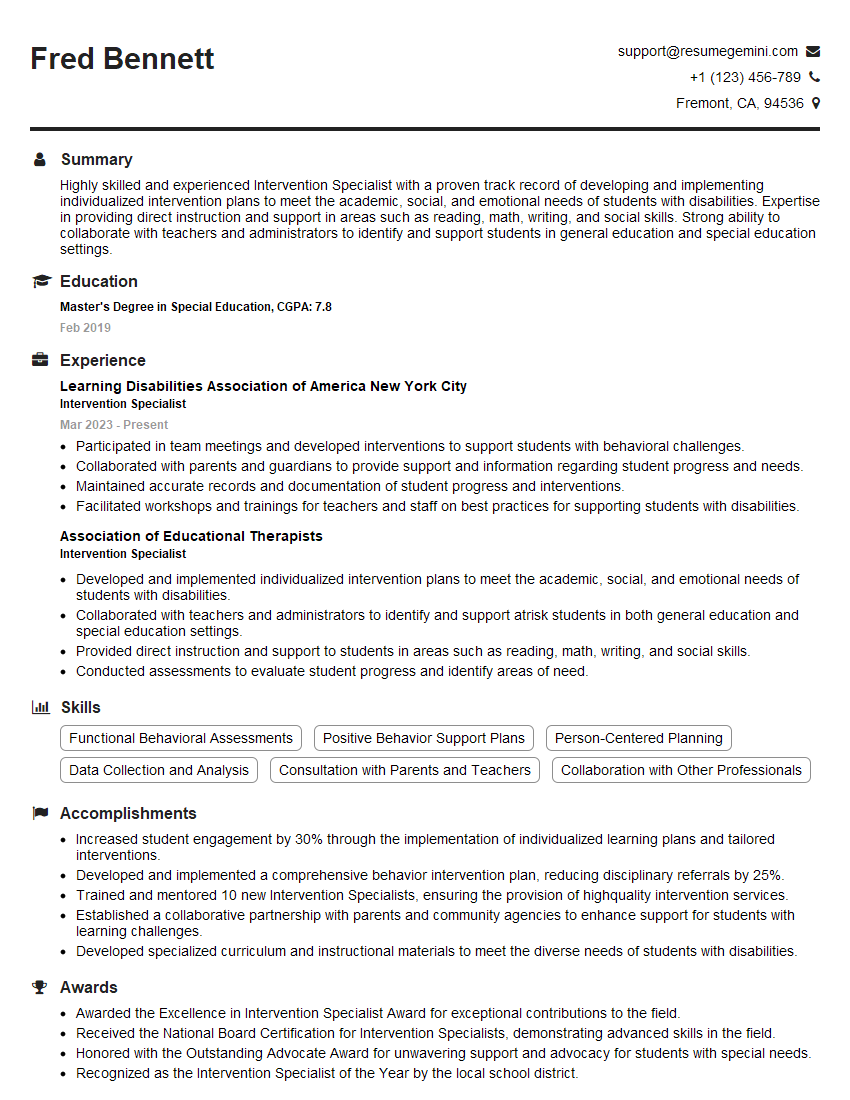
Intervention Specialist Resume Sample
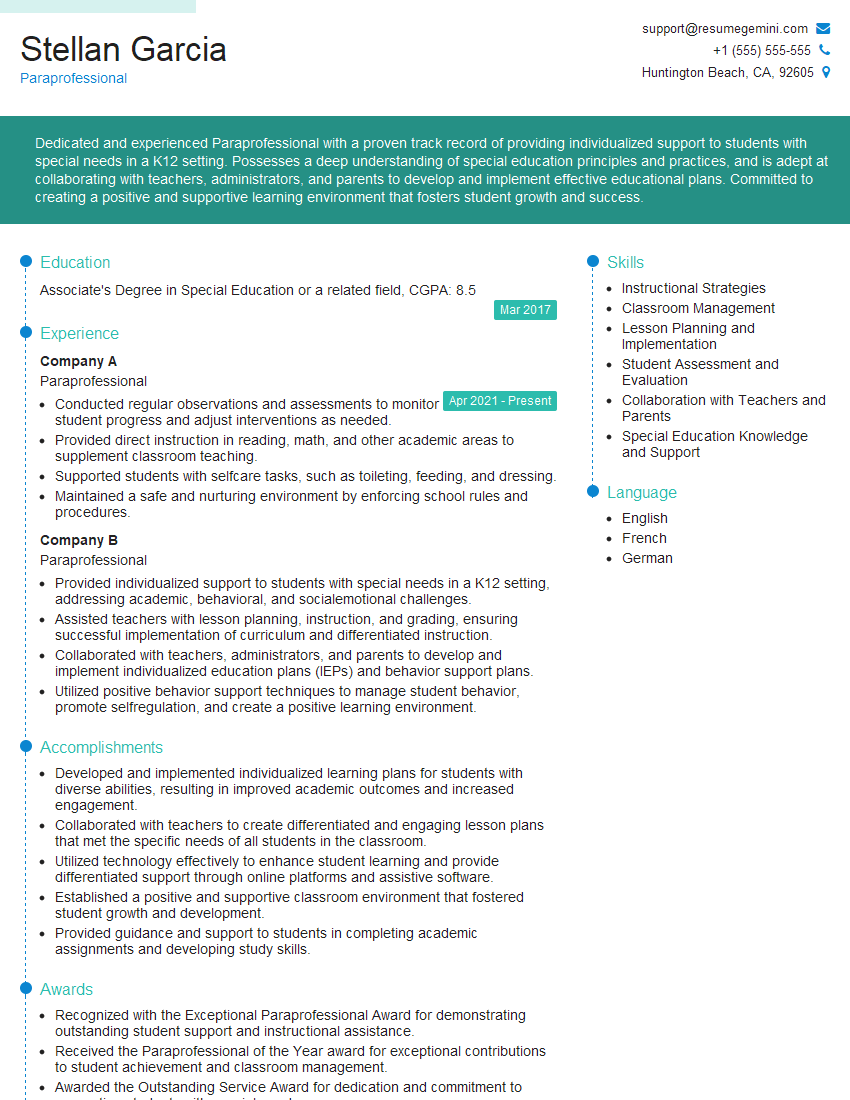
Paraprofessional Resume Sample
- Principal
- Assistant Principal
- Educational Administrator
- School Administrator
- Curriculum Developer
- Behavior Specialist
- Guidance Counselor
- School Counselor
- School Psychologist
- Classroom Teacher
- Elementary School Teacher
- Middle School Teacher
- Special Education Teacher
- High School Teacher
- Behavior Interventionist
- Intervention Specialist
- Paraprofessional
Explore more articles
Users Rating of Our Blogs
Share Your Experience
We value your feedback! Please rate our content and share your thoughts (optional).
What Readers Say About Our Blog
I Redesigned Spongebob Squarepants and his main characters of my artwork.
https://www.deviantart.com/reimaginesponge/art/Redesigned-Spongebob-characters-1223583608
IT gave me an insight and words to use and be able to think of examples
Hi, I’m Jay, we have a few potential clients that are interested in your services, thought you might be a good fit. I’d love to talk about the details, when do you have time to talk?
Best,
Jay
Founder | CEO