Are you ready to stand out in your next interview? Understanding and preparing for Trauma-Informed Schools interview questions is a game-changer. In this blog, we’ve compiled key questions and expert advice to help you showcase your skills with confidence and precision. Let’s get started on your journey to acing the interview.
Questions Asked in Trauma-Informed Schools Interview
Q 1. Define ‘Trauma-Informed Schools’ and its core principles.
A Trauma-Informed School is an educational setting that understands and responds to the effects of trauma on students, staff, and families. It’s not just about identifying students who have experienced trauma, but about creating a school-wide culture of safety, respect, and collaboration that minimizes the risk of re-traumatization. The core principles revolve around:
- Safety: Creating a physically and emotionally safe environment where students feel seen, heard, and understood.
- Trustworthiness and Transparency: Building relationships based on mutual respect and clear communication.
- Choice, Collaboration, and Empowerment: Empowering students and staff to have a voice in their learning and environment, fostering a sense of agency.
- Peer Support: Fostering a sense of community and connection where students can rely on their peers.
- Collaboration and Mutual Respect:Working with families and other stakeholders collaboratively.
Imagine a school where instead of punishment, there’s a focus on understanding the root causes of challenging behaviors. That’s the essence of a trauma-informed approach.
Q 2. Explain the impact of Adverse Childhood Experiences (ACEs) on student learning.
Adverse Childhood Experiences (ACEs) such as abuse, neglect, or household dysfunction have a profound impact on student learning. The toxic stress associated with ACEs can disrupt brain development, impacting memory, attention, and executive functioning. Students with high ACE scores often struggle with:
- Emotional Regulation: Difficulty managing anger, anxiety, and sadness, leading to outbursts and behavioral challenges.
- Academic Performance: Lower grades, difficulty concentrating, and increased absenteeism.
- Social Skills: Challenges forming and maintaining healthy relationships.
- Physical Health: Increased susceptibility to chronic illnesses and mental health issues.
For example, a student who experienced neglect might struggle to trust adults, leading to difficulty engaging in learning activities. Another might exhibit hypervigilance, making it hard to focus in a classroom setting.
Q 3. Describe strategies for creating a safe and supportive classroom environment.
Creating a safe and supportive classroom environment involves building relationships based on trust and understanding. This includes:
- Establishing clear expectations and routines: Predictability reduces anxiety for traumatized students.
- Providing choices and autonomy whenever possible: Giving students a sense of control reduces feelings of helplessness.
- Using positive reinforcement and encouragement: Focusing on strengths and progress builds self-esteem.
- Creating a calm and organized space: A visually calming space can help reduce sensory overload.
- Offering opportunities for self-regulation: Providing quiet spaces, sensory tools, or mindfulness exercises.
- Building positive relationships with students: Showing empathy and understanding creates a sense of safety.
Imagine a classroom with a designated ‘calm down’ corner where students can take breaks when feeling overwhelmed. This offers a safe haven for self-regulation.
Q 4. How would you identify and support students exhibiting trauma symptoms?
Identifying students exhibiting trauma symptoms requires careful observation and collaboration with families and other professionals. Look for:
- Behavioral challenges: Disruptive behaviors, aggression, withdrawal, or hyperactivity.
- Emotional dysregulation: Difficulty managing emotions, frequent outbursts, or persistent sadness.
- Academic struggles: Difficulty concentrating, poor academic performance, or increased absenteeism.
- Social difficulties: Challenges forming relationships or engaging in social interactions.
- Physical symptoms: Headaches, stomach aches, or sleep disturbances.
Support involves creating a safety plan, working with families, and potentially involving mental health professionals. This may include therapy, individualized education plans, and trauma-informed classroom practices.
Q 5. What are the key differences between discipline and restorative practices?
Discipline often focuses on punishment and control, aiming to correct behavior through consequences. Restorative practices, on the other hand, focus on repairing harm and restoring relationships. The key difference lies in the approach:
- Discipline: Reactive, focuses on individual accountability, often punitive.
- Restorative Practices: Proactive, focuses on community responsibility and repair, emphasizes dialogue and understanding.
For instance, instead of suspending a student for fighting, a restorative approach might involve a circle meeting where the involved students and other class members discuss the impact of the conflict and collaboratively create a plan to prevent future incidents.
Q 6. How do you incorporate trauma-informed practices into your classroom management?
Trauma-informed classroom management integrates restorative practices and emphasizes understanding the underlying reasons for challenging behaviors. It involves:
- Building strong relationships: Creating a classroom culture of trust and empathy.
- Using proactive strategies: Implementing clear routines and expectations to reduce anxiety.
- Responding to challenging behaviors with empathy and understanding: Seeking to understand the student’s needs and perspectives.
- Implementing restorative practices: Utilizing circles or other collaborative approaches to address conflicts.
- Focusing on repairing harm: Emphasizing reconciliation and making amends.
Instead of immediately punishing a student for an outburst, a trauma-informed teacher might first check in with the student, ask about their needs, and offer support before addressing the behavior.
Q 7. Discuss effective communication techniques with traumatized students.
Effective communication with traumatized students requires patience, empathy, and a trauma-sensitive approach. Key strategies include:
- Active listening: Paying attention to both verbal and nonverbal cues.
- Clear and simple language: Avoiding jargon and complex sentence structures.
- Validation: Acknowledging the student’s feelings and experiences.
- Empathy: Showing understanding and compassion.
- Setting clear boundaries: Communicating expectations in a firm but compassionate way.
- Providing choices: Empowering students to participate in decisions affecting them.
Imagine a teacher saying to a student, “I can see you’re feeling upset. Can you tell me what’s happening?” This simple statement shows empathy and validates the student’s emotions.
Q 8. Explain your understanding of self-regulation and how to support it.
Self-regulation is the ability to manage one’s emotions, thoughts, and behaviors effectively. It’s like having an internal thermostat that helps you stay calm and focused, even when things get tough. For students who have experienced trauma, this can be particularly challenging, as their nervous system may be in a constant state of hyper-vigilance or dysregulation.
Supporting self-regulation involves creating a classroom environment that is predictable, safe, and nurturing. This includes:
- Predictable routines and schedules: Consistent routines reduce anxiety and help students anticipate what’s coming next. Think of a clear daily schedule visually displayed in the classroom.
- Sensory tools and calming strategies: Providing fidget toys, weighted blankets, calming corners, or mindfulness activities gives students tools to manage their sensory input and regulate their emotions. For instance, a designated ‘calm-down corner’ with soft lighting and comfortable cushions can be incredibly helpful.
- Mindfulness and emotional literacy exercises: Teaching students to identify and label their emotions, and to utilize techniques like deep breathing or progressive muscle relaxation, strengthens their self-awareness and self-control. Simple breathing exercises practiced daily can make a big difference.
- Positive reinforcement and emotional validation: Recognizing and validating students’ feelings, even negative ones, helps them feel safe and understood. Positive reinforcement focuses on effort and progress rather than just outcomes.
- Collaboration with mental health professionals: When necessary, working with school counselors or therapists to develop individualized plans for students with significant self-regulation challenges is crucial. This might involve tailored interventions or therapy.
By proactively supporting self-regulation, we create a classroom where students feel safe and empowered to learn, regardless of their past experiences.
Q 9. How would you collaborate with parents and guardians regarding trauma-informed care?
Collaboration with parents and guardians is essential for effective trauma-informed care. It’s about building a partnership based on trust and mutual respect. I believe in open communication, transparency, and shared decision-making. This involves:
- Regular communication: Maintaining consistent contact through newsletters, emails, or parent-teacher conferences, sharing updates on the student’s progress and any challenges encountered.
- Collaborative goal setting: Working together with parents to develop goals for the student, considering their strengths, needs, and cultural context. This might involve setting behavior targets achievable with consistent support.
- Respectful dialogue: Actively listening to parents’ concerns and perspectives, validating their experiences, and avoiding judgment. This ensures parents feel heard and understood.
- Shared understanding of trauma: Educating parents about the impact of trauma on children’s behavior and learning, emphasizing the importance of understanding rather than blaming. Providing resources on trauma and its effects can be beneficial.
- Parent support groups: Connecting parents with support groups or resources that can provide additional guidance and community. Connecting families with community programs can have a profoundly positive impact.
By involving parents as active partners in their child’s education and well-being, we can create a more supportive and effective learning environment.
Q 10. Describe your experience working with diverse populations of students.
Throughout my career, I’ve worked with diverse student populations, including students from various socioeconomic backgrounds, cultural heritages, and with diverse abilities. This experience has taught me the importance of culturally responsive teaching practices and individualized approaches to learning and support.
I understand that a student’s background significantly impacts their learning experience. For example, a student who has experienced displacement may struggle with trust and attachment. Another might have language barriers. I adapt my teaching methods and classroom environment to accommodate these differences, always aiming to create an inclusive and welcoming space for every learner.
Specifically, I use differentiated instruction, adapting materials and assignments to meet individual learning styles and needs. I also incorporate diverse perspectives and experiences into the curriculum, ensuring that all students see themselves reflected in the learning materials. I value collaboration with families and community members to gain a deeper understanding of students’ unique backgrounds and needs.
Q 11. How do you integrate trauma-informed practices into curriculum development?
Integrating trauma-informed practices into curriculum development is about creating a learning environment that is safe, supportive, and empowering for all students. This isn’t about adding a separate trauma unit; it’s about weaving trauma-informed principles into the fabric of the entire curriculum.
For example, I incorporate opportunities for social-emotional learning throughout the curriculum, helping students develop self-awareness, self-regulation, and social skills. This might involve incorporating mindfulness activities into daily routines or using collaborative projects to foster teamwork and empathy.
I also focus on building relationships and trust with students, creating a classroom where students feel safe to take risks and make mistakes. This includes using positive discipline strategies, emphasizing strengths, and providing choice and autonomy whenever possible. Moreover, I adjust my teaching style, being flexible and adapting to students’ individual needs.
Finally, I ensure that curriculum content is relevant and engaging, using real-world examples and diverse perspectives to connect with students’ experiences. This helps make learning meaningful and prevents re-traumatization through insensitive content.
Q 12. What are the signs of secondary trauma in educators?
Secondary trauma, also known as vicarious trauma, is the emotional distress educators experience when they repeatedly hear about or witness the trauma of their students. It’s like bearing witness to someone else’s suffering, and it can be deeply impacting.
Signs of secondary trauma in educators can include:
- Emotional exhaustion and burnout: Feeling overwhelmed, emotionally drained, and lacking motivation.
- Changes in sleep patterns and appetite: Difficulty sleeping, changes in eating habits, or increased substance use.
- Increased anxiety and irritability: Experiencing heightened anxiety, feeling easily agitated, or having difficulty managing stress.
- Difficulty separating work and personal life: Bringing work-related stress home, finding it hard to disconnect from the emotional demands of the job.
- Compassion fatigue: A feeling of emotional depletion and reduced empathy, making it difficult to connect with students.
- Physical symptoms: Headaches, stomach problems, or other physical manifestations of stress.
Recognizing these signs is crucial for seeking support and implementing strategies to mitigate the effects of vicarious trauma.
Q 13. How do you mitigate vicarious trauma in a school setting?
Mitigating vicarious trauma in a school setting requires a multifaceted approach focusing on self-care, peer support, and institutional support.
Self-care strategies for educators include regular exercise, healthy eating, sufficient sleep, engaging in hobbies, and setting healthy boundaries between work and personal life. This is vital for building emotional resilience.
Peer support is equally important. Creating opportunities for educators to connect, share experiences, and provide emotional support to one another can make a significant difference. Regular staff meetings could dedicate time to sharing and debriefing on challenging cases, always ensuring confidentiality.
Institutional support is crucial. Schools need to provide access to mental health services for staff, offer professional development on trauma-informed care, and foster a supportive and collaborative work environment where staff feel comfortable seeking help. This might include offering workshops on self-care strategies or providing access to employee assistance programs.
By prioritizing self-care, fostering peer support, and providing institutional support, schools can create a safer and more sustainable environment for educators, reducing the risk and impact of vicarious trauma.
Q 14. What is your approach to building trust and rapport with traumatized students?
Building trust and rapport with traumatized students requires patience, empathy, and a consistent approach. It’s about creating a safe and predictable environment where students feel seen, heard, and understood.
My approach involves:
- Establishing clear boundaries and expectations: Providing a structured and predictable classroom environment, clearly communicating rules and expectations, and consistently enforcing them.
- Active listening and empathy: Truly listening to students’ stories and perspectives without judgment, validating their feelings, and showing genuine care and concern.
- Building positive relationships: Taking time to get to know students on a personal level, discovering their interests and strengths, and showing genuine interest in their well-being.
- Providing choices and autonomy: Giving students choices whenever possible, allowing them to feel a sense of control and agency over their learning experience.
- Celebrating successes, no matter how small: Acknowledging and celebrating student achievements, helping them build confidence and self-esteem.
- Using trauma-informed language: Avoiding language that might be triggering or retraumatizing, such as words like ‘victim’ or ‘abuse’. Instead, I use respectful and empowering language. For instance, using phrases like ‘survivor’ instead of ‘victim’ is a key example.
Building trust is a process, not an event. It requires consistent effort, patience, and a genuine commitment to supporting students’ well-being. By creating a safe and nurturing environment, we can help traumatized students heal and thrive.
Q 15. Describe your experience with implementing trauma-sensitive teaching strategies.
Implementing trauma-sensitive teaching strategies involves shifting from a deficit-based model to one that prioritizes understanding the impact of trauma on learning and behavior. This requires creating a classroom environment that feels safe, predictable, and empowering.
My experience includes developing and implementing classroom routines that are clearly communicated and consistently applied. This reduces anxiety stemming from uncertainty. For example, I’ve used visual schedules and timers to give students a sense of control and predictability, which is particularly beneficial for students who’ve experienced trauma. I also incorporate choice into daily activities, allowing students to select assignments or work independently when they feel overwhelmed. This helps foster a sense of agency and self-regulation.
Furthermore, I focus on building positive relationships with my students, creating a classroom culture of empathy and respect. I make a conscious effort to understand each student’s individual needs and learning styles, adapting my teaching methods accordingly. This might involve providing extra support, offering flexible deadlines, or using alternative assessment methods. For instance, a student struggling with writing might be allowed to demonstrate their understanding through a presentation or a drawing instead.
Career Expert Tips:
- Ace those interviews! Prepare effectively by reviewing the Top 50 Most Common Interview Questions on ResumeGemini.
- Navigate your job search with confidence! Explore a wide range of Career Tips on ResumeGemini. Learn about common challenges and recommendations to overcome them.
- Craft the perfect resume! Master the Art of Resume Writing with ResumeGemini’s guide. Showcase your unique qualifications and achievements effectively.
- Don’t miss out on holiday savings! Build your dream resume with ResumeGemini’s ATS optimized templates.
Q 16. How would you respond to a student experiencing a trauma-related outburst?
Responding to a trauma-related outburst requires a calm and compassionate approach, prioritizing safety for both the student and others. The first step is to ensure the safety of everyone involved, de-escalating the situation without confrontation. This might involve creating physical space and speaking in a soothing, low tone.
Next, I would attempt to understand what triggered the outburst. I would use a calm and validating tone, acknowledging their feelings without judgment. For instance, I might say something like, “I see that you’re feeling very upset right now. Tell me what’s happening.” It’s crucial to avoid blame or punishment. Instead, I focus on providing support and helping them regulate their emotions. This might involve deep breathing exercises or simply offering a quiet space to calm down.
After the situation de-escalates, I would work with the student to identify coping mechanisms for future situations. This might include teaching relaxation techniques, creating a safety plan, or connecting them with appropriate support services. It’s also important to document the incident, including the triggers, the student’s response, and the interventions used. This documentation helps inform future support planning.
Q 17. Explain your understanding of the role of attachment in a trauma-informed approach.
Attachment plays a crucial role in a trauma-informed approach because it significantly impacts a child’s ability to regulate emotions, build relationships, and learn. Secure attachment, developed through consistent, responsive caregiving, provides a foundation for emotional well-being and resilience. Conversely, insecure attachment, often a result of trauma or inconsistent care, can lead to difficulties with self-regulation, emotional dysregulation, and challenges in forming healthy relationships.
In a trauma-informed approach, we focus on building and strengthening secure attachments between students and adults. This involves creating a nurturing and supportive classroom environment where students feel seen, heard, and understood. This might include providing opportunities for positive interaction, offering individualized attention, and demonstrating empathy and understanding. The goal is to help students develop a sense of trust and safety, which in turn helps them regulate their emotions and engage more effectively in learning.
Examples of fostering secure attachment include consistent greetings, checking-in regularly with students, and providing physical proximity if appropriate for the student, such as a quiet place for reflection. This cultivates a sense of safety and trust, crucial for healing from trauma and improving academic success.
Q 18. How do you ensure equitable access to trauma-informed support services?
Ensuring equitable access to trauma-informed support services requires a multifaceted approach that addresses systemic barriers and recognizes the diverse needs of students. This begins with a thorough needs assessment, identifying the specific challenges facing different student groups. We must acknowledge that marginalized students, particularly those from underrepresented communities, often face disproportionately higher rates of trauma and may encounter additional systemic barriers to care.
To address this, I would advocate for culturally responsive services, ensuring that supports are tailored to the specific needs and cultural backgrounds of students. This includes employing bilingual staff, providing culturally relevant resources, and partnering with community organizations to provide culturally sensitive support. Furthermore, we need to proactively work to reduce stigma surrounding mental health and trauma, creating a school culture where seeking help is normalized and encouraged.
Equitable access also means ensuring that services are readily available and accessible to all students, regardless of their socioeconomic status, disability, or geographic location. This could involve providing transportation, interpreters, or assistive technologies as needed. Regular audits of service utilization and student feedback are essential to ensure that our approach remains effective and equitable.
Q 19. What professional development have you undertaken in trauma-informed care?
My professional development in trauma-informed care has been extensive and ongoing. I’ve participated in numerous workshops and trainings focused on trauma-informed practices in education, including several focused on understanding the neurobiological effects of trauma on learning and behavior.
I have completed specialized training on trauma-sensitive teaching strategies, including the implementation of classroom routines that support self-regulation, and effective strategies for de-escalation and crisis intervention. Furthermore, I’ve engaged in professional learning communities that focus on sharing best practices and collaborating with colleagues on trauma-informed approaches. I’ve also completed training on Adverse Childhood Experiences (ACEs) and their impact on child development, which informed my approach to working with students who have experienced trauma.
This ongoing professional development keeps me abreast of the latest research and best practices in the field. I consistently seek out opportunities to enhance my knowledge and skills in supporting students affected by trauma.
Q 20. What are some limitations of trauma-informed approaches and how to address them?
While trauma-informed approaches are highly beneficial, they aren’t without limitations. One limitation is the potential for overwhelming staff with the added responsibilities and training requirements. Implementing trauma-informed practices effectively requires significant time and resources. Staff may feel burdened by the increased demands if not adequately supported.
Another challenge is the lack of standardized protocols and assessments. While various frameworks exist, there’s no single universally accepted method for identifying and addressing trauma in schools. This can lead to inconsistency in implementation and challenges in measuring effectiveness. Lastly, it’s crucial to acknowledge that trauma-informed approaches do not offer a quick fix; it’s a long-term process requiring sustained commitment and ongoing support.
To address these limitations, we need adequate funding and resources for staff training, ongoing professional development, and access to specialized support services. Developing clear, consistent protocols and using valid assessment tools can improve implementation fidelity and allow for better outcome measurement. Finally, building strong collaborative networks between school staff, mental health professionals, and community organizations is vital for providing comprehensive and sustainable support.
Q 21. Describe your experience with crisis intervention strategies in schools.
My experience with crisis intervention strategies in schools emphasizes a collaborative, multi-tiered approach. This begins with proactive measures, such as building positive relationships with students, establishing clear classroom rules and expectations, and teaching coping mechanisms for managing difficult emotions. Proactive interventions are often the most effective way to prevent crises from escalating.
When a crisis does occur, my response is guided by the principles of de-escalation and safety. I prioritize creating a calm and safe environment for all involved. I avoid confrontation and use a calm, reassuring tone. I assess the immediate needs of the student involved, providing reassurance and support, and seeking help from school counselors or administrators if needed. The school’s crisis management team typically intervenes according to established protocols.
After the immediate crisis, I work with the student, parents, and support staff to develop a safety plan. This plan might include strategies for managing triggers, identifying early warning signs of distress, and developing healthy coping mechanisms. Following the crisis, a thorough debriefing with staff involved helps us learn from the situation, identifying areas for improvement in our crisis intervention strategies. Regular training and drills focusing on emergency response protocols are also critical for preparedness.
Q 22. How do you assess the effectiveness of trauma-informed interventions?
Assessing the effectiveness of trauma-informed interventions requires a multifaceted approach, moving beyond simply measuring behavioral changes. We need to consider the impact on the whole child – academically, socially, emotionally, and physically.
- Quantitative Data: This involves tracking measurable outcomes like improved attendance, reduced disciplinary referrals, and increased academic performance. For example, we might track the number of suspensions before and after implementing a new restorative justice program.
- Qualitative Data: This is equally crucial. We gather qualitative data through observations, student feedback (age-appropriate methods used), teacher reflections, and parent/guardian interviews. This helps understand the why behind the quantitative changes. For instance, open-ended surveys with students about their feelings of safety and support within the school provide invaluable insight.
- Feedback Mechanisms: Regular feedback loops with staff, students, and families are vital. This could involve surveys, focus groups, or informal check-ins. The feedback is analyzed to understand the perceived effectiveness and identify areas needing adjustment. For example, a teacher might report feeling more confident in managing challenging behaviors after trauma-informed training.
- Longitudinal Tracking: It’s important to monitor students’ progress over time, not just immediately after the intervention is implemented. This allows us to understand the long-term impact and identify any unexpected outcomes.
Ultimately, successful interventions are those that lead to a more supportive and nurturing school environment where students feel safe, seen, and heard, enabling them to learn and thrive.
Q 23. Describe your knowledge of relevant legislation and policies related to trauma-informed care.
Legislation and policies supporting trauma-informed care are increasingly prevalent but vary across jurisdictions. Generally, these regulations aim to ensure that schools provide a safe and supportive environment for all students, particularly those with adverse childhood experiences (ACEs).
- Individuals with Disabilities Education Act (IDEA): While not specifically about trauma, IDEA mandates that schools provide appropriate services for students with disabilities, many of whom have experienced trauma. This necessitates individualized education programs (IEPs) that address their unique needs.
- Every Student Succeeds Act (ESSA): ESSA emphasizes a whole-child approach to education and supports initiatives promoting positive school climates. Trauma-informed practices align with this holistic approach.
- State-Level Policies: Many states are developing specific guidelines or mandates for trauma-informed care in schools, often including professional development requirements for staff. These policies often emphasize the importance of creating safe and supportive school environments and providing mental health services.
Staying abreast of these evolving legal frameworks is crucial for ensuring ethical and compliant practices. I regularly consult legal resources and attend professional development sessions focused on relevant legislation and policy changes.
Q 24. How would you develop and implement a school-wide trauma-informed plan?
Developing and implementing a school-wide trauma-informed plan is a collaborative, ongoing process that requires buy-in from all stakeholders. Here’s a structured approach:
- Needs Assessment: Begin with a thorough assessment of the school’s needs, involving data analysis (attendance, discipline records, student surveys) and input from staff, students, and parents to understand the prevalence of trauma and its impact.
- Team Formation: Create a multidisciplinary team representing various school staff (teachers, counselors, administrators, support staff), parents, and potentially community partners.
- Professional Development: Provide comprehensive trauma-informed care training to all staff. This should go beyond basic awareness and include practical strategies for classroom management, communication, and creating a safe and predictable environment.
- Policy Review and Adjustment: Review existing school policies (discipline, attendance, classroom management) and revise them to align with trauma-informed principles. This might involve shifting from punitive to restorative approaches.
- Curriculum Integration: Infuse trauma-informed principles into the curriculum, focusing on social-emotional learning, self-regulation, and building resilience.
- Collaboration with Families and Community: Establish strong partnerships with families and community organizations to create a supportive network around students.
- Evaluation and Revision: Continuously evaluate the plan’s effectiveness using both quantitative and qualitative data, making necessary adjustments based on feedback and outcomes. This creates a cyclical process of improvement.
Remember, the plan should be flexible, adaptable to the unique needs of the school community, and regularly reviewed to reflect evolving understanding and needs.
Q 25. What are the ethical considerations in working with traumatized students?
Ethical considerations in working with traumatized students are paramount. Our actions must prioritize their safety, well-being, and autonomy.
- Confidentiality and Informed Consent: Maintaining strict confidentiality is essential, with exceptions only as mandated by law (e.g., child abuse reporting). Obtaining informed consent (age-appropriate) before any intervention is crucial.
- Cultural Sensitivity: Recognizing that trauma manifests differently across cultures is key. Interventions must be culturally responsive and avoid perpetuating harmful stereotypes.
- Power Dynamics: Being mindful of the inherent power imbalance between adults and students is important. Building trusting relationships based on mutual respect is crucial.
- Avoiding Re-traumatization: Interventions must not unintentionally re-traumatize students. This requires careful consideration of approaches and sensitivity to students’ experiences.
- Professional Boundaries: Maintaining professional boundaries is essential to protect both the student and the professional. This includes avoiding dual relationships and seeking supervision when needed.
- Advocacy: Advocating for students’ needs within the school system and beyond is a critical ethical responsibility.
Ethical dilemmas can arise, necessitating careful reflection and consultation with colleagues or supervisors. Adherence to ethical guidelines ensures that our actions promote healing and well-being rather than causing further harm.
Q 26. How would you advocate for trauma-informed practices within your school community?
Advocating for trauma-informed practices requires a strategic and multifaceted approach.
- Data-Driven Advocacy: Presenting data demonstrating the need for trauma-informed practices is compelling. This might include statistics on student attendance, disciplinary actions, or mental health referrals.
- Collaboration and Partnerships: Building alliances with parents, community organizations, and other stakeholders strengthens advocacy efforts. Joint presentations or letters to the school board carry more weight.
- Professional Development Initiatives: Proposing and organizing professional development opportunities for staff can demonstrate commitment and increase understanding of trauma-informed principles.
- Sharing Success Stories: Highlighting positive outcomes of trauma-informed interventions through presentations or publications can inspire buy-in and support from others.
- Open Communication: Engaging in open and honest communication with school leaders, staff, and parents about the benefits of trauma-informed practices is vital.
- Advocacy through Professional Organizations: Engaging with professional organizations (e.g., school counselors’ associations) can provide opportunities for advocacy on a larger scale.
Advocacy is an ongoing process, requiring persistence, patience, and a willingness to engage in constructive dialogue and collaboration.
Q 27. Describe your experience utilizing data to inform trauma-informed decision-making.
Data plays a crucial role in informing trauma-informed decision-making. It allows us to move beyond assumptions and base interventions on evidence.
- Collecting and Analyzing Data: I regularly collect and analyze various data points, including attendance rates, disciplinary referrals, student performance data, and qualitative feedback from surveys and interviews. This gives a comprehensive picture of student well-being and the effectiveness of interventions.
- Identifying Trends and Patterns: By analyzing data, we can identify trends and patterns that suggest underlying issues. For example, a sudden increase in disciplinary referrals might indicate a need for additional support or a review of school policies.
- Informing Program Development: Data guides the development and refinement of trauma-informed interventions. For example, if data reveals that students are struggling with self-regulation, we can implement programs targeting those specific skills.
- Evaluating Program Effectiveness: Data is crucial for assessing the effectiveness of interventions. We use pre- and post-intervention data to measure changes in outcomes such as improved attendance, reduced disciplinary referrals, and improved academic performance.
- Advocating for Resources: Data is essential for advocating for additional resources, funding, or staffing to support trauma-informed initiatives within the school.
Utilizing data responsibly and ethically is crucial for ensuring that interventions are evidence-based and effective.
Q 28. How do you maintain your own well-being while working in a trauma-informed setting?
Maintaining my own well-being is critical in a trauma-informed setting, as vicarious trauma and compassion fatigue are real concerns. Self-care isn’t selfish; it’s essential for effective practice.
- Self-Reflection and Supervision: Regularly engaging in self-reflection and seeking clinical supervision allows me to process my experiences and develop healthy coping mechanisms.
- Boundaries and Time Management: Setting clear boundaries between my work and personal life is vital. This includes managing my workload and taking breaks to avoid burnout.
- Stress Management Techniques: I incorporate mindfulness practices, exercise, and other stress-management techniques into my routine to promote relaxation and reduce stress.
- Support Networks: Building strong support networks with colleagues, friends, and family provides a crucial outlet for sharing experiences and receiving emotional support.
- Professional Development: Continuing education focusing on self-care and vicarious trauma prevention helps equip me with the necessary skills and knowledge to manage the demands of the work.
Prioritizing my well-being isn’t just good for me; it allows me to provide better care and support to the students I serve. A well-cared-for professional is a more effective professional.
Key Topics to Learn for Trauma-Informed Schools Interview
- Understanding Trauma and its Impact on Learning: Explore the neurobiological effects of trauma on children’s behavior, academic performance, and social-emotional development. Consider the different types of trauma and their varying presentations in the classroom.
- Safe and Supportive School Environments: Discuss strategies for creating a physically and emotionally safe school environment. This includes examining classroom management techniques that prioritize safety, predictability, and emotional regulation.
- Relationship-Based Approaches: Analyze the importance of building strong, trusting relationships with students. Explore practical applications of restorative justice practices and collaborative problem-solving in conflict resolution.
- Trauma-Sensitive Teaching Practices: Examine how to adapt teaching methods to accommodate students’ diverse learning needs and emotional states. This includes differentiating instruction and providing flexible learning options.
- Collaboration and Communication: Understand the significance of effective communication and collaboration among teachers, administrators, parents, and support staff. Consider the role of multi-disciplinary teams in addressing students’ needs.
- Self-Care and Professional Well-being: Discuss the importance of self-care strategies for educators working in trauma-informed settings. Explore strategies for managing vicarious trauma and maintaining a healthy work-life balance.
- Data-Driven Decision Making: Analyze how to collect and interpret data to inform school-wide practices and interventions. Explore the use of data to track student progress and evaluate the effectiveness of trauma-informed initiatives.
Next Steps
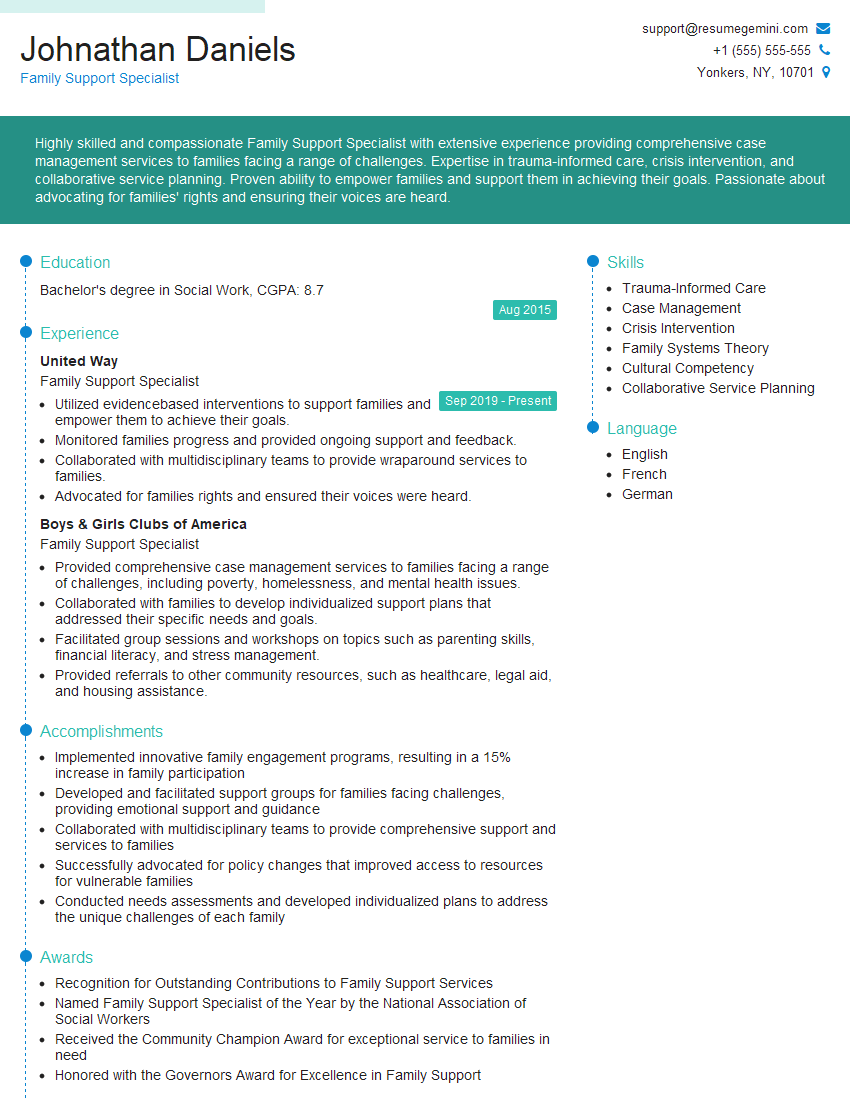
Mastering the principles of Trauma-Informed Schools significantly enhances your career prospects in education, demonstrating a commitment to student well-being and creating positive learning environments. A well-crafted resume is crucial in showcasing your expertise to potential employers. Building an ATS-friendly resume significantly increases your chances of getting your application noticed. We highly recommend using ResumeGemini to build a professional and impactful resume. ResumeGemini provides an intuitive platform and access to examples of resumes tailored to Trauma-Informed Schools, ensuring your qualifications shine. Invest the time to craft a compelling narrative that highlights your skills and experience in this vital area of education.
Explore more articles
Users Rating of Our Blogs
Share Your Experience
We value your feedback! Please rate our content and share your thoughts (optional).
What Readers Say About Our Blog
I Redesigned Spongebob Squarepants and his main characters of my artwork.
https://www.deviantart.com/reimaginesponge/art/Redesigned-Spongebob-characters-1223583608
IT gave me an insight and words to use and be able to think of examples
Hi, I’m Jay, we have a few potential clients that are interested in your services, thought you might be a good fit. I’d love to talk about the details, when do you have time to talk?
Best,
Jay
Founder | CEO