Interviews are opportunities to demonstrate your expertise, and this guide is here to help you shine. Explore the essential United States Department of Agriculture (USDA) Inspections interview questions that employers frequently ask, paired with strategies for crafting responses that set you apart from the competition.
Questions Asked in United States Department of Agriculture (USDA) Inspections Interview
Q 1. Describe your experience with USDA regulations related to food safety.
My experience with USDA food safety regulations spans over a decade, encompassing various roles within the agency and extensive interaction with food processing facilities. I’ve been directly involved in the development and implementation of inspection procedures, ensuring compliance with the Federal Meat Inspection Act (FMIA), the Poultry Products Inspection Act (PPIA), and other relevant regulations. This includes a thorough understanding of the Hazard Analysis and Critical Control Points (HACCP) system, a cornerstone of modern food safety management. I’m familiar with the intricacies of microbiological testing, sanitation protocols, and allergen control measures. For instance, I was involved in a project that revised inspection procedures for handling Listeria monocytogenes contamination in ready-to-eat meat products, leading to a significant reduction in outbreaks.
My expertise extends to the interpretation and enforcement of these regulations, addressing deviations and ensuring continuous improvement in food safety practices across various food sectors. I’ve worked with establishments ranging from small, family-owned farms to large-scale processing plants, helping them meet the rigorous standards required by the USDA. I’m also well-versed in the regulatory changes and updates, ensuring the inspections I conduct remain current and effective.
Q 2. Explain the process for inspecting poultry processing plants.
Inspecting poultry processing plants is a multi-faceted process aimed at ensuring the safety and wholesomeness of poultry products. It’s a rigorous system that follows a pre-determined schedule and incorporates both pre-operational and operational inspections. Before processing begins, we inspect the facilities for cleanliness, sanitation practices, and proper equipment functionality. This includes checking refrigeration temperatures, sanitation protocols, and equipment maintenance records. During the operational phase, inspectors meticulously monitor every stage of processing: from receiving and evisceration to chilling, cutting, and packaging. This process involves observing personnel, inspecting equipment, and taking samples for microbiological testing to ensure adherence to regulatory standards.
We systematically review the plant’s HACCP plan, verifying that critical control points (CCPs) are adequately identified, monitored, and controlled. For example, we carefully check cooking temperatures to ensure pathogens are eliminated. We also examine the plant’s record-keeping systems, which must accurately track all aspects of the production process. Any non-compliance issues are documented and addressed immediately, potentially leading to corrective actions, warnings, or, in severe cases, plant closure.
Imagine it like a highly organized orchestra: every section (from receiving to packaging) has a crucial role to play, and our inspectors are the conductors, ensuring every instrument (equipment and procedure) is playing in perfect harmony to produce a safe final product.
Q 3. What are the key differences between USDA organic and conventional agricultural practices?
The key differences between USDA organic and conventional agricultural practices lie in the production methods used. Conventional agriculture often utilizes synthetic pesticides, herbicides, fertilizers, and genetically modified organisms (GMOs). In contrast, USDA organic agriculture prohibits the use of these synthetic inputs and emphasizes practices that promote soil health, biodiversity, and environmental sustainability.
- Synthetic Inputs: Organic farming strictly limits or prohibits synthetic pesticides, herbicides, fertilizers, and growth hormones.
- Soil Health: Organic practices focus on building and maintaining healthy soil through composting, cover cropping, and crop rotation.
- Biodiversity: Organic farms often incorporate diverse plant and animal species to enhance ecological balance.
- GMOs: Genetically modified organisms are prohibited in organic production.
- Animal Welfare: Organic livestock production emphasizes humane treatment, access to pasture, and the avoidance of antibiotics and growth hormones.
Imagine a traditional farm versus a modern, sustainable one. Conventional farming might rely on chemical fertilizers to boost yields, while organic farming builds soil fertility through natural means, yielding a different, and often times more environmentally-friendly result.
Q 4. How do you handle situations where non-compliance is detected during an inspection?
Handling non-compliance during an inspection is a systematic process that prioritizes corrective action and prevention of future violations. Upon detecting non-compliance, a thorough investigation is conducted to determine the extent and severity of the issue. This involves documenting the violation with photographic evidence, interviewing personnel, and reviewing the establishment’s records. The severity of the violation dictates the response, ranging from verbal warnings and requests for corrective actions to formal written warnings and, in extreme cases, temporary or permanent suspension of operations.
We follow a structured approach: we first communicate the findings to the facility management, providing clear and specific details about the violation. Then, we collaboratively develop a Corrective Action Plan (CAP) which outlines the steps needed to address the non-compliance. This plan includes a timeline for implementation and methods for verifying the effectiveness of these actions. The facility is then monitored for compliance with the CAP. Regular follow-up inspections are conducted to ensure the corrective actions are effectively implemented and sustained. This approach ensures accountability and fosters a culture of food safety within the establishment.
This ensures that the immediate problem is addressed and that we are preventing similar problems from happening again.
Q 5. What are the critical control points (CCPs) in a meat processing facility?
Critical Control Points (CCPs) in a meat processing facility are steps in the process where control can prevent or eliminate a food safety hazard. These points vary depending on the specific product and process, but some common CCPs include:
- Temperature Control: Maintaining proper temperatures during chilling, cooking, and holding is crucial to prevent bacterial growth.
- Sanitation: Thorough sanitation of equipment and surfaces prevents cross-contamination.
- Ingredient Control: Verifying the safety and quality of incoming ingredients is critical to prevent contamination at the source.
- Packaging: Proper packaging protects the finished product from contamination.
- Metal Detection: Using metal detectors to remove foreign materials from the product stream is vital.
For example, ensuring that ground beef is cooked to a temperature of 155°F (68°C) is a CCP as it eliminates harmful bacteria like E. coli. Each CCP has established limits and monitoring procedures to ensure safety.
Q 6. Describe your proficiency in using USDA inspection forms and reporting systems.
My proficiency in using USDA inspection forms and reporting systems is high. I’m adept at accurately completing all necessary documentation, including inspection reports, non-compliance reports, and sampling logs. I’m proficient in using the USDA’s electronic reporting systems, ensuring timely and accurate submission of inspection data. My knowledge extends to data analysis and interpretation, allowing me to identify trends and patterns that may indicate potential areas for improvement in food safety practices within establishments or across regions. I can easily navigate and utilize the various databases and online platforms used to track and manage inspection data.
For example, I’m experienced in using the USDA’s electronic reporting system to submit inspection reports, track follow-up activities, and generate summary reports. I’m familiar with the various codes and classifications used to categorize findings, ensuring consistency and accuracy in reporting. This proficiency ensures that inspection findings are thoroughly documented and efficiently communicated to all relevant parties.
Q 7. Explain your understanding of Hazard Analysis and Critical Control Points (HACCP).
Hazard Analysis and Critical Control Points (HACCP) is a systematic, preventative approach to food safety that identifies potential hazards and establishes controls to prevent or eliminate them. It’s a science-based approach that moves away from reactive inspection towards a proactive system of prevention. The seven principles of HACCP are:
- Conduct a hazard analysis: Identify potential biological, chemical, and physical hazards.
- Determine critical control points (CCPs): Identify steps where hazards can be prevented, eliminated, or reduced to safe levels.
- Establish critical limits: Set measurable limits for each CCP.
- Establish monitoring procedures: Specify how CCPs will be monitored.
- Establish corrective actions: Outline what to do if monitoring indicates that a CCP is not under control.
- Establish verification procedures: Specify how to verify that the HACCP system is working effectively.
- Establish record-keeping and documentation procedures: Maintain thorough records.
Think of it like a blueprint for food safety. By identifying potential risks and implementing controls at each critical step, the HACCP system significantly reduces the likelihood of foodborne illness. It’s a vital tool for ensuring food safety throughout the production process, and I have extensive experience in assisting food processing establishments in developing, implementing, and maintaining effective HACCP plans. My experience includes working directly with facilities to improve their plans and processes to meet ever-changing food safety challenges.
Q 8. How do you ensure the impartiality and objectivity of your inspections?
Impartiality and objectivity are cornerstones of USDA inspections. We achieve this through rigorous training, standardized procedures, and a strong emphasis on following established protocols. Every inspector undergoes extensive training on identifying potential violations, accurately documenting findings, and applying regulations consistently. We use standardized checklists and forms to ensure uniformity across inspections, minimizing the potential for personal bias to influence our assessment.
Furthermore, we adhere to strict guidelines regarding conflict of interest. Any potential conflict, such as a prior relationship with the facility manager, must be disclosed. Regular audits and quality control measures are in place to review inspection reports and identify any inconsistencies that might suggest bias. Think of it like a referee in a sports game; they follow established rules and maintain neutrality to ensure fairness to all parties involved.
Q 9. How would you address a conflict with a facility manager regarding inspection findings?
Addressing conflicts with facility managers requires a professional and diplomatic approach. The first step is to clearly and calmly reiterate the inspection findings, providing supporting evidence – photos, samples, test results, etc. I would explain the regulatory basis for each finding, ensuring the manager understands the violation’s significance. Open communication is key; I would actively listen to their perspective and address their concerns.
If the disagreement persists, I would follow established USDA protocols for escalation. This might involve consulting with a supervisor or seeking a second opinion from another inspector. In some cases, a formal meeting with the facility manager and representatives from the USDA might be necessary to resolve the issue. The goal is to reach a mutually acceptable solution that ensures compliance with regulations, while fostering a cooperative working relationship.
Q 10. What are the common pests and diseases affecting [specific crop/livestock] and how are they detected?
Let’s assume the specific crop is corn. Common pests affecting corn include corn rootworms, aphids, and corn borers. Diseases include fungal diseases like corn smut and various stalk rots. Detection methods vary depending on the pest or disease. Visual inspection is often the first step, looking for tell-tale signs like wilting plants, damaged leaves, or unusual growths. We might use traps for insects and take soil samples to test for root diseases. Laboratory testing is crucial for confirming suspicions. For example, we might send samples of affected plant tissue for pathogen identification using techniques like ELISA (Enzyme-Linked Immunosorbent Assay) or PCR (Polymerase Chain Reaction).
Imagine it like being a detective: you start by examining the crime scene (the field), looking for clues. Then, you collect evidence (samples) and send it to the lab for analysis to identify the culprit (pest or disease).
Q 11. Describe your experience with sampling and laboratory testing procedures.
My experience with sampling and laboratory testing is extensive. I am proficient in various sampling techniques, ensuring representative samples are collected from diverse locations within the facility or field. This minimizes bias and increases the reliability of the test results. I’m familiar with different sampling plans, from simple random sampling to stratified sampling, selecting the appropriate method based on the specific situation.
After collecting samples, they are carefully documented, labeled, and transported following chain-of-custody procedures to maintain sample integrity. I’m knowledgeable in working with accredited labs, ensuring they meet USDA standards, interpreting the test results, and integrating them into the overall inspection report. I understand the importance of proper sample handling and preservation to ensure accurate and reliable results – a contaminated or improperly handled sample is useless.
Q 12. What are the key regulations regarding the labeling and packaging of food products?
Regulations regarding food labeling and packaging are complex and focus on ensuring consumer safety and preventing deception. The Food and Drug Administration (FDA) and the USDA share responsibility, with the USDA primarily overseeing meat, poultry, and certain egg products. Key regulations include accurate declaration of ingredients, net weight, nutritional information, and allergen labeling. Packaging must be safe and prevent contamination. Misleading or deceptive labeling practices are strictly prohibited.
For example, all ingredients must be listed in descending order of weight, and any known allergens must be clearly highlighted. Failure to comply can result in significant penalties and product recalls. The regulations are constantly evolving to keep pace with scientific advancements and consumer needs.
Q 13. Explain your understanding of Good Agricultural Practices (GAPs).
Good Agricultural Practices (GAPs) are a set of comprehensive guidelines aimed at minimizing risks of foodborne illnesses and environmental contamination. They cover all aspects of agricultural production, from soil health and water management to pest control and worker hygiene. GAPs emphasize preventative measures to ensure safe food production.
Key aspects of GAPs include maintaining clean facilities and equipment, using safe water sources, implementing proper pest control strategies, and training workers on safe food handling practices. Compliance with GAPs helps ensure that produce is safe for consumption, protecting public health and maintaining consumer confidence. Think of GAPs as a comprehensive safety manual for farms, promoting safe food production from the ground up.
Q 14. How do you maintain accurate and detailed records during inspections?
Maintaining accurate and detailed records during inspections is critical for ensuring accountability and transparency. I use standardized forms and digital tools to document all aspects of the inspection process. This includes details on the date, time, location, individuals interviewed, and all findings, both positive and negative. Photos and video evidence are often included to support the findings. All records are reviewed for accuracy and completeness before submitting them.
Maintaining a clear chain of custody for samples is also essential. Every step of the process, from sample collection to laboratory testing, is documented. This rigorous record-keeping approach ensures that inspections are thorough, objective, and easily verifiable, leaving a transparent trail of the entire inspection process.
Q 15. Describe your experience with conducting pre-operational inspections.
Pre-operational inspections are crucial for ensuring a food processing facility meets USDA standards before it begins operations. These inspections are thorough and cover everything from facility design and equipment sanitation to employee hygiene and procedures. My experience involves meticulously reviewing the facility’s plans and blueprints, verifying the presence and proper functioning of essential equipment (e.g., refrigeration units, handwashing stations), and assessing the overall layout to ensure efficient workflow and minimize cross-contamination risks. I’ve conducted numerous pre-operational inspections for various facilities, ranging from small-scale meat processors to large-scale dairy plants. For example, during a recent inspection of a new poultry processing plant, I ensured their water treatment system complied with regulations, verified the effectiveness of their pest control program, and reviewed their Hazard Analysis and Critical Control Points (HACCP) plan to ensure it adequately addressed potential food safety hazards specific to poultry processing.
Career Expert Tips:
- Ace those interviews! Prepare effectively by reviewing the Top 50 Most Common Interview Questions on ResumeGemini.
- Navigate your job search with confidence! Explore a wide range of Career Tips on ResumeGemini. Learn about common challenges and recommendations to overcome them.
- Craft the perfect resume! Master the Art of Resume Writing with ResumeGemini’s guide. Showcase your unique qualifications and achievements effectively.
- Don’t miss out on holiday savings! Build your dream resume with ResumeGemini’s ATS optimized templates.
Q 16. How do you identify and mitigate potential food safety hazards during an inspection?
Identifying and mitigating food safety hazards during an inspection requires a systematic approach. I use a combination of visual observation, questioning facility personnel, and reviewing documentation (HACCP plans, sanitation logs, temperature records). Common hazards include improper temperature control, inadequate sanitation, cross-contamination, and pest infestations. For instance, if I observe inadequate handwashing facilities or improper storage of raw and ready-to-eat products, I immediately point out the issue, explain the potential consequences, and work with the facility to develop corrective actions. I also utilize my understanding of HACCP principles to identify critical control points (CCPs) where hazards are most likely to occur. During one inspection, I discovered a lapse in the cooling process for cooked meat products, putting them at risk for bacterial growth. By working with the plant manager, we implemented a new cooling schedule and monitored temperatures to correct this critical control point.
Q 17. What are your strategies for ensuring the efficiency and effectiveness of inspections?
Efficiency and effectiveness in inspections are paramount. My strategies include: thorough preparation prior to the inspection (reviewing previous inspection reports, facility blueprints), prioritizing critical areas (e.g., areas with the highest risk of contamination), utilizing checklists to ensure comprehensive coverage, and employing effective communication with facility personnel. I prioritize a collaborative approach, aiming to educate and assist facilities in meeting standards rather than solely focusing on enforcement. For example, I break down complex regulations into easily understandable language, provide practical examples of best practices, and offer suggestions for improvement. Documenting everything precisely and using electronic reporting systems drastically improves both efficiency and accuracy. Time management is critical. I always prioritize the most critical risk areas first. This prioritization ensures that the inspection is completed thoroughly and efficiently, providing a comprehensive assessment of the facility’s compliance status.
Q 18. Explain your experience with the USDA’s electronic reporting system.
I’m proficient in using the USDA’s electronic reporting system (e.g., the system’s name if it’s publicly accessible, otherwise a generic description like “the agency’s electronic reporting system”). My experience includes entering inspection data, generating reports, managing observations, and tracking corrective actions. I understand how to navigate the system’s various modules, ensuring that all inspection findings are accurately recorded and stored according to agency protocols. The system’s efficiency streamlines the inspection process and allows for easy access to historical data, aiding in the detection of recurring problems and facilitating ongoing monitoring. I’m familiar with the system’s security protocols and comply with all data privacy regulations. I’ve also used the system to access and review past inspection reports to compare current conditions and identify any trends in compliance or areas needing improvement.
Q 19. Describe your understanding of the consequences of non-compliance with USDA regulations.
Non-compliance with USDA regulations carries significant consequences, ranging from warnings and minor violations to severe penalties, including facility closure. The severity of the consequences depends on the nature and severity of the violation. Minor violations might result in a written warning or a request for corrective actions. However, serious violations, such as those posing significant food safety risks, could lead to suspension of operations, fines, and even criminal charges. For example, repeated failure to maintain proper sanitation standards or the discovery of widespread contamination could lead to immediate shutdown and a thorough investigation. It’s crucial for facilities to prioritize compliance, as the consequences of non-compliance can severely impact their reputation, profitability, and ability to operate.
Q 20. How do you handle stressful or high-pressure situations during inspections?
Handling stressful situations during inspections requires a calm, professional demeanor and effective communication skills. I approach high-pressure situations methodically, focusing on the facts and applying established protocols. Maintaining a neutral, objective perspective helps me to assess the situation clearly and make sound judgments. I prioritize clear communication with the facility personnel, ensuring that everyone understands the concerns and corrective actions needed. If the situation escalates, I’m trained to de-escalate tensions, explaining the regulations clearly and collaboratively working toward resolution. For example, in situations where there are disagreements, I make sure to actively listen to the facility’s concerns and thoroughly document all communications and actions taken. My experience has shown that a measured, professional approach usually leads to positive outcomes.
Q 21. Explain your understanding of various USDA grading standards for agricultural products.
My understanding of USDA grading standards for agricultural products is extensive. I’m familiar with the various standards for different commodities, including meat, poultry, dairy, fruits, vegetables, and grains. These standards define quality grades based on factors such as size, shape, color, texture, and overall condition. For instance, beef grading considers factors like marbling, maturity, and firmness, resulting in grades such as Prime, Choice, Select, etc. Similarly, poultry is graded based on conformation, fleshing, and fat covering. Understanding these grading standards is essential for ensuring that products meet the specified quality levels and are accurately labeled. Knowing these standards helps me during inspections to verify that products are correctly graded and labeled, ensuring compliance with regulations and consumer protection.
Q 22. Describe your proficiency in using various inspection equipment and tools.
My proficiency with USDA inspection equipment and tools is extensive. I’m highly skilled in using a wide range of instruments, from basic thermometers and scales to more specialized equipment like pH meters for assessing food acidity, moisture meters for determining water content in grains, and various testing kits for detecting pathogens like E. coli and Salmonella. I am also proficient in using digital data collection devices to record and transmit inspection results directly to the USDA database. For example, I regularly use calibrated thermometers to check the internal temperature of cooked meats, ensuring they reach safe temperatures to prevent bacterial growth. Using a moisture meter on grains helps determine their quality and suitability for storage, preventing spoilage. My experience also includes the use of specialized sampling equipment to collect representative samples for laboratory analysis, guaranteeing the accuracy of the results. The proper handling and calibration of these tools is paramount to ensuring the accuracy and reliability of the inspections.
Q 23. How do you ensure the safety and well-being of livestock during inspections?
Ensuring the safety and well-being of livestock during inspections is a top priority. My approach is guided by the principles of humane handling. This starts with observing the animals’ behavior, looking for signs of stress, illness, or injury. I always prioritize minimizing any potential disturbance. For instance, during cattle inspections, I make sure to approach them calmly, avoiding sudden movements that might cause alarm. I also make sure to be mindful of appropriate handling techniques when examining individual animals, ensuring that I do not inflict any pain or cause unnecessary stress. My experience includes working with various livestock species, and I am familiar with their unique needs and vulnerabilities. This holistic approach, coupled with compliance with established USDA guidelines, ensures the safety and minimizes stress for the animals involved in the inspection.
Q 24. Describe your understanding of foodborne illness prevention and control measures.
My understanding of foodborne illness prevention and control measures is comprehensive. It’s built upon a strong foundation of HACCP (Hazard Analysis and Critical Control Points) principles. I’m familiar with the seven HACCP principles – hazard analysis, critical control point determination, establishment of critical limits, monitoring procedures, corrective actions, verification procedures, and record-keeping. I know how to apply these principles across various food production environments, from large-scale processing plants to smaller farms. For example, during inspections, I assess sanitation practices, check for proper temperature control, and verify the effectiveness of pest control measures. Understanding cross-contamination risks and appropriate handwashing techniques is crucial in preventing the spread of pathogens. I can easily identify potential hazards and suggest improvements in food handling practices to minimize the risks of foodborne illness. A recent example involved a small farm where improper cooling of perishable goods posed a significant risk. I worked with the farmer to implement improved cooling procedures, ensuring compliance with food safety regulations.
Q 25. What is your experience with investigating food safety outbreaks or incidents?
I have significant experience investigating food safety outbreaks or incidents. My involvement ranges from initial site visits to collect evidence and interview personnel to participating in detailed data analysis. For example, I was part of a team that investigated a Salmonella outbreak linked to a poultry processing facility. This involved meticulous tracing of the product, examining processing records, and collecting samples for laboratory testing. We employed epidemiological methods, identifying common links among affected individuals. The investigation led to the identification of the source of contamination and implementation of corrective actions to prevent future outbreaks. This experience has enhanced my ability to quickly assess situations, collect crucial data, and work collaboratively with other professionals to address food safety concerns effectively. Proper documentation and record-keeping are critical components of these investigations, guaranteeing that findings are clearly documented and support effective remedial actions.
Q 26. Explain your understanding of the USDA’s role in promoting sustainable agriculture.
The USDA plays a crucial role in promoting sustainable agriculture through various initiatives. One key aspect is supporting the development and adoption of environmentally sound farming practices. This includes promoting conservation tillage, integrated pest management, and water conservation techniques. The USDA offers financial and technical assistance to farmers adopting these practices. Another crucial area is promoting biodiversity and protecting natural resources. USDA programs encourage the diversification of crops and livestock, and protect crucial habitats and prevent soil erosion. For instance, they provide resources and support to farmers implementing cover cropping to protect topsoil and improve soil health. Moreover, the USDA actively supports research in sustainable agriculture, continually looking for new methods to improve efficiency and reduce environmental impact. These efforts aim to balance economic viability with environmental stewardship, contributing to the long-term health of our agricultural systems.
Q 27. How do you adapt your inspection approach to different types of agricultural operations?
My inspection approach adapts to different types of agricultural operations, recognizing the unique characteristics of each. Inspecting a large-scale poultry processing plant requires a very different approach than inspecting a small family farm. For large operations, my focus is on ensuring compliance with comprehensive regulatory standards, often involving review of extensive records, sampling procedures, and equipment checks. With smaller farms, the emphasis shifts toward personalized guidance and education on best practices. For example, a large processing plant will require a detailed review of sanitation protocols, while a small farm may need assistance in implementing effective pest management. My experience covers a wide range of agricultural settings – including livestock farms, crop production, and food processing facilities – allowing me to tailor my inspection strategy based on specific operational context, ensuring effective and fair assessment.
Q 28. Describe your experience working with diverse teams and stakeholders in agricultural settings.
Working with diverse teams and stakeholders in agricultural settings is a vital part of my role. I regularly collaborate with farmers, processors, veterinarians, laboratory personnel, and other USDA inspectors. Effective communication and collaboration are paramount to achieving shared goals. For example, during an investigation into a potential food safety issue, I worked closely with a team of state inspectors, laboratory specialists, and the affected farm owner. Open communication ensured everyone was informed and on the same page. My approach emphasizes respect for different perspectives and building consensus. Understanding the challenges faced by various stakeholders is important in fostering productive relationships and ensuring effective outcomes. This collaborative approach is crucial for successfully enforcing food safety regulations and promoting sustainable agriculture.
Key Topics to Learn for United States Department of Agriculture (USDA) Inspections Interview
- Food Safety Regulations: Understand the core principles of USDA food safety regulations, including Hazard Analysis and Critical Control Points (HACCP) and Good Agricultural Practices (GAPs).
- Inspection Procedures: Familiarize yourself with the various inspection methods and techniques used by USDA inspectors, including visual inspections, sampling procedures, and record reviews. Practical application: Be prepared to discuss how you would approach an inspection in a specific scenario, such as a meat processing plant or a fruit orchard.
- Data Analysis and Reporting: Develop your skills in analyzing inspection data, identifying trends, and preparing accurate and concise reports. Consider how you would present findings clearly and effectively to both technical and non-technical audiences.
- Regulatory Compliance: Gain a comprehensive understanding of USDA regulations and how to ensure compliance within various agricultural sectors. This includes understanding the consequences of non-compliance and how to address violations effectively.
- Communication and Interpersonal Skills: USDA inspectors frequently interact with producers, processors, and other stakeholders. Practice effective communication techniques, including active listening, clear articulation, and conflict resolution.
- Problem-Solving and Decision-Making: Develop your ability to identify and solve problems related to food safety and regulatory compliance. Be ready to discuss your approach to problem-solving, using examples from your past experience if possible.
- Specific Commodities and Processes: Depending on the specific USDA inspection role, you may need in-depth knowledge of particular commodities (e.g., meat, poultry, dairy) and their associated processing techniques. Research the specific requirements of the position you are applying for.
Next Steps
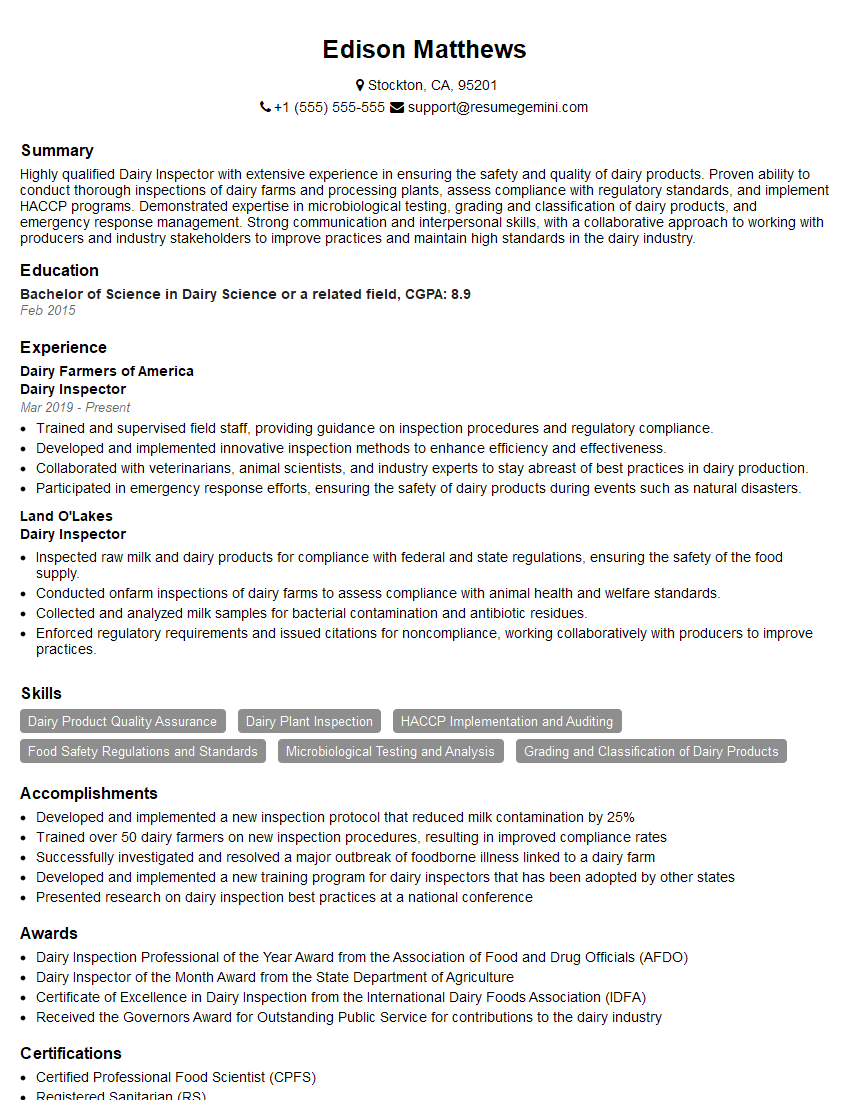
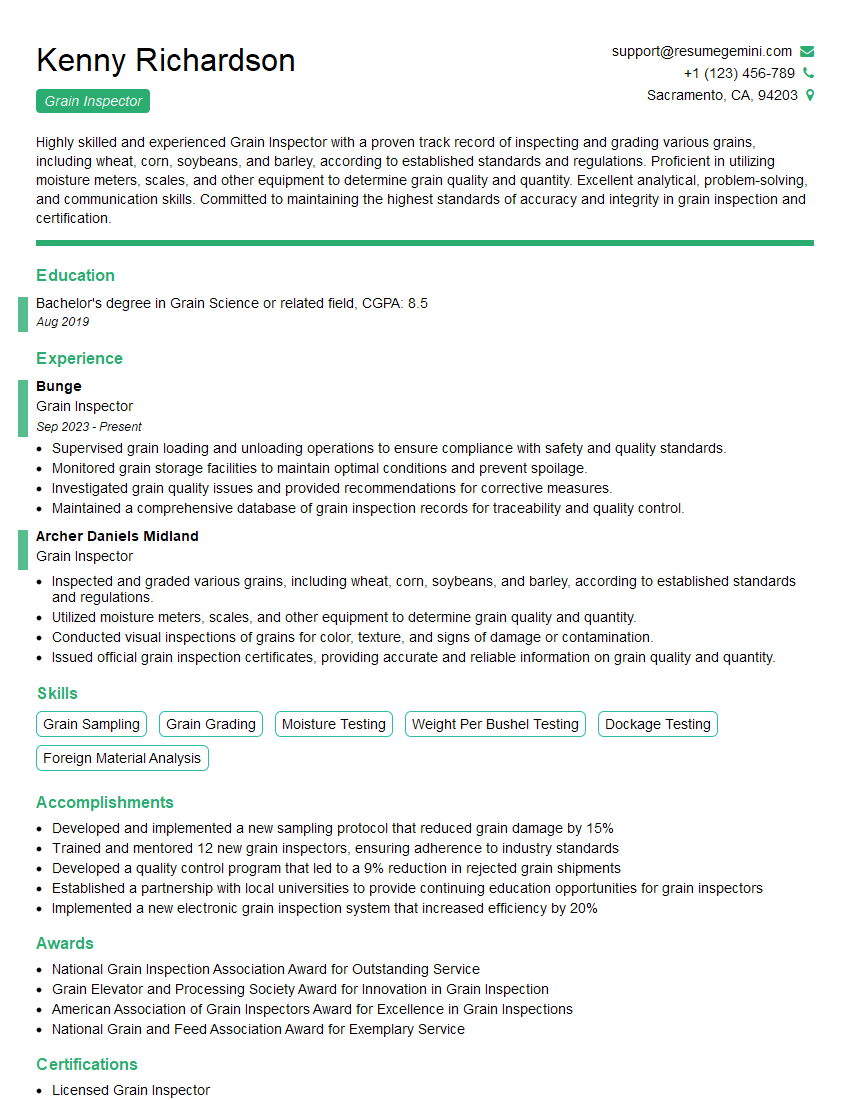
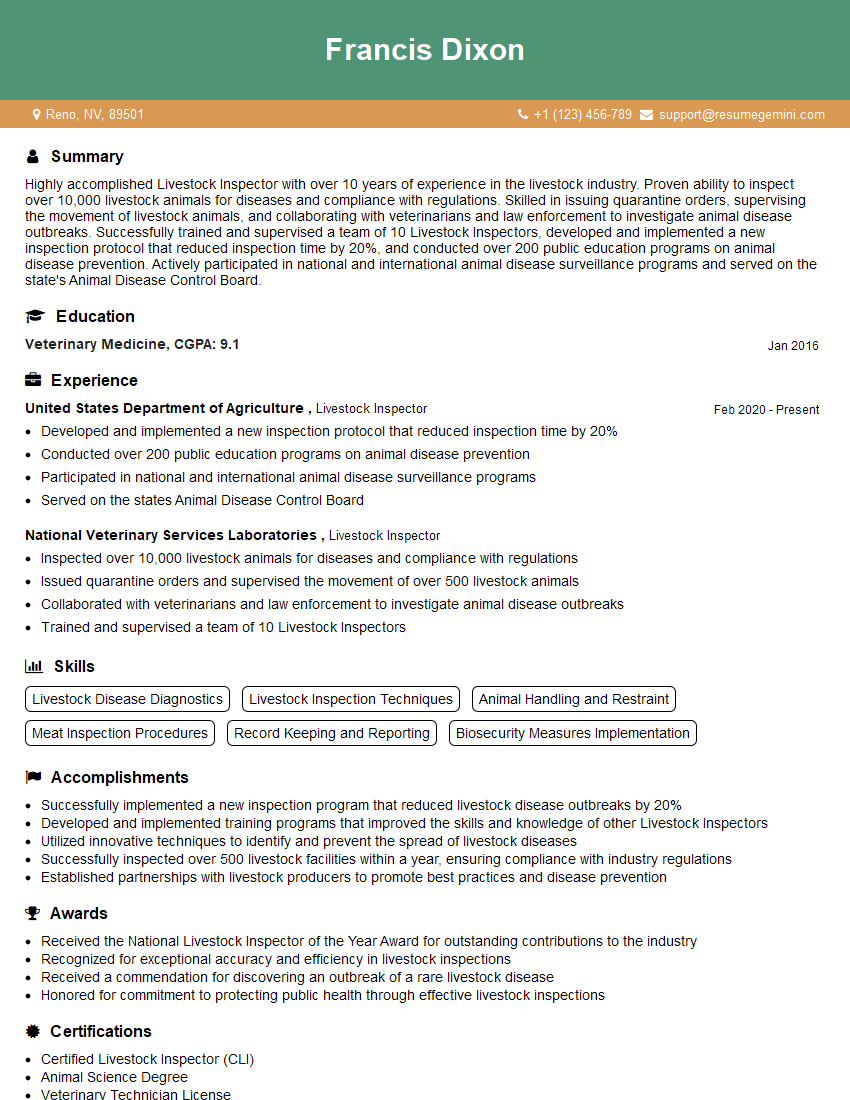
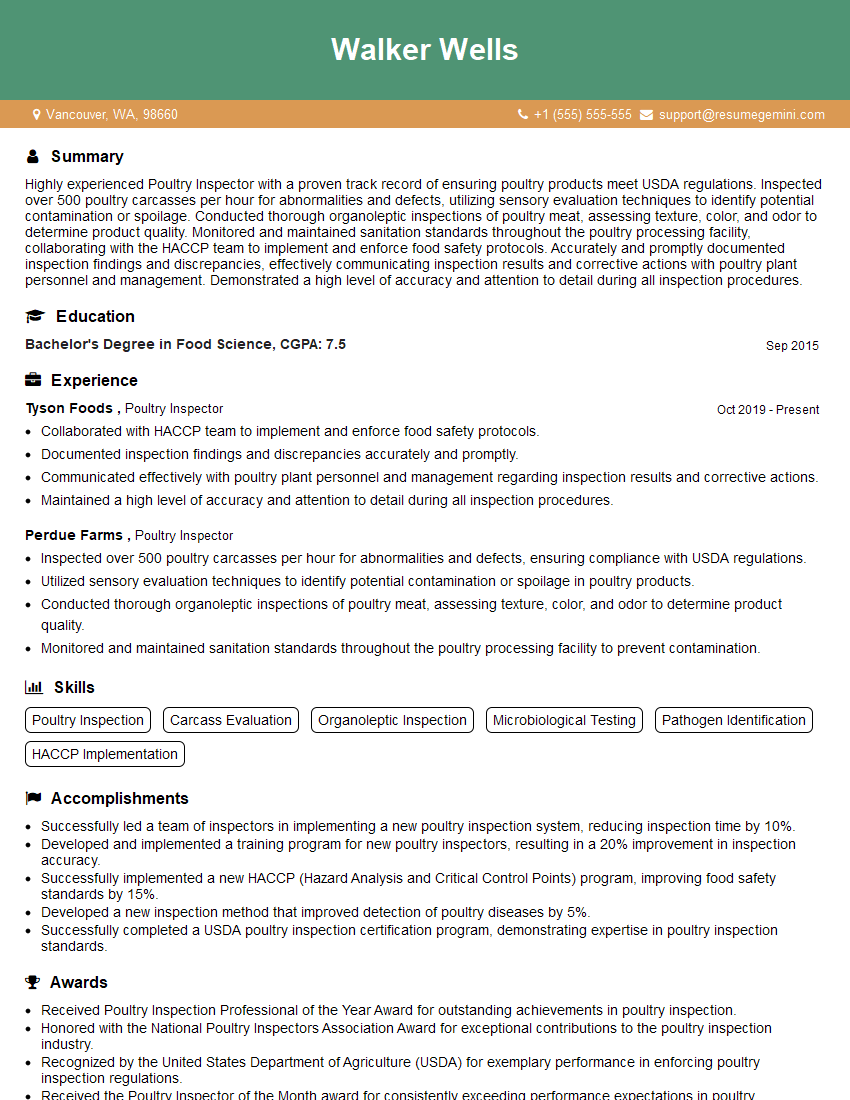
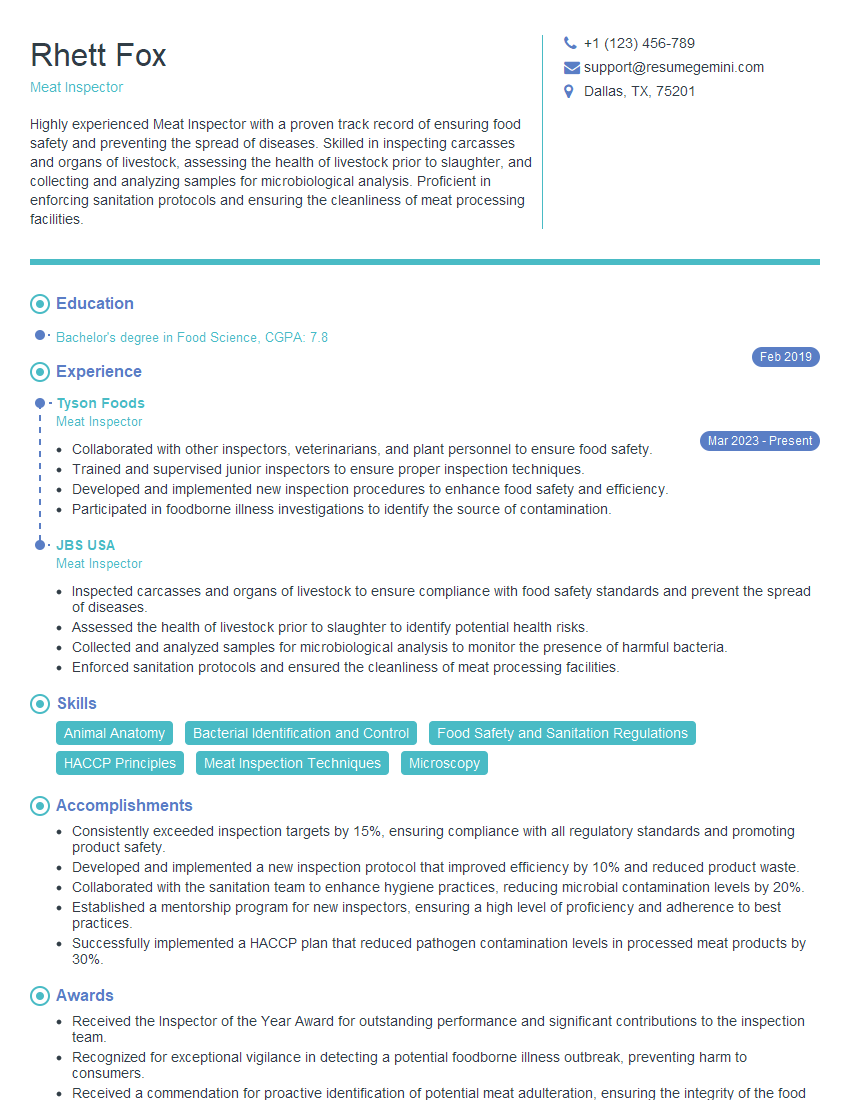
Mastering the intricacies of USDA Inspections opens doors to a rewarding career contributing to the safety and security of our nation’s food supply. A strong understanding of these key areas significantly enhances your chances of interview success and securing a fulfilling role within the USDA. To further improve your job prospects, create a compelling and ATS-friendly resume that highlights your relevant skills and experience. ResumeGemini is a trusted resource that can help you build a professional resume tailored to the USDA Inspections field. Examples of resumes specifically designed for USDA Inspection roles are available to guide you.
Explore more articles
Users Rating of Our Blogs
Share Your Experience
We value your feedback! Please rate our content and share your thoughts (optional).
What Readers Say About Our Blog
Really detailed insights and content, thank you for writing this detailed article.
IT gave me an insight and words to use and be able to think of examples