The right preparation can turn an interview into an opportunity to showcase your expertise. This guide to Use of Primary and Secondary Sources interview questions is your ultimate resource, providing key insights and tips to help you ace your responses and stand out as a top candidate.
Questions Asked in Use of Primary and Secondary Sources Interview
Q 1. Define primary and secondary sources and provide examples of each.
Primary sources are original materials created during a specific time period by someone who directly experienced or participated in the events being studied. Think of them as firsthand accounts. Secondary sources, on the other hand, are interpretations or analyses of primary sources. They are created after the fact and often offer a broader perspective or synthesis of information from multiple sources.
- Primary Source Examples: A diary entry from a World War I soldier, a letter written by Abraham Lincoln, a photograph from the moon landing, a scientific research paper reporting original findings, a legal document like a court transcript.
- Secondary Source Examples: A history textbook about World War I, a biography of Abraham Lincoln, a documentary analyzing the moon landing, a review article summarizing several scientific papers, a law journal article analyzing court precedent.
Q 2. Explain the strengths and weaknesses of using primary sources in research.
Primary sources offer unparalleled authenticity and direct insight into the past. They allow researchers to engage with the original material, analyze the author’s perspective, and draw their own conclusions. However, they can be challenging to work with. Their value can be limited by bias, incompleteness, or difficulty of access (e.g., languages or formats). They may also require specialized skills in historical context or analysis.
- Strengths: Direct evidence, original perspective, contextual richness.
- Weaknesses: Potential bias, incompleteness, accessibility issues, lack of hindsight, need for specialized skills in interpretation.
Imagine finding a personal letter from a pioneer describing their journey westward. This primary source offers raw, unfiltered insight into their experiences, but we must also be aware of potential biases or the limited scope of a single individual’s perspective.
Q 3. What are the challenges in using secondary sources, and how can these be mitigated?
The biggest challenge with secondary sources is potential distortion or misrepresentation of information. Authors might present biased interpretations, oversimplify complex issues, or fail to adequately support their claims with evidence. Another issue is the potential for outdated information, as new research may challenge earlier findings.
To mitigate these challenges, it’s essential to:
- Evaluate the author’s expertise and potential biases: Who is the author? What is their reputation? What is their potential agenda?
- Cross-reference information with multiple sources: Don’t rely on a single secondary source. Compare and contrast information from various sources to identify consistent themes and discrepancies.
- Check for citations and evidence: A credible secondary source should clearly cite its sources, enabling verification of the information presented.
- Consider the publication date: Older sources might reflect outdated knowledge or perspectives. Look for more recently published works, especially in rapidly evolving fields.
Think of it like this: a secondary source is like a storyteller retelling a story – it’s helpful for understanding the broader narrative, but we need to verify the accuracy of their account through other means.
Q 4. How do you evaluate the credibility and reliability of a primary source?
Evaluating the credibility of a primary source involves a multi-faceted approach. We need to consider its authorship, context, and content. Ask yourself:
- Authorship: Who created this source? What was their position or perspective? Were they a participant or observer?
- Context: When and where was this source created? What were the relevant historical circumstances? What was the intended audience?
- Content: Does the source’s internal consistency support its claims? Are there any obvious biases or contradictions? Can it be corroborated by other sources?
For example, a wartime diary may be highly insightful, but its author’s emotional state or potential propaganda influence must be considered. Triangulation with other primary sources and secondary analyses can help build a more complete picture.
Q 5. How do you evaluate the credibility and reliability of a secondary source?
Evaluating secondary sources requires a similar critical approach, focusing on the author’s credibility, methodology, and the evidence presented. Key questions include:
- Author’s Expertise and Reputation: Is the author an expert in the field? Are they affiliated with any organization that might bias their work?
- Methodology: How did the author conduct their research? What sources did they use? Are their methods clearly described and appropriate to the topic?
- Evidence: Does the author adequately support their claims with evidence? Are their sources cited properly and accessible? Is the logic sound and consistent?
- Publication: Where was the source published? Is it a reputable journal or press?
Think of it like reviewing a restaurant: You’d consider the chef’s reputation, the ingredients used, the cooking methods, and the reviews from other diners before deciding whether to eat there.
Q 6. Describe your process for verifying information found in both primary and secondary sources.
My process involves a systematic approach to verification. For primary sources, I start by analyzing the source’s context and internal consistency. I then cross-reference the information with other primary sources, searching for corroboration or contradictions. Secondary sources undergo a similar process, with a focus on verifying the author’s claims and the credibility of their sources. I check for citations, consult the original sources cited in the secondary work whenever possible, and compare the information presented with findings from other secondary sources.
This iterative process often involves revisiting sources, refining my understanding, and adjusting my interpretations based on new evidence. It’s a cycle of investigation and cross-checking, ensuring that the conclusions are as robust and accurate as possible.
Q 7. Explain how bias can affect the interpretation of primary and secondary sources.
Bias can significantly distort the interpretation of both primary and secondary sources. In primary sources, an author’s personal experiences, beliefs, or political affiliations can shape their account of events. A soldier’s diary, for example, might reflect his own emotional responses rather than an objective portrayal of the war. Secondary sources can be even more vulnerable to bias, as authors might selectively choose evidence, interpret data in a skewed manner, or present a particular viewpoint to support their agenda.
Recognizing potential biases is crucial. It requires careful consideration of the source’s context, the author’s perspective, and any potential conflicts of interest. By understanding the potential biases, we can better interpret the information presented and draw more nuanced conclusions.
Q 8. How do you handle conflicting information from different sources?
Conflicting information is inevitable when working with multiple sources. Instead of dismissing conflicting viewpoints, I treat them as opportunities for deeper analysis. My approach involves several steps:
- Identify the conflict: Pinpoint the exact points of disagreement between sources.
- Evaluate source credibility: Assess the authority, expertise, and potential biases of each source. Consider factors like the author’s credentials, publication date, and methodology.
- Examine the evidence: Analyze the supporting evidence presented by each source. Are the arguments based on facts, interpretations, or opinions? Look for primary sources that might resolve the discrepancy.
- Consider context: The context in which information is presented is crucial. A statement made decades ago might hold different implications than a contemporary one.
- Acknowledge the conflict: If a definitive resolution can’t be reached, I acknowledge the conflicting information in my work and explain the different perspectives. This demonstrates intellectual honesty and a nuanced understanding of the topic.
For example, while researching the impact of a particular policy, I might find one source claiming a significant positive effect, while another highlights negative consequences. I would then delve deeper, comparing their methodologies, data sources, and potential biases to determine the most plausible explanation or acknowledge the ongoing debate.
Q 9. What strategies do you use to synthesize information from multiple primary and secondary sources?
Synthesizing information from diverse sources requires a structured approach. I typically follow these steps:
- Create a synthesis matrix: This is a table outlining key themes or arguments from each source, allowing for easy comparison and identification of common threads or discrepancies.
- Identify common themes and arguments: Look for recurring ideas or perspectives across sources. This forms the backbone of your synthesis.
- Analyze the perspectives: Consider the different viewpoints and their underlying assumptions. How do these perspectives relate to each other? Do they complement or contradict each other?
- Develop a coherent narrative: Weave together the information from different sources into a cohesive narrative that builds upon commonalities and addresses contradictions. Your own analysis should be clearly differentiated from the information gleaned from sources.
- Use effective transitions: Connect ideas from different sources smoothly using transition words and phrases to guide the reader through your synthesis.
Imagine researching the causes of the French Revolution. A primary source like a letter from a peasant reveals their grievances, while secondary sources offer broader historical context and analysis. Synthesizing this information requires weaving the personal experience with the larger social and political factors to build a comprehensive understanding.
Q 10. How do you cite primary and secondary sources according to a specific citation style (e.g., APA, MLA)?
Proper citation is crucial for academic integrity. While the specific formatting varies (e.g., APA, MLA, Chicago), the core principles remain the same: accurate attribution and consistent formatting. For instance, in APA style, a primary source like a historical letter would be cited differently than a secondary source such as a scholarly book.
Example (APA):
Primary Source (Letter):
Smith, J. (1789, October 26). Letter to Thomas Jefferson. [Manuscript]. Library of Congress, Washington, D.C.Secondary Source (Book):
Jones, A. B. (2023). The French Revolution: A New Perspective. Oxford University Press.MLA style would have a different format, but the key is to consistently use the same style throughout your work and consult the style guide for specific formatting rules regarding books, journal articles, websites, and other source types. Online citation generators can be helpful, but always double-check their accuracy against the official style guide.
Q 11. Describe a time you had to use both primary and secondary sources to solve a research problem.
During a project on the impact of the Industrial Revolution on child labor, I needed to understand both the lived experiences of children and the broader social and economic context. Primary sources provided invaluable firsthand accounts. I found diaries and autobiographies of child laborers describing their working conditions and daily lives. These harrowing accounts offered a powerful emotional and human element to the research. Secondary sources—historical texts, scholarly articles, and government reports—provided context on legislation, economic factors, and social attitudes towards child labor during that period. By combining these, I was able to create a nuanced picture that moved beyond simply presenting statistical data, giving a more complete and empathetic narrative.
Q 12. How do you determine which sources are most relevant to your research question?
Determining the relevance of sources starts with clearly defining your research question. Once that’s established, I use a multi-faceted approach:
- Keyword searching: I use relevant keywords to search databases like JSTOR, Google Scholar, and library catalogs.
- Abstract review: I carefully read the abstracts to assess if the source addresses my research question directly.
- Source evaluation: I consider the source’s authority, publication date, methodology, and potential biases.
- Citation analysis: Exploring the citations of highly regarded works in the field can lead to other relevant sources.
- Consultation with librarians or experts: Seeking guidance from experienced researchers or librarians can significantly enhance the search efficiency.
For instance, if researching the effectiveness of a specific teaching method, I would focus my search on studies with controlled experiments, peer review, and a clear methodology. Sources offering anecdotal evidence or opinions might be less relevant.
Q 13. Discuss the ethical considerations involved in using primary and secondary sources.
Ethical considerations are paramount when using sources. Key aspects include:
- Accurate representation: Sources must be quoted and paraphrased accurately, avoiding misrepresentation or distortion.
- Proper attribution: All sources must be properly cited to avoid plagiarism. This includes direct quotes, paraphrases, and even ideas inspired by other works.
- Fair use: Respecting copyright and intellectual property rights is essential. Use of copyrighted material requires permission or falls under fair use guidelines.
- Avoiding bias: Acknowledge your own potential biases and strive for objectivity when evaluating and interpreting sources.
- Data privacy: When using primary sources containing personal information, ensure that privacy is protected.
For instance, if using excerpts from interviews, it’s crucial to obtain informed consent from participants and protect their anonymity if requested.
Q 14. How do you manage large volumes of primary and secondary source materials?
Managing large volumes of sources demands organization and efficient tools:
- Digital organization: Using cloud-based storage and folder systems to organize digital sources by topic, type, and date.
- Reference management software: Tools like Zotero or Mendeley can help organize citations, PDFs, and notes.
- Annotation and note-taking: Annotating PDFs and taking detailed notes helps in synthesizing information and tracking key findings.
- Systematic review process: A systematic process of reviewing sources, starting with a preliminary screening and then progressively narrowing down to the most relevant ones.
- Collaboration tools: Sharing and organizing sources with collaborators using shared online folders or dedicated project management software.
Creating a well-structured filing system, both physical and digital, and employing efficient annotation techniques are crucial for navigating and utilizing a substantial volume of source materials.
Q 15. What techniques do you employ to ensure accurate data extraction from primary sources?
Ensuring accurate data extraction from primary sources requires a meticulous and systematic approach. Think of it like carefully excavating a historical artifact – you need precision and care to avoid damaging the original material or misinterpreting its meaning.
- Careful Reading and Annotation: I begin with multiple close readings, annotating the text to identify key terms, concepts, and potential ambiguities. This helps me contextualize the information within the source’s specific historical, cultural, and social settings.
- Source Verification: I cross-reference information with other primary sources whenever possible. This helps to corroborate findings and identify inconsistencies or biases that might be present in a single document.
- Transcription Accuracy: If working with handwritten documents or images, I carefully transcribe the information, ensuring accuracy and noting any unclear passages or potential errors in the original. This might involve consulting paleography experts for particularly challenging documents.
- Contextualization: Understanding the historical context is crucial. I research the author, the date of creation, the intended audience, and the circumstances surrounding the source’s creation. This contextual understanding helps interpret the information accurately.
- Methodology Transparency: I meticulously document my methods, noting any challenges encountered and the decisions made during the data extraction process. This transparency allows others to scrutinize my work and assess its validity.
For example, when analyzing a historical letter, I wouldn’t just extract individual sentences; I’d consider the letter’s tone, the writer’s relationship with the recipient, and the broader historical events mentioned to gain a complete understanding of its message.
Career Expert Tips:
- Ace those interviews! Prepare effectively by reviewing the Top 50 Most Common Interview Questions on ResumeGemini.
- Navigate your job search with confidence! Explore a wide range of Career Tips on ResumeGemini. Learn about common challenges and recommendations to overcome them.
- Craft the perfect resume! Master the Art of Resume Writing with ResumeGemini’s guide. Showcase your unique qualifications and achievements effectively.
- Don’t miss out on holiday savings! Build your dream resume with ResumeGemini’s ATS optimized templates.
Q 16. How do you identify potential biases in secondary sources?
Identifying bias in secondary sources is like being a detective, carefully examining clues to uncover hidden agendas or perspectives. Secondary sources, by their nature, interpret primary sources, and these interpretations can be influenced by the author’s own biases.
- Author’s Background and Affiliation: I examine the author’s background, credentials, and any potential affiliations that might influence their interpretation. For example, an article on climate change written by a lobbyist for the fossil fuel industry might present a biased perspective.
- Intended Audience: The intended audience can significantly shape the content and tone of a secondary source. A scholarly article will differ greatly from a popular magazine piece.
- Selection of Evidence: I pay close attention to how the author selects and presents evidence. Are they selectively choosing data to support their argument, omitting contradictory information?
- Language and Tone: The language used can reveal bias. Loaded language, emotionally charged words, and generalizations are red flags.
- Comparison with Multiple Sources: I always consult multiple secondary sources to compare their interpretations and identify any discrepancies or patterns of bias.
For example, if multiple sources agree on a particular historical event, it’s more likely to be accurate. However, if sources consistently present conflicting viewpoints, it indicates the need for further investigation to determine the underlying biases.
Q 17. How do you determine the scope and limitations of your sources?
Determining the scope and limitations of sources is like understanding the boundaries of a map. A map is useful only within its defined area; similarly, sources offer insights only within their specific contexts.
- Temporal Scope: What time period does the source cover? Is it relevant to the research question?
- Geographical Scope: What geographical area does the source address? Does it align with the research focus?
- Target Audience: Who was the source intended for? This influences the information presented and the language used.
- Methodology and Data Collection: How was the information gathered? Were the methods rigorous and reliable? Quantitative studies, for instance, need to address sample size and representativeness.
- Author’s Perspective: What is the author’s viewpoint? How might it influence the interpretation of the data?
- Information Gaps: What information is missing from the source? Are there any significant omissions that limit its usefulness?
Consider a historical census record: it might offer detailed demographic data for a specific year and location but would say nothing about the lived experiences of individuals.
Q 18. Explain the difference between fact and opinion in research.
Distinguishing between fact and opinion in research is crucial for maintaining objectivity and ensuring the validity of conclusions. Think of it as separating wheat from chaff.
Facts are verifiable statements supported by evidence. They can be objectively confirmed or disproven. Examples include: “The population of New York City in 2020 was approximately 8.8 million.” or “World War II ended in 1945.”
Opinions are subjective judgments, beliefs, or interpretations. They cannot be objectively verified and often reflect personal perspectives or biases. Examples include: “Shakespeare’s Hamlet is the greatest play ever written.” or “The best way to learn a language is through immersion.”
In research, we strive to base our arguments on facts supported by evidence. Opinions can be included to provide context or discuss differing interpretations, but they should be clearly identified as such and not presented as established facts.
Q 19. How do you approach the analysis of qualitative primary sources?
Analyzing qualitative primary sources is akin to piecing together a puzzle using fragments of stories and experiences. It involves a deep dive into the nuances of language, context, and meaning.
- Thematic Analysis: I identify recurring themes, patterns, and concepts within the data. This involves coding the text to categorize and group related ideas.
- Content Analysis: I systematically examine the content of the source, focusing on the frequency of certain words, phrases, or ideas. This can reveal underlying meanings and perspectives.
- Narrative Analysis: I focus on the stories and experiences conveyed in the source, paying attention to the structure, flow, and meaning of the narratives.
- Discourse Analysis: I analyze how language is used to construct meaning and power relationships. This is particularly useful for understanding social and cultural contexts.
- Grounded Theory: This method allows theories to emerge from the data itself, rather than imposing pre-existing theories onto the analysis.
For example, when analyzing personal diaries, I would look for recurring themes in the writer’s life, paying attention to the emotional tone and context to understand their experiences and perspectives.
Q 20. How do you approach the analysis of quantitative secondary sources?
Analyzing quantitative secondary sources is similar to working with a complex dataset, requiring statistical skills and a keen eye for detail.
- Data Cleaning and Preparation: I check for inconsistencies, errors, or missing data in the dataset. This might involve using software such as SPSS or R to clean and prepare the data for analysis.
- Descriptive Statistics: I calculate descriptive statistics (mean, median, standard deviation, etc.) to summarize and understand the data’s key features.
- Inferential Statistics: I use inferential statistical techniques (t-tests, ANOVA, regression analysis, etc.) to draw conclusions and test hypotheses about the data. This might involve using statistical software packages.
- Data Visualization: I create charts, graphs, and tables to visually represent the data and communicate findings effectively. This can improve understanding of complex data patterns.
- Critical Evaluation of Methodology: I carefully evaluate the methodology used in the original study, considering sample size, data collection methods, and potential biases. This ensures the reliability and validity of the results.
For example, if analyzing economic data from a government report, I would check for potential biases in data collection, ensure the data is properly cleaned, and use appropriate statistical tests to draw conclusions about economic trends.
Q 21. What tools or technologies do you use to manage and analyze research sources?
Managing and analyzing research sources efficiently requires leveraging a combination of tools and technologies. Think of it as having a well-organized toolbox for your research projects.
- Reference Management Software (e.g., Zotero, Mendeley): These tools help me organize, cite, and share my sources efficiently. They allow for easy creation of bibliographies and annotations.
- Spreadsheet Software (e.g., Excel, Google Sheets): Spreadsheets are helpful for organizing and manipulating quantitative data extracted from sources.
- Statistical Software (e.g., SPSS, R, STATA): For analyzing quantitative data, statistical software packages are indispensable for conducting statistical tests and creating visualizations.
- Qualitative Data Analysis Software (e.g., NVivo, Atlas.ti): These programs facilitate the coding, analysis, and interpretation of qualitative data, particularly useful for thematic analysis.
- Cloud Storage (e.g., Google Drive, Dropbox): Cloud storage allows for easy access to my research materials from anywhere and enables collaboration with other researchers.
The choice of tools depends on the nature of the research project. For a qualitative project, I might rely heavily on qualitative data analysis software and a reference management tool, while a quantitative project might necessitate more extensive use of statistical software.
Q 22. Describe your experience with archival research.
Archival research is the cornerstone of many historical and scholarly projects. My experience spans over a decade, encompassing work in diverse archives – from university libraries holding personal papers to national archives containing government documents. I’m proficient in navigating complex cataloging systems, identifying relevant materials, and assessing their authenticity. For example, while researching the impact of the Industrial Revolution on a specific town, I spent months in the local historical society, meticulously examining parish records, census data, and factory ledgers. This allowed me to piece together a nuanced picture of life during that period, far richer than what could be gleaned from secondary sources alone.
My process typically involves formulating a detailed research question, identifying potential archival repositories, requesting access to materials, and then carefully reviewing and analyzing documents, photographs, and other materials. I always meticulously document my findings, including the location of each source and any relevant contextual information.
Q 23. Explain your understanding of copyright and intellectual property rights related to source materials.
Copyright and intellectual property rights are crucial considerations when working with source materials. Understanding these rights ensures ethical and legal research practices. Copyright protects original works of authorship, including written works, photographs, and recordings, while intellectual property rights encompass a broader range, including patents and trademarks. The duration of copyright varies by jurisdiction and the type of work, and there are provisions for fair use, which allows limited use of copyrighted materials for purposes like research, criticism, or commentary.
In my research, I always diligently check the copyright status of materials. If a source is copyrighted and I need to reproduce it, I seek permission from the copyright holder or utilize materials within the bounds of fair use. Failing to do so can lead to serious legal repercussions, and more importantly, it undermines the integrity of the research process.
Q 24. How do you assess the relevance of a source to your research objectives?
Assessing the relevance of a source begins with a clear articulation of your research objectives. Imagine trying to build a house without a blueprint. Similarly, without a focused research question, you’ll wander aimlessly through sources. Once you have that question, you can systematically evaluate the potential value of a source.
I utilize several criteria. Does the source directly address my research question? Does it offer primary evidence, eyewitness accounts, or original data? What is the author’s credibility and potential biases? Is the source contemporary to the period under investigation, or does it offer valuable later perspective? For example, while researching the impact of social media on political discourse, a tweet from a politician would be highly relevant, whereas a general article on social media might not provide specific evidence to support the study’s objective.
Q 25. What strategies do you use to avoid plagiarism when using sources?
Avoiding plagiarism is paramount; it’s not just an academic infraction but a violation of intellectual honesty. My strategy is multi-faceted and begins with meticulous note-taking. For each piece of information gathered, I record the source (author, title, publication details, page number, URL etc.), carefully paraphrasing or quoting directly as needed.
When quoting, I use quotation marks and always cite the source using a consistent citation style (e.g., Chicago, MLA, APA). For paraphrased material, I carefully restate the information in my own words, while still acknowledging the original source. I also leverage citation management software to help maintain accuracy and consistency in my citations. Finally, I regularly cross-check my work to ensure I have not inadvertently plagiarized any material.
Q 26. How do you handle incomplete or ambiguous information from a source?
Incomplete or ambiguous information is a common challenge in research. My approach involves a combination of strategies, beginning with trying to find additional sources that might shed light on the gap in information.
If corroborating evidence is unavailable, I clearly acknowledge the limitation of the source within my analysis. Instead of filling in gaps with speculation, I state the uncertainty and discuss what the incomplete information *does* tell us, acknowledging where knowledge is tentative. I might note, for instance, ‘While this document is fragmented, the surviving sections suggest…’ Transparency about limitations is crucial for maintaining the integrity of the research.
Q 27. Describe your experience working with different types of primary sources (e.g., letters, photographs, oral histories).
Working with primary sources offers a unique connection to the past. My experience includes extensive work with letters, providing intimate insights into personal lives and historical events. Photographs, too, offer powerful visual evidence, often conveying more than written accounts can capture. Oral histories, while requiring careful consideration of the interviewee’s perspective and potential biases, provide invaluable firsthand accounts. One particularly rewarding project involved analyzing personal letters written by soldiers during World War I, their emotional tone offering a poignant contrast to official war reports.
Each source type requires a different approach. For example, I might carefully transcribe letters, paying attention to spelling and punctuation, while with photographs I consider aspects like composition and context. When working with oral histories, I pay attention to tone, pauses, and the interviewee’s background to better understand the meaning and significance of the information provided.
Q 28. How do you ensure the accuracy and completeness of your research findings?
Ensuring accuracy and completeness involves a multifaceted approach that begins with rigorous source evaluation, as discussed earlier. This includes verifying information across multiple sources whenever possible. Triangulation, the process of using multiple sources to support the same conclusion, is crucial. For example, if I’m researching a historical event, I would compare accounts from different newspapers, personal letters, and official documents to build a comprehensive understanding of the event and its impact.
Beyond source verification, I also subject my research to peer review, seeking feedback from colleagues with expertise in my area of study. This external critique helps to identify potential biases or oversights in my analysis. Finally, careful documentation of the research process, including sources, methods, and analytical choices, enables transparency and facilitates reproducibility of the research findings.
Key Topics to Learn for Use of Primary and Secondary Sources Interview
- Identifying Primary vs. Secondary Sources: Understand the fundamental differences and be able to confidently categorize sources based on their proximity to the event or subject matter. This includes recognizing biases inherent in each type.
- Evaluating Source Credibility: Develop skills in assessing the authority, accuracy, objectivity, and currency (the “RAOC” method) of both primary and secondary sources. Practice applying these criteria to diverse materials.
- Analyzing and Interpreting Sources: Learn effective techniques for extracting meaningful information from various source types. This involves understanding context, identifying authorial biases, and synthesizing information from multiple sources.
- Integrating Sources Effectively: Master the art of seamlessly weaving primary and secondary sources together in research papers, presentations, or other forms of communication. Practice proper citation techniques.
- Addressing Potential Biases and Limitations: Understand how biases can influence the information presented in both primary and secondary sources. Learn strategies for mitigating the impact of biases and acknowledging limitations in your analysis.
- Synthesizing Information from Multiple Sources: Develop skills in comparing and contrasting information from various sources to form a comprehensive and nuanced understanding of a topic. This includes identifying contradictions and resolving discrepancies.
- Practical Application in Research Design: Understand how the selection and use of primary and secondary sources impacts the overall research design and methodology. Be prepared to discuss these implications.
Next Steps
Mastering the use of primary and secondary sources is crucial for success in many fields, demonstrating strong research skills and analytical abilities. A well-crafted resume is your key to unlocking opportunities. Building an ATS-friendly resume ensures your qualifications are effectively communicated to potential employers. To help you create a compelling and effective resume, we encourage you to explore ResumeGemini. ResumeGemini provides a trusted platform for building professional resumes, and we offer examples of resumes tailored specifically to highlight expertise in the use of primary and secondary sources.

Professor Resume Sample
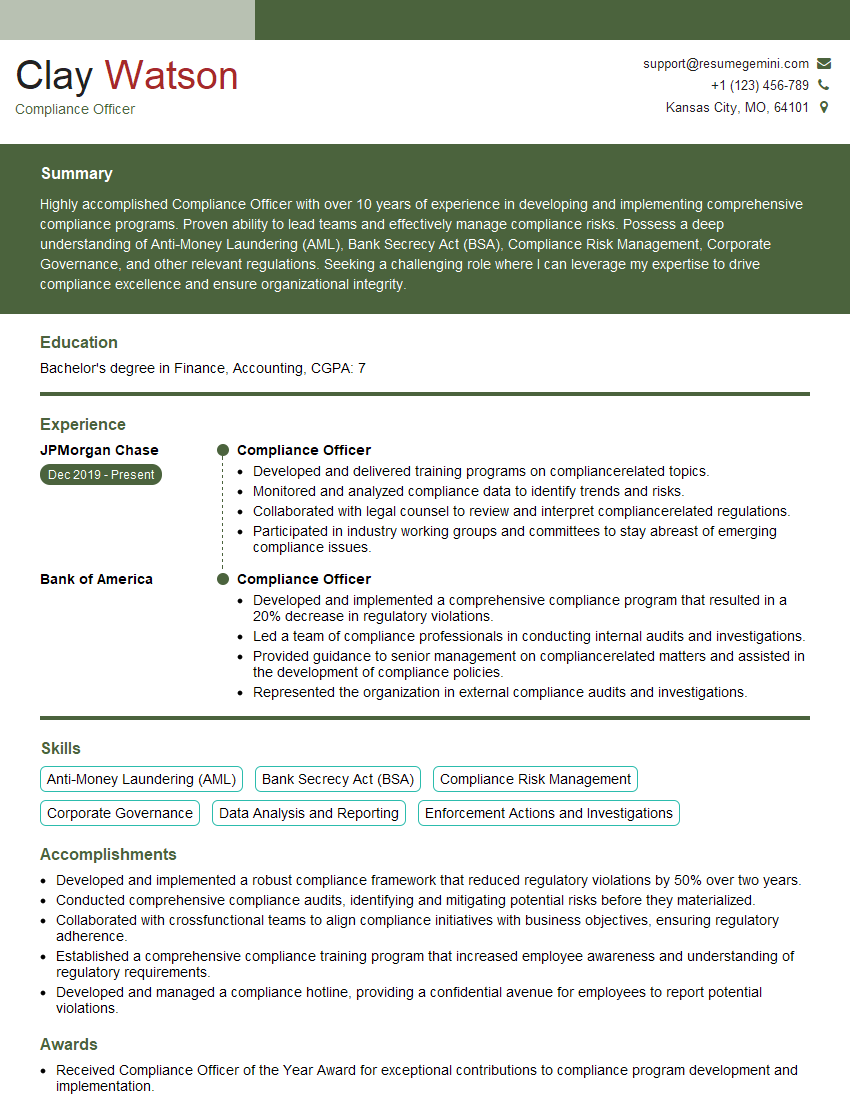
Compliance Officer Resume Sample
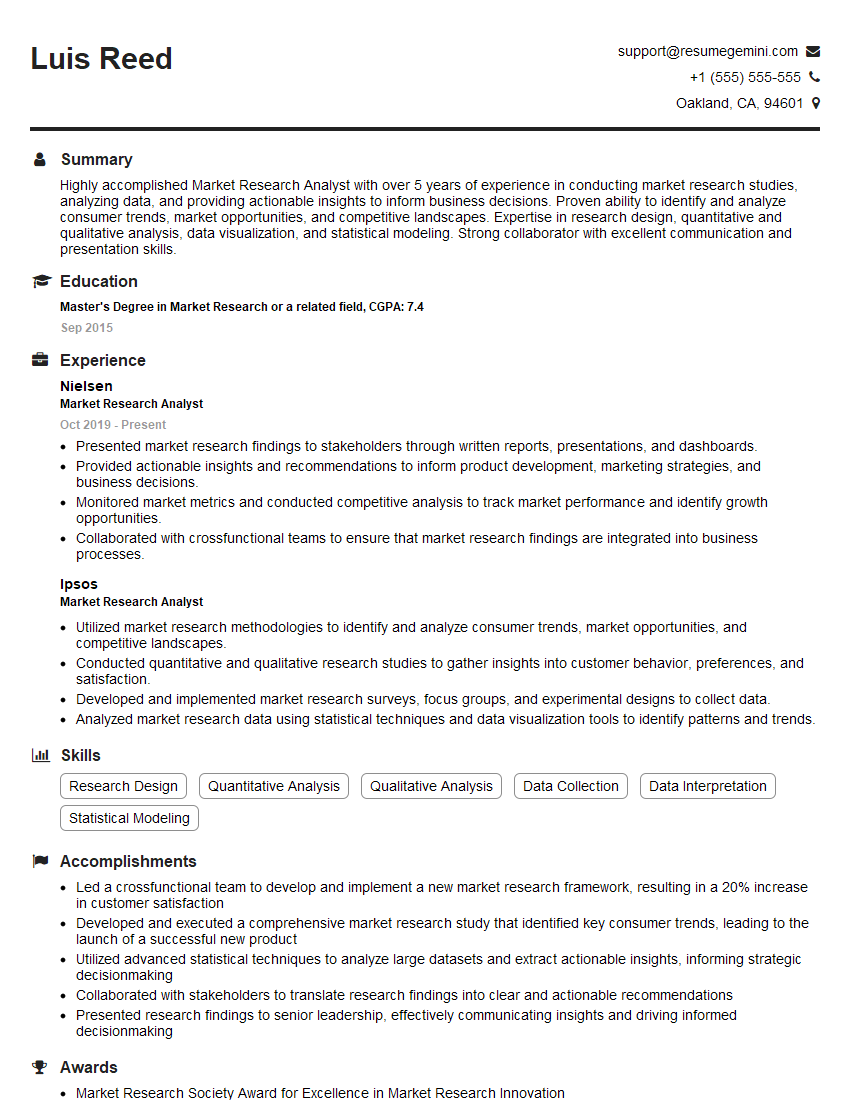
Market Research Analyst Resume Sample
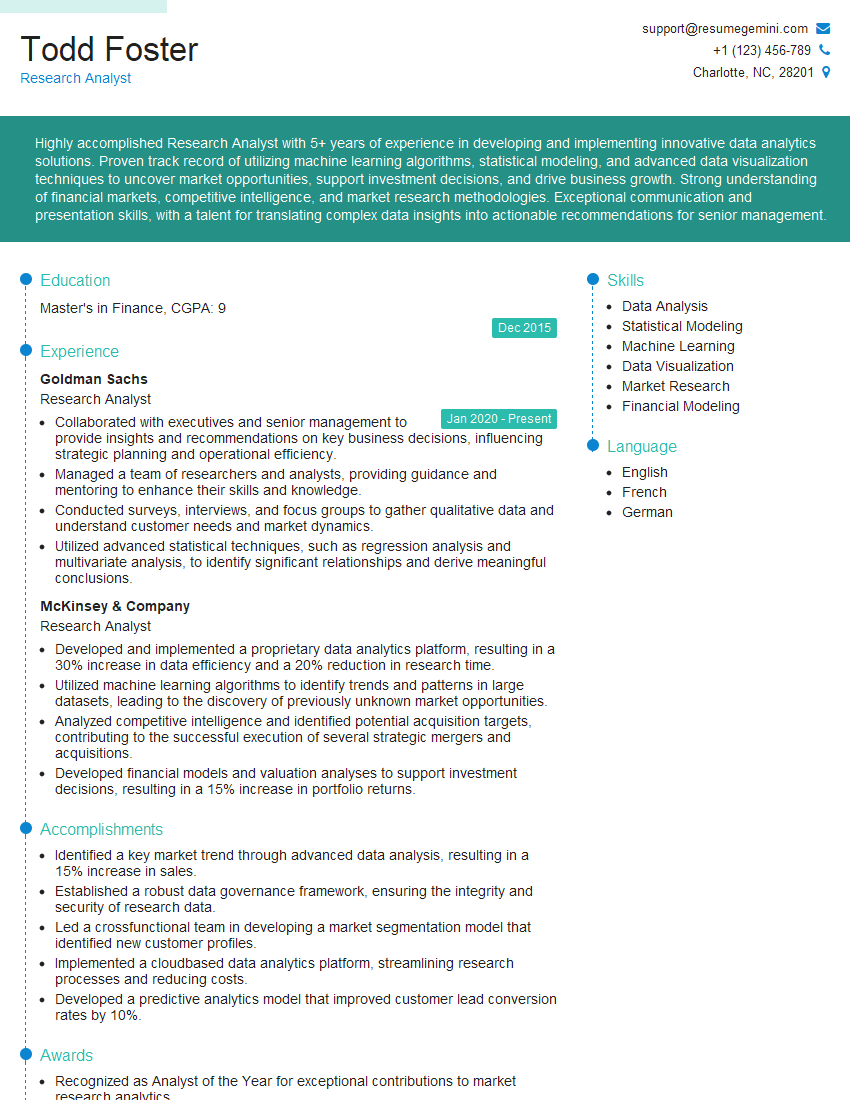
Research Analyst Resume Sample
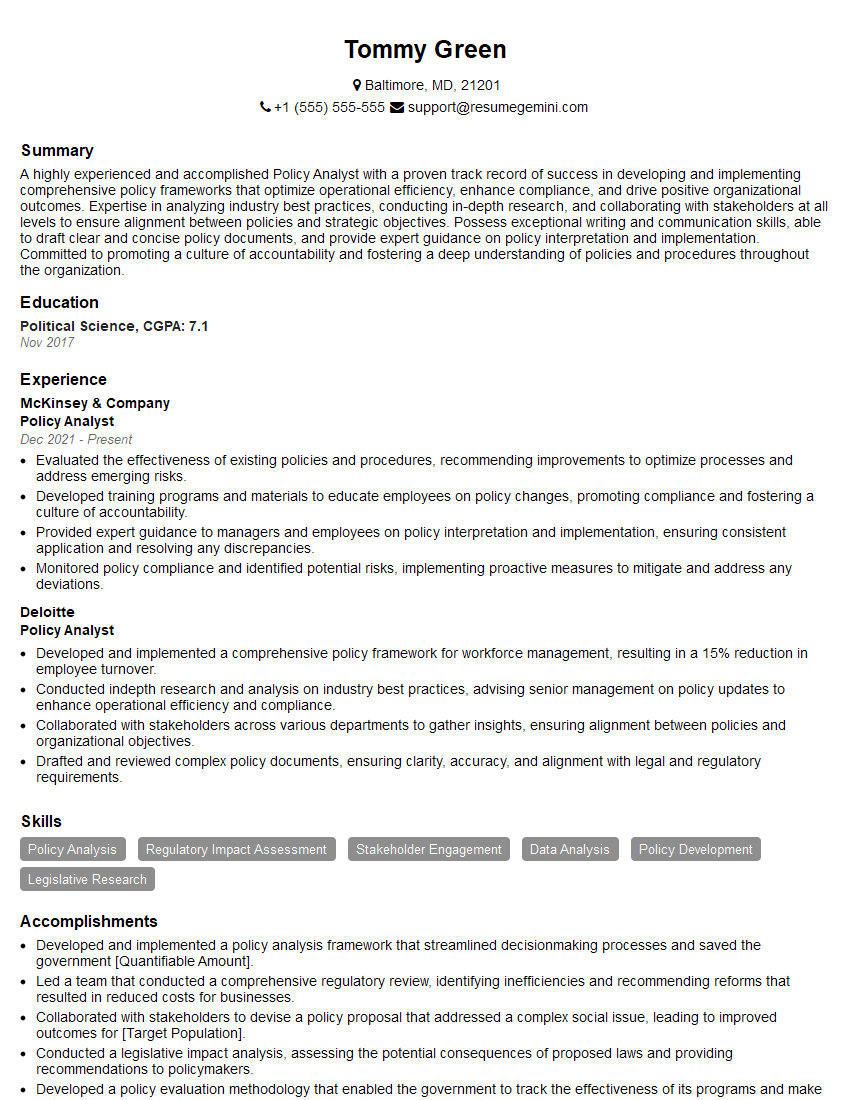
Policy Analyst Resume Sample
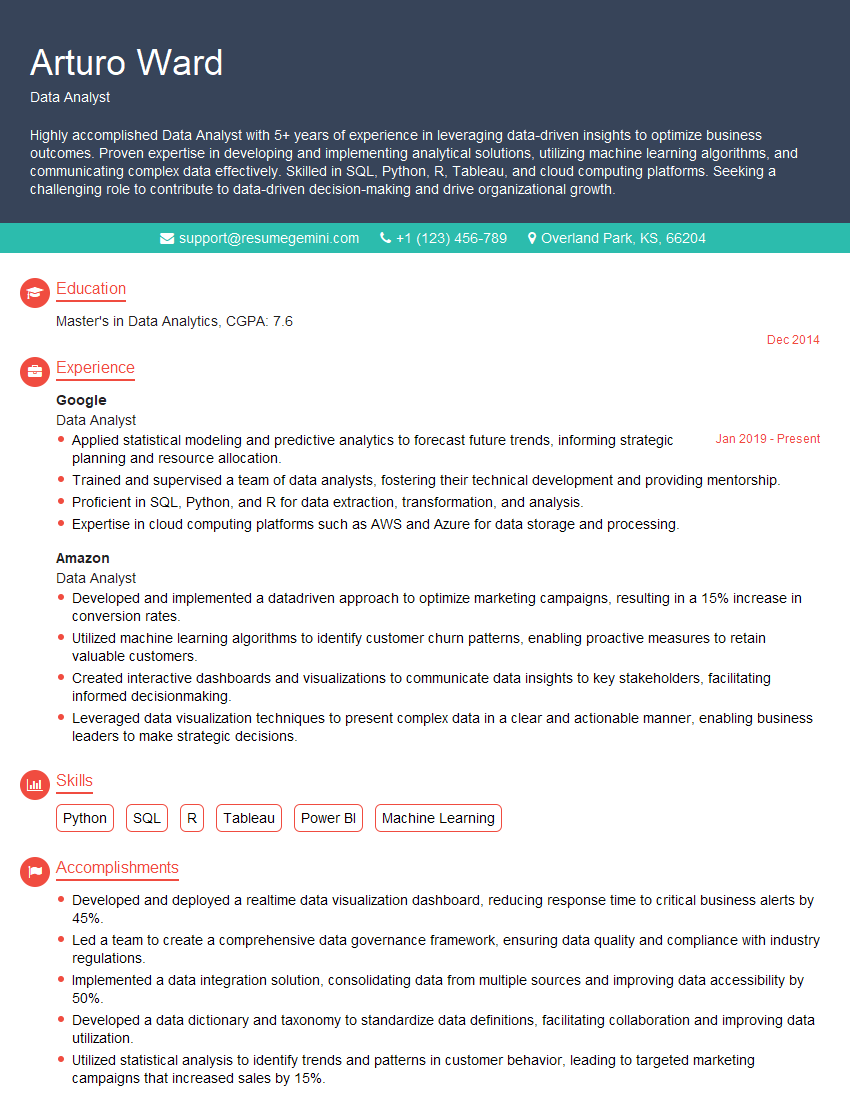
Data Analyst Resume Sample
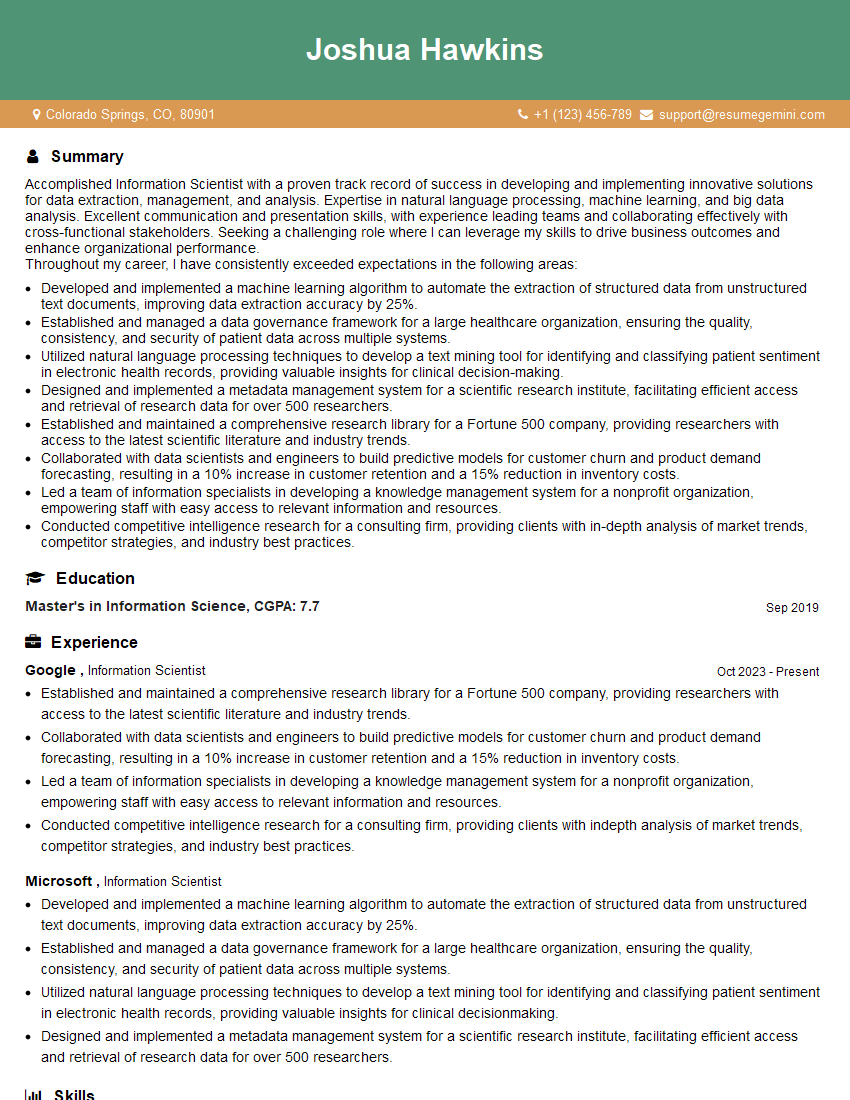
Information Scientist Resume Sample
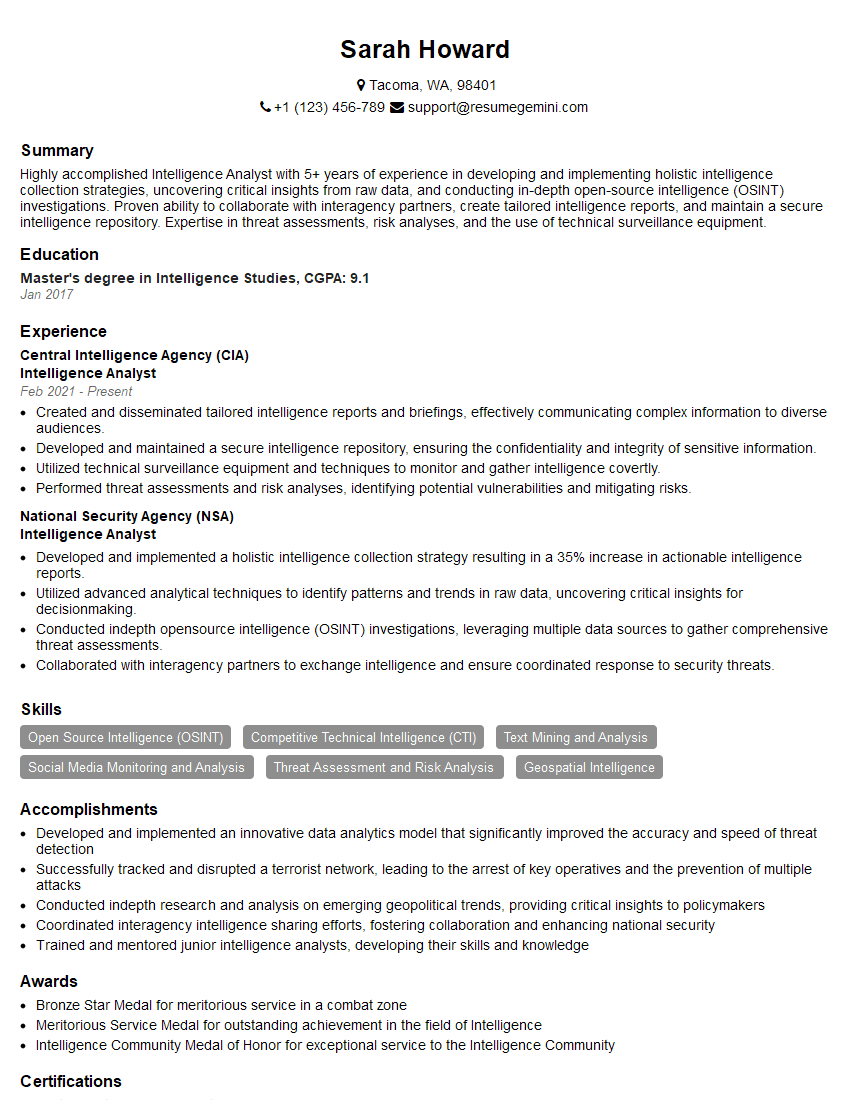
Intelligence Analyst Resume Sample
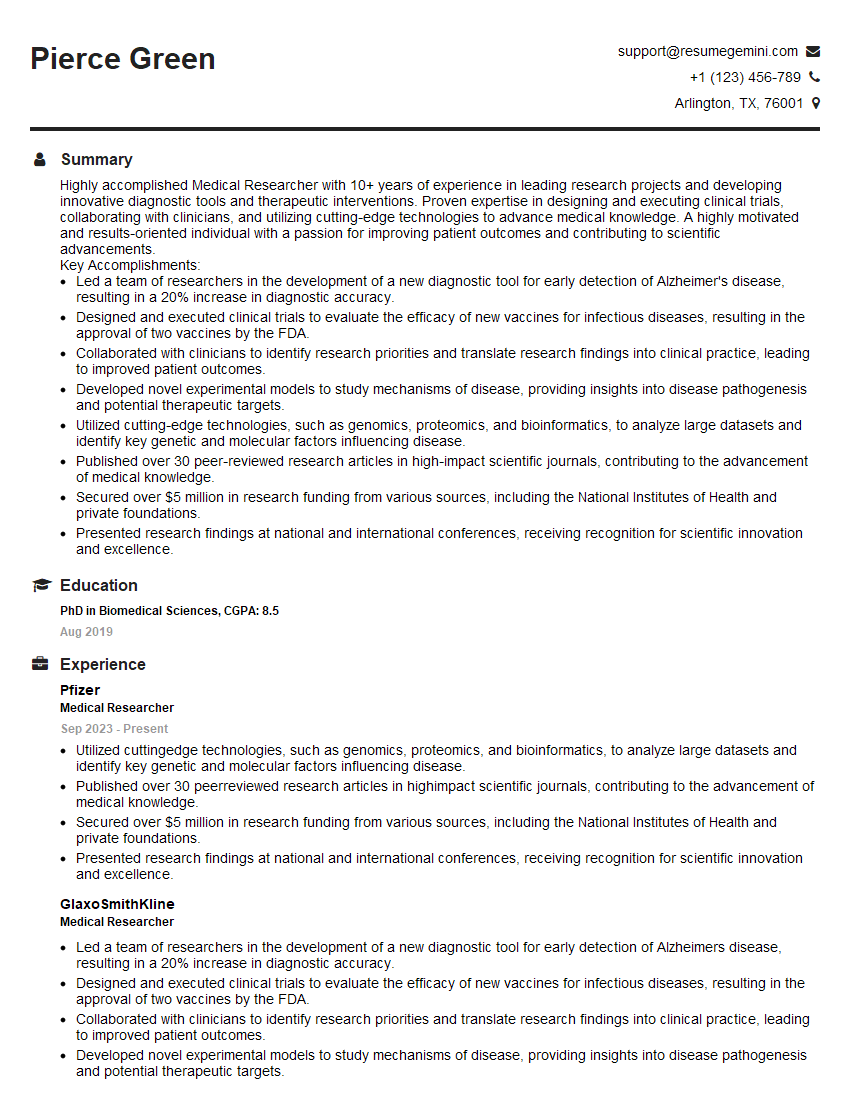
Medical Researcher Resume Sample
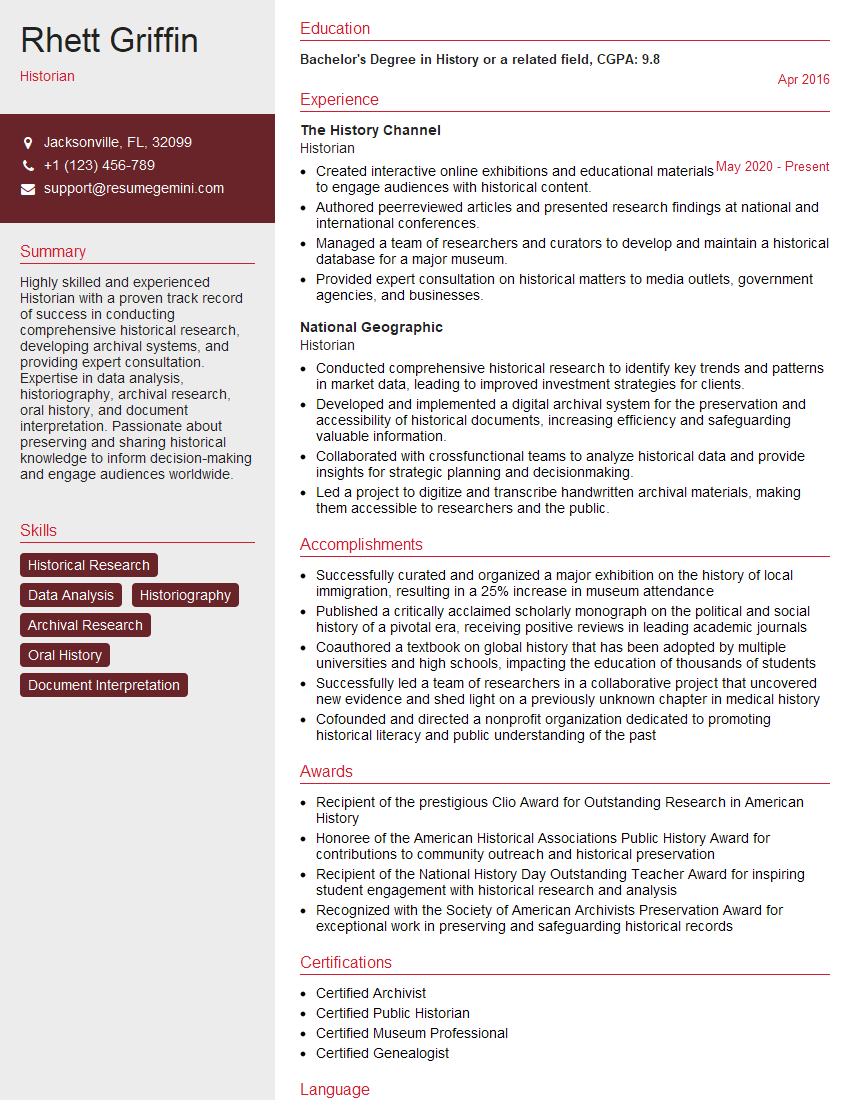
Historian Resume Sample
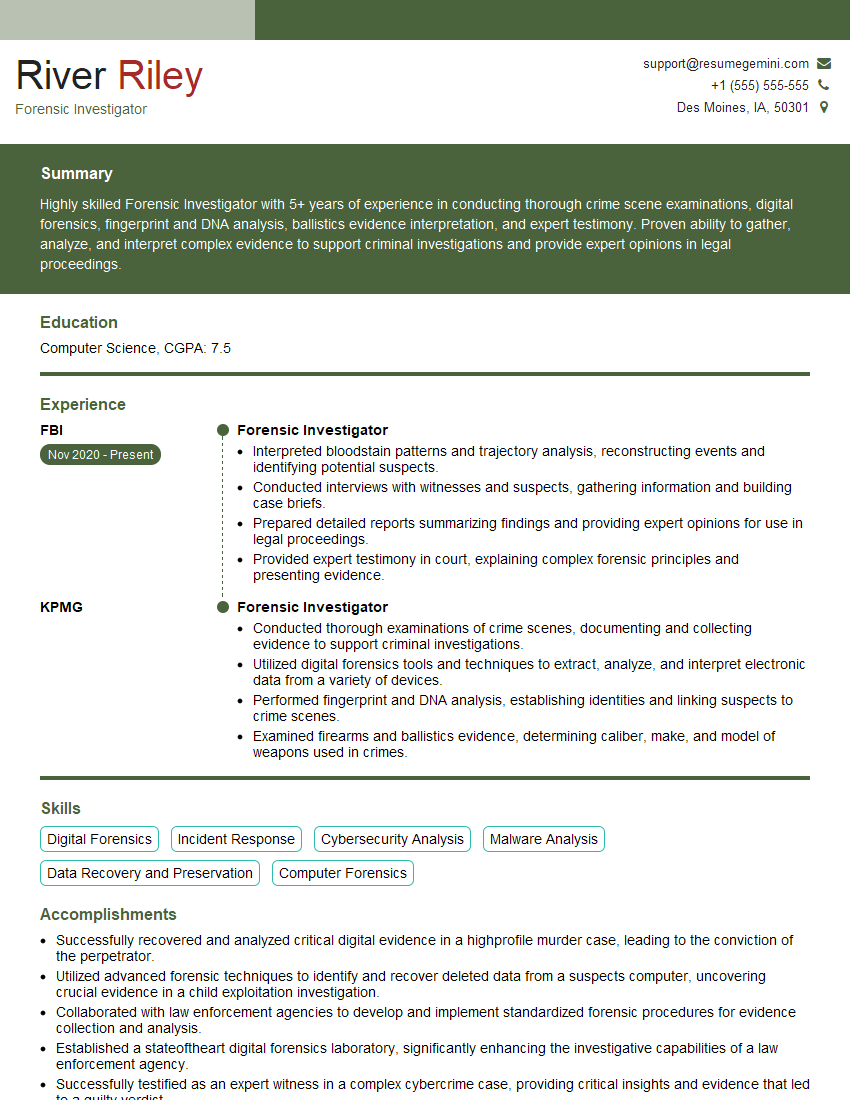
Forensic Investigator Resume Sample
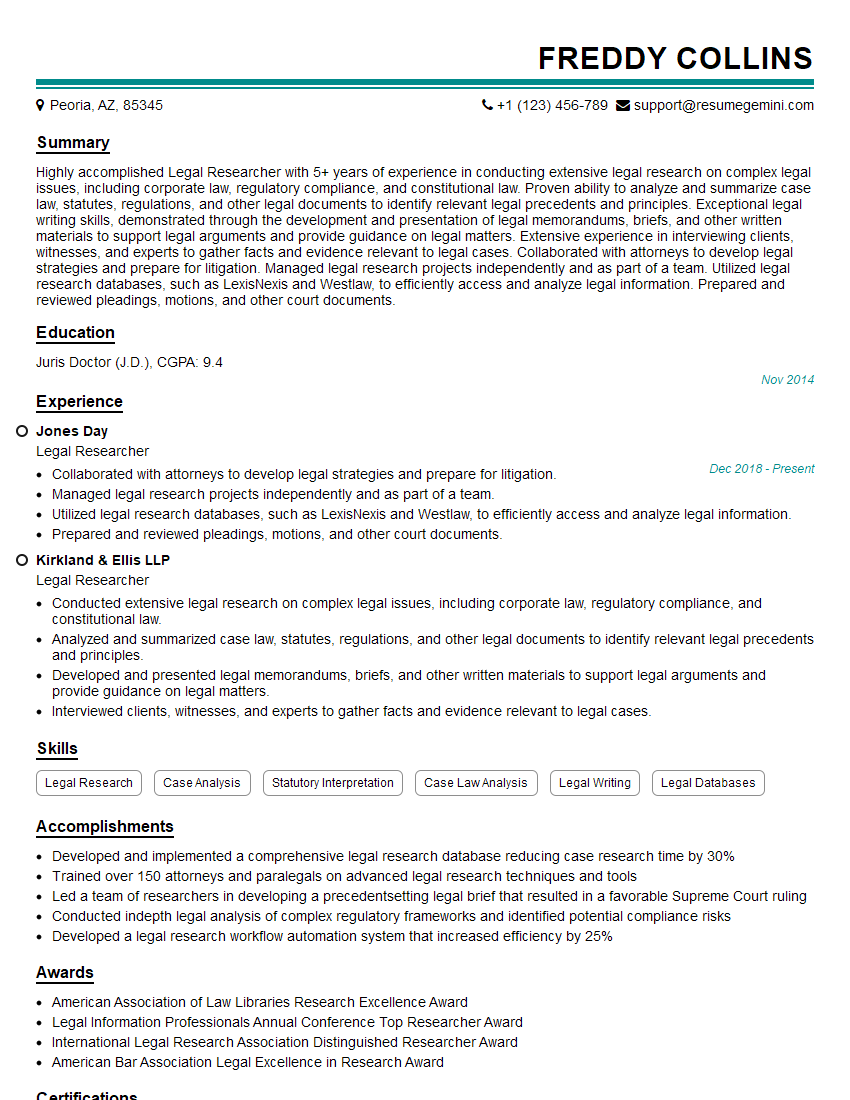
Legal Researcher Resume Sample

Lecturer Resume Sample
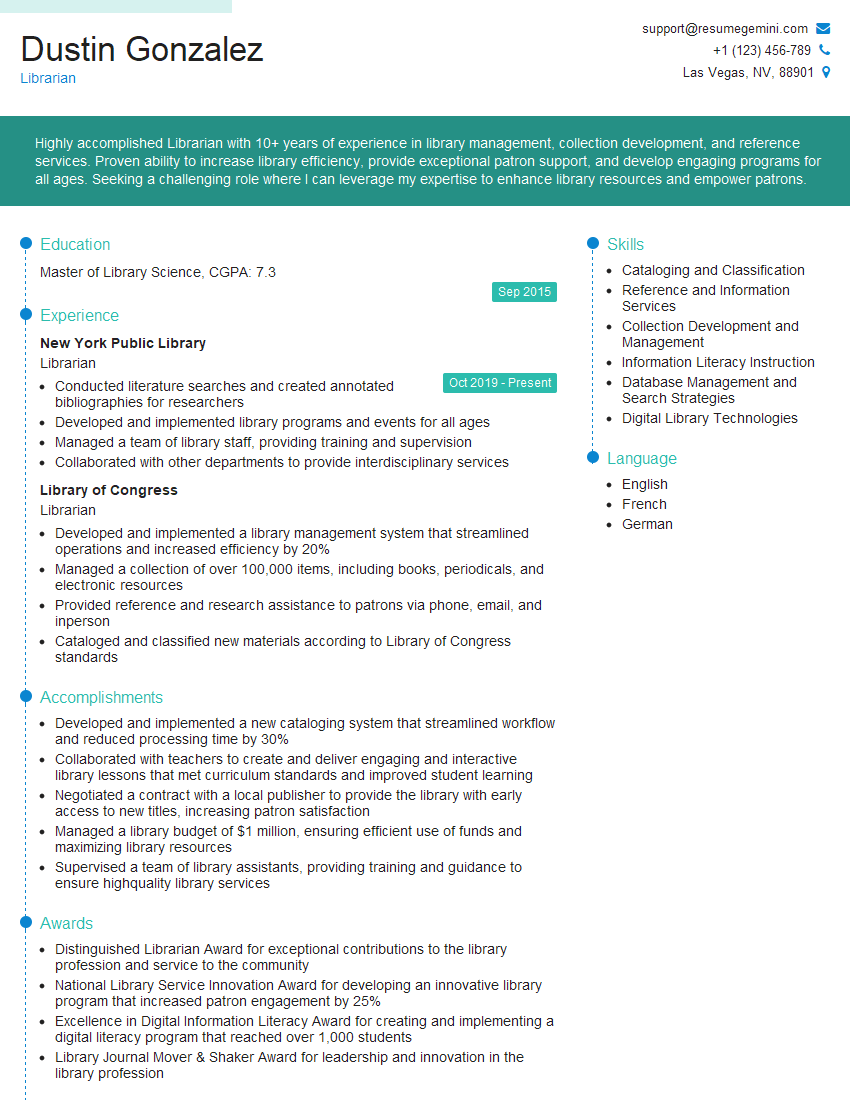
Librarian Resume Sample
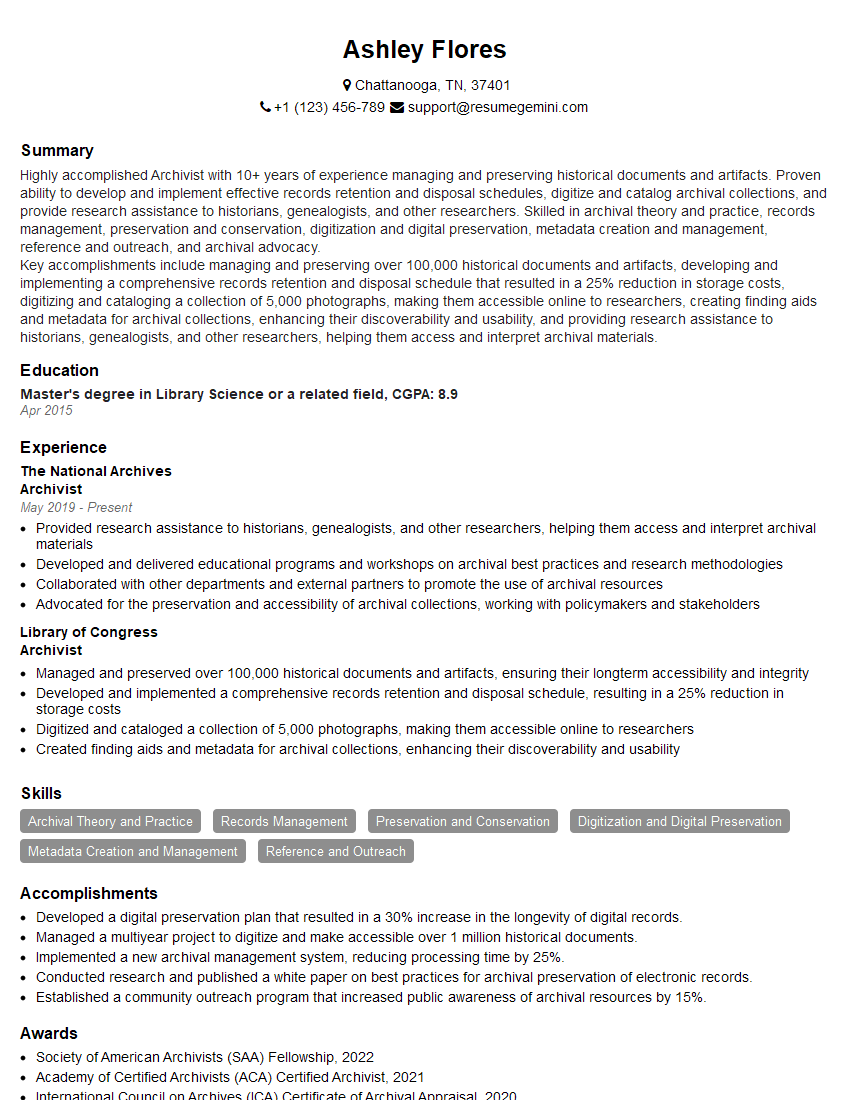
Archivist Resume Sample
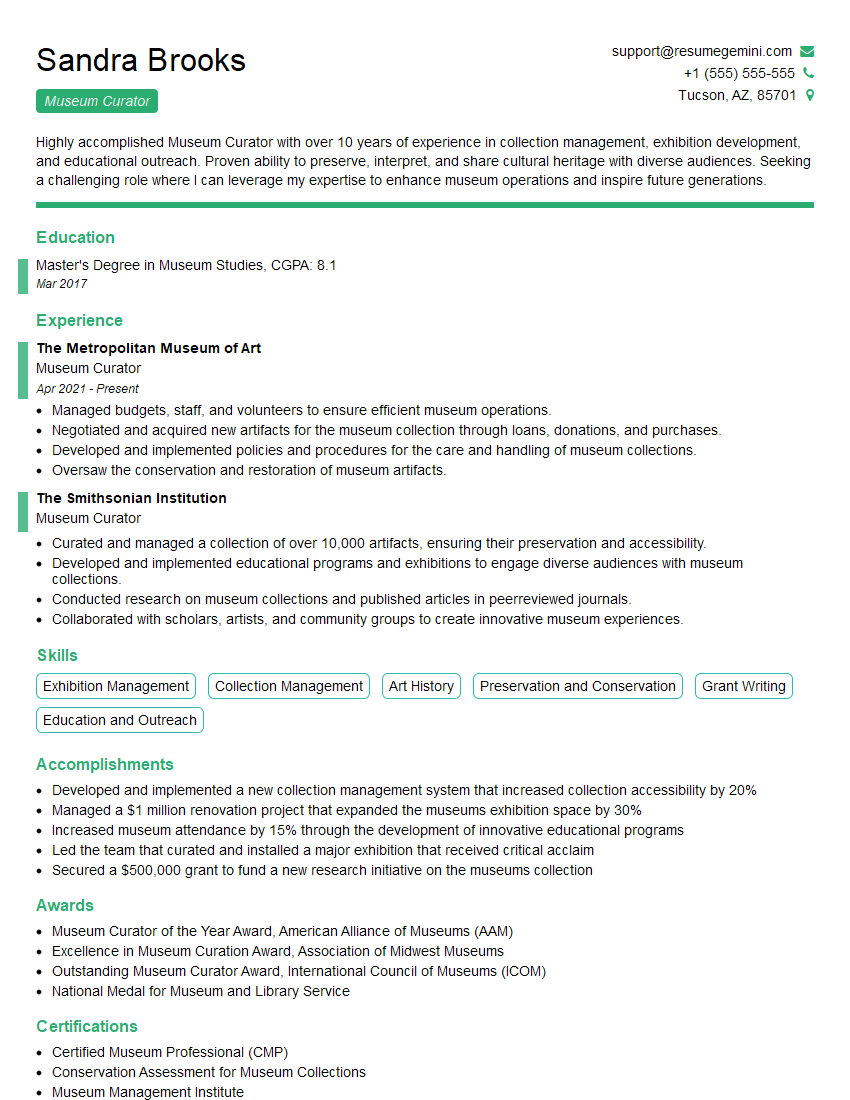
Museum Curator Resume Sample
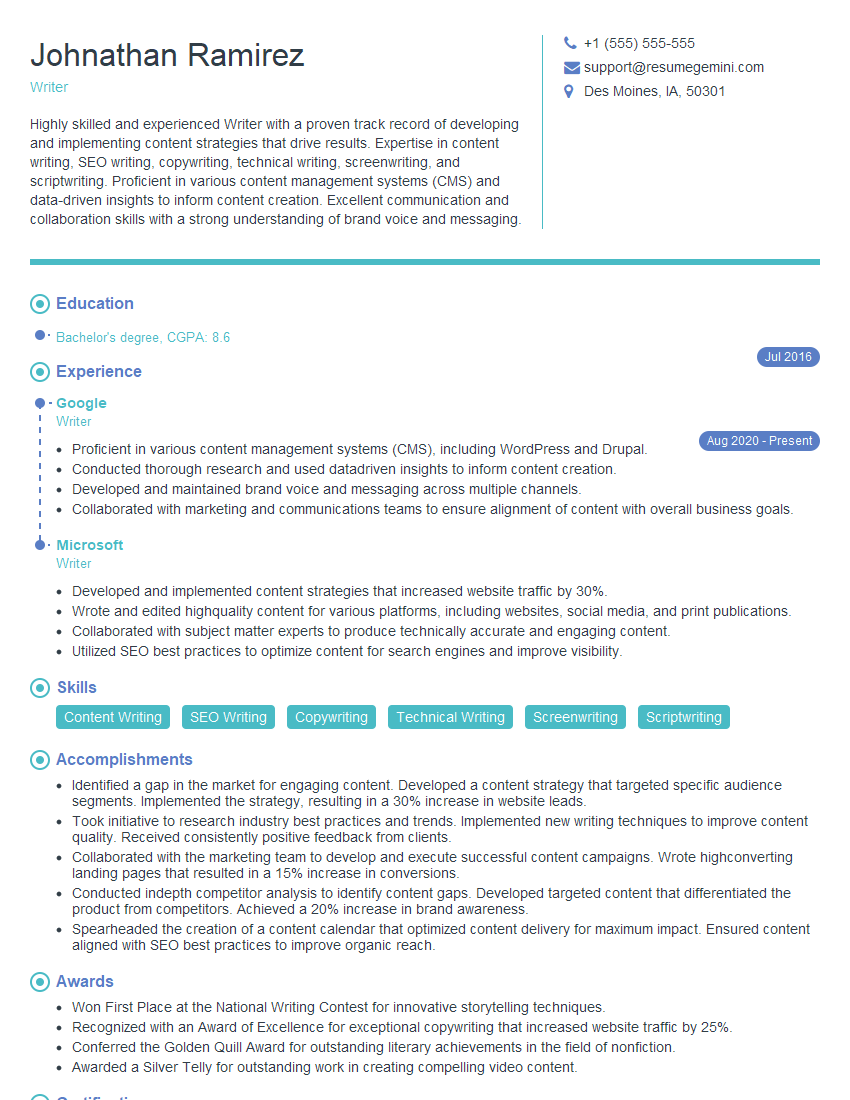
Writer Resume Sample
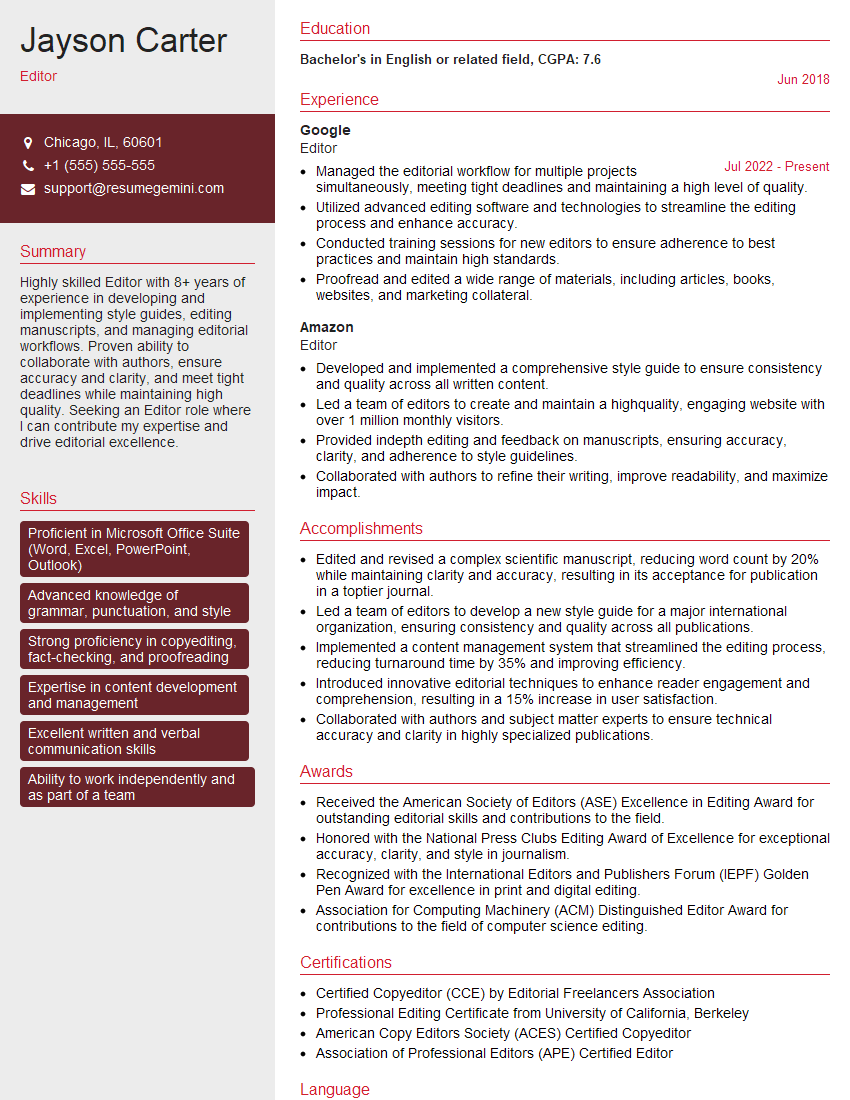
Editor Resume Sample
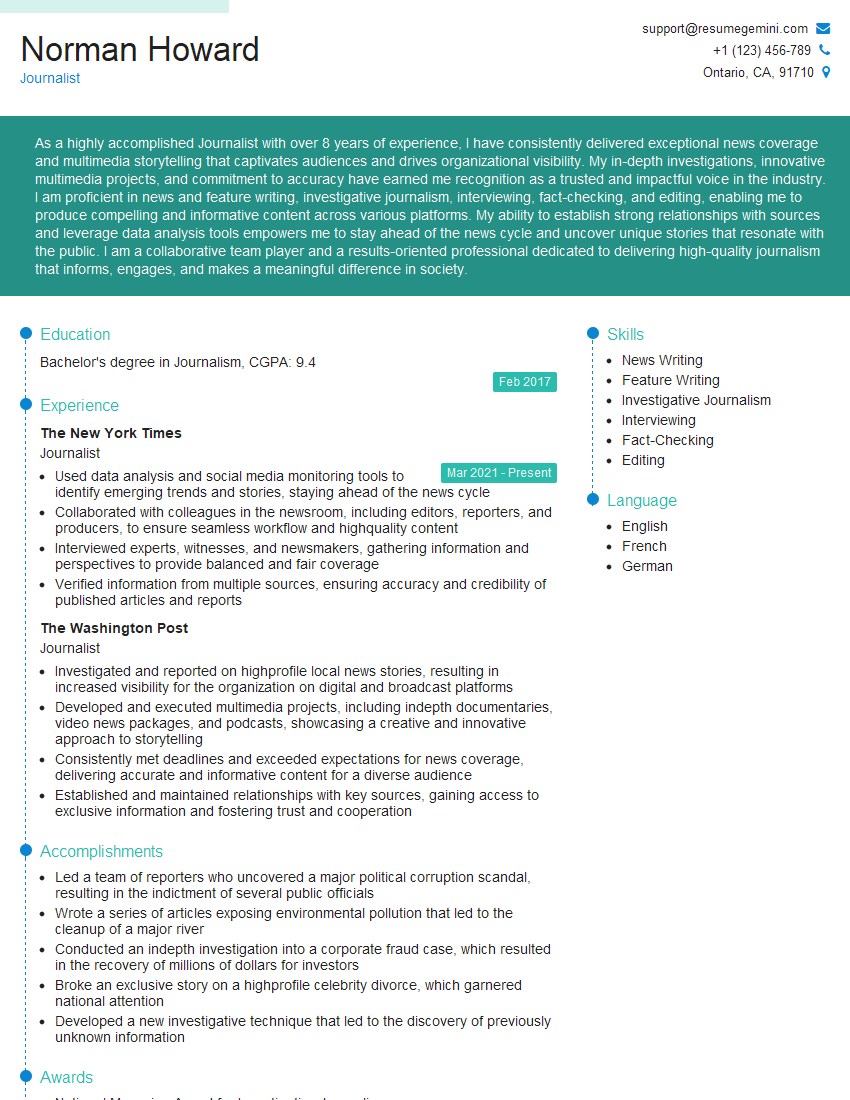
Journalist Resume Sample
Explore more articles
Users Rating of Our Blogs
Share Your Experience
We value your feedback! Please rate our content and share your thoughts (optional).
What Readers Say About Our Blog
I Redesigned Spongebob Squarepants and his main characters of my artwork.
https://www.deviantart.com/reimaginesponge/art/Redesigned-Spongebob-characters-1223583608
IT gave me an insight and words to use and be able to think of examples
Hi, I’m Jay, we have a few potential clients that are interested in your services, thought you might be a good fit. I’d love to talk about the details, when do you have time to talk?
Best,
Jay
Founder | CEO