Are you ready to stand out in your next interview? Understanding and preparing for Variety Selection interview questions is a game-changer. In this blog, we’ve compiled key questions and expert advice to help you showcase your skills with confidence and precision. Let’s get started on your journey to acing the interview.
Questions Asked in Variety Selection Interview
Q 1. Describe the key factors influencing variety selection for a specific crop.
Variety selection is a crucial step in agriculture, impacting yield, quality, and overall profitability. Several key factors influence this decision. Think of it like choosing the perfect tool for a job – you wouldn’t use a hammer to screw in a screw!
- Target Environment: Climate (temperature, rainfall, sunlight), soil type (nutrient content, drainage), and altitude all significantly impact a variety’s performance. A drought-resistant variety is essential in arid regions, while a variety tolerant to waterlogging is needed in poorly drained soils.
- Pest and Disease Pressure: The prevalence of specific diseases and pests in a region dictates the need for resistant varieties. Imagine planting a tomato variety susceptible to blight in an area with high blight incidence – the entire crop could be lost!
- Market Demand: Consumer preferences for specific traits like fruit size, color, flavor, or shelf life heavily influence variety selection. For example, a supermarket chain might prefer a tomato variety with a longer shelf life for easier transport and distribution.
- Production System: The chosen farming practices – organic, conventional, intensive, or extensive – will influence the suitability of a variety. Organic farming might favor varieties naturally resistant to pests, minimizing the need for pesticides.
- Maturity and Growth Habit: The desired harvest time and the plant’s growth habit (determinate or indeterminate) must align with the farmer’s schedule and resources. A farmer with limited labor might prefer a determinate tomato variety that ripens all its fruit at once.
Q 2. Explain the difference between yield potential and yield stability in variety selection.
Yield potential and yield stability are distinct but equally important aspects of variety selection. Yield potential refers to the maximum yield a variety can achieve under ideal conditions – its genetic ceiling. Yield stability, on the other hand, reflects the consistency of yield across different environments and years. Think of it like this: a high-performance sports car (high yield potential) might struggle in off-road conditions (low yield stability).
A variety with high yield potential might produce exceptionally high yields in optimal conditions but perform poorly in stressful environments (e.g., drought or disease outbreak). Conversely, a variety with moderate yield potential but high yield stability will consistently provide good yields across various environmental conditions, making it a safer and more reliable option for farmers.
Q 3. How do you assess the disease resistance of a plant variety?
Assessing disease resistance involves several approaches, ranging from laboratory tests to field evaluations. Think of it as a detective investigating a crime scene – we need multiple lines of evidence.
- Laboratory Tests: These include techniques like detached leaf assays, where leaves are inoculated with pathogens to assess their resistance. This gives a controlled environment to see how the plant reacts.
- Greenhouse Trials: Controlled greenhouse environments allow for more precise inoculation and observation of disease development compared to field conditions. This reduces the impact of other environmental factors.
- Field Trials: Planting the varieties in disease-prone fields mimics real-world conditions. This allows scientists to evaluate the resistance under natural infection pressure.
- Disease Scoring: Visual assessment and quantitative measurements of disease symptoms (e.g., lesion size, percentage of infected tissue) are used to quantify the level of resistance. This provides a numerical measure for comparison between varieties.
- Molecular Markers: Advanced techniques such as DNA markers can identify genes associated with disease resistance, allowing for quicker and more efficient screening of varieties. This is a high-tech approach with quick results.
Q 4. What are the common methods for evaluating the quality traits of a crop variety?
Evaluating quality traits depends on the crop and its intended use. For example, assessing the quality of a tomato is different from assessing the quality of wheat. It’s like comparing apples and oranges – they both have quality aspects, but they’re different.
- Sensory Evaluation: This involves taste panels or trained assessors evaluating traits like flavor, texture, aroma, and color. This is crucial for fruits and vegetables.
- Physical and Chemical Analysis: Measurements of parameters like size, weight, firmness, sugar content, acidity, and nutrient composition provide objective data on quality. This offers objective measures that can be quantified and statistically analyzed.
- Post-harvest Life: Evaluating shelf life, storage properties, and resistance to bruising or spoilage are crucial for determining market suitability. This is vital for minimizing losses after harvest.
- Processing Quality: For crops intended for processing (e.g., tomatoes for sauce), processing characteristics like juice yield, viscosity, and color retention are assessed. This ensures the crop is suitable for its intended use.
Q 5. Explain the process of conducting field trials for variety evaluation.
Field trials are the cornerstone of variety evaluation. They provide real-world data on performance under varying environmental conditions. Imagine it like a competition between different athletes – we need to observe them performing in various conditions to see who truly excels.
- Experimental Design: A statistically sound design (e.g., randomized complete block design, Latin square design) is essential to ensure accurate and unbiased comparisons between varieties. This minimizes the effect of environmental variation.
- Site Selection: Multiple locations with varying environmental conditions are selected to assess the varieties’ adaptability and stability. This allows us to evaluate performance across diverse environments.
- Planting and Management: Consistent planting techniques and agronomic practices (e.g., fertilization, irrigation) are applied to all varieties to ensure fair comparisons. This helps to isolate the effect of the variety itself.
- Data Collection: Regular observations and measurements are made throughout the growing season, recording data on growth parameters, yield, quality traits, and disease incidence. This provides comprehensive data on the variety’s performance.
- Data Analysis: Statistical analysis is used to compare the performance of different varieties, determining which ones are superior in terms of yield, quality, and other important traits. This allows us to make objective, evidence-based decisions.
Q 6. How do you analyze data from field trials to select superior varieties?
Analyzing field trial data involves a combination of descriptive and inferential statistical methods. We’re looking for patterns and differences that tell us which varieties are superior. Think of it as deciphering a code to find the best variety.
- Descriptive Statistics: Calculations of means, standard deviations, and ranges provide a summary of the data for each variety. This helps us understand the central tendency and variability of the data.
- Analysis of Variance (ANOVA): ANOVA tests whether there are statistically significant differences in the means of different varieties. This helps us determine if there is a true difference between the performance of different varieties.
- Least Significant Difference (LSD) Test: The LSD test compares the means of individual varieties to identify which ones are significantly different from each other. This is a post-hoc test performed after ANOVA.
- Regression Analysis: This technique can be used to investigate the relationship between yield and other factors (e.g., rainfall, temperature) to understand the stability of different varieties across environments. This can help determine which varieties are best adapted to different conditions.
- Stability Analysis: Methods like AMMI (additive main effects and multiplicative interaction) and GGE (genotype plus genotype-by-environment) biplots are used to visualize and quantify the yield stability of different varieties across environments. This helps identify the most stable and widely adaptable varieties.
Q 7. Describe your experience with different statistical methods used in variety selection.
My experience encompasses a broad range of statistical methods used in variety selection. Over the years, I’ve found that the best approach often involves a combination of techniques, tailored to the specific needs of the project. It’s about choosing the right tools for the job.
I’m proficient in using ANOVA, including various post-hoc tests like LSD and Tukey’s HSD, to compare the means of different varieties. I also have extensive experience using regression analysis to model the relationship between yield and environmental factors, and applying stability analysis techniques such as AMMI and GGE biplots to assess genotype x environment interaction. Furthermore, I have experience with more advanced methods like mixed models, which are especially useful when dealing with unbalanced datasets or nested experimental designs. My background also includes proficiency in using statistical software packages such as SAS, R, and GenStat, which are essential for conducting complex analyses efficiently and accurately. Ultimately, the best statistical approach is chosen based on the research question, experimental design and data structure to ensure the results are robust and reliable.
Q 8. What is the importance of genetic diversity in variety selection?
Genetic diversity is the cornerstone of successful variety selection. It’s the raw material upon which we build improved crops. Think of it like a toolbox filled with different tools – each gene represents a tool offering a specific trait like disease resistance, yield potential, or drought tolerance. A diverse gene pool provides a wider range of options to select from, making it more likely to find varieties well-suited to specific environments and farming practices. Without this diversity, we risk developing varieties vulnerable to pests, diseases, or climate change.
For example, if all our rice varieties are susceptible to a particular fungal disease, a single outbreak could wipe out entire harvests. However, if we maintain a diverse collection of rice varieties, some might possess natural resistance, safeguarding food security. This diversity is crucial for long-term sustainability and adaptability.
Q 9. How do you incorporate farmer feedback into the variety selection process?
Farmer feedback is absolutely vital; it bridges the gap between scientific development and practical application. We actively engage farmers through participatory variety selection (PVS) trials and feedback workshops. This involves distributing new varieties to a network of farmers across various agro-ecological zones. We meticulously record their observations on aspects like yield, disease resistance, grain quality, and ease of cultivation under their specific conditions. This participatory approach ensures that the selected varieties are not only high-yielding but also meet the farmers’ needs and preferences.
For instance, a high-yielding variety might be rejected by farmers if it’s difficult to harvest or requires excessive use of pesticides. Farmer feedback allows us to refine our selection criteria and prioritize varieties that are economically and socially viable for farmers.
Q 10. Explain the concept of heterosis and its relevance to variety selection.
Heterosis, also known as hybrid vigor, is the phenomenon where offspring exhibit superior characteristics compared to their parents. This enhanced performance is often seen in traits like yield, growth rate, and disease resistance. In variety selection, we leverage heterosis by creating hybrid varieties through controlled crosses between carefully selected inbred lines. These inbred lines, though individually less vigorous, produce hybrid offspring that exhibit the benefits of heterosis.
A simple analogy is like mixing two different strains of yeast in baking – the resulting bread might rise higher and have a better texture than bread made with either strain alone. In agriculture, exploiting heterosis is a key strategy to improve crop productivity and adaptability.
Q 11. How do you manage risks associated with choosing a new variety?
Choosing a new variety always involves inherent risks. These include the possibility of lower yields than expected, susceptibility to pests or diseases, or poor adaptation to local environmental conditions. To mitigate these risks, we employ a multi-pronged approach. This starts with extensive field testing across various locations and seasons, incorporating farmer feedback, and evaluating the variety’s performance under various stress conditions (drought, high temperatures, etc.).
Furthermore, we always recommend a phased introduction of new varieties, starting with smaller-scale adoption before widespread commercialization. This allows farmers to assess the performance firsthand and reduces the overall risk associated with large-scale adoption.
Q 12. What are some common challenges in variety selection, and how do you overcome them?
Common challenges include maintaining genetic diversity in the face of changing climate patterns, managing the cost and time associated with breeding programs, and adapting to evolving farmer preferences and market demands. To overcome these, we integrate advanced breeding techniques like marker-assisted selection (MAS) and genomic selection, which accelerate the breeding process and improve selection accuracy. We also prioritize community engagement and participatory approaches, building strong relationships with farmers to ensure that our efforts align with their real-world needs.
Additionally, we actively seek funding and collaborations to improve the efficiency and scope of our breeding programs, ensuring that we can develop climate-resilient varieties cost-effectively and efficiently.
Q 13. Describe your experience with different breeding methods.
My experience spans various breeding methodologies, including traditional pedigree selection, recurrent selection, and the more modern marker-assisted selection (MAS) and genomic selection. Traditional methods relied on phenotypic selection—observing and selecting plants based on their visible traits. However, these methods are time-consuming. MAS and genomic selection utilize DNA markers to identify favorable genes, speeding up the selection process and improving accuracy. I’ve also worked with hybrid breeding programs, leveraging the power of heterosis to develop high-yielding varieties. Each method has its strengths and weaknesses, and the choice often depends on the specific crop, available resources, and the desired traits.
Q 14. Explain the role of intellectual property rights in variety selection.
Intellectual property rights (IPR) play a crucial role in protecting the investments made in developing new varieties. Breeders need a system to protect their intellectual property and recoup their investment, encouraging further innovation. This often involves obtaining Plant Variety Protection (PVP) certificates, which grant exclusive rights to the breeder for a specified period. However, it’s crucial to balance IPR protection with access to germplasm for public breeding programs and farmers’ rights to save and reuse seeds. A carefully designed system ensures that innovation is fostered while maintaining accessibility for all.
Q 15. How do you select varieties suitable for specific environmental conditions?
Selecting varieties suitable for specific environmental conditions is crucial for successful crop production. It involves a thorough understanding of the crop’s needs and the environmental factors at play. We need to consider factors like temperature, rainfall, soil type, sunlight exposure, and potential pest and disease pressures. This process usually starts with accessing existing data on variety performance in similar environments. For example, if we’re looking for a drought-resistant maize variety for a semi-arid region, we’d search for varieties with proven tolerance to water stress. This might involve consulting databases, research publications, and interacting with agricultural extension services.
Next, we move into on-site evaluation through field trials. We plant several candidate varieties side-by-side in the target environment, meticulously monitoring their growth, yield, and resilience to local stressors. This allows us to directly observe how each variety performs under actual field conditions. For instance, we might compare the yield of several rice varieties under different flooding scenarios to find one that excels in waterlogged conditions. Ultimately, the choice hinges on a balance between yield potential and adaptability to the specific environmental challenges of the location.
Data analysis plays a vital role. This isn’t just about looking at final yield; we meticulously track growth stages, disease resistance, and other parameters throughout the growing season. Statistical analyses then help us determine which variety consistently performs best under the given circumstances. This could involve simple comparisons of mean yields or more complex statistical modeling to account for the influence of multiple environmental variables. This rigorous approach ensures we choose varieties optimized for the specific environmental niche.
Career Expert Tips:
- Ace those interviews! Prepare effectively by reviewing the Top 50 Most Common Interview Questions on ResumeGemini.
- Navigate your job search with confidence! Explore a wide range of Career Tips on ResumeGemini. Learn about common challenges and recommendations to overcome them.
- Craft the perfect resume! Master the Art of Resume Writing with ResumeGemini’s guide. Showcase your unique qualifications and achievements effectively.
- Don’t miss out on holiday savings! Build your dream resume with ResumeGemini’s ATS optimized templates.
Q 16. What is your experience with variety registration and certification processes?
My experience with variety registration and certification is extensive. I’ve been involved in numerous applications, from initial variety development to the final stages of approval. This process is vital for ensuring the integrity and quality of new crop varieties. It involves rigorous testing to verify the identity, distinctness, uniformity, and stability (DUS) of the variety. This ensures that what the farmer buys is exactly what’s been described and tested.
The steps generally include collecting detailed data on the variety’s characteristics, such as its morphological traits, yield, and disease resistance, and conducting extensive field trials across various locations and seasons. The data is then meticulously documented and submitted to the relevant authority (e.g., a national plant variety protection office). The authority assesses the application, often involving independent reviews by experts, to ensure the variety meets all the required standards. The process can be quite demanding, requiring meticulous record-keeping and attention to detail. Once approved, the variety receives certification, allowing it to be legally sold and distributed.
I’ve personally managed several registrations, navigating the complexities of documentation, trial coordination, and regulatory interactions. For example, I successfully guided the registration of a new wheat variety possessing enhanced drought tolerance and resistance to a prevalent local fungal disease. Understanding the specific requirements of each jurisdiction is critical, as regulations can vary significantly between countries and even within different regions of the same country. This involves close collaboration with regulatory bodies and a thorough comprehension of the applicable regulations.
Q 17. How do you assess the market demand for different crop varieties?
Assessing market demand for crop varieties involves a multi-faceted approach that goes beyond simply looking at current market prices. It requires understanding the evolving needs of farmers and consumers.
First, we conduct thorough market research. This involves analyzing historical sales data, talking to farmers directly to understand their preferences and challenges, and reviewing market trend reports. For example, we might find that farmers are increasingly demanding varieties with improved pest resistance to reduce their pesticide use. We also survey consumers to understand their preferences, such as the desired taste, texture, and nutritional value of the produce. This might reveal a growing demand for varieties with higher vitamin content or specific culinary qualities.
Next, we consider broader market trends. Are there emerging markets for specific products? Is there a demand for organic varieties? Is there growing interest in specific traits such as improved shelf life or enhanced processing qualities? This analysis helps us predict future demand. Finally, we factor in economic considerations – are there viable marketing channels, and what are the projected profit margins for the selected varieties? This holistic approach ensures we focus on developing and promoting varieties that satisfy both the needs of the growers and the expectations of the consumers, leading to sustainable market success.
Q 18. Explain the importance of seed quality in variety selection.
Seed quality is paramount in variety selection because it directly influences the success of the entire crop production process. Poor seed quality can lead to reduced germination rates, uneven emergence, stunted growth, and decreased yield, rendering the best variety selection ineffective. High-quality seeds have superior germination potential, vigorous growth, and enhanced disease resistance, maximizing the genetic potential of the selected variety.
Several factors contribute to seed quality, including seed purity (freedom from other varieties or weed seeds), germination rate, seed vigor (ability to germinate quickly and establish strong seedlings), and physical integrity (absence of damage or defects). Seeds should be stored correctly under appropriate temperature and humidity conditions to maintain their viability and prevent deterioration. Using certified seeds is critical as these have undergone rigorous quality checks, guaranteeing their genetic purity and high germination rate. Using poor-quality seeds can lead to yield losses, increased input costs due to replanting, and increased susceptibility to diseases and pests. In short, investing in high-quality seeds is an investment in the success of the crop, irrespective of how well the variety is chosen.
Q 19. Describe your experience with seed production and handling techniques.
My experience with seed production and handling spans various aspects, from seed multiplication to storage and distribution. Seed production is a highly specialized field requiring meticulous attention to detail to maintain genetic purity and quality.
Seed multiplication usually begins with foundation or breeder seeds, which are genetically pure and serve as the basis for subsequent seed generations. These seeds undergo rigorous testing to maintain genetic purity and quality. The multiplication process involves careful isolation of the crop to prevent cross-pollination and meticulous monitoring of the crops for disease or pest infestations. We use various techniques to enhance seed production, such as optimal planting density, irrigation, fertilization, and pest and disease management strategies. Seed harvesting is also done carefully, ensuring minimal damage to the seeds while maximizing yield. Post-harvesting, seeds are cleaned, processed, and treated to enhance their quality, such as through seed coating or priming to improve germination and disease resistance. Finally, seeds are packaged and stored in controlled environments, maintaining ideal conditions to preserve their viability and quality.
Handling procedures are also carefully designed to maintain seed quality and prevent contamination. Seeds are handled using clean equipment, and precautions are taken to avoid damage or contamination. Accurate labeling and traceability are crucial to maintain the quality and authenticity of the seed, all the way from production to the farmer’s field.
Q 20. How do you ensure the sustainability of crop varieties?
Ensuring the sustainability of crop varieties requires a holistic approach encompassing several key considerations. It’s not just about high yields; it’s about building resilience and reducing the environmental footprint of agriculture.
One critical aspect is promoting genetic diversity. Over-reliance on a limited number of high-yielding varieties can make crops vulnerable to diseases, pests, or climate change. Maintaining a diverse gene pool allows for greater adaptability and resilience. We achieve this by actively preserving landraces (locally adapted varieties) and incorporating their beneficial traits into modern varieties through breeding programs. This maintains genetic diversity and reduces the risk of widespread crop failure.
Another important factor is reducing reliance on external inputs such as chemical fertilizers and pesticides. We select varieties with inherent pest and disease resistance, thereby minimizing the need for chemical interventions. Similarly, we favor varieties that require less water or tolerate drought conditions, promoting efficient water use and conserving this precious resource. Sustainable varieties contribute to resilient agroecosystems, ensuring long-term productivity and reducing the negative environmental impacts of agriculture.
Q 21. How do you integrate climate-smart agriculture principles in variety selection?
Integrating climate-smart agriculture principles into variety selection is crucial for adapting to the challenges posed by climate change. It involves selecting varieties that are resilient to climate variability and contribute to a sustainable agricultural system.
Key considerations include selecting varieties with drought tolerance for regions experiencing increased aridity; selecting heat-tolerant varieties for regions facing rising temperatures; and selecting varieties resistant to extreme weather events such as floods and strong winds. We also look for varieties with efficient water use, improved nutrient uptake, and enhanced carbon sequestration capabilities. These traits contribute to climate change mitigation and adaptation. In addition, we prioritize varieties that require less tillage, reducing soil erosion and promoting carbon storage in the soil. Furthermore, we consider the impact of chosen varieties on greenhouse gas emissions, aiming to minimize their environmental footprint.
For example, selecting drought-tolerant maize varieties for arid regions reduces the need for irrigation, conserving water resources and enhancing the sustainability of maize production in those areas. Similarly, selecting varieties with enhanced nitrogen use efficiency reduces the reliance on nitrogen fertilizers, lessening the release of nitrous oxide, a potent greenhouse gas.
Q 22. What is your experience with using Geographic Information Systems (GIS) in variety selection?
Geographic Information Systems (GIS) are invaluable in variety selection. They allow us to visualize and analyze spatial data related to environmental factors like soil type, climate, elevation, and disease pressure. This spatial analysis helps in identifying regions best suited for specific crop varieties. For example, using GIS, I can overlay a map of soil pH with a variety’s optimal pH range to pinpoint fields ideally suited for that variety, maximizing yield potential and minimizing risk of failure.
In practice, I’ve used GIS software such as ArcGIS to create suitability maps. These maps integrate various layers of spatial data, allowing me to identify areas where specific varieties are most likely to thrive. This is crucial for optimizing seed placement and managing the entire planting process.
Furthermore, GIS helps in monitoring crop performance across different geographical locations. By combining yield data with environmental variables, GIS helps identify correlations and patterns, informing future variety selection decisions and improving overall farm management strategies.
Q 23. Explain your understanding of precision agriculture and its role in variety selection.
Precision agriculture leverages technology to manage variability within a field, leading to optimized inputs and higher yields. In variety selection, it plays a significant role by allowing us to tailor variety choices to specific micro-environments within a field. Imagine a field with varying soil moisture levels; precision agriculture techniques allow us to plant different varieties optimized for those different moisture zones, maximizing production across the entire area.
For example, using sensors and variable rate technology, we can collect data on soil properties and plant health in real-time. This granular data guides variety selection. Areas with low nutrient levels might benefit from a variety with high nutrient-use efficiency, while those with high disease pressure might necessitate a resistant variety. This approach moves beyond the traditional ‘one-size-fits-all’ approach to a more targeted, precision-based approach.
Q 24. How do you evaluate the economic viability of different crop varieties?
Evaluating the economic viability of crop varieties involves a multi-faceted approach. We consider several key factors: yield, input costs, market price, and potential risks. We start by estimating the potential yield of each variety under different management scenarios. Then we calculate the total input costs, including seeds, fertilizers, pesticides, and labor. The net profit is calculated by subtracting the total input costs from the total revenue (yield multiplied by market price).
Risk assessment is crucial. We consider potential losses due to pests, diseases, or adverse weather conditions. We might use historical data or simulations to estimate these risks. A variety with higher yield potential but higher susceptibility to disease might not be economically viable if the disease risk is high. Sensitivity analysis helps determine how changes in input costs or market prices might affect profitability. Ultimately, the variety with the highest expected net return and acceptable risk profile is selected.
Q 25. Describe your experience with using different software and databases for managing variety selection data.
Throughout my career, I have utilized several software and databases for managing variety selection data. I’m proficient with database management systems like SQL and relational databases such as PostgreSQL and MySQL for storing and retrieving large datasets on variety performance, environmental conditions, and economic factors. I regularly use spreadsheet software like Microsoft Excel and Google Sheets for data analysis and visualization. For statistical analysis and modeling, I use R and Python, leveraging packages like ‘ggplot2’ for data visualization and ‘lme4’ for mixed-effects modeling.
Furthermore, I’ve experience with dedicated agricultural databases and software designed for variety management and breeding programs, allowing efficient tracking of germplasm, performance trials, and pedigree information. The choice of software always depends on the scale and complexity of the project and the specific needs of the analysis.
Q 26. How do you stay updated on the latest advancements in variety selection techniques?
Staying updated is paramount in this rapidly evolving field. I actively participate in professional conferences and workshops, such as those organized by the Crop Science Society of America and similar organizations. I regularly review scientific journals focusing on crop breeding, agronomy, and genetics (e.g., Crop Science, Field Crops Research). Online resources like agricultural databases and research platforms are also crucial for keeping abreast of the latest research findings and technological advancements.
Networking with fellow researchers and professionals through collaborations, attending seminars, and engaging in online forums is also vital. This helps me gain insights into cutting-edge techniques and challenges faced in the field. Continuous learning through online courses and webinars ensures I maintain a high level of competence.
Q 27. How do you collaborate with other professionals involved in variety selection?
Collaboration is key to successful variety selection. I routinely work with breeders, agronomists, economists, and farmers. Breeders provide the genetic material and insights into the traits of different varieties. Agronomists offer expertise on optimal cultivation practices, while economists assist in the economic evaluation of different varieties. Farmers provide valuable feedback on field performance and adaptability of the varieties under real-world conditions.
Effective communication is paramount. We use various methods for collaboration, including regular meetings, shared databases, and online platforms for data sharing and discussion. Open communication ensures that all relevant information is shared and considered, leading to informed decisions. A collaborative spirit fosters innovation and ensures the selection process considers diverse perspectives, resulting in optimized varieties for specific agricultural settings.
Q 28. Describe a situation where you had to make a difficult decision related to variety selection.
In one project, we were faced with selecting a drought-tolerant variety for a region experiencing increasing water scarcity. We had two promising varieties: one with slightly higher yield potential under ideal conditions but lower drought tolerance, and another with slightly lower yield potential but superior drought tolerance. The decision was difficult because it involved balancing potential yield with the risk of crop failure due to drought.
We used a decision-support framework that incorporated yield projections under various drought scenarios, along with economic analyses considering the cost of irrigation and the potential loss due to drought. Ultimately, we opted for the drought-tolerant variety. Although the projected yield was slightly lower under ideal conditions, the risk-averse approach was justified given the escalating water scarcity and the potential for complete crop failure with the higher-yield but less drought-tolerant variety. This decision underscored the importance of considering risk management in addition to maximizing potential yield when dealing with climate variability.
Key Topics to Learn for Variety Selection Interview
- Understanding Variety Selection Principles: Grasp the fundamental concepts behind choosing diverse options and the implications of different selection methods.
- Practical Application in Decision-Making: Learn how to apply variety selection techniques to real-world scenarios, such as project planning, resource allocation, or risk management. Consider examples from your own experience.
- Evaluating Diverse Options: Develop a framework for objectively assessing the pros and cons of various choices, considering factors like cost, feasibility, and potential impact.
- Managing Uncertainty and Risk: Explore how variety selection helps mitigate uncertainty and reduces the impact of unforeseen challenges. Understand strategies for managing risk in the selection process.
- Optimizing Selection Processes: Learn techniques for streamlining the selection process to ensure efficiency and effectiveness while maintaining a diverse range of options.
- Communicating Selection Rationale: Practice articulating your decision-making process clearly and convincingly, justifying your choices to stakeholders.
- Adaptability and Flexibility in Selection: Understand how to adapt your selection approach based on changing circumstances and new information.
Next Steps
Mastering Variety Selection is crucial for career advancement, demonstrating your ability to make informed decisions, manage complexity, and think strategically. A strong understanding of this concept will significantly improve your problem-solving skills and open doors to a wider range of opportunities.
To increase your chances of landing your dream job, it’s essential to create an ATS-friendly resume that highlights your relevant skills and experience. ResumeGemini is a trusted resource that can help you build a professional and effective resume tailored to your specific needs.
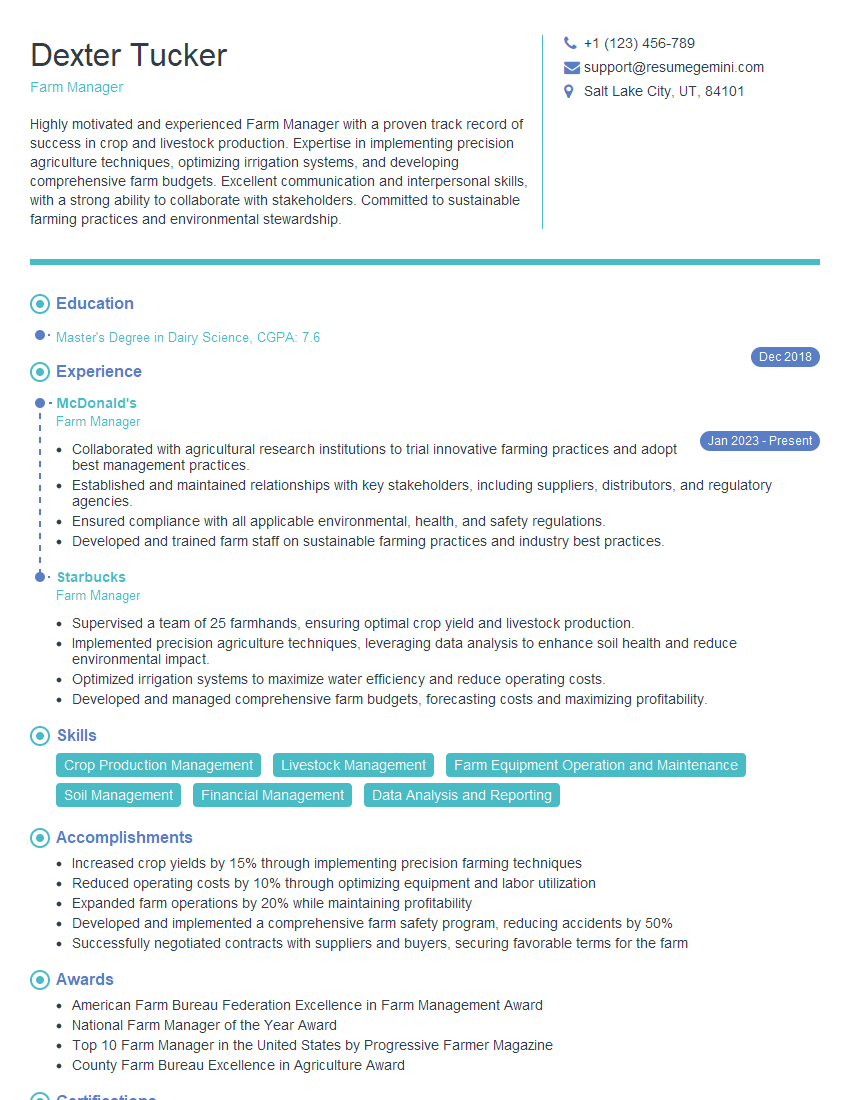
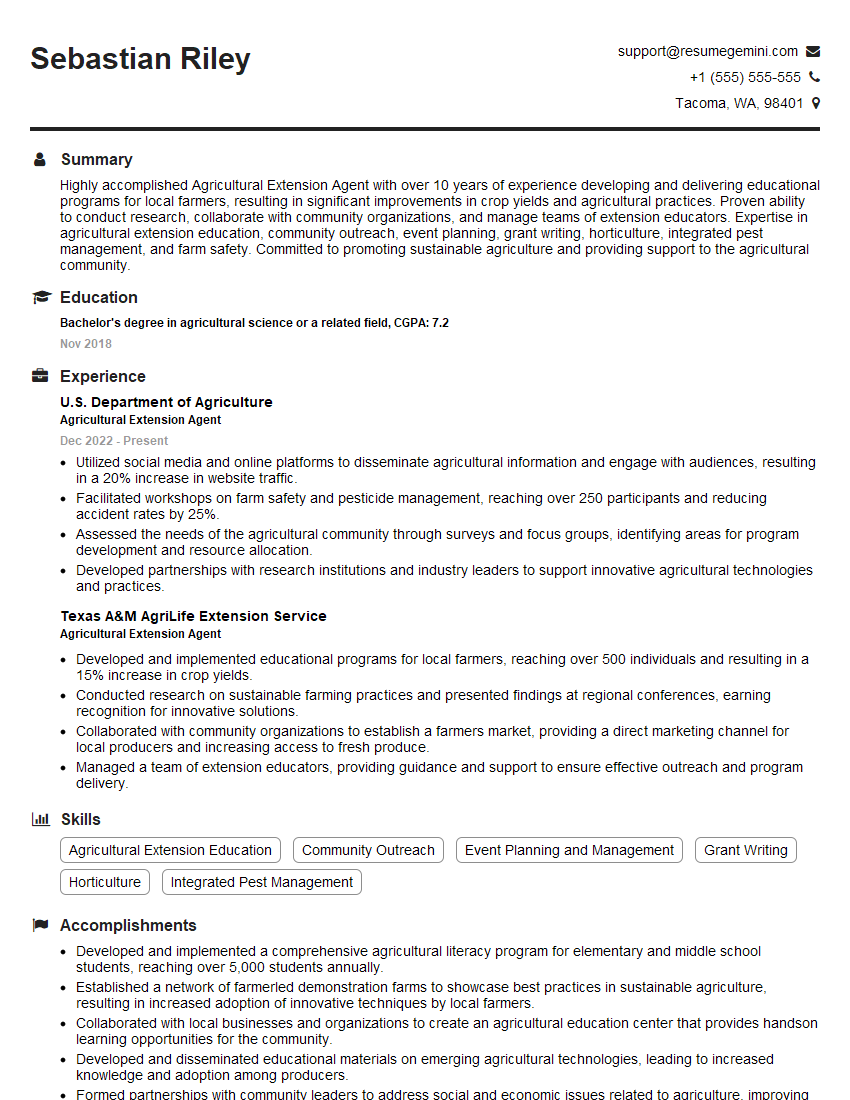
We provide examples of resumes tailored to Variety Selection to guide you in showcasing your expertise. Use these examples as inspiration to craft a compelling resume that captures the attention of recruiters.


Explore more articles
Users Rating of Our Blogs
Share Your Experience
We value your feedback! Please rate our content and share your thoughts (optional).
What Readers Say About Our Blog
I Redesigned Spongebob Squarepants and his main characters of my artwork.
https://www.deviantart.com/reimaginesponge/art/Redesigned-Spongebob-characters-1223583608
IT gave me an insight and words to use and be able to think of examples
Hi, I’m Jay, we have a few potential clients that are interested in your services, thought you might be a good fit. I’d love to talk about the details, when do you have time to talk?
Best,
Jay
Founder | CEO