Unlock your full potential by mastering the most common Working in a fastpaced and demanding environment interview questions. This blog offers a deep dive into the critical topics, ensuring you’re not only prepared to answer but to excel. With these insights, you’ll approach your interview with clarity and confidence.
Questions Asked in Working in a fastpaced and demanding environment Interview
Q 1. Describe a time you had to manage multiple priorities simultaneously under tight deadlines.
Managing multiple priorities under tight deadlines is a core skill in fast-paced environments. It’s like juggling – you need to keep several balls in the air without dropping any. One memorable instance involved launching a new product feature while simultaneously addressing a critical bug impacting existing users. The deadline was aggressive: two weeks for the feature launch and immediate resolution for the bug.
- Prioritization: I used the Eisenhower Matrix (Urgent/Important) to categorize tasks. Fixing the critical bug was clearly Urgent and Important, while some less impactful feature refinements were deemed Important but not Urgent. This allowed me to focus my efforts effectively.
- Teamwork: I delegated tasks based on team members’ strengths, ensuring clear communication and accountability. We utilized daily stand-up meetings to track progress and quickly identify roadblocks.
- Time Management: I broke down larger tasks into smaller, manageable chunks, using time-blocking techniques to allocate specific time slots for each task. This ensured that I consistently made progress across all priorities.
- Outcome: We successfully launched the new feature within the two-week deadline and resolved the critical bug, minimizing user disruption. This success highlighted the power of effective prioritization, teamwork, and meticulous time management under pressure.
Q 2. How do you prioritize tasks when faced with competing demands?
Prioritizing tasks with competing demands requires a structured approach. I typically employ a combination of methods:
- Impact vs. Urgency: As mentioned before, the Eisenhower Matrix helps categorize tasks based on their importance and urgency. This matrix provides a clear visual guide for effective task management.
- Value Assessment: I evaluate the potential impact of each task on overall project goals. Tasks with the highest impact get priority, even if their deadline isn’t immediately approaching.
- Dependency Analysis: I identify tasks that are dependent on the completion of others, ensuring that I address prerequisites first. This prevents bottlenecks and optimizes workflow.
- Delegation: If feasible, I delegate tasks to team members who possess the necessary skills and availability. This frees up my time to focus on higher-priority items.
This multi-faceted approach ensures that I’m focusing my energy on the most impactful tasks while maintaining a balanced workflow.
Q 3. What strategies do you use to stay organized and efficient in a fast-paced environment?
Staying organized and efficient in a fast-paced environment is crucial. My strategies include:
- Project Management Tools: I rely heavily on tools like Trello or Asana to visually track projects, tasks, and deadlines. These tools provide a central hub for all project-related information and streamline communication.
- Detailed To-Do Lists: I create detailed to-do lists, breaking down larger tasks into smaller, achievable steps. This approach makes the overall workload feel less daunting and prevents feeling overwhelmed.
- Time Blocking: I schedule specific time blocks for focused work on particular tasks, minimizing distractions and optimizing productivity. It’s like creating mini-deadlines throughout the day.
- Regular Clean-ups: I dedicate short periods each day to organize my workspace (both physical and digital) to ensure a clutter-free environment conducive to productivity.
These methods, combined with effective communication, ensure that I maintain a sense of control amidst the chaos.
Q 4. Describe a situation where you had to make a quick decision under pressure. What was the outcome?
During a critical system outage, I had to quickly diagnose the problem and determine a solution. The system was down, impacting a large number of users, and the pressure was immense. After analyzing system logs and consulting with colleagues, I identified a faulty database connection as the root cause.
Instead of spending time on a lengthy, detailed investigation, I made the quick decision to implement a temporary workaround – switching to a backup database server. This was risky, but it ensured immediate service restoration to minimize user impact. Post-incident analysis revealed the faulty connection’s source, which was then permanently fixed. The quick decision, though risky, mitigated significant customer disruption and demonstrated effective problem-solving under extreme pressure. The outcome was positive; we minimized downtime, maintained customer trust, and prevented potential financial losses.
Q 5. How do you handle interruptions and distractions when you need to focus on a critical task?
Handling interruptions and distractions when focusing on a critical task requires discipline and proactive measures. My approach includes:
- Dedicated Focus Time: I schedule specific blocks of time dedicated to focused work on critical tasks, minimizing interruptions. Communicating these “focus periods” to my team helps manage their expectations.
- Communication Management: I inform colleagues of my focused work periods to reduce unnecessary interruptions. I encourage them to use email or other asynchronous communication methods when possible.
- Noise-Cancelling Techniques: I utilize noise-canceling headphones or find a quiet workspace to minimize auditory distractions. Creating a physical barrier helps mentally establish focus.
- Pomodoro Technique: This technique involves working in focused bursts with short breaks, helping maintain concentration and preventing burnout.
By implementing these strategies, I create a structured environment that reduces distractions and allows for deep focus on high-priority tasks.
Q 6. How do you adapt your work style to different situations and priorities?
Adaptability is essential in a dynamic environment. I adjust my work style based on the situation and priorities.
- Contextual Approach: I assess the specific demands of each project or task before deciding on my approach. For example, a collaborative project might require a more hands-on, team-oriented style, while an independent task might benefit from a more focused, individual approach.
- Flexibility in Methodologies: I’m proficient with Agile, Waterfall, and other project management methodologies, and choose the best fit depending on the project’s needs and complexity.
- Communication Styles: I adapt my communication style to match the audience and context. For instance, I may use a more detailed and formal approach when communicating with senior management compared to a more casual and collaborative style with team members.
This flexible approach allows me to contribute effectively across different situations and ensure optimal performance regardless of the environment.
Q 7. How do you manage stress effectively in a high-pressure environment?
Managing stress in high-pressure environments requires a proactive and multi-pronged strategy.
- Time Management: Effective time management is key to reducing stress. Prioritizing tasks and using time-blocking techniques helps avoid feeling overwhelmed.
- Mindfulness and Breaks: I incorporate short mindfulness exercises or breaks throughout the day to help manage stress. Even a five-minute walk can significantly improve focus and reduce tension.
- Physical Activity: Regular physical activity plays a critical role in stress management. Exercise helps relieve stress, improves sleep, and boosts overall well-being.
- Work-Life Balance: Maintaining a healthy work-life balance is crucial. I ensure I have time for activities outside of work that I enjoy, such as hobbies or spending time with loved ones. This helps prevent burnout and maintain perspective.
- Seeking Support: When necessary, I seek support from colleagues, mentors, or friends to help navigate challenging situations and maintain a positive outlook.
By actively implementing these strategies, I ensure that I’m not only resilient to stress but also thrive in challenging environments.
Q 8. Have you ever experienced burnout? How did you recover?
Yes, I have experienced burnout in the past. It stemmed from a period of intense project deadlines and a heavy workload with little respite. I felt constantly exhausted, both physically and mentally, experiencing difficulty concentrating and a general sense of apathy. My recovery involved a multi-pronged approach. Firstly, I prioritized self-care, focusing on getting sufficient sleep, regular exercise, and a healthy diet. Secondly, I consciously established clearer boundaries between work and personal life, actively disconnecting after work hours. Finally, I utilized open communication with my supervisor, explaining my situation and adjusting my workload to a more sustainable level. This included prioritizing tasks and learning to delegate more effectively.
This experience taught me the importance of recognizing the early warning signs of burnout and proactively addressing them before they escalate. Regular self-assessment and open communication are crucial for preventing burnout.
Q 9. Describe your experience with working in a team under pressure.
In past team environments under pressure, I’ve thrived on collaborative problem-solving. I’ve been part of several cross-functional teams where we faced tight deadlines and high-stakes projects. My approach involves active listening, clear communication, and a focus on shared goals. I believe in fostering a supportive atmosphere where team members feel comfortable sharing ideas and concerns without fear of judgment. We frequently utilized agile methodologies – daily stand-ups, sprint planning, and retrospectives – to maintain transparency, track progress, and address challenges promptly. For example, during the launch of a new software application, we faced a critical bug just hours before the launch. By quickly assembling a smaller, specialized team, communicating the urgency, and leveraging our collective skillsets, we managed to resolve the issue within the deadline.
Effective teamwork under pressure requires trust, mutual respect, and a shared commitment to success. My role often involves facilitating communication, coordinating tasks, and ensuring that everyone feels valued and supported.
Q 10. What is your approach to problem-solving when time is limited?
My approach to problem-solving under time constraints is methodical yet flexible. I start by prioritizing the problem – which is the most critical aspect needing immediate attention? I then break down the problem into smaller, more manageable parts to tackle sequentially. This allows for a more focused approach and helps to avoid feeling overwhelmed. I rely heavily on data analysis to identify the root cause of the problem quickly and evaluate potential solutions. Using a decision matrix can help weigh pros and cons of each approach. For instance, I might use a simple risk assessment matrix to select the solution with the highest success probability and lowest risk under time pressure.
I also embrace the Pareto Principle (80/20 rule), focusing on the 20% of efforts that yield 80% of results. This helps me concentrate my energies on the most impactful solutions. Finally, I’m comfortable adapting my approach if initial strategies prove ineffective. Flexibility and a willingness to adjust are crucial when time is a critical factor.
Q 11. How do you delegate tasks effectively in a fast-paced setting?
Effective delegation in a fast-paced environment requires a clear understanding of individual team members’ strengths and weaknesses. I focus on matching tasks to the right person – the one who possesses the necessary skills and capacity to handle the task successfully. I also consider the urgency and complexity of the task when delegating. Before assigning a task, I provide clear instructions, set realistic deadlines, and ensure the individual understands the expected outcome and the resources available to them. Regular check-ins are vital to track progress, provide support, and address any challenges they may encounter.
Think of it like an orchestra; each musician plays their part, but a conductor ensures everyone is in sync and working towards a common goal. My role is to be that conductor, ensuring that tasks are assigned effectively and the team is functioning harmoniously. Open communication and a collaborative environment are key to successful delegation.
Q 12. How do you stay calm and focused during stressful situations?
Maintaining calm and focus during stressful situations is a skill honed over time. My strategy involves deep breathing exercises to manage physiological responses to stress. This helps to slow my heart rate and improve clarity of thought. I also utilize mindfulness techniques – focusing on the present moment rather than dwelling on anxieties about the future or regrets about the past. Further, I break down large tasks into smaller, more manageable steps to avoid feeling overwhelmed. Setting realistic expectations and celebrating small wins along the way helps maintain motivation and a sense of accomplishment. Finally, if the stress becomes too overwhelming, I am not afraid to ask for help from my colleagues or supervisor.
Staying calm is not about ignoring the stress, but about managing it effectively so that I can continue functioning optimally. It’s about maintaining composure and making rational decisions, even in challenging circumstances.
Q 13. What are your strengths in a fast-paced environment?
My strengths in a fast-paced environment include adaptability, prioritization, and efficient decision-making. I’m comfortable working under pressure and handling multiple tasks simultaneously. I possess strong organizational skills, enabling me to manage my time and resources effectively. My ability to think strategically, anticipate potential challenges, and proactively adjust plans as needed, makes me well-suited for dynamic and demanding settings. For instance, my experience with agile methodologies allows me to seamlessly adapt to changing requirements and priorities. My communication skills are also crucial, ensuring clear and concise information exchange, both within the team and with external stakeholders.
Q 14. What are your weaknesses in a fast-paced environment?
While I thrive in fast-paced settings, a weakness can be my tendency to take on too much responsibility, potentially leading to overload. I’m actively working on delegating more effectively and setting clearer boundaries to manage my workload efficiently. I am also mindful of not sacrificing quality for speed, which requires a consistent check-in and an understanding of where to draw the line. I believe in constantly learning and improving, and addressing this weakness involves developing more refined time management skills and prioritizing tasks even more rigorously, leveraging techniques like time blocking and the Eisenhower Matrix.
Q 15. How do you handle unexpected changes or challenges?
Unexpected changes are inevitable in fast-paced environments. My approach involves a three-step process: Assess, Adapt, and Act. First, I take a moment to calmly assess the situation, gathering all relevant information. This helps me understand the scope of the change and its potential impact. Next, I adapt my plans and priorities, focusing on the most critical tasks and adjusting my timeline accordingly. Finally, I act decisively, implementing the necessary changes and communicating them clearly to relevant stakeholders. For example, during a recent project launch, a key supplier experienced a sudden delay. I immediately assessed the impact on our timeline, then adapted by sourcing alternative components and communicating the revised schedule to our clients, minimizing disruptions.
Career Expert Tips:
- Ace those interviews! Prepare effectively by reviewing the Top 50 Most Common Interview Questions on ResumeGemini.
- Navigate your job search with confidence! Explore a wide range of Career Tips on ResumeGemini. Learn about common challenges and recommendations to overcome them.
- Craft the perfect resume! Master the Art of Resume Writing with ResumeGemini’s guide. Showcase your unique qualifications and achievements effectively.
- Don’t miss out on holiday savings! Build your dream resume with ResumeGemini’s ATS optimized templates.
Q 16. How do you communicate effectively in a fast-paced environment?
Effective communication is crucial in fast-paced settings. I prioritize clarity, conciseness, and frequency. I use a variety of methods, such as brief, regular updates through email or instant messaging, along with more detailed discussions in team meetings. Visual aids like dashboards and progress reports help communicate complex information quickly. Active listening is also key – ensuring I understand others’ perspectives and concerns. In a recent project, I utilized a daily stand-up meeting, keeping it concise (15 minutes max) to share progress updates and address immediate roadblocks. This minimized wasted time and ensured everyone remained aligned.
Q 17. How do you ensure accuracy and attention to detail under pressure?
Maintaining accuracy under pressure requires a structured approach. I employ techniques like double-checking my work, using checklists, and breaking down large tasks into smaller, manageable steps. Prioritizing tasks based on criticality ensures focus on high-impact areas. Furthermore, I utilize technology where possible – for instance, automated error checks or validation tools – to minimize human error. In one instance, we were under tight deadlines for a financial report. By utilizing a pre-defined checklist and cross-checking calculations, we ensured the report’s accuracy and successfully avoided costly mistakes.
Q 18. Describe a time you had to make a difficult decision quickly.
During a product launch, we encountered a critical software bug just hours before the release. I had to quickly decide between delaying the launch (risking missed revenue and reputational damage) or releasing with the bug (risking customer dissatisfaction and potential security vulnerabilities). After consulting with the development team and assessing the severity of the bug, I decided on a phased rollout. We released to a smaller subset of users first, enabling us to monitor for issues and deploy a fix rapidly before a full launch. This minimized the risk while allowing us to meet the majority of our launch objectives.
Q 19. How do you handle conflicting priorities from different stakeholders?
Conflicting priorities require skillful negotiation and prioritization. I employ a framework that involves understanding each stakeholder’s needs and goals, clarifying dependencies between tasks, and identifying potential trade-offs. I use tools like priority matrices to visually rank tasks based on urgency and importance. Open and honest communication is essential in reaching a consensus, ensuring everyone feels heard and understood. Sometimes, compromises are necessary, and clearly explaining these trade-offs to stakeholders is key to maintaining positive relationships.
Q 20. How do you learn new skills quickly in a demanding environment?
Learning quickly in a demanding environment demands a proactive and structured approach. I leverage online resources like tutorials and courses, seek mentorship from experienced colleagues, and actively participate in training opportunities. I focus on learning by doing, applying new skills immediately to relevant projects. Breaking down complex concepts into smaller, manageable chunks helps with comprehension and retention. For instance, when we adopted a new project management software, I dedicated time each day to learning the key features, then immediately implemented it on a small project to solidify my understanding.
Q 21. How do you measure your own success in a fast-paced role?
Success in a fast-paced role isn’t solely defined by individual accomplishments but by the overall contribution to the team’s goals. I measure my success through several key indicators: meeting deadlines consistently, delivering high-quality work, effectively collaborating with colleagues, and contributing to team achievements. Regular self-reflection, seeking feedback from peers and managers, and identifying areas for improvement are crucial for continuous growth and success.
Q 22. How do you contribute to a positive and productive team dynamic under pressure?
In high-pressure situations, a positive and productive team dynamic is crucial. My approach centers around clear communication, proactive collaboration, and mutual support. I believe in fostering an environment where everyone feels comfortable contributing ideas and concerns, even when time is tight.
For example, during a recent product launch, we faced a last-minute bug. Instead of panic, I initiated a quick huddle, outlining the problem clearly and assigning roles based on individual strengths. We used a collaborative online whiteboard to track progress and brainstorm solutions, ensuring everyone stayed informed and motivated. Open communication prevented misunderstandings and helped us solve the issue efficiently. I also actively celebrate successes, no matter how small, to maintain team morale and reinforce positive collaboration.
Q 23. How do you proactively identify and address potential problems before they escalate?
Proactive problem identification involves a combination of anticipating potential roadblocks and employing robust monitoring systems. I utilize risk assessment techniques, regularly reviewing project plans and timelines to pinpoint potential bottlenecks or challenges. This often involves scenario planning—imagining what could go wrong and developing contingency plans beforehand.
For instance, in a previous project, we were reliant on a third-party API. I proactively reached out to the provider to discuss their service level agreements and potential downtime. This allowed us to build in buffer time and develop alternative solutions, preventing a potential project delay. Regular monitoring tools and dashboards are also key, providing early warnings of escalating issues, allowing for timely intervention before they escalate.
Q 24. What are some tools or techniques you use to improve efficiency?
Improving efficiency relies on a blend of technological tools and streamlined processes. I’m proficient in project management software such as Jira and Asana, leveraging their features for task management, progress tracking, and team communication. For data analysis and reporting, I use tools like Excel and Python (with libraries like Pandas and Matplotlib) to automate repetitive tasks and generate insightful visualizations.
Beyond software, I emphasize process optimization. This involves identifying and eliminating redundant steps, streamlining workflows, and implementing automation where feasible. For example, I developed a Python script to automate a data entry process that previously took hours, reducing it to minutes. Adopting Agile methodologies, with their emphasis on iterative development and continuous feedback, is also crucial for maximizing efficiency and adapting to change.
Q 25. How do you balance the need for speed with the need for quality?
Balancing speed and quality is a constant challenge in fast-paced environments. My approach focuses on prioritization and thorough planning. I begin by clearly defining quality standards and acceptance criteria upfront. Then, I prioritize tasks based on their criticality and potential impact, ensuring that crucial features meet the highest quality standards first. This often involves breaking down large tasks into smaller, more manageable chunks.
For example, if faced with a tight deadline, I might focus on delivering the core functionality at high quality, leaving less critical features for a later iteration. This prioritization helps ensure we meet the deadline without compromising the essential aspects of the project. Regular quality checks and code reviews are essential for maintaining high quality throughout the development process.
Q 26. Describe a time you had to work with limited resources.
During a project with limited resources (both budget and personnel), we needed to develop a crucial feature with minimal external dependencies. To overcome this, we adopted a highly collaborative approach. We held daily stand-ups to keep communication transparent and ensure everyone was aligned. We focused on reusing existing code and components to minimize development time. We also prioritized open-source tools and solutions to reduce costs.
We relied heavily on creative problem-solving, exploring alternative technologies and approaches that would achieve the same outcome with fewer resources. This experience taught me the importance of resourcefulness, prioritization, and effective teamwork in overcoming constraints.
Q 27. How do you handle feedback, both positive and negative, in a fast-paced environment?
Feedback, whether positive or negative, is invaluable in a fast-paced environment. I actively solicit feedback and view it as an opportunity for growth and improvement. I try to receive feedback objectively, focusing on the message rather than taking it personally. Positive feedback boosts morale and reinforces good work, while constructive criticism helps pinpoint areas for improvement.
When receiving negative feedback, I ask clarifying questions to fully understand the concerns. I then collaborate with the feedback provider to develop an action plan for addressing the issues. I document the feedback and the implemented changes to demonstrate accountability and track progress. Regular check-ins ensure that the improvements are effective and further feedback can be gathered.
Q 28. Describe your experience working with tight deadlines and frequent changes.
I thrive in environments characterized by tight deadlines and frequent changes. My experience in such settings has honed my adaptability and organizational skills. I use agile methodologies extensively, embracing iterative development and frequent feedback loops to ensure we remain flexible and responsive to changing requirements.
A recent example involves a project where requirements shifted significantly midway through. Instead of resisting the changes, I adapted the project plan quickly, prioritizing the most critical new requirements. Clear communication was key to keeping the team informed and motivated. By embracing change and focusing on collaboration, we were able to successfully deliver the revised project, even with the unexpected alterations.
Key Topics to Learn for Working in a Fast-Paced and Demanding Environment Interview
- Prioritization and Time Management: Understanding techniques like Eisenhower Matrix (urgent/important) and time blocking to effectively manage competing deadlines and tasks. Practical application: Describe a situation where you successfully prioritized tasks under pressure, highlighting your chosen method and its results.
- Adaptability and Flexibility: Demonstrating the ability to adjust to changing priorities, unexpected challenges, and evolving project requirements. Practical application: Provide examples showcasing how you’ve adapted to sudden changes in workload or project scope, highlighting your problem-solving approach and positive outcomes.
- Stress Management and Resilience: Developing strategies to cope with high-pressure situations and maintain composure and productivity. Practical application: Discuss your approach to managing stress, highlighting techniques you use to stay focused and productive even under pressure. Explain how you maintain a positive attitude and overcome setbacks.
- Communication and Teamwork: Effectively communicating with colleagues, clients, and supervisors in a fast-paced environment, ensuring clarity, efficiency, and collaboration. Practical application: Describe experiences where you successfully collaborated on a time-sensitive project, highlighting your communication skills and contributions to team success.
- Problem-Solving and Decision-Making Under Pressure: Demonstrating the ability to quickly analyze situations, identify solutions, and make effective decisions under tight deadlines. Practical application: Provide an example of a critical decision you made under pressure, explaining your reasoning process and the positive impact of your decision.
- Proactive Approach and Initiative: Showcasing the ability to anticipate problems, identify opportunities, and take initiative without being explicitly told. Practical application: Give examples of instances where you proactively addressed a potential problem or identified an opportunity for improvement, resulting in positive outcomes.
Next Steps
Mastering the skills needed to thrive in a fast-paced and demanding environment is crucial for career advancement and opens doors to exciting opportunities with greater responsibility and impact. To significantly increase your chances of landing your dream role, focus on creating a strong, ATS-friendly resume that highlights your relevant skills and experience. ResumeGemini is a trusted resource that can help you build a professional and impactful resume tailored to your specific career goals. Examples of resumes tailored to showcasing experience in fast-paced and demanding environments are available, further enhancing your job search success.

Operations Manager Resume Sample
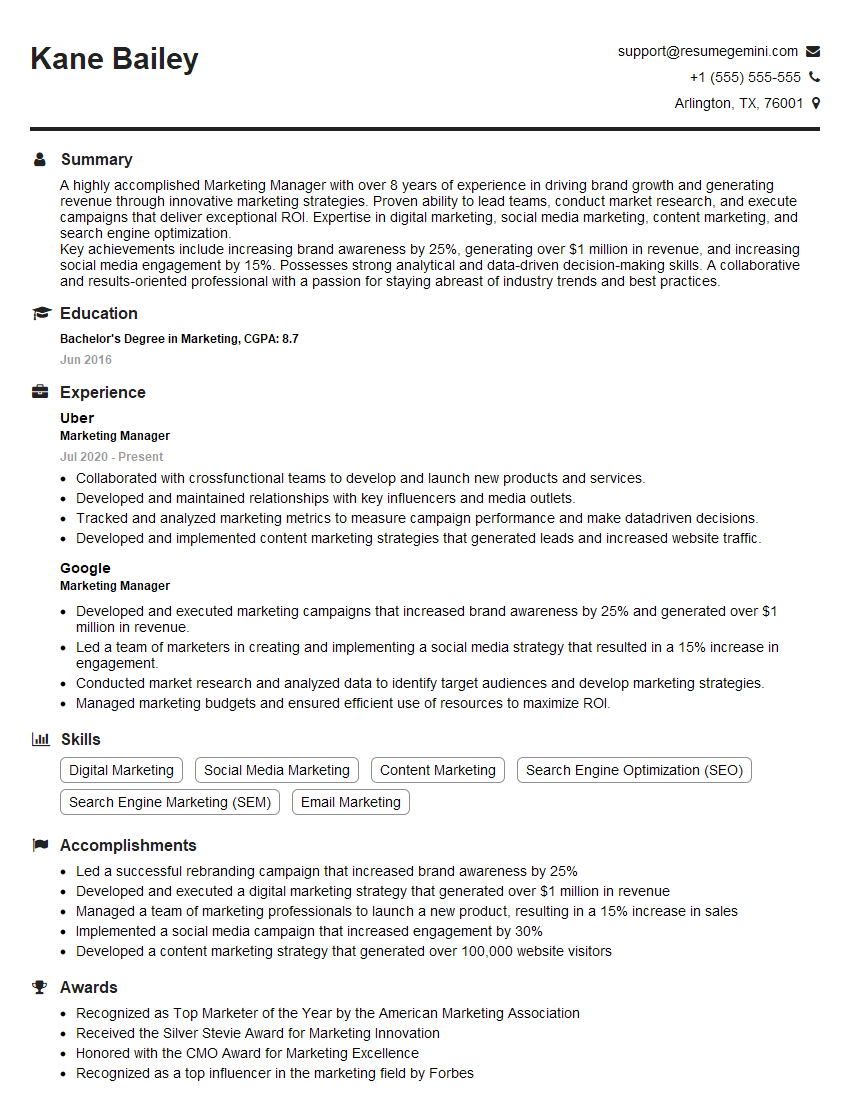
Marketing Manager Resume Sample
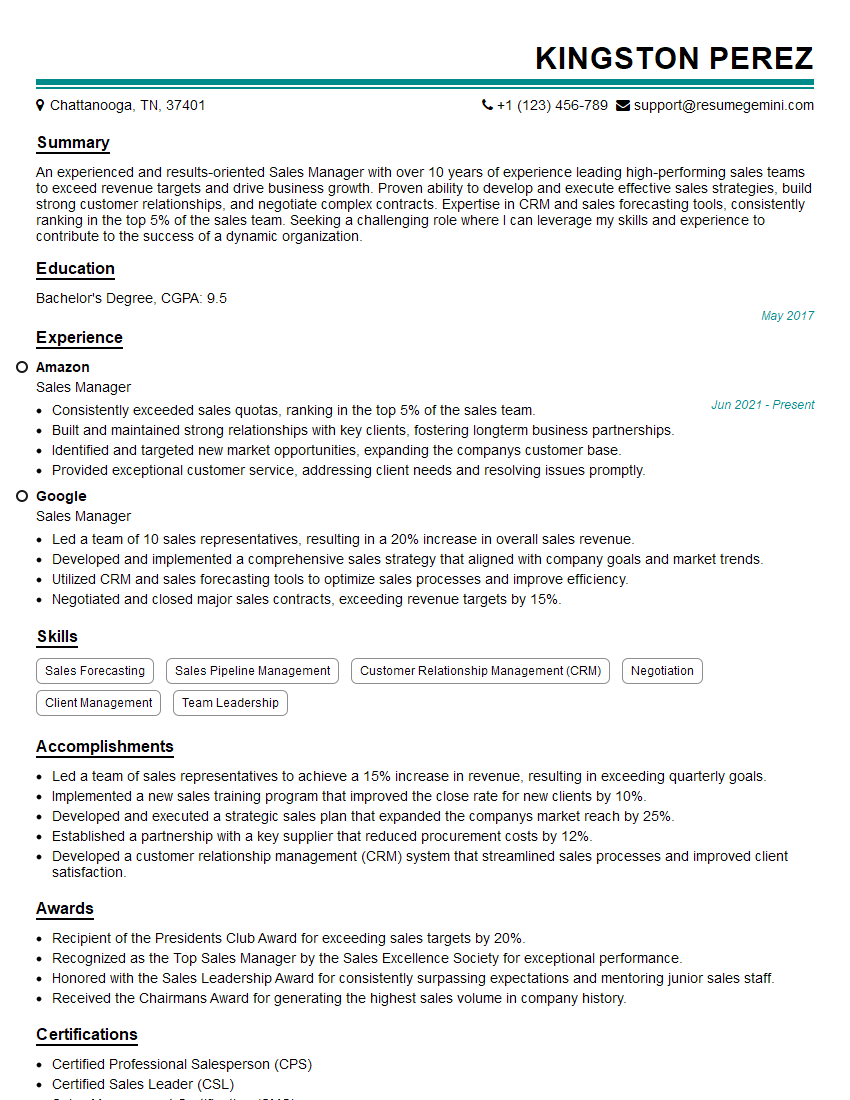
Sales Manager Resume Sample
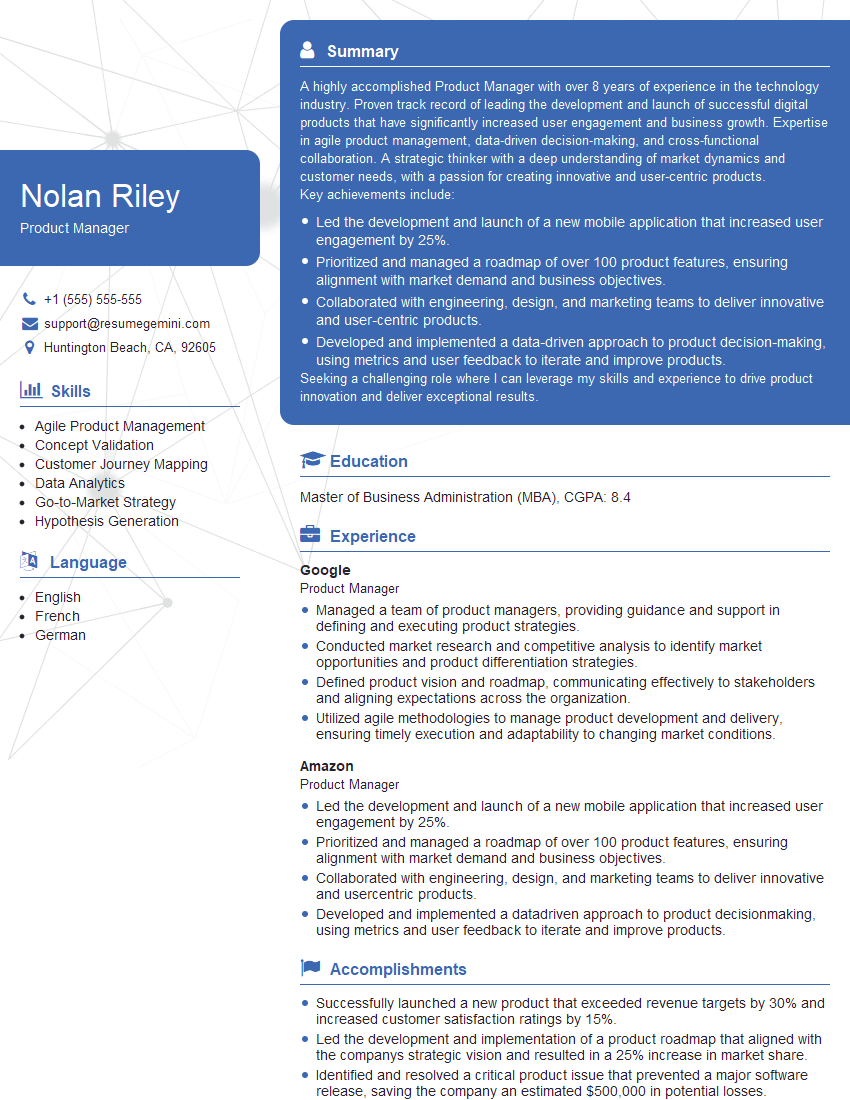
Product Manager Resume Sample

Customer Service Manager Resume Sample

Supply Chain Manager Resume Sample

Project Manager Resume Sample
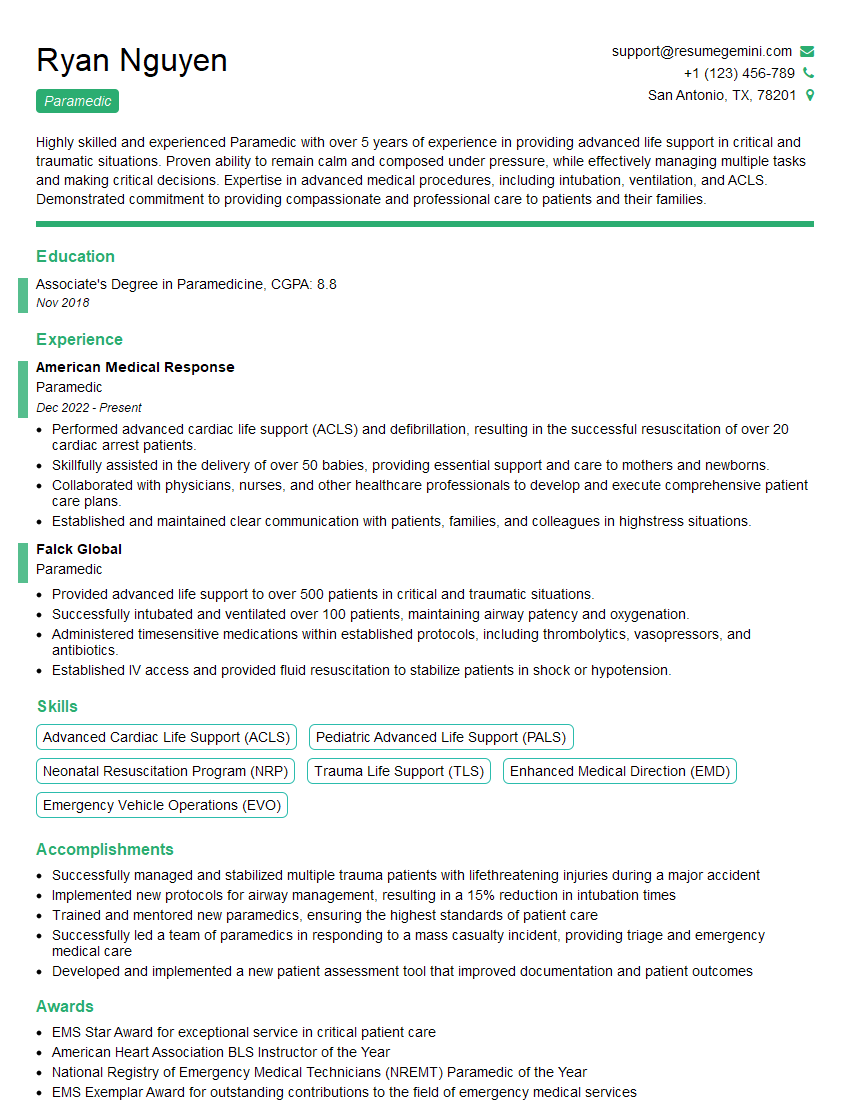
Paramedic Resume Sample
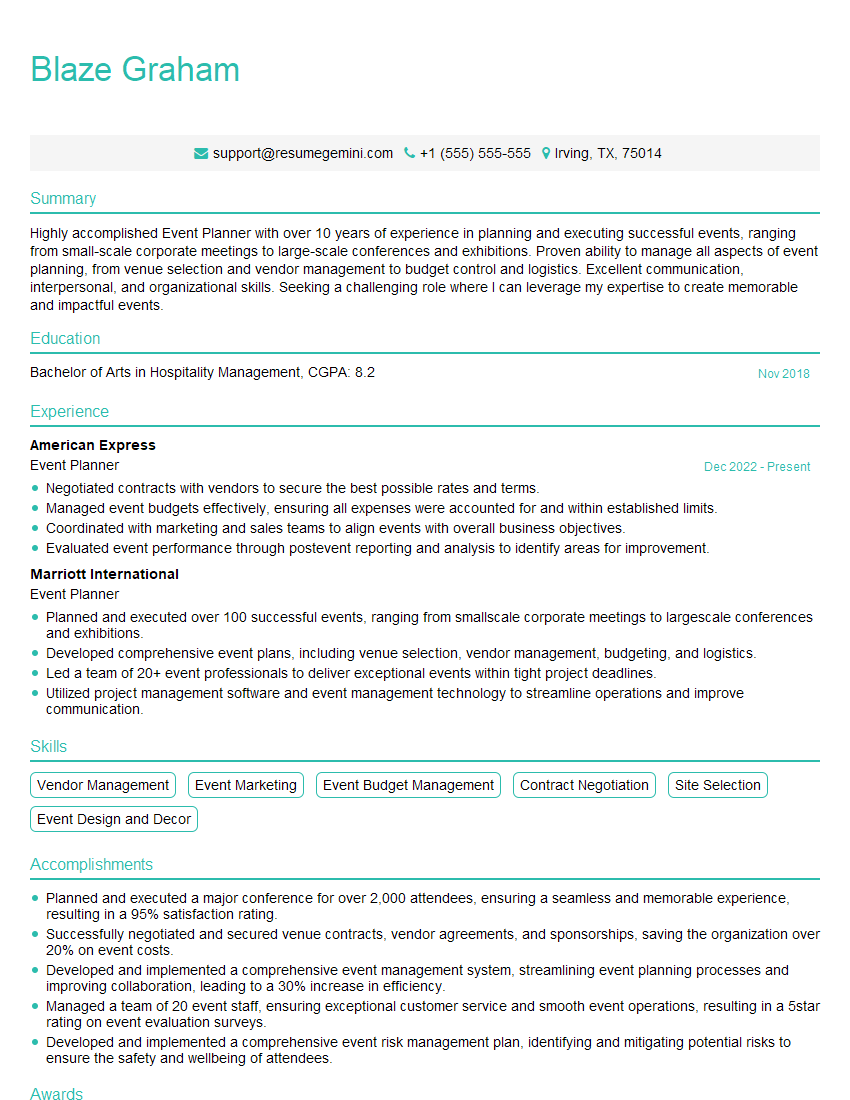
Event Planner Resume Sample
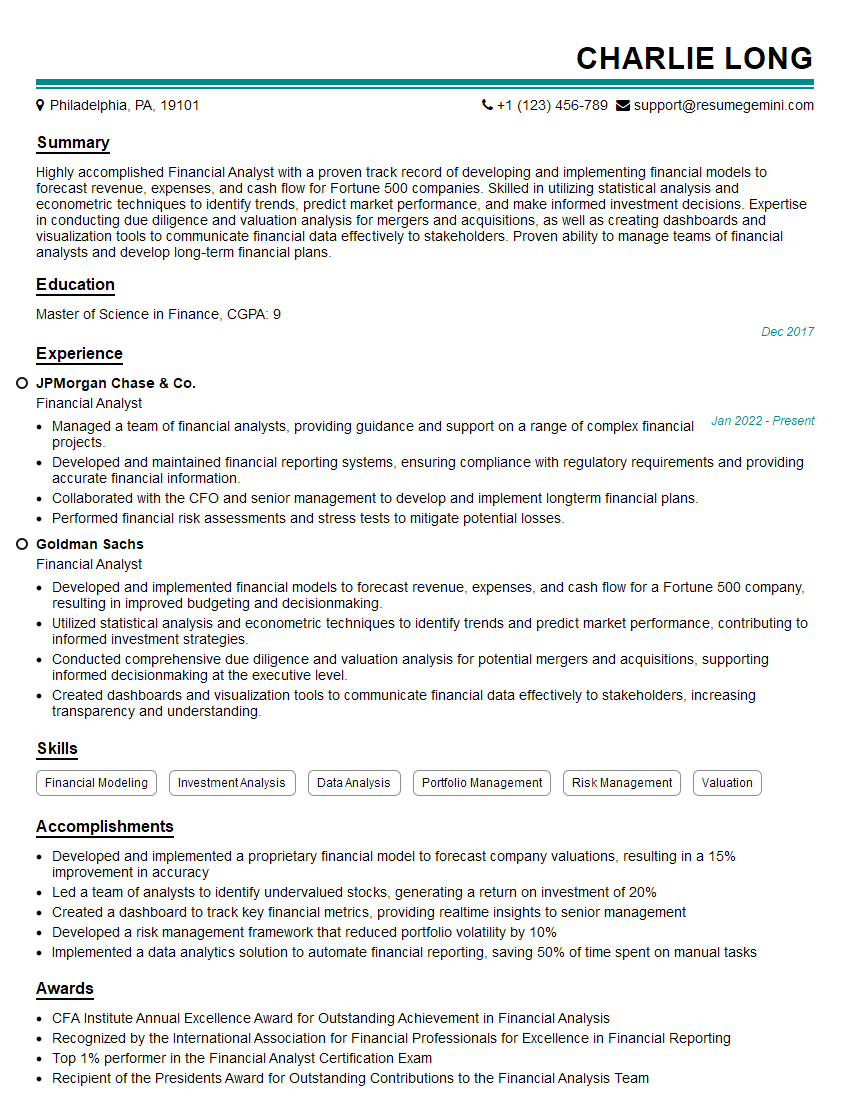
Financial Analyst Resume Sample
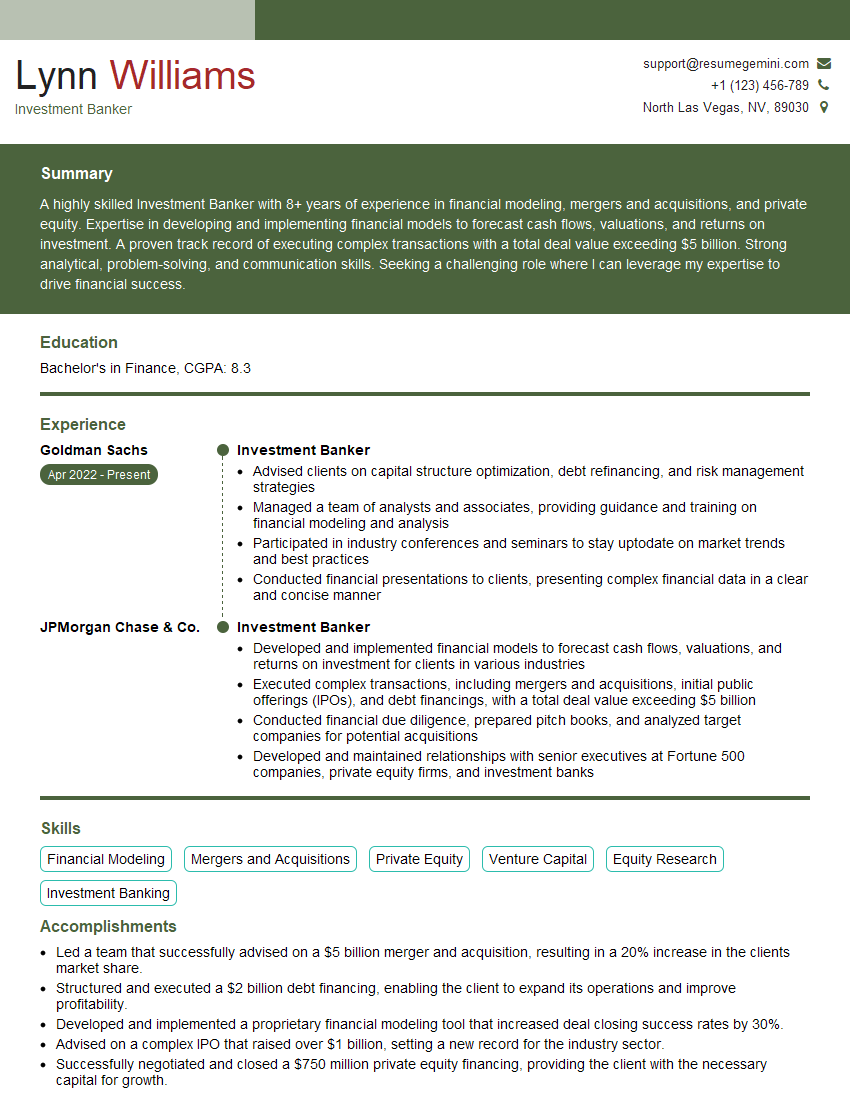
Investment Banker Resume Sample
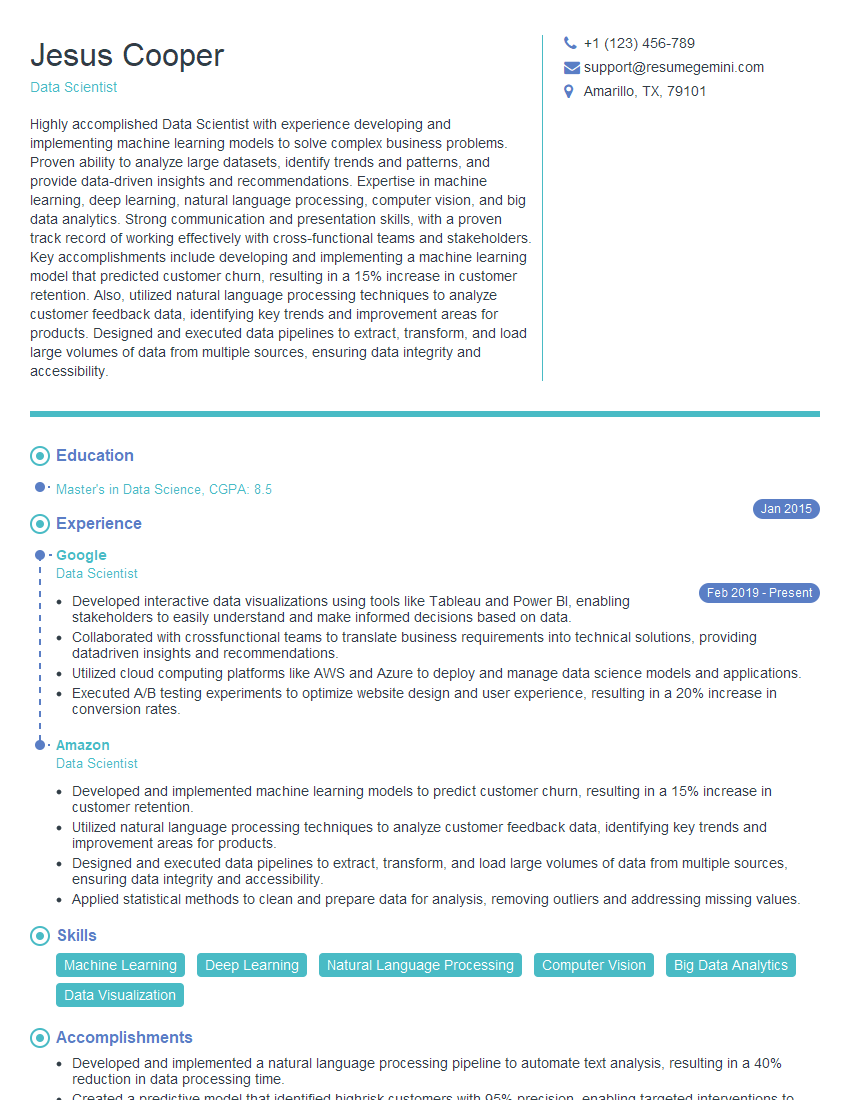
Data Scientist Resume Sample
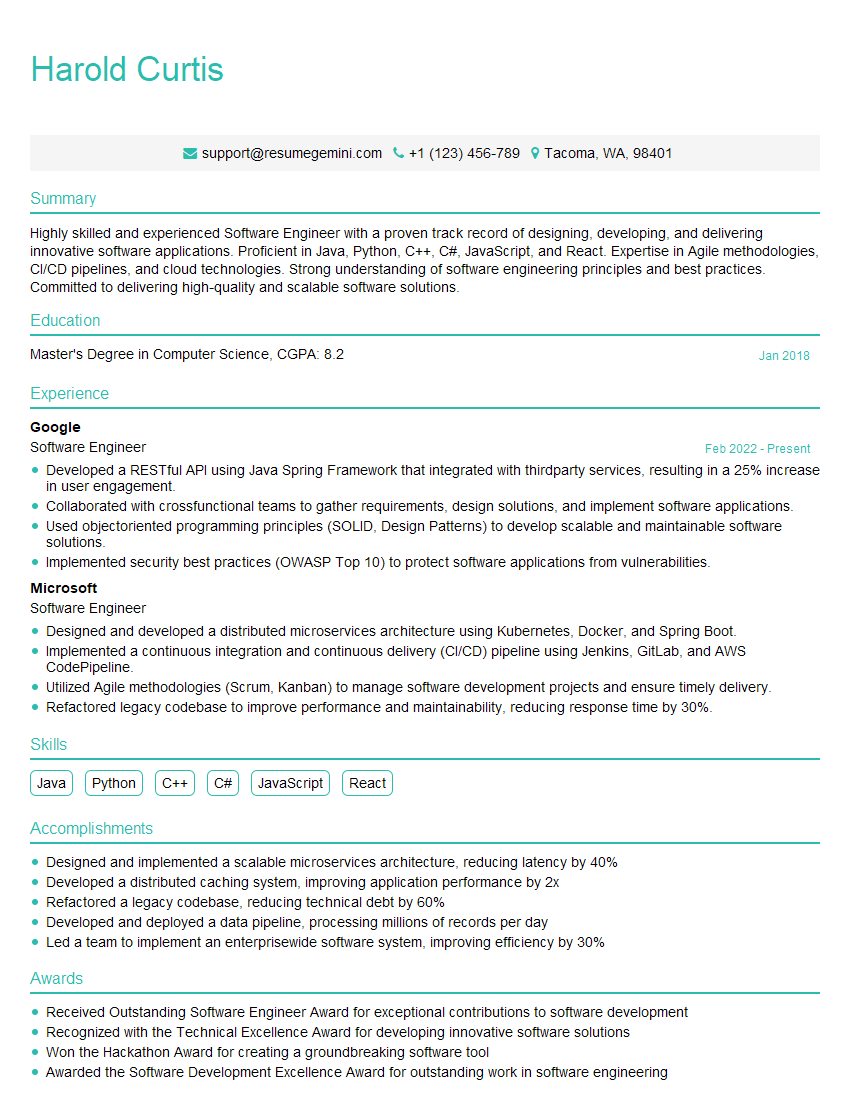
Software Engineer Resume Sample
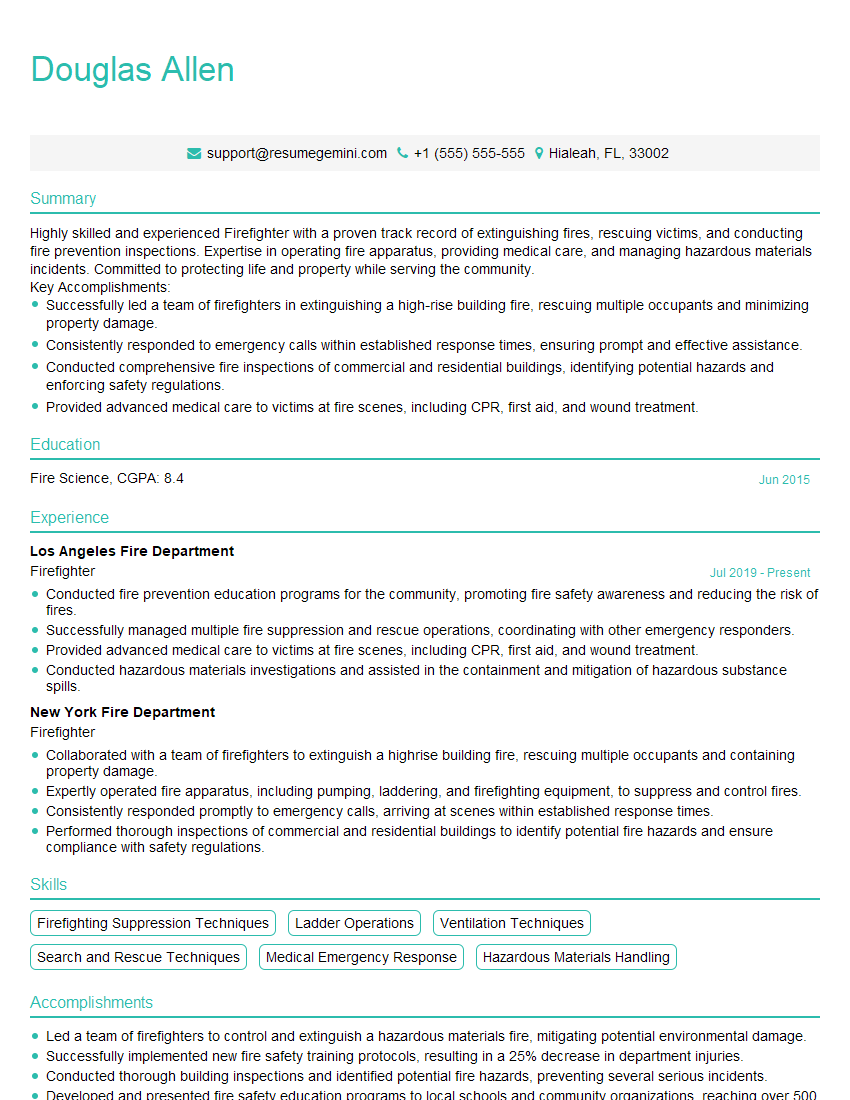
Firefighter Resume Sample
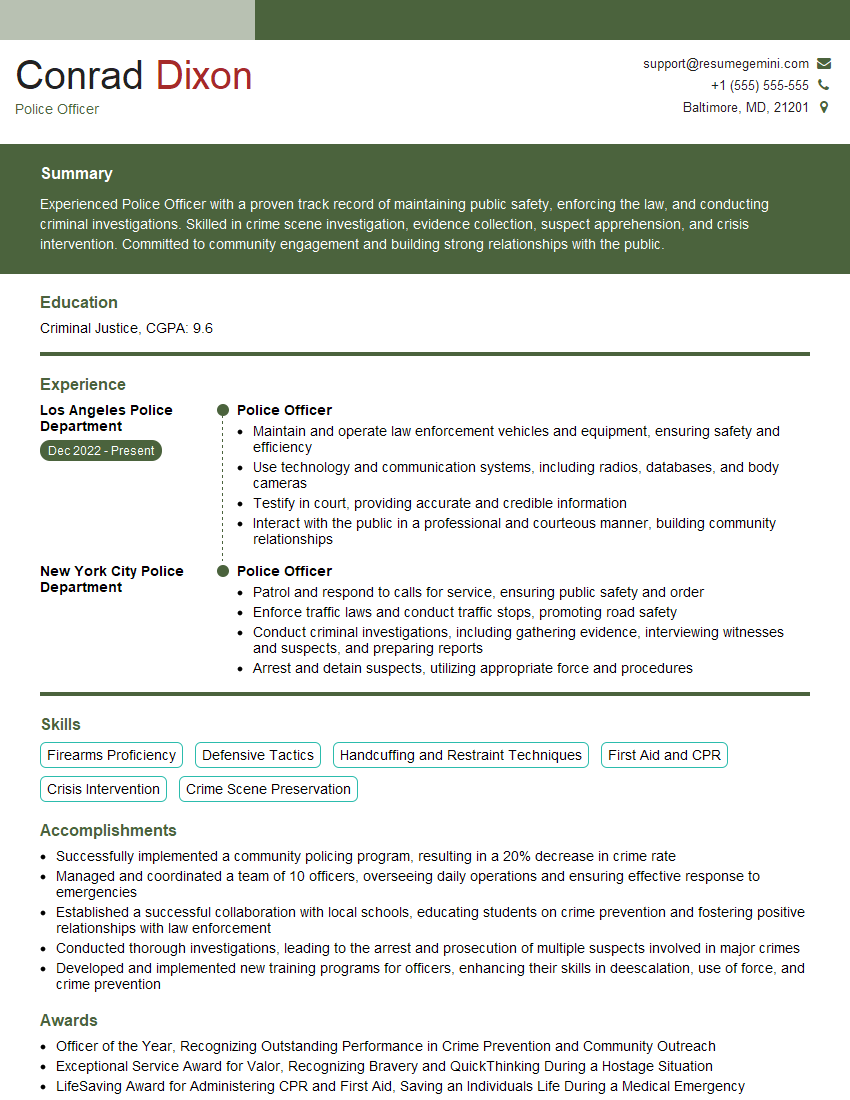
Police Officer Resume Sample
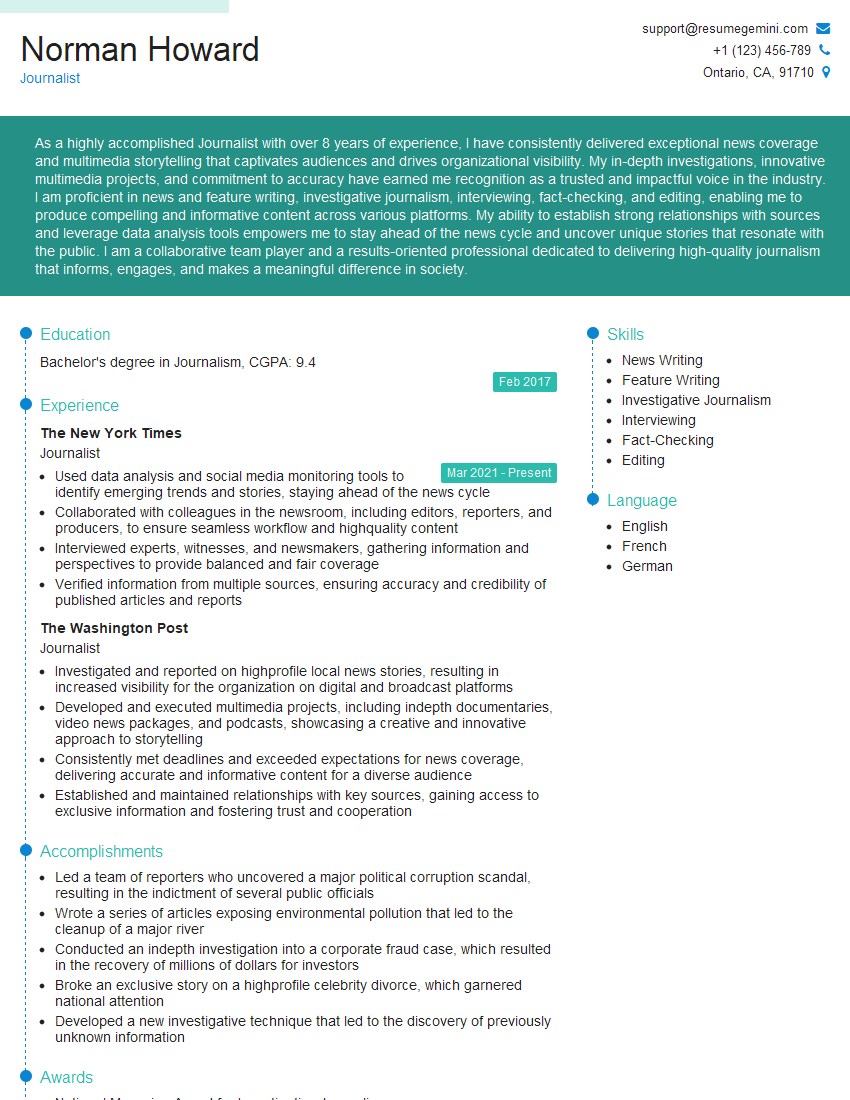
Journalist Resume Sample
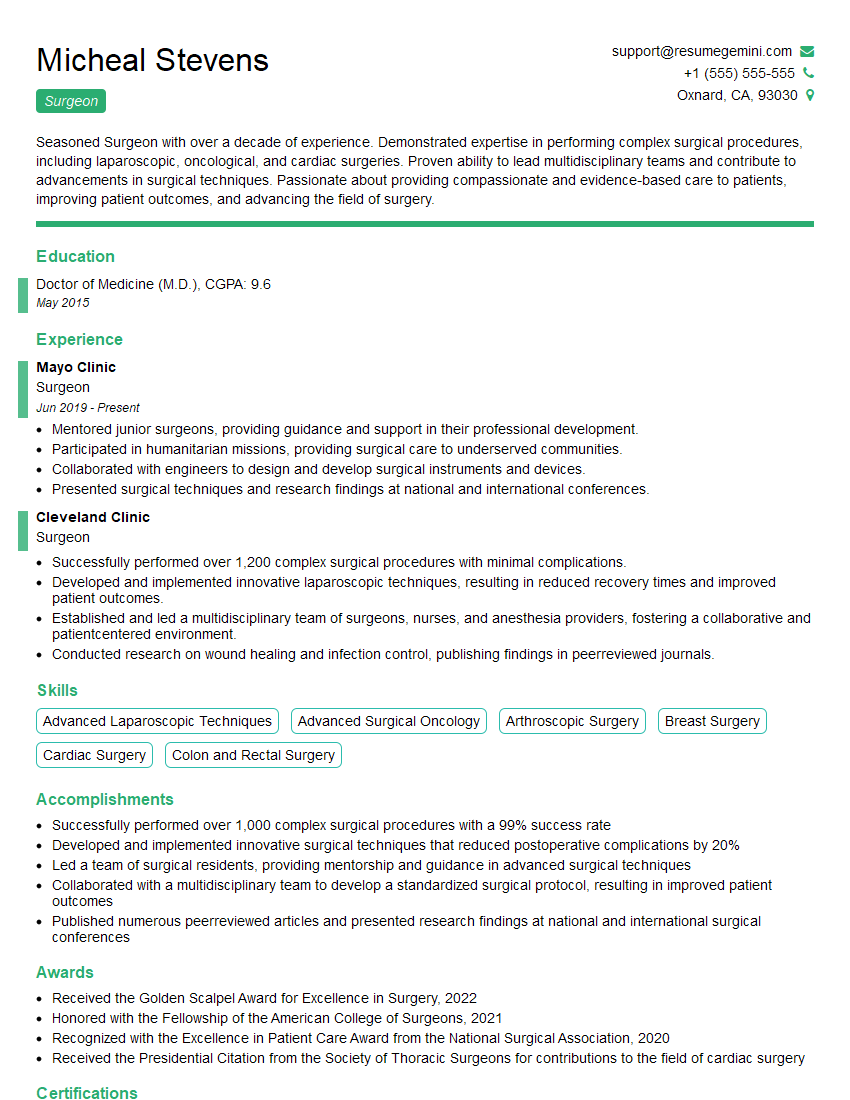
Surgeon Resume Sample
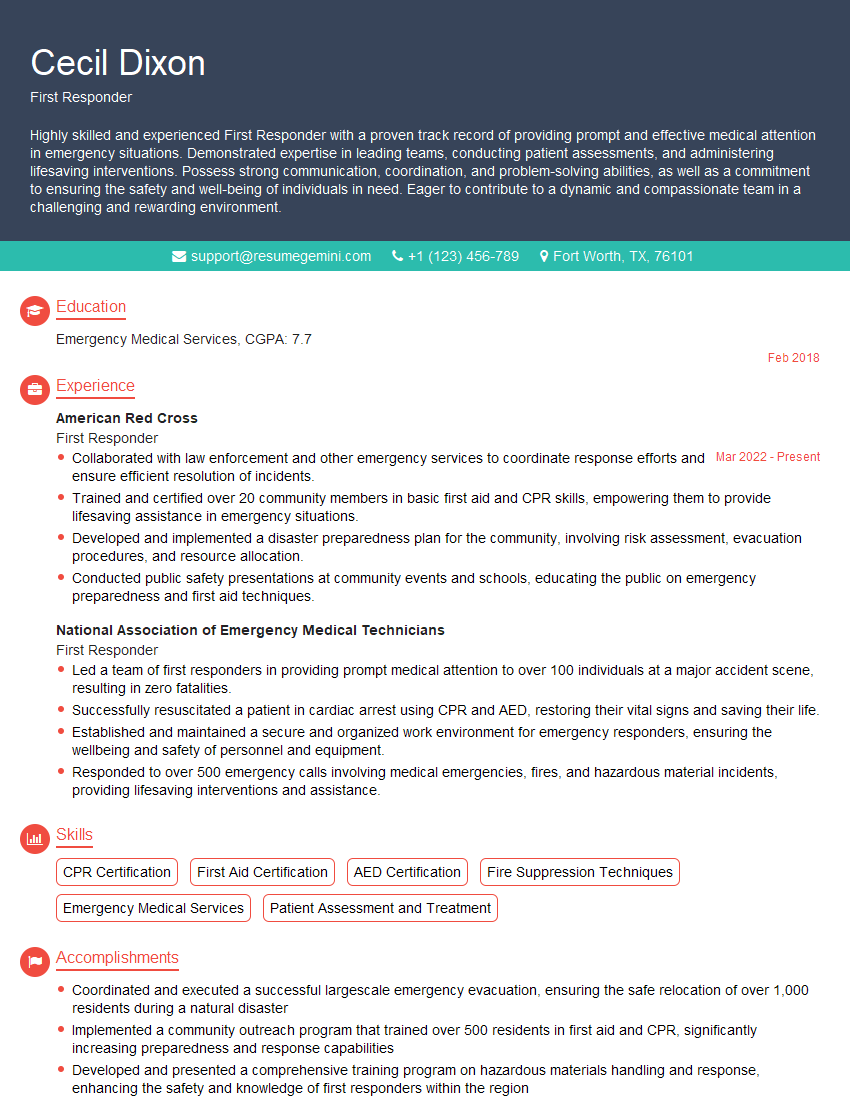
First Responder Resume Sample
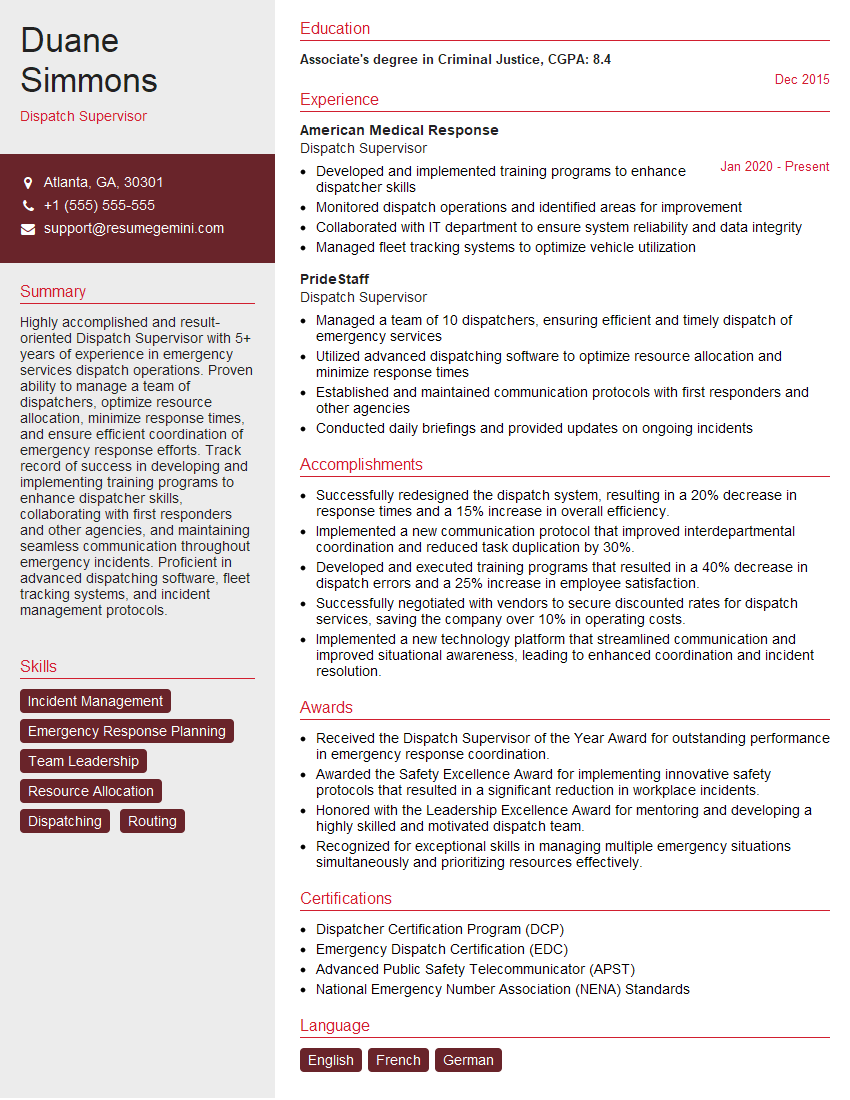
Dispatch Supervisor Resume Sample
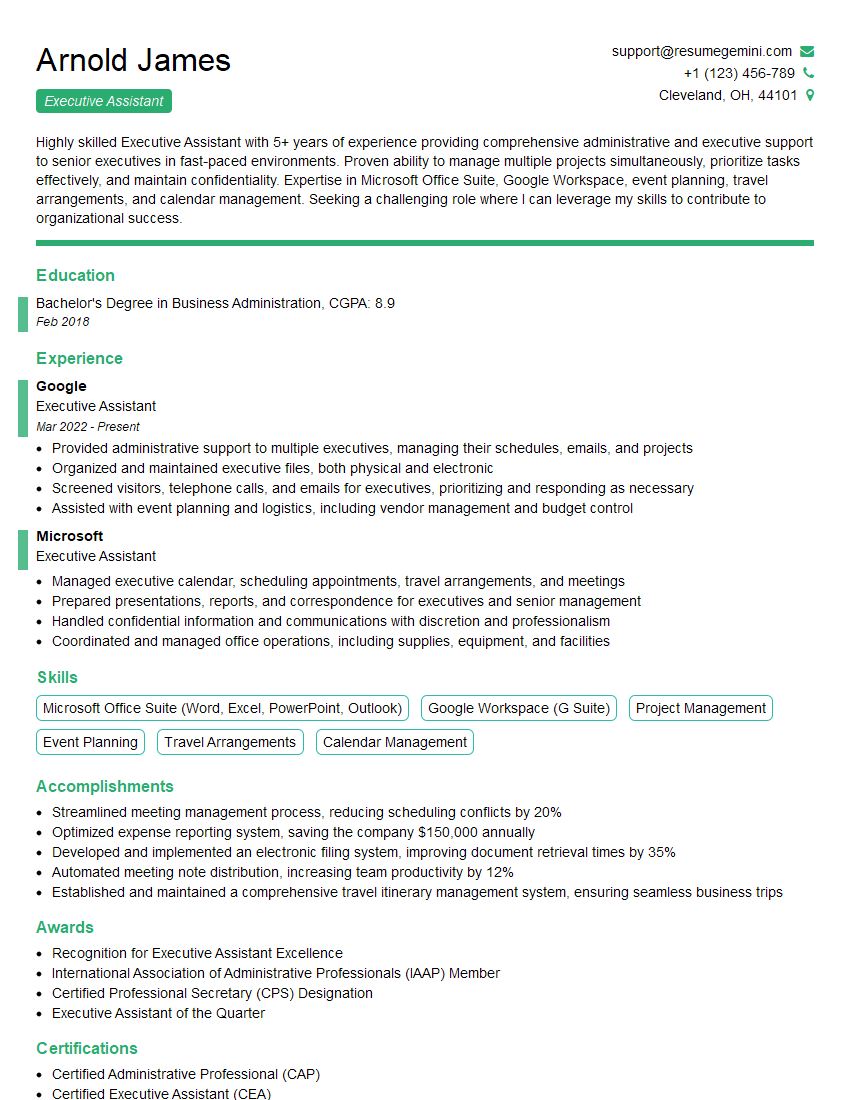
Executive Assistant Resume Sample
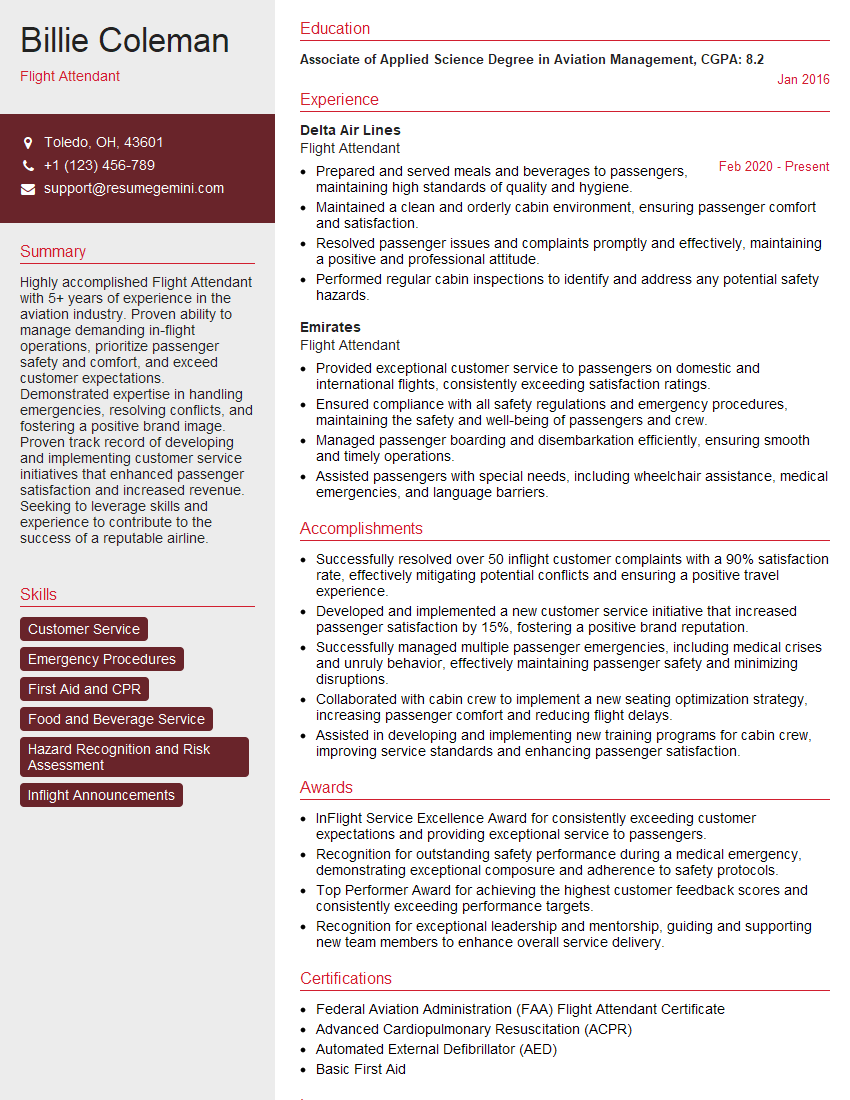
Flight Attendant Resume Sample
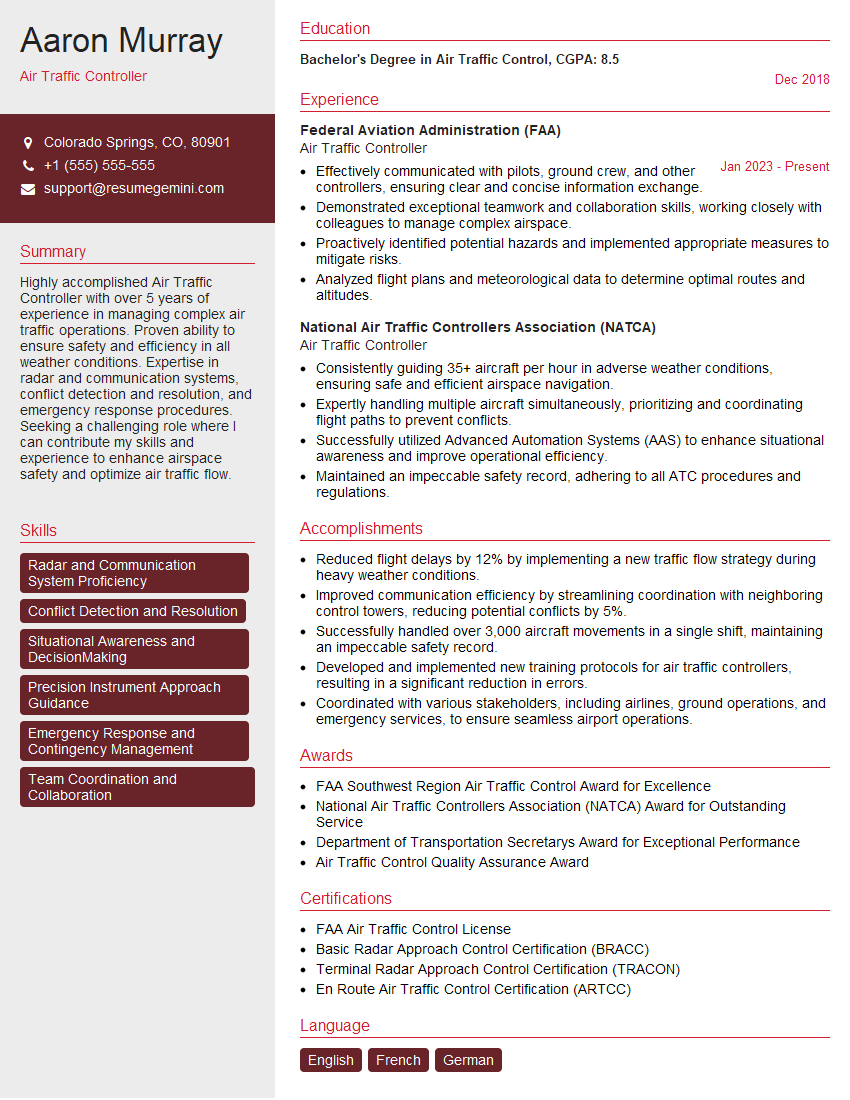
Air Traffic Controller Resume Sample
- Operations Manager
- Marketing Manager
- Sales Manager
- Product Manager
- Customer Service Manager
- Supply Chain Manager
- Project Manager
- Paramedic
- Event Planner
- Financial Analyst
- Investment Banker
- Data Scientist
- Software Engineer
- Firefighter
- Police Officer
- Journalist
- Surgeon
- First Responder
- Dispatch Supervisor
- Executive Assistant
- Flight Attendant
- Air Traffic Controller
Explore more articles
Users Rating of Our Blogs
Share Your Experience
We value your feedback! Please rate our content and share your thoughts (optional).
What Readers Say About Our Blog
I Redesigned Spongebob Squarepants and his main characters of my artwork.
https://www.deviantart.com/reimaginesponge/art/Redesigned-Spongebob-characters-1223583608
IT gave me an insight and words to use and be able to think of examples
Hi, I’m Jay, we have a few potential clients that are interested in your services, thought you might be a good fit. I’d love to talk about the details, when do you have time to talk?
Best,
Jay
Founder | CEO