Unlock your full potential by mastering the most common Workplace Safety and Security interview questions. This blog offers a deep dive into the critical topics, ensuring you’re not only prepared to answer but to excel. With these insights, you’ll approach your interview with clarity and confidence.
Questions Asked in Workplace Safety and Security Interview
Q 1. Describe your experience with OSHA regulations.
My experience with OSHA regulations is extensive. I’ve spent over 10 years working in environments governed by OSHA standards, ensuring compliance across various industries. This includes a deep understanding of OSHA’s General Duty Clause, which mandates employers provide a workplace free from recognized hazards. I’m familiar with specific standards related to hazard communication (29 CFR 1910.1200), lockout/tagout procedures (29 CFR 1910.147), and personal protective equipment (29 CFR 1910 Subpart I), among others. I’ve directly participated in OSHA inspections, assisted in developing and implementing compliance programs, and conducted numerous safety audits, identifying and mitigating potential violations. For example, in a previous role, I successfully guided a manufacturing plant through a comprehensive OSHA audit, resulting in zero citations. This involved meticulous documentation, employee training, and implementation of revised safety protocols.
Q 2. How do you conduct a workplace hazard assessment?
Conducting a thorough workplace hazard assessment involves a systematic approach. I typically begin with a walk-through survey, visually inspecting the work environment to identify potential hazards. This includes examining machinery, equipment, work processes, and the overall layout. I then interview employees at all levels to gather their insights into potential risks they encounter daily. This is crucial as employees often have a firsthand understanding of hazards that might be missed during a simple walkthrough. Next, I analyze the collected data, categorizing hazards based on their severity and likelihood of occurrence. This analysis informs the development of a prioritized list of corrective actions. For example, during an assessment of a construction site, I identified a lack of proper fall protection as a significant hazard. This led to the immediate implementation of safety harnesses, guardrails, and comprehensive fall protection training.
Q 3. What are your strategies for preventing workplace accidents?
My strategies for preventing workplace accidents are multi-faceted and focus on proactive measures. These include implementing robust safety training programs tailored to specific job roles, regularly inspecting equipment for malfunctions and wear and tear, and enforcing strict adherence to safety protocols. A crucial element is fostering a strong safety culture where employees feel empowered to report hazards without fear of reprisal. This involves open communication, regular safety meetings, and creating a culture of accountability. I also utilize various risk control methods like elimination (removing the hazard entirely), substitution (replacing a hazardous substance with a safer alternative), engineering controls (installing guards on machinery), administrative controls (modifying work practices), and personal protective equipment (providing appropriate PPE). For instance, in a previous role, we significantly reduced workplace slips and falls by implementing improved floor cleaning practices and providing employees with non-slip footwear.
Q 4. Explain your experience implementing safety training programs.
I have extensive experience designing and implementing safety training programs. My approach is to create engaging and interactive training that goes beyond simple lectures. I incorporate scenario-based training, hands-on demonstrations, and regular quizzes to ensure knowledge retention. I tailor the programs to meet the specific needs and skill levels of the workforce. For example, for a team of warehouse workers, I designed a comprehensive training program covering forklift operation, safe lifting techniques, and hazard communication. The program included both classroom instruction and practical exercises, significantly improving their safety awareness and skills. Post-training assessments and follow-up sessions ensure continuous improvement and address any knowledge gaps.
Q 5. How do you investigate and report workplace accidents?
Investigating and reporting workplace accidents is a critical aspect of improving workplace safety. My approach follows a structured methodology. First, I secure the accident scene, ensuring the safety of personnel and preventing further incidents. Then, I gather evidence through interviews with witnesses, reviewing relevant documentation (e.g., maintenance logs, incident reports), and analyzing physical evidence. A detailed accident report is compiled, identifying contributing factors, root causes, and recommendations for preventing future occurrences. This report is submitted to relevant authorities and stakeholders, and corrective actions are implemented based on the findings. For instance, in one case, a thorough investigation revealed that a machine malfunction was the root cause of an injury. This led to immediate machine repair, a review of maintenance procedures, and enhanced employee training on machine operation.
Q 6. Describe your experience with emergency response planning.
My experience with emergency response planning includes developing and implementing comprehensive plans tailored to specific workplace hazards and local emergency services. These plans typically include detailed evacuation procedures, emergency contact lists, designated assembly points, and training programs for emergency response teams. Regular drills and exercises are crucial to ensure the effectiveness of the plan and the readiness of the workforce. I have experience working with different emergency responders, including fire departments and law enforcement, to coordinate response strategies. For example, I developed an emergency response plan for a chemical processing plant, incorporating specific protocols for handling chemical spills and other potential emergencies. This plan included detailed maps, communication protocols, and evacuation routes, and was regularly tested through drills.
Q 7. What are the key elements of a comprehensive security system?
A comprehensive security system incorporates several key elements. These include physical security measures such as access control systems (e.g., key card entry, security cameras), perimeter security (fencing, lighting), and intrusion detection systems. Cybersecurity measures are also crucial, including network security, data encryption, and employee training to prevent phishing and malware attacks. Effective security relies heavily on human factors. This involves background checks for employees, security awareness training, and establishing clear security protocols. Regular security audits and vulnerability assessments are necessary to identify weaknesses and improve the overall effectiveness of the system. For instance, a well-rounded security system for an office building might include security cameras monitoring all entrances and exits, access card readers restricting access to sensitive areas, and employee training on cybersecurity best practices. Combining these physical and digital security layers provides a robust and adaptable security posture.
Q 8. How do you manage security risks and vulnerabilities?
Managing security risks and vulnerabilities is a proactive and ongoing process. It begins with a thorough risk assessment, identifying potential threats – both internal and external – and analyzing their likelihood and potential impact. This might involve examining physical security (e.g., building access points, perimeter security), cybersecurity threats (e.g., phishing attacks, malware), and even human factors (e.g., employee negligence, insider threats).
Once risks are identified, we prioritize them based on severity. Higher-priority risks demand immediate attention, often involving implementing security controls. These controls can range from simple measures like strong passwords and multi-factor authentication to more complex solutions such as intrusion detection systems or vulnerability scanners. Regular vulnerability assessments and penetration testing are crucial to identify and address weaknesses before they can be exploited.
For example, during a recent risk assessment for a manufacturing plant, we identified a vulnerability in their network security allowing unauthorized access to sensitive data. We implemented a multi-layered approach: upgraded firewalls, enforced stronger password policies, and implemented intrusion detection systems. Regular security awareness training for employees further mitigated the risk of human error.
Q 9. Explain your experience with access control systems.
My experience with access control systems spans various technologies and implementations. I’ve worked with everything from basic key card systems to sophisticated biometric access controls and cloud-based solutions. Understanding the nuances of each system is key to effective security management.
For instance, I was involved in designing and implementing a multi-layered access control system for a large hospital. This involved different access levels for staff based on their roles and responsibilities. Doctors had access to patient records, nurses to specific patient floors, and janitorial staff to designated areas. This layered approach was crucial for patient data privacy and overall building security. The system included key card readers, CCTV integration for monitoring access points, and a centralized management system for logging and auditing purposes. We also implemented a robust process for managing lost or stolen keycards to prevent unauthorized entry.
Q 10. How do you handle security incidents and breaches?
Handling security incidents and breaches requires a swift and organized response. My approach follows a structured incident response plan, typically involving these key steps:
- Detection and Analysis: Identifying the breach and determining its scope and impact.
- Containment: Isolating the affected systems or areas to prevent further damage.
- Eradication: Removing the threat and restoring the compromised systems.
- Recovery: Getting systems back online and ensuring data integrity.
- Post-Incident Analysis: Reviewing the event to identify weaknesses and implement preventative measures.
For example, when a phishing attack compromised employee credentials at a previous client, we immediately implemented a password reset, quarantined affected systems, conducted a forensic investigation to trace the attack’s origins, and launched an enhanced security awareness campaign to educate employees on identifying future phishing attempts. This entire process was meticulously documented.
Q 11. What are your strategies for maintaining security awareness among employees?
Maintaining security awareness among employees is vital. My strategies focus on continuous education and reinforcement. This involves a multi-pronged approach, including:
- Regular Training Sessions: Conducting interactive workshops and online modules on various security threats and best practices.
- Simulated Phishing Campaigns: Testing employees’ awareness and improving their ability to identify suspicious emails.
- Gamification: Using quizzes and interactive games to make learning engaging and memorable.
- Clear Communication: Regularly disseminating updates on security policies and incidents.
- Incentivization: Recognizing and rewarding employees for demonstrating good security practices.
For instance, I introduced a points-based reward system where employees earned points for completing security training, reporting suspicious activity, and participating in phishing simulations. The top performers were publicly acknowledged and rewarded with gift cards, boosting overall engagement.
Q 12. Describe your experience with surveillance systems and monitoring techniques.
My experience with surveillance systems and monitoring techniques encompasses various technologies, from traditional CCTV systems to more advanced IP-based video surveillance and analytics. I understand the importance of proper placement, configuration, and integration with other security systems for optimal effectiveness.
In a previous role, I oversaw the implementation of a comprehensive video surveillance system for a large retail complex. This involved strategically positioning cameras throughout the premises, integrating the system with access control and alarm systems, and utilizing advanced analytics like facial recognition and license plate reading for enhanced security and loss prevention. The system also included a robust recording and retrieval system, ensuring compliance with data retention policies.
Q 13. How do you ensure compliance with relevant safety and security standards?
Ensuring compliance with relevant safety and security standards is paramount. This involves a deep understanding of applicable regulations, industry best practices, and organizational policies. I use a combination of proactive measures and regular audits to maintain compliance.
This includes staying updated on regulations such as OSHA (Occupational Safety and Health Administration) guidelines, HIPAA (Health Insurance Portability and Accountability Act) for healthcare organizations, and PCI DSS (Payment Card Industry Data Security Standard) for businesses handling payment card data. Regular audits and gap analyses are conducted to identify any compliance gaps and implement corrective actions. Documentation is critical, maintaining records of audits, training, and incident reports to demonstrate compliance.
Q 14. What is your experience with incident reporting and documentation?
Incident reporting and documentation are fundamental to effective security management. A well-defined incident reporting process ensures that all events are documented consistently, enabling analysis, identification of trends, and improvement of security measures.
My approach emphasizes clear, concise reporting that includes the date, time, location, nature of the incident, individuals involved, actions taken, and outcomes. I utilize specialized incident reporting software to streamline the process, ensuring consistent data collection and analysis. This allows us to identify patterns, pinpoint weaknesses in our security program, and ultimately prevent future incidents. Detailed documentation also serves as critical evidence in case of legal or insurance claims.
Q 15. How do you develop and implement safety policies and procedures?
Developing and implementing effective safety policies and procedures is a multi-stage process that requires a thorough understanding of potential hazards and a commitment to continuous improvement. It begins with a comprehensive risk assessment, identifying all potential hazards within the workplace. This involves considering factors like machinery, chemicals, ergonomics, and even the physical layout of the facility. After identifying hazards, we determine the associated risks – the likelihood and severity of harm.
Next, we develop policies and procedures to mitigate those risks. This involves establishing clear guidelines for safe work practices, emergency procedures, and personal protective equipment (PPE) usage. For instance, a policy might dictate the specific PPE required when handling hazardous chemicals, including gloves, eye protection, and respirators. The procedures then outline step-by-step instructions for tasks involving those hazards.
Crucially, these policies and procedures must be easily accessible to all employees, communicated effectively (through training, signage, and regular updates), and consistently enforced. Regular reviews and updates are vital to ensure they remain relevant and effective in the face of changing circumstances or new technologies. Think of it like a living document that evolves with the workplace.
- Risk Assessment: A detailed process identifying potential hazards and assessing the level of risk.
- Policy Development: Creating clear, concise, and legally compliant safety guidelines.
- Procedure Creation: Developing step-by-step instructions for safe work practices.
- Communication & Training: Ensuring all employees understand and can apply the policies and procedures.
- Enforcement & Monitoring: Regularly checking compliance and making adjustments as needed.
- Review & Update: Regularly reviewing and updating policies based on incidents, audits, and best practices.
Career Expert Tips:
- Ace those interviews! Prepare effectively by reviewing the Top 50 Most Common Interview Questions on ResumeGemini.
- Navigate your job search with confidence! Explore a wide range of Career Tips on ResumeGemini. Learn about common challenges and recommendations to overcome them.
- Craft the perfect resume! Master the Art of Resume Writing with ResumeGemini’s guide. Showcase your unique qualifications and achievements effectively.
- Don’t miss out on holiday savings! Build your dream resume with ResumeGemini’s ATS optimized templates.
Q 16. Explain your experience with conducting safety audits.
Conducting safety audits is a systematic process of evaluating a workplace to identify potential hazards, assess risks, and determine compliance with safety regulations. I have extensive experience in conducting both internal and external audits, using a variety of methodologies. My approach typically involves a combination of walkthroughs, document reviews, and interviews with employees at all levels.
During a walkthrough, I observe the physical workplace, looking for things like trip hazards, inadequate lighting, unguarded machinery, or improper use of PPE. Document review focuses on verifying that safety policies, procedures, and training records are up-to-date and compliant with regulations. Employee interviews help gain insights into their perspectives on safety practices, identify any potential hazards they may have encountered, and gauge their understanding of safety protocols.
After the audit, I compile a comprehensive report detailing findings, including observations of unsafe practices, identified hazards, and recommendations for corrective actions. These reports also include prioritized action items with assigned responsibilities and deadlines for addressing the identified deficiencies. For example, in a recent audit, I identified a lack of proper machine guarding, which led to the recommendation for immediate machine shutdown and the implementation of proper guarding measures, alongside training for employees on lockout/tagout procedures. Following up to ensure corrective actions are implemented is critical for ensuring the effectiveness of the audit.
Q 17. What metrics do you use to measure the effectiveness of safety and security programs?
Measuring the effectiveness of safety and security programs requires a robust system of metrics that track key indicators. These metrics should provide a comprehensive view of program performance and highlight areas for improvement. I use a combination of leading and lagging indicators:
- Lagging Indicators: These reflect past performance and include metrics such as the number of lost-time injuries (LTIs), recordable incidents, near misses, and the total cost of safety incidents. A decrease in these metrics indicates improvement in safety performance.
- Leading Indicators: These predict future performance and include metrics such as the number of safety training hours completed, safety observation scores, the number of safety inspections conducted, and employee safety survey results. An increase in these metrics suggests a positive shift in safety culture and proactive risk management.
Beyond these, I also analyze data on employee participation in safety programs, the effectiveness of safety communication channels, and the timeliness of incident investigations and corrective actions. This holistic approach provides a complete picture of program effectiveness, informing strategic decisions and driving continuous improvement. For example, a significant drop in near-miss reports might initially seem positive, but further investigation might reveal a reluctance to report, suggesting a need for improved communication and a more supportive reporting culture.
Q 18. Describe your experience with risk assessment and mitigation strategies.
Risk assessment is a systematic process of identifying potential hazards, analyzing their likelihood and severity, and implementing controls to mitigate the risks. My experience involves using a variety of risk assessment methodologies, such as HAZOP (Hazard and Operability Study), FMEA (Failure Mode and Effects Analysis), and simple risk matrices. Each method has its strengths and weaknesses and the selection depends on the context and complexity of the situation.
The process begins with identifying potential hazards through a combination of observations, interviews, and historical data analysis. Once hazards are identified, we analyze their likelihood and severity, often using a risk matrix to categorize the risk level (e.g., low, medium, high). Mitigation strategies are then developed and implemented to reduce the risk to an acceptable level. These strategies might include engineering controls (e.g., machine guarding), administrative controls (e.g., standard operating procedures), and personal protective equipment (PPE). For example, in a manufacturing setting, we might identify a risk of electrical shock from exposed wiring. The mitigation strategy would involve engineering controls – covering the exposed wiring – alongside administrative controls – establishing lockout/tagout procedures to de-energize equipment before maintenance.
Regularly reviewing and updating the risk assessment is crucial, especially after incidents or changes to the workplace. It is not a one-time exercise; rather, it is an ongoing process of monitoring, evaluating, and adapting safety measures to minimize risks.
Q 19. How do you communicate safety and security information effectively?
Effective communication of safety and security information is critical for ensuring a safe and secure workplace. My approach emphasizes clarity, accessibility, and multiple communication channels to reach all employees effectively.
I use a variety of methods, including regular safety meetings, toolbox talks (short, informal safety discussions at the start of work), email newsletters, posters, and interactive training programs. The choice of method depends on the message’s complexity and target audience. For instance, complex procedures are best communicated through detailed training sessions, whereas simple reminders about PPE use can be effectively conveyed through posters or short email updates.
It’s also essential to ensure that communication is tailored to the audience’s language skills and literacy levels, using clear and concise language, avoiding jargon, and incorporating visual aids where appropriate. Feedback mechanisms, such as surveys and suggestion boxes, are used to gauge employee understanding and identify any communication gaps. Regularly evaluating the effectiveness of communication channels is crucial to identify areas for improvement and ensure that safety information reaches the intended audience.
Q 20. How do you collaborate with other departments to improve safety and security?
Collaboration with other departments is essential for a holistic approach to safety and security. I believe in fostering open communication and shared responsibility across all departments.
I regularly engage with departments like Human Resources (HR) to ensure that safety policies are integrated into employee onboarding and performance management systems, and with Operations to ensure that safety considerations are incorporated into production processes and facility maintenance. Collaboration with IT is crucial for securing data and systems, and with Legal to ensure compliance with relevant regulations.
My approach involves establishing regular cross-departmental meetings to discuss safety concerns, share best practices, and coordinate efforts. Jointly developing and implementing safety initiatives ensures a cohesive and comprehensive approach to workplace safety and security. For example, working with HR on developing a comprehensive safety training program or with Operations on redesigning a production line to eliminate a safety hazard demonstrates this collaborative approach.
Q 21. Describe a time you had to deal with a difficult safety or security situation.
During a recent incident involving a serious machinery malfunction, I had to quickly assess the situation, implement emergency procedures, and manage the aftermath. A piece of equipment unexpectedly malfunctioned, resulting in minor injuries to an employee and significant damage to the machinery. My immediate priority was to ensure the safety of all personnel, so I activated the emergency response protocol, evacuating the immediate area and providing first aid to the injured employee.
Following this, I led the investigation into the root cause of the malfunction, working with engineering and maintenance teams to identify the factors that contributed to the incident. This involved examining the equipment’s maintenance logs, interviewing employees, and conducting a thorough inspection of the machinery. The investigation revealed a failure in a critical safety component, highlighting deficiencies in our preventative maintenance program.
Based on the investigation, we implemented corrective actions, including replacing the faulty component, updating maintenance procedures to prevent similar incidents, and providing additional training to personnel on the proper operation and maintenance of the equipment. We also revised our risk assessment process to incorporate more frequent inspections of critical safety components. The experience underscored the importance of having robust emergency response procedures and a thorough root cause analysis process to prevent future incidents.
Q 22. What are your strategies for promoting a safety-conscious culture?
Promoting a safety-conscious culture isn’t about imposing rules; it’s about fostering a shared commitment to safety. My strategy is multifaceted and focuses on leadership, communication, and employee empowerment. It begins with visible and unwavering leadership support – leaders at all levels must actively participate in safety initiatives and demonstrate a genuine commitment to safety as a core value. This sets the tone for the entire organization.
- Open Communication: Regular safety meetings, toolbox talks, and easily accessible communication channels (e.g., intranet, email, posters) are crucial. These platforms are used to share safety information, discuss near misses, and celebrate successes. Feedback mechanisms allow employees to report hazards without fear of reprisal.
- Employee Training and Empowerment: Comprehensive training programs tailored to specific roles and hazards are key. Employees need to be empowered to stop unsafe work practices and report concerns immediately. This involves providing them with the knowledge and authority to do so.
- Incentivization and Recognition: Recognizing and rewarding employees who demonstrate commitment to safety is crucial. This could include awards, bonuses, or simply public acknowledgment of safe work practices. A safety suggestion box and regular review of suggestions could also encourage active participation.
- Data-Driven Improvement: Tracking safety metrics (incident rates, near misses, etc.) allows for identifying trends and areas for improvement. Regular safety audits and reviews ensure continual improvement.
For example, in a previous role, we implemented a peer-to-peer safety observation program where employees trained each other on safe practices and identified potential hazards. This significantly improved employee engagement and resulted in a 20% reduction in incident rates within six months.
Q 23. What software or tools are you familiar with for managing safety and security?
I’m proficient in several software and tools for managing safety and security. My experience includes using:
- Environmental, Health, and Safety (EHS) Management Systems: Such as Sphera, EHS Insight, and VelocityEHS. These platforms allow for incident reporting, risk assessment, training management, and regulatory compliance tracking. They typically offer dashboards and reporting features to track key safety metrics.
- Building Management Systems (BMS): These systems are used to monitor and control various aspects of building security and safety, including access control, fire alarms, and environmental monitoring (temperature, humidity, air quality).
- Computerized Maintenance Management Systems (CMMS): These systems help schedule and track preventative maintenance of equipment to minimize the risk of equipment-related incidents. Examples include Fiix and UpKeep.
- Incident Management Software: Dedicated software such as SafetyCulture helps track, investigate, and analyze incidents, supporting root cause analysis and preventing future occurrences.
My familiarity extends to utilizing spreadsheets and databases for customized reporting and analysis based on specific needs and regulatory requirements. The choice of tool is always contingent on the specific needs and budget of the organization.
Q 24. How do you stay up-to-date with the latest safety and security regulations and best practices?
Staying current in the dynamic field of safety and security requires a multi-pronged approach:
- Professional Organizations: Active membership in organizations like the Occupational Safety and Health Administration (OSHA), the American Society of Safety Professionals (ASSP), or equivalent organizations in other countries provides access to the latest publications, webinars, and networking opportunities.
- Industry Publications and Journals: Regularly reading relevant trade publications and journals keeps me updated on emerging threats and best practices.
- Conferences and Workshops: Attending industry conferences and workshops offers valuable insights into the latest advancements and allows for interaction with leading experts.
- Online Resources and Training: Utilizing reputable online resources and participating in continuing education courses ensure continuous professional development.
- Regulatory Updates: I actively monitor changes in relevant legislation and regulations to maintain compliance. This involves subscribing to updates from regulatory bodies and seeking expert interpretation when necessary.
I view continuous learning as an essential aspect of my professional role. Staying informed ensures I can effectively mitigate risks and protect the workforce.
Q 25. What is your understanding of different types of security threats?
Security threats are diverse and can be broadly categorized into:
- Physical Threats: These include theft, vandalism, sabotage, unauthorized access, and violence. Examples range from a simple break-in to more sophisticated attacks involving insider threats or organized crime.
- Cybersecurity Threats: These encompass a wide array of risks, including malware infections, phishing attacks, denial-of-service attacks, data breaches, and ransomware. The sophistication of these attacks continues to evolve rapidly.
- Natural Disasters: Earthquakes, floods, fires, and severe weather events can disrupt operations and pose significant safety risks. Preparedness and mitigation plans are essential.
- Internal Threats: These stem from malicious or negligent actions by employees or contractors. Examples include data theft, sabotage, or failure to follow safety procedures.
Understanding the specific threats relevant to an organization requires a thorough risk assessment that considers factors such as location, industry, and the nature of operations. This enables the development of tailored security strategies.
Q 26. How do you balance safety and security with productivity and efficiency?
Balancing safety and security with productivity and efficiency is a crucial aspect of my approach. It’s not an either/or situation; rather, it’s about finding optimal solutions that minimize risk without unduly hindering operations. This is achieved through:
- Risk Assessment and Prioritization: Conducting thorough risk assessments helps identify the most significant threats and prioritize mitigation efforts. Focusing on high-impact, high-probability risks ensures resources are used effectively.
- Process Optimization: Streamlining workflows and implementing efficient safety procedures can minimize interruptions without compromising safety. Automation can play a significant role.
- Investment in Technology: Investing in technology that enhances safety and security, such as access control systems or cybersecurity tools, can improve efficiency in the long run by reducing losses and downtime.
- Employee Involvement: Actively involving employees in identifying and solving safety and security challenges fosters a culture of ownership and improves buy-in. This helps balance the needs of both safety and productivity.
For instance, implementing a robust cybersecurity system might initially require investment and training, but it prevents costly data breaches and downtime in the long term, thus boosting efficiency. Similarly, well-designed safety procedures reduce work interruptions due to accidents.
Q 27. Describe your experience with physical security measures.
My experience with physical security measures is extensive. I have been involved in the design, implementation, and oversight of various security systems, including:
- Access Control Systems: Designing and implementing key card systems, security cameras, and security patrols to control access to sensitive areas and assets. This includes experience with both physical and electronic access controls.
- Surveillance Systems: Designing and managing CCTV systems, including camera placement, recording systems, and monitoring procedures. This includes analyzing footage to investigate incidents and improve security measures.
- Perimeter Security: Working on projects involving fencing, lighting, and alarm systems to deter unauthorized access and intrusion. This includes assessing vulnerabilities and recommending improvements.
- Emergency Response Planning: Developing and implementing emergency response plans to handle incidents such as fire, evacuation, and active shooter situations. This includes conducting drills and training.
In a previous role, I was responsible for upgrading the physical security system of a large warehouse, resulting in a significant reduction in theft and vandalism.
Q 28. What is your experience with cybersecurity best practices?
My understanding of cybersecurity best practices encompasses various aspects of protecting digital assets and information. My experience includes:
- Risk Assessment and Management: Conducting regular cybersecurity risk assessments to identify vulnerabilities and develop mitigation strategies. This involves understanding different types of threats and their potential impact.
- Security Awareness Training: Developing and delivering training programs to educate employees about phishing attacks, social engineering, and other cybersecurity threats. This involves fostering a culture of security awareness.
- Data Loss Prevention (DLP): Implementing and managing DLP measures to prevent sensitive data from leaving the organization’s control. This includes using tools and technologies to monitor and control data flow.
- Incident Response Planning: Developing and testing incident response plans to handle cybersecurity incidents such as data breaches or ransomware attacks. This includes establishing clear communication protocols and procedures.
- Access Control and Authentication: Implementing strong password policies, multi-factor authentication, and access control lists to restrict access to sensitive systems and data.
I am familiar with various cybersecurity frameworks, such as NIST Cybersecurity Framework, and understand the importance of adhering to industry best practices and regulatory requirements (e.g., GDPR, CCPA).
Key Topics to Learn for Workplace Safety and Security Interview
- Hazard Identification and Risk Assessment: Understanding methodologies like HAZOP, What-If analysis, and Job Safety Analysis (JSA). Practical application: Describe your experience conducting a risk assessment and implementing control measures.
- Emergency Response Planning and Procedures: Developing and implementing emergency action plans, including evacuation procedures, first aid response, and communication protocols. Practical application: Discuss your experience in participating in or developing emergency response plans.
- Occupational Health and Safety Regulations: Familiarity with relevant legislation, standards, and best practices (e.g., OSHA, WHMIS). Practical application: Explain how you ensure compliance with relevant regulations in a workplace setting.
- Personal Protective Equipment (PPE): Selection, use, and maintenance of appropriate PPE for various hazards. Practical application: Describe your experience selecting and using PPE for specific tasks.
- Incident Investigation and Reporting: Conducting thorough investigations, identifying root causes, and implementing corrective actions to prevent recurrence. Practical application: Explain your approach to investigating workplace incidents and reporting findings.
- Security Systems and Procedures: Understanding access control, surveillance systems, and security protocols. Practical application: Describe your experience working with security systems or implementing security procedures.
- Workplace Violence Prevention: Identifying risk factors and implementing strategies to mitigate workplace violence. Practical application: Explain your understanding of workplace violence prevention strategies and how to implement them.
- Fire Safety and Prevention: Understanding fire safety codes, prevention measures, and emergency procedures. Practical application: Describe your experience with fire safety training and procedures.
- Health and Safety Training and Communication: Designing and delivering effective safety training programs to employees. Practical application: Explain your experience in developing and delivering safety training.
Next Steps
Mastering Workplace Safety and Security is crucial for a successful and rewarding career. It demonstrates your commitment to protecting lives and ensuring a safe and productive work environment, making you a highly valuable asset to any organization. To significantly increase your job prospects, focus on crafting an ATS-friendly resume that highlights your skills and experience effectively. We highly recommend using ResumeGemini to build a professional resume that showcases your qualifications. ResumeGemini offers a user-friendly platform and provides examples of resumes tailored to Workplace Safety and Security, helping you present your best self to potential employers.
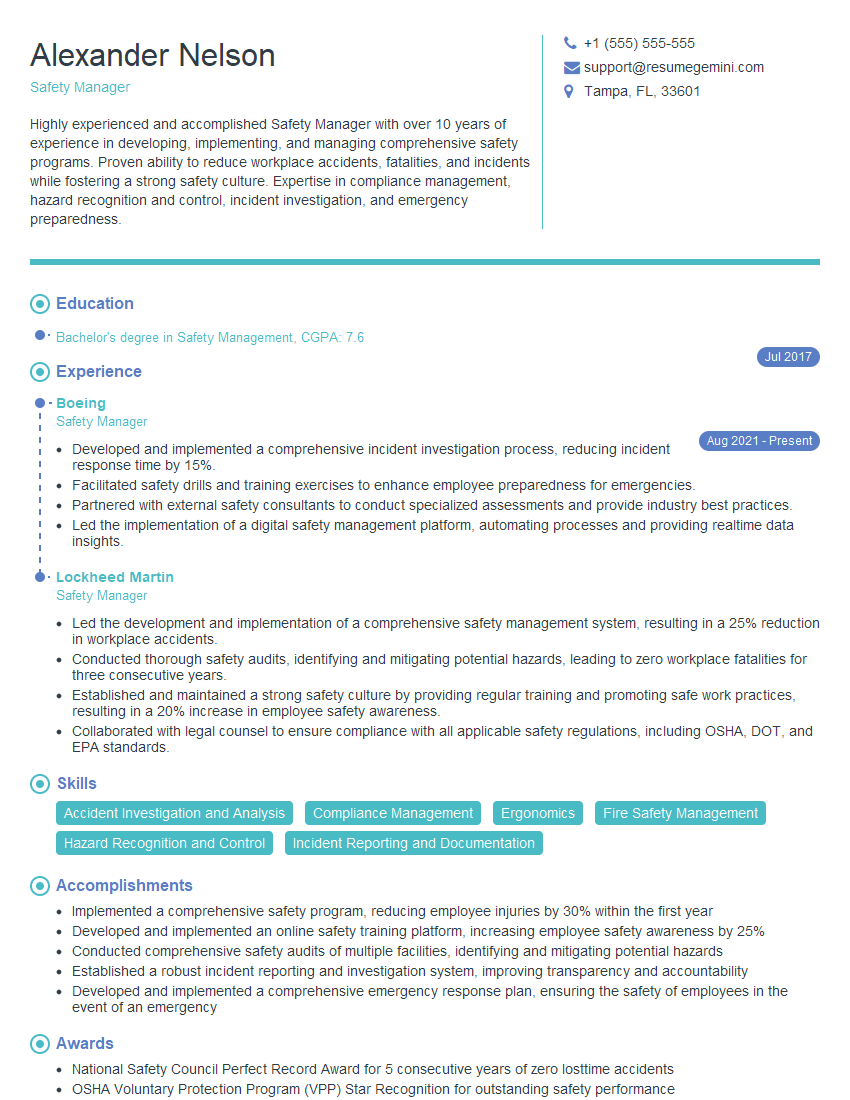
Safety Manager Resume Sample
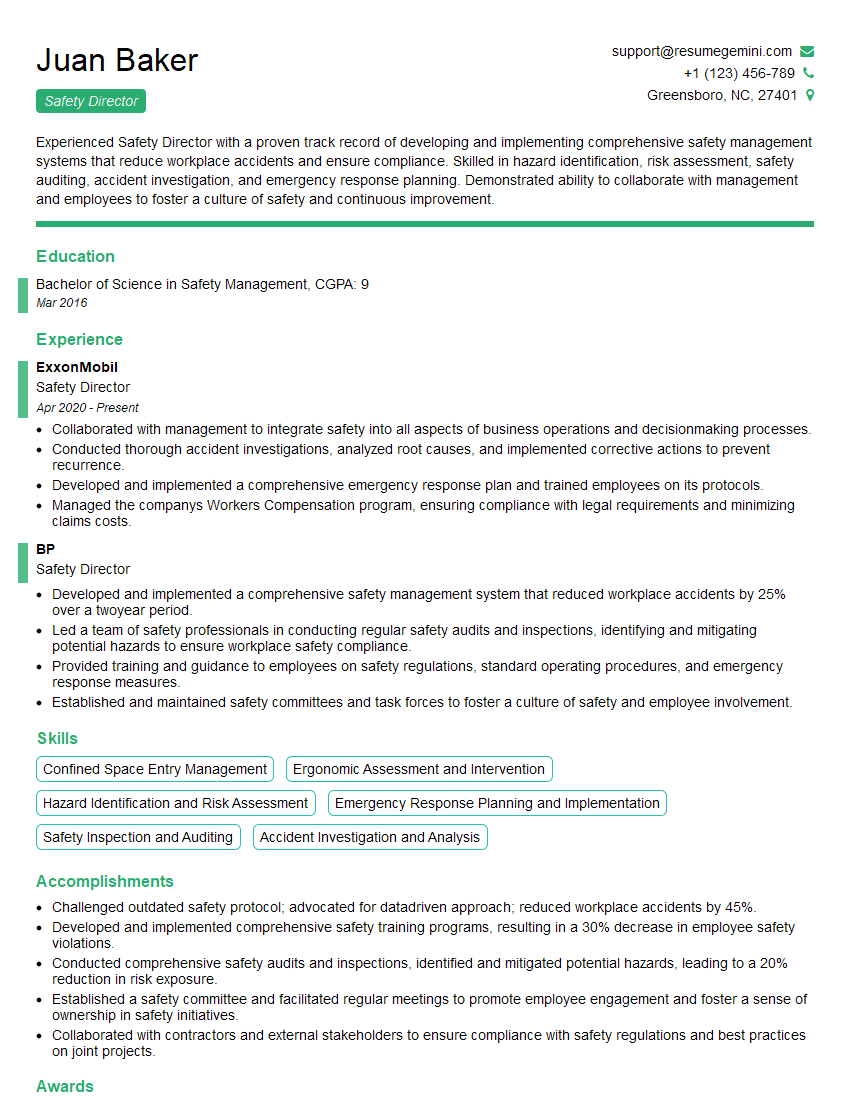
Safety Director Resume Sample
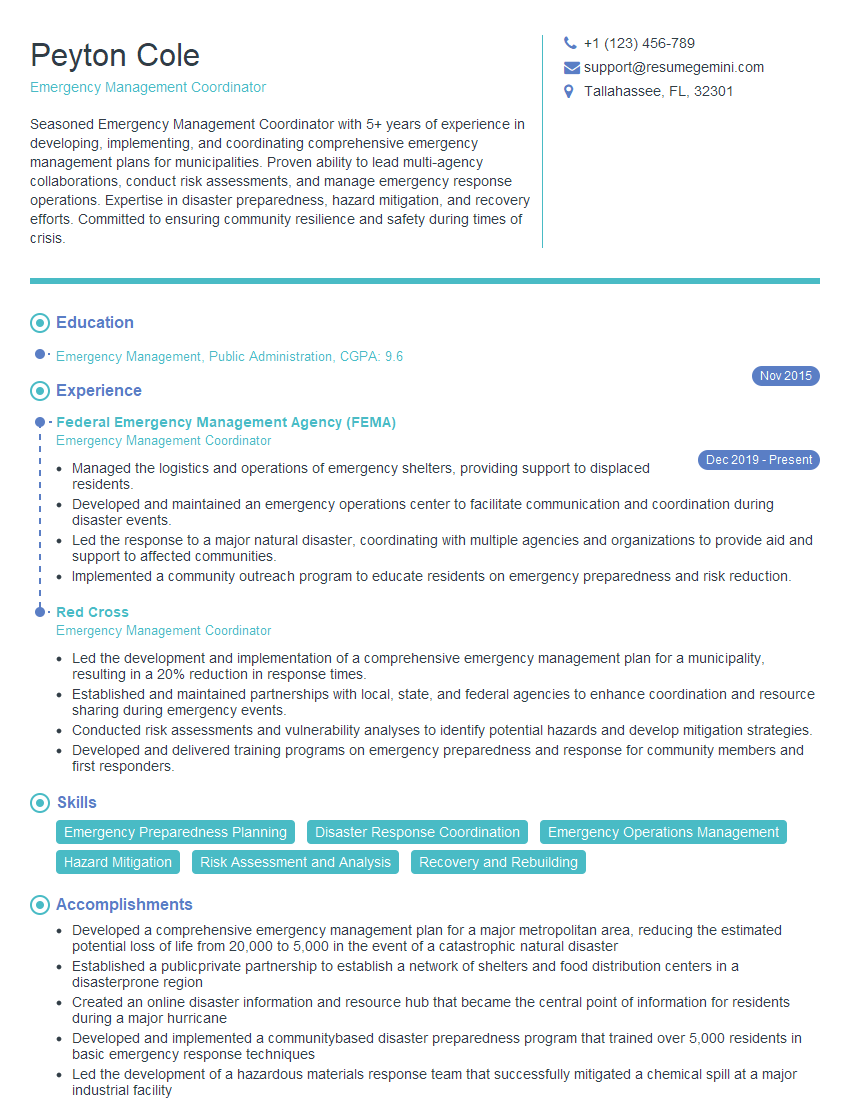
Emergency Management Coordinator Resume Sample
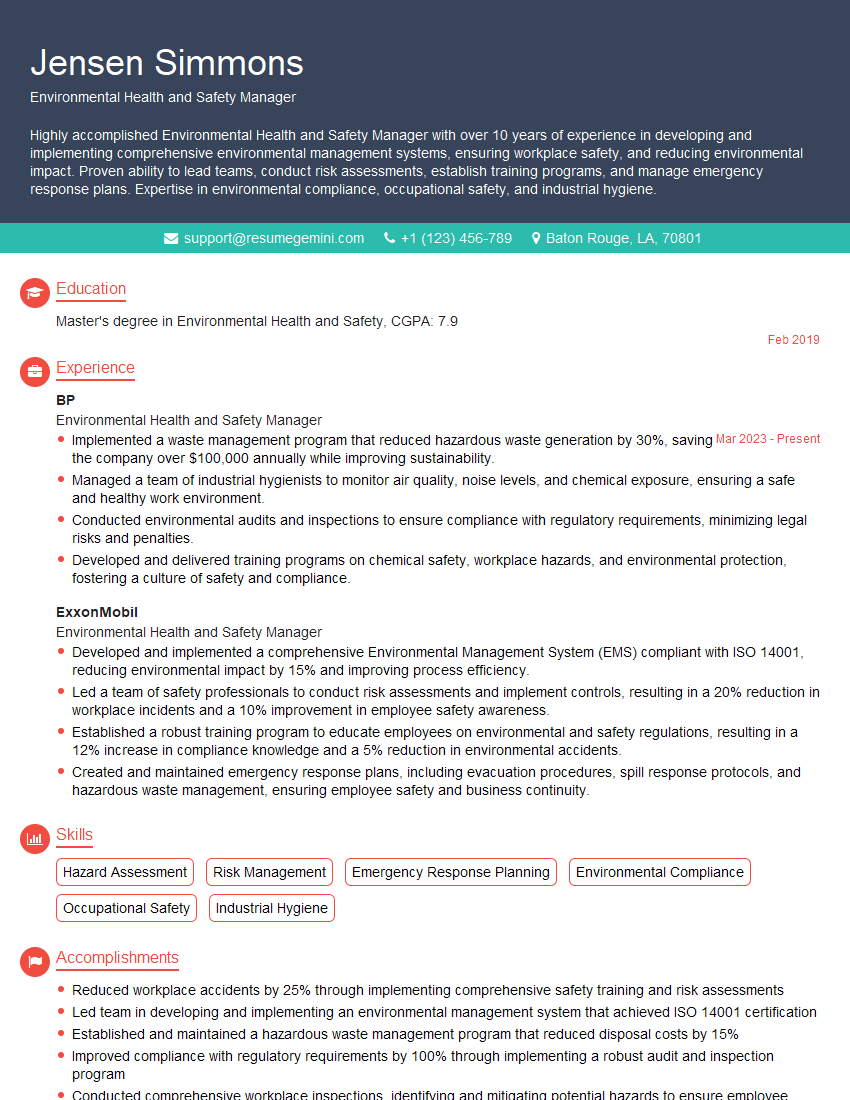
Environmental Health and Safety Manager Resume Sample

Compliance Officer Resume Sample
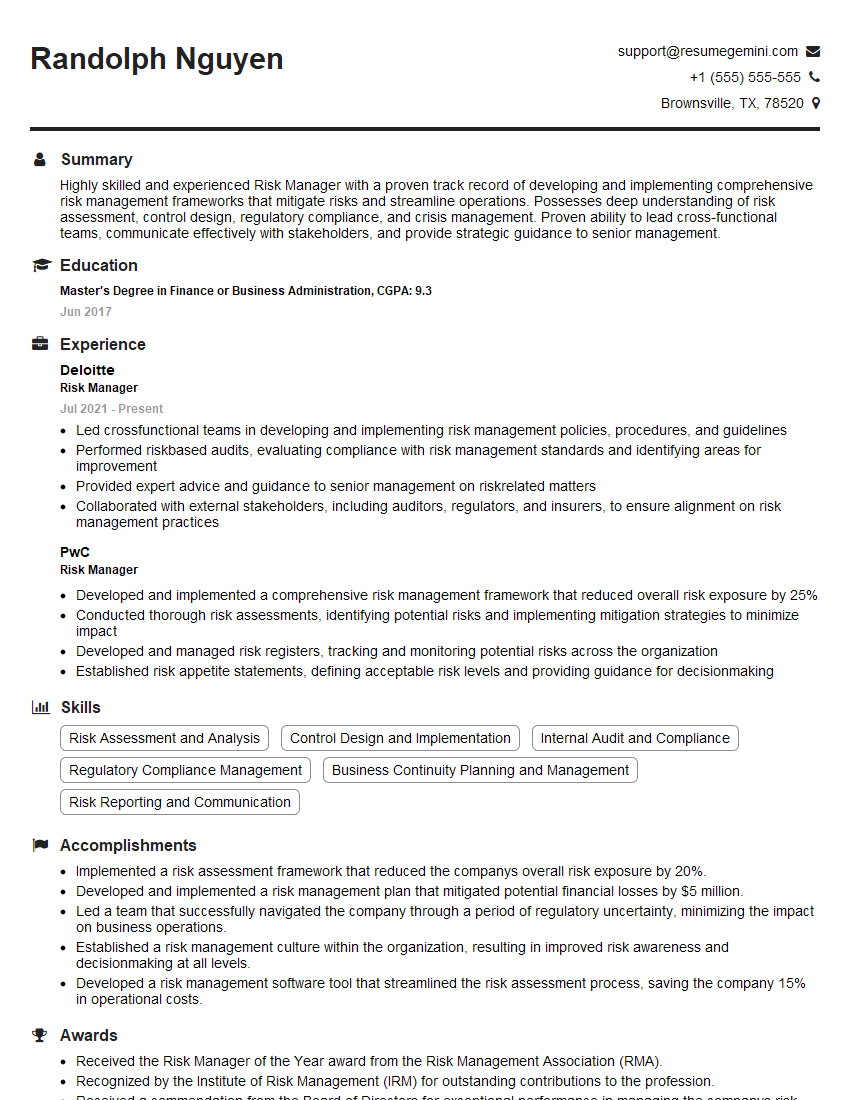
Risk Manager Resume Sample
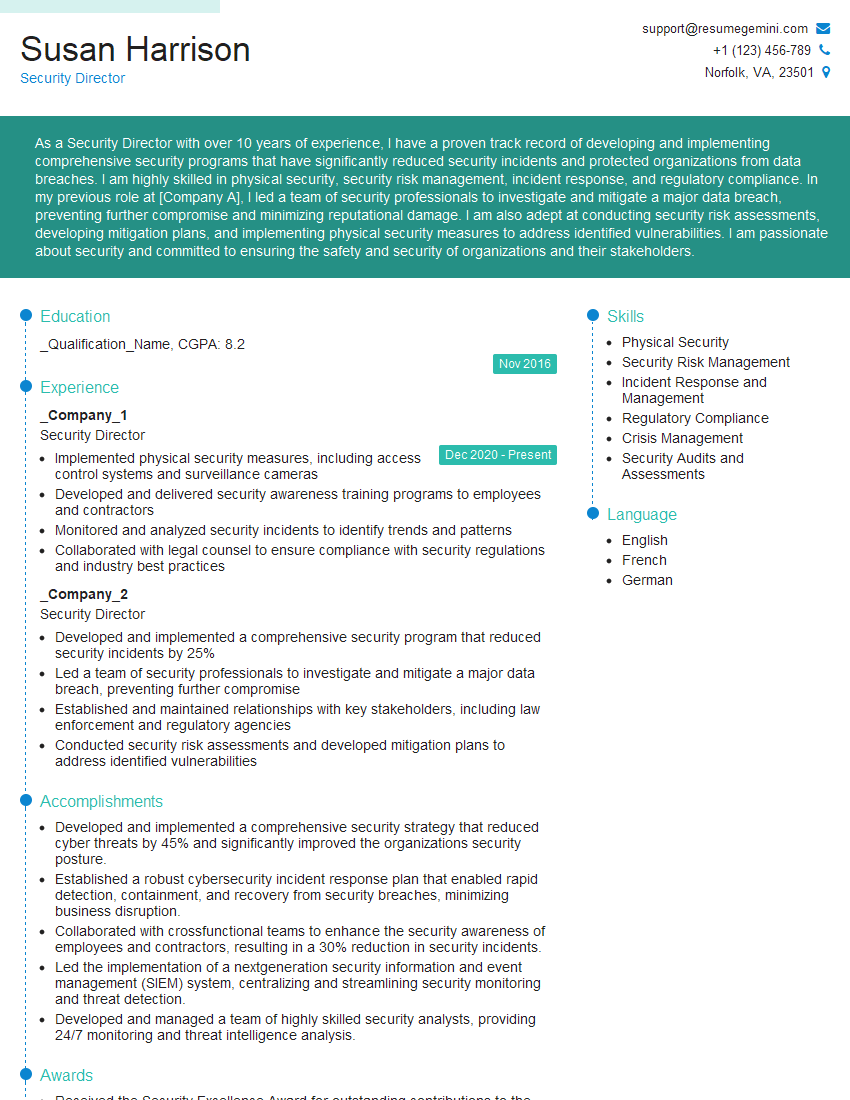
Security Director Resume Sample
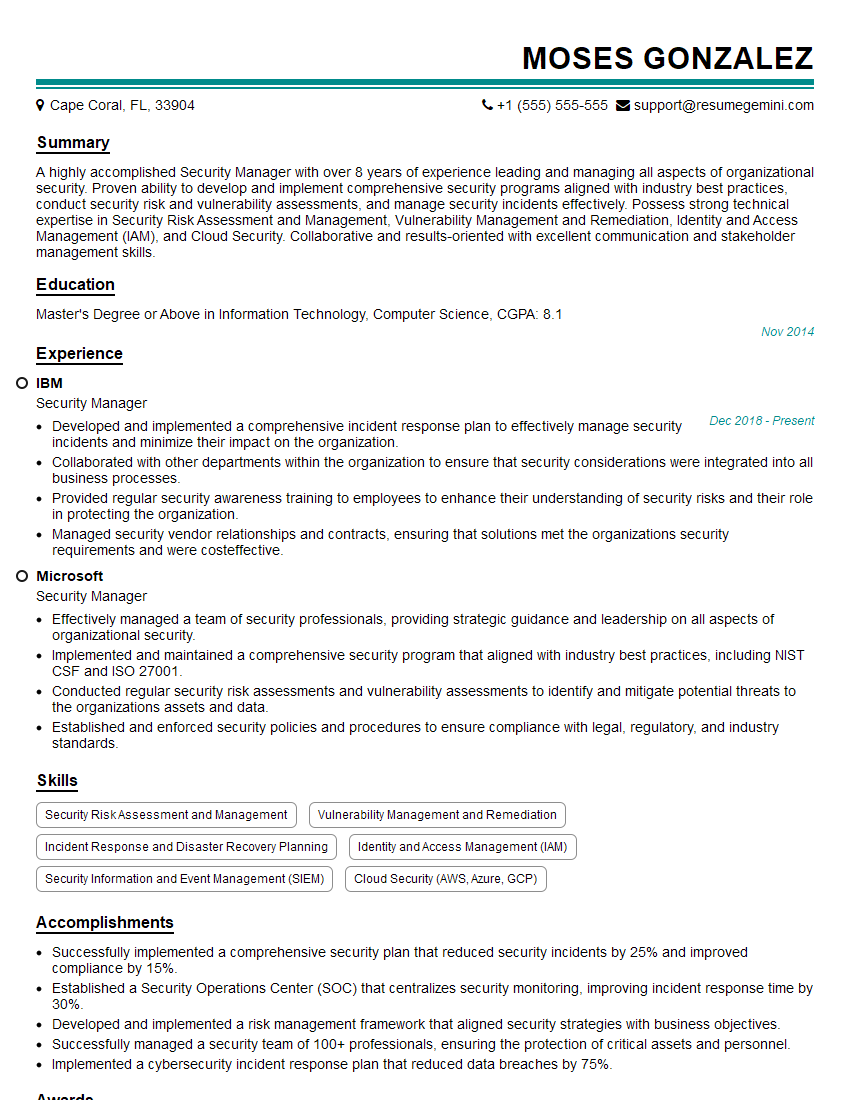
Security Manager Resume Sample
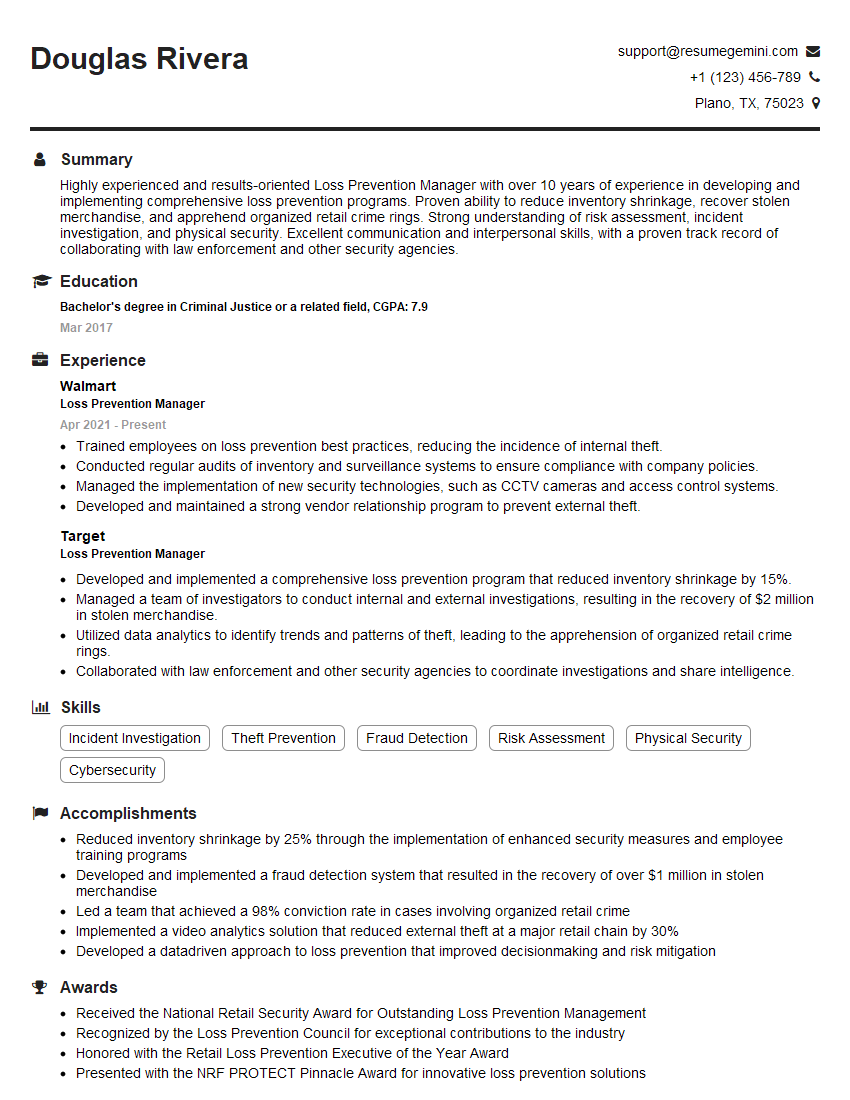
Loss Prevention Manager Resume Sample
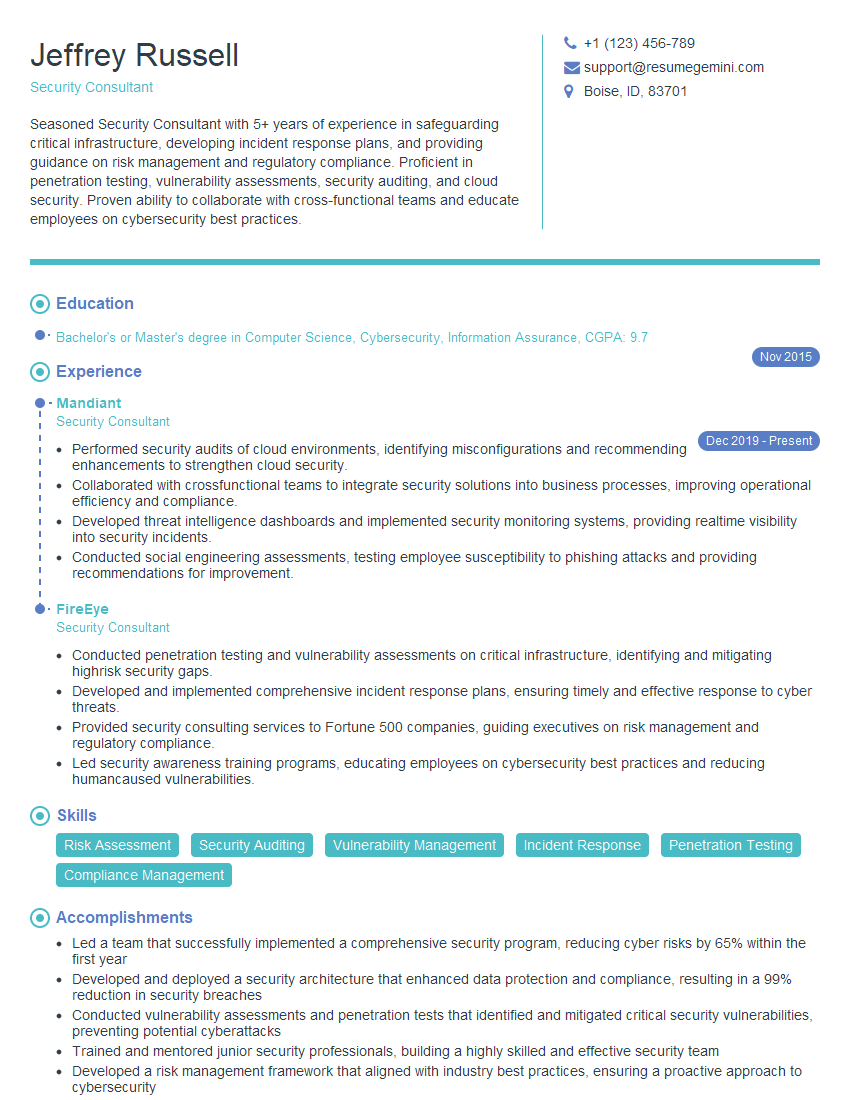
Security Consultant Resume Sample
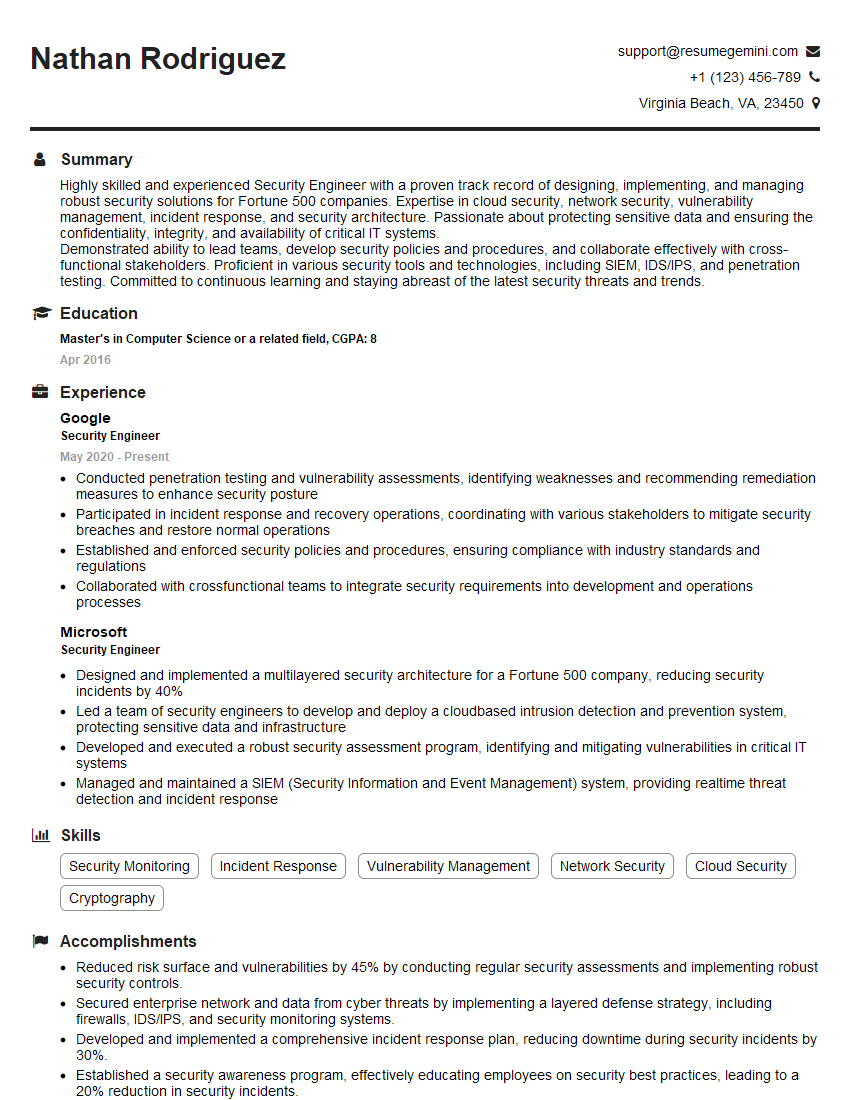
Security Engineer Resume Sample
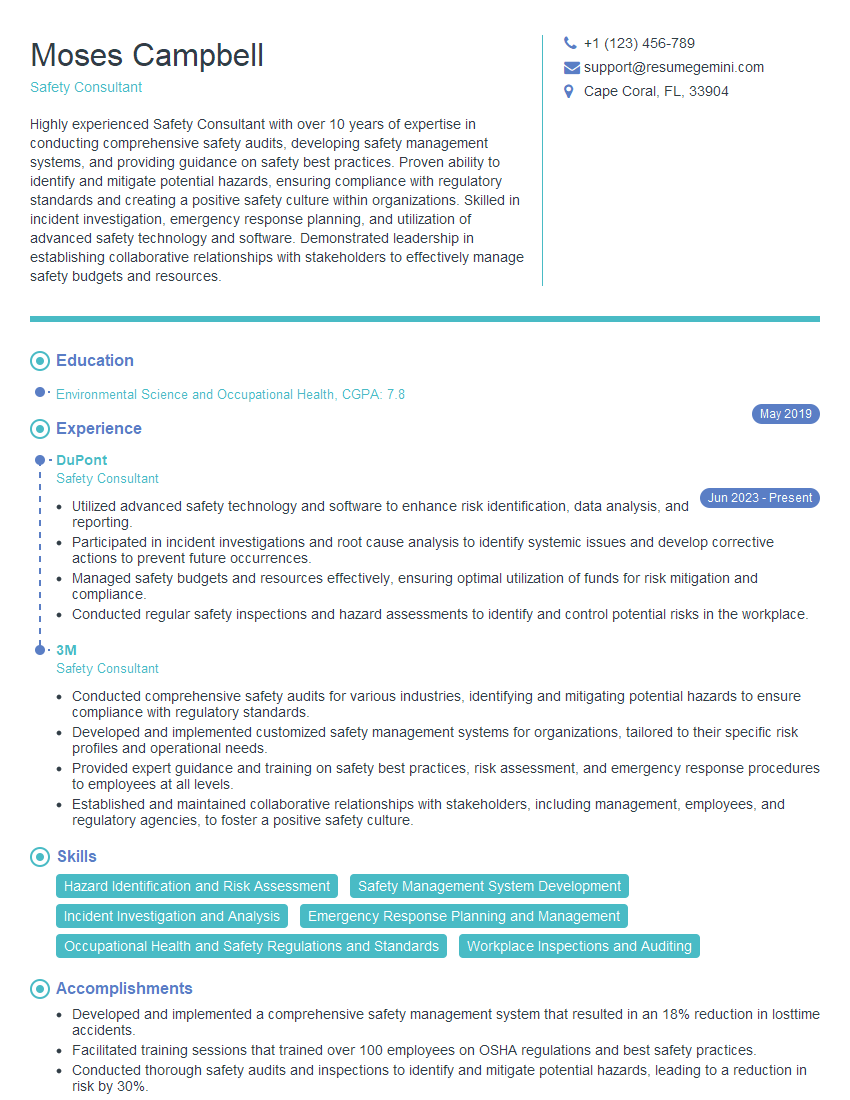
Safety Consultant Resume Sample
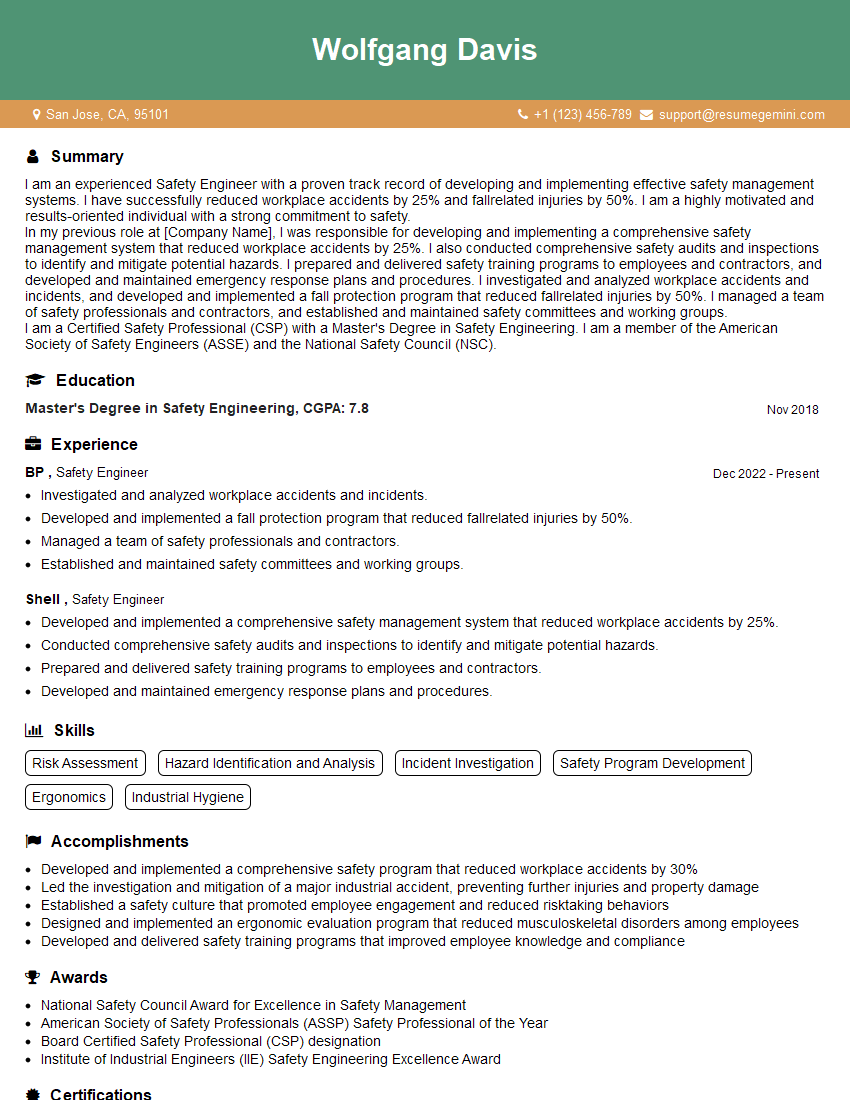
Safety Engineer Resume Sample
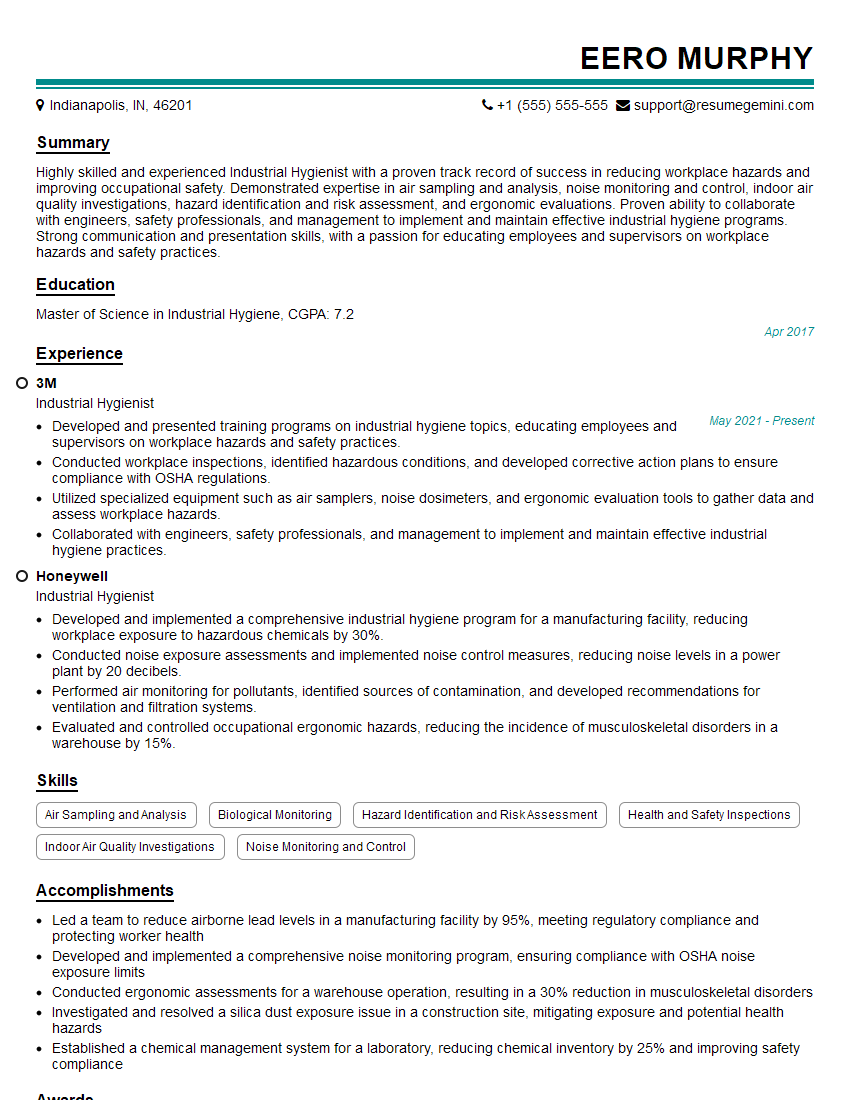
Industrial Hygienist Resume Sample
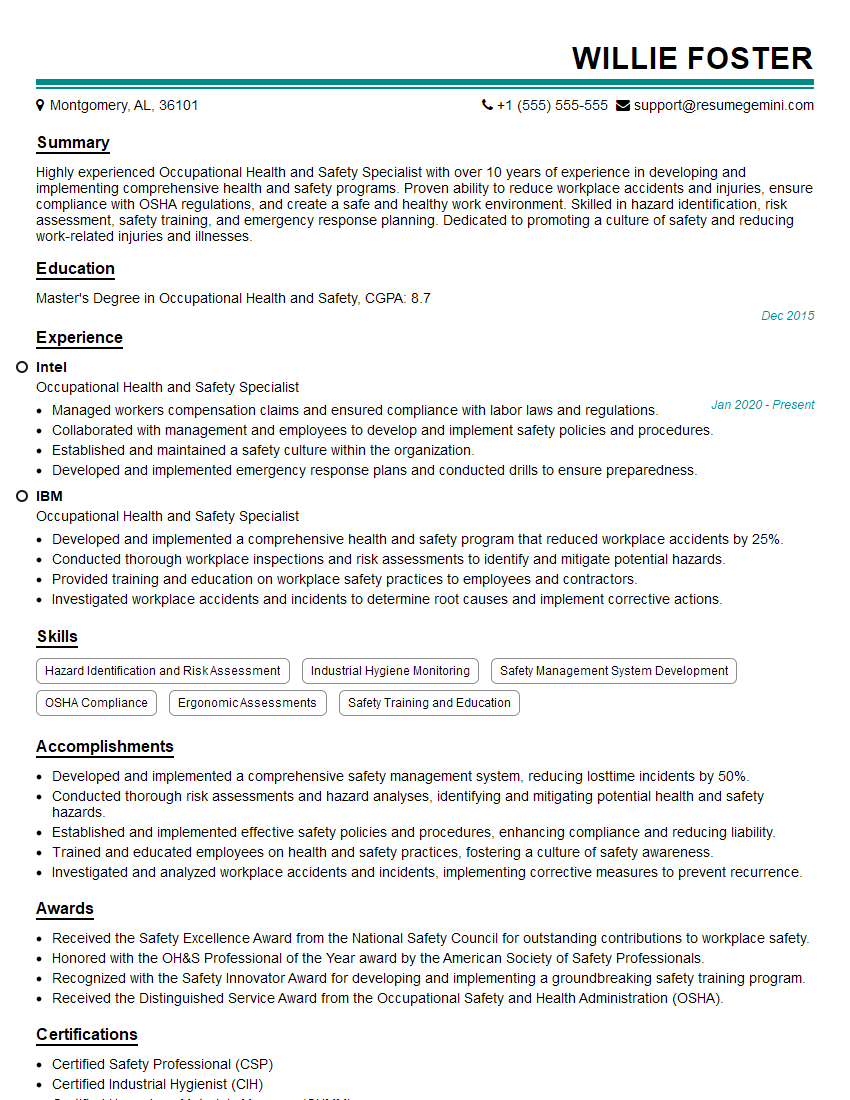
Occupational Health and Safety Specialist Resume Sample
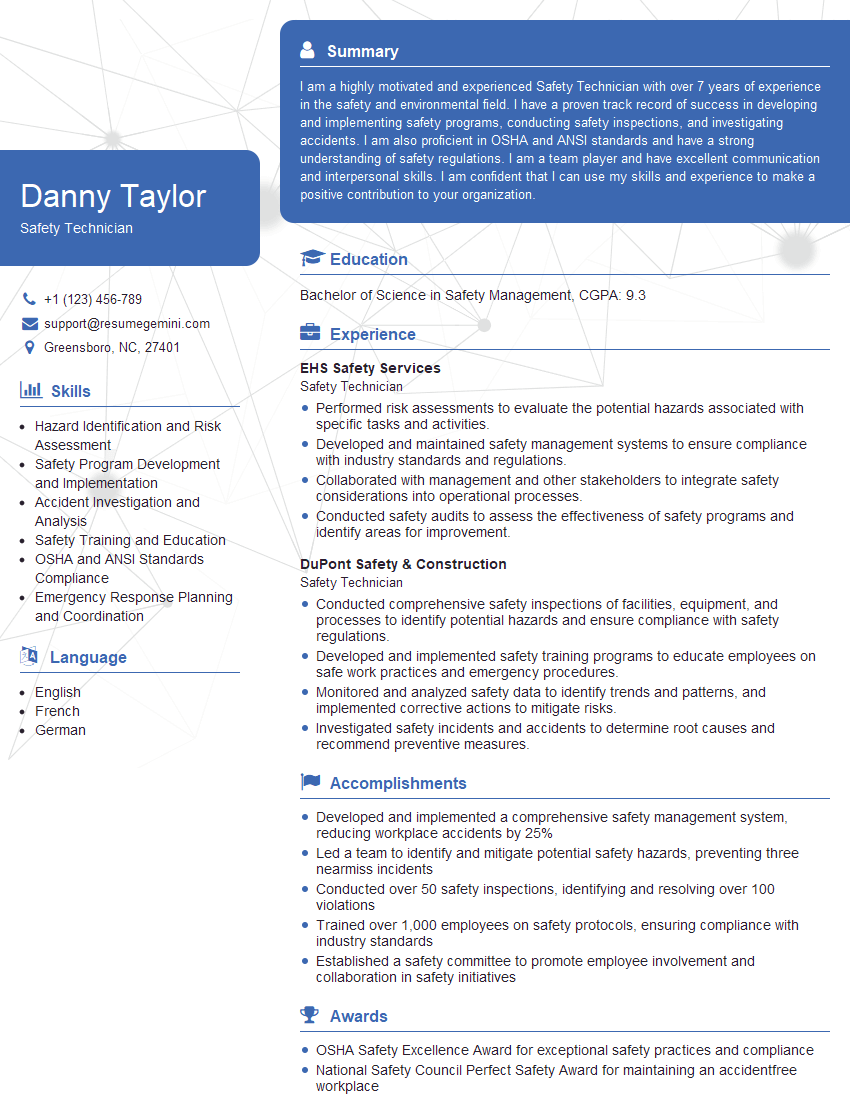
Safety Technician Resume Sample
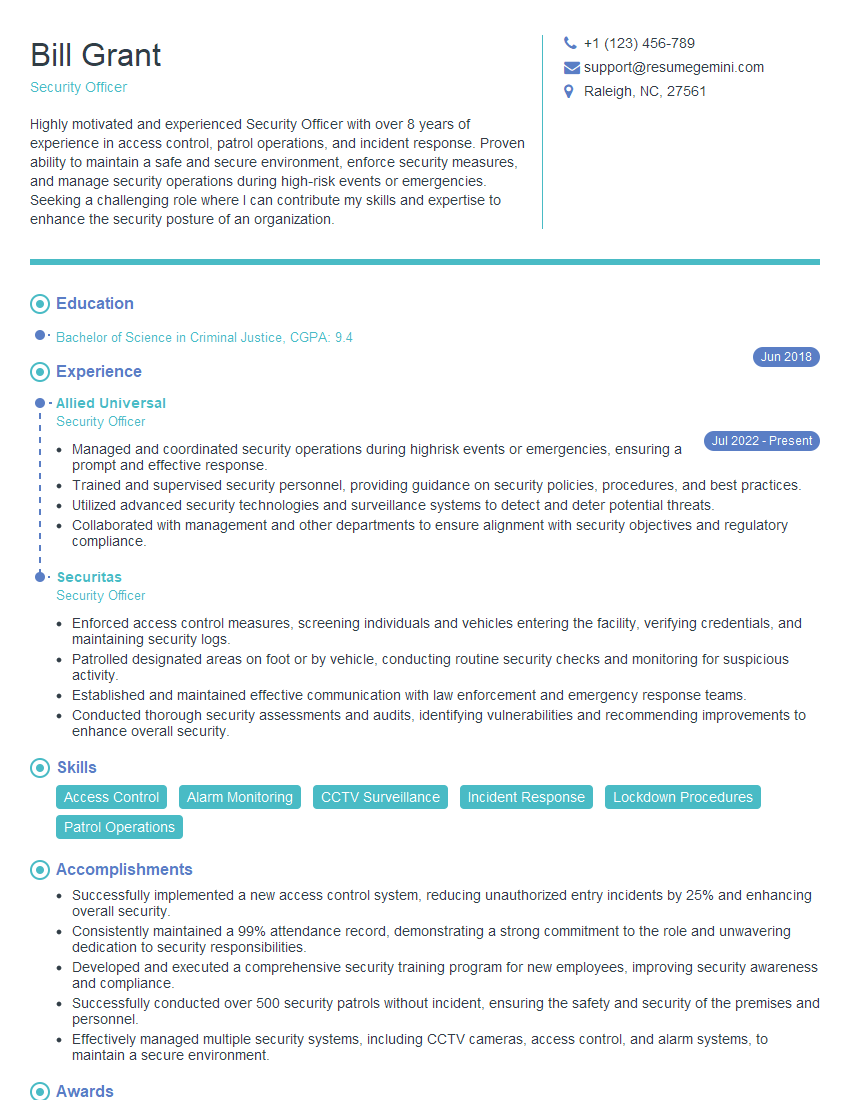
Security Officer Resume Sample
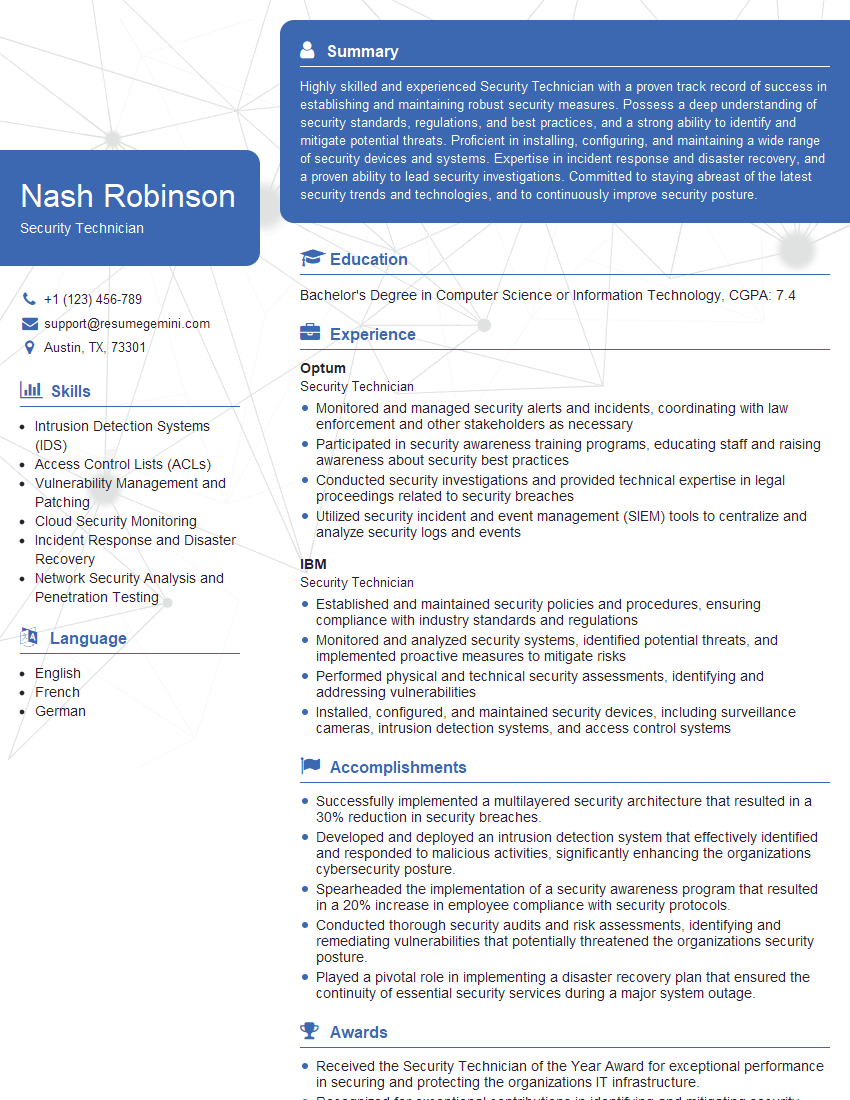
Security Technician Resume Sample
- Safety Manager
- Safety Director
- Emergency Management Coordinator
- Environmental Health and Safety Manager
- Compliance Officer
- Risk Manager
- Security Director
- Security Manager
- Loss Prevention Manager
- Security Consultant
- Security Engineer
- Safety Consultant
- Safety Engineer
- Industrial Hygienist
- Occupational Health and Safety Specialist
- Safety Technician
- Security Officer
- Security Technician
Explore more articles
Users Rating of Our Blogs
Share Your Experience
We value your feedback! Please rate our content and share your thoughts (optional).
What Readers Say About Our Blog
I Redesigned Spongebob Squarepants and his main characters of my artwork.
https://www.deviantart.com/reimaginesponge/art/Redesigned-Spongebob-characters-1223583608
IT gave me an insight and words to use and be able to think of examples
Hi, I’m Jay, we have a few potential clients that are interested in your services, thought you might be a good fit. I’d love to talk about the details, when do you have time to talk?
Best,
Jay
Founder | CEO