Unlock your full potential by mastering the most common Workplace Trends interview questions. This blog offers a deep dive into the critical topics, ensuring you’re not only prepared to answer but to excel. With these insights, you’ll approach your interview with clarity and confidence.
Questions Asked in Workplace Trends Interview
Q 1. Explain the impact of the gig economy on traditional workplace structures.
The gig economy, characterized by short-term contracts and freelance work, is significantly reshaping traditional workplace structures. Instead of permanent employees, companies increasingly rely on independent contractors for specific projects or tasks. This shift impacts traditional hierarchies, leading to flatter organizational structures and a more fluid workforce.
- Reduced overhead costs: Companies save on benefits, payroll taxes, and other expenses associated with full-time employees.
- Increased flexibility and scalability: Businesses can easily scale their workforce up or down depending on project demands.
- Access to specialized skills: Companies can tap into a wider talent pool, accessing specialized skills without the commitment of full-time employment.
- Challenges to employee loyalty and company culture: The lack of long-term commitment can impact employee loyalty and make it harder to foster a strong company culture.
- Potential for legal and tax complexities: Properly classifying workers as independent contractors versus employees can be complex and requires careful attention to legal compliance.
For example, a marketing agency might utilize freelance designers and copywriters for specific campaigns instead of employing them full-time. This allows the agency to manage costs effectively and adapt to fluctuating project workloads. However, this approach also requires robust project management systems to ensure smooth collaboration and timely delivery of projects.
Q 2. Describe the key characteristics of a successful hybrid work model.
A successful hybrid work model balances the benefits of remote and in-office work. It’s not simply allowing employees to work from home some days; it’s a thoughtfully designed approach that prioritizes both employee wellbeing and organizational productivity.
- Clear communication and expectations: Establish transparent policies regarding work schedules, communication protocols, and performance expectations.
- Flexible work arrangements: Offer employees flexibility in choosing their work location and schedule, recognizing individual needs and preferences.
- Robust technology infrastructure: Invest in reliable communication tools, collaboration platforms, and cybersecurity measures to facilitate seamless remote work.
- Strong emphasis on collaboration and team building: Schedule regular in-office days or virtual team-building activities to foster team cohesion and collaboration.
- Regular check-ins and feedback: Implement regular performance reviews and feedback mechanisms to ensure employees feel supported and connected.
- Prioritization of employee well-being: Promote work-life balance and provide resources for employees to maintain their physical and mental health.
Imagine a software development team adopting a hybrid model. Some team members might work fully remotely, others might opt for a mix of in-office and remote work. The company would then provide them with the necessary tools (project management software, video conferencing, etc.) and clear guidelines on communication and collaboration to maintain productivity and a sense of team unity.
Q 3. How can organizations effectively measure and improve employee engagement?
Measuring and improving employee engagement requires a multi-faceted approach. It’s crucial to go beyond simple surveys and actively listen to employee feedback.
- Regular employee surveys: Utilize anonymous surveys to gauge employee satisfaction, morale, and perceptions of the workplace culture. Include open-ended questions to encourage detailed feedback.
- Focus groups and one-on-one meetings: Conduct regular focus groups and individual meetings with employees to discuss their concerns and suggestions.
- Performance management systems: Integrate engagement metrics into performance reviews, creating a direct link between employee satisfaction and organizational success.
- Pulse surveys: Conduct short, frequent pulse surveys to monitor employee sentiment and identify emerging issues quickly.
- Analyze employee data: Track key metrics such as turnover rates, absenteeism, and productivity levels to identify patterns and potential engagement issues.
- Implement feedback mechanisms: Create multiple channels (e.g., suggestion boxes, employee forums) for employees to easily share their feedback and concerns.
For instance, a company might notice a rise in employee turnover and absenteeism. Through surveys and focus groups, they could discover that employees feel overworked and undervalued. Addressing these issues by improving work-life balance, providing training opportunities, and implementing a more transparent reward system would directly impact engagement.
Q 4. What are the main challenges in managing a remote workforce?
Managing a remote workforce presents unique challenges that require proactive strategies and robust communication.
- Communication barriers: The absence of face-to-face interaction can lead to miscommunication and misunderstandings. Active listening, clear written communication, and regular virtual meetings are crucial.
- Maintaining team cohesion: Building and maintaining a sense of team unity and collaboration is essential. Regular virtual team-building activities, social events, and open communication channels can help.
- Monitoring productivity: Effectively tracking employee productivity without micromanaging can be tricky. Focus on outcomes and setting clear goals, utilizing project management software and regular check-ins.
- Ensuring work-life balance: Remote employees might struggle to disconnect from work, leading to burnout. Encouraging breaks, setting boundaries, and promoting a healthy work-life balance are critical.
- Technological challenges: Reliable internet connectivity and appropriate technology are essential. Providing employees with necessary equipment and technical support is crucial.
- Security concerns: Remote work increases cybersecurity risks. Implementing strong security protocols and employee training is necessary.
For example, a company with a globally distributed team might utilize project management software like Asana or Trello to manage tasks and track progress, while using tools like Slack or Microsoft Teams for daily communication and collaboration. They would also need to implement robust cybersecurity measures to protect sensitive data.
Q 5. Discuss the role of technology in shaping future workplace trends.
Technology is fundamentally reshaping the future of work, driving many of the trends we see today.
- Automation and AI: Automation and artificial intelligence are streamlining processes, increasing efficiency, and creating new roles focused on managing and developing these technologies. This will require reskilling and upskilling initiatives for the workforce.
- Remote work technologies: Tools like video conferencing, collaborative platforms, and project management software are making remote work more efficient and seamless. This leads to a geographically diverse and flexible workforce.
- Data analytics and insights: Data analytics is providing valuable insights into employee performance, engagement, and productivity, leading to data-driven decision-making in HR and management.
- Virtual and augmented reality: VR and AR technologies are transforming training, collaboration, and customer service, creating immersive and engaging experiences.
- Cybersecurity advancements: As technology evolves, so does the need for enhanced cybersecurity measures to protect sensitive data and maintain business continuity in a digital workplace.
Consider the impact of AI on customer service. Chatbots are increasingly handling routine inquiries, freeing up human agents to focus on more complex issues. This requires companies to invest in training their employees on how to effectively utilize and manage these technologies.
Q 6. How can companies foster a culture of diversity and inclusion?
Fostering a culture of diversity and inclusion requires a proactive and multi-pronged approach that goes beyond simply hiring diverse employees.
- Inclusive hiring practices: Implement blind resume screening, diverse interview panels, and targeted recruitment strategies to attract candidates from underrepresented groups.
- Diversity and inclusion training: Provide regular training for all employees on unconscious bias, cultural sensitivity, and inclusive communication.
- Employee resource groups (ERGs): Support the formation of ERGs to provide a sense of community and belonging for employees from different backgrounds.
- Mentorship programs: Implement mentorship programs to provide support and guidance to employees from underrepresented groups.
- Inclusive leadership development: Train managers and leaders on inclusive leadership practices and creating an equitable workplace.
- Accessibility considerations: Ensure the workplace is accessible to all employees, regardless of physical or cognitive abilities.
For example, a company might implement a mentorship program that pairs senior leaders with employees from underrepresented groups to provide career guidance and support. They might also create employee resource groups focused on specific communities or identities, allowing for open dialogue and networking.
Q 7. Explain the importance of employee wellbeing in the modern workplace.
Employee wellbeing is no longer a ‘nice-to-have’ but a critical factor for organizational success in the modern workplace. Happy, healthy employees are more productive, engaged, and loyal.
- Mental health support: Provide access to mental health resources, such as Employee Assistance Programs (EAPs), mindfulness programs, and mental health days.
- Work-life balance initiatives: Promote a healthy work-life balance through flexible work arrangements, generous vacation time, and encouragement of disconnecting after work hours.
- Physical health programs: Offer wellness programs, such as gym memberships, health screenings, and ergonomic assessments.
- Financial wellbeing support: Provide resources and education on financial planning and stress management.
- Recognition and appreciation: Regularly acknowledge and appreciate employees’ contributions to foster a positive and supportive work environment.
- Open communication and feedback: Create an environment where employees feel comfortable expressing concerns and providing feedback.
A company might offer a comprehensive wellness program that includes on-site fitness facilities, healthy food options, and stress management workshops. They could also provide access to mental health resources through an EAP, demonstrating a commitment to supporting employee wellbeing holistically.
Q 8. What are some effective strategies for managing organizational change?
Managing organizational change effectively requires a structured approach that considers people, processes, and technology. Think of it like renovating a house – you can’t just knock down walls without a plan! A successful strategy involves several key phases:
Communication: Transparency is paramount. Keep everyone informed about the changes, why they’re happening, and what the expected outcomes are. Regular updates, town halls, and accessible communication channels are crucial. Imagine announcing a kitchen remodel without telling the family – chaos ensues!
Leadership Buy-in: Leaders must champion the change, visibly demonstrating their commitment. Their actions speak louder than words. If leadership isn’t fully invested, employees are less likely to be.
Employee Involvement: Include employees in the process. Gather feedback, address concerns, and involve them in decision-making wherever possible. This fosters a sense of ownership and reduces resistance. Think of it as a team project, not a top-down mandate.
Training and Support: Provide adequate training and support to equip employees with the skills and knowledge needed to adapt to the changes. This could involve workshops, mentoring programs, or access to online resources. A successful remodel relies on skilled contractors and clear instructions.
Measurement and Evaluation: Track progress, measure the impact of the changes, and adjust the strategy as needed. Regular monitoring ensures the renovation stays on track and within budget.
For example, a company implementing a new CRM system should communicate the benefits clearly, provide thorough training, and solicit feedback throughout the process to ensure a smooth transition.
Q 9. How can businesses leverage data analytics to improve workplace efficiency?
Data analytics is a powerful tool for boosting workplace efficiency. By analyzing data on various aspects of the business, companies can identify bottlenecks, optimize processes, and make data-driven decisions. Imagine having a GPS for your entire business!
Performance Monitoring: Analyze employee productivity, project timelines, and customer service metrics to identify areas needing improvement. For instance, tracking call resolution times can reveal inefficiencies in customer service processes.
Resource Allocation: Data can guide resource allocation. By analyzing project demands and employee skills, organizations can assign tasks effectively and minimize wasted resources.
Predictive Analytics: This allows for forecasting future trends, anticipating potential problems, and proactively adjusting strategies. For example, predicting peak demand periods can help optimize staffing levels.
Employee Engagement: Analyzing employee survey data, feedback, and performance reviews can reveal insights into employee satisfaction, morale, and potential issues. Addressing these proactively improves engagement and retention.
For example, a logistics company could use data analytics to optimize delivery routes, reducing fuel costs and improving delivery times. A retail company might use data to predict customer demand and optimize inventory levels.
Q 10. Describe the impact of automation on the future of work.
Automation is reshaping the future of work, leading to both challenges and opportunities. While some jobs will be automated, it will also create new roles and opportunities. Think of it as a technological revolution akin to the Industrial Revolution.
Job Displacement: Automation will inevitably lead to job displacement in certain sectors. Repetitive, manual tasks are particularly vulnerable. This necessitates reskilling and upskilling initiatives to prepare the workforce for new roles.
New Job Creation: Automation will also create new jobs in areas like AI development, data science, and automation maintenance. This necessitates education and training programs focusing on emerging technologies.
Increased Productivity and Efficiency: Automation can significantly improve productivity and efficiency, allowing businesses to achieve more with less. This can lead to economic growth and increased competitiveness.
Enhanced Employee Experience: Automation can free up employees from tedious tasks, allowing them to focus on more creative and strategic work. This can lead to increased job satisfaction and improved well-being.
For example, while automation in manufacturing may displace assembly line workers, it creates opportunities for roles in robotics maintenance and data analysis. The key lies in adapting to the changing landscape and embracing lifelong learning.
Q 11. What are some best practices for designing an effective employee onboarding program?
An effective employee onboarding program is crucial for setting new hires up for success. It’s like giving a new houseguest a welcoming tour and all the necessary information to feel comfortable. A strong program should:
Pre-boarding: Begin the onboarding process before the employee’s first day. Send a welcome package, connect them with their team, and provide essential information, such as IT access instructions.
Orientation: Introduce the company culture, values, and mission. Provide an overview of the organization’s structure, policies, and procedures.
Role-Specific Training: Provide detailed training on the employee’s specific role, responsibilities, and tasks. This could include hands-on training, mentorship, or online modules.
Mentorship and Support: Assign a mentor or buddy to help the new employee integrate into the team and navigate the company culture.
Regular Check-ins: Schedule regular check-ins with the new hire to answer questions, provide feedback, and address any concerns. This ensures a smooth transition and early identification of any issues.
Goal Setting: Collaboratively set clear and measurable goals for the first 30, 60, and 90 days to provide direction and track progress.
For example, a software company might provide new engineers with access to internal documentation, pair them with a senior engineer for mentorship, and assign them a small project to get them started. A hospital might conduct rigorous clinical training for new nurses, including shadowing experienced colleagues.
Q 12. How can organizations promote work-life balance for their employees?
Promoting work-life balance requires a multi-faceted approach involving both organizational policies and individual employee practices. It’s about creating a sustainable rhythm, not just a sprint.
Flexible Work Arrangements: Offer options such as remote work, flexible hours, or compressed workweeks to accommodate employees’ personal needs.
Generous Paid Time Off: Provide ample paid vacation time, sick leave, and parental leave. This shows respect for employees’ personal lives and reduces stress.
Wellness Programs: Offer programs promoting physical and mental well-being, such as gym memberships, stress management workshops, or employee assistance programs.
Open Communication: Foster a culture of open communication where employees feel comfortable discussing work-life balance issues with their managers.
Technology and Tools: Provide employees with the right technology and tools to work efficiently, minimizing the need for excessive overtime.
Disconnect Policy: Encourage employees to disconnect after work hours to prevent burnout and promote relaxation. This can include setting boundaries on email communication outside working hours.
For example, a tech company might offer unlimited paid time off and encourage remote work, while a healthcare provider might offer on-site childcare and flexible scheduling for nurses.
Q 13. Discuss the challenges and opportunities presented by the metaverse in the workplace.
The metaverse presents both significant challenges and exciting opportunities for the workplace. Imagine a hybrid reality where physical and digital spaces merge. It’s a frontier that demands careful navigation.
Challenges:
- Accessibility and Equity: Not everyone has equal access to the technology needed to participate in the metaverse. This could exacerbate existing inequalities.
- Security and Privacy: Protecting sensitive data and ensuring user privacy in virtual environments is crucial.
- Technical Infrastructure: Building and maintaining the necessary infrastructure to support metaverse applications requires significant investment.
- Regulation and Governance: The lack of clear regulations and governance frameworks for the metaverse poses a challenge.
Opportunities:
- Enhanced Collaboration: The metaverse can facilitate more immersive and engaging collaboration, bringing remote teams closer together.
- Improved Training and Development: Virtual environments can provide realistic simulations for training and development purposes.
- New Forms of Communication: The metaverse opens up new avenues for communication and interaction, such as virtual meetings, conferences, and social events.
- Expanded Reach: Businesses can reach new customers and markets through metaverse platforms.
For example, a company could use the metaverse to create a virtual office space where employees can interact and collaborate, regardless of their physical location. A manufacturing company could use virtual reality to train employees on operating complex machinery in a safe and controlled environment.
Q 14. What are some emerging trends in talent acquisition and retention?
Emerging trends in talent acquisition and retention focus on creating a more candidate-centric and employee-focused experience. It’s all about building meaningful relationships and fostering loyalty.
Employer Branding: Companies are increasingly focused on building strong employer brands that attract top talent. This involves showcasing company culture, values, and employee experiences.
Data-Driven Recruitment: Leveraging data and analytics to optimize recruitment strategies, targeting specific candidates, and improving the efficiency of the hiring process.
Emphasis on Employee Experience: Companies are prioritizing employee well-being, providing opportunities for growth and development, and fostering a culture of recognition and appreciation.
Skills-Based Hiring: Moving beyond traditional qualifications, focusing on the specific skills and competencies candidates possess, regardless of their educational background or work experience.
Remote and Hybrid Work Options: Offering flexible work arrangements to attract and retain talent in a competitive job market.
Diversity, Equity, and Inclusion Initiatives: Creating inclusive workplaces that attract and retain diverse talent.
For example, a company might use social media to showcase its positive work environment and employee testimonials, while another might implement a mentorship program to support employee development. A focus on continuous learning and skill development is also key to retention.
Q 15. How can companies build a strong employer brand to attract top talent?
Building a strong employer brand is crucial for attracting top talent in today’s competitive job market. It’s about crafting a compelling narrative that showcases your company’s values, culture, and employee experience, making it a desirable place to work. Think of it as marketing your company not just to customers, but to potential employees.
- Highlight your unique culture: What makes your workplace different? Do you emphasize work-life balance, innovation, collaboration, or social responsibility? Showcase this through employee testimonials, photos, and videos on your website and social media.
- Showcase employee stories: Feature employees across different roles and departments sharing their experiences. This provides authenticity and allows potential candidates to connect with real people.
- Emphasize career development opportunities: Highlight internal promotion opportunities, training programs, and mentorship initiatives. Show that you invest in your employees’ growth.
- Leverage employee reviews: Sites like Glassdoor significantly impact employer branding. Actively encourage positive reviews and address negative ones constructively.
- Promote your values and mission: Clearly articulate your company’s values and how they translate into daily practices. Attracting candidates who align with your mission creates a more cohesive and engaged workforce.
- Offer competitive compensation and benefits: This is a fundamental aspect of employer branding. Ensure your packages are competitive within your industry and location.
For example, a tech startup might highlight its flexible work arrangements, collaborative environment, and commitment to innovation to attract tech-savvy individuals. A non-profit might focus on its mission-driven work and positive social impact to appeal to purpose-driven employees.
Career Expert Tips:
- Ace those interviews! Prepare effectively by reviewing the Top 50 Most Common Interview Questions on ResumeGemini.
- Navigate your job search with confidence! Explore a wide range of Career Tips on ResumeGemini. Learn about common challenges and recommendations to overcome them.
- Craft the perfect resume! Master the Art of Resume Writing with ResumeGemini’s guide. Showcase your unique qualifications and achievements effectively.
- Don’t miss out on holiday savings! Build your dream resume with ResumeGemini’s ATS optimized templates.
Q 16. Explain the importance of employee feedback in driving workplace improvement.
Employee feedback is the lifeblood of workplace improvement. It provides invaluable insights into employee experiences, identifies areas for growth, and fosters a culture of continuous improvement. Without it, organizations risk becoming stagnant and losing valuable employees.
- Improved morale and engagement: When employees feel heard and valued, their morale and engagement increase, leading to higher productivity and lower turnover.
- Identification of problem areas: Feedback can pinpoint issues like inefficient processes, poor communication, or inadequate training, enabling timely intervention.
- Enhanced decision-making: Informed decisions are made when based on direct employee input. This leads to more effective strategies and solutions.
- Increased innovation: Employees often have innovative ideas that can improve processes or products. Feedback channels provide the platform for these ideas to be heard and considered.
- Strengthened employer-employee relationship: Regular feedback mechanisms demonstrate the company’s commitment to its employees’ well-being and development.
Consider implementing regular pulse surveys, 360-degree feedback systems, and open forums for employees to share their thoughts and concerns. Remember that acting upon the feedback is crucial; otherwise, it loses its value.
Q 17. What are some effective strategies for improving communication in the workplace?
Effective communication is the cornerstone of a successful workplace. It ensures everyone is on the same page, fosters collaboration, and reduces misunderstandings. Improving communication requires a multi-faceted approach.
- Establish clear communication channels: Define appropriate channels for different types of communication (e.g., email for formal announcements, instant messaging for quick questions, team meetings for updates).
- Encourage open and honest dialogue: Create a safe and inclusive environment where employees feel comfortable expressing their opinions and concerns without fear of retribution.
- Utilize various communication methods: Consider using a mix of written, verbal, and visual communication methods to cater to different learning styles and preferences.
- Provide regular updates and feedback: Keep employees informed about company progress, changes, and their individual performance. Regular feedback loops are crucial.
- Actively listen and respond: Show that you value employee input by actively listening to their concerns and responding thoughtfully and promptly.
- Invest in communication training: Training employees on effective communication techniques, including active listening and clear articulation, can significantly improve workplace dynamics.
For instance, regular team meetings can facilitate open discussions, while a company intranet can be used to disseminate important announcements and company-wide updates. Providing training on active listening can help managers better understand and respond to employee needs.
Q 18. How can organizations adapt to the changing needs of different generations in the workforce?
Adapting to the diverse needs of different generations in the workforce requires understanding their unique values, communication styles, and expectations. A one-size-fits-all approach won’t work. Here’s how organizations can adapt:
- Flexibility and work-life balance: Younger generations (Millennials and Gen Z) often prioritize flexibility and work-life balance. Offering remote work options, flexible hours, and generous parental leave can attract and retain these employees.
- Mentorship and development opportunities: All generations benefit from professional development opportunities, but different generations may have different needs. Baby Boomers might appreciate mentoring opportunities, while younger generations might prefer online learning platforms or skill-building workshops.
- Technology and tools: Ensure you have the right technology and tools in place to support the diverse technological fluency levels of different generations. Provide training where necessary.
- Communication styles: Adapt your communication style to reach different generations. For example, some might prefer email while others may favor instant messaging or in-person discussions.
- Recognition and appreciation: Show appreciation in ways relevant to each generation. For example, public acknowledgement may resonate with some, while a personalized thank-you note might be more appreciated by others.
For example, a company might offer a mix of in-person and online training programs to cater to different learning styles and preferences, or they might implement a flexible work policy to accommodate the needs of employees with young children.
Q 19. Discuss the impact of globalization on workplace trends.
Globalization has profoundly impacted workplace trends, creating both opportunities and challenges. The interconnected nature of the global economy has led to:
- Increased competition for talent: Companies now compete with organizations worldwide for skilled employees, requiring them to offer competitive compensation and benefits packages to attract and retain top talent.
- Remote work and global teams: Globalization has enabled remote work and the formation of global teams, blurring geographical boundaries and increasing collaboration opportunities. However, it also necessitates effective communication and collaboration tools.
- Cultural diversity: Workplaces are becoming increasingly diverse, requiring organizations to cultivate inclusive cultures that value diverse perspectives and experiences. This demands sensitivity training and clear guidelines on cross-cultural communication.
- Changing work patterns: Globalization has led to the rise of the gig economy and freelance work, requiring organizations to adapt their hiring practices and management styles.
- Ethical considerations: Globalized workplaces raise ethical concerns related to labor practices, data privacy, and environmental sustainability. Companies need to establish clear ethical guidelines and ensure compliance with relevant laws and regulations.
For instance, a multinational corporation might have teams spread across continents, necessitating the use of collaborative platforms and clear communication protocols. They also must navigate differing legal and ethical considerations across various countries.
Q 20. How can businesses create a more sustainable and environmentally friendly workplace?
Creating a sustainable and environmentally friendly workplace is no longer a ‘nice-to-have’ but a necessity. It’s about reducing your environmental footprint and contributing to a healthier planet. Here’s how:
- Reduce energy consumption: Implement energy-efficient lighting, appliances, and heating/cooling systems. Encourage employees to turn off lights and equipment when not in use.
- Conserve water: Install low-flow faucets and toilets. Promote water conservation practices among employees.
- Reduce waste: Implement recycling programs, reduce paper consumption through digitalization, and minimize single-use plastics.
- Promote sustainable transportation: Encourage employees to use public transportation, bike, or walk to work. Provide incentives for carpooling or using electric vehicles.
- Source sustainable materials: Choose office supplies and furniture made from recycled or sustainably sourced materials.
- Offset carbon emissions: Invest in carbon offsetting programs to neutralize your company’s carbon footprint.
- Educate employees: Raise awareness among employees about sustainable practices and encourage their participation in environmental initiatives.
For example, a company might implement a comprehensive recycling program, switch to renewable energy sources, or partner with a local charity to plant trees to offset carbon emissions. This not only benefits the environment, but also enhances the company’s brand image and attracts environmentally conscious employees.
Q 21. What are some ethical considerations related to workplace technology?
Workplace technology presents several ethical considerations that require careful management. These include:
- Data privacy and security: Protecting employee data is paramount. Companies must implement robust security measures to prevent data breaches and ensure compliance with data privacy regulations (e.g., GDPR, CCPA).
- Surveillance and monitoring: Monitoring employee activities through technology raises concerns about privacy and trust. Organizations need to be transparent about their monitoring practices and ensure they are proportionate and necessary.
- Algorithmic bias: Algorithms used in hiring, performance evaluation, or other HR processes can perpetuate existing biases. Companies must ensure fairness and mitigate bias in their algorithms.
- Artificial intelligence (AI) ethics: The use of AI in the workplace raises ethical questions about automation, job displacement, and the potential for algorithmic bias. Organizations need to consider the societal implications of AI and implement responsible AI practices.
- Access and digital divide: Ensuring equitable access to technology and digital literacy training is crucial to prevent exclusion and promote inclusivity.
For example, a company implementing AI-driven recruitment tools must ensure the algorithm is free from bias and does not discriminate against certain groups. Similarly, a company monitoring employee emails must have a clear policy that is transparent and respects employee privacy.
Q 22. How can companies effectively measure the ROI of workplace initiatives?
Measuring the ROI of workplace initiatives requires a multi-faceted approach, moving beyond simple cost-benefit analysis. It’s about demonstrating a clear link between the investment and tangible improvements in key performance indicators (KPIs).
- Define clear objectives: Before launching any initiative (e.g., a new training program, a wellness program), establish specific, measurable, achievable, relevant, and time-bound (SMART) goals. For example, instead of ‘improve employee morale,’ aim for ‘increase employee satisfaction scores by 15% within six months’.
- Track relevant metrics: Identify KPIs that directly reflect the initiative’s impact. This might include employee engagement scores, productivity levels, absenteeism rates, turnover rates, customer satisfaction scores, or even profitability. For a training program, you might track employee performance on specific tasks post-training.
- Collect data before, during, and after: Establish baseline metrics before implementation to compare against post-initiative results. Monitor progress throughout the initiative to identify areas for improvement and make adjustments. Conduct post-implementation surveys or assessments to gauge the long-term impact.
- Calculate ROI using a suitable framework: A simple ROI calculation might be:
(Return - Investment) / Investment * 100%. However, you need to carefully define ‘Return’ – it could be increased revenue, cost savings, improved efficiency, or a combination of these. A more sophisticated approach might involve cost-benefit analysis considering both tangible and intangible benefits. - Qualitative data is crucial: While quantitative data provides measurable results, qualitative data (employee feedback, case studies) adds crucial context and depth. It helps understand the ‘why’ behind the numbers.
Example: A company implemented a new leadership development program. They tracked employee promotion rates, employee satisfaction scores, and team performance metrics before and after the program. The increase in these metrics after the program, compared to the cost of the program, helped demonstrate a positive ROI.
Q 23. Explain the importance of upskilling and reskilling in the context of changing workplace trends.
Upskilling and reskilling are crucial in today’s rapidly evolving workplace, driven by technological advancements and shifting industry demands. They ensure employees possess the necessary skills to remain competitive and contribute effectively.
- Adapting to technological change: Automation and AI are transforming industries, rendering some roles obsolete while creating new ones. Upskilling and reskilling enable employees to adapt by acquiring new digital competencies and working alongside emerging technologies.
- Meeting evolving job requirements: Job descriptions are constantly changing. Reskilling equips employees with skills needed for new roles within the company or the industry, preventing skill gaps and promoting internal mobility.
- Boosting employee engagement and retention: Investing in employee development demonstrates a commitment to their growth, leading to increased job satisfaction, higher retention rates, and reduced recruitment costs. Employees feel valued and are more likely to remain loyal.
- Enhancing organizational performance: A skilled workforce is a productive workforce. Upskilling and reskilling initiatives lead to improved efficiency, innovation, and overall organizational performance.
Example: A manufacturing company facing automation in its production line provided training to its existing workforce in robotics and automation technologies. This upskilling initiative prevented redundancies, boosted employee morale, and improved production efficiency.
Q 24. Discuss the role of employee mental health and wellness in the workplace.
Employee mental health and wellness are no longer fringe benefits but are central to a productive and thriving workplace. Ignoring this aspect can lead to decreased productivity, higher absenteeism, increased healthcare costs, and a negative impact on company culture.
- Reduced stress and burnout: A supportive environment that prioritizes mental well-being helps mitigate stress, prevent burnout, and improve employee resilience. Initiatives like flexible work arrangements, wellness programs, and employee assistance programs (EAPs) can make a difference.
- Improved productivity and engagement: Employees who feel supported and cared for are more likely to be engaged, motivated, and productive. A healthier workforce translates to higher quality work and better performance.
- Enhanced employee retention: Companies that prioritize employee well-being create a positive and supportive work environment, attracting and retaining top talent. This reduces recruitment costs and maintains institutional knowledge.
- Stronger company culture: Open conversations about mental health foster a culture of trust and psychological safety, where employees feel comfortable seeking help when needed. This can also improve teamwork and collaboration.
- Reduced healthcare costs: Proactive mental health initiatives can help identify and address issues early, reducing the long-term costs associated with mental health conditions.
Example: Companies are increasingly offering mindfulness programs, mental health days, and access to mental health professionals to promote a healthy work-life balance and a supportive culture.
Q 25. How can companies leverage employee advocacy to improve their brand reputation?
Employee advocacy leverages the power of employees as brand ambassadors, promoting a positive company image and improving brand reputation through their authentic voices.
- Increased brand reach and awareness: Employees’ personal networks extend the reach of company messaging far beyond traditional marketing channels. Their authentic endorsements build trust and credibility.
- Improved recruitment: Positive employee experiences shared online attract potential candidates, showcasing the company’s culture and values.
- Enhanced brand reputation: Positive employee advocacy builds a strong brand reputation, strengthening customer loyalty and driving sales.
- Cost-effective marketing: Employee advocacy is a relatively low-cost marketing strategy compared to traditional advertising.
- Improved employee engagement: Empowering employees to represent the company boosts their morale and sense of ownership.
Strategies for leveraging employee advocacy:
- Create a positive employee experience: Employees are more likely to advocate for a company they are happy working for.
- Provide employees with the resources and training: Equip them with the tools and knowledge needed to represent the brand effectively.
- Encourage employee sharing: Establish internal communication channels and encourage employees to share positive experiences on social media.
- Recognize and reward advocacy: Acknowledge and appreciate employees’ efforts to promote the brand.
- Monitor and track advocacy: Measure the impact of employee advocacy initiatives to optimize strategies.
Example: Companies use internal social networks to share company news and encourage employees to share this information with their personal networks.
Q 26. Describe the impact of social media on workplace culture.
Social media significantly impacts workplace culture, both positively and negatively. It’s a powerful tool that can shape perceptions, communication, and even employee relations.
- Enhanced communication and collaboration: Social media platforms can facilitate communication across departments and geographical locations, boosting teamwork and collaboration.
- Increased transparency and employee voice: Companies can leverage social media to share company updates, gather employee feedback, and foster a culture of transparency.
- Recruitment and employer branding: Social media serves as a vital tool for recruitment, showcasing company culture and attracting top talent.
- Potential for conflict and reputation damage: Inappropriate employee posts can damage a company’s reputation. Social media policies are crucial to guide employee behavior online.
- Cyberbullying and harassment: Social media can become a platform for workplace harassment, requiring strong policies and measures to prevent and address such issues.
- Blurring of work-life boundaries: The constant connectivity facilitated by social media can blur the lines between work and personal life, leading to potential burnout and stress.
Example: A company uses LinkedIn to showcase its employee success stories and attract potential candidates. Conversely, an employee’s negative post about the company on Twitter could significantly damage its reputation.
Q 27. What are some effective strategies for managing conflict in a diverse workplace?
Managing conflict in a diverse workplace requires sensitivity, cultural awareness, and effective conflict resolution strategies. Ignoring conflict can be detrimental to productivity and team morale.
- Establish clear communication protocols: Open and honest communication is vital. Implement channels for employees to voice concerns and disagreements respectfully.
- Promote cultural awareness and sensitivity training: Educate employees on diverse cultural perspectives and communication styles to prevent misunderstandings.
- Implement a structured conflict resolution process: Establish clear steps for addressing conflicts, such as mediation or facilitated discussions, ensuring fairness and impartiality.
- Focus on interests, not positions: During conflict resolution, focus on understanding the underlying needs and interests of each party, rather than their fixed positions.
- Encourage active listening and empathy: Create a safe space for all parties to express their perspectives without interruption and judgment.
- Seek mediation from a neutral third party: If internal conflict resolution proves ineffective, consider involving an external mediator to facilitate a resolution.
- Document and track conflict resolution: Maintain records of conflicts and their resolution to identify patterns, prevent recurrence, and continuously improve conflict management processes.
Example: A company utilizes a mediation program where a trained neutral party helps employees navigate their conflicts, focusing on mutual understanding and finding acceptable solutions.
Q 28. How can organizations use data to predict future workplace trends?
Organizations can leverage data analytics to predict future workplace trends by analyzing various internal and external data sources. This involves identifying patterns and making informed projections about the future of work.
- Analyze internal data: Examine employee data, such as performance reviews, turnover rates, skill gaps, and employee feedback surveys to identify emerging trends within the organization.
- Analyze external data: Explore industry reports, economic forecasts, technological advancements, demographic trends, and competitor analysis to understand broader trends impacting the workplace.
- Utilize predictive analytics: Employ statistical modeling and machine learning techniques to predict future outcomes based on historical data and identified patterns. For example, predict future skill gaps or turnover rates.
- Monitor social media and online conversations: Track online discussions, news articles, and social media trends related to the workplace to gain insights into evolving opinions and expectations.
- Conduct scenario planning: Develop different scenarios based on potential future trends and evaluate their impact on the organization. This helps prepare for various possibilities.
- Regularly review and update predictions: The workplace is dynamic. Regularly review and refine predictions based on new data and emerging trends.
Example: By analyzing data on technological advancements and skills required in their industry, a company can predict future skill gaps and proactively develop upskilling and reskilling programs.
Key Topics to Learn for Workplace Trends Interview
- The Future of Work: Explore emerging work models like remote work, hybrid work, and the gig economy. Consider the implications for organizational structure and employee well-being.
- Technological Advancements & Automation: Analyze the impact of AI, machine learning, and automation on various job roles and industries. Discuss strategies for adapting to these changes and leveraging technology for increased efficiency.
- Diversity, Equity, and Inclusion (DE&I): Understand the principles of DE&I and their practical application in the workplace. Explore initiatives promoting inclusive hiring practices, equitable compensation, and a culture of belonging.
- Employee Well-being and Mental Health: Discuss the growing importance of prioritizing employee well-being, including mental health support, work-life balance, and stress management strategies. Consider how organizations can foster a supportive and healthy work environment.
- Skills Development and Upskilling: Examine the necessity for continuous learning and skill development in a rapidly evolving job market. Analyze the role of employers in providing training and development opportunities for their workforce.
- Change Management and Adaptability: Discuss the importance of effective change management strategies in navigating workplace transformations. Explore approaches to fostering adaptability and resilience within teams and organizations.
- Remote Work Best Practices: Examine the challenges and opportunities presented by remote work, including communication strategies, collaboration tools, and maintaining team cohesion.
Next Steps
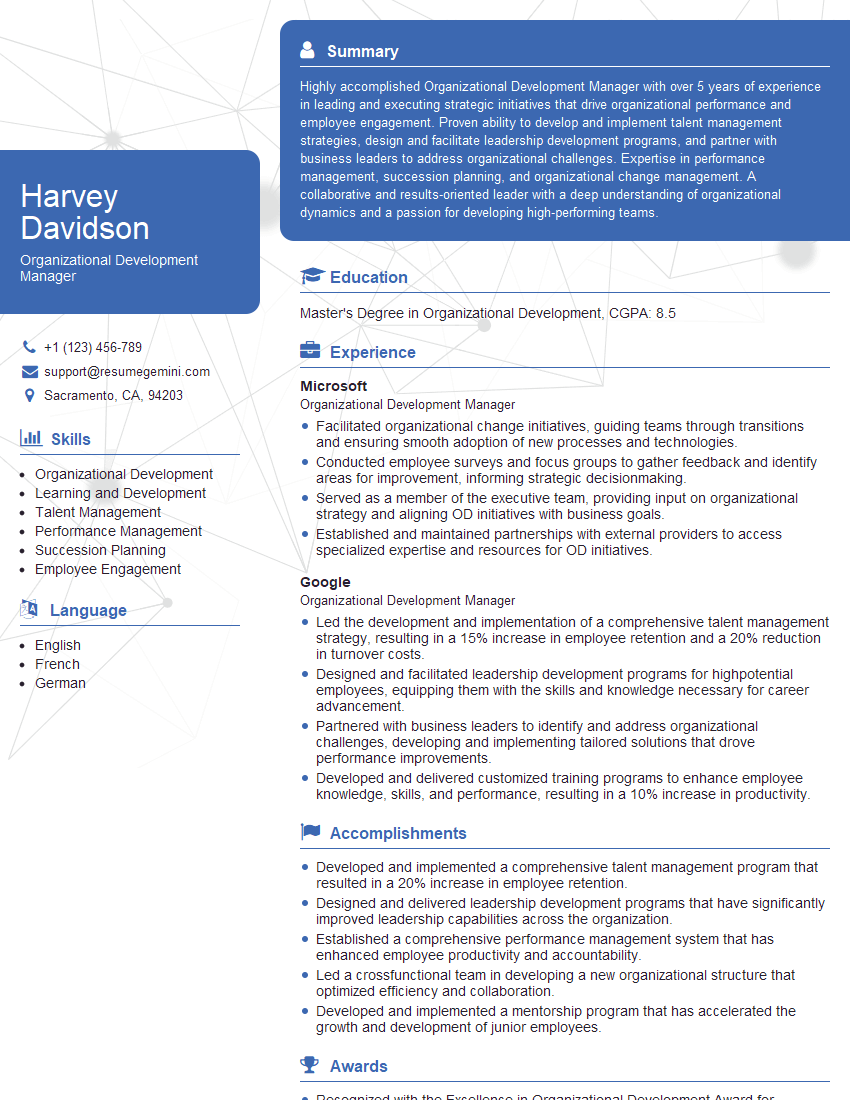
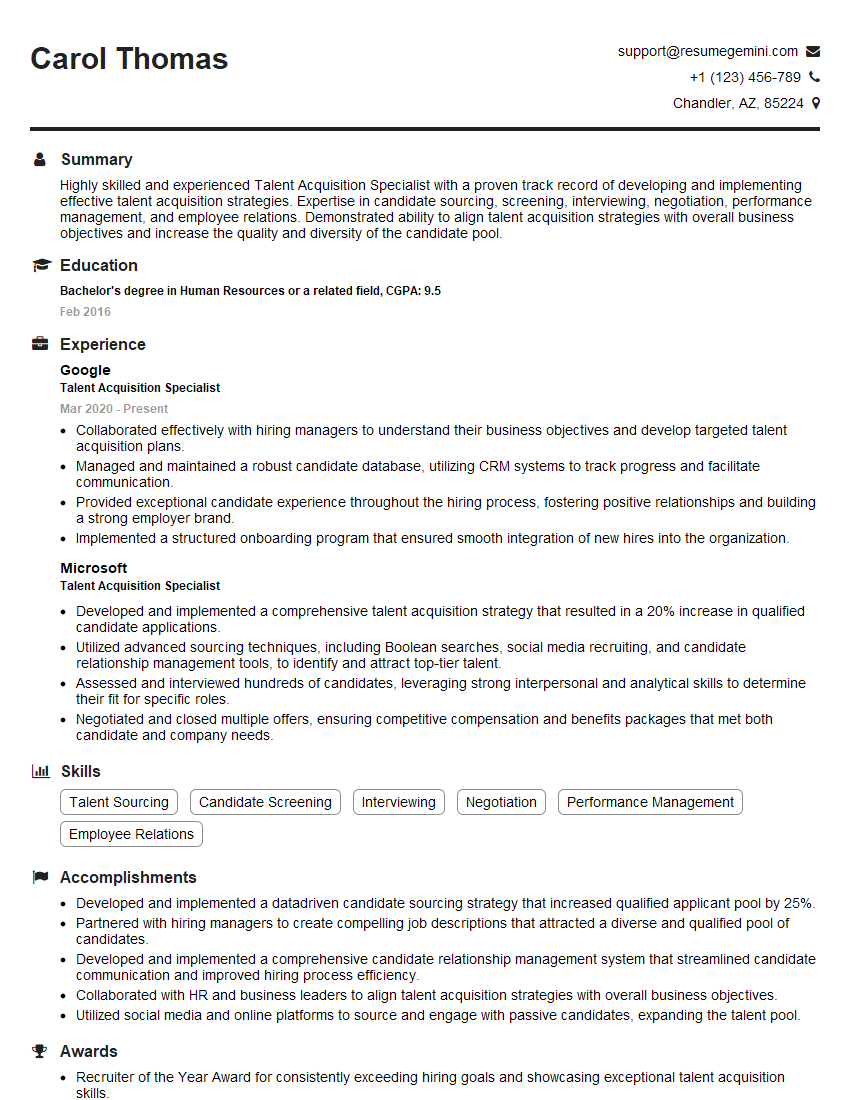
Mastering Workplace Trends is crucial for career advancement. A deep understanding of these topics demonstrates your adaptability, forward-thinking approach, and commitment to professional growth, making you a highly desirable candidate. To significantly boost your job prospects, create an ATS-friendly resume that highlights your relevant skills and experience. ResumeGemini is a trusted resource to help you build a professional and impactful resume. Examples of resumes tailored to showcasing expertise in Workplace Trends are available to help guide your process.
Explore more articles
Users Rating of Our Blogs
Share Your Experience
We value your feedback! Please rate our content and share your thoughts (optional).
What Readers Say About Our Blog
I Redesigned Spongebob Squarepants and his main characters of my artwork.
https://www.deviantart.com/reimaginesponge/art/Redesigned-Spongebob-characters-1223583608
IT gave me an insight and words to use and be able to think of examples
Hi, I’m Jay, we have a few potential clients that are interested in your services, thought you might be a good fit. I’d love to talk about the details, when do you have time to talk?
Best,
Jay
Founder | CEO