The right preparation can turn an interview into an opportunity to showcase your expertise. This guide to Failure Analysis and Corrective Action Implementation interview questions is your ultimate resource, providing key insights and tips to help you ace your responses and stand out as a top candidate.
Questions Asked in Failure Analysis and Corrective Action Implementation Interview
Q 1. Describe your experience with various failure analysis techniques (e.g., visual inspection, dimensional analysis, destructive testing).
Failure analysis relies on a multi-pronged approach, employing various techniques to pinpoint the root cause of a failure. My experience encompasses a wide range of these methods, each chosen strategically based on the nature of the failure and the available information.
- Visual Inspection: This is often the first step, involving a thorough examination of the failed component or system using magnifying glasses, microscopes, or even specialized imaging techniques like X-ray or SEM (Scanning Electron Microscopy). For example, I once identified a hairline crack in a circuit board via visual inspection under magnification, which was initially undetectable to the naked eye. This led to the discovery of a vibration-induced fatigue issue.
- Dimensional Analysis: This method involves precise measurements of the failed part to check for deviations from specifications. Micrometers, calipers, and coordinate measuring machines (CMMs) are frequently used. A recent project involved comparing the dimensions of a fractured connecting rod to its blueprint. The analysis revealed a significant dimensional inconsistency, pinpointing a machining error as the root cause.
- Destructive Testing: Techniques such as tensile testing, fatigue testing, impact testing, and fractography (the study of fracture surfaces) provide crucial insights into the material’s properties and failure mechanisms. I have extensive experience conducting these tests, interpreting the results, and correlating them to the failure mode. For instance, a fractographic analysis of a fractured turbine blade helped determine the cause of fatigue cracking to be cyclical loading exceeding the material’s endurance limit.
The combination of these techniques allows for a comprehensive understanding of the failure, enabling the development of effective corrective actions.
Q 2. Explain the 8D problem-solving methodology.
The 8D problem-solving methodology is a structured approach to identifying and resolving problems. It’s particularly effective in situations requiring a systematic and documented investigation. The eight steps are:
- D1: Define the problem: Clearly state the problem, including its impact and symptoms.
- D2: Describe the problem: Gather data and document the problem’s occurrence, frequency, and severity.
- D3: Contain the problem: Implement immediate corrective actions to prevent further occurrences while the root cause is investigated.
- D4: Develop and implement corrective actions: Identify and implement temporary corrective actions to address the immediate problem.
- D5: Verify the effectiveness of corrective actions: Monitor the effectiveness of the implemented actions to ensure the problem is resolved.
- D6: Implement permanent corrective actions: Develop and implement permanent solutions to prevent recurrence of the problem. This often involves systemic changes.
- D7: Prevent recurrence: Implement procedures and controls to prevent the problem from reoccurring in the future.
- D8: Congratulate the team: Recognize and appreciate the team’s efforts in solving the problem.
I’ve successfully employed the 8D methodology in numerous projects, consistently leading to effective problem resolution and improved processes. For instance, we used 8D to analyze a recurring issue with a specific product defect, leading to improvements in the manufacturing process that virtually eliminated the defect.
Q 3. How do you prioritize corrective actions based on risk and impact?
Prioritizing corrective actions requires a risk-based approach, considering both the likelihood of occurrence (risk) and the severity of impact should the failure happen. I typically use a risk matrix to achieve this:
A risk matrix is a simple tool that plots the severity of the potential impact (Y-axis) against the probability of occurrence (X-axis). Each cell in the matrix represents a different risk level, allowing for prioritization based on a severity rating.
For example:
- High Risk/High Impact: Immediate action is required. These failures could result in significant safety hazards, financial losses, or reputational damage.
- High Risk/Low Impact: Urgent action is needed, although the consequences are less severe. Focusing on prevention is crucial.
- Low Risk/High Impact: Action is needed, but less urgent. These failures have a low probability but potentially severe consequences.
- Low Risk/Low Impact: These failures can often be addressed during routine maintenance or process improvements.
By assigning severity and probability scores to each potential failure, a clear prioritization emerges, focusing resources effectively on the most critical issues.
Q 4. What are the key elements of a robust Failure Modes and Effects Analysis (FMEA)?
A robust Failure Modes and Effects Analysis (FMEA) is a proactive tool for identifying potential failures and mitigating their effects. The key elements include:
- System/Subsystem Description: A clear definition of the system or process being analyzed.
- Potential Failure Modes: Listing all possible ways a component or process can fail.
- Potential Effects of Failure: Describing the consequences of each failure mode on the overall system.
- Severity: Rating the severity of each potential effect on a scale (e.g., 1-10).
- Occurrence: Estimating the likelihood of each failure mode occurring on a scale (e.g., 1-10).
- Detection: Rating the probability of detecting the failure before it affects the customer or system on a scale (e.g., 1-10).
- Risk Priority Number (RPN): Calculating the RPN by multiplying Severity x Occurrence x Detection. Higher RPN values indicate higher risk.
- Recommended Actions: Identifying and documenting actions to reduce the risk associated with each failure mode.
- Responsibility: Assigning responsibility for implementing the recommended actions.
- Target Completion Date: Setting deadlines for completing the actions.
A well-executed FMEA is a living document, regularly reviewed and updated to reflect changes in the system or process. I have used FMEA successfully to prevent potential failures in various projects, leading to improved product reliability and reduced costs.
Q 5. Describe your experience with statistical process control (SPC) and its application to failure analysis.
Statistical Process Control (SPC) is a powerful tool for monitoring and controlling process variation. In failure analysis, SPC helps identify trends and patterns in data that may indicate underlying issues leading to failures. Control charts, such as X-bar and R charts, are commonly used to visualize process data and detect shifts in the mean or variability.
My experience with SPC involves using control charts to track key process parameters, such as dimensions, weight, or performance characteristics. When a process drifts outside of predetermined control limits, it signals a potential problem that needs investigation. For instance, I used X-bar and R charts to monitor the diameter of a critical component in a manufacturing process. A shift in the mean diameter was detected, triggering an investigation that revealed a tool wear issue causing the deviation. Addressing this issue prevented further failures and kept the process within acceptable limits.
By proactively monitoring processes with SPC, potential failures can be detected early, leading to timely interventions and preventing large-scale problems.
Q 6. How do you determine the root cause of a failure when multiple potential causes exist?
When multiple potential causes exist, determining the root cause requires a systematic and analytical approach. I often use a combination of techniques, including:
- 5 Whys Analysis: Repeatedly asking “why” to drill down to the root cause. This is a simple yet powerful method for uncovering underlying causes.
- Fishbone Diagram (Ishikawa Diagram): A visual tool for brainstorming and organizing potential causes, categorized by factors like people, materials, methods, machines, environment, and measurements.
- Data Analysis: Using statistical methods to analyze data and determine which factors are most strongly correlated with the failure.
- Expert Opinion: Consulting with subject matter experts to gain insights and validate potential root causes.
It’s critical to avoid jumping to conclusions and to rigorously evaluate each potential cause. Eliminating factors one by one until the root cause is isolated is essential. In one project, we used a combination of 5 Whys and data analysis to identify the root cause of intermittent system failures. Initial investigation suggested multiple potential causes, but data analysis helped pinpoint a specific hardware component as the primary culprit.
Q 7. Explain your experience with fault tree analysis (FTA).
Fault Tree Analysis (FTA) is a deductive, top-down approach used to analyze the causes of system failures. It starts by defining the undesired event (top event) and then works backward to identify the underlying events and their combinations that could lead to that top event. This is represented graphically as a fault tree.
My experience with FTA involves constructing fault trees to model complex systems and identify critical failure paths. Boolean logic (AND, OR gates) is used to represent the relationships between events. I have used FTA to analyze failures in safety-critical systems, helping to identify critical components and design preventative measures. For example, in analyzing a power plant shutdown, an FTA helped us to discover a combination of multiple component failures which, when occurring together, led to the system failure. This allowed for a targeted corrective action plan, focusing on strengthening the weakest links in the system and improving redundancy.
FTA provides a valuable tool for understanding the complex interactions within a system and developing effective strategies for risk mitigation.
Q 8. How do you validate the effectiveness of implemented corrective actions?
Validating the effectiveness of corrective actions is crucial to ensure they truly resolve the underlying problem and prevent future failures. We use a multi-pronged approach involving both qualitative and quantitative methods.
- Re-testing and Verification: After implementing a corrective action, we rigorously re-test the affected system or process under similar conditions that led to the initial failure. This involves carefully replicating the failure mode to confirm the corrective action has eliminated the root cause. For example, if a software bug caused a system crash, we’d re-run the same sequence of actions to verify the bug is fixed.
- Monitoring and Data Analysis: We monitor key performance indicators (KPIs) relevant to the failure. This could involve tracking defect rates, downtime, customer complaints, or other metrics specific to the situation. Consistent improvements in these metrics over time strongly suggest the effectiveness of the corrective action.
- Audits and Reviews: Regular audits are performed to assess the ongoing impact of the corrective action. These audits may involve examining processes, reviewing documentation, and interviewing personnel to ensure the solution is consistently implemented and effective.
- Failure Mode and Effects Analysis (FMEA): Updating the FMEA after the implementation helps identify and mitigate potential future failure modes related to the original issue. This proactive step strengthens the overall robustness of the system.
Ultimately, validation is an iterative process. We continually monitor and evaluate the performance of the system to ensure long-term effectiveness. If the failure recurs, it indicates a need to re-evaluate the root cause analysis and implement further corrective actions.
Q 9. Describe a situation where you had to deal with conflicting priorities in implementing corrective actions.
I once faced conflicting priorities when a critical manufacturing process malfunctioned, causing significant production delays. The immediate priority was to restore production as quickly as possible, which meant implementing a temporary fix. However, the root cause analysis pointed to a major design flaw that would require a more extensive, long-term solution. This would have meant taking the production line offline for a longer period, impacting revenue significantly.
To resolve this, we prioritized a two-pronged approach:
- Immediate Corrective Action: We implemented the temporary fix to get the production line running quickly. This involved a relatively minor modification that addressed the immediate symptom, minimizing production downtime.
- Long-Term Solution: Simultaneously, we initiated the design change process, working closely with engineering and management to secure resources and develop a robust, long-term solution. This involved thorough risk assessment and careful planning to minimize the impact on future production.
Effective communication with all stakeholders—from the shop floor to senior management—was crucial in navigating this situation. Openly communicating the rationale for both short-term and long-term approaches ensured buy-in and helped mitigate potential conflicts.
Q 10. What metrics do you use to track the effectiveness of implemented corrective actions?
The metrics used to track the effectiveness of corrective actions vary depending on the nature of the failure and the system involved. However, some common and critical metrics include:
- Defect Rate: A reduction in the number of defects per unit produced or service rendered indicates the effectiveness of the corrective action in addressing the underlying problem.
- Downtime: A decrease in equipment downtime or system unavailability demonstrates a successful resolution of the issue.
- Mean Time Between Failures (MTBF): This metric measures the average time between failures of a system, and an increase signifies improved reliability.
- Customer Satisfaction: Feedback from customers can indicate whether the corrective action has successfully addressed any service interruptions or quality issues.
- Cost of Non-Conformance (CONC): Tracking cost savings related to reducing scrap, rework, warranty claims, and customer support demonstrates the financial impact of the successful corrective action.
In addition to these, specific industry-related metrics might be relevant. For example, in software development, we might track the number of bug reports, while in manufacturing, we might track the scrap rate. The key is to select metrics that directly reflect the impact of the failure and the effectiveness of the implemented corrective actions.
Q 11. How do you handle situations where the root cause of a failure is not readily apparent?
When the root cause isn’t immediately apparent, a systematic and thorough investigation is crucial. This often involves a structured approach encompassing several techniques:
- 5 Whys Analysis: This iterative questioning technique helps drill down to the root cause by repeatedly asking ‘why’ until the fundamental problem is uncovered. For example, ‘Why did the machine stop? Because the motor failed. Why did the motor fail? Because it overheated. Why did it overheat? Because the cooling system malfunctioned…’
- Fishbone Diagram (Ishikawa Diagram): This visual tool helps organize potential root causes categorized by factors like materials, methods, manpower, machinery, environment, and measurement. It facilitates brainstorming and identification of possible contributing factors.
- Fault Tree Analysis (FTA): This deductive reasoning method traces back from a top-level failure event to identify all possible causes and their probabilities of occurrence.
- Data Analysis: Statistical techniques, such as trend analysis, control charts, and regression analysis, can help identify patterns and correlations in data related to the failure.
- Expert Consultation: Seeking the input of experts in relevant fields, such as materials science, metallurgy, or software engineering, can provide valuable insights and perspectives.
Sometimes, a combination of these techniques is necessary to effectively uncover the root cause. The process is iterative and often involves refining hypotheses based on evidence gathered during the investigation.
Q 12. Explain your understanding of Design of Experiments (DOE) and its role in failure analysis.
Design of Experiments (DOE) is a powerful statistical technique used to systematically plan and conduct experiments to understand the relationships between factors (inputs) and responses (outputs). In failure analysis, DOE plays a crucial role in identifying the root causes of failures and optimizing designs to improve reliability.
For example, imagine a manufacturing process producing defective parts. Using DOE, we could design an experiment to test the impact of different factors like temperature, pressure, and material composition on the defect rate. By carefully controlling and varying these factors, we can determine which ones significantly influence the defect rate and identify the optimal operating conditions.
DOE’s role in failure analysis includes:
- Identifying significant factors: It helps pinpoint the factors that have the most significant impact on the failure.
- Optimizing designs: It assists in designing robust systems that are less susceptible to failures by identifying optimal parameter settings.
- Reducing experimental effort: It enables efficient experimentation by minimizing the number of tests required to gather meaningful results.
- Quantifying uncertainty: DOE helps estimate the uncertainty associated with experimental results and provide a measure of confidence in the conclusions.
DOE is invaluable when dealing with complex systems where multiple factors may be contributing to a failure. Its structured approach ensures that investigations are thorough, efficient, and lead to well-supported conclusions.
Q 13. How do you ensure that corrective actions prevent recurrence of failures?
Preventing recurrence of failures requires a holistic approach that goes beyond simply fixing the immediate problem. This involves implementing robust corrective actions that address the root cause and prevent similar issues in the future.
- Root Cause Analysis: Thoroughly investigating and identifying the root cause, not just the symptoms, is paramount. This ensures that the corrective action addresses the fundamental issue, preventing a repeat failure.
- Design Changes: Implementing design modifications to eliminate failure modes. For instance, if a part repeatedly fails due to fatigue, the design might be changed to use a stronger material or a different geometry.
- Process Improvements: Improving manufacturing processes or operational procedures to minimize errors and inconsistencies. This could involve updating training manuals, implementing stricter quality controls, or automating certain tasks.
- Preventive Maintenance: Implementing regular maintenance schedules to detect and address potential problems before they lead to failures. Predictive maintenance techniques using sensors and data analytics can also be highly effective.
- Documentation and Training: Clearly documenting the failure, root cause analysis, and implemented corrective actions is crucial. Training personnel on the revised processes and procedures ensures consistency in implementation and prevents future occurrences.
- Monitoring and Review: Regularly monitoring the effectiveness of corrective actions through KPIs and conducting periodic reviews are essential to identify any further improvements needed.
A proactive approach focusing on prevention, coupled with continuous monitoring and improvement, is key to ensuring that corrective actions truly prevent the recurrence of failures.
Q 14. How do you communicate technical information effectively to both technical and non-technical audiences?
Effective communication of technical information is vital in failure analysis. My approach involves tailoring the communication to the audience’s understanding.
For technical audiences: I use precise language, technical jargon where appropriate, and detailed explanations. Data visualization through charts, graphs, and diagrams are crucial to convey complex data efficiently. I present a detailed root cause analysis supported by evidence and data.
For non-technical audiences: I avoid jargon and use plain language, focusing on the implications of the failure and the corrective actions. I use analogies and real-world examples to make technical concepts easier to understand. I focus on the ‘what’ and ‘why’ rather than the technical ‘how.’ I also emphasize the business impact of the failure and the solution implemented.
Regardless of the audience, I focus on clear and concise messaging, using visuals effectively and ensuring the information is delivered in a timely and accessible manner. In both cases, active listening and the ability to answer questions and concerns are integral to effective communication.
Q 15. What are the limitations of various failure analysis techniques?
Failure analysis techniques, while powerful, have inherent limitations. The choice of technique depends heavily on the nature of the failure and the resources available. For example, microscopy techniques like SEM (Scanning Electron Microscopy) provide high-resolution images, but they are destructive and may not be suitable for all components. Similarly, while chemical analysis can pinpoint material degradation, it might not reveal the underlying cause of the failure.
- Microscopy (SEM, optical): Limited by sample preparation and resolution. Might miss subtle defects.
- Chemical Analysis (EDS, XRD): Can be expensive and time-consuming. May not identify all relevant elements or compounds.
- Mechanical Testing: Provides material properties but may not fully replicate the failure conditions.
- Thermal Analysis (DSC, TGA): Reveals thermal behavior but might require specialized expertise and equipment.
- Simulation (FEA): Relies on accurate models and input data. Inaccurate inputs lead to unreliable results.
For instance, in analyzing a fractured component, SEM might reveal a crack initiation site, but it might not explain *why* the crack initiated. Further investigation, perhaps through mechanical testing to determine material fatigue properties, would be necessary to complete the picture. Understanding these limitations and employing a multi-faceted approach is crucial for effective failure analysis.
Career Expert Tips:
- Ace those interviews! Prepare effectively by reviewing the Top 50 Most Common Interview Questions on ResumeGemini.
- Navigate your job search with confidence! Explore a wide range of Career Tips on ResumeGemini. Learn about common challenges and recommendations to overcome them.
- Craft the perfect resume! Master the Art of Resume Writing with ResumeGemini’s guide. Showcase your unique qualifications and achievements effectively.
- Don’t miss out on holiday savings! Build your dream resume with ResumeGemini’s ATS optimized templates.
Q 16. Describe your experience with different types of reliability testing.
My experience encompasses a wide range of reliability testing methods, including accelerated life testing, highly accelerated life testing (HALT), and environmental stress screening (ESS). I’ve worked extensively with HALT, pushing components beyond their typical operating limits to identify weaknesses early in the design process. This method helps to proactively design robustness and prevent in-field failures. I’ve also conducted accelerated life tests, applying controlled stress factors (temperature, humidity, vibration) to components for an extended period, simulating years of operation in a much shorter timeframe. This provides valuable data on product lifespan and potential failure mechanisms. ESS has proven invaluable in screening out early failures before a product reaches the customer.
For example, in a project involving a medical device, we used HALT to identify a critical design flaw in the device’s internal circuitry. This flaw would have likely led to unexpected shutdowns in the field, posing a serious safety risk. The use of HALT allowed us to address the issue early in development, saving considerable time and resources. In another instance, accelerated life testing on automotive components revealed a premature degradation of a plastic seal under specific temperature and humidity conditions, which allowed us to modify the material specification and improve the component’s longevity.
Q 17. How do you balance the cost of corrective actions with the risk of failure?
Balancing the cost of corrective actions with the risk of failure is a critical aspect of failure analysis. A cost-benefit analysis is essential, considering factors like the severity of the potential failure, its probability of occurrence, and the cost of implementing various corrective actions. A risk matrix can be a valuable tool in this process, visually representing the impact of potential failures against their likelihood.
For instance, a minor failure with low probability of occurrence might not justify an expensive corrective action. Conversely, a critical failure with high probability requires swift and decisive action, even if it’s costly. A phased approach might be beneficial; implementing less expensive solutions first, only escalating to more costly ones if the initial interventions prove insufficient. Proper documentation of the risk assessment, chosen corrective action, and cost justification protects against future criticism and allows for continuous improvement.
Q 18. How do you manage expectations when corrective action implementation takes longer than anticipated?
Managing expectations when corrective action implementation takes longer than anticipated is crucial for maintaining stakeholder trust. Open and honest communication is paramount. I proactively inform stakeholders of potential delays, providing clear explanations for the unforeseen challenges encountered. Regular updates, including revised timelines and milestones, keep everyone informed and reduce uncertainty.
Transparency is key. Stakeholders appreciate understanding the complexity of the situation and the steps being taken to resolve it. A detailed plan, highlighting dependencies and potential risks, along with regular progress reports, can significantly mitigate concerns. In some cases, it may be necessary to involve stakeholders in decision-making to ensure their buy-in and manage their expectations effectively. For example, in one project, a critical software update required unforeseen rework, leading to a delay. By regularly engaging with stakeholders, providing updates with supporting data, and outlining potential workarounds, the team maintained their trust and successfully navigated the delay.
Q 19. Describe your experience using software tools for failure analysis and corrective action tracking.
I have extensive experience using various software tools for failure analysis and corrective action tracking. I am proficient with tools like Minitab for statistical analysis of failure data, and specialized CAE software for finite element analysis (FEA) to simulate failure modes. For tracking corrective actions, I’ve used both proprietary and off-the-shelf enterprise resource planning (ERP) systems and project management tools like Jira, ensuring compliance with ISO 9001 standards.
These tools are invaluable for data analysis, generating reports, and tracking progress. For example, Minitab helps in identifying trends and patterns in failure data, enabling data-driven decisions for corrective actions. FEA simulations help visualize stress and strain distributions within components, pinpointing potential failure points, reducing reliance on destructive testing. Project management tools facilitate effective communication and collaboration among cross-functional teams.
Q 20. Explain your understanding of the different types of failure modes (e.g., wear, fatigue, corrosion).
Failure modes are the ways in which a component or system can fail. They are often categorized into several types. Understanding these modes is crucial for effective failure analysis and preventative measures.
- Wear: Gradual degradation of material due to friction, abrasion, or erosion. Examples include wear of bearings, piston rings, or cutting tools.
- Fatigue: Failure due to cyclic loading, resulting in crack initiation and propagation. Repeated stress cycles weaken the material until it eventually fractures. This is common in aircraft components, bridges and engine parts.
- Corrosion: Degradation of material due to chemical reactions with its environment. This can manifest as rust, pitting, or stress corrosion cracking, often affecting pipelines and marine structures.
- Creep: Time-dependent deformation under constant load, often at elevated temperatures. It’s a concern in high-temperature applications like turbines and nuclear reactors.
- Fracture: Sudden separation of a material into two or more pieces under stress. It can be brittle or ductile, depending on the material properties.
Identifying the specific failure mode is the first step in understanding the root cause of a failure. For example, discovering fatigue cracks in a bridge beam requires assessing the loading cycles, material properties, and environmental factors to determine the root cause and prevent future failures.
Q 21. How do you incorporate lessons learned from past failures into future product development?
Incorporating lessons learned from past failures is crucial for continuous improvement and preventing recurrence. This involves a systematic process of documenting failures, analyzing their root causes, implementing corrective actions, and sharing this knowledge across teams and departments. We use a Failure Review Board (FRB) to analyze significant failures, meticulously documenting findings and recommended changes. This information is then incorporated into design specifications, manufacturing processes, and training programs.
For example, if a specific component frequently fails due to material degradation, the FRB might recommend using a more robust material, modifying the design to reduce stress, or improving the quality control process. This information is then disseminated through internal reports, training sessions, and design guidelines to ensure that similar failures are avoided in future products. Databases tracking failures and corrective actions provide valuable insights for product improvements, enabling data-driven decisions for enhanced reliability and longevity.
Q 22. Describe a time you had to work under pressure to implement a corrective action.
Working under pressure to implement corrective actions is a common occurrence in failure analysis. One instance involved a critical failure in a high-volume manufacturing line producing medical devices. A crucial component failed unexpectedly, resulting in a complete production halt. The pressure was immense due to the potential financial losses and the impact on patient care.
My approach was systematic. First, I assembled a cross-functional team, including engineers, technicians, and quality control specialists. We prioritized the immediate containment of the issue, ensuring no further faulty products were produced. Then, we transitioned to root cause analysis, using techniques such as 5 Whys and fault tree analysis. Simultaneously, I ensured clear communication with upper management and stakeholders, providing regular updates on progress. We identified a flaw in the supplier’s manufacturing process as the root cause. The corrective action involved a thorough review of the supplier’s quality control procedures, implementing stricter incoming inspection protocols, and expediting the qualification of a secondary supplier to ensure redundancy. We were able to resume production within 48 hours of the initial failure, minimizing losses and demonstrating the effectiveness of a rapid and well-coordinated response under pressure.
Q 23. What is your experience with Weibull analysis?
Weibull analysis is a statistical method used to analyze the reliability of components or systems. It’s particularly useful for understanding failure rates and predicting the lifetime distribution of products. The Weibull distribution is characterized by two key parameters: the shape parameter (β) and the scale parameter (η). The shape parameter describes the failure pattern (e.g., decreasing, constant, or increasing failure rate), while the scale parameter indicates the characteristic life of the component.
My experience includes using Weibull analysis to model the lifetime of various components, from electronic parts in consumer electronics to mechanical parts in industrial machinery. I’ve used software packages like Minitab and JMP to perform the analysis, interpret the results (generating Weibull plots), and make predictions about future failures. For instance, in analyzing the failure data of a particular type of bearing, a Weibull analysis revealed an increasing failure rate, indicating a potential wear-out mechanism. This finding allowed us to adjust the preventive maintenance schedule, extending the operational life and reducing unplanned downtime.
Q 24. How do you document the failure analysis process and corrective actions?
Thorough documentation is crucial in failure analysis and corrective action implementation. We utilize a structured approach based on industry best practices and often tailored to specific client needs or standards such as AS9100.
Our documentation process typically includes:
- Failure Report: A detailed account of the failure event, including date, time, location, observed symptoms, and any initial hypotheses.
- Root Cause Analysis Report: This outlines the investigative methods employed (e.g., 5 Whys, Fishbone diagrams, fault tree analysis), evidence gathered, and the determined root cause(s) of the failure.
- Corrective Action Report: This specifies the actions taken to address the root cause(s), including modifications to processes, designs, or materials. It also details implementation timelines, responsible parties, and verification methods to confirm the effectiveness of the corrective actions.
- Verification Report: Documents the results of verification activities to ensure the implemented corrective actions have resolved the root causes and prevented recurrence.
- Closure Report: Summarizes the entire process, including lessons learned and recommendations for future improvements.
All documentation is stored in a secure, auditable system, readily accessible to relevant personnel. We often use digital systems and document control software to ensure version control and easy retrieval of information.
Q 25. Explain your understanding of preventive maintenance and its role in reducing failures.
Preventive maintenance (PM) is a proactive approach to equipment maintenance aimed at preventing failures rather than reacting to them. It involves scheduled inspections, cleaning, lubrication, and repairs of equipment to maintain its optimal operating condition.
PM plays a crucial role in reducing failures by:
- Early Detection of Potential Problems: Regular inspections allow for the detection of minor issues before they escalate into major failures, leading to costly downtime and repairs.
- Extended Equipment Lifespan: Proper maintenance prolongs the life of equipment, delaying the need for replacement and reducing capital expenditures.
- Improved Safety: PM helps identify and address safety hazards, reducing the risk of accidents and injuries.
- Reduced Downtime: By preventing unexpected failures, PM minimizes downtime and increases production efficiency.
- Lower Maintenance Costs: While PM has costs associated, these are typically lower than the costs associated with reactive maintenance (repairing failures after they occur).
The effectiveness of a PM program depends on factors such as the type of equipment, operating conditions, and the reliability of the maintenance procedures. A well-designed PM program, tailored to the specific needs of the equipment, is essential for optimizing equipment reliability and minimizing failure rates.
Q 26. How familiar are you with ISO 9001 standards and their relevance to failure analysis?
ISO 9001 is a widely recognized international standard for quality management systems. It provides a framework for organizations to effectively manage their processes, ensuring consistent product quality and customer satisfaction. Failure analysis is directly relevant to ISO 9001, as it’s a critical component of the continuous improvement process.
ISO 9001 emphasizes the importance of identifying and addressing nonconformities (failures). The standard requires organizations to have systems in place for conducting root cause analysis, implementing corrective actions, and preventing recurrence. My familiarity with ISO 9001 involves applying its principles in various failure analysis projects. This includes using the standard’s framework to document failures, conduct investigations, implement corrective actions, and verify their effectiveness. Understanding ISO 9001 ensures our failure analysis processes are compliant and contribute to the overall quality management system of an organization.
Q 27. How do you ensure compliance with relevant safety regulations in implementing corrective actions?
Ensuring compliance with safety regulations during corrective action implementation is paramount. This involves a multi-faceted approach.
First, a thorough risk assessment is conducted to identify potential hazards associated with the corrective actions. This might include risks related to working at heights, handling hazardous materials, or using specialized equipment. Based on this assessment, we develop a safety plan outlining the necessary precautions and control measures, such as using appropriate personal protective equipment (PPE), implementing lockout/tagout procedures, and providing safety training to personnel involved in the implementation.
Secondly, we ensure that all corrective actions comply with relevant safety regulations and standards (OSHA, IEC, etc.). This might involve obtaining necessary permits, adhering to specific work procedures, and documenting all safety-related aspects of the implementation. Regular monitoring and audits are conducted to verify compliance with safety regulations and identify any areas for improvement. Finally, proper reporting of any safety incidents or near misses is crucial for continuous improvement and accident prevention.
Q 28. Describe your experience with creating and presenting technical reports on failure analysis and corrective actions.
Creating and presenting technical reports on failure analysis and corrective actions is a routine part of my work. I’ve developed a structured approach to ensure clarity, completeness, and effectiveness of communication.
My reports typically include:
- Executive Summary: A concise overview of the failure, root cause(s), and implemented corrective actions.
- Background: Detailed description of the failed component, system, or process.
- Failure Description: A chronological account of the failure event, including symptoms, observations, and data collected.
- Root Cause Analysis: A detailed explanation of the investigative methods used, the evidence gathered, and the identified root cause(s).
- Corrective Actions: A description of the implemented actions, including timelines, responsibilities, and verification methods.
- Verification Results: Evidence demonstrating the effectiveness of the implemented corrective actions.
- Conclusions and Recommendations: Summary of key findings and suggestions for future improvements.
- Appendices: Supporting documentation such as data tables, photographs, schematics, and test reports.
I emphasize clear and concise language, avoiding technical jargon where possible. Visual aids such as charts, graphs, and diagrams are used to enhance understanding. The reports are tailored to the audience, ensuring the information is presented effectively, whether it’s to a technical team or executive management. I often present these findings using visual aids and interactive presentations to foster better understanding and knowledge retention.
Key Topics to Learn for Failure Analysis and Corrective Action Implementation Interview
- Root Cause Analysis Techniques: Understanding and applying various methods like 5 Whys, Fishbone diagrams, Fault Tree Analysis, and FMEA to effectively identify the root cause of failures. Consider practical examples from your experience where you applied these techniques.
- Corrective Action Implementation Strategies: Developing and implementing effective corrective actions, including preventative measures to avoid recurrence. Think about how you’d prioritize actions based on risk and impact.
- Data Analysis and Interpretation: Analyzing data from various sources (e.g., inspection reports, test results) to identify trends and patterns indicative of potential failures. Practice interpreting complex datasets and drawing meaningful conclusions.
- Documentation and Reporting: Creating clear, concise, and well-structured reports detailing failure analysis findings, corrective actions, and verification results. Focus on effective communication of technical information to diverse audiences.
- Problem-Solving Methodologies: Applying structured problem-solving approaches (e.g., DMAIC, PDCA) to systematically address failures and implement effective solutions. Prepare examples demonstrating your proficiency in these methodologies.
- Failure Modes and Mechanisms: Understanding common failure modes (e.g., fatigue, corrosion, wear) and their underlying mechanisms. Think about how material properties and operating conditions contribute to failure.
- Risk Assessment and Mitigation: Identifying potential failure risks, assessing their likelihood and impact, and implementing strategies to mitigate those risks. Prepare examples of risk assessments you have conducted.
Next Steps
Mastering Failure Analysis and Corrective Action Implementation is crucial for career advancement in many technical fields. It demonstrates your ability to solve complex problems, improve processes, and contribute to product reliability and safety. To significantly enhance your job prospects, create a resume that is both ATS-friendly and highlights your key skills and accomplishments. ResumeGemini is a trusted resource to help you build a professional and impactful resume. We provide examples of resumes tailored to Failure Analysis and Corrective Action Implementation roles to guide you.

Quality Assurance Manager Resume Sample
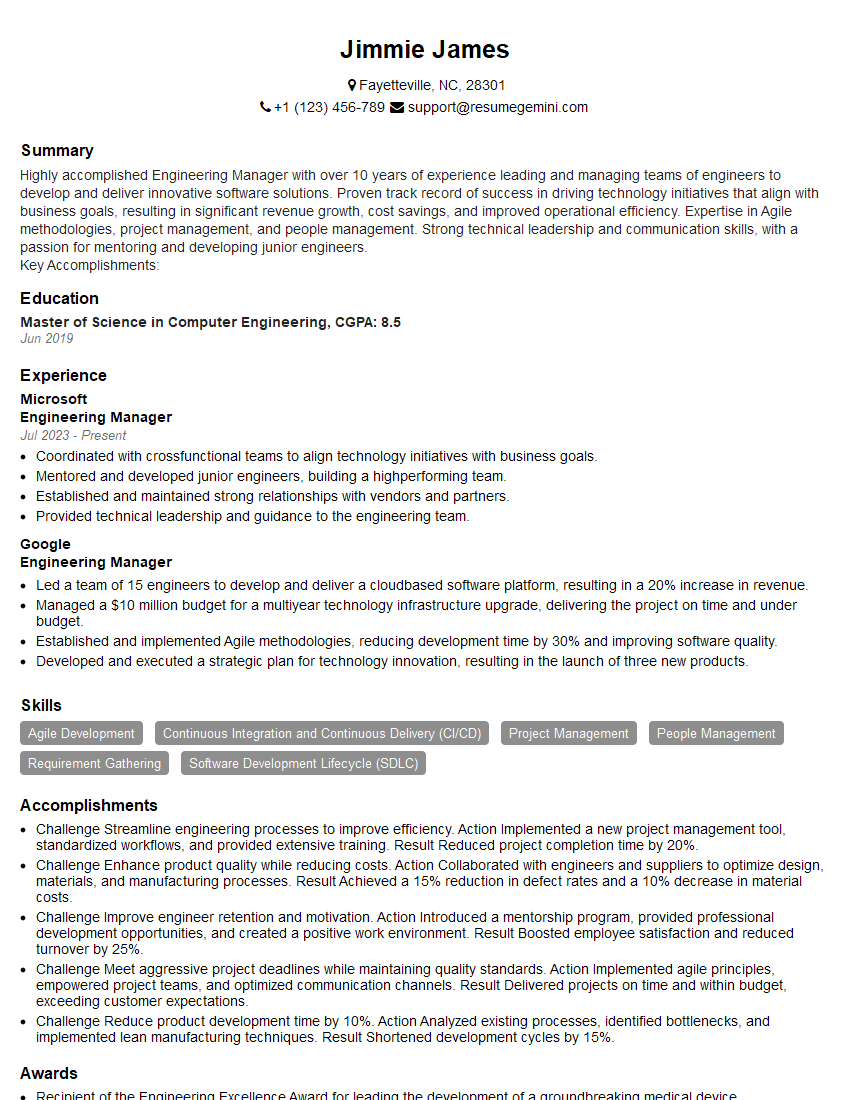
Engineering Manager Resume Sample
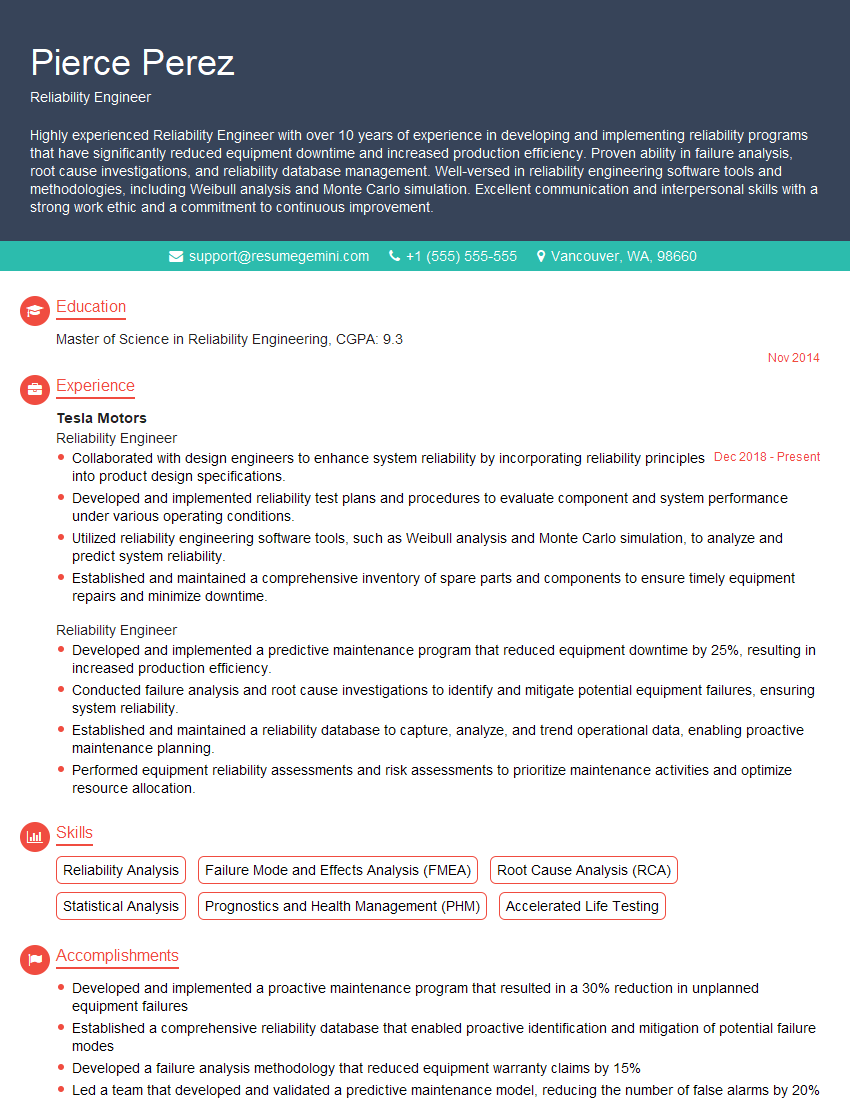
Reliability Engineer Resume Sample
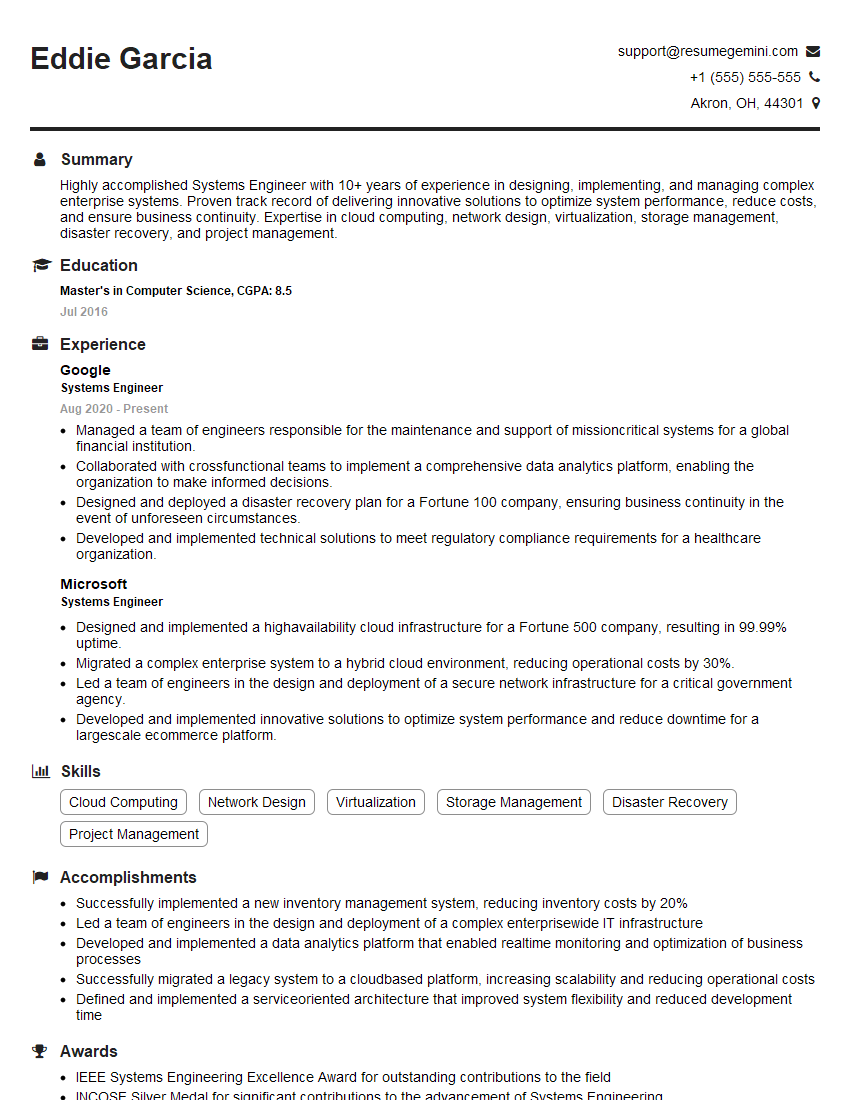
Systems Engineer Resume Sample
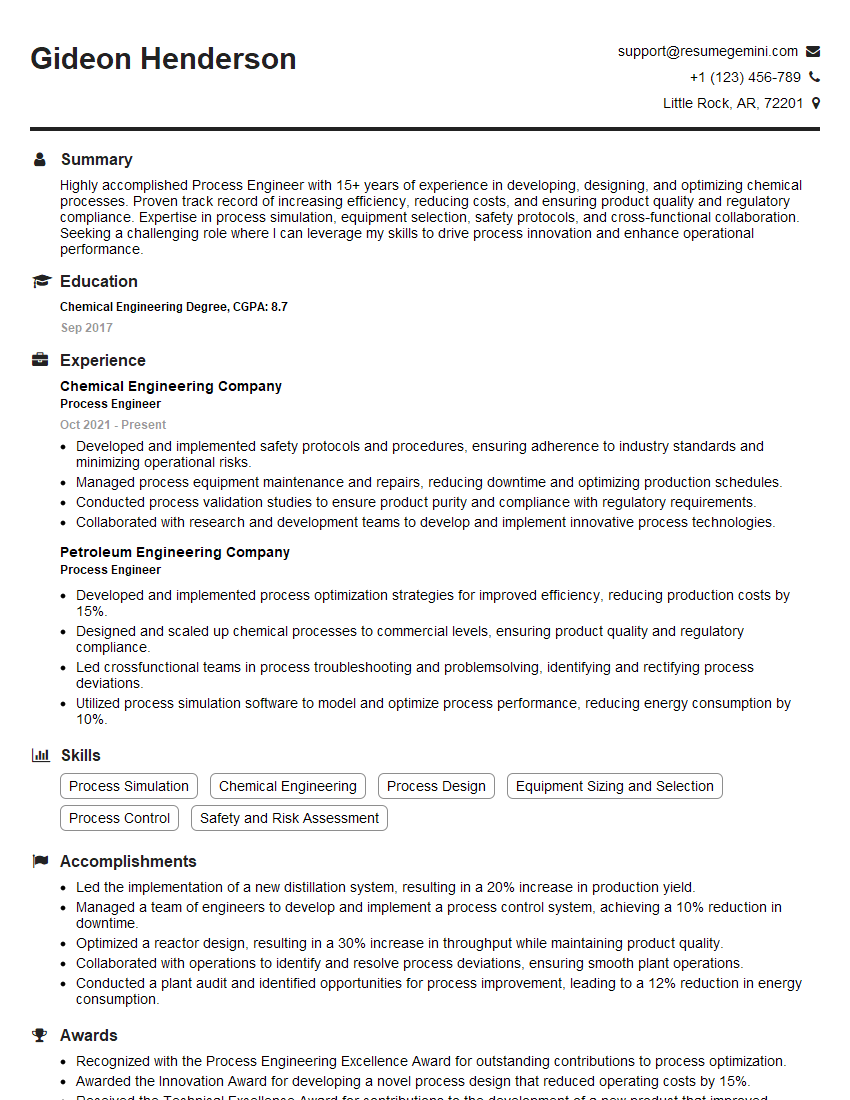
Process Engineer Resume Sample

Technical Support Engineer Resume Sample
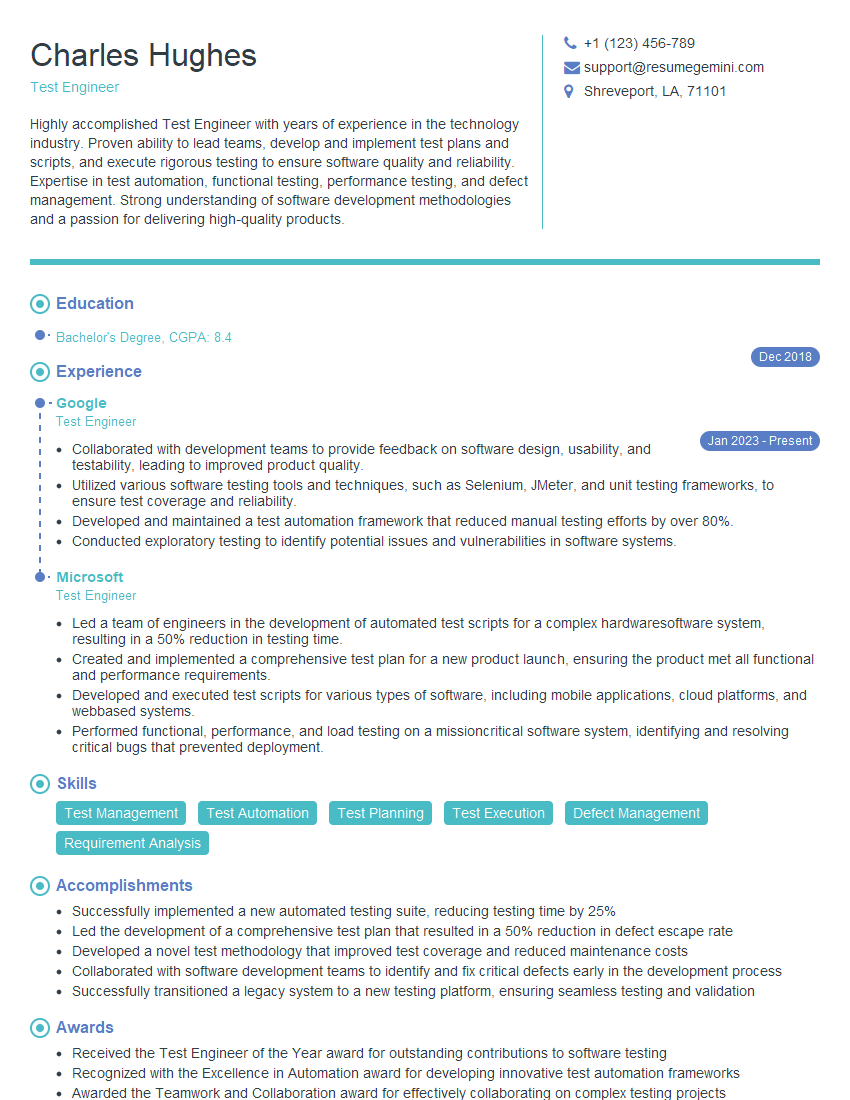
Test Engineer Resume Sample
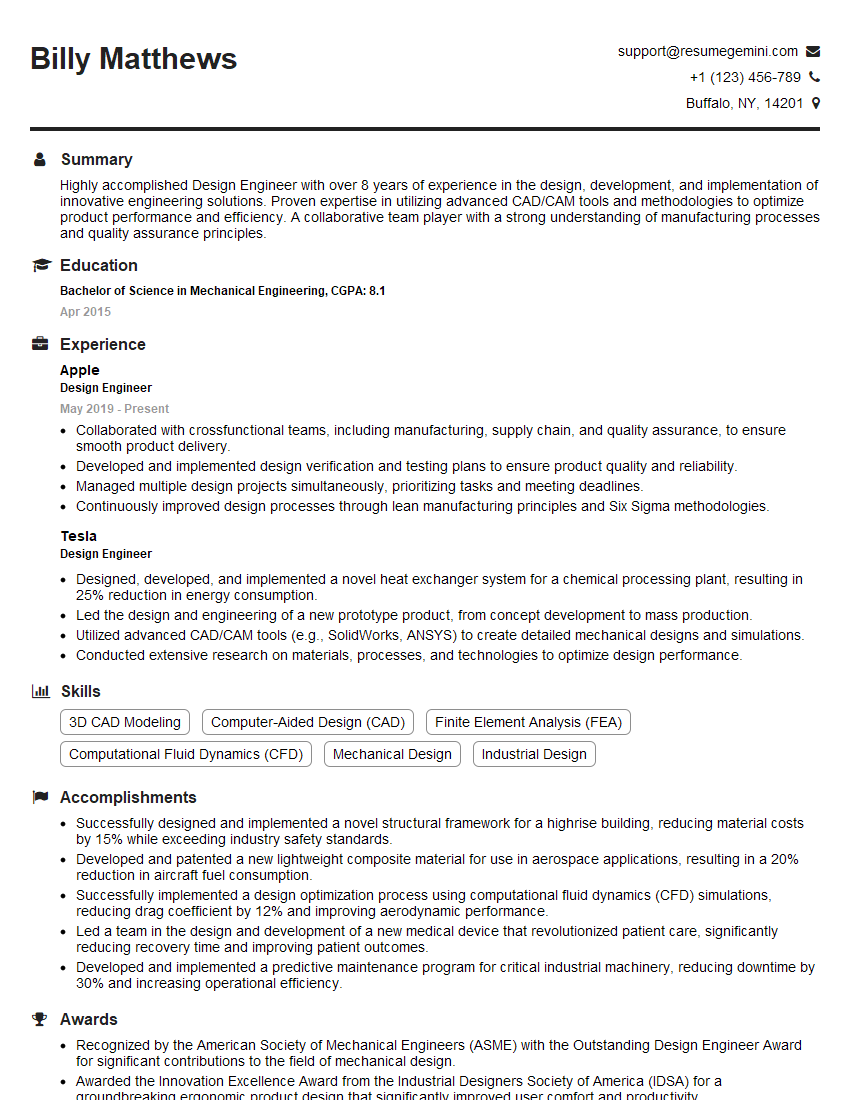
Design Engineer Resume Sample
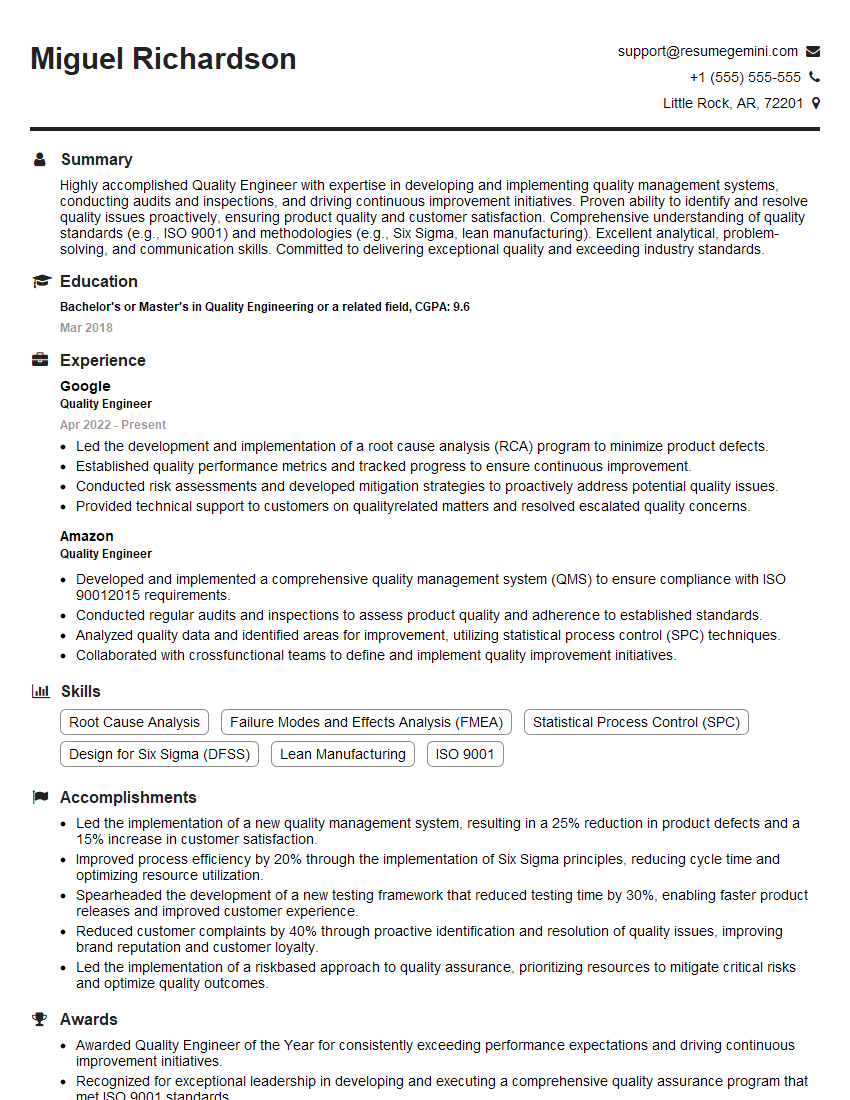
Quality Engineer Resume Sample
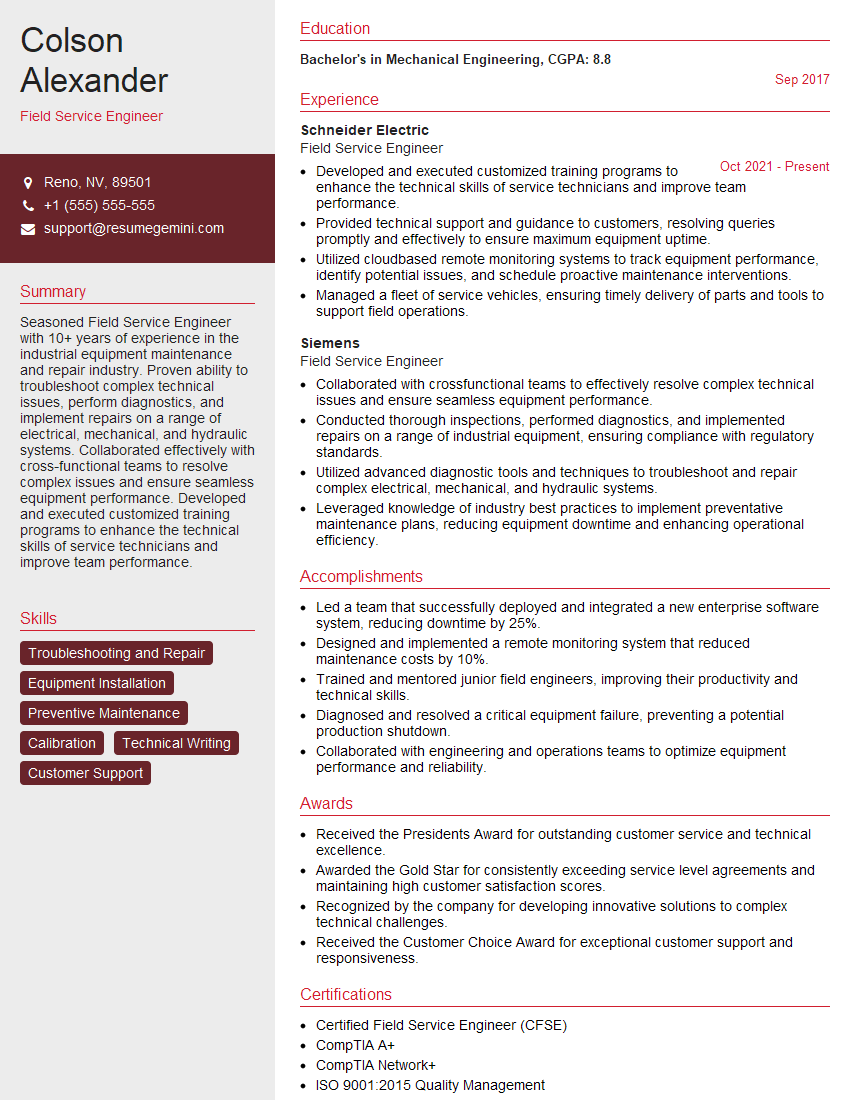
Field Service Engineer Resume Sample
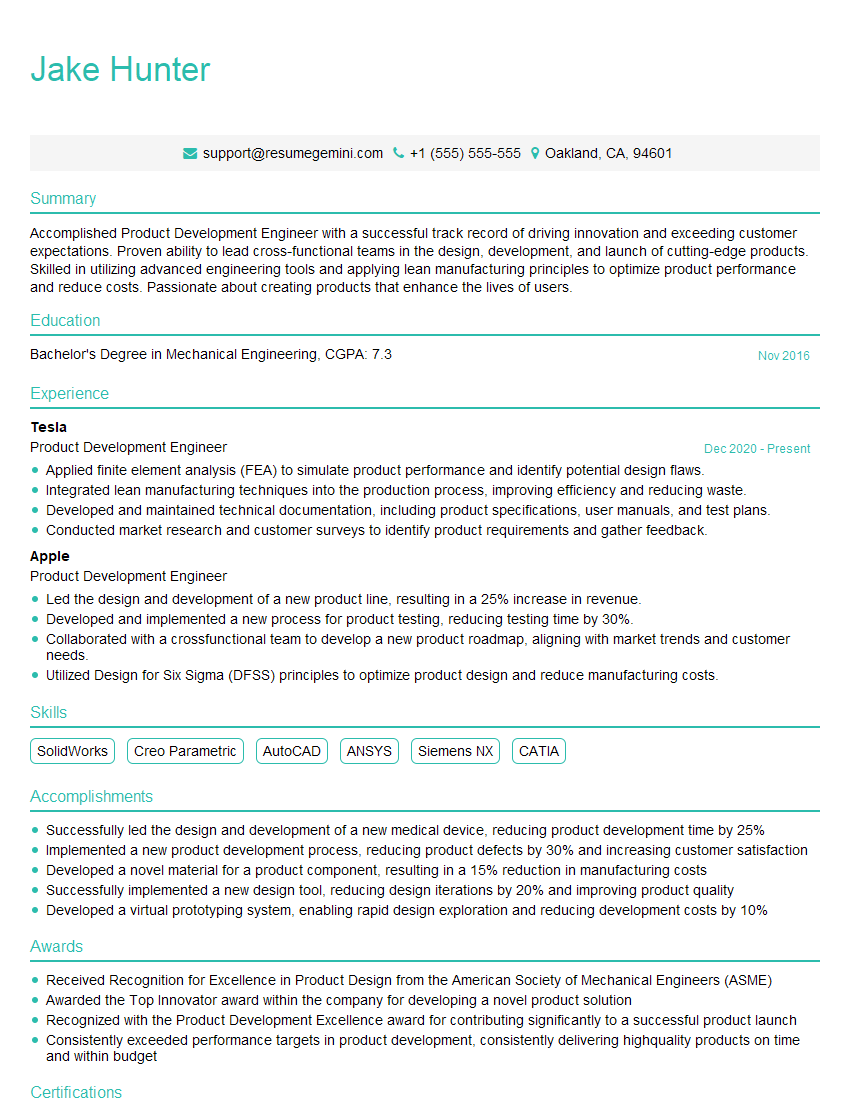
Product Development Engineer Resume Sample
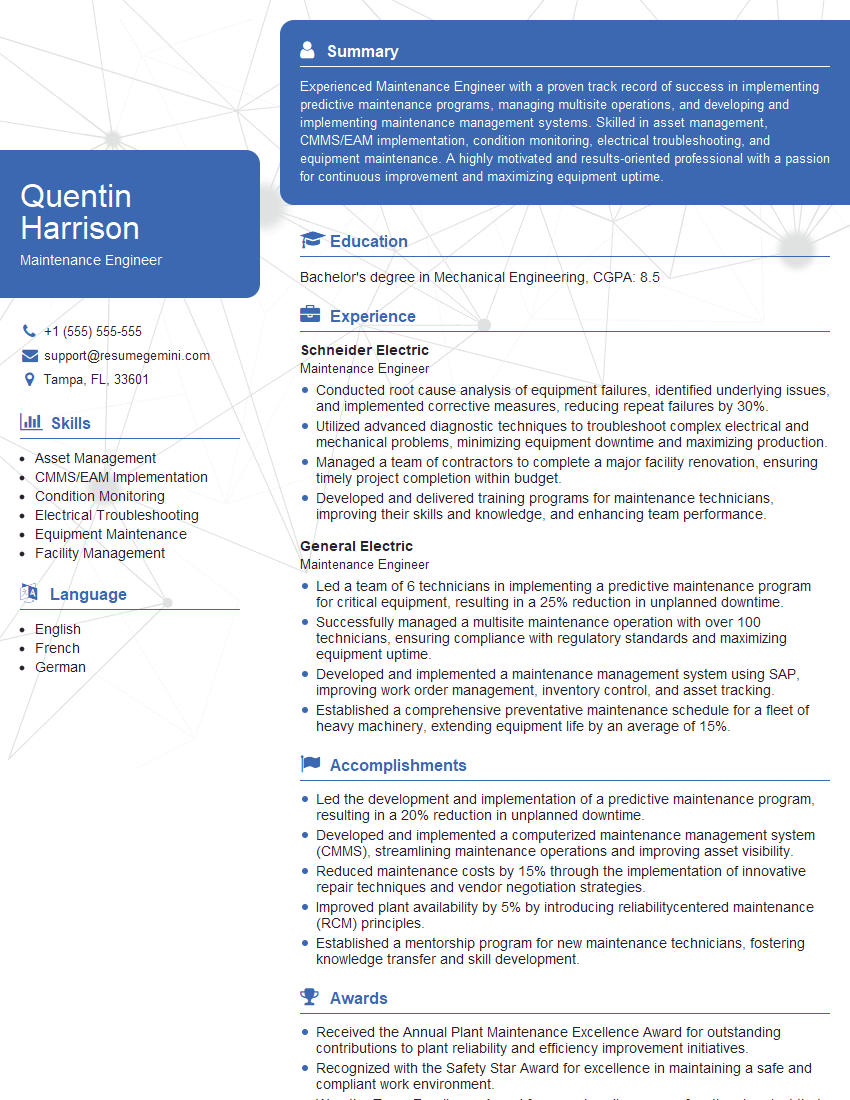
Maintenance Engineer Resume Sample
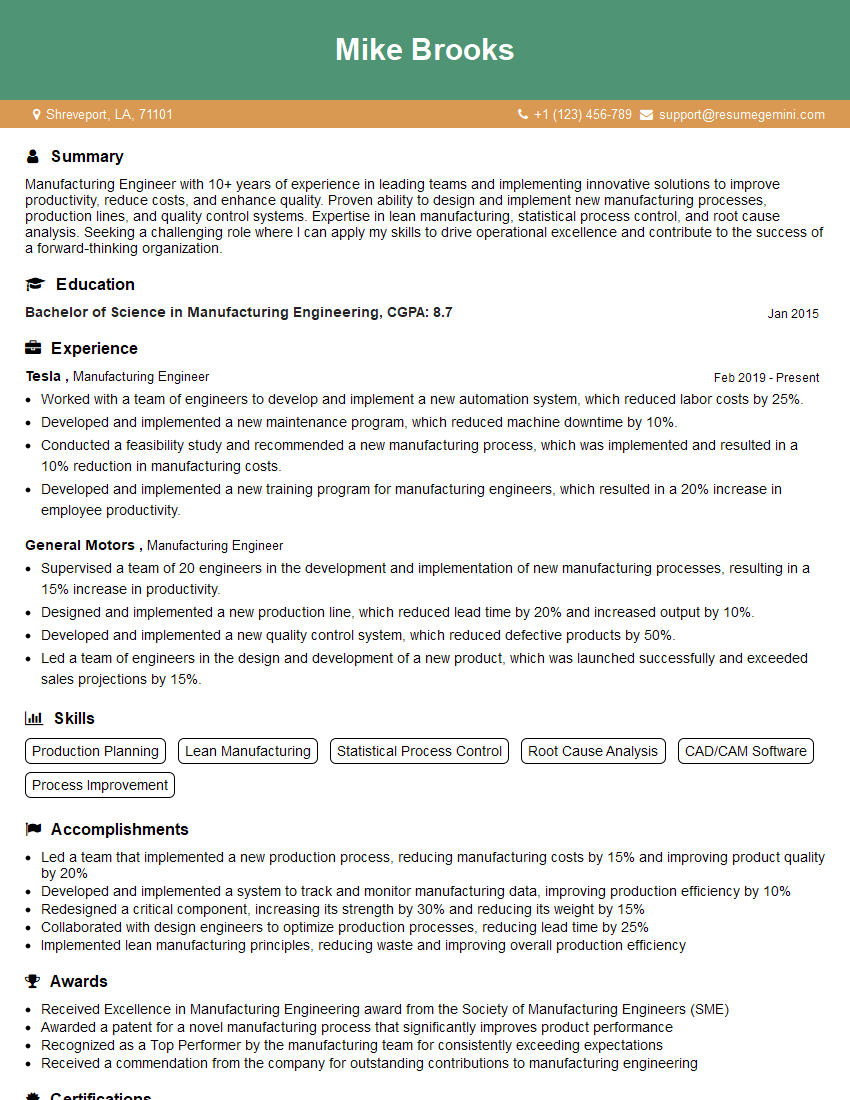
Manufacturing Engineer Resume Sample
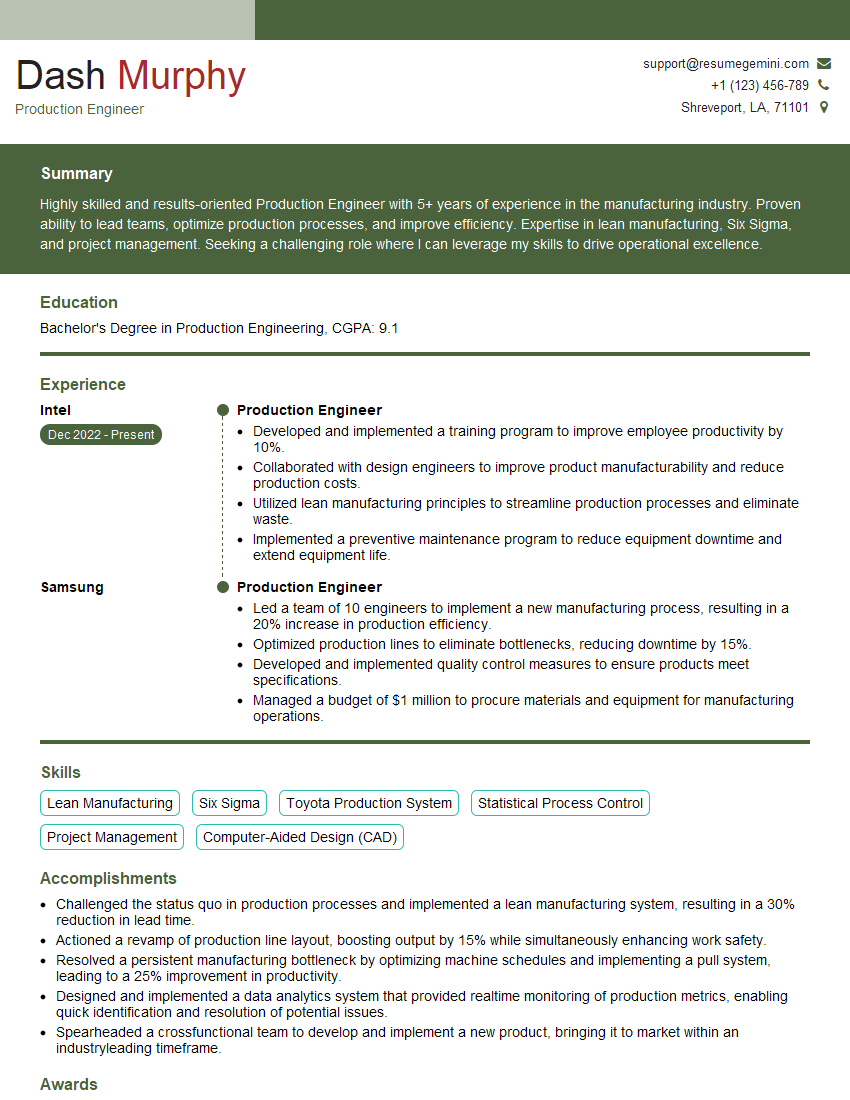
Production Engineer Resume Sample
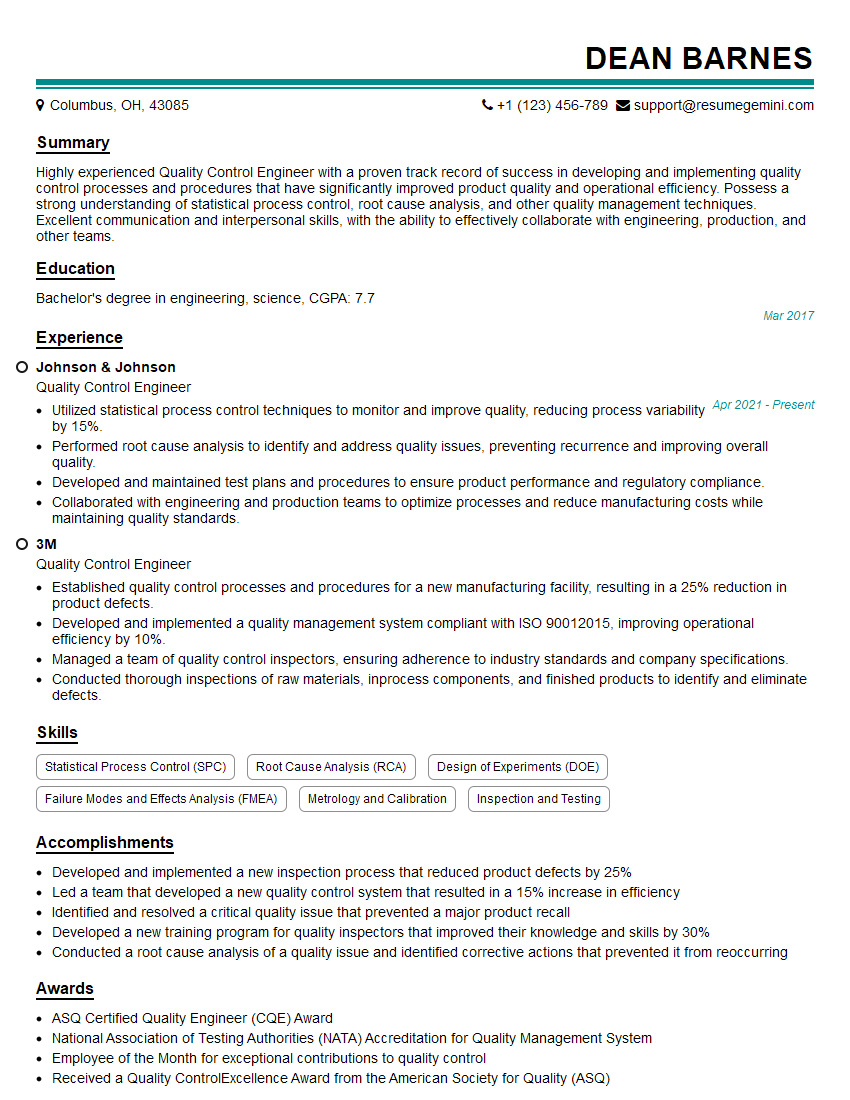
Quality Control Engineer Resume Sample
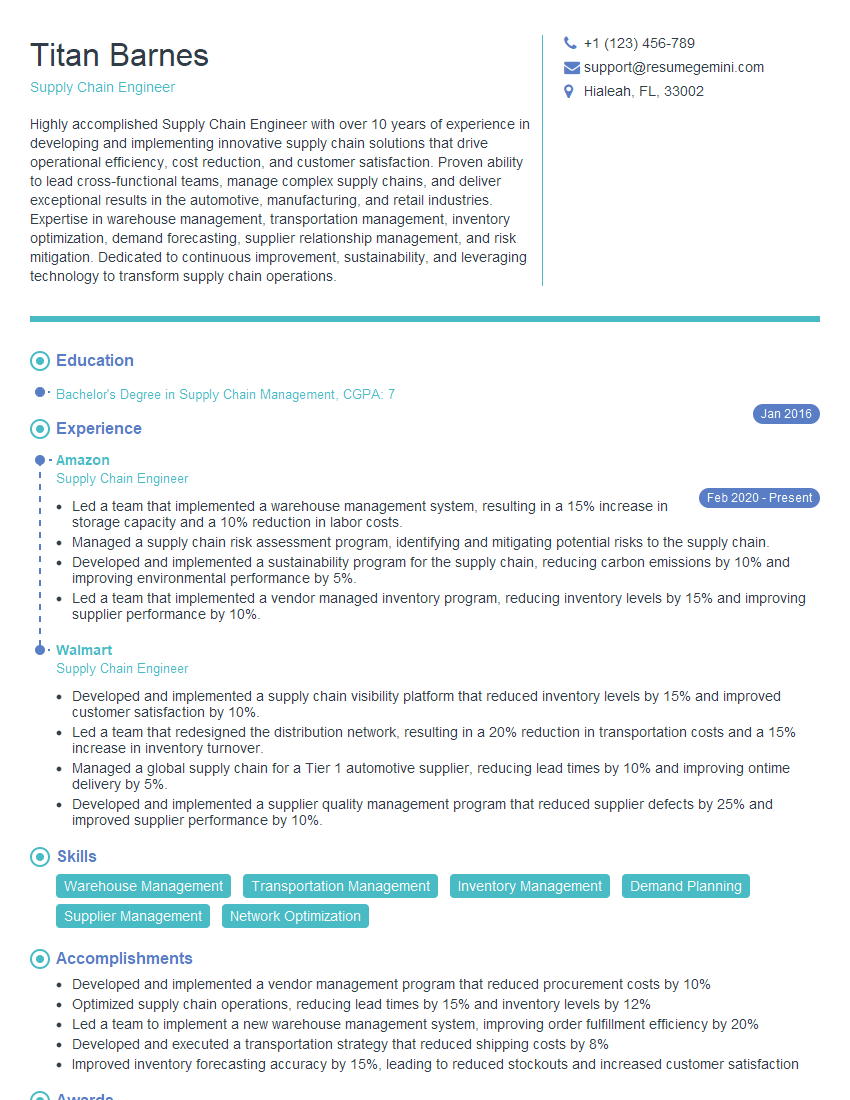
Supply Chain Engineer Resume Sample
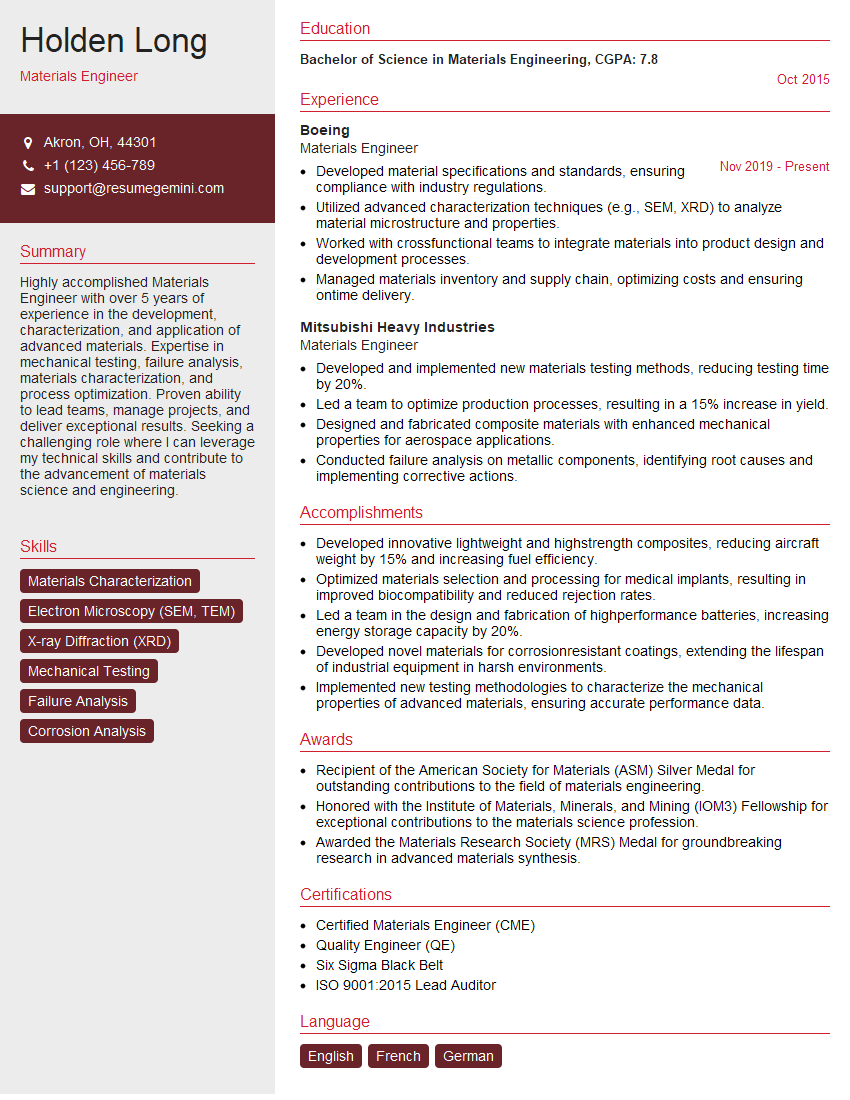
Materials Engineer Resume Sample
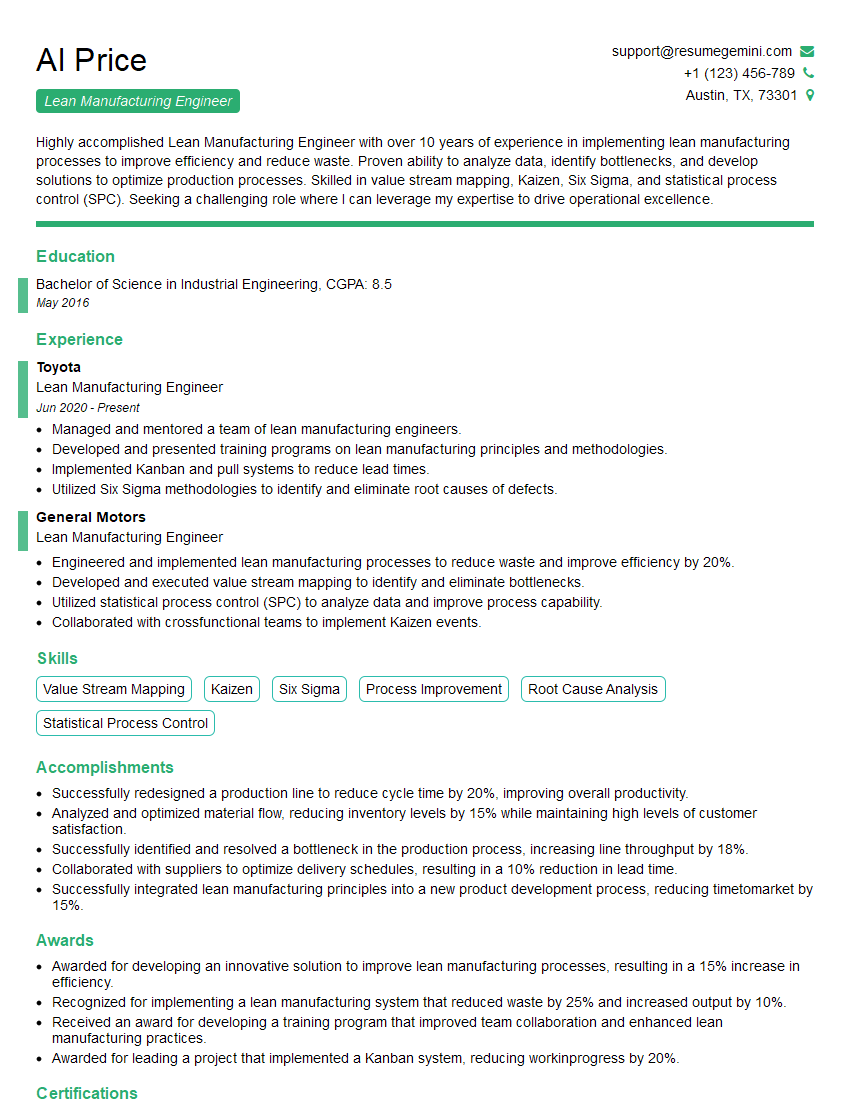
Lean Manufacturing Engineer Resume Sample
- Quality Assurance Manager
- Engineering Manager
- Reliability Engineer
- Systems Engineer
- Process Engineer
- Technical Support Engineer
- Test Engineer
- Design Engineer
- Quality Engineer
- Field Service Engineer
- Product Development Engineer
- Maintenance Engineer
- Manufacturing Engineer
- Production Engineer
- Quality Control Engineer
- Supply Chain Engineer
- Materials Engineer
- Lean Manufacturing Engineer
Explore more articles
Users Rating of Our Blogs
Share Your Experience
We value your feedback! Please rate our content and share your thoughts (optional).
What Readers Say About Our Blog
Really detailed insights and content, thank you for writing this detailed article.
IT gave me an insight and words to use and be able to think of examples