The right preparation can turn an interview into an opportunity to showcase your expertise. This guide to Rubbish Collection interview questions is your ultimate resource, providing key insights and tips to help you ace your responses and stand out as a top candidate.
Questions Asked in Rubbish Collection Interview
Q 1. Describe your experience operating a refuse collection vehicle.
My experience operating refuse collection vehicles (RCVs) spans over ten years, encompassing various vehicle types, from smaller, side-loading trucks ideal for residential areas to larger, rear-loading vehicles suited for commercial districts. I’m proficient in all aspects of operation, including pre-trip inspections (checking fluid levels, lights, and the hydraulic system), safe maneuvering in tight spaces, efficient bin emptying techniques, and adhering to strict route schedules. For instance, I’ve successfully navigated challenging terrains and traffic conditions while maintaining on-time performance, even during adverse weather. I also understand the importance of vehicle maintenance to minimize breakdowns and ensure operational efficiency. Regular checks are key to preventing costly downtime and maintaining a reliable service.
Q 2. Explain the different types of waste collection routes.
Waste collection routes are categorized in several ways. Firstly, there’s a distinction between residential routes, which often involve smaller bins and frequent stops in densely populated areas, and commercial routes, featuring larger bins and less frequent stops, but potentially larger loads. Then there are specialized routes for recycling, green waste (garden waste), and hazardous waste, each requiring specific handling procedures and vehicle types. Route types also vary by frequency: some are daily collections in high-traffic areas, while others might be weekly or even bi-weekly. Finally, there are bulk waste collection routes that handle larger, infrequent items like furniture or appliances. Effective route planning involves optimizing these different categories to maximize efficiency and minimize travel time.
Q 3. How do you prioritize waste collection in different areas?
Prioritizing waste collection involves a multi-faceted approach. High-density residential areas with limited space for bin storage are usually prioritized for frequent collection to prevent overflowing and potential sanitation issues. Areas prone to overflowing due to increased waste generation (e.g., around markets or large events) also demand higher priority. Commercial areas, while often less frequent, require careful scheduling to minimize disruption to businesses. Emergency situations, like overflowing bins causing public health risks or blockages, obviously take precedence. Weather conditions also play a role; areas susceptible to flooding may necessitate prioritized collections to prevent the spread of contaminants. We often use a combination of scheduling software, real-time monitoring, and feedback from the public to dynamically adjust priorities as needed.
Q 4. What are the safety procedures you follow during waste collection?
Safety is paramount in waste collection. Our procedures begin with a comprehensive vehicle inspection before each shift. While operating the RCV, we maintain a safe speed and distance from other vehicles and pedestrians, using signals appropriately. We’re trained in manual handling techniques to prevent injuries when lifting bins and emptying them. High-visibility clothing ensures we’re easily seen, especially in low-light conditions. We are very cautious when operating near traffic, always giving way to other vehicles. We undergo regular safety training covering emergency procedures, defensive driving, and hazard awareness. Furthermore, we utilize safety equipment like gloves, safety boots, and high-visibility vests, and participate in regular safety briefings to address potential risks and best practices.
Q 5. How do you handle hazardous waste during collection?
Hazardous waste handling requires specialized procedures. We carefully segregate and identify hazardous materials according to their classification (e.g., sharps, chemicals, batteries). Specialized containers and vehicles are used for transport, and detailed documentation is maintained throughout the process. Every collection is logged, including the type and quantity of hazardous waste. Drivers receive specific training on handling procedures and emergency response protocols, including what to do in case of spillage or accidental exposure. We follow stringent regulations set by the environmental agency and maintain a strict chain of custody to ensure safe and compliant disposal. Strict adherence to these procedures ensures public safety and environmental protection.
Q 6. Describe your experience with GPS tracking systems in waste management.
GPS tracking systems are invaluable in waste management. They allow real-time monitoring of vehicle location and progress against scheduled routes, enabling efficient route optimization and improved resource allocation. For example, we can identify delays due to traffic or unexpected events, re-route vehicles to improve efficiency, and ensure timely completion of collections. GPS data also helps in optimizing fuel consumption and reducing unnecessary mileage. The data collected can be analyzed to identify areas where service might need adjustment and provides valuable information for planning future routes and resource allocation. In short, GPS technology optimizes our operation, reducing costs and improving service delivery.
Q 7. What is your experience with waste segregation at the source?
My experience with waste segregation at the source involves working closely with municipalities and residents to promote awareness and effective separation of recyclable materials, organic waste, and general refuse. This includes participating in educational programs and providing clear instructions on proper sorting techniques. We often observe discrepancies in waste separation at the source and provide feedback to improve the programs effectiveness. For instance, providing visual guides on the bins and running public awareness campaigns have proven effective in improving source segregation. Effective source segregation drastically reduces landfill waste and boosts recycling rates, making it a cornerstone of sustainable waste management.
Q 8. How do you ensure the efficient loading and unloading of waste?
Efficient loading and unloading of waste is paramount for timely and cost-effective rubbish collection. It involves optimizing routes, using appropriate equipment, and training personnel on best practices. We achieve this through a multi-pronged approach.
Route Optimization: We utilize sophisticated route planning software that considers factors like traffic patterns, collection points density, and vehicle capacity to minimize travel time and fuel consumption. This ensures that our trucks are always efficiently utilized.
Equipment Selection: The type of vehicle plays a crucial role. For instance, compactors are ideal for high-density residential areas, while roll-off containers are better suited for larger commercial clients. Regular maintenance of this equipment is also critical to prevent breakdowns and delays.
Training and Ergonomics: Our drivers and loaders receive comprehensive training on safe and efficient loading and unloading techniques. This includes proper bin handling, compacting procedures, and waste segregation. Ergonomic principles are integrated into our processes to reduce worker strain and injuries.
Automated Systems: In some areas, we’re exploring the use of automated side-loading systems or robotic arms to further streamline the process and improve safety.
For example, during a recent project in a densely populated neighborhood, we optimized routes by 15% simply by adjusting pickup times and utilizing smaller, more maneuverable trucks. This resulted in significant cost savings and improved service efficiency.
Q 9. What are the common challenges faced in rubbish collection and how have you overcome them?
Rubbish collection faces numerous challenges, many of which are interconnected. Some of the most common include:
Inadequate Waste Segregation: Improperly sorted waste contaminates recycling streams, reducing the value of recyclables and increasing disposal costs. We tackle this through public awareness campaigns, clear labeling on bins, and community education programs.
Illegal Dumping: This creates environmental hazards and increases collection costs. Our strategy includes partnering with local authorities to increase surveillance, and implementing stricter penalties for offenders. We also offer more convenient disposal options, such as increased access to drop-off points.
Accessibility Issues: Narrow streets, difficult terrain, and insufficient parking can hinder efficient collection. To overcome this, we work closely with local councils to improve access roads and designated loading zones. In challenging areas, we use smaller, more maneuverable vehicles.
Staffing Shortages: Recruiting and retaining skilled drivers and loaders can be difficult. We address this with competitive wages, benefits packages, and ongoing training opportunities, fostering a positive and supportive work environment.
Changing Waste Composition: The type and amount of waste generated varies across seasons and demographics. We use data analytics to track waste trends and adjust our collection schedules and equipment accordingly.
For example, when facing a particularly challenging winter with heavy snowfall, we proactively communicated with residents, adjusted collection schedules, and provided additional support to drivers to ensure uninterrupted service.
Q 10. Explain your understanding of waste management regulations and compliance.
I have a thorough understanding of all relevant waste management regulations and compliance requirements. This includes local, regional, and national legislation concerning waste collection, disposal, and recycling. Compliance is not just a legal obligation; it’s a core value.
Our adherence to regulations involves:
Licensing and Permits: We maintain all necessary licenses and permits for operating within our jurisdictions.
Waste Tracking and Reporting: We meticulously track and report waste quantities, types, and disposal methods to regulatory bodies, using both manual and digital tracking systems.
Environmental Monitoring: We conduct regular environmental monitoring and impact assessments to minimize environmental damage and ensure compliance with emission standards.
Employee Training: Our employees receive regular training on current legislation and best practices, ensuring that they are up-to-date on all regulations.
Emergency Response Plans: We have comprehensive emergency response plans in place to handle incidents such as spills or accidents, minimizing environmental and public health risks.
Failure to comply with regulations can result in hefty fines, operational suspensions, and reputational damage. Our proactive approach to compliance minimizes these risks and demonstrates our commitment to responsible waste management.
Q 11. Describe your experience with waste transfer stations and their operations.
Waste transfer stations are critical components of the waste management infrastructure. They act as intermediary points where collected waste is temporarily stored and sorted before being transported to landfills or processing facilities. My experience encompasses all aspects of their operation.
Waste Receiving and Weighing: I’m familiar with the procedures for receiving waste from collection vehicles, accurately weighing it, and recording data for tracking purposes.
Waste Sorting and Segregation: Understanding different sorting methods – manual, semi-automated, or automated – is essential. Efficient segregation is key for maximizing recycling and minimizing disposal costs.
Waste Compaction and Transfer: I understand the use of compactors to reduce volume and optimize transportation efficiency. This involves ensuring the safety and efficiency of the transfer process.
Environmental Controls: Managing leachate (liquid from decomposing waste) and controlling odors are crucial for protecting the environment and complying with regulations. Proper design, maintenance, and regular inspection are essential here.
I’ve overseen the construction and operation of several transfer stations, ensuring efficient workflow, optimized equipment usage, and adherence to all safety and environmental regulations. My experience extends to managing personnel, tracking costs, and improving operational efficiency.
Q 12. How do you manage and resolve customer complaints regarding waste collection?
Managing customer complaints is a crucial aspect of providing quality service. Our approach is proactive and emphasizes prompt resolution.
Efficient Complaint Channels: We provide multiple channels for customers to lodge complaints – phone, email, online portal – ensuring easy access for all.
Prompt Acknowledgement: Every complaint is acknowledged immediately, assuring the customer that their issue is being addressed.
Thorough Investigation: The complaint is thoroughly investigated to identify the root cause. This might involve reviewing collection routes, checking driver logs, or inspecting the waste itself.
Resolution and Communication: Once the cause is identified, we implement a solution. This might involve a re-collection, a service adjustment, or a credit on their account. The customer is kept informed throughout the process.
Customer Feedback: We actively solicit customer feedback to identify trends and areas for improvement. This feedback informs continuous process improvement and helps prevent future issues.
For example, a recent complaint about missed collection was resolved by reviewing GPS data from the collection truck, which revealed a temporary road closure that had not been properly communicated. We immediately rescheduled the collection and apologized to the customer for the inconvenience.
Q 13. Explain the different types of waste processing facilities.
Waste processing facilities play a crucial role in diverting waste from landfills and recovering valuable resources. Different types of facilities cater to specific waste streams.
Mechanical Biological Treatment (MBT): MBT facilities use mechanical processes to separate recyclables and reduce the volume of organic waste before biological treatment (composting or anaerobic digestion). They’re particularly effective in handling mixed municipal solid waste.
Composting Facilities: These facilities use biological processes to decompose organic waste (food scraps, yard waste) into compost, a valuable soil amendment. They are crucial in reducing landfill burden and promoting circular economy principles.
Anaerobic Digestion Plants: These facilities use bacteria to break down organic matter in the absence of oxygen, producing biogas (renewable energy) and digestate (fertilizer). They offer both energy recovery and resource recovery benefits.
Material Recovery Facilities (MRFs): MRFs are designed to sort and process recyclables, separating different materials (paper, plastic, glass, metal) for further processing and reuse. Automated sorting systems and manual quality control are key here.
Incineration Plants: Incinerators burn waste at high temperatures, reducing its volume significantly and generating energy from the heat. However, concerns regarding air emissions and ash disposal need careful management.
The choice of facility depends on the type of waste, local regulations, and economic considerations. Often, a combination of facilities is used to achieve optimal waste management.
Q 14. How familiar are you with recycling procedures and sorting techniques?
I’m highly familiar with recycling procedures and sorting techniques. Effective recycling relies on efficient separation and processing of materials.
Material Identification: Accurate identification of recyclable materials is crucial. This involves recognizing different plastics (using resin identification codes), types of paper, metals, and glass. Training staff to accurately identify materials is crucial.
Sorting Methods: Various methods are used, including manual sorting (labor-intensive but flexible), automated sorting (using optical sensors, magnets, and air classifiers), and a combination of both. The choice of method depends on the volume and type of waste.
Contamination Control: Contamination (non-recyclable materials mixed with recyclables) reduces the value of the recycled material and can render entire batches unusable. Strict quality control measures are essential, including both automated and manual inspection.
Recycling Technologies: I have experience with different recycling technologies, including baling, shredding, and pulping, which prepare materials for further processing.
End Markets: Understanding end markets (where recycled materials are used) is critical for ensuring that the recycled materials have a viable market. Fluctuations in the market require adaptability in sorting and processing strategies.
For instance, I’ve implemented a new automated sorting system at a MRF that increased recycling rates by 10% and reduced labor costs by 15%, thanks to the use of advanced optical sorting technologies.
Q 15. What is your experience with waste reduction strategies?
Waste reduction is crucial for environmental sustainability and efficient waste management. My experience encompasses implementing various strategies, focusing on reducing waste at its source. This includes promoting source separation programs, educating the public on proper waste disposal techniques, and encouraging businesses to adopt waste minimization practices through audits and consultations.
For example, in a previous role, I spearheaded a community composting initiative, resulting in a 20% reduction in organic waste sent to landfills within a year. Another project involved collaborating with local businesses to implement recycling programs and optimize packaging to reduce material waste. We used a combination of education, incentives and clearly labelled waste streams to achieve a significant reduction.
- Public Awareness Campaigns: Designing and implementing educational campaigns targeting schools, communities and businesses about the benefits of reducing waste, recycling, and composting.
- Waste Audits: Conducting thorough waste audits for businesses to identify areas for improvement and develop customized waste reduction plans.
- Source Reduction Strategies: Implementing strategies such as reusable container programs, reducing packaging materials, and promoting the use of durable products.
Career Expert Tips:
- Ace those interviews! Prepare effectively by reviewing the Top 50 Most Common Interview Questions on ResumeGemini.
- Navigate your job search with confidence! Explore a wide range of Career Tips on ResumeGemini. Learn about common challenges and recommendations to overcome them.
- Craft the perfect resume! Master the Art of Resume Writing with ResumeGemini’s guide. Showcase your unique qualifications and achievements effectively.
- Don’t miss out on holiday savings! Build your dream resume with ResumeGemini’s ATS optimized templates.
Q 16. Describe your experience with the use of technology in waste management.
Technology plays a vital role in modern waste management. My experience involves utilizing various technological solutions to optimize collection routes, monitor waste levels, and improve efficiency. This includes GPS tracking of collection vehicles, using route optimization software, and employing smart bins with sensors to monitor fill levels, preventing overflowing bins and unnecessary trips.
For instance, I oversaw the implementation of a GPS-based fleet management system that reduced fuel consumption by 15% and improved response times to service requests. We also deployed smart bins in high-traffic areas, which provided real-time data on waste levels, allowing us to schedule collections more efficiently. This reduced costs associated with wasted journeys and improved service responsiveness.
Example data from a smart bin: Bin ID: 1234, Fill Level: 85%, Last emptied: 2023-10-27 10:00 AMData analytics derived from smart bins and GPS tracking allows us to anticipate and effectively address potential service disruptions, better manage resources, and make data-driven decisions.
Q 17. How do you ensure the cleanliness and maintenance of your equipment?
Cleanliness and maintenance of equipment are paramount for safety, efficiency, and longevity. Our procedures involve daily inspections of all vehicles and equipment, focusing on functionality, leaks, and cleanliness. Regular preventative maintenance schedules are strictly followed, including oil changes, tire rotations, and hydraulic system checks. We maintain detailed records of all maintenance activities and repairs.
We use checklists for daily inspections and a comprehensive maintenance schedule. We also implement rigorous cleaning protocols after each collection route to prevent cross-contamination and maintain a professional image. For example, all trucks are thoroughly washed and disinfected at the end of each shift. Damaged or malfunctioning equipment is repaired or replaced promptly to avoid service disruptions. We emphasize the importance of reporting any mechanical issues immediately to avoid larger, more expensive problems. This ensures the safety of our drivers and the smooth running of our operations.
Q 18. What are your strategies for managing waste collection during inclement weather?
Managing waste collection during inclement weather requires a proactive and flexible approach. Our strategies include pre-emptive route adjustments based on weather forecasts, utilizing all-wheel-drive vehicles where necessary, and prioritizing critical areas such as hospitals and schools. We also implement safety measures for our drivers, like limiting speed and providing additional training on winter driving or hazardous weather conditions. Clear communication with the public is crucial – we use social media, websites, and local news outlets to inform residents of any delays or route changes.
In heavy snowfalls, for example, we might prioritize main roads and residential areas with steep inclines or known drainage issues. We may postpone less essential collections if it’s unsafe for drivers. We always ensure the safety of our workers and the public is our priority.
Q 19. How do you manage the workforce during peak collection periods?
Managing the workforce during peak collection periods (e.g., holidays, summer months) necessitates careful planning and resource allocation. This involves scheduling extra shifts, hiring temporary staff, and optimizing routes to ensure timely collection services. We also utilize clear communication channels to keep staff informed about schedules, any changes, and safety procedures. We might organize training sessions to cover handling increased workload and address any safety concerns associated with it.
We prioritize employee well-being and ensure fair compensation for overtime work during peak times. We use a combination of advanced scheduling software and direct communication to ensure efficient workforce deployment and minimal disruption to our services.
Q 20. What is your understanding of waste disposal methods (landfill, incineration etc.)?
Understanding waste disposal methods is fundamental to effective waste management. The most common methods include landfills, incineration, composting, and recycling. Landfills are the most traditional method, but they contribute to environmental problems like methane emissions and leachate contamination. Incineration reduces waste volume but generates ash and air pollution; it can also require expensive air pollution control equipment. Composting is an environmentally friendly option for organic waste, turning it into valuable soil amendment. Recycling diverts materials from landfills and conserves resources.
My approach involves selecting the most environmentally sound and cost-effective disposal method for each waste stream. This requires careful consideration of factors such as waste composition, local regulations, and available infrastructure. For example, we might prioritize diverting recyclable materials through well-organized recycling programmes before resorting to landfill or incineration. Ultimately, a balanced approach utilizing a variety of waste treatment and disposal methods is essential for an efficient and sustainable waste management strategy.
Q 21. How do you maintain accurate records of waste collection activities?
Maintaining accurate records of waste collection activities is crucial for efficiency, compliance, and performance monitoring. We use a combination of digital and paper-based systems to track key data points, including the volume of waste collected, collection routes, service requests, and maintenance records. This data is then used to generate reports for internal use and regulatory agencies. We use specialized software to manage and analyze these data.
We use barcodes to track waste bins and the trucks collecting them. All data is entered into a central database, allowing us to generate reports on collection efficiency, identify areas for improvement, and comply with environmental regulations. This system helps us monitor our performance, identify trends, and make data-driven decisions to improve our services.
Q 22. What are your skills in using waste collection software/apps?
My experience with waste collection software and apps is extensive. I’m proficient in using route optimization software, which helps plan efficient collection routes, minimizing travel time and fuel consumption. For example, I’ve used systems that incorporate GPS tracking to monitor vehicle location, ensuring timely pickups and efficient resource allocation. I’m also familiar with mobile apps used by crews to record collected waste volume and types, report issues such as overflowing bins or blocked access, and update real-time route progress. This digital data improves operational efficiency and allows for better resource management. I’m comfortable learning new software and integrating it into existing workflows.
Furthermore, I’m adept at using reporting and analytics features within these systems. This allows me to identify trends, like areas experiencing higher-than-average waste generation, which can inform strategic decisions regarding collection frequencies or resource deployment. Essentially, I view these technological tools as crucial for modern, efficient waste management.
Q 23. Explain your understanding of waste auditing and reporting procedures.
Waste auditing and reporting are critical for ensuring efficient and effective waste management. It involves systematically reviewing waste collection data to analyze waste generation patterns, identify opportunities for improvement, and track progress towards sustainability goals. This process includes several key steps:
- Data Collection: This involves meticulously recording the volume and type of waste collected from different sources. This could include manual record-keeping or using automated systems within waste collection vehicles.
- Data Analysis: Once collected, the data is analyzed to identify trends. For example, we might find higher recycling rates in certain neighborhoods or a specific type of waste exceeding projected levels. This analysis provides insights for targeted interventions.
- Reporting: The findings are then compiled into comprehensive reports. These reports often include charts, graphs, and data tables to visually represent the key findings and highlight areas of success and areas needing improvement. These reports help demonstrate the effectiveness of waste management programs and guide future strategies.
For example, during an audit, I might discover that a particular residential area consistently produces a high volume of yard waste during specific months. This could lead to recommendations for increased collection frequency during those months or the implementation of a yard waste composting program.
Q 24. How do you address issues of public health and safety related to waste?
Public health and safety are paramount in waste collection. Addressing potential issues requires a proactive approach. We must ensure proper waste handling to prevent the spread of disease, maintain safe working conditions for crews, and minimize environmental hazards.
- Proper Waste Handling: This includes using appropriate protective equipment like gloves and safety boots to prevent exposure to hazardous materials. Following established protocols for handling sharp objects or contaminated waste is crucial to protecting both workers and the public.
- Vehicle Maintenance: Regular vehicle maintenance is crucial to ensure safe operation and prevent spills or leaks of collected waste. This includes checking for any mechanical issues that may pose risks to public safety.
- Safe Working Practices: Workers are trained to follow safe working practices, including proper lifting techniques, vehicle awareness, and defensive driving to avoid accidents. Regular safety training and toolbox talks address potential hazards and reinforce safe behaviors.
- Community Engagement: Educating the public on proper waste disposal methods helps minimize contamination and reduce the risk of attracting pests or vermin. This includes clear communication through public service announcements and educational materials.
For instance, if I notice a significant increase in overflowing bins in a certain area, I’d immediately report this to alert our team and to prevent potential health hazards. We may need to increase collection frequency or add extra bins to resolve this issue quickly.
Q 25. Describe your problem-solving skills when faced with unexpected challenges during a route.
Unexpected challenges are commonplace in waste collection. My approach to problem-solving involves a systematic process:
- Assess the Situation: First, I calmly assess the nature of the problem. This could range from a blocked road to a mechanical breakdown or an unexpected increase in waste volume.
- Prioritize Safety: Safety always comes first. If there’s a safety hazard involved, I immediately take steps to mitigate it – notifying relevant authorities, setting up warning signs, or implementing temporary traffic control.
- Develop Solutions: I brainstorm potential solutions, considering available resources and constraints. This might involve finding an alternative route, contacting maintenance for repairs, or requesting additional support from colleagues.
- Implement and Monitor: I implement the chosen solution, monitoring its effectiveness. If the initial solution doesn’t work, I adapt and try a different approach.
- Document and Report: After resolving the issue, I thoroughly document the event, including the problem, the solution implemented, and the outcome. This information is vital for improving future response times and preventing similar incidents.
For example, if a road is unexpectedly closed due to an accident, I’d quickly reroute the collection schedule using GPS navigation, notifying supervisors and colleagues of the change to maintain efficiency and prevent delays.
Q 26. How do you effectively communicate with colleagues and supervisors?
Effective communication is the cornerstone of a successful waste collection operation. I maintain open and clear communication with colleagues and supervisors through various channels:
- Team Communication: I use radio communication within the vehicle and daily briefings to coordinate activities, share information about route updates, and address any immediate concerns.
- Supervisor Communication: I proactively report on route progress, any challenges encountered, and any requests for additional resources. This ensures seamless operation and efficient resource allocation.
- Written Communication: I maintain accurate records of completed routes, issues encountered, and maintenance requests through written reports and logs. This ensures accountability and transparency.
- Active Listening: I actively listen to colleagues and supervisors, taking feedback seriously and incorporating it into my work. This fosters a collaborative and supportive work environment.
I believe in using clear, concise language and avoiding jargon. I always prioritize respectful and constructive feedback, building strong working relationships.
Q 27. How do you maintain a safe and efficient working environment?
Maintaining a safe and efficient working environment requires a multifaceted approach:
- Adherence to Safety Regulations: Strict adherence to all safety regulations, including wearing appropriate personal protective equipment (PPE), following traffic laws, and practicing safe lifting techniques, is paramount.
- Vehicle Maintenance: Regular vehicle inspections and maintenance are crucial to prevent breakdowns and ensure safe operation. This includes daily checks of tires, brakes, and other essential components.
- Proper Waste Handling: Following correct procedures for handling various types of waste, including segregation and containment, prevents contamination and minimizes risks.
- Cleanliness: Maintaining a clean work environment is essential for both safety and efficiency. This includes cleaning vehicles regularly and ensuring disposal areas are properly managed.
- Training and Awareness: Regular safety training and awareness programs ensure that all team members are updated on best practices and potential hazards.
By prioritizing safety and efficiency in all aspects of our work, we create an environment where accidents are minimized, and productivity is maximized. This commitment to safety creates a culture of responsibility and mutual respect.
Q 28. Describe your experience with training new employees in waste collection procedures.
I have extensive experience training new employees in waste collection procedures. My training approach is both practical and comprehensive:
- Classroom Training: I begin with classroom training covering safety regulations, waste handling procedures, route planning, and the use of relevant technologies.
- On-the-Job Training: Following classroom training, I provide hands-on training alongside experienced team members. This allows new employees to learn practical skills in a real-world setting.
- Mentorship: I act as a mentor, guiding and supporting new employees as they gain experience. This includes providing regular feedback and answering questions.
- Assessment and Feedback: Throughout the training, I assess the trainee’s progress and provide constructive feedback to ensure they develop the necessary skills and confidence.
- Continuous Learning: I encourage continuous learning and professional development, making sure they stay updated on new procedures and safety regulations.
My goal is to ensure that all new employees feel confident and competent in their roles, contributing to a safe and efficient waste collection team.
Key Topics to Learn for Rubbish Collection Interview
- Route Optimization and Planning: Understanding efficient collection routes, considering factors like traffic, geography, and bin locations. Practical application includes using mapping software and optimizing schedules for maximum efficiency.
- Waste Management Regulations and Safety Procedures: Knowledge of local, regional, and national regulations concerning waste disposal, hazardous materials handling, and workplace safety protocols. Practical application involves demonstrating understanding of proper handling procedures and adherence to safety guidelines.
- Vehicle Maintenance and Operation: Familiarity with the operation and maintenance of refuse collection vehicles, including preventative maintenance, troubleshooting minor issues, and adhering to safety checks. Practical application involves explaining experience with vehicle checks, repairs, or operational procedures.
- Customer Service and Communication: Understanding the importance of positive interactions with residents and businesses, handling complaints effectively, and communicating clearly with supervisors. Practical application involves demonstrating skills in conflict resolution and professional communication.
- Environmental Awareness and Sustainability: Demonstrating understanding of recycling programs, waste reduction strategies, and environmental impact of waste management practices. Practical application involves explaining knowledge of different waste streams and their proper handling.
- Teamwork and Collaboration: Highlighting the importance of effective teamwork in a rubbish collection crew, including communication, coordination, and mutual support. Practical application involves describing experiences working collaboratively in a team environment.
Next Steps
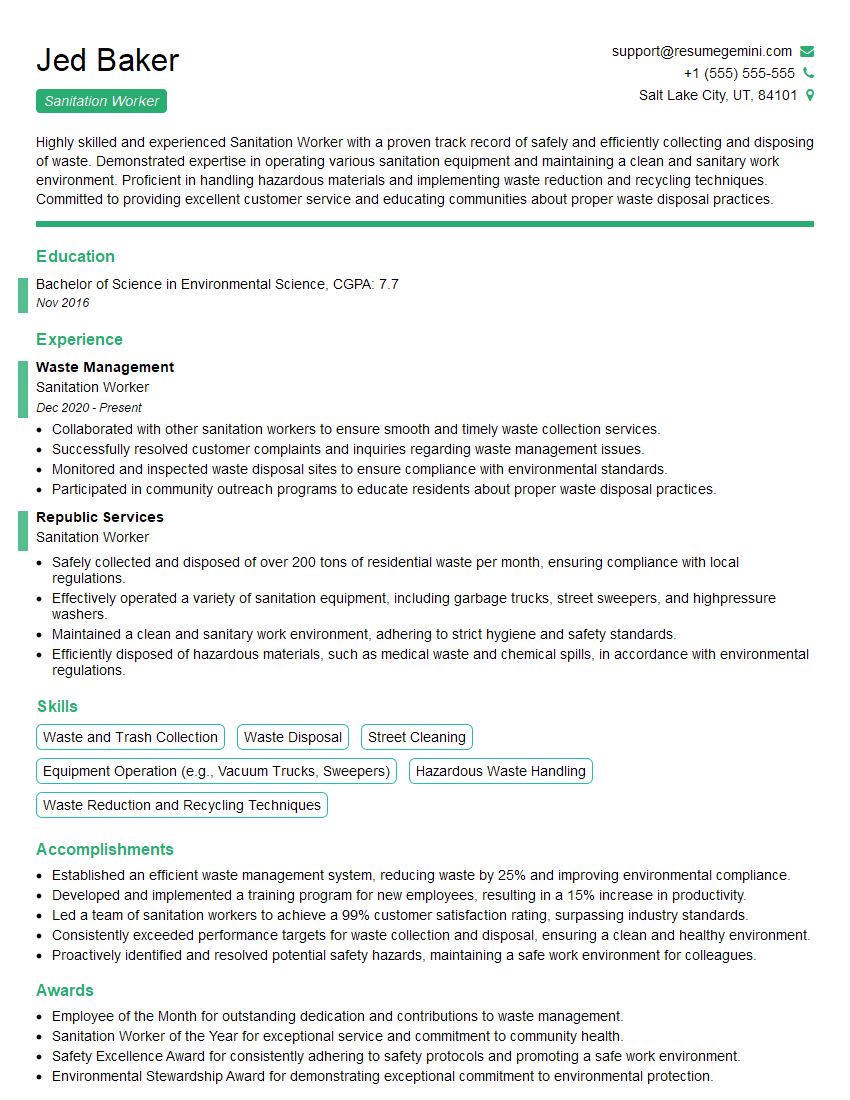
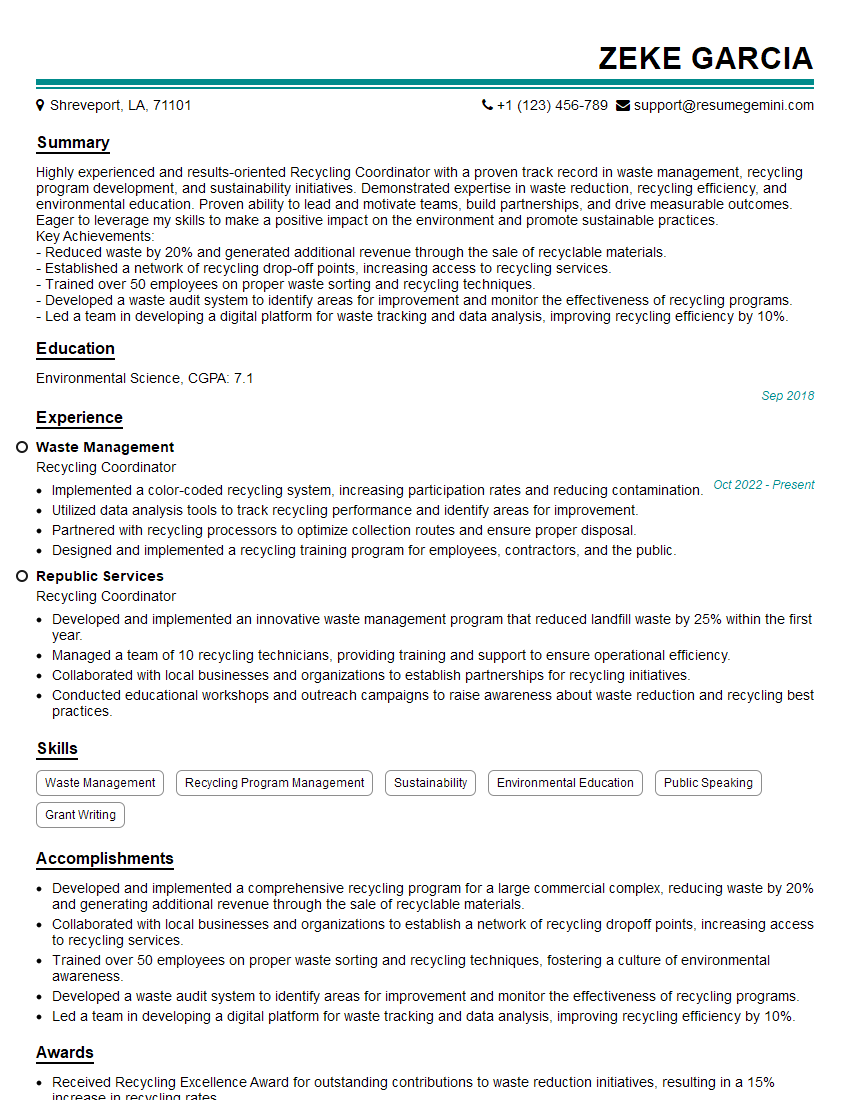
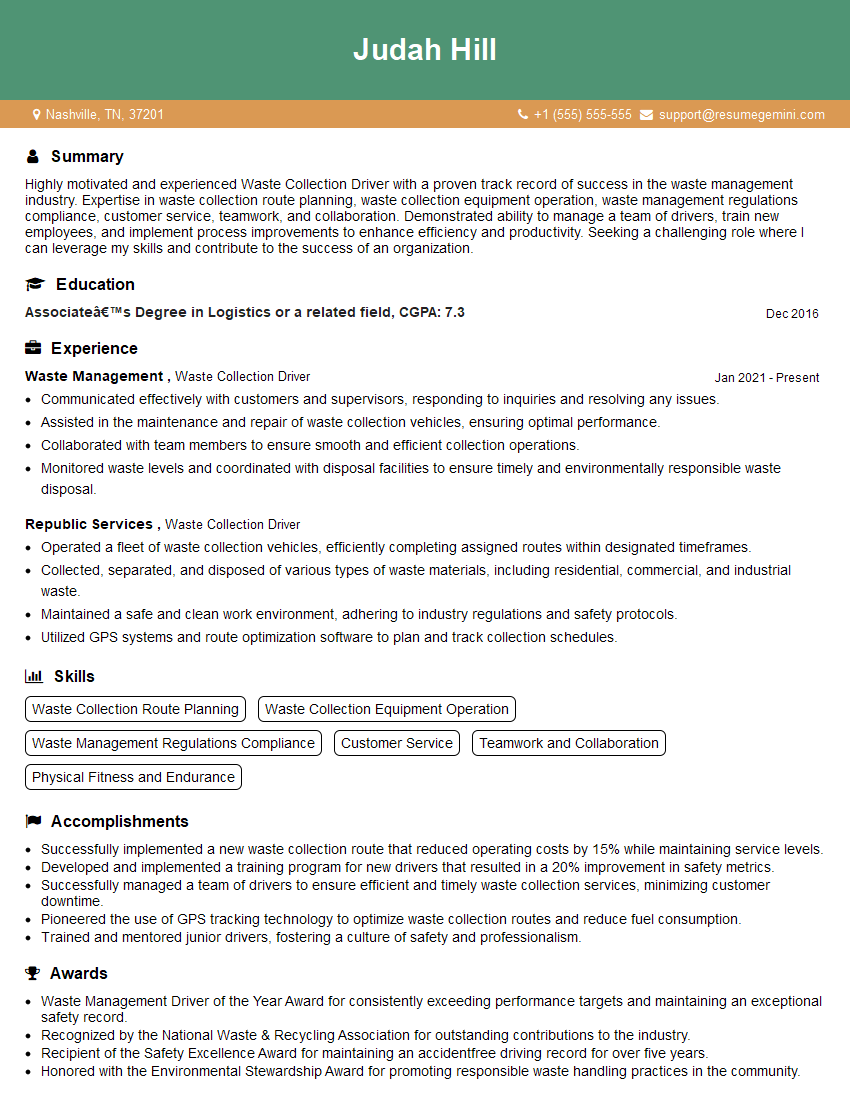
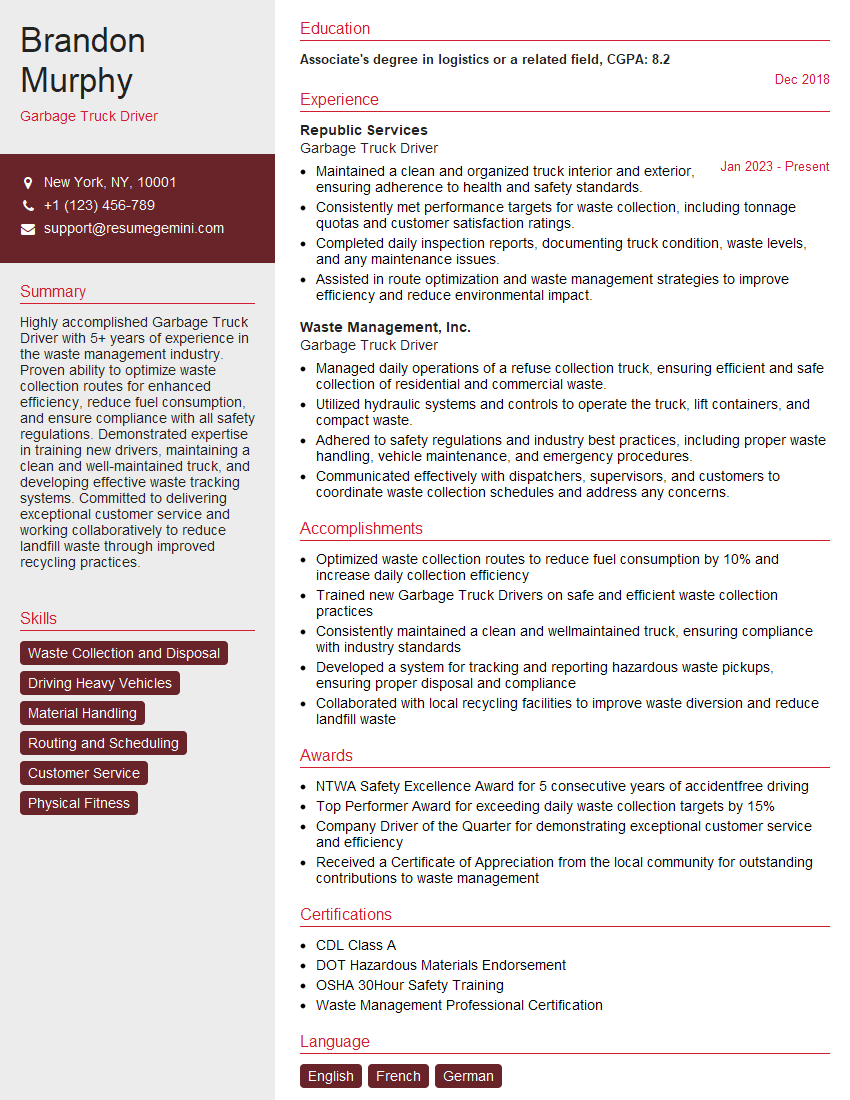
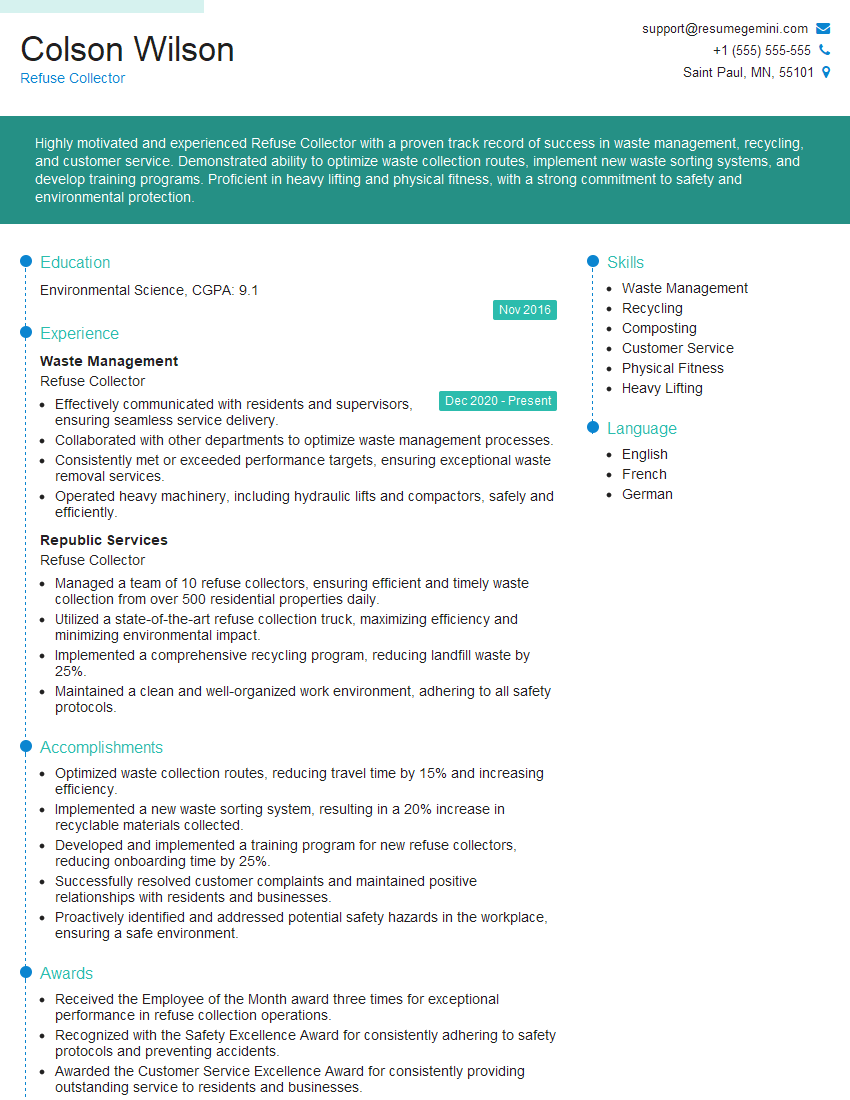
Mastering the skills and knowledge related to rubbish collection opens doors to a stable and rewarding career with opportunities for advancement. A well-crafted resume is crucial for showcasing your qualifications and securing your desired position. Creating an ATS-friendly resume significantly increases your chances of getting noticed by employers. ResumeGemini is a trusted resource that can help you build a professional and impactful resume tailored to the specific requirements of the rubbish collection industry. Examples of resumes tailored to Rubbish Collection roles are provided to help you get started.
Explore more articles
Users Rating of Our Blogs
Share Your Experience
We value your feedback! Please rate our content and share your thoughts (optional).
What Readers Say About Our Blog
Really detailed insights and content, thank you for writing this detailed article.
IT gave me an insight and words to use and be able to think of examples