The right preparation can turn an interview into an opportunity to showcase your expertise. This guide to Industry Equipment and Tools Knowledge interview questions is your ultimate resource, providing key insights and tips to help you ace your responses and stand out as a top candidate.
Questions Asked in Industry Equipment and Tools Knowledge Interview
Q 1. Describe your experience with preventative maintenance procedures.
Preventative maintenance (PM) is crucial for ensuring equipment longevity and preventing costly breakdowns. My experience encompasses developing and implementing PM schedules based on manufacturer recommendations and operational data. This involves regularly inspecting equipment for wear and tear, lubricating moving parts, cleaning components, and replacing parts before they fail. For example, in my previous role maintaining CNC milling machines, I developed a PM schedule that included weekly checks of coolant levels and filter cleanliness, monthly lubrication of guide ways, and annual inspections of spindle bearings. This proactive approach significantly reduced downtime and extended the lifespan of the machines. I also utilize computerized maintenance management systems (CMMS) to track PM activities, generate reports, and ensure compliance with established schedules.
- Visual inspections for wear, leaks, or damage
- Lubrication of bearings and moving parts
- Cleaning and debris removal
- Functional testing to verify performance
- Calibration of measuring instruments
- Replacement of worn or damaged parts based on predefined intervals or condition
Q 2. What are the common causes of equipment malfunctions in your field?
Equipment malfunctions in industrial settings stem from various causes. They can be broadly categorized as mechanical, electrical, hydraulic, or pneumatic issues. Common mechanical problems include wear and tear on moving parts (bearings, gears, belts), misalignment of components, and fatigue failure of materials. Electrical malfunctions might result from short circuits, faulty wiring, blown fuses, or damaged motor windings. Hydraulic system failures can arise from leaks, contaminated fluid, or pump malfunctions. Pneumatic problems often involve air leaks, faulty valves, or compressed air contamination. For instance, a hydraulic press malfunction might be caused by a leak in a hydraulic cylinder, leading to reduced pressure and impacting the accuracy of the press. Another common issue is improper lubrication, leading to increased friction and premature wear. Regular preventative maintenance significantly mitigates these risks.
Q 3. Explain your troubleshooting methodology when dealing with equipment failure.
My troubleshooting methodology follows a systematic approach. It begins with a thorough assessment of the situation, gathering information about the nature of the malfunction, when it occurred, and any preceding events. I then visually inspect the equipment, checking for obvious signs of damage or malfunction. I use diagnostic tools like multimeters, pressure gauges, and specialized equipment to pinpoint the problem. Once I’ve identified the root cause, I develop a repair plan, ensuring safety protocols are adhered to throughout the process. For example, if a CNC machine stops unexpectedly, I’d first check for power supply issues, then examine the control panel for error messages. I might then use a multimeter to test the motor windings or check for loose connections. This step-by-step approach ensures effective problem resolution and reduces the risk of causing further damage.
- Gather information and assess the situation
- Visual inspection
- Diagnostic testing
- Identify root cause
- Develop and implement repair plan
- Verify repair and document the process
Q 4. How familiar are you with safety regulations related to industrial equipment?
I am very familiar with safety regulations related to industrial equipment. My knowledge encompasses OSHA standards, relevant local and national regulations, and manufacturer’s safety guidelines. This includes understanding lockout/tagout procedures (LOTO), personal protective equipment (PPE) requirements such as safety glasses, hearing protection, and steel-toed boots, proper machine guarding, and safe operating procedures for specific equipment. I am trained in hazard identification and risk assessment techniques. I consistently prioritize safety in all my work and ensure that all operations are conducted in compliance with the relevant regulations. For example, before working on any electrical equipment, I always ensure that the power is completely disconnected and locked out, and I never bypass safety devices.
Q 5. Describe your experience working with specific types of industrial equipment (e.g., CNC machines, hydraulic presses).
I have extensive experience working with a range of industrial equipment, including CNC machines (both milling and lathe), hydraulic presses, and robotic welding systems. With CNC machines, my experience spans programming, operation, setup, and maintenance. I’m proficient in G-code programming and using CAM software to generate tool paths. I can diagnose and troubleshoot various CNC related issues including mechanical issues, electrical faults and software problems. With hydraulic presses, my experience involves setting up and operating various types of presses for forming and stamping operations, maintaining hydraulic systems, troubleshooting hydraulic leaks and ensuring safety protocols are followed during operation. I am also familiar with the safety and operational procedures involved with robotic welding systems. I understand the importance of regular calibration and maintenance of these systems to ensure safe and efficient operation.
Q 6. What are your skills in using hand tools and power tools?
My skills in using hand tools and power tools are comprehensive and honed through years of practical experience. I am proficient in using a wide array of hand tools such as wrenches, screwdrivers, pliers, measuring instruments (calipers, micrometers), and various other hand tools required for precision work. I am also skilled in operating power tools such as drills, grinders, saws, and welders. I understand the importance of using the correct tool for the job and always follow safety procedures such as using appropriate safety equipment. For example, I’m proficient in using a micrometer to make precise measurements with a tolerance of a few thousandths of an inch. I can also safely operate an angle grinder to cut and shape metal components.
Q 7. How do you ensure the accuracy and precision of measurements when working with equipment?
Accuracy and precision in measurements are paramount in industrial settings. I ensure this by using calibrated measuring instruments, such as micrometers, calipers, and dial indicators. Before any measurement task, I verify the calibration of my tools and ensure they are in good working order. I understand the limitations of each tool and apply appropriate measurement techniques to minimize errors. For instance, when measuring a small diameter, I use a micrometer to obtain the highest possible precision, whereas for larger dimensions, a caliper may suffice. I also repeat measurements multiple times to ensure consistency and account for potential variations. I thoroughly document all measurements for traceability and quality control. Proper techniques and calibrated equipment are essential for achieving the required accuracy and precision in manufacturing and maintenance.
Q 8. How would you approach the repair of a complex piece of equipment?
Repairing complex equipment requires a systematic approach. Think of it like solving a complex puzzle – you need to break down the problem into smaller, manageable parts. My approach begins with a thorough assessment. This includes carefully inspecting the equipment to identify the malfunction, reviewing operational logs for any error messages or unusual activity, and consulting relevant technical manuals and schematics. Once I’ve identified the probable cause, I’ll develop a plan of action, including necessary tools, replacement parts, and safety precautions. This plan is crucial for efficiency and safety. For example, if a large industrial motor fails, I wouldn’t just start replacing parts; I’d first test the power supply, check for any loose connections, and potentially use diagnostic tools to determine if the issue lies within the motor itself or elsewhere in the circuit. Only after a thorough diagnosis would I proceed to repair or replace components, carefully documenting each step. Finally, I rigorously test the repaired equipment to ensure it’s functioning correctly before returning it to service. This meticulous approach minimizes downtime and prevents future problems.
Q 9. What software programs are you proficient in related to equipment operation or maintenance?
My software proficiency includes several programs essential for equipment operation and maintenance. I’m highly skilled in using Computer-Aided Design (CAD) software such as AutoCAD and SolidWorks for reviewing blueprints and creating 3D models to aid in troubleshooting and repair planning. I’m also proficient in using specialized maintenance management software like CMMS (Computerized Maintenance Management System) applications, such as SAP PM and Maximo, for scheduling maintenance tasks, tracking inventory, and managing work orders. Additionally, I’m experienced with PLC programming software such as RSLogix 5000 (for Allen-Bradley PLCs) and TIA Portal (for Siemens PLCs), allowing me to program, troubleshoot, and modify PLC logic as needed.
Q 10. What is your experience with Programmable Logic Controllers (PLCs)?
My experience with Programmable Logic Controllers (PLCs) is extensive. I have hands-on experience programming, troubleshooting, and maintaining PLCs across various industries, from manufacturing to process control. I’m familiar with ladder logic, function block diagrams, and structured text programming languages. For instance, I recently resolved a production line stoppage caused by a faulty PLC program in a bottling plant. Using my knowledge of PLC programming and diagnostic tools, I identified a logic error within the sequencing program that caused a timing conflict. I modified the program, thoroughly tested the changes offline, and then successfully implemented them, restoring the production line to full operation within a minimal downtime window. I understand the importance of safety protocols within PLC programming, always ensuring my code is robust and prevents unintended actions.
Q 11. Describe your experience with hydraulic and pneumatic systems.
I possess significant experience working with both hydraulic and pneumatic systems. Think of hydraulics as using pressurized liquid to generate power, like in a car’s braking system, and pneumatics as using compressed air, like in a nail gun. My experience encompasses troubleshooting leaks, replacing components like seals and cylinders, and diagnosing issues with pumps, valves, and actuators. For example, I once resolved a hydraulic leak in a large press machine by meticulously tracing the hydraulic lines, identifying a compromised seal, and replacing it. This required careful understanding of hydraulic pressure and the potential safety hazards involved. With pneumatic systems, I’ve often addressed issues with air leaks, which can be more challenging to pinpoint than hydraulic leaks due to the nature of air. I’m adept at using tools like pressure gauges and leak detectors to diagnose problems and systematically eliminate the source of air loss.
Q 12. Explain your understanding of electrical schematics and wiring diagrams.
Understanding electrical schematics and wiring diagrams is fundamental to my work. These diagrams are essentially roadmaps for electrical systems. I can easily interpret these documents, identifying components, tracing circuits, and diagnosing electrical faults. I’m proficient in reading both single-line diagrams and detailed multi-line diagrams. For example, recently I used a schematic to troubleshoot a faulty three-phase motor. By following the wiring diagram, I was able to trace the circuit, isolate the faulty phase, and quickly replace the damaged components. My experience extends to understanding various electrical symbols, color-coding conventions, and safety regulations related to electrical work. This skill is vital for ensuring the safe and efficient operation of equipment.
Q 13. How do you maintain a clean and organized work environment when working with industrial equipment?
Maintaining a clean and organized work environment is paramount for safety and efficiency when working with industrial equipment. It’s not just about tidiness; it’s about preventing accidents and streamlining workflow. My approach involves several key strategies. Firstly, I always begin by clearing the work area of any unnecessary tools or materials. Secondly, I utilize appropriate storage solutions, such as labelled bins and toolboxes, to keep parts and tools organized. Thirdly, I employ proper cable management techniques to prevent tripping hazards and facilitate easy identification of wires. And lastly, I regularly clean up spills and debris to maintain a safe and efficient work area. A clean workspace significantly reduces the risk of accidents and allows me to focus on the task at hand, enhancing both speed and precision. This also minimizes the potential for costly mistakes resulting from clutter and disorganization.
Q 14. Describe your experience with welding techniques and equipment.
I have extensive experience with various welding techniques and equipment, including MIG (Metal Inert Gas), TIG (Tungsten Inert Gas), and stick welding. I’m comfortable using different welding machines and have experience welding various metals such as steel, aluminum, and stainless steel. My welding skills extend beyond simply joining metals; I’m skilled in making both cosmetic and structurally sound welds. For example, I recently used TIG welding to repair a crack in a stainless steel component on a food processing machine. The precision required for TIG welding was crucial in ensuring that the repair was both structurally sound and met the high hygiene standards of the food industry. I’m also well-versed in the safety procedures involved in welding, such as using appropriate personal protective equipment (PPE) and maintaining proper ventilation. This proficiency ensures that the welding work is completed efficiently, safely, and to the highest quality standards.
Q 15. How do you ensure the safety of yourself and others when operating or maintaining industrial equipment?
Safety is paramount when working with industrial equipment. My approach is multifaceted, starting with a thorough understanding of the specific machine’s safety protocols, detailed in the operator’s manual. This includes identifying and understanding all safety interlocks, emergency stop buttons, and personal protective equipment (PPE) requirements. Before any operation, I always perform a pre-operational inspection, checking for loose parts, fluid leaks, and any signs of damage. I also ensure that the work area is clear of obstructions and that proper ventilation is in place, especially when dealing with potentially hazardous materials or fumes.
During operation, I maintain a safe distance from moving parts and never attempt to make adjustments while the machinery is running. I adhere strictly to lockout/tagout procedures when performing maintenance or repairs, ensuring the power is completely isolated and the equipment is securely locked out to prevent accidental startup. Furthermore, I actively monitor the equipment’s performance and immediately shut it down if I notice any unusual behavior or potential hazards. Teamwork is also crucial; I always communicate with colleagues about potential risks and coordinate tasks to avoid accidents. For example, during a recent maintenance task on a large press, I ensured my colleague was aware of the moving platen’s range before starting the hydraulics to prevent injury.
Career Expert Tips:
- Ace those interviews! Prepare effectively by reviewing the Top 50 Most Common Interview Questions on ResumeGemini.
- Navigate your job search with confidence! Explore a wide range of Career Tips on ResumeGemini. Learn about common challenges and recommendations to overcome them.
- Craft the perfect resume! Master the Art of Resume Writing with ResumeGemini’s guide. Showcase your unique qualifications and achievements effectively.
- Don’t miss out on holiday savings! Build your dream resume with ResumeGemini’s ATS optimized templates.
Q 16. What are your experiences with robotic systems, if any?
My experience with robotic systems includes working with both collaborative robots (cobots) and industrial robots on assembly lines. I’ve been involved in the setup, programming, and troubleshooting of various robotic systems, including six-axis articulated robots used for welding and material handling. With cobots, I focused on programming intuitive workflows to facilitate human-robot collaboration, ensuring safe interaction and optimal performance. For example, I programmed a collaborative robot to assist workers in assembling electronic components, reducing repetitive tasks and improving overall efficiency. With industrial robots, my experience covers integrating them into existing production lines, managing their maintenance schedules, and resolving mechanical and software-related malfunctions. I’m proficient in using industrial robot programming languages such as RAPID (ABB) and KRL (KUKA) and possess a solid understanding of robot kinematics and control systems. This involved diagnosing and resolving issues such as misalignment, sensor malfunctions, and communication errors, often by reviewing error logs and using diagnostic tools.
Q 17. How familiar are you with different types of lubricants and their applications?
I possess a thorough understanding of various lubricants and their applications, recognizing that the selection of the right lubricant is critical for equipment longevity and performance. My knowledge encompasses different lubricant types, including mineral oils, synthetic oils, greases, and specialized lubricants like those designed for high temperatures or extreme pressures. I understand the importance of viscosity grades (SAE, ISO VG) and their impact on lubrication effectiveness under different operating conditions. For instance, I know that a high-viscosity grease is suitable for slow-moving, heavily loaded components, while a low-viscosity oil is better suited for high-speed bearings. I also consider factors such as operating temperature, load, and the material compatibility of the lubricant with the equipment components to make informed decisions.
My experience includes selecting appropriate lubricants for various industrial machines, such as hydraulic systems, gearboxes, bearings, and pneumatic components. I understand the consequences of using the wrong lubricant—from premature wear and tear to complete equipment failure. For example, using a lubricant with too low a viscosity in a high-load application could lead to excessive friction and component damage. I regularly consult lubricant datasheets and manufacturers’ recommendations to ensure compatibility and optimal performance.
Q 18. How do you interpret equipment manuals and technical specifications?
Interpreting equipment manuals and technical specifications is a crucial part of my daily work. My approach involves systematically reviewing all sections of the manual, starting with the safety precautions and emergency procedures. I then focus on understanding the equipment’s operational procedures, maintenance schedules, and troubleshooting guides. I pay close attention to diagrams, schematics, and component specifications, cross-referencing information when necessary. When encountering unfamiliar technical terminology or complex concepts, I utilize online resources and technical dictionaries to clarify any uncertainties. I also actively look for safety symbols, warnings, and cautionary statements within the manuals. During troubleshooting, I meticulously follow the diagnostic flowcharts and error code tables provided, ensuring I understand the root cause of any problem before proceeding with any repairs.
For example, while working on a CNC milling machine, I carefully referenced the manual’s section on tool change procedures to correctly sequence the operation and prevent damage to the machine or tooling. This involved understanding the precise steps outlined in the manual, such as checking the tool’s alignment and securing mechanisms. This systematic approach ensures that my work is efficient, safe, and follows the manufacturer’s recommendations, maximizing the equipment’s lifespan and preventing unnecessary issues.
Q 19. What are your skills in diagnosing and resolving equipment problems based on error codes or diagnostic readings?
Diagnosing and resolving equipment problems based on error codes or diagnostic readings requires a methodical approach. I begin by carefully noting the specific error code or diagnostic reading and referencing the equipment’s manual or troubleshooting guide to understand its meaning. This often involves looking up the error code in a table or following a diagnostic flowchart. Once I have identified the potential problem, I systematically check the related components and systems. This might involve inspecting wiring connections, checking sensor readings, testing electrical circuits, and verifying fluid levels.
For example, if a conveyor system displays an error code indicating a sensor malfunction, I would first visually inspect the sensor for any physical damage. If none is found, I would then use a multimeter to check the sensor’s output signal and compare it to the expected values specified in the manual. If the sensor is faulty, I would replace it and then test the system to ensure the problem is resolved. Sometimes, the error codes can be misleading, so I always consider other potential causes before concluding the diagnosis. For instance, a sensor might be reporting a malfunction due to a problem elsewhere in the system, such as a loose connection or a power surge. Careful observation and a structured approach are key to effective troubleshooting.
Q 20. Describe your experience with different types of measuring instruments (e.g., calipers, micrometers).
I am proficient in using various measuring instruments, including calipers, micrometers, dial indicators, and height gauges. My experience includes measuring dimensions, checking tolerances, and verifying the accuracy of machined parts. I understand the principles of precision measurement and the importance of proper instrument calibration and handling techniques to ensure accurate readings. I am familiar with both digital and analog versions of these instruments and can interpret the measurements with precision. For example, I utilize vernier calipers for measuring outside dimensions, inside dimensions, and depths, while I employ micrometers for highly precise measurements with smaller tolerances. I always verify the instrument’s calibration before taking any measurements, and I follow proper handling procedures to avoid damaging the instrument or obtaining inaccurate readings.
I regularly use these instruments during machine maintenance, component inspection, and during quality control checks. For instance, when inspecting a machined part for adherence to specifications, I might use a micrometer to precisely measure the diameter and calipers to verify the overall dimensions. The precision afforded by these tools ensures that the product meets quality standards and prevents costly rework or rejects.
Q 21. How do you prioritize tasks when dealing with multiple equipment malfunctions?
When dealing with multiple equipment malfunctions, prioritization is essential to ensure efficient and effective problem-solving. My approach involves assessing the severity and urgency of each malfunction based on several criteria: the impact on production, safety risks, potential downtime costs, and the ease of repair. I use a prioritization matrix, which ranks malfunctions based on the urgency and impact. Malfunctions posing significant safety risks or causing major production interruptions are prioritized first. I also consider the availability of spare parts and the time required for repair.
For instance, if a critical machine in a production line malfunctions, causing a complete shutdown, that would be the top priority. Minor issues that can be addressed without affecting production can be deferred to a later time. I might use a simple color-coded system to visually represent the priority level of different malfunctions. Red indicating immediate attention, yellow representing a high priority to resolve soon, and green for routine maintenance items. Clear communication with colleagues and supervisors is crucial in this process to ensure everyone is aware of the priorities and can contribute effectively to resolving the issues.
Q 22. Explain your understanding of different types of industrial machinery.
Industrial machinery encompasses a vast array of equipment designed for manufacturing, processing, and construction. Categorizing them helps in understanding their function and application. We can broadly classify them into several types:
- Material Handling Equipment: This includes forklifts, cranes, conveyors, and automated guided vehicles (AGVs) – all crucial for moving raw materials and finished goods efficiently within a facility. Think of a massive automated warehouse relying on AGVs to precisely deliver parts to assembly lines.
- Processing Machinery: This category involves machines that transform raw materials. Examples include milling machines, lathes, presses, injection molding machines (for plastics), and extruders (for shaping materials). A car manufacturing plant extensively uses presses to form sheet metal into car body parts.
- Packaging Machinery: These machines are vital for protecting and preparing products for distribution. This includes filling machines, sealing machines, labeling machines, and palletizing robots. Imagine a food processing plant using high-speed filling and sealing machines for packaging cans of soup.
- Power Generation Equipment: This involves machinery that generates power for the industrial process itself, such as generators, turbines, and boilers. A large factory might have its own power generation setup using gas turbines for reliable energy.
- Machine Tools: These are specialized machines used for precision manufacturing processes. CNC (Computer Numerical Control) machines, like mills and lathes, fall under this category. They are employed in the aerospace industry for creating highly accurate parts.
Understanding these categories allows for better maintenance, troubleshooting, and optimization of industrial processes.
Q 23. How do you handle situations where equipment malfunctions disrupt production?
Equipment malfunctions are inevitable in industrial settings. My approach focuses on a structured, systematic response:
- Immediate Safety Measures: The first priority is ensuring the safety of personnel. Securing the malfunctioning equipment and evacuating the immediate area if necessary are paramount.
- Assessment and Diagnosis: Once the area is safe, I thoroughly assess the situation. This involves identifying the specific problem, checking safety interlocks, examining relevant control panels and displays, and reviewing machine logs for error codes. Sometimes, a simple visual inspection reveals the issue.
- Troubleshooting and Repair: Based on the diagnosis, I employ appropriate troubleshooting techniques, potentially consulting manuals, schematics, or experienced colleagues. Minor repairs might be carried out immediately, while more complex issues require specialized tools and expertise.
- Documentation and Reporting: Every incident is thoroughly documented, including the cause of the malfunction, repair actions, and downtime. This data is vital for preventative maintenance and future improvements.
- Preventative Measures: After resolving the issue, I investigate potential root causes to prevent future occurrences. This could involve improving maintenance schedules, suggesting design modifications, or providing operator training.
For instance, if a conveyor belt stops unexpectedly, I would first check for power, then examine the belt for damage, and finally inspect the drive mechanism and motor. A thorough record of the incident ensures such problems are not repeated.
Q 24. Describe your experience with quality control procedures related to industrial equipment.
Quality control is integral to ensuring the reliability and safety of industrial equipment. My experience includes:
- Inspection of Incoming Materials: Verifying the quality of raw materials used in equipment manufacturing, adhering to specified tolerances and standards.
- In-Process Inspection: Regular checks during the manufacturing process, using various tools like calipers, micrometers, and specialized gauges, to ensure components meet specifications. This is crucial in processes such as machining and welding.
- Final Product Inspection: Thorough testing and inspection of the finished equipment to ensure it meets design requirements and performance standards. This might include functional tests, pressure tests, and load tests.
- Calibration and Maintenance: Regular calibration of measuring instruments and preventative maintenance schedules to maintain equipment accuracy and reliability over time.
- Documentation and Traceability: Maintaining detailed records of inspections, tests, and maintenance activities to ensure complete traceability throughout the equipment’s lifecycle.
For example, in a project involving hydraulic presses, we conducted rigorous leak tests and pressure tests at different stages to ensure the systems’ integrity and prevent catastrophic failures.
Q 25. What is your understanding of OSHA regulations related to your field?
OSHA (Occupational Safety and Health Administration) regulations are fundamental to my work. My understanding encompasses:
- Lockout/Tagout Procedures (LOTO): I’m proficient in implementing and enforcing LOTO procedures to prevent accidental energy releases during maintenance or repairs. This includes correctly locking and tagging out power sources to machinery.
- Personal Protective Equipment (PPE): I understand the importance of using appropriate PPE, such as safety glasses, gloves, hearing protection, and steel-toe boots, depending on the task.
- Machine Guarding: I’m familiar with regulations concerning safeguarding moving parts of machinery to prevent injuries. This involves ensuring guards are in place and functioning correctly.
- Hazard Communication: I’m trained in identifying and communicating hazards associated with industrial equipment and chemicals. This includes understanding Safety Data Sheets (SDS).
- Emergency Procedures: I know the appropriate emergency procedures in case of accidents or injuries, including first aid and reporting requirements.
Compliance with OSHA regulations is not just about following rules; it’s about creating a safe and productive work environment.
Q 26. How do you stay updated on new technologies and advancements in industrial equipment?
Staying updated on the latest technologies is crucial in this rapidly evolving field. My strategies include:
- Industry Publications and Journals: I regularly read trade publications and journals focusing on industrial equipment and manufacturing technologies.
- Conferences and Trade Shows: Attending industry conferences and trade shows provides direct exposure to new products and technologies and opportunities for networking with experts.
- Online Resources and Webinars: I leverage online resources, such as manufacturers’ websites and educational platforms, to access technical information and webinars on advancements.
- Professional Organizations: Membership in professional organizations provides access to educational resources, networking opportunities, and industry updates.
- Manufacturer Training Programs: Participating in training programs offered by equipment manufacturers allows for hands-on experience with the latest technologies.
For instance, I recently attended a webinar on the latest advancements in robotic automation for material handling and learned about a new AGV system with improved navigation capabilities.
Q 27. Describe a time you had to improvise a solution to an equipment problem.
During a critical production run, a crucial component of a large injection molding machine failed, causing a significant production delay. The replacement part wasn’t readily available. Instead of halting production, I collaborated with the maintenance team. We carefully analyzed the damaged component and identified a similar, readily available part from a different machine that, with minor modifications (machining a slightly different mounting bracket), could temporarily fulfill the function. We implemented the solution, documenting every step meticulously. It wasn’t ideal, but it prevented a costly production shutdown while awaiting the correct replacement part. The temporary fix allowed us to maintain a reasonable level of output during the critical period.
Q 28. What are your strengths and weaknesses when it comes to working with industrial equipment?
My strengths lie in my methodical troubleshooting approach, my commitment to safety protocols, and my proactive problem-solving skills. I’m adept at quickly diagnosing issues, finding creative solutions, and ensuring minimal downtime. I’m also a strong team player and enjoy collaborating with others to achieve efficient results.
One area I’m continuously working on is expanding my knowledge of the latest programmable logic controllers (PLCs) and their programming languages. While I’m familiar with basic PLC operations, enhancing my programming proficiency would allow for more efficient troubleshooting and system optimization.
Key Topics to Learn for Industry Equipment and Tools Knowledge Interview
- Safety Procedures and Regulations: Understanding and applying relevant safety protocols for various equipment and tools, including lockout/tagout procedures and personal protective equipment (PPE) requirements. This includes theoretical knowledge of relevant safety standards and practical application in real-world scenarios.
- Equipment Operation and Maintenance: Demonstrating knowledge of the proper operation, maintenance, and troubleshooting of common industry equipment and tools. This goes beyond basic operation and includes preventative maintenance schedules and recognizing signs of malfunction.
- Tool Selection and Application: Understanding the appropriate selection and application of tools for specific tasks. This involves knowing the strengths and limitations of different tools and choosing the most efficient and safe option for the job. Consider theoretical understanding of material science and its impact on tool selection.
- Troubleshooting and Repair: Developing problem-solving skills to identify, diagnose, and repair common equipment and tool malfunctions. This includes understanding basic mechanical principles and applying them to practical situations.
- Calibration and Measurement: Understanding the importance of accurate calibration and measurement techniques for ensuring the precision and reliability of equipment and tools. This includes theoretical knowledge of measurement uncertainty and practical experience with calibration procedures.
- Technological Advancements: Familiarity with emerging technologies and their impact on industry equipment and tools. This could involve understanding automation, robotics, or advanced materials used in modern equipment.
Next Steps
Mastering Industry Equipment and Tools Knowledge is crucial for career advancement in this field. A strong understanding of these concepts showcases your competence and commitment to safety and efficiency, opening doors to more challenging and rewarding roles. To significantly boost your job prospects, create an ATS-friendly resume that highlights your skills and experience effectively. ResumeGemini is a trusted resource that can help you build a professional and impactful resume tailored to your industry. Examples of resumes specifically designed for candidates with Industry Equipment and Tools Knowledge are available to help you get started.
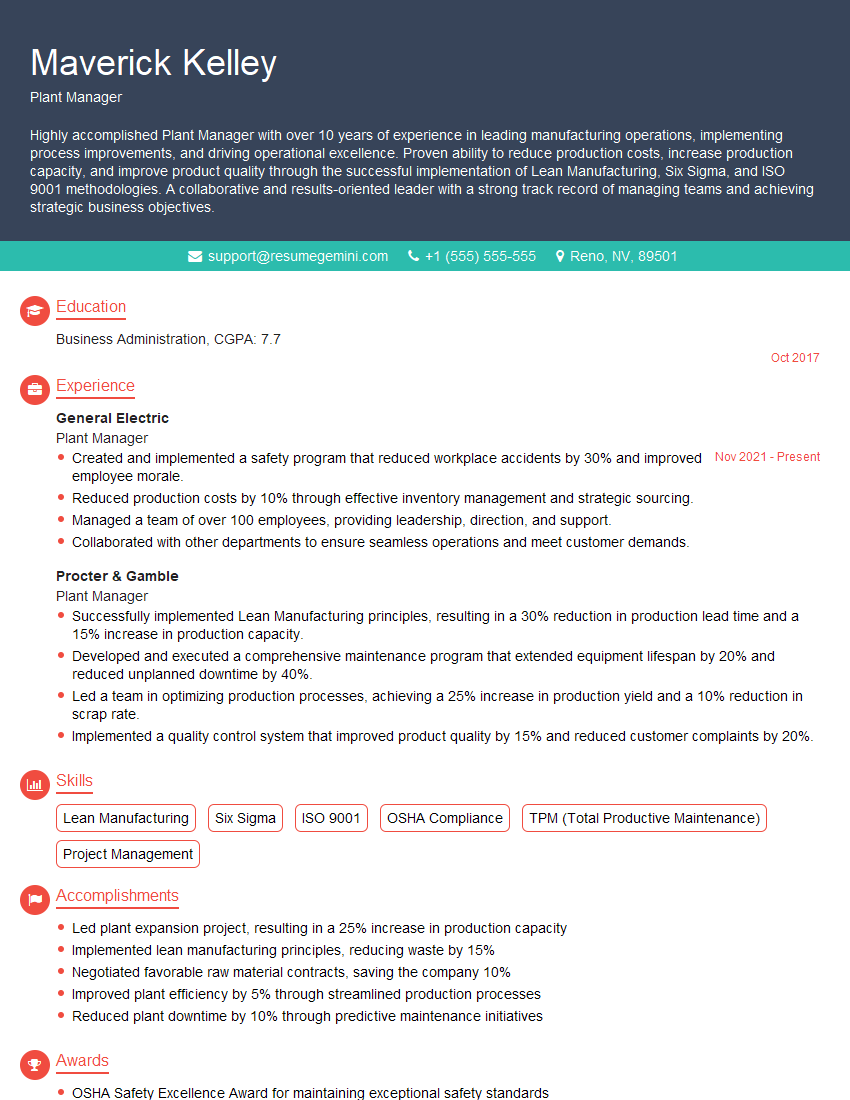
Plant Manager Resume Sample
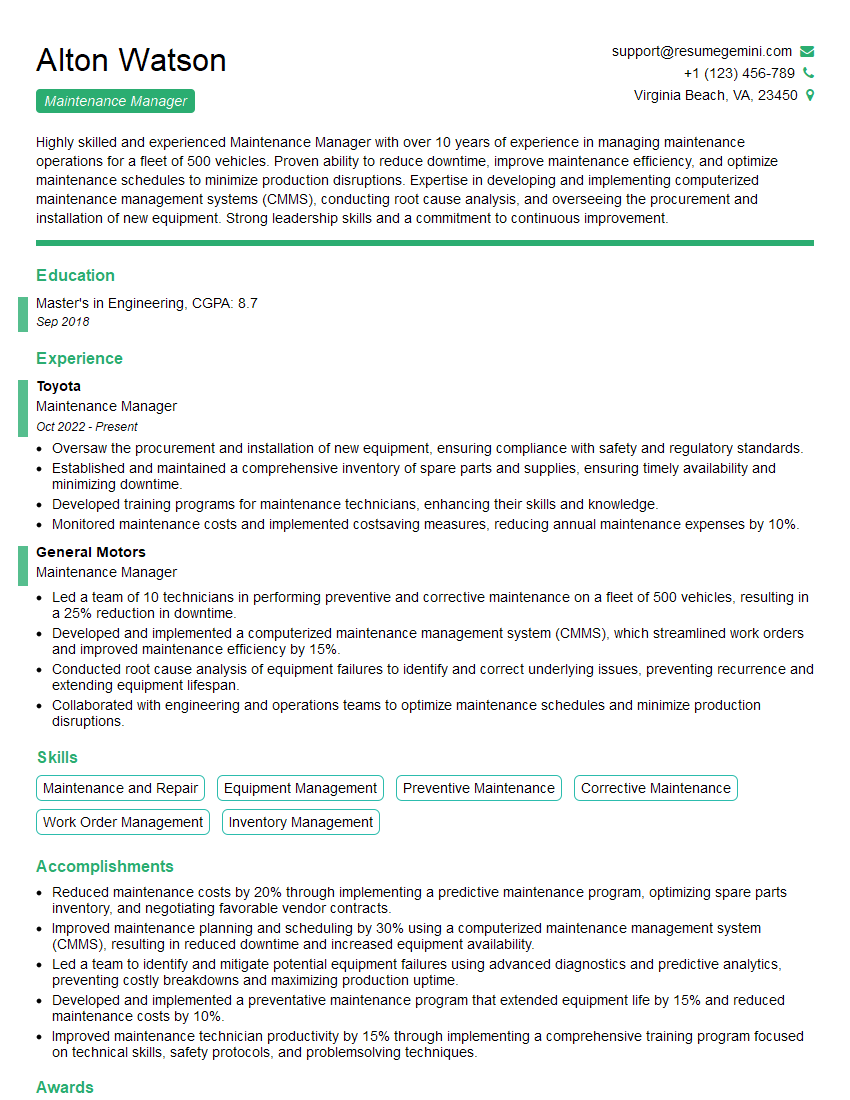
Maintenance Manager Resume Sample
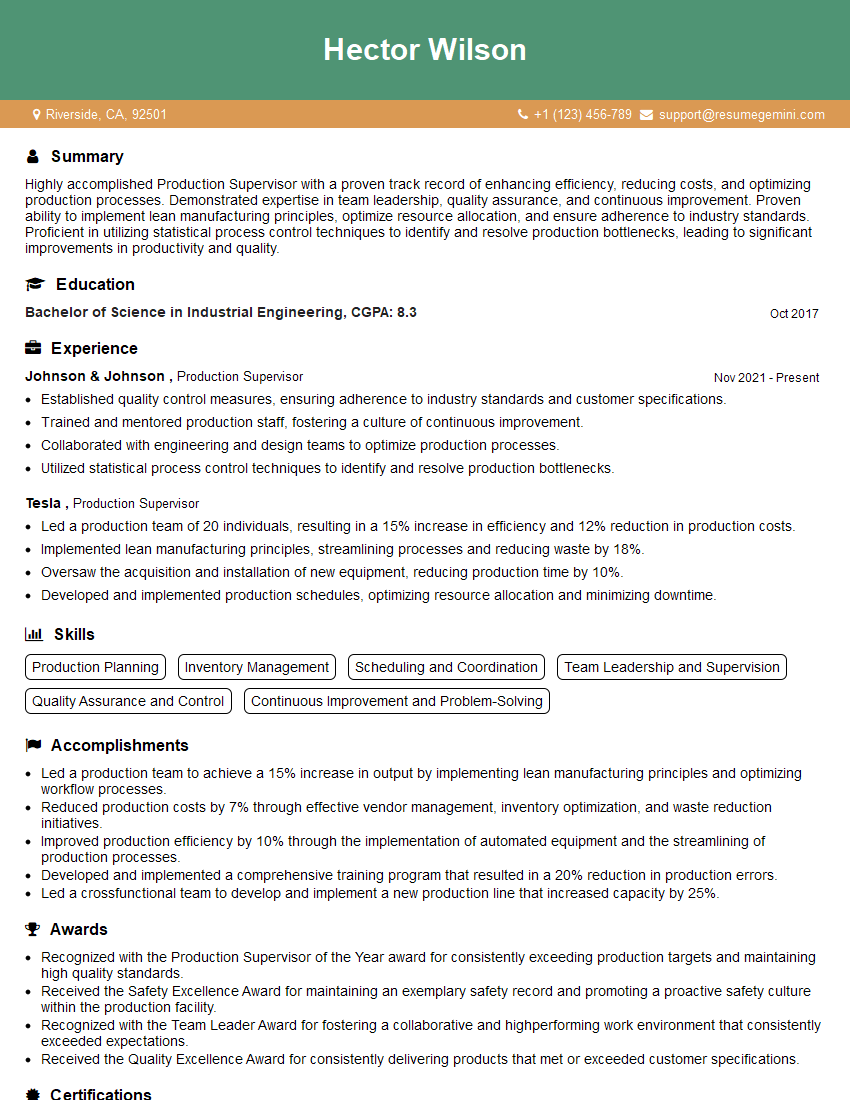
Production Supervisor Resume Sample
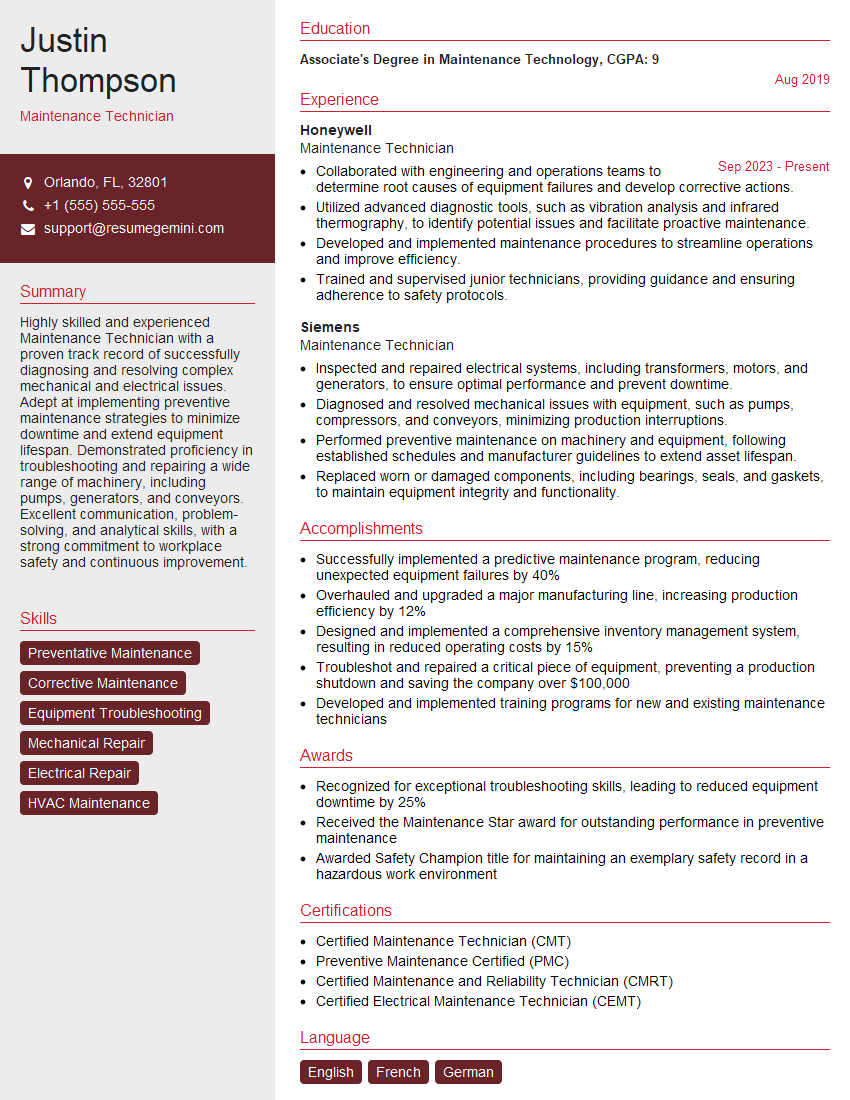
Maintenance Technician Resume Sample

Engineering Technician Resume Sample
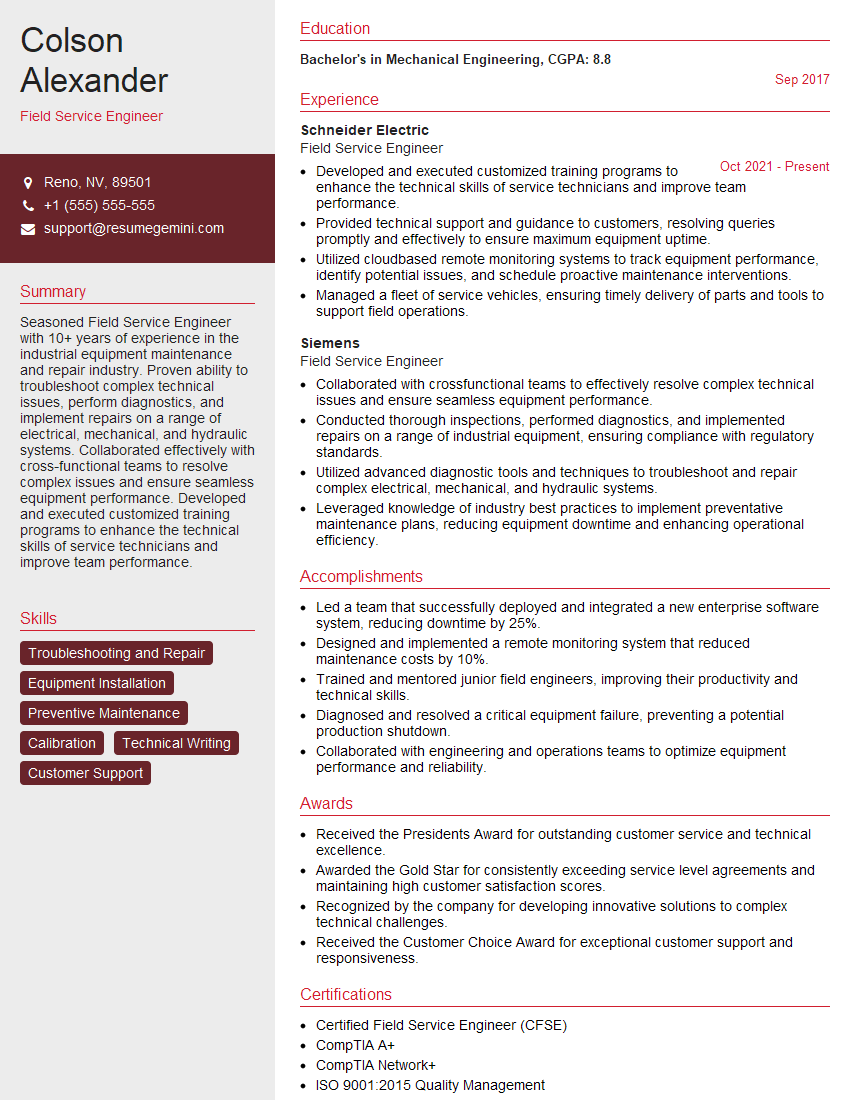
Field Service Engineer Resume Sample
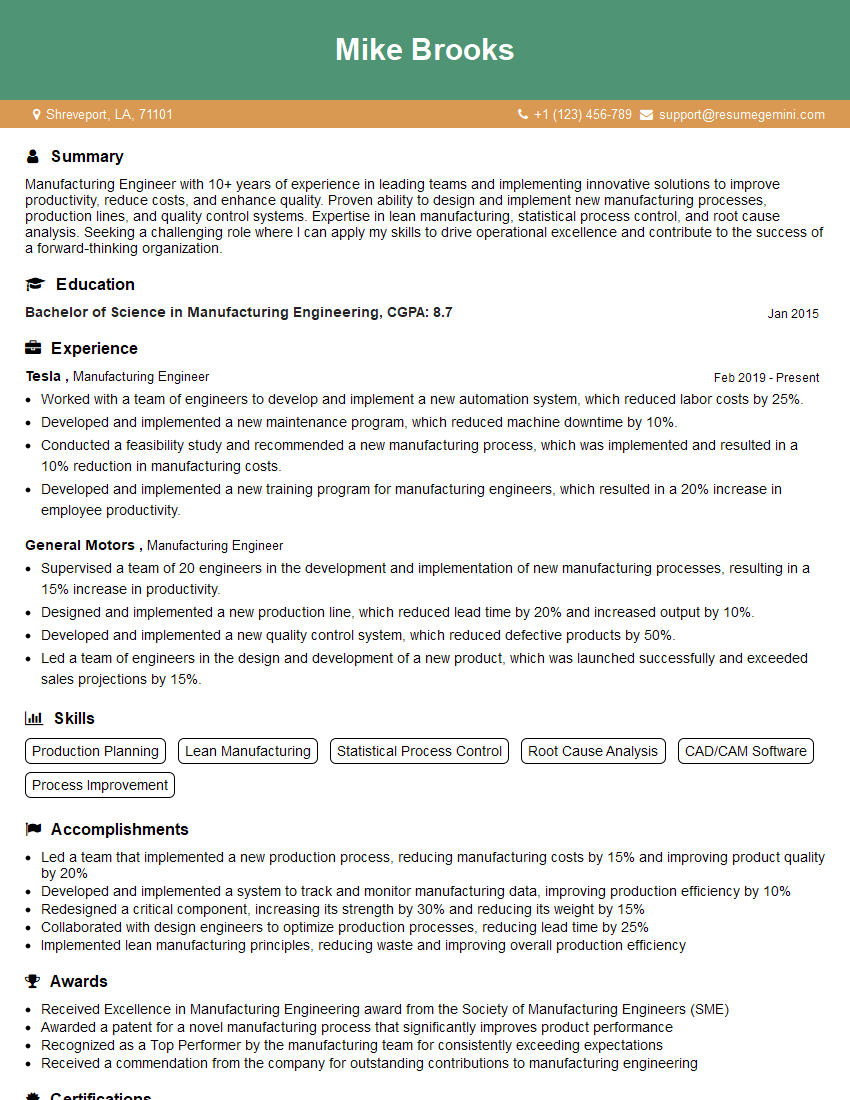
Manufacturing Engineer Resume Sample
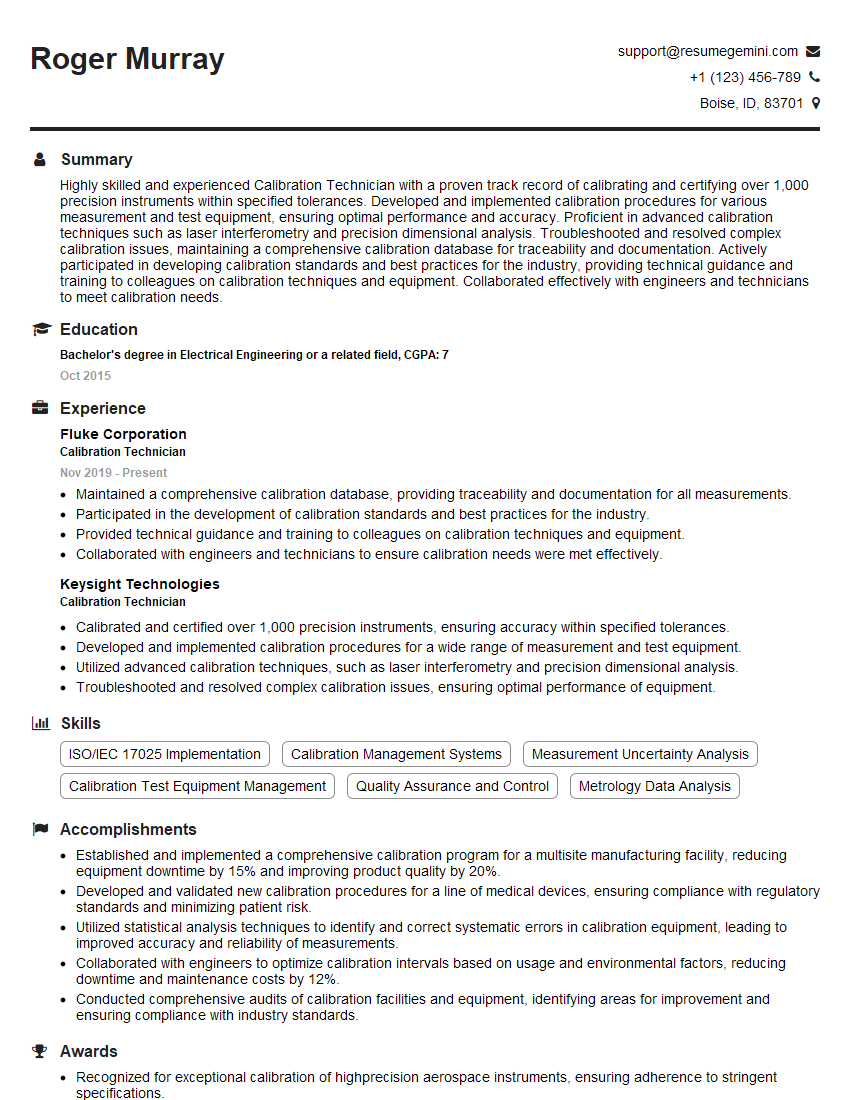
Calibration Technician Resume Sample
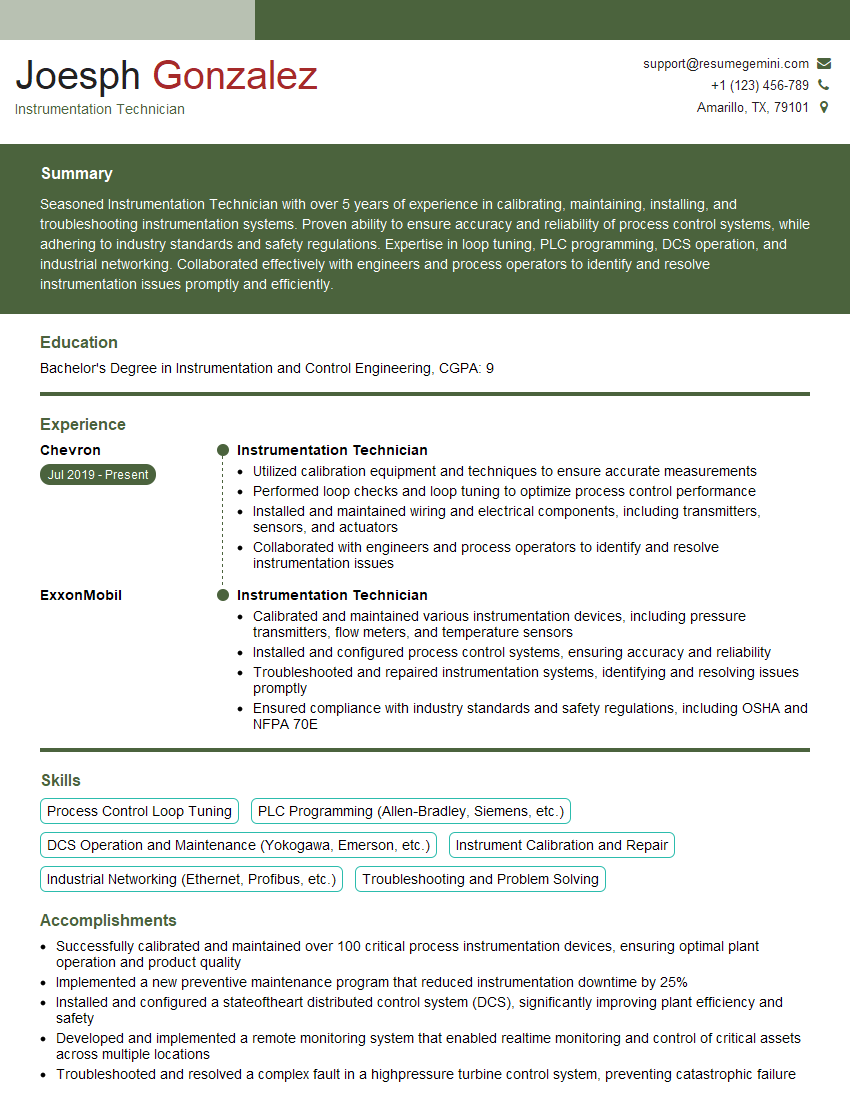
Instrumentation Technician Resume Sample
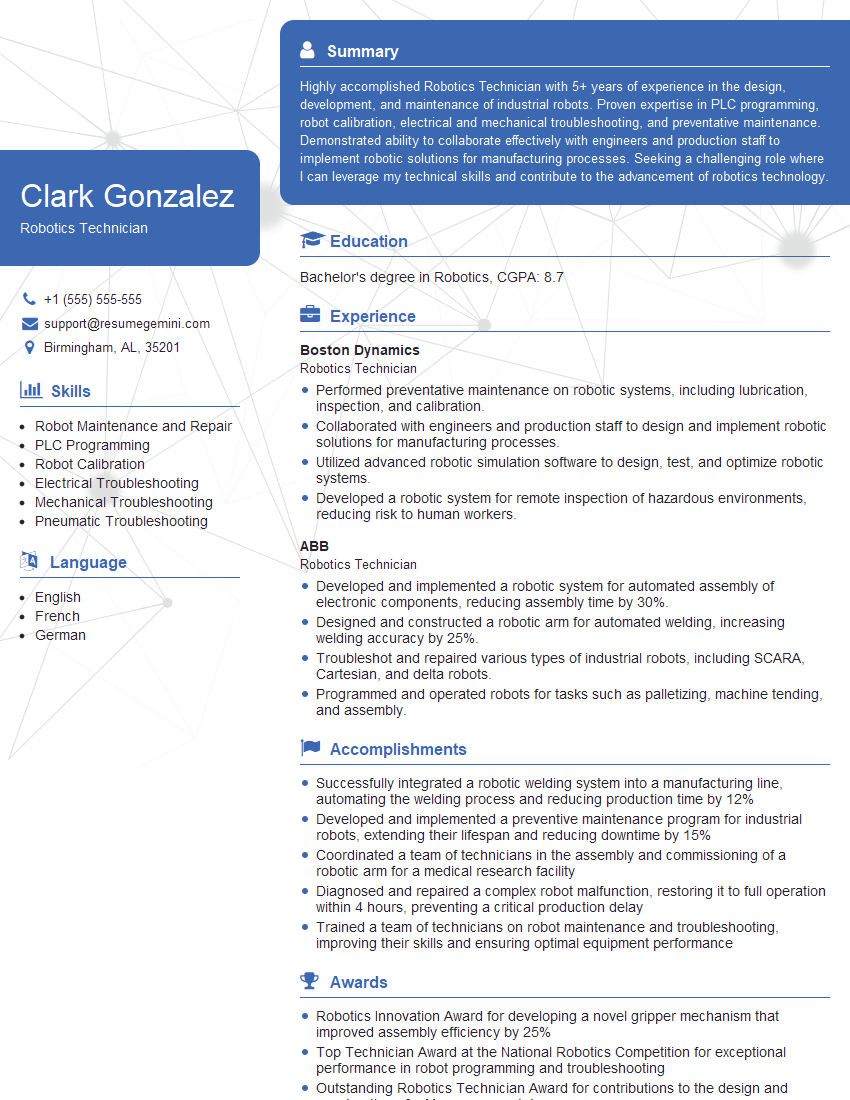
Robotics Technician Resume Sample
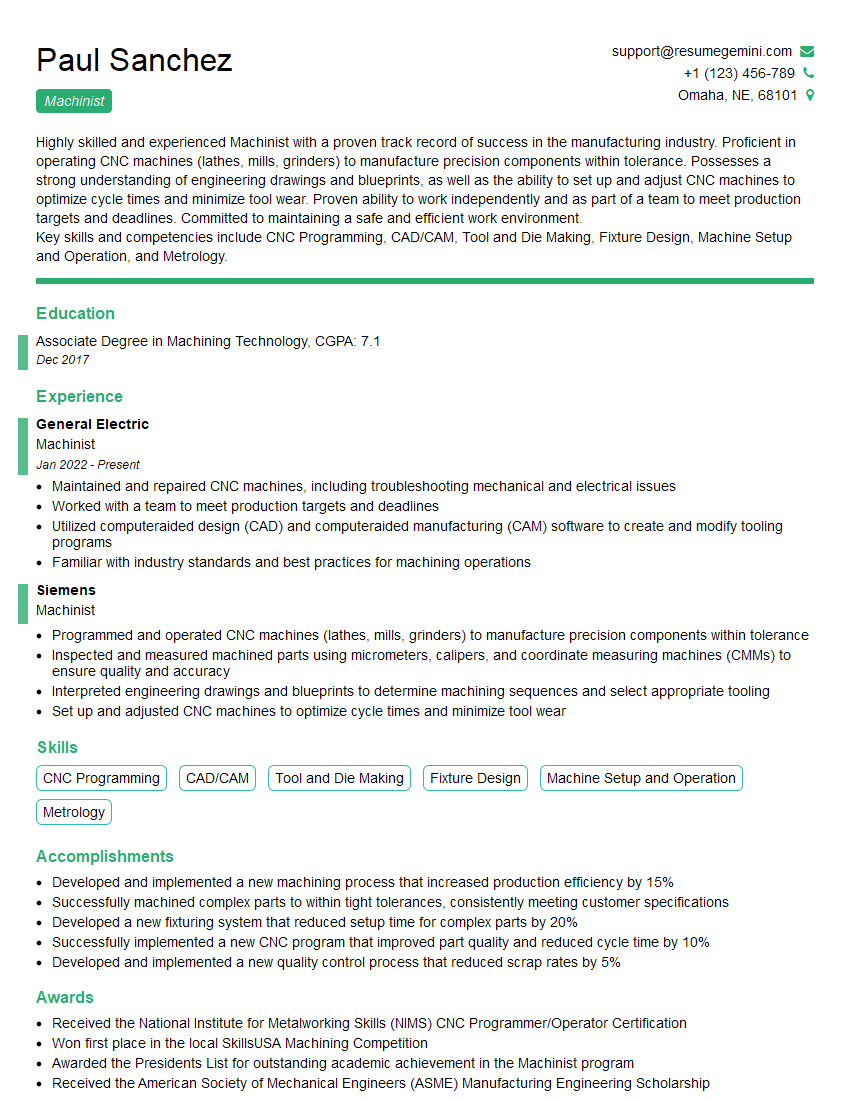
Machinist Resume Sample
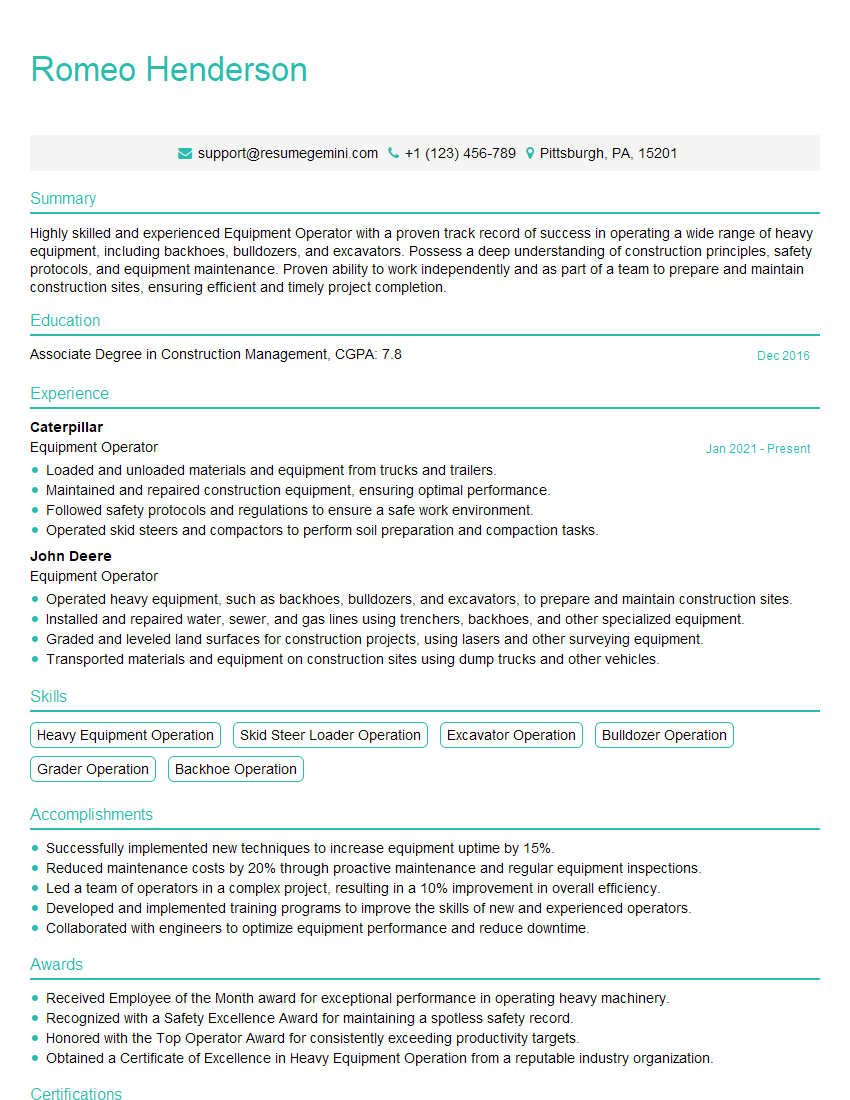
Equipment Operator Resume Sample
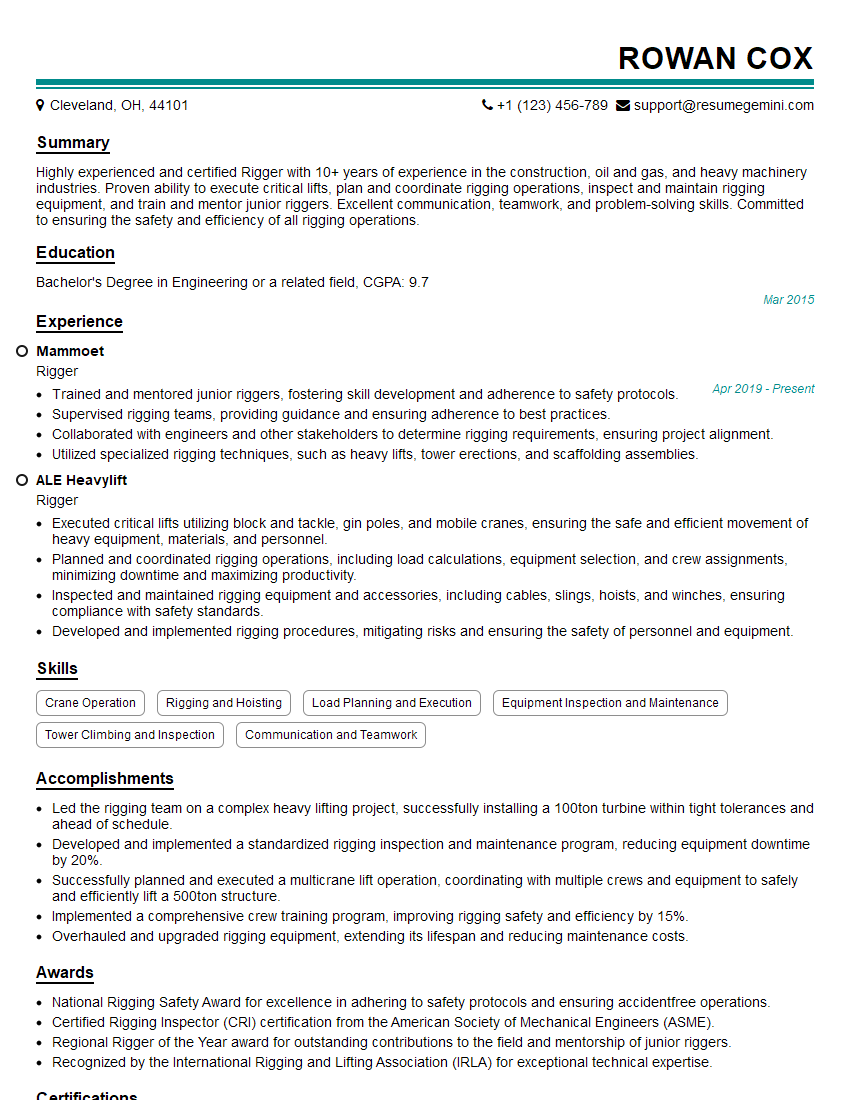
Rigger Resume Sample
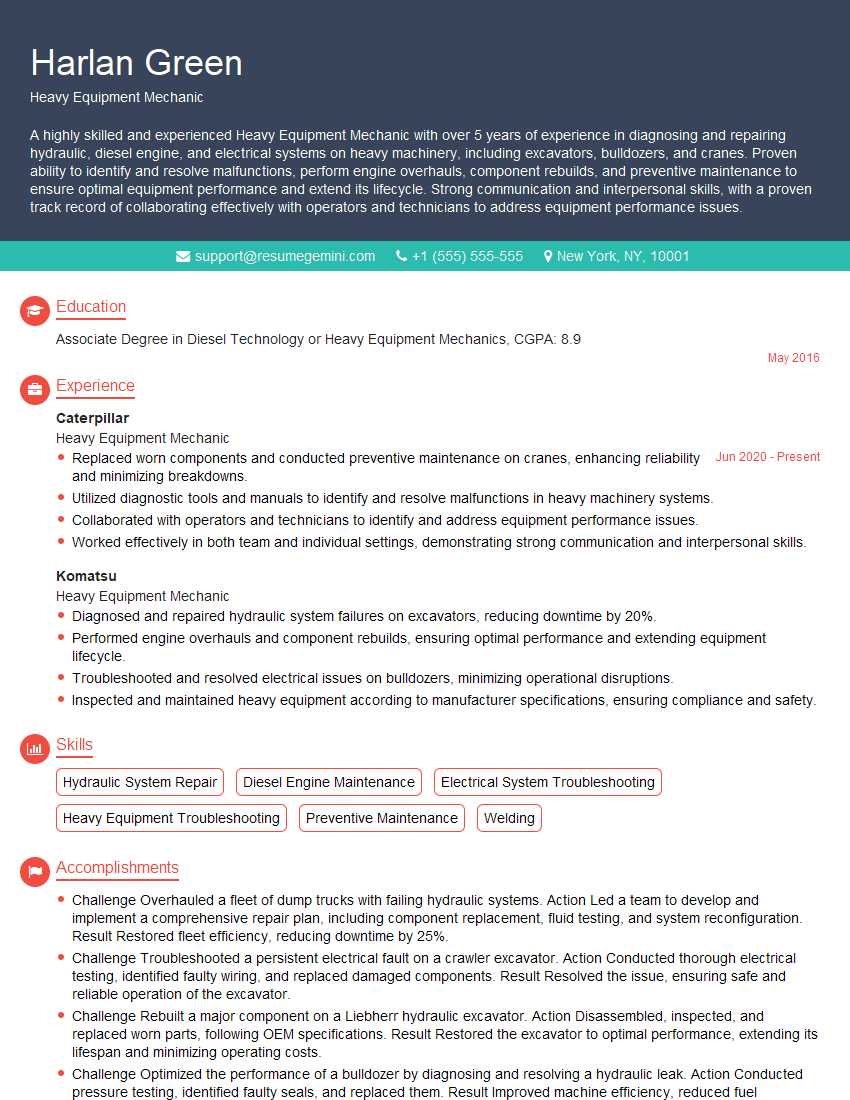
Heavy Equipment Mechanic Resume Sample

Welder Resume Sample
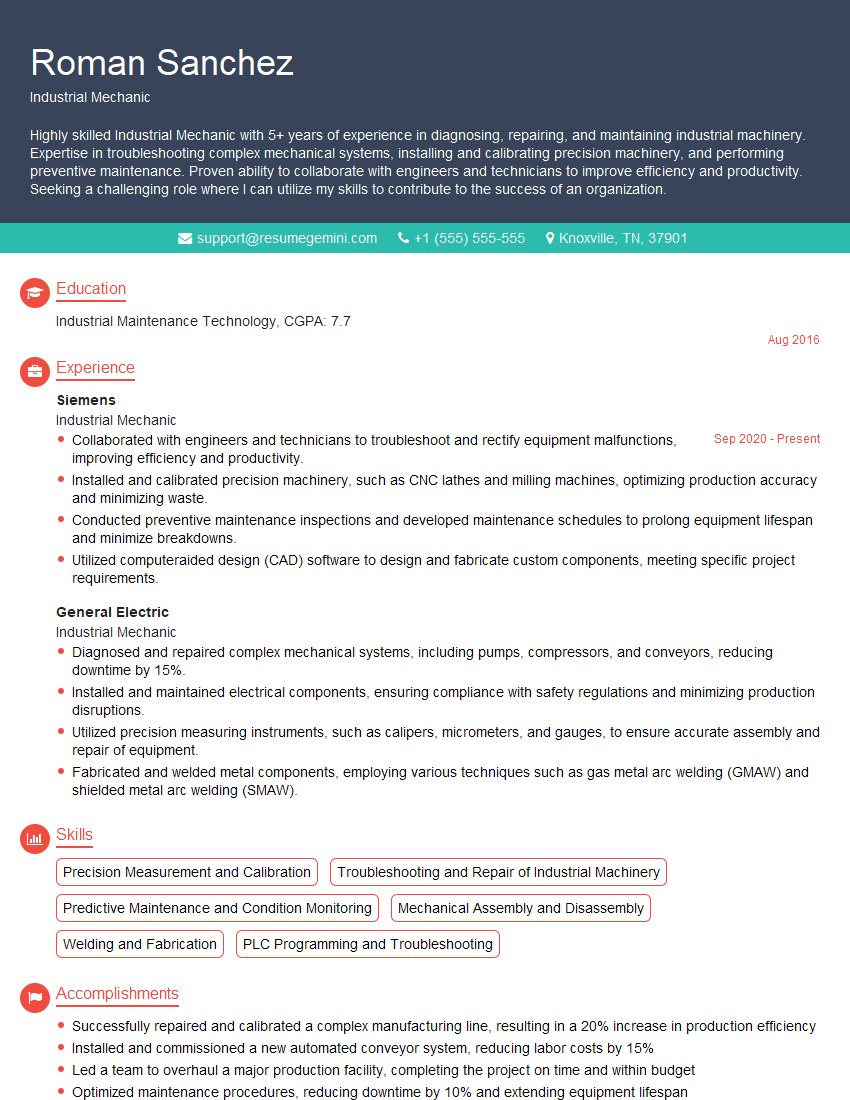
Industrial Mechanic Resume Sample
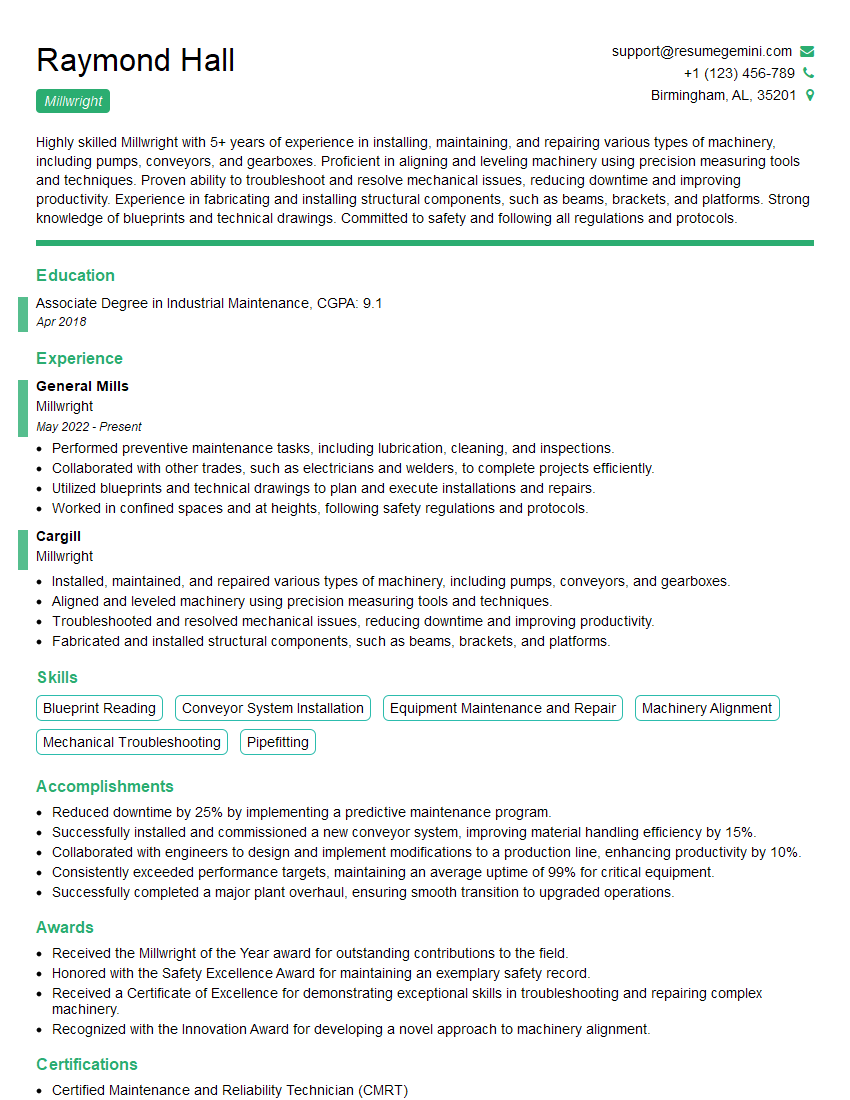
Millwright Resume Sample
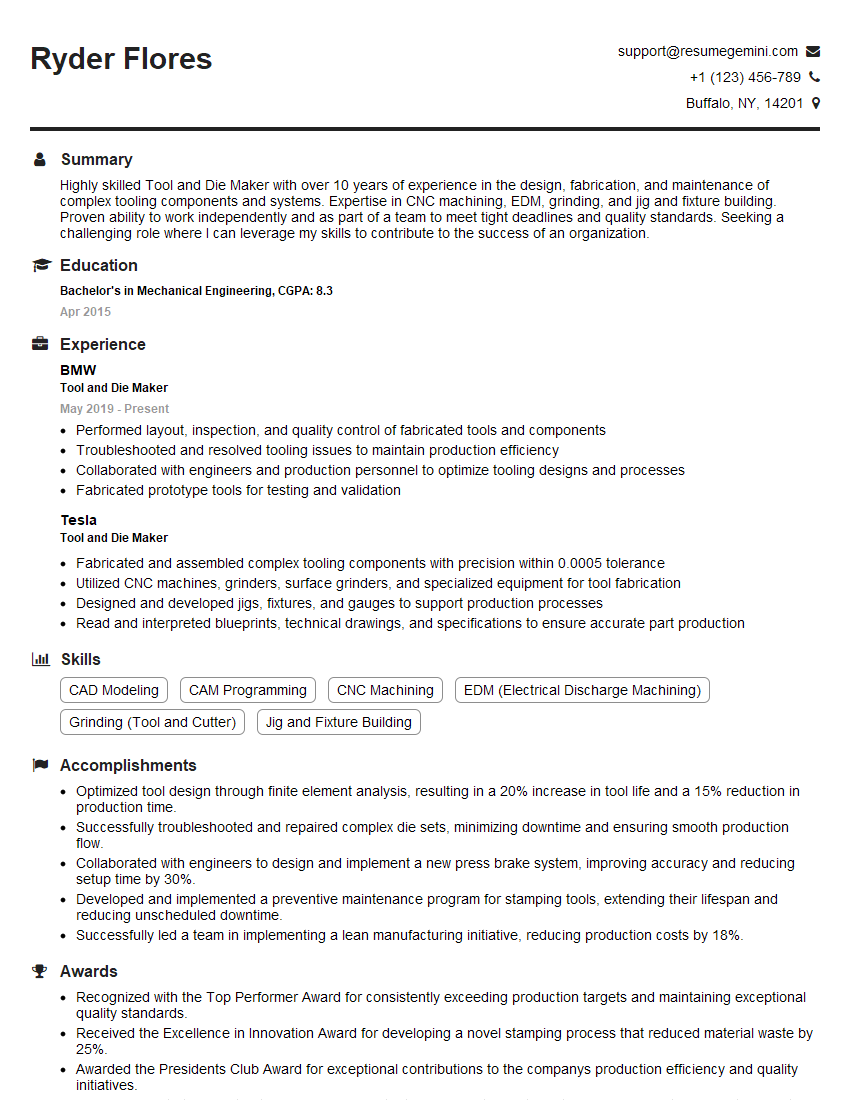
Tool and Die Maker Resume Sample
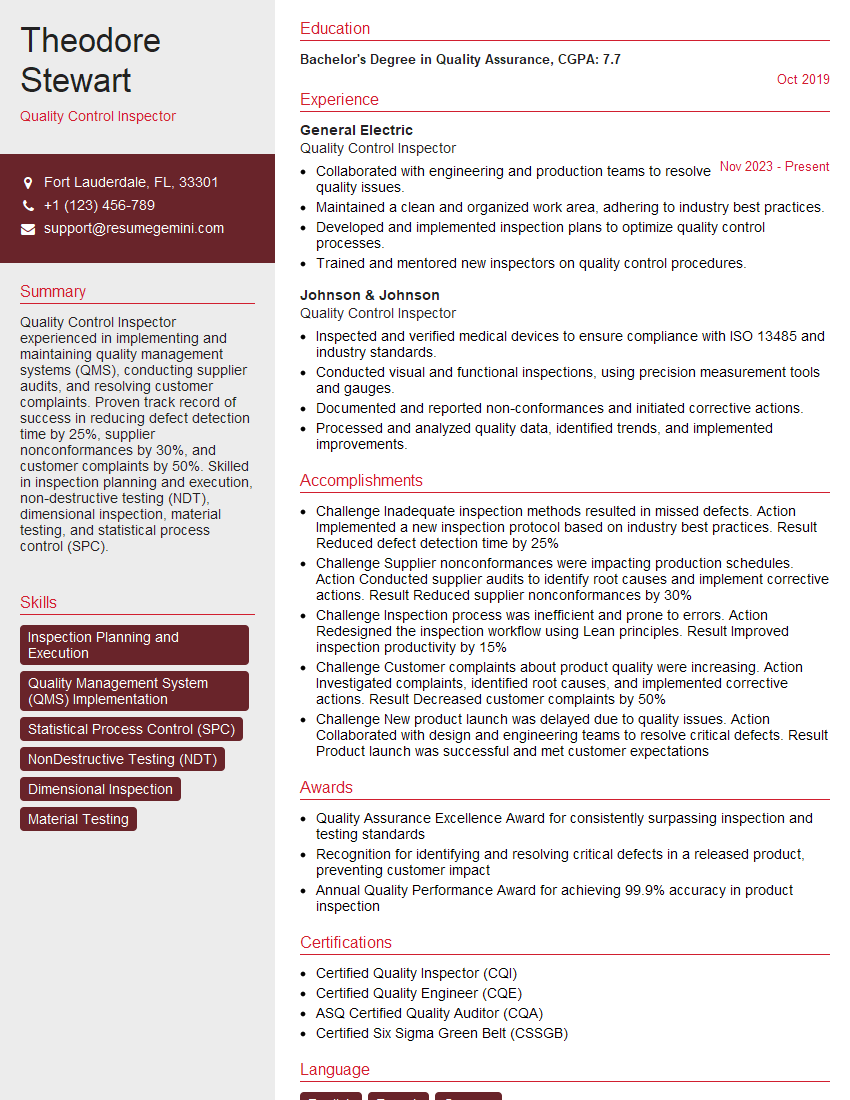
Quality Control Inspector Resume Sample
- Plant Manager
- Maintenance Manager
- Production Supervisor
- Maintenance Technician
- Engineering Technician
- Field Service Engineer
- Manufacturing Engineer
- Calibration Technician
- Instrumentation Technician
- Robotics Technician
- Machinist
- Equipment Operator
- Rigger
- Heavy Equipment Mechanic
- Welder
- Industrial Mechanic
- Millwright
- Tool and Die Maker
- Quality Control Inspector
Explore more articles
Users Rating of Our Blogs
Share Your Experience
We value your feedback! Please rate our content and share your thoughts (optional).
What Readers Say About Our Blog
Really detailed insights and content, thank you for writing this detailed article.
IT gave me an insight and words to use and be able to think of examples