The thought of an interview can be nerve-wracking, but the right preparation can make all the difference. Explore this comprehensive guide to Classroom Climate interview questions and gain the confidence you need to showcase your abilities and secure the role.
Questions Asked in Classroom Climate Interview
Q 1. Define ‘classroom climate’ and its impact on student learning.
Classroom climate refers to the overall atmosphere and feeling within a classroom. It’s the sum total of the interactions, relationships, and emotional tone experienced by students and the teacher. A positive classroom climate is characterized by mutual respect, trust, and a sense of community, while a negative climate can be marked by fear, tension, and disengagement. The impact on student learning is profound; a positive climate fosters engagement, motivation, and academic achievement, while a negative one can lead to anxiety, decreased participation, and lower grades. Think of it like a garden: A positive climate is fertile ground where learning can flourish, while a negative one is barren and unproductive.
For example, a classroom with high levels of student-teacher rapport, where students feel safe to ask questions and take risks, tends to show higher academic performance than a classroom characterized by intimidation or indifference.
Q 2. Explain how you would assess the current classroom climate in a new setting.
Assessing classroom climate requires a multi-faceted approach. I would begin by employing both quantitative and qualitative methods. Quantitative methods involve using surveys (both student and teacher) with Likert scales to gauge perceptions of safety, respect, engagement, and support. These surveys provide numerical data that can highlight trends. Qualitative methods include classroom observations to directly witness student-teacher interactions and group dynamics. I would also conduct informal conversations with students and teachers to gain their perspectives on the overall atmosphere and identify potential areas of concern. For example, observing if students readily participate in class discussions or seem hesitant can reveal significant information. Analyzing student work for signs of stress or disengagement is another important data point.
Q 3. Describe three strategies for establishing a positive classroom climate on the first day of school.
Establishing a positive classroom climate on the first day is crucial for setting the tone for the entire year. Here are three strategies:
Create a welcoming environment: I would start by making the classroom physically inviting – arranging the furniture to promote collaboration and interaction. A personalized welcome message with each student’s name displayed helps foster a sense of belonging. I would also share a little about myself, creating a connection beyond the teacher-student role. This personal touch can significantly improve the classroom dynamic.
Establish clear expectations and routines: Clearly outlining classroom rules and procedures from day one ensures a structured and predictable learning environment. This is best accomplished through collaborative discussion, ideally incorporating student input on appropriate behaviors and classroom procedures. This sense of ownership is critical for fostering a positive and respectful classroom climate.
Build community through icebreakers and collaborative activities: Engaging students in introductory activities that encourage interaction and teamwork helps create an immediate sense of belonging and community. Simple games or group activities allow students to get to know each other and establish positive relationships early on. For example, a ‘two truths and a lie’ game can be both fun and a great icebreaker.
Q 4. How do you address disruptive behaviors while maintaining a positive classroom climate?
Addressing disruptive behaviors requires a balance between maintaining order and preserving a positive classroom climate. Punitive measures alone can damage the classroom climate. My approach focuses on restorative practices. I would first attempt to understand the underlying cause of the disruptive behavior. Is the student seeking attention, feeling overwhelmed, or struggling with the material? Once the reason is understood, I would work with the student to develop strategies for managing their behavior, perhaps employing a pre-arranged signal to help them self-regulate. For example, a quiet check-in or a brief conversation about the specific behavior. Consistent, positive reinforcement is vital to encourage improved behavior and support the student’s self-esteem. If the behavior persists, I would involve parents and administrators while continuing to maintain open communication with the student.
Q 5. What techniques do you use to foster student collaboration and respect?
Fostering student collaboration and respect involves creating a culture of empathy and shared responsibility. I use various techniques:
Cooperative learning structures: Employing strategies like think-pair-share, jigsaw activities, or group projects ensures that students work together towards common goals. This necessitates mutual respect and collaboration to achieve success.
Conflict resolution strategies: I teach students effective conflict resolution skills, such as active listening, empathy, and compromise. This equips them to address disagreements respectfully and constructively.
Regular class meetings: Holding regular class meetings allows students to voice their concerns, share their perspectives, and participate in decision-making processes. This fosters a sense of ownership and shared responsibility within the classroom community. This also provides opportunities to address issues and praise positive interactions.
Q 6. How do you differentiate instruction to meet the diverse needs of students and maintain a positive climate?
Differentiation is essential for meeting diverse student needs while maintaining a positive climate. I use a variety of strategies tailored to individual learning styles and needs. This approach doesn’t diminish the overall classroom climate but rather enhances it by ensuring that all students feel seen, heard, and challenged. Examples include:
Tiered assignments: Providing different levels of complexity for the same assignment allows students to work at their appropriate level while maintaining engagement.
Flexible grouping: Using different grouping structures, such as homogenous (students with similar abilities) and heterogeneous (mixed abilities) groups allows for targeted instruction and peer learning opportunities.
Choice boards: Offering students choices in how they demonstrate their understanding fosters engagement and allows them to choose methods that align with their learning preferences.
It’s crucial to ensure all students feel supported and valued, regardless of their learning pace or style. Positive reinforcement and clear communication help make differentiation a seamless and inclusive process.
Q 7. How do you incorporate students’ cultural backgrounds and perspectives to create an inclusive classroom climate?
Incorporating students’ cultural backgrounds and perspectives is vital for creating an inclusive classroom climate. This involves celebrating diversity and fostering mutual understanding. Strategies include:
Using culturally relevant materials: Integrating diverse literature, history, and perspectives into the curriculum ensures that all students see themselves reflected in the learning materials.
Creating a culturally responsive classroom: This requires understanding and appreciating students’ individual backgrounds and adapting teaching methods and classroom practices to be inclusive and equitable.
Encouraging student sharing: Providing opportunities for students to share their cultural experiences and perspectives helps foster understanding and empathy among classmates. This might be through presentations, sharing of cultural artifacts, or stories.
By acknowledging and valuing students’ diverse backgrounds, I create a classroom environment where everyone feels respected, valued, and empowered to participate fully in the learning process.
Q 8. Describe a time you had to address a conflict between students. What was your approach, and what was the outcome?
Addressing student conflict requires a calm, impartial approach focused on understanding the root cause rather than simply assigning blame. My approach involves several key steps. First, I ensure the safety and emotional regulation of all involved students, creating a safe space for them to express their feelings without interruption. Then, I facilitate a conversation, encouraging each student to share their perspective using active listening techniques. I focus on understanding their individual needs and the events leading to the conflict. This process often involves asking clarifying questions like, “Can you tell me more about what happened?” and “How did that make you feel?” Finally, I guide them towards a collaborative solution, helping them brainstorm and agree upon actions to repair any harm and prevent future conflicts.
For example, I once had a conflict between two students, Maria and David, who were arguing over a shared art supply. Instead of immediately reprimanding them, I created a safe space, listened to both their sides, and learned that Maria felt David hadn’t shared fairly, while David felt Maria was being overly demanding. Together, we brainstormed solutions like creating a shared supply schedule or finding alternative materials. They agreed on a schedule, and the conflict resolved peacefully, strengthening their relationship and teaching them valuable conflict-resolution skills.
Q 9. Explain your understanding of restorative justice practices and how they contribute to a positive classroom climate.
Restorative justice practices shift the focus from punishment to repairing harm and restoring relationships. Instead of focusing solely on the infraction, it emphasizes understanding the impact of actions on others and finding ways to make amends. In the classroom, this might involve circle discussions where students involved in a conflict can share their perspectives, express feelings, and collaboratively develop solutions. It fosters empathy, accountability, and a sense of shared responsibility for creating a positive classroom community.
For instance, if a student disrupts class, instead of immediate suspension, a restorative approach might involve a conversation with the student to understand the underlying reasons for their behavior. We might then work together to develop strategies to manage their impulses and make amends for the disruption, such as apologizing to the class or helping to clean up.
Q 10. How do you utilize classroom routines and procedures to create a predictable and supportive environment?
Clear routines and procedures are essential for creating a predictable and supportive environment. They reduce anxiety by providing students with a clear understanding of expectations and what to expect throughout the day. This predictability reduces disruptions and allows students to focus on learning. I establish routines for everything from entering the classroom and transitions between activities to submitting assignments and cleaning up. Visual aids, such as charts and schedules, are crucial, especially for younger students. I explicitly teach these routines, providing clear explanations, modeling expected behaviors, and providing consistent reinforcement through positive feedback and gentle reminders. Consistent application of procedures creates a sense of fairness and order, significantly contributing to a positive classroom climate.
For example, I have a visual schedule displayed in the classroom showing the daily routine. Before each transition, I give verbal warnings, offering students a chance to prepare and manage the change. This proactive approach helps avoid unexpected disruptions.
Q 11. How do you create opportunities for student voice and choice in shaping the classroom climate?
Student voice and choice are fundamental to fostering a positive classroom climate. Students are more invested in and responsible for a classroom they help shape. I incorporate student voice and choice in various ways. For example, I often use surveys and class discussions to gather input on classroom rules, learning activities, and even the classroom setup. I involve students in decision-making processes, allowing them to choose projects, reading materials, or group work partners within established guidelines. This empowers them and fosters a sense of ownership and responsibility for their learning environment. Giving students a voice teaches them valuable self-advocacy skills and improves their sense of belonging within the classroom community.
For example, I once allowed students to vote on the classroom reading material for our next literature unit. This gave them agency and made them more engaged with the learning process.
Q 12. What strategies do you employ to build strong relationships with students and their families?
Building strong relationships with students and families is paramount for creating a positive classroom climate. I prioritize open communication and build trust through regular, proactive communication. This includes newsletters, emails, and parent-teacher conferences, but also informal interactions such as phone calls or notes to celebrate student successes or offer support. I actively seek opportunities to get to know students and their families, learning about their interests, cultures, and challenges. I also actively seek parent feedback, valuing their input on their children’s learning and well-being.
For example, I regularly send positive emails to parents, highlighting their child’s accomplishments, both academic and social-emotional. This demonstrates my investment in each student’s success and strengthens the home-school connection.
Q 13. How do you promote student self-regulation and responsibility within the classroom?
Promoting self-regulation and responsibility involves teaching students to manage their emotions, behavior, and learning. I explicitly teach self-regulation strategies, such as mindfulness techniques, breathing exercises, and problem-solving steps. I provide opportunities for students to practice these skills through regular class meetings, group activities, and individual check-ins. I also emphasize the importance of taking responsibility for their actions and learning from mistakes. Consistent, positive reinforcement of responsible behavior and providing opportunities for self-reflection are essential for cultivating student self-regulation and responsibility. This creates a sense of ownership for their actions and contributes to a more positive classroom climate.
For example, I might incorporate a short mindfulness activity at the start of each day, teaching students how to manage their emotions and focus better. I also teach them to use a self-reflection journal to track their successes and challenges throughout the week.
Q 14. Describe your approach to dealing with a student exhibiting persistent negative behaviors.
Dealing with persistent negative behaviors requires a multi-faceted approach that addresses both the behavior and its underlying causes. I begin by collecting data on the behavior, documenting its frequency, intensity, and context. I then analyze this data to identify patterns and potential triggers. This involves considering both environmental factors and individual student needs. Based on this analysis, I create a behavior intervention plan, which may include positive reinforcement strategies, functional behavioral assessment, and collaboration with parents, specialists, and administrators. It’s crucial to communicate openly with the student, their family, and other relevant stakeholders to ensure a consistent and supportive approach. The focus should always be on understanding the reasons behind the behavior and working collaboratively to develop solutions that address these underlying issues.
For example, if a student consistently disrupts class, I would first collect data on when and why these disruptions occur. I might then meet with the student individually to understand their perspective, collaborating to identify strategies, such as providing additional support, adjusting classroom expectations, or developing a reward system, to support positive behavior change.
Q 15. How do you use data (e.g., student work, observations) to inform your decisions about improving the classroom climate?
Data is crucial for understanding and improving classroom climate. I utilize various data points, including student work, observations, and feedback, to paint a comprehensive picture of the learning environment.
Student Work: Analyzing student assignments helps me understand their engagement levels, grasp of concepts, and emotional expression. For instance, consistently poor-quality work from a previously high-achieving student might indicate underlying issues affecting their well-being and thus impacting the classroom climate.
Observations: I systematically observe student interactions, noting instances of collaboration, conflict, or isolation. For example, observing students consistently avoiding group activities could signal a need for team-building exercises or addressing social anxieties within the classroom.
Feedback: I regularly solicit student feedback through surveys, informal conversations, and class discussions. Anonymous surveys are particularly useful in uncovering concerns students might not voice openly. For example, a recurring theme of feeling rushed during assignments could indicate a need to adjust pacing or provide more structured support.
By analyzing these data points, I can identify patterns, pinpoint areas for improvement, and make data-driven decisions about interventions such as implementing new classroom management strategies, adjusting lesson plans to better suit student needs, or providing targeted support to individual students.
Career Expert Tips:
- Ace those interviews! Prepare effectively by reviewing the Top 50 Most Common Interview Questions on ResumeGemini.
- Navigate your job search with confidence! Explore a wide range of Career Tips on ResumeGemini. Learn about common challenges and recommendations to overcome them.
- Craft the perfect resume! Master the Art of Resume Writing with ResumeGemini’s guide. Showcase your unique qualifications and achievements effectively.
- Don’t miss out on holiday savings! Build your dream resume with ResumeGemini’s ATS optimized templates.
Q 16. How do you adapt your teaching strategies to support students with different learning styles and needs, while maintaining a positive climate?
Catering to diverse learning styles while maintaining a positive climate requires flexibility and thoughtful planning. My approach involves:
Differentiated Instruction: I provide various learning activities to accommodate different learning preferences. For visual learners, I use diagrams and videos; for kinesthetic learners, I incorporate hands-on activities; and for auditory learners, I use discussions and lectures. For example, in a math lesson, I might offer both written problems and manipulatives to solve the same equations.
Individualized Support: I offer personalized learning support to students who require extra attention. This might include one-on-one tutoring, extended deadlines, or modified assignments tailored to their specific needs. I also ensure that support is provided in a way that doesn’t single them out or make them feel stigmatized.
Collaborative Learning: I encourage group work and peer learning to create a supportive environment where students can learn from each other and build positive relationships. This also allows students to learn from each other’s strengths and teach each other in ways that I, as a teacher, might not.
Positive Reinforcement: I focus on celebrating successes, both big and small, and creating a classroom culture of encouragement and mutual respect. This approach builds confidence and reduces stress, fostering a positive climate for all.
By implementing these strategies, I ensure that all students feel valued, supported, and empowered to reach their full potential in a safe and inclusive environment.
Q 17. What are some nonverbal cues you look for to gauge the overall classroom climate?
Nonverbal cues are incredibly revealing about the classroom climate. I pay close attention to:
Body Language: Students’ posture, facial expressions, and eye contact can signal engagement, boredom, anxiety, or disengagement. For example, slumped shoulders and averted gaze often indicate disinterest or discomfort.
Interactions: Observing how students interact with each other and with me provides insights into the level of respect, trust, and collaboration in the classroom. Frequent interruptions or arguments suggest potential problems.
Physical Proximity: Students’ willingness to approach me or each other speaks volumes about the classroom’s comfort level. Avoidance of certain areas or individuals could signify fear or tension.
Vocal Tone and Volume: The overall tone in the classroom – whether it’s positive and energized or tense and hushed – is a strong indicator of the climate.
By interpreting these nonverbal signals, I can quickly identify potential issues and adapt my approach accordingly to maintain a positive and productive learning environment.
Q 18. Explain how you would involve parents/guardians in building a positive classroom climate.
Involving parents/guardians is essential for building a positive classroom climate. My strategies include:
Open Communication: I maintain regular communication through newsletters, emails, parent-teacher conferences, and phone calls to share updates on classroom activities, student progress, and any concerns.
Parent Workshops: I organize workshops to discuss classroom expectations, learning strategies, and ways parents can support their children’s learning at home. This can help parents understand my teaching methods and better support their children’s learning.
Classroom Visits: I invite parents to visit the classroom to observe lessons and interact with their children in their learning environment.
Volunteer Opportunities: I provide opportunities for parents to volunteer in the classroom, which strengthens the home-school connection and fosters a sense of community.
Parent Surveys: I use surveys to gather feedback on the classroom climate and the effectiveness of classroom management strategies, allowing parents to contribute their perspectives.
By actively involving parents, I create a partnership that strengthens communication and builds a supportive learning environment for all.
Q 19. How do you handle situations where a student feels unsafe or uncomfortable in the classroom?
Student safety and comfort are paramount. If a student feels unsafe or uncomfortable, I follow these steps:
Listen Empathetically: I create a safe space for the student to share their experience without judgment. Active listening is key to understanding the root cause of their distress.
Assess the Situation: I carefully assess the situation to determine the nature of the threat or discomfort, including whether it involves bullying, harassment, discrimination, or another issue.
Take Immediate Action: Depending on the situation, I might separate involved students, provide immediate support to the affected student, and inform relevant school authorities (counselor, administrator).
Develop a Support Plan: I work with the student, parents, and school staff to develop a support plan that addresses the underlying issue and ensures the student’s safety and well-being.
Follow Up: I monitor the situation closely and maintain ongoing communication with the student, parents, and school staff to ensure the plan is effective and the student feels safe and supported.
My goal is to create a classroom where all students feel safe, respected, and valued.
Q 20. Describe your experience working with diverse learners in a classroom setting.
I have extensive experience working with diverse learners, embracing their unique strengths and addressing their individual needs. My approach is built on the principles of inclusion and equity.
Understanding Individual Needs: I familiarize myself with students’ Individualized Education Programs (IEPs) or 504 plans, working closely with special education staff to understand and implement appropriate accommodations and modifications.
Culturally Responsive Teaching: I create a classroom environment that values and respects diverse cultural backgrounds, incorporating diverse perspectives and materials into my lessons. I am mindful of cultural differences in communication styles and learning preferences.
Differentiated Instruction and Assessment: I provide learning materials and assessments in various formats, allowing students to demonstrate their knowledge and skills in ways that suit their strengths and learning styles. This may involve offering visual aids, oral assessments, or project-based work.
Building Relationships: I foster a strong rapport with my students, creating a supportive and inclusive classroom where they feel comfortable taking risks and asking for help. I actively create a classroom culture of respect and understanding.
Working with diverse learners is not only rewarding but also enriches the learning experience for all students.
Q 21. How do you use technology to enhance student engagement and improve the classroom climate?
Technology can significantly enhance student engagement and improve classroom climate. I use technology to:
Interactive Learning Platforms: I utilize platforms like Google Classroom, Kahoot!, and Quizizz to create engaging lessons and assessments. These platforms can increase student participation, provide immediate feedback, and foster a sense of competition in a positive manner.
Collaboration Tools: Tools like Google Docs and Slides allow for collaborative projects, promoting teamwork and communication skills. This can be especially helpful for building community and fostering a supportive learning environment.
Educational Apps and Software: I incorporate educational apps and software tailored to specific learning needs and subject areas. For instance, apps for reading comprehension or math practice can provide personalized support and encourage self-paced learning.
Digital Storytelling: Students can use multimedia tools to create digital stories, presentations, or videos, fostering creativity and self-expression. This method is particularly effective for allowing students to showcase their knowledge in a creative and personal way.
Virtual Field Trips and Simulations: Virtual field trips and simulations can broaden students’ horizons and provide engaging learning experiences beyond the traditional classroom setting.
By carefully selecting and integrating technology, I create a dynamic and engaging learning environment that supports student success and fosters a positive classroom climate.
Q 22. What are some common challenges you face in creating and maintaining a positive classroom climate, and how do you overcome them?
Creating and maintaining a positive classroom climate is crucial for effective learning, but it presents several challenges. One common hurdle is managing diverse learning styles and needs. Students learn at different paces and have varying learning preferences, which can lead to frustration and disengagement if not addressed properly. Another challenge is dealing with student conflict – disagreements, bullying, or social exclusion can quickly disrupt the learning environment. Furthermore, managing external factors like students’ home lives, emotional well-being, and lack of resources can significantly impact their behavior and classroom participation. Finally, a lack of resources, time constraints, and large class sizes can make it challenging to provide individualized attention and support.
To overcome these challenges, I employ a multi-faceted approach. I use differentiated instruction to cater to various learning styles. This involves adapting teaching methods, materials, and assessment strategies to meet individual student needs. For instance, providing visual aids for visual learners, hands-on activities for kinesthetic learners, and opportunities for collaborative work for social learners. I establish clear classroom rules and expectations in collaboration with students, creating a sense of ownership and shared responsibility. Conflict resolution strategies, such as restorative justice practices, are implemented to address disagreements peacefully and help students learn empathy. I proactively build relationships with students, actively listening to their concerns and providing individual support. Regular communication with parents and guardians is crucial for addressing external factors that influence students’ classroom behavior. Finally, I advocate for resources and seek out professional development opportunities to enhance my skills in creating and maintaining a positive classroom climate.
Q 23. Describe your experience implementing classroom behavior management plans.
My experience implementing classroom behavior management plans centers around a proactive, positive approach rather than solely punitive measures. I believe in fostering a sense of community and shared responsibility for maintaining a productive learning environment. I start by collaboratively developing a clear set of classroom rules and expectations with my students, ensuring that they understand the rationale behind each rule. These rules aren’t just imposed; they are discussed and agreed upon, giving students a sense of ownership and investment in the classroom’s success.
The plan incorporates a system of positive reinforcement, focusing on rewarding positive behaviors rather than solely punishing negative ones. This could involve a simple verbal praise, class dojo points, privileges, or small rewards. I also use visual aids, such as charts or graphs, to track student progress and celebrate achievements. When a student demonstrates an undesired behavior, I use restorative practices to address the situation. This involves having a conversation with the student to understand the reasons for the misbehavior and collaboratively developing a plan to address it going forward. The focus is on teaching the student appropriate coping mechanisms and problem-solving skills rather than simply punishing the action. For more serious or persistent behavioral issues, I work closely with parents, school counselors, and administrators to develop a comprehensive intervention plan.
Q 24. How do you monitor and evaluate the effectiveness of your strategies for creating a positive classroom climate?
Monitoring and evaluating the effectiveness of my strategies for creating a positive classroom climate involves a multi-pronged approach. I regularly observe student interactions and note their level of engagement in class. I use informal observation checklists to track the frequency of positive and negative behaviors. I also collect student feedback through surveys, class discussions, and individual conversations. This feedback allows me to gauge student perceptions of the classroom climate and identify areas for improvement. Academic performance data can also be an indicator of classroom climate. If students are not engaged, it will often be reflected in their grades and participation in classroom activities. Finally, I regularly analyze data from my classroom management system (e.g., class dojo) to assess the effectiveness of reward and consequence systems.
Based on this collected data, I make adjustments to my strategies as needed. For example, if student surveys reveal a lack of sense of belonging, I may implement more team-building activities. If data show a decline in positive behaviors, I may need to revisit my reward system or explore new conflict resolution strategies. This iterative process of monitoring, evaluating, and adapting ensures that my strategies remain effective in creating and maintaining a positive classroom climate.
Q 25. How would you address a situation where a student is consistently disrupting the learning environment?
Addressing a student who consistently disrupts the learning environment requires a systematic and empathetic approach. First, I would try to understand the root cause of the disruptive behavior. Is the student struggling academically? Are there emotional or social issues at play? I would engage in private conversations with the student to build rapport and understand their perspective. I would also consult with parents, counselors, or other relevant staff to gain a comprehensive understanding of the situation.
Next, I would implement positive behavior interventions and supports (PBIS). This might involve providing the student with additional support in the classroom, such as individualized instruction or peer tutoring. I would also clearly define expectations and consequences for disruptive behavior, ensuring that the consequences are fair, consistent, and developmentally appropriate. I might employ a behavior chart or other visual supports to help the student track their progress and celebrate their successes. For more serious cases, I might recommend a referral to school counseling or other specialized services. Throughout the process, I would maintain open communication with the student’s parents and ensure that they are actively involved in the intervention process. The goal is not just to suppress the behavior but to help the student develop the skills and strategies to manage their behavior effectively and positively contribute to the classroom community.
Q 26. What are some ways you encourage student participation and engagement in class?
Encouraging student participation and engagement involves creating a classroom environment where students feel safe, respected, and valued. I achieve this through various strategies. First, I make sure my lessons are engaging and relevant to students’ lives. I use varied instructional methods, including hands-on activities, group work, technology integration, and real-world applications, to cater to different learning styles. I create opportunities for student choice and autonomy, allowing students to select projects or activities that align with their interests.
I also foster a classroom culture of respect and inclusivity where students feel comfortable sharing their ideas and perspectives without fear of judgment. I actively listen to student responses, providing positive feedback and encouragement. I use think-pair-share activities, open-ended questions, and class discussions to promote active participation. I implement collaborative learning strategies, such as group projects and peer teaching, to encourage students to interact and learn from one another. I also incorporate games and activities to make learning fun and engaging. Finally, I regularly assess student understanding and adjust my teaching strategies accordingly, ensuring that all students have the support they need to succeed.
Q 27. Explain how you would create a physically and emotionally safe classroom environment for all students.
Creating a physically and emotionally safe classroom environment is paramount. Physically, this means ensuring the classroom is well-organized and free from hazards. Desks and chairs should be arranged to promote collaboration and minimize distractions. Materials should be stored safely and accessible as needed. The classroom should be well-lit and ventilated, creating a comfortable learning environment. I also make sure there is adequate space for movement and activities. I establish clear routines and procedures for transitions and emergencies, so students know what to expect and feel secure.
Emotionally, safety means fostering a culture of respect, empathy, and inclusivity. I establish clear expectations for behavior, emphasizing kindness, respect, and responsible decision-making. I use restorative justice practices to address conflicts peacefully and help students develop empathy and conflict-resolution skills. I actively listen to students’ concerns, showing them that their feelings are valued and respected. I provide opportunities for social and emotional learning, integrating activities that focus on self-awareness, self-regulation, social skills, and responsible decision-making. I actively create a classroom environment where students feel accepted for who they are, regardless of their background, abilities, or beliefs. Building strong, positive relationships with students is also fundamental to creating an emotionally safe environment; students will feel more secure when they trust their teacher.
Key Topics to Learn for Classroom Climate Interview
- Student Engagement Strategies: Explore various techniques to foster active participation and enthusiasm in the classroom. Consider practical applications like incorporating interactive activities, differentiated instruction, and collaborative learning projects.
- Creating a Safe and Inclusive Learning Environment: Understand the theoretical frameworks of inclusive education and how to translate them into practical classroom management strategies. Discuss how to address potential biases, foster respect, and create a sense of belonging for all students.
- Classroom Management Techniques: Examine different approaches to classroom management, emphasizing proactive strategies to prevent disruptive behaviors. Consider the application of positive reinforcement, clear expectations, and restorative justice practices.
- Building Positive Relationships with Students: Explore the importance of building rapport and trust with students. Discuss strategies for effective communication, active listening, and providing individualized support.
- Assessment and Feedback Strategies: Understand various assessment methods and how to provide constructive feedback that promotes student learning and growth. Consider formative and summative assessments, and the use of technology for feedback.
- Addressing Challenging Behaviors: Develop strategies for identifying the root causes of challenging behaviors and implementing appropriate interventions. Consider positive behavior interventions and supports (PBIS) and collaboration with parents/guardians.
- Cultural Responsiveness in the Classroom: Understand how to create a culturally responsive classroom that values and celebrates the diversity of its students. Explore strategies for adapting teaching methods and curriculum to meet the needs of diverse learners.
Next Steps
Mastering classroom climate is crucial for creating a dynamic and effective learning environment, leading to increased student success and professional fulfillment. A strong understanding of these concepts will significantly enhance your interview performance and career prospects. To maximize your chances, focus on building an ATS-friendly resume that highlights your relevant skills and experience. ResumeGemini is a trusted resource that can help you craft a professional and impactful resume. Examples of resumes tailored to showcasing expertise in Classroom Climate are available to further guide your preparation.
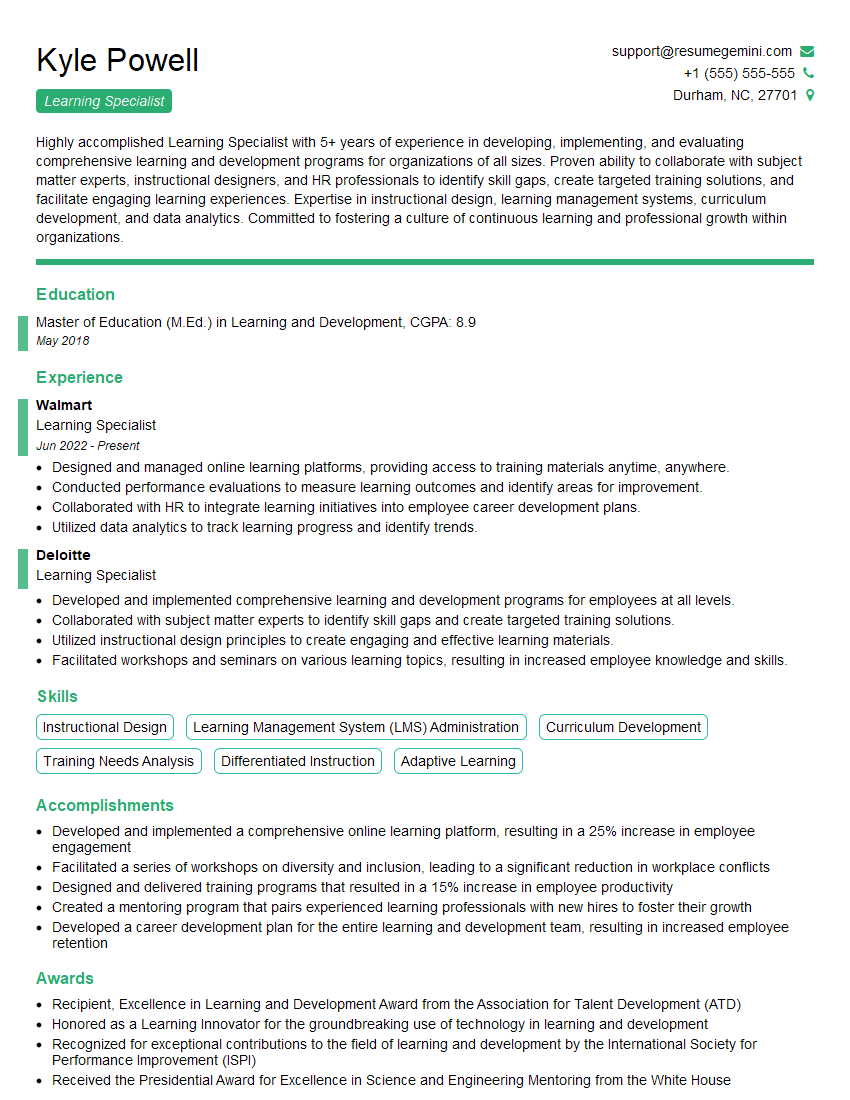
Learning Specialist Resume Sample
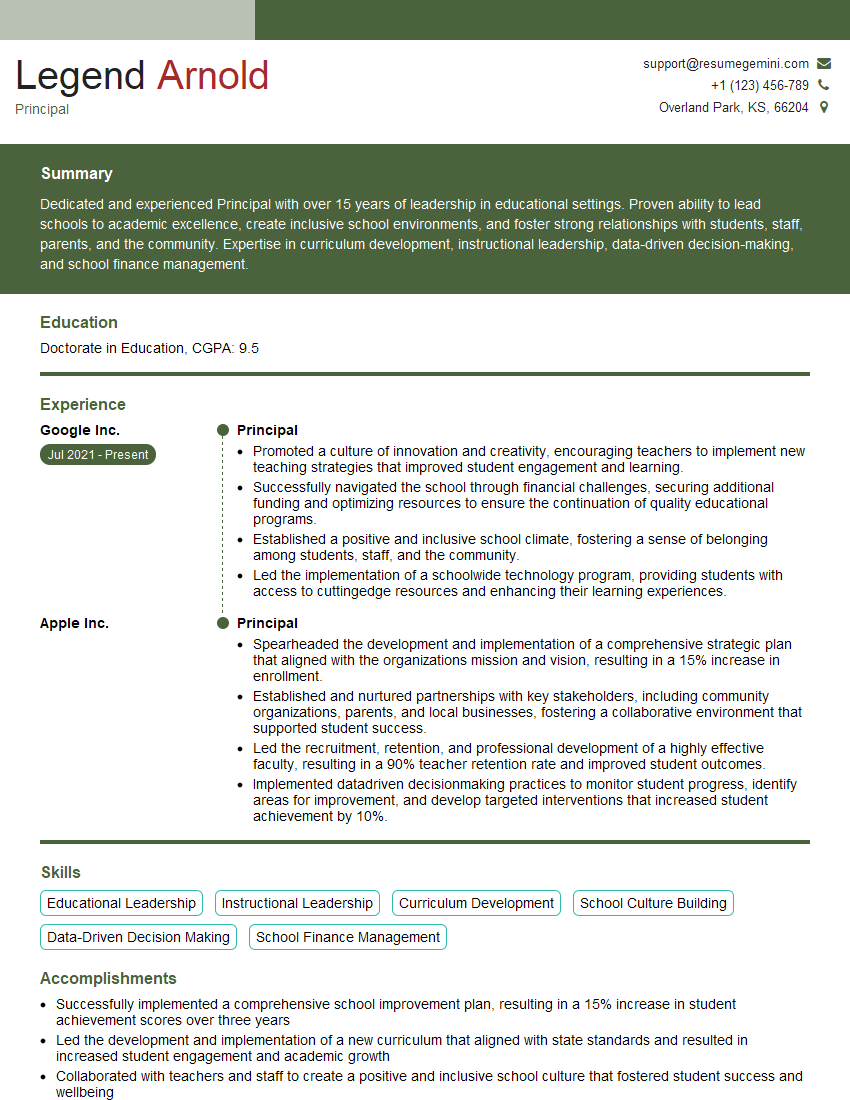
Principal Resume Sample
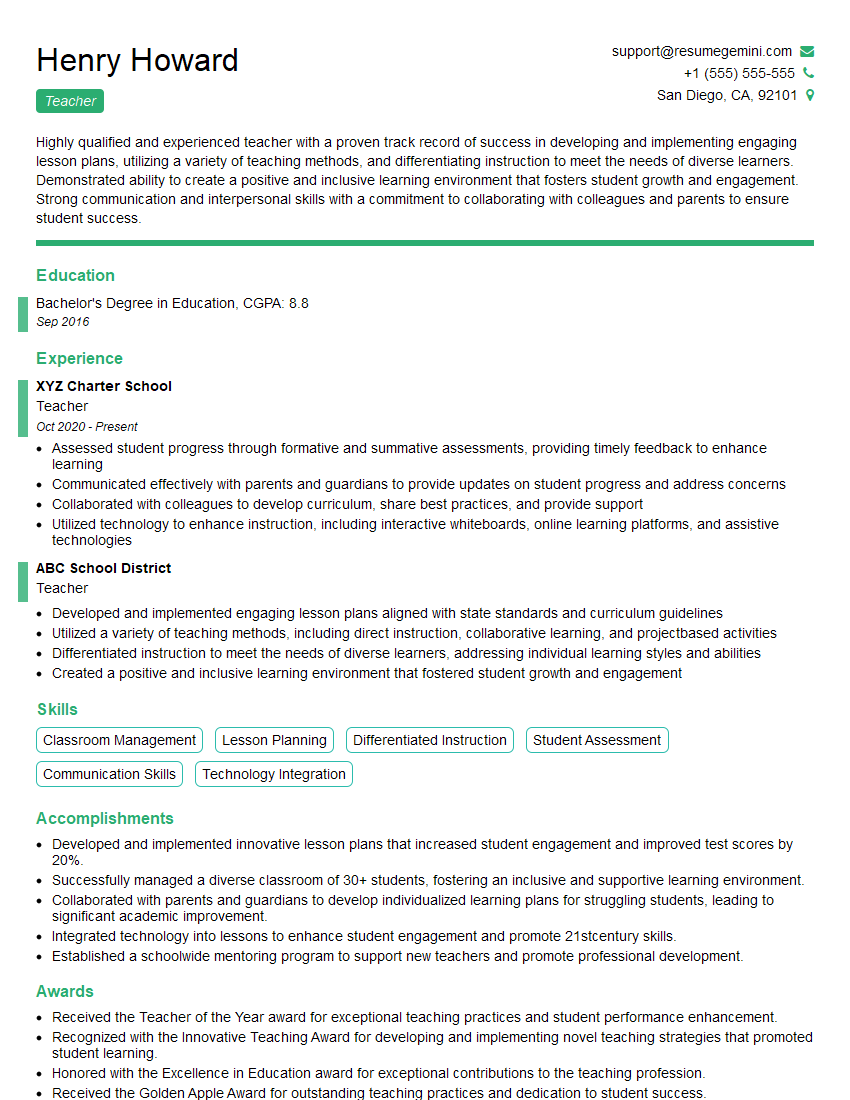
Teacher Resume Sample
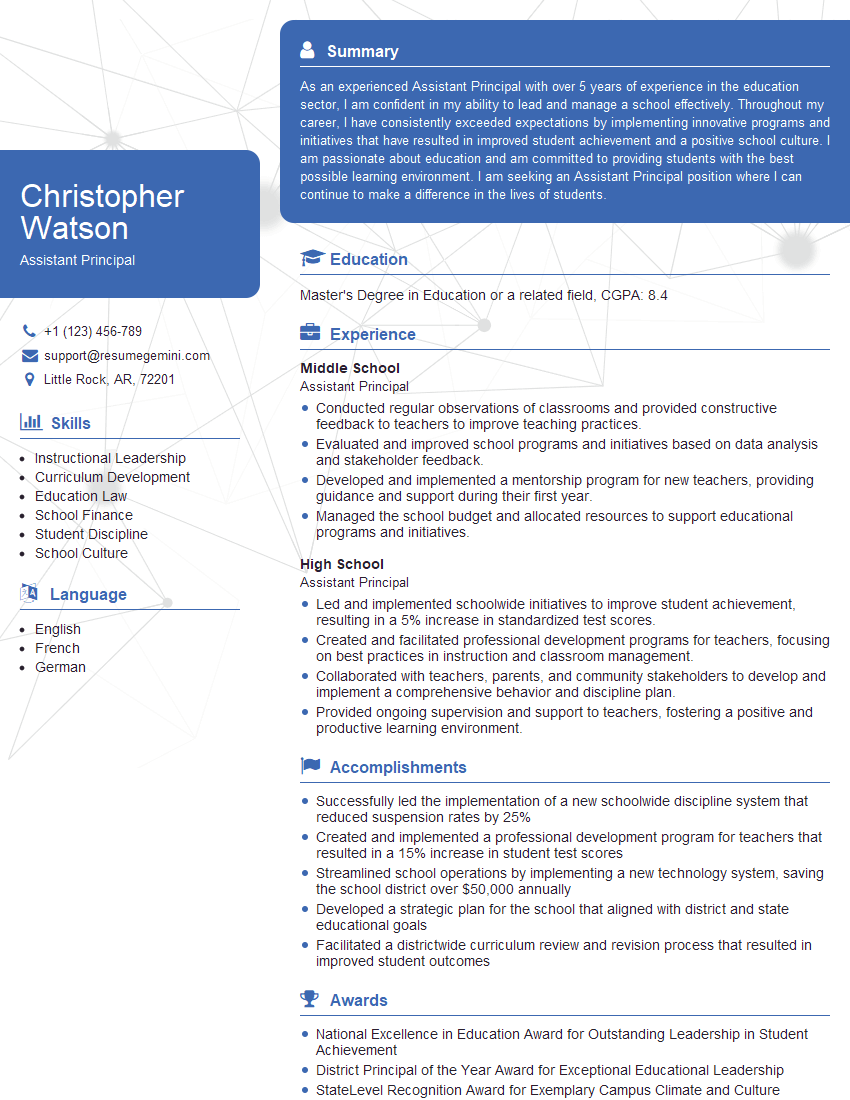
Assistant Principal Resume Sample
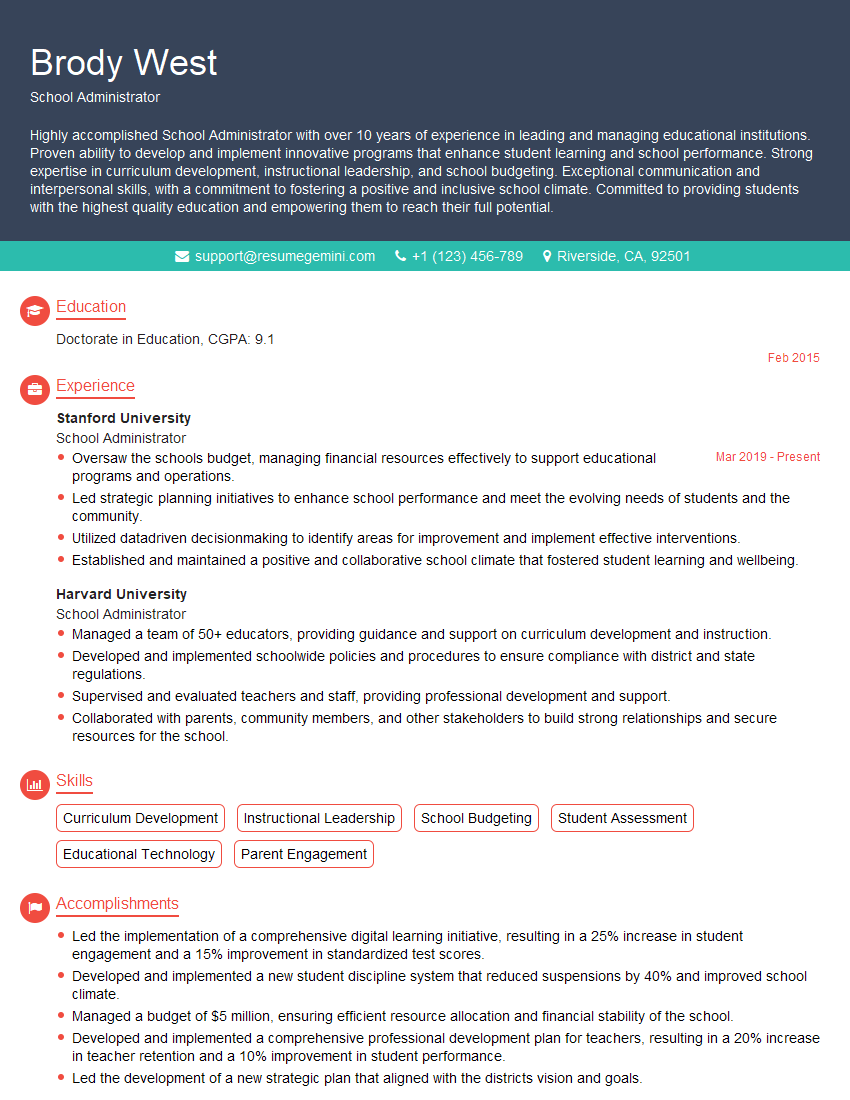
School Administrator Resume Sample
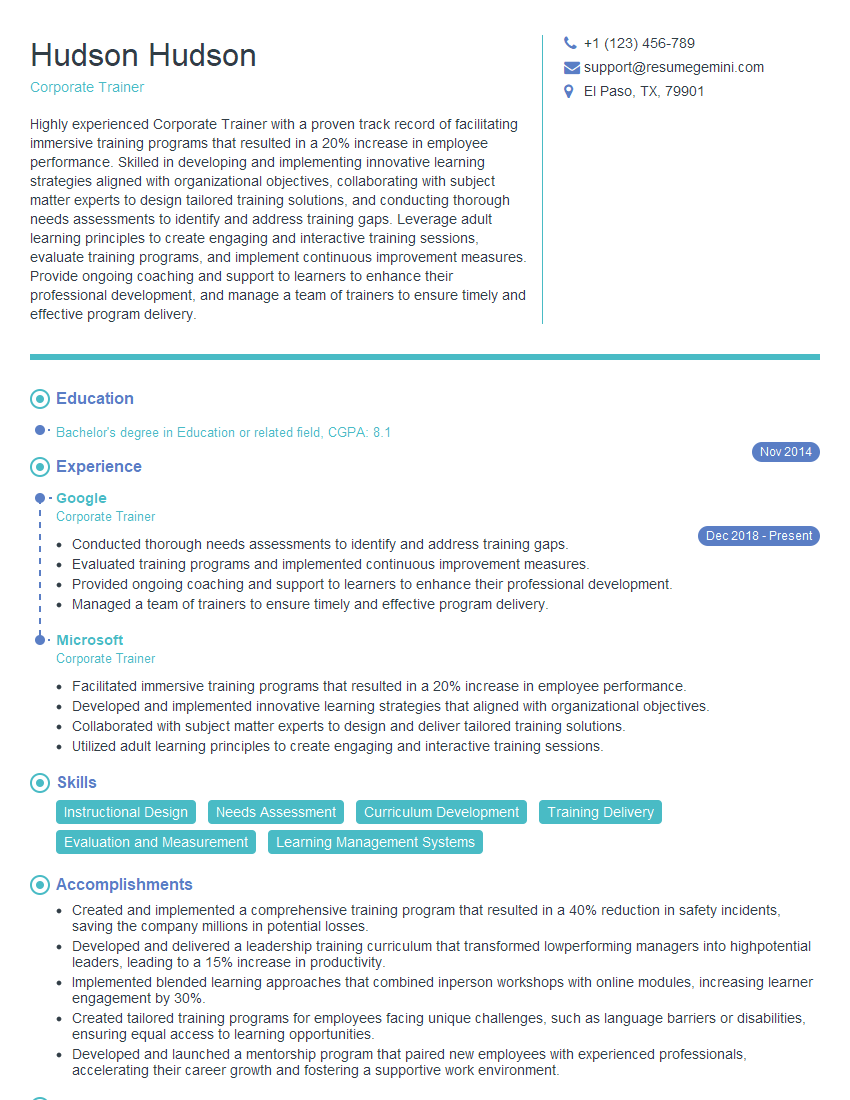
Corporate Trainer Resume Sample

Curriculum Developer Resume Sample
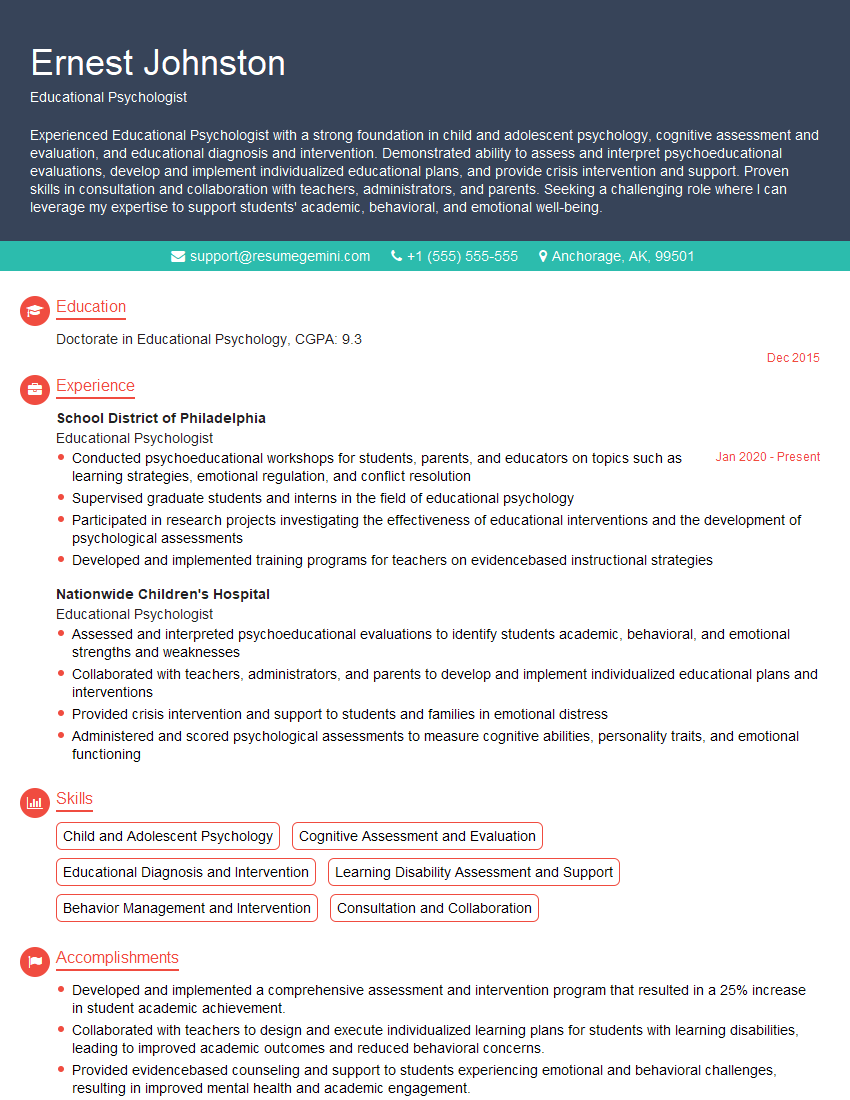
Educational Psychologist Resume Sample
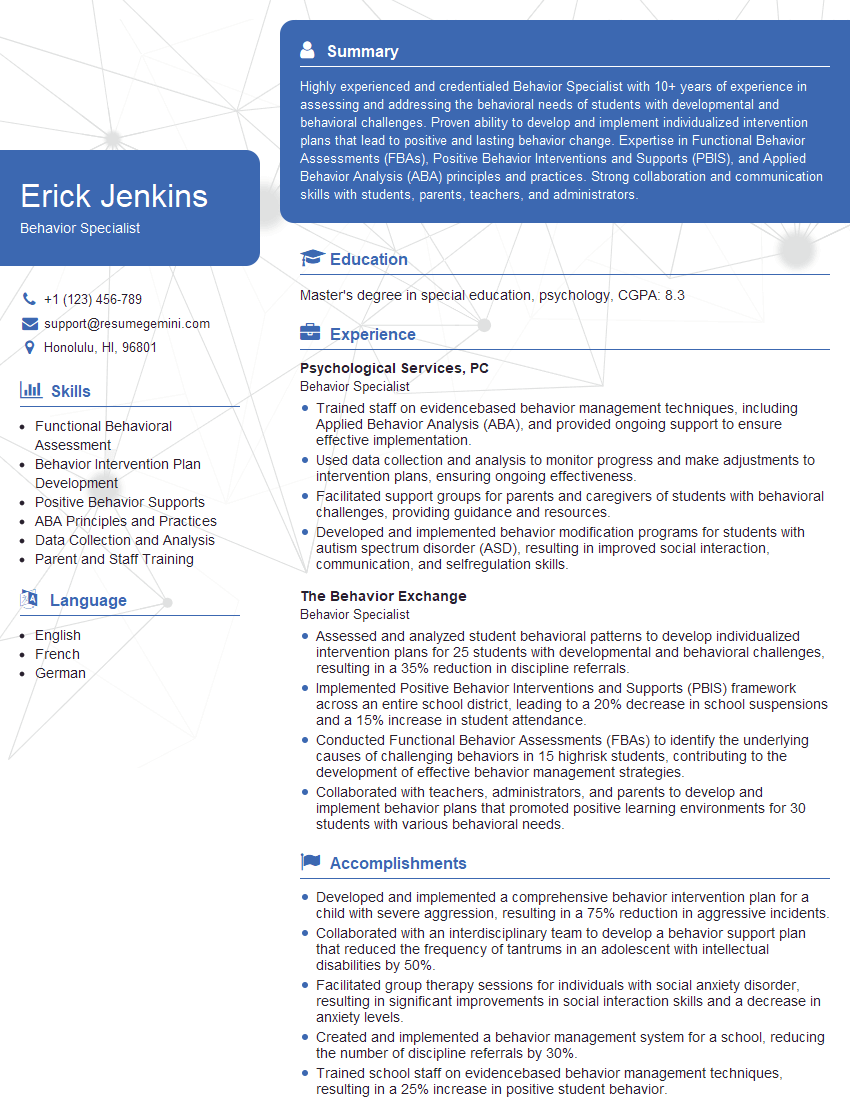
Behavior Specialist Resume Sample
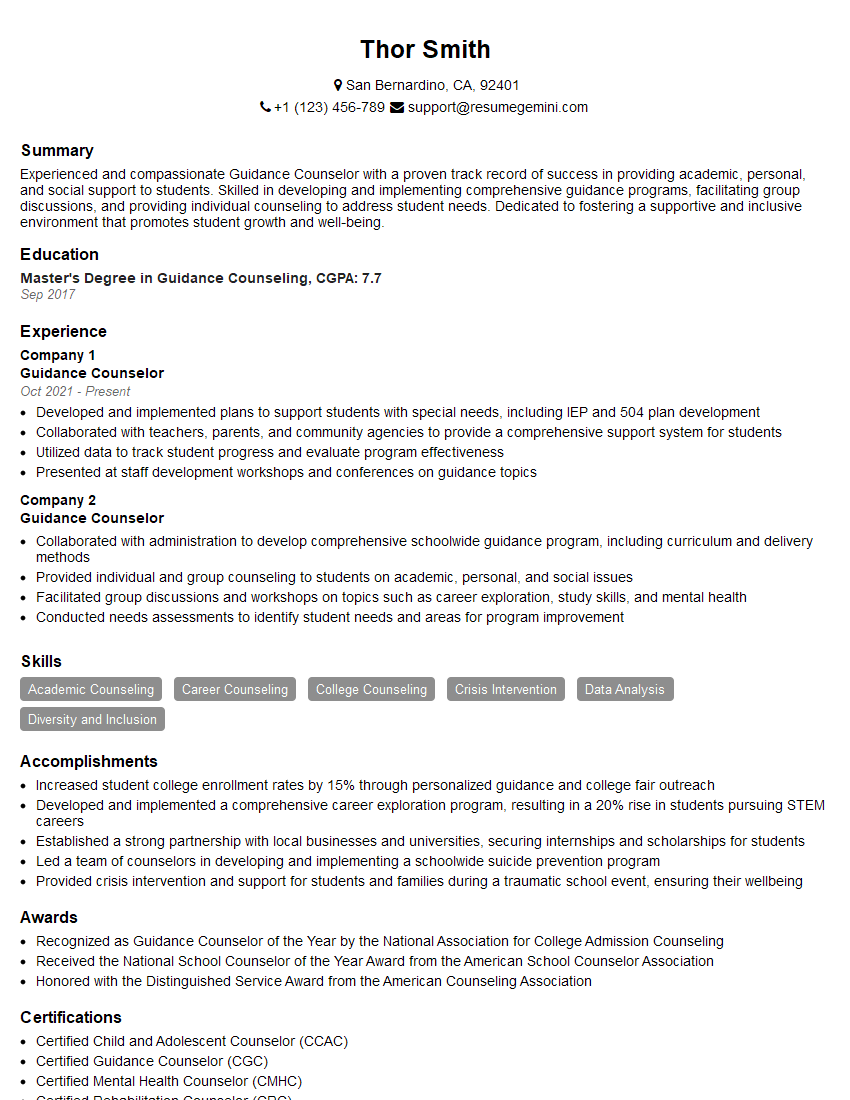
Guidance Counselor Resume Sample
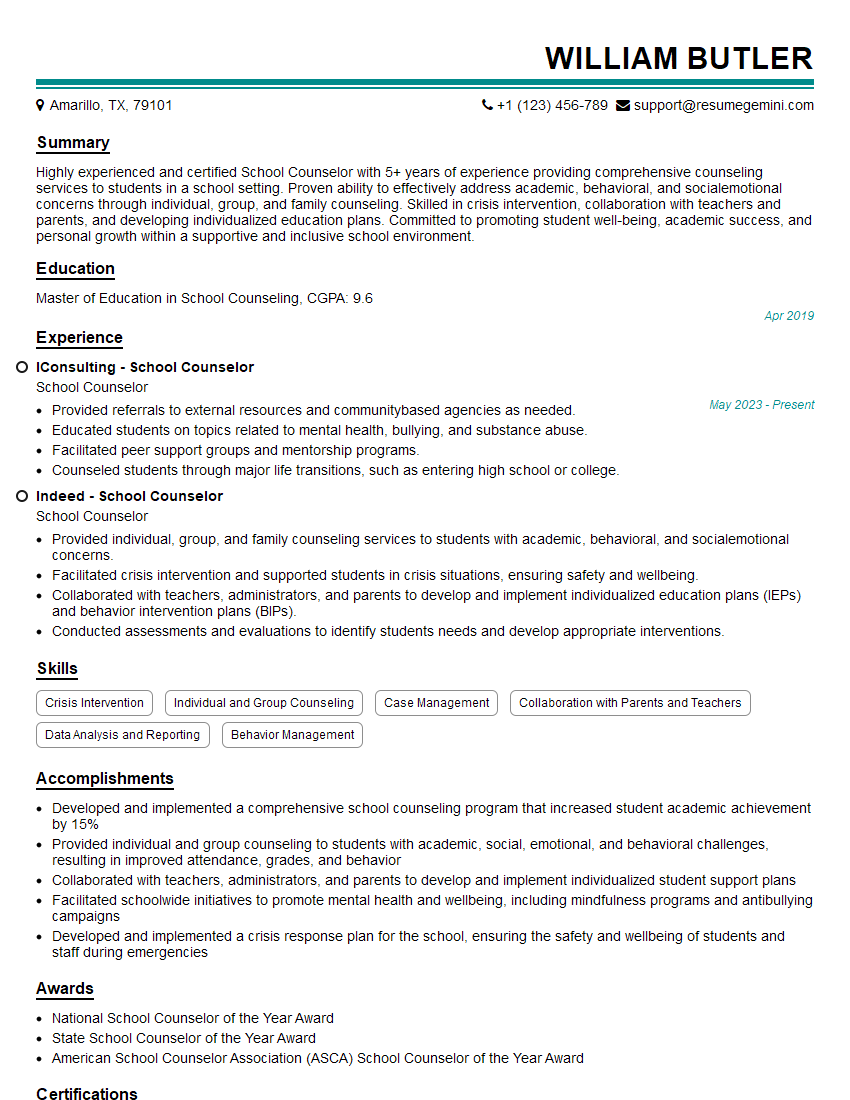
School Counselor Resume Sample
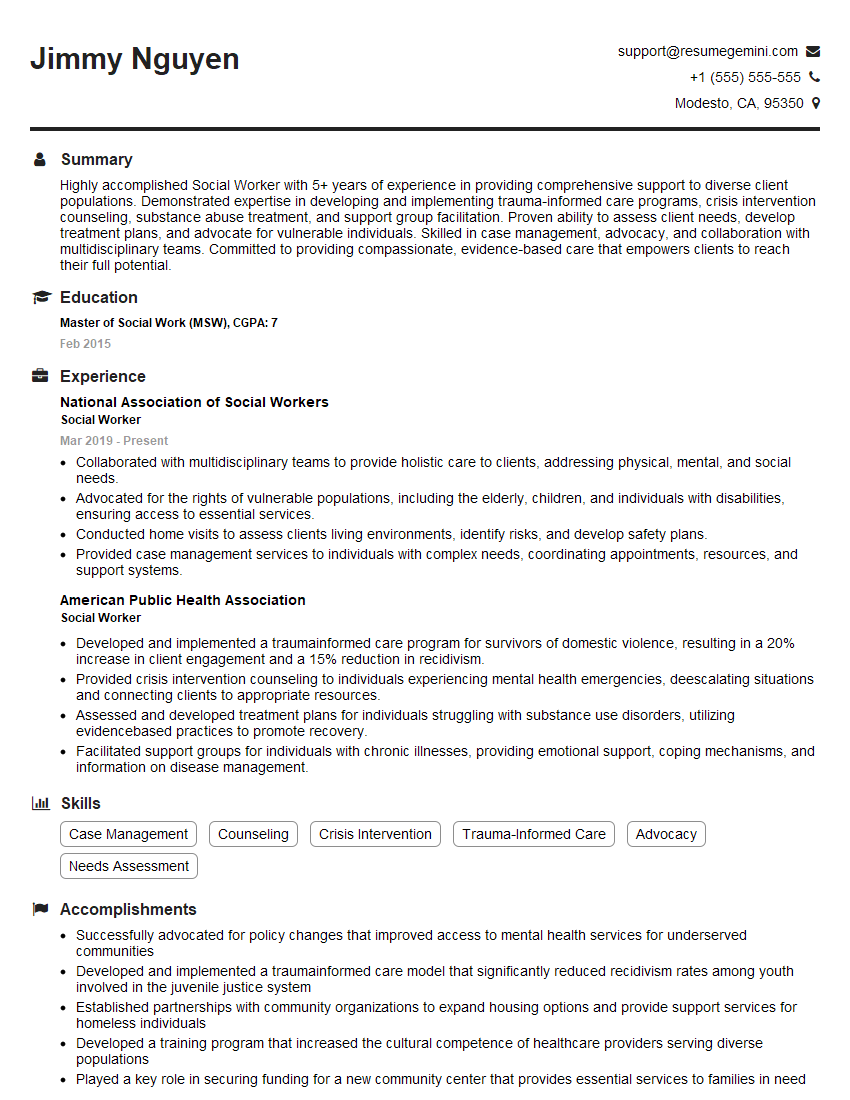
Social Worker Resume Sample
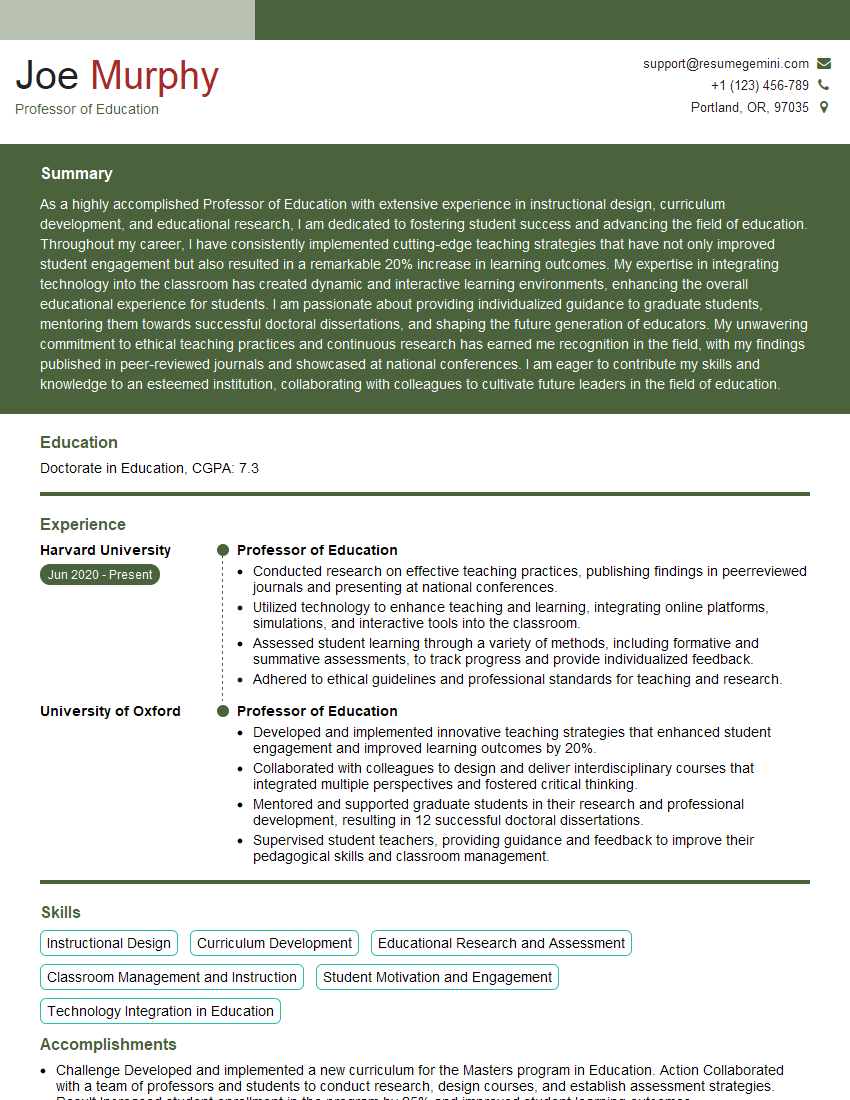
Professor of Education Resume Sample
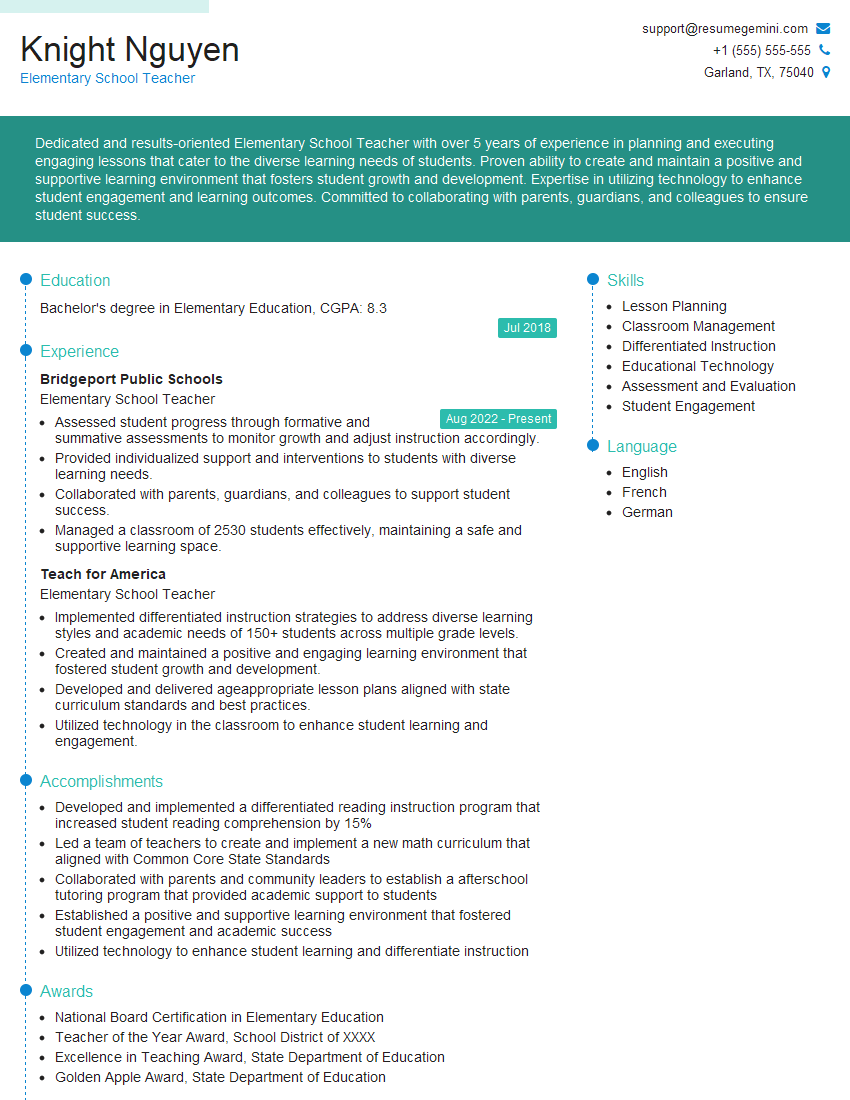
Elementary School Teacher Resume Sample
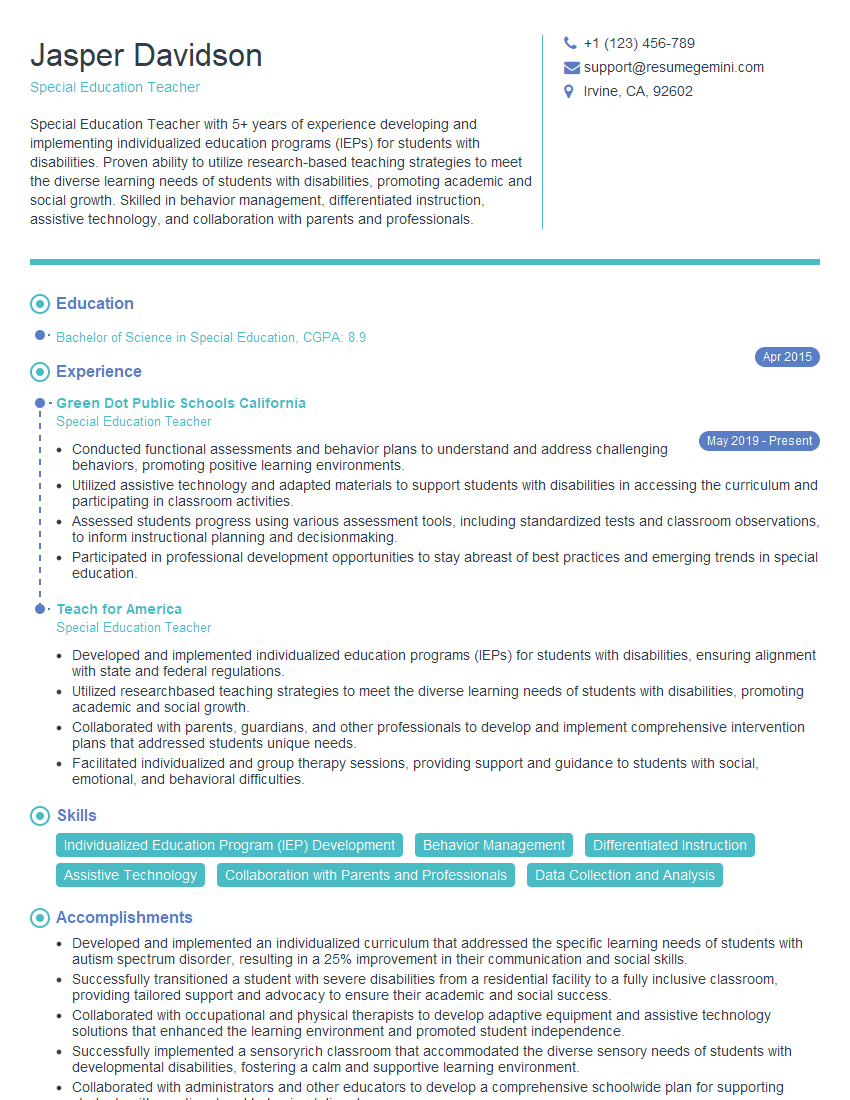
Special Education Teacher Resume Sample
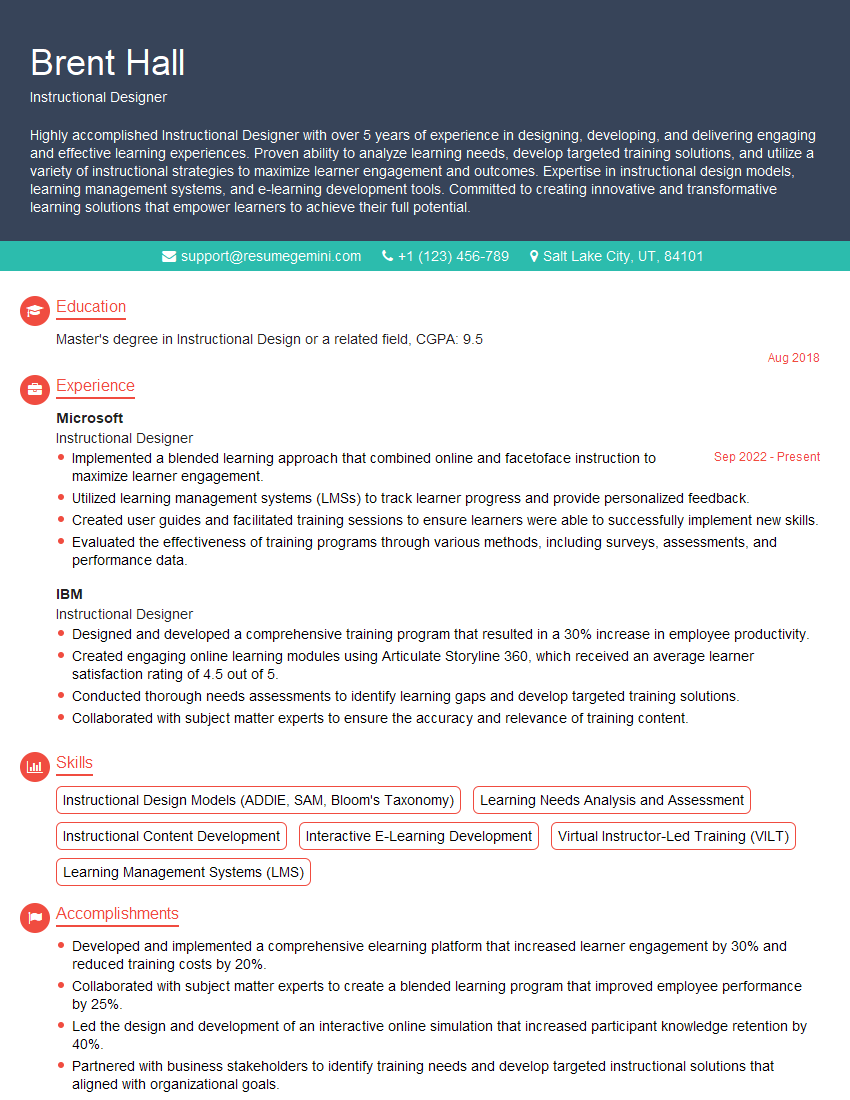
Instructional Designer Resume Sample
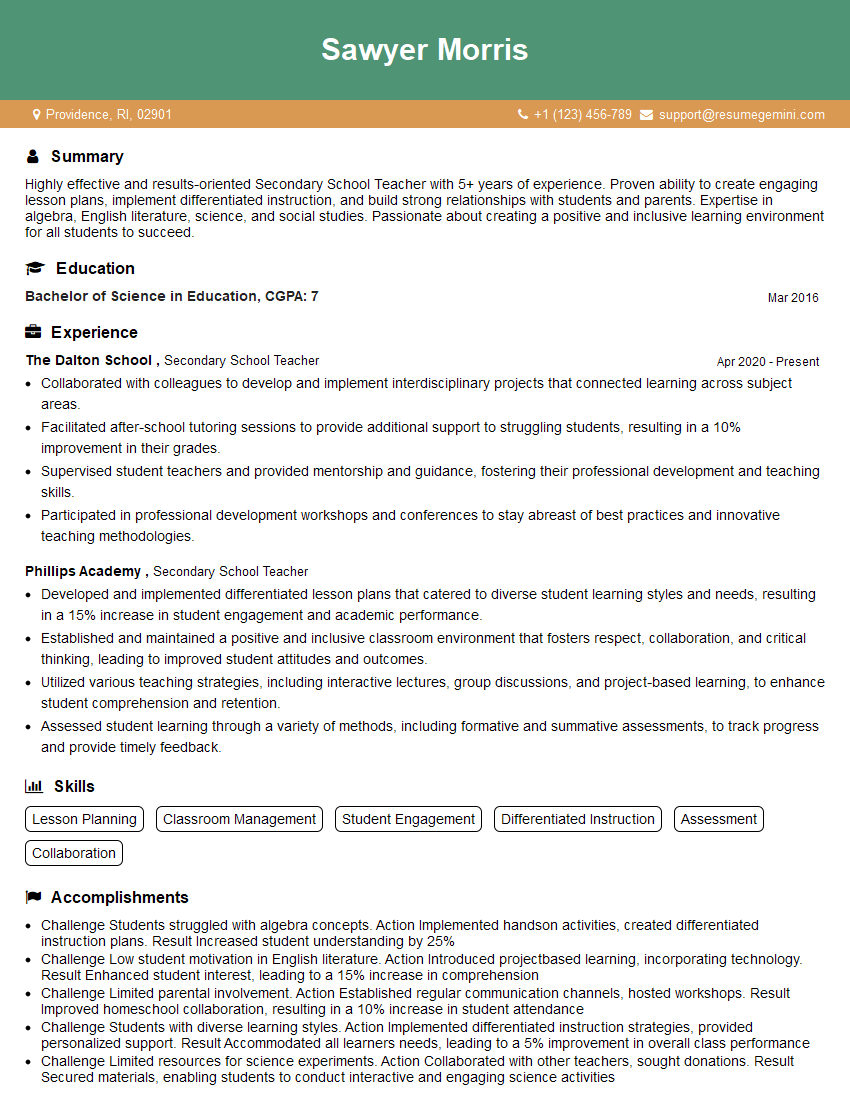
Secondary School Teacher Resume Sample
- Learning Specialist
- Principal
- Teacher
- Assistant Principal
- School Administrator
- Corporate Trainer
- Curriculum Developer
- Educational Psychologist
- Behavior Specialist
- Guidance Counselor
- School Counselor
- Social Worker
- Professor of Education
- Elementary School Teacher
- Special Education Teacher
- Instructional Designer
- Secondary School Teacher
Explore more articles
Users Rating of Our Blogs
Share Your Experience
We value your feedback! Please rate our content and share your thoughts (optional).
What Readers Say About Our Blog
I Redesigned Spongebob Squarepants and his main characters of my artwork.
https://www.deviantart.com/reimaginesponge/art/Redesigned-Spongebob-characters-1223583608
IT gave me an insight and words to use and be able to think of examples
Hi, I’m Jay, we have a few potential clients that are interested in your services, thought you might be a good fit. I’d love to talk about the details, when do you have time to talk?
Best,
Jay
Founder | CEO