Are you ready to stand out in your next interview? Understanding and preparing for Knowledge of weighing principles and practices interview questions is a game-changer. In this blog, we’ve compiled key questions and expert advice to help you showcase your skills with confidence and precision. Let’s get started on your journey to acing the interview.
Questions Asked in Knowledge of weighing principles and practices Interview
Q 1. Explain the different types of weighing scales and their applications.
Weighing scales come in various types, each designed for specific applications. The choice depends on factors like accuracy required, capacity needed, and the environment where it’ll be used.
- Mechanical Scales: These use levers and weights to balance the object being weighed. They are simple, robust, and relatively inexpensive, but their accuracy is limited and they are susceptible to wear and tear. A classic example is a balance scale used in many science classrooms.
- Electronic Scales: These utilize a load cell (a type of transducer) to convert the weight into an electrical signal which is then processed and displayed. They offer high accuracy, versatility, and often have additional features like data logging and connectivity options. Examples range from small kitchen scales to large industrial weighing systems.
- Strain Gauge Load Cells: These are the most common type of load cell in electronic scales. They consist of a metal structure with strain gauges attached. When a force is applied, the structure deforms slightly, changing the resistance of the strain gauges. This change is measured to determine the weight.
- Hydraulic Load Cells: These use hydraulic pressure to measure weight. They’re often found in very heavy-duty applications where high capacities are needed.
- Pneumatic Load Cells: These use compressed air pressure to measure weight, suitable for certain industrial environments.
- Platform Scales: These are large scales with a platform on which objects are placed, used for weighing heavier items such as pallets of goods in warehouses.
- Counting Scales: These scales are designed to count the number of items rather than weigh each individually. Useful when many similar items are being packaged or handled.
- Moisture Analyzers: These use weighing principles to measure the moisture content of a sample by weighing it before and after drying. They are crucial in various industries including food, pharmaceuticals and agriculture.
Choosing the right scale involves carefully considering factors like the weight range, required accuracy, environmental factors (temperature, humidity), and budget.
Q 2. Describe the principles of static and dynamic weighing.
Static and dynamic weighing differ fundamentally in how they measure weight.
- Static Weighing: This involves measuring the weight of a stationary object. The object is placed on the scale, and the weight is determined after it has settled and is at rest. This is the most common type of weighing and provides high accuracy. Think of weighing groceries at the supermarket.
- Dynamic Weighing: This measures the weight of an object while it’s moving. This requires specialized equipment that can continuously measure and compensate for the movement. Applications include conveyor belt weighing systems in factories, where goods are constantly moving.
The core difference lies in the stability of the object being weighed. Static weighing prioritizes accurate measurement under stable conditions, whereas dynamic weighing adds the complexity of movement compensation to provide weight measurement during continuous flow.
Q 3. What are the common sources of error in weighing processes?
Several factors can lead to errors in weighing. These errors can be systematic (consistent bias) or random (unpredictable variations).
- Calibration Errors: An improperly calibrated scale will consistently produce inaccurate results.
- Environmental Factors: Temperature, humidity, and air currents can affect readings, especially with sensitive scales. For instance, a warm air current rising from a hot surface underneath a precise scale could cause error.
- Operator Error: Incorrect placement of the object, inaccurate reading of the display, or improper use of the scale can introduce errors.
- Load Cell Drift: Load cells can exhibit a slow change in their output over time, affecting long-term accuracy.
- Vibration: Vibrations from nearby machinery can cause fluctuations in readings.
- Electrostatic Charges: Static electricity can affect electronic scales, particularly those with very high sensitivity.
- Linearity Errors: The scale may not show a perfectly linear relationship between weight and output across its entire range.
- Tare Errors: Inaccurate tare (subtracting the weight of the container) can result in errors in the net weight measurement.
Understanding these sources is crucial for minimizing errors and ensuring accurate weighing processes.
Q 4. How do you ensure the accuracy of a weighing scale?
Ensuring accuracy involves a multi-faceted approach.
- Proper Calibration: Regular calibration with certified weights is essential.
- Environmental Control: Maintaining a stable temperature and humidity environment reduces environmental influences.
- Proper Handling: Carefully handling the scale and avoiding dropping or impacting it prevents damage.
- Regular Maintenance: Cleaning the scale and checking for any damage prevents malfunctions.
- Operator Training: Proper training ensures users understand correct operating procedures.
- Leveling: Ensuring the scale is perfectly level reduces errors caused by uneven distribution of weight.
- Using Appropriate Scale: Selecting the right scale for the specific application minimizes error based on scale capacity and readability.
- Regular Testing: Performing periodic tests with known weights helps detect any deviation from accuracy.
A combination of these practices helps maintain accurate and reliable weighing results over time.
Q 5. Explain the importance of calibration in weighing.
Calibration is paramount in weighing, as it ensures the scale provides accurate and reliable measurements. Without calibration, a scale might display readings consistently higher or lower than the true weight, rendering measurements useless.
Think of it like calibrating a watch – if your watch is consistently five minutes fast, you can’t rely on it for accurate timekeeping. Similarly, a non-calibrated scale provides incorrect weights, potentially affecting many processes depending on what’s being weighed (e.g., pharmaceutical dosages, ingredient amounts in manufacturing). Calibration establishes traceability to national or international standards, thus providing confidence in the accuracy of measurements.
Q 6. What are the different calibration methods used for weighing scales?
Several calibration methods are used depending on the scale type and required accuracy.
- External Calibration: This involves using certified weights to adjust the scale’s output. The scale is loaded with known weights, and its readings are compared to the actual values. Adjustments are then made to correct any discrepancies.
- Internal Calibration: Some electronic scales have built-in calibration procedures. The user initiates a process that uses an internal reference to adjust the scale’s output.
- Linearity Calibration: Checks the scale’s response across its entire weighing range, making sure the response is linear, i.e. changes proportionally with weight.
- Span Calibration: Sets the calibration at the maximum capacity of the scale.
- Zero Calibration: Sets the scale to zero when nothing is placed on the weighing pan.
The choice of calibration method depends on the scale’s specifications and regulatory requirements.
Q 7. How frequently should weighing scales be calibrated?
The calibration frequency depends on several factors, including the scale’s type, usage frequency, and the criticality of the weighing application.
- High-precision scales used in laboratories or for critical applications may require daily or even more frequent calibration. Imagine a pharmaceutical company—very frequent calibrations are necessary due to stringent regulations.
- Scales in less critical applications might only require calibration monthly or quarterly.
- Industrial scales used in warehousing or manufacturing might be calibrated less frequently, perhaps annually, but a regular preventative maintenance schedule is crucial.
Regulations and standards often dictate minimum calibration frequencies for specific industries. A calibration schedule should be developed based on risk assessment and documented to ensure compliance and data integrity.
It’s always best to consult the scale’s manufacturer’s instructions and any relevant industry standards for specific recommendations.
Q 8. Describe the process of verifying the accuracy of a weighing scale.
Verifying a weighing scale’s accuracy involves a multi-step process that ensures reliable measurements. Think of it like calibrating a finely tuned instrument – you wouldn’t trust a perfectly working watch if it hadn’t been set to the correct time!
Firstly, we use certified weights (standards with traceable calibration certificates) of known mass. These weights are crucial for establishing a benchmark. We then place these weights on the scale and compare the reading displayed to the known mass. Any significant deviation indicates a potential problem.
For instance, if a 100-gram weight shows a reading of 99.5 grams, we have a discrepancy. This discrepancy needs to be investigated. We may need to recalibrate the scale, adjust its settings, or even perform a more thorough assessment to rule out mechanical failures.
The process often involves using multiple weights across the scale’s operating range to check for consistency. We also document every step, ensuring traceability and accountability. This ensures that the scale consistently provides accurate and dependable measurements.
- Using certified weights: Essential for establishing a reliable benchmark.
- Comparing readings: Directly comparing the scale’s reading to the known mass of the weight.
- Documentation: Recording all steps ensures traceability and accountability.
Q 9. What are the standard operating procedures (SOPs) for weighing in a laboratory?
Standard Operating Procedures (SOPs) for weighing in a laboratory are crucial for maintaining data integrity and ensuring consistent results. Imagine a chef following a precise recipe – consistency in measurement is key to a successful outcome. Our SOPs focus on precision and meticulous record-keeping.
- Pre-weighing checks: Before any weighing, we ensure the scale is properly leveled, clean, and that the environment is stable (temperature, drafts).
- Tare weight: If weighing a sample in a container, we ‘tare’ the container to zero out its weight before adding the sample. This ensures we only measure the sample’s mass.
- Multiple weighings: To improve accuracy, we typically perform at least three weighings, taking an average to minimize random errors.
- Recording data: All readings, including the date, time, sample identification, and any observed deviations, are meticulously recorded in a lab notebook or electronic system.
- Cleaning: After use, the scale and surrounding area must be thoroughly cleaned to prevent contamination from affecting future weighings.
Adhering to these SOPs is non-negotiable, ensuring the accuracy and reliability of our data, which forms the cornerstone of scientific integrity.
Q 10. How do you handle discrepancies in weighing results?
Discrepancies in weighing results necessitate a systematic investigation. Imagine a discrepancy as a detective story – we need to find the culprit!
- Re-weighing: First, we re-weigh the sample multiple times to check for random errors. Consistent discrepancies point to a deeper issue.
- Check the scale calibration: We verify the scale’s calibration using certified weights, as described earlier. A calibration problem is a common culprit.
- Environmental factors: We consider environmental factors like drafts, temperature fluctuations, and static electricity. These can all affect readings.
- Sample handling: We examine our sample handling procedures. Was the sample properly handled to avoid moisture loss or contamination?
- Equipment malfunction: If all else fails, a malfunctioning scale needs to be investigated by qualified technicians.
- Documentation: The entire investigation process, including findings and corrective actions, is carefully documented.
By systematically investigating the source of discrepancies, we ensure the quality of our data and avoid erroneous conclusions.
Q 11. Explain the concept of linearity in weighing.
Linearity in weighing refers to the scale’s ability to provide consistent readings across its entire weighing range. Imagine a perfectly straight line – that’s what we expect from a linear scale. A deviation suggests a problem.
Linearity is tested by weighing certified weights at various points throughout the scale’s capacity. We then plot the measured weights against the actual weights. Ideally, the resulting graph will be a straight line showing a constant ratio between the measured and actual weight. Significant deviations from this straight line indicate non-linearity, suggesting a problem that needs attention. It could be a mechanical issue or a problem with the scale’s electronics. Non-linearity undermines the scale’s accuracy and reliability.
Q 12. What is the significance of repeatability and reproducibility in weighing?
Repeatability and reproducibility are cornerstones of reliable weighing. Repeatability refers to how closely repeated measurements of the same sample agree with each other, while reproducibility refers to how closely measurements of the same sample agree when made by different operators, on different days, or on different scales.
Think of it like baking a cake – repeatability means you get a similar cake each time you bake using the same recipe, while reproducibility means others can bake a similar cake following the same recipe. High repeatability and reproducibility are crucial for confidence in the results. They show that the measurement process itself is robust and doesn’t introduce significant errors.
Low repeatability/reproducibility indicates problems with either the scale, the measurement technique, or the handling of the sample.
Q 13. How do you determine the minimum weight of a weighing scale?
The minimum weight of a weighing scale, also known as the minimum weight or readability, signifies the smallest weight change that the scale can reliably detect. It’s the smallest difference in weight that the scale can differentiate. Imagine trying to measure tiny grains of sand with a bathroom scale – you’d get inaccurate results.
The minimum weight is usually specified by the manufacturer and is determined through testing and calibration. It is usually a fraction of the scale’s maximum capacity. For example, a scale with a 100g capacity may have a minimum weight of 0.01g, meaning it can reliably detect differences of 0.01g within its 100g capacity. Using the scale to weigh anything significantly lighter than the minimum weight will lead to unreliable readings.
Q 14. What are the safety precautions to be followed while operating weighing scales?
Safety when using weighing scales is paramount. Think of it like handling any laboratory equipment – care and awareness are essential to prevent accidents.
- Proper handling: Always handle the scale with care; avoid dropping or bumping it.
- Level surface: Always ensure the scale is placed on a stable, level surface.
- Cleanliness: Keep the scale clean and free of debris to prevent contamination and ensure accurate readings.
- Calibration: Regular calibration is essential to ensure the scale’s accuracy. Always follow manufacturer instructions.
- Electrical safety: If using an electronic scale, be aware of the power cord and ensure it’s in good condition and handled safely.
- Appropriate attire: Avoid wearing loose clothing or jewelry that might interfere with the scale or cause accidents.
By following these basic safety precautions, you can minimize the risk of injury or damage to the weighing equipment.
Q 15. Explain the concept of tare weight and its importance.
Tare weight is the weight of an empty container or vessel used in weighing. It’s crucial because it allows us to determine the net weight of a substance or material, excluding the weight of its container. Imagine you’re weighing flour in a bowl; the tare weight is the weight of the empty bowl. Subtracting the tare weight from the gross weight (the combined weight of the flour and the bowl) gives you the net weight of the flour.
Importance: Accurate tare weight determination is essential for precise measurements in various applications, from laboratory analysis to industrial production. Inaccurate tare weight can lead to significant errors in calculations, affecting product quality, costing, and even safety in some cases. For example, in pharmaceutical manufacturing, incorrect tare weight can result in under or over-dosage of medication, leading to severe consequences.
Career Expert Tips:
- Ace those interviews! Prepare effectively by reviewing the Top 50 Most Common Interview Questions on ResumeGemini.
- Navigate your job search with confidence! Explore a wide range of Career Tips on ResumeGemini. Learn about common challenges and recommendations to overcome them.
- Craft the perfect resume! Master the Art of Resume Writing with ResumeGemini’s guide. Showcase your unique qualifications and achievements effectively.
- Don’t miss out on holiday savings! Build your dream resume with ResumeGemini’s ATS optimized templates.
Q 16. How do you deal with a weighing scale malfunction?
Dealing with a malfunctioning weighing scale requires a systematic approach. First, safety is paramount; ensure the area is secure and the scale is disconnected from power if necessary. Next, identify the problem; is it displaying an error message? Is it giving inconsistent readings? Is it not powering on? This helps determine the next steps.
Then, check for simple issues: ensure the scale is properly leveled, the weighing pan is clean and free of obstructions, and the power supply is adequate. If the problem persists, refer to the scale’s manual for troubleshooting steps. Many scales have built-in diagnostics or self-calibration routines. If those fail, contact the manufacturer or a qualified service technician for repair or calibration. Never attempt repairs beyond your expertise, as this could damage the scale further or create safety hazards.
Q 17. What are the different types of weights used in calibration?
Calibration uses various types of weights, categorized by material, precision, and certification. Common types include:
- Metal Weights: Usually made of stainless steel, brass, or other non-corrosive materials. These are the most prevalent type, offering excellent stability and durability.
- OIML (International Organization of Legal Metrology) Weights: These meet internationally recognized standards for accuracy and are essential for legal trade and compliance.
- Class F1, F2, M1, M2, etc.: These classifications denote different accuracy tolerances, with F1 being the most precise and M2 being less precise. The choice depends on the application’s required accuracy level.
- Calibration Weights Sets: These are sets of weights of various denominations, designed for calibrating a wide range of balances.
The choice of weight type depends on the accuracy needed for the calibration and the type of weighing instrument being calibrated. Using weights with appropriate tolerances is crucial for reliable calibration results.
Q 18. Explain the difference between precision and accuracy in weighing.
Precision refers to the repeatability of measurements. A precise scale will consistently give very similar readings when measuring the same object multiple times. Think of it as the scale’s ability to hit the same spot repeatedly, even if that spot isn’t exactly the true weight.
Accuracy, however, refers to how close the measured value is to the true value. An accurate scale will provide a reading very close to the object’s actual weight. Imagine hitting a dartboard: precision is about hitting the same area consistently, while accuracy is about hitting the bullseye. A scale can be precise but inaccurate if it’s consistently off by a certain amount.
Both precision and accuracy are vital for reliable weighing results. Ideally, a weighing scale should be both precise and accurate.
Q 19. How do environmental factors affect weighing accuracy?
Environmental factors significantly affect weighing accuracy. Temperature fluctuations cause changes in the dimensions of the weighing instrument and the object being weighed, leading to errors. Air drafts can cause the weighing pan to move, affecting readings. Humidity can cause static electricity build-up, influencing weight readings, especially with sensitive electronic balances. Electromagnetic fields can interfere with electronic scales, affecting their performance.
To minimize these effects, weigh in a stable environment with minimal temperature and humidity changes. Use a draft shield to eliminate air currents. Ground electronic scales properly to reduce electromagnetic interference. Proper calibration and regular maintenance also help mitigate environmental influences.
Q 20. How do you document weighing results and ensure traceability?
Proper documentation and traceability are vital for ensuring the validity and reliability of weighing results. This usually involves using a dedicated weighing record book or electronic logging system.
Documentation should include:
- Date and time of weighing
- Sample ID or description
- Weight values (gross, tare, net)
- Scale ID and calibration information
- Operator’s initials or ID
- Any observations or deviations from standard procedures
Traceability is ensured by linking the weighing results to the calibration records of the scale and the traceability of the weights used in the calibration. This demonstrates the reliability and accuracy of the weighing process and ensures compliance with regulatory requirements.
Q 21. Explain the importance of using appropriate personal protective equipment (PPE) during weighing.
Appropriate PPE is important during weighing, particularly when handling hazardous materials. The type of PPE depends on the specific substances being weighed. For example:
- Gloves: Protect hands from chemical spills or contamination.
- Lab coats or protective clothing: Prevent spills from reaching the skin or clothing.
- Eye protection: Shields the eyes from splashes or airborne particles.
- Respiratory protection: Necessary when weighing volatile or toxic substances.
Using appropriate PPE minimizes the risk of accidents, protects the operator’s health, and prevents contamination of the samples or the weighing instrument. Always check the safety data sheet (SDS) of the material being weighed to determine the appropriate PPE.
Q 22. What are the legal requirements related to weighing accuracy in your industry?
Legal requirements surrounding weighing accuracy vary significantly depending on the industry and geographical location. For example, in the pharmaceutical industry, weighing accuracy is strictly regulated by agencies like the FDA (Food and Drug Administration) in the US or the EMA (European Medicines Agency) in Europe. These regulations dictate acceptable tolerances for different weighing applications, often tied to the criticality of the measurement in the manufacturing process. In trade, national metrology institutes often set standards for commercial weighing devices to ensure fair trade practices, preventing shortchanging customers. These standards usually mandate periodic verification and calibration of scales by certified technicians. Failure to comply can result in hefty fines and legal repercussions. The specific regulations, including acceptable tolerances and calibration schedules, are usually documented in detailed guidelines and standards that need to be consulted and followed rigorously.
For instance, a pharmaceutical company might need to adhere to Good Manufacturing Practices (GMP) guidelines which specify the accuracy required for weighing active pharmaceutical ingredients (APIs). Deviation from these could lead to product recalls or regulatory actions.
Q 23. Describe your experience with different types of weighing instruments.
Throughout my career, I’ve had extensive experience with various weighing instruments, ranging from simple mechanical balances to sophisticated analytical balances and industrial floor scales. Mechanical balances, while less precise, offer a simple, robust solution for less critical weighing tasks. I’ve used them extensively for educational purposes and in applications where electricity is unavailable. Analytical balances, on the other hand, are crucial in laboratories and research settings where high precision and accuracy are paramount. These instruments are capable of measuring masses to the microgram level and often incorporate features like automatic calibration and data logging. My experience also encompasses industrial floor scales used for weighing heavy materials in warehousing and manufacturing environments. These scales are often integrated with data acquisition systems for inventory management. Finally, I’ve worked with specialized weighing instruments like moisture analyzers, which measure the water content of a sample, and density meters, used to determine the density of liquids. Each instrument type presents unique challenges and considerations concerning calibration, maintenance, and data interpretation.
Q 24. How do you troubleshoot a weighing scale that is consistently providing inaccurate readings?
Troubleshooting an inaccurate weighing scale requires a systematic approach. The first step involves verifying that the scale is properly calibrated and level. A simple visual check for levelness using the built-in bubble level is usually the first action. If it’s not level, adjusting the feet will often resolve the issue. Next, I would check the calibration by using calibrated weights. Significant deviation from the expected values indicates the need for recalibration or potential mechanical problems. If the scale is still providing inaccurate readings, I would investigate the environment. Factors like temperature fluctuations, vibrations, and drafts can significantly impact accuracy. Moving the scale to a more stable and environmentally controlled location might help. Additionally, I would inspect the scale for any physical damage or signs of wear and tear that might affect its performance. Cleaning the weighing pan and checking for any debris is also essential. If none of these address the issue, a thorough examination of the internal components by a qualified technician might be necessary to identify and fix any underlying mechanical or electronic problems. Maintaining detailed records of calibration and troubleshooting efforts is crucial for quality control and regulatory compliance.
Q 25. Explain the impact of temperature and humidity on weighing accuracy.
Temperature and humidity significantly affect weighing accuracy, particularly for high-precision applications. Temperature changes cause variations in the dimensions of the weighing components, resulting in systematic errors. For example, a warmer temperature can cause the scale’s components to expand, leading to underestimation of weight. Conversely, lower temperatures can lead to contraction and overestimation. Humidity, on the other hand, influences the weight measurements through the adsorption or desorption of moisture by the sample and the weighing pan. This effect is pronounced for hygroscopic materials, substances that readily absorb moisture from the air. Therefore, maintaining a stable and controlled environment—ideally a temperature- and humidity-controlled room—is crucial for accurate and reliable weighing. In many cases, the weighing instrument itself will have a built-in temperature compensation system to mitigate these effects, but this only works effectively within a specific range.
For instance, in a laboratory setting, a significant temperature change between the calibration and measurement could throw off the results of a highly sensitive analytical balance significantly. Similarly, weighing a hygroscopic salt in a high-humidity environment would show a greater mass due to water absorbed from the air.
Q 26. How do you select the appropriate weighing scale for a specific application?
Selecting the appropriate weighing scale involves carefully considering the specific application requirements. The most important factors include the required accuracy, capacity (maximum weight the scale can measure), readability (smallest increment the scale can display), and the type of material being weighed. For example, a laboratory needing high precision for small samples would require an analytical balance with a high readability, whereas a warehouse weighing pallets of goods might need a heavy-duty floor scale with a large capacity. Other factors to consider include the desired features (e.g., data logging, connectivity to a computer, automatic calibration), the budget, and the environmental conditions. It’s essential to consult the manufacturer’s specifications and consider the long-term maintenance and calibration costs when making a decision. An improperly selected scale can lead to inaccurate results, impacting the quality and reliability of the work.
For instance, attempting to weigh a large amount of material on a precision balance would lead to inaccurate results due to exceeding the scale’s capacity, while using a low-capacity scale for a heavy object would not only be inaccurate but potentially damaging.
Q 27. Describe your experience with data acquisition and management systems used with weighing scales.
My experience with data acquisition and management systems used with weighing scales is extensive. Modern weighing instruments often come equipped with interfaces allowing direct data transfer to computers or other devices. These systems enable seamless integration with laboratory information management systems (LIMS) or enterprise resource planning (ERP) systems, streamlining data handling and analysis. Data is typically transferred in various formats, such as CSV or XML, for easy processing. I’ve worked with systems that incorporate features like barcode scanning, which improves data input accuracy and efficiency. The use of these systems eliminates manual data entry, reducing the likelihood of human error and significantly improving workflow efficiency. Data management also involves setting up appropriate access control and security measures to protect the integrity and confidentiality of the collected data.
For example, in a pharmaceutical manufacturing environment, weighing data might be integrated with a batch tracking system for regulatory compliance, guaranteeing that all materials are accurately accounted for, and ensuring that all the data is traceable and verifiable.
Q 28. What are the best practices for maintaining weighing equipment?
Maintaining weighing equipment is crucial for ensuring accuracy and extending its lifespan. Regular calibration according to a schedule dictated by regulatory requirements or manufacturer recommendations is paramount. This involves using certified calibration weights and recording all calibration results in a meticulously maintained logbook. Regular cleaning of the weighing pan and surrounding areas is essential to prevent the accumulation of dust, debris, or spills which can affect accuracy. The scale should be protected from environmental factors such as extreme temperatures, humidity, vibrations, and direct sunlight. Regular inspection of the scale for any signs of wear and tear, such as damage to the weighing pan or loose components, is also recommended. It is also important to follow the manufacturer’s recommendations for maintenance, which might involve periodic internal inspections and adjustments by a qualified technician. Documentation of all maintenance activities, including calibration, cleaning, and repairs, is vital for quality assurance and compliance with industry standards.
Think of it like regular car maintenance – neglecting it leads to eventual breakdowns, whereas consistent care ensures reliable performance and longevity.
Key Topics to Learn for Knowledge of Weighing Principles and Practices Interview
- Fundamentals of Weighing: Understanding different weighing methods (e.g., mechanical, electronic), calibration techniques, and the impact of environmental factors (temperature, humidity) on accuracy.
- Accuracy and Precision: Distinguishing between accuracy and precision, identifying sources of error, and implementing methods for minimizing measurement uncertainties. Practical application: analyzing and interpreting weighing data to identify potential discrepancies.
- Weighing Equipment: Familiarity with various types of weighing instruments (balances, scales), their operational principles, and maintenance procedures. Understanding the limitations and capabilities of different equipment types.
- Calibration and Verification: Mastering calibration procedures, understanding weight standards and traceability, and performing routine checks to ensure the accuracy of weighing equipment. Understanding the importance of documentation and record-keeping.
- Good Weighing Practices (GWP): Implementing GWP guidelines to ensure consistent and reliable weighing results. This includes proper handling of samples, minimizing static electricity, and avoiding environmental influences.
- Data Analysis and Interpretation: Analyzing weighing data to identify trends, outliers, and potential sources of error. Using statistical methods to evaluate the reliability of weighing results. Practical application: reporting and presenting weighing data effectively.
- Regulatory Compliance: Understanding relevant regulations and standards related to weighing practices in your industry (e.g., GMP, GLP). Practical application: ensuring compliance with these regulations in your daily work.
- Troubleshooting and Problem Solving: Identifying and resolving common problems encountered during weighing operations. Developing strategies for dealing with equipment malfunctions or unexpected results.
Next Steps
Mastering weighing principles and practices is crucial for career advancement in many scientific, industrial, and manufacturing fields. A strong understanding of these concepts demonstrates competence, attention to detail, and the ability to produce reliable results. To significantly boost your job prospects, focus on creating an ATS-friendly resume that clearly highlights your skills and experience. ResumeGemini is a trusted resource to help you build a professional and impactful resume tailored to your specific experience. Examples of resumes tailored to showcasing expertise in Knowledge of weighing principles and practices are available – utilize them to craft a compelling application that showcases your abilities effectively.
Warehouse Supervisor Resume Sample
Logistics Coordinator Resume Sample

Compliance Officer Resume Sample
Quality Assurance Specialist Resume Sample
Regulatory Affairs Specialist Resume Sample
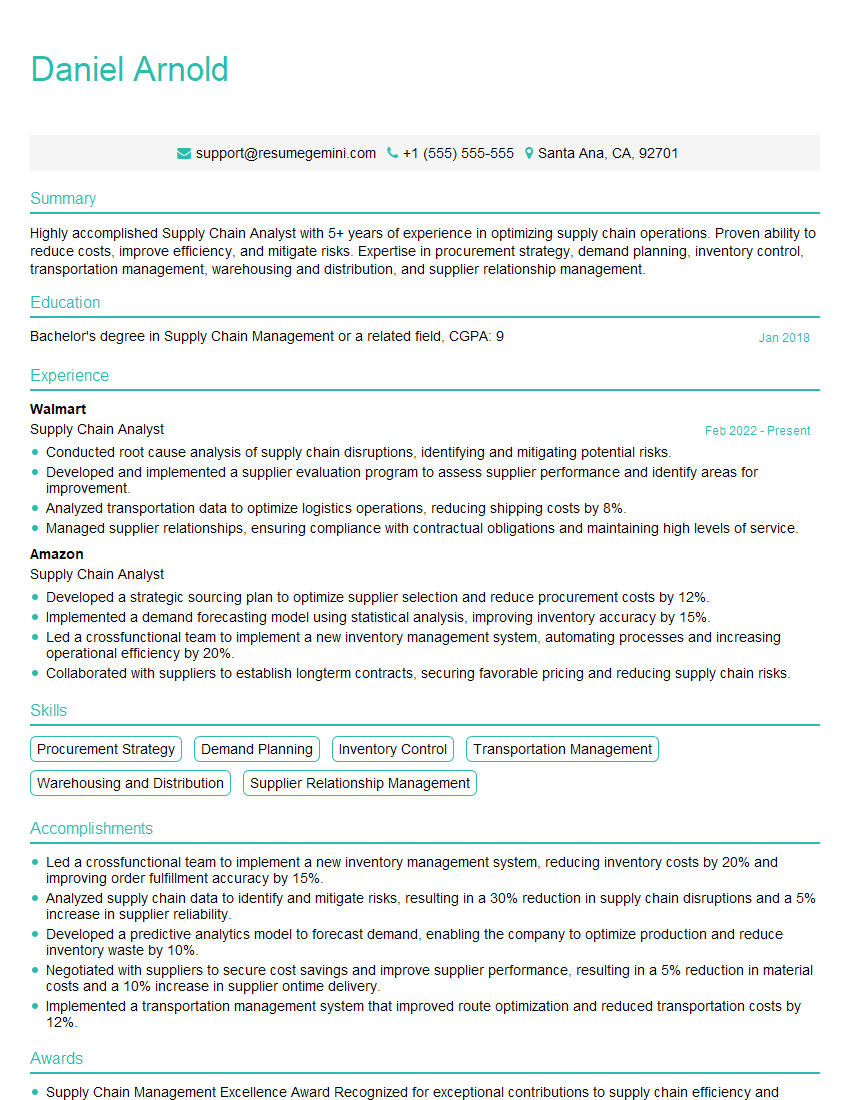
Supply Chain Analyst Resume Sample
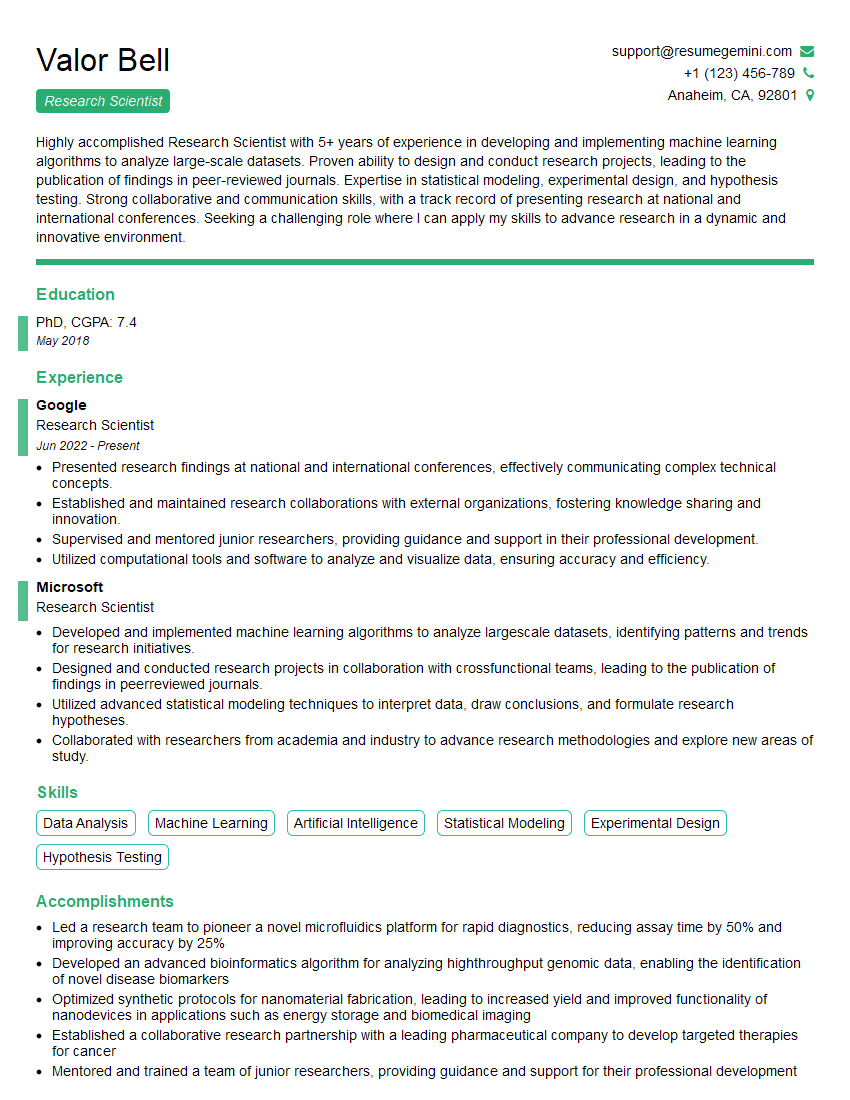
Research Scientist Resume Sample
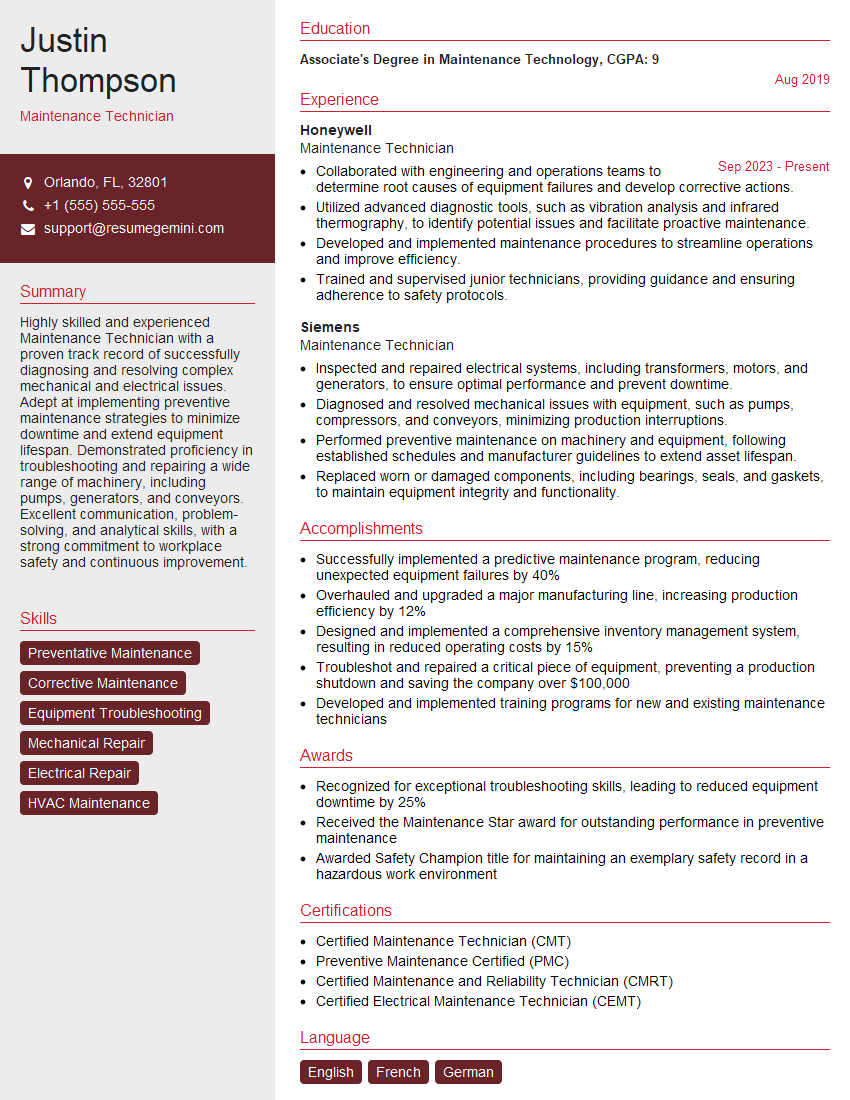
Maintenance Technician Resume Sample

Engineering Technician Resume Sample
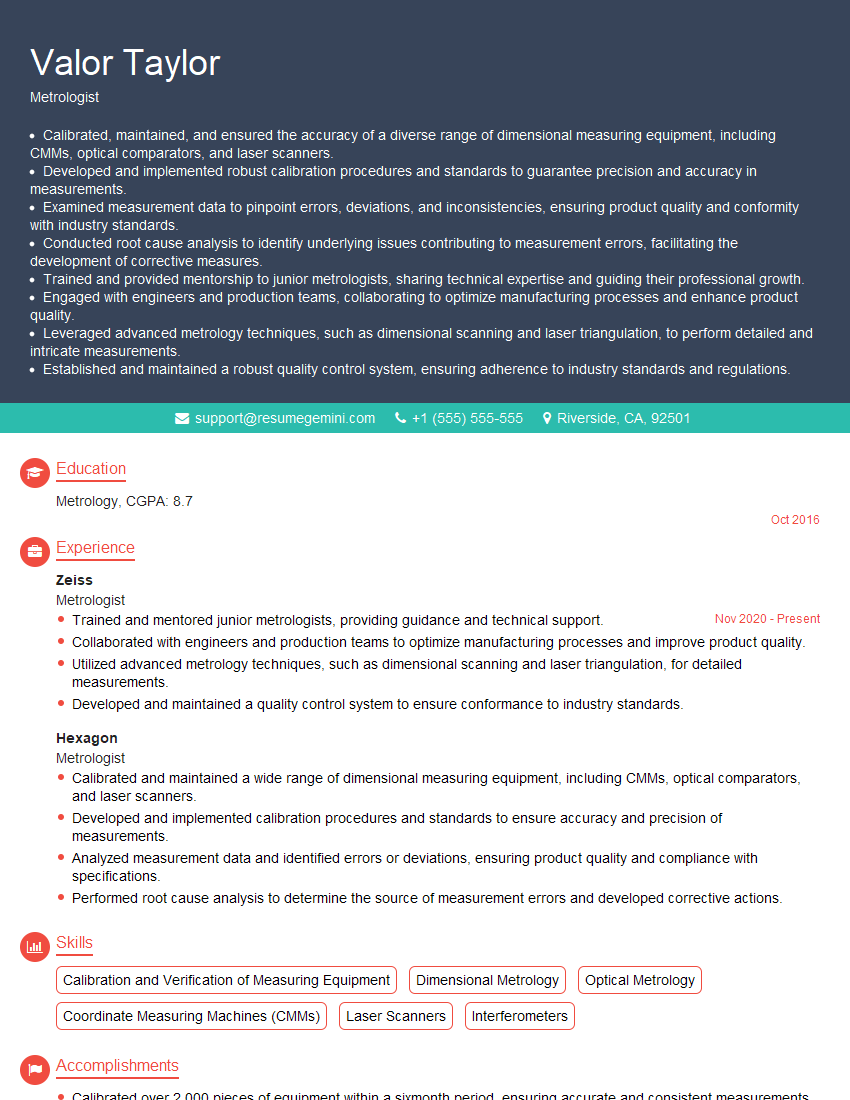
Metrologist Resume Sample
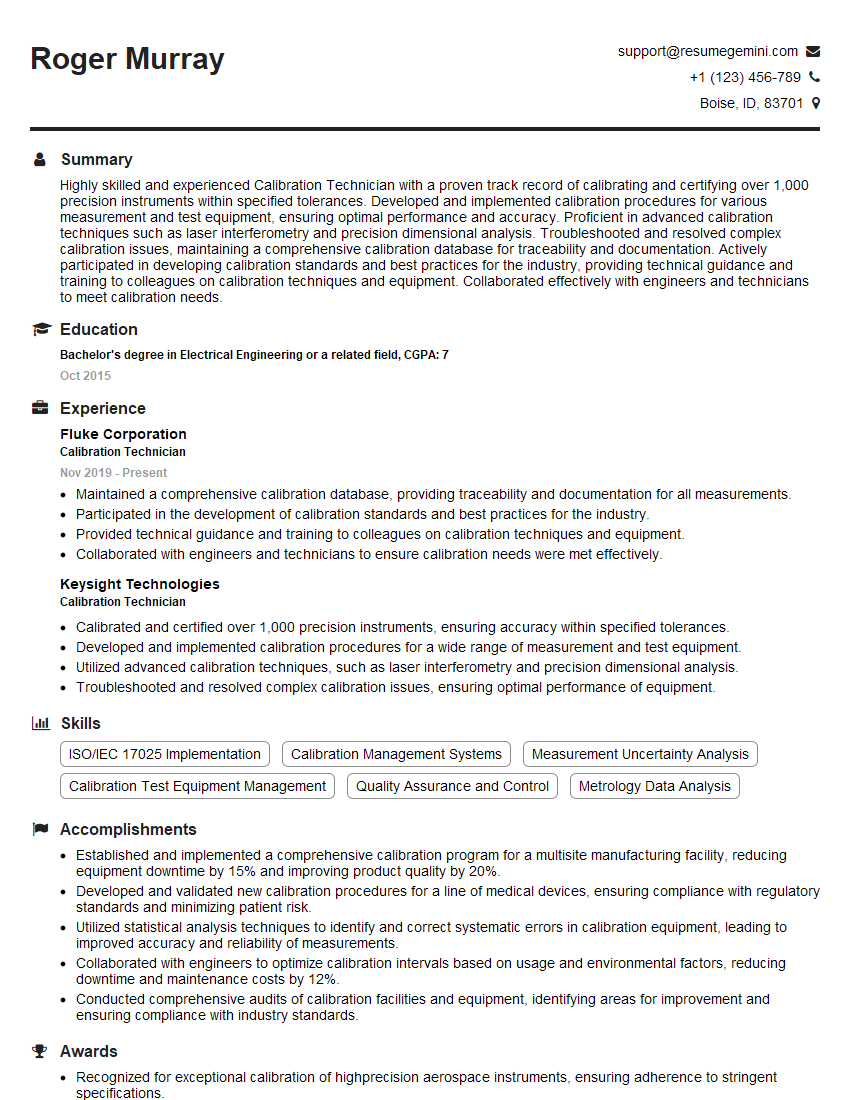
Calibration Technician Resume Sample
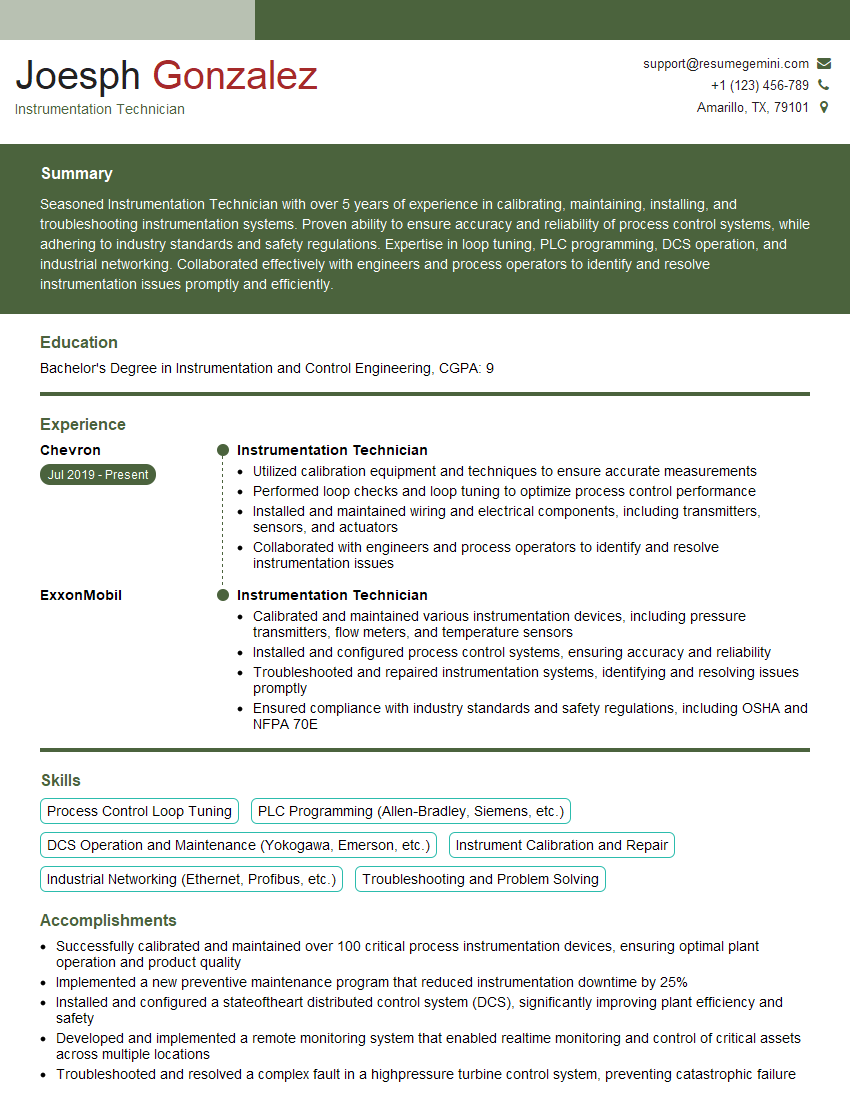
Instrumentation Technician Resume Sample

Process Technician Resume Sample
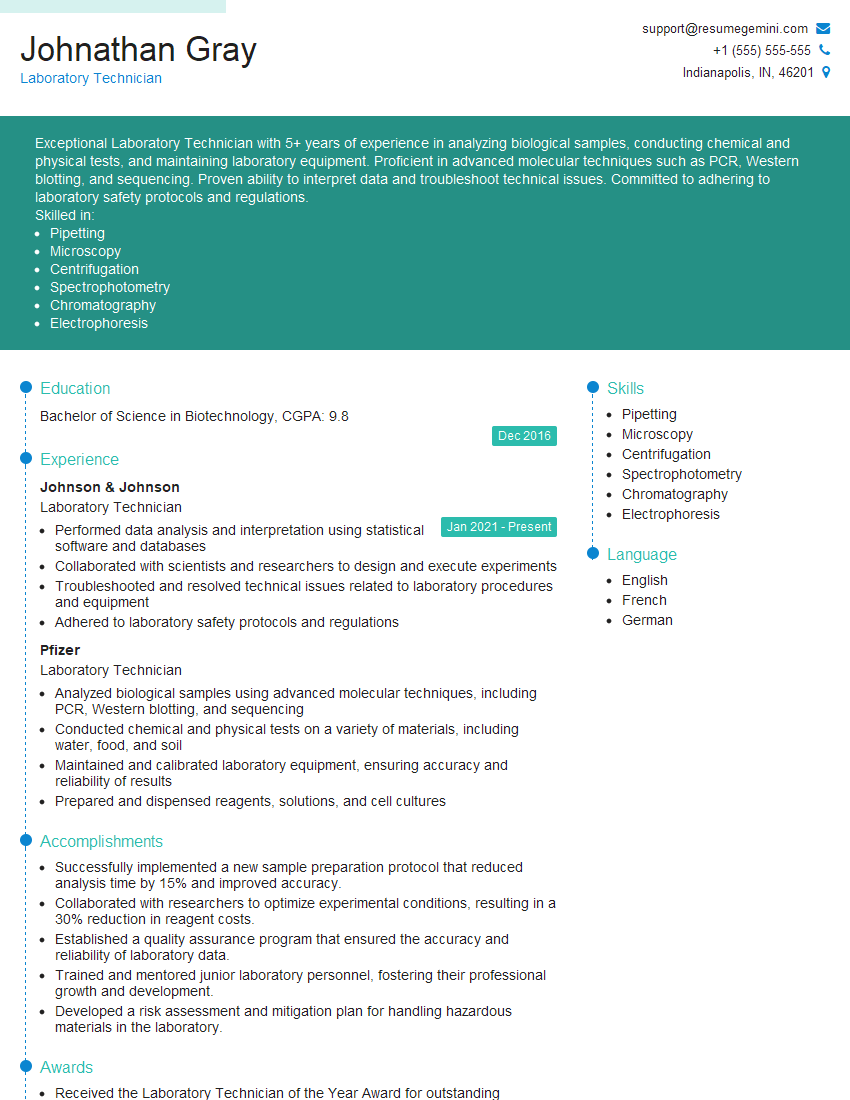
Laboratory Technician Resume Sample
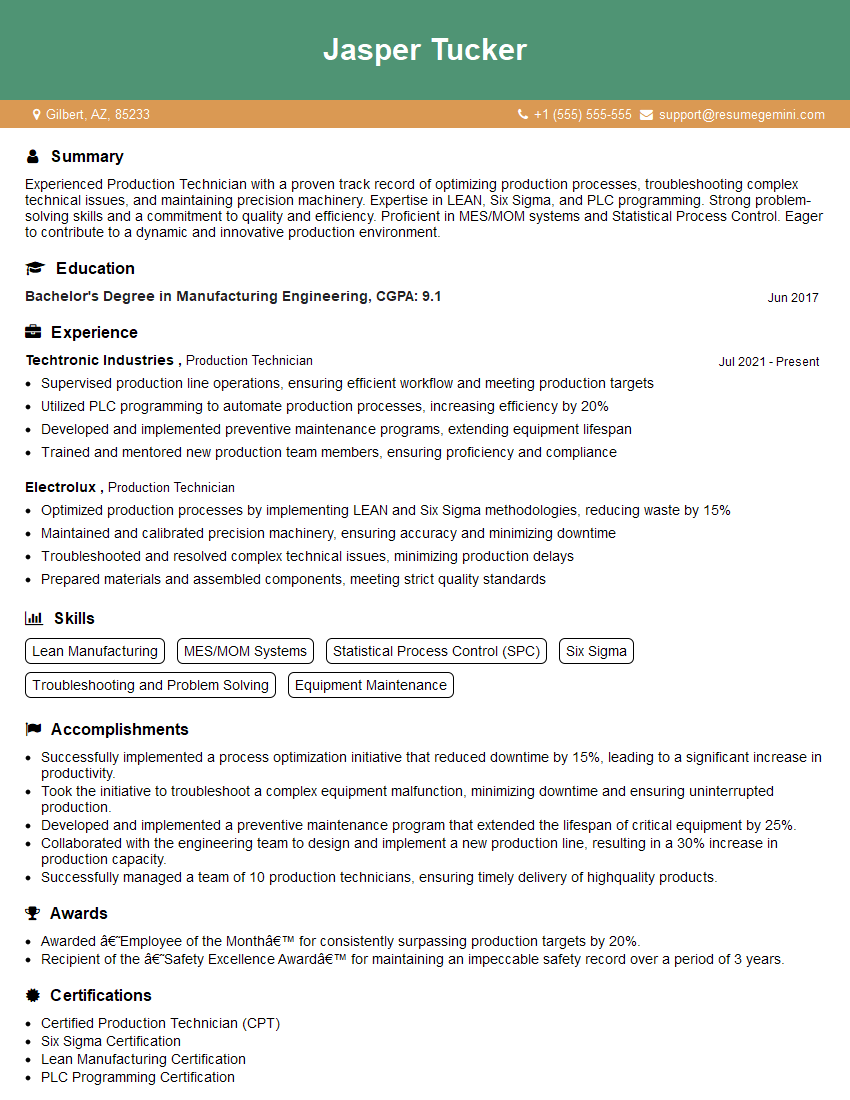
Production Technician Resume Sample
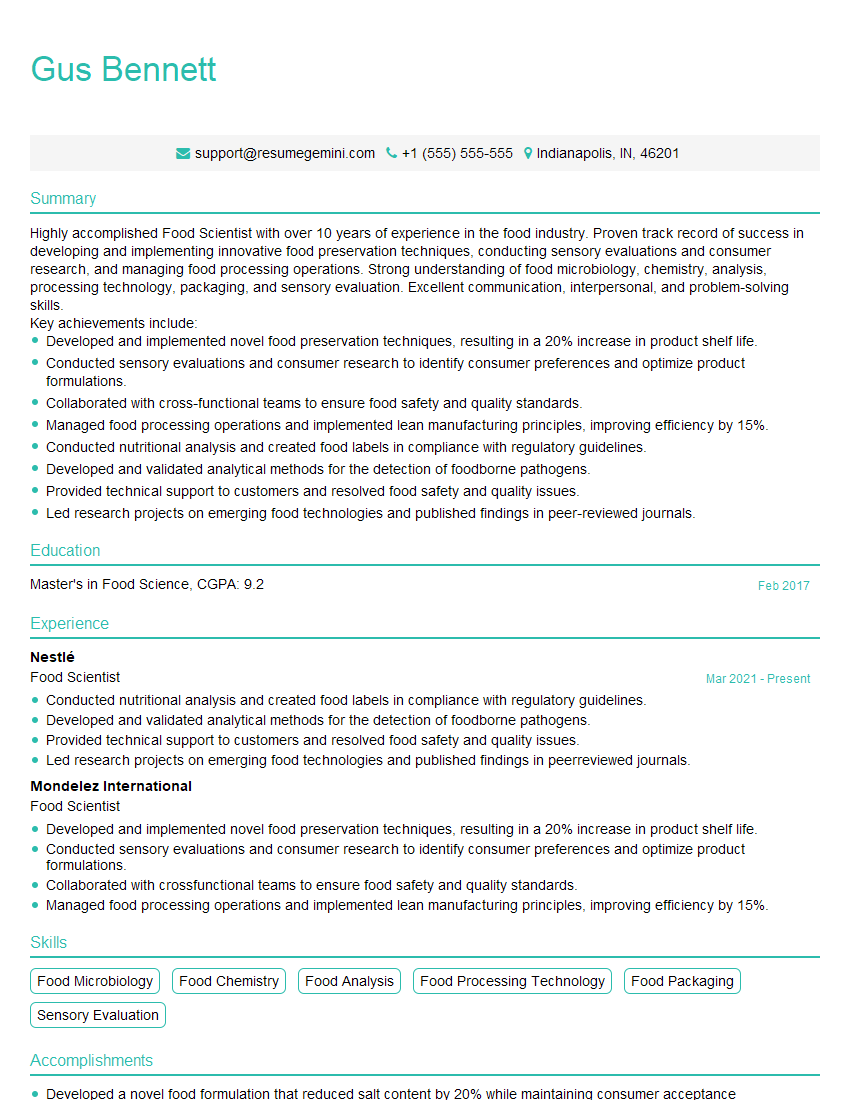
Food Scientist Resume Sample

Analytical Chemist Resume Sample
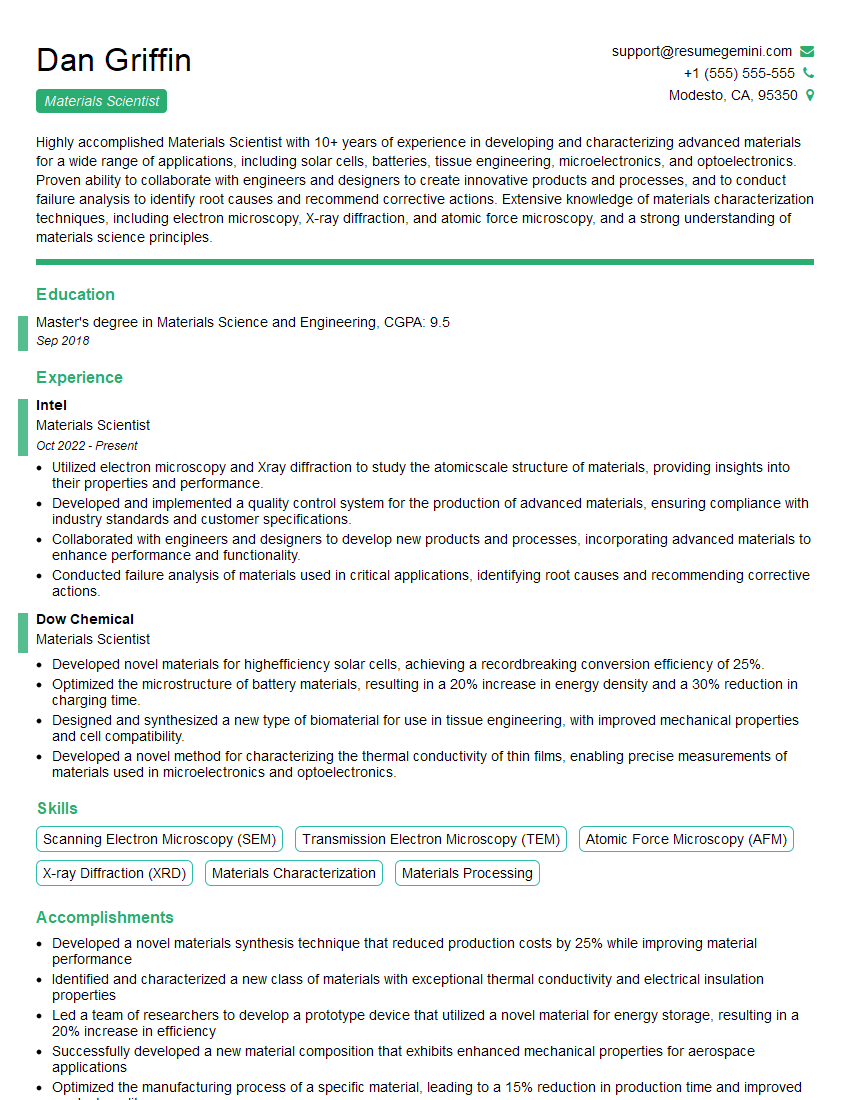
Materials Scientist Resume Sample
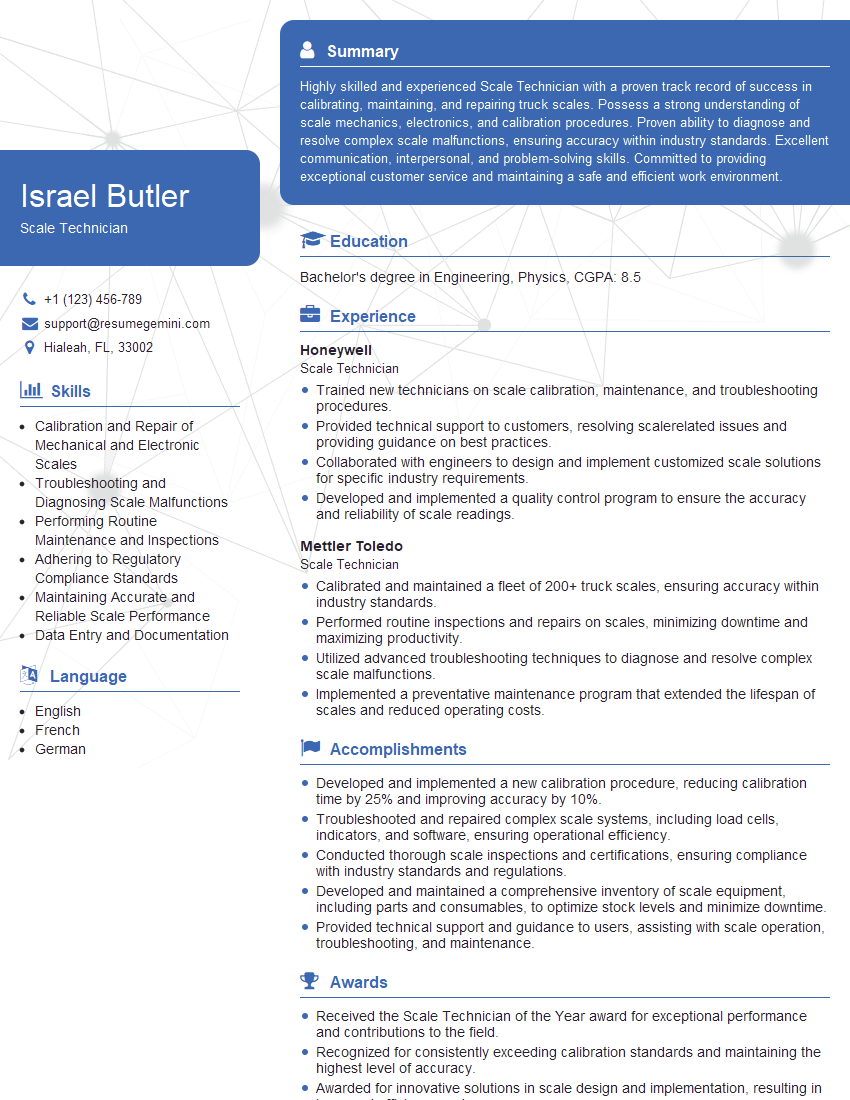
Scale Technician Resume Sample
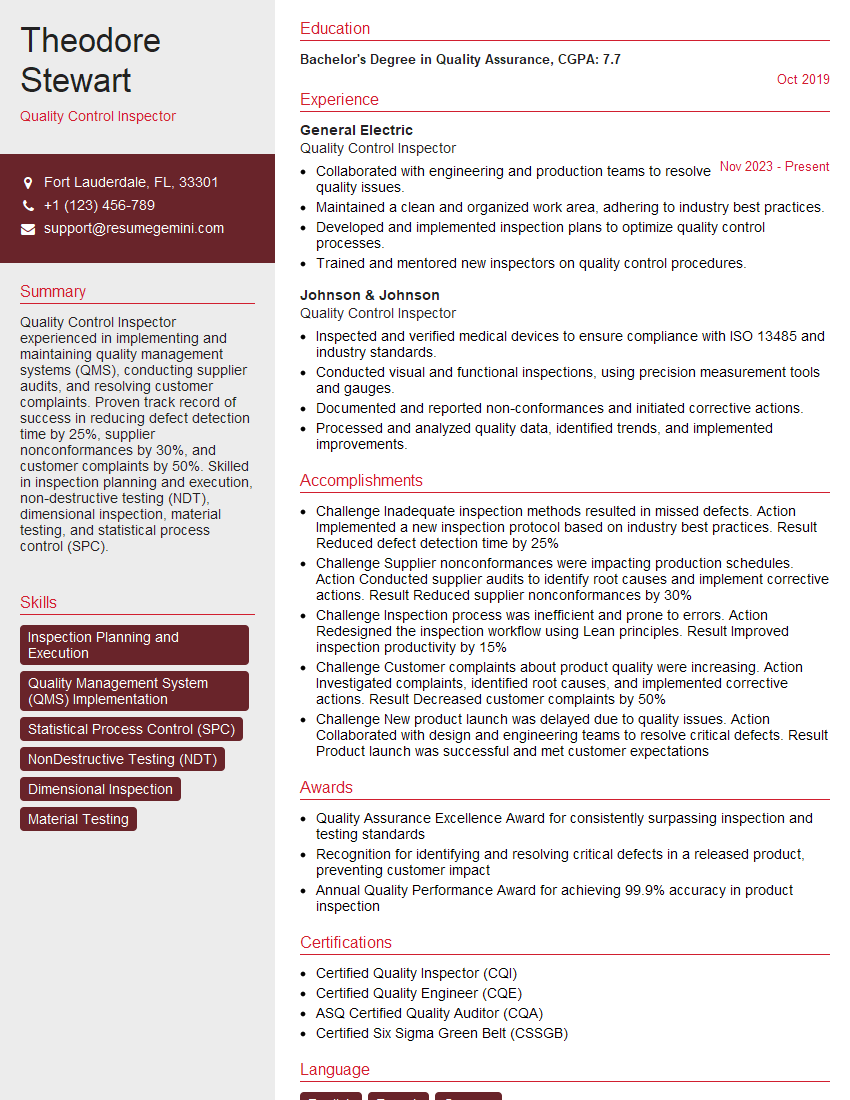
Quality Control Inspector Resume Sample

Packaging Technician Resume Sample
- Warehouse Supervisor
- Logistics Coordinator
- Compliance Officer
- Quality Assurance Specialist
- Regulatory Affairs Specialist
- Supply Chain Analyst
- Research Scientist
- Maintenance Technician
- Engineering Technician
- Metrologist
- Calibration Technician
- Instrumentation Technician
- Process Technician
- Laboratory Technician
- Production Technician
- Food Scientist
- Analytical Chemist
- Materials Scientist
- Scale Technician
- Quality Control Inspector
- Packaging Technician
Explore more articles
Users Rating of Our Blogs
Share Your Experience
We value your feedback! Please rate our content and share your thoughts (optional).
What Readers Say About Our Blog
I Redesigned Spongebob Squarepants and his main characters of my artwork.
https://www.deviantart.com/reimaginesponge/art/Redesigned-Spongebob-characters-1223583608
IT gave me an insight and words to use and be able to think of examples
Hi, I’m Jay, we have a few potential clients that are interested in your services, thought you might be a good fit. I’d love to talk about the details, when do you have time to talk?
Best,
Jay
Founder | CEO