The thought of an interview can be nerve-wracking, but the right preparation can make all the difference. Explore this comprehensive guide to Commitment to Student Growth and Development interview questions and gain the confidence you need to showcase your abilities and secure the role.
Questions Asked in Commitment to Student Growth and Development Interview
Q 1. Describe your approach to differentiating instruction to meet diverse student learning needs.
Differentiating instruction is crucial for ensuring all students, regardless of their learning styles or prior knowledge, have equal opportunities to succeed. My approach involves a multi-faceted strategy focusing on pre-assessment, varied instructional methods, and flexible grouping.
Pre-assessment: I begin by using various pre-assessments—quizzes, exit tickets, observations—to gauge students’ existing knowledge and skills. This allows me to identify learning gaps and tailor my instruction accordingly. For example, before a unit on fractions, I might use a quick diagnostic quiz to see which students already understand basic concepts and which need more foundational support.
Varied Instructional Methods: I utilize a variety of teaching methods to cater to different learning preferences. This includes lectures, group work, individual projects, hands-on activities, and technology integration. For example, a visual learner might benefit from graphic organizers, while a kinesthetic learner might thrive during a hands-on science experiment.
Flexible Grouping: I frequently adjust student grouping based on their needs. This could involve homogeneous grouping (students with similar skill levels working together) for focused practice or heterogeneous grouping (students with diverse skill levels collaborating) to foster peer learning and support. For example, students struggling with a particular concept can receive targeted support within a small group, while more advanced students might be challenged with an extension activity.
By consistently employing these strategies, I ensure that my instruction remains engaging and effective for all students, promoting their individual growth and development.
Q 2. How do you identify and address learning gaps in students?
Identifying and addressing learning gaps requires a proactive and ongoing approach. I use a combination of formative and summative assessments, along with regular observation, to pinpoint areas where students need extra support.
Formative Assessments: Frequent low-stakes assessments, such as exit tickets, quizzes, and class discussions, provide valuable insights into student understanding. These assessments are not for grading but for identifying areas needing further attention.
Summative Assessments: Tests and projects provide a broader view of student learning. Analyzing performance on these assessments highlights areas where many students might be struggling, indicating a potential gap in instruction.
Observation: I regularly observe students during class activities, paying close attention to their engagement, participation, and understanding of the material. This provides valuable qualitative data to complement quantitative data from assessments.
Addressing Gaps: Once learning gaps are identified, I address them using a variety of strategies, including targeted instruction, differentiated assignments, one-on-one tutoring, and collaboration with support staff. For example, a student struggling with reading comprehension might be provided with extra support through guided reading sessions or access to assistive technology.
This systematic approach allows me to provide timely and effective interventions to ensure all students are making progress.
Q 3. Explain your process for setting and monitoring student learning goals.
Setting and monitoring student learning goals is a collaborative process involving students, parents/guardians, and myself. The process focuses on SMART goals—Specific, Measurable, Achievable, Relevant, and Time-bound.
Goal Setting: We begin by discussing the curriculum expectations and students’ individual strengths and weaknesses. Each student helps establish specific, measurable goals related to their learning. For example, a student might aim to improve their reading fluency by 20 words per minute within the next six weeks.
Monitoring Progress: I use a variety of methods to track student progress towards their goals, including regular formative assessments, observation of class participation, and review of student work. This data is then used to adjust instruction and support as needed. For example, if a student is struggling to meet their goal, we might modify the goal, adjust the learning plan, or provide additional support.
Communication: Regular communication with students and parents/guardians is essential to ensure everyone is aware of progress and any challenges encountered. Progress reports, parent-teacher conferences, and regular updates through email or learning management systems help to maintain transparency and accountability.
This process ensures students are actively involved in their learning journey, enhancing their ownership and commitment to achieving their goals.
Q 4. How do you utilize formative assessment to inform your teaching practices?
Formative assessment is the cornerstone of my teaching practice. It’s not about grading; it’s about gathering real-time data on student understanding to inform my instruction and improve student learning. I use a variety of techniques.
Exit Tickets: Quick, informal assessments at the end of a lesson allow me to gauge immediate understanding and identify areas of confusion before moving on to new material.
Think-Pair-Share: This collaborative strategy encourages students to process information and articulate their understanding to peers, revealing misconceptions and gaps in knowledge.
Observations: I observe student engagement and participation during lessons to identify students who may be struggling or require further support.
Class Discussions: Engaging students in meaningful discussions provides opportunities to assess their understanding and encourage critical thinking.
The data collected from these formative assessments inform my lesson planning, allowing me to adjust my teaching strategies to better meet students’ needs. For example, if many students struggle with a particular concept, I might re-teach the concept using different methods or provide additional practice opportunities.
Q 5. What strategies do you use to foster a positive and inclusive classroom environment?
Creating a positive and inclusive classroom environment is paramount to student success. My approach is based on establishing clear expectations, building relationships, celebrating diversity, and fostering a sense of community.
Clear Expectations: I clearly communicate classroom rules and expectations, ensuring all students understand what is expected of them. This creates a structured environment where students feel safe and supported.
Building Relationships: I make an effort to get to know each student individually, understanding their learning styles, interests, and backgrounds. This helps build trust and rapport, fostering a supportive and inclusive atmosphere.
Celebrating Diversity: I actively celebrate the diverse backgrounds and perspectives of my students. This includes incorporating diverse materials and perspectives into my teaching and creating opportunities for students to share their cultures and experiences.
Community Building: I foster a sense of community within the classroom through collaborative activities, group projects, and class discussions. This helps students develop a sense of belonging and support each other’s learning.
By prioritizing these elements, I create a classroom where all students feel valued, respected, and empowered to learn and grow.
Q 6. Describe a time you had to adapt your teaching methods to better reach a particular student.
I once had a student, Maria, who struggled significantly with math, particularly word problems. Despite my efforts, she continued to score poorly on assessments. I realized my typical approach of direct instruction wasn’t effective for her.
I adapted my methods by incorporating visual aids like diagrams and manipulatives to help her visualize the problems. We also worked together to break down complex word problems into smaller, more manageable steps. I also incorporated real-world examples relevant to her interests, like calculating the cost of items at her favorite store. Finally, I paired her with a peer who excelled in math, fostering peer learning and support.
Through this personalized approach, Maria’s understanding and confidence in math improved dramatically. Her scores on assessments increased, and her overall engagement in math class improved significantly. This experience highlighted the importance of adapting teaching methods to meet individual student needs and the power of personalized instruction.
Q 7. How do you collaborate with parents/guardians to support student learning?
Collaboration with parents/guardians is essential for supporting student learning. My approach involves regular communication, shared goals, and open dialogue.
Regular Communication: I maintain regular contact with parents/guardians through various channels such as email, phone calls, parent-teacher conferences, and progress reports. These communications provide updates on student progress, highlight successes, and address any concerns.
Shared Goals: I work collaboratively with parents/guardians to set shared goals for their child’s learning. This ensures everyone is aligned and working towards the same objectives. For example, we might set a goal for the student to improve their reading fluency or complete homework assignments consistently.
Open Dialogue: I encourage open communication and feedback from parents/guardians. This allows for a shared understanding of the student’s strengths, challenges, and learning needs, leading to a more effective partnership in supporting student success.
By building strong relationships with parents/guardians, we create a supportive learning environment that extends beyond the classroom, significantly benefiting the student’s educational journey.
Q 8. How do you incorporate technology to enhance student learning and engagement?
Technology is a powerful tool for enhancing student learning and engagement. My approach involves carefully selecting and integrating technology that supports diverse learning styles and caters to individual student needs.
Interactive Simulations and Games: I use educational games and simulations to make learning fun and engaging. For instance, in a history class, students might participate in a virtual historical simulation, applying their knowledge in a dynamic context. This approach helps move away from passive learning and encourages active participation.
Learning Management Systems (LMS): Platforms like Canvas or Moodle are vital for organizing learning materials, providing timely feedback, and tracking student progress. I utilize the LMS to share resources, assign tasks, and deliver graded assessments, ensuring students have clear expectations and access to their work.
Personalized Learning Platforms: I believe in leveraging adaptive learning platforms that cater to individual learning paces and styles. These platforms often use algorithms to personalize the learning path, presenting more challenging content to advanced learners while providing additional support to those who need it.
Collaboration Tools: Tools like Google Docs or collaborative whiteboard applications foster teamwork and communication. Students can work together on projects, providing peer support and learning from each other’s strengths. This encourages the development of vital collaboration skills.
Q 9. Describe your experience with IEPs or 504 plans.
I have extensive experience working with students who have Individualized Education Programs (IEPs) and Section 504 plans. My approach centers around collaboration, individualized support, and ensuring that each student receives the appropriate accommodations and modifications to thrive academically and socially.
Collaboration with Special Education Staff: I actively collaborate with special education teachers and related service providers to develop and implement IEP goals and 504 plan accommodations. This ensures a cohesive and supportive learning environment.
Individualized Instruction and Support: I adapt my teaching methods and materials based on the specific needs of each student with an IEP or 504 plan. This might involve providing modified assignments, extended time, preferential seating, or assistive technology.
Data-Driven Adjustments: I regularly monitor student progress and make adjustments to their IEP goals or 504 plan accommodations as needed. Data from assessments and observations informs these adjustments to ensure the plans are effective and meet the evolving needs of the student.
Parent and Student Involvement: I maintain open communication with parents and students regarding their progress, concerns, and accommodations. I believe in creating a partnership with parents to support the student’s overall well-being and academic success.
Q 10. How do you provide feedback to students that promotes growth and motivation?
Feedback is crucial for promoting student growth and motivation. My approach focuses on providing specific, actionable, and timely feedback that is both positive and constructive. I avoid generalizations and focus on specific areas for improvement.
Specific and Actionable Feedback: Instead of saying ‘Good job!’, I’d say something like, ‘Your analysis of the historical context was excellent, but you could strengthen your conclusion by incorporating more evidence from the primary source documents.’ This type of feedback provides clear guidance for improvement.
Focus on Effort and Growth Mindset: I praise students for their effort and perseverance, emphasizing the importance of learning from mistakes. This fosters a growth mindset, encouraging students to view challenges as opportunities for learning.
Multiple Feedback Methods: I utilize various methods for providing feedback including written comments on assignments, verbal feedback during class discussions, and individual conferences. This caters to different learning styles and preferences.
Self-Assessment and Reflection: I encourage students to reflect on their own work and identify areas for improvement. This promotes self-awareness and empowers students to take ownership of their learning.
Q 11. What methods do you use to track student progress and identify areas for improvement?
Tracking student progress and identifying areas for improvement is an ongoing process. I use a variety of methods to ensure I have a comprehensive understanding of each student’s learning journey.
Formative Assessments: I regularly use formative assessments like quizzes, exit tickets, and class discussions to monitor student understanding during the learning process. This allows for immediate adjustments to my instruction.
Summative Assessments: Summative assessments, such as tests and projects, provide a more comprehensive picture of student learning at the end of a unit or course. These assessments inform my overall evaluation of student performance.
Data Analysis: I meticulously analyze assessment data to identify trends and patterns in student performance. This might reveal areas where the majority of the class is struggling or highlight individual students who need extra support.
Observation and Anecdotal Notes: I regularly observe students during class activities and take anecdotal notes to gain a better understanding of their engagement and participation. These notes supplement data from formal assessments.
Q 12. How do you use data to inform your instructional decisions?
Data is essential for making informed instructional decisions. I use data to identify areas where students are excelling and areas where they need additional support, and then tailor my instruction accordingly.
Identifying Learning Gaps: If assessment data reveals that a significant portion of the class is struggling with a particular concept, I know to re-teach that concept using a different approach or provide additional resources.
Personalizing Instruction: Data can also be used to personalize instruction for individual students. If a student is consistently struggling with a particular skill, I can provide targeted interventions or differentiate assignments to meet their specific needs.
Curriculum Adjustments: Long-term analysis of student performance data can inform adjustments to the curriculum. If the data reveals that certain topics are consistently difficult for students, I might consider revising the curriculum to provide more effective instruction.
Professional Development: Data analysis can also inform my own professional development. If the data reveals that students are consistently struggling with a particular skill, I might seek out professional development opportunities to improve my instruction in that area.
Q 13. Describe your approach to addressing student behavioral challenges.
Addressing student behavioral challenges requires a proactive and multi-faceted approach. My strategy prioritizes positive reinforcement, proactive classroom management, and collaboration with parents and support staff.
Positive Reinforcement: I focus on rewarding positive behaviors and creating a positive classroom environment. This helps foster a sense of community and belonging, reducing the likelihood of disruptive behaviors.
Proactive Classroom Management: I establish clear expectations and routines from the start of the year. This creates a structured learning environment that minimizes opportunities for disruptive behaviors. Establishing clear rules and consequences is key.
Individualized Interventions: For students who exhibit persistent behavioral challenges, I work to understand the underlying causes of the behavior and develop individualized interventions. This might involve collaborating with school counselors or special education staff.
Communication with Parents: I maintain open communication with parents regarding student behavior. Collaboration with parents is crucial for ensuring consistency in expectations and strategies.
Q 14. How do you promote student self-advocacy?
Promoting student self-advocacy is a vital aspect of fostering student growth and independence. I intentionally create opportunities for students to develop their self-advocacy skills.
Goal Setting and Reflection: I encourage students to set academic goals and reflect on their progress. This helps them understand their strengths and weaknesses and develop strategies for improvement.
Self-Assessment Activities: I incorporate self-assessment activities into my teaching, allowing students to evaluate their own work and identify areas for growth. This empowers students to take ownership of their learning.
Opportunities for Choice and Voice: I provide students with opportunities to make choices about their learning, such as selecting projects or choosing how to demonstrate their understanding. This allows them to practice expressing their needs and preferences.
Modeling Self-Advocacy: I model self-advocacy behaviors by openly discussing my own learning process and challenges. This demonstrates that it’s okay to ask for help and advocate for one’s needs.
Q 15. How do you build relationships with students to foster trust and rapport?
Building strong student relationships is foundational to fostering trust and rapport. It’s about creating a safe and supportive learning environment where students feel comfortable taking risks and expressing themselves. I achieve this through a multi-faceted approach.
Personalized Attention: I make a conscious effort to learn about each student’s interests, strengths, and challenges. This might involve informal conversations during class, reviewing student work closely, or simply remembering details about their lives outside of school. For example, I might remember a student’s interest in a specific sport and casually mention a related news article.
Active Listening and Empathy: I prioritize active listening during class discussions and one-on-one interactions. This includes paying attention not just to what students say, but also to their body language and tone. Showing empathy, acknowledging their feelings, and validating their experiences builds trust.
Open Communication: I establish clear channels of communication, making myself accessible to students. This could involve regular office hours, open-door policies, and readily responding to emails or messages. Open dialogue is key to addressing concerns promptly and resolving issues effectively.
Respectful Interactions: I treat each student with respect, regardless of their background, academic performance, or personality. Creating a classroom where students feel valued and respected is paramount.
Career Expert Tips:
- Ace those interviews! Prepare effectively by reviewing the Top 50 Most Common Interview Questions on ResumeGemini.
- Navigate your job search with confidence! Explore a wide range of Career Tips on ResumeGemini. Learn about common challenges and recommendations to overcome them.
- Craft the perfect resume! Master the Art of Resume Writing with ResumeGemini’s guide. Showcase your unique qualifications and achievements effectively.
- Don’t miss out on holiday savings! Build your dream resume with ResumeGemini’s ATS optimized templates.
Q 16. How do you create a classroom culture that values learning and collaboration?
Cultivating a classroom culture that values learning and collaboration is an ongoing process, not a one-time event. It requires intentional effort and consistent reinforcement.
Establishing Clear Expectations: From day one, I clearly articulate expectations regarding behavior, participation, and respect for others. This ensures everyone understands the classroom norms and contributes to a positive learning environment. I often create a classroom contract collaboratively with the students, incorporating their input and fostering a sense of ownership.
Collaborative Activities: I incorporate various collaborative learning activities into my lessons. This could involve group projects, peer teaching, think-pair-share exercises, or debates. These activities not only enhance learning but also encourage students to learn from and support each other.
Positive Reinforcement: I actively acknowledge and celebrate both individual and group successes. This can be through verbal praise, positive feedback on assignments, or showcasing outstanding work. Positive reinforcement reinforces desired behaviors and motivates students to strive for excellence.
Growth Mindset Emphasis: I consistently promote a growth mindset, emphasizing that intelligence and abilities are not fixed but can be developed through effort and perseverance. I encourage students to embrace challenges, view mistakes as learning opportunities, and persist in the face of setbacks.
Q 17. Describe a time you had to manage conflict among students.
In one instance, two students, Maria and David, had a significant disagreement during a group project. Initially, their conflict involved accusations of unequal workload distribution and differing approaches to the task. I addressed the situation using a structured conflict resolution approach.
Private Conversation: I first spoke to each student individually to understand their perspectives, actively listening without judgment. This helped me grasp the underlying issues beyond the surface-level disagreement.
Mediated Discussion: I then facilitated a discussion between Maria and David in a private setting. I guided them through a structured process, encouraging them to express their feelings, identify the root causes of the conflict, and brainstorm solutions together. I emphasized the importance of active listening and mutual respect.
Agreed-Upon Solutions: We collaboratively developed a plan that addressed their concerns: a revised project timeline with clearly defined roles and responsibilities, and regular check-in meetings to monitor progress and address any emerging issues.
Follow-Up: I monitored their progress closely and checked in regularly to ensure the conflict was fully resolved and that they were working effectively together. The outcome was not only a successful project but also a strengthened working relationship between Maria and David.
Q 18. How do you support students with diverse learning styles and abilities?
Supporting students with diverse learning styles and abilities requires a differentiated instruction approach. This involves tailoring teaching methods, materials, and assessments to meet the individual needs of each learner.
Varied Instructional Methods: I use a variety of teaching methods—lectures, discussions, group work, hands-on activities, technology integration—to cater to different learning preferences. Some students learn best through visual aids, while others prefer auditory or kinesthetic learning experiences.
Differentiated Materials: I provide diverse learning materials, such as texts at different reading levels, graphic organizers, and multimedia resources, to ensure accessibility for all students. This allows students to access information in ways that best suit their individual learning styles.
Assistive Technology: I am familiar with various assistive technologies and ensure students have access to the tools they need to succeed. This might include text-to-speech software, screen readers, or other specialized technology.
Individualized Support: I provide individualized support to students who require additional assistance. This might involve one-on-one tutoring, extended time on assessments, or modified assignments.
Collaboration with Support Staff: I actively collaborate with special education teachers, counselors, and other support staff to ensure that students receive comprehensive support tailored to their specific needs.
Q 19. What professional development activities have you participated in to enhance your skills in supporting student growth?
I am committed to ongoing professional development to enhance my skills in supporting student growth. Recently, I’ve participated in several impactful professional development activities:
Workshop on Differentiated Instruction: This workshop provided me with practical strategies and techniques for differentiating my instruction to meet the diverse needs of all learners. I learned how to create flexible learning environments and adapt my teaching to cater to various learning styles and abilities.
Training on Culturally Responsive Teaching: This training helped me develop a deeper understanding of culturally responsive teaching practices, enabling me to create a more inclusive and equitable classroom for all students, regardless of their backgrounds.
Conference on Student Engagement: Attending this conference provided valuable insights into best practices for enhancing student engagement and motivation. I learned new strategies to create a more interactive and stimulating learning environment.
I actively seek opportunities to learn and grow professionally, participating in workshops, conferences, and online courses to stay current with best practices and research in education.
Q 20. How do you measure the effectiveness of your teaching strategies?
Measuring the effectiveness of my teaching strategies involves a multi-faceted approach, combining both quantitative and qualitative data.
Student Performance Data: I analyze student performance on assessments (tests, quizzes, projects) to track progress toward learning goals. This data helps me identify areas where students are excelling and areas where additional support is needed. I utilize data analysis to identify trends and make data-driven instructional decisions.
Student Feedback: I regularly solicit student feedback through surveys, exit tickets, and informal conversations. This provides valuable insights into their learning experiences, identifying areas where the instruction is effective and areas needing improvement. Student feedback informs my instructional adjustments.
Classroom Observations: I encourage peer observations and self-reflection to analyze my teaching practices. Observing my own teaching allows me to identify areas for improvement in my instructional delivery, classroom management, and student engagement.
Parent Communication: Regular communication with parents helps me gain a broader perspective on student progress and identify any external factors affecting their learning. Parent feedback supplements the information gathered from student performance and classroom observations.
Q 21. What is your philosophy on student assessment?
My philosophy on student assessment is that it should be a formative and summative process that is used to support student learning, not merely to judge their performance. Assessment should be an integral part of the learning process, guiding instruction and providing valuable feedback to both students and teachers.
Formative Assessment: I utilize formative assessments throughout the learning process – quick checks for understanding, class discussions, observations of student work – to continuously monitor student progress and adjust instruction as needed. This ensures students receive timely feedback and support.
Summative Assessment: Summative assessments – such as tests, projects, and presentations – are used to evaluate student learning at the end of a unit or course. These assessments provide a comprehensive picture of student understanding and achievement.
Variety of Assessment Methods: I employ a range of assessment methods to cater to diverse learning styles and abilities. This might include traditional tests, projects, presentations, portfolios, and performance-based assessments.
Feedback as a Learning Tool: I provide constructive and specific feedback on student work, focusing on both strengths and areas for improvement. Feedback is viewed as an opportunity for growth and learning, guiding students towards greater mastery.
Student Self-Assessment: I encourage students to engage in self-assessment, reflecting on their learning and identifying areas where they need further support. This empowers them to become active participants in their own learning journey.
Q 22. How do you promote critical thinking and problem-solving skills in your students?
Promoting critical thinking and problem-solving is fundamental to student growth. I achieve this through a multi-faceted approach that moves beyond rote learning. Firstly, I incorporate open-ended questions and inquiry-based learning into my lessons. Instead of simply providing answers, I encourage students to explore various perspectives and justify their conclusions. For example, in a history class, instead of just lecturing on the causes of World War I, I might present students with primary source documents and ask them to analyze the conflicting narratives and determine the key contributing factors themselves.
Secondly, I regularly utilize collaborative projects and group discussions. Working together on complex problems forces students to articulate their reasoning, listen to different viewpoints, and synthesize information to reach a common understanding. A recent project involved designing a sustainable city model, demanding collaboration, critical evaluation of resources, and creative problem-solving.
Finally, I emphasize metacognitive strategies – teaching students to think about their thinking process. This includes encouraging self-reflection, peer review, and the use of different problem-solving frameworks, such as the ‘5 Whys’ technique to identify root causes of issues. This helps them develop a systematic approach to tackling complex challenges.
Q 23. Describe your experience with mentoring or advising students.
Mentoring and advising students has been a rewarding aspect of my career. I’ve had the opportunity to work with students individually, helping them navigate academic challenges, explore career options, and develop their personal and professional skills. One student, struggling with time management, benefited significantly from establishing a structured weekly schedule together. This involved prioritizing tasks, allocating specific time slots for studying, and building in regular breaks to prevent burnout. We also discussed effective study techniques and stress management strategies.
In another instance, I advised a group of students interested in pursuing STEM fields. We explored various career paths, researched internship opportunities, and practiced interview skills. I also connected them with professionals in their fields of interest, fostering valuable networking opportunities. Mentoring goes beyond academic support; it involves fostering personal growth and providing guidance to navigate life’s complexities.
Q 24. How do you encourage students to take ownership of their learning?
Encouraging student ownership of their learning involves shifting from a teacher-centric to a student-centric approach. I do this by providing choices and autonomy whenever possible. For instance, offering students options in project assignments, allowing them to select topics that align with their interests and strengths. This fosters a sense of investment and engagement. Another strategy is incorporating student-led discussions and presentations, where students actively share their understanding and perspectives.
Furthermore, I employ reflective practices through journaling prompts, self-assessments, and peer feedback mechanisms. These activities encourage students to critically evaluate their learning process, identify areas for improvement, and take responsibility for their academic progress. I also emphasize setting learning goals collaboratively, ensuring that the goals are meaningful, achievable, and aligned with the student’s individual needs and aspirations.
Q 25. How do you foster a growth mindset in your students?
Cultivating a growth mindset – the belief that abilities and intelligence can be developed through dedication and hard work – is crucial for student success. I model this mindset myself, openly sharing my own learning experiences and highlighting the value of effort and persistence. I emphasize that challenges are opportunities for growth, not indicators of limitations. When students face difficulties, I encourage them to view setbacks as learning experiences, focusing on the process rather than solely on the outcome.
I use specific language to reinforce this belief. For example, instead of praising a student’s inherent intelligence (‘You’re so smart!’), I praise their effort and strategies (‘I’m impressed by your perseverance and the strategies you used to solve that problem’). I also share stories of successful individuals who overcame challenges through hard work, demonstrating that intelligence is malleable and can be developed over time.
Q 26. Describe your experience with implementing new curriculum or instructional strategies.
I have a strong track record of successfully implementing new curriculum and instructional strategies. Recently, I integrated project-based learning (PBL) into my science classes. This involved shifting from traditional lecture-based instruction to student-led inquiry projects that allowed them to explore real-world problems and apply their scientific knowledge in authentic contexts. The transition required careful planning, including identifying appropriate projects, developing clear learning objectives, and providing students with the necessary resources and scaffolding.
The implementation process included regular formative assessments to monitor student progress and make adjustments to the curriculum as needed. I also collaborated with colleagues to share best practices and resources, ensuring consistency and effectiveness across different classrooms. The result was a significant increase in student engagement and a deeper understanding of the scientific concepts.
Q 27. What are some challenges you have faced in supporting student growth, and how did you overcome them?
One significant challenge has been supporting students facing significant personal or emotional difficulties that impact their learning. In these situations, I’ve found that a collaborative approach is essential. I work closely with school counselors, social workers, and parents to provide comprehensive support. This may involve creating individualized learning plans, providing extra academic support, or connecting the student with appropriate resources outside of school.
Another challenge has been addressing the diverse learning needs of students in a classroom. I’ve overcome this by implementing differentiated instruction, tailoring my teaching methods and materials to meet the specific needs of each learner. This includes providing various learning activities, offering choices in assignments, and using different assessment methods. Regular communication with students and parents is crucial to ensure everyone is on the same page and feeling supported.
Q 28. How do you stay current with best practices in education?
Staying current with best practices in education is a continuous process. I regularly attend professional development workshops and conferences to learn about innovative teaching methodologies and emerging technologies. I actively participate in online professional learning communities, engaging in discussions and sharing ideas with other educators. This allows me to stay abreast of current research and best practices in my field.
I also actively read educational journals and research articles to deepen my understanding of educational theory and practice. Furthermore, I regularly review and update my teaching materials and strategies to ensure they align with current research findings and best practices. Keeping a reflective journal helps me analyze my teaching, identify areas for improvement, and refine my approach to better meet the needs of my students.
Key Topics to Learn for Commitment to Student Growth and Development Interview
- Understanding Student Needs: Explore diverse learning styles, individual student challenges, and how to adapt teaching methods for optimal impact.
- Developing Personalized Learning Plans: Discuss strategies for creating individualized plans that address specific student goals and learning gaps. Consider practical examples of implementation and assessment.
- Differentiated Instruction: Explain various approaches to differentiated instruction, catering to diverse learners’ needs within a classroom setting. Include examples of how you’ve successfully used these methods.
- Assessment and Feedback Strategies: Discuss formative and summative assessment techniques, and the importance of providing constructive feedback that promotes student growth. Consider different assessment tools and their effective use.
- Collaboration and Communication: Highlight your experience working with parents, colleagues, and administrators to support student learning. Showcase effective communication strategies.
- Promoting Student Agency and Self-Advocacy: Describe methods for empowering students to take ownership of their learning and become self-advocates for their needs.
- Addressing Learning Challenges and Barriers: Discuss strategies for identifying and addressing various learning challenges (e.g., learning disabilities, social-emotional barriers) and ensuring inclusivity.
- Data-Driven Decision Making: Explain how you use student data to inform instructional decisions and track student progress toward achieving learning goals.
- Professional Development and Growth: Showcase your commitment to continuous learning and professional development in the area of student growth and development.
Next Steps
Mastering Commitment to Student Growth and Development is crucial for career advancement in education. Demonstrating your expertise in this area significantly strengthens your candidacy and showcases your dedication to student success. To maximize your job prospects, create an ATS-friendly resume that highlights your relevant skills and accomplishments. ResumeGemini is a trusted resource to help you build a professional and impactful resume that catches the eye of recruiters. We provide examples of resumes tailored to highlight experience in Commitment to Student Growth and Development to help you get started.
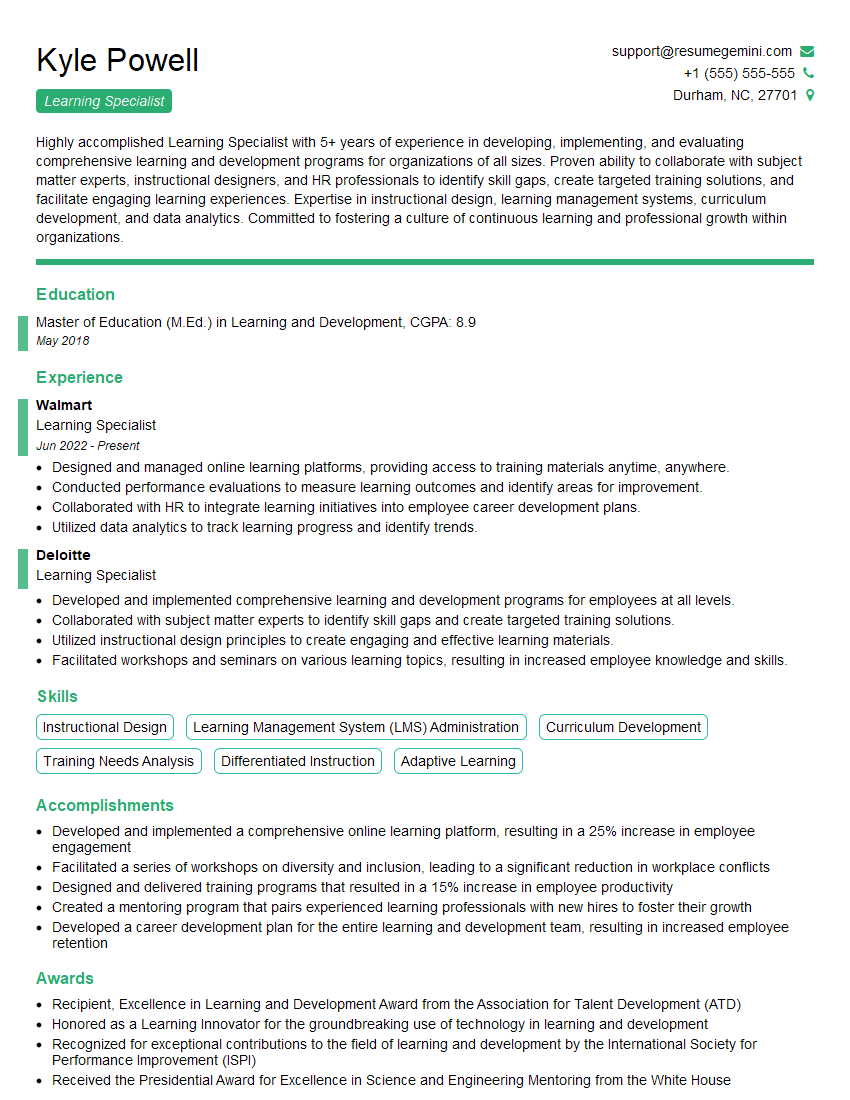
Learning Specialist Resume Sample
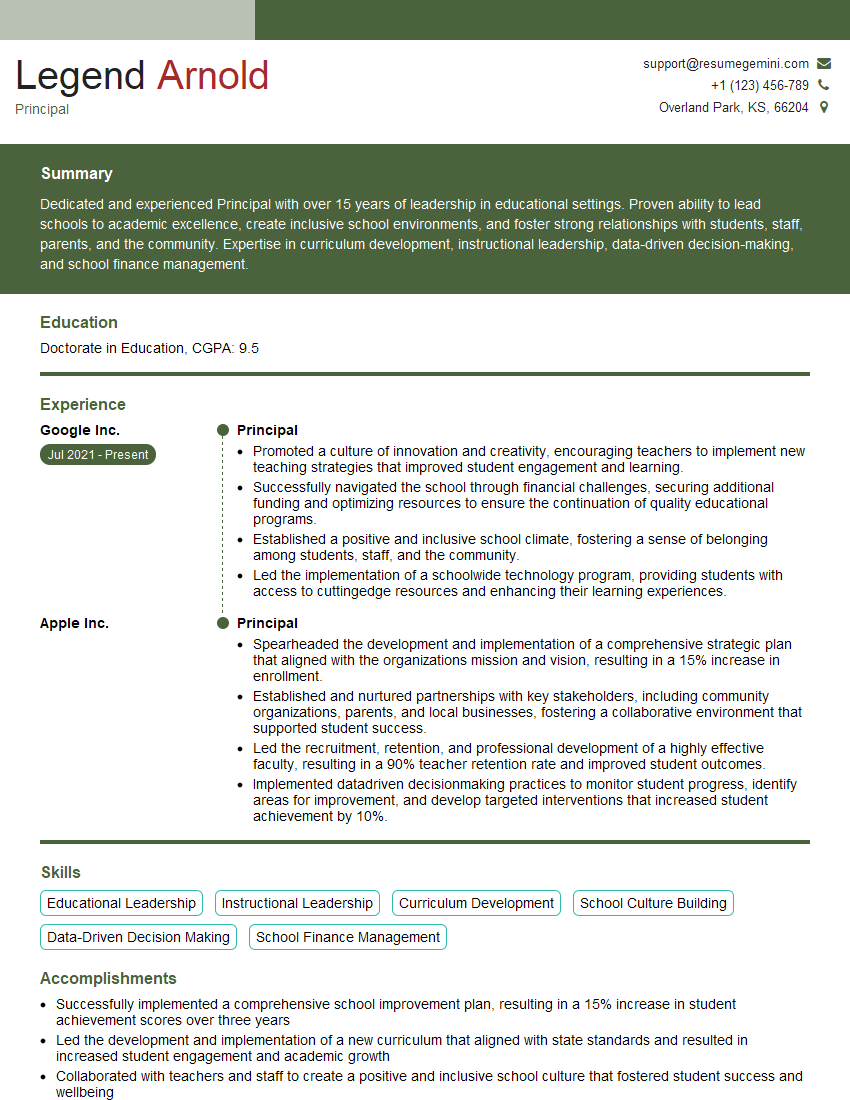
Principal Resume Sample
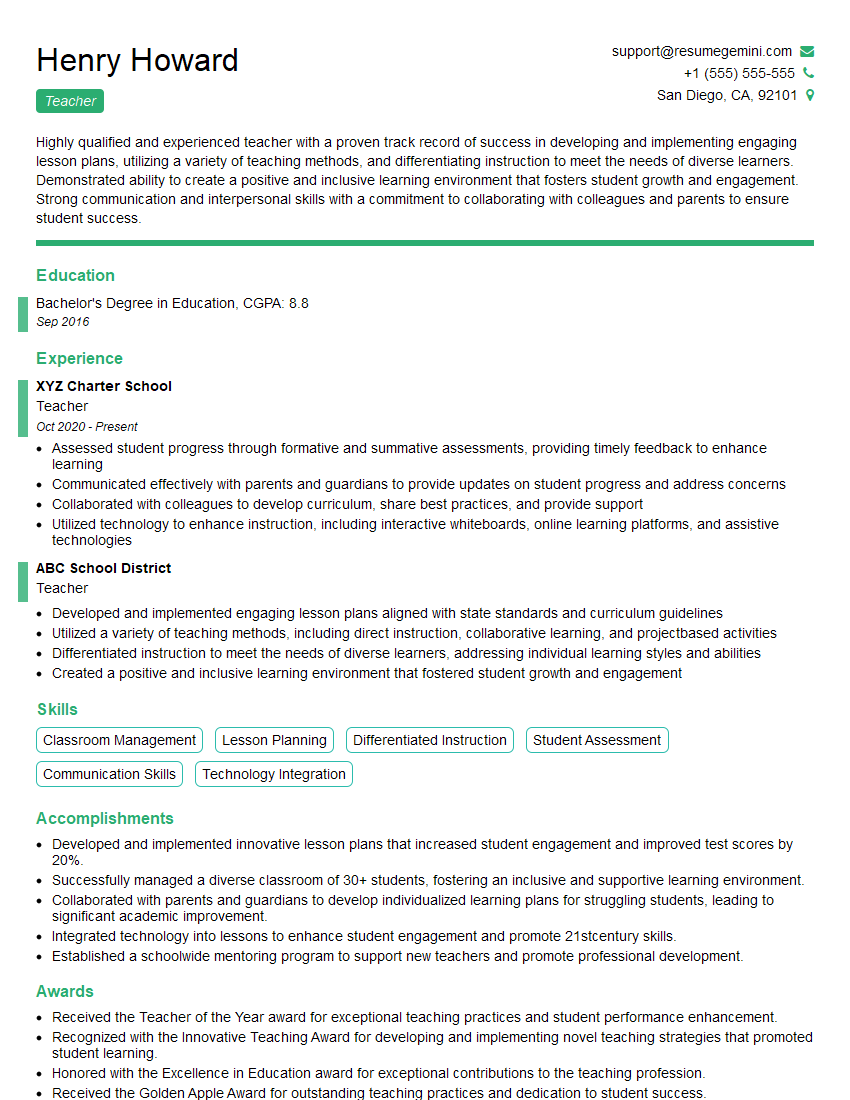
Teacher Resume Sample
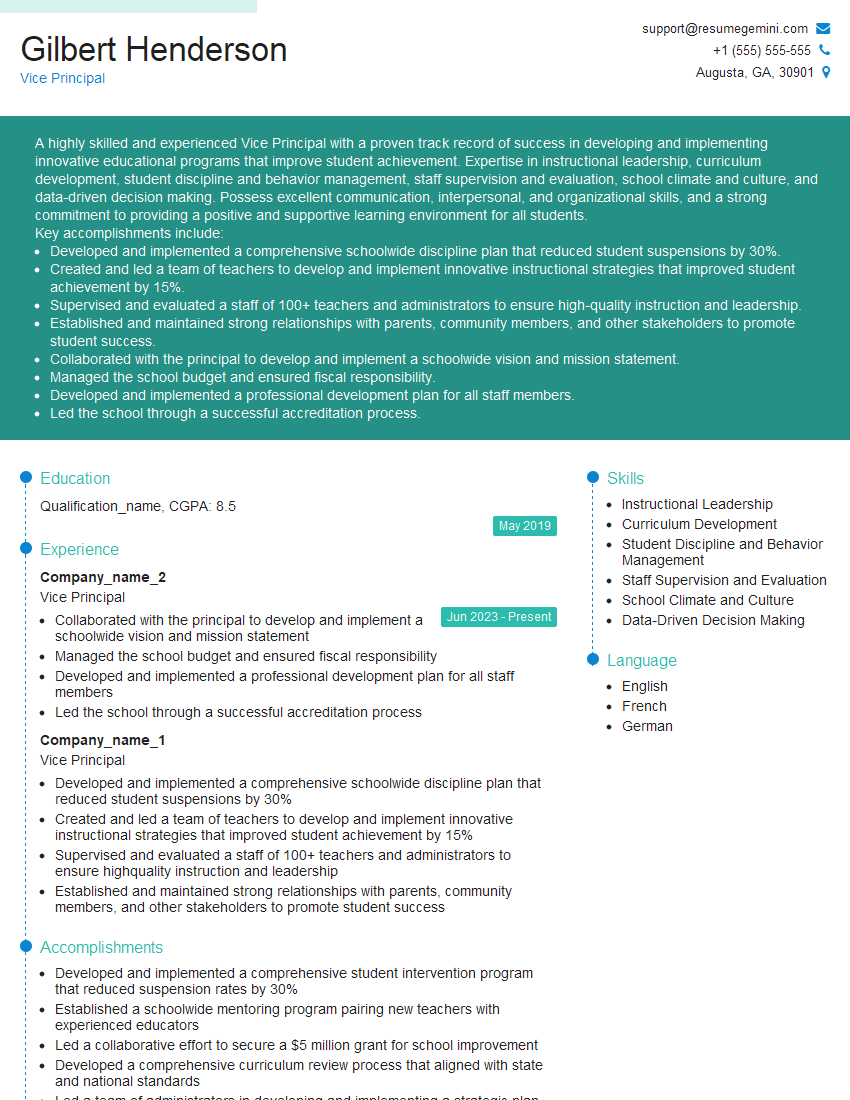
Vice Principal Resume Sample
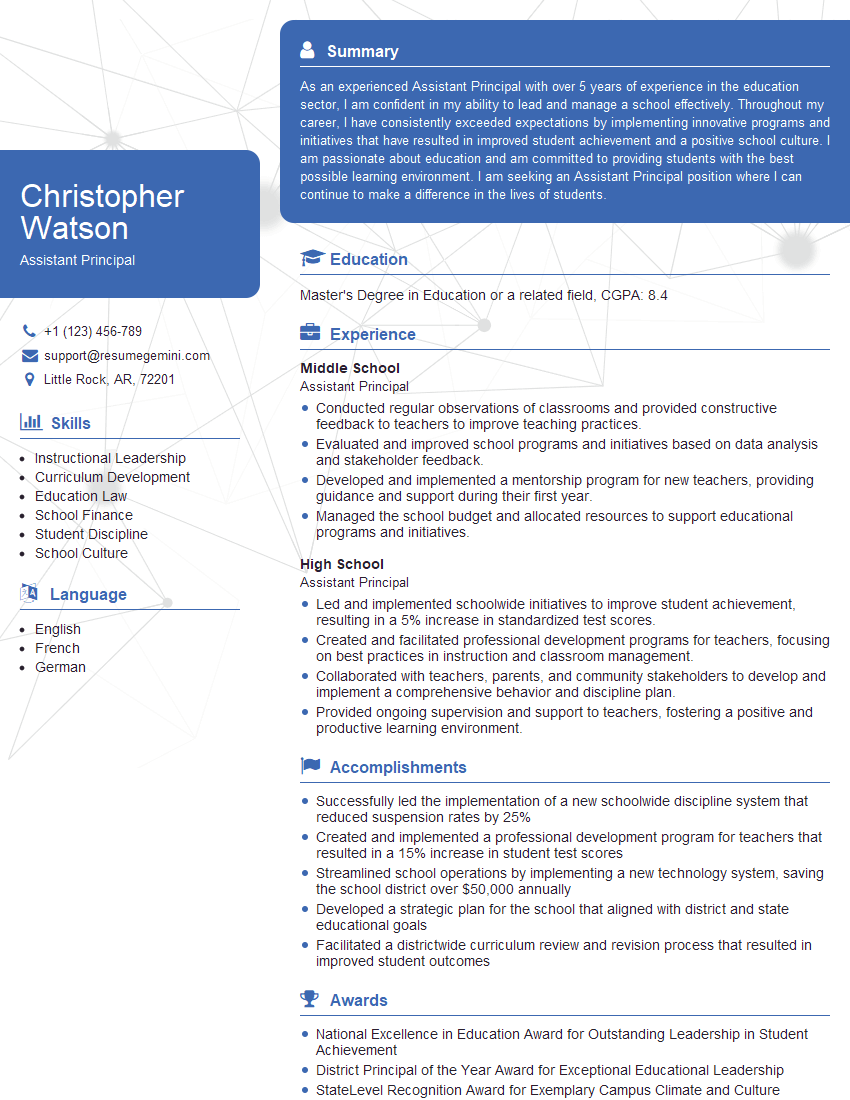
Assistant Principal Resume Sample
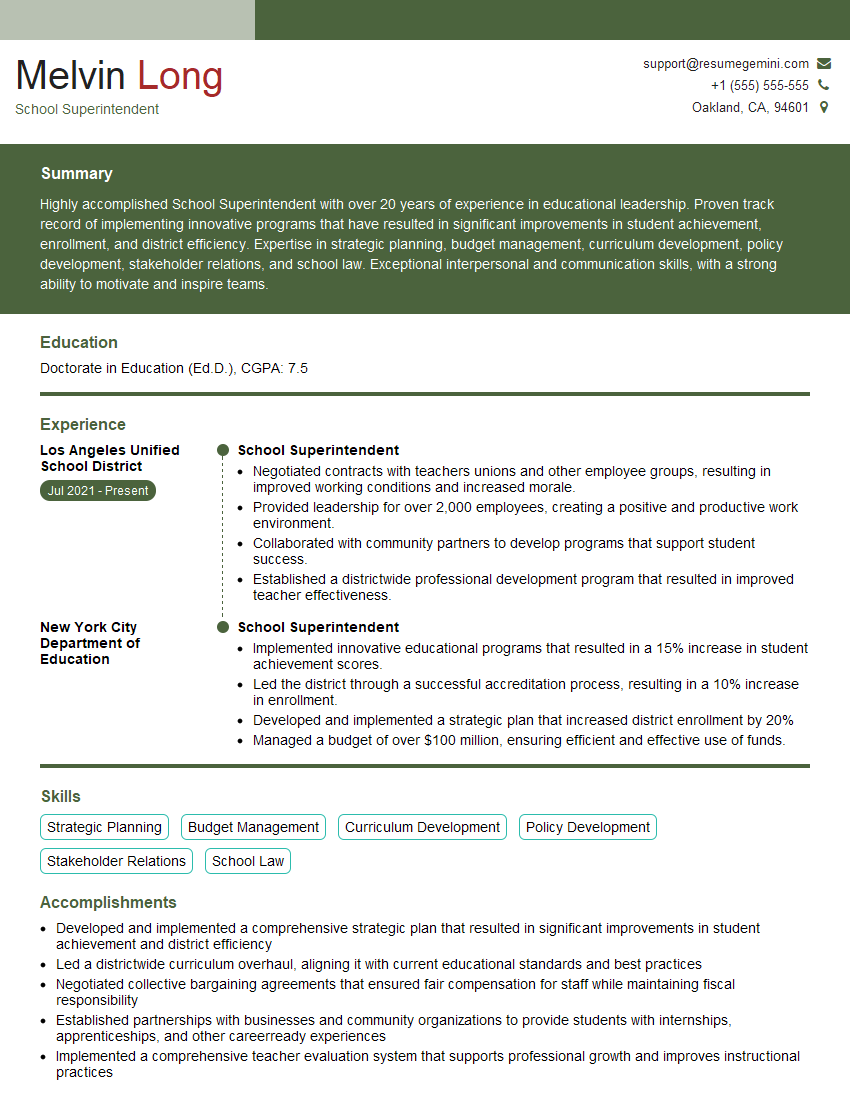
School Superintendent Resume Sample
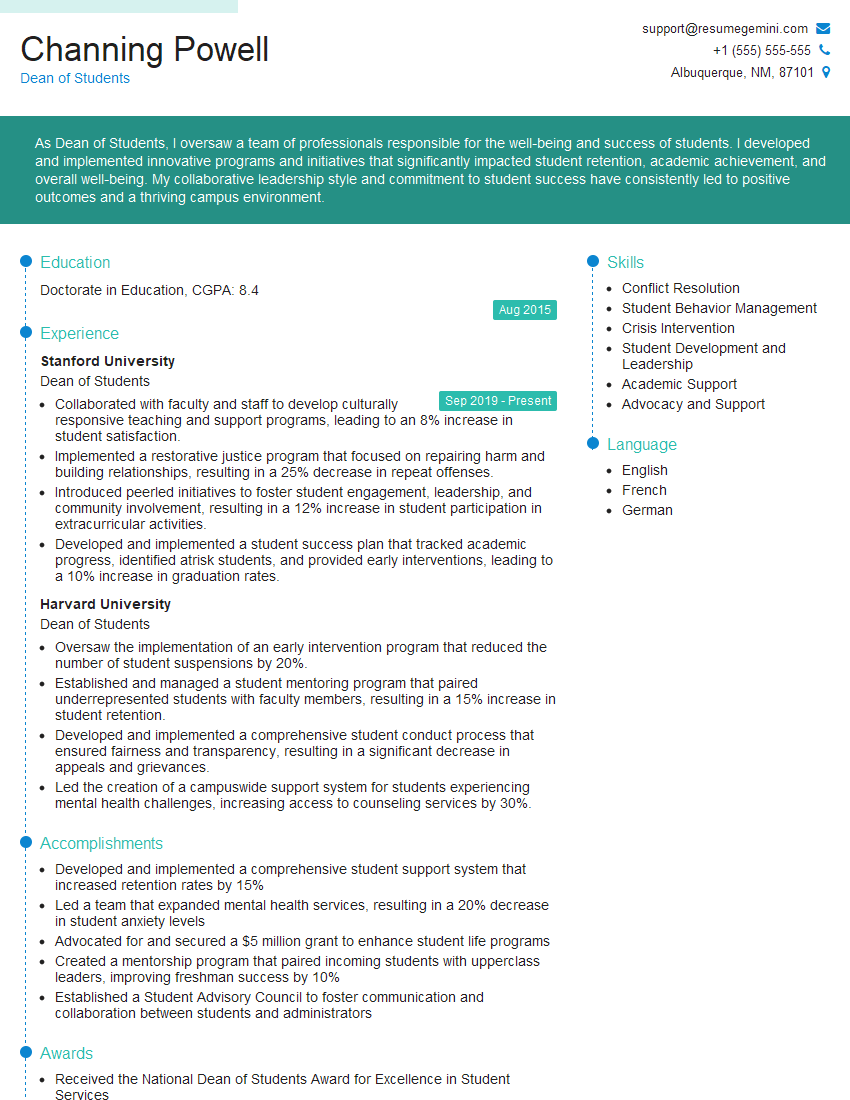
Dean of Students Resume Sample
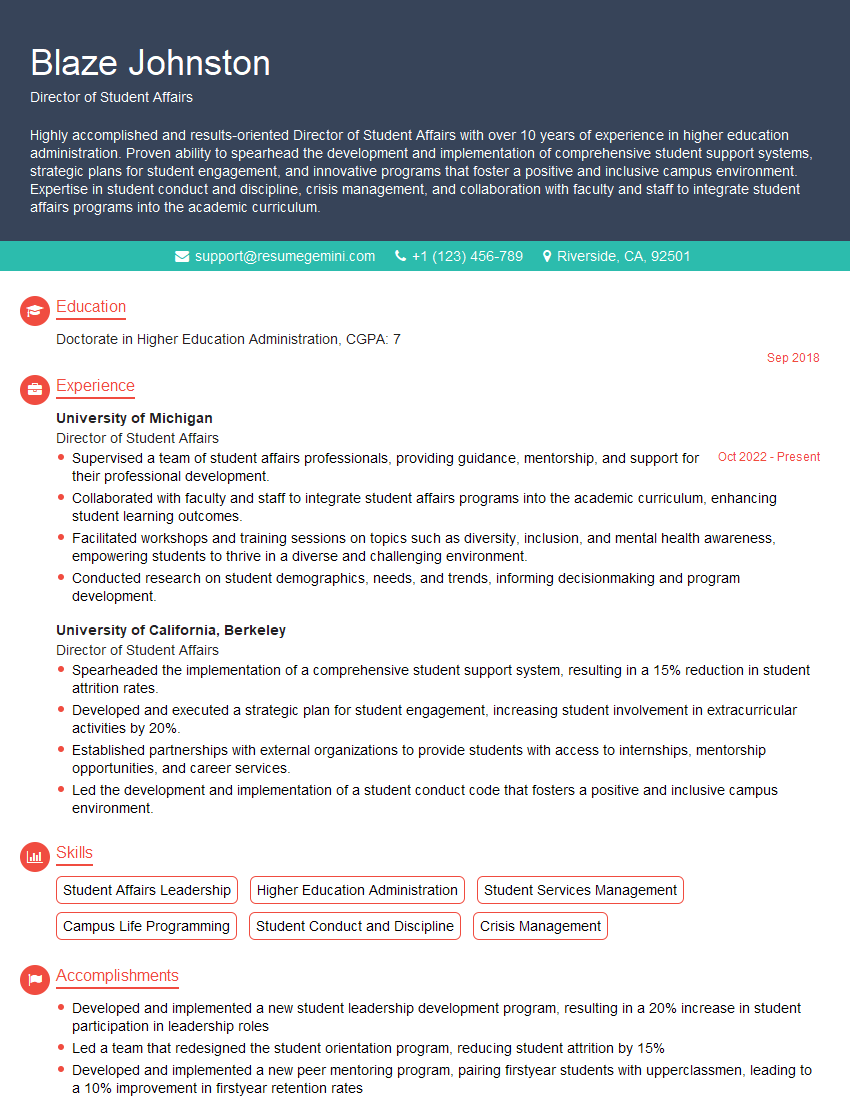
Director of Student Affairs Resume Sample
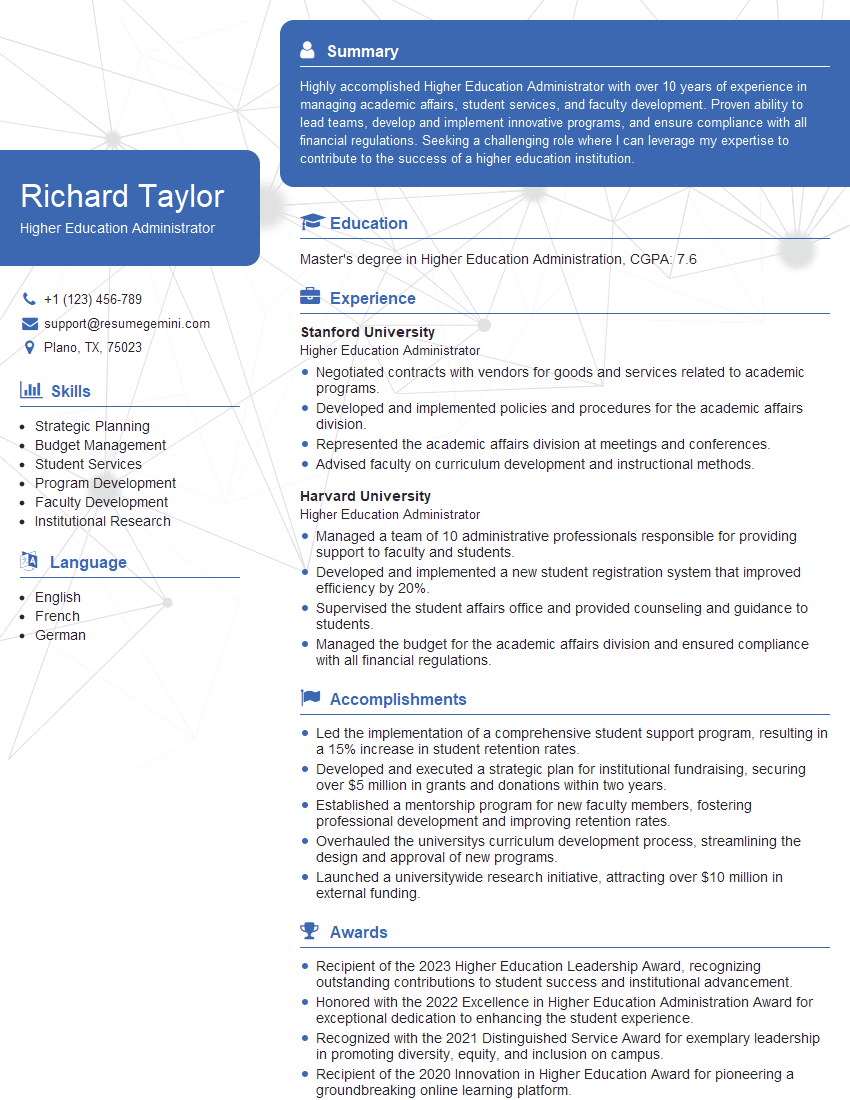
Higher Education Administrator Resume Sample

Professor Resume Sample

Curriculum Developer Resume Sample
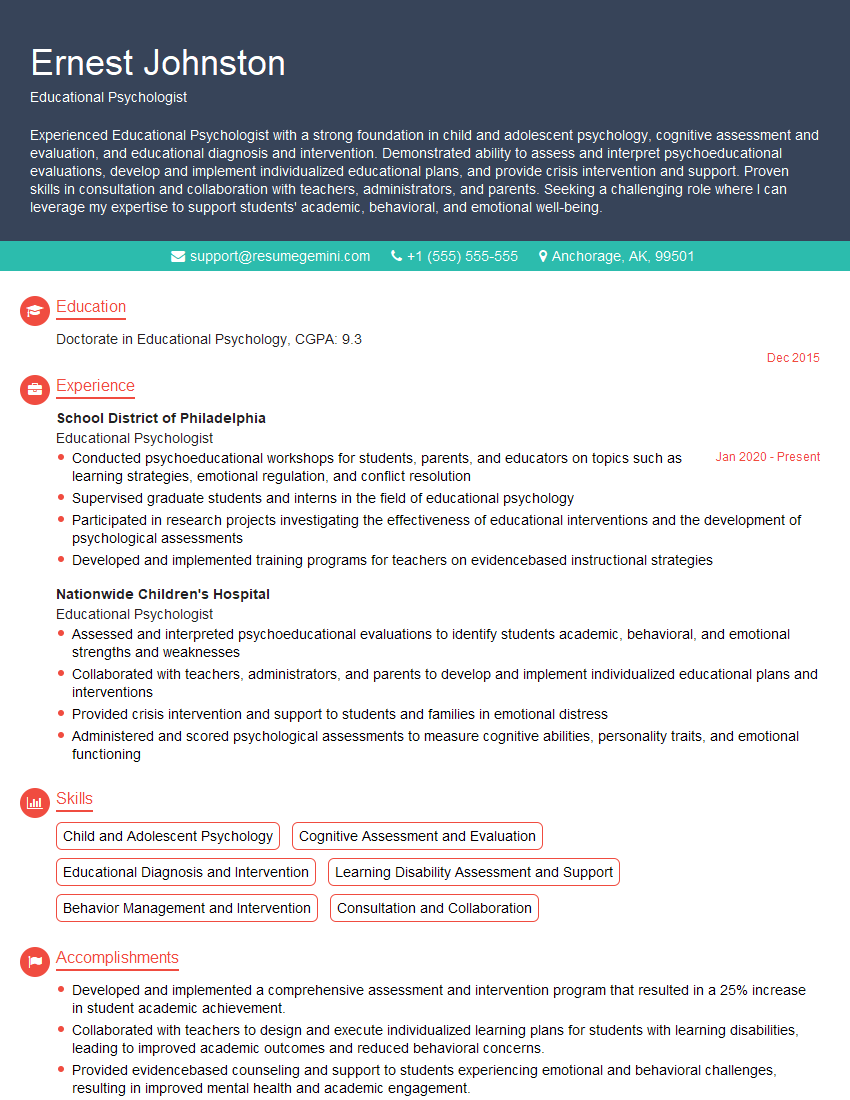
Educational Psychologist Resume Sample
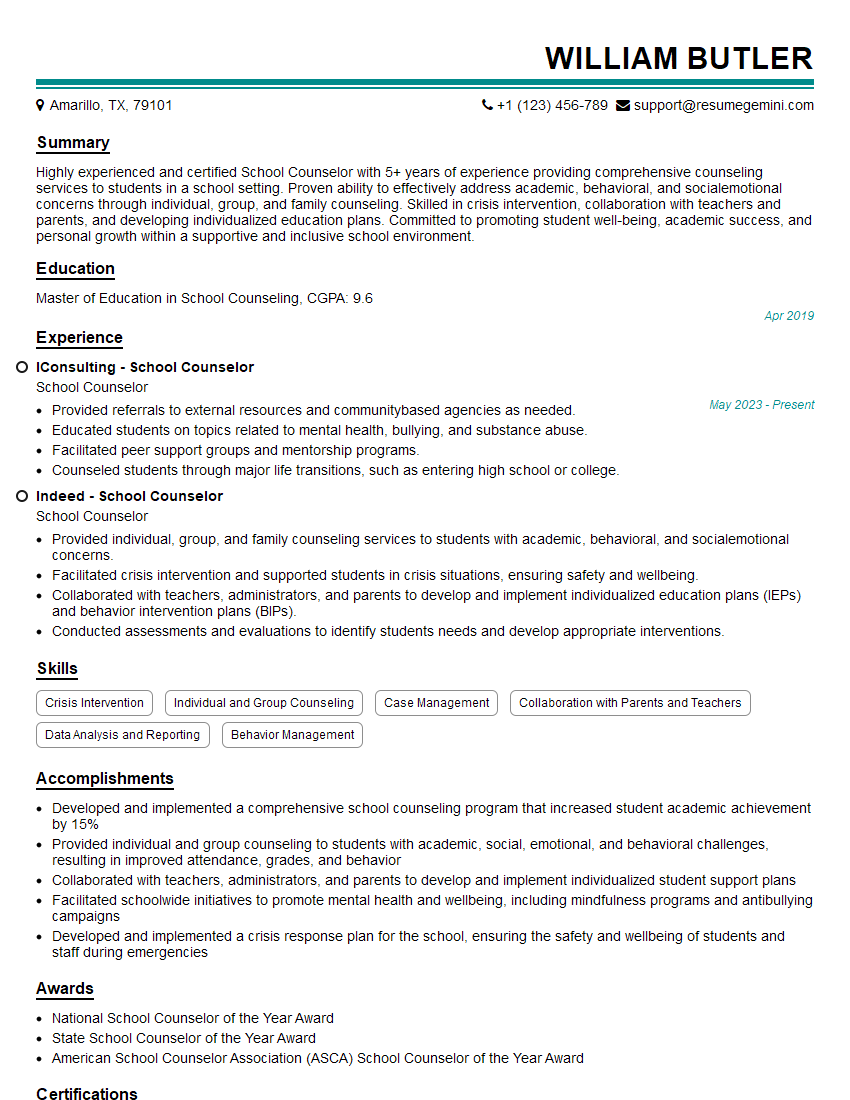
School Counselor Resume Sample
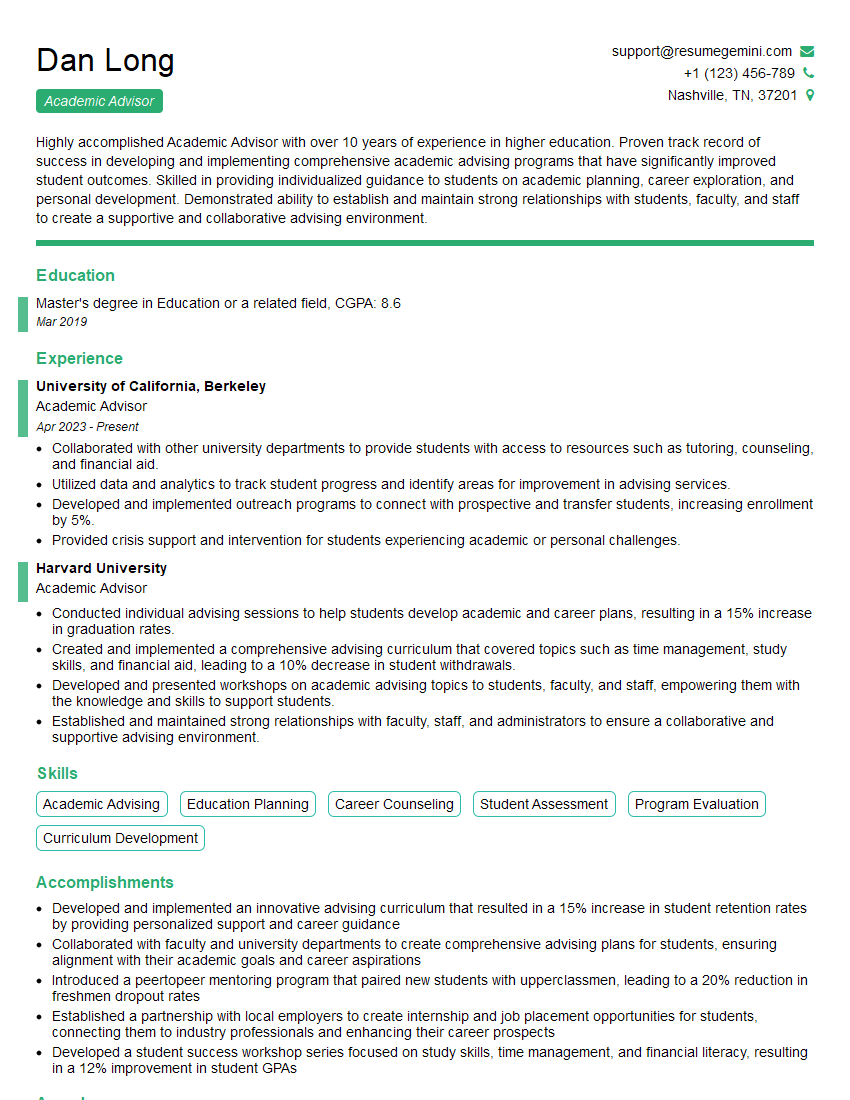
Academic Advisor Resume Sample
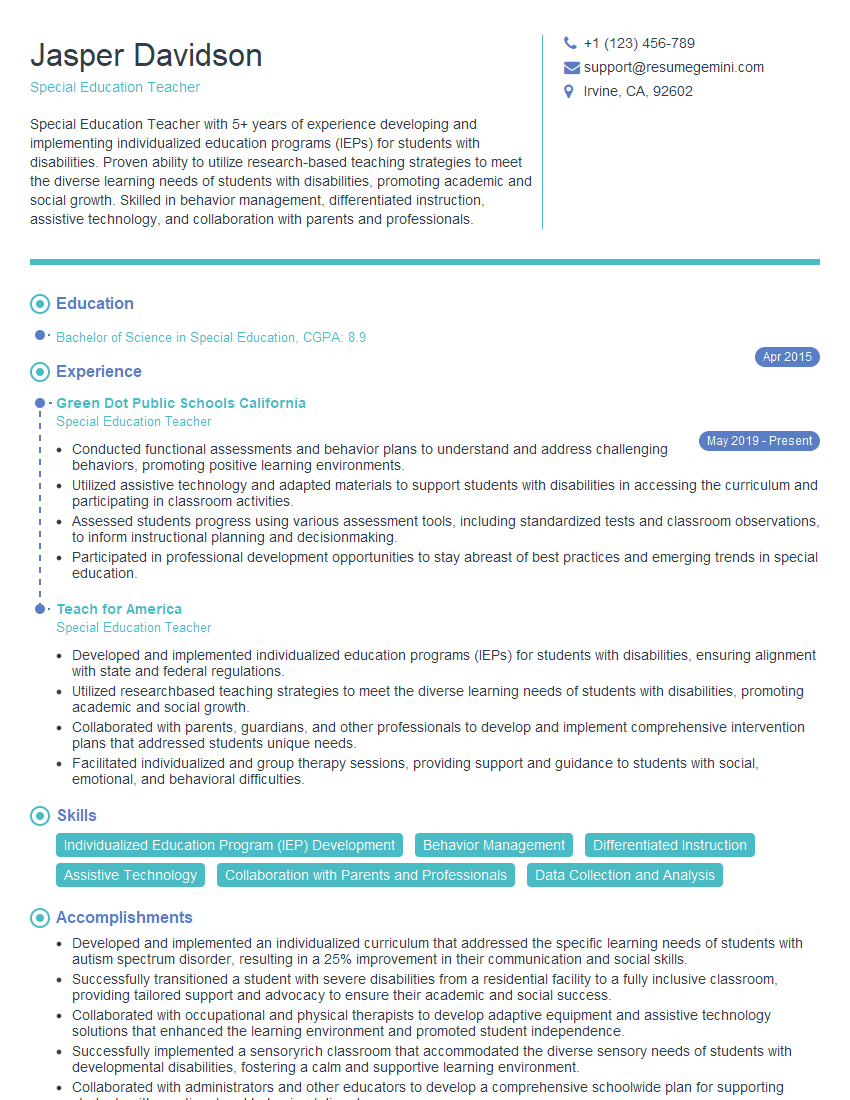
Special Education Teacher Resume Sample

Tutor Resume Sample
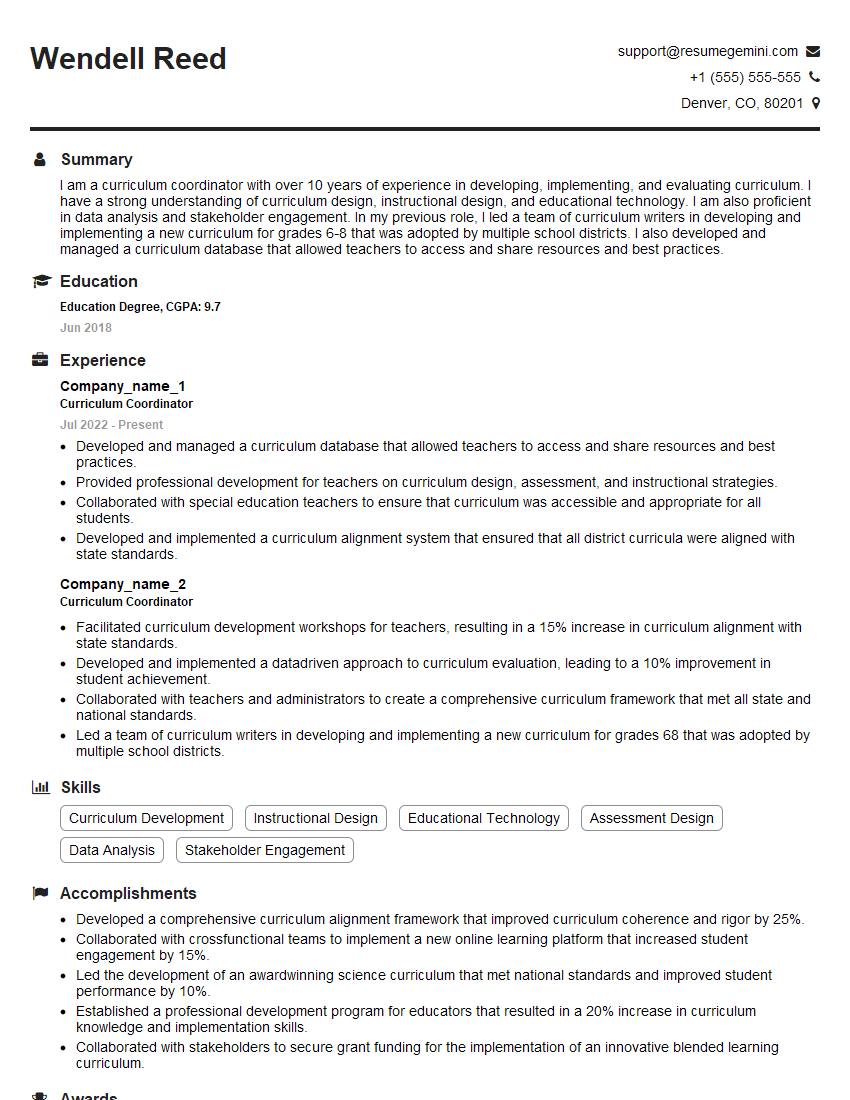
Curriculum Coordinator Resume Sample
- Learning Specialist
- Principal
- Teacher
- Vice Principal
- Assistant Principal
- School Superintendent
- Dean of Students
- Director of Student Affairs
- Higher Education Administrator
- Professor
- Curriculum Developer
- Educational Psychologist
- School Counselor
- Academic Advisor
- Special Education Teacher
- Tutor
- Curriculum Coordinator
Explore more articles
Users Rating of Our Blogs
Share Your Experience
We value your feedback! Please rate our content and share your thoughts (optional).
What Readers Say About Our Blog
Really detailed insights and content, thank you for writing this detailed article.
IT gave me an insight and words to use and be able to think of examples