Interviews are opportunities to demonstrate your expertise, and this guide is here to help you shine. Explore the essential Offshore Vessel Operations interview questions that employers frequently ask, paired with strategies for crafting responses that set you apart from the competition.
Questions Asked in Offshore Vessel Operations Interview
Q 1. Describe your experience with DP (Dynamic Positioning) systems.
Dynamic Positioning (DP) systems are crucial for maintaining a vessel’s position and heading without the use of anchors. Think of it like a sophisticated GPS system, but instead of guiding a car, it controls the thrusters and propellers of a vessel to counteract environmental forces like wind, waves, and currents. My experience encompasses working with various DP classes, from DP-1 (simple positioning) to DP-3 (complex operations in challenging environments). I’ve been involved in DP operations during subsea construction, ROV operations, and offshore drilling support. For example, during a recent subsea pipeline installation, the DP system ensured the vessel remained precisely positioned above the work site, allowing for precise and safe operation of the remotely operated vehicles (ROVs). This requires constant monitoring of the system’s performance, adjusting setpoints as needed, and understanding the limitations of the system in relation to environmental conditions. A key part of this is understanding the system’s redundancy and being able to manage a system failure in a safe and controlled manner.
Q 2. Explain the procedures for emergency response in an offshore environment.
Emergency response procedures in the offshore environment are stringent and highly regulated, prioritizing the safety of personnel and the environment. They’re typically based on a hierarchical structure, involving immediate actions, escalation procedures, and post-incident investigations. A well-rehearsed emergency response plan includes pre-defined roles and responsibilities, clear communication protocols, and regular drills. This includes scenarios like fire and gas detection, man overboard, medical emergencies, and severe weather events. For example, a ‘man overboard’ drill involves immediate actions such as launching a life raft, alerting the crew, and using the vessel’s search and rescue capabilities. Post-incident, a thorough investigation is conducted to identify root causes, implement corrective actions, and prevent future occurrences. This also involves reporting to regulatory bodies and implementing lessons learned to improve future emergency preparedness. Detailed checklists, regular training, and ongoing communication are paramount in successful emergency response.
Q 3. What are the different types of offshore vessels and their respective roles?
The offshore industry utilizes a diverse fleet of vessels, each designed for specific tasks. Some key examples include:
- Supply Vessels (PSVs): Transporting supplies, equipment, and personnel to offshore platforms and rigs. Think of them as the delivery trucks of the offshore world.
- Platform Supply Vessels (PSVs): Similar to general supply vessels but equipped for more demanding operations and often with dynamic positioning.
- Anchor Handling Tug Supply Vessels (AHTSVs): Powerful vessels used for anchor handling, towing, and supply duties, often in harsh environments. They’re the workhorses of the offshore industry.
- Drilling Vessels (Semi-submersibles, Jack-ups, Drillships): Used for exploratory and production drilling operations. These are the giants, the heavy lifters of the offshore oil and gas industry.
- Construction Vessels (Heavy-lift vessels, pipelay barges): Specialized vessels for constructing and installing offshore structures and pipelines. They are precision instruments that require significant skill to operate.
- Accommodation Vessels: Providing living quarters for offshore workers. These are like floating hotels, providing a comfortable and safe living space for the crew.
Each vessel type has unique capabilities, equipment, and safety features tailored to its role. Understanding these differences is crucial for efficient and safe offshore operations.
Q 4. How do you ensure compliance with SOLAS regulations?
Compliance with the Safety of Life at Sea (SOLAS) convention is paramount in offshore vessel operations. It’s a comprehensive set of international maritime safety regulations. Ensuring compliance involves a multi-faceted approach, including:
- Regular inspections and audits: Internal and external audits verify adherence to SOLAS requirements and identify areas for improvement.
- Maintaining proper documentation: Comprehensive records are kept to demonstrate compliance with regulations and certification requirements.
- Crew training and competency: Training programs ensure the crew is proficient in emergency procedures and safety protocols.
- Equipment maintenance and certification: All safety-critical equipment must be regularly maintained and certified according to SOLAS standards.
- Emergency preparedness and response plans: Regular drills and exercises ensure readiness to handle various emergencies.
Failure to comply with SOLAS can result in significant penalties, operational disruptions, and potentially jeopardize the safety of personnel and the environment. A proactive and systematic approach to compliance is essential.
Q 5. Explain your understanding of stability and trim in offshore vessels.
Stability and trim are crucial aspects of offshore vessel safety and operational efficiency. Stability refers to a vessel’s ability to remain upright and resist capsizing, while trim relates to the vessel’s longitudinal balance – its fore-and-aft inclination. Both are influenced by factors such as cargo distribution, fuel levels, and ballast water management. Understanding stability involves knowing the vessel’s center of gravity and metacentric height. A vessel with a low metacentric height might be more comfortable in calm seas but more susceptible to rolling in rough conditions. Maintaining proper trim is important for optimal performance and to prevent stress on the hull and propeller. This involves careful calculation and control of cargo placement and ballast water, ensuring the vessel operates within its safe operational limits. Improperly managed stability and trim can compromise the vessel’s safety and affect its ability to perform its intended tasks. Regularly checking the vessel’s stability and trim and adjusting as necessary is vital.
Q 6. Describe your experience with cargo handling and securing on an offshore vessel.
My experience with cargo handling and securing encompasses a wide range of operations, from handling delicate equipment to securing heavy-lift cargo on deck. Safe and efficient cargo handling procedures require strict adherence to planned and documented procedures. This involves using appropriate lifting gear, ensuring proper weight distribution and securing methods to prevent shifting during transit. For example, when handling sensitive equipment like subsea modules, specialized lifting gear and securing techniques are used to avoid damage. Proper documentation of all cargo secured is vital for tracking and ensuring no cargo shifts during travel. Regular inspections during transit are necessary to ensure that the cargo remains safely secured and not negatively impacted by weather. Pre-planning the cargo handling and securing, using the correct tools, and employing appropriate safety measures are all crucial for minimizing risks and preventing accidents. Proper training of the crew is also necessary to ensure they understand the procedures and use the correct equipment safely.
Q 7. How do you manage crew fatigue and ensure safety during long offshore deployments?
Managing crew fatigue and ensuring safety during long offshore deployments is a significant challenge. Proactive measures are crucial to prevent accidents and maintain crew well-being. This includes:
- Strict adherence to rest hours and watchkeeping schedules: This prevents fatigue from building up and impacting performance.
- Regular health and wellness checks: Monitoring crew members’ physical and mental health helps identify potential issues early on.
- Providing comfortable and safe accommodation: A good quality of life onboard helps reduce stress and promote rest.
- Implementing stress management strategies: Providing access to counseling services or recreational activities helps alleviate stress.
- Regular safety briefings and drills: Maintaining alertness and awareness through consistent training is essential.
- Rotation schedules: Properly rotating crew members ensures appropriate rest periods between deployments.
Fatigue is a significant factor in accidents. Therefore, implementing a robust fatigue management system is not only crucial for safety, but also for maintaining the morale and overall well-being of the crew.
Q 8. What are the key elements of a successful offshore safety management system?
A successful offshore safety management system (SMS) is the cornerstone of any operation. It’s not just a collection of rules; it’s a proactive, integrated approach that prioritizes the prevention of accidents and the protection of personnel and the environment. Key elements include:
- Strong Leadership and Commitment: From the top down, safety must be a core value, not just a checklist item. Leaders must actively promote a safety culture where reporting near misses is encouraged, not punished.
- Risk Assessment and Management: A robust system identifies potential hazards – from equipment failure to human error – and develops mitigation strategies. This often involves Job Safety Analyses (JSAs) for specific tasks.
- Emergency Preparedness and Response: Comprehensive emergency response plans, regularly drilled and updated, are essential. This includes evacuation procedures, fire fighting, medical emergencies, and pollution control.
- Competent Personnel: Proper training and certification for all crew members are vital. Continuous professional development keeps skills sharp and ensures everyone is aware of the latest safety regulations and best practices.
- Effective Communication: Clear communication channels are crucial, particularly in high-pressure situations. This includes regular briefings, clear reporting procedures, and readily available means of communication in emergencies.
- Maintenance and Inspection Programs: Regular maintenance and inspection of all equipment are vital to prevent failures. A preventative maintenance system, meticulously tracked, minimizes downtime and risk.
- Auditing and Review: The SMS needs regular audits to identify weaknesses and areas for improvement. Continuous improvement is essential to stay ahead of potential hazards.
- Compliance with Regulations: Adherence to all relevant national and international regulations and standards is paramount. This includes compliance with organizations like the International Maritime Organization (IMO).
For example, during my time on the ‘Ocean Explorer,’ we implemented a new system of daily safety briefings, focusing on specific tasks and potential risks for that day. This led to a significant reduction in near-miss incidents.
Q 9. Explain the role of ballast water management in offshore operations.
Ballast water management is crucial in offshore operations to prevent the spread of invasive aquatic species. Ships take on ballast water to maintain stability, and this water can contain organisms that, when discharged in a new environment, can disrupt ecosystems and cause significant ecological and economic damage. In offshore operations, this is particularly relevant because many vessels work near sensitive marine habitats.
The management process typically involves:
- Ballast Water Treatment: Using technologies like UV sterilization or filtration to kill or remove organisms before discharge.
- Ballast Water Exchange: Replacing ballast water taken on in one location with water from another, diluting the concentration of organisms. However, this method is not always sufficient.
- Record Keeping: Meticulous records are kept of ballast water management procedures, complying with international regulations like the IMO Ballast Water Management Convention.
- Compliance with Regulations: Strict adherence to regulations concerning ballast water management is crucial to avoid penalties and environmental harm.
I’ve personally overseen the implementation of a new UV ballast water treatment system on a platform supply vessel, ensuring its effective operation and compliance with all relevant regulations. This minimized environmental risk and enhanced the vessel’s operational profile.
Q 10. Describe your experience with navigational equipment and procedures.
My experience with navigational equipment and procedures is extensive, spanning various vessel types and operational environments. I’m proficient in using:
- GPS and GNSS systems: For precise positioning and navigation.
- Electronic Chart Display and Information Systems (ECDIS): For safe and efficient route planning and navigation.
- Radar and Automatic Radar Plotting Aids (ARPA): For collision avoidance and situational awareness.
- Gyrocompass and Magnetic Compass: For heading and course determination.
- AIS (Automatic Identification System): For tracking other vessels and improving collision avoidance.
I’m familiar with all relevant navigational procedures, including passage planning, chart work, and adherence to the International Regulations for Preventing Collisions at Sea (COLREGs). I can confidently handle challenging navigational scenarios, such as operating in restricted waters or during adverse weather conditions. For instance, during a recent operation in a congested port, I skillfully navigated the vessel using ECDIS and ARPA, ensuring the safety of the vessel and its surroundings.
Q 11. How do you handle conflicts or disagreements among crew members?
Handling conflicts among crew members requires a fair, impartial, and timely approach. My strategy involves:
- Open Communication: Creating a safe space for crew members to express their concerns without fear of retribution.
- Active Listening: Understanding the perspectives of all involved parties.
- Mediation and Facilitation: Guiding the parties towards a resolution through constructive dialogue.
- Fair and Consistent Application of Rules: Ensuring that everyone is treated equally and that the rules are applied consistently.
- Documentation: Keeping a record of the conflict and the resolution, should it become necessary later.
- Escalation if Necessary: If a conflict cannot be resolved internally, escalating it to higher management is crucial.
In one instance, a disagreement arose between the chief engineer and the deck crew over maintenance priorities. By facilitating open communication and understanding their individual concerns, I was able to help them find a mutually agreeable solution that prioritized safety and operational efficiency.
Q 12. What is your experience with maintenance and repair of offshore vessel equipment?
My experience in maintenance and repair of offshore vessel equipment is extensive. I’m familiar with various systems, including:
- Main Engines and Propulsion Systems: Troubleshooting and performing basic maintenance.
- Auxiliary Machinery: Generators, pumps, compressors, and other essential equipment.
- Deck Machinery: Winches, cranes, and other cargo-handling equipment.
- Navigation and Communication Systems: Troubleshooting and maintaining navigational aids.
- HVAC and other essential systems: ensuring crew comfort and safety.
I’m proficient in conducting preventative maintenance, diagnosing and repairing malfunctions, and ordering necessary spare parts. I also understand the importance of following proper procedures and maintaining detailed records. I have managed the small repair of a crane winch, saving costly downtime and ensuring the vessel could continue its scheduled work. I adhere to strict safety protocols during all maintenance and repair work.
Q 13. Explain the process of conducting a pre-departure safety check on an offshore vessel.
A pre-departure safety check is a crucial step to ensure a safe voyage. The process typically includes:
- Visual Inspection: A thorough visual inspection of the vessel’s hull, superstructure, and equipment for any damage or defects.
- Safety Equipment Check: Verifying the functionality and availability of life-saving equipment, including lifeboats, life rafts, life jackets, and fire extinguishers.
- Navigation Equipment Check: Ensuring that all navigation systems are functioning correctly, including GPS, radar, and ECDIS.
- Communication Systems Check: Testing all communication systems, including VHF radio and satellite communications.
- Engine Room Check: Inspecting the engine room and ensuring that all machinery is in good working order.
- Cargo Securement: Verifying that any cargo is properly secured for the voyage.
- Documentation Review: Checking all relevant documents, including certificates and permits.
- Crew Briefing: Conducting a briefing with the crew to review the voyage plan and safety procedures.
A checklist is typically used to ensure all items are checked. Failing to conduct this thoroughly can have serious consequences, from minor delays to major incidents. During my time on a DP2 vessel, a pre-departure check revealed a faulty fire alarm system which was promptly rectified before we left port, preventing a potentially dangerous situation.
Q 14. How do you address mechanical failures during an offshore operation?
Addressing mechanical failures during an offshore operation requires a swift, systematic, and safety-conscious response. My approach is based on:
- Immediate Assessment: Quickly assess the nature and severity of the failure and its potential impact on safety and operations.
- Emergency Procedures: If the failure poses an immediate threat, implement relevant emergency procedures.
- Damage Control: Take steps to prevent further damage or escalation of the problem.
- Troubleshooting: Attempt to diagnose the cause of the failure using available resources and expertise.
- Repair or Replacement: If possible, attempt to repair the equipment. If repair is not feasible, arrange for replacement or temporary workarounds.
- Reporting and Documentation: Document the failure, repair actions, and any resulting downtime.
- Root Cause Analysis: After the situation is resolved, conduct a root cause analysis to identify the underlying causes and prevent recurrence.
On one occasion, we experienced a main engine failure. We quickly switched to the auxiliary engine, implemented damage control measures, and diagnosed the problem. The repair, though complex, was completed within the time allocated and with zero further incidents. The post-incident analysis revealed a flaw in routine maintenance, which we subsequently corrected.
Q 15. Describe your experience with different types of mooring systems.
My experience encompasses a wide range of mooring systems used in offshore vessel operations. These systems are crucial for maintaining a vessel’s position and stability during various activities like drilling, construction, and loading/offloading. I’ve worked extensively with:
- Single-point mooring (SPM): These systems are commonly used for loading and unloading tankers in deep water. I’ve been involved in the planning and execution of SPM operations, including the pre-operational checks, the mooring process itself, and post-operation inspections to ensure the integrity of the system.
- Spread mooring: This involves multiple anchors and lines to secure a vessel, providing greater stability in varied sea states. I’ve managed spread mooring deployments for floating production, storage, and offloading (FPSO) units, carefully considering factors like seabed conditions, environmental impact, and operational needs.
- Dynamic positioning (DP): DP systems use computer-controlled thrusters to maintain a vessel’s position and heading without the use of anchors. I have experience with various DP systems, including their maintenance, fault diagnosis, and emergency procedures. On one project, I was instrumental in successfully managing a DP system failure during a severe storm, preventing a major incident.
- Multi-leg mooring systems: These are frequently utilized on floating platforms, offering multiple points of connection for enhanced stability and resilience to environmental factors. My experience includes assisting with the installation, maintenance, and load monitoring of these complex systems.
Understanding the strengths and limitations of each system is paramount in ensuring safe and efficient offshore operations. For example, while SPMs are efficient for tankers, they might be unsuitable for platforms requiring greater stability. My experience allows me to select and manage the appropriate system for each specific operation and environment.
Career Expert Tips:
- Ace those interviews! Prepare effectively by reviewing the Top 50 Most Common Interview Questions on ResumeGemini.
- Navigate your job search with confidence! Explore a wide range of Career Tips on ResumeGemini. Learn about common challenges and recommendations to overcome them.
- Craft the perfect resume! Master the Art of Resume Writing with ResumeGemini’s guide. Showcase your unique qualifications and achievements effectively.
- Don’t miss out on holiday savings! Build your dream resume with ResumeGemini’s ATS optimized templates.
Q 16. What are the key risk factors associated with offshore operations and how do you mitigate them?
Offshore operations inherently carry significant risks. Key factors include:
- Environmental hazards: Storms, high waves, strong currents, and fog can severely impact operations and pose risks to personnel and equipment. Mitigation involves meticulous weather monitoring, robust emergency response plans, and the use of specialized equipment designed to withstand harsh conditions. I’ve personally participated in emergency shutdowns and evacuations due to unforeseen weather changes, highlighting the importance of proactive risk mitigation.
- Equipment failure: Malfunctions in critical equipment (drilling rigs, cranes, subsea systems) can lead to accidents and environmental damage. Mitigation strategies include regular inspections, preventative maintenance programs, and rigorous quality control procedures. I always emphasize a strong safety culture that promotes reporting of even minor equipment issues to prevent escalation.
- Human error: Fatigue, lack of training, and inadequate communication can result in accidents. Mitigation involves comprehensive training programs, strict adherence to safety protocols, robust communication systems, and promoting a culture of safety reporting where employees feel comfortable raising concerns without fear of retribution. In the past, I’ve implemented fatigue management programs that significantly reduced human error related incidents.
- Fire and explosion risks: The presence of flammable materials and the potential for ignition sources create inherent risks. Mitigation requires strict fire prevention measures, regular fire drills, and readily available firefighting equipment and trained personnel. I’ve personally overseen implementation of stringent fire safety protocols and have been involved in multiple fire drills, keeping safety as the highest priority.
A layered approach to safety management, encompassing risk assessments, safety audits, and continuous improvement measures, is essential to minimize these risks.
Q 17. Explain the procedures for reporting accidents and near misses on an offshore vessel.
Accident and near-miss reporting follows a strict, documented procedure on all offshore vessels I’ve worked on. The goal is to immediately address any issues and prevent future incidents. The process typically involves:
- Immediate action: In case of an accident, immediate action is taken to secure the area, provide first aid, and prevent further harm. For near misses, the situation is assessed to understand what could have caused an accident.
- Reporting to supervisor: The incident is immediately reported to the immediate supervisor or designated safety officer.
- Formal accident report: A detailed written report is completed, documenting the circumstances, contributing factors, injuries, and damages. This often includes photographs and witness statements.
- Investigation: A thorough investigation is conducted to determine the root causes of the incident, and to identify preventive measures. This may involve interviewing personnel, reviewing logs, and analyzing data.
- Corrective action: Based on the investigation findings, corrective actions are implemented to prevent recurrence. This could involve changes to procedures, equipment upgrades, or additional training.
- Documentation and review: All reports and corrective actions are documented and regularly reviewed as part of the ongoing safety management system.
The system emphasizes open communication and a blame-free culture to encourage prompt reporting of both accidents and near misses. Near misses are particularly valuable as they provide early warnings of potential problems.
Q 18. How familiar are you with various types of marine pollution and their prevention?
I am well-versed in various types of marine pollution and their prevention, a critical aspect of offshore operations. Common sources of pollution include:
- Oil spills: From equipment leaks, vessel collisions, or accidental discharges. Prevention involves rigorous maintenance, double-hull tankers, emergency response plans, and strict adherence to regulations.
- Chemical spills: From chemical handling, storage, and transfer. Prevention necessitates careful handling procedures, proper storage facilities, and emergency response protocols. I’ve personally overseen the implementation of spill prevention countermeasures on numerous projects.
- Wastewater discharge: From vessel operations, including greywater and blackwater. Prevention involves appropriate treatment systems and adherence to discharge standards.
- Garbage disposal: Improper disposal of garbage can lead to marine pollution. Prevention is achieved through careful waste management systems, segregation of waste, and adherence to MARPOL regulations. I have a strong record of consistently exceeding standards set by MARPOL and other relevant legislation.
Prevention measures rely heavily on the implementation of International Maritime Organization (IMO) regulations, such as MARPOL, and adherence to company-specific environmental management systems (EMS). These systems emphasize proactive pollution prevention and emphasize environmental stewardship as a core operational principle.
Q 19. Describe your experience with working in different weather conditions.
My experience spans a wide variety of weather conditions, from calm seas to severe storms. I’ve worked in tropical climates with high humidity and intense sunlight, and in arctic regions with freezing temperatures, ice floes, and extreme winds. My experience has taught me to adapt operations and safety procedures based on the prevailing weather conditions.
Working in challenging weather involves:
- Careful planning and preparation: Weather forecasts are carefully analyzed to anticipate potential problems and adjust operational plans accordingly. I always ensure sufficient resources and contingency plans are in place to respond to unexpected weather changes.
- Adapting operational procedures: Operations might be suspended or modified to ensure the safety of personnel and equipment during severe weather. I’ve managed numerous situations where operations were temporarily suspended or significantly modified to minimize risks associated with severe weather conditions.
- Use of specialized equipment: Specialized equipment, such as ice-strengthened vessels and weather-resistant protective gear, is essential for working in extreme conditions.
- Seamanship: Experienced seamanship plays a crucial role in navigating challenging weather. I can effectively and safely manoeuvre vessels in adverse conditions and make informed decisions concerning safety and operational continuity in varied weather situations.
Safe and efficient offshore operations require a deep understanding of how weather impacts different aspects of the work and how to adapt procedures for optimum safety and efficiency.
Q 20. How do you handle communication challenges in an offshore environment?
Communication is paramount in the offshore environment, particularly given the potential for isolation and challenging weather conditions. I’ve employed several strategies to handle communication challenges:
- Utilizing multiple communication channels: This may include VHF radio, satellite phones, email, and dedicated offshore communication networks. I always have a backup communication method in case of primary system failure. I have effectively used these methods to maintain consistent and reliable communication during periods of difficult weather conditions.
- Clear and concise messaging: Messages must be clear, concise, and unambiguous, particularly in emergency situations. Utilizing standardized terminology and procedures is critical for effective communication. I’ve made it a point to ensure the use of standard terminology in any communication, minimizing potential misunderstandings.
- Regular communication schedules: Establishing regular communication schedules ensures that key updates are consistently shared among crew members and onshore support teams. This includes scheduled briefings and safety updates, both in person and by communication systems.
- Cross-cultural communication awareness: Offshore crews are often diverse, so strong cross-cultural communication skills are needed. I consistently make sure to foster a respectful and inclusive work environment where communication is clear and effective irrespective of background.
Effective communication is crucial for safety, operational efficiency, and crew morale in offshore environments. I always prioritize clear and consistent communication as an integral part of a safe and productive operation.
Q 21. Explain your understanding of the International Maritime Organization (IMO) regulations.
My understanding of International Maritime Organization (IMO) regulations is comprehensive. The IMO sets international standards for the safety, security, and environmental performance of shipping. Key regulations relevant to offshore vessel operations include:
- SOLAS (Safety of Life at Sea): This convention establishes minimum safety standards for construction, equipment, and operations of vessels. I’m well-versed in the requirements related to life-saving appliances, fire protection, and stability.
- MARPOL (International Convention for the Prevention of Pollution from Ships): This convention regulates the discharge of pollutants from ships, including oil, chemicals, and garbage. I have extensive experience in ensuring compliance with MARPOL regulations, including waste management, oil spill prevention, and sewage treatment.
- STCW (Standards of Training, Certification and Watchkeeping for Seafarers): This convention sets minimum standards for the training and certification of seafarers. I’m familiar with the STCW requirements for various roles and ensure personnel meet the necessary qualifications.
- ISM (International Safety Management): This code requires companies to establish and maintain a safety management system. I have experience implementing and auditing ISM codes, ensuring compliance with best practices.
Staying abreast of amendments and updates to IMO regulations is crucial for maintaining compliance and ensuring the safety and environmental protection of offshore operations. I consistently track updates and implement changes in our operations as required by the updated regulations.
Q 22. Describe your experience with different types of marine communication equipment.
My experience encompasses a wide range of marine communication equipment, crucial for safe and efficient offshore operations. This includes VHF radios for short-range communication with other vessels and shore stations, GMDSS (Global Maritime Distress and Safety System) equipment for emergency communication, including EPIRBs (Emergency Position-Indicating Radio Beacons) and Inmarsat satellite communication systems for long-range communication, even in remote areas. I’m proficient in using AIS (Automatic Identification System) for tracking vessel traffic and enhancing collision avoidance. Furthermore, I’m experienced with NAVTEX (Navigational Telex) for receiving weather warnings and navigational information. During my time on the *Ocean Voyager*, for instance, our reliance on Inmarsat proved vital when a sudden storm forced us to divert course and seek shelter. The timely weather warnings we received via NAVTEX, coupled with effective communication with the port authority via Inmarsat, ensured the safety of the crew and vessel.
- VHF Radio: Essential for short-range communication, coordinating activities with other vessels and tug boats.
- GMDSS: Critical for distress calls and safety-related communications.
- Inmarsat: Enables reliable long-range communication, even in remote locations.
- AIS: Improves situational awareness by providing information on nearby vessels.
- NAVTEX: Delivers crucial navigational and weather warnings.
Q 23. How do you manage and allocate resources effectively on an offshore vessel?
Effective resource management on an offshore vessel is paramount. It involves a systematic approach encompassing personnel, equipment, time, and supplies. I employ a combination of techniques, including proactive planning based on the operational schedule and anticipated needs, meticulous tracking of consumable supplies like fuel, lubricants, and provisions, and continuous monitoring of equipment health to minimize downtime. For instance, on a recent project involving subsea well intervention, we pre-positioned all necessary equipment and personnel based on detailed risk assessments and operational procedures. This prevented delays and ensured efficient execution. Regular meetings with the crew are held to discuss challenges, identify potential bottlenecks and to refine our allocation strategies. We also utilize software for inventory management and maintenance scheduling to optimize resource allocation and minimize waste.
Think of it like running a small city at sea. Every resource needs to be managed efficiently to ensure smooth and safe operations. This approach also involves prioritizing tasks based on urgency and importance, ensuring critical maintenance is completed before less critical tasks.
Q 24. What are your experience with risk assessment and mitigation in an offshore environment?
Risk assessment and mitigation are integral to offshore operations. My experience involves conducting thorough HAZOP (Hazard and Operability) studies, identifying potential hazards, and developing mitigation strategies. This includes assessing weather conditions, equipment failures, human factors, and environmental risks. On one occasion, a potential equipment malfunction was identified during a pre-job HAZOP. By implementing proactive maintenance and a backup system, we successfully prevented a potentially serious incident. I am also familiar with using bowtie diagrams to visualize risks and their consequences. These analyses are documented and regularly reviewed to adapt to evolving conditions and refine our safety protocols. We use a layered approach to safety, including personal protective equipment (PPE), emergency response plans, and robust communication systems.
Q 25. Explain your experience with offshore vessel maintenance planning and scheduling.
Offshore vessel maintenance is meticulously planned and scheduled to ensure operational readiness and prevent costly downtime. I’m experienced in using CMMS (Computerized Maintenance Management Systems) to track maintenance activities, schedule inspections, and manage spare parts inventory. This software allows for the creation of preventive maintenance schedules based on manufacturer recommendations and operational hours, enabling proactive maintenance rather than reactive repairs. We prioritize critical equipment, ensuring timely inspections and servicing. The maintenance schedule considers factors like weather conditions, operational demands, and upcoming projects. For example, a planned dry-docking for hull cleaning and major repairs is scheduled well in advance to minimize operational disruption. Regular toolbox talks are conducted with the crew to reinforce safety procedures during maintenance activities.
Q 26. How do you ensure the safety of personnel and equipment during offshore transfer operations?
Ensuring personnel and equipment safety during offshore transfer operations is paramount. This involves strict adherence to established procedures, including using appropriate personal protective equipment (PPE), such as life jackets and harnesses. We utilize specialized equipment like a personnel transfer basket or a fast rescue craft (FRC) for safe transfers to and from other vessels or platforms. Thorough pre-transfer briefings are conducted, covering all safety aspects and emergency procedures. Weather conditions are carefully monitored, and transfers are suspended if conditions are deemed unsafe. Communication is crucial; constant communication is maintained between the transferring vessel, the receiving platform, and the personnel being transferred. A designated person is responsible for coordinating the transfer and overseeing safety protocols, and regular drills are conducted to ensure readiness for any unforeseen event.
Q 27. Describe your understanding of the role of the Chief Mate and their responsibilities.
The Chief Mate is a vital member of the offshore vessel’s crew, responsible for the safe navigation of the vessel, the safety of the crew and cargo, and the maintenance of the vessel’s deck equipment. Their responsibilities include assisting the Master in all aspects of ship’s operation, supervising the deck crew, ensuring compliance with safety regulations, and managing cargo operations (if applicable). They also play a crucial role in voyage planning, using charts, publications and navigational aids. In essence, they’re the Master’s right hand, ensuring efficient and safe operations of all aspects of the vessel’s deck and cargo operations. I’ve had the opportunity to work closely with several capable Chief Mates, learning valuable lessons in leadership, practical decision-making, and teamwork in challenging offshore environments.
Q 28. What is your experience with using navigational charts and publications?
My experience with navigational charts and publications is extensive. I’m proficient in interpreting various types of charts, including paper charts and electronic navigational charts (ENCs). I understand the importance of using the latest chart corrections and publications, including Notices to Mariners, to ensure accurate navigation. I’m familiar with various chart symbols and notations, enabling me to effectively plot courses, identify hazards, and make informed navigational decisions. This includes understanding tidal streams, currents, and other navigational considerations. During my time at sea, I’ve often relied on charts and publications to navigate through complex waterways and challenging conditions, effectively avoiding hazards and ensuring safe passage. The ability to quickly and accurately interpret chart information is essential for safe navigation, particularly in areas with limited visibility or complex hydrography.
Key Topics to Learn for Offshore Vessel Operations Interview
- Vessel Dynamics and Stability: Understanding principles of buoyancy, stability, and trim. Practical application includes assessing vessel stability in various sea states and load conditions.
- Navigation and Positioning: Knowledge of GPS, chart reading, and electronic charting systems (ECDIS). Practical application includes planning efficient routes and safe navigation practices.
- Cargo Handling and Operations: Safe and efficient handling of various cargo types (e.g., oil, gas, supplies). Practical application includes understanding load planning, securing procedures, and emergency response protocols.
- Safety and Emergency Procedures: In-depth knowledge of emergency response plans, fire fighting, and personnel safety. Practical application includes demonstrating understanding of various safety regulations and drills.
- Communication Systems: Proficiency in using various communication systems (VHF, GMDSS). Practical application includes understanding communication protocols and emergency communication procedures.
- Maintenance and Repair: Basic understanding of vessel maintenance and repair procedures. Practical application includes identifying potential maintenance needs and reporting issues effectively.
- Environmental Regulations and Compliance: Knowledge of relevant environmental regulations and best practices. Practical application includes understanding and complying with oil spill response plans and waste management procedures.
- Crew Management and Teamwork: Understanding effective teamwork and communication within a crew environment. Practical application includes demonstrating leadership skills and conflict resolution techniques.
- Offshore Regulations and Procedures: Familiarity with relevant international and national regulations governing offshore operations. Practical application includes demonstrating knowledge of safety regulations and compliance procedures.
Next Steps
Mastering Offshore Vessel Operations opens doors to exciting and rewarding career opportunities, offering significant growth potential within the maritime industry. To maximize your job prospects, it’s crucial to have an ATS-friendly resume that highlights your skills and experience effectively. ResumeGemini can significantly enhance your resume-building experience, creating a professional document that showcases your qualifications to potential employers. Examples of resumes tailored to Offshore Vessel Operations are available to help you get started.
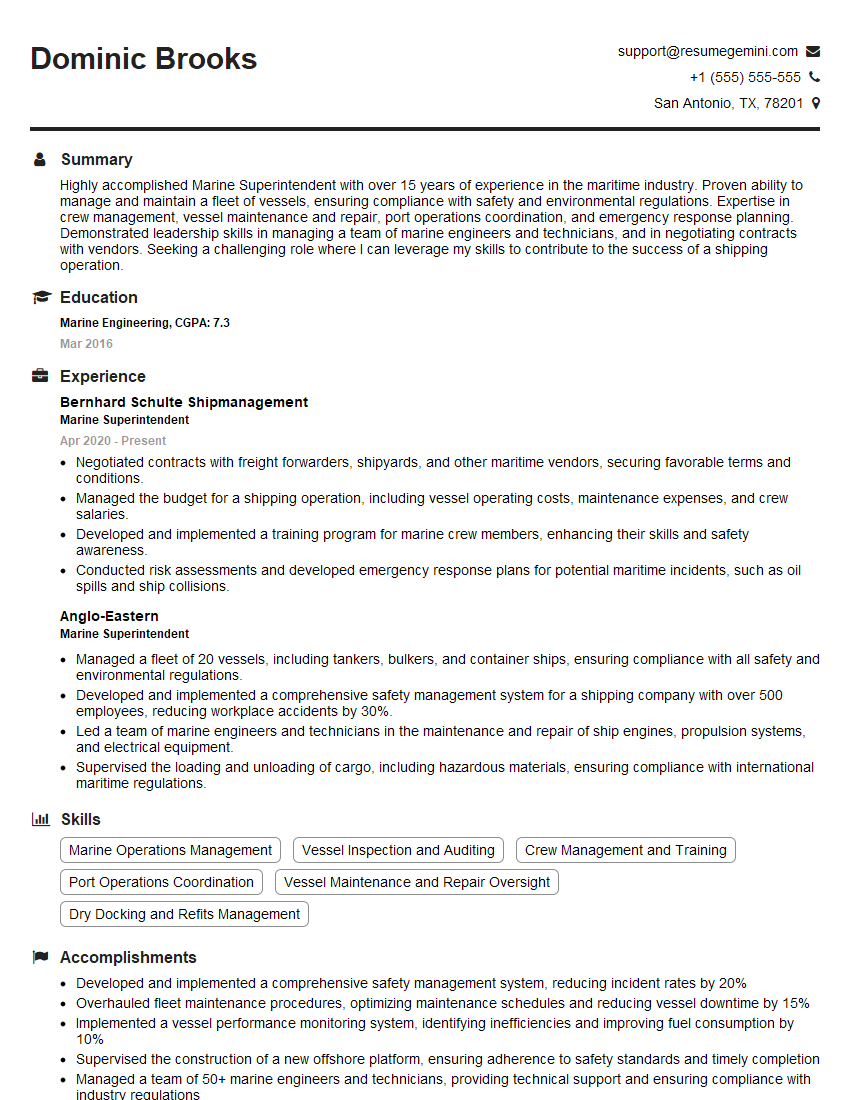
Marine Superintendent Resume Sample
Chief Engineer Resume Sample
Medical Officer Resume Sample
Surveyor Resume Sample
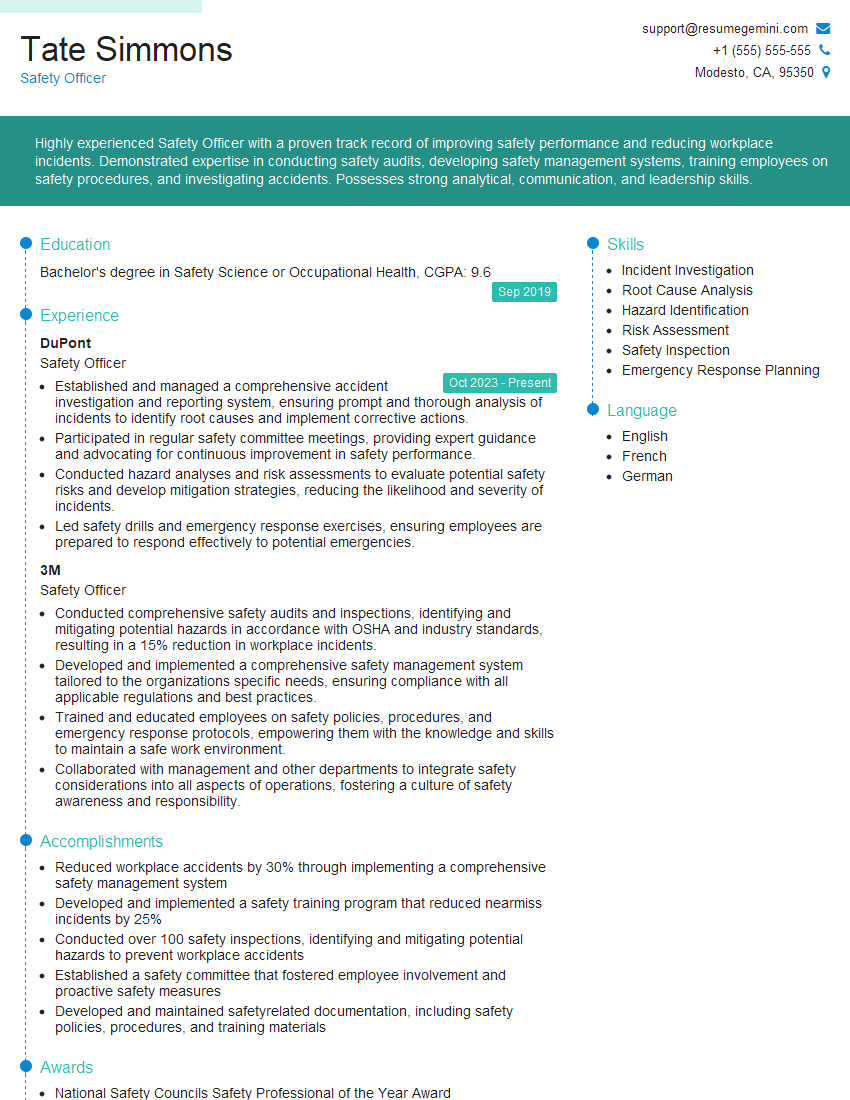
Safety Officer Resume Sample

Crane Operator Resume Sample
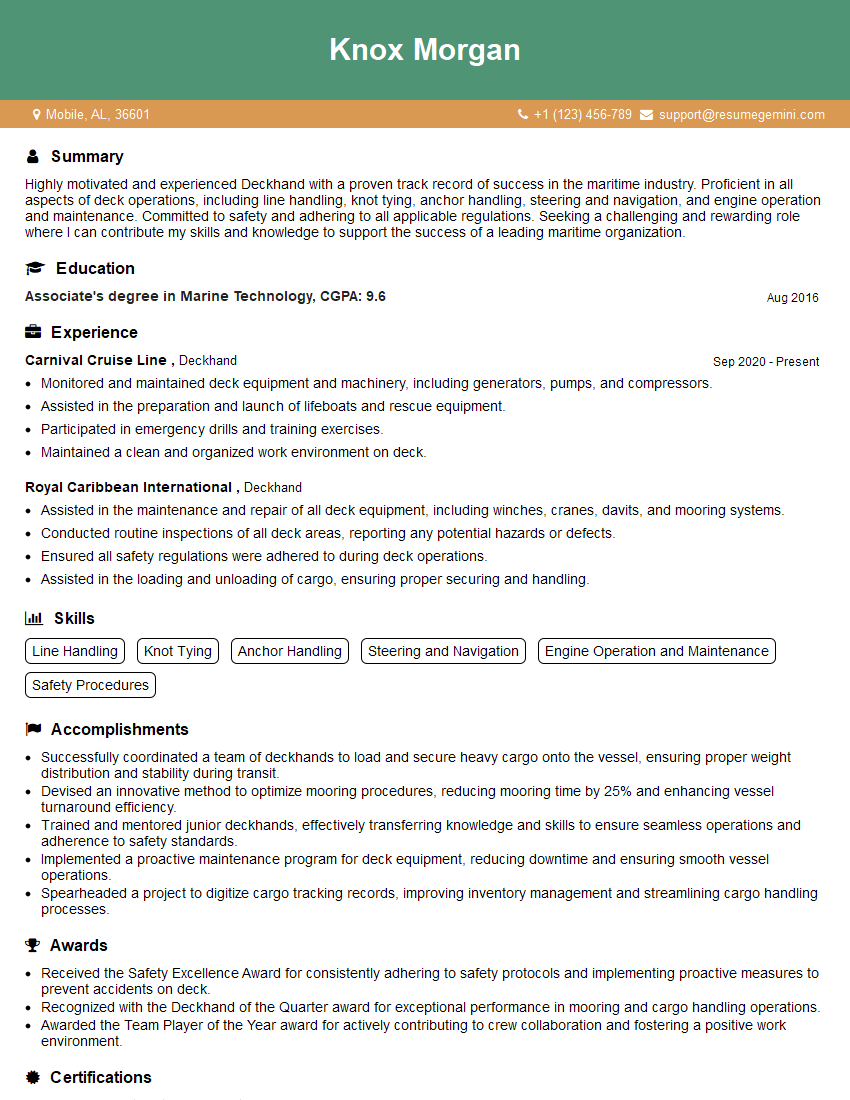
Deckhand Resume Sample
Mechanic Resume Sample
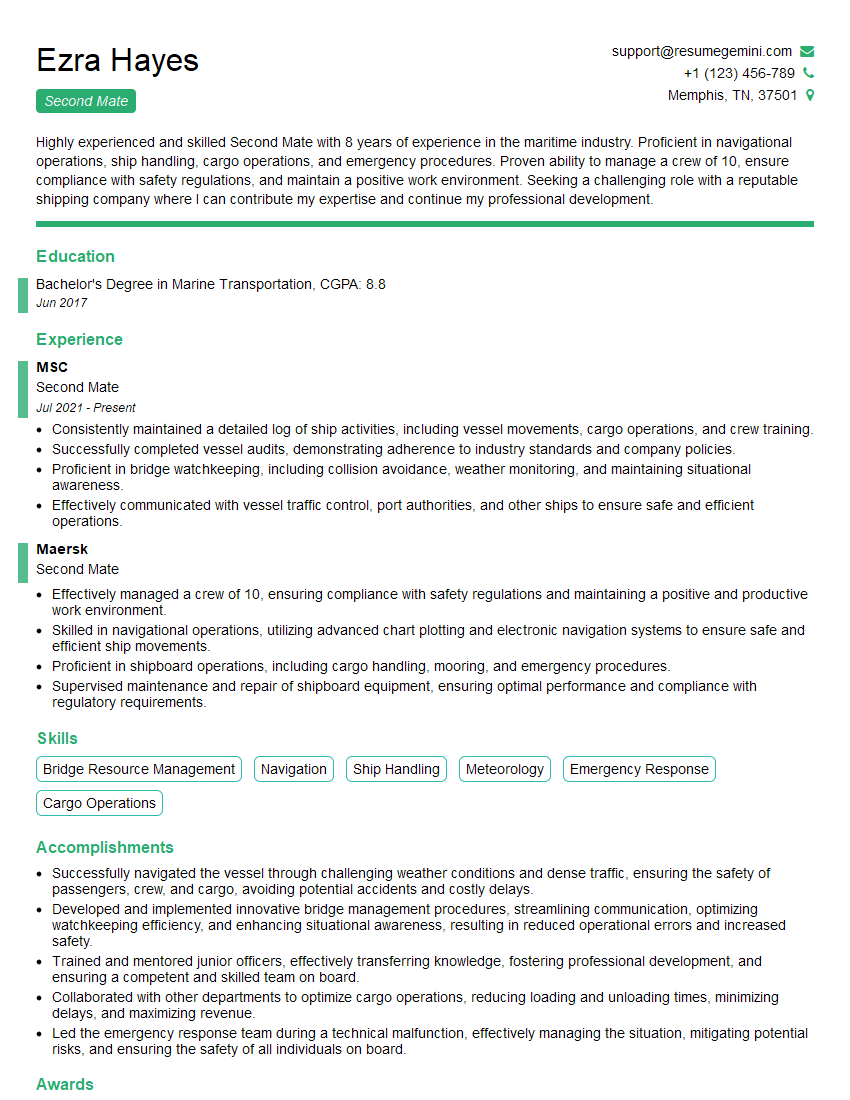
Second Mate Resume Sample
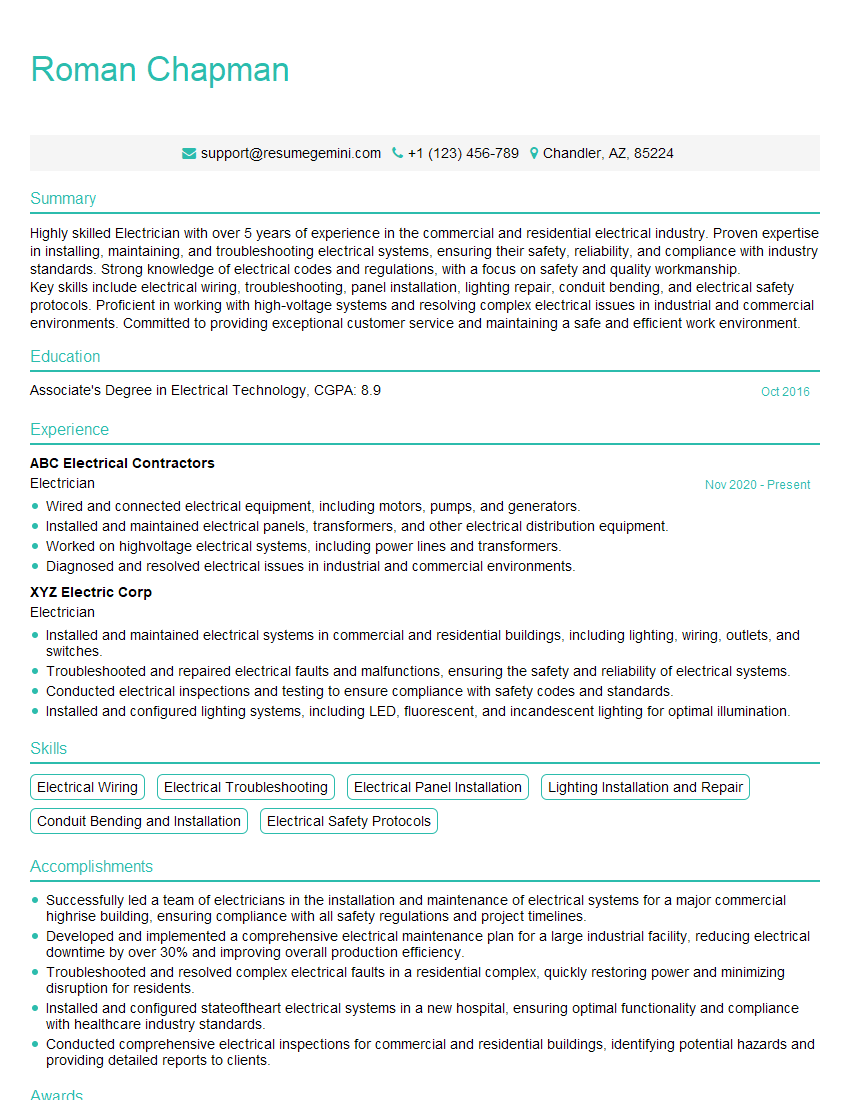
Electrician Resume Sample
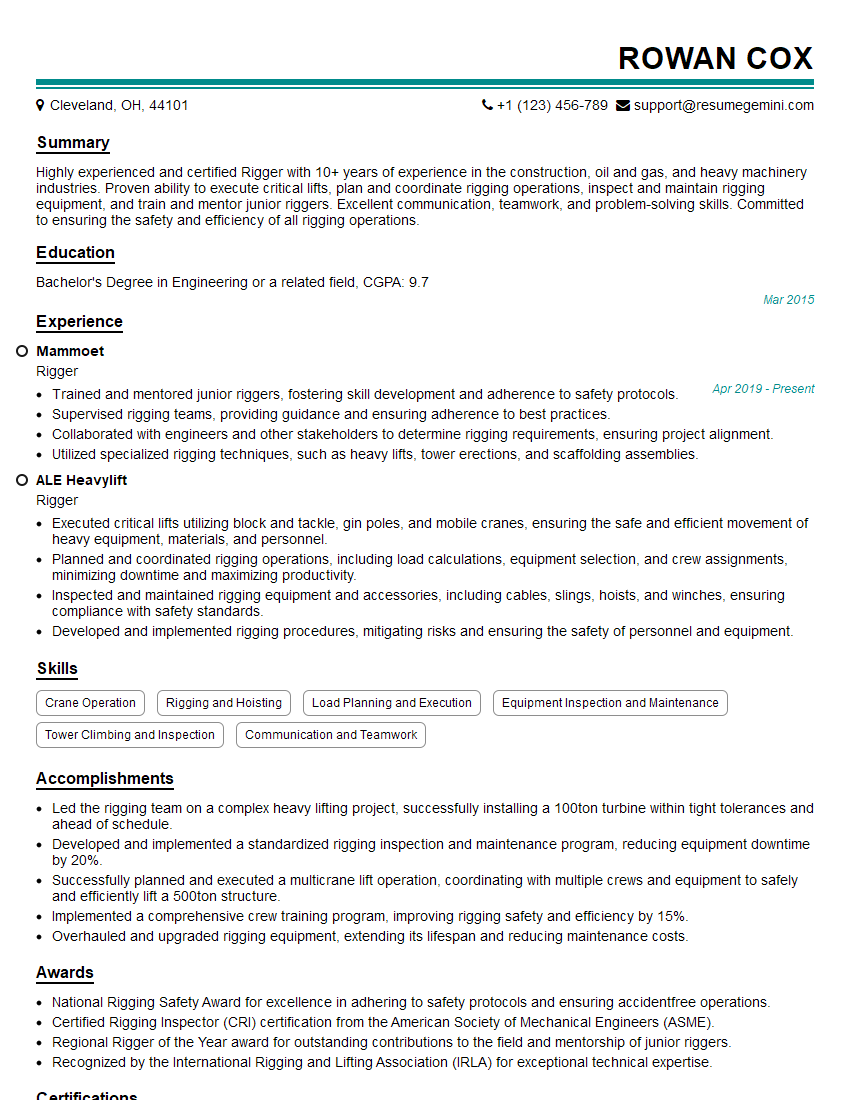
Rigger Resume Sample
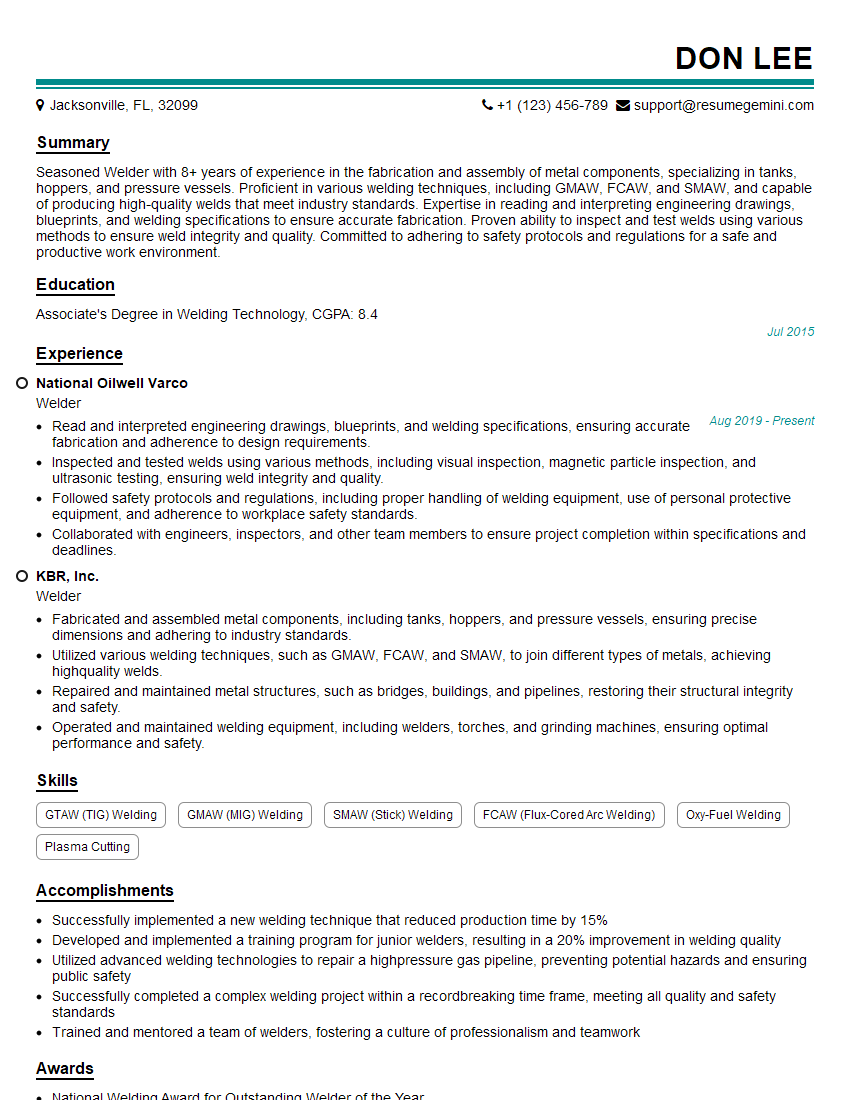
Welder Resume Sample
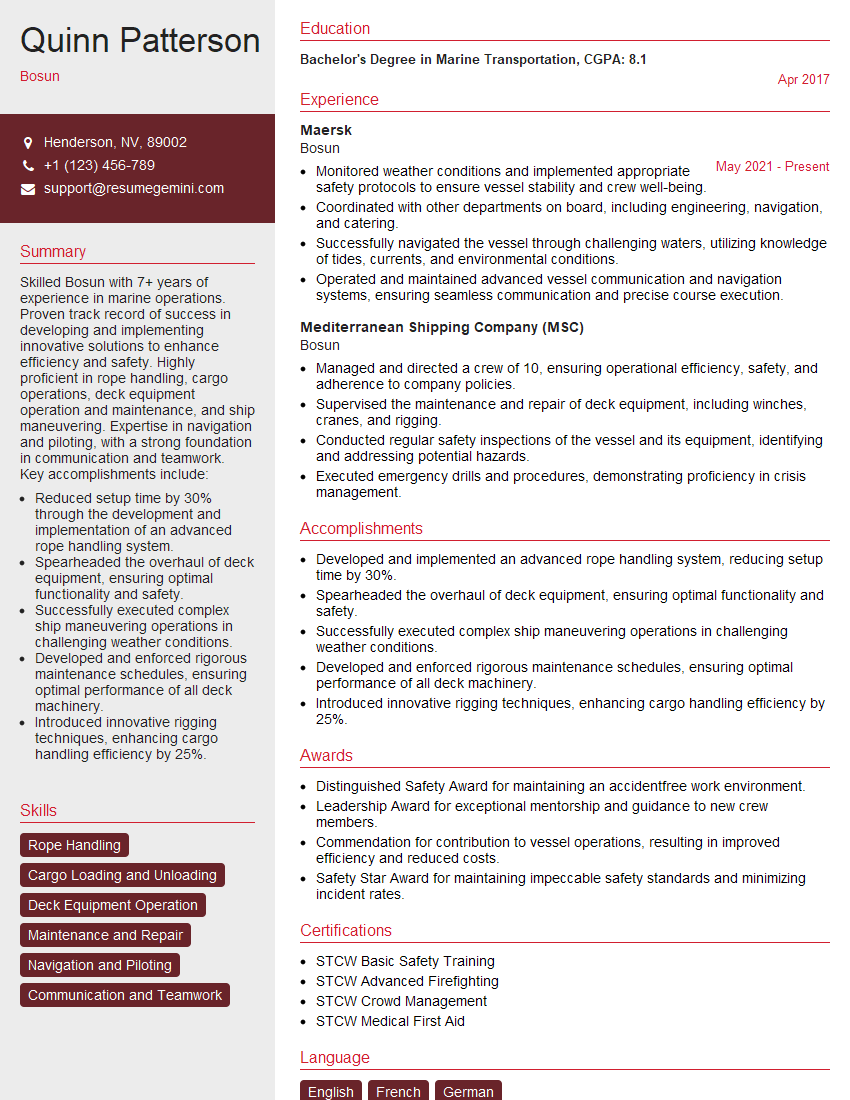
Bosun Resume Sample
Explore more articles
Users Rating of Our Blogs
Share Your Experience
We value your feedback! Please rate our content and share your thoughts (optional).
What Readers Say About Our Blog
Really detailed insights and content, thank you for writing this detailed article.
IT gave me an insight and words to use and be able to think of examples