Preparation is the key to success in any interview. In this post, we’ll explore crucial Risk Assessment and Prevention interview questions and equip you with strategies to craft impactful answers. Whether you’re a beginner or a pro, these tips will elevate your preparation.
Questions Asked in Risk Assessment and Prevention Interview
Q 1. Describe your experience with different risk assessment methodologies (e.g., FMEA, HAZOP, FTA).
My experience encompasses a wide range of risk assessment methodologies, each tailored to different contexts. I’ve extensively used Failure Mode and Effects Analysis (FMEA) for identifying potential failures in systems and processes. For instance, in a manufacturing setting, FMEA helped us pinpoint weak points in a new assembly line, allowing us to proactively implement preventative measures before mass production. HAZOP (Hazard and Operability Study) has been invaluable for identifying hazards in complex process industries like chemical plants. A recent project involved a HAZOP study to assess the safety of a new pipeline, where we systematically reviewed all operational phases to identify potential deviations from normal operation and their consequences. Finally, Fault Tree Analysis (FTA) has been crucial for understanding the root causes of incidents. Following a server crash, FTA helped us map out the different contributing factors, leading to system improvements that minimized recurrence risks.
Each method has its strengths: FMEA is detailed and focuses on individual components, HAZOP is excellent for process systems and identifying subtle interactions, while FTA is powerful for analyzing past incidents and preventing future occurrences. Selecting the right methodology depends on the specific context and objectives.
Q 2. How do you prioritize risks based on likelihood and impact?
Risk prioritization hinges on a balanced assessment of likelihood and impact. I typically use a risk matrix, a visual tool plotting likelihood (e.g., low, medium, high) against impact (e.g., minor, moderate, major, catastrophic). This creates four quadrants, each representing a risk level.
- Low Likelihood, Low Impact: These risks require minimal attention. Monitoring might be sufficient.
- Low Likelihood, High Impact: These ‘low probability, high consequence’ risks demand careful monitoring and contingency planning. Think of a natural disaster – the likelihood is low, but the impact is immense.
- High Likelihood, Low Impact: While frequent, these risks often involve simple mitigation strategies. For example, minor workplace injuries might be addressed through enhanced safety training.
- High Likelihood, High Impact: These risks need immediate attention and robust mitigation strategies. They are often prioritized for immediate action.
The specific scales for likelihood and impact are usually defined contextually. For example, in a software project, ‘likelihood’ might refer to the probability of a bug causing a system crash, while ‘impact’ would be the extent of data loss or service disruption.
Q 3. Explain the difference between qualitative and quantitative risk analysis.
Qualitative and quantitative risk analysis differ fundamentally in their approach to measuring risk. Qualitative analysis uses descriptive terms (e.g., high, medium, low) to assess likelihood and impact, making it subjective but quick and readily understood by a broad audience. Imagine a brainstorming session where a team discusses the potential risks of a new product launch – this is a qualitative assessment.
Quantitative analysis, conversely, uses numerical data to express risk. It relies on statistical methods, probability distributions, and financial modeling to assign numerical values to likelihood and impact. This provides a more objective and precise measure of risk, though it’s more complex and data-intensive. For example, a quantitative analysis might estimate the financial loss from a supply chain disruption using Monte Carlo simulation.
Often, a combination of both approaches is used. A qualitative analysis might initially identify key risks, followed by a quantitative analysis to precisely measure the critical risks.
Q 4. What key performance indicators (KPIs) would you use to measure the effectiveness of a risk management program?
Key Performance Indicators (KPIs) for a risk management program should reflect its effectiveness across various stages. These could include:
- Number of Risks Identified and Mitigated: This shows the program’s proactive nature.
- Number of Incidents/Accidents Prevented: Demonstrates the program’s effectiveness in preventing adverse events.
- Cost of Risk Mitigation vs. Cost of Incidents: This provides a return on investment (ROI) perspective.
- Time to Respond to Risks: Measures the program’s efficiency.
- Stakeholder Satisfaction with Risk Management Processes: Highlights the effectiveness of communication and collaboration.
- Compliance Rate with Risk Management Standards: Ensures adherence to regulations and best practices.
Regularly monitoring these KPIs allows for adjustments and continuous improvement of the program.
Q 5. How do you communicate risk effectively to different stakeholders?
Effective risk communication requires tailoring the message to the audience’s understanding and needs. For executive management, a concise summary of critical risks and their potential financial impact is sufficient. Technical teams require detailed technical reports and data. For the general public, clear and accessible language is key, potentially incorporating visuals like infographics.
Consider using different communication channels for different stakeholders. For example, executive dashboards for senior management, regular team meetings for operational staff, and public announcements for the wider community. Active listening and feedback mechanisms ensure the message is received and understood.
Transparency and open communication are crucial, building trust and fostering collaboration across stakeholders.
Q 6. Describe your experience developing and implementing risk mitigation strategies.
Developing and implementing mitigation strategies involves a structured approach. It starts with identifying the root causes of the risk and then selecting appropriate strategies based on the risk level and context. These strategies can include:
- Avoidance: Eliminating the risk entirely, e.g., cancelling a risky project.
- Mitigation: Reducing the likelihood or impact of the risk, e.g., implementing safety protocols.
- Transfer: Shifting the risk to a third party, e.g., insurance.
- Acceptance: Accepting the risk and its potential consequences, e.g., accepting the risk of a minor equipment failure.
For example, in a software development project, a high-risk identified was the potential for a security breach. We mitigated this by implementing robust security protocols, including multi-factor authentication, regular security audits, and rigorous penetration testing. We also transferred some risk by securing cyber-insurance.
Successful implementation requires clear responsibilities, adequate resources, and consistent monitoring and evaluation.
Q 7. How do you handle unexpected risks or events?
Unexpected risks require a swift and adaptable response. My approach involves:
- Immediate Assessment: Quickly assess the nature and severity of the unexpected event.
- Emergency Response Plan Activation: If applicable, initiate the pre-defined emergency response plan.
- Communication: Communicate the event and initial assessment to relevant stakeholders.
- Containment: Take steps to contain the event and prevent further damage or escalation.
- Root Cause Analysis: Conduct a thorough investigation to understand the root cause of the event.
- Corrective Actions: Implement corrective actions to prevent recurrence. This might include revisions to existing risk assessments and control measures.
- Lessons Learned: Document lessons learned from the event to inform future risk management practices.
A recent example involved a sudden server outage. We immediately activated our incident response plan, communicated the outage to customers, and initiated troubleshooting. The root cause analysis revealed a software vulnerability. We implemented a patch, strengthened our security measures, and updated our risk assessment to reflect this new vulnerability.
Q 8. How do you ensure that your risk assessments are regularly reviewed and updated?
Regular review and updating of risk assessments are crucial for maintaining their effectiveness. Think of a risk assessment as a living document, not a static report. The world changes, and so do risks. My approach involves a multi-faceted strategy:
- Scheduled Reviews: I establish a clear schedule for review, typically annually or more frequently for high-risk areas. This schedule is documented and communicated to all stakeholders.
- Trigger-Based Updates: Beyond scheduled reviews, I also implement trigger-based updates. These are triggered by significant events like changes in legislation, new technology implementations, significant incidents, or changes in the organizational strategy. For example, a new cybersecurity vulnerability discovered would trigger an immediate review of our IT security risks.
- Data-Driven Approach: Key performance indicators (KPIs) related to risks are tracked. Deviations from expected performance, or unexpected trends, trigger a review to identify any underlying risk changes. For instance, a sudden increase in customer complaints about a specific product would prompt a review of product safety risks.
- Stakeholder Involvement: Regular feedback is solicited from all relevant stakeholders – from frontline staff who often have invaluable insights into emerging hazards to senior management who have a wider organizational context. A risk review meeting provides a forum for collaborative discussion and potential risk identification.
- Documentation and Version Control: All revisions are meticulously documented and version-controlled to maintain a clear audit trail and ensure traceability of changes. This is essential for compliance and demonstrating due diligence.
Q 9. What is your experience with risk registers and how do you maintain them?
Risk registers are central to effective risk management. They provide a centralized repository for documenting, tracking, and managing identified risks. My experience involves creating and maintaining risk registers using a structured approach:
- Clear Definition of Fields: The register includes essential fields such as risk ID, description, likelihood, impact, owner, actions planned, actions completed, status, and deadlines. This ensures consistency and facilitates effective tracking.
- Regular Updates: The register is updated regularly, reflecting changes in risk profile, implemented controls, and the status of mitigation actions. This is typically done weekly or monthly, depending on the organization’s risk profile and the criticality of the risks.
- Categorization and Prioritization: Risks are categorized based on their nature (e.g., financial, operational, reputational) and prioritized based on a risk matrix combining likelihood and impact. This allows for focused effort on the most critical risks.
- Visualizations: I frequently utilize charts and dashboards to visualize risk data, making it easier for stakeholders to understand the overall risk landscape and identify trends.
- Integration with other systems: Where possible, I integrate the risk register with other systems, such as project management software or incident management systems, to provide a holistic view of risk management across the organization.
For instance, I’ve successfully implemented a risk register using spreadsheet software for smaller projects, and a dedicated risk management platform for larger, more complex projects.
Q 10. Describe your experience with regulatory compliance related to risk management.
Regulatory compliance is a cornerstone of effective risk management. My experience spans several regulatory frameworks, including but not limited to ISO 27001 (Information Security), HIPAA (Healthcare), and GDPR (Data Protection). I understand that compliance is not just about adhering to the rules but also about building a robust risk management framework that prevents violations.
- Gap Analysis: I conduct thorough gap analyses to identify discrepancies between current practices and regulatory requirements. This involves meticulously examining the regulations and comparing them against the organization’s existing risk management processes.
- Policy and Procedure Development: I help develop clear policies and procedures to ensure compliance. These are tailored to specific regulations and are easily understood and implemented by staff.
- Training and Awareness: I develop and deliver training programs to raise awareness of relevant regulations and best practices among employees. This ensures that everyone understands their roles and responsibilities in maintaining compliance.
- Audits and Monitoring: I conduct regular internal audits and implement monitoring systems to ensure ongoing compliance. This involves reviewing relevant documentation, conducting interviews, and analyzing data to identify any potential issues.
- Incident Response: I develop and implement incident response plans to handle breaches or non-compliance incidents effectively. This includes steps for identifying, investigating, containing, and remediating incidents, as well as reporting to relevant authorities.
For example, in a previous role, I successfully guided the organization through a GDPR compliance audit, ensuring that all necessary data protection measures were in place and documented.
Q 11. Explain your understanding of risk appetite and tolerance.
Risk appetite and tolerance are critical concepts in risk management. Risk appetite represents the level of risk an organization is willing to accept in pursuit of its objectives. It’s a strategic decision reflecting the organization’s risk philosophy. Risk tolerance, on the other hand, defines the acceptable variation around the risk appetite. It’s the cushion – how much deviation from the appetite is still acceptable before intervention is needed.
Imagine a tightrope walker. Their risk appetite is their willingness to walk the tightrope; their risk tolerance is how much they can sway or stumble before falling.
Understanding and defining both appetite and tolerance are crucial:
- Strategic Alignment: They must align with the organization’s overall strategic objectives. A high-growth organization might have a higher risk appetite than a more established, conservative one.
- Decision-Making: They inform decision-making at all levels. If a risk falls outside the tolerance level, mitigating actions are required.
- Resource Allocation: They dictate how resources are allocated to risk management activities. Higher risk appetite typically requires more robust risk management processes and greater investment.
- Communication: Clearly communicating the organization’s risk appetite and tolerance to all stakeholders is essential for consistent decision-making.
Q 12. How do you identify and assess emerging risks?
Identifying and assessing emerging risks requires a proactive and forward-looking approach. My methodology involves:
- Environmental Scanning: I regularly monitor various sources for emerging trends and events that could impact the organization. This includes news articles, industry reports, competitor analysis, technological advancements, social media trends, and regulatory changes.
- Scenario Planning: I utilize scenario planning techniques to explore potential future states and assess the likelihood and impact of various emerging risks. This involves developing plausible scenarios and evaluating their potential consequences.
- Expert Consultation: I leverage the expertise of internal and external stakeholders through workshops, interviews, and surveys. This helps gain diverse perspectives and identify risks that might be overlooked.
- Data Analytics: I employ data analytics techniques to identify patterns and trends that indicate emerging risks. This involves analyzing large datasets to detect anomalies and predict potential future problems.
- Early Warning Systems: I establish early warning systems to detect and respond to emerging risks promptly. This can involve setting up alerts for relevant news items, tracking social media sentiment, or monitoring key performance indicators.
For example, the rapid emergence of AI technologies necessitates a careful assessment of its potential benefits and risks – ranging from data privacy concerns to job displacement.
Q 13. What is your experience with using risk management software or tools?
My experience with risk management software and tools encompasses various platforms, from simple spreadsheets to sophisticated enterprise solutions. I’ve used tools to support the entire risk management lifecycle:
- Spreadsheets (e.g., Excel): Effective for smaller-scale projects or as a supplementary tool for simpler risk registers.
- Dedicated Risk Management Software: Platforms like Archer, MetricStream, and Riskonnect offer more advanced features including automated risk assessments, scenario modeling, key risk indicator (KRI) dashboards, and integrated reporting.
- Project Management Software (e.g., Jira, Asana): Can be integrated with risk management processes for tracking risk mitigation tasks and progress.
The choice of tool depends on the organization’s size, complexity, and specific needs. I select the tool that best fits the context, considering factors such as ease of use, scalability, integration capabilities, and cost-effectiveness. For instance, a smaller startup might benefit from a simple spreadsheet-based system, while a large multinational corporation would require a more robust and integrated enterprise-level solution. Regardless of the tool, I prioritize data integrity and effective communication among stakeholders.
Q 14. Describe a time you had to make a difficult decision related to risk.
In a previous role, we faced a critical decision involving a potential product recall. Preliminary testing revealed a minor defect in a newly launched product that, while unlikely to cause harm, had the potential for malfunction. The risk assessment identified a low likelihood of serious consequences but a significant reputational risk and substantial financial implications if a recall was necessary.
The decision was challenging because a recall would be costly and damage our reputation, but ignoring the issue could be far worse in the long run. My approach involved:
- Comprehensive Data Gathering: We collected all available data, including testing results, customer feedback, and competitor analysis.
- Stakeholder Consultation: We consulted with various stakeholders, including legal, engineering, marketing, and senior management, to gain diverse perspectives.
- Cost-Benefit Analysis: We conducted a comprehensive cost-benefit analysis, comparing the costs of a recall with the potential costs of inaction.
- Risk Mitigation Strategies: We explored various risk mitigation strategies, including issuing a software patch, implementing a proactive customer communication plan, and a potential phased recall.
Ultimately, we decided on a phased recall combined with a proactive communication strategy. This allowed us to address the issue effectively while minimizing the financial and reputational damage. The decision highlighted the importance of considering all aspects of a risk, including intangible factors like reputational impact, and the value of a collaborative and data-driven approach to risk management.
Q 15. How do you balance risk and opportunity?
Balancing risk and opportunity is a crucial aspect of strategic decision-making. It’s not about avoiding all risk – that would be stagnation – but about understanding the risk appetite and making informed choices. Think of it like navigating a ship: you can’t avoid all storms, but you can chart a course that minimizes exposure to the most dangerous ones while still reaching your destination.
My approach involves a structured process:
- Risk Identification & Assessment: First, we systematically identify potential risks and opportunities, assessing the likelihood and impact of each. We might use tools like SWOT analysis or a risk register.
- Risk Appetite Definition: Next, we define the organization’s risk appetite – the level of risk it’s willing to accept to achieve its objectives. This is a crucial step, often involving discussions with senior management and stakeholders.
- Risk Response Strategies: Once we understand the risk appetite and have a clear picture of the risks and opportunities, we develop strategies to manage them. These strategies might include avoidance, mitigation, transfer (e.g., insurance), or acceptance. Opportunities are pursued with a similar risk assessment approach, ensuring that the potential gains outweigh the associated risks.
- Monitoring & Review: The process is never static; we continuously monitor the risks and opportunities, adjusting strategies as needed. Regular reviews ensure that the balance between risk and opportunity remains aligned with the organization’s strategic goals.
For example, in a product launch, a significant opportunity is market share. However, risks include production delays, negative customer reviews, or competitor actions. By carefully assessing these and developing mitigation strategies (e.g., robust testing, comprehensive marketing), we can effectively balance the potential rewards and risks.
Career Expert Tips:
- Ace those interviews! Prepare effectively by reviewing the Top 50 Most Common Interview Questions on ResumeGemini.
- Navigate your job search with confidence! Explore a wide range of Career Tips on ResumeGemini. Learn about common challenges and recommendations to overcome them.
- Craft the perfect resume! Master the Art of Resume Writing with ResumeGemini’s guide. Showcase your unique qualifications and achievements effectively.
- Don’t miss out on holiday savings! Build your dream resume with ResumeGemini’s ATS optimized templates.
Q 16. What is your experience with conducting root cause analysis?
Root cause analysis (RCA) is a critical technique for identifying the underlying causes of problems, preventing recurrence, and improving systems. I have extensive experience using various RCA methodologies, including the ‘5 Whys,’ Fishbone diagrams (Ishikawa diagrams), and Fault Tree Analysis (FTA).
My approach involves a structured, team-based investigation.
- Data Gathering: I begin by gathering comprehensive data related to the incident or problem, including interviews with affected personnel, review of documentation, and analysis of system logs.
- Teamwork and Collaboration: A diverse team with relevant expertise ensures multiple perspectives. This avoids bias and helps identify root causes that may be missed by a single individual.
- Methodology Selection: The appropriate RCA method is chosen based on the complexity of the problem and the available data. For simpler issues, the ‘5 Whys’ might suffice; for more complex ones, FTA may be more suitable.
- Root Cause Identification: The chosen methodology is applied systematically to delve deeper into the causes, going beyond the surface-level symptoms. The goal is to identify the root cause(s) – the underlying factors that, if addressed, would prevent recurrence.
- Action Planning and Implementation: Once the root causes are identified, we develop and implement corrective actions to address them. This includes assigning responsibilities, establishing timelines, and allocating resources.
- Follow-up and Verification: The effectiveness of the corrective actions is monitored to ensure the problem is resolved and does not reappear. This might involve developing key performance indicators (KPIs) to track progress.
For example, in a recent project, we used the ‘5 Whys’ to investigate a recurring software bug. By asking ‘why’ five times, we traced the issue back to a poorly documented coding standard, ultimately leading to improved documentation and training, thereby preventing future occurrences.
Q 17. How do you involve others in the risk assessment process?
Effective risk assessment necessitates broad participation. I believe in a collaborative, inclusive approach, ensuring all relevant stakeholders contribute their expertise and perspectives. This fosters a shared understanding of risks and increases the likelihood of successful mitigation strategies.
My approach involves:
- Stakeholder Identification: First, I clearly identify all stakeholders – those affected by the risks, those who can influence the risks, and those who have a responsibility to manage the risks. This includes employees at all levels, management, customers, suppliers, and regulators, as appropriate.
- Communication & Engagement: I use various communication methods to engage stakeholders, such as workshops, surveys, interviews, and presentations. The style of communication is tailored to the audience and the complexity of the information.
- Structured Workshops: Interactive workshops provide a collaborative environment for brainstorming potential risks and discussing appropriate response strategies. They facilitate open discussion and leverage the collective intelligence of the group.
- Clear Roles & Responsibilities: I clearly define the roles and responsibilities of each participant to ensure accountability and ownership throughout the risk assessment process.
- Feedback Mechanisms: Regular feedback mechanisms ensure that all voices are heard and that the assessment process is continuously refined based on input from stakeholders.
For instance, during a project risk assessment, we held workshops with engineers, project managers, and clients to identify potential technical, logistical, and market-related risks, resulting in a more holistic and effective risk management plan.
Q 18. Explain your experience in developing and delivering risk management training.
I have extensive experience designing and delivering risk management training programs tailored to different audiences and organizational contexts. My training approach emphasizes practical application and engaging learning experiences.
My training programs typically include:
- Needs Assessment: I start by conducting a thorough needs assessment to identify the specific knowledge and skills gaps within the organization and tailor the training content to address these needs.
- Interactive Modules: Training modules incorporate interactive elements such as case studies, group exercises, simulations, and role-playing to facilitate active learning and knowledge retention.
- Real-World Examples: I use real-world examples and case studies to illustrate risk management concepts and techniques, making the learning more relevant and engaging.
- Practical Exercises: Hands-on exercises allow participants to apply what they have learned in realistic scenarios. This is essential for building practical skills and confidence.
- Customized Content: The training is tailored to the specific industry, regulatory environment, and organizational culture of the client.
- Post-Training Support: Post-training support, such as follow-up materials, mentoring, or on-the-job coaching, is crucial to reinforce learning and ensure consistent application of risk management practices.
For example, I developed a tailored risk management program for a financial institution, focusing on regulatory compliance and fraud prevention. The program involved interactive modules, case studies of past incidents, and practical exercises focused on risk identification and mitigation strategies in their specific operational context.
Q 19. What is your approach to managing reputational risk?
Reputational risk, the potential for damage to an organization’s reputation, is a critical concern. My approach to managing it is proactive and multi-faceted.
My strategy involves:
- Reputation Monitoring: I employ proactive monitoring techniques to track the organization’s online and offline reputation, including social media sentiment analysis, media monitoring, and customer feedback analysis. Early detection of potential issues is crucial for mitigating damage.
- Risk Identification & Assessment: We systematically identify potential events that could negatively impact the organization’s reputation, such as product recalls, safety incidents, ethical breaches, or negative media coverage. A detailed assessment of their likelihood and potential impact informs our response strategies.
- Crisis Communication Plan: A well-defined crisis communication plan is essential. This plan outlines procedures for responding to reputational threats, including communication protocols, designated spokespeople, and media relations strategies.
- Stakeholder Engagement: Open communication with stakeholders is crucial. Regular engagement allows us to build trust, address concerns, and proactively manage potential reputational challenges.
- Ethical Business Practices: Strong ethical business practices form the foundation of a positive reputation. This includes adherence to legal and regulatory requirements, promoting a culture of ethics and integrity, and ensuring responsible business conduct.
- Proactive Reputation Building: We actively work on building a positive reputation through initiatives such as community engagement, corporate social responsibility, and transparent communication.
For instance, in response to a negative online review about a product defect, we promptly addressed the customer’s concerns, offered a solution, and publicly acknowledged the issue, demonstrating transparency and commitment to customer satisfaction. This swift and responsible response minimized the reputational damage.
Q 20. How do you measure the success of a risk mitigation strategy?
Measuring the success of a risk mitigation strategy requires a clear definition of success and the use of relevant key performance indicators (KPIs). It’s not simply about absence of incidents; it’s about demonstrating that the implemented strategies have demonstrably reduced the likelihood or impact of risks.
My approach involves:
- Defining Success Metrics: Before implementing a strategy, we define specific, measurable, achievable, relevant, and time-bound (SMART) goals and KPIs to measure its effectiveness. This might include reduction in the frequency of specific incidents, improvement in safety performance indicators, or a decrease in financial losses.
- Data Collection & Analysis: We collect relevant data to monitor the effectiveness of the mitigation strategies. This data might include incident reports, safety statistics, financial records, or customer feedback.
- Benchmarking: We compare the organization’s performance against benchmarks and industry best practices to assess whether the improvements are significant and meaningful.
- Regular Reporting & Review: Regular reporting and review are crucial to track progress, identify areas for improvement, and adjust the strategies as needed. This involves analyzing the collected data and discussing findings with stakeholders.
- Qualitative Feedback: While quantitative data provides objective measurements, qualitative feedback from stakeholders, such as employee satisfaction surveys or customer feedback, offers valuable insights into the effectiveness of the strategy.
For example, after implementing a new cybersecurity protocol, we measured its success by monitoring the number and severity of security breaches. A significant reduction in breaches, coupled with positive feedback from IT staff regarding the ease of use of the new system, demonstrated the success of the mitigation strategy.
Q 21. What is your experience with conducting risk audits?
Risk audits provide an independent assessment of an organization’s risk management processes and controls. My experience involves conducting both internal and external audits, ensuring compliance with relevant regulations and standards.
My approach involves:
- Planning & Scoping: The audit begins with careful planning and scoping, defining the objectives, the scope of the audit, and the methodology to be used. This includes identifying the key risks to be examined and the relevant regulatory requirements or industry best practices.
- Data Collection: Data is gathered through a variety of methods, including document review, interviews with key personnel, observation of processes, and testing of controls.
- Risk Assessment: The collected data is analyzed to assess the effectiveness of the organization’s risk management processes and controls. This includes identifying any gaps, weaknesses, or inconsistencies in the risk management framework.
- Reporting: The audit findings are documented in a comprehensive report, which includes an overview of the audit process, the identified risks and weaknesses, and recommendations for improvement. This report is communicated to management and other relevant stakeholders.
- Follow-up: A follow-up process is essential to ensure that the identified recommendations are implemented and that the effectiveness of the implemented actions is monitored.
For example, during a recent risk audit of a manufacturing plant, we identified a significant gap in their safety procedures. Our report detailed the deficiencies and recommended specific corrective actions, including improved training programs, updated safety protocols, and investment in new safety equipment. The plant management implemented these recommendations, significantly reducing workplace accidents.
Q 22. Describe your experience with developing key risk indicators (KRIs).
Developing Key Risk Indicators (KRIs) involves identifying the specific, measurable, achievable, relevant, and time-bound (SMART) metrics that signal potential problems or opportunities. It’s not just about picking any metric; it’s about choosing those that truly reflect the organization’s strategic objectives and the likelihood and impact of potential risks.
My approach is a multi-step process. First, I conduct a thorough risk assessment using techniques like SWOT analysis and brainstorming sessions, focusing on identifying high-impact risks across different areas of the business. Then, for each identified risk, I work with stakeholders to pinpoint specific indicators that will provide early warning signals. For instance, if a key risk is a decline in customer satisfaction, relevant KRIs might include customer churn rate, Net Promoter Score (NPS), or the number of negative online reviews. Finally, I establish baselines, thresholds, and monitoring frequencies for these KRIs, enabling proactive risk management. For example, if the customer churn rate exceeds 5%, it triggers a review of our customer service processes. This proactive approach ensures that potential problems are spotted early, allowing for timely interventions.
In a previous role, I successfully developed a set of KRIs for a manufacturing company that predicted potential supply chain disruptions several weeks in advance, allowing them to secure alternative suppliers and avoid significant production delays. This involved working closely with procurement, production, and logistics teams to identify and monitor relevant indicators such as supplier delivery performance, inventory levels, and global commodity prices.
Q 23. How do you manage conflicting priorities in relation to risk management?
Managing conflicting priorities in risk management requires a structured approach that prioritizes risks based on their likelihood and potential impact. I often use a risk matrix to visually represent this, plotting each risk against its probability and consequence. This helps to quickly identify the high-priority risks that demand immediate attention.
Furthermore, effective communication and stakeholder management are crucial. I work closely with senior management and other relevant teams to transparently explain the rationale for prioritizing certain risks over others. This often involves clearly articulating the potential financial, operational, or reputational consequences of ignoring specific risks. Sometimes, this requires making difficult choices and accepting that not all risks can be mitigated simultaneously. Prioritization based on risk appetite and strategic objectives helps navigate these situations. I might also propose creative solutions, such as prioritizing quick-win risk mitigation strategies that free up resources for addressing more complex challenges.
For example, in a previous project, we had to choose between addressing a high-likelihood, low-impact risk (minor software bug) and a low-likelihood, high-impact risk (major data breach). After careful consideration and discussions, we prioritized the data breach risk, implementing immediate security enhancements, while managing the software bug with a phased approach.
Q 24. Describe a situation where you failed to anticipate a risk. What did you learn?
In a previous project involving the launch of a new product, I failed to fully anticipate the risk of negative social media sentiment impacting sales. We focused heavily on technical readiness and marketing but underestimated the power of online reviews and potential negative word-of-mouth.
The launch resulted in several critical early negative reviews which significantly impacted early sales and brand perception. This experience taught me the critical importance of incorporating a thorough social media risk assessment into the project planning process. My revised approach now includes dedicated monitoring and response plans for social media, including proactive strategies to address potential negative feedback and utilize positive reviews to strengthen brand reputation. It also involves identifying key opinion leaders and influencers to help shape positive perceptions. This proactive approach allows for more effective risk mitigation and crisis communication.
Q 25. How do you ensure that risk management is integrated into the organization’s strategic planning?
Integrating risk management into strategic planning requires a proactive and collaborative approach. It shouldn’t be an afterthought; it needs to be woven into the fabric of strategic decision-making. This starts with including risk assessment as a core component of the strategic planning process.
I typically achieve this by facilitating workshops with key stakeholders to identify potential risks and opportunities related to the organization’s strategic goals. The identified risks are then assessed, prioritized, and incorporated into the strategic plan, outlining mitigation strategies and contingency plans. The plan should include regular reviews to ensure that the organization is adapting its risk management approach as the environment and strategic objectives evolve. This process doesn’t just involve identifying risks, but also recognizing the potential upside of calculated risks and identifying opportunities for innovation and growth. The integration results in a more robust strategic plan that is well-equipped to handle uncertainty.
For example, I’ve successfully integrated risk management into a company’s strategic plan by creating a dedicated risk register linked directly to key performance indicators (KPIs) within the strategic plan. This provided a clear and transparent link between strategic objectives, potential risks, and the steps taken to address them.
Q 26. What is your understanding of ISO 31000?
ISO 31000 is an internationally recognized standard that provides principles and guidelines for risk management. It offers a comprehensive framework applicable to any organization, regardless of its size, industry, or complexity. The standard emphasizes a proactive, integrated, and iterative approach to risk management, focusing on creating value and improving organizational resilience.
Key principles outlined in ISO 31000 include creating context (defining the scope, objectives and boundaries), identifying risks, analyzing risks (likelihood and consequence), evaluating risks (comparing with risk criteria), treating risks (avoidance, mitigation, transfer, acceptance), communicating and consulting, monitoring and review. It emphasizes the importance of tailoring the risk management approach to the specific context of the organization, promoting a flexible and adaptable approach. It’s not a rigid set of rules, but a guiding framework for effective risk management.
My experience includes implementing various elements of ISO 31000 in several organizations. I understand the importance of its principles in creating a robust and flexible risk management system and regularly refer to its guidelines to ensure best practices are followed.
Q 27. How do you incorporate the principles of ethical risk management into your work?
Ethical risk management goes beyond simply identifying and mitigating risks; it involves considering the ethical implications of all decisions and actions related to risk. This includes transparency, fairness, accountability, and respect for stakeholders.
In my work, I ensure ethical considerations are at the forefront of every risk management decision. This involves actively engaging with stakeholders across the organization to ensure that their views and concerns are understood and considered. I promote open communication and transparency in all risk-related discussions, ensuring that all relevant information is shared with those who need to know. I advocate for solutions that prioritize ethical outcomes, even if they require additional resources or time. I also actively look for potential ethical conflicts of interest and ensure robust procedures to handle them fairly and transparently.
For example, in a previous project, we identified a risk that a proposed cost-cutting measure could negatively impact employee well-being. We explored alternative solutions that maintained cost savings without compromising employee welfare, prioritizing ethical considerations in our final decision.
Q 28. What are your salary expectations for this role?
My salary expectations for this role are in the range of [Insert Salary Range] annually. This is based on my experience, skills, and the responsibilities of this position, as well as industry benchmarks. I am open to discussing this further and am confident that my contributions will quickly demonstrate the value I bring to your organization.
Key Topics to Learn for Risk Assessment and Prevention Interview
- Risk Identification & Analysis: Understanding various methods for identifying potential hazards and vulnerabilities, including brainstorming, checklists, and HAZOP studies. Practical application: Analyzing a specific scenario (e.g., a manufacturing plant) to pinpoint potential risks.
- Risk Evaluation & Prioritization: Learning to quantify and qualify risks using various methods like risk matrices and FMEA. Practical application: Prioritizing identified risks based on likelihood and severity, and justifying those choices.
- Risk Control & Mitigation Strategies: Exploring different control measures, including eliminating hazards, engineering controls, administrative controls, and personal protective equipment (PPE). Practical application: Developing a comprehensive risk mitigation plan for a given scenario.
- Legal and Regulatory Compliance: Understanding relevant legislation and regulations impacting risk assessment and prevention in your industry. Practical application: Demonstrating knowledge of relevant standards and how they influence risk management decisions.
- Communication and Reporting: Effectively communicating risk assessments and mitigation strategies to various stakeholders. Practical application: Presenting risk assessment findings in a clear and concise manner, both verbally and in writing.
- Risk Monitoring and Review: Understanding the importance of ongoing monitoring and review of risk assessments to ensure their effectiveness. Practical application: Explaining how to update and revise risk assessments based on changing circumstances.
- Quantitative Risk Assessment Techniques: Exploring advanced techniques such as fault tree analysis (FTA) and event tree analysis (ETA) for more complex scenarios. Practical application: Discussing the advantages and disadvantages of different quantitative methods.
Next Steps
Mastering Risk Assessment and Prevention is crucial for career advancement in many fields, opening doors to leadership roles and higher earning potential. A strong resume is your key to unlocking these opportunities. Creating an ATS-friendly resume, optimized for Applicant Tracking Systems, is vital for ensuring your application gets seen. ResumeGemini is a trusted resource to help you build a professional and effective resume. We provide examples of resumes tailored to Risk Assessment and Prevention to give you a head start. Take the next step towards your dream career – build your best resume with ResumeGemini.
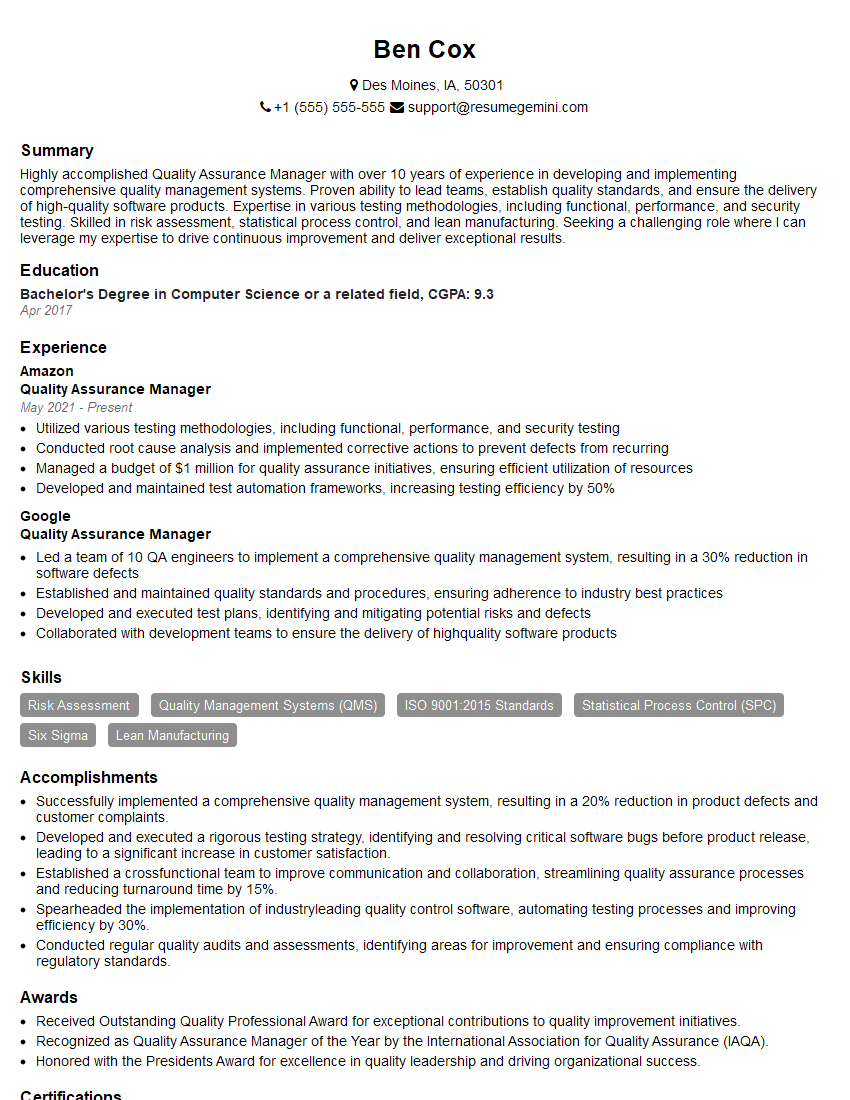
Quality Assurance Manager Resume Sample

Compliance Officer Resume Sample
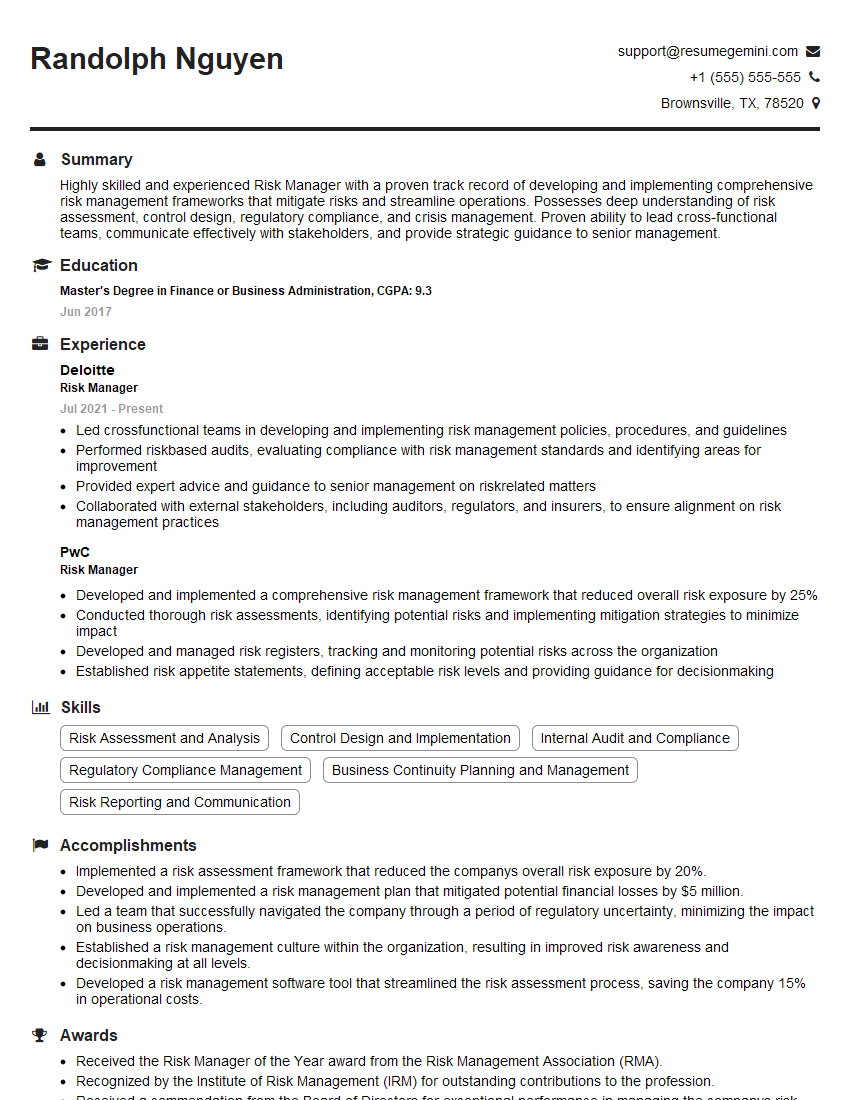
Risk Manager Resume Sample
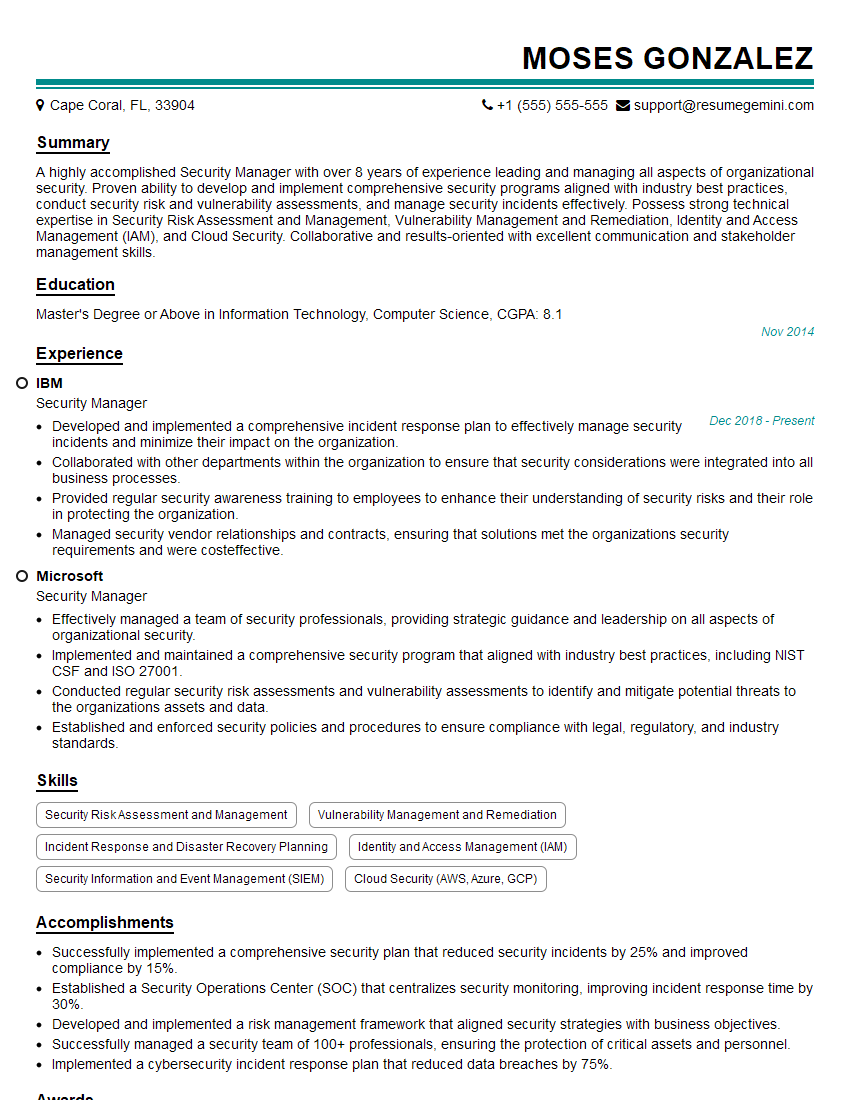
Security Manager Resume Sample
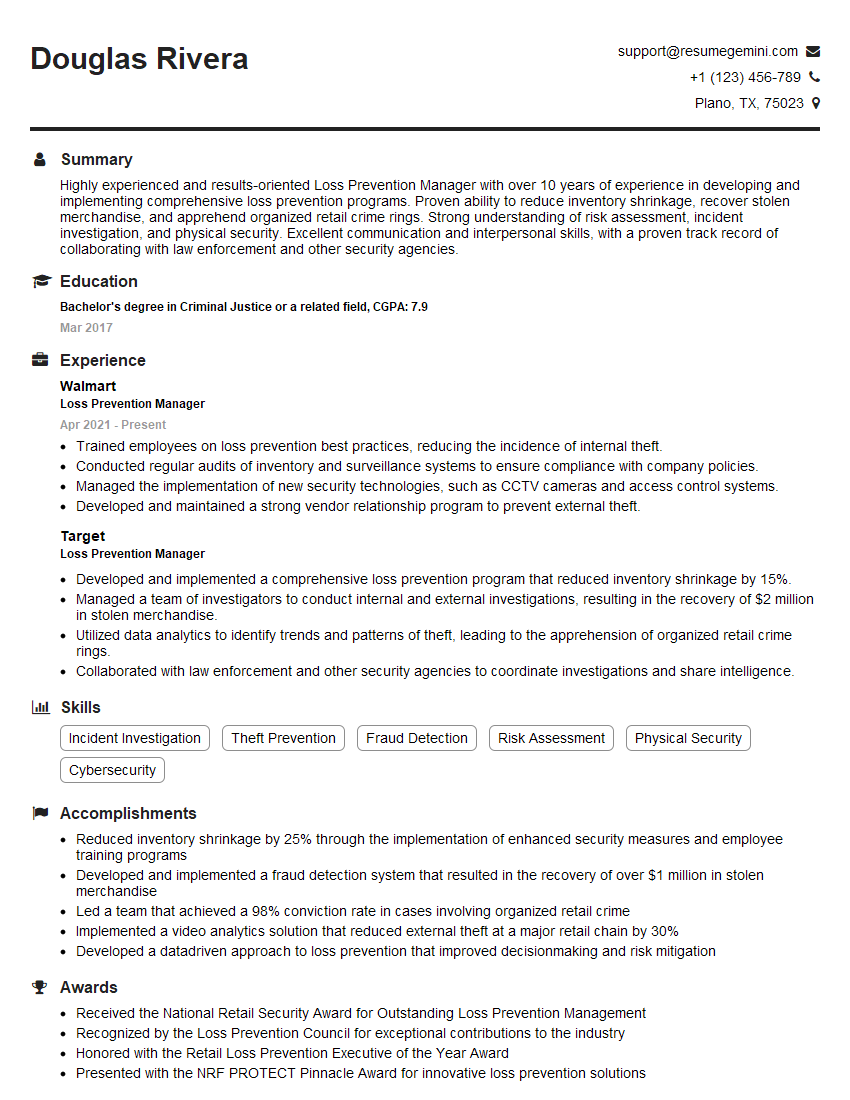
Loss Prevention Manager Resume Sample
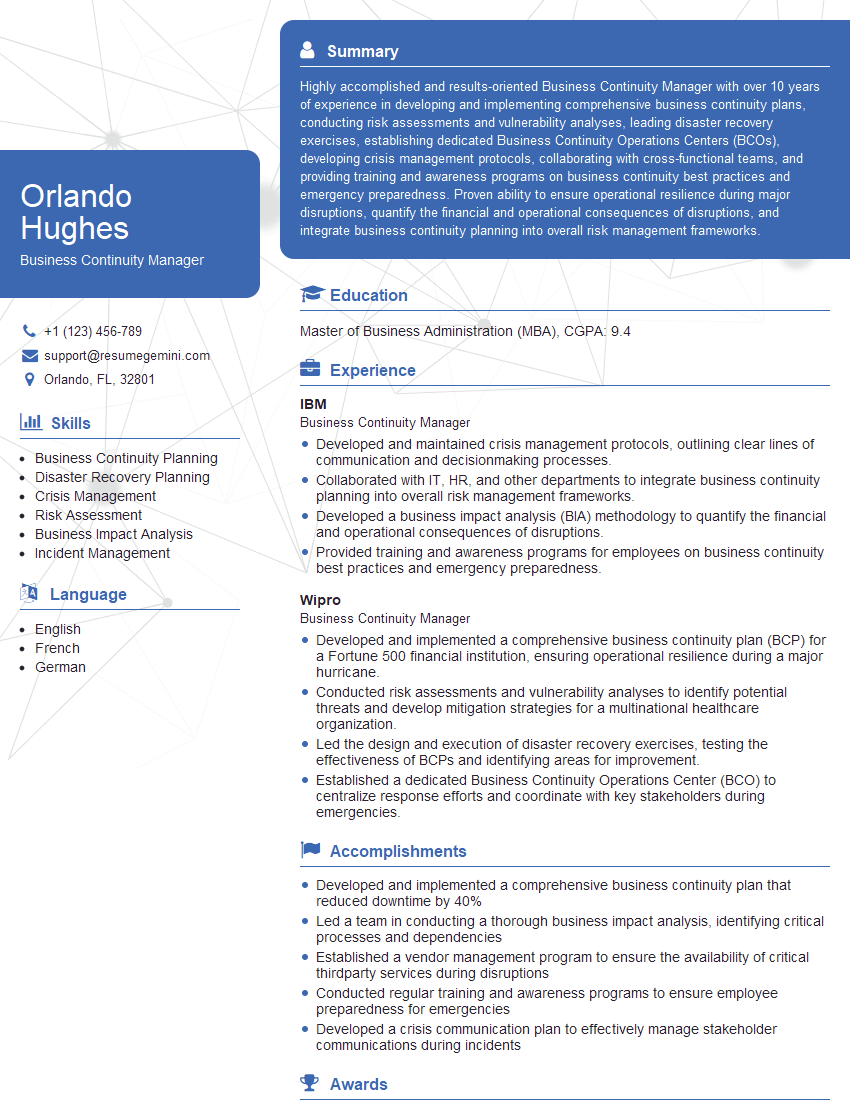
Business Continuity Manager Resume Sample
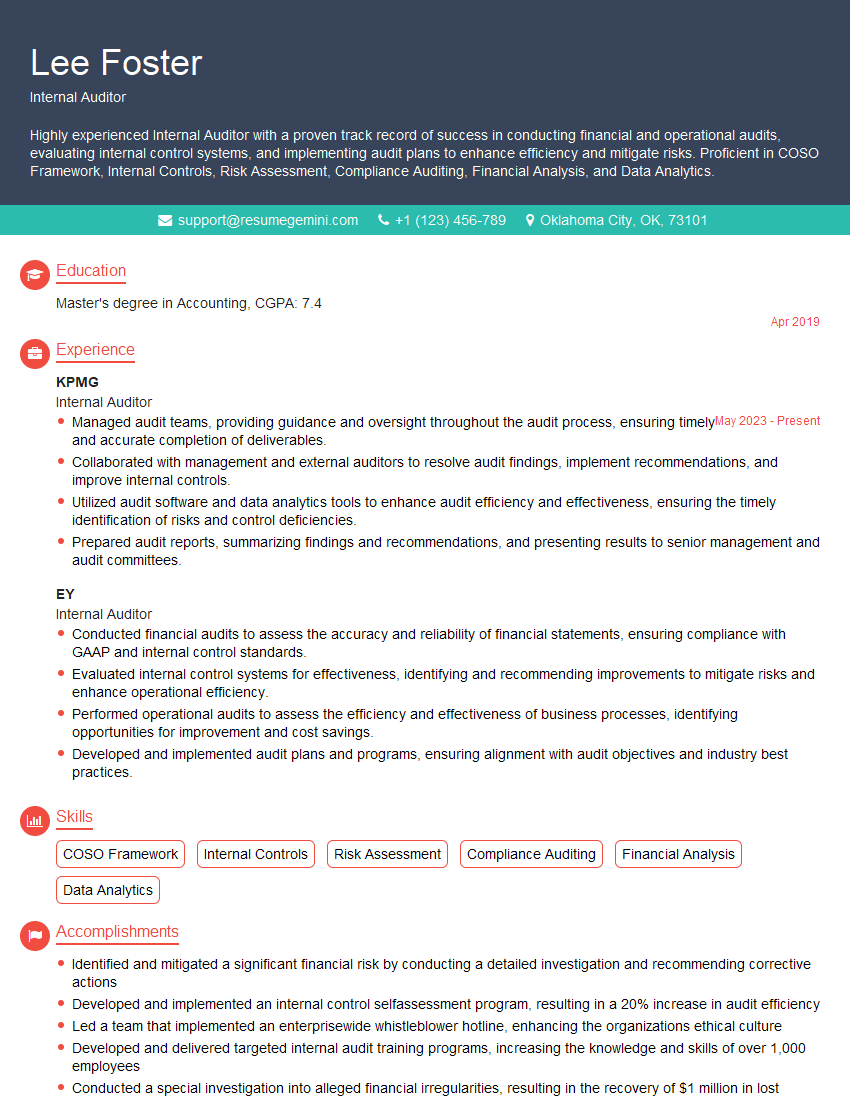
Internal Auditor Resume Sample
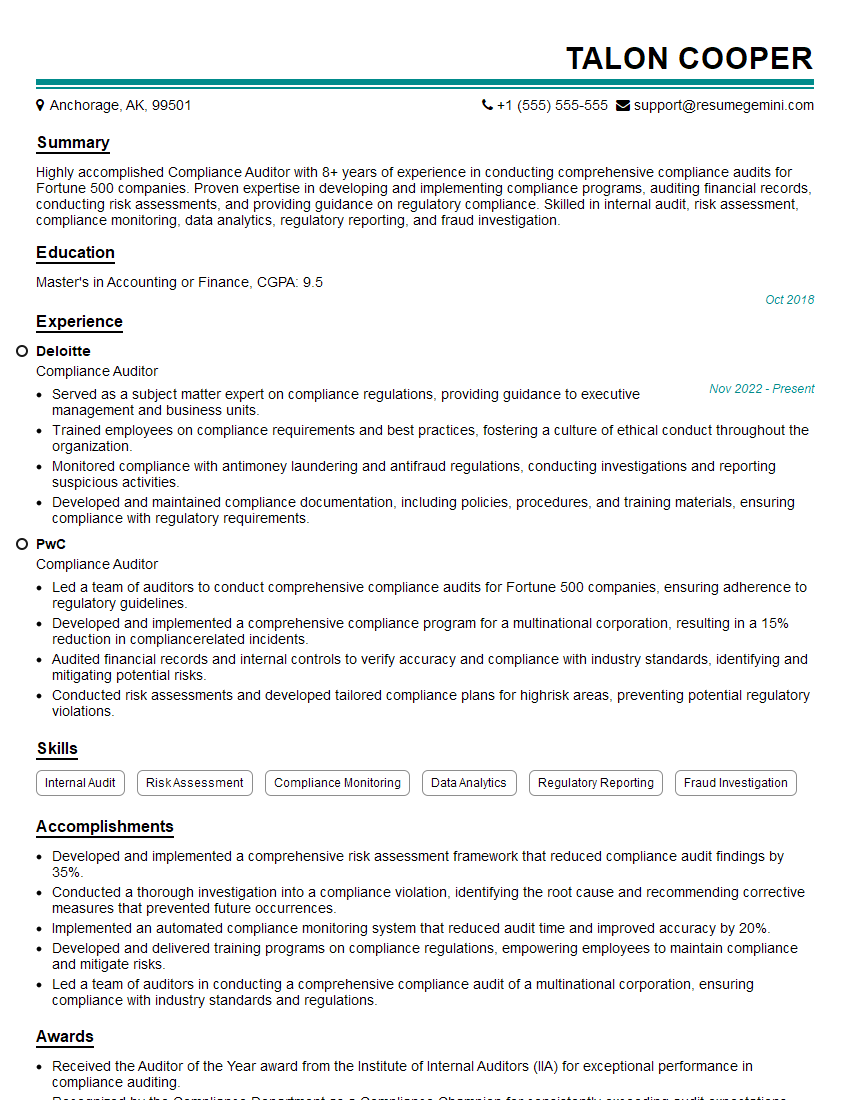
Compliance Auditor Resume Sample
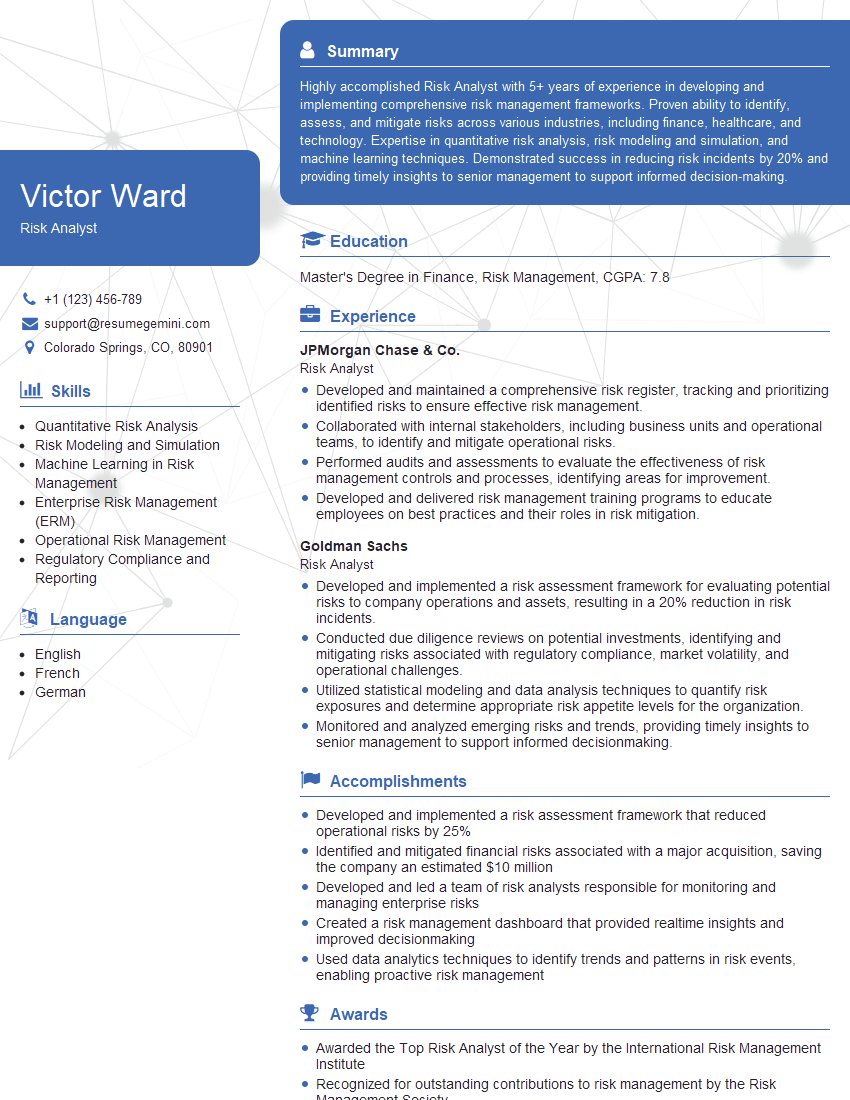
Risk Analyst Resume Sample
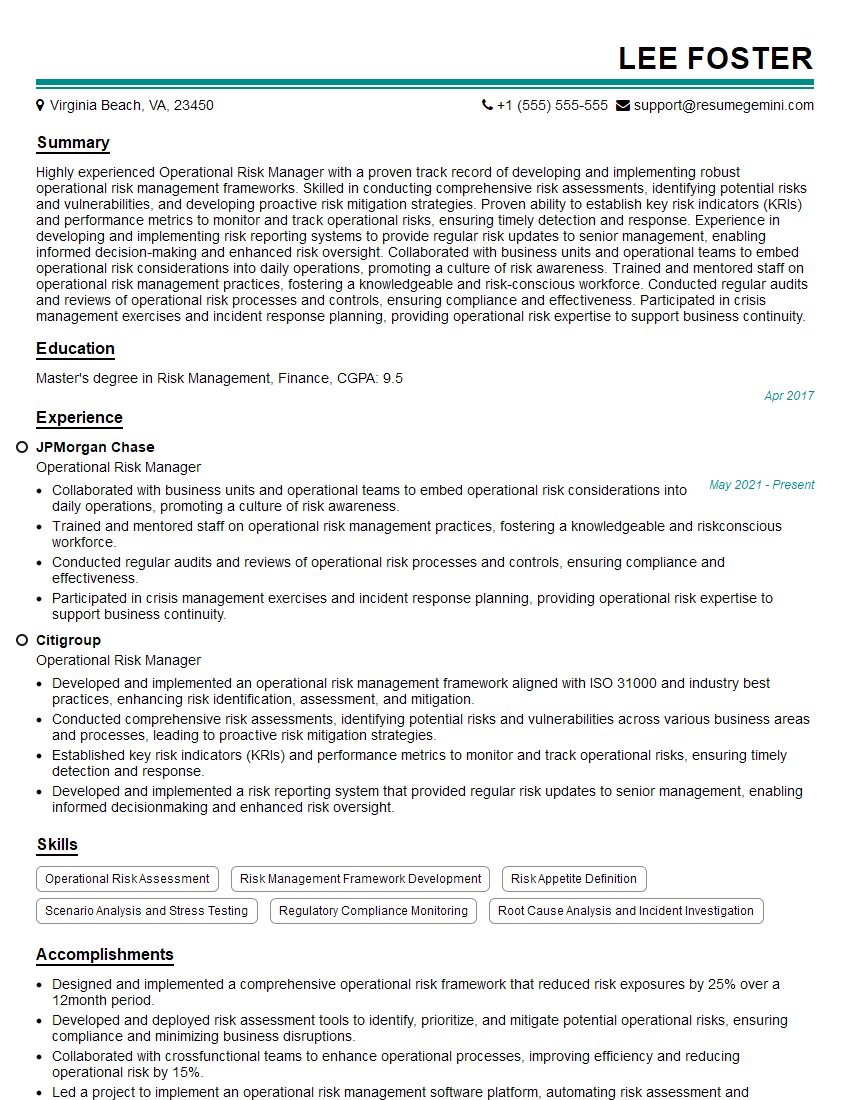
Operational Risk Manager Resume Sample
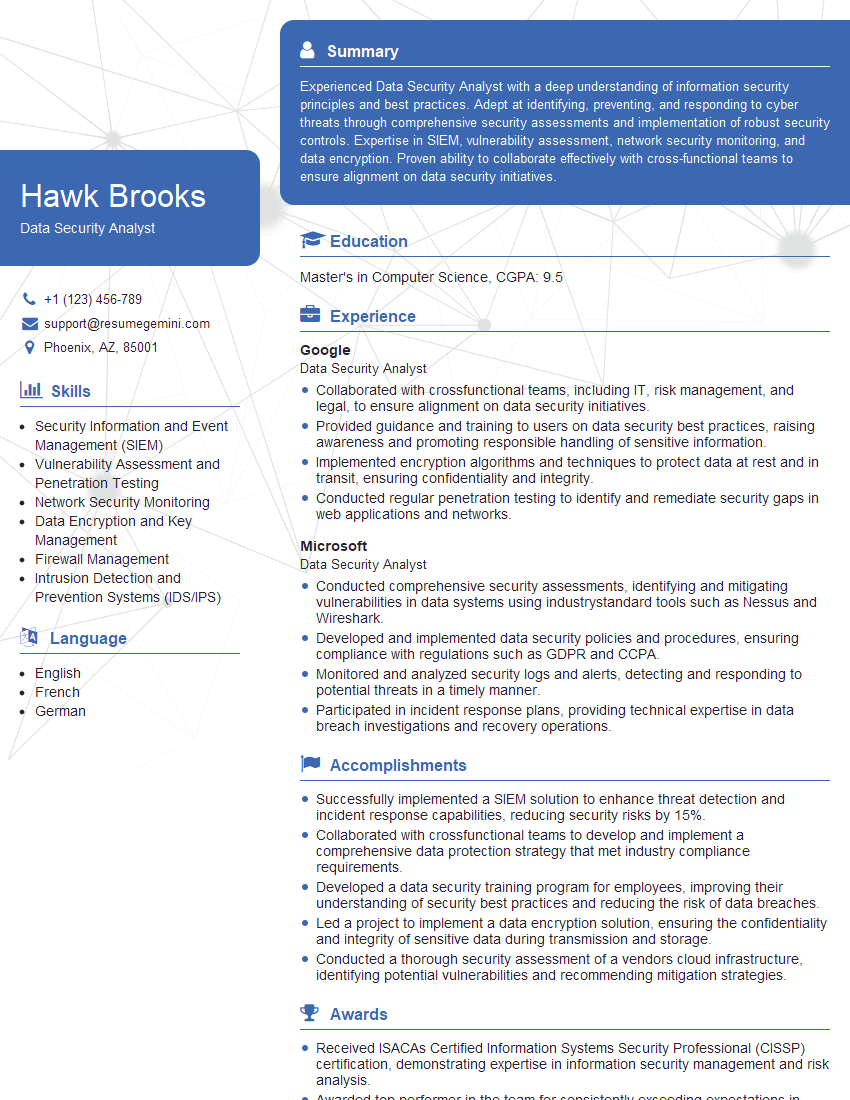
Data Security Analyst Resume Sample
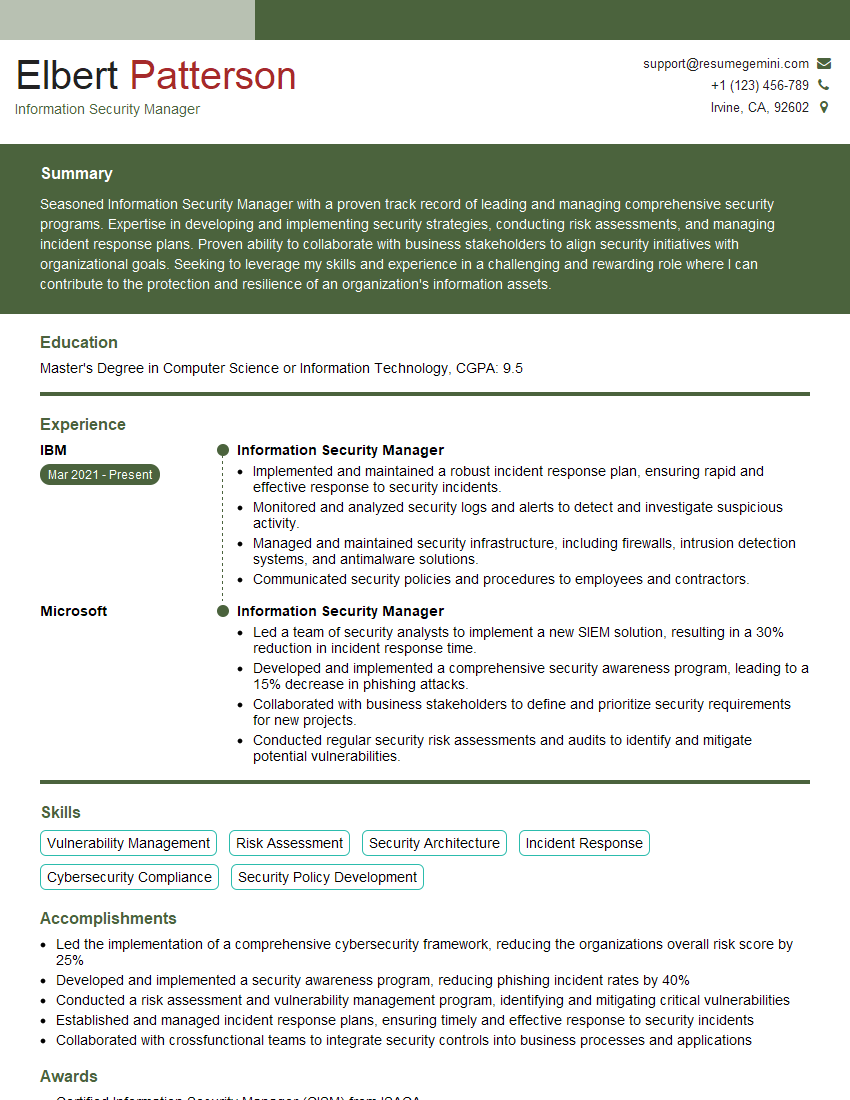
Information Security Manager Resume Sample
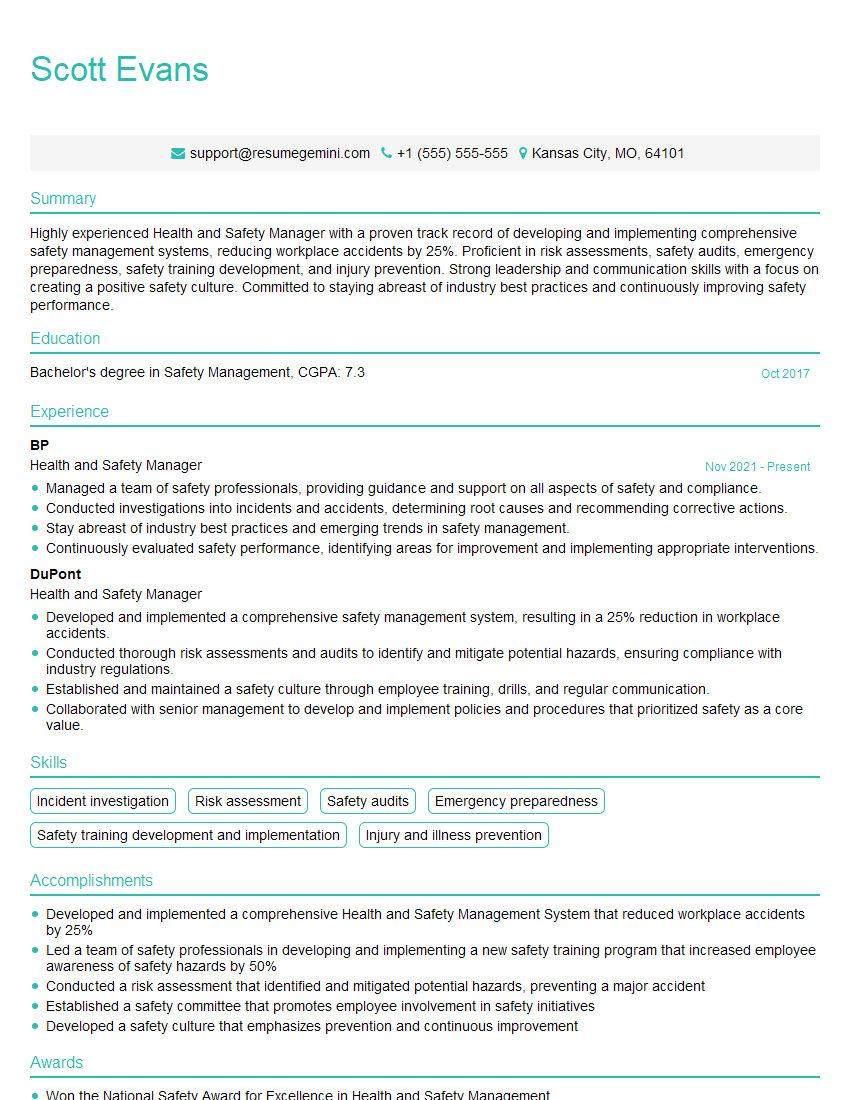
Health and Safety Manager Resume Sample
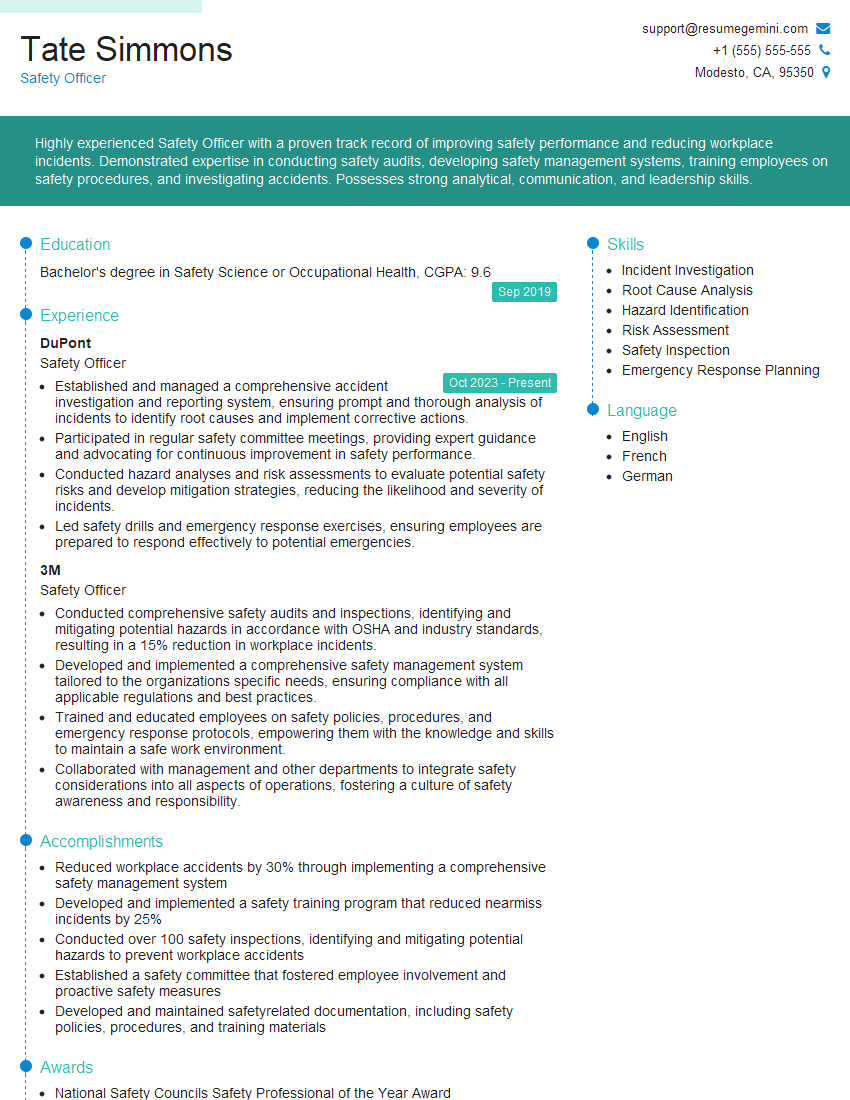
Safety Officer Resume Sample
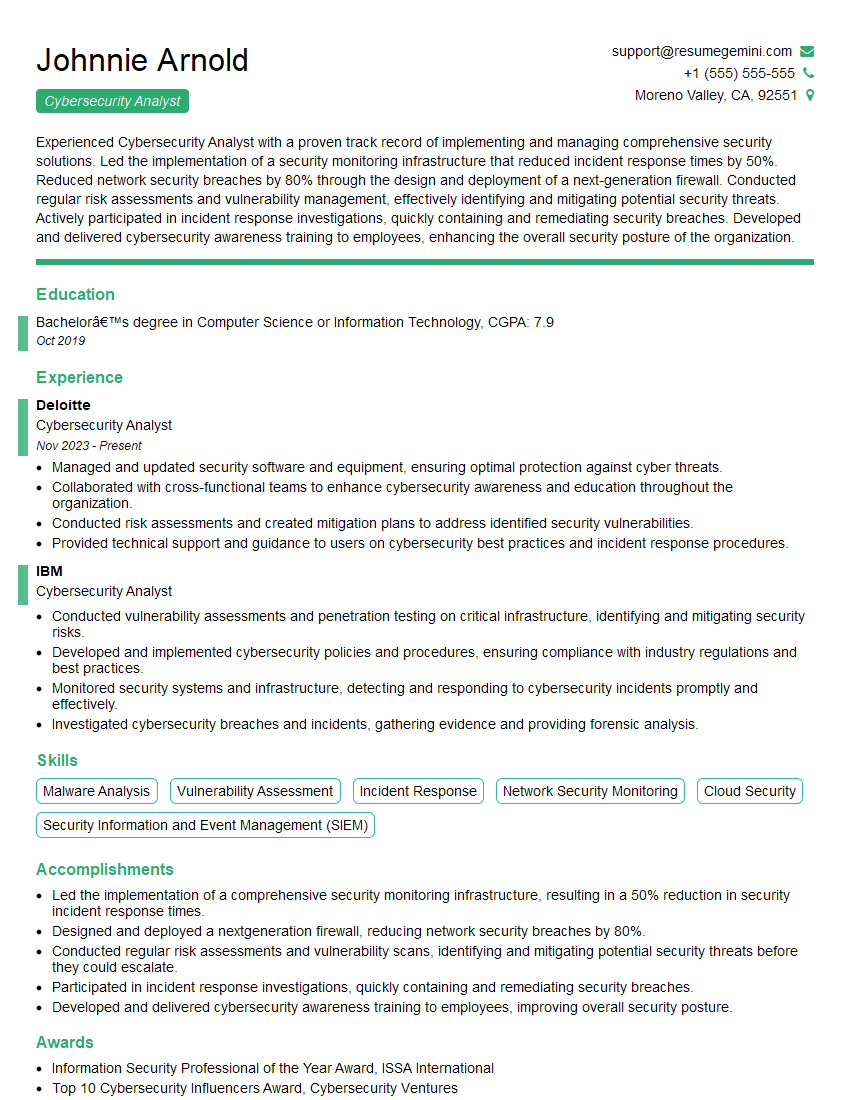
Cybersecurity Analyst Resume Sample
- Quality Assurance Manager
- Compliance Officer
- Risk Manager
- Security Manager
- Loss Prevention Manager
- Business Continuity Manager
- Internal Auditor
- Compliance Auditor
- Risk Analyst
- Operational Risk Manager
- Data Security Analyst
- Information Security Manager
- Health and Safety Manager
- Safety Officer
- Cybersecurity Analyst
Explore more articles
Users Rating of Our Blogs
Share Your Experience
We value your feedback! Please rate our content and share your thoughts (optional).
What Readers Say About Our Blog
Really detailed insights and content, thank you for writing this detailed article.
IT gave me an insight and words to use and be able to think of examples