Cracking a skill-specific interview, like one for IEP Development and Monitoring, requires understanding the nuances of the role. In this blog, we present the questions you’re most likely to encounter, along with insights into how to answer them effectively. Let’s ensure you’re ready to make a strong impression.
Questions Asked in IEP Development and Monitoring Interview
Q 1. Describe your experience in developing Individualized Education Programs (IEPs).
Developing Individualized Education Programs (IEPs) is a collaborative process requiring deep understanding of the student’s strengths, weaknesses, and learning needs. My experience spans over [Number] years, encompassing diverse student populations with various disabilities, from mild learning differences to significant cognitive impairments. I’ve worked with students across all grade levels, from preschool through high school. This involves not just crafting the IEP document, but deeply understanding the student’s individual context—their home life, social dynamics, and emotional well-being—all of which significantly influence their learning trajectory. I’m proficient in using data from various assessments to inform goal-setting and utilizing different instructional strategies to meet diverse learning styles. For example, I recently developed an IEP for a student with autism spectrum disorder, focusing on social skills development through a combination of visual supports, role-playing, and positive reinforcement. The plan included specific, measurable, achievable, relevant, and time-bound (SMART) goals, along with progress monitoring strategies using data-driven decision making to ensure the IEP’s effectiveness.
Q 2. Explain the process of conducting an IEP meeting, including roles and responsibilities.
The IEP meeting is a crucial collaborative event. It’s not just a paperwork exercise; it’s a forum where we build a shared understanding of the student’s needs and create a plan to support their success. Key roles and responsibilities include:
- Parents/Guardians: Active participants sharing insights into their child’s strengths, challenges, and home environment. They are key decision-makers in the process.
- Special Education Teacher: Leads the development of the IEP, proposing goals, strategies, and accommodations based on their expertise and observations.
- General Education Teacher: Provides insight into the student’s performance in the general education classroom, highlighting areas of strength and areas where support is needed.
- School Psychologist: Contributes assessment data, interpreting results and offering recommendations for accommodations and strategies.
- Administrator (often): Ensures compliance with legal requirements and provides support for the IEP team.
- Related Service Providers (as needed): Such as occupational therapists, speech-language pathologists, or counselors, contribute their expertise and recommendations to address specific needs.
Q 3. How do you ensure parental participation in the IEP process?
Parental participation is paramount. We proactively ensure engagement through several strategies:
- Pre-meeting communication: Sending out materials well in advance, explaining the purpose and process of the IEP meeting, and providing an opportunity for parents to ask questions beforehand.
- Flexible meeting scheduling: Offering various meeting times and formats (in-person, virtual) to accommodate parents’ schedules and preferences.
- Translation and interpretation services: Providing resources as needed to ensure effective communication.
- Active listening and valuing parental input: Creating a safe space for parents to share their perspectives, concerns, and experiences, ensuring their insights are actively considered and incorporated into the IEP.
- Follow-up communication: Providing timely updates on student progress and maintaining open communication channels between meetings.
Q 4. What are the key components of a legally sound IEP?
A legally sound IEP must meet specific requirements dictated by federal and state laws (IDEA). Key components include:
- Present Levels of Performance (PLP): A detailed description of the student’s current academic, developmental, and functional performance in all areas relevant to their disability.
- Measurable Annual Goals (MAGs): Specific, measurable, achievable, relevant, and time-bound (SMART) goals that address the student’s disability-related needs.
- Specific Services and Supports: A detailed description of the special education and related services the student will receive, including the frequency, intensity, and duration of services.
- Accommodations and Modifications: Strategies and adjustments made to the curriculum, instruction, or assessment to allow the student to access the general education curriculum.
- Participation with Non-disabled Peers: A plan for maximizing the student’s participation in the general education environment to the maximum extent appropriate.
- Evaluation Procedures: A clear plan outlining how student progress toward goals will be measured and reported, including timelines for progress monitoring and IEP reviews.
- Transition Services (for students 16 and older): Planning for post-secondary education, employment, or independent living.
Q 5. How do you utilize assessment data to inform IEP goal setting?
Assessment data is the cornerstone of effective IEP goal-setting. We use a variety of assessment tools to gain a comprehensive understanding of the student’s strengths and weaknesses. For example, standardized tests (like achievement tests and cognitive assessments) provide a benchmark for comparison to peers, while curriculum-based measurements (CBMs) track progress in specific academic areas. Informal assessments like teacher observations, classroom work samples, and portfolio reviews offer more qualitative insights into the student’s learning process. After analyzing all data, we identify the specific skill deficits hindering the student’s academic and functional performance. These deficits then become the targets for our measurable annual goals. For instance, if data shows a student consistently struggles with reading fluency, a goal might focus on increasing their words-per-minute (WPM) reading rate by a specific amount within a given timeframe. We make sure that goals are both challenging and achievable based on the data collected.
Q 6. Explain the process of measuring student progress towards IEP goals.
Measuring progress towards IEP goals is an ongoing process, not a one-time event. We utilize various methods including:
- Regular progress monitoring: This might involve weekly or monthly data collection using CBMs, teacher observations, or other formative assessments. The frequency depends on the nature of the goals and the student’s needs.
- Data-based decision making: Regularly analyzing progress monitoring data to determine if the student is making adequate progress toward their goals. If not, we collaboratively adjust the IEP, perhaps modifying the strategies, services, or goals.
- Formal assessments: Periodic administration of standardized tests or other formal assessments to gauge progress over longer time periods.
- Report cards and other progress reports: Communicating the student’s progress to parents and other stakeholders through these formal channels.
Q 7. Describe your experience with different types of assessments used in IEP development.
My experience encompasses a wide range of assessments used in IEP development. These include:
- Standardized Achievement Tests: These tests provide a standardized measure of academic skills, offering comparisons to national norms (e.g., Woodcock-Johnson IV, Wechsler Individual Achievement Test).
- Cognitive Assessments: These tests evaluate cognitive abilities, such as intelligence, memory, and processing speed (e.g., Wechsler Intelligence Scale for Children, Stanford-Binet Intelligence Scales).
- Curriculum-Based Measurements (CBMs): These frequent, short assessments measure student progress in specific academic areas, such as reading fluency and math facts. CBMs provide valuable data for monitoring progress and making data-driven decisions.
- Adaptive Behavior Assessments: These assessments evaluate a student’s ability to adapt to various social and environmental contexts (e.g., Vineland Adaptive Behavior Scales).
- Social-Emotional Assessments: These measures evaluate a student’s social skills, emotional regulation, and behavioral patterns (e.g., Behavior Assessment System for Children).
- Informal Assessments: These include teacher observations, work samples, portfolio assessments, and student self-reports, providing rich qualitative data.
Q 8. How do you modify instructional strategies to meet individual student needs based on their IEP?
Modifying instructional strategies to meet individual student needs, as outlined in their IEP, is a cornerstone of effective special education. It’s not a one-size-fits-all approach; rather, it requires careful consideration of the student’s specific learning style, strengths, weaknesses, and the goals outlined in their IEP.
For example, a student with an IEP for a specific learning disability in reading might struggle with decoding. Instead of using a whole-class approach to reading instruction, I would modify my strategies to include:
- Differentiated Instruction: Providing different levels of support based on the student’s needs. This could involve using different texts (simpler vocabulary, shorter passages), providing graphic organizers to assist with comprehension, or offering one-on-one tutoring.
- Assistive Technology: Utilizing tools like text-to-speech software, audiobooks, or speech-to-text software to aid in reading comprehension and written expression.
- Multi-sensory learning techniques: Engaging multiple senses (visual, auditory, kinesthetic) during instruction. For instance, using flashcards with pictures and words, having the student read aloud, or using manipulatives to represent concepts.
- Frequent Check-ins and Feedback: Consistently monitoring the student’s progress and providing timely, specific feedback to adjust strategies as needed.
Another example: A student with ADHD might benefit from strategies that minimize distractions, such as a quiet workspace, frequent breaks, and a highly structured learning environment. I would ensure that the student has clear expectations, visual schedules, and opportunities for movement and active learning.
Ultimately, the key is to be flexible and data-driven. Regular progress monitoring helps ensure the effectiveness of the chosen strategies, allowing for adjustments as the student progresses and their needs change.
Q 9. Describe your experience with writing measurable and attainable IEP goals.
Writing measurable and attainable IEP goals is crucial for ensuring that students make progress towards their educational potential. A well-written goal should follow the SMART criteria: Specific, Measurable, Achievable, Relevant, and Time-bound.
My experience involves collaborating closely with parents, teachers, and related service providers to develop goals that are both challenging yet realistic for the student. I often use a data-driven approach, utilizing existing assessment data and observations to establish a baseline and identify achievable targets.
For example, instead of writing a goal like “Improve reading comprehension,” a more effective goal would be: “Given a grade-level passage, [Student Name] will answer 80% of comprehension questions correctly independently, as measured by weekly reading assessments, within 6 months.”
This goal is specific, measurable (80% accuracy), achievable (based on the student’s current abilities), relevant (to the student’s academic needs), and time-bound (6 months). We would break down this larger goal into smaller, more manageable steps, and regularly monitor progress to make adjustments if needed. I’ve found this approach, focused on clear, measurable objectives, significantly improves student progress and accountability.
Q 10. How do you adapt curriculum to meet the needs of students with IEPs?
Adapting the curriculum for students with IEPs involves creating learning experiences that are accessible and engaging, while still meeting grade-level standards. It is not about watering down the curriculum; rather, it is about providing appropriate supports and modifications to ensure success.
This can involve various strategies, such as:
- Providing Alternative Assessments: Students might demonstrate their learning through different methods, such as oral presentations, projects, or portfolios, rather than traditional tests if that better reflects their strengths and abilities.
- Modifying Assignments: Adjusting the length, complexity, or format of assignments to accommodate the student’s needs. For example, a student with a fine motor disability might be allowed to use a computer to complete written work.
- Utilizing Assistive Technology: Employing tools like text-to-speech software, graphic organizers, or specialized keyboards can significantly enhance learning and participation.
- Chunking Information: Breaking down large amounts of information into smaller, more manageable parts to improve comprehension and reduce cognitive overload.
- Providing visual supports: Using pictures, charts, graphs, and other visual aids can enhance comprehension and retention.
For instance, a student with autism might benefit from highly structured lessons with clear visual schedules and expectations. Careful planning and thoughtful adjustments are essential to ensure that all students can access the curriculum and demonstrate their learning.
Q 11. How do you collaborate with other professionals to support students with IEPs?
Collaboration is fundamental to effective IEP implementation. I regularly work closely with a team of professionals, including special education teachers, general education teachers, school psychologists, speech-language pathologists, occupational therapists, and parents, to ensure comprehensive support for students with IEPs.
My collaborative approach includes:
- Regular meetings: Participating in IEP meetings, progress monitoring meetings, and other collaborative planning sessions.
- Sharing information: Communicating regularly with team members to share data, observations, and insights related to the student’s progress and needs.
- Co-teaching and co-planning: Working with general education teachers to co-plan lessons, differentiate instruction, and co-teach in the classroom.
- Consulting and providing support: Offering expertise and support to other team members on strategies for working with students with specific learning challenges.
- Open communication: Maintaining open and consistent communication with parents, keeping them informed about the student’s progress and involving them in decision-making processes.
This team approach ensures a holistic and coordinated approach to meeting the student’s needs. The shared responsibility and diverse perspectives make it possible to create a well-rounded educational program that supports the student’s growth in all areas.
Q 12. Describe your experience in monitoring student progress and making necessary adjustments to IEPs.
Monitoring student progress and making adjustments to IEPs is an ongoing process that requires regular assessment and data analysis. I use a variety of methods to monitor student progress, including curriculum-based measures (CBM), formative assessments, summative assessments, observations, and anecdotal records.
For instance, I regularly review student data to track their performance on IEP goals. If a student is not making sufficient progress towards a goal, I collaborate with the IEP team to analyze the data and determine the causes of the difficulty. This might involve adjusting instructional strategies, modifying the goal, or adding additional support services.
My approach involves a cyclical process: assess, analyze, adjust, reassess. This ongoing monitoring ensures that the IEP remains relevant and effective in supporting the student’s learning. I document all changes made to the IEP and the rationale behind these changes.
For example, if a student with an IEP for mathematics is consistently struggling with multiplication facts, I might adjust the IEP goal to focus on mastery of basic facts before moving on to more complex concepts. I would also implement different instructional strategies, such as using manipulatives, games, and technology-based interventions, to help the student achieve the goal.
Q 13. How do you involve students in their IEP goal setting and monitoring?
Involving students in their IEP goal setting and monitoring is crucial for fostering self-advocacy and promoting a sense of ownership in their education. While the degree of involvement will vary depending on the student’s age and cognitive abilities, I strive to make it age-appropriate and meaningful.
For younger students, this might involve using visual supports, such as pictures or simple charts, to illustrate their goals. I would use simple language to explain the goals and involve them in activities related to achieving those goals.
For older students, I encourage active participation in IEP meetings, allowing them to share their perspectives and preferences. We might use self-monitoring tools, such as checklists or progress charts, to track their progress. I will guide students to articulate their strengths and challenges, setting collaborative goals that address both aspects.
The ultimate aim is to empower students to understand their IEPs, take ownership of their learning, and become self-advocates for their needs. This fosters independence and increases the likelihood of successful outcomes.
Q 14. Explain your understanding of different disability categories and their implications for IEP development.
Understanding different disability categories and their implications for IEP development is crucial for creating effective and individualized educational programs. Each disability category presents unique challenges and strengths, requiring tailored instructional strategies and supports.
For example, a student with a specific learning disability (SLD) in reading might require specialized instruction in phonics, fluency, and comprehension strategies. Their IEP would likely include goals focused on improving reading skills and providing accommodations to support their learning in the general education classroom.
A student with autism spectrum disorder (ASD) might benefit from structured learning environments, visual supports, and social skills training. Their IEP would address their social-emotional needs alongside academic goals. A student with an intellectual disability might need more intensive instruction, adapted curriculum, and functional life skills training. Their IEP will focus on developing life skills and independent living skills alongside academic skills.
Other categories, such as ADHD, emotional disturbance, and traumatic brain injury, each have distinct characteristics influencing IEP development. Knowing the specific challenges associated with each disability allows me to create comprehensive plans with appropriate accommodations, modifications, and specialized instruction to meet the student’s individual needs and support their full potential.
Q 15. How do you ensure IEP compliance with federal and state regulations?
Ensuring IEP compliance is paramount. It involves a thorough understanding of both federal laws, primarily the Individuals with Disabilities Education Act (IDEA), and specific state regulations. These regulations dictate the components required in an IEP, the process for developing and reviewing it, and the rights of parents and students. My approach involves a multi-step process:
- Regular review of current IDEA and state guidelines: I stay updated on any changes or amendments to ensure our practices remain compliant.
- Using compliant templates and forms: Our district provides standardized forms that meet all legal requirements. These templates guide the IEP development process and minimize the risk of omissions.
- Detailed documentation: Every decision made during the IEP process, including assessment results, parent input, and goal setting, is meticulously documented. This creates an auditable trail demonstrating compliance.
- Parent involvement and consent: I actively involve parents throughout the entire process, ensuring they understand their rights and have opportunities to provide input and consent to all decisions. This is crucial for both ethical and legal compliance.
- Regular internal audits and professional development: Our district conducts periodic reviews of IEPs to identify areas for improvement and ensure continued compliance. We also engage in ongoing professional development to refine our understanding and implementation of IDEA and state regulations.
For example, I recently assisted a parent in understanding their right to request an independent educational evaluation (IEE) if they disagreed with our district’s evaluation. This demonstrated my commitment to transparency and the parent’s rights within the IEP process.
Career Expert Tips:
- Ace those interviews! Prepare effectively by reviewing the Top 50 Most Common Interview Questions on ResumeGemini.
- Navigate your job search with confidence! Explore a wide range of Career Tips on ResumeGemini. Learn about common challenges and recommendations to overcome them.
- Craft the perfect resume! Master the Art of Resume Writing with ResumeGemini’s guide. Showcase your unique qualifications and achievements effectively.
- Don’t miss out on holiday savings! Build your dream resume with ResumeGemini’s ATS optimized templates.
Q 16. Describe your experience in conducting IEP reviews and revisions.
IEP reviews and revisions are integral to ensuring a student’s IEP remains relevant and effective. My experience involves a systematic approach:
- Data-driven analysis: Before any review, I analyze all available data, including progress monitoring data, teacher observations, and student work samples. This helps identify areas where the student is meeting goals, and where adjustments are needed.
- Collaborative meetings: I facilitate IEP review meetings involving all relevant stakeholders – parents, teachers, administrators, specialists, and the student (when appropriate). Open communication and collaborative decision-making are crucial here.
- Goal review and adjustment: Based on the data analysis, we collaboratively review existing goals and objectives. We determine if they remain appropriate, need modification, or should be replaced altogether. This might include adjusting the intensity of intervention or changing the target skill.
- Service adjustment: The review might lead to adjustments in the type, intensity, or frequency of services provided. For instance, a student who was previously receiving one-on-one support might transition to small group instruction as their skills improve.
- Documentation and communication: All changes made during the review are meticulously documented in the IEP, and a copy is provided to all relevant parties. I ensure clear communication to parents and all team members about any modifications made.
For instance, I recently worked with a student who was struggling to meet reading fluency goals. By analyzing his progress data and collaborating with his teacher, we adjusted his IEP to incorporate more intensive interventions, including specialized reading software and more frequent one-on-one support. This resulted in significant improvement in his reading fluency within a few months.
Q 17. How do you address disagreements or conflicts among IEP team members?
Disagreements within the IEP team are not uncommon. Addressing these requires strong facilitation skills and a commitment to collaborative problem-solving:
- Active listening and understanding: I create a safe space for open communication, ensuring each member feels heard and understood. I focus on listening to the underlying concerns and perspectives, not just the stated positions.
- Focus on student needs: I consistently redirect the conversation back to the student’s individual needs and how different perspectives can contribute to meeting those needs. This helps to shift the focus from personal disagreements to a common goal.
- Mediation and compromise: If necessary, I act as a mediator, helping team members find common ground and develop mutually agreeable solutions. This might involve brainstorming different approaches or compromising on specific aspects of the IEP.
- Documentation: All disagreements and their resolutions are carefully documented in the IEP, ensuring transparency and accountability. If a resolution can’t be reached, I follow district procedures for conflict resolution, potentially involving higher-level administration or mediation services.
- Respectful communication: I maintain a respectful and professional tone throughout the entire process, ensuring that all team members feel valued and respected, regardless of their opinions.
In one instance, there was a disagreement between a parent and the special education teacher regarding the appropriateness of a particular intervention. By actively listening to both sides, facilitating a discussion, and highlighting the research supporting different approaches, we were able to find a compromise that satisfied both parties and best met the student’s needs.
Q 18. How do you ensure that IEPs are implemented consistently across different settings (e.g., general education, special education)?
Consistent IEP implementation across settings is essential for student success. This involves:
- Clear communication and collaboration: I facilitate strong communication between general education and special education teachers, ensuring that both understand the IEP goals and strategies. Regular meetings and collaborative planning sessions are crucial.
- Data sharing and monitoring: Consistent data collection and sharing across settings allows for accurate tracking of student progress and informed decision-making. Progress monitoring data is crucial for making necessary adjustments.
- Defined roles and responsibilities: The IEP clearly outlines the roles and responsibilities of each professional involved in the student’s education, avoiding confusion and ensuring accountability.
- Use of consistent strategies and materials: Whenever possible, the same strategies and materials are used across settings, promoting consistency and reducing confusion for the student.
- Regular communication with parents: Open communication with parents regarding their child’s progress in both settings keeps them informed and involved.
For example, I ensure that the accommodations outlined in the IEP for a student with ADHD are consistently implemented in both general education and special education classes. This includes regular check-ins between teachers to ensure consistency and to troubleshoot any challenges.
Q 19. Describe your experience with assistive technology and how you incorporate it into IEPs.
Assistive technology (AT) is often crucial for students with disabilities. My experience incorporates AT into IEPs by:
- Needs assessment: I begin by conducting a thorough assessment of the student’s needs and considering how AT might address those needs. This might involve observation, interviews, and standardized assessments.
- AT trial and evaluation: Before recommending specific AT, I facilitate trials of various devices or software to determine which best meets the student’s needs and learning style. This evaluation helps determine effectiveness.
- Training and support: I ensure that all staff involved in the student’s education receive adequate training on how to use the selected AT effectively. Ongoing support is essential for successful implementation.
- Integration into IEP goals: The use of AT is explicitly integrated into the student’s IEP goals, specifying how it will be used to support their learning and progress. Specific goals related to AT proficiency may also be included.
- Monitoring and evaluation: The effectiveness of the AT is regularly monitored and evaluated through data collection and observation, ensuring that it continues to meet the student’s needs.
For example, I recently worked with a student who struggled with fine motor skills. After a thorough assessment, we determined that a specialized keyboard would be beneficial. We included training for the student and teacher in the IEP, and we monitor the student’s progress using the keyboard to ensure that it is helping them meet their academic goals.
Q 20. What are some common challenges in IEP development and monitoring, and how do you overcome them?
Several challenges arise in IEP development and monitoring:
- Inconsistent data collection: Lack of reliable data makes it difficult to assess progress and make informed decisions. This is addressed through establishing standardized data collection procedures and regular training for staff.
- Communication barriers: Poor communication among team members can lead to inconsistencies in implementation. This requires dedicated time for communication, collaborative planning sessions, and using clear and consistent documentation.
- Lack of resources: Limited access to appropriate resources, including assistive technology, personnel, or specialized materials, can hinder effective IEP implementation. This is tackled through advocating for resources and seeking creative solutions.
- Time constraints: The time required for comprehensive IEP development and monitoring can be significant, especially given the volume of students and other responsibilities. Prioritizing tasks, efficient scheduling, and utilizing technology can help mitigate this.
- Parental involvement: Difficulties in engaging parents in the IEP process can impede effective collaboration and goal attainment. This is countered by proactively involving parents, using multiple communication methods, and addressing concerns with patience and empathy.
I overcome these challenges through proactive planning, strong communication skills, collaborative teamwork, and continuous professional development to refine my strategies.
Q 21. How do you utilize data to inform IEP decision-making?
Data is crucial for informing IEP decisions. My approach involves:
- Collecting multiple data points: I utilize a variety of data sources, including standardized assessments, curriculum-based measures (CBM), teacher observations, student work samples, and progress monitoring data. This creates a holistic picture of student performance.
- Analyzing data trends: I analyze the data to identify patterns and trends in student progress, pinpointing areas of strength and weakness. This helps to inform goal setting and intervention strategies.
- Using data to inform goal setting: Data analysis helps determine appropriate and measurable IEP goals. Goals are based on the student’s current performance and reflect realistic expectations for progress.
- Regular progress monitoring: I regularly monitor student progress using the same data points, allowing for timely adjustments to the IEP if needed. Data informs adjustments to ensure goals are attainable.
- Sharing data with the IEP team: I clearly communicate data findings to the IEP team, ensuring that everyone is informed and involved in decision-making. Transparency is key for effective collaboration.
For instance, I recently used progress monitoring data to demonstrate that a student’s reading fluency was not improving as expected despite the interventions outlined in their IEP. This data led to a collaborative discussion and revisions to the IEP, resulting in improved outcomes for the student.
Q 22. How do you communicate effectively with parents and guardians regarding their child’s IEP?
Effective communication with parents is paramount to a successful IEP. I approach this by fostering a collaborative partnership, viewing parents as equal partners in their child’s education. My strategy involves:
- Regular, proactive communication: I schedule regular meetings – at least twice a year, but more often if needed – to discuss progress, concerns, and adjustments to the IEP. I use a variety of methods including phone calls, emails, and parent-teacher conferences.
- Clear and concise language: I avoid educational jargon and explain complex concepts in simple terms. I use visual aids like graphs and charts to illustrate progress whenever possible.
- Active listening and empathy: I prioritize truly listening to parents’ perspectives, concerns, and hopes for their child. I validate their feelings and work towards finding solutions together.
- Providing concrete examples: Instead of just stating ‘John is making progress’, I provide specific examples of John’s achievements, challenges, and strategies used to support his learning. For example, ‘John successfully completed his multiplication facts to 12, demonstrating improved memory skills, but still requires additional support in word problem solving.’
- Documenting all communication: I maintain meticulous records of all parent interactions, including meeting minutes, email exchanges, and phone call summaries, which ensures transparency and accountability.
For instance, with one family, I discovered their concern about their child’s social skills wasn’t being addressed adequately in the IEP. Through active listening and further assessment, we collaborated to add social skills training as a specific goal.
Q 23. How do you document student progress and IEP-related activities?
Accurate and comprehensive documentation is crucial for demonstrating student progress and IEP compliance. My documentation system incorporates:
- Regular data collection: I use a variety of methods, including formative and summative assessments, observation notes, work samples, and progress monitoring data. I utilize both quantitative (e.g., scores on standardized tests) and qualitative (e.g., anecdotal records of student behavior) data.
- Data analysis and interpretation: I don’t just collect data; I analyze it to determine whether the student is making progress towards their IEP goals. I interpret the data to inform instructional adjustments and IEP modifications.
- Progress reports: I provide regular written progress reports to parents and the IEP team, summarizing student progress, highlighting successes, and identifying areas needing further support. These reports usually include graphs or charts showcasing progress over time.
- Meeting minutes: All IEP meetings are meticulously documented, detailing the attendees, discussions, decisions made, and assigned responsibilities. I ensure the minutes are clear, concise and accurately reflect the meeting’s outcomes.
- Technology integration: I use IEP management systems (discussed further in question 5) for efficient record-keeping, progress tracking, and data analysis.
For example, I might use a spreadsheet to track a student’s reading fluency progress weekly, visually representing their growth over time. This data not only informs my instruction but also provides concrete evidence for parent-teacher conferences and IEP reviews.
Q 24. What strategies do you use to promote student self-advocacy related to their IEP?
Promoting self-advocacy is vital for students with IEPs to become independent learners and active participants in their educational journey. I use these strategies:
- Age-appropriate instruction: I teach students about their IEP, explaining what it is and why it’s important. I use simple language and visuals appropriate for their developmental level.
- Goal setting and monitoring: I involve students in setting their IEP goals, making them feel ownership and responsibility for their progress. We collaboratively monitor progress and celebrate achievements.
- Self-reflection activities: I use journals, checklists, and self-assessment tools to help students reflect on their strengths, challenges, and learning strategies.
- Role-playing and practice: I create opportunities for students to practice communicating their needs and preferences to teachers, peers, and other adults. This can involve role-playing scenarios where they advocate for themselves.
- Student-led IEP meetings: As students mature, I progressively involve them more in IEP meetings, allowing them to share their perspectives and participate in decision-making.
For instance, I worked with a high school student to create a presentation outlining his IEP goals and his plan for achieving them. This empowered him to present his case effectively during his IEP meeting.
Q 25. Describe your experience with transition planning for students with IEPs.
Transition planning is crucial for ensuring a smooth move from high school to post-secondary education, employment, or independent living. My approach involves:
- Early planning and collaboration: I initiate transition planning well in advance, ideally starting in middle school. I collaborate with parents, the student, school counselors, and community agencies.
- Assessment and goal setting: We conduct comprehensive assessments to determine the student’s strengths, needs, and interests. We then collaboratively establish clear, measurable transition goals in areas such as academics, career exploration, independent living skills, and post-secondary education or employment.
- Community-based experiences: We facilitate opportunities for students to explore potential career paths and develop relevant work skills through job shadowing, internships, and vocational training programs.
- Post-secondary options exploration: I help students explore various post-secondary options, including colleges, vocational schools, and apprenticeships, based on their individual abilities and aspirations.
- Development of individualized transition plans: These plans detail the specific steps needed to achieve the student’s transition goals. These plans are updated regularly and reviewed with the IEP team.
For example, I recently helped a student secure a paid internship at a local bakery, aligning with his interest in culinary arts. This experience not only boosted his job skills but also provided valuable information for his transition plan.
Q 26. How familiar are you with different IEP software and management systems?
I am familiar with a range of IEP software and management systems, including Infinite Campus, Skyward, and PowerSchool. My experience with these systems extends beyond basic data entry. I’m proficient in using their features for progress monitoring, report generation, data analysis, and communication with parents and other team members.
My understanding encompasses both the practical application of these systems and their implications for IEP compliance. I understand the importance of data security and privacy when utilizing these platforms.
Q 27. What professional development activities have you undertaken to enhance your IEP development and monitoring skills?
I am committed to continuous professional development. My recent training includes workshops on:
- Data-based decision making in special education: This training enhanced my ability to interpret assessment data and use it to make informed decisions about instruction and IEP modifications.
- Effective communication strategies with parents and students: This improved my skills in conveying complex information clearly and fostering collaborative relationships.
- Evidence-based interventions for students with specific learning disabilities: This training provided me with updated knowledge of effective teaching strategies for students with diverse learning needs.
- Updates to federal and state regulations related to IEPs: Staying current on legal requirements is essential to ensuring compliance and providing students with the best possible services.
I actively seek opportunities to attend conferences and webinars related to special education and IEP development. I also regularly review professional journals and research articles to stay abreast of current best practices.
Q 28. How do you ensure the alignment of IEP goals with the general education curriculum?
Ensuring alignment between IEP goals and the general education curriculum is critical for fostering inclusion and preparing students for success beyond school. My approach centers on:
- Collaboration with general education teachers: I regularly meet with general education teachers to discuss individual student needs and collaboratively develop IEP goals that are integrated into the regular curriculum whenever possible.
- Utilizing accommodations and modifications: I work with general education teachers to implement appropriate accommodations and modifications that allow students to access the general education curriculum effectively. This might involve adjusting assignments, providing extra time, or using alternative assessment methods.
- Using Universal Design for Learning (UDL) principles: UDL principles guide the creation of flexible learning environments that cater to diverse learning styles and needs, thereby facilitating inclusion in the general education classroom.
- Regular progress monitoring and data sharing: I collaborate with general education teachers to monitor student progress on IEP goals within the general education setting, sharing data regularly to inform instructional decisions.
For example, for a student struggling with writing, I’d work with the general education teacher to adjust assignment length, provide sentence starters, and allow the use of assistive technology, all while still working towards grade-level writing standards within the regular curriculum.
Key Topics to Learn for IEP Development and Monitoring Interview
- IEP Goal Setting & Writing: Understand the principles of writing measurable, achievable, and relevant IEP goals aligned with student needs and state standards. Consider practical applications like using data to inform goal writing and differentiating instruction.
- Assessment & Data Analysis: Master the interpretation of various assessment data (e.g., standardized tests, curriculum-based assessments, observational data) to inform IEP development and track student progress. Practice analyzing data to identify trends and inform instructional decisions.
- Legal & Ethical Considerations: Familiarize yourself with the legal framework surrounding IEPs, including relevant laws (e.g., IDEA) and ethical considerations regarding student privacy and confidentiality. Consider case studies to understand practical application of these regulations.
- Collaboration & Communication: Understand the importance of effective communication and collaboration with parents, teachers, administrators, and other related service providers. Practice scenarios involving conflict resolution and effective communication strategies.
- IEP Monitoring & Progress Reporting: Learn how to effectively monitor student progress towards IEP goals, interpret data to determine effectiveness of interventions, and communicate progress to stakeholders. Practice developing progress reports and explaining data-driven decisions.
- Technology Integration in IEP Development & Monitoring: Explore how technology can support IEP development, data collection, and progress monitoring. Consider various assistive technologies and their integration into IEPs.
- Individualized Instruction & Differentiated Instruction: Understand how to tailor instruction to meet the unique needs of students with disabilities. Explore diverse instructional strategies and their application in the context of IEP goals.
Next Steps
Mastering IEP Development and Monitoring is crucial for career advancement in special education. Demonstrating expertise in this area will significantly enhance your job prospects. To stand out to potential employers, it’s essential to craft an ATS-friendly resume that highlights your skills and experience effectively. We highly recommend using ResumeGemini to build a professional and impactful resume. ResumeGemini provides a user-friendly platform and offers examples of resumes tailored specifically to IEP Development and Monitoring roles, helping you showcase your qualifications in the best possible light.

Special Education Director Resume Sample
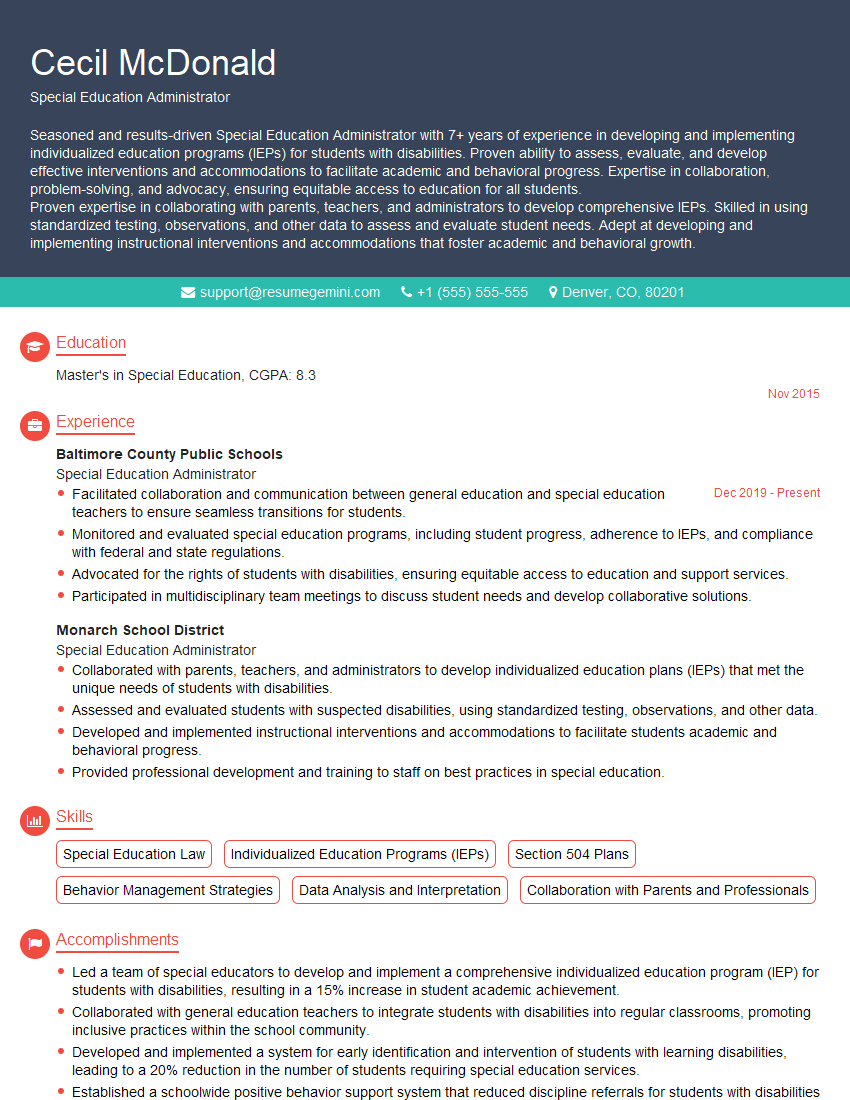
Special Education Administrator Resume Sample
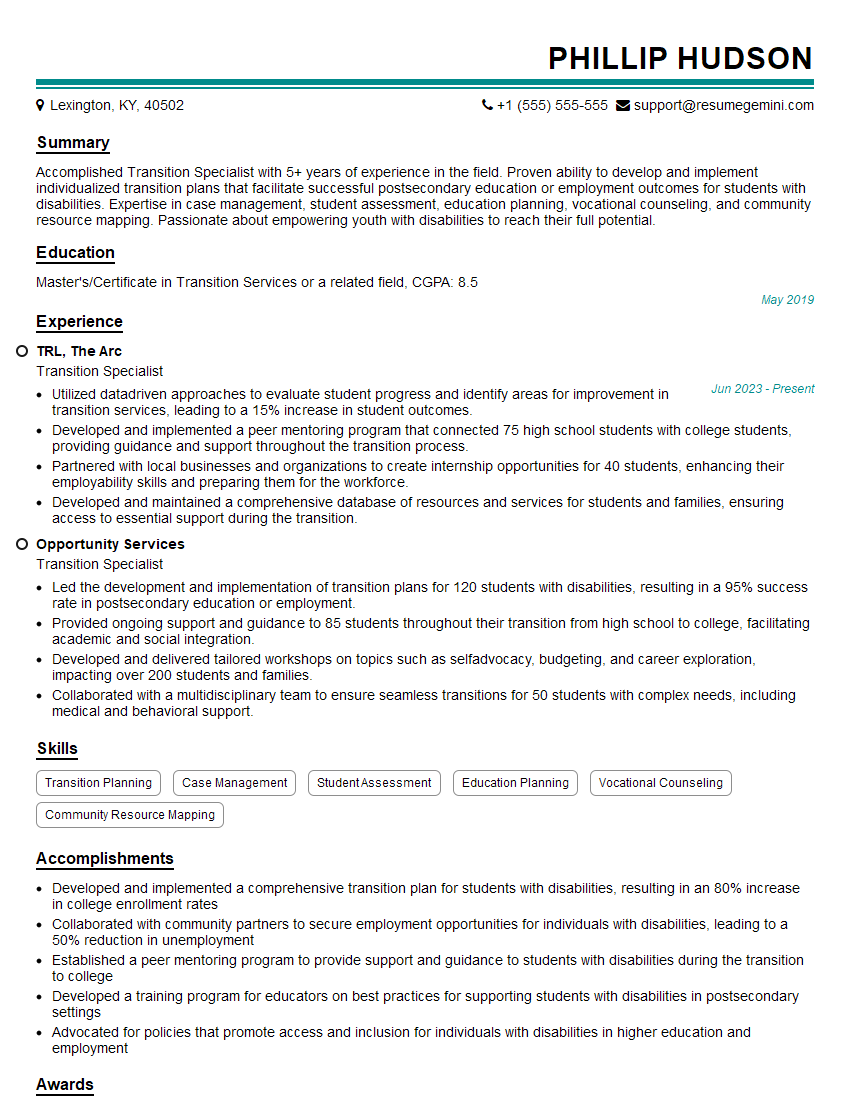
Transition Specialist Resume Sample
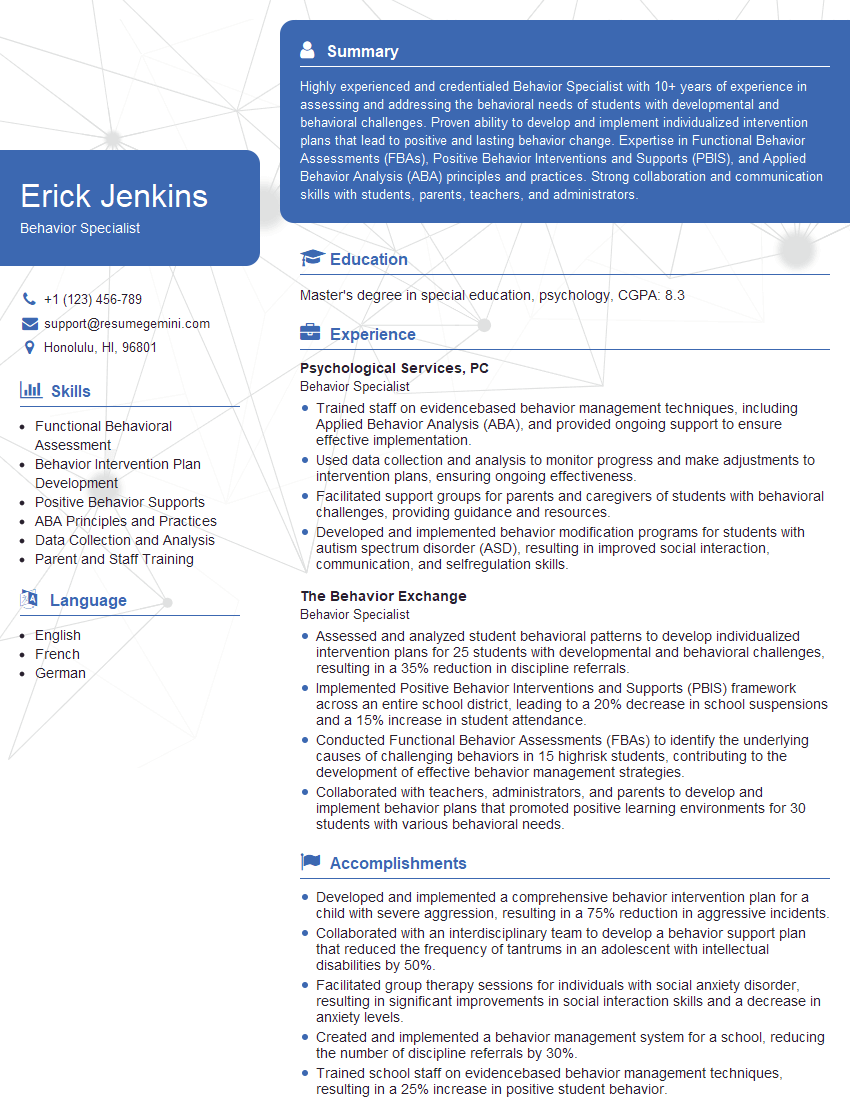
Behavior Specialist Resume Sample
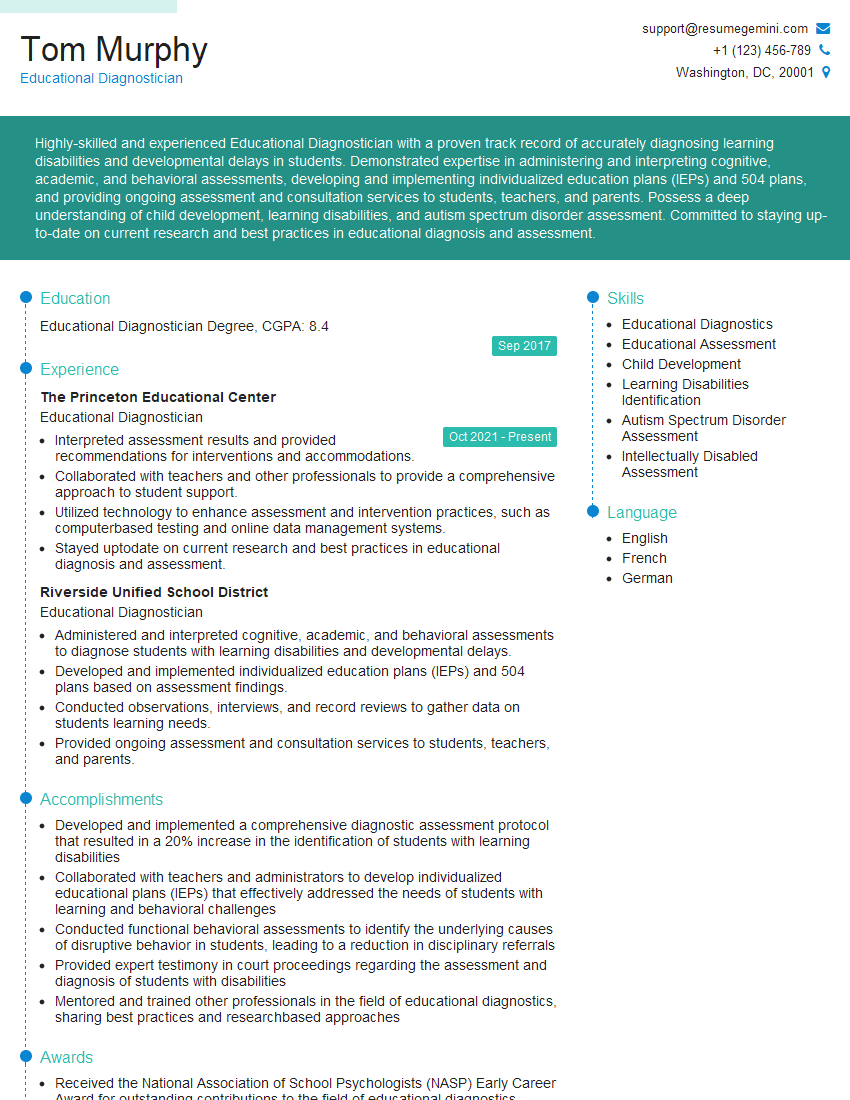
Educational Diagnostician Resume Sample
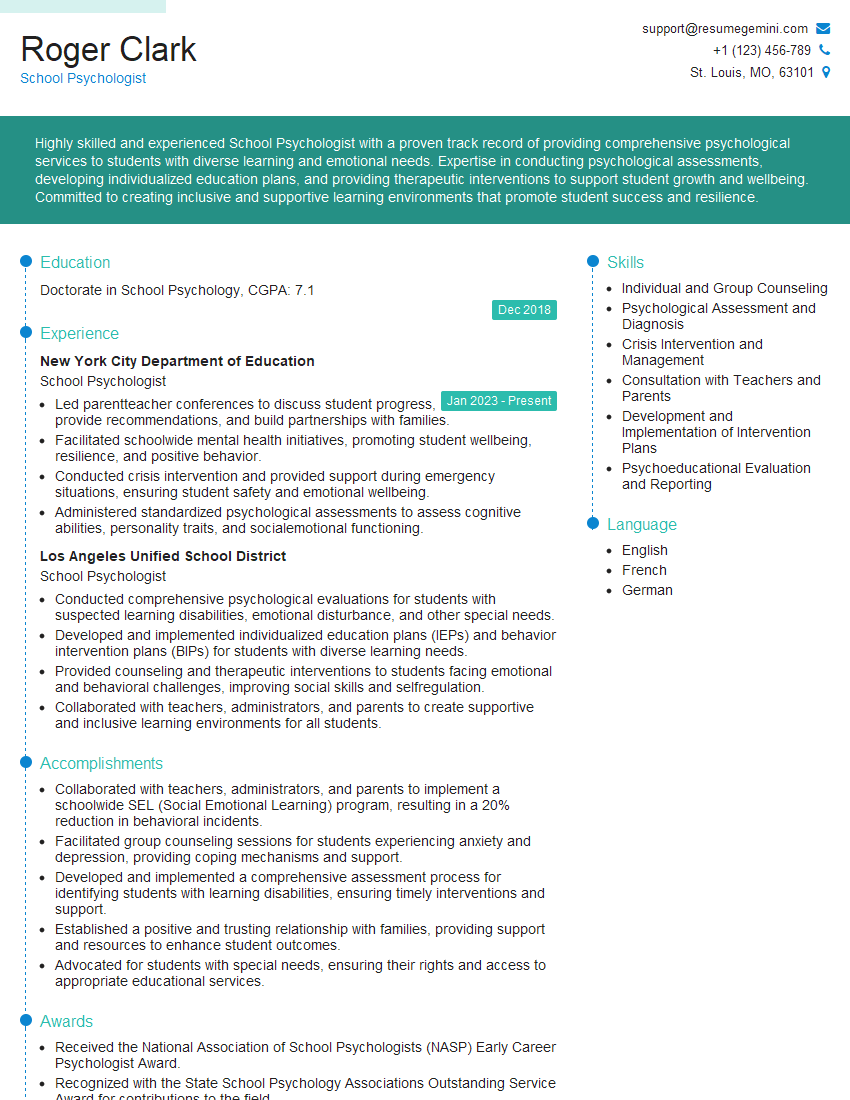
School Psychologist Resume Sample
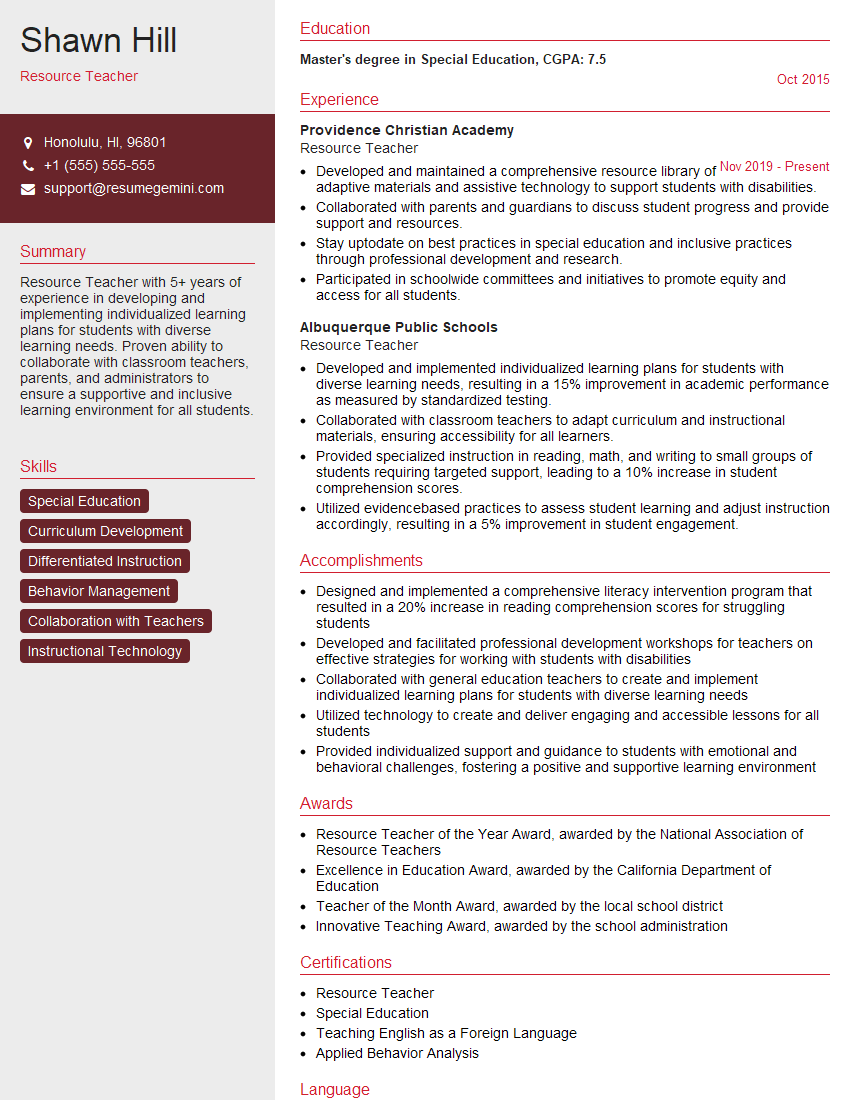
Resource Teacher Resume Sample
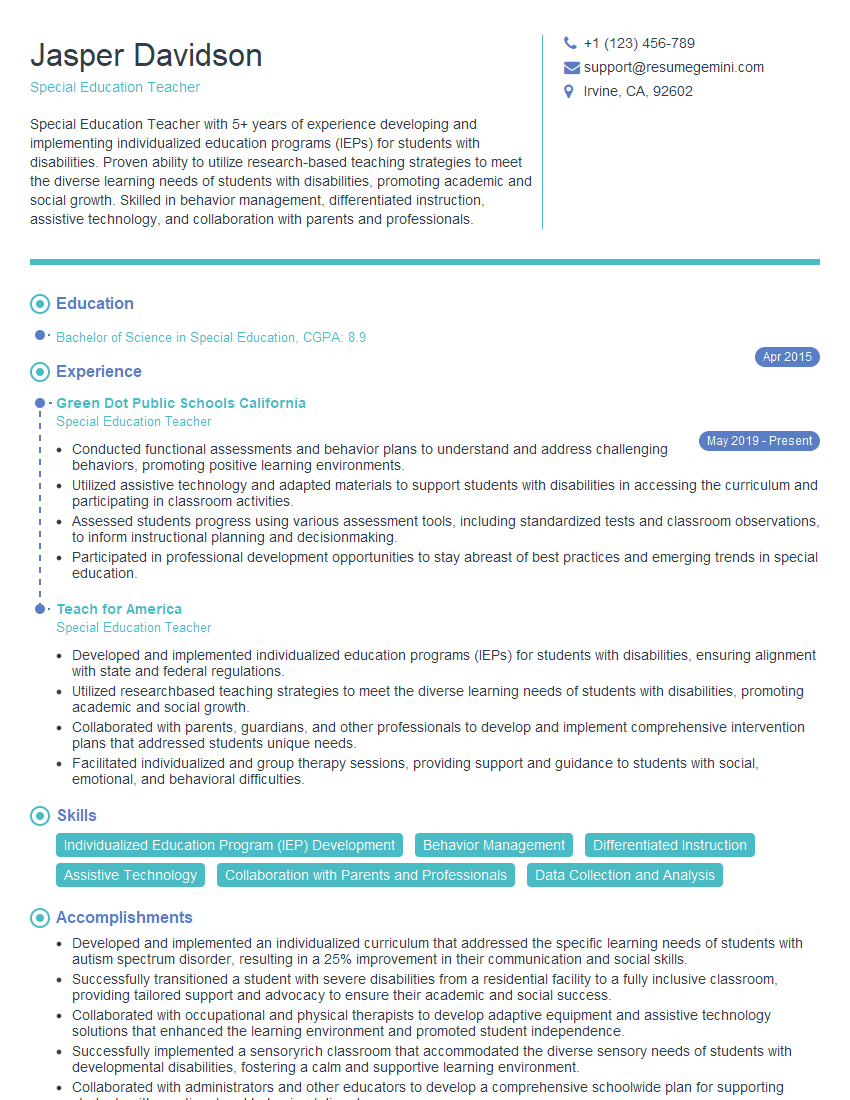
Special Education Teacher Resume Sample
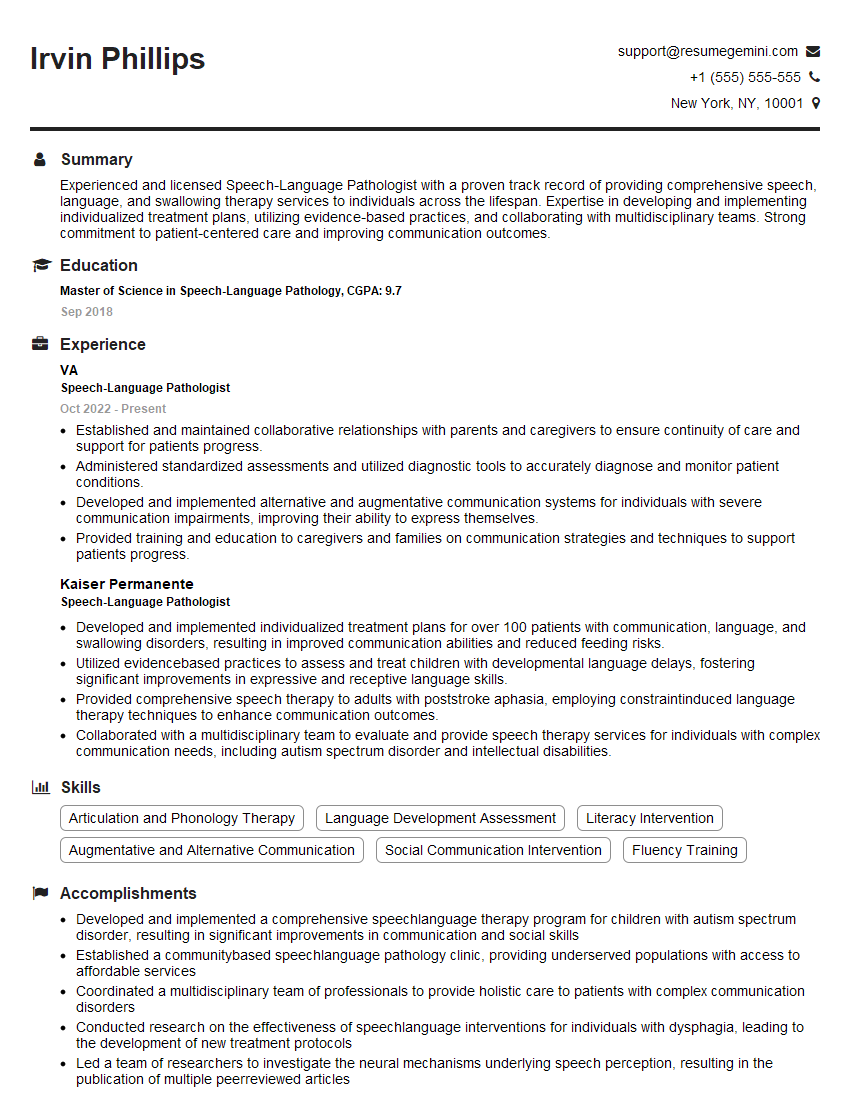
Speech-Language Pathologist Resume Sample
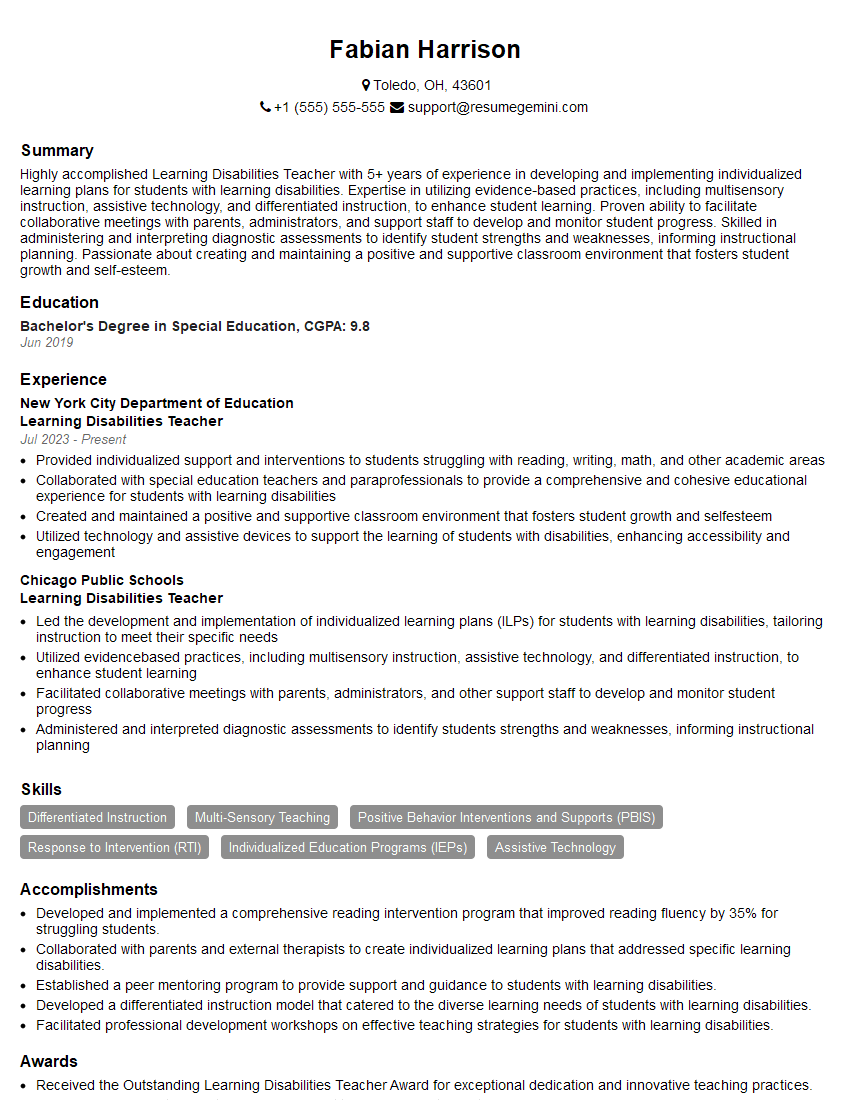
Learning Disabilities Teacher Resume Sample
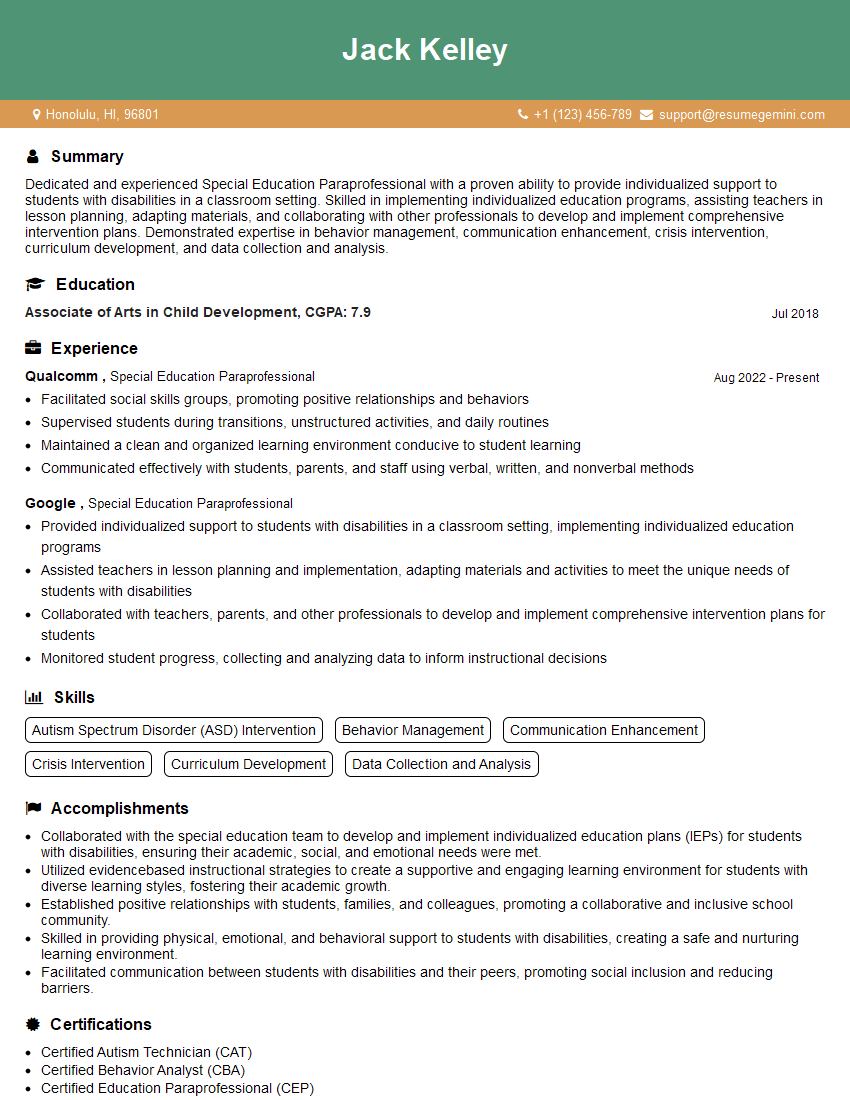
Special Education Paraprofessional Resume Sample
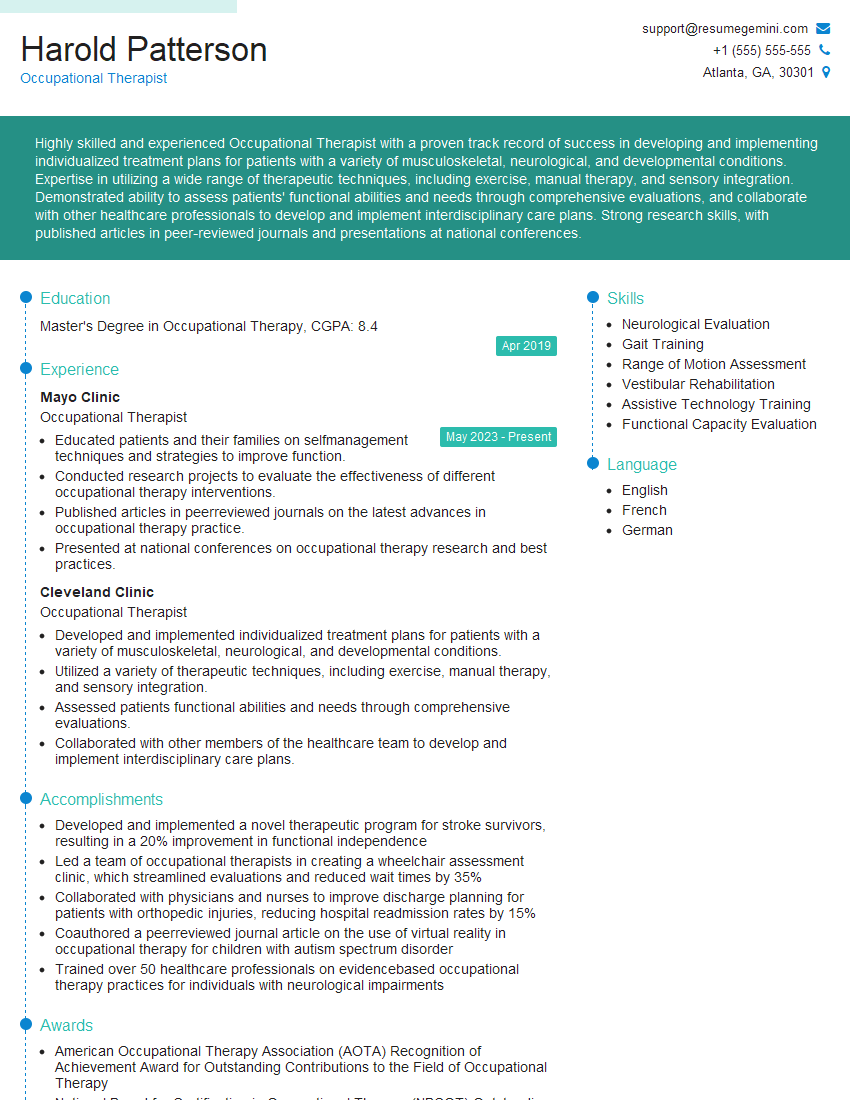
Occupational Therapist Resume Sample
- Special Education Director
- Special Education Administrator
- Transition Specialist
- Behavior Specialist
- Educational Diagnostician
- School Psychologist
- Resource Teacher
- Special Education Teacher
- Speech-Language Pathologist
- Learning Disabilities Teacher
- Special Education Paraprofessional
- Occupational Therapist
Explore more articles
Users Rating of Our Blogs
Share Your Experience
We value your feedback! Please rate our content and share your thoughts (optional).
What Readers Say About Our Blog
Really detailed insights and content, thank you for writing this detailed article.
IT gave me an insight and words to use and be able to think of examples