Are you ready to stand out in your next interview? Understanding and preparing for Cargo Handling and Transportation interview questions is a game-changer. In this blog, we’ve compiled key questions and expert advice to help you showcase your skills with confidence and precision. Let’s get started on your journey to acing the interview.
Questions Asked in Cargo Handling and Transportation Interview
Q 1. Explain the difference between LCL and FCL shipping.
LCL (Less than Container Load) and FCL (Full Container Load) refer to the quantity of goods shipped in a container. FCL shipping means you’re filling an entire container with your own goods, offering cost efficiency per unit. LCL shipping, on the other hand, involves sharing a container with other shippers’ goods. This is ideal for smaller shipments but generally costs more per unit due to the shared space and handling complexities.
- FCL: Think of it like renting an entire apartment – you have all the space to yourself, and it’s generally cheaper per square foot. This is perfect for large orders or when you need complete control over your shipment’s handling.
- LCL: This is like sharing a dorm room – you have your space, but you’re sharing common areas and the costs are divided. It’s a cost-effective solution for smaller shipments, but you may face longer transit times due to consolidation and deconsolidation processes.
For example, a furniture manufacturer exporting a large batch of chairs would likely opt for FCL, while a small business sending a few samples might choose LCL.
Q 2. What are Incoterms and how do they impact cargo handling?
Incoterms (International Commercial Terms) are a set of standardized trade terms published by the International Chamber of Commerce (ICC). They define responsibilities and costs associated with the shipment of goods between a buyer and a seller. They clarify who is responsible for arranging transportation, insurance, and handling of goods at various stages of the shipping process. This significantly impacts cargo handling by determining who is responsible for tasks like loading, unloading, customs clearance, and risk management at different points in the journey. Incorrect application of Incoterms can lead to costly disputes and delays.
For instance, if the Incoterms specify ‘FOB (Free on Board)’, the seller is responsible for delivering the goods to the port of shipment, while the buyer assumes responsibility from there onwards, including freight, insurance, and customs clearance at the destination port. Conversely, ‘CIF (Cost, Insurance, and Freight)’ assigns the seller with the responsibility for arranging the freight and insurance to the destination port, while the buyer is still responsible for customs clearance at the receiving end. Choosing the right Incoterms is critical for smooth cargo handling and risk allocation.
Q 3. Describe your experience with different modes of transportation (sea, air, land).
My experience spans all major modes of transportation. In sea freight, I’ve managed shipments across diverse ocean routes, optimizing container utilization and navigating logistical challenges like port congestion and vessel scheduling. I’ve successfully implemented strategies to reduce transit times and costs by utilizing efficient shipping lines and optimizing port selections. For air freight, I’ve handled time-sensitive shipments, focusing on rapid transit, proper documentation for customs, and careful handling of fragile goods. This involved coordinating with airlines, freight forwarders, and ground handlers, ensuring strict adherence to schedules to minimize delays. My land freight experience encompasses both rail and road transportation. I’ve coordinated multimodal logistics, integrating different modes to optimize efficiency and cost-effectiveness. This included managing trucking operations, route planning, and coordinating with various trucking companies to ensure timely delivery of goods while adhering to regulations.
Q 4. How do you manage cargo security and prevent theft?
Cargo security is paramount. My approach involves a multi-layered strategy. This begins with thorough pre-shipment vetting of partners and ensuring they have robust security measures in place. We employ container sealing and tamper-evident technologies to detect unauthorized access. Real-time tracking and monitoring systems enable us to pinpoint the location of goods throughout their journey, facilitating rapid response to any suspicious activity. Furthermore, comprehensive insurance policies protect against loss or damage, while working closely with security personnel and law enforcement enhances protection against theft. Regular security audits and employee training reinforce best practices. We also leverage advanced technologies like GPS tracking and RFID tagging for improved visibility and traceability.
Q 5. Explain the process of customs clearance for imported goods.
Customs clearance involves a detailed process. First, accurate documentation is crucial, including commercial invoices, packing lists, bills of lading, certificates of origin, and any other required permits. Pre-arrival information often needs to be submitted electronically to customs authorities to facilitate a smoother process. Next, the goods undergo customs inspection, which may involve physical examination or documentation review. Customs authorities assess the shipment for compliance with regulations, including tariff classifications, valuation, and any applicable restrictions. Duties and taxes are then calculated and paid. Once all requirements are met, the goods are released for delivery. I have significant experience navigating different customs procedures across multiple countries, understanding the nuances of various regulations and ensuring timely clearance to avoid costly demurrage charges.
Q 6. What are the key challenges in managing a supply chain?
Managing a supply chain presents many challenges. Global events like pandemics or political instability can disrupt supply lines, leading to delays and shortages. Demand fluctuations necessitate flexible strategies to manage inventory levels efficiently. Visibility and data management are key; lacking real-time data about inventory, transportation, and other aspects hinders effective decision-making. Cost optimization is crucial, balancing the need for speed and efficiency with cost constraints. Sustainability is increasingly important, with growing pressure to adopt environmentally friendly practices. Supplier relationships require careful management to maintain reliability and quality. Effective risk management and mitigation strategies are also crucial to prepare for and respond to unforeseen disruptions.
Q 7. How do you handle cargo damage or loss claims?
Handling cargo damage or loss claims involves a thorough investigation. This starts with documenting the damage, including detailed photos, the condition of the packaging, and any related paperwork. The next step is reviewing the bill of lading and insurance policy to understand the coverage and liability. We collaborate with carriers, insurers, and other stakeholders to determine the cause of the damage or loss. Once the responsibility is established, we work to secure compensation for the affected party. Clear communication and thorough documentation are vital throughout this process to support the claim and ensure a fair resolution. Prevention is always better than cure; proactive measures like proper packaging, accurate documentation, and thorough inspections minimize the risk of damage or loss in the first place.
Q 8. Describe your experience with warehouse management systems (WMS).
Warehouse Management Systems (WMS) are the backbone of efficient warehouse operations. They’re software applications that optimize the movement and storage of goods within a warehouse, from receiving to shipping. My experience encompasses implementing and managing several WMS solutions, including:
- Inventory Management: Utilizing WMS to track inventory levels in real-time, minimizing stockouts and overstocking. For example, I implemented a system that predicted demand based on historical data and sales forecasts, leading to a 15% reduction in holding costs.
- Order Fulfillment: Optimizing picking, packing, and shipping processes through WMS-directed workflows. This included integrating the WMS with our transportation management system (TMS) for seamless order tracking and delivery scheduling.
- Labor Management: Using WMS to assign tasks to warehouse personnel efficiently and track their productivity. I implemented a system that reduced picking times by 10% through optimized route planning within the warehouse.
- Reporting and Analytics: Leveraging WMS data for performance analysis and identifying areas for improvement. Regular reporting allowed us to pinpoint bottlenecks and implement targeted solutions, such as adjusting warehouse layouts or optimizing staffing levels.
In one particular project, we migrated from a legacy system to a cloud-based WMS. This resulted in improved scalability, reduced IT infrastructure costs, and enhanced accessibility for remote teams.
Q 9. What are your strategies for optimizing transportation routes and reducing costs?
Optimizing transportation routes and reducing costs involves a multi-faceted approach. Think of it like planning a road trip – you wouldn’t take the longest, most expensive route! My strategies include:
- Route Optimization Software: Utilizing software that considers factors like distance, traffic patterns, delivery deadlines, and fuel costs to determine the most efficient routes. This can significantly reduce transportation expenses and delivery times.
- Consolidation of Shipments: Combining multiple smaller shipments into larger ones to leverage economies of scale. This reduces the number of trips required and lowers per-unit transportation costs.
- Negotiating with Carriers: Building strong relationships with carriers to secure favorable rates and negotiate volume discounts. This often involves analyzing market conditions and identifying reliable partners.
- Load Planning and Optimization: Ensuring that trucks are loaded efficiently to maximize space and minimize wasted capacity. Proper load planning prevents damage and improves fuel efficiency.
- Real-time Tracking and Monitoring: Using GPS tracking to monitor shipments in real-time and respond quickly to unexpected delays or events. This allows for proactive adjustments and minimizes disruptions.
For instance, by implementing a route optimization software, we achieved a 12% reduction in fuel consumption and a 8% decrease in delivery times.
Q 10. How do you prioritize shipments in a high-volume environment?
Prioritizing shipments in a high-volume environment requires a systematic approach. Think of it like a hospital triage system – the most critical cases get treated first. My approach incorporates:
- Prioritization Matrix: Creating a matrix based on factors such as delivery deadlines, order value, product fragility, and customer importance. This allows for a clear and objective prioritization scheme.
- First In, First Out (FIFO): Implementing FIFO for perishable goods to prevent spoilage and maintain product quality. This ensures that older items are shipped before newer ones.
- Customer Segmentation: Categorizing customers based on their importance and service level agreements (SLAs). High-value or priority customers receive preferential treatment in terms of shipment prioritization.
- Real-time Monitoring and Adjustment: Continuously monitoring the workflow and making adjustments as needed based on real-time data and unforeseen circumstances.
For example, during peak seasons, we prioritize shipments based on a weighted scoring system that factors in delivery deadlines and customer importance. This ensures that time-sensitive and high-value orders are handled efficiently.
Q 11. What safety regulations are critical in cargo handling?
Safety regulations are paramount in cargo handling. Negligence can lead to serious injuries, property damage, and environmental hazards. Critical regulations include:
- OSHA (Occupational Safety and Health Administration) Regulations: These regulations cover aspects such as forklift operation, proper lifting techniques, personal protective equipment (PPE) use, and hazard communication.
- International Maritime Organization (IMO) Regulations: These regulations govern the safe handling and transportation of hazardous materials by sea, including proper labeling, packaging, and stowage procedures.
- International Air Transport Association (IATA) Regulations: These regulations cover the safe transportation of dangerous goods by air, similar to IMO regulations.
- Environmental Regulations: Regulations concerning the handling and disposal of hazardous waste and preventing environmental pollution.
Regular safety training, equipment inspections, and adherence to established protocols are crucial for maintaining a safe working environment and preventing accidents. For example, we conduct regular forklift safety training and inspections to ensure compliance with OSHA standards and prevent accidents.
Q 12. Explain your experience with different types of cargo handling equipment.
My experience encompasses a wide range of cargo handling equipment, including:
- Forklifts: Various types, from counterbalance to reach trucks, used for moving palletized goods within warehouses and yards.
- Conveyor Systems: Automated systems for moving goods efficiently between different stages of the handling process.
- Cranes: Overhead cranes and gantry cranes for loading and unloading containers and heavy cargo.
- Automated Guided Vehicles (AGVs): Automated robots for transporting goods within warehouses, enhancing efficiency and reducing labor costs.
- Straddle Carriers: Specialized equipment for handling containers in intermodal transportation.
I’m proficient in the safe and efficient operation of this equipment, understanding their limitations and maintenance requirements. For instance, I’ve overseen the implementation of a new AGV system in a large distribution center, resulting in a 20% increase in throughput.
Q 13. How do you ensure timely delivery of goods?
Ensuring timely delivery requires proactive planning and execution. Think of it like orchestrating a symphony – every instrument needs to play its part in harmony. My strategies include:
- Accurate Forecasting: Predicting demand and planning accordingly to avoid bottlenecks.
- Efficient Order Processing: Streamlining processes to minimize processing time.
- Real-time Tracking: Monitoring shipments and responding promptly to delays or disruptions.
- Strong Carrier Relationships: Establishing reliable partnerships with carriers to ensure on-time pickup and delivery.
- Contingency Planning: Developing backup plans to mitigate unforeseen circumstances, such as weather delays or equipment malfunctions.
By leveraging real-time tracking and proactively addressing potential issues, we consistently achieve high on-time delivery rates.
Q 14. How do you track and trace shipments?
Tracking and tracing shipments involves leveraging various technologies and processes. Think of it like using a GPS to track a package’s journey. My experience utilizes:
- GPS Tracking: Real-time tracking of shipments using GPS devices.
- Transportation Management Systems (TMS): Software that integrates with carriers to provide real-time visibility into shipment status.
- Barcode and RFID Technology: Utilizing these technologies to track individual packages throughout the supply chain.
- Data Analytics: Analyzing tracking data to identify trends, improve efficiency, and optimize transportation strategies.
- Customer Portals: Providing customers with online access to shipment tracking information.
In a recent project, we implemented a TMS that integrated with our WMS, providing end-to-end visibility into the entire shipping process. This enhanced our ability to track shipments, respond to customer inquiries, and improve overall operational efficiency.
Q 15. Describe your experience with documentation and paperwork in cargo handling.
Documentation is the backbone of efficient cargo handling. Every shipment requires meticulous record-keeping, from the initial booking to final delivery. My experience encompasses handling a wide array of documents, including Bills of Lading (BOLs), commercial invoices, packing lists, certificates of origin, and various permits depending on the cargo and destination. For example, a shipment of pharmaceuticals needs a Good Distribution Practice (GDP) certificate, while hazardous materials require a Safety Data Sheet (SDS) and possibly a dangerous goods declaration. I’m proficient in using electronic documentation systems, ensuring timely and accurate updates throughout the entire supply chain. This not only streamlines operations but also minimizes the risk of errors and delays.
I’ve developed a system for organizing documents based on shipment reference numbers, creating a readily accessible archive. This system significantly aids in tracing shipment history and resolving any queries quickly. For instance, during an audit, we were able to locate all the relevant documents for a particular shipment within minutes, thanks to this organized approach. I’m also experienced in managing customs documentation and complying with international trade regulations, ensuring smooth customs clearance.
Career Expert Tips:
- Ace those interviews! Prepare effectively by reviewing the Top 50 Most Common Interview Questions on ResumeGemini.
- Navigate your job search with confidence! Explore a wide range of Career Tips on ResumeGemini. Learn about common challenges and recommendations to overcome them.
- Craft the perfect resume! Master the Art of Resume Writing with ResumeGemini’s guide. Showcase your unique qualifications and achievements effectively.
- Don’t miss out on holiday savings! Build your dream resume with ResumeGemini’s ATS optimized templates.
Q 16. What are your strategies for dealing with delays and disruptions in transportation?
Delays and disruptions are inevitable in cargo transportation. My strategy involves proactive risk management and a flexible, adaptable approach. This starts with thorough pre-planning, assessing potential risks such as port congestion, weather conditions, or geopolitical instability. We explore alternative routes and modes of transport to minimize the impact of foreseen delays. For instance, during a period of severe port congestion in a key port, we rerouted shipments through a less congested, albeit slightly longer, alternative route, preventing significant delays.
When unexpected disruptions occur, such as equipment malfunction or sudden border closures, my approach focuses on rapid problem-solving. This involves engaging with relevant stakeholders – carriers, terminal operators, customs agents – to find immediate solutions. Transparent communication with clients is crucial to manage expectations and maintain trust. We leverage real-time tracking systems to monitor shipments and proactively inform clients of any potential impact on delivery timelines. Having alternative contingency plans in place is essential for minimizing the impact of unexpected events.
Q 17. How do you maintain accurate inventory records?
Maintaining accurate inventory records is paramount for efficient cargo handling and preventing losses. My experience involves utilizing Warehouse Management Systems (WMS) which provide real-time visibility into inventory levels. These systems track cargo movement from the moment it enters the warehouse until it leaves, recording each stage – receipt, storage, picking, and dispatch. Barcodes or RFID tags are used to identify individual units, ensuring accuracy and reducing manual data entry errors. Regular physical inventory checks are conducted to reconcile the physical stock with the system records.
We also employ a system of double-checking and reconciliation at various points in the process – upon arrival, during storage, and before shipment. Any discrepancies are immediately investigated and resolved. This helps to identify potential issues early on, preventing more significant problems later. A robust inventory management system not only helps prevent losses but also ensures efficient order fulfillment and optimizes warehouse space utilization.
Q 18. What are your experience with different types of containers?
My experience encompasses a wide range of container types, from standard 20-foot and 40-foot containers to specialized ones like refrigerated containers (reefers), open-top containers, flat racks, and tank containers. Understanding the specific characteristics of each type is crucial for proper cargo handling and securing. For example, reefer containers require precise temperature control and monitoring, while hazardous materials necessitate containers specifically designed to meet safety regulations.
I am familiar with the various sizes, weight capacities, and structural features of these containers. This knowledge informs decisions about cargo loading, securing, and transportation planning. I’m also experienced in handling container damage assessment and reporting procedures, ensuring efficient claims management with shipping lines. Understanding container types is essential for optimizing space utilization, reducing transportation costs, and minimizing risk.
Q 19. How do you manage different types of cargo (hazardous, perishable, oversized)?
Handling diverse cargo types requires specialized knowledge and adherence to strict safety regulations. For hazardous materials, I have experience working with the International Maritime Dangerous Goods (IMDG) code and other relevant regulations. This includes proper labeling, packaging, segregation, and documentation. For perishable goods, maintaining the cold chain is paramount, requiring meticulous temperature control throughout the transportation process. This involves using appropriate equipment and monitoring systems.
Oversized cargo demands careful planning regarding transportation, securing, and handling to prevent damage or accidents. This often involves securing special permits and coordinating with specialized carriers. In all cases, safety is my top priority. I am proficient in risk assessment and mitigation strategies, ensuring all cargo is handled safely and in compliance with all applicable regulations. For example, we recently successfully transported a large piece of machinery using a specialized low-bed trailer, coordinating permits and routes to avoid any potential issues.
Q 20. What is your experience with cargo insurance?
Cargo insurance plays a vital role in mitigating financial risks associated with cargo loss or damage during transit. I have experience working with various insurance providers to secure appropriate coverage for diverse shipments. Understanding different policy types, coverage limits, and exclusions is essential to choose the most suitable insurance for each shipment. For high-value or sensitive cargo, we often opt for all-risk coverage, while for standard shipments, Institute Cargo Clauses (ICC) may suffice.
My responsibilities include reviewing insurance policies, liaising with insurers to file claims in case of loss or damage, and negotiating settlements. This requires a thorough understanding of insurance terminology, procedures, and documentation requirements. Having robust cargo insurance minimizes the financial impact of unexpected events, protecting both the shipper and the consignee.
Q 21. Explain the process of loading and unloading cargo.
The loading and unloading process is a crucial step in cargo handling, requiring precision and efficiency. The process begins with thorough planning, considering factors such as cargo type, weight distribution, and container capacity. We use loading plans to optimize space utilization and ensure safe and stable stacking of cargo. Appropriate equipment such as forklifts, cranes, and conveyors are selected based on the cargo and its destination.
Loading procedures involve careful placement of cargo to prevent shifting or damage during transit. Securing mechanisms, such as straps, lashings, and dunnage, are used to prevent movement. Regular inspections are carried out to ensure the cargo is securely loaded. The unloading process is the reverse, with similar attention to safety and efficiency. Detailed records are maintained throughout, including timestamps, equipment used, and personnel involved. This documentation facilitates traceability and helps in case of investigations or claims.
Q 22. How familiar are you with international shipping regulations?
My familiarity with international shipping regulations is extensive. I possess a deep understanding of various conventions, such as the International Maritime Organization (IMO) regulations, the International Air Transport Association (IATA) regulations, and the customs regulations of numerous countries. This includes knowledge of documentation requirements (e.g., Bill of Lading, Air Waybill, Certificate of Origin), hazardous materials handling (IMO classifications and regulations), and import/export restrictions and tariffs. I’ve personally handled shipments across various continents and am proficient in navigating the complexities of incoterms (Incoterms® rules) to ensure compliance and smooth cargo movement. For example, I successfully navigated the complex documentation requirements for a recent shipment of pharmaceuticals to Japan, ensuring full compliance with both Japanese and international regulations regarding temperature-sensitive goods.
Q 23. How do you handle customer complaints related to cargo handling?
Handling customer complaints regarding cargo handling begins with active listening and empathy. I understand that delays, damage, or loss of goods can be incredibly frustrating. My approach involves:
- Gathering Information: Thoroughly understanding the nature of the complaint, gathering supporting documentation (e.g., photos, tracking numbers), and clarifying the timeline of events.
- Investigation: Launching an internal investigation to identify the root cause of the issue. This might involve reviewing tracking data, contacting relevant parties in the supply chain (e.g., carriers, port authorities), and analyzing internal procedures.
- Resolution: Developing and implementing a resolution plan. This might involve compensation for damages, expedited delivery, or replacement of lost goods. Transparency and consistent communication are key throughout this process.
- Prevention: After resolving the complaint, I analyze the root cause to identify areas for process improvement and implement preventative measures to reduce the likelihood of similar issues arising in the future. This often involves refining existing standard operating procedures or training staff.
For instance, I once managed a customer complaint regarding damaged goods. Through thorough investigation, we discovered a handling issue at a specific transit point. We compensated the customer and worked with our carrier to implement improved packaging and handling protocols at that facility.
Q 24. Describe your experience with utilizing transportation management systems (TMS).
I have extensive experience using Transportation Management Systems (TMS). My experience spans various TMS platforms, including Oracle Transportation Management (OTM), SAP TM, and Blue Yonder. I’m proficient in using these systems for tasks such as:
- Shipment Planning and Optimization: Selecting optimal routes, modes of transport, and carriers based on cost, transit time, and service level requirements.
- Freight Rate Management: Negotiating rates with carriers and managing carrier contracts within the TMS.
- Tracking and Visibility: Monitoring shipments in real-time, identifying potential delays, and proactively addressing issues.
- Documentation Management: Generating and managing shipping documents (e.g., Bill of Lading, Proof of Delivery) electronically within the TMS.
- Reporting and Analytics: Utilizing the TMS’s reporting capabilities to monitor key performance indicators (KPIs) and identify areas for improvement.
In a previous role, I implemented a new TMS to streamline our logistics operations. This resulted in a 15% reduction in transportation costs and a 10% improvement in on-time delivery performance. The system’s reporting capabilities provided valuable insights into our operations and helped us to identify and address bottlenecks.
Q 25. What metrics do you use to measure the efficiency of cargo handling operations?
Measuring the efficiency of cargo handling operations requires a multi-faceted approach using various key performance indicators (KPIs). These include:
- On-time delivery rate: Percentage of shipments delivered on or before the scheduled delivery date.
- Order fulfillment cycle time: Time taken from order placement to delivery.
- Cargo damage rate: Percentage of damaged or lost goods.
- Inventory turnover rate: How quickly inventory is processed and moved.
- Throughput time: Time taken to process a shipment through the entire handling process (from arrival to departure).
- Cost per unit handled: Direct cost associated with handling each unit of cargo.
- Dock-to-stock time: Time from cargo arrival at the dock to storage in a warehouse.
Regular monitoring of these metrics allows for the identification of areas of inefficiency and supports data-driven decision-making to improve processes and reduce costs. For example, a consistently high cargo damage rate might indicate a need for improved packaging or training for handling personnel.
Q 26. How do you stay updated on changes in regulations and industry best practices?
Staying updated on changes in regulations and industry best practices is crucial in this dynamic field. My approach involves a combination of strategies:
- Subscription to industry publications and newsletters: I regularly subscribe to and read publications such as Journal of Commerce and Logistics Management to stay informed about industry trends and regulatory updates.
- Participation in industry conferences and workshops: Attending conferences and workshops allows for networking and learning from industry experts.
- Professional development courses and certifications: Pursuing relevant certifications (e.g., Certified in Transportation and Logistics, CILT) ensures ongoing professional development and keeps my knowledge current.
- Monitoring regulatory websites: Regularly checking websites of relevant regulatory bodies (e.g., IMO, IATA, local customs authorities).
- Networking with industry professionals: Building and maintaining a strong network of contacts within the industry allows for the exchange of information and best practices.
This proactive approach ensures that I am always aware of the latest developments and can adapt my strategies accordingly.
Q 27. How do you collaborate with different stakeholders in the supply chain?
Effective collaboration with different stakeholders in the supply chain is critical for smooth cargo handling and transportation. I employ a collaborative approach that emphasizes clear communication, transparency, and mutual respect. This includes:
- Regular communication: Maintaining open lines of communication with all stakeholders (shippers, carriers, forwarders, customs brokers, warehouse operators) via email, phone, and meetings as needed.
- Shared information systems: Utilizing shared platforms and tracking systems to provide real-time visibility to all parties involved.
- Relationship building: Fostering strong working relationships built on trust and mutual understanding.
- Proactive problem-solving: Identifying and addressing potential problems before they escalate.
- Conflict resolution: Developing and implementing strategies for resolving conflicts efficiently and fairly.
For example, during a recent project involving the shipment of oversized cargo, I maintained close contact with the carrier, the port authorities, and the customer to ensure seamless execution, addressing challenges proactively and resolving any conflicts efficiently.
Q 28. Describe a situation where you had to solve a complex logistics problem.
I once faced a complex logistics challenge involving a time-sensitive shipment of medical equipment to a remote region following a natural disaster. The usual transportation routes were severely damaged, and there was a critical shortage of the equipment needed for emergency medical care. My solution involved a multi-stage approach:
- Route Optimization: I investigated alternative routes, assessing their accessibility, cost, and transit times. This involved exploring air freight, utilizing smaller, more agile transportation providers, and even coordinating with local authorities to secure safe passage through affected areas.
- Stakeholder Coordination: I collaborated extensively with various stakeholders, including government agencies, aid organizations, and local transport providers. This ensured timely permissions, clearance, and support for the shipment.
- Risk Mitigation: Given the urgency and the unpredictable nature of the situation, I implemented a robust risk mitigation plan including contingency routes and alternative transportation options. We closely monitored weather patterns and security updates.
- Real-time Monitoring: I utilized real-time tracking and monitoring systems to ensure the equipment arrived safely and on schedule.
Through this collaborative, adaptable, and proactive approach, we managed to deliver the essential medical equipment, saving lives in the affected region. This experience highlighted the importance of flexibility, rapid decision-making, and strong collaboration in tackling complex logistic challenges.
Key Topics to Learn for Your Cargo Handling and Transportation Interview
- Cargo Security and Safety Regulations: Understanding international and national regulations concerning the secure and safe handling of various cargo types, including hazardous materials. This includes practical application of security protocols and emergency procedures.
- Logistics and Supply Chain Management: Mastering the principles of efficient cargo movement, from origin to destination. This includes understanding inventory management, transportation modes (sea, air, land), and optimizing routes for cost-effectiveness and timeliness. Consider exploring specific software used in logistics tracking and management.
- Documentation and Customs Procedures: Thorough knowledge of import/export documentation, customs clearance processes, and relevant paperwork is crucial. Practical application involves understanding how to accurately fill out shipping documents and navigate potential customs delays.
- Cargo Handling Equipment and Technology: Familiarity with various types of cargo handling equipment (cranes, forklifts, etc.) and the technologies used for tracking and managing cargo throughout the supply chain. This also includes understanding the safety procedures associated with operating such equipment.
- Warehouse Management and Inventory Control: Understanding efficient warehouse operations, including storage optimization, inventory management systems, and order fulfillment processes. Practical application involves analyzing warehouse layouts and improving efficiency through process optimization.
- Risk Management and Mitigation: Identifying and mitigating potential risks throughout the cargo handling and transportation process, such as damage, theft, delays, and environmental hazards. This includes developing contingency plans and understanding insurance requirements.
Next Steps: Launch Your Career in Cargo Handling and Transportation
Mastering cargo handling and transportation opens doors to a dynamic and rewarding career with excellent growth potential. To maximize your job prospects, it’s essential to present yourself effectively. Creating an ATS-friendly resume is critical for getting your application noticed by employers. ResumeGemini is a trusted resource for building professional and impactful resumes. They offer examples of resumes tailored specifically to the Cargo Handling and Transportation industry, helping you showcase your skills and experience in the best possible light. Invest time in crafting a compelling resume – it’s your first impression!
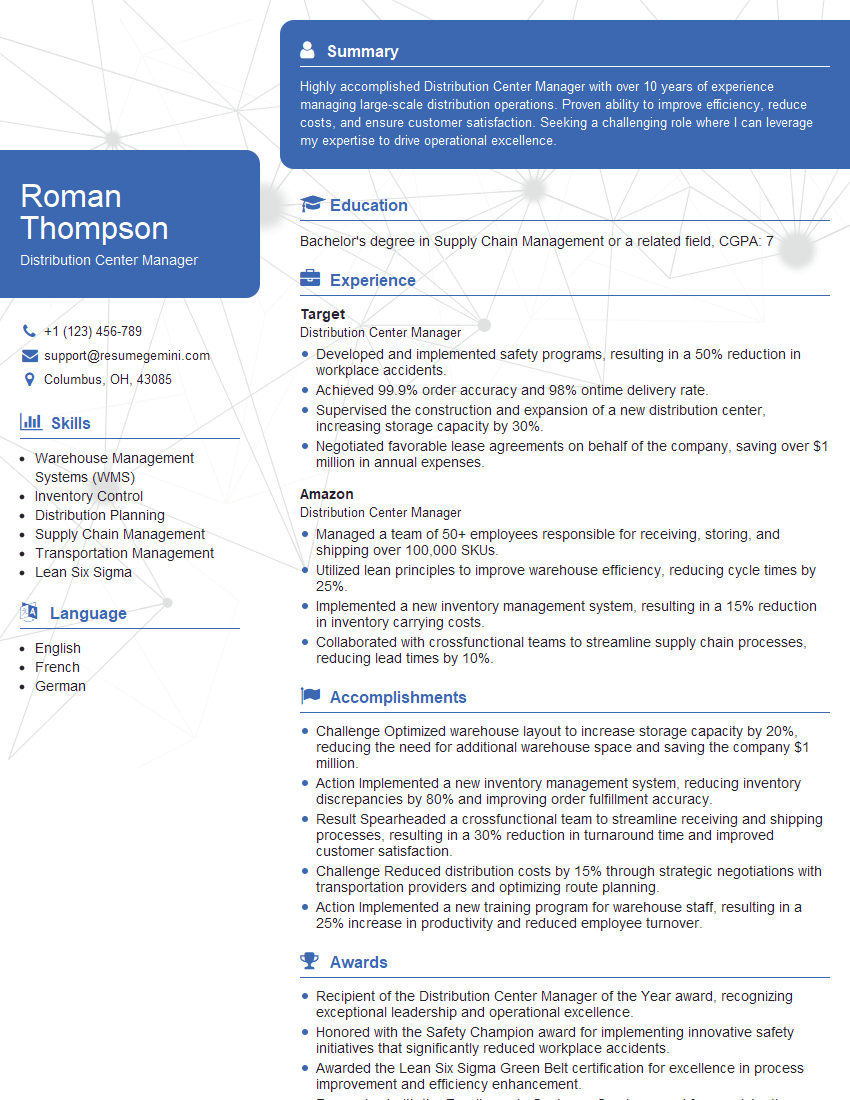
Distribution Center Manager Resume Sample
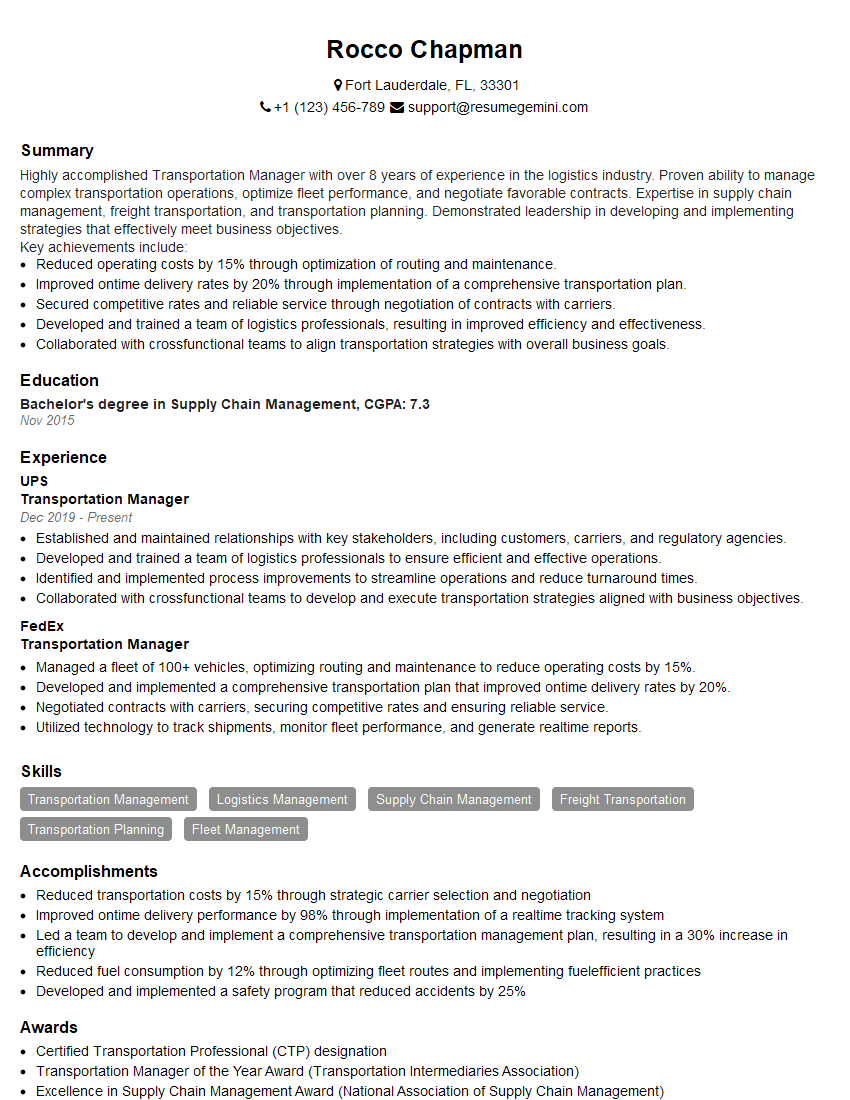
Transportation Manager Resume Sample
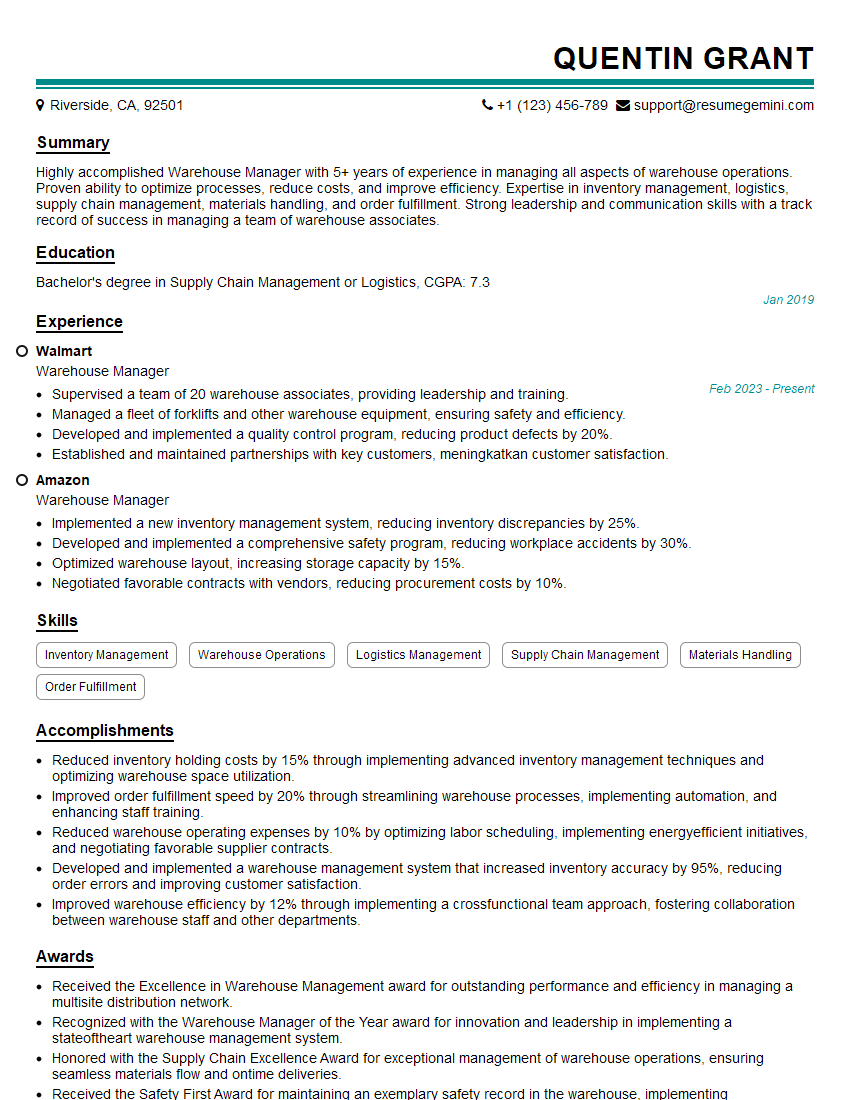
Warehouse Manager Resume Sample
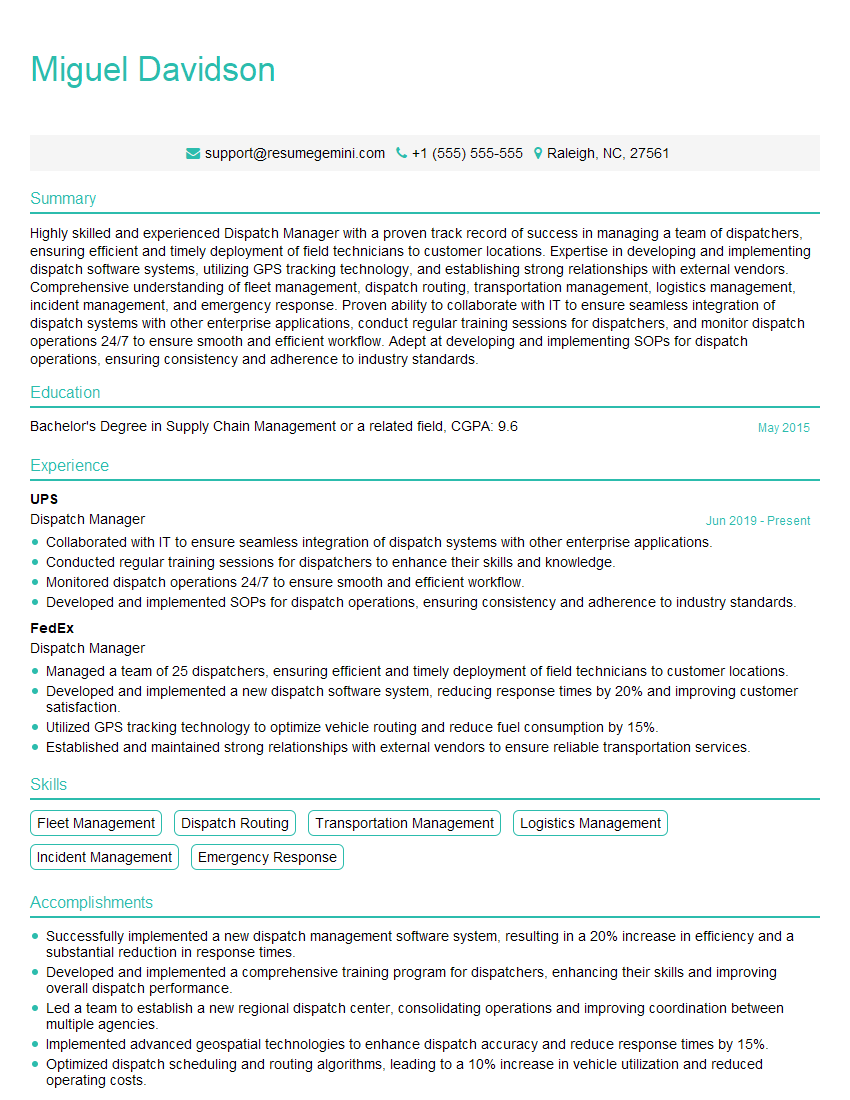
Dispatch Manager Resume Sample
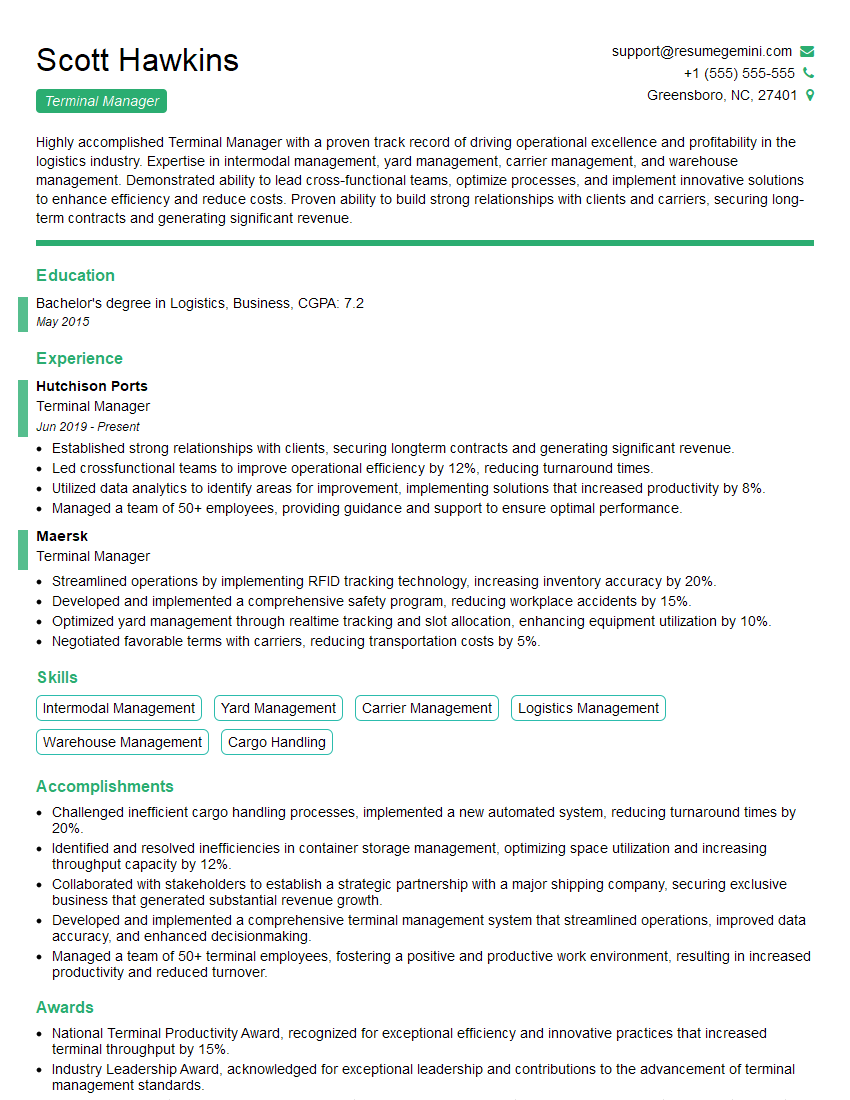
Terminal Manager Resume Sample
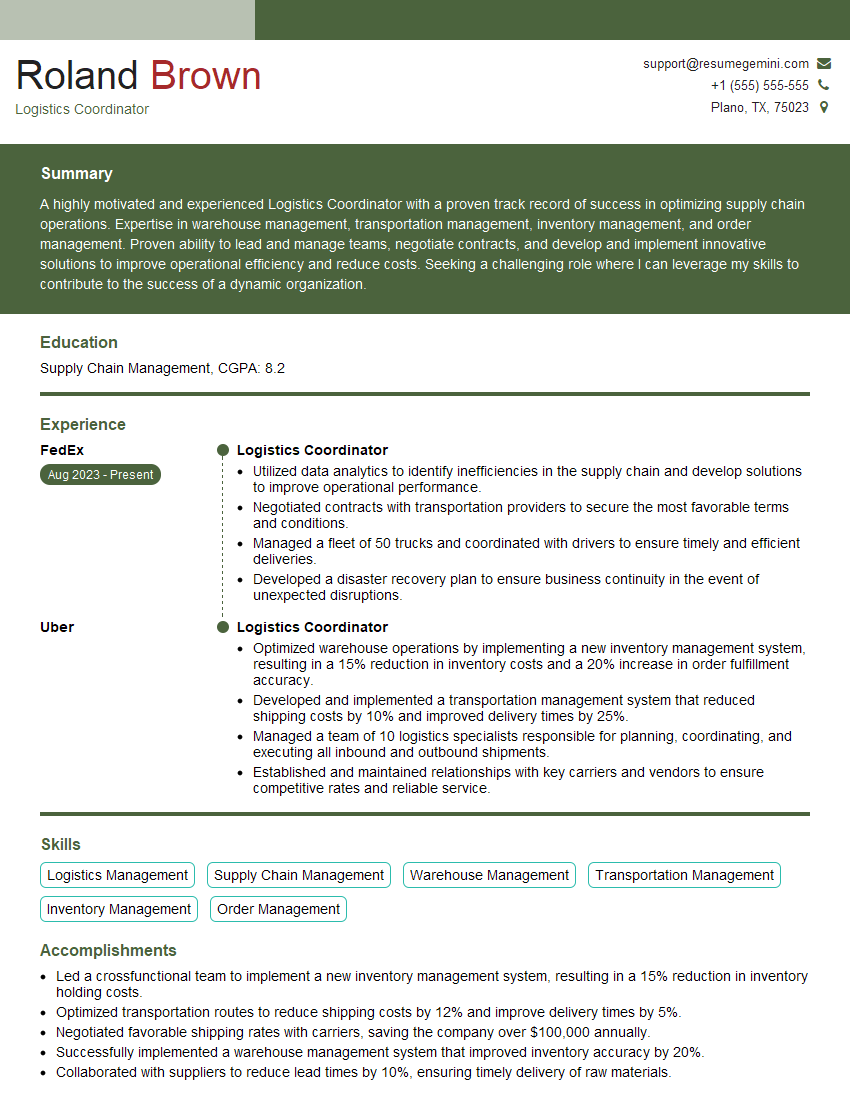
Logistics Coordinator Resume Sample
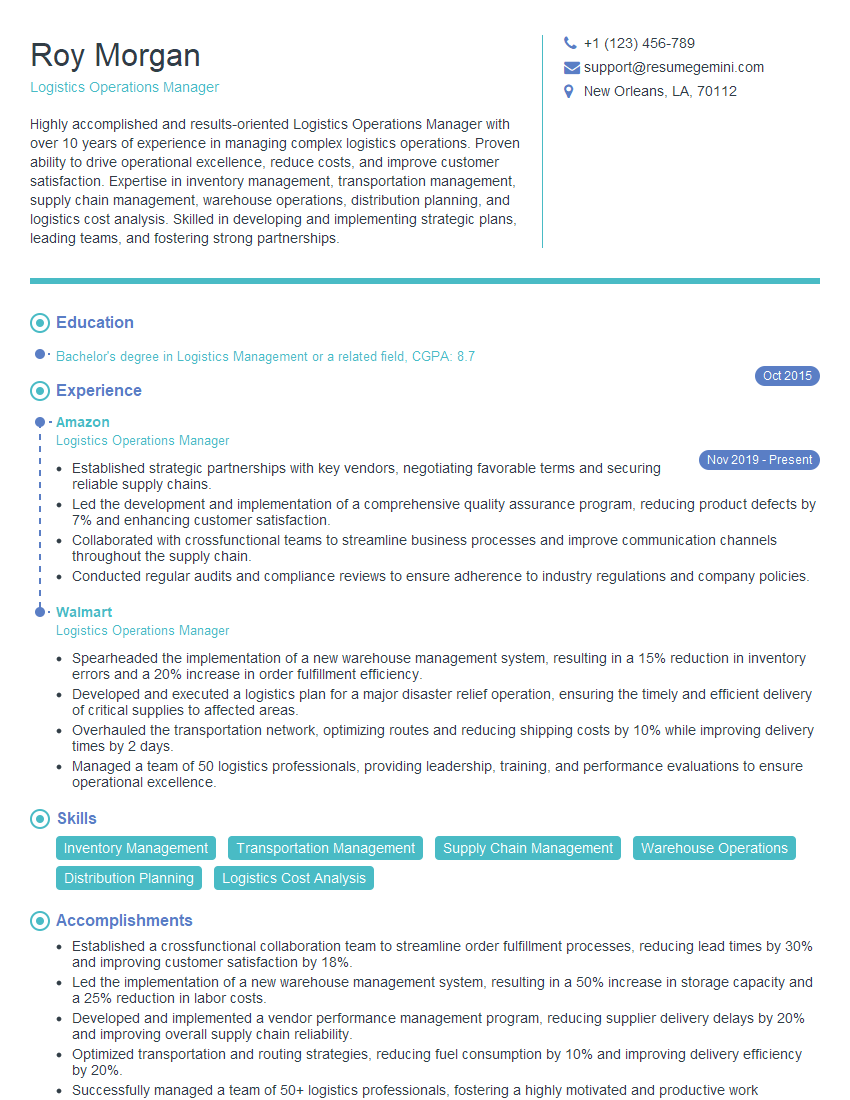
Logistics Operations Manager Resume Sample
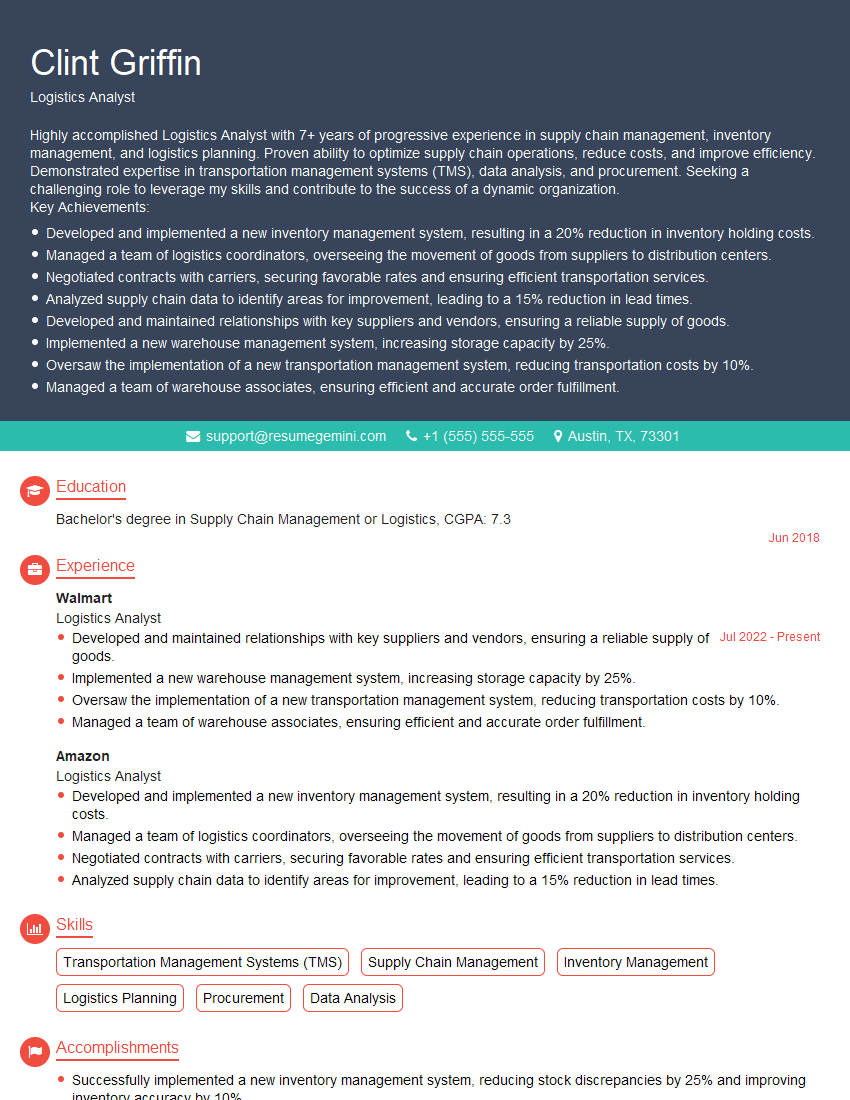
Logistics Analyst Resume Sample
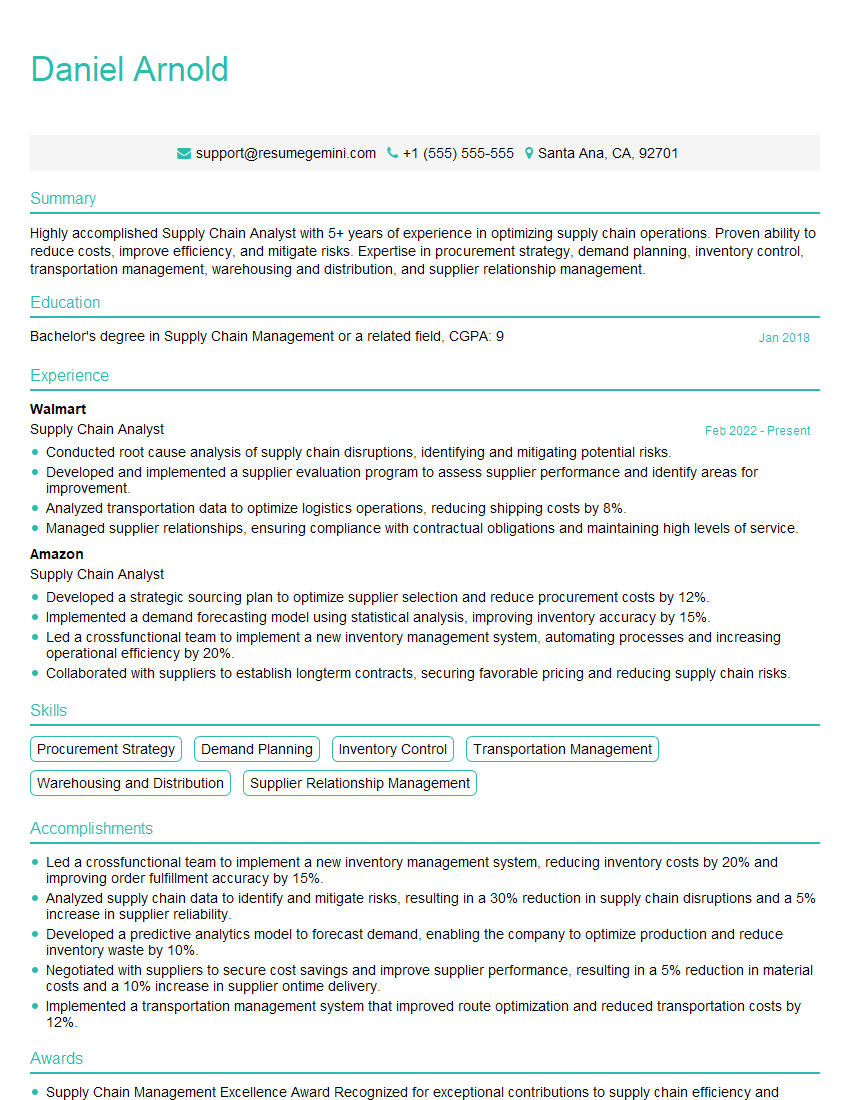
Supply Chain Analyst Resume Sample
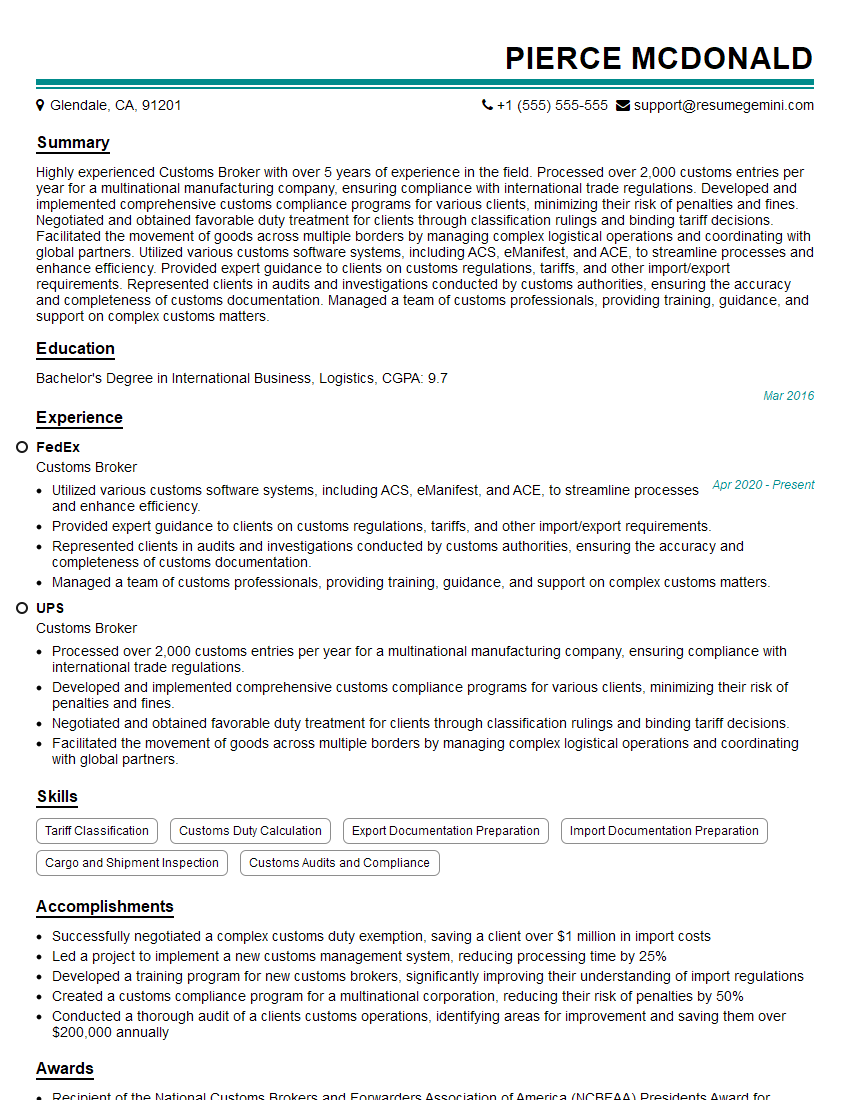
Customs Broker Resume Sample
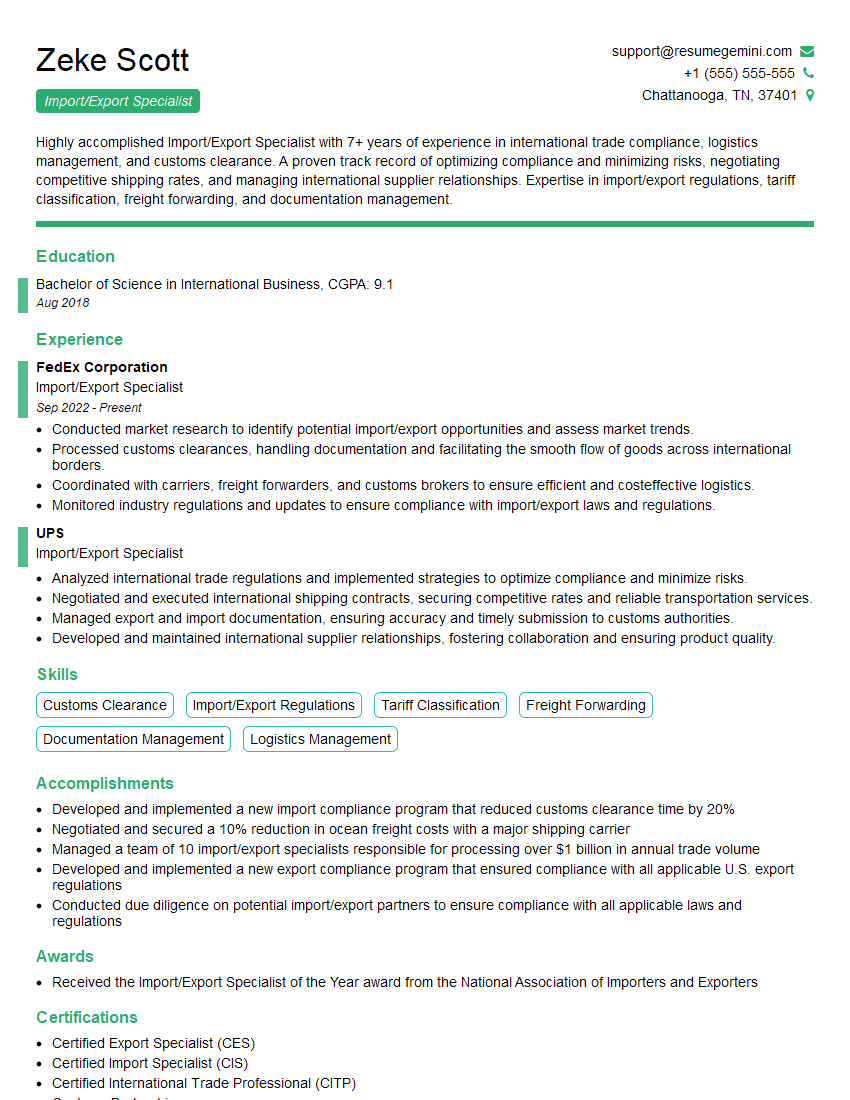
Import/Export Specialist Resume Sample
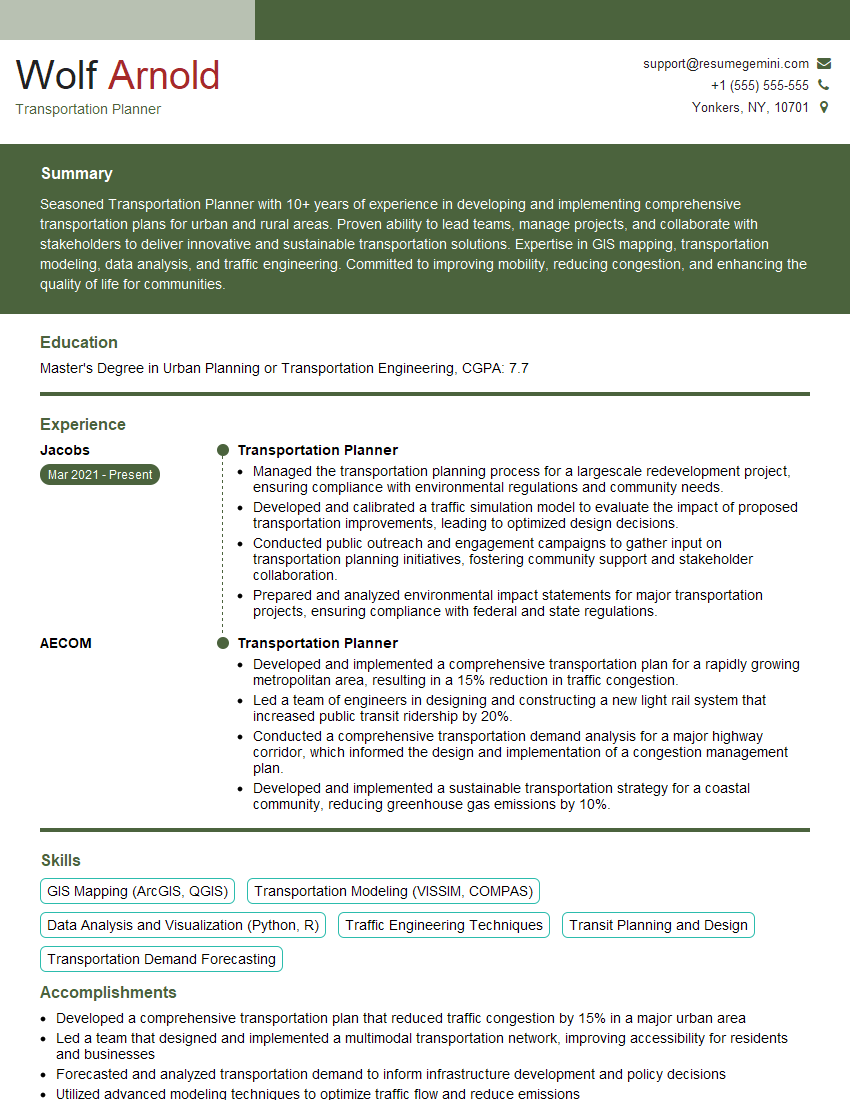
Transportation Planner Resume Sample
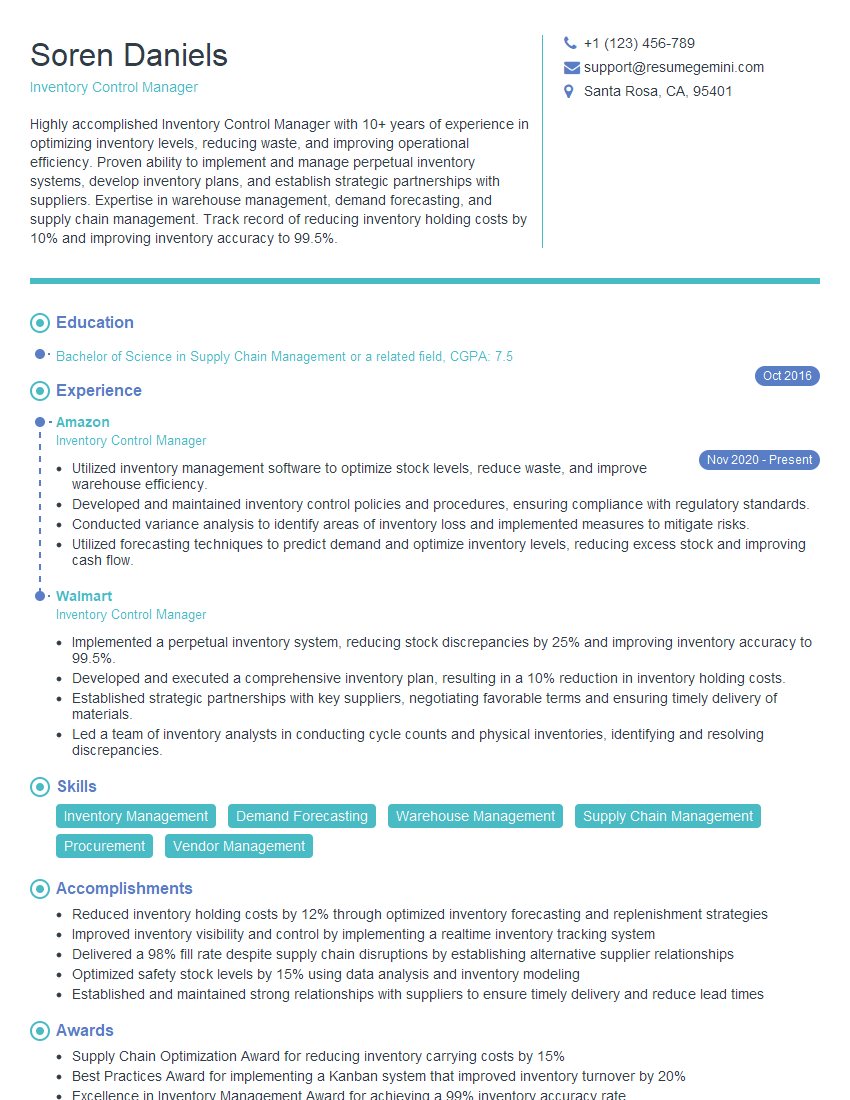
Inventory Control Manager Resume Sample
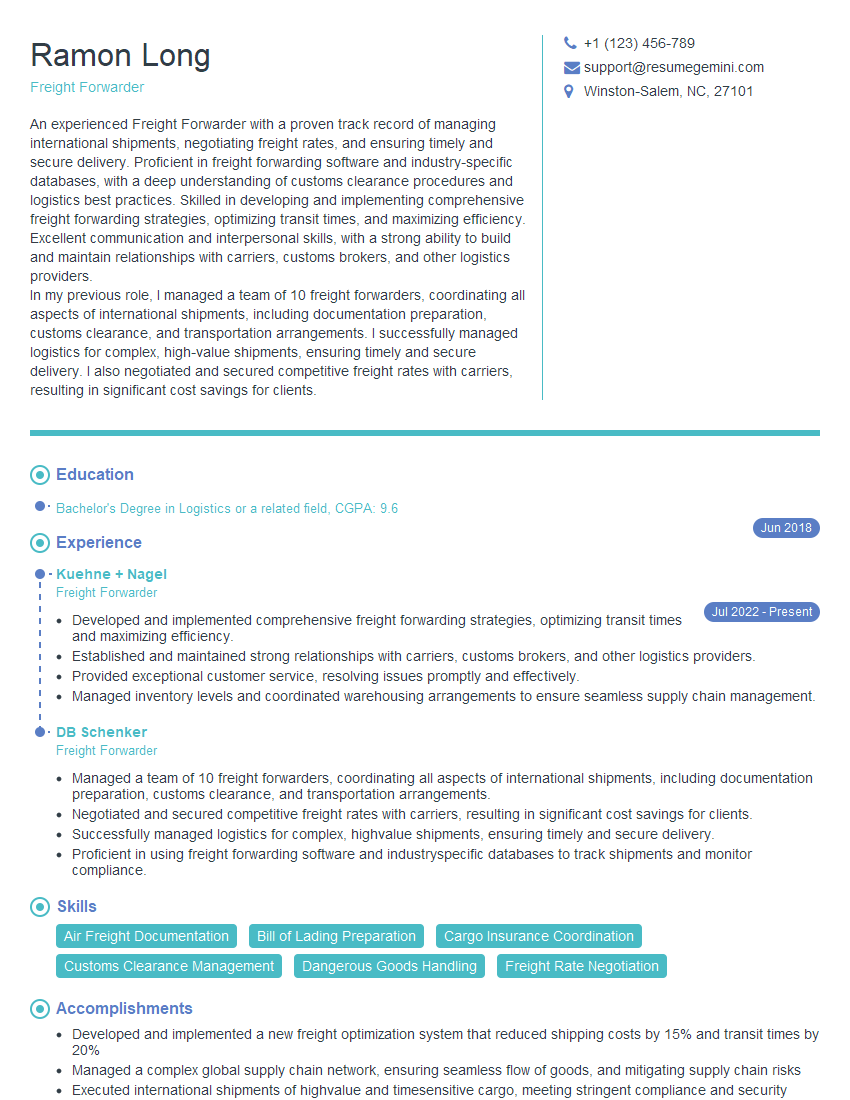
Freight Forwarder Resume Sample
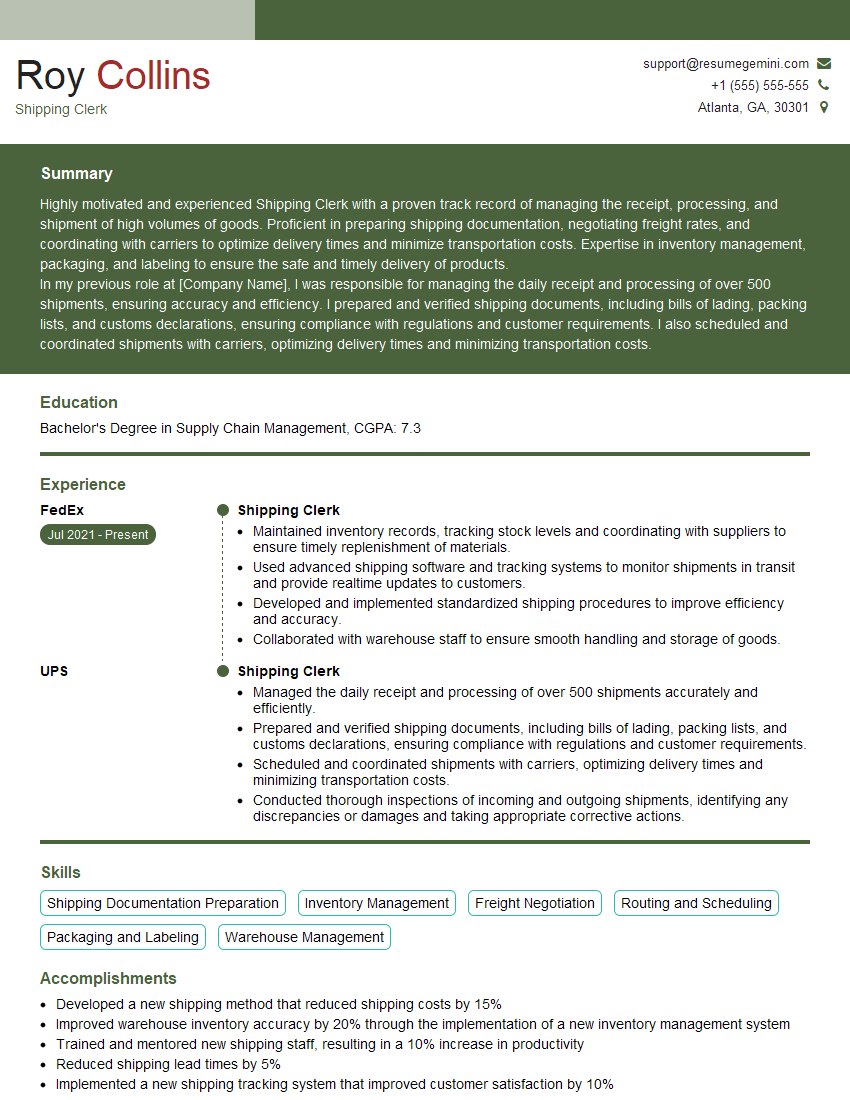
Shipping Clerk Resume Sample
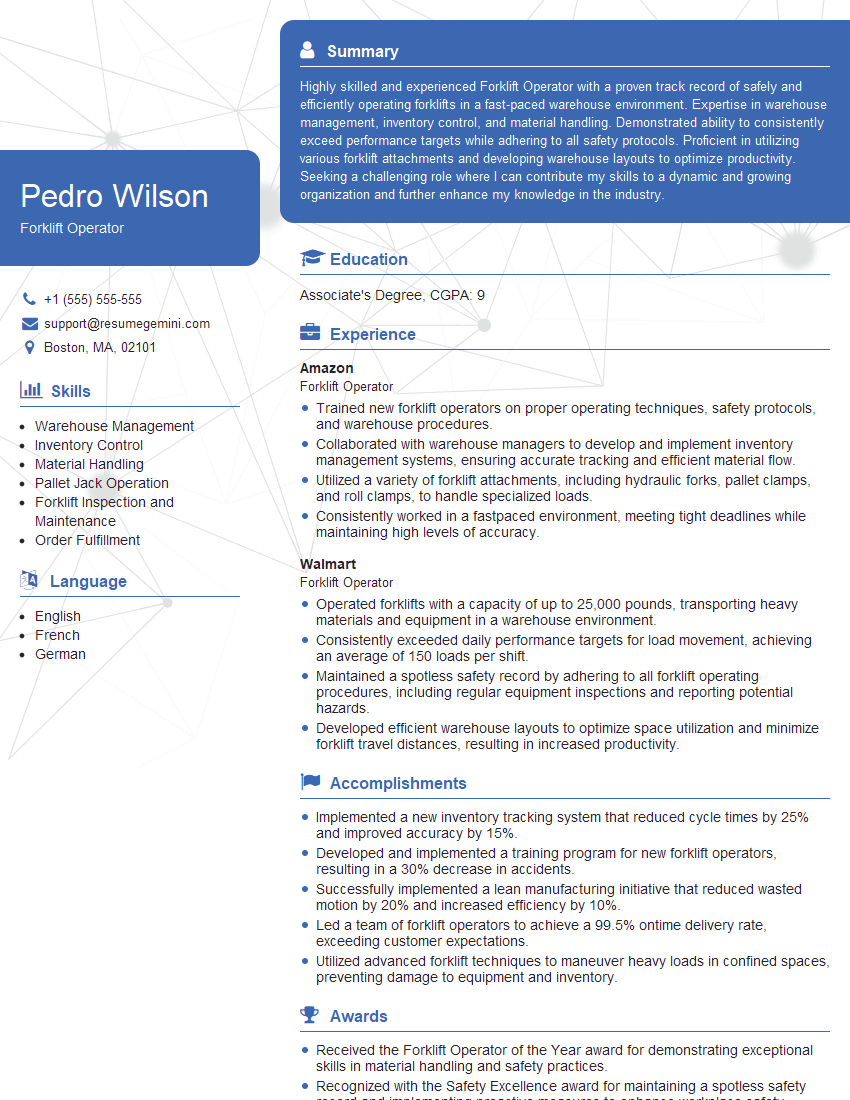
Forklift Operator Resume Sample

Cargo Surveyor Resume Sample
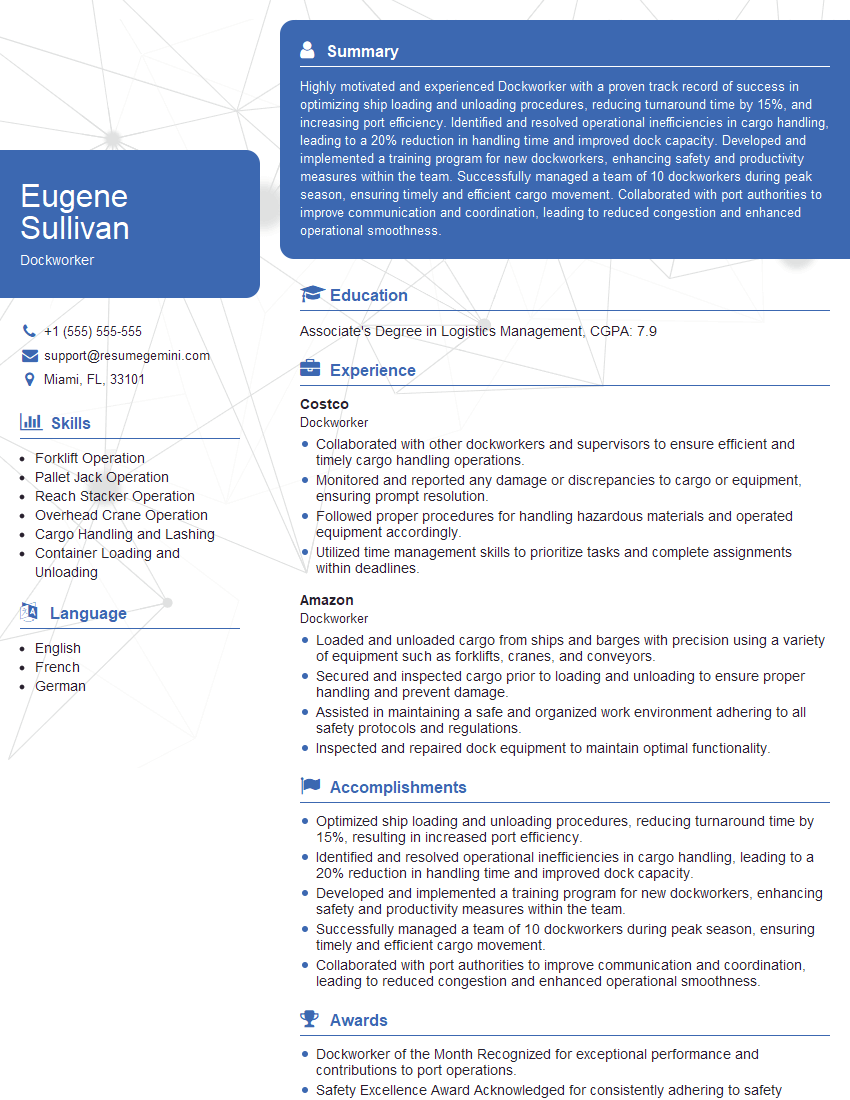
Dockworker Resume Sample
- Distribution Center Manager
- Transportation Manager
- Warehouse Manager
- Dispatch Manager
- Terminal Manager
- Logistics Coordinator
- Logistics Operations Manager
- Logistics Analyst
- Supply Chain Analyst
- Customs Broker
- Import/Export Specialist
- Transportation Planner
- Inventory Control Manager
- Freight Forwarder
- Shipping Clerk
- Forklift Operator
- Cargo Surveyor
- Dockworker
Explore more articles
Users Rating of Our Blogs
Share Your Experience
We value your feedback! Please rate our content and share your thoughts (optional).
What Readers Say About Our Blog
Really detailed insights and content, thank you for writing this detailed article.
IT gave me an insight and words to use and be able to think of examples