Cracking a skill-specific interview, like one for Proficient in Using Technology, requires understanding the nuances of the role. In this blog, we present the questions you’re most likely to encounter, along with insights into how to answer them effectively. Let’s ensure you’re ready to make a strong impression.
Questions Asked in Proficient in Using Technology Interview
Q 1. Explain your experience with Agile methodologies.
Agile methodologies are iterative approaches to software development focused on flexibility and collaboration. Instead of a rigid, sequential plan, Agile emphasizes short development cycles (sprints), frequent feedback, and continuous improvement. I have extensive experience working within Scrum and Kanban frameworks.
- Scrum: I’ve participated in numerous Scrum projects, taking on roles like Scrum Master and Development Team member. This involved daily stand-ups, sprint planning, sprint reviews, and sprint retrospectives to ensure we consistently met sprint goals and adapted to changing requirements. For example, on a recent project, we used Scrum to deliver a new e-commerce feature in four two-week sprints, incorporating client feedback after each sprint to refine the product.
- Kanban: I’ve also utilized Kanban to manage workflows, particularly in situations requiring greater flexibility. The visual Kanban board helped us prioritize tasks effectively and identify bottlenecks. This was particularly useful in a project where incoming requests varied significantly in urgency and complexity.
My experience with Agile has instilled in me a strong appreciation for teamwork, adaptability, and the importance of delivering value incrementally.
Q 2. Describe your experience with cloud computing platforms (AWS, Azure, GCP).
I possess considerable experience with major cloud platforms – AWS, Azure, and GCP. My experience isn’t limited to just one; I’ve chosen the best platform for specific project needs, leveraging their strengths.
- AWS: I’ve worked extensively with AWS services like EC2 (for virtual servers), S3 (for object storage), and RDS (for relational databases). I’ve also utilized AWS Lambda for serverless computing and deployed applications using Elastic Beanstalk. For example, I designed and implemented a highly scalable web application on AWS, using auto-scaling groups to handle traffic fluctuations.
- Azure: My Azure experience includes using Azure Virtual Machines, Azure Blob Storage, and Azure SQL Database. I’ve also worked with Azure DevOps for CI/CD pipelines. A noteworthy project involved migrating an on-premise application to Azure, significantly improving performance and scalability.
- GCP: I’ve utilized GCP’s Compute Engine, Cloud Storage, and Cloud SQL. I’ve also leveraged Google Kubernetes Engine (GKE) for container orchestration. A recent project involved building a data analytics pipeline on GCP, utilizing BigQuery for data warehousing and analysis.
My cloud experience extends to cost optimization, security best practices, and infrastructure-as-code (IaC) using tools like Terraform.
Q 3. What is your experience with version control systems (Git)?
Git is an indispensable tool in my workflow. I’m highly proficient in using Git for version control, collaborating with teams, and managing code changes efficiently.
- Branching Strategies: I use branching strategies like Gitflow to manage feature development, bug fixes, and releases. This helps maintain a clean and organized repository, preventing conflicts and ensuring stability.
- Collaboration: I regularly collaborate with teammates using Git’s pull requests and code reviews. This fosters collaboration, enhances code quality, and ensures everyone is on the same page.
- Command Line Proficiency: I’m comfortable using Git’s command-line interface for tasks like committing, pushing, pulling, merging, and resolving conflicts. I’m also proficient with Git GUI clients like Sourcetree and GitHub Desktop.
- Conflict Resolution: I’m adept at resolving merge conflicts effectively, minimizing disruptions to the development process. I understand how to use Git’s tools to identify and resolve conflicts carefully.
My proficiency in Git significantly improves my productivity and collaboration within development teams.
Q 4. How proficient are you with SQL and database management?
I have strong SQL skills and experience managing relational databases. I’m proficient in writing complex queries, optimizing database performance, and designing database schemas.
- Query Optimization: I can analyze query execution plans and identify bottlenecks to optimize query performance. I know how to use indexes effectively and understand query tuning techniques.
- Database Design: I’m familiar with database normalization principles and can design efficient and scalable database schemas that meet specific application requirements. I can create and manage tables, views, stored procedures, and triggers.
- Database Systems: I have experience working with various database systems such as MySQL, PostgreSQL, and SQL Server. I adapt quickly to new database systems as needed.
- Data Analysis: I use SQL extensively for data analysis and reporting, extracting valuable insights from data for decision-making.
I’ve used my SQL skills to build data-driven applications, create comprehensive reports, and ensure the integrity and performance of critical databases.
Q 5. Describe your experience with scripting languages (Python, JavaScript, etc.)
I’m proficient in several scripting languages, most notably Python and JavaScript. These languages are critical for automation, data manipulation, and web development.
- Python: I use Python extensively for data analysis, automation tasks, and building backend systems. I leverage Python libraries like Pandas, NumPy, and Scikit-learn for data science tasks and frameworks like Flask and Django for web development. For example, I automated a complex report generation process using Python, saving hours of manual work each week.
- JavaScript: My JavaScript skills focus on front-end development using frameworks like React, Angular, or Vue.js. I’m familiar with both ES6+ syntax and various JavaScript libraries and APIs. A recent project involved developing a dynamic and interactive user interface using React.
My scripting skills empower me to automate repetitive tasks, improve efficiency, and build robust and scalable applications.
Q 6. Explain your troubleshooting skills in a technical environment.
Effective troubleshooting is crucial in a technical environment. My approach is systematic and involves a combination of technical skills, problem-solving techniques, and a methodical process.
- Reproduce the Issue: The first step is always to accurately reproduce the issue. This involves gathering detailed information about the error, the steps to reproduce it, and any relevant logs or error messages.
- Isolate the Problem: I use a process of elimination to isolate the source of the problem. This might involve checking logs, examining network traffic, or stepping through code.
- Research and Investigation: Once the problem is isolated, I conduct thorough research to understand the root cause. I consult documentation, search online forums, and leverage debugging tools.
- Implement a Solution: After identifying the root cause, I implement a solution, carefully testing it to ensure it fixes the problem without introducing new issues.
- Prevent Recurrence: Finally, I document the issue, its cause, and the implemented solution to prevent similar problems in the future.
For example, I recently resolved a production outage by systematically investigating server logs, identifying a memory leak in a specific application, and deploying a patched version.
Q 7. How do you stay updated with the latest technology trends?
Staying updated on the latest technology trends is essential in this rapidly evolving field. I employ a multi-faceted approach to ensure I remain current and knowledgeable.
- Online Courses and Tutorials: Platforms like Coursera, Udemy, and edX offer valuable courses on emerging technologies. I regularly take courses to deepen my skills in specific areas.
- Industry Blogs and Publications: I follow prominent tech blogs, publications, and newsletters from reputable sources like InfoQ and Hacker News. This keeps me informed about breakthroughs and industry best practices.
- Conferences and Webinars: Attending conferences and webinars offers invaluable insights and networking opportunities. It helps me understand emerging trends firsthand and learn from industry experts.
- Open Source Contributions: Contributing to open-source projects allows me to learn from experienced developers, gain practical experience with new technologies, and actively participate in the community.
- Personal Projects: I often undertake personal projects to experiment with new technologies and explore their practical applications. This hands-on approach solidifies my understanding and builds my expertise.
This continuous learning approach ensures that my skills remain sharp and my knowledge base is constantly expanding, allowing me to readily adopt new technologies and approaches in my work.
Q 8. Describe your experience with network security protocols.
My experience with network security protocols is extensive, encompassing both theoretical understanding and practical application. I’m proficient in various protocols, including TCP/IP, UDP, HTTP, HTTPS, FTP, SSH, and DNS. I understand their functionalities, vulnerabilities, and best practices for secure implementation. For instance, I’ve worked extensively with securing web applications using HTTPS, ensuring proper certificate management and implementation of strong encryption algorithms like TLS 1.3. In a previous role, I was responsible for implementing and maintaining a firewall system, configuring rules to filter network traffic based on IP addresses, ports, and protocols, significantly reducing our attack surface. Understanding how these protocols interact is critical for maintaining a robust network security posture. I’ve also worked with VPNs to secure remote access, ensuring data confidentiality and integrity.
Furthermore, I am familiar with the nuances of various security protocols like IPsec, which provides secure communication over IP networks, and have experience troubleshooting issues related to network security protocol implementation.
Q 9. What is your experience with cybersecurity best practices?
Cybersecurity best practices are the cornerstone of any secure system. My experience incorporates a multi-layered approach, emphasizing preventative measures and reactive strategies. This includes regular security audits and vulnerability assessments to identify weaknesses proactively. We used tools like Nessus and OpenVAS to scan for vulnerabilities and ensure timely patching. I’ve also implemented and enforced strong password policies, promoted multi-factor authentication (MFA) wherever possible, and educated users on phishing awareness and social engineering tactics. Data loss prevention (DLP) strategies, including data encryption both at rest and in transit, were a high priority in my previous roles. For instance, I oversaw the implementation of an intrusion detection and prevention system (IDPS) that monitored network traffic for malicious activity, significantly improving our ability to detect and respond to cyber threats. Regular backups and disaster recovery planning are also crucial components of my approach to ensure business continuity.
Q 10. How familiar are you with data analysis tools (e.g., Tableau, Power BI)?
I’m highly proficient in using data analysis tools like Tableau and Power BI. I’ve utilized them extensively for data visualization, creating interactive dashboards to present complex data in a clear and understandable manner. In one project, I used Tableau to analyze customer sales data, identifying key trends and patterns that informed marketing strategies. This resulted in a 15% increase in sales within the next quarter. With Power BI, I’ve connected to various data sources, including SQL databases and cloud-based services like Azure, to build comprehensive reports and analyze business performance indicators (KPIs). My skills extend beyond basic data visualization; I can perform data cleansing, transformation, and manipulation using these tools, ensuring data accuracy and reliability. I understand the importance of selecting the appropriate visualization techniques to effectively communicate insights to different audiences.
Q 11. Describe your experience with software development lifecycles (SDLC).
My experience with Software Development Lifecycles (SDLC) is extensive, having worked with various methodologies including Agile (Scrum, Kanban), Waterfall, and DevOps. I understand the importance of each phase, from requirements gathering and design to development, testing, deployment, and maintenance. In Agile environments, I’ve participated in sprint planning, daily stand-ups, sprint reviews, and retrospectives. My understanding extends to utilizing version control systems like Git and using collaborative tools like Jira for project management and tracking. I’ve worked on projects using Waterfall methodology as well, understanding the importance of detailed upfront planning and documentation. My experience with DevOps involves continuous integration and continuous delivery (CI/CD) pipelines, automating the build, test, and deployment processes to improve efficiency and reduce errors. I have a strong understanding of the importance of testing throughout the SDLC, including unit testing, integration testing, and user acceptance testing (UAT).
Q 12. Explain your experience with project management methodologies.
I’m experienced with several project management methodologies, most notably Agile (Scrum and Kanban) and Waterfall. My approach is adaptable, choosing the methodology best suited to the project’s complexity and requirements. In Agile projects, I emphasize iterative development, frequent feedback loops, and close collaboration with the development team. I’ve utilized Scrum frameworks, managing sprints, conducting daily stand-ups, and facilitating sprint reviews and retrospectives to continuously improve the process. With Kanban, I focus on visualizing workflow, limiting work in progress (WIP), and ensuring smooth flow. For larger, more structured projects, I’ve applied the Waterfall methodology, emphasizing thorough planning, detailed documentation, and sequential phases. Regardless of the chosen methodology, I prioritize clear communication, risk management, and effective resource allocation to ensure project success. I’m proficient in using project management tools like Jira and Asana to track progress, manage tasks, and collaborate with team members.
Q 13. How would you approach debugging a complex software issue?
Debugging a complex software issue requires a systematic and methodical approach. I typically start by reproducing the issue consistently. Then, I’ll gather as much information as possible, including error messages, logs, and relevant system information. I’d use debugging tools like debuggers (e.g., gdb, Visual Studio Debugger) to step through the code, inspect variables, and identify the source of the problem. For example, if a database connection error is encountered, I’d check network connectivity, database settings, and authentication credentials. If the problem involves user interface interactions, I’d leverage browser developer tools to analyze network requests, JavaScript errors, and DOM structures. I’d also consider using logging and monitoring tools to track down intermittent issues. Once the root cause is identified, I’ll implement a fix, thoroughly test the solution, and document the issue and resolution for future reference. Collaboration is key; I believe in seeking help from other team members or external resources if needed.
My approach often involves breaking down the problem into smaller, more manageable components. This allows for a more focused debugging effort and reduces the likelihood of overlooking potential causes. I also place a strong emphasis on version control to easily revert to previous working versions if a fix introduces unintended consequences.
Q 14. Describe your experience with different operating systems (Windows, Linux, macOS).
I have extensive experience with various operating systems, including Windows, Linux (various distributions like Ubuntu, CentOS), and macOS. My proficiency encompasses both command-line interfaces and graphical user interfaces. On Windows, I’m comfortable managing users, configuring services, and troubleshooting system issues. With Linux, I have a deep understanding of the command line, system administration tasks like user and group management, package management (apt, yum, dnf), and network configuration. I have experience setting up and maintaining Linux servers for various applications. On macOS, I’m proficient in managing user accounts, installing software, and using the system utilities. My experience extends to scripting in languages like Bash and Python, automating tasks and streamlining workflows across these operating systems. This multi-OS experience allows me to easily adapt to different environments and effectively solve problems regardless of the underlying operating system.
Q 15. What is your experience with API integrations?
API integrations are crucial for connecting different software systems and enabling data exchange. My experience spans various API types, including RESTful APIs (most common), SOAP APIs (more structured, XML-based), and GraphQL APIs (efficient for fetching specific data). I’ve worked extensively with popular tools like Postman for testing and debugging APIs, and have integrated numerous APIs using various programming languages including Python and Java.
For example, in a recent project, I integrated a payment gateway API (Stripe) into an e-commerce application. This involved understanding the API documentation, handling authentication (API keys, OAuth), making HTTP requests (GET, POST, PUT, DELETE), and managing error handling and responses. I also implemented rate limiting to prevent overwhelming the API.
Another example involves integrating a third-party mapping API (Google Maps) to provide location services in a mobile application. This required understanding geocoding and reverse geocoding concepts, handling location permissions, and efficiently displaying maps and location data on the user interface.
Career Expert Tips:
- Ace those interviews! Prepare effectively by reviewing the Top 50 Most Common Interview Questions on ResumeGemini.
- Navigate your job search with confidence! Explore a wide range of Career Tips on ResumeGemini. Learn about common challenges and recommendations to overcome them.
- Craft the perfect resume! Master the Art of Resume Writing with ResumeGemini’s guide. Showcase your unique qualifications and achievements effectively.
- Don’t miss out on holiday savings! Build your dream resume with ResumeGemini’s ATS optimized templates.
Q 16. How familiar are you with different data structures and algorithms?
Data structures and algorithms are fundamental to efficient programming. My understanding encompasses a wide range, from basic structures like arrays, linked lists, stacks, and queues to more advanced ones such as trees (binary trees, AVL trees, B-trees), graphs, and hash tables. I’m proficient in applying appropriate algorithms for searching (linear search, binary search, breadth-first search, depth-first search), sorting (bubble sort, merge sort, quicksort, heapsort), and graph traversal.
For instance, choosing the right data structure can significantly impact performance. If I need to frequently insert and delete elements from the beginning of a list, a linked list is more efficient than an array. Similarly, if I need fast lookups by key, a hash table is the ideal choice. Selecting an appropriate sorting algorithm depends on factors like the size of the data set and whether it’s already partially sorted.
// Example of a simple binary search in Python
def binary_search(arr, target):
    low = 0
    high = len(arr) - 1
    while low <= high:
        mid = (low + high) // 2
        if arr[mid] == target:
            return mid
        elif arr[mid] < target:
            low = mid + 1
        else:
            high = mid - 1
    return -1
Q 17. Describe your experience with big data technologies (Hadoop, Spark).
My experience with big data technologies like Hadoop and Spark involves processing and analyzing large datasets that exceed the capacity of traditional database systems. I've worked with Hadoop's distributed file system (HDFS) for storing and managing massive data sets and have utilized MapReduce for parallel processing. With Spark, I've leveraged its in-memory processing capabilities for significantly faster computations compared to Hadoop's disk-based approach.
In a previous project, we used Hadoop to process terabytes of log data from a web server. We utilized MapReduce jobs to analyze user behavior, identify trends, and generate reports. This involved designing efficient MapReduce jobs, handling data partitioning, and optimizing for performance across a cluster of machines. Spark was used for another project involving real-time data analysis from various sensors. Its speed and ability to perform iterative computations were critical for providing timely insights.
Q 18. How do you handle conflicting priorities in a technical project?
Handling conflicting priorities is a common challenge in technical projects. My approach involves a combination of clear communication, prioritization frameworks, and proactive problem-solving. First, I clearly identify all competing priorities, their relative importance (using techniques like MoSCoW prioritization - Must have, Should have, Could have, Won't have), and any potential trade-offs.
Next, I communicate openly with stakeholders to gain a shared understanding of the situation and potential solutions. This involves explaining the technical implications of each priority and the feasibility of meeting all of them within the given constraints (time, budget, resources). Often, a collaborative approach, involving negotiation and compromise, is essential. Finally, I employ project management techniques, such as agile methodologies, to track progress, adapt to changes, and ensure that the most critical priorities are addressed effectively.
Q 19. What is your experience with automation tools?
Automation is key to increasing efficiency and reducing manual effort. I have extensive experience with various automation tools, including scripting languages like Python and Bash for automating repetitive tasks. I've also used configuration management tools like Ansible and Chef for automating infrastructure provisioning and management. Furthermore, I'm familiar with CI/CD (Continuous Integration/Continuous Delivery) pipelines using tools like Jenkins and GitLab CI, which automate the build, testing, and deployment processes.
For example, I created a Python script to automate the process of generating reports from a database, saving significant time compared to manual report generation. Another project involved using Ansible to automate the deployment of a web application across multiple servers, ensuring consistency and reducing deployment errors. My experience with CI/CD has helped streamline software delivery, allowing for faster releases and improved software quality.
Q 20. Describe your experience with testing methodologies (unit, integration, etc.)
Testing is crucial for ensuring software quality. My experience covers various testing methodologies, including unit testing (testing individual components), integration testing (testing interactions between components), system testing (testing the entire system), and user acceptance testing (UAT - testing by end-users). I utilize different testing frameworks depending on the language and technology stack. For example, I use JUnit for Java unit tests, pytest for Python, and Selenium for UI testing.
A key aspect of my testing approach is writing comprehensive test cases that cover different scenarios, including positive and negative tests, boundary conditions, and edge cases. I believe in a combination of automated and manual testing, where automated tests are used for repetitive tasks and regression testing, while manual testing helps to identify issues that may be missed by automated tests. Test-driven development (TDD) is another approach I frequently employ, where tests are written before the code, guiding development and improving code quality.
Q 21. How do you ensure data quality and integrity?
Data quality and integrity are paramount. My approach involves a multi-faceted strategy. First, data validation is critical at the point of entry, using constraints and checks to prevent invalid data from entering the system. This involves data type validation, range checks, and consistency checks to ensure data conforms to predefined rules. Data cleansing is another important step, involving identifying and correcting or removing inaccurate, incomplete, or inconsistent data. This can involve using data profiling techniques to identify data quality issues and applying appropriate cleaning algorithms.
Regular data audits and monitoring are essential for maintaining data quality over time. This involves using tools and techniques to track data quality metrics, detect anomalies, and identify potential problems. Finally, implementing appropriate data governance policies and procedures ensures accountability and consistency in data management practices. These policies define data standards, access control, and data security measures to protect the integrity of the data.
Q 22. What is your experience with software design patterns?
Software design patterns are reusable solutions to commonly occurring problems in software design. They're like blueprints that provide a proven structure for solving specific issues, improving code readability, maintainability, and scalability. I have extensive experience with various patterns, categorized broadly into creational, structural, and behavioral patterns.
- Creational Patterns (e.g., Singleton, Factory, Builder): These deal with object creation mechanisms, trying to create objects in a manner suitable to the situation. For instance, the Singleton pattern ensures only one instance of a class exists, useful for managing resources like database connections. I've used the Factory pattern extensively in projects to decouple object creation from client code, making the system more flexible and easier to extend.
- Structural Patterns (e.g., Adapter, Facade, Decorator): These concern class and object composition. The Adapter pattern allows incompatible interfaces to work together; for example, adapting a legacy library to a modern API. I've employed the Facade pattern to simplify complex subsystems, presenting a simplified interface to clients. The Decorator pattern allows adding responsibilities to objects dynamically without altering their structure. I've leveraged it for flexible logging and security features.
- Behavioral Patterns (e.g., Observer, Strategy, Command): These deal with algorithms and the assignment of responsibilities between objects. The Observer pattern enables a one-to-many dependency between objects, ideal for event-driven architectures. The Strategy pattern allows selecting algorithms at runtime, providing flexibility. I've utilized the Command pattern in systems requiring undo/redo functionality.
In a recent project, I used the Model-View-Controller (MVC) architectural pattern to develop a web application. This pattern clearly separated the data model, user interface, and application logic, enhancing maintainability and allowing for parallel development.
Q 23. Describe your approach to learning new technologies.
My approach to learning new technologies is structured and hands-on. I don't just passively read documentation; I actively engage with the technology through practical projects. My process usually involves these steps:
- Identify the Need: I begin by clearly defining the problem or project where the new technology will be applied. This gives context and motivation to the learning process.
- Structured Learning: I start with reputable online courses, tutorials, and official documentation. This provides a solid foundation in the technology's core concepts and best practices.
- Hands-on Projects: I immediately start building small projects to solidify my understanding. These projects often involve recreating existing applications or building simple prototypes.
- Community Engagement: I actively participate in online communities, forums, and meetups related to the technology. This allows me to learn from others' experiences, ask questions, and get feedback.
- Continuous Improvement: I constantly seek opportunities to refine my skills through further projects and continuous learning. I believe in iterative learning, constantly refining my understanding and proficiency.
For example, when learning Kubernetes, I started with a simple deployment on a local minikube instance, then gradually progressed to more complex deployments involving multiple containers and services. This hands-on approach greatly improved my understanding compared to just reading the documentation.
Q 24. Explain your experience with different types of databases (relational, NoSQL).
I have significant experience with both relational and NoSQL databases. The choice between them depends heavily on the specific application requirements.
- Relational Databases (RDBMS): I'm proficient with SQL and have worked extensively with PostgreSQL and MySQL. RDBMS excel in managing structured data with well-defined relationships between entities. They offer ACID properties (Atomicity, Consistency, Isolation, Durability), crucial for transactional integrity. I've used RDBMS in projects requiring complex joins and data integrity, like e-commerce applications with product catalogs and order management systems.
- NoSQL Databases: I have experience with MongoDB (document database) and Redis (in-memory data structure store). NoSQL databases are better suited for handling large volumes of unstructured or semi-structured data, high scalability, and high availability. I've utilized MongoDB for applications needing flexible schema designs, like content management systems, and Redis for caching and session management to improve performance.
In a recent project, we used a combination of PostgreSQL for structured transactional data and MongoDB for user-generated content. This hybrid approach optimized performance and scalability for a social media platform.
Q 25. How do you ensure code maintainability and scalability?
Ensuring code maintainability and scalability is paramount. My approach involves a combination of best practices, tools, and methodologies.
- Clean Code Principles: I adhere to coding style guidelines (e.g., PEP 8 for Python), write modular, well-documented code, and employ meaningful variable and function names. This enhances readability and understandability.
- Version Control (Git): I religiously use Git for version control, enabling efficient collaboration, tracking changes, and reverting to previous versions if necessary. This is crucial for managing larger codebases.
- Code Reviews: I actively participate in code reviews, providing and receiving constructive feedback. This helps identify potential issues early in the development cycle.
- Testing: I incorporate automated testing (unit, integration, end-to-end) to ensure code quality and prevent regressions. A strong test suite is crucial for confident refactoring and future development.
- Design Patterns: Employing appropriate design patterns promotes maintainability and scalability by providing structured solutions to common problems.
- Scalable Architecture: I design systems with scalability in mind, considering factors like database architecture, load balancing, and caching. This ensures the application can handle increasing traffic and data volume.
For example, in a high-traffic web application, I might use a microservices architecture, distributing the workload across multiple independent services. Each service can be scaled independently based on its specific needs.
Q 26. Describe your experience with different software development frameworks.
I have experience working with several software development frameworks, choosing the appropriate framework depends on project needs and preferences.
- Web Frameworks: I'm proficient in using frameworks like Django (Python) for backend development, focusing on its robust ORM and templating engine for rapid development of web applications. I also have experience with React (JavaScript) for building dynamic and responsive user interfaces. I've used Spring Boot (Java) for enterprise-level Java applications, leveraging its features for dependency injection and auto-configuration.
- Mobile Frameworks: I've worked with React Native for cross-platform mobile app development, enabling code reuse between iOS and Android. This allows for faster development and reduced costs.
- Testing Frameworks: I'm familiar with various testing frameworks, including pytest (Python) for unit and integration testing, and Jest (JavaScript) for testing React components. These frameworks are crucial for ensuring code quality and preventing regressions.
In a recent project, we used Django for the backend, React for the frontend, and a CI/CD pipeline to automate testing and deployment. This streamlined the development process and improved efficiency.
Q 27. What is your experience with containerization technologies (Docker, Kubernetes)?
Containerization technologies like Docker and Kubernetes are essential tools for modern software development and deployment. They significantly improve efficiency, scalability, and portability of applications.
- Docker: I have extensive experience creating and managing Docker containers. I understand Dockerfiles, container images, and how to use Docker Compose for multi-container applications. Docker simplifies the deployment process by packaging applications and their dependencies into isolated containers, ensuring consistent execution across different environments.
- Kubernetes: I'm familiar with deploying and managing applications on Kubernetes clusters. I understand concepts like pods, deployments, services, and namespaces. Kubernetes automates the deployment, scaling, and management of containerized applications, improving scalability and resilience.
In a recent project, we used Docker to containerize our application and Kubernetes to orchestrate its deployment across a cloud-based infrastructure. This allowed for seamless scaling and high availability of our application.
Q 28. How familiar are you with machine learning concepts and tools?
I possess a foundational understanding of machine learning concepts and tools. While I'm not a dedicated machine learning engineer, I'm comfortable applying machine learning techniques to solve specific problems within software projects.
- Concepts: I understand fundamental concepts such as supervised learning (regression, classification), unsupervised learning (clustering), and deep learning. I’m familiar with model training, evaluation, and hyperparameter tuning.
- Tools: I've used libraries like scikit-learn (Python) for simpler machine learning tasks and TensorFlow/Keras for more complex deep learning models. I have experience with data preprocessing, feature engineering, and model selection.
In a previous project, I implemented a simple recommendation system using collaborative filtering with scikit-learn to personalize the user experience. While I leveraged existing libraries, understanding the underlying algorithms and model evaluation metrics was key to successfully integrating this feature into the application.
Key Topics to Learn for Proficient in Using Technology Interview
- Operating Systems Proficiency: Understanding different operating systems (Windows, macOS, Linux) – their functionalities, differences, and strengths. Consider practical applications like troubleshooting common issues and optimizing system performance.
- Software Applications: Demonstrate familiarity with widely used software applications (Microsoft Office Suite, Google Workspace, specific design or development software relevant to the role). Prepare examples showcasing your efficiency and problem-solving skills within these applications.
- Cloud Computing Basics: Familiarity with cloud platforms (AWS, Azure, Google Cloud) and their core services. Focus on understanding the benefits and use cases of cloud computing in a professional setting.
- Data Management & Analysis: Understanding basic data management principles and the use of data analysis tools (Excel, spreadsheets, basic SQL). Be ready to discuss scenarios where you've used data to improve efficiency or make informed decisions.
- Cybersecurity Awareness: Demonstrate understanding of basic cybersecurity best practices, such as password management, phishing awareness, and data protection. Discuss how you contribute to a secure work environment.
- Hardware & Networking Fundamentals: Basic understanding of computer hardware components and network concepts (LAN, WAN, internet protocols). This doesn't require deep technical knowledge, but a general understanding is beneficial.
- Adaptability & Learning Agility: Highlight your ability to quickly learn and adapt to new technologies and software. This is crucial in the ever-evolving tech landscape.
Next Steps
Mastering Proficient in Using Technology significantly enhances your career prospects, opening doors to a wider range of opportunities and higher earning potential. A well-crafted, ATS-friendly resume is crucial for getting your foot in the door. ResumeGemini can help you build a powerful resume that showcases your skills and experience effectively. ResumeGemini provides examples of resumes tailored to highlight proficiency in using technology, ensuring your application stands out. Take the next step towards your dream career – create a resume that makes a lasting impression.
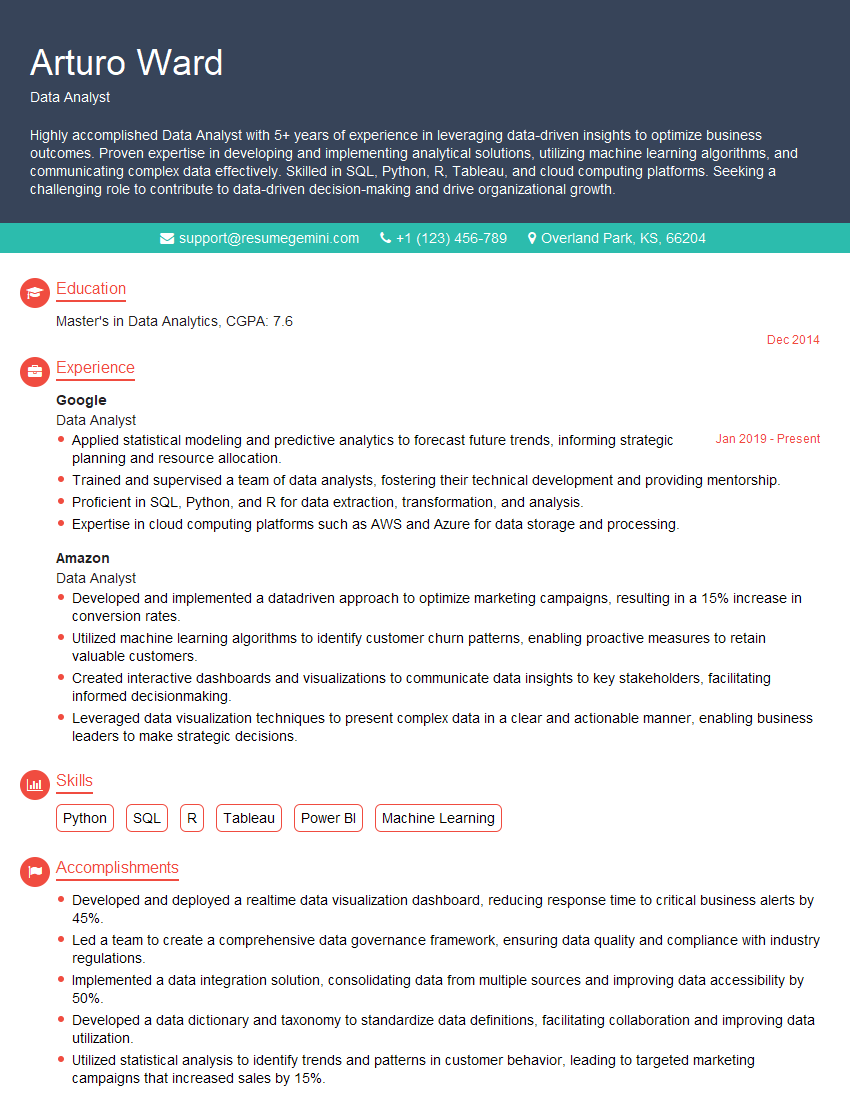
Data Analyst Resume Sample
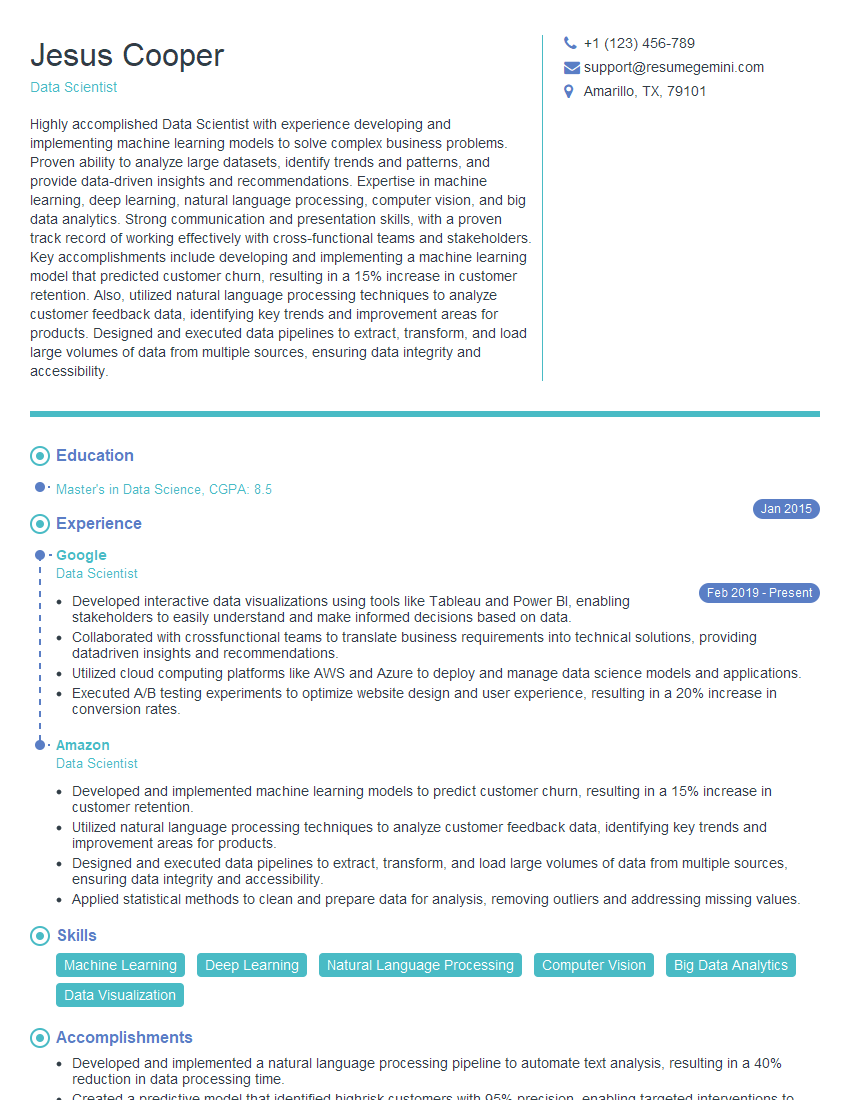
Data Scientist Resume Sample
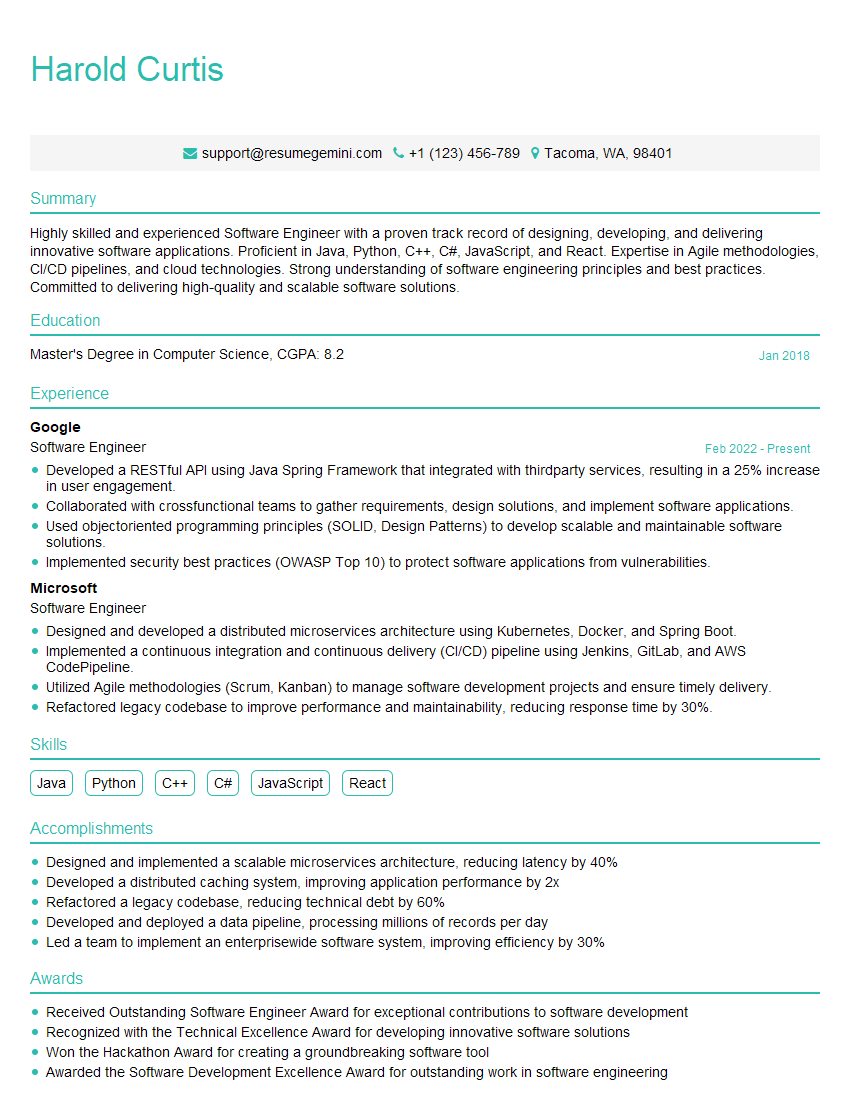
Software Engineer Resume Sample
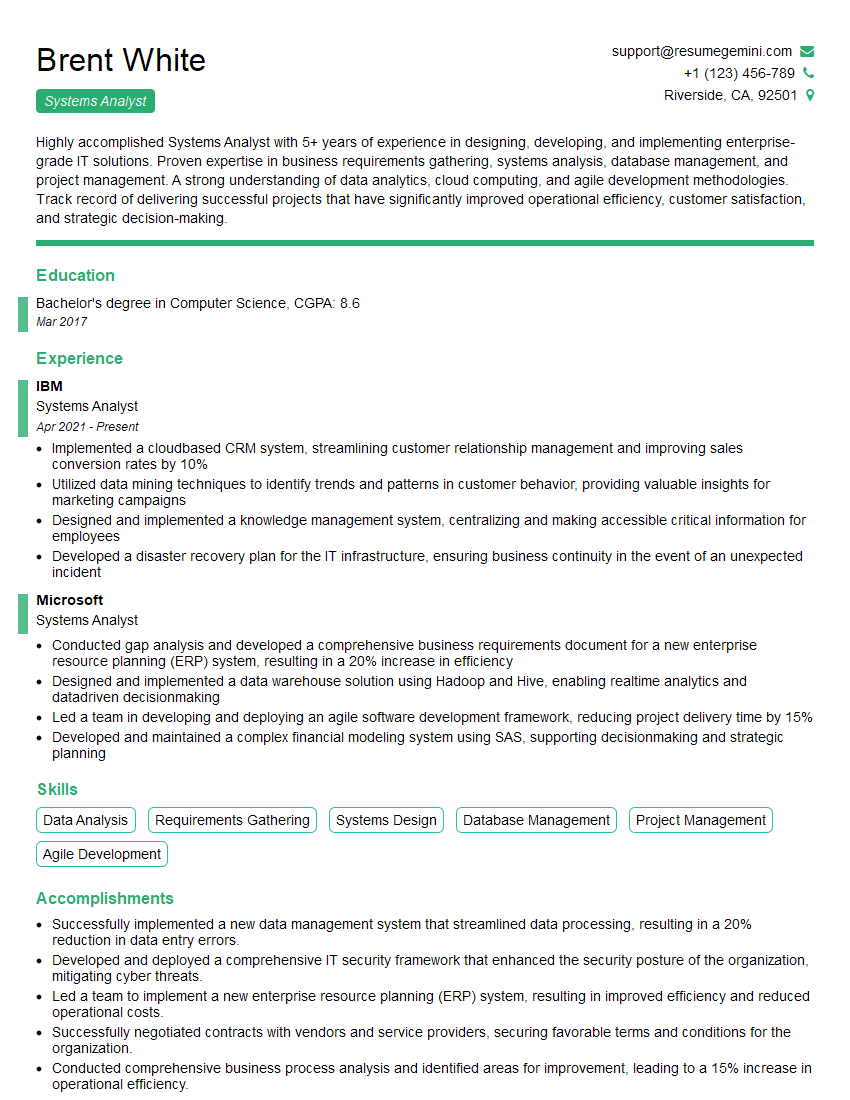
Systems Analyst Resume Sample
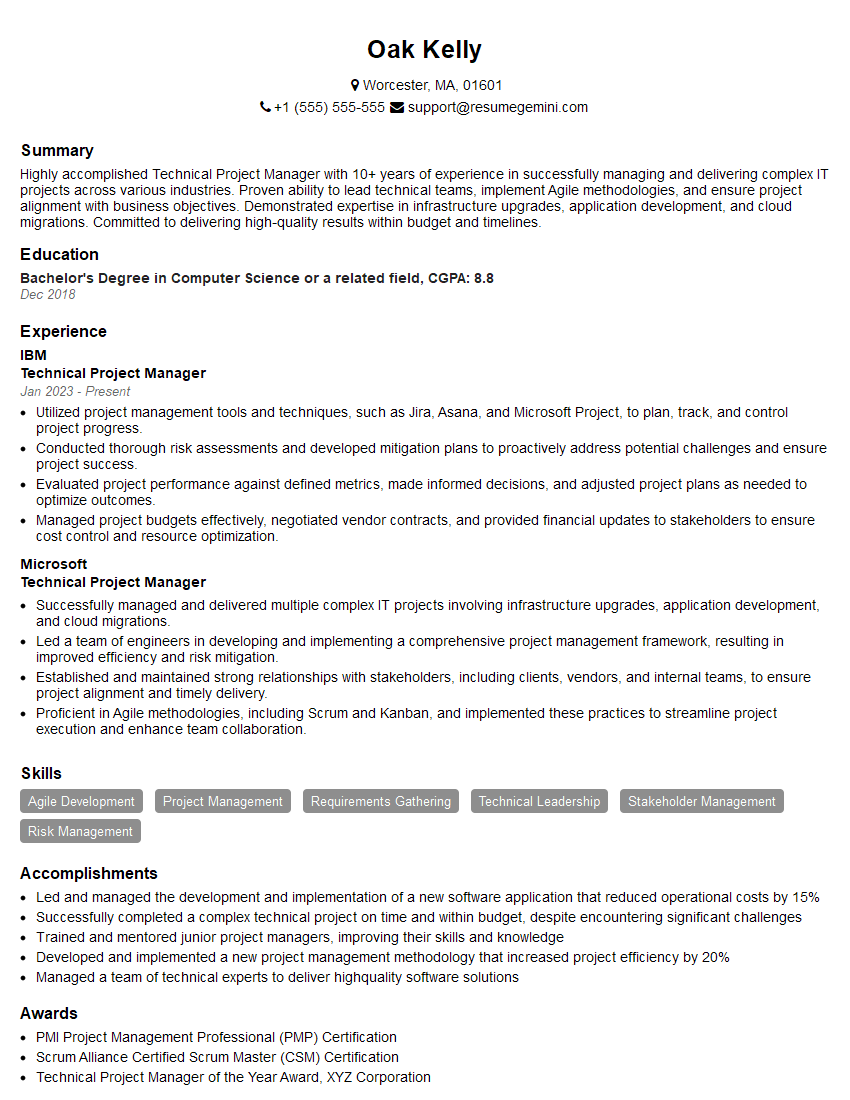
Technical Project Manager Resume Sample
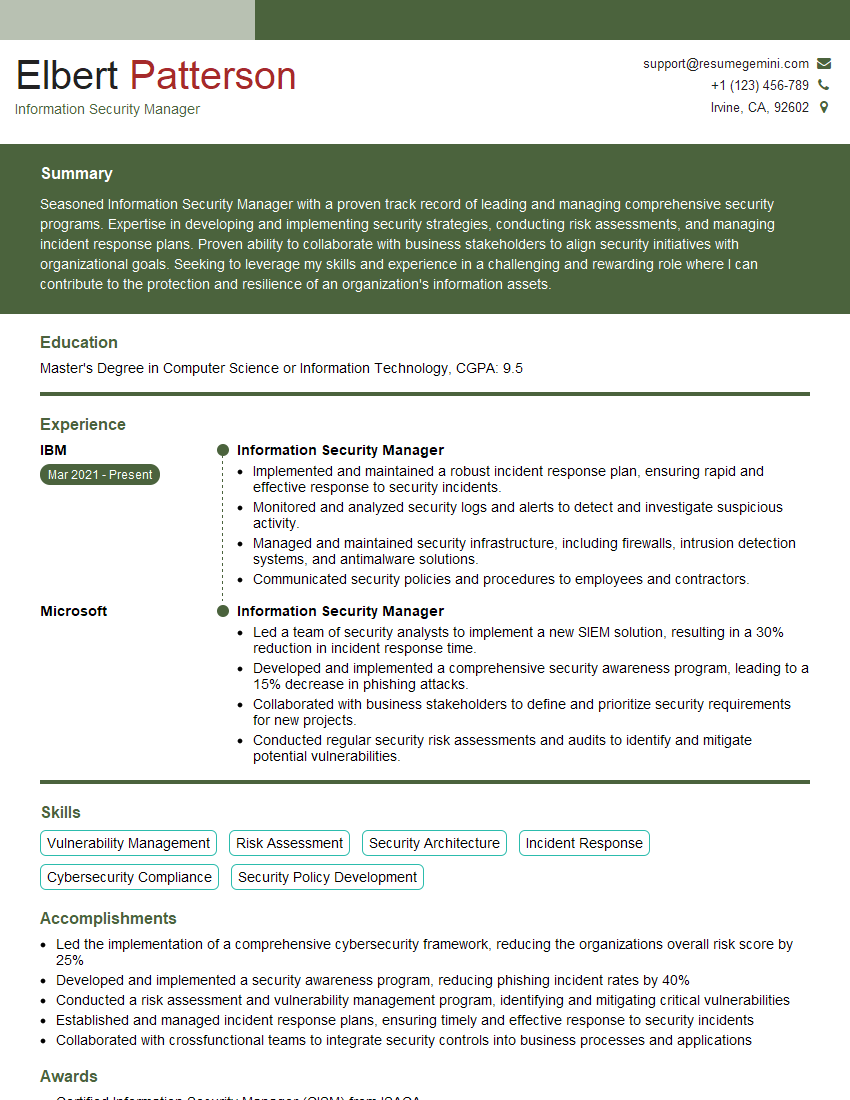
Information Security Manager Resume Sample
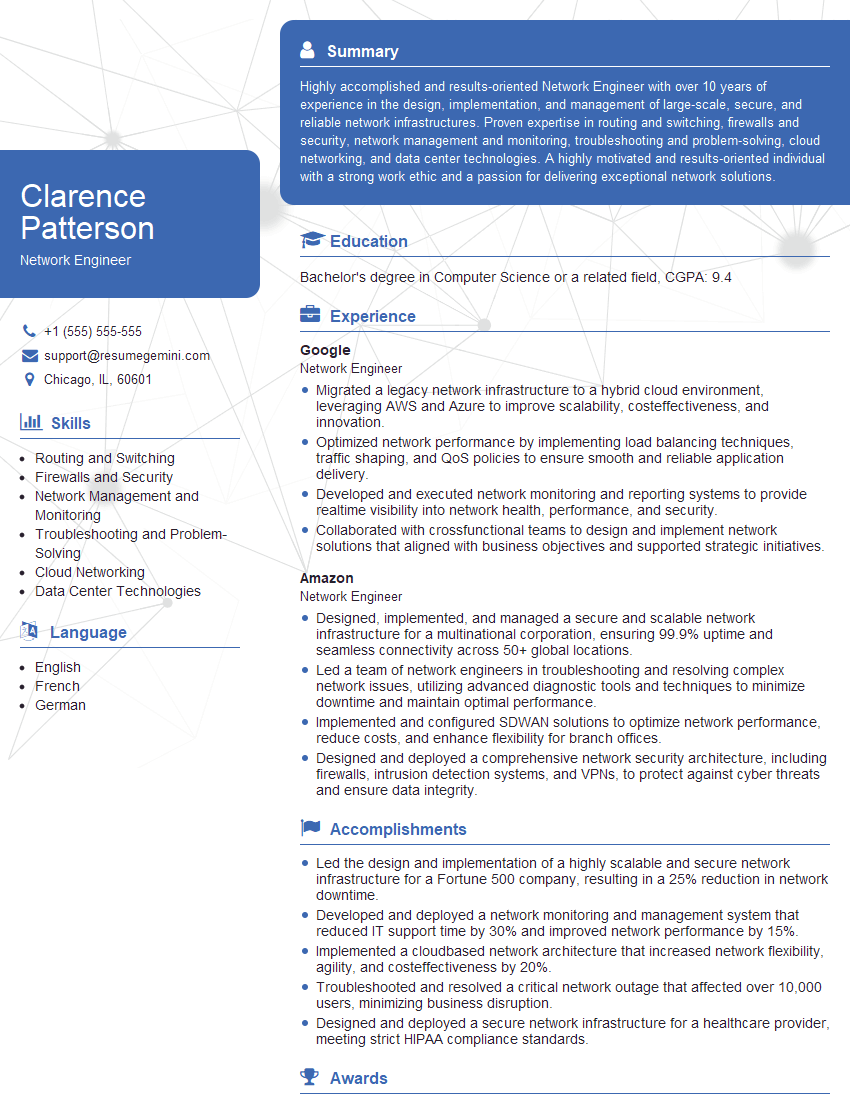
Network Engineer Resume Sample
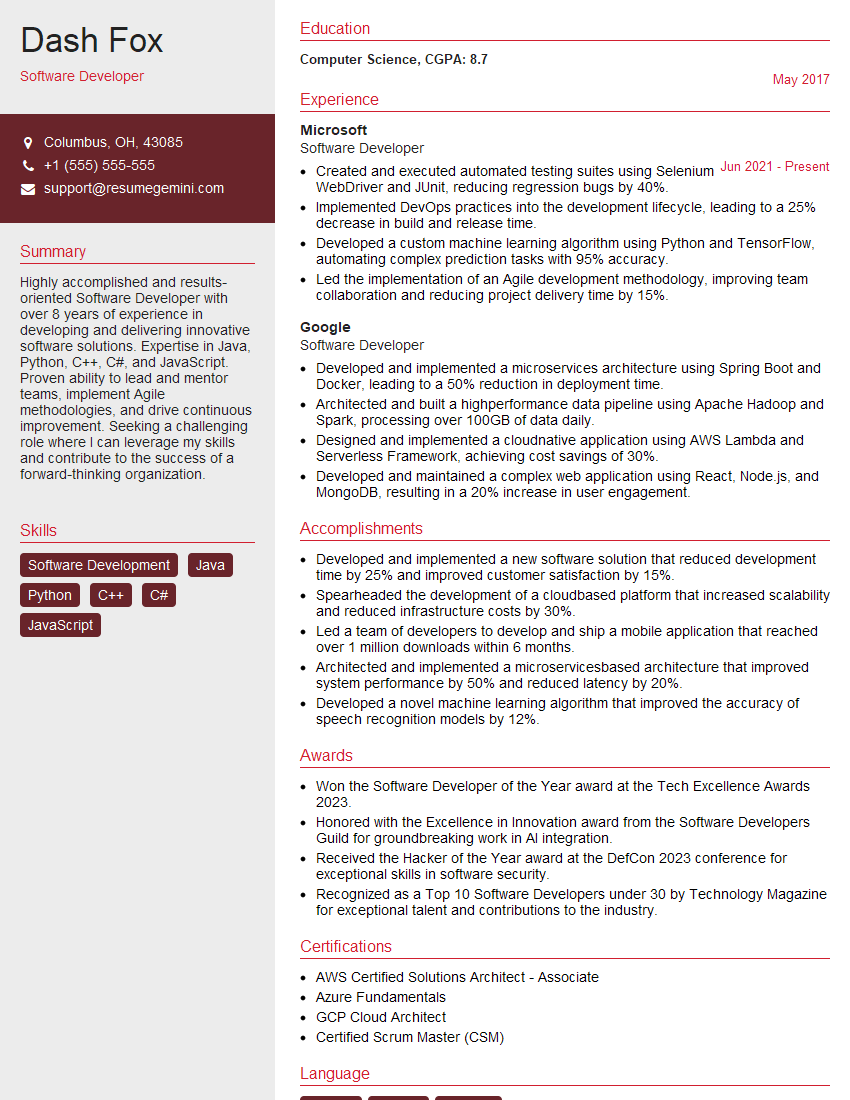
Software Developer Resume Sample
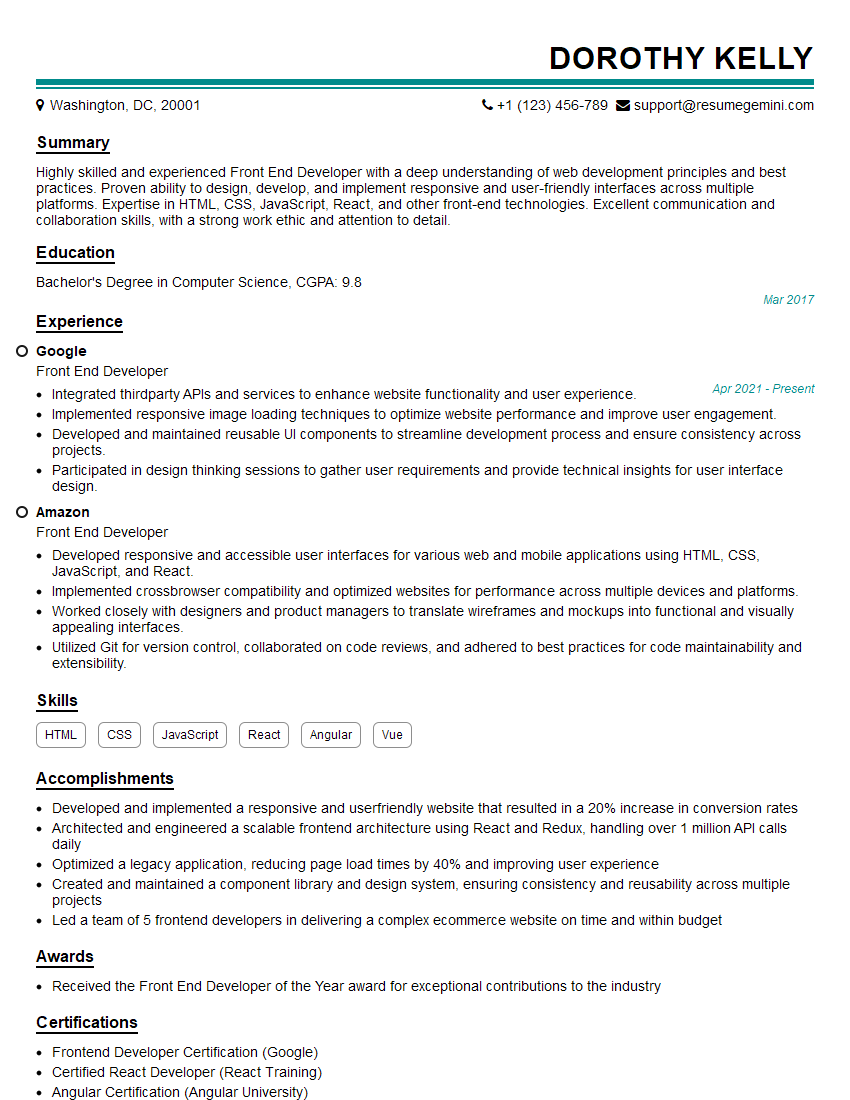
Front End Developer Resume Sample
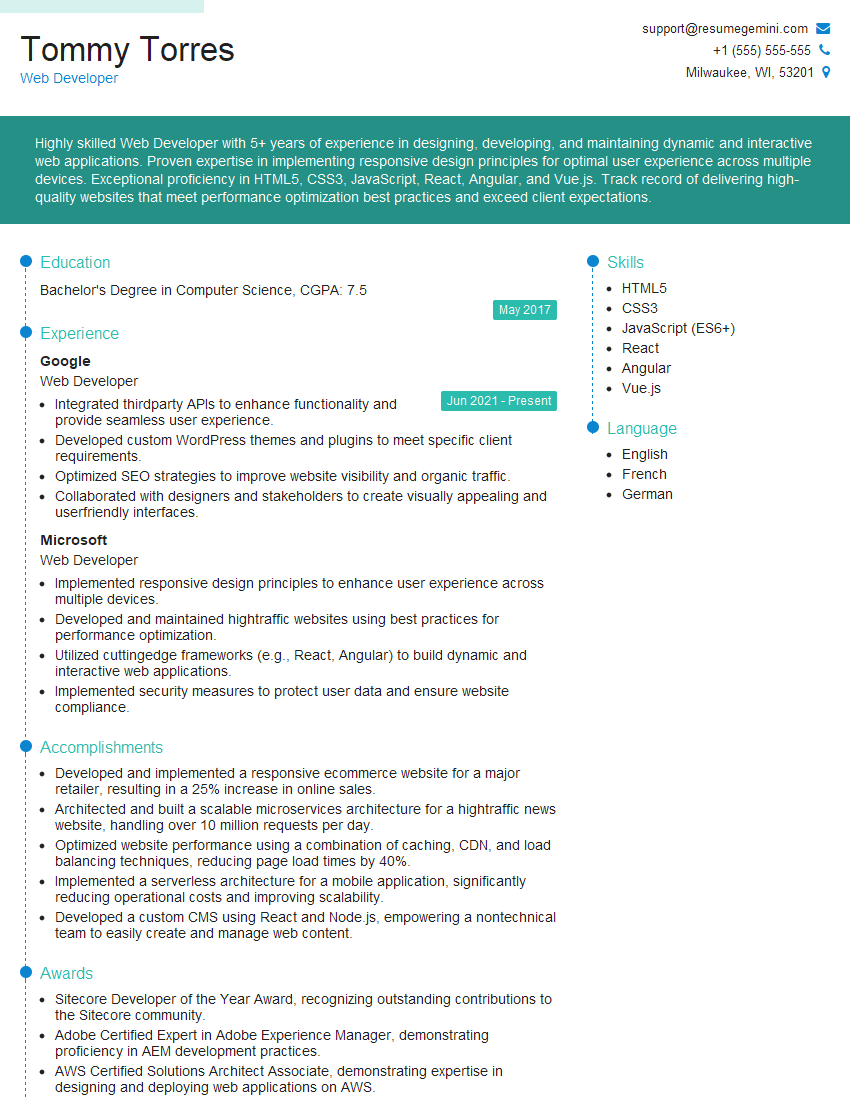
Web Developer Resume Sample
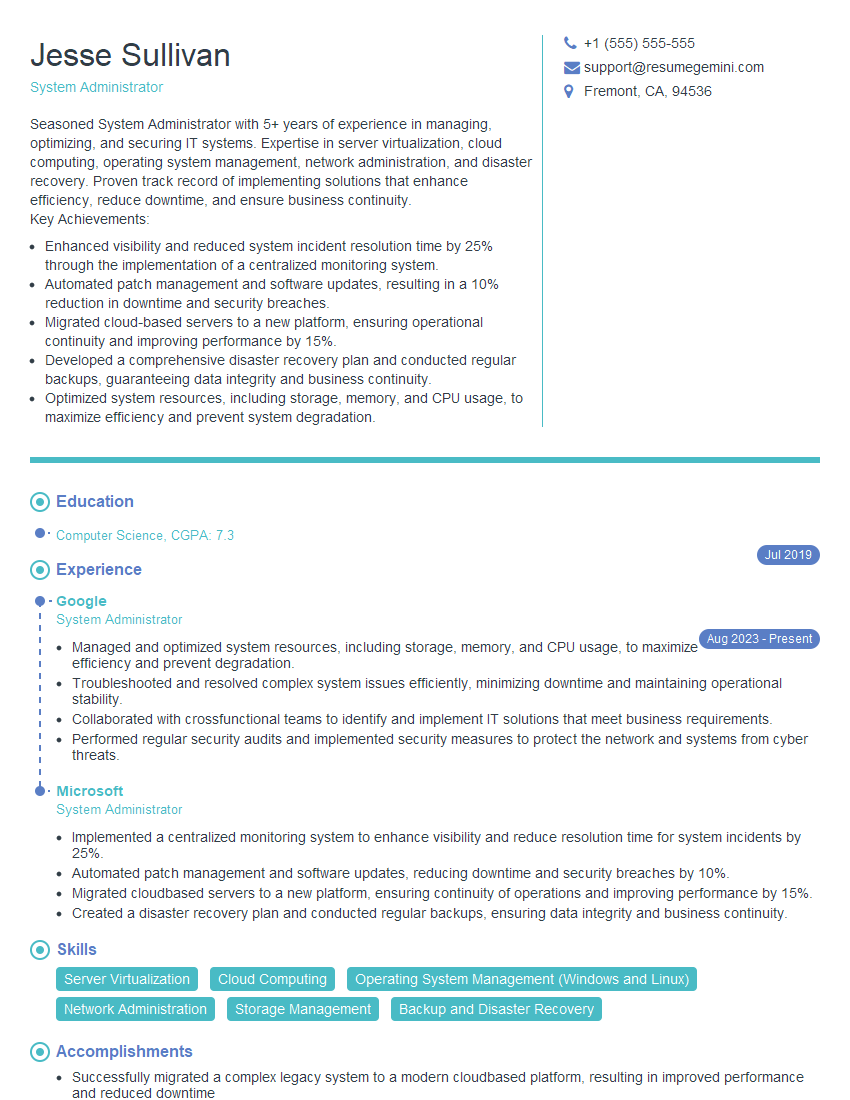
System Administrator Resume Sample
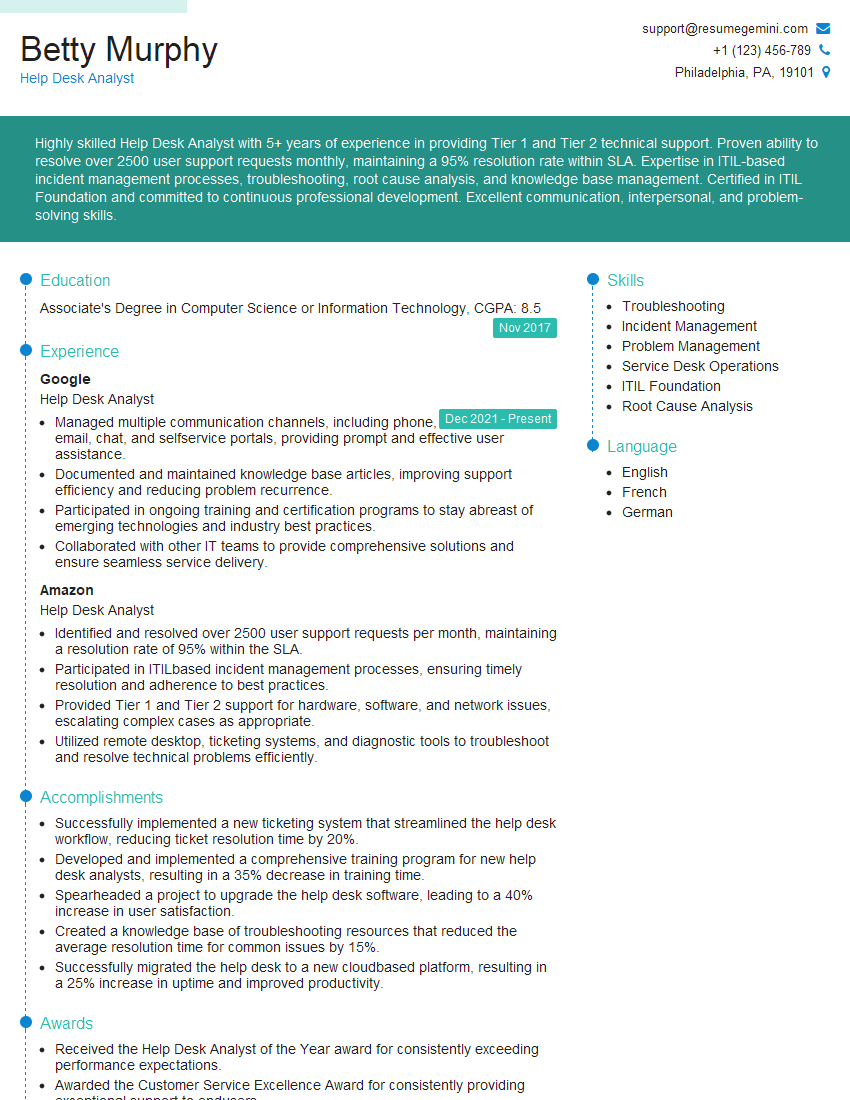
Help Desk Analyst Resume Sample
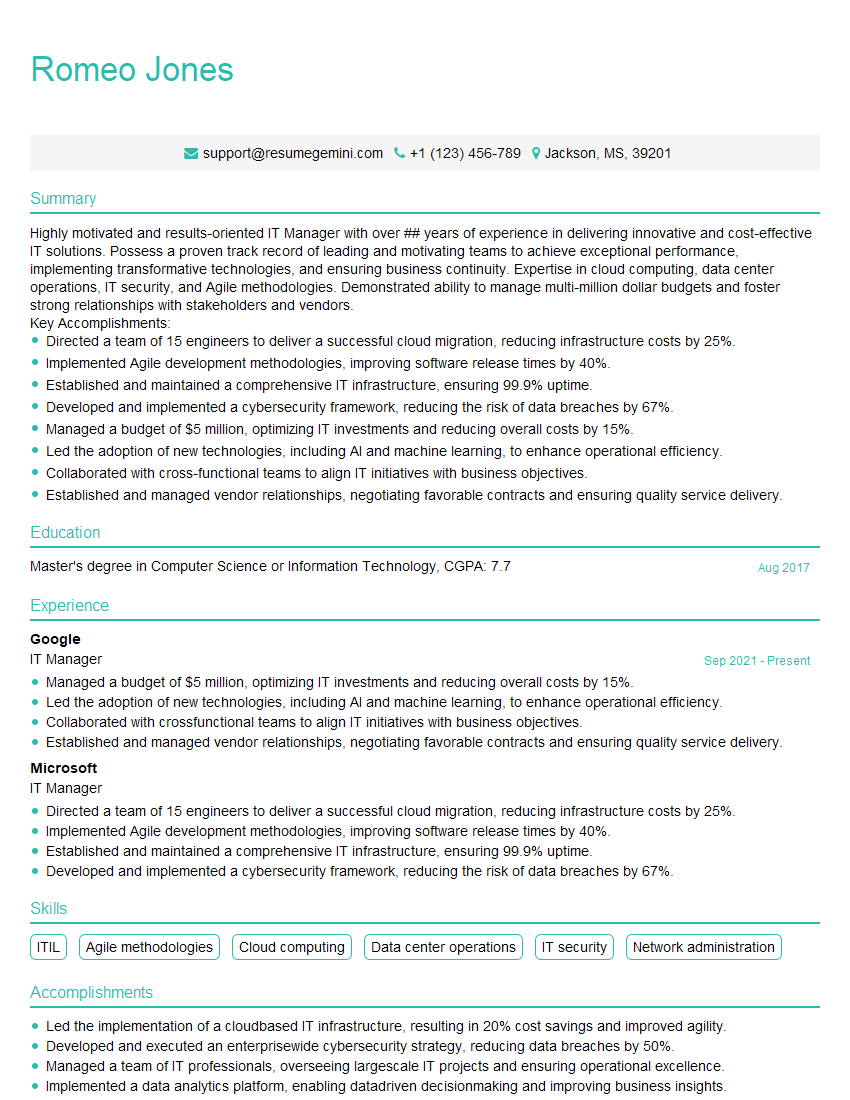
IT Manager Resume Sample

Technical Writer Resume Sample
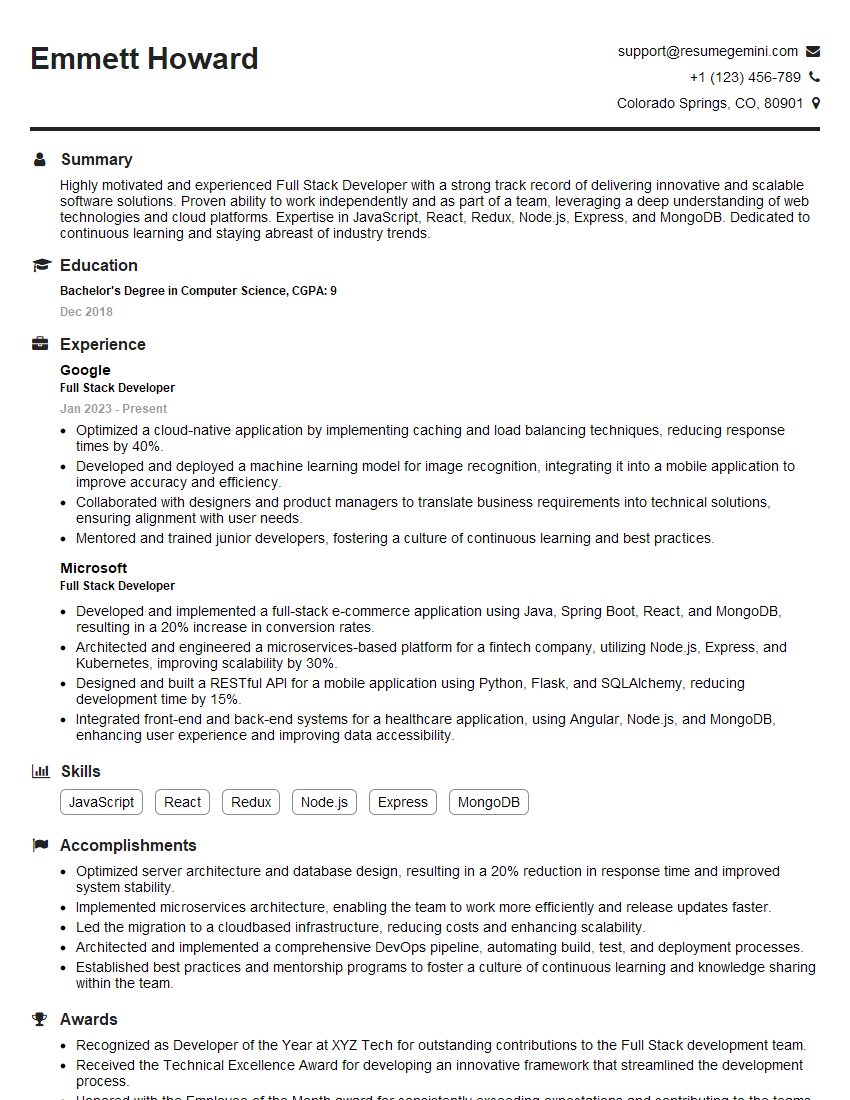
Full Stack Developer Resume Sample
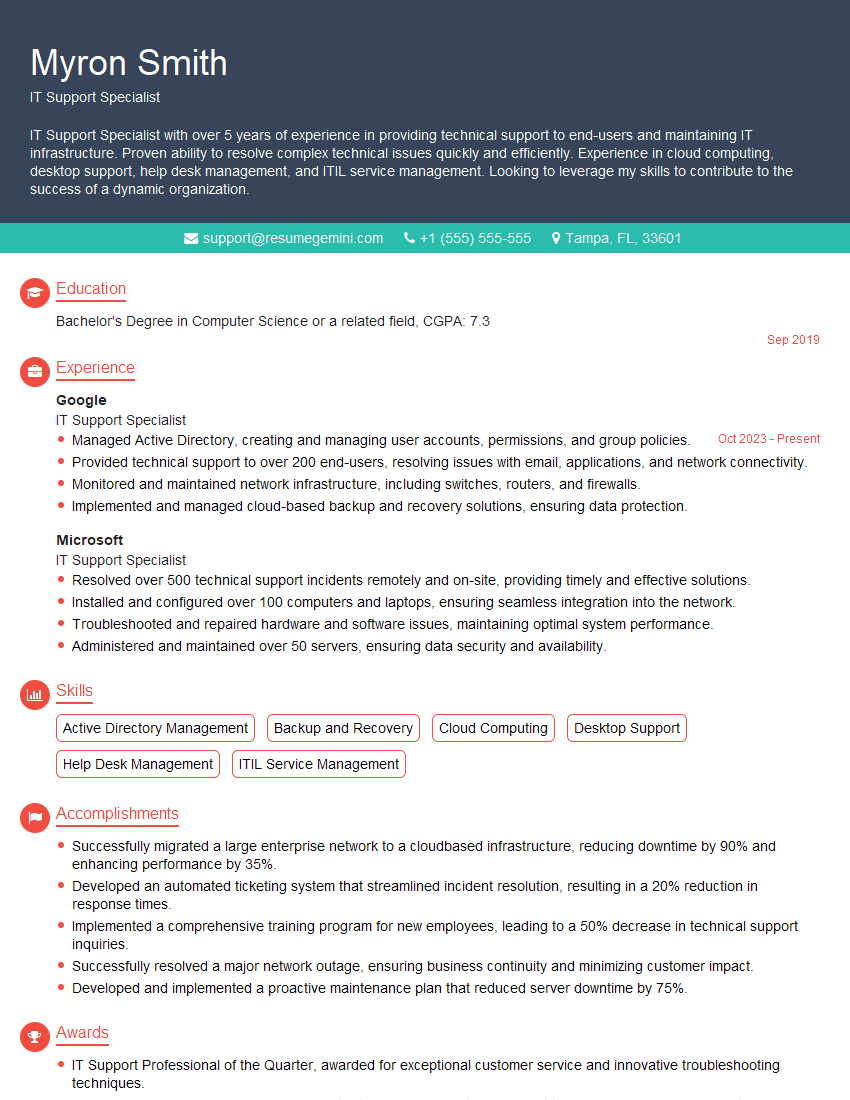
IT Support Specialist Resume Sample
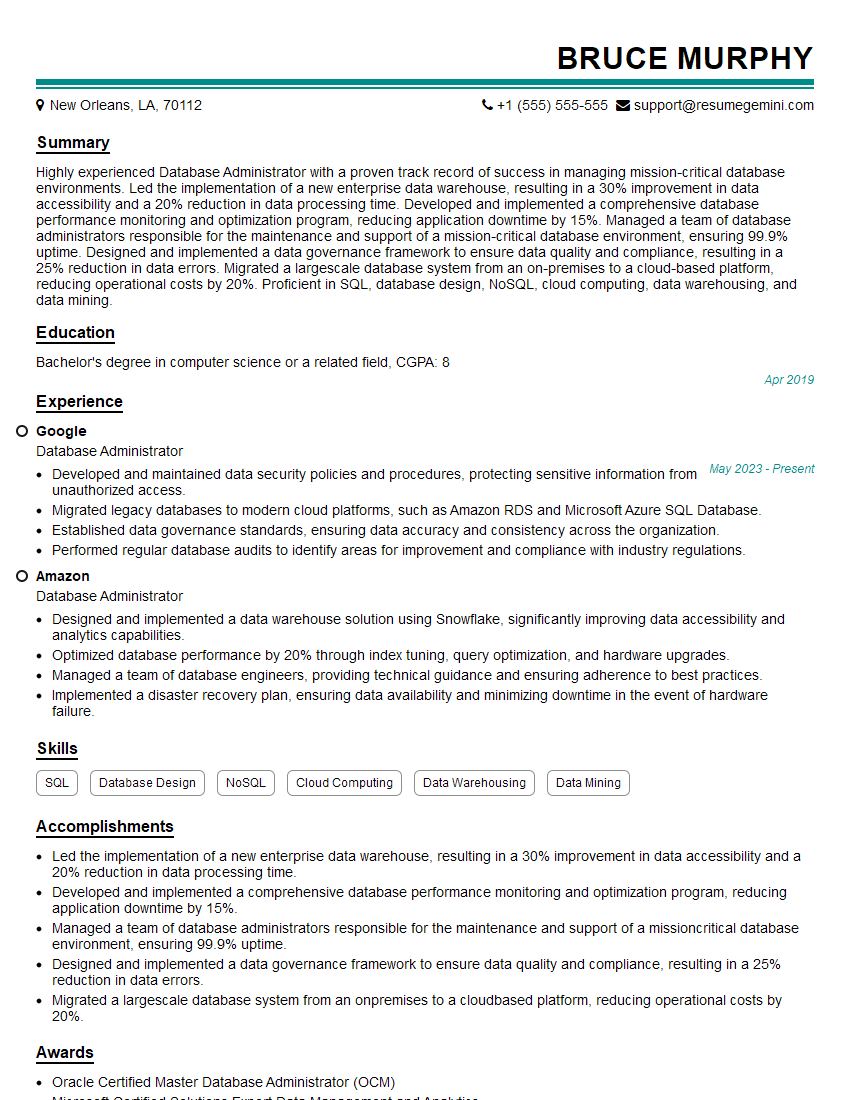
Database Administrator Resume Sample
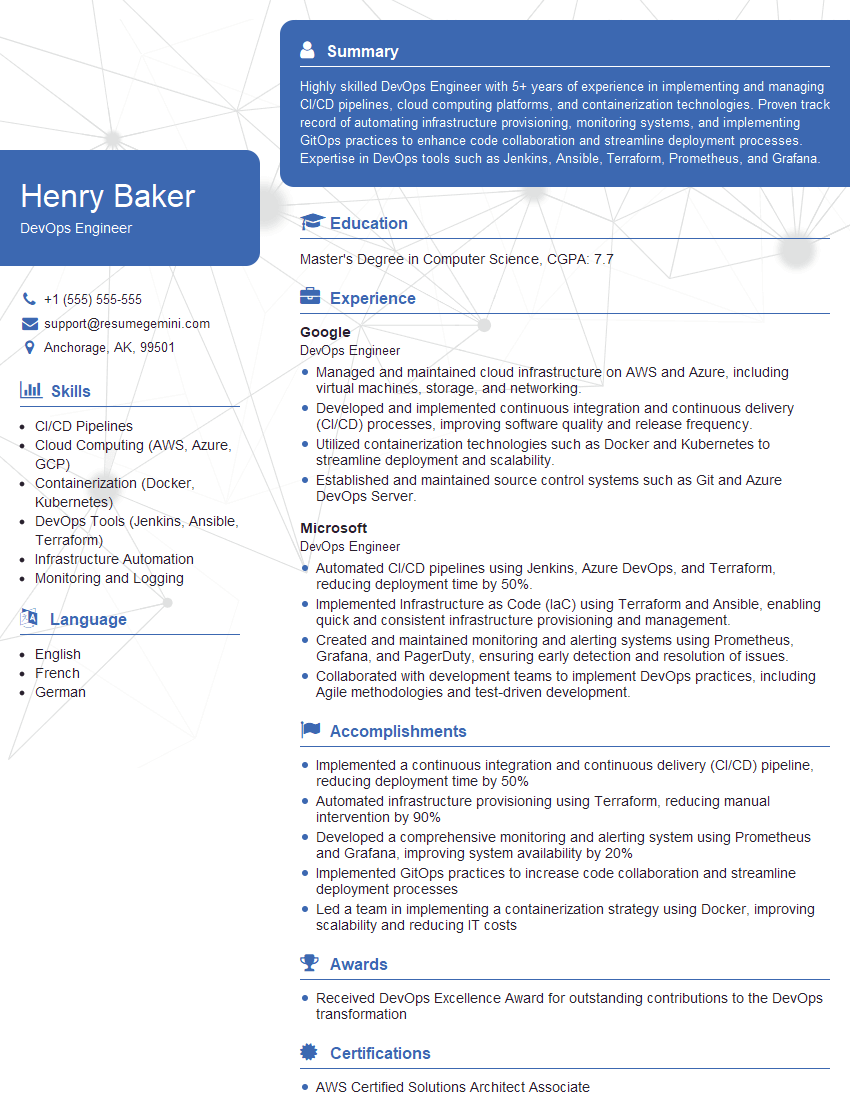
DevOps Engineer Resume Sample
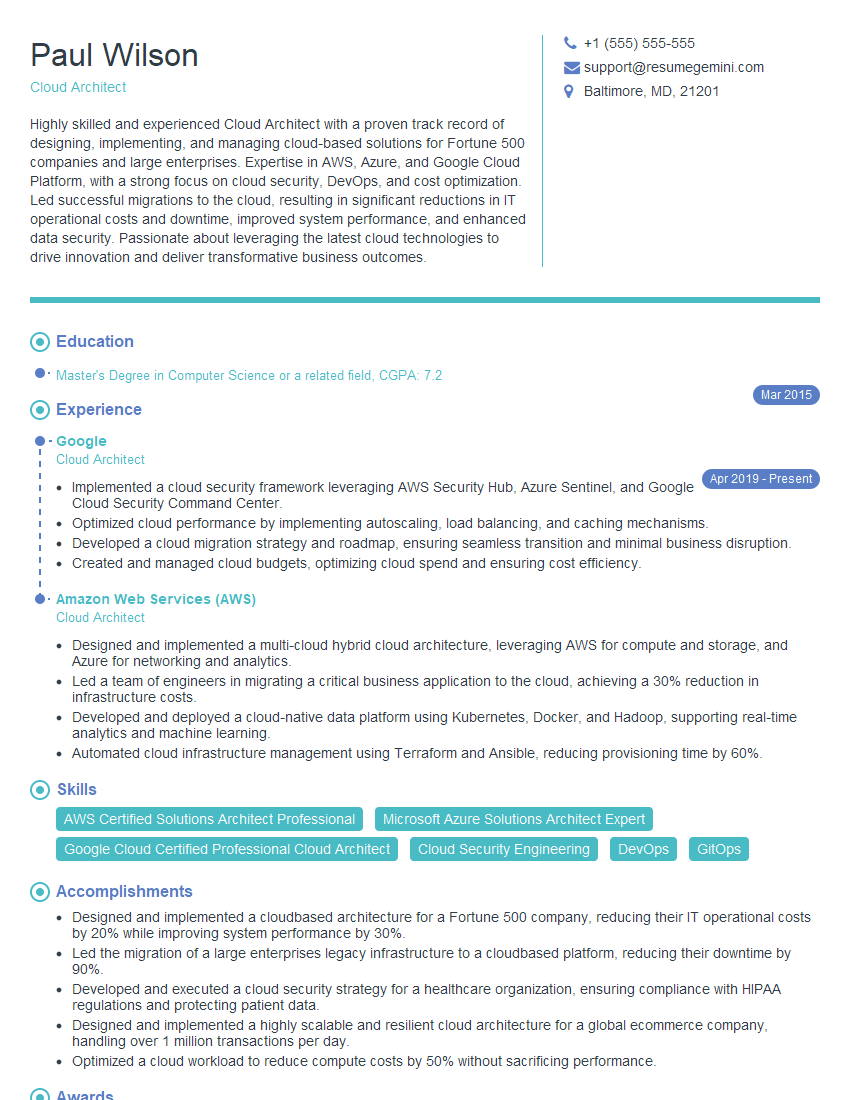
Cloud Architect Resume Sample
- Data Analyst
- Data Scientist
- Software Engineer
- Systems Analyst
- Technical Project Manager
- Information Security Manager
- Network Engineer
- Software Developer
- Front End Developer
- Web Developer
- System Administrator
- Help Desk Analyst
- IT Manager
- Technical Writer
- Full Stack Developer
- IT Support Specialist
- Database Administrator
- DevOps Engineer
- Cloud Architect
Explore more articles
Users Rating of Our Blogs
Share Your Experience
We value your feedback! Please rate our content and share your thoughts (optional).
What Readers Say About Our Blog
Really detailed insights and content, thank you for writing this detailed article.
IT gave me an insight and words to use and be able to think of examples