Every successful interview starts with knowing what to expect. In this blog, we’ll take you through the top Marine Environment Awareness interview questions, breaking them down with expert tips to help you deliver impactful answers. Step into your next interview fully prepared and ready to succeed.
Questions Asked in Marine Environment Awareness Interview
Q 1. Describe the major threats to marine biodiversity.
Marine biodiversity, the variety of life in the ocean, faces numerous threats. Think of it like a complex web – damage to one part affects the whole. Major threats include:
- Habitat destruction: Coastal development, dredging, and destructive fishing practices physically remove or damage vital habitats like coral reefs and seagrass beds. Imagine bulldozing a forest – the animals lose their homes.
- Pollution: This encompasses various forms (discussed later), but all compromise water quality, harming marine organisms directly or indirectly through bioaccumulation (toxins concentrating up the food chain).
- Overfishing: Removing fish populations faster than they can replenish disrupts the delicate balance of the ecosystem. It’s like taking too many apples from a tree – eventually, there are no more apples.
- Climate change: Rising sea temperatures, ocean acidification, and altered weather patterns drastically affect marine life, causing coral bleaching, habitat shifts, and changes in species distribution.
- Invasive species: Non-native species introduced to new environments can outcompete native species for resources and disrupt established ecological interactions. It’s like introducing a new predator into a stable ecosystem – chaos ensues.
Addressing these threats requires a multi-pronged approach involving sustainable practices, policy changes, and international cooperation.
Q 2. Explain the process of eutrophication and its impact on marine ecosystems.
Eutrophication is the excessive enrichment of water bodies with nutrients, primarily nitrogen and phosphorus. Think of it as overfeeding the ocean. This often comes from agricultural runoff, sewage, and industrial discharge.
The process unfolds as follows:
- Nutrient influx: Increased nutrient levels stimulate rapid algal growth, causing algal blooms.
- Algal bloom: These blooms block sunlight, preventing submerged plants from photosynthesizing and leading to their death.
- Decomposition: As algae die and decompose, bacteria consume vast amounts of oxygen, creating ‘dead zones’ with critically low oxygen levels (hypoxia or anoxia).
- Ecosystem disruption: This oxygen depletion kills fish, shellfish, and other marine life, drastically impacting biodiversity and ecosystem health. Imagine a suffocating blanket being thrown over the seafloor.
The Chesapeake Bay in the US is a stark example of eutrophication’s devastating consequences. Large-scale agricultural runoff has fueled massive algal blooms, leading to extensive dead zones and impacting the bay’s valuable fisheries.
Q 3. What are the different types of marine pollution and their sources?
Marine pollution takes many forms, each with diverse sources:
- Plastic pollution: From single-use plastics to microplastics, plastics are ubiquitous. Sources include land-based litter, fishing gear, and industrial discharges. These plastics entangle marine animals, are ingested, and release harmful chemicals.
- Chemical pollution: Industrial waste, pesticides, and oil spills introduce toxic substances into the ocean. These chemicals can bioaccumulate in organisms, leading to severe health problems and even death.
- Noise pollution: Shipping, sonar, and oil exploration create underwater noise that disrupts marine animals’ communication, navigation, and foraging behaviors. Think of the constant, overwhelming sound of a construction site near your home.
- Nutrient pollution (as discussed in eutrophication): Agricultural runoff and sewage overload the ocean with nutrients, leading to harmful algal blooms and oxygen depletion.
- Thermal pollution: Discharge of heated water from power plants raises water temperatures, harming temperature-sensitive species and altering ecosystems.
The sources are diverse, highlighting the need for integrated pollution management strategies targeting land-based sources and maritime activities.
Q 4. Discuss the role of marine protected areas in conservation.
Marine Protected Areas (MPAs) are designated regions in the ocean where human activities are restricted to protect marine ecosystems and biodiversity. They are vital conservation tools, acting as underwater national parks.
Their role includes:
- Habitat protection: MPAs safeguard crucial habitats like coral reefs and seagrass beds, providing safe havens for marine life.
- Species conservation: They protect endangered or threatened species by limiting fishing and other destructive activities. Imagine a protected sanctuary where endangered animals can thrive.
- Fisheries management: Well-managed MPAs can enhance fish stocks in surrounding areas by acting as breeding grounds and nurseries.
- Ecosystem resilience: MPAs help maintain the overall health and resilience of marine ecosystems, allowing them to better withstand environmental stresses like climate change.
- Scientific research: MPAs provide ideal locations for studying marine ecosystems and monitoring their health.
Effective MPAs require robust enforcement, community engagement, and sustainable management plans. The success of MPAs is greatly influenced by their size, location, and the level of protection offered.
Q 5. Explain the concept of ocean acidification and its consequences.
Ocean acidification is the ongoing decrease in the pH of the Earth’s oceans, caused by the absorption of excess carbon dioxide (CO2) from the atmosphere. Think of it as the ocean slowly becoming more acidic, like adding lemon juice to water.
Consequences include:
- Shell formation disruption: Increased acidity makes it harder for marine organisms like corals, shellfish, and plankton to build and maintain their calcium carbonate shells and skeletons. Their shells essentially dissolve.
- Reduced biodiversity: The impact on shell-forming organisms disrupts the entire food web, potentially leading to biodiversity loss and ecosystem collapse.
- Impacts on marine ecosystems: Changes in ocean chemistry affect various physiological processes in marine organisms, influencing their growth, reproduction, and survival.
- Economic impacts: The decline of commercially important shellfish and other species negatively impacts fisheries and related industries.
Mitigating ocean acidification requires reducing CO2 emissions through transitioning to renewable energy and adopting sustainable practices. It’s a global challenge demanding concerted action.
Q 6. Describe the impact of climate change on marine life.
Climate change is profoundly impacting marine life, creating a cascade of effects:
- Rising sea temperatures: Increased water temperatures cause coral bleaching, leading to coral reef death. Many species are also forced to migrate to cooler waters, disrupting established ecosystems.
- Sea level rise: Rising sea levels inundate coastal habitats like mangroves and salt marshes, reducing critical nursery areas and breeding grounds.
- Ocean acidification (discussed above): The absorption of excess CO2 leads to reduced shell formation and impacts marine organism physiology.
- Changes in ocean currents and circulation: Altered ocean currents affect nutrient distribution and species migration patterns.
- Increased frequency and intensity of extreme weather events: Storms and heat waves cause significant damage to marine habitats and populations.
Addressing climate change’s impact requires reducing greenhouse gas emissions and implementing adaptation strategies to help marine ecosystems become more resilient to the changes already underway. This involves international cooperation and sustainable practices.
Q 7. What are the key regulations governing marine environmental protection in [relevant region/country]?
(Note: This answer requires specifying a region/country. The following is a general example using the United States as an example. Replace this with the specific regulations of the desired location.)
In the United States, marine environmental protection is governed by a complex network of federal and state laws and regulations. Key legislation includes:
- Clean Water Act (CWA): Regulates the discharge of pollutants into navigable waters, including the ocean.
- Marine Mammal Protection Act (MMPA): Protects marine mammals from harm and ensures their conservation.
- Endangered Species Act (ESA): Protects endangered and threatened marine species and their habitats.
- National Environmental Policy Act (NEPA): Requires federal agencies to assess the environmental impact of their actions, including those affecting the marine environment.
- Ocean Dumping Act: Regulates the dumping of materials into ocean waters.
Many states also have their own regulations to further protect coastal and marine environments. Enforcement involves various agencies, including the National Oceanic and Atmospheric Administration (NOAA), the Environmental Protection Agency (EPA), and state environmental agencies. Compliance with these regulations is crucial to ensure the sustainability of marine resources.
Q 8. Explain the principles of sustainable fisheries management.
Sustainable fisheries management aims to maintain healthy fish populations and marine ecosystems while providing long-term economic and social benefits. It’s about balancing the needs of fishing communities with the capacity of the ocean to replenish itself. This is achieved through a set of principles centered around understanding and managing the entire ecosystem.
- Understanding Stock Assessments: Scientists meticulously track fish populations (abundance, age structure, growth rates) to determine their health and capacity for sustainable harvest. This involves sophisticated models and data collection methods.
- Setting Catch Limits: Based on stock assessments, regulations are implemented to set Total Allowable Catches (TACs) – the maximum amount of a species that can be harvested without jeopardizing its future. This often involves precautionary approaches, erring on the side of caution when data is limited.
- Gear Restrictions: Regulations can restrict the type of fishing gear used, limiting bycatch (unintentional capture of non-target species). For example, turtle excluder devices (TEDs) in shrimp trawls reduce sea turtle mortality.
- Spatial Management: Marine Protected Areas (MPAs) create zones where fishing is restricted or prohibited, allowing fish populations to recover and providing breeding grounds. These can be no-take zones or areas with restricted fishing activity.
- Ecosystem-Based Management: This approach considers the entire marine ecosystem, not just individual fish stocks. It accounts for interactions between different species and habitats, aiming for holistic conservation.
- Community Engagement: Effective management requires the involvement of all stakeholders, including fishers, scientists, managers, and local communities. Collaboration is essential for successful implementation and compliance.
For example, the Magnuson-Stevens Fishery Conservation and Management Act in the US provides a framework for sustainable fisheries management, combining scientific assessments, catch limits, and regional management councils.
Q 9. What are the different methods used for monitoring marine pollution?
Monitoring marine pollution involves a multifaceted approach using various methods to detect, quantify, and track pollutants in different compartments of the marine environment. These methods span from direct sampling to remote sensing techniques.
- Water Sampling and Analysis: This involves collecting water samples at various depths and locations, followed by laboratory analysis to identify and quantify pollutants like heavy metals, pesticides, and organic compounds. The frequency of sampling depends on the suspected level and type of pollution.
- Sediment Analysis: Sediments act as sinks for many pollutants, preserving a historical record of contamination. Analyzing sediment cores can reveal patterns of pollution over time.
- Biomonitoring: This technique uses organisms like shellfish or fish as indicators of pollution. The presence and levels of pollutants in their tissues reflect the contamination of the surrounding environment.
- Remote Sensing: Satellite imagery and aerial surveys are employed to monitor large-scale pollution events like oil spills or algal blooms. These technologies offer rapid detection and assessment of pollution extent.
- Acoustic Monitoring: Sonar and other acoustic techniques are used to detect and track underwater noise pollution from shipping, sonar systems, and other sources. This is crucial for marine mammal conservation.
Imagine a coastal region suspected of heavy metal contamination. Scientists might employ water sampling, sediment analysis, and biomonitoring of local shellfish to determine the extent and source of the contamination.
Q 10. Discuss the role of technology in marine environmental monitoring.
Technology plays a pivotal role in enhancing the efficiency, accuracy, and scope of marine environmental monitoring. It enables us to collect and analyze vast amounts of data, leading to better informed decisions.
- Autonomous Underwater Vehicles (AUVs): AUVs can explore and sample remote and hazardous areas of the ocean, collecting data on water quality, temperature, salinity, and other parameters. They provide a cost-effective way to gather data over large spatial scales.
- Remote Sensing Satellites: Satellites offer synoptic views of vast ocean areas, providing information on ocean color, sea surface temperature, and the distribution of phytoplankton, helping to monitor large-scale pollution events and climate change impacts.
- Environmental DNA (eDNA) metabarcoding: This innovative technique allows scientists to detect the presence of various species in a water sample by analyzing their DNA, helping to monitor biodiversity and track invasive species.
- Oceanographic buoys and moorings: These instruments collect real-time data on ocean conditions, providing valuable insights into ocean currents, wave heights, and water quality. This information is vital for forecasting extreme weather events and pollution dispersal patterns.
- Data analytics and machine learning: These techniques help analyze the large datasets collected from various sources, identifying patterns and trends that may not be apparent through visual inspection, leading to more accurate predictions and better management strategies.
For example, machine learning algorithms can be trained to analyze satellite imagery to identify and classify different types of marine debris, allowing for more efficient cleanup efforts.
Q 11. How can we mitigate the impacts of plastic pollution in the oceans?
Mitigating plastic pollution in our oceans requires a multi-pronged approach targeting prevention, cleanup, and policy changes. This is a global challenge demanding coordinated international efforts.
- Reduce Plastic Production and Consumption: The most effective strategy is to reduce the production and use of single-use plastics, promoting reusable alternatives and improving waste management infrastructure to minimize plastic leakage into the environment.
- Improve Waste Management: Investing in better waste collection and recycling systems, particularly in developing countries, is critical to prevent plastic from entering waterways.
- Ocean Cleanup Initiatives: Technological solutions, like specialized vessels and technologies that collect plastic from the ocean surface and deeper layers, are emerging but remain a supplementary approach to the main focus of prevention.
- Bioremediation: Research into microorganisms that can break down plastic is ongoing, offering a potential future solution but still in its early stages.
- Policy and Legislation: International agreements and national regulations are needed to restrict the production and use of certain types of plastics, promote responsible plastic management, and hold polluters accountable.
- Public Awareness and Education: Educating the public about the impacts of plastic pollution and promoting individual actions like reducing plastic consumption, proper disposal, and participating in cleanup initiatives is paramount.
The Ocean Cleanup project demonstrates a technological approach to removing plastic from the oceans, but it’s crucial to remember that this is not a substitute for prevention strategies.
Q 12. Explain the concept of marine spatial planning.
Marine spatial planning (MSP) is a public process of analyzing and allocating the spatial and temporal distribution of human activities in marine areas to achieve ecological, economic, and social objectives. It’s essentially a tool for managing human use of the ocean sustainably. Imagine it as zoning for the ocean.
MSP involves several key steps:
- Scoping and Stakeholder Engagement: Identifying the relevant stakeholders, defining the geographic area, and establishing the objectives of the planning process.
- Data Collection and Analysis: Gathering comprehensive data on the marine environment, including biodiversity, habitats, water quality, and human activities.
- Developing Spatial Scenarios: Creating different scenarios for the allocation of marine space, considering various economic, environmental, and social goals.
- Evaluation and Selection: Assessing the trade-offs and impacts of different scenarios and selecting the most appropriate plan based on a set of criteria.
- Implementation and Monitoring: Putting the plan into effect and establishing a monitoring program to track its effectiveness and make necessary adjustments.
A successful MSP process in a coastal region might balance the needs of fishing communities, tourism operators, renewable energy developers, and conservation goals by designating specific areas for each activity, minimizing conflicts and maximizing benefits.
Q 13. What are the challenges involved in restoring degraded marine habitats?
Restoring degraded marine habitats is a complex and challenging undertaking. Success depends on understanding the specific causes of degradation and employing tailored restoration strategies.
- Identifying the Causes of Degradation: Accurate diagnosis is crucial. Pollution, overfishing, habitat destruction, and climate change can all contribute to habitat degradation, and each requires different restoration approaches.
- Site Selection and Assessment: Choosing suitable sites for restoration, considering factors like water quality, sediment conditions, and the presence of suitable species for reintroduction.
- Restoration Techniques: Techniques vary depending on the habitat type and the nature of the degradation. This could involve removing pollutants, replanting seagrass beds, creating artificial reefs, or restoring coral reefs through coral gardening or assisted evolution.
- Monitoring and Evaluation: Regular monitoring is crucial to assess the effectiveness of restoration efforts and adapt strategies as needed. Success depends on tracking key indicators such as species abundance, habitat coverage, and water quality.
- Funding and Resources: Marine habitat restoration is expensive and requires long-term commitment. Securing sufficient funding and resources is often a major hurdle.
- Unpredictability and Uncertainty: Natural events such as storms or disease outbreaks can hinder restoration efforts, making it essential to be adaptable and flexible.
Restoring a degraded coral reef, for example, might involve removing pollutants, controlling invasive species, and propagating coral fragments in nurseries before transplanting them onto the reef. The success of such a project depends on careful planning, appropriate techniques, and consistent monitoring.
Q 14. Describe the process of conducting an environmental impact assessment for a marine project.
An Environmental Impact Assessment (EIA) for a marine project is a systematic process to identify, predict, evaluate, and mitigate the potential environmental impacts of a proposed activity. It ensures that environmental concerns are considered during the planning and decision-making process.
The process typically includes:
- Scoping: Identifying the potential impacts of the project and defining the scope of the EIA.
- Baseline Studies: Collecting data on the existing environment, including physical, chemical, and biological characteristics. This establishes a reference point against which to measure changes.
- Impact Prediction: Predicting the potential impacts of the project on various environmental components, using models, expert judgment, and other techniques.
- Impact Evaluation: Assessing the significance of the predicted impacts, considering factors such as magnitude, duration, and reversibility.
- Mitigation Measures: Developing strategies to avoid, reduce, or compensate for negative impacts.
- Monitoring and Evaluation Plan: Developing a plan for monitoring the environmental impacts of the project during its construction and operational phases, and for assessing the effectiveness of mitigation measures.
- Reporting: Preparing a comprehensive report summarizing the findings of the EIA, including predictions of environmental impacts, mitigation measures, and a monitoring plan.
For a proposed offshore wind farm, the EIA would consider impacts on marine mammals (noise, collision risk), birds, benthic habitats, water quality, and visual impacts. The report would then outline measures to mitigate these impacts, such as using quieter turbine designs, adjusting the location of turbines to avoid sensitive habitats, and establishing monitoring programs for marine mammals and birds.
Q 15. What is the importance of public awareness in marine conservation?
Public awareness is the bedrock of successful marine conservation. Without widespread understanding of the threats facing our oceans and the importance of marine ecosystems, conservation efforts will struggle to gain traction and achieve meaningful impact. Imagine trying to protect a forest without people understanding the value of trees – it’s simply not possible. Effective public awareness campaigns educate individuals about the interconnectedness of marine life, the consequences of pollution and overfishing, and the vital role healthy oceans play in climate regulation and human well-being. This fosters a sense of responsibility and encourages individuals to make sustainable choices, support conservation initiatives, and advocate for stronger environmental policies.
For example, campaigns highlighting the impact of plastic pollution on marine animals have significantly increased public awareness, leading to reduced plastic consumption and increased support for cleanup efforts. Similarly, educational programs in schools and community outreach initiatives can instill a sense of stewardship in future generations, ensuring long-term commitment to ocean conservation.
Career Expert Tips:
- Ace those interviews! Prepare effectively by reviewing the Top 50 Most Common Interview Questions on ResumeGemini.
- Navigate your job search with confidence! Explore a wide range of Career Tips on ResumeGemini. Learn about common challenges and recommendations to overcome them.
- Craft the perfect resume! Master the Art of Resume Writing with ResumeGemini’s guide. Showcase your unique qualifications and achievements effectively.
- Don’t miss out on holiday savings! Build your dream resume with ResumeGemini’s ATS optimized templates.
Q 16. How can you measure the success of a marine conservation project?
Measuring the success of a marine conservation project requires a multi-faceted approach. It’s not enough to simply say ‘we cleaned up a beach’ – we need quantifiable results. Success can be measured through a range of ecological, social, and economic indicators.
- Ecological Indicators: These assess changes in the health of the marine environment. This might involve monitoring populations of key species, measuring water quality parameters (e.g., dissolved oxygen, nutrient levels), assessing habitat restoration progress (e.g., coral reef recovery), or analyzing the abundance and diversity of marine life.
- Social Indicators: These gauge the impact on communities. We might look at changes in fishing yields, increased participation in ecotourism, improved community attitudes towards conservation, or increased engagement in citizen science projects.
- Economic Indicators: These can include changes in local economies related to sustainable fisheries, ecotourism revenue, or cost savings from reduced pollution cleanup.
For instance, the success of a coral reef restoration project could be measured by the increase in coral cover, the return of key fish species, and the improved livelihoods of local communities reliant on reef-based tourism. A comprehensive monitoring program employing a combination of these indicators is crucial for evaluating the true effectiveness of any conservation initiative.
Q 17. Describe your understanding of the precautionary principle in marine environmental management.
The precautionary principle in marine environmental management dictates that where there are threats of serious or irreversible damage, lack of full scientific certainty shall not be used as a reason for postponing cost-effective measures to prevent environmental degradation. In simpler terms, it’s better to be safe than sorry. If there’s a potential risk to the marine environment, even if the scientific evidence isn’t completely conclusive, we should still take action to mitigate that risk.
This is particularly relevant in the context of marine conservation because many marine ecosystems are complex, and the consequences of damage can be long-lasting and difficult to reverse. For example, introducing a new species into a marine ecosystem could have unforeseen and potentially devastating consequences. The precautionary principle would suggest carefully assessing the potential risks before introducing such a species, even if there is limited direct evidence of harm. This principle is enshrined in numerous international environmental agreements and guides many decision-making processes in marine environmental management.
Q 18. What are some examples of successful marine conservation initiatives?
Numerous successful marine conservation initiatives demonstrate the power of dedicated action. One example is the establishment of marine protected areas (MPAs). These designated zones restrict human activities to protect biodiversity and allow ecosystems to recover. The Great Barrier Reef Marine Park in Australia, while facing ongoing challenges, showcases the effectiveness of MPAs in safeguarding critical habitats. Another example is the success of various sea turtle conservation programs worldwide, which combine habitat protection, nest monitoring, and community engagement to increase nesting success and protect vulnerable populations. Finally, the recovery of certain whale populations due to international whaling moratoriums and regulations demonstrates the positive impact of international collaboration in conservation efforts.
Q 19. Explain the difference between point and non-point source pollution.
Point source pollution refers to pollution from a single, identifiable source. Think of it like a dripping tap – you know exactly where the water is coming from. Examples include industrial discharge pipes releasing wastewater directly into the ocean, or a leaking oil tanker. This makes point source pollution relatively easier to monitor and regulate.
Non-point source pollution is far more diffuse and harder to pinpoint. It comes from multiple, widely dispersed sources. Imagine rain washing pollutants from agricultural fields or urban areas into rivers and eventually the ocean. These pollutants, such as fertilizers, pesticides, and sediment, are carried over a wide area and are challenging to track to a single origin. This makes regulating non-point source pollution far more complex and requires a holistic approach focusing on land management practices.
Q 20. Discuss the role of international collaborations in addressing marine environmental challenges.
International collaborations are crucial for addressing marine environmental challenges because many of these problems transcend national boundaries. Pollution, overfishing, and climate change don’t respect political borders. The ocean is a shared resource, and coordinated international action is essential for effective management. International treaties and agreements, such as the UN Convention on the Law of the Sea (UNCLOS) and various regional fisheries management organizations, provide frameworks for cooperation. These collaborations enable sharing of data and best practices, coordinated enforcement of regulations, and joint research efforts.
For example, the global fight against illegal, unreported, and unregulated (IUU) fishing requires international cooperation to track fishing vessels, enforce regulations, and share intelligence to prevent overfishing and protect vulnerable species. Similarly, addressing plastic pollution demands global collaboration on reducing plastic production and improving waste management systems.
Q 21. What are the key indicators of a healthy marine ecosystem?
A healthy marine ecosystem is characterized by a complex interplay of several key indicators. These indicators reflect the overall health and resilience of the system.
- Biodiversity: High species richness and abundance, with a balanced representation of different trophic levels (producers, consumers, decomposers).
- Water quality: Clear, clean water with appropriate levels of dissolved oxygen, nutrients, and pH.
- Habitat complexity: The presence of diverse habitats like coral reefs, seagrass beds, and kelp forests that provide shelter and food for various species.
- Population dynamics: Stable populations of key species, without significant declines or imbalances.
- Resilience: The ability of the ecosystem to recover from disturbances such as storms or pollution.
These indicators are interconnected and a decline in one can trigger a cascade of negative effects on the entire ecosystem. Monitoring these indicators over time provides valuable insights into the health of the marine environment and helps identify emerging threats.
Q 22. How does marine debris affect marine organisms?
Marine debris, encompassing plastics, fishing gear, and other discarded materials, poses a significant threat to marine organisms. Its impact varies depending on the type of debris and the species affected, but generally falls into several categories:
- Entanglement: Animals, particularly marine mammals like seals and sea turtles, can become entangled in fishing nets or plastic debris, leading to injuries, restricted movement, drowning, and starvation.
- Ingestion: Many marine animals mistake plastic debris for food, ingesting it and suffering from internal injuries, blockages in their digestive system, and false satiation (feeling full without adequate nutrition).
- Habitat Degradation: Debris accumulates on the seafloor and in coastal areas, smothering benthic habitats (those on the seafloor) and impacting the organisms that depend on them. This can include coral reefs, seagrass beds, and shellfish beds.
- Chemical Contamination: Plastics can leach harmful chemicals into the water, contaminating the surrounding environment and entering the food chain, affecting the health of many organisms.
- Vector for Invasive Species: Debris can act as a raft for invasive species, transporting them across vast distances and disrupting native ecosystems.
For example, the Great Pacific Garbage Patch, a massive accumulation of plastic debris in the North Pacific Ocean, significantly impacts marine life in the area. Seabirds ingest plastic, mistaking it for food, leading to population declines. Sea turtles can become entangled in discarded fishing nets, resulting in injury or death.
Q 23. What is the significance of marine biodiversity hotspots?
Marine biodiversity hotspots are geographically restricted areas with exceptionally high concentrations of endemic species (species found nowhere else) and a high degree of biodiversity. Their significance is multifaceted:
- High Species Richness: These areas are crucial for maintaining global biodiversity, housing a disproportionately large number of species compared to other areas of similar size.
- Evolutionary Significance: Many hotspots are centers of speciation, meaning new species evolve within them, making them vital for understanding evolutionary processes.
- Ecosystem Services: These areas often provide essential ecosystem services, such as fisheries, tourism, and coastal protection, contributing significantly to human well-being.
- Vulnerability: Because they concentrate many species in a small area, biodiversity hotspots are particularly vulnerable to human impacts such as pollution, habitat destruction, and climate change. Protecting them is crucial for preventing mass extinctions.
The Coral Triangle, for instance, is a marine biodiversity hotspot renowned for its high coral diversity and the vast number of fish species it supports. Loss of this hotspot would have devastating consequences for global biodiversity and the livelihoods of millions of people who depend on its resources.
Q 24. Explain the concept of ecosystem services provided by marine environments.
Ecosystem services are the many and varied benefits that humans freely gain from the natural environment and properly functioning ecosystems. Marine environments provide a wealth of these services, including:
- Food Provision: Oceans provide a substantial source of protein for the global population through fisheries.
- Climate Regulation: Oceans absorb a significant amount of atmospheric carbon dioxide, mitigating climate change. Phytoplankton in the ocean also produce a substantial amount of oxygen.
- Coastal Protection: Mangrove forests, seagrass beds, and coral reefs act as natural buffers against storms and erosion, protecting coastal communities.
- Tourism and Recreation: Marine environments attract tourists worldwide, generating revenue and supporting local economies.
- Medicinal Resources: Many marine organisms produce compounds with medicinal properties, offering potential for new drug discoveries.
- Nutrient Cycling: Marine ecosystems play a critical role in nutrient cycling, supporting the overall health and productivity of the oceans.
The economic value of these services is enormous, and their loss would have severe consequences for human societies. For example, the decline of coral reefs due to climate change not only reduces biodiversity but also impacts fisheries, tourism, and coastal protection, leading to significant economic losses.
Q 25. Describe your experience with data analysis in a marine environmental context.
My experience with data analysis in a marine environmental context spans several years and involves various techniques. I’ve extensively utilized statistical software packages like R and Python (with libraries such as pandas, numpy, and scikit-learn) to analyze datasets related to:
- Water quality monitoring: Analyzing data on nutrient levels, dissolved oxygen, and pollutants to assess the health of coastal ecosystems.
- Fisheries stock assessment: Employing statistical models to estimate fish populations and assess the sustainability of fishing practices.
- Marine mammal distribution: Using geographic information systems (GIS) and spatial statistical techniques to map the distribution of marine mammals and identify areas of high importance for conservation.
- Climate change impacts: Analyzing data on sea surface temperature, ocean acidification, and sea level rise to predict the impacts of climate change on marine ecosystems.
A recent project involved using machine learning algorithms in R to predict the spread of invasive species based on environmental variables, providing valuable insights for developing effective management strategies. The analysis included data cleaning, exploratory data analysis, model training, and validation to ensure the robustness of our predictions. The results were presented in peer-reviewed publications and informed management decisions.
Q 26. How would you approach a situation where a marine pollution incident occurs?
My approach to a marine pollution incident would follow a structured protocol prioritizing safety and effectiveness:
- Assessment and Containment: Immediately assess the extent and nature of the pollution, identifying the pollutant, its source, and the affected area. Implement immediate containment measures to prevent further spread, using booms or other appropriate techniques.
- Emergency Response: Activate relevant emergency response teams and authorities (e.g., coast guard, environmental agencies) as needed.
- Data Collection and Monitoring: Collect comprehensive data on the extent of the pollution, the affected species, and water quality parameters. Establish ongoing monitoring to track the impact and the effectiveness of cleanup efforts.
- Cleanup and Remediation: Employ appropriate cleanup methods based on the type of pollutant. This may involve physical removal, biological remediation, or chemical treatment. The choice of method should consider cost-effectiveness, environmental impacts, and safety.
- Investigation and Prevention: Conduct a thorough investigation to determine the source of the pollution and implement measures to prevent future incidents. This may involve regulatory action or technological improvements.
- Long-term Monitoring and Recovery: Monitor the affected area for long-term impacts and assess the effectiveness of the remediation efforts. Implement measures to support the recovery of the ecosystem and affected species.
For example, in an oil spill scenario, the response would involve deploying oil booms, using skimmers to remove oil from the surface, and potentially utilizing dispersants (with careful consideration of their environmental impacts). The subsequent investigation would focus on identifying the source of the spill to prevent similar incidents in the future.
Q 27. What are your views on the future of marine conservation?
The future of marine conservation is inextricably linked to addressing the growing challenges facing our oceans. I am optimistic yet realistic about the prospects. I believe that a multi-pronged approach is crucial:
- Strengthening International Cooperation: Effective marine conservation requires global collaboration to address transboundary issues such as illegal fishing, pollution, and climate change.
- Investing in Marine Protected Areas (MPAs): Expanding and effectively managing MPAs is essential for safeguarding biodiversity and ecosystem services.
- Combating Climate Change: Mitigating greenhouse gas emissions is paramount as climate change poses a major threat to marine ecosystems.
- Promoting Sustainable Fisheries: Implementing sustainable fishing practices and combating illegal fishing are crucial for maintaining healthy fish populations.
- Reducing Marine Pollution: We need to drastically reduce plastic pollution, chemical pollutants, and noise pollution in the oceans.
- Raising Public Awareness: Educating the public about the importance of marine conservation and empowering individuals to make sustainable choices is vital.
- Technological Innovation: Technological advancements can play a significant role in monitoring ocean health, combating pollution, and developing sustainable solutions.
Ultimately, the success of marine conservation depends on a fundamental shift in our relationship with the oceans, moving towards a more sustainable and responsible approach that values and protects these vital ecosystems for future generations.
Q 28. Describe your familiarity with relevant marine environmental legislation.
My familiarity with relevant marine environmental legislation includes a broad understanding of international and national laws aimed at protecting marine ecosystems and resources. This includes:
- UN Convention on the Law of the Sea (UNCLOS): A comprehensive international treaty that establishes a legal framework for marine activities and resource management.
- Convention on Biological Diversity (CBD): An international treaty aiming to conserve biological diversity, including marine biodiversity.
- Convention on International Trade in Endangered Species (CITES): Regulates the international trade of endangered species, including many marine organisms.
- Regional Seas Conventions: Various regional agreements address specific environmental challenges within particular ocean regions.
- National legislation: I am also familiar with the specific marine environmental laws in place within various jurisdictions, including laws pertaining to water quality, fisheries management, marine protected areas, and pollution control. This includes an understanding of permitting processes and enforcement mechanisms.
Staying abreast of evolving legislation and policy is critical in this field, ensuring that conservation efforts align with the legal framework and contribute to effective environmental governance. Understanding these regulations enables informed decision-making and effective advocacy for stronger marine environmental protection.
Key Topics to Learn for Marine Environment Awareness Interview
- Marine Pollution: Understanding the sources, types, and impacts of pollution (plastic, chemical, noise) on marine ecosystems. Consider practical applications like pollution mitigation strategies and waste management solutions.
- Climate Change Impacts: Examining the effects of rising sea levels, ocean acidification, and warming waters on marine life and coastal communities. Explore problem-solving approaches such as carbon sequestration and adaptation strategies.
- Marine Biodiversity and Conservation: Learning about the importance of marine biodiversity, threats to endangered species, and conservation efforts like marine protected areas and sustainable fishing practices. Consider case studies of successful conservation initiatives.
- Sustainable Fisheries Management: Exploring the principles of sustainable fishing, including stock assessment, fishing gear regulations, and bycatch reduction. Think about practical applications like implementing and evaluating sustainable fishing policies.
- Oceanographic Principles: Understanding basic ocean currents, temperature gradients, and salinity profiles. Consider how this knowledge informs conservation and pollution management strategies.
- International Maritime Law and Regulations: Familiarize yourself with key international agreements and conventions related to marine environmental protection. Focus on understanding their practical application and enforcement.
- Marine Ecosystem Services: Explore the vital roles marine ecosystems play in supporting human well-being, such as providing food, regulating climate, and supporting tourism. Analyze the economic and social implications of ecosystem degradation.
Next Steps
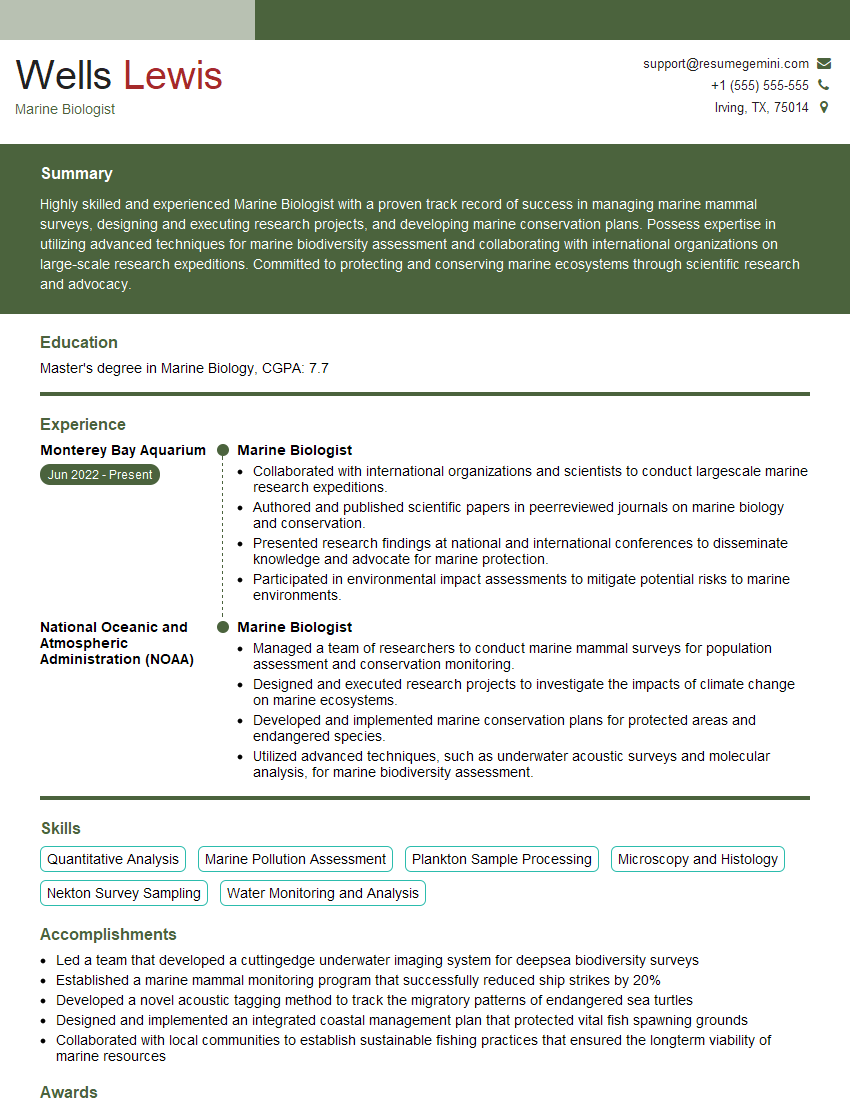
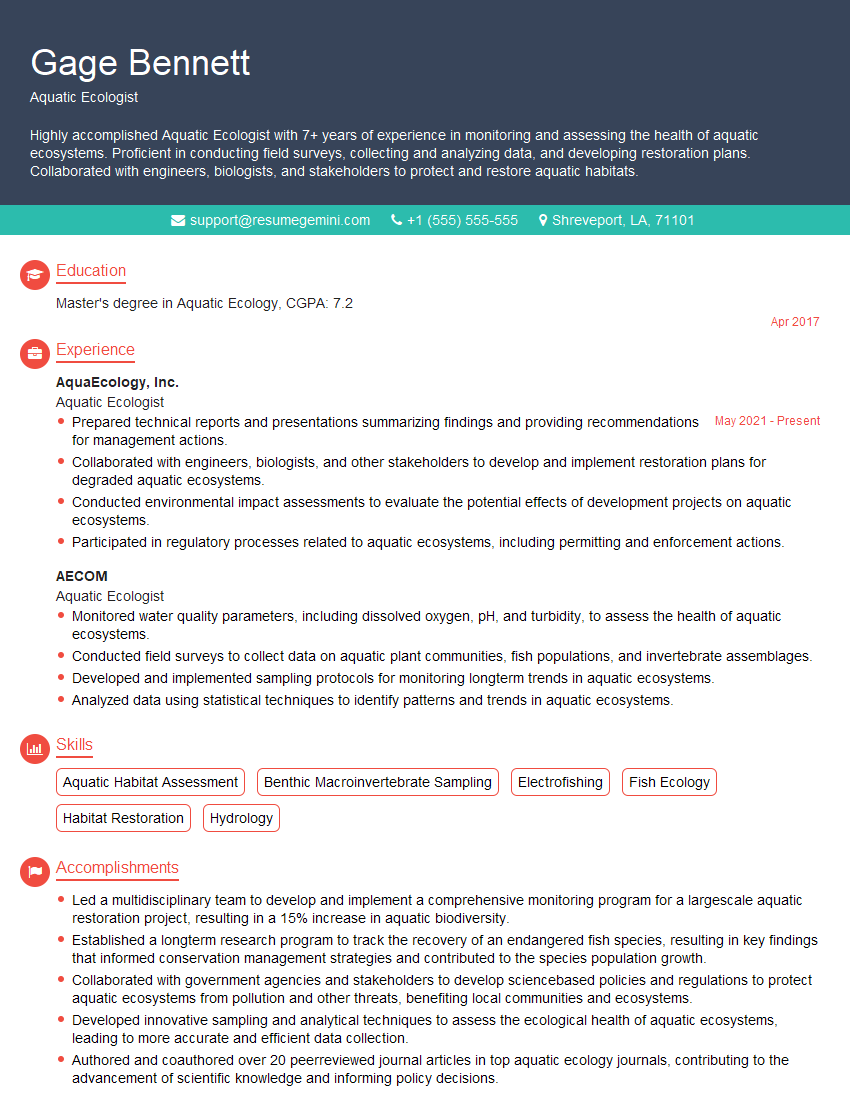
Mastering Marine Environment Awareness is crucial for career advancement in a field increasingly focused on sustainability and conservation. A strong understanding of these topics will significantly enhance your interview performance and open doors to exciting opportunities. To further strengthen your job prospects, creating an ATS-friendly resume is essential. ResumeGemini is a trusted resource that can help you build a professional and impactful resume, ensuring your qualifications stand out to potential employers. We provide examples of resumes tailored to Marine Environment Awareness to guide you through the process.
Explore more articles
Users Rating of Our Blogs
Share Your Experience
We value your feedback! Please rate our content and share your thoughts (optional).
What Readers Say About Our Blog
Really detailed insights and content, thank you for writing this detailed article.
IT gave me an insight and words to use and be able to think of examples