Interviews are more than just a Q&A session—they’re a chance to prove your worth. This blog dives into essential Kitchen Math and Scaling interview questions and expert tips to help you align your answers with what hiring managers are looking for. Start preparing to shine!
Questions Asked in Kitchen Math and Scaling Interview
Q 1. Convert a recipe yielding 12 servings to 50 servings.
Scaling a recipe involves proportionally increasing or decreasing the ingredient quantities to achieve a desired yield. To convert a recipe from 12 servings to 50 servings, we need to find the scaling factor. This is done by dividing the target yield (50 servings) by the original yield (12 servings): 50/12 ≈ 4.17. This means we need to multiply the quantity of each ingredient by approximately 4.17.
Example: If the original recipe calls for 1 cup of flour, we would need 4.17 cups of flour for the 50-serving recipe. Since we can’t easily measure 0.17 of a cup precisely, we’d round to 4 1/4 cups for practicality, acknowledging a slight deviation. For ingredients like liquids, where precision matters more, calculating to a greater decimal place is beneficial or using a kitchen scale to weigh ingredients improves accuracy.
Important Note: Always scale all ingredients, including spices and liquids, by the same factor. This maintains the recipe’s balance and flavor profile. You might need to adjust cooking times and methods (as explained in a subsequent answer) when dealing with significantly larger volumes.
Q 2. Calculate the cost per serving of a dish given ingredient costs and yield.
Calculating the cost per serving is crucial for pricing dishes accurately and managing profitability. It involves determining the total cost of all ingredients and dividing it by the number of servings the recipe yields.
Example: Let’s say the total cost of ingredients for a recipe yielding 24 servings is $36. The cost per serving would be $36 / 24 servings = $1.50 per serving.
To perform this calculation, you must carefully track the cost of each ingredient. This could involve recording prices from receipts or using a spreadsheet to aggregate costs. Consider also factoring in indirect costs like labor and overhead depending on your context. Remember to convert ingredient costs to match their units of measure. For instance, if you bought a 5 lb bag of flour for $5 and your recipe calls for cups of flour, you’ll need to convert lbs to cups to calculate the flour cost per serving accurately.
Q 3. Explain the importance of proper ingredient measurements in scaling recipes.
Precise ingredient measurements are paramount when scaling recipes, especially for larger quantities. Inaccurate measurements can significantly impact the final product’s taste, texture, and consistency. Too much of one ingredient can overpower the flavors, while too little can result in a bland or unbalanced dish.
Example: In baking, a small deviation in the amount of leavening agent (baking soda or powder) could affect the texture of the finished product significantly. Similarly, variations in the amount of liquid in a sauce can alter its thickness and consistency. Using a kitchen scale is often more accurate than volume measurements (cups, teaspoons) for dry and even some wet ingredients for better scaling results.
For culinary consistency and quality control, particularly in large-scale food preparation, precise measurements are essential for achieving the expected results and maintaining brand standards.
Q 4. How do you adjust cooking times when scaling a recipe?
Scaling a recipe often necessitates adjustments to cooking times. When increasing the yield, you usually need longer cooking times because larger volumes take longer to heat through evenly. Conversely, smaller batches may cook faster.
General Guidelines: There isn’t a single magic formula. It’s less about precise mathematical adjustments and more about careful observation. For instance, a recipe for 12 servings might take 30 minutes to bake; a 50-serving batch might require 45-60 minutes. The increase in cooking time is not necessarily linear. Consider using a food thermometer to monitor internal temperature for optimal results instead of relying on set baking times.
Methods: Monitor the dish closely, checking for doneness using appropriate tools (thermometers, visual cues) and adjusting cooking time as needed. It often takes practice and experience to determine the optimal cooking time for scaled recipes. You may need to experiment with smaller test batches to find the right timing before scaling up to larger quantities.
Q 5. What methods do you use to ensure consistent quality when scaling recipes?
Maintaining consistent quality when scaling recipes requires a multifaceted approach.
- Ingredient Quality: Use high-quality, consistent ingredients. Variations in ingredient quality can dramatically impact the final outcome.
- Equipment: Employ appropriate equipment for larger volumes. Larger pans or multiple smaller pans may be needed for even cooking.
- Methodical Approach: Follow the recipe precisely; proper mixing techniques remain crucial regardless of scale. Using standardized procedures across the cooking process significantly improves consistency.
- Temperature Control: Maintain consistent oven or stovetop temperatures. Use reliable equipment such as thermometers for precise temperature control. Larger batches often require more careful heat management.
- Testing and Adjustments: It’s often beneficial to do test runs with smaller batches before scaling fully. This allows for adjustments to the recipe and method before committing to large quantities. This process is highly valuable for optimization.
By addressing these aspects, you can substantially improve the chances of achieving the desired quality and consistency in scaled-up recipes.
Q 6. Describe your experience with recipe costing software or spreadsheets.
I have extensive experience using both recipe costing software and spreadsheets for managing recipes and calculating costs. Spreadsheet software (like Excel or Google Sheets) provides a flexible and customizable platform for organizing recipe data, tracking ingredient costs, and calculating cost per serving. Recipe costing software often provides more specialized features such as inventory management, nutritional analysis, and more sophisticated pricing calculations.
Spreadsheet Example: A spreadsheet can have columns for ingredient name, quantity, unit cost, total cost, and yield. Formulas can easily calculate total ingredient cost and cost per serving. This provides a transparent, auditable method for tracking costs.
Software Advantages: Dedicated recipe costing software usually streamlines these processes with automated calculations, features to manage large recipe databases and simplifies scaling recipes for various yields. Choosing between a spreadsheet or software will depend on the scale of operations and the complexity of the cost analysis required.
Q 7. How do you manage food waste when scaling recipes for large events?
Minimizing food waste when scaling recipes for large events is crucial both economically and environmentally. Careful planning and execution are vital.
- Precise Forecasting: Accurate estimations of guest count are essential. Overestimating will lead to surpluses, whereas underestimating leads to shortages.
- Recipe Optimization: Choose recipes with ingredients that are easily stored and used in multiple applications. For example, if you prepare a chicken dish, consider using leftover chicken for another recipe.
- Portion Control: Implement strategies for efficient portioning to reduce unnecessary leftovers. Use appropriate serving sizes and consider offering a buffet-style service allowing guests to control their portions.
- Storage & Preservation: Utilize proper food storage techniques to extend shelf life. Refrigerate or freeze leftovers appropriately. Prioritize FIFO (First-In, First-Out) storage methods.
- Donation or Composting: For unavoidable excess food, establish a system for donating edible leftovers to local charities or composting organic waste.
A well-structured plan, including precise ingredient ordering, optimized recipes, and proper food handling, contributes to significantly reducing food waste in large-scale events.
Q 8. Explain how to calculate food cost percentage.
Food cost percentage is a crucial metric in any food service operation, representing the ratio of the cost of goods sold (COGS) to revenue. It helps determine profitability and identify areas for cost control. A lower food cost percentage generally indicates higher profitability.
Calculating Food Cost Percentage:
- Step 1: Calculate your total food costs. This includes all direct costs associated with the food you’ve used, like ingredients, spices, and any food waste.
- Step 2: Determine your total food revenue. This is the total amount of money generated from selling food items during a specific period (e.g., a week, a month).
- Step 3: Divide your total food cost by your total food revenue and multiply by 100 to express it as a percentage.
Formula: Food Cost Percentage = (Total Food Cost / Total Food Revenue) x 100
Example: Let’s say your total food cost for the month was $5000, and your total food revenue was $15000. Your food cost percentage would be: (5000 / 15000) x 100 = 33.33%. This means that for every dollar of revenue, 33.33 cents went towards the cost of food.
Q 9. What are the common challenges in scaling recipes, and how do you overcome them?
Scaling recipes accurately can be tricky. Common challenges include maintaining the correct ratio of ingredients, ensuring even cooking, and considering how different ingredients behave at varying quantities.
- Ingredient Ratios: Simply multiplying ingredient amounts proportionally doesn’t always work. Some ingredients, like liquids, may need slight adjustments to account for evaporation or absorption. For example, doubling a recipe might not double the liquid needed if a component absorbs more liquid with greater quantity.
- Cooking Time and Temperature: Larger batches generally require longer cooking times and may need adjusted temperatures to ensure even cooking. Overcrowding a pan can lead to uneven cooking and steaming, rather than browning or frying.
- Equipment Limitations: Your ovens, pans, and other equipment may have capacity limits. You might need to batch your preparation to accommodate larger quantities.
Overcoming Challenges:
- Use a reliable scaling method: Start by converting all measurements to weight using a kitchen scale for precise scaling, and meticulously adjust liquid volumes as needed.
- Test small batches: Before scaling up to a large quantity, test the scaled recipe on a small batch to check for any issues with consistency or taste. Adjust the recipe as needed before full-scale production.
- Understand ingredient behavior: Knowing how different ingredients respond to scaling is crucial. For example, some spices might require slight adjustments in quantity when scaling up.
- Invest in appropriate equipment: If scaling significantly, consider investing in larger cooking equipment to ensure efficiency and consistency.
Q 10. How do you handle ingredient substitutions when scaling a recipe?
Ingredient substitutions in scaled recipes require careful consideration. It’s not just about swapping one ingredient for another; it’s about maintaining the recipe’s flavor profile, texture, and overall functionality.
Handling Substitutions:
- Understand the ingredient’s role: Before substituting, understand why the original ingredient was used. Is it for flavor, texture, or functionality (e.g., binding)?
- Choose a suitable replacement: Select a substitute that closely mirrors the original ingredient’s characteristics. If possible, test the substitute in a small batch first.
- Adjust quantities accordingly: The amount of the substitute might need adjustment. For example, substituting applesauce for oil in baking might require more applesauce to achieve similar moisture content.
- Document changes: Keep meticulous records of any substitutions made and the associated adjustments, creating a modified recipe for future use.
Example: Substituting regular flour with whole wheat flour in a cake requires adjustments to the liquid, as whole wheat flour is more absorbent.
Q 11. Describe your experience with inventory management in a kitchen setting.
Effective inventory management is vital for controlling food costs and preventing waste. My experience involves implementing and maintaining FIFO (First-In, First-Out) inventory systems, utilizing inventory software to track stock levels, regularly conducting physical stock checks, and monitoring spoilage rates.
Key aspects of my approach include:
- Regular stocktaking: This ensures that the inventory records accurately reflect the physical stock on hand. Discrepancies are investigated to identify potential losses or errors.
- FIFO System: This method ensures that older ingredients are used before newer ones, minimizing spoilage and reducing waste.
- Par Stock Levels: Establishing par stock levels helps determine the ideal quantity of each ingredient to maintain, balancing supply with demand and storage capacity.
- Technology Integration: Using inventory software streamlines tracking, minimizes manual errors, and enhances forecasting capabilities. This data is used for effective purchasing, avoiding shortages and overstocking.
- Spoilage Monitoring: Regularly tracking spoilage helps identify areas for improvement in storage, handling, or purchasing practices.
Q 12. How do you determine the appropriate portion size for a given dish?
Determining appropriate portion sizes depends on several factors, including the dish, the target audience, and the overall dining experience. It’s a balance between providing a satisfying portion and minimizing food waste.
Factors to consider:
- Type of dish: A hearty stew will have a larger portion size than a delicate appetizer.
- Target audience: Consider the age, activity level, and dietary needs of your customers.
- Dietary trends: Smaller portions are becoming increasingly popular, reflecting health consciousness and sustainability concerns.
- Pricing strategy: Portion size directly impacts profitability, and finding the right balance is essential.
Methods for determining portion size:
- Standard portioning guides: Industry guidelines and standards can offer a good starting point.
- Recipe testing: Testing recipes with different portion sizes allows for assessment of food cost and customer feedback.
- Customer feedback: Gathering feedback on portion size and satisfaction helps optimize the serving size for your target audience.
Q 13. Explain the concept of yield percentage and its importance in scaling.
Yield percentage refers to the amount of usable product remaining after cooking, cleaning, or processing, relative to the initial weight or volume of the raw ingredients. It’s essential for accurate scaling of recipes because it accounts for the losses inherent in food preparation. A high yield percentage signifies minimal waste.
Importance in Scaling:
- Accurate cost calculations: Yield percentage helps calculate the true cost of the final product by factoring in the weight loss during cooking. For example, if you lose 20% of your ingredient’s weight during cooking, your cost per unit of finished product increases accordingly.
- Precise ingredient purchasing: Knowing the yield percentage lets you purchase the correct amount of raw ingredients to meet production needs without excess waste.
- Consistent portioning: A higher yield percentage offers greater consistency in the quantity of finished product produced.
Calculating Yield Percentage:
Yield Percentage = (Weight of cooked product / Weight of raw product) x 100
Example: If you start with 1 kg of raw vegetables and end up with 800g of cooked vegetables, your yield percentage is: (800g / 1000g) x 100 = 80%
Q 14. How do you account for shrinkage or loss during the cooking process?
Shrinkage, or loss during cooking, results from moisture evaporation, fat rendering, trimming, and other processes. Accounting for this is crucial for cost control and accurate recipe scaling.
Methods for accounting for shrinkage:
- Weight measurements: Weighing ingredients before and after cooking provides precise data on shrinkage. This method is particularly useful for larger batches.
- Yield percentage (as described above): By establishing a standard yield percentage for each recipe, you can predict and account for potential shrinkage in advance.
- Recipe adjustments: Incorporate a shrinkage factor into the initial recipe calculation. For example, if you know that a particular vegetable shrinks by 15%, you would adjust the initial amount accordingly.
- Careful trimming and handling: Reducing waste through careful preparation techniques minimizes the impact of shrinkage.
Example: When preparing a large batch of roasted vegetables, you might anticipate a 10% loss due to moisture evaporation. You would adjust the initial quantity of vegetables to compensate for this anticipated shrinkage.
Q 15. How do you ensure accurate ingredient ordering when scaling recipes?
Accurate ingredient ordering when scaling recipes hinges on meticulous planning and calculation. It’s not just about multiplying quantities; it’s about understanding the recipe’s ratios and ensuring the final product maintains its quality.
My process starts with converting all measurements to a consistent unit (grams or milliliters are ideal for accuracy). Then, I calculate the scaling factor by dividing the desired yield by the original recipe yield. This factor is then multiplied by the quantity of each ingredient. For example, if a recipe yields 4 servings and I need 12 servings, my scaling factor is 3 (12/4). Each ingredient quantity is multiplied by 3.
Beyond simple multiplication, I also consider ingredient availability. If a specific ingredient comes in standardized sizes (e.g., a 5kg bag of flour), I adjust my calculations to minimize waste. I also build in a small buffer (usually 5-10%) to account for potential losses during preparation or unexpected needs. This buffer is particularly important for perishable goods. Finally, I meticulously check my order against the recipe one last time before submitting it to avoid any errors.
Career Expert Tips:
- Ace those interviews! Prepare effectively by reviewing the Top 50 Most Common Interview Questions on ResumeGemini.
- Navigate your job search with confidence! Explore a wide range of Career Tips on ResumeGemini. Learn about common challenges and recommendations to overcome them.
- Craft the perfect resume! Master the Art of Resume Writing with ResumeGemini’s guide. Showcase your unique qualifications and achievements effectively.
- Don’t miss out on holiday savings! Build your dream resume with ResumeGemini’s ATS optimized templates.
Q 16. What is the importance of standardized recipes in a large-scale kitchen?
Standardized recipes are the backbone of efficiency and consistency in any large-scale kitchen. They guarantee that every dish tastes and looks the same regardless of who prepares it. This is crucial for maintaining quality, customer satisfaction, and cost control.
Without standardized recipes, you risk inconsistencies in portion sizes, ingredient amounts, preparation times, and ultimately, the quality of the dish. Imagine a restaurant where one chef’s lasagna is rich and flavorful, while another’s is bland and dry – this leads to customer complaints and negative reviews. Standardized recipes eliminate this variation, ensuring a uniform product, streamlining kitchen operations, and simplifying training for new staff. They also facilitate better inventory management as precise ingredient needs are known in advance.
Q 17. How do you adapt recipes for different dietary restrictions or allergies?
Adapting recipes for dietary restrictions requires careful substitution and a deep understanding of the ingredients’ roles within the recipe. It’s not merely about removing an ingredient; it’s about maintaining the dish’s balance and desired characteristics.
- For vegetarians/vegans: Meat can be substituted with plant-based alternatives like tofu, tempeh, lentils, or mushrooms, but care must be taken to adjust for moisture content and texture.
- For gluten-free diets: Gluten-free flour blends often require more liquid and may have a different texture than traditional wheat flour. Recipes may need adjustments to ensure the desired consistency.
- For allergies: Identifying and replacing potential allergens is crucial. For example, dairy can be replaced with plant-based milks or cream, but again, the impact on flavor and texture must be considered.
Always test adapted recipes beforehand to ensure the final product meets expectations and maintains the desired quality. Thorough research and awareness of different dietary needs are paramount. Consulting reliable resources and potentially working with a registered dietitian can be extremely beneficial.
Q 18. Describe a time you had to quickly adjust a recipe due to unexpected circumstances.
During a busy lunch service, our delivery of fresh basil was delayed. We were about to run out, and basil was a crucial ingredient in our signature pesto pasta. Panicking wasn’t an option!
I quickly assessed the situation. We had plenty of parsley and some spinach. I knew a simple swap wasn’t sufficient. Parsley alone lacks the aromatic intensity of basil, while spinach would drastically alter the color and taste profile. My solution involved a combination: I used half the planned quantity of parsley for a base of herbal flavor, combined it with a smaller amount of spinach for color and a hint of earthiness, and used a touch more garlic and lemon juice to boost the flavor profile. The resulting pesto wasn’t identical to the original, but it was still palatable, delicious, and saved the day! This situation highlighted the importance of adaptability and resourcefulness in a fast-paced kitchen.
Q 19. How do you ensure consistency in taste and texture when scaling a recipe?
Maintaining consistency when scaling recipes requires attention to detail and an understanding of how ingredients behave at different volumes. Simply multiplying quantities doesn’t always guarantee the same outcome.
One key factor is the ratio of ingredients. Changes in volume may affect the ratio, affecting texture and taste. For instance, increasing the liquid in a batter significantly will reduce its density, leading to a different texture. Secondly, cooking times need adjustment. Larger batches may require longer cooking times to ensure even cooking. Thirdly, understanding how ingredients interact is crucial. The more you scale up, the more attention you need to pay to evaporation and heat distribution. Lastly, consistent equipment is important for consistent results. Using larger pans or ovens requires adjusting cooking methods, and this needs to be accounted for in the scaled-up recipe.
Q 20. What are the key factors to consider when determining the selling price of a dish?
Determining the selling price of a dish involves a multifaceted calculation balancing cost, profit margin, and market value. It’s a delicate dance between profitability and customer perception.
- Food Cost: This includes the cost of all ingredients, factoring in waste and spoilage.
- Labor Cost: This covers the time spent preparing and serving the dish.
- Overhead Costs: Rent, utilities, and other operational expenses need to be factored into the overall pricing.
- Profit Margin: This is the percentage of profit you wish to earn on each dish. It varies depending on the restaurant’s business model and target market.
- Market Value: Competitor pricing and customer expectations also influence the pricing strategy.
A common approach is to calculate the food cost per serving and then multiply by a predetermined markup factor (e.g., 3 or 4x) to determine the selling price. This allows for a clear profit margin while ensuring the dish remains competitive within its market segment. Regular review and adjustments are essential based on sales data and market changes.
Q 21. How do you calculate the break-even point for a menu item?
The break-even point is the point where your total revenue equals your total costs. For a menu item, this means the number of units you need to sell to cover all costs associated with that item.
To calculate the break-even point, you first need the following:
- Fixed Costs: These are costs that remain constant regardless of the number of units sold (e.g., rent, salaries).
- Variable Costs: These are costs that change with the number of units sold (e.g., ingredients, packaging).
- Selling Price per Unit: The price at which you sell each dish.
The formula is:
Break-Even Point (Units) = Fixed Costs / (Selling Price per Unit - Variable Cost per Unit)For example, if your fixed costs are $1000, your variable cost per dish is $5, and your selling price is $15, your break-even point would be:
Break-Even Point = $1000 / ($15 - $5) = 100 unitsThis means you need to sell 100 dishes to cover all your costs for that item. Reaching this point and exceeding it is crucial to ensure profitability.
Q 22. Explain your understanding of different cooking methods and their impact on scaling.
Different cooking methods significantly impact recipe scaling. Some methods are more easily scaled than others due to variations in heat transfer, cooking time, and ingredient interaction. For instance, scaling up a simple roast is relatively straightforward; you simply increase the ingredient quantities proportionally. However, scaling up a delicate sauce like hollandaise can be challenging because the emulsion can break down if the ratios aren’t perfectly maintained. Similarly, baking presents unique scaling challenges due to the precise interactions between ingredients and oven temperature. A cake recipe scaled up too drastically may not bake evenly, resulting in a soggy center or burnt edges.
- Dry-heat methods (roasting, baking, grilling): Generally easier to scale, but watch for even cooking and potential temperature adjustments.
- Moist-heat methods (braising, steaming, poaching): Can require adjustments to cooking times and liquid ratios depending on the size and type of equipment.
- Sauces and emulsions: Scaling these requires meticulous attention to ratios; scaling up can easily break an emulsion.
Understanding these differences allows chefs to anticipate potential problems and adjust their techniques accordingly, ensuring consistent quality regardless of batch size.
Q 23. Describe your experience using a point-of-sale (POS) system for inventory and sales tracking.
In my previous role at The Culinary Collective, we used a cloud-based POS system called Toast. This system was invaluable for managing inventory and sales tracking. We integrated our recipes directly into the system, allowing us to automatically track ingredient usage based on actual sales. For example, if we sold 50 servings of our signature pasta dish, the system automatically deducted the corresponding amounts of pasta, sauce, and other ingredients from our inventory. This real-time tracking helped us identify potential shortages before they became a problem, streamlining our ordering process and minimizing waste. The POS system also generated detailed sales reports, providing invaluable data for menu engineering and pricing strategies. We could analyze which dishes were most popular, which ones were underperforming, and adjust our offerings accordingly.
Q 24. How do you maintain accurate records of ingredient costs and usage?
Maintaining accurate records of ingredient costs and usage is crucial for profitability. I use a combination of methods to achieve this. First, I maintain a detailed spreadsheet that lists all ingredients, their unit cost, and their usage per recipe. This spreadsheet is updated regularly with current pricing information obtained from our suppliers. Second, the POS system automatically tracks ingredient usage as explained above. Third, I conduct regular physical inventory checks to verify the accuracy of our system records. Any discrepancies are investigated and corrected. Finally, I regularly analyze the data to identify areas of potential cost reduction, such as negotiating better deals with suppliers or exploring more cost-effective ingredient alternatives without compromising quality.
Q 25. How do you identify and address potential profit loss related to recipe scaling?
Profit loss from recipe scaling can stem from several sources. Inaccurate scaling is a major culprit, leading to either excess ingredient usage or insufficient yield. For example, if a recipe is scaled up incorrectly, you might use more expensive ingredients than necessary, reducing your profit margin. Another common issue is not accounting for equipment limitations. Scaling a recipe designed for a small oven to a large commercial oven might require adjustments to cooking time and temperature. Failure to account for this may result in sub-par product and wasted ingredients. Finally, labor costs need consideration; scaling up production often requires more staff hours, affecting profit margins. To identify and address potential losses, I regularly review cost-per-serving data, compare actual yields to theoretical yields, and analyze labor hours required for various batch sizes. By identifying these factors, we can optimize our scaling process and mitigate potential profit losses.
Q 26. What are some common mistakes to avoid when scaling recipes?
Several common mistakes can undermine successful recipe scaling:
- Ignoring ingredient interactions: Scaling up doesn’t always mean simple multiplication. Some ingredients interact differently in larger quantities. For example, leavening agents might behave differently in a larger cake.
- Failing to adjust cooking times and temperatures: Larger batches require longer cooking times and may need different temperatures to achieve the desired results.
- Not considering equipment limitations: You might need different equipment for large-scale production. Scaling a recipe intended for a home oven might not work in a large commercial oven without adjustments.
- Poorly calibrated measuring tools: Using inaccurate measuring instruments can lead to significant errors in scaling.
- Neglecting yield testing: It is essential to test scaled recipes before mass production to identify and correct any problems.
Careful attention to these aspects helps prevent costly errors and ensures the successful implementation of scaling recipes.
Q 27. How do you stay updated on current culinary trends and best practices in recipe scaling?
Staying current on culinary trends and best practices in recipe scaling involves a multifaceted approach. I regularly read industry publications like Food Arts and Culinary Insights, attend culinary conferences and workshops, and participate in online forums and communities. Following prominent chefs and food scientists on social media provides insights into current techniques and innovations. Furthermore, I actively seek out opportunities to learn from other experienced chefs through collaborations and mentorship. This continuous learning process ensures I am at the forefront of best practices in recipe scaling and able to adapt my techniques to remain competitive.
Q 28. Explain your approach to training kitchen staff on proper scaling techniques.
Training kitchen staff on proper scaling techniques is crucial. My approach starts with clear, concise instruction. I use a combination of hands-on training and written resources. I provide step-by-step guides, including visual aids and checklists. I then conduct practical exercises, allowing staff to scale recipes under supervision. This allows me to identify any areas where additional training is required. Regular quizzes and assessments reinforce learning and ensure staff mastery. Open communication and feedback sessions are crucial; staff are encouraged to ask questions and highlight any challenges. I emphasize the importance of accuracy, consistency, and following standardized procedures. Finally, I encourage experimentation and collaboration among team members to build competence and confidence. Continuous reinforcement through regular feedback and training is integral to maintaining high standards.
Key Topics to Learn for Kitchen Math and Scaling Interview
- Recipe Scaling: Understanding the principles of scaling recipes up or down while maintaining consistent ratios and quality. Practical application includes adjusting recipes for different batch sizes or serving numbers.
- Ingredient Conversions: Mastering the conversion between various units of measurement (e.g., weight, volume) for both dry and liquid ingredients. This includes understanding the implications of different measurement systems (metric vs. imperial).
- Costing and Pricing: Calculating the cost of ingredients per unit and applying appropriate markups to determine selling prices. This involves considering factors like food cost percentage and desired profit margins.
- Yield Percentage: Understanding how to calculate the yield percentage of ingredients after processing (e.g., trimming vegetables, cooking meat). This is crucial for accurate recipe costing and portion control.
- Portion Control and Food Waste Reduction: Applying kitchen math to minimize food waste by accurately calculating portion sizes and managing inventory effectively. This includes understanding factors like plate presentation and customer expectations.
- Ratio and Proportion: Applying fundamental mathematical principles of ratios and proportions to solve problems related to recipe scaling, ingredient substitutions, and yield management.
- Basic Recipe Development and Modification: Understanding the building blocks of a recipe and how to modify existing recipes based on dietary restrictions or ingredient availability.
Next Steps
Mastering kitchen math and scaling is vital for career advancement in culinary arts, opening doors to more senior roles with increased responsibilities and earning potential. A strong understanding of these concepts demonstrates efficiency, accuracy, and a commitment to quality. To maximize your job prospects, create an ATS-friendly resume that highlights these skills. ResumeGemini is a trusted resource to help you build a professional and impactful resume. Examples of resumes tailored to showcasing expertise in Kitchen Math and Scaling are available to guide you. Invest the time to build a compelling resume—it’s your first impression with potential employers.
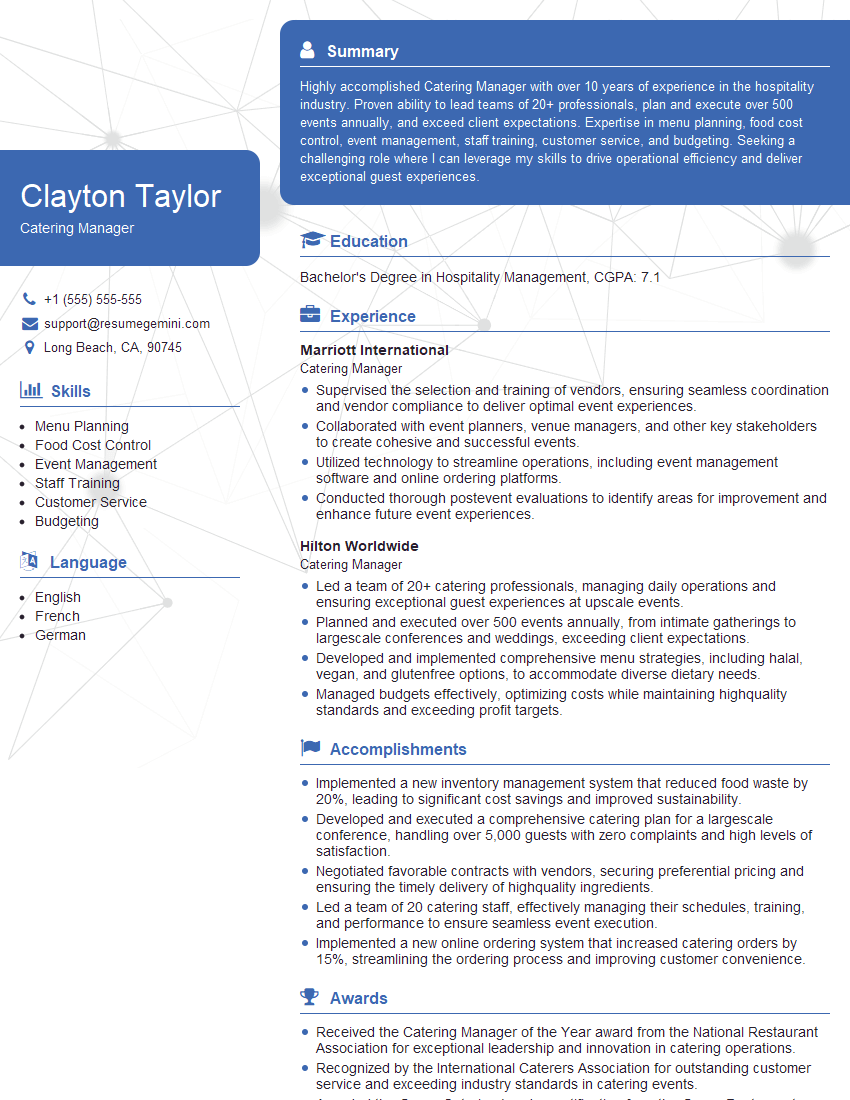
Catering Manager Resume Sample
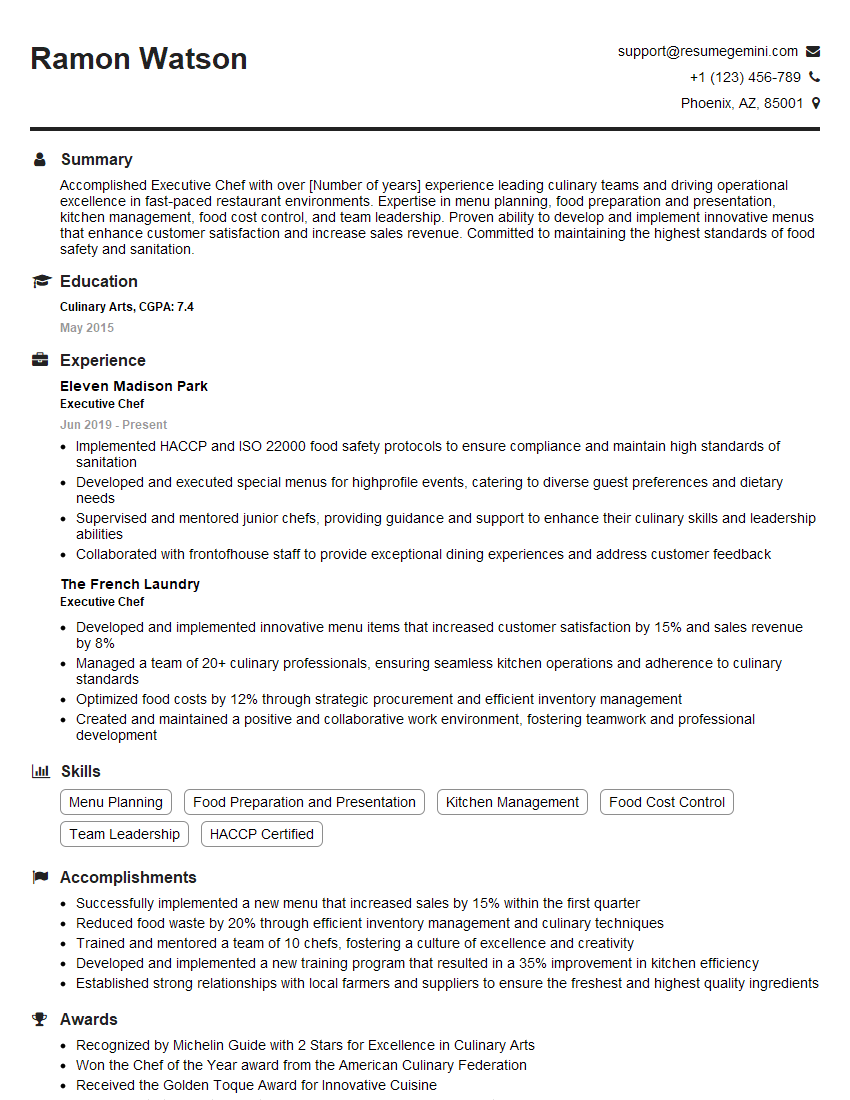
Executive Chef Resume Sample
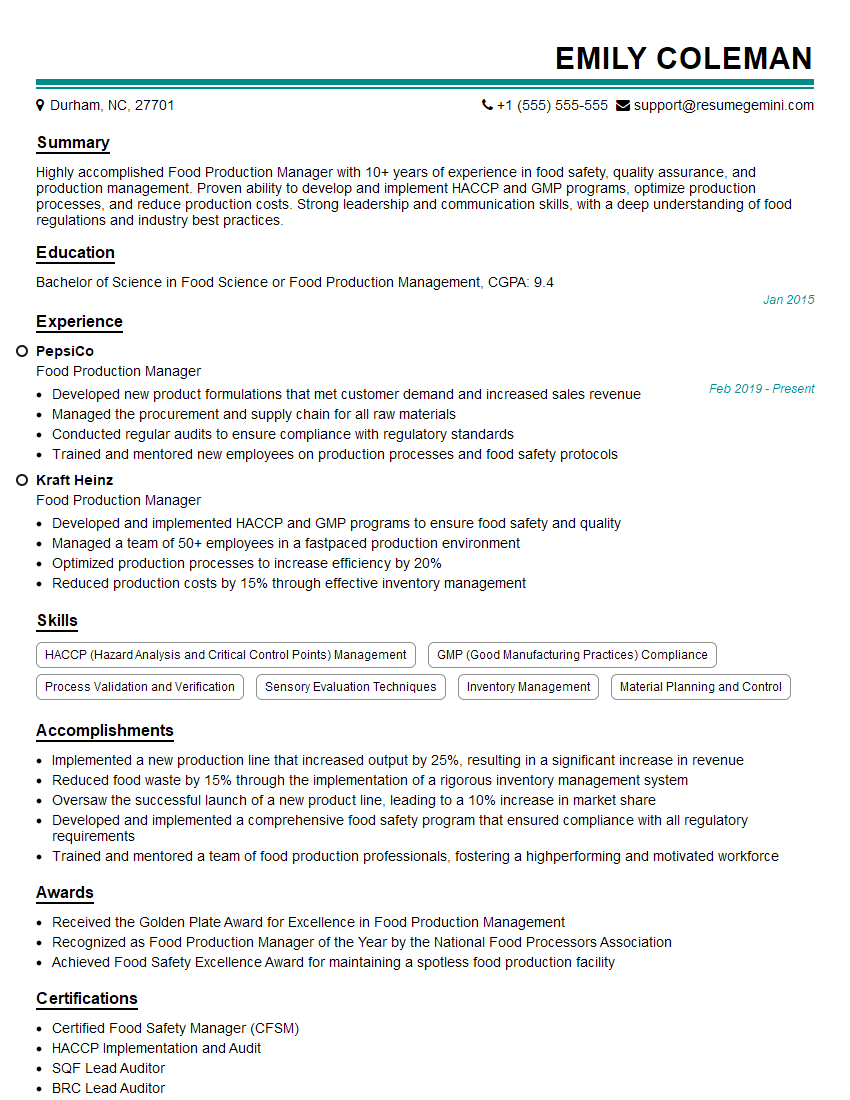
Food Production Manager Resume Sample
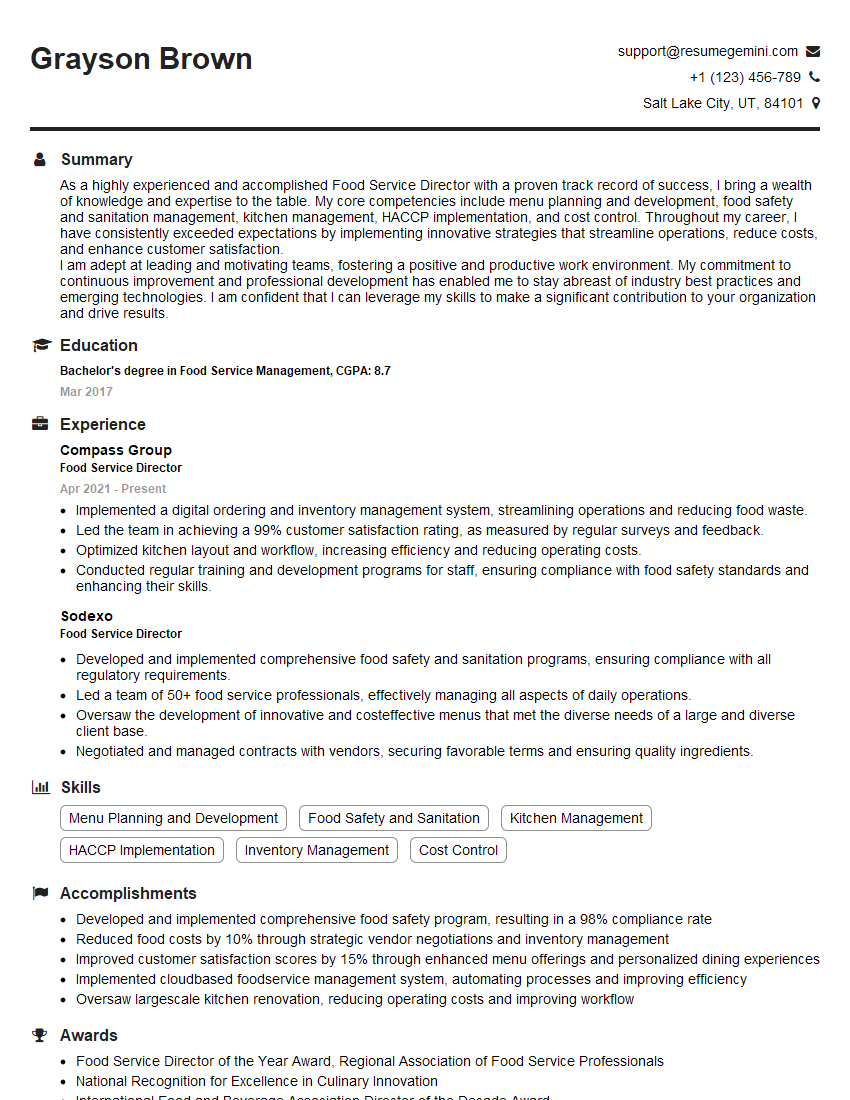
Food Service Director Resume Sample
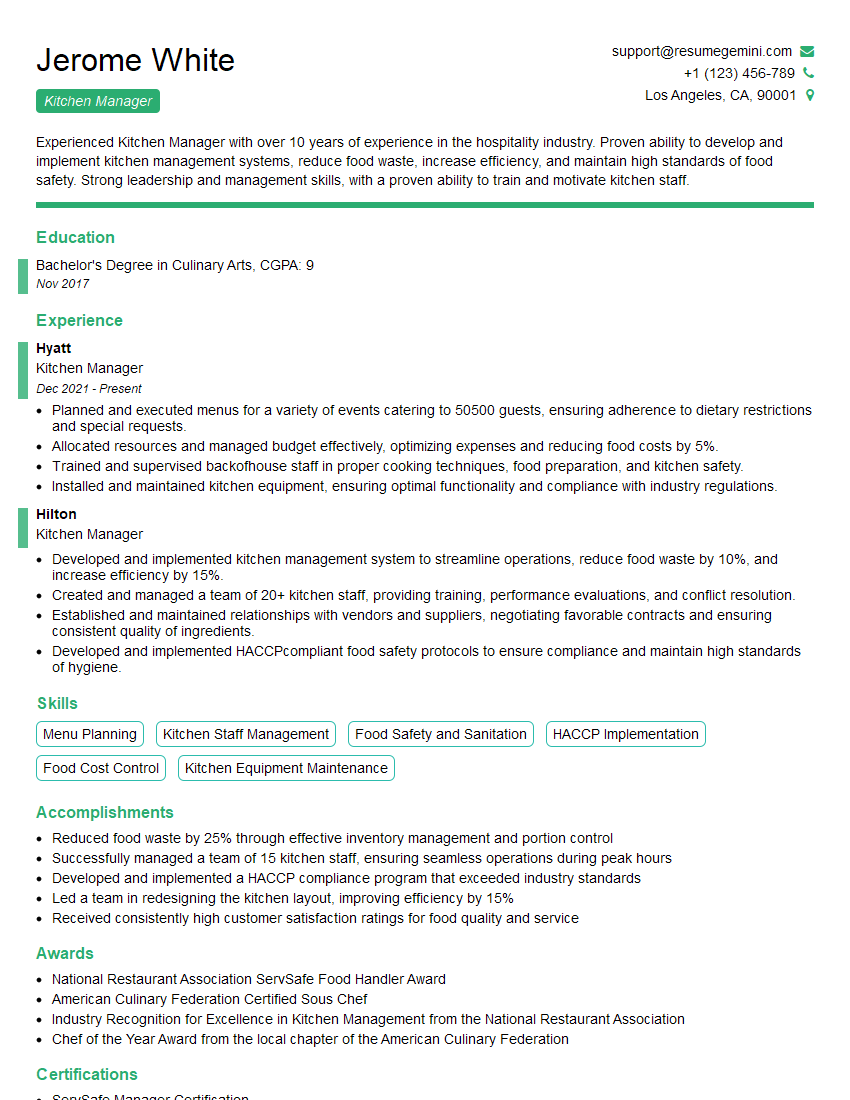
Kitchen Manager Resume Sample
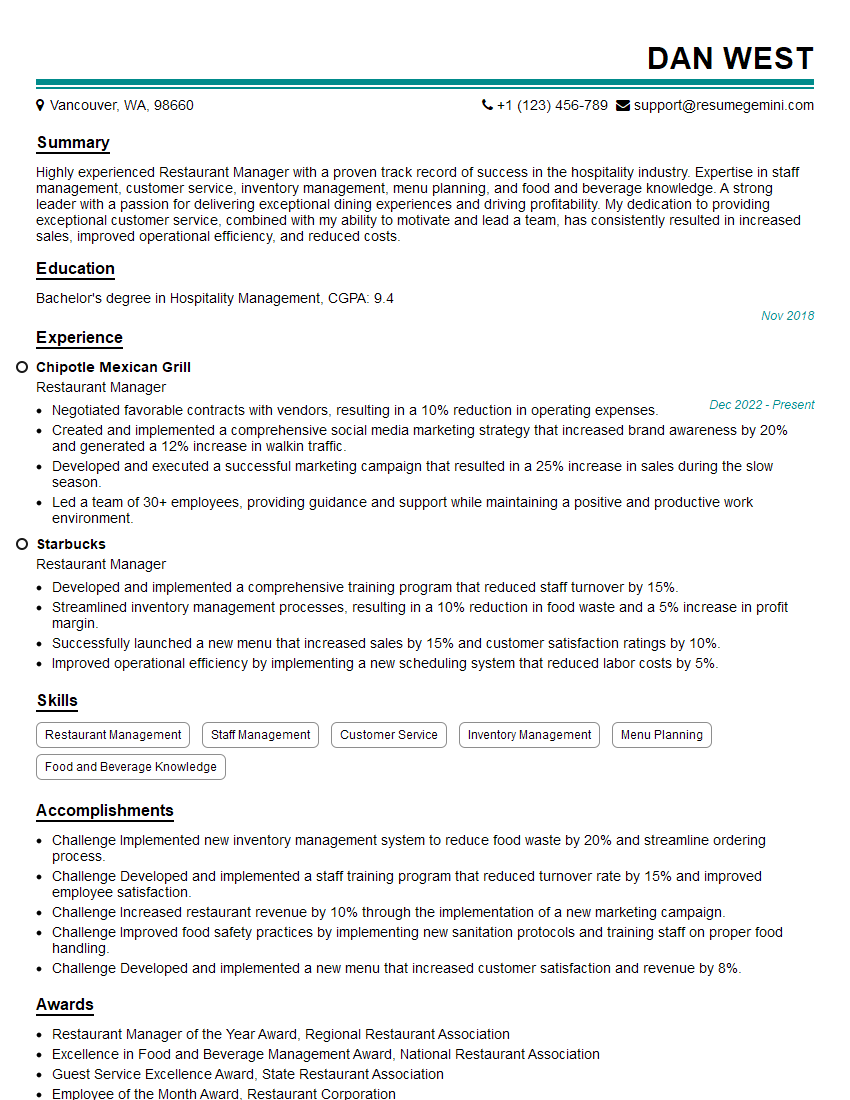
Restaurant Manager Resume Sample

Inventory Manager Resume Sample
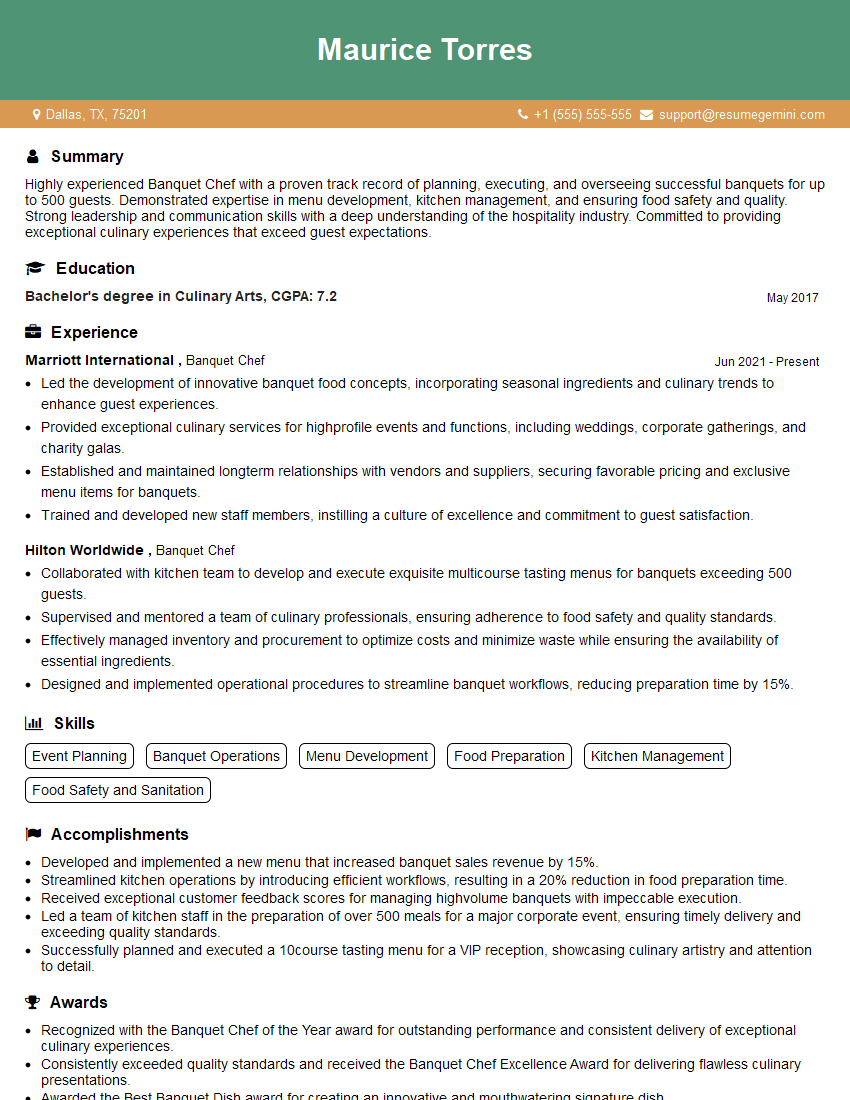
Banquet Chef Resume Sample
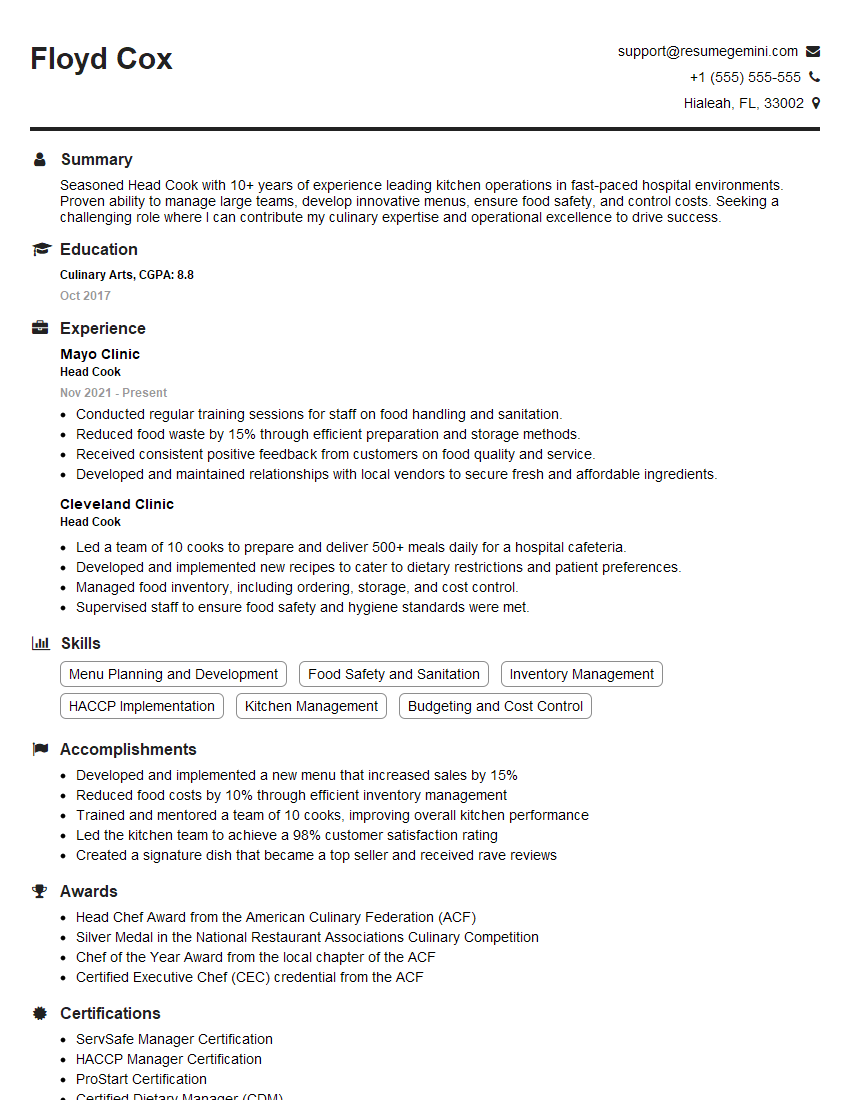
Head Cook Resume Sample
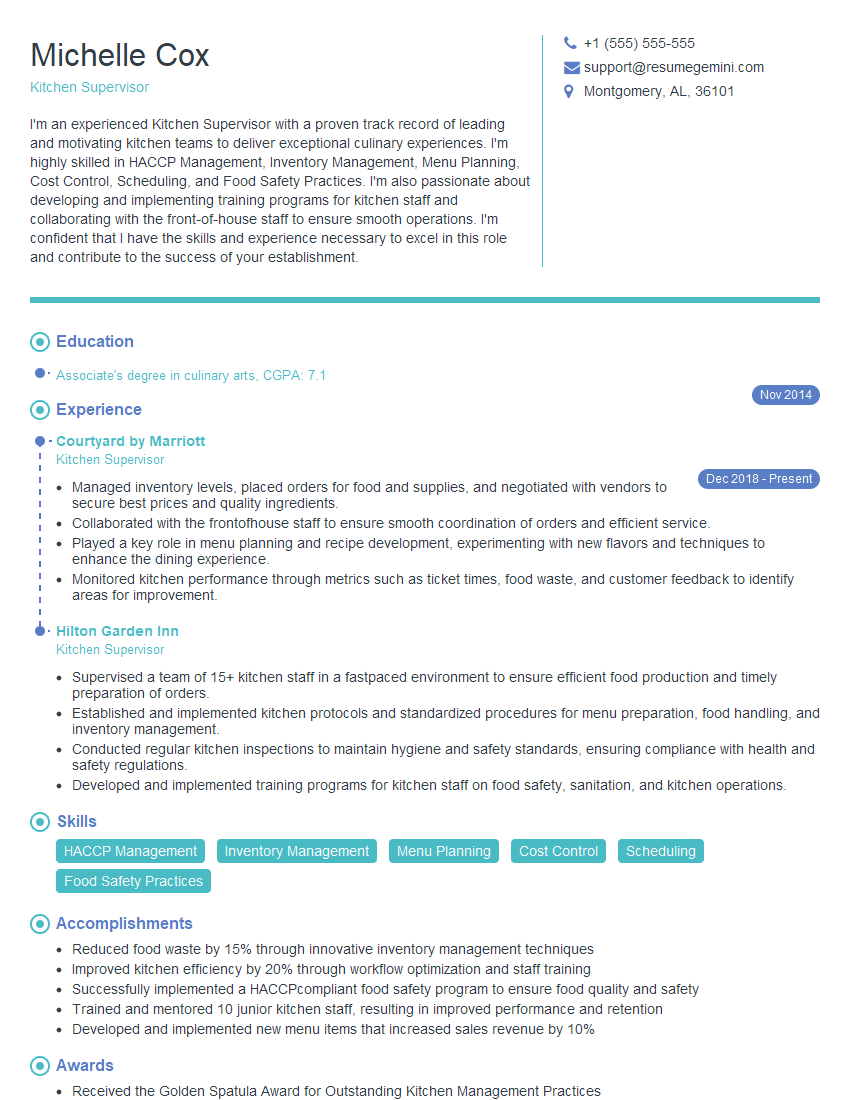
Kitchen Supervisor Resume Sample
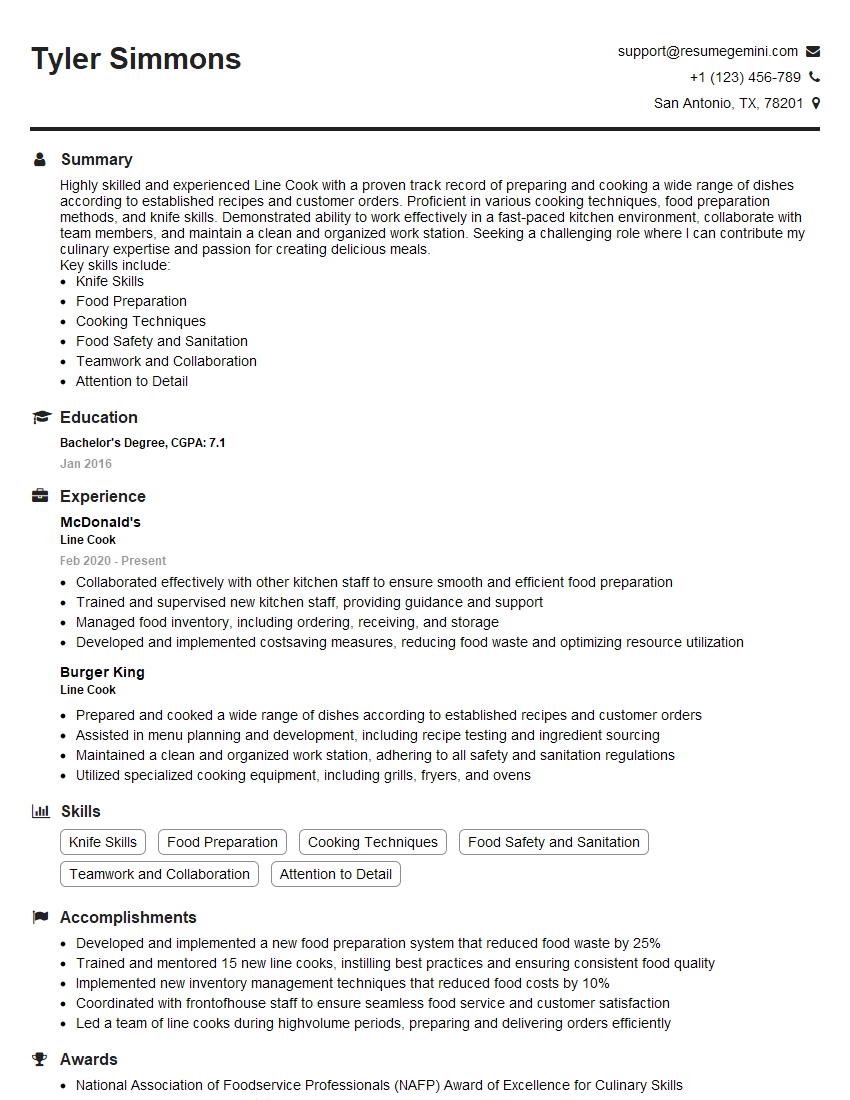
Line Cook Resume Sample
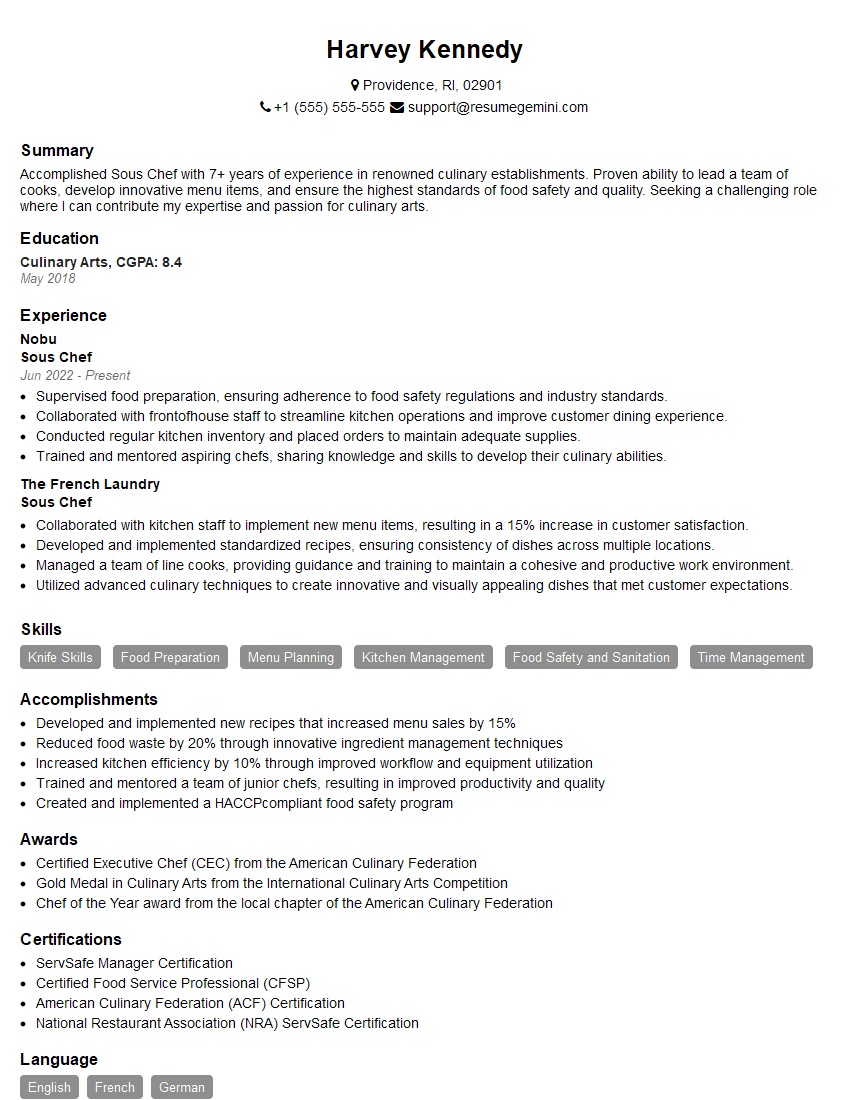
Sous Chef Resume Sample
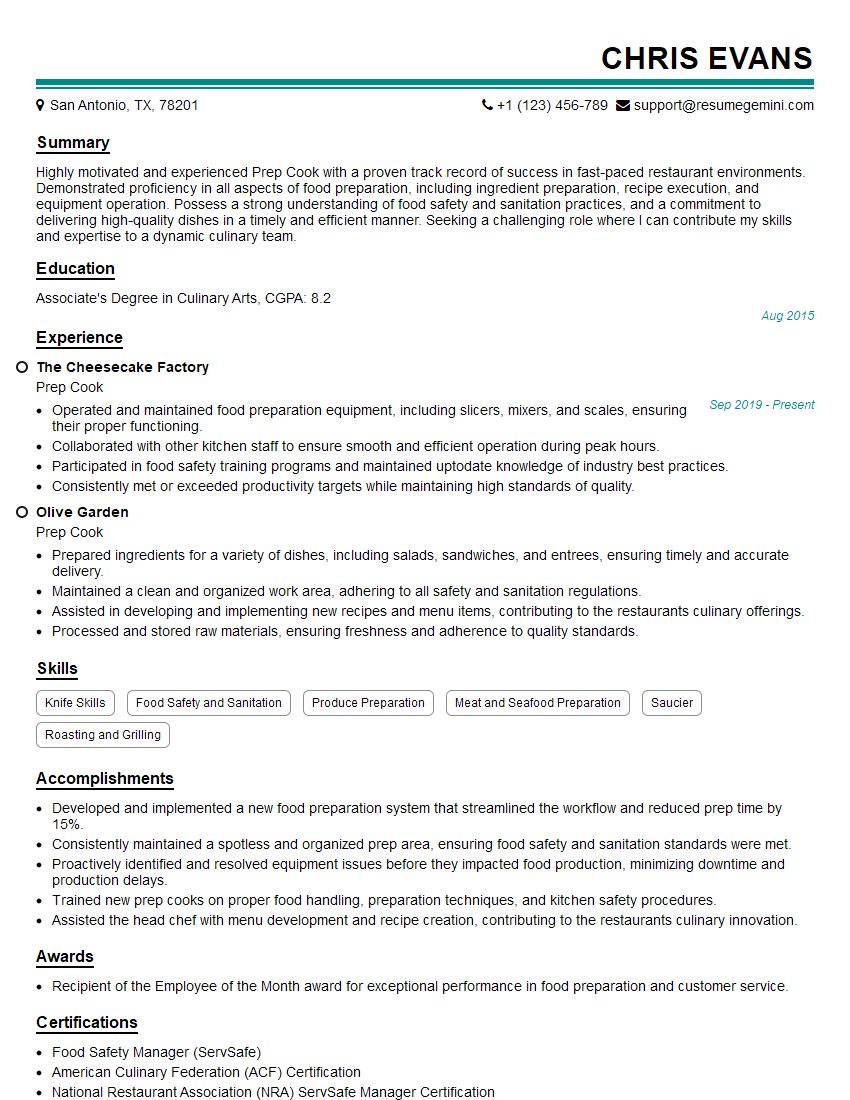
Prep Cook Resume Sample

Chef De Partie Resume Sample
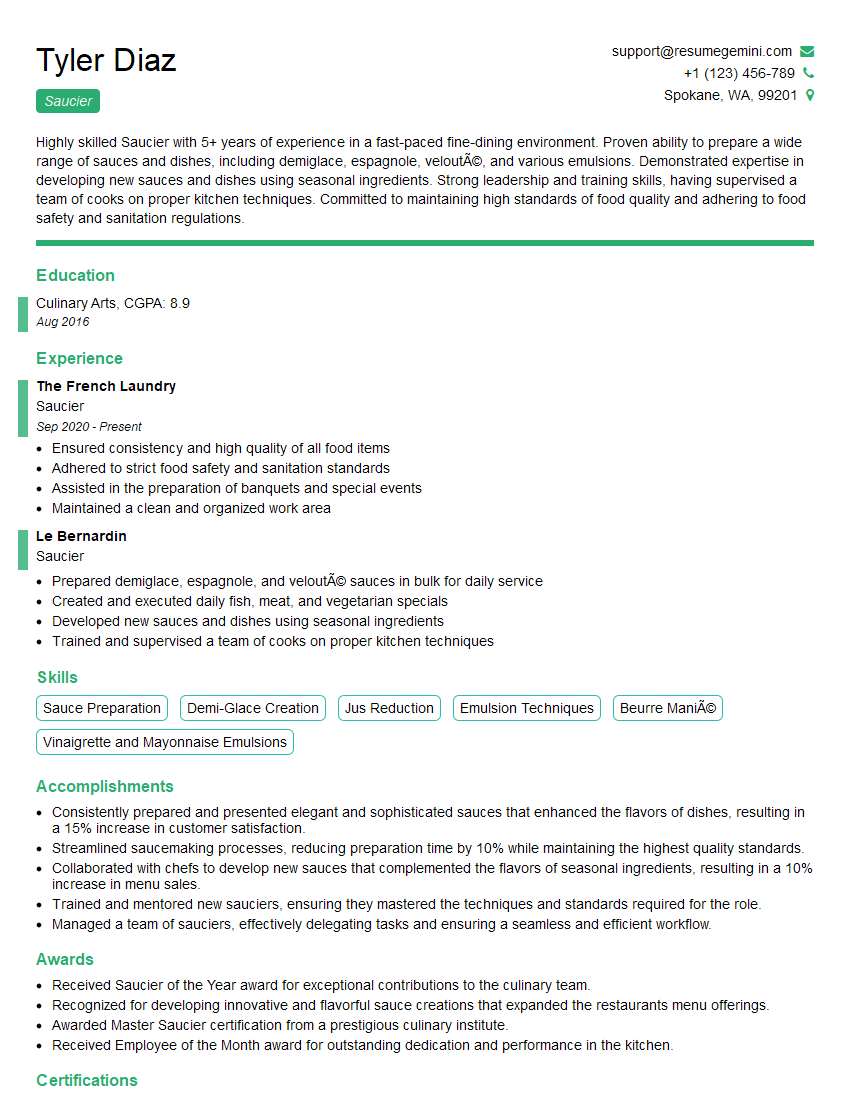
Saucier Resume Sample
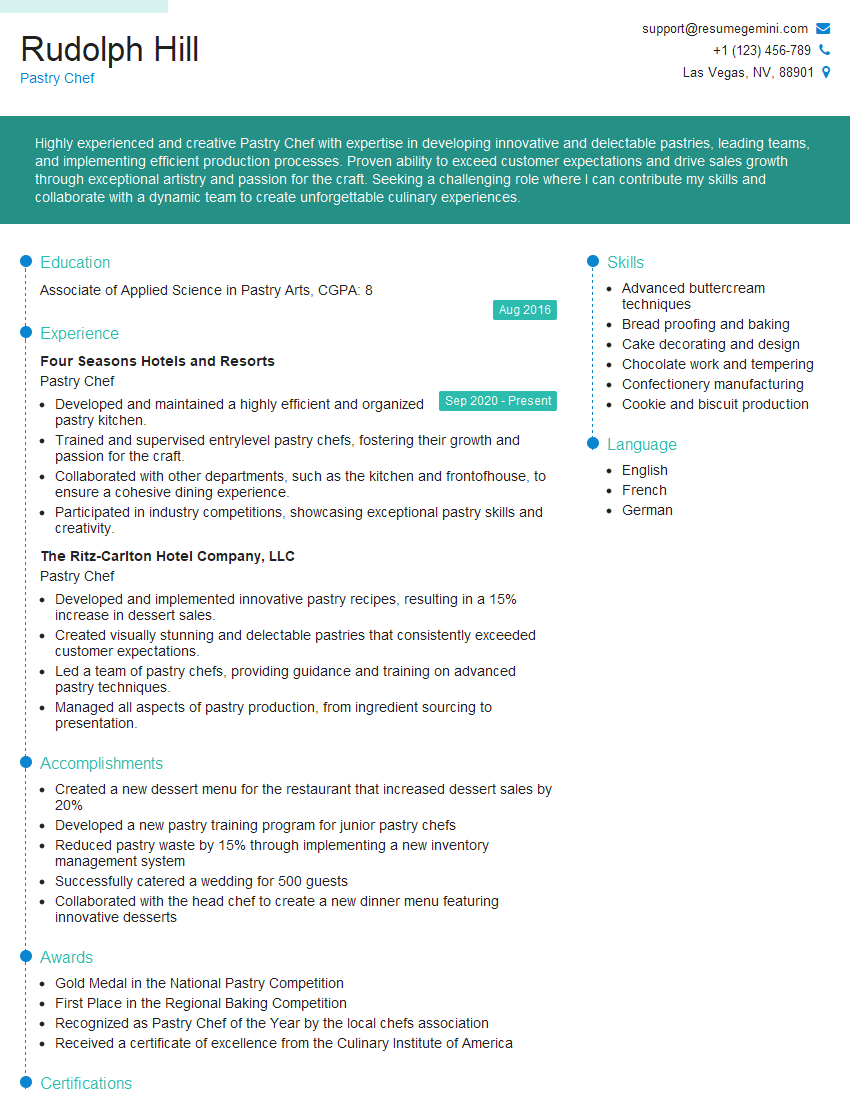
Pastry Chef Resume Sample
Explore more articles
Users Rating of Our Blogs
Share Your Experience
We value your feedback! Please rate our content and share your thoughts (optional).
What Readers Say About Our Blog
Really detailed insights and content, thank you for writing this detailed article.
IT gave me an insight and words to use and be able to think of examples