The thought of an interview can be nerve-wracking, but the right preparation can make all the difference. Explore this comprehensive guide to Fracture Stabilization interview questions and gain the confidence you need to showcase your abilities and secure the role.
Questions Asked in Fracture Stabilization Interview
Q 1. Describe the different types of fracture fixation techniques.
Fracture fixation aims to stabilize broken bones, promoting healing. Techniques broadly fall into two categories: internal and external fixation.
- Internal Fixation: Involves surgically placing implants (plates, screws, rods, etc.) inside the body to hold the bone fragments together. This allows for early mobilization and weight-bearing.
- External Fixation: Employs a frame affixed to the bone outside the body using pins or screws. This is often used for complex fractures, infections, or when internal fixation isn’t feasible.
Specific techniques within these categories include intramedullary nailing (internal), plate and screw fixation (internal), external fixators (external), and occasionally, external bracing or casting.
Q 2. Explain the principles of internal fixation.
Internal fixation principles center around restoring anatomical alignment (reduction) and maintaining stability. This allows for early mobilization and healing. Key principles include:
- Anatomic Reduction: Precise realignment of the bone fragments to their original position. This is crucial for optimal healing and function.
- Stable Fixation: The implants must provide sufficient stability to prevent movement of the fracture fragments. This is determined by the fracture pattern, bone quality, and patient factors.
- Minimally Invasive Surgery (MIS): Modern techniques strive to minimize soft tissue damage and trauma, leading to faster recovery times.
- Biocompatibility: The chosen implants must not cause adverse reactions with the body’s tissues.
Think of it like building a sturdy bridge – you need a solid foundation (reduction) and strong supports (implants) to ensure stability and prevent collapse.
Q 3. What are the indications and contraindications for external fixation?
External fixation is indicated for:
- Severe comminuted fractures: Fractures with multiple bone fragments.
- Open fractures: Fractures where the bone protrudes through the skin.
- Infected fractures: Allows for wound care and antibiotic delivery.
- Polytrauma situations: Multiple injuries require stabilization before internal fixation.
- Fractures in compromised patients: Situations where the patient may not be suitable for major surgery.
Contraindications include:
- Simple, stable fractures: Less complex fractures are better suited for other techniques.
- Extensive soft tissue damage: May impair pin placement and increase infection risk.
- Patient non-compliance: Successful external fixation requires patient cooperation.
Imagine a complex puzzle – external fixation provides scaffolding to hold the pieces in place until the bone heals enough for a more permanent solution (internal fixation or union).
Q 4. Discuss the advantages and disadvantages of intramedullary nailing.
Intramedullary nailing, inserting a rod into the hollow center of the bone, offers several advantages:
- Strong fixation: Provides excellent stability for long bone fractures.
- Minimal soft tissue disruption: Often less invasive than other techniques.
- Early weight-bearing: Allows for quicker mobilization and rehabilitation.
- Improved functional outcomes: Can lead to better range of motion and less stiffness.
However, disadvantages exist:
- Not suitable for all fractures: Ineffective for certain fracture patterns or bone quality.
- Risk of complications: Includes potential for infection, malunion, nonunion, or nerve injury.
- Requires specialized surgical skills: Complex procedure requiring experience and precision.
It’s like choosing a strong, internal support beam for a house; effective in certain situations but not universally applicable.
Q 5. How do you choose the appropriate implant for a specific fracture?
Implant selection is crucial and depends on numerous factors:
- Fracture type and location: Simple vs. comminuted, location, and bone involved.
- Patient factors: Age, bone quality (osteoporosis), overall health.
- Bone quality: Osteoporotic bone requires different implants than healthy bone.
- Surgical approach: Minimally invasive vs. open surgery.
- Functional demands: High-demand activities may require stronger implants.
A detailed pre-operative plan, considering these factors, informs the choice. For example, a young, active patient with a long bone fracture may benefit from intramedullary nailing, while an elderly patient with osteoporosis may be better suited for a plate and screw construct.
Q 6. Explain the process of fracture reduction.
Fracture reduction aims to restore the fractured bone fragments to their anatomical alignment. Techniques include:
- Closed reduction: Manipulating the bones back into place without surgery, often guided by fluoroscopy (real-time X-ray).
- Open reduction: Surgical exposure of the fracture site for precise realignment and fixation.
The choice depends on several factors. Closed reduction is preferred for simple, non-displaced fractures. Open reduction is necessary for complex fractures requiring surgical intervention for accurate reduction and stable fixation.
Imagine fitting puzzle pieces; closed reduction attempts to fit them without taking the puzzle apart, while open reduction involves carefully separating and aligning the pieces before reassembly.
Q 7. Describe the different types of bone plates and screws.
Bone plates come in various shapes and sizes, designed to fit different bone contours. They provide rigid support to the bone fragments. Common types include:
- Dynamic Compression Plates (DCP): Use a cam mechanism to achieve compression at the fracture site.
- Locking Compression Plates (LCP): Have locking screws that can be placed in various angles, accommodating complex fractures.
- Buttress Plates: Provide support in areas of poor bone stock.
Screws used with plates include:
- Cortical screws: Used in dense cortical bone (outer layer).
- Cancellous screws: Used in less dense cancellous bone (inner layer).
- Locking screws: Provide more stable fixation, particularly in osteoporotic bone.
The choice of plate and screw depends on the fracture characteristics and bone quality, much like selecting the right tools for a specific construction project.
Q 8. What are the potential complications of fracture fixation?
Fracture fixation, while highly effective, carries several potential complications. These can range from minor inconveniences to life-threatening situations. Understanding these risks is crucial for proper patient management and informed consent.
- Infection: This is a major concern, potentially leading to osteomyelitis (bone infection), requiring extensive treatment and potentially limb salvage or amputation.
- Nonunion/Malunion: Nonunion is the failure of the fracture to heal, while malunion is healing in a poor position, impacting function. Both require further intervention.
- Implant-related problems: These include loosening, breakage, or migration of the fixation hardware, necessitating revision surgery.
- Nerve or blood vessel injury: These can result in paresthesia (numbness), paralysis, or compromised blood supply to the limb, potentially leading to amputation.
- Compartment syndrome: Swelling within the muscle compartments can compromise blood flow, leading to muscle damage and potentially limb loss. Requires immediate surgical decompression.
- Deep vein thrombosis (DVT) and pulmonary embolism (PE): Immobilization increases the risk of blood clots, potentially leading to life-threatening complications.
- Delayed union: The fracture heals slower than expected, prolonging recovery.
The likelihood of these complications varies depending on factors such as the type of fracture, patient’s overall health, surgical technique, and post-operative care.
Q 9. How do you manage infection after fracture fixation?
Managing infection after fracture fixation is critical and often involves a multi-pronged approach. Early detection is key. Signs of infection include increasing pain, swelling, redness, warmth around the incision site, fever, and purulent drainage.
- Immediate action: Any suspicion of infection necessitates immediate investigation including blood cultures and imaging (X-rays, possibly MRI or CT).
- Antibiotic therapy: Broad-spectrum antibiotics are started empirically, tailored based on culture results. The duration of antibiotic treatment depends on the severity and location of the infection.
- Surgical debridement: This involves removing infected tissue and hardware, often crucial for controlling severe infections. This may involve multiple surgeries.
- Wound care: Meticulous wound care is essential to prevent further infection. This might include regular dressing changes, vacuum-assisted closure (VAC) therapy, or other advanced wound care techniques.
- Long-term follow-up: Even after successful treatment, patients require careful monitoring for recurrence.
Imagine a scenario where a patient develops a fever and purulent discharge from a fracture fixation site. This would trigger immediate investigation and likely require surgical debridement and a course of intravenous antibiotics. Effective infection control hinges on prompt identification and a coordinated treatment strategy.
Q 10. Explain the role of imaging in fracture stabilization.
Imaging plays a vital role throughout the fracture stabilization process, from initial assessment to post-operative monitoring. It allows for accurate diagnosis, surgical planning, and assessment of healing.
- Initial assessment: X-rays are crucial for identifying the fracture type, location, and displacement. CT scans or MRI may be used for more complex fractures.
- Surgical planning: Pre-operative imaging helps surgeons determine the optimal fixation technique and plan the surgical approach.
- Intra-operative guidance: Fluoroscopy (real-time X-ray imaging) guides the placement of implants during surgery.
- Post-operative monitoring: Serial X-rays assess fracture healing, implant position, and the presence of any complications. CT or MRI may be used to evaluate complex situations or suspected complications like nonunion.
For example, a patient with a comminuted (shattered) tibia fracture would require detailed pre-operative CT scans to plan the placement of plates and screws. Post-operatively, regular X-rays would track bone healing progress, ensuring the fracture is consolidating appropriately.
Q 11. Describe the process of post-operative fracture care.
Post-operative fracture care aims to optimize healing, minimize complications, and restore function. It’s a crucial phase where diligent attention to detail is paramount.
- Pain management: Analgesics (pain relievers) are used to control post-operative pain. This can range from simple over-the-counter medications to more potent opioids, depending on the severity of pain.
- Immobilization: Depending on the fracture and fixation method, immobilization might involve a cast, splint, or external fixator. This helps to protect the fracture site and promote healing.
- Wound care: The surgical incision needs regular cleaning and dressing changes to prevent infection.
- Physical therapy: Once permitted, physical therapy plays a crucial role in restoring range of motion, strength, and function.
- Weight-bearing restrictions: Weight-bearing on the affected limb is typically restricted initially to allow the fracture to heal. These restrictions are gradually increased as healing progresses.
- Regular follow-up: Routine clinical visits and radiological imaging are necessary to monitor healing and identify any potential complications.
For instance, a patient with a fixed femoral fracture would likely be non-weight-bearing initially, gradually progressing to partial and then full weight-bearing as the bone heals, guided by clinical assessment and X-rays.
Q 12. What are the signs and symptoms of malunion or nonunion?
Malunion and nonunion represent different degrees of fracture healing failure. Recognizing the signs and symptoms is crucial for timely intervention.
- Nonunion: This is characterized by the failure of the fracture fragments to unite. Signs include persistent pain, localized swelling, tenderness, and lack of callus formation (the bridge of new bone that forms during healing) on X-rays. The patient may also experience functional limitations.
- Malunion: This occurs when the fracture heals in a malaligned position. Clinical signs include deformity, altered limb length, and limited range of motion. X-rays clearly demonstrate the malalignment.
Imagine a patient with a tibia fracture who still experiences pain and swelling six months after surgery and the X-ray shows no evidence of healing; this is suggestive of nonunion. A patient with a healed but angular deformity of the forearm is indicative of malunion.
Q 13. How do you manage delayed union?
Delayed union, where healing is slower than expected, requires a proactive approach. The management strategy depends on the cause and severity.
- Conservative management: This involves continued immobilization, regular follow-up, and potentially electrical stimulation or ultrasound therapy to promote bone healing.
- Surgical intervention: If conservative measures fail, surgery may be necessary. This could involve bone grafting (adding bone tissue to stimulate healing), revision surgery to improve fixation, or other bone stimulation techniques.
For example, if a patient with a delayed union shows little to no progress after three months of conservative treatment, surgical intervention with bone grafting might be considered. The decision would be made based on imaging findings, patient’s clinical status and response to conservative treatment.
Q 14. What are the different types of bone grafts and when are they indicated?
Bone grafts are used to augment bone healing, particularly in cases of nonunion, delayed union, or large bone defects. Various types of bone grafts are available, each with its own advantages and disadvantages.
- Autografts: Bone harvested from the patient’s own body (e.g., iliac crest). This is considered the gold standard due to its osteoinductive (stimulates bone formation) and osteoconductive (provides a scaffold for bone growth) properties, but has donor site morbidity.
- Allografts: Bone obtained from a deceased donor. It’s readily available but carries a risk of disease transmission.
- Xenografts: Bone from another species (e.g., bovine). It’s osteoconductive but lacks osteoinductive properties.
- Synthetic bone grafts: These are manufactured materials that mimic the properties of bone. They are osteoconductive and provide structural support but lack osteoinductivity.
The choice of bone graft depends on several factors, including the size of the bone defect, the patient’s overall health, and the surgeon’s preference. For example, an autograft might be preferred for a large segmental bone defect, while a synthetic graft may be sufficient for a small defect.
Q 15. Discuss the role of biologics in fracture healing.
Biologics play a crucial role in enhancing fracture healing by stimulating the body’s natural repair processes. They work by supplementing or mimicking the body’s own healing factors, thereby improving the speed and quality of bone regeneration. These agents can include bone morphogenetic proteins (BMPs), growth factors, and cell-based therapies.
For example, BMPs are proteins that naturally induce bone formation. Recombinant BMPs are used clinically in specific situations like challenging spinal fusions or non-unions (fractures that haven’t healed properly). However, their use is carefully considered due to potential side effects, such as inflammation and heterotopic bone formation (bone formation in unintended locations). Growth factors, like platelet-rich plasma (PRP), are also used. PRP, derived from a patient’s own blood, contains growth factors that promote cell proliferation and differentiation, accelerating healing. Finally, cell-based therapies involve the use of stem cells or osteoblast cells to stimulate bone regeneration, an area with ongoing research and development.
In essence, biologics offer a targeted approach to fracture management, particularly in cases where traditional methods may be insufficient. The selection of the appropriate biologic depends heavily on the specific fracture characteristics, patient factors, and the surgeon’s experience.
Career Expert Tips:
- Ace those interviews! Prepare effectively by reviewing the Top 50 Most Common Interview Questions on ResumeGemini.
- Navigate your job search with confidence! Explore a wide range of Career Tips on ResumeGemini. Learn about common challenges and recommendations to overcome them.
- Craft the perfect resume! Master the Art of Resume Writing with ResumeGemini’s guide. Showcase your unique qualifications and achievements effectively.
- Don’t miss out on holiday savings! Build your dream resume with ResumeGemini’s ATS optimized templates.
Q 16. How do you assess the stability of a fracture fixation?
Assessing fracture fixation stability is paramount to ensuring successful healing. It involves a multi-faceted approach combining clinical examination, imaging, and biomechanical principles. Clinically, we look for signs of instability such as pain, malalignment, and crepitus (a grating sensation). However, clinical assessment alone isn’t sufficient. Radiographic imaging, such as X-rays and CT scans, provides detailed visualization of fracture alignment, reduction (the bringing together of broken bone ends), and the implant’s position. This allows us to measure parameters such as the amount of displacement or angulation.
Biomechanical assessment is crucial, although often implicit. We consider factors such as the fracture pattern, bone quality, the type of fixation used (plates, screws, intramedullary nails), and the forces expected to act on the fracture site during the healing process. For instance, a comminuted (shattered) fracture in a weight-bearing bone requires a more rigid fixation compared to a simple, stable fracture in a non-weight-bearing bone. A well-fixed fracture allows for early mobilization and weight bearing, promoting healing while minimizing complications such as non-union or malunion.
Q 17. Describe the principles of fracture biomechanics.
Fracture biomechanics examines how forces affect bones and how fractures respond to those forces. It’s crucial in understanding fracture patterns, choosing appropriate fixation methods, and predicting healing outcomes. Key principles include stress, strain, and load-bearing capacity. Stress refers to the force applied per unit area, while strain represents the resulting deformation. Bone, like any material, has a limit to how much stress and strain it can endure before fracturing.
The type of force – compression, tension, shear, bending, torsion – significantly impacts fracture pattern. For example, a fall directly onto the heel can cause compression fractures in the vertebrae, while a forceful twisting motion can lead to spiral fractures. Understanding the biomechanics helps us select appropriate fixation devices. For example, a plate and screw system would provide strong compression and bending stability, suitable for a transverse fracture, while an intramedullary nail is ideal for managing long bone fractures subject to bending and torsional forces.
Furthermore, bone quality plays a critical role. Osteoporotic bone, for example, is weaker and more prone to fractures. The principles of fracture biomechanics guide implant design and surgical technique, ultimately aiming for stable fracture fixation that promotes efficient healing.
Q 18. What are the different types of bone healing?
Bone healing is a complex process, and we classify it into different types depending on the fracture characteristics and healing mechanism. The primary types are:
- Primary bone healing: This occurs with absolute stability, where the fracture fragments are in perfect contact. Bone remodeling happens directly without the formation of callus (a soft tissue mass that forms during healing). This is often seen in surgically stabilized fractures with precise reduction.
- Secondary bone healing: This is more common, involving the formation of a fracture callus. It begins with the hematoma formation (blood clot) at the fracture site, followed by inflammation, cartilage formation, callus ossification (hardening), and finally bone remodeling. This type of healing occurs when there is some degree of motion at the fracture site.
- Delayed union: This refers to a fracture that is healing slowly, but still shows progression of healing. It often necessitates additional measures such as bone stimulation or grafting.
- Non-union: This signifies a failure of the fracture to heal. This is a serious complication and may require revision surgery, bone grafting, and/or specialized treatments.
- Malunion: This describes a fracture that has healed, but in a malaligned position, impacting joint mechanics and function. Correction may be necessary through osteotomy (bone cutting) and realignment.
Understanding these types allows for appropriate management and treatment strategies.
Q 19. Explain the role of physical therapy in fracture rehabilitation.
Physical therapy plays a vital role in fracture rehabilitation, focusing on restoring function and preventing complications. Its role begins even before the fracture is fully healed. Early mobilization, under the guidance of a physical therapist, helps prevent muscle atrophy, stiffness, and promotes blood flow to the healing site. This is achieved through gentle range of motion exercises, which gradually increase in intensity.
As the fracture heals, the focus shifts to strengthening exercises to restore muscle strength and improve joint stability. In the case of weight-bearing bones, physical therapists guide patients through progressive weight-bearing activities. They also work on restoring mobility, gait training, and functional activities such as dressing and self-care. A well-structured rehabilitation program, tailored to the individual’s needs and fracture type, significantly improves patient outcomes and reduces the risk of long-term disability.
For example, a patient with a tibial fracture might initially focus on ankle pumps and knee range-of-motion exercises, progressing to weight-bearing exercises and eventually return to their pre-injury activity levels. The individualized nature of physical therapy ensures the safest and most effective recovery.
Q 20. Describe the different types of surgical approaches for fracture fixation.
Surgical approaches for fracture fixation are diverse and selected based on the fracture type, location, and patient-specific factors. Common approaches include:
- Open reduction and internal fixation (ORIF): This involves surgically exposing the fracture site, restoring alignment (reduction), and stabilizing it with implants like plates, screws, or nails. This is often used for complex fractures or those requiring precise anatomical restoration.
- Closed reduction and percutaneous pinning: This technique involves manipulating the fracture fragments into alignment without an open incision, then using pins or wires to maintain the position. It is used for less complex fractures, typically in smaller bones.
- External fixation: This utilizes a frame attached externally to the limb, with pins inserted through the skin and bone. This is used for highly unstable fractures or infections and offers advantages in infection management and limb salvage.
- Intramedullary nailing: This method involves inserting a rod (nail) into the medullary canal (the central cavity of a long bone) to stabilize the fracture. This is preferred for long bone fractures like femur and tibia fractures.
The choice of surgical approach always balances the need for stability with the minimization of surgical trauma and risks. The surgeon’s expertise and available resources also play a significant role.
Q 21. How do you manage a patient with a complex fracture pattern?
Managing a patient with a complex fracture pattern, such as a comminuted or segmental fracture, requires a comprehensive and multidisciplinary approach. The initial assessment focuses on hemodynamic stabilization (ensuring adequate blood pressure and oxygenation) and controlling any associated injuries. Imaging, such as CT scans, is crucial for detailed visualization of the fracture pattern and any associated soft tissue damage.
Surgical intervention is often necessary, aiming for adequate fracture reduction and stabilization. The choice of fixation technique depends on the fracture’s specifics. This may involve ORIF with multiple plates and screws, external fixation, or a combination of both. The goal is to provide stable fixation that restores anatomical alignment and allows for early mobilization.
Post-operative management includes meticulous monitoring for complications such as infection, non-union, and malunion. Regular radiographic follow-up is essential to assess healing progress. Physical therapy plays a key role in rehabilitation and recovery. In some cases, advanced techniques like bone grafting or electrical bone stimulation might be necessary to facilitate healing. A team approach, involving surgeons, radiologists, physical therapists, and other specialists, ensures optimal care and the best possible functional outcome for the patient.
Q 22. Discuss the importance of patient education in fracture care.
Patient education is paramount in fracture care. It’s not just about explaining the diagnosis and treatment plan; it’s about empowering the patient to actively participate in their recovery. A well-informed patient is more likely to adhere to the prescribed treatment regimen, leading to better outcomes and reduced complications.
- Understanding the injury: Patients need a clear explanation of the fracture type, location, and severity, using plain language and visual aids if necessary.
- Treatment plan details: This includes explaining the chosen stabilization method (casting, surgery, etc.), the expected recovery time, and potential risks and benefits.
- Post-operative care: Detailed instructions on pain management, wound care, physical therapy, and activity restrictions are crucial.
- Follow-up appointments: Emphasize the importance of attending all scheduled appointments for monitoring progress and adjusting the treatment plan as needed.
- Recognizing complications: Educate patients on signs of infection, delayed healing, or other complications to prompt timely intervention.
For example, a patient with a tibial fracture needs to understand the importance of weight-bearing restrictions to prevent malunion or non-union. Similarly, a patient undergoing surgery needs to be aware of the potential risks of anesthesia and infection.
Q 23. What are the ethical considerations in fracture stabilization?
Ethical considerations in fracture stabilization are multifaceted and involve respecting patient autonomy, beneficence, non-maleficence, and justice.
- Informed consent: Patients must be fully informed about the treatment options, including the risks and benefits of each, before making a decision. This requires clear communication, tailored to the patient’s understanding.
- Balancing risks and benefits: The chosen stabilization method should be the one that maximizes benefit while minimizing risk, considering the patient’s age, overall health, and the fracture characteristics.
- Resource allocation: Ethical dilemmas can arise when resources are limited, requiring careful consideration of who receives priority for specific treatments.
- Competency and transparency: Surgeons and other healthcare professionals must maintain their competency and transparency in their decision-making processes.
- Pain management: Effective and ethical pain management is a crucial ethical consideration, ensuring the patient experiences minimal suffering during and after treatment.
For instance, a surgeon may need to weigh the benefits of a complex surgical procedure against the risks involved in an elderly patient with multiple comorbidities. Transparency in communicating these factors is essential for ethical decision-making.
Q 24. How do you manage a fracture in a patient with comorbidities?
Managing a fracture in a patient with comorbidities requires a holistic approach that considers the interplay between the fracture and existing medical conditions. The treatment strategy needs to be individualized to minimize risks and maximize the chances of a successful outcome.
- Comprehensive assessment: A thorough assessment of the patient’s medical history, current medications, and comorbidities (e.g., diabetes, cardiovascular disease, osteoporosis) is crucial.
- Multidisciplinary approach: Collaboration with specialists such as cardiologists, endocrinologists, or pulmonologists may be necessary to optimize the patient’s overall health before and during fracture treatment.
- Modified treatment plan: The choice of stabilization method, surgical technique, and post-operative care may need to be adjusted based on the patient’s comorbidities. For example, patients with diabetes might require stricter infection control measures.
- Risk stratification: Identifying patients at higher risk of complications, such as delayed union or infection, allows for proactive measures to mitigate these risks.
- Medication management: Careful management of the patient’s existing medications is critical, especially considering interactions with analgesics or other drugs used during fracture care.
For example, a patient with osteoporosis and a hip fracture may require more robust internal fixation to reduce the risk of implant failure. Similarly, a patient with diabetes may require more frequent wound assessments to prevent infection.
Q 25. Describe your experience with a specific challenging fracture case.
One particularly challenging case involved a young athlete with a complex comminuted fracture of the tibia and fibula, complicated by significant soft tissue damage. Initial attempts at closed reduction were unsuccessful due to the extensive comminution. The challenge was to achieve stable fixation while minimizing further soft tissue injury and promoting optimal healing in a young, active patient.
We opted for open reduction and internal fixation (ORIF) using a combination of plates and screws. The surgery was lengthy and technically demanding, requiring meticulous attention to detail to reconstruct the bone fragments and restore anatomical alignment. Post-operatively, aggressive physical therapy and careful wound management were critical to prevent complications and optimize functional recovery. The patient eventually achieved a good functional outcome, although it required a prolonged rehabilitation period.
Q 26. What are the latest advancements in fracture stabilization techniques?
Recent advancements in fracture stabilization have significantly improved patient outcomes. These include:
- Minimally invasive techniques: These techniques reduce soft tissue trauma, leading to faster recovery and reduced complications. Examples include minimally invasive plate osteosynthesis (MIPPO) and less invasive stabilization systems (LISS).
- Biomaterials and biologics: The development of new biomaterials, such as biodegradable plates and screws, and biologics, like bone morphogenetic proteins (BMPs), enhances bone healing and reduces the need for prolonged implant retention.
- Advanced imaging techniques: Improved imaging modalities such as 3D CT scans allow for more precise fracture assessment and surgical planning, leading to better fracture reduction and stabilization.
- Computer-assisted surgery: Navigation systems and robotic-assisted surgery enhance accuracy and precision during fracture fixation, particularly in complex cases.
- Personalized medicine: Genetic testing and other personalized approaches are increasingly used to tailor treatment plans based on individual patient characteristics and predict healing response.
Q 27. How do you stay current with the latest research in fracture stabilization?
Staying current with the latest research in fracture stabilization involves a multi-pronged approach.
- Regular review of peer-reviewed journals: I actively read journals such as the Journal of Bone and Joint Surgery, Clinical Orthopaedics and Related Research, and the Journal of Trauma and Acute Care Surgery.
- Participation in professional conferences and meetings: Attending conferences and workshops allows for direct interaction with leading experts in the field and learning about the latest techniques and research findings.
- Continuing medical education (CME) courses: CME courses provide structured learning opportunities to stay abreast of advancements in fracture stabilization techniques and management.
- Membership in professional organizations: Active participation in professional organizations such as the American Academy of Orthopaedic Surgeons (AAOS) provides access to resources, publications, and networking opportunities.
- Collaboration with colleagues: Discussions and collaborations with colleagues from different institutions facilitate knowledge sharing and the adoption of best practices.
Key Topics to Learn for Fracture Stabilization Interview
- Fracture Classification: Understanding different fracture patterns (e.g., open vs. closed, comminuted vs. simple) and their implications for treatment planning.
- Biomechanics of Fracture Healing: Grasping the principles of bone healing, including callus formation and remodeling, and how different stabilization methods influence this process.
- Internal Fixation Techniques: Familiarize yourself with various internal fixation devices (plates, screws, rods, intramedullary nails) and their appropriate applications based on fracture type and location.
- External Fixation Techniques: Understand the principles and applications of external fixation, including indications, contraindications, and potential complications.
- Surgical Planning and Preoperative Assessment: Mastering the process of assessing fracture characteristics, planning the surgical approach, and selecting the optimal fixation method.
- Postoperative Management: Knowing the importance of post-operative care, including pain management, early mobilization strategies, and the recognition of potential complications.
- Imaging Interpretation: Develop the ability to interpret radiographs, CT scans, and other imaging modalities to accurately assess fractures and evaluate the effectiveness of treatment.
- Complications of Fracture Stabilization: Understand potential complications such as infection, malunion, nonunion, and implant failure, and how to manage them.
- Advanced Techniques: Explore minimally invasive techniques, biological augmentation strategies, and the use of computer-assisted surgery in fracture stabilization.
- Problem-Solving: Practice approaching complex fracture scenarios, considering various treatment options and anticipating potential challenges.
Next Steps
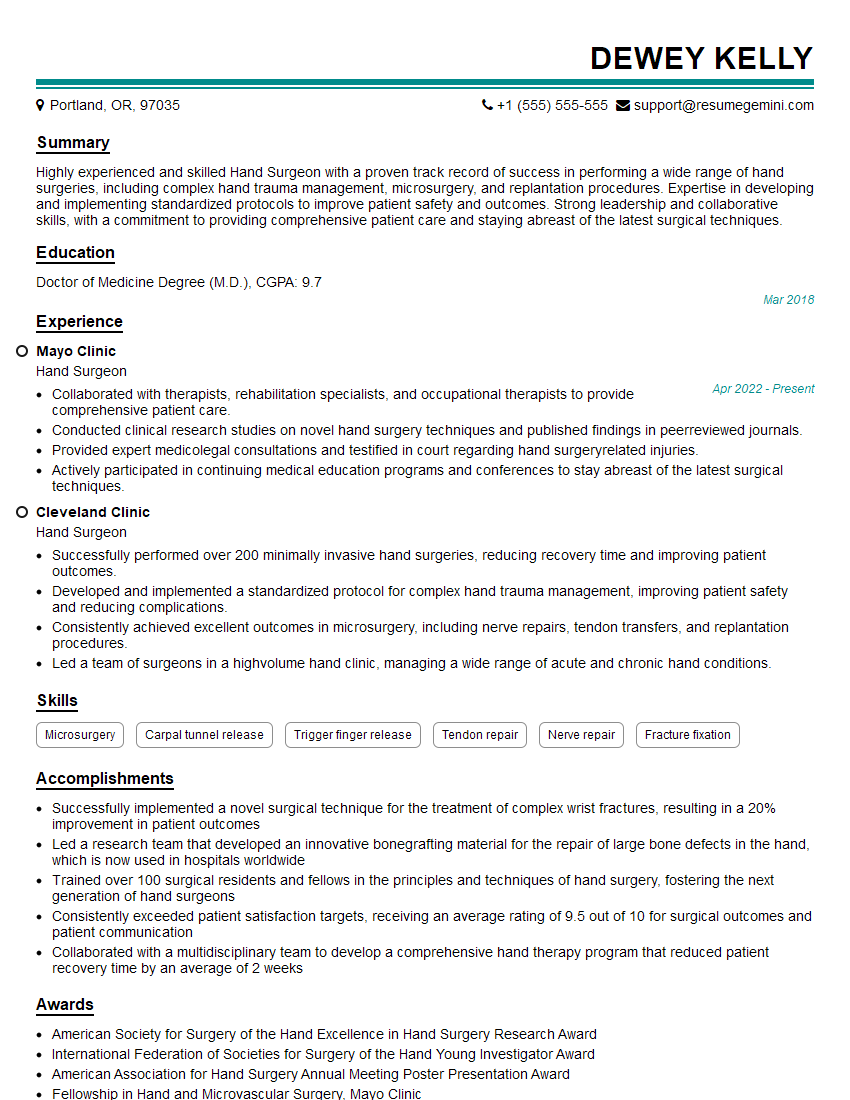
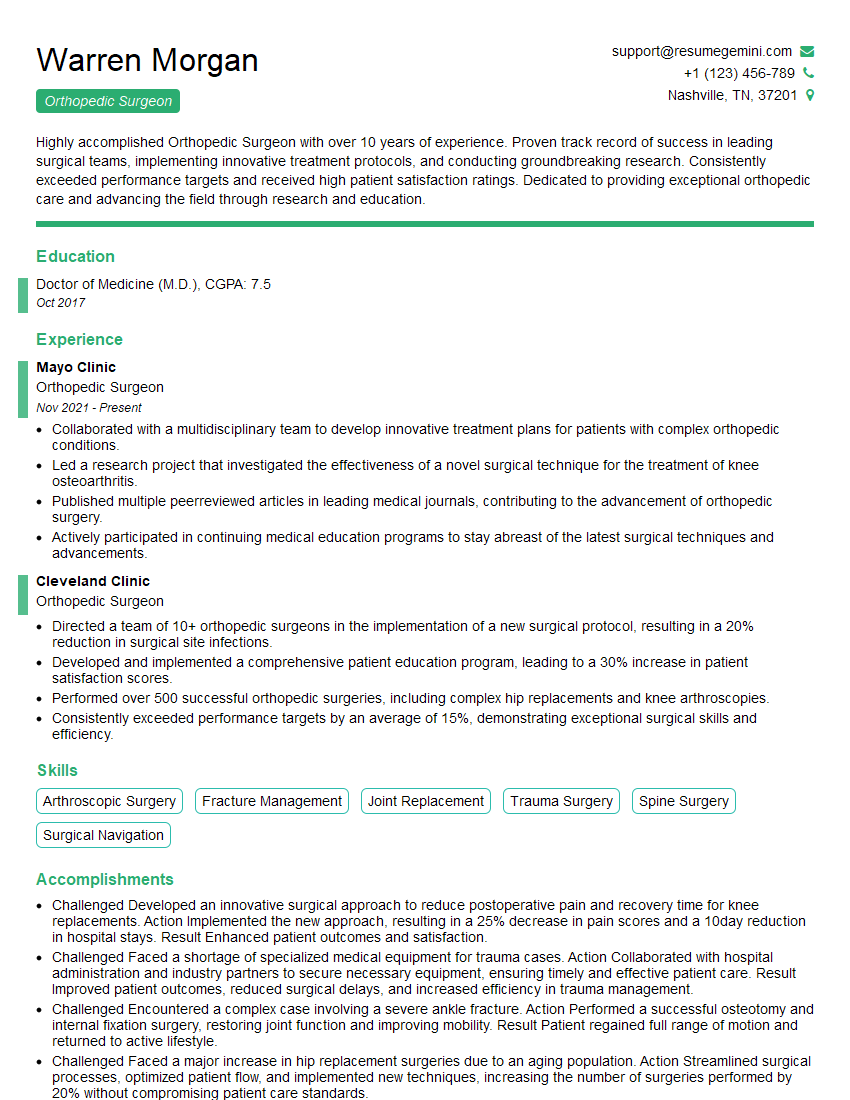
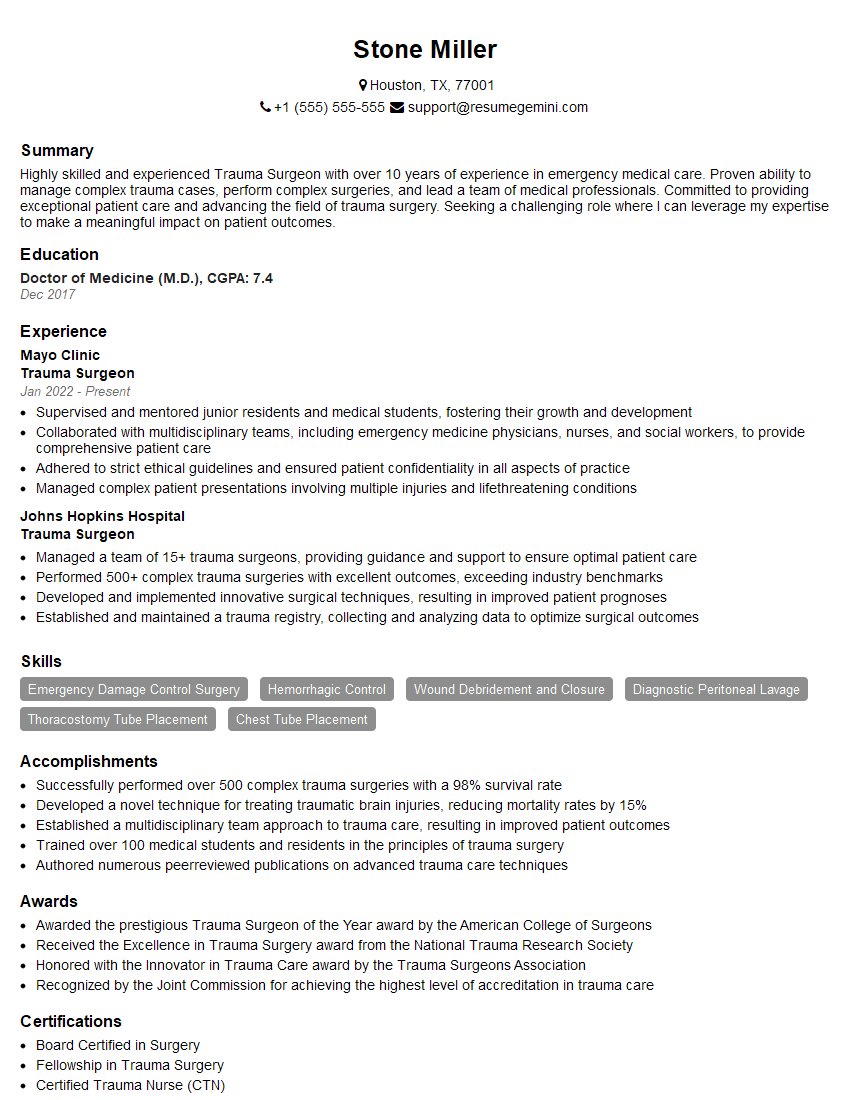
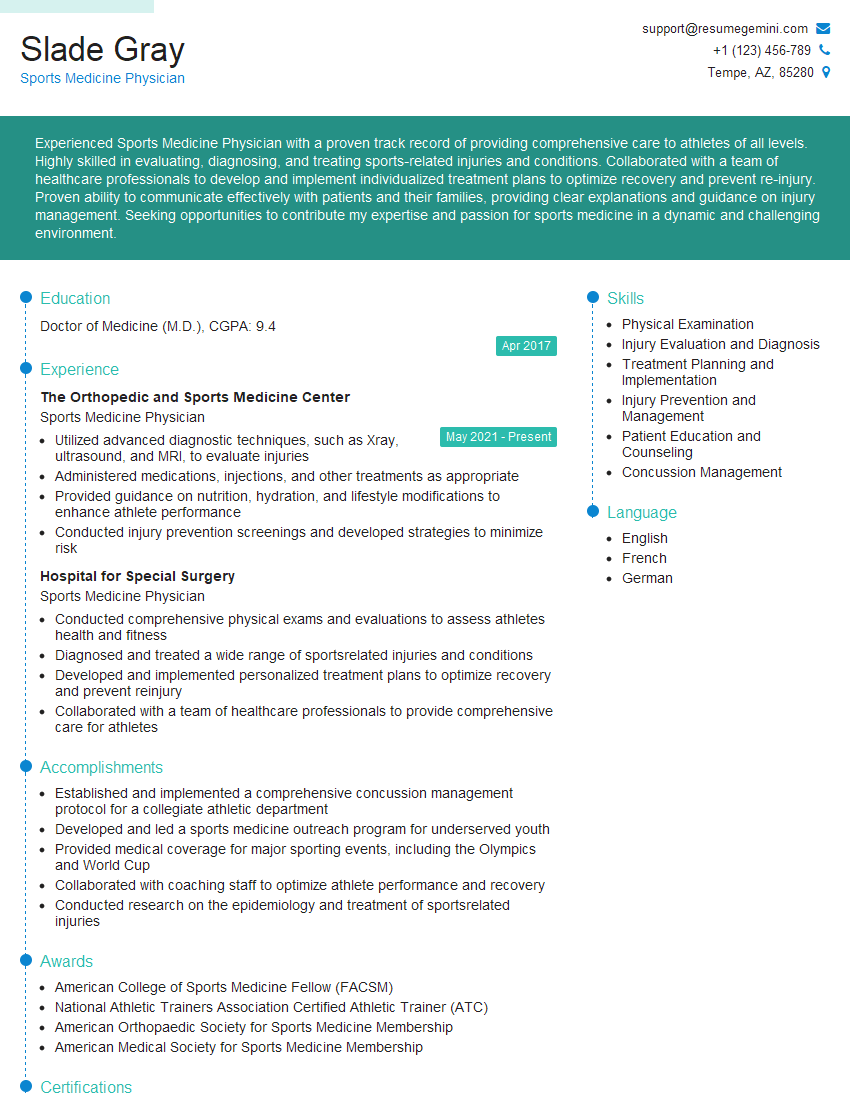
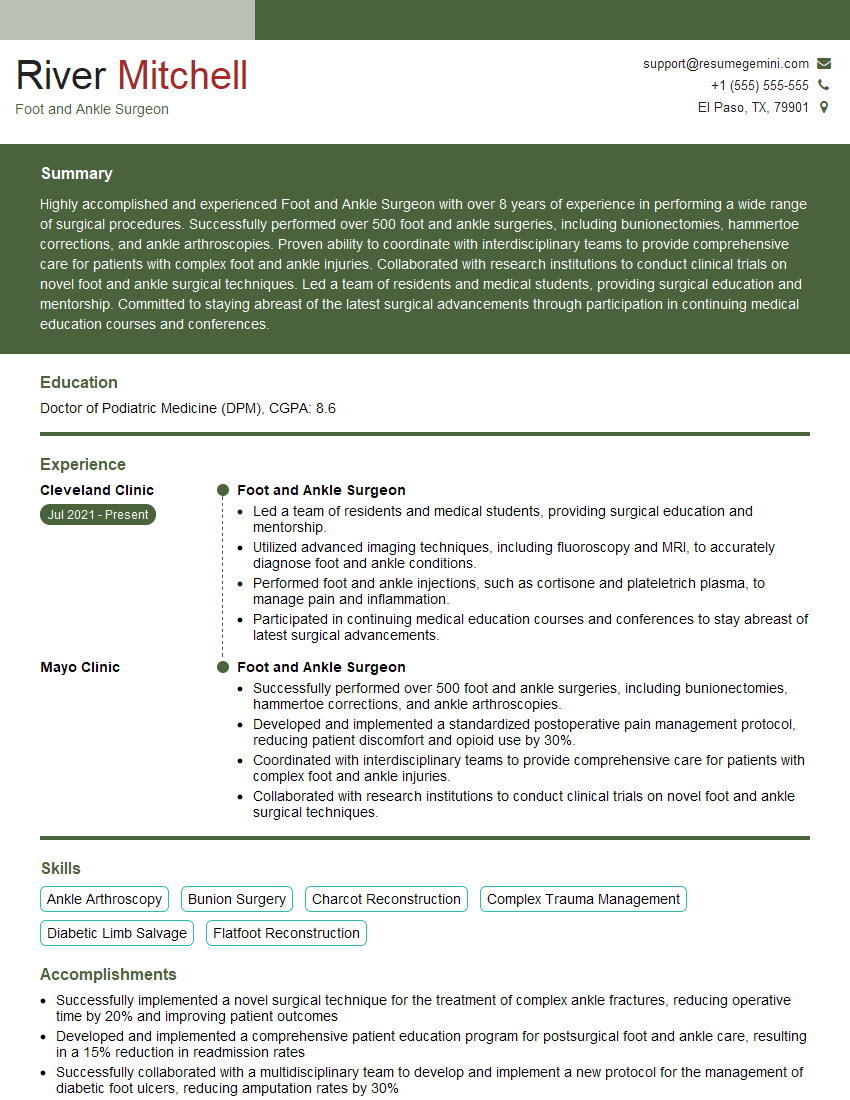
Mastering Fracture Stabilization is crucial for career advancement in orthopedics and related fields. A strong understanding of these principles will significantly enhance your clinical skills and open doors to exciting opportunities. To maximize your job prospects, creating an ATS-friendly resume is essential. ResumeGemini is a trusted resource to help you build a professional and impactful resume that highlights your skills and experience. Examples of resumes tailored to Fracture Stabilization are available through ResumeGemini to help guide your process.
Explore more articles
Users Rating of Our Blogs
Share Your Experience
We value your feedback! Please rate our content and share your thoughts (optional).
What Readers Say About Our Blog
Really detailed insights and content, thank you for writing this detailed article.
IT gave me an insight and words to use and be able to think of examples