Interviews are more than just a Q&A session—they’re a chance to prove your worth. This blog dives into essential Experience with Troubleshooting Electrical Problems interview questions and expert tips to help you align your answers with what hiring managers are looking for. Start preparing to shine!
Questions Asked in Experience with Troubleshooting Electrical Problems Interview
Q 1. Describe your experience troubleshooting complex electrical circuits.
Troubleshooting complex electrical circuits requires a systematic approach combining theoretical knowledge with practical skills. My experience encompasses working with circuits ranging from simple residential wiring to intricate industrial control systems. For example, I once diagnosed a malfunction in a large industrial machine’s control panel where multiple PLC (Programmable Logic Controller) modules were interconnected. The issue presented as intermittent shutdowns, and through careful observation, multimeter readings, and examination of the schematics, I traced the problem to a faulty connection within a specific module, ultimately avoiding costly downtime.
Another instance involved a building’s complex lighting system exhibiting unpredictable dimming. By meticulously analyzing the system’s wiring diagrams and using a clamp meter to measure current draw at various points, I pinpointed the faulty dimmer switch that was causing the issue, replacing it to restore normal operation. These examples highlight my ability to handle the complexities of diverse electrical systems, ranging from simple to extremely intricate ones.
Q 2. Explain the process you follow when diagnosing an electrical fault.
My diagnostic process for electrical faults is structured and methodical, prioritizing safety first. It typically involves these steps:
- Safety Assessment: I always begin by de-energizing the circuit, using lockout/tagout procedures where appropriate. This prevents electrocution and ensures a safe working environment.
- Visual Inspection: A thorough visual inspection helps identify any obvious problems like loose connections, damaged wiring, or overheating components. I look for burn marks, discoloration, or any signs of physical damage.
- Schematic Review: Consulting the electrical schematic or wiring diagram helps understand the circuit’s topology and trace the signal path to pinpoint the potential fault location.
- Testing and Measurement: I use multimeters, clamp meters, and other diagnostic tools (like oscilloscopes for more advanced troubleshooting) to measure voltage, current, and resistance at various points in the circuit. These measurements confirm suspicions and provide quantitative data.
- Troubleshooting: This involves a process of elimination, systematically checking components and connections based on the test results and schematic. I might use continuity tests to identify broken wires or open circuits.
- Repair and Verification: Once the fault is identified and repaired, I re-energize the circuit (after thorough safety checks) and perform functional tests to verify the repair’s effectiveness.
This systematic approach ensures efficient and safe troubleshooting, minimizing downtime and preventing further damage.
Q 3. How do you use multimeters and other diagnostic tools effectively?
Multimeters are indispensable tools for electrical troubleshooting. I’m proficient in using both analog and digital multimeters to measure voltage (AC and DC), current (AC and DC), and resistance. For instance, I’d use the voltage setting to verify that power is reaching a specific component, the current setting to check for excessive current draw (a sign of a short circuit), and the resistance setting to check for continuity in wires or to test the integrity of components like resistors.
Beyond multimeters, I effectively utilize other tools like clamp meters (to measure current without breaking the circuit), oscilloscopes (to analyze waveforms and identify signal integrity issues), and infrared thermometers (to detect overheating components). Each tool plays a crucial role depending on the complexity and nature of the electrical problem. Understanding the limitations and capabilities of each tool is critical for accurate diagnosis.
Q 4. What safety precautions do you prioritize when troubleshooting electrical systems?
Safety is paramount in electrical troubleshooting. My top priorities include:
- Lockout/Tagout (LOTO): Always de-energize circuits before working on them, using LOTO procedures to prevent accidental energization. This is non-negotiable.
- Personal Protective Equipment (PPE): I consistently wear appropriate PPE, including safety glasses, insulated gloves, and non-conductive footwear.
- Proper Tools: Utilizing tools with insulated handles and in good working condition is crucial. Damaged tools can compromise safety.
- Awareness of Surroundings: Maintaining awareness of the environment, avoiding working in wet conditions, and being mindful of potential hazards are essential.
- Following Codes and Standards: I adhere strictly to relevant electrical codes and standards (like the NEC in the US) to ensure safe practices.
Safety isn’t just a checklist; it’s a mindset I maintain throughout the entire troubleshooting process.
Q 5. How do you interpret electrical schematics and wiring diagrams?
Interpreting electrical schematics and wiring diagrams is fundamental to my work. I’m proficient in reading and understanding different types of diagrams, from single-line diagrams to complex ladder diagrams. These diagrams act as maps of the electrical system, showing the interconnection of components, pathways of electricity, and control logic. Understanding these symbols and their arrangement is crucial for tracing the flow of electricity, identifying components, and understanding the circuit’s overall function.
For example, a ladder diagram displays the logic of a control circuit, where contacts (representing switches or sensors) and coils (representing relays or actuators) are interconnected to control the operation of machinery. I’m experienced in interpreting the different symbols, understanding the logic gates, and tracing the signal paths to diagnose faults in these types of diagrams.
Q 6. Explain your experience with troubleshooting AC and DC circuits.
I have extensive experience troubleshooting both AC (Alternating Current) and DC (Direct Current) circuits. AC circuits, characterized by their constantly changing voltage and current, often involve considerations like transformers, capacitors, and inductors. Troubleshooting AC circuits may involve measuring voltage and current waveforms using an oscilloscope to identify issues like phase shifts, harmonic distortions, or impedance mismatches. For instance, a faulty capacitor in an AC power supply can cause erratic voltage output.
DC circuits, with their constant voltage and current, are simpler in some respects, but troubleshooting can involve identifying issues like voltage drops, short circuits, and open circuits. I have experience troubleshooting everything from simple DC circuits in electronic devices to larger DC power systems. Identifying voltage drops along a long DC cable run using a multimeter is a common task in this area.
Q 7. Describe your experience troubleshooting three-phase power systems.
Troubleshooting three-phase power systems requires a thorough understanding of their unique characteristics. These systems use three separate AC voltages that are 120 degrees out of phase with each other, providing more power and efficiency. I’ve worked on systems ranging from small industrial facilities to large commercial buildings.
Troubleshooting often involves using specialized equipment like three-phase multimeters and clamp meters to measure voltage, current, and power in each phase. Identifying imbalances between phases, detecting phase-to-ground faults, and diagnosing issues with motors or other three-phase loads are common tasks. For example, an unbalanced three-phase load can cause overheating in motors and transformers. My experience includes using specialized testing equipment and software to analyze the system’s performance and identify the root cause of malfunctions in these more complex scenarios.
Q 8. How do you identify and resolve grounding issues?
Grounding issues are a critical safety concern in any electrical system. They occur when a fault allows current to flow to earth unexpectedly, potentially causing shocks, fires, or equipment damage. Identifying these issues involves a multi-pronged approach.
- Visual Inspection: I begin by carefully inspecting all wiring, connections, and grounding conductors for any signs of damage, corrosion, or loose connections. Look for anything burnt, frayed, or discolored.
- Testing with a Multimeter: A multimeter is indispensable. I measure the resistance between the grounding conductor and earth ground. A low resistance (ideally close to zero) indicates a good ground. High resistance or an open circuit indicates a grounding problem. I also check for voltage between the ground and other parts of the system; any significant voltage points to a fault.
- Grounding Continuity Testing: For larger systems, I use a dedicated grounding continuity tester. This instrument provides a more thorough evaluation of the entire grounding system, including paths and impedances.
- Troubleshooting: Once a grounding fault is identified, the solution depends on the cause. It might involve tightening loose connections, replacing damaged wires or components, or installing new grounding conductors if the existing system is inadequate. For instance, I once found a high resistance due to corrosion on a ground rod; replacing the rod solved the issue.
Safety is paramount. Always de-energize the circuit before working on it. I follow strict lockout/tagout procedures to prevent accidental energization.
Q 9. How familiar are you with various types of electrical motors and their troubleshooting?
My experience encompasses a wide variety of electrical motors, from small fractional horsepower motors in appliances to large industrial three-phase motors. I’m familiar with AC induction motors, DC motors (both brushed and brushless), and servo motors. Troubleshooting these motors often involves a systematic approach.
- Visual Inspection: I start with a visual check for obvious problems like loose connections, burnt windings, or physical damage.
- Testing Motor Parameters: Using a multimeter, I measure insulation resistance, winding resistance, and voltage across terminals. Anomalies here could indicate shorted windings, open circuits, or other internal faults.
- Load Testing: I assess the motor’s performance under load. Stalling, overheating, or unusual sounds can point to mechanical issues (bearings, rotor imbalances) or electrical problems.
- Motor Control Circuit Testing: Many motor failures are not the motor itself, but rather a malfunctioning starting capacitor, relay, or other component in the motor control circuitry. This requires careful checking of all components involved.
- Specific Motor Types: Troubleshooting varies by motor type. For example, problems with a servo motor often involve encoder issues or control signal problems, while in AC induction motors, issues may involve faulty capacitors in the motor start circuit.
For example, I once diagnosed a problem with a large industrial motor that appeared to be failing. Initial tests were inconclusive. However, by carefully analyzing the motor’s current draw under load and comparing it to specifications, I identified an imbalance in the motor’s rotor, a mechanical issue, rather than an electrical one.
Q 10. Explain your experience with Programmable Logic Controllers (PLCs).
I have extensive experience programming and troubleshooting Programmable Logic Controllers (PLCs). PLCs are the brains of many industrial automation systems. My experience includes:
- Programming Languages: I’m proficient in various PLC programming languages, including Ladder Logic (the most common), Structured Text, Function Block Diagram, and Sequential Function Charts. I can create and modify programs to control various industrial processes.
- PLC Hardware: I’m familiar with different PLC hardware platforms from various manufacturers (e.g., Allen-Bradley, Siemens, Schneider Electric) and understand their communication protocols (e.g., Ethernet/IP, Profinet, Modbus).
- Troubleshooting Techniques: My troubleshooting skills involve using PLC diagnostic tools, analyzing error logs, tracing signals through the program, and using simulation tools to identify and correct programming errors. I also know how to interpret and interpret I/O data to find the root cause of problems.
- Integration with Other Systems: I’ve worked on integrating PLCs with SCADA (Supervisory Control and Data Acquisition) systems and other industrial control equipment, including HMI (Human Machine Interfaces).
In one project, I successfully diagnosed a PLC program fault that was causing intermittent production line stops. Through systematic analysis of the PLC program, I discovered a race condition in the code that was causing unexpected behavior. I corrected the condition, preventing future system shutdowns.
Q 11. Describe your experience with troubleshooting industrial control systems.
Troubleshooting industrial control systems requires a broad skill set, combining electrical knowledge with an understanding of control logic, process instrumentation, and safety systems. My experience includes:
- System Architecture: I understand the architecture of various industrial control systems, including their sensors, actuators, communication networks, and safety interlocks.
- Diagnostic Tools: I utilize various diagnostic tools, such as oscilloscopes, logic analyzers, and network analyzers, to pinpoint problems within the system.
- Communication Protocols: I’m familiar with industrial communication protocols such as Profibus, Modbus, Ethernet/IP, and others, and can troubleshoot communication failures within the system.
- Safety Systems: I’m experienced in working with safety-related systems, including emergency stop circuits, safety relays, and light curtains. I understand their function and importance in preventing accidents.
- Root Cause Analysis: I don’t just fix immediate symptoms; I perform root cause analysis to prevent recurrence of problems and improve system reliability.
For example, I once resolved a significant production downtime issue in a manufacturing plant caused by intermittent failures in a complex control system. By meticulously tracing signals and analyzing communication logs, I identified a faulty communication module causing packet loss, and replaced it. After thorough testing I confirmed system stability.
Q 12. How do you diagnose and repair faulty electrical components such as relays, switches, and circuit breakers?
Diagnosing and repairing faulty electrical components like relays, switches, and circuit breakers involves a combination of visual inspection and electrical testing. Safety is always paramount; always de-energize the circuit before working on these components.
- Visual Inspection: Look for obvious signs of damage, such as burns, arcing marks, or physical damage. Loose connections are a frequent cause of problems.
- Relay Testing: Relays are tested using a multimeter to check continuity in the coil circuit and the switching contacts. A faulty relay might show an open circuit in the contacts even when the coil is energized.
- Switch Testing: Switches are tested for continuity between their terminals in the open and closed positions. A multimeter is used to verify the switch correctly opens and closes the circuit.
- Circuit Breaker Testing: Circuit breakers can be tested using a multimeter to check their trip mechanism, to make sure the breaker correctly disconnects the circuit when a fault occurs. It is important to follow proper procedures to test and reset circuit breakers and not to bypass safety mechanisms.
For instance, I once encountered a situation where a seemingly simple light switch caused repeated power outages. A thorough inspection revealed internal arcing damage, necessitating its replacement. This prevented further potential hazards.
Q 13. Explain your experience working with high voltage equipment.
My experience with high-voltage equipment is extensive and always involves adhering to strict safety protocols. I’ve worked with systems ranging from medium voltage (e.g., 480V distribution systems) to high voltage (e.g., transmission lines).
- Safety Procedures: Working with high voltage demands rigorous adherence to safety protocols, including proper lockout/tagout procedures, use of personal protective equipment (PPE) such as insulated gloves, safety glasses, and arc flash suits, and the use of specialized high-voltage testing equipment.
- Specialized Tools and Equipment: High-voltage testing requires specialized equipment such as high-voltage insulation testers, megohmmeters, and other safety-rated tools.
- Testing and Maintenance: Regular inspection and testing of insulation and grounding systems are critical in high-voltage environments. I’m proficient in using various types of high-voltage testers to measure insulation resistance, check for partial discharges, and assess the overall health of the equipment.
- Arc Flash Hazard Mitigation: I understand and actively apply arc flash hazard mitigation techniques. This includes wearing appropriate PPE, conducting risk assessments, and establishing safe work practices to prevent or minimize the risks associated with high-voltage arc flashes.
I once participated in the maintenance of a large high-voltage substation. My team and I followed stringent safety procedures to perform the required inspections and testing, which is vital to prevent accidents and maintain system reliability. This involved using specialized equipment and detailed risk assessment before commencing any work.
Q 14. How do you handle emergency situations involving electrical faults?
Handling emergency situations involving electrical faults requires a calm and methodical approach, prioritizing safety above all else.
- Immediate Actions: The first step is to ensure the safety of personnel. This involves evacuating the affected area and turning off the power source if possible. Never approach a live electrical hazard without the proper safety equipment and training.
- Assessment: Once the area is secured, I would assess the situation. Determine the extent of the fault and the potential dangers involved. Identify the source of the problem.
- Emergency Services: In severe cases involving significant hazards, fire, or injuries, call emergency services immediately. I always have emergency contact numbers readily available.
- Repair and Restoration: Once the immediate danger is neutralized, I would initiate the necessary repairs. This might involve isolating the faulty component, replacing damaged equipment, or conducting thorough inspections to determine the root cause of the fault. For many problems, this might require a call to a higher authority, depending on the complexity.
- Documentation: I meticulously document all aspects of the emergency situation including the steps taken, equipment used, and any findings. This documentation is critical for future reference and analysis.
In one instance, a significant short circuit triggered a small fire in an electrical panel. Following established emergency procedures, my team and I evacuated the area, deactivated the power, and contacted the fire department and facility maintenance. The fire was extinguished, the cause determined, and repairs were completed in accordance with safety regulations.
Q 15. Describe your approach to documenting troubleshooting procedures and findings.
My approach to documenting troubleshooting procedures and findings is meticulous and standardized. I use a combination of digital and physical methods to ensure comprehensive record-keeping. For digital documentation, I utilize a dedicated software (often a specialized CMMS system) to create detailed reports. These reports include the date and time of the incident, a precise description of the problem, the steps taken to diagnose the issue, the components replaced or repaired, and any relevant schematics or diagrams. I also incorporate photographic or video evidence to support my findings. Critically, each step in the troubleshooting process is meticulously documented, allowing for easy replication and future reference, improving efficiency and preventing repetition of errors. Physically, I maintain a detailed logbook that provides a quick summary of each issue and its resolution, cross-referenced to the digital files. This dual system ensures data redundancy and accessibility, regardless of technical issues.
For instance, during a recent troubleshooting task involving an intermittent power outage in a server room, I documented every test performed using a multimeter, including voltage readings at various points in the circuit. This detailed report allowed the facility manager to understand the exact cause (a loose connection in a junction box) and the precise steps undertaken to solve the issue, ultimately preventing future problems.
Career Expert Tips:
- Ace those interviews! Prepare effectively by reviewing the Top 50 Most Common Interview Questions on ResumeGemini.
- Navigate your job search with confidence! Explore a wide range of Career Tips on ResumeGemini. Learn about common challenges and recommendations to overcome them.
- Craft the perfect resume! Master the Art of Resume Writing with ResumeGemini’s guide. Showcase your unique qualifications and achievements effectively.
- Don’t miss out on holiday savings! Build your dream resume with ResumeGemini’s ATS optimized templates.
Q 16. What are common causes of electrical shorts and how do you address them?
Electrical shorts are a common cause of electrical failures, resulting from unintended contact between two conductors carrying different voltages. This often leads to excessive current flow, which can cause overheating, sparking, fire, and equipment damage. Common causes include:
- Damaged Insulation: Aging, rodent damage, or physical stress on wires can compromise insulation, leading to short circuits.
- Loose Connections: Poorly connected wires or terminals can create high resistance points, leading to heat buildup and potential arcing.
- Water Intrusion: Moisture entering electrical equipment or wiring can create conductive paths and cause shorts.
- Foreign Objects: Metal objects, such as tools or debris, falling into electrical panels or wiring can create short circuits.
Addressing electrical shorts requires careful and systematic troubleshooting. The first step is to completely de-energize the circuit using appropriate safety measures (lockout/tagout procedures). Then, I use a multimeter to check for continuity and identify the exact location of the short. Once identified, the damaged wiring or component needs to be replaced, ensuring proper insulation and connections. Finally, I conduct thorough testing to verify the repair and ensure the circuit operates safely. Ignoring a short circuit can have serious consequences, so a cautious and thorough approach is vital.
Q 17. How do you troubleshoot problems with electrical wiring in buildings or industrial facilities?
Troubleshooting electrical wiring in buildings or industrial facilities requires a systematic approach that balances safety with effectiveness. I begin with a visual inspection, checking for any obvious signs of damage, such as exposed wires, loose connections, or burned insulation. This is followed by careful examination of blueprints and wiring diagrams to understand the building’s electrical system. I use a variety of testing equipment, including multimeters (to measure voltage, current, and resistance) and specialized wire trackers (to trace the path of wires within walls or conduits), to pinpoint problems. If the problem is buried deep within a wall, I’ll use non-destructive methods such as infrared thermography (as explained in the next answer) to locate hot spots indicating a potential short or overload. For larger systems, I might use clamp meters to monitor currents drawn by individual equipment.
A methodical, step-by-step approach is crucial. I’ll isolate sections of the circuit to identify the problem area, always ensuring safety protocols are followed, especially in industrial settings where high voltages and complex machinery are involved. In all cases, appropriate safety precautions, including lockout/tagout procedures, are strictly followed to protect myself and others.
Q 18. Explain your experience with using thermal imaging cameras for electrical diagnostics.
Thermal imaging cameras are invaluable tools for electrical diagnostics. They detect infrared radiation emitted by objects, allowing visualization of temperature differences. In electrical systems, this translates into identifying areas of excessive heat buildup, which often indicates underlying problems like loose connections, overloaded circuits, or impending failures. I’ve used these cameras extensively to detect overheating components in electrical panels, identify failing connections in motor control circuits, and spot insulation breakdown in high-voltage cables.
For example, a thermal image of a panel might reveal one breaker significantly hotter than others, pointing to a potential overload or internal fault. Similarly, a thermal image of a motor might show localized overheating in the windings, indicating potential failure. The images provide visual evidence to support troubleshooting efforts and help prioritize repairs. The information gleaned from thermal imaging significantly reduces downtime and prevents catastrophic failures.
Q 19. What is your experience with electrical safety regulations and codes?
My experience with electrical safety regulations and codes is comprehensive. I am thoroughly familiar with the National Electrical Code (NEC) and other relevant local and international standards. These regulations dictate safe practices for installation, maintenance, and inspection of electrical systems. Understanding these codes is crucial for ensuring workplace safety and preventing electrical hazards.
I incorporate these standards into every aspect of my work, from initial design reviews to final inspections. I know the requirements for grounding, bonding, overcurrent protection, and arc flash hazard mitigation. My experience includes working on projects requiring compliance with OSHA (Occupational Safety and Health Administration) standards and other relevant industry regulations. Adherence to these regulations and codes is not just a procedural requirement but a fundamental commitment to safety.
Q 20. How familiar are you with different types of electrical protection devices?
I’m very familiar with various electrical protection devices, including circuit breakers, fuses, ground fault circuit interrupters (GFCIs), arc fault circuit interrupters (AFCIs), and surge protectors. Each device plays a critical role in protecting electrical systems and preventing damage or injury. Circuit breakers and fuses act as overcurrent protection devices, tripping or melting to interrupt the current flow in the event of an overload or short circuit. GFCIs protect against ground faults, which can be fatal. AFCIs offer protection against arc faults, which can cause fires. Surge protectors safeguard equipment from voltage spikes.
Understanding the different types and applications of these devices is key to designing and maintaining safe electrical systems. For example, the correct selection of circuit breaker amperage is crucial to prevent overloads, while the proper placement of GFCIs in bathrooms and kitchens is crucial to protect against electrocution. My experience encompasses the selection, installation, and testing of these devices.
Q 21. Explain your experience using specialized testing equipment.
I have extensive experience using a wide range of specialized testing equipment, including:
- Multimeters: For measuring voltage, current, resistance, and continuity.
- Clamp meters: For measuring current without interrupting the circuit.
- Megohmmeters (Meggers): For testing insulation resistance.
- Loop testers: For verifying earth ground connections.
- Thermal imaging cameras: For detecting heat signatures indicating potential problems.
- Wire trackers: For tracing the path of wires within walls or conduits.
Proficiency with these tools allows for accurate diagnosis of electrical issues. For example, using a megohmmeter to test insulation resistance can reveal weaknesses in cable insulation before they cause problems. Similarly, a loop tester is vital for ensuring the effectiveness of the grounding system. The choice of equipment depends heavily on the specific nature of the troubleshooting task and the environment. My skills with these instruments provide an efficient and precise approach to identifying and resolving electrical problems.
Q 22. How do you identify and troubleshoot intermittent electrical faults?
Identifying and troubleshooting intermittent electrical faults requires a systematic approach. These faults are notoriously difficult because they don’t occur consistently. Think of it like a flickering light – it works sometimes, but not always. The key is to isolate the problem by systematically eliminating potential causes.
- Observe and Document: The first step is meticulous observation. When does the fault occur? What are the conditions (time of day, load on the circuit, weather)? Keep detailed notes. A simple logbook is invaluable.
- Check Connections: Loose or corroded connections are a frequent culprit. Carefully inspect all wiring, connectors, and terminal points, looking for signs of damage, overheating, or poor contact. Use a visual inspection tool to help examine hard-to-reach areas.
- Test for Voltage and Continuity: Using a multimeter, check voltage levels at various points in the circuit. Look for significant voltage drops across suspect components. Check continuity to verify the circuit is complete and there are no breaks in the wiring.
- Isolate the Circuit: If possible, isolate the affected circuit to rule out other components. For example, if a light is intermittently failing, try replacing the bulb. If that doesn’t fix the problem, the fault is elsewhere in the circuit.
- Consider Environmental Factors: Temperature extremes, moisture, and vibrations can all exacerbate intermittent problems. Examine the environment surrounding the affected area. Is it exposed to the elements?
- Infrared Thermography: In more complex situations, infrared thermography can be a powerful tool. This non-destructive technique identifies hot spots indicative of loose connections, high resistance, or failing components.
Troubleshooting intermittent faults often requires patience and persistence. It’s a process of elimination, and sometimes requires replacing components one at a time to pinpoint the problem.
Q 23. Describe a situation where you had to troubleshoot a difficult electrical problem. What was the solution?
I once encountered a perplexing problem in a large commercial building where multiple outlets on one floor intermittently lost power. Initial checks revealed no obvious problems with breakers or wiring. The building’s electrical system was quite old, with extensive wiring runs. We initially suspected faulty wiring in the walls, but that would have required extensive and costly demolition.
After careful observation and logging of the power outages, I noticed a pattern: they always occurred during peak load times in the late afternoon. This led me to investigate the building’s main electrical panel. I discovered a loose connection on one of the main bus bars—the large copper bars that distribute power throughout the building. The loose connection created intermittent contact resistance, causing voltage drops and power outages during periods of high electrical demand. Tightening the connection completely resolved the problem, avoiding costly and disruptive demolition and rewiring.
Q 24. What are some common causes of overcurrent and how do you prevent them?
Overcurrent, which is simply too much current flowing through a circuit, is a significant safety hazard. It leads to overheating, fire, and equipment damage. Common causes include:
- Short Circuits: A short circuit is an unintended path for current to flow, often caused by damaged insulation, faulty wiring, or accidental contact between conductors.
- Overloads: This occurs when too many appliances or devices are connected to a single circuit, drawing more current than the circuit is designed to handle.
- Faulty Appliances: A malfunctioning appliance can draw excessive current, leading to overcurrent conditions.
- Motor Starting Currents: Motors, especially larger ones, draw high currents during startup, which can trip breakers if not properly protected.
Preventing overcurrent involves a multi-pronged approach:
- Proper Circuit Design: Accurate load calculations are crucial to ensure circuits are appropriately sized.
- Regular Inspections: Periodically inspect wiring and connections for damage or wear.
- Use of Proper Protection Devices: Circuit breakers and fuses are essential safety devices that trip or blow when excessive current is detected, protecting the circuit from damage.
- Avoid Overloading Circuits: Don’t plug too many high-wattage appliances into a single circuit.
- Proper Appliance Maintenance: Ensure your appliances are in good working order and aren’t drawing excessive current.
Q 25. How do you ensure the safety of yourself and others while troubleshooting electrical systems?
Safety is paramount when working with electricity. Here’s my approach:
- Lockout/Tagout Procedures: Always de-energize the circuit before working on it. Use lockout/tagout procedures to prevent accidental re-energization. This is crucial to prevent electrical shock and injury.
- Personal Protective Equipment (PPE): I consistently wear appropriate PPE, including insulated gloves, safety glasses, and arc flash protection if working with high voltage. Appropriate footwear is also important.
- Use of Insulated Tools: All tools used should be properly insulated to prevent electrical shock. I regularly inspect my tools for damage.
- Awareness of Surroundings: I am always aware of my surroundings and potential hazards, such as wet conditions, which can increase the risk of electrical shock.
- Follow Electrical Codes: Adherence to all relevant electrical codes and regulations is non-negotiable.
- Work with a Partner: Whenever possible, I work with a partner for added safety. A second pair of eyes can help identify potential risks and provide assistance if necessary.
Safety isn’t just a checklist, it’s a mindset. Every job starts and ends with a safety assessment, and every task is performed with caution and respect for the power of electricity.
Q 26. Explain your understanding of electrical load calculations and balancing.
Electrical load calculations determine the total power demand of a system or circuit. Load balancing ensures this demand is evenly distributed across multiple circuits or phases, preventing overloading and maximizing system efficiency. Think of it like distributing weight evenly across a bridge to prevent collapse.
The process involves identifying all electrical loads (lights, appliances, motors, etc.) and their power ratings (typically in watts or kilowatts). Then, using formulas, we calculate the total current draw. For example, a 1500-watt heater on a 120V circuit draws 12.5 amps (1500W / 120V = 12.5A). We must ensure that the circuit breaker and wiring are rated to handle this current without overheating. Load balancing is particularly important in three-phase systems where we aim to achieve a balanced load across all three phases to maximize efficiency and minimize voltage imbalance.
Accurate load calculations prevent issues like blown fuses, tripped breakers, voltage drops, and potential fire hazards. Software tools are often employed to assist with these calculations, providing detailed reports and circuit analysis.
Q 27. Describe your experience with electrical system upgrades and modifications.
I have extensive experience with electrical system upgrades and modifications, ranging from small residential projects to larger commercial installations. This includes work such as panel upgrades (replacing older, smaller panels with newer, larger ones to accommodate increased load), service upgrades (increasing the capacity of the main electrical service), adding circuits for new appliances or equipment, and rewiring existing circuits.
In one project, I upgraded the electrical service for a client who was expanding their business. The existing service was insufficient to handle the increased load from new equipment. This involved coordinating with the utility company, obtaining permits, and safely disconnecting and reconnecting the main electrical service while ensuring minimal downtime for the client. The upgrade involved increasing the service capacity, installing a new main panel, and running new wiring to accommodate the increased electrical demand. Careful planning and coordination were crucial to the project’s success.
Each project requires a thorough understanding of local codes, safety regulations, and best practices. The goal is always to create a safe, efficient, and reliable electrical system that meets the client’s needs.
Q 28. What software or tools do you use for electrical troubleshooting and documentation?
For electrical troubleshooting and documentation, I utilize several software and tools:
- Multimeters: Essential for measuring voltage, current, and resistance.
- Clamp Meters: Useful for measuring current without interrupting the circuit.
- Infrared Thermal Imagers: Help identify overheating components.
- Circuit Tracing Tools: Aid in locating and identifying wires and circuits within walls or ceilings.
- Electrical CAD Software: Programs like AutoCAD Electrical allow for schematic design, circuit analysis, and documentation. This is crucial for larger projects.
- Spreadsheet Software (Excel, Google Sheets): I use spreadsheets to organize data from measurements, create load calculations, and document findings.
Accurate and thorough documentation is crucial. This not only facilitates troubleshooting but also provides a valuable record for future maintenance and repairs. Clear diagrams, notes, and test results are invaluable for both the technician and the client.
Key Topics to Learn for Experience with Troubleshooting Electrical Problems Interview
- Fundamental Electrical Concepts: Understanding Ohm’s Law, Kirchhoff’s Laws, series and parallel circuits, AC vs. DC circuits, and basic electrical safety procedures. This forms the bedrock of effective troubleshooting.
- Diagnostic Techniques: Mastering the use of multimeters (voltmeters, ammeters, ohmmeters), interpreting schematics and wiring diagrams, and employing systematic approaches like the “divide and conquer” method to isolate faulty components.
- Common Electrical Problems and Solutions: Familiarize yourself with typical issues like shorts, open circuits, blown fuses, faulty switches, and overloaded circuits. Practice explaining your problem-solving methodology for each.
- Troubleshooting in Specific Systems: Depending on your target role, focus on relevant systems: automotive electrical systems, industrial control systems, building automation systems, or residential wiring. Highlight your experience with the specific equipment and tools used in these systems.
- Preventive Maintenance and Predictive Analysis: Discuss your experience with preventative measures to reduce electrical problems. If applicable, mention experience with data analysis to predict potential failures.
- Safety Regulations and Compliance: Demonstrate awareness of relevant safety standards and regulations (e.g., NEC, OSHA) and your adherence to them in your troubleshooting practices.
- Documentation and Reporting: Explain your process for documenting troubleshooting steps, findings, and solutions. This is crucial for clear communication and future reference.
Next Steps
Mastering the art of troubleshooting electrical problems is paramount for career advancement in many technical fields. A strong understanding of these concepts will significantly improve your interview performance and open doors to exciting opportunities. To maximize your job prospects, create an ATS-friendly resume that showcases your skills and experience effectively. ResumeGemini is a trusted resource to help you build a professional and impactful resume. We provide examples of resumes tailored to highlight experience with troubleshooting electrical problems, ensuring you present your qualifications in the best possible light.
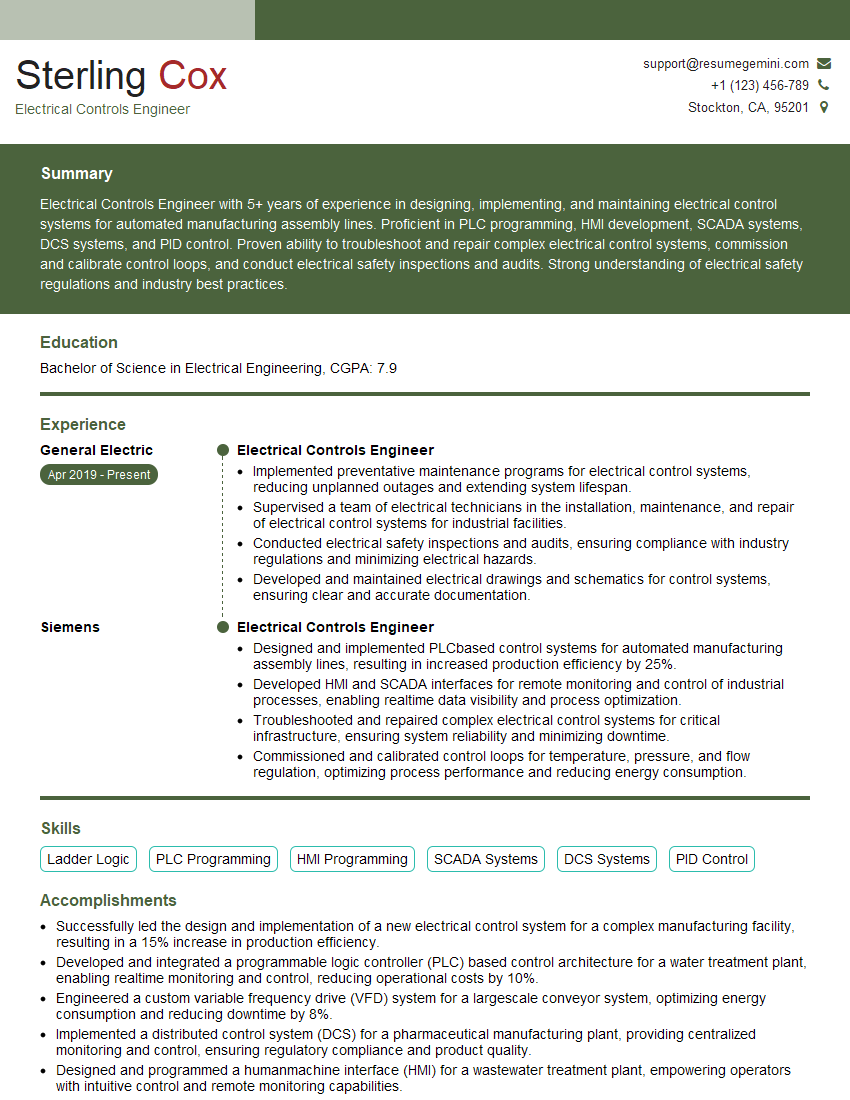
Electrical Controls Engineer Resume Sample
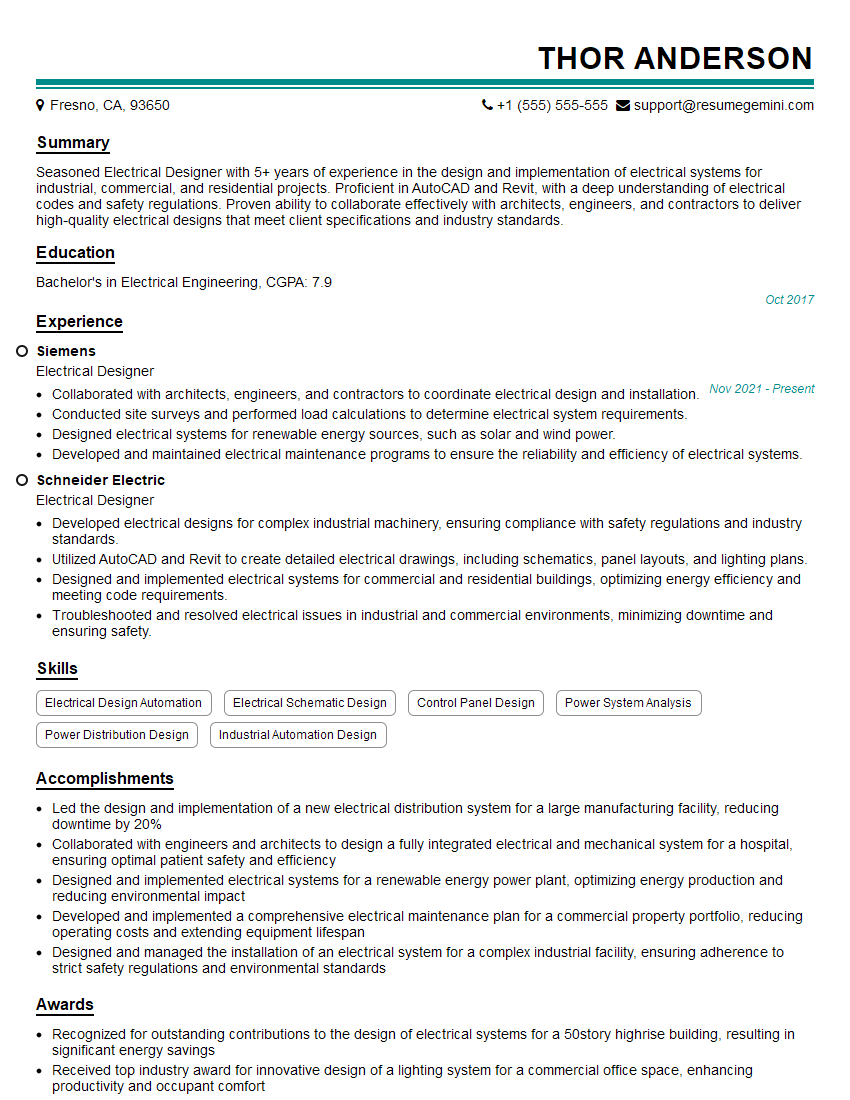
Electrical Designer Resume Sample
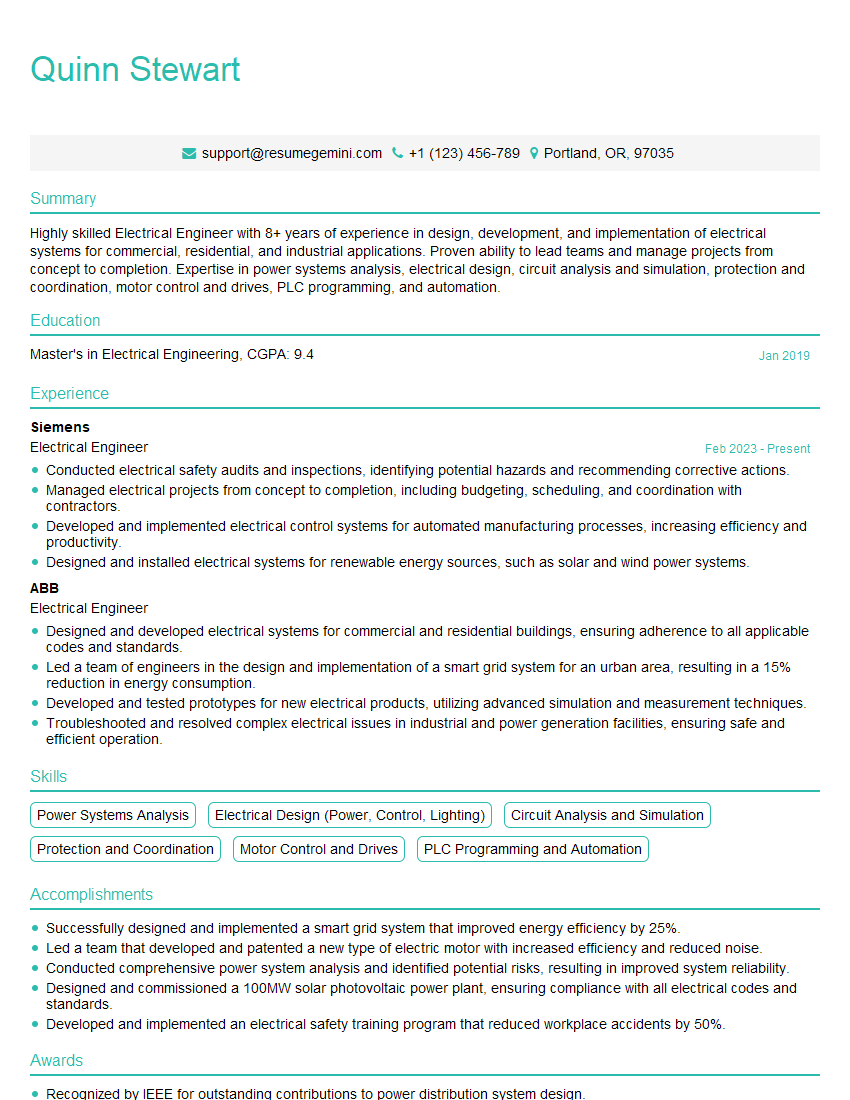
Electrical Engineer Resume Sample
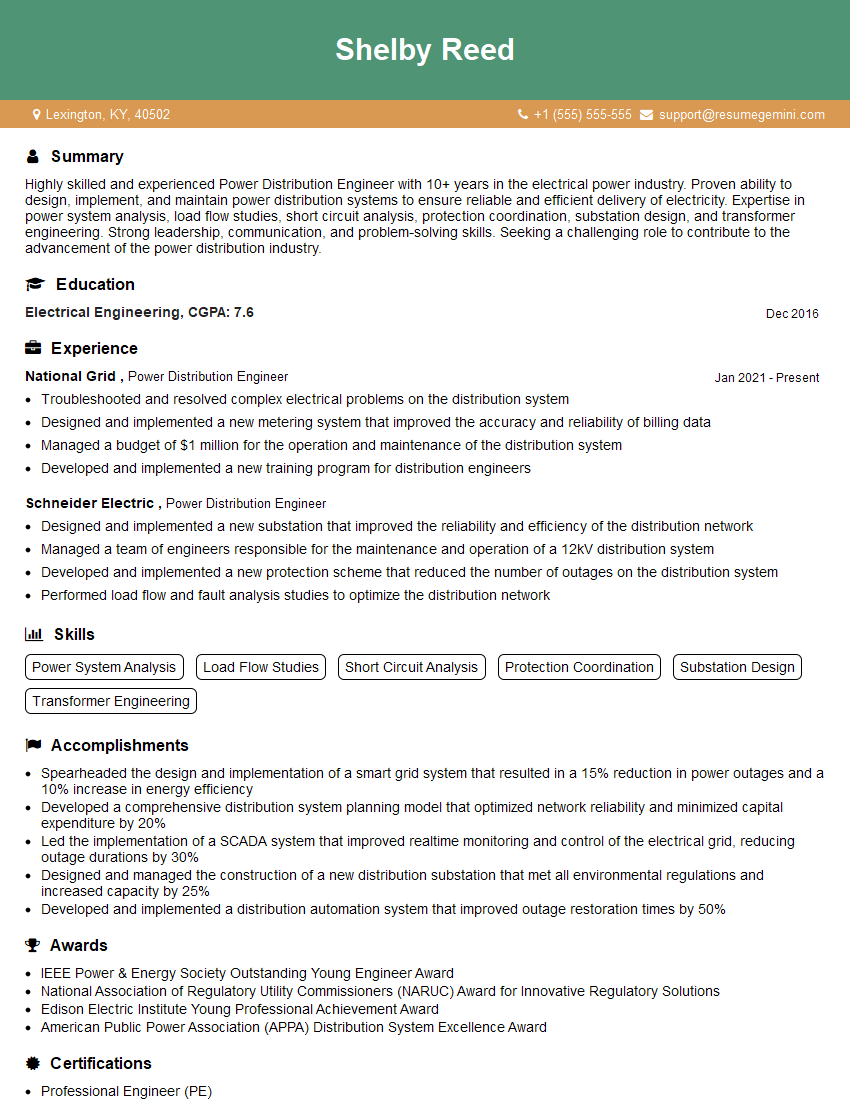
Power Distribution Engineer Resume Sample
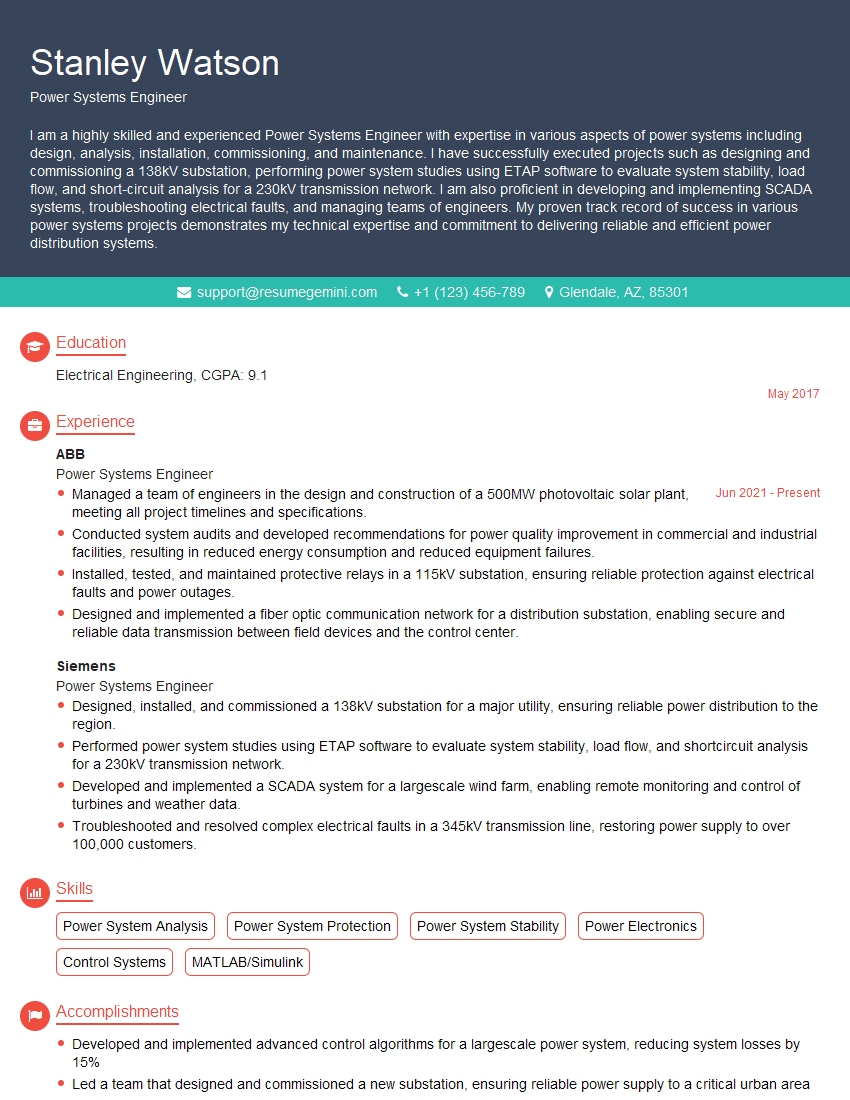
Power Systems Engineer Resume Sample
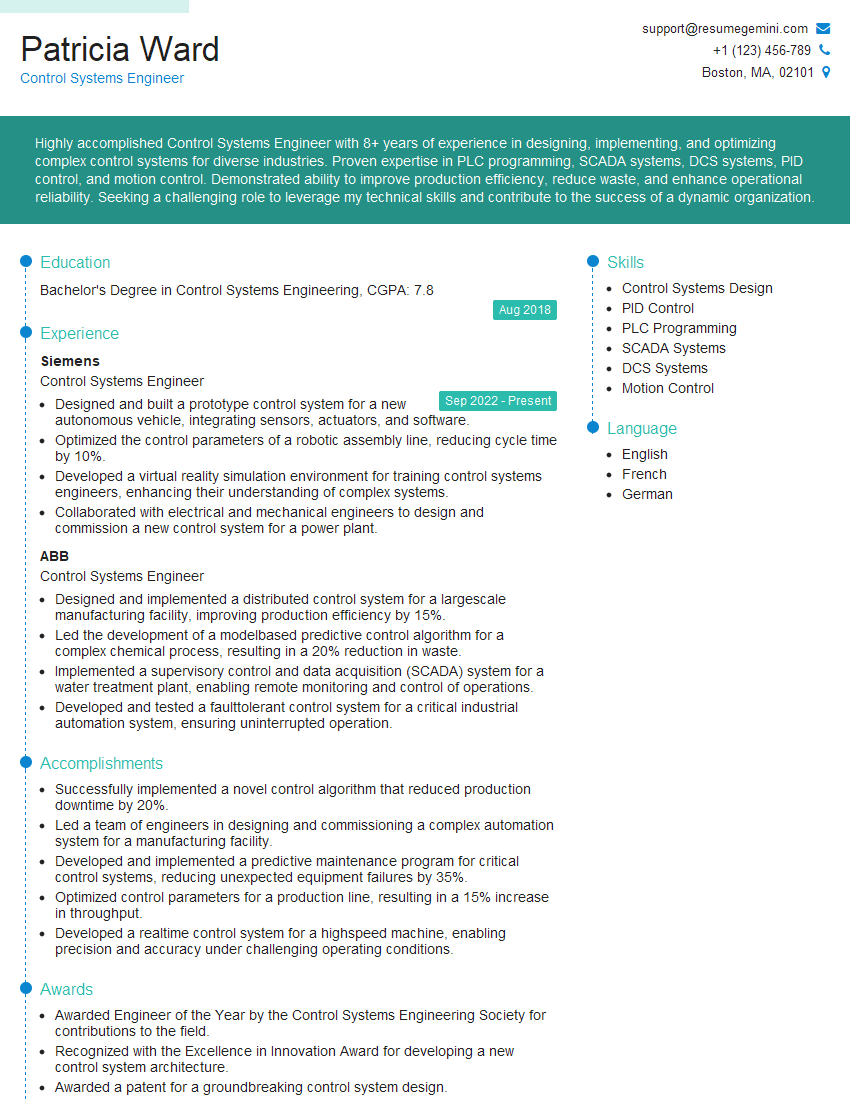
Control Systems Engineer Resume Sample
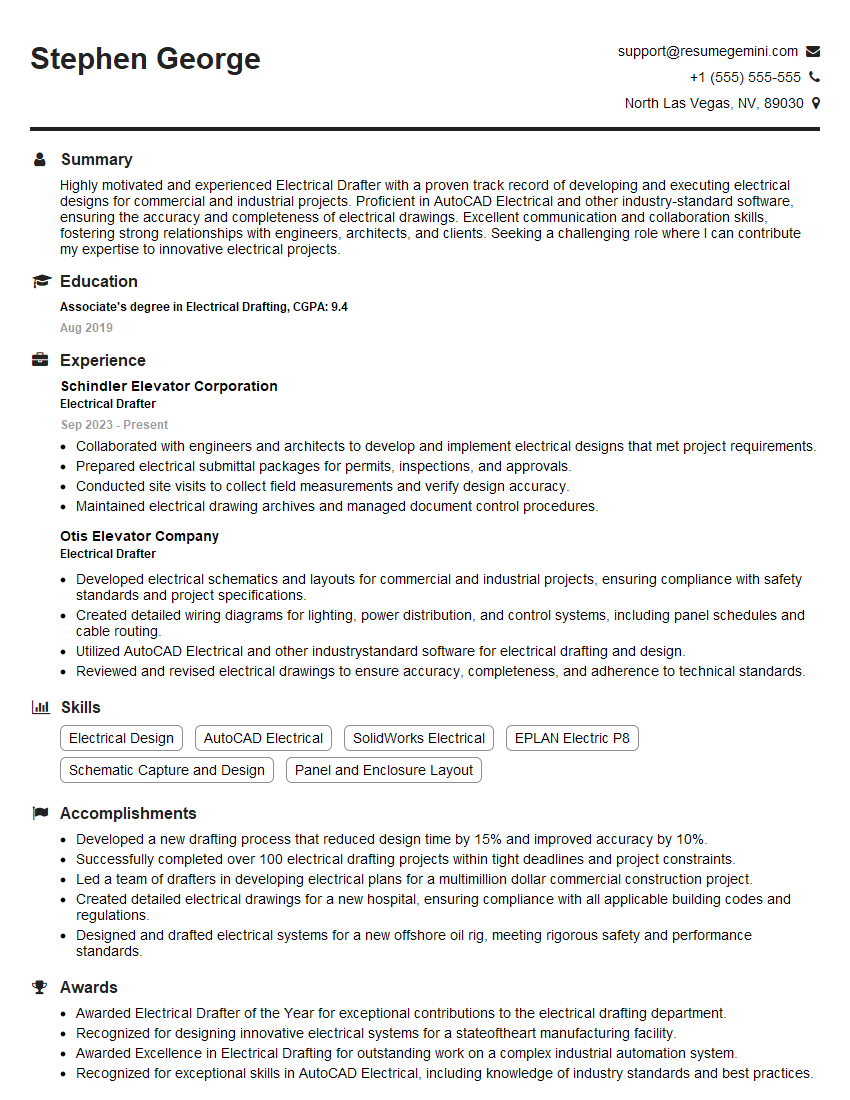
Electrical Drafter Resume Sample
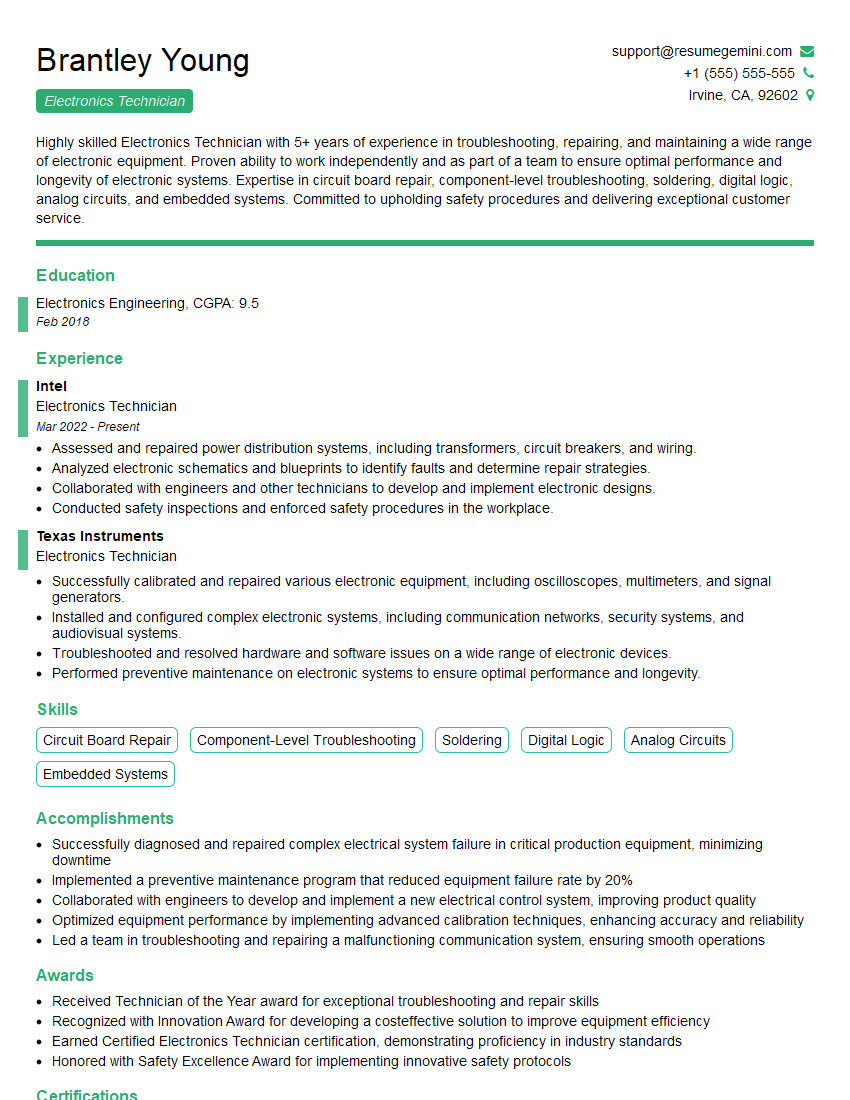
Electronics Technician Resume Sample
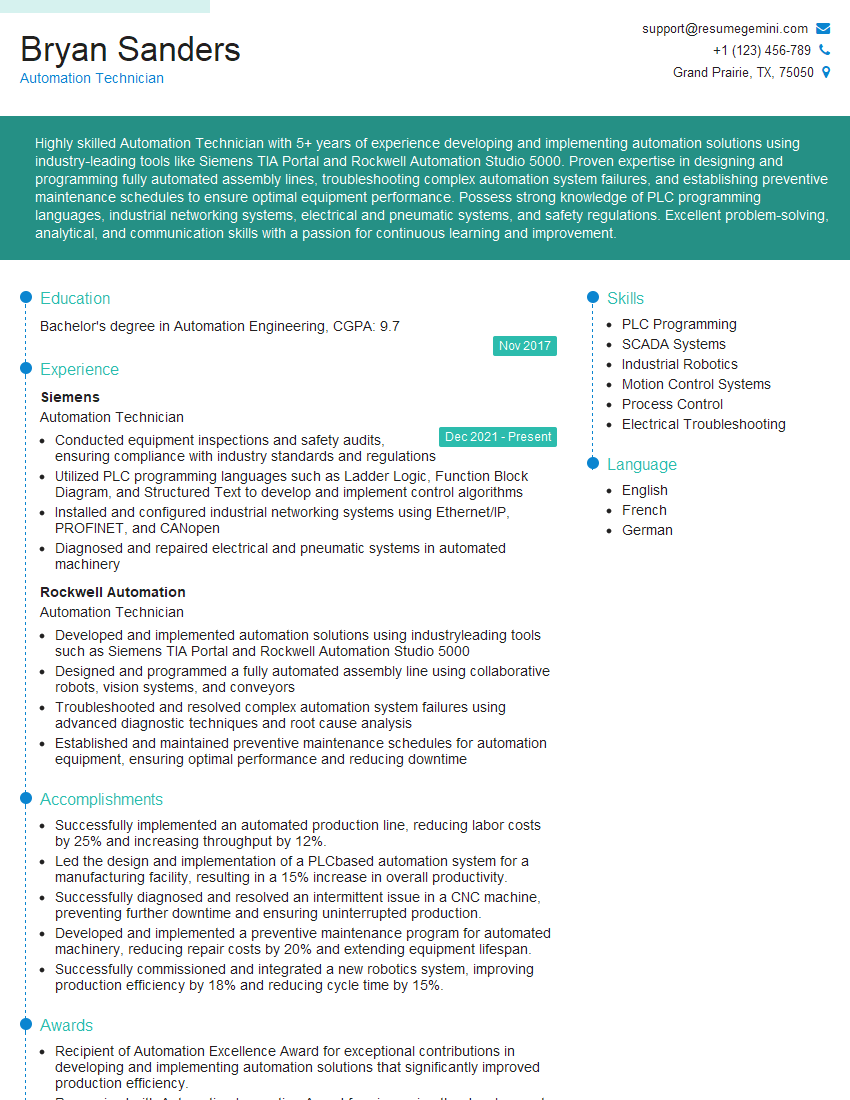
Automation Technician Resume Sample
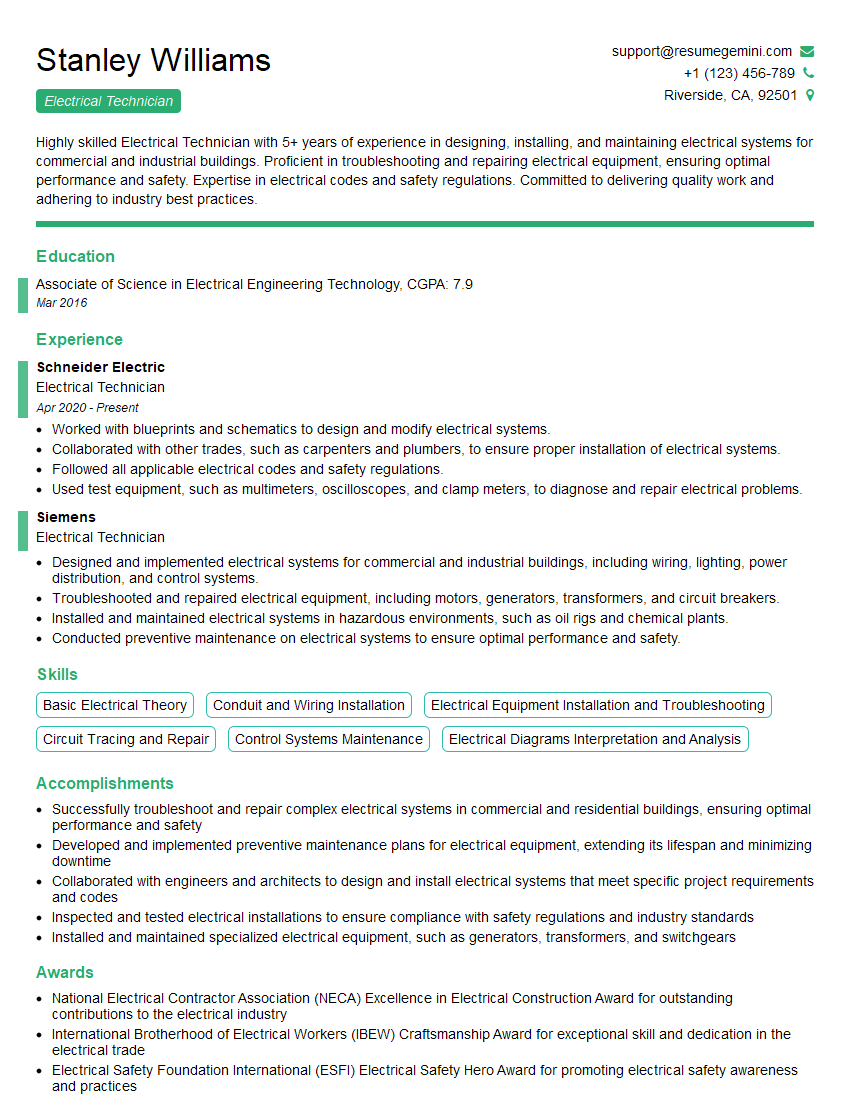
Electrical Technician Resume Sample
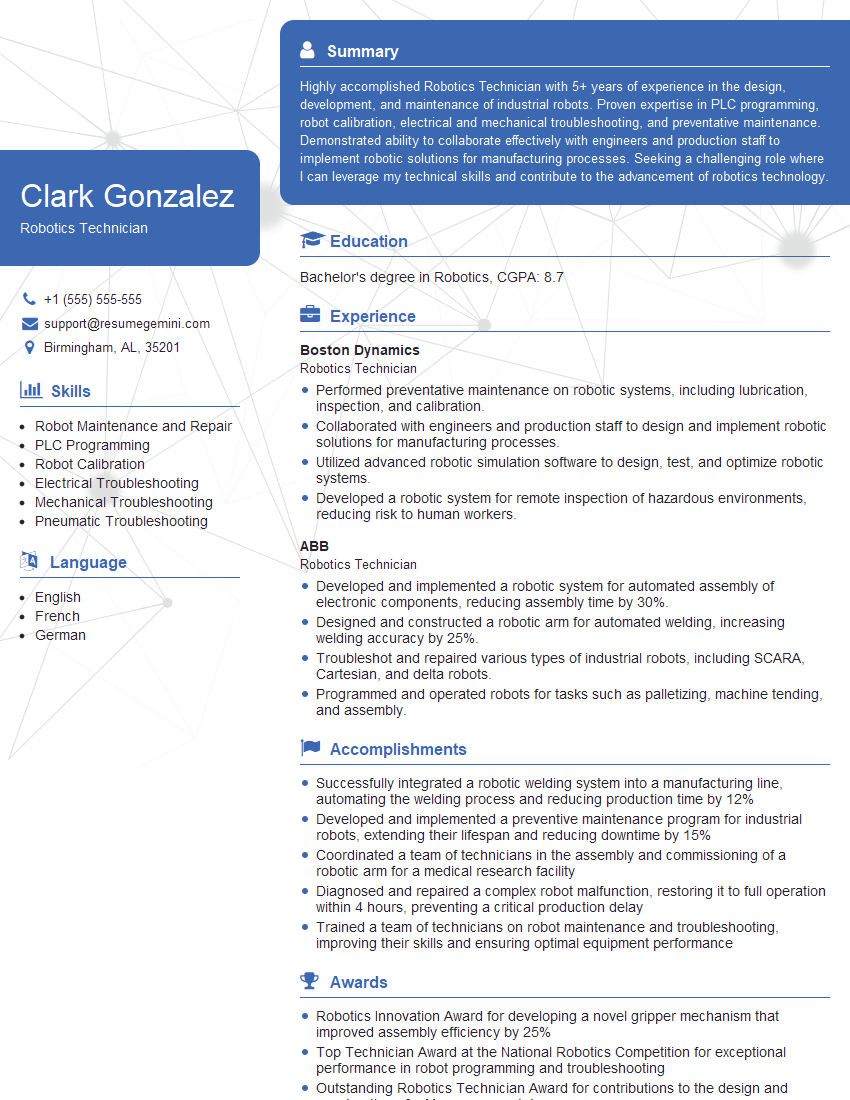
Robotics Technician Resume Sample
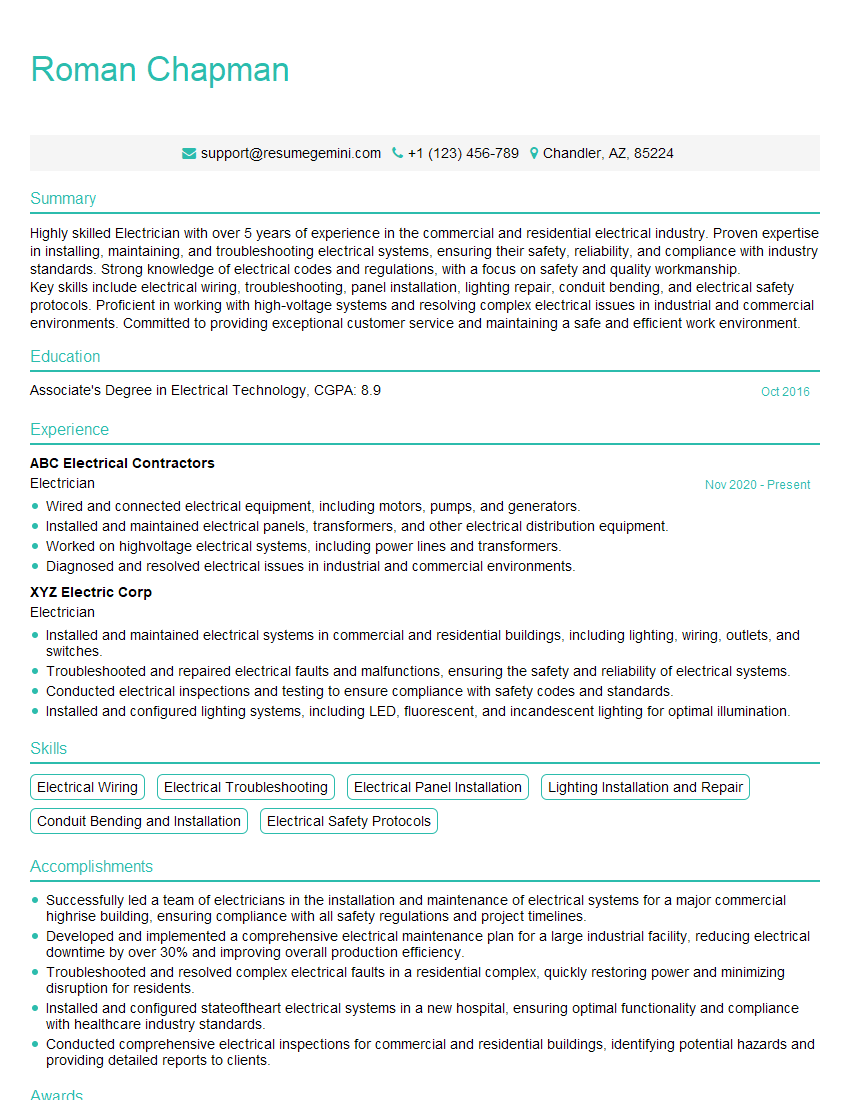
Electrician Resume Sample
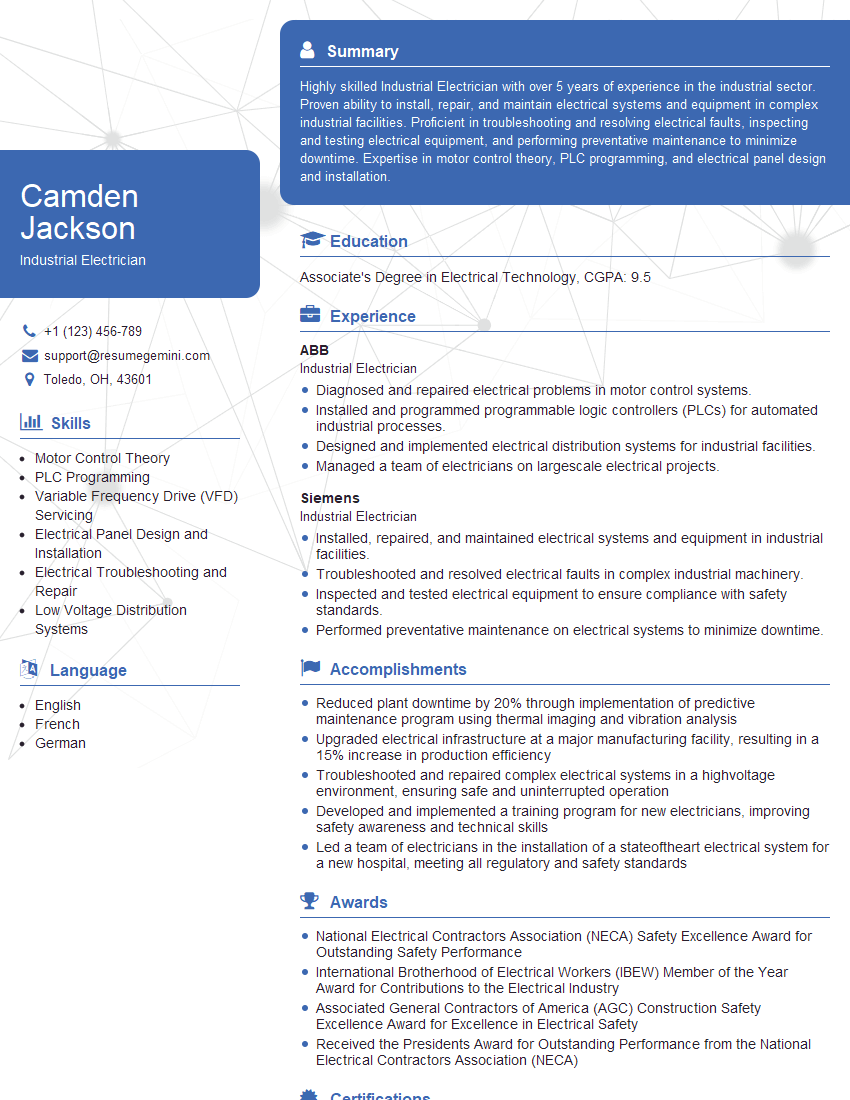
Industrial Electrician Resume Sample

Maintenance Electrician Resume Sample
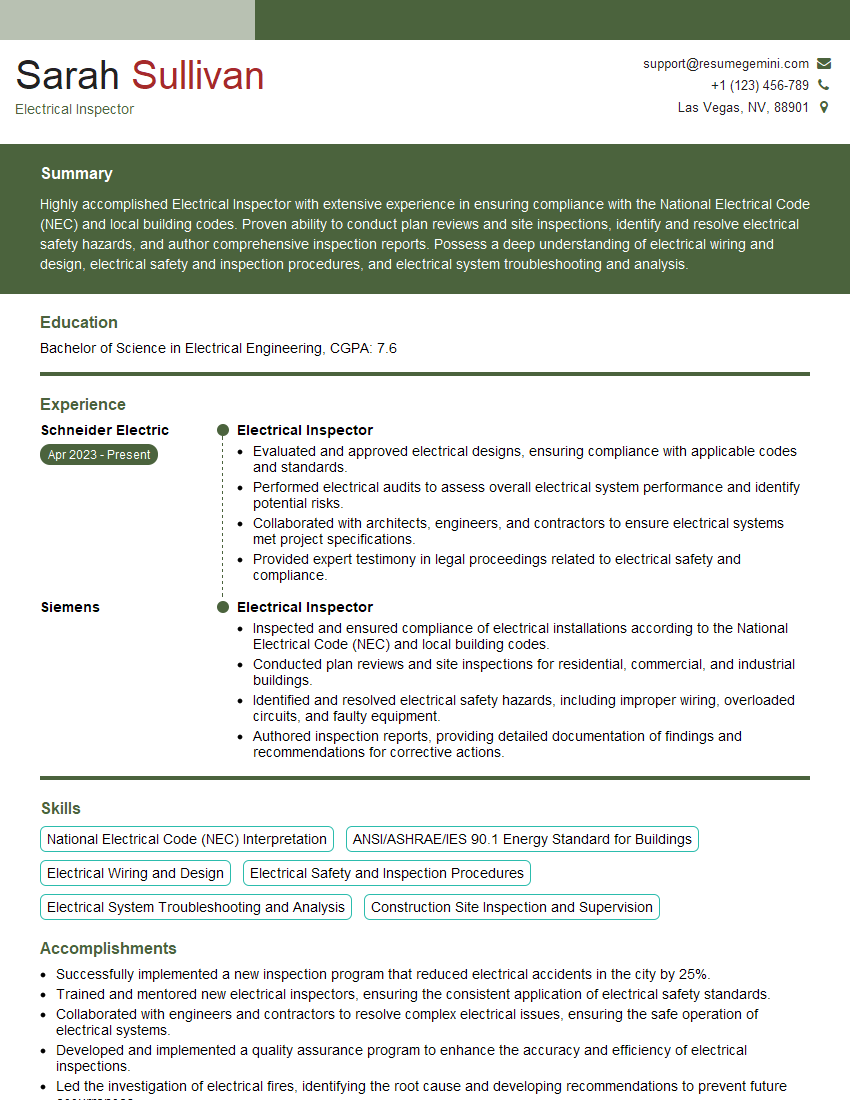
Electrical Inspector Resume Sample
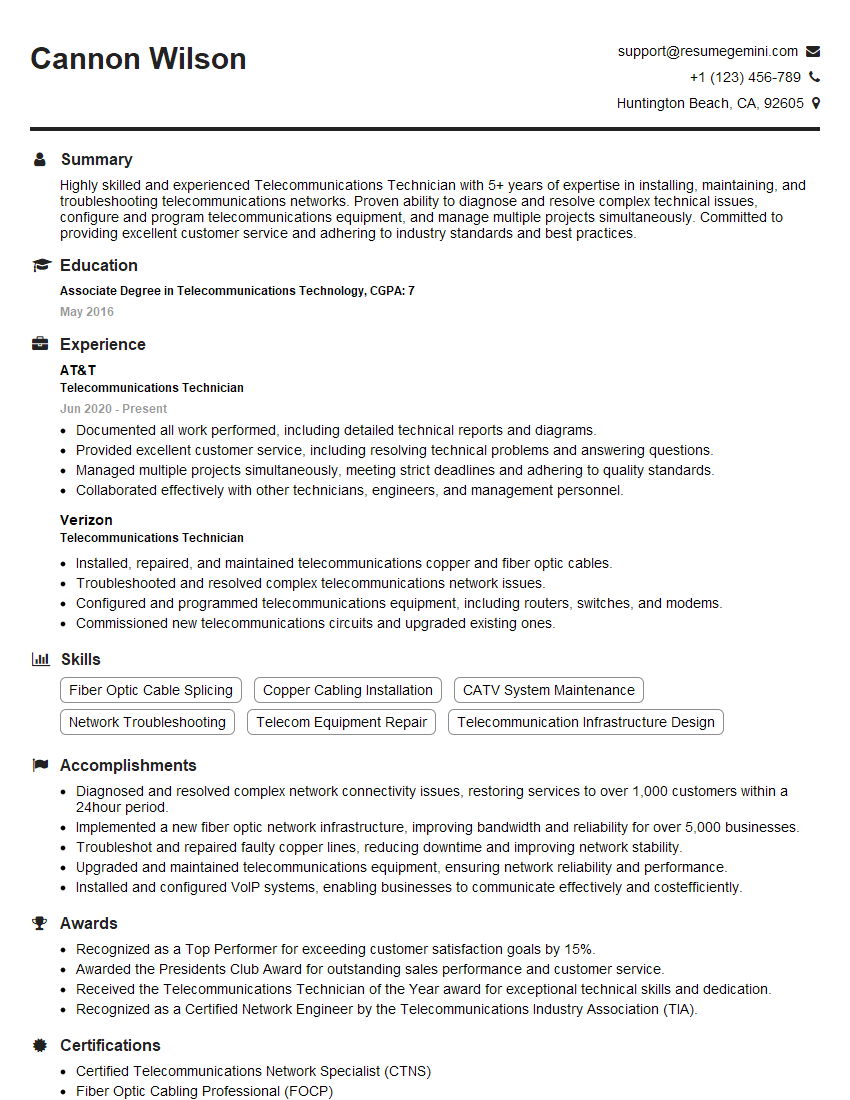
Telecommunications Technician Resume Sample
- Electrical Controls Engineer
- Electrical Designer
- Electrical Engineer
- Power Distribution Engineer
- Power Systems Engineer
- Control Systems Engineer
- Electrical Drafter
- Electronics Technician
- Automation Technician
- Electrical Technician
- Robotics Technician
- Electrician
- Industrial Electrician
- Maintenance Electrician
- Electrical Inspector
- Telecommunications Technician
Explore more articles
Users Rating of Our Blogs
Share Your Experience
We value your feedback! Please rate our content and share your thoughts (optional).
What Readers Say About Our Blog
Really detailed insights and content, thank you for writing this detailed article.
IT gave me an insight and words to use and be able to think of examples