Unlock your full potential by mastering the most common Risk Mitigation and Loss Control interview questions. This blog offers a deep dive into the critical topics, ensuring you’re not only prepared to answer but to excel. With these insights, you’ll approach your interview with clarity and confidence.
Questions Asked in Risk Mitigation and Loss Control Interview
Q 1. Explain the difference between risk mitigation and risk avoidance.
Risk mitigation and risk avoidance are two distinct approaches to managing risk. Risk avoidance is a strategy where you completely eliminate the risk by not engaging in the activity that creates it. Think of it as avoiding a potential problem altogether. For example, if a company is concerned about the risks associated with expanding into a new, volatile market, they might choose to avoid that risk by not expanding at all. Risk mitigation, on the other hand, involves taking action to reduce the likelihood or impact of a risk that you’ve already decided to accept. This means acknowledging the risk and actively working to lessen its negative consequences. An example would be a company expanding into that volatile market but implementing detailed market research and diversification strategies to lessen potential losses.
Q 2. Describe your experience with risk assessment methodologies (e.g., FMEA, HAZOP).
I have extensive experience with several risk assessment methodologies, including Failure Mode and Effects Analysis (FMEA) and Hazard and Operability Study (HAZOP). FMEA is a systematic approach to identifying potential failure modes within a system or process, analyzing their effects, and determining the severity, probability, and detectability of those failures. I’ve used FMEA in various projects, from designing new manufacturing processes to assessing the safety of medical devices. It involves a team-based approach, allowing for diverse perspectives and expertise. A typical FMEA would include a table detailing each component, potential failure modes, severity, occurrence, detection, risk priority number (RPN), and recommended actions.
HAZOP, conversely, is a more qualitative technique used to identify potential hazards in complex systems. It employs a structured brainstorming process focusing on deviations from intended operation (e.g., ‘more than,’ ‘less than,’ ‘no’). HAZOP workshops bring together experts from different disciplines to systematically examine a process’s flow diagrams and identify potential hazards and operability issues. I’ve employed HAZOP effectively in process safety management and chemical plant design projects, where its rigorous approach has helped uncover critical safety issues before they became operational problems. In both methodologies, a key element of my approach is ensuring thorough documentation and proactive communication with stakeholders throughout the assessment process.
Q 3. How do you prioritize risks based on likelihood and impact?
Prioritizing risks is crucial in effective risk management. I typically use a risk matrix to visually represent the likelihood and impact of identified risks. The matrix uses a grid, with likelihood (probability of occurrence) along one axis and impact (severity of consequences) along the other. Each risk is plotted based on its likelihood and impact scores, allowing for easy visualization and comparison. The quadrant where the risk falls dictates its priority: High-likelihood/high-impact risks are naturally prioritized, followed by high-likelihood/medium-impact, high-impact/medium-likelihood, and finally low-likelihood/low-impact risks.
For example, a risk with a high likelihood of occurrence (e.g., a common software bug) and a high impact (e.g., system failure causing major financial losses) would receive immediate attention. Conversely, a low likelihood and low-impact risk might require less immediate action. It’s important to note that qualitative assessments might also be factored in, considering the potential for cascading effects or reputation damage, which may move a risk up the priority list.
Q 4. What are some common risk mitigation strategies you’ve used?
My experience encompasses a wide range of risk mitigation strategies. Some common ones include:
- Risk Avoidance: As discussed earlier, choosing not to engage in an activity that carries unacceptable risk.
- Risk Reduction: Implementing measures to lower the likelihood or severity of a risk. Examples include implementing safety training, improving equipment maintenance, and enhancing security protocols.
- Risk Transfer: Shifting the burden of risk to a third party, typically through insurance or outsourcing. For instance, purchasing cyber liability insurance to protect against data breaches.
- Risk Acceptance: Acknowledging the risk and allocating resources for managing the consequences if it occurs. This might involve setting aside contingency funds or establishing disaster recovery plans.
- Risk Monitoring and Control: Regularly reviewing the effectiveness of mitigation strategies and making necessary adjustments based on changing circumstances. This is an ongoing process.
The selection of the most appropriate strategy depends on various factors such as the nature of the risk, the organization’s risk appetite, and available resources.
Q 5. Describe a time you identified a significant risk and implemented a mitigation plan.
In a previous project involving the launch of a new software application, we identified a significant risk related to potential data breaches due to insufficient security measures during the development phase. The likelihood was assessed as medium, given the potential for vulnerabilities, while the impact was deemed high, potentially leading to financial losses, reputational damage, and legal repercussions. We implemented a comprehensive mitigation plan that included:
- Enhanced Security Testing: Conducting rigorous penetration testing and vulnerability assessments throughout the development lifecycle.
- Improved Security Controls: Implementing multi-factor authentication, data encryption, and robust access control measures.
- Security Awareness Training: Educating development team members and staff on security best practices.
- Incident Response Plan: Developing a detailed plan for handling security incidents, including data breach response procedures.
This proactive approach significantly reduced the likelihood and potential impact of a data breach. Post-launch security monitoring and regular updates further strengthened our defenses. The success of this mitigation plan was validated by the absence of security incidents during the initial year of the application’s operation. The project highlighted the importance of early risk identification and the collaborative approach necessary for developing and implementing effective mitigation strategies.
Q 6. What metrics do you use to measure the effectiveness of risk mitigation efforts?
Measuring the effectiveness of risk mitigation efforts is critical to demonstrating value and making data-driven improvements. The metrics I use vary depending on the specific risk and mitigation strategy but commonly include:
- Number of incidents: Tracking the frequency of occurrences of the specific risk or related events. A decrease in incidents suggests effective mitigation.
- Severity of incidents: Measuring the impact of incidents that do occur. A reduction in severity demonstrates a successful reduction in the impact of the risk.
- Financial losses: Monitoring financial losses associated with the risk. A decrease in losses indicates effective cost savings through risk mitigation efforts.
- Compliance rates: Tracking adherence to safety or security standards. Improved compliance rates signify the successful implementation of mitigation measures.
- Key Risk Indicators (KRIs): These are leading indicators that provide early warning signs of potential problems. Monitoring KRIs allows for proactive intervention.
These metrics are regularly tracked and analyzed to provide insights into the effectiveness of our risk management program, allowing for continuous improvement and optimization.
Q 7. How do you communicate risk information to different stakeholders?
Communicating risk information effectively to diverse stakeholders is paramount for successful risk management. My approach involves tailoring communication to the specific audience and their level of understanding. I avoid technical jargon whenever possible and utilize clear, concise language. Different communication channels are employed based on the audience and urgency:
- Executive Summaries: Providing high-level overviews of key risks and mitigation plans for senior management, focusing on strategic implications.
- Detailed Reports: Delivering comprehensive risk assessments, including methodology, findings, and recommendations, to technical teams and risk management committees.
- Visual Aids: Using charts, graphs, and infographics to illustrate risks and their impacts in a clear and engaging manner for a broad audience.
- Presentations and Workshops: Conducting interactive sessions to explain complex risks and facilitate discussions with stakeholders.
- Regular Updates: Providing consistent updates on risk status and mitigation progress to keep stakeholders informed.
Transparency and open communication are key to building trust and ensuring everyone is aligned on the risk management process and its outcomes.
Q 8. Explain your understanding of key risk indicators (KRIs).
Key Risk Indicators (KRIs) are metrics that provide an early warning of potential problems or emerging risks. They’re essentially the leading indicators, the ‘canary in the coal mine’, that signal trouble before it significantly impacts the organization. Instead of reacting to a crisis, KRIs allow proactive monitoring and management.
For example, a consistently high number of customer complaints could be a KRI indicating a problem with product quality or customer service. Similarly, a sharp decrease in website traffic might signal a looming marketing problem. A key difference between KRIs and other metrics is their predictive capability; they forecast future issues rather than simply reflecting past performance.
Effective KRIs are specific, measurable, achievable, relevant, and time-bound (SMART). They should be regularly monitored and should trigger a defined response when they exceed pre-determined thresholds. For instance, if customer complaint volume exceeds 5% of total transactions, a formal investigation is initiated.
Q 9. How do you handle conflicting priorities when managing multiple risks?
Managing conflicting priorities in risk management requires a structured approach. I utilize a prioritization matrix, often combining qualitative and quantitative analysis. This involves assigning weights or scores to each risk based on its likelihood and potential impact. For instance, a risk with high likelihood and high impact would be prioritized over a low likelihood, low impact risk, even if it’s pressing.
This matrix allows for a data-driven decision about resource allocation. I also engage stakeholders early on to ensure transparency and buy-in. Open communication helps avoid misunderstandings and facilitates collaborative decision-making. Sometimes, difficult choices require explaining trade-offs and obtaining leadership approval for focusing efforts on the highest-priority risks.
For example, if facing budget constraints, I might prioritize mitigating a high-impact security risk over a less critical operational risk, even if the operational risk is more immediately pressing. The long-term consequences of the security risk could be far more damaging.
Q 10. Describe your experience with developing and implementing a business continuity plan.
In my previous role, I led the development and implementation of a comprehensive business continuity plan (BCP) for a large financial institution. This involved a multi-stage process.
- Business Impact Analysis (BIA): We identified critical business functions and assessed their potential disruption in case of various scenarios (e.g., natural disaster, cyberattack).
- Risk Assessment: We evaluated the likelihood and impact of various threats to these critical functions.
- Recovery Strategy Development: We devised recovery strategies for each critical function, including backup systems, data recovery plans, and alternative work arrangements.
- Plan Documentation and Testing: The plan was documented meticulously, including detailed procedures and contact information. We conducted regular drills and simulations to test the plan’s effectiveness.
- Training and Communication: All staff received training on their roles and responsibilities during a disruption.
The BCP was regularly reviewed and updated to reflect changes in the business environment and emerging threats. This iterative process ensured its ongoing relevance and effectiveness. The success of this plan was demonstrated during a significant power outage; the organization experienced minimal downtime due to the preparedness provided by the BCP.
Q 11. What is your understanding of regulatory compliance and its role in risk management?
Regulatory compliance is an integral part of effective risk management. It dictates the minimum standards an organization must meet to operate legally and ethically within its industry. Non-compliance can lead to hefty fines, legal action, reputational damage, and operational disruptions.
For example, in the financial services industry, compliance with regulations such as GDPR (General Data Protection Regulation) or SOX (Sarbanes-Oxley Act) is crucial. These regulations set standards for data protection, financial reporting, and internal controls. A robust risk management program proactively addresses potential compliance gaps, ensuring the organization operates within the legal framework.
My approach involves a proactive, systematic approach. This means staying updated on the latest regulations, mapping them to organizational processes, developing and implementing controls to ensure compliance, and conducting regular audits to verify compliance status. This allows the organization to avoid potential problems and strengthen its reputation.
Q 12. How do you stay updated on emerging risks and best practices in risk management?
Staying current with emerging risks and best practices is vital. I utilize several strategies to achieve this.
- Professional Networks: I actively participate in industry conferences, webinars, and professional organizations (like the Institute of Internal Auditors or the Risk Management Society) to exchange knowledge and learn from experts.
- Industry Publications and Research: I regularly read industry publications, research reports, and white papers on emerging risks and best practices. This provides insights into new trends and challenges.
- Regulatory Updates: I monitor regulatory changes and updates to ensure compliance and adapt risk management strategies accordingly.
- Technology Monitoring: I stay abreast of technological advancements that affect risk, including cybersecurity threats, data breaches and automation.
This multifaceted approach allows me to anticipate potential problems and adapt our risk mitigation strategies proactively. It helps maintain a competitive edge by leveraging the most effective and current techniques.
Q 13. What is your approach to developing a risk register?
Developing a risk register is a systematic process. It starts with a clear definition of scope and objectives. The process includes:
- Risk Identification: Brainstorming sessions, interviews, and checklists are used to identify potential risks across different areas of the business.
- Risk Analysis: Each identified risk is assessed for its likelihood and impact, often using qualitative or quantitative methods (discussed further in the next answer).
- Risk Prioritization: Risks are ranked based on their likelihood and impact, typically using a risk matrix.
- Risk Response Planning: For each prioritized risk, appropriate responses are developed, such as avoidance, mitigation, transfer, or acceptance.
- Risk Monitoring and Review: The register is regularly updated to reflect changes in the risk landscape and the effectiveness of implemented responses.
The final risk register is a dynamic document, regularly reviewed and updated. It serves as a central repository for information about all identified risks, their associated responses, and their owners, making it a critical tool for effective risk management.
Q 14. Explain your experience with qualitative and quantitative risk analysis.
Qualitative and quantitative risk analysis are complementary methods for assessing risks. Qualitative analysis uses subjective judgment and descriptive scales to assess likelihood and impact. Quantitative analysis employs numerical data and statistical methods to measure risk more precisely.
Qualitative Risk Analysis: This involves assigning descriptive terms (e.g., low, medium, high) to the likelihood and impact of a risk. A risk matrix can then visually represent the overall risk level. This method is useful for quickly assessing a large number of risks, especially in the initial stages of risk identification.
Quantitative Risk Analysis: This method uses numerical data to estimate the probability and potential financial impact of a risk. Techniques include Monte Carlo simulation, decision tree analysis, and fault tree analysis. Quantitative analysis provides a more precise and objective assessment, useful for making informed decisions about resource allocation and risk mitigation.
In practice, I often combine both approaches. I start with qualitative analysis to quickly identify and prioritize high-level risks, then follow up with quantitative analysis for critical risks requiring a more precise assessment and cost-benefit analysis. For example, we used qualitative analysis to initially assess the risks associated with launching a new product, then employed quantitative analysis (Monte Carlo simulation) to predict potential financial losses due to product failure.
Q 15. How do you ensure the buy-in and support of stakeholders for risk mitigation initiatives?
Securing stakeholder buy-in for risk mitigation is crucial for successful implementation. It’s not just about informing them; it’s about demonstrating the value and relevance of the initiatives to their specific roles and responsibilities. I approach this using a multi-pronged strategy.
- Early and Frequent Communication: I start by involving stakeholders early in the risk assessment process. This allows them to understand the context, contribute their insights, and feel ownership over the solutions.
- Tailored Messaging: The message needs to resonate with each stakeholder group. For example, a CFO will be interested in the financial implications (cost savings, reduced liabilities), while an operations manager will focus on efficiency and process improvements. I present the information in a format that is clear, concise, and directly addresses their concerns.
- Data-Driven Demonstrations: I use data and metrics to showcase the potential impact of risks if left unmitigated and the benefits of the proposed mitigation strategies. Quantifiable results – such as projected cost reductions or improved safety records – are powerful motivators.
- Collaborative Approach: Instead of dictating solutions, I foster a collaborative environment where stakeholders participate in brainstorming and decision-making. This fosters a sense of shared responsibility and increases commitment to implementation.
- Regular Progress Updates: Consistent and transparent communication throughout the project lifecycle, highlighting successes and addressing challenges proactively, reinforces trust and maintains momentum.
For example, in a previous project involving supply chain risk, I presented a detailed financial model demonstrating potential cost savings from implementing a diversified sourcing strategy to a hesitant CFO. This, combined with a collaborative workshop involving the purchasing team, secured the necessary budget and support.
Career Expert Tips:
- Ace those interviews! Prepare effectively by reviewing the Top 50 Most Common Interview Questions on ResumeGemini.
- Navigate your job search with confidence! Explore a wide range of Career Tips on ResumeGemini. Learn about common challenges and recommendations to overcome them.
- Craft the perfect resume! Master the Art of Resume Writing with ResumeGemini’s guide. Showcase your unique qualifications and achievements effectively.
- Don’t miss out on holiday savings! Build your dream resume with ResumeGemini’s ATS optimized templates.
Q 16. How do you address risk aversion in a team environment?
Risk aversion, while understandable, can stifle innovation and growth. Addressing it requires a nuanced approach focused on education, empowerment, and creating a psychologically safe environment.
- Understanding the Root Cause: First, I would work to understand the reasons behind the risk aversion. Is it due to past negative experiences, a lack of understanding of risk assessment methodologies, or a fear of failure? This requires open dialogue and active listening.
- Risk Literacy Training: Educating the team on effective risk management techniques is vital. This includes providing clear definitions of risk, demonstrating various risk assessment tools and methods, and highlighting successful mitigation strategies from past projects.
- Promoting a Culture of Learning from Mistakes: I encourage a growth mindset where failures are viewed as learning opportunities. This involves establishing a blame-free environment where team members feel comfortable reporting risks and exploring potential solutions without fear of judgment.
- Empowering Decision-Making: I empower the team by involving them in the risk assessment and mitigation process. This builds confidence and reduces the perception of risk as something uncontrollable. We use techniques like scenario planning and decision trees to help team members visualize various outcomes and develop contingency plans.
- Incremental Change: Start with small, manageable risks to build confidence and demonstrate the effectiveness of the risk management approach. Successes in addressing these smaller risks will build momentum and reduce aversion to tackling larger challenges.
In one instance, a team was resistant to adopting a new technology due to perceived risk. By conducting a thorough risk assessment, involving them in selecting the technology, and providing comprehensive training, we successfully overcame their initial apprehension. The result was improved efficiency and cost savings.
Q 17. Describe your experience with using risk management software or tools.
I have extensive experience utilizing various risk management software and tools, including both commercial platforms and customized solutions. My experience spans the entire lifecycle – from risk identification and assessment to mitigation planning, monitoring, and reporting.
- Commercial Platforms: I’ve worked with platforms such as [mention specific software, e.g., Archer, MetricStream, Riskonnect], leveraging their capabilities for risk register management, vulnerability scanning, and reporting dashboards. These tools facilitate data organization, streamline communication, and provide a centralized view of the organization’s risk profile.
- Custom Solutions: In some cases, I’ve collaborated with IT teams to develop custom solutions tailored to specific organizational needs. For example, I’ve helped integrate risk data with existing project management systems to enable real-time risk monitoring and decision-making.
- Data Analysis and Visualization: A key aspect of my work involves utilizing these tools to analyze risk data, identify trends, and visualize risk exposure. This allows for better communication of risk information to stakeholders and informed decision-making.
For instance, using Riskonnect in a previous role, I streamlined our risk reporting process, reducing reporting time by 50% and improving the accuracy of our risk assessments. This led to more effective resource allocation and improved mitigation strategies.
Q 18. How do you measure the return on investment (ROI) of risk mitigation efforts?
Measuring the ROI of risk mitigation efforts is crucial for demonstrating the value of the risk management program and securing continued support. It’s not always straightforward, as the benefits are often intangible (e.g., avoided losses), but a structured approach is essential.
- Cost-Benefit Analysis: This involves comparing the cost of implementing mitigation strategies with the potential financial losses avoided or benefits gained. This requires quantifying both tangible and intangible benefits whenever possible. For example, avoided downtime, reduced insurance premiums, or enhanced brand reputation.
- Key Performance Indicators (KPIs): Establishing specific, measurable, achievable, relevant, and time-bound (SMART) KPIs is critical. These could include things like the number of incidents avoided, reduction in incident severity, improvement in safety metrics, or a decrease in the frequency of specific types of risks.
- Scenario Planning: Simulating various scenarios – both with and without the mitigation strategy in place – can help demonstrate the financial impact of the chosen approach. This aids in providing a robust justification for the investment.
- Qualitative Measures: In some cases, the ROI is difficult to quantify financially. In such instances, qualitative measures such as improved stakeholder confidence, enhanced operational efficiency, or increased regulatory compliance can be considered as valuable indicators of success.
For example, in a project aimed at improving cybersecurity, we calculated the ROI by comparing the cost of implementing enhanced security measures with the potential financial loss from a data breach. By projecting a significant reduction in potential losses, we secured management buy-in and increased investment in cybersecurity.
Q 19. How do you handle unexpected risks or events?
Handling unexpected risks and events requires a robust incident response plan and a flexible approach to risk management. My strategy involves:
- Immediate Response: First, activate the incident response plan. This involves identifying the nature and scope of the event, assembling the appropriate response team, and taking immediate actions to contain the damage and prevent further escalation. This might include halting operations, isolating affected systems, or initiating communication with relevant stakeholders.
- Root Cause Analysis: Once the immediate threat is contained, a thorough investigation is needed to identify the root cause of the event. This often involves interviews, data analysis, and review of logs or security systems.
- Corrective Actions: Based on the root cause analysis, appropriate corrective actions should be implemented to prevent recurrence. This might include updating security protocols, reviewing operational procedures, or enhancing training programs.
- Lessons Learned: Finally, conduct a thorough “lessons learned” session to document the event, its impact, and the lessons gained. This information should be incorporated into the overall risk management program and used to update risk assessments and contingency plans.
During a severe weather event that caused a disruption to our supply chain, we swiftly activated our crisis management plan, communicated effectively with customers, and implemented alternative sourcing strategies. Post-event, we refined our supply chain risk assessment and improved our preparedness for future disruptions.
Q 20. What is your process for documenting and reporting on risk management activities?
Comprehensive documentation and reporting are essential for transparency, accountability, and continuous improvement of the risk management program. My process typically involves:
- Risk Register: Maintaining a centralized risk register that includes details of identified risks, their likelihood and impact, mitigation strategies, responsible parties, and timelines. This register is regularly updated as new risks emerge or existing ones are addressed.
- Meeting Minutes and Records: Detailed minutes are kept from all risk management meetings, documenting discussions, decisions, and action items. These records provide an audit trail of risk management activities.
- Regular Reporting: I create regular reports summarizing the risk profile, progress made on mitigation efforts, and any significant events or changes in risk exposure. These reports are tailored to the audience and may include key performance indicators (KPIs) and visual representations of the data.
- Incident Reports: A detailed record of each incident, including its root cause, impact, and corrective actions, is documented. These reports feed into continuous improvement efforts and updates to the risk register.
- Software Integration: Whenever feasible, I leverage risk management software to automate documentation and reporting, ensuring consistency and accuracy.
In past roles, I implemented a system for automated reporting that significantly reduced the time and effort required to generate reports, freeing up resources for other risk management tasks. This also ensured consistency and accuracy in the data reported.
Q 21. How do you ensure consistency in the application of risk management policies and procedures?
Ensuring consistency in the application of risk management policies and procedures requires a multifaceted approach. Key elements include:
- Clear and Concise Policies and Procedures: Develop clear, concise, and easily understandable policies and procedures that are readily accessible to all relevant personnel. This includes providing training and support to ensure everyone understands their responsibilities.
- Regular Training and Awareness Programs: Ongoing training and awareness programs reinforce the importance of risk management, educate employees on relevant policies and procedures, and provide practical guidance on applying them.
- Standardized Processes: Establish standardized processes for risk identification, assessment, mitigation, monitoring, and reporting. This ensures consistency across different departments and functions.
- Regular Audits and Reviews: Periodic audits and reviews assess the effectiveness of the risk management program, identify areas for improvement, and verify compliance with policies and procedures. This also ensures the program remains aligned with evolving business needs and risks.
- Centralized Management: A centralized risk management function can ensure consistency by overseeing and coordinating risk management activities across the organization. This involves establishing clear lines of responsibility and authority and facilitating communication and collaboration.
For example, I established a comprehensive training program for a large organization, covering all aspects of the risk management process. This program, combined with regular audits and clear communication channels, ensured consistency in risk management across multiple departments and locations.
Q 22. How do you involve employees in risk identification and reporting?
Engaging employees in risk identification and reporting is crucial for a robust risk management program. It transforms them from passive recipients of safety rules into active participants in safeguarding the organization. This is achieved through a multi-pronged approach.
- Training and Awareness Programs: We conduct regular training sessions emphasizing the importance of risk identification and the reporting process. These sessions explain what constitutes a risk, how to identify potential hazards, and the proper channels for reporting concerns. We use interactive exercises and real-life scenarios to make the training engaging and relatable.
- Open Communication Channels: Establishing multiple, accessible reporting mechanisms is vital. This includes suggestion boxes, online platforms, dedicated email addresses, and even informal channels like regular team meetings where employees feel comfortable voicing concerns without fear of reprisal. We actively promote the use of these channels.
- Incentivization and Recognition: Recognizing and rewarding employees for identifying and reporting risks fosters a culture of safety. This might involve public acknowledgment, small rewards, or incorporating risk reporting metrics into performance evaluations, showing appreciation for their contribution.
- Feedback Mechanisms: Regular feedback loops are essential. We collect feedback on the effectiveness of the reporting process, addressing any concerns promptly and improving the system based on employee input. This shows that their contributions are valued and actively considered.
- Leadership buy-in: Visible support from leadership is paramount. Leaders must actively participate in risk identification initiatives, demonstrate their commitment to safety, and actively encourage reporting.
For example, in a previous role, we implemented an anonymous online reporting system that dramatically increased the number of reported safety incidents, allowing for proactive risk mitigation. The system also included a feature allowing employees to track the status of their reported issues, providing transparency and building trust.
Q 23. Describe your experience with conducting root cause analysis.
Root cause analysis (RCA) is a systematic approach to identifying the underlying causes of problems, not just the symptoms. My experience involves employing various methodologies, including the '5 Whys', Fishbone diagrams (Ishikawa diagrams), and Fault Tree Analysis (FTA).
The '5 Whys' method involves repeatedly asking 'why' to drill down to the root cause. For instance, if a project is delayed (the symptom), asking 'why' might reveal resource shortages (first why), which leads to 'why' there were inadequate budget provisions (second why), and so on, until the fundamental issue is identified.
Fishbone diagrams offer a visual representation of potential causes categorized into different groups (e.g., manpower, materials, methods, machinery). FTA allows for a more structured approach, especially for complex systems, graphically showing the relationship between different events leading to a failure.
In a past project where a major data breach occurred, we used a combination of the '5 Whys' and Fishbone diagrams. This revealed that the root cause was not simply a technical vulnerability but a lack of adequate employee security training and a failure to implement multi-factor authentication, highlighting the human element in security risks.
Q 24. How do you evaluate the effectiveness of different risk controls?
Evaluating the effectiveness of risk controls requires a multi-faceted approach, combining quantitative and qualitative measures. We use Key Risk Indicators (KRIs) to monitor the effectiveness of controls, tracking metrics relevant to specific risks. These metrics will vary depending on the nature of the risks.
- Quantitative Measures: These involve numerical data such as the number of incidents, frequency of near misses, cost of losses, or compliance audit findings. For example, if a control aims to reduce workplace accidents, we would track the number of accidents before and after implementing the control.
- Qualitative Measures: These assess the effectiveness of the control in addressing the risk conceptually. This might include conducting surveys or interviews with employees to gauge their understanding and use of controls, reviewing relevant procedures and documentation for clarity and completeness, and assessing the control’s alignment with relevant regulatory requirements and industry best practices.
- Regular Reviews: Controls are not static. Regular reviews (e.g., annually or more frequently for high-impact risks) are crucial to ensure their ongoing effectiveness. These reviews should assess whether the controls remain appropriate, adequate, and effective given changes in the operating environment or the nature of the risks themselves. Control effectiveness reviews should also consider the possibility of control failure, and whether such failure would have catastrophic consequences.
For example, if we implemented access control software as a risk control, we would track the number of unauthorized access attempts (quantitative) and conduct employee surveys on their experience with and understanding of the system (qualitative).
Q 25. How do you manage risks associated with third-party vendors or suppliers?
Managing risks associated with third-party vendors or suppliers necessitates a structured approach to ensure business continuity and data security. This often involves a three-step process.
- Due Diligence and Selection: Before engaging a vendor, we conduct thorough due diligence to assess their financial stability, security practices, and compliance with relevant regulations. This might involve reviewing their security certifications, conducting audits, and obtaining references. We look for demonstrable risk mitigation practices within their own organization.
- Contractual Agreements: Contracts should clearly define responsibilities regarding risk management and include clauses addressing data security, incident response, and liability. These contracts should outline specific requirements relating to data security, business continuity, and crisis response in the event of a major incident.
- Ongoing Monitoring and Review: The relationship with the vendor should not end after the contract is signed. Regular monitoring and reviews are necessary to ensure ongoing compliance and effectiveness. This might involve periodic audits, performance evaluations, and regular communication channels to discuss any potential issues or risks.
For instance, when selecting a cloud service provider, we would assess their security certifications (e.g., ISO 27001, SOC 2), review their security protocols, and negotiate a service-level agreement (SLA) that includes specific uptime guarantees and data security provisions.
Q 26. Describe a situation where a risk mitigation strategy failed and what you learned from it.
In a previous role, we implemented a new inventory management system to reduce stock losses due to theft. The mitigation strategy relied heavily on improved physical security measures and employee training. However, we overlooked the human factor – a key employee with access to the system and master keys was involved in the continued losses. The new system made it easier to steal, rather than preventing it, due to oversight in internal controls.
The failure highlighted the importance of:
- Thorough risk assessment: We had underestimated the potential for internal threats. A comprehensive risk assessment would have identified this vulnerability.
- Multiple layers of controls: Relying solely on physical security and employee training was insufficient. We should have implemented additional layers of control such as better segregation of duties and more robust inventory auditing processes.
- Employee vetting and background checks: More thorough screening of employees in positions of trust would have prevented this situation.
The key lesson learned was the need for a holistic approach to risk mitigation, considering not only technical and physical controls but also the human element and the potential for internal fraud.
Q 27. What is your understanding of insurance and its role in risk mitigation?
Insurance plays a crucial role in risk mitigation by transferring some of the financial burden associated with potential losses to an insurance company. While it doesn't prevent risks, it provides a financial safety net in the event of an unforeseen occurrence.
Insurance is not a substitute for effective risk management. It should be viewed as a complement to a comprehensive risk management program. Effective risk management aims to reduce the likelihood and impact of losses, minimizing the need for insurance payouts. A thorough risk assessment will determine what insurance is actually needed, how much coverage is required, and which insurance providers are best positioned to handle the organization’s specific needs.
The selection of appropriate insurance coverage is crucial. We consider various types of insurance, such as property insurance, liability insurance, cyber insurance, and professional indemnity insurance, selecting policies that best align with the organization's specific risks and risk appetite. Negotiating favorable terms with insurance providers, such as obtaining better rates or broader coverage, is also an important element in optimizing cost-benefit trade-offs.
Q 28. How do you ensure that risk management practices are integrated into daily operations?
Integrating risk management into daily operations requires a cultural shift, embedding it into the fabric of the organization rather than treating it as a separate function. This can be achieved through several key strategies:
- Embedding risk management into business processes: Risk assessments should be conducted as part of the planning and execution phases of all significant projects or initiatives. Incorporating risk considerations into decision-making processes at all levels of the organization is also paramount.
- Developing a risk-aware culture: Employees at all levels should be trained to identify and report risks. This requires creating an environment where employees feel comfortable raising concerns without fear of reprisal. Risk awareness training should also reinforce the significance of compliance with relevant procedures and controls.
- Utilizing technology: Risk management software can help automate certain aspects of the risk management process, such as tracking risks, monitoring controls, and reporting on key risk indicators. This can streamline the process and improve overall efficiency.
- Regular reporting and communication: Regular reporting on risk status and progress should be provided to senior management and relevant stakeholders. This ensures that everyone is aware of the organization's risk profile and the measures being taken to address it. Transparent and proactive communication is key to building trust and confidence in the organization’s risk management capabilities.
- Continuous improvement: The risk management process should be continuously reviewed and improved based on lessons learned and changing business conditions. Regular evaluation and adaptation to a dynamic environment ensure the framework’s ongoing value and relevance.
In essence, risk management should not be a separate task but an integral part of how the organization operates, making it a shared responsibility across departments and employees.
Key Topics to Learn for Risk Mitigation and Loss Control Interview
- Risk Assessment and Identification: Understanding methodologies like FMEA (Failure Mode and Effects Analysis) and HAZOP (Hazard and Operability Study) to proactively identify potential risks.
- Risk Analysis and Evaluation: Quantifying and qualifying risks using various techniques, including probability and impact matrices, to prioritize mitigation efforts.
- Risk Mitigation Strategies: Developing and implementing practical strategies such as avoidance, reduction, transfer, and acceptance, tailored to specific risk profiles.
- Loss Control Measures: Designing and implementing practical loss control measures including safety protocols, emergency response plans, and security systems to minimize losses.
- Insurance and Risk Transfer: Understanding different types of insurance policies and their role in transferring risk. Analyzing the cost-effectiveness of various insurance options.
- Compliance and Regulatory Frameworks: Familiarity with relevant industry regulations and compliance requirements related to risk management and loss control.
- Data Analysis and Reporting: Utilizing data analysis techniques to track key risk indicators (KRIs), measure the effectiveness of mitigation strategies, and report findings to stakeholders.
- Communication and Stakeholder Management: Effectively communicating risk information to diverse audiences and engaging stakeholders in the risk management process.
- Incident Investigation and Root Cause Analysis: Investigating incidents, identifying root causes, and implementing corrective actions to prevent recurrence.
- Business Continuity Planning: Developing and maintaining business continuity plans to ensure organizational resilience in the face of disruptions.
Next Steps
Mastering Risk Mitigation and Loss Control is crucial for career advancement in numerous industries. It demonstrates a proactive and strategic approach to problem-solving, essential for leadership roles. To significantly enhance your job prospects, creating a strong, ATS-friendly resume is paramount. ResumeGemini can be a trusted partner in this process, providing tools and resources to craft a compelling resume that highlights your skills and experience effectively. Examples of resumes tailored to Risk Mitigation and Loss Control are available through ResumeGemini to help you build yours.
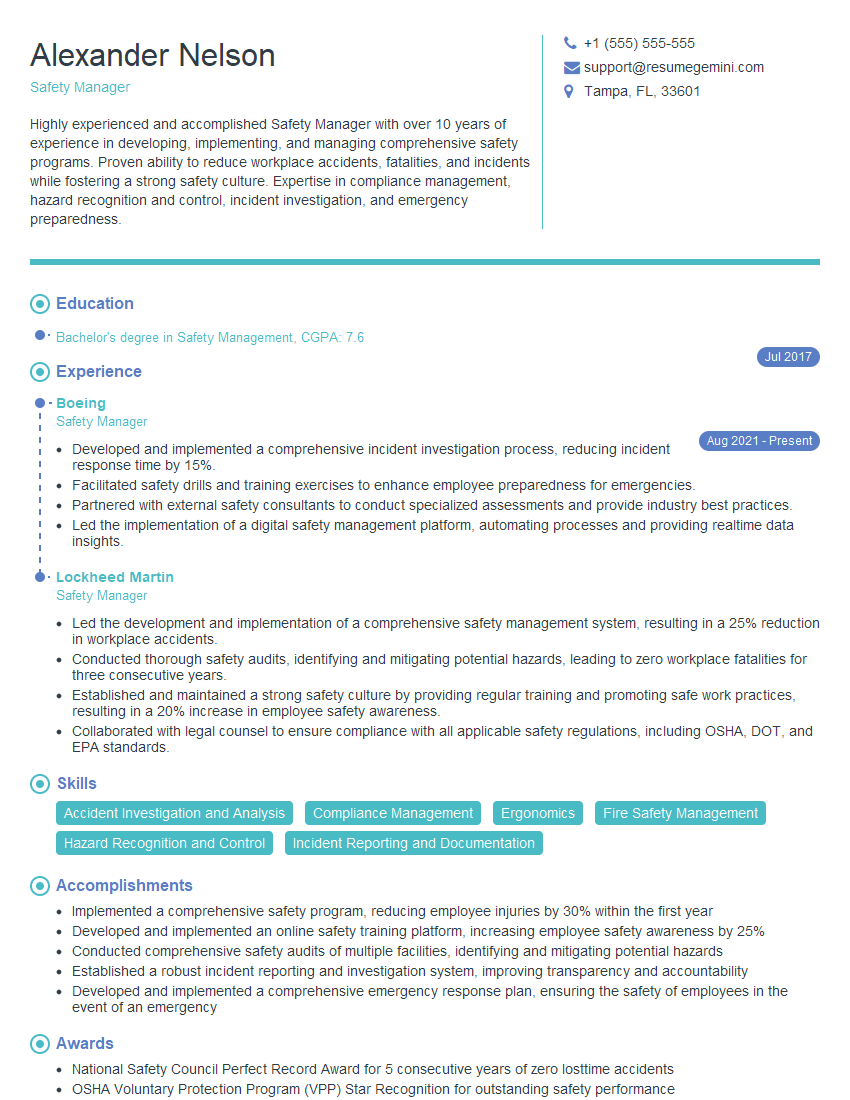
Safety Manager Resume Sample
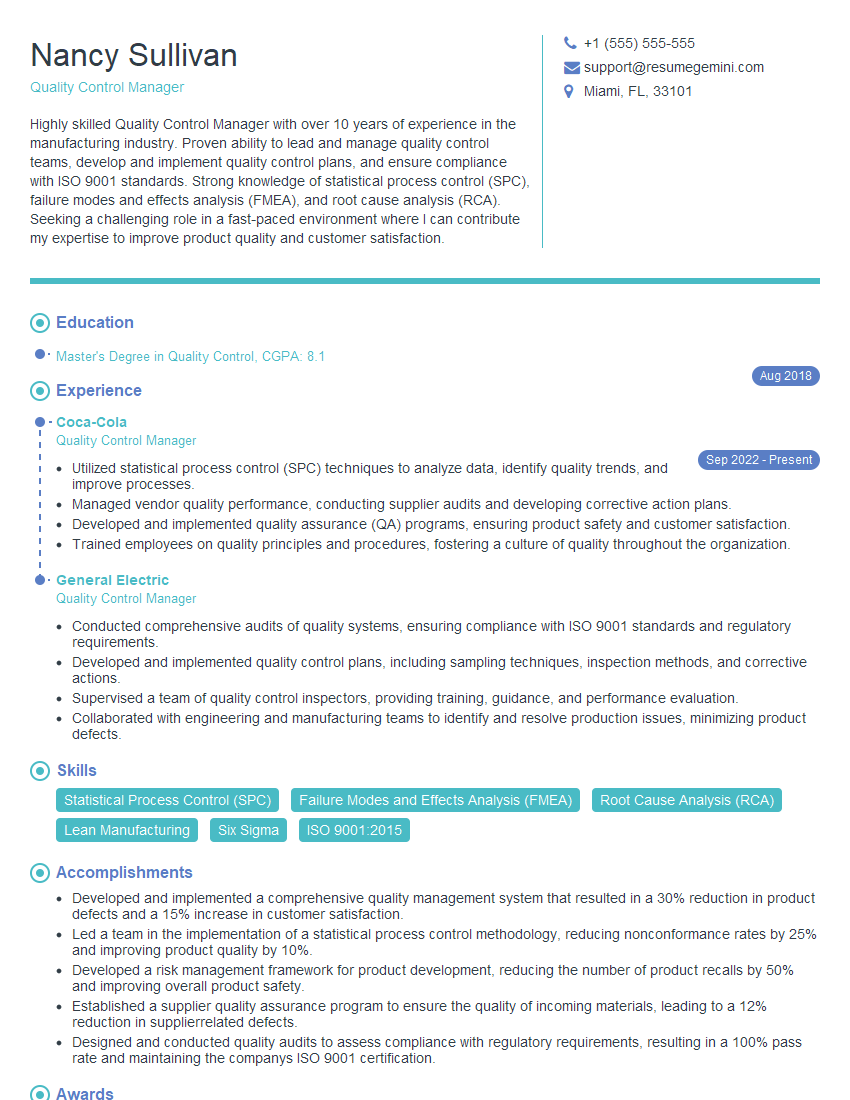
Quality Control Manager Resume Sample
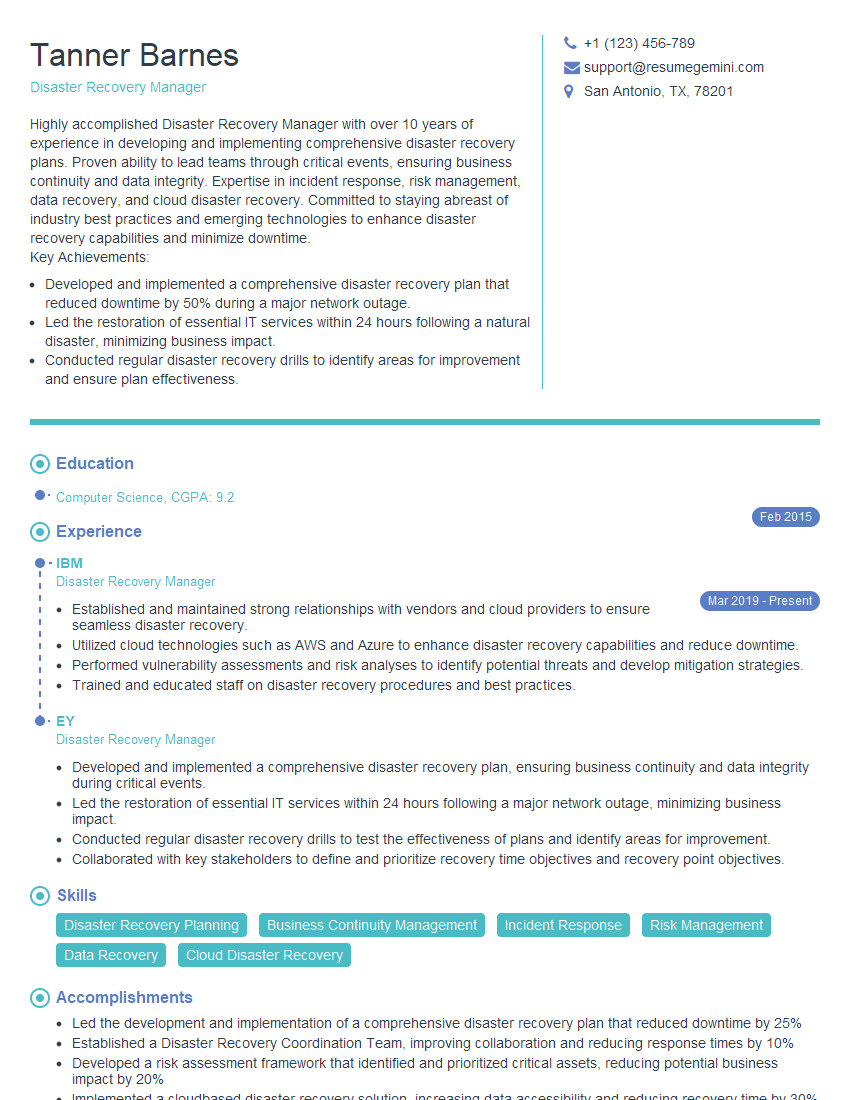
Disaster Recovery Manager Resume Sample
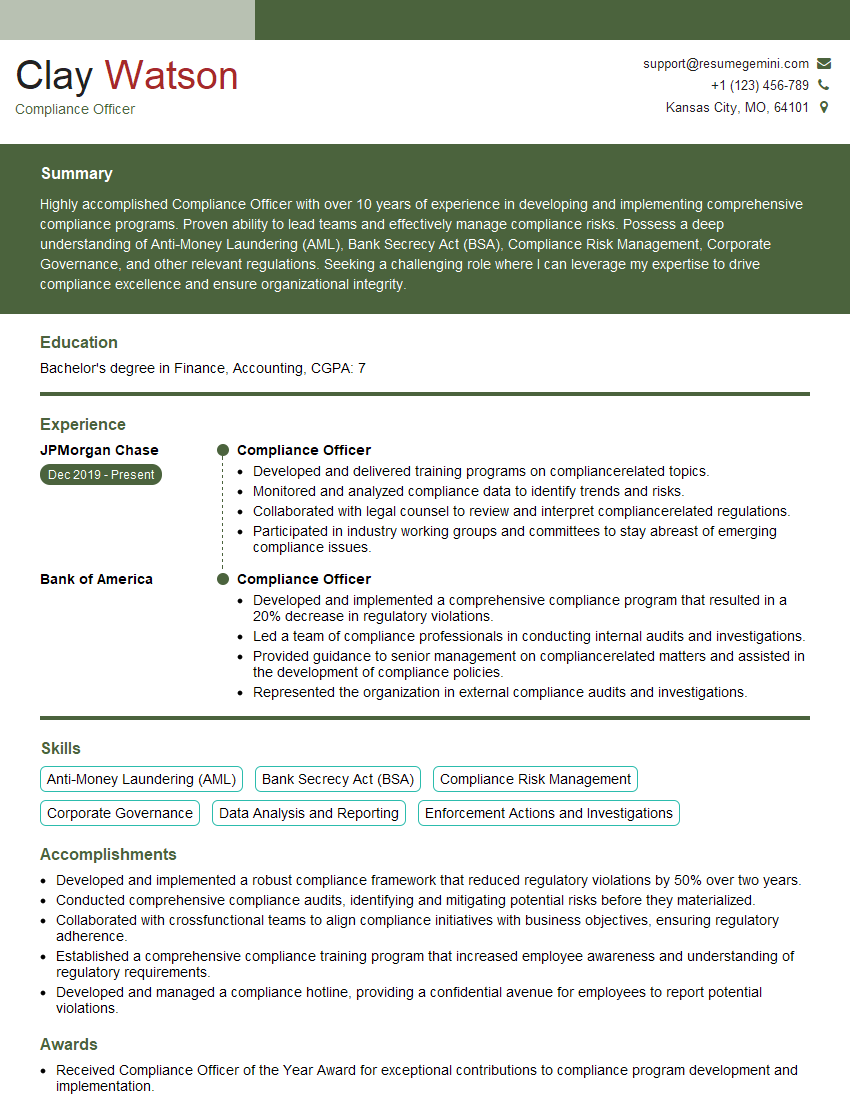
Compliance Officer Resume Sample
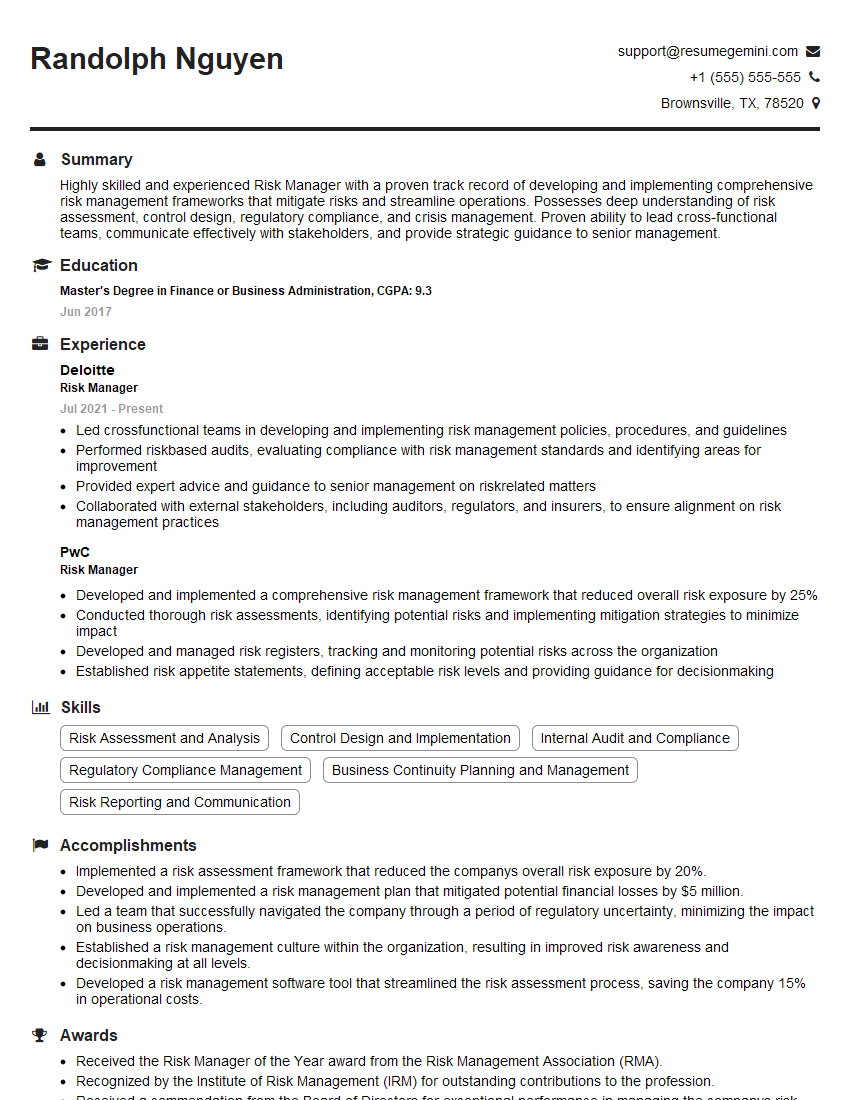
Risk Manager Resume Sample
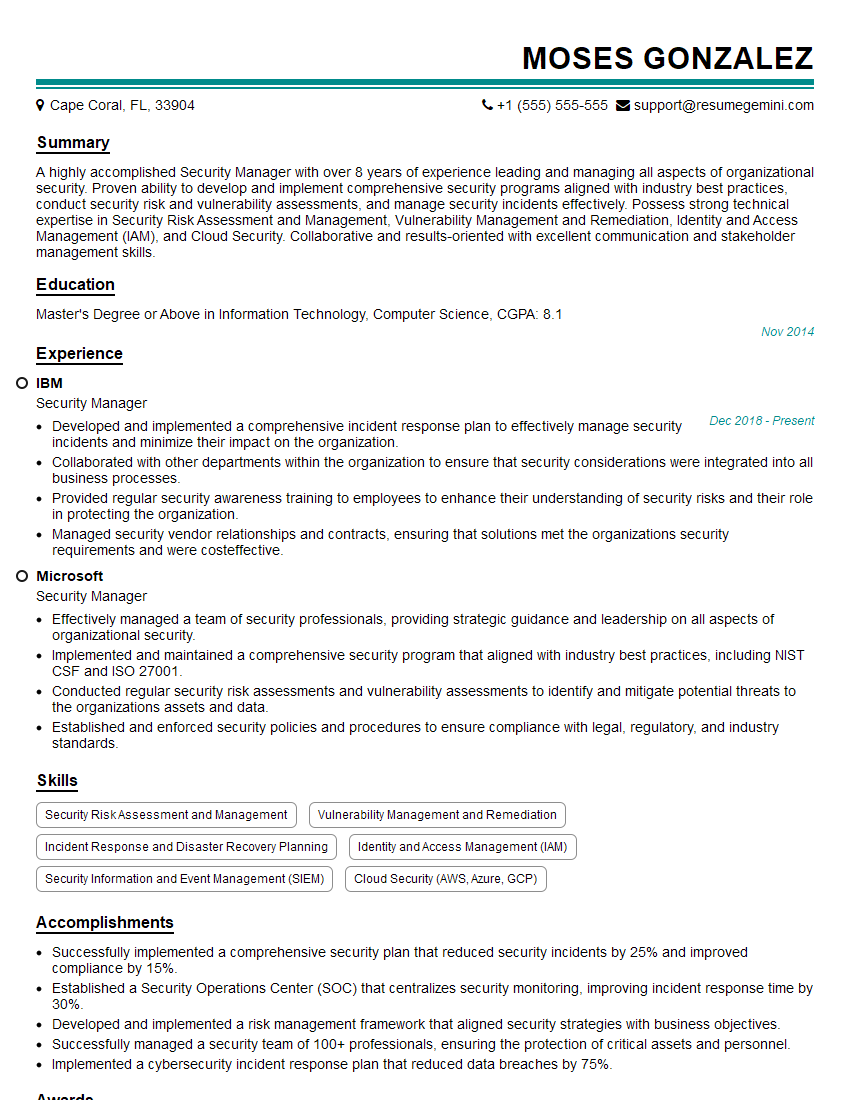
Security Manager Resume Sample
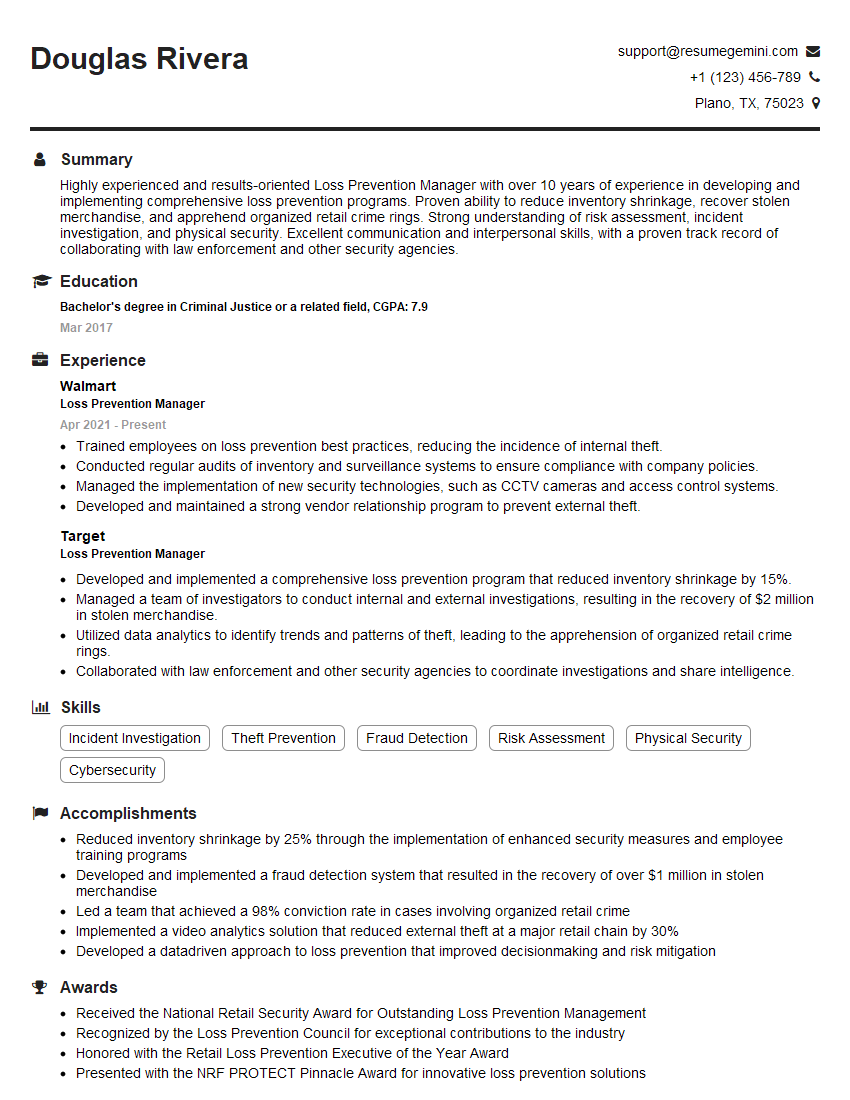
Loss Prevention Manager Resume Sample
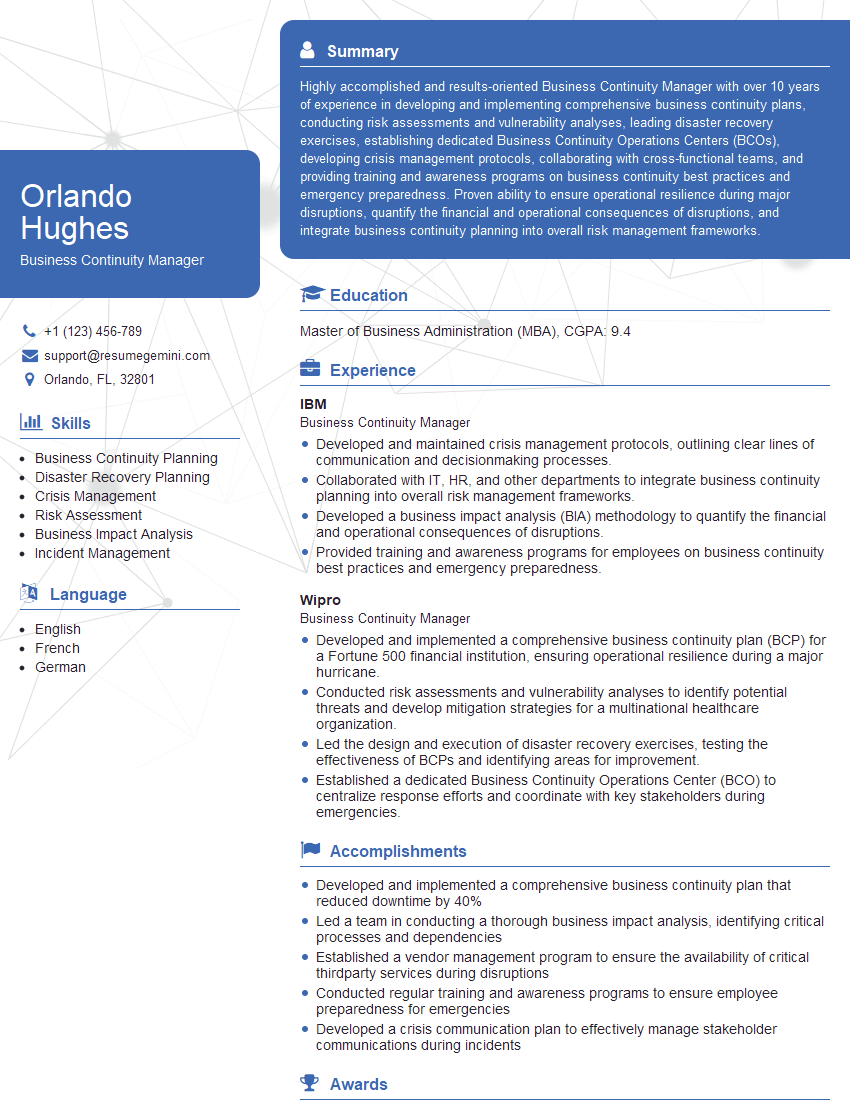
Business Continuity Manager Resume Sample
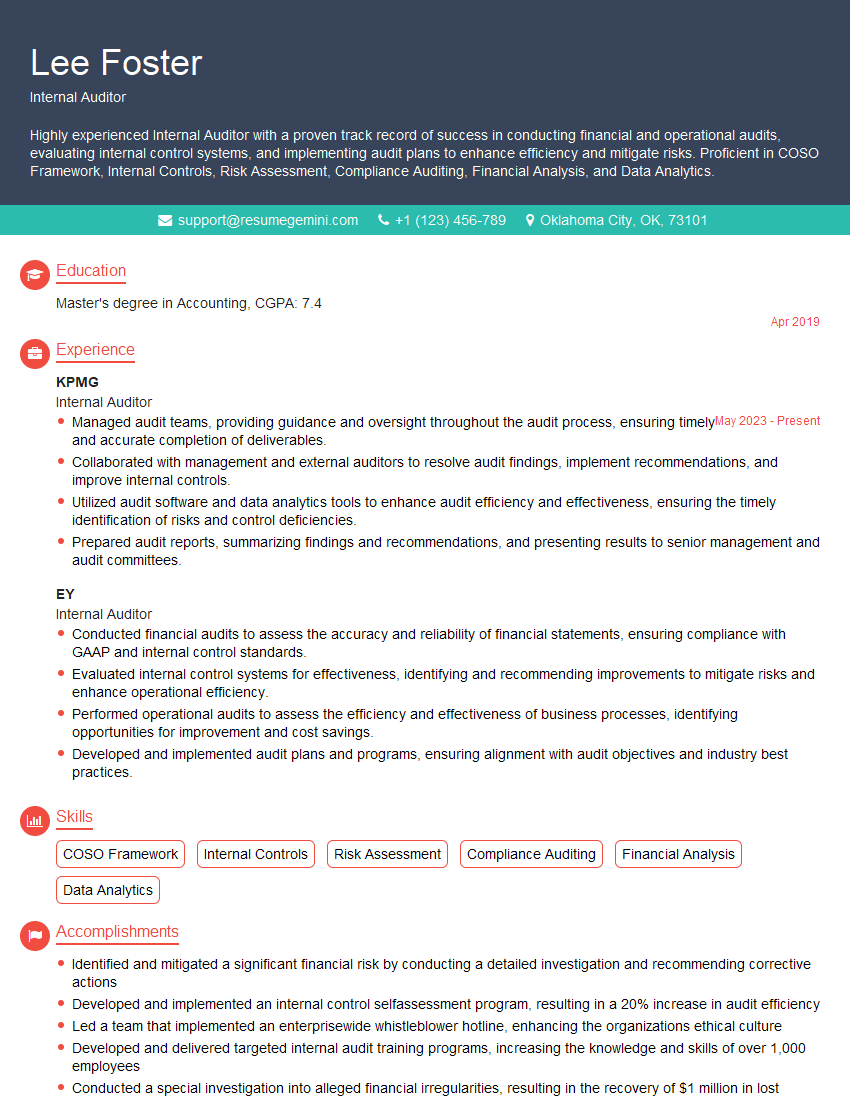
Internal Auditor Resume Sample
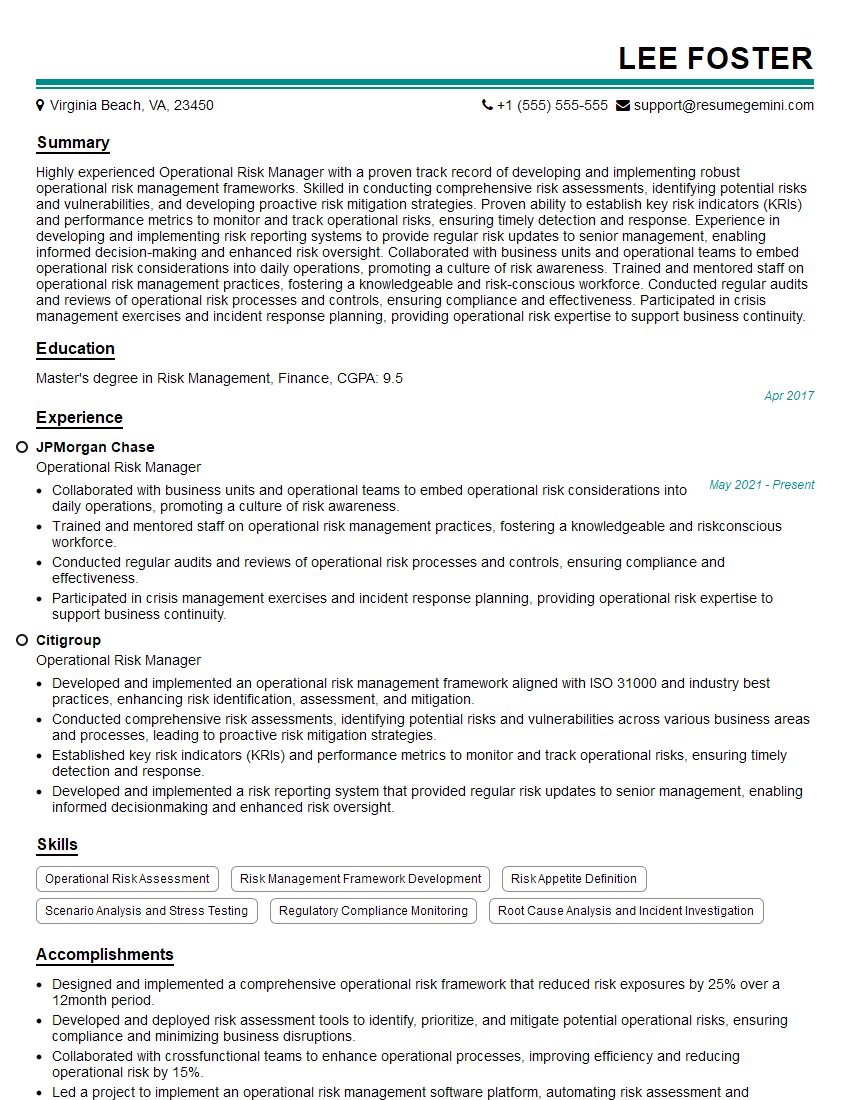
Operational Risk Manager Resume Sample
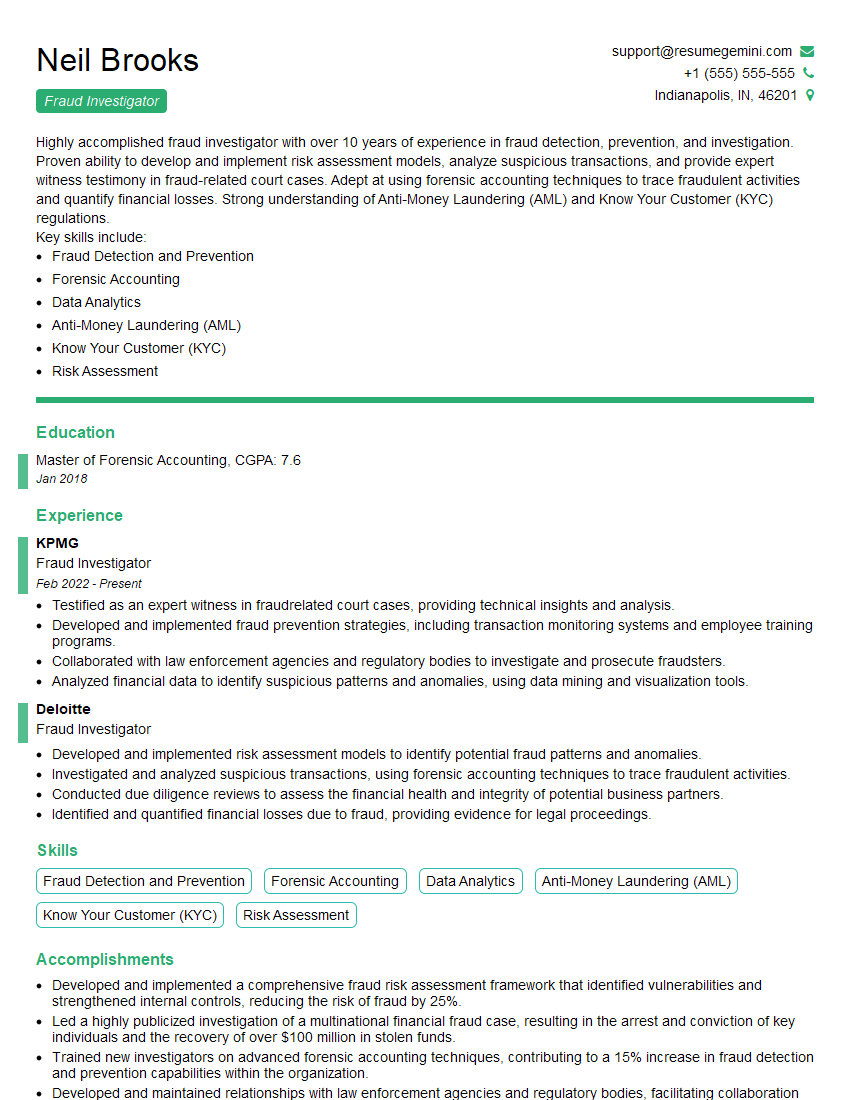
Fraud Investigator Resume Sample
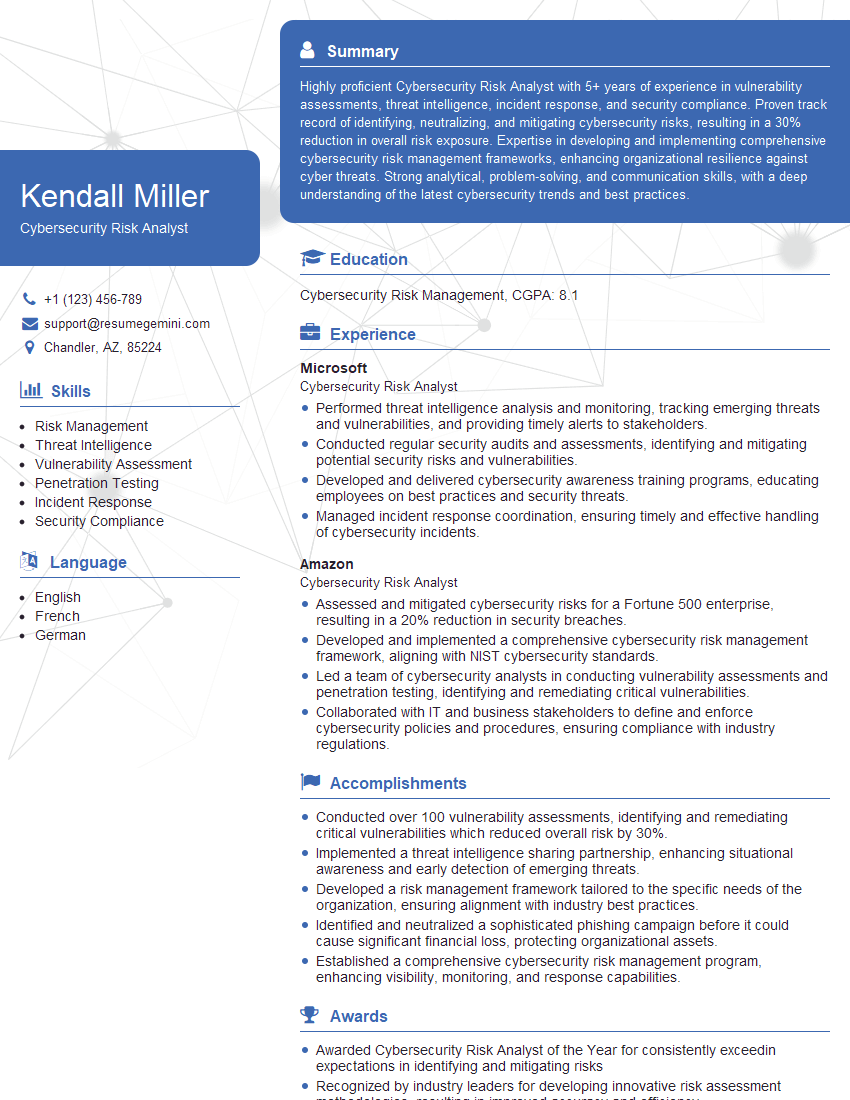
Cybersecurity Risk Analyst Resume Sample
Explore more articles
Users Rating of Our Blogs
Share Your Experience
We value your feedback! Please rate our content and share your thoughts (optional).
What Readers Say About Our Blog
Really detailed insights and content, thank you for writing this detailed article.
IT gave me an insight and words to use and be able to think of examples