Interviews are opportunities to demonstrate your expertise, and this guide is here to help you shine. Explore the essential Safety Procedures and Policies interview questions that employers frequently ask, paired with strategies for crafting responses that set you apart from the competition.
Questions Asked in Safety Procedures and Policies Interview
Q 1. Describe your experience developing and implementing safety procedures.
Developing and implementing safety procedures involves a systematic approach that prioritizes risk reduction and employee well-being. It begins with a thorough understanding of the workplace, identifying potential hazards, and then designing procedures to eliminate or mitigate those risks.
In my previous role at a manufacturing plant, I was responsible for developing safety procedures for operating heavy machinery. This involved conducting a detailed hazard analysis, identifying potential pinch points, moving parts, and electrical hazards. Based on this analysis, I developed step-by-step procedures, including pre-operation checks, lockout/tagout protocols, and emergency shutdown procedures. These procedures were then documented, reviewed with employees, and incorporated into our safety training program. We also incorporated regular audits and retraining to ensure continued compliance and effectiveness. A key element was ensuring the procedures were clear, concise, and easily understood by employees with varying literacy levels – we used visual aids and diagrams wherever possible. The result was a significant reduction in workplace accidents related to machinery operation.
Another example involved creating a safety program for working at heights. This required developing procedures for proper harness use, fall protection systems, and rescue plans. We conducted hands-on training sessions using the actual equipment in a controlled environment, and we regularly reviewed and updated the procedures based on industry best practices and incident investigations.
Q 2. Explain your understanding of OSHA regulations (or relevant local regulations).
My understanding of OSHA regulations (and equivalent local regulations where applicable) is comprehensive. OSHA, the Occupational Safety and Health Administration, sets the standards for workplace safety and health in the United States. These regulations cover a vast array of hazards and work environments, from general industry to construction and maritime. Understanding OSHA involves familiarity with specific standards, such as those related to hazard communication (HazCom), personal protective equipment (PPE), lockout/tagout (LOTO), confined space entry, and fall protection.
I’m proficient in interpreting OSHA’s standards and ensuring compliance by conducting regular inspections, maintaining detailed records, and developing safety programs tailored to specific workplace needs. For example, understanding OSHA’s requirements for hazard communication necessitates not only proper labeling and SDS (Safety Data Sheets) management but also employee training on chemical hazards and safe handling practices. This requires staying up-to-date on changes and revisions to OSHA standards and other relevant legislation.
Compliance is not just about avoiding penalties; it’s about creating a safe and healthy workplace that protects employees and fosters a positive work environment. Proactive compliance through regular training, inspections and hazard mitigation is paramount.
Q 3. How do you conduct a risk assessment?
A risk assessment is a systematic process to identify hazards and evaluate the risks associated with them. It’s not just about identifying what could go wrong, but also about understanding the likelihood of it happening and the potential severity of the consequences.
My approach to conducting a risk assessment follows a structured methodology:
- Hazard Identification: This involves a thorough walk-through of the workplace, identifying potential hazards through observation, interviews with employees, and review of incident reports. I utilize checklists, job safety analyses (JSAs), and other tools to ensure thoroughness.
- Risk Evaluation: Once hazards are identified, I evaluate the likelihood of an incident occurring and the severity of potential harm. This often involves using a risk matrix that assigns numerical values or risk levels (e.g., low, medium, high) based on these factors.
- Risk Control: Based on the risk evaluation, I develop control measures to reduce or eliminate the risks. These measures typically fall into a hierarchy of controls: elimination, substitution, engineering controls, administrative controls, and personal protective equipment (PPE).
- Documentation and Review: All findings, risk evaluations, and control measures are documented in a comprehensive risk assessment report. This report is regularly reviewed and updated as needed, especially after incidents or changes in the workplace.
For example, in a construction setting, a risk assessment for working at heights would involve identifying the height of the work, the potential fall distance, the presence of any obstacles below, and the available fall protection equipment. Based on this evaluation, we’d select appropriate fall protection measures, such as guardrails, safety nets, or harnesses and lifelines, and then ensure proper training for employees using these measures.
Q 4. What methods do you use to identify and mitigate workplace hazards?
Identifying and mitigating workplace hazards involves a multi-faceted approach. It begins with proactive hazard identification using methods like safety inspections, job hazard analyses, and incident investigations.
Once hazards are identified, I utilize a hierarchy of controls to mitigate them:
- Elimination: This is the most effective control, involving removing the hazard completely. For example, removing a dangerous machine from the workplace if a safer alternative exists.
- Substitution: Replacing a hazardous material or process with a less hazardous one. For example, switching from a solvent-based cleaner to a water-based cleaner.
- Engineering Controls: Implementing physical changes to the workplace to reduce hazards. Examples include installing guarding on machinery, improving ventilation systems, or providing better lighting.
- Administrative Controls: Implementing changes to work practices or procedures. Examples include establishing safe work permits, implementing lockout/tagout procedures, or providing additional training to employees.
- Personal Protective Equipment (PPE): Providing workers with equipment to protect themselves from hazards. This is a last line of defense and should always be used in conjunction with other control measures. Examples include safety glasses, hard hats, and respirators.
Regular monitoring and auditing are crucial to ensure the effectiveness of these control measures. Following up and reassessing the effectiveness of the controls applied and making appropriate changes is essential to ensure the health and safety of all employees.
Q 5. Describe your experience with incident investigation and reporting.
Incident investigation and reporting are critical for learning from mistakes and preventing future incidents. My approach involves a thorough and impartial investigation, focusing on facts rather than blame.
The process includes:
- Securing the Scene: If possible, I will immediately secure the incident scene to preserve evidence and ensure employee safety.
- Gathering Information: I collect information from various sources, including witness statements, incident reports, physical evidence, and any relevant documentation. I use a variety of techniques, including interviews with those involved and affected.
- Analyzing the Data: I analyze the collected information to identify the root causes of the incident, not just the immediate causes. This often involves using tools such as fault tree analysis or fishbone diagrams.
- Developing Corrective Actions: Based on the root cause analysis, I develop corrective actions to prevent similar incidents from occurring in the future. This may involve changes to procedures, equipment, training, or management practices.
- Reporting and Documentation: The findings of the investigation, including the root causes, corrective actions, and recommendations are documented in a formal report. This report is shared with relevant personnel and used to update safety procedures and training programs.
For example, if a worker is injured due to a fall from a ladder, the investigation will look not just at the immediate cause (the fall) but also at the underlying causes, such as whether the ladder was properly inspected, whether the worker received adequate training, and whether proper fall protection was used. The corrective actions might include implementing a ladder inspection program, providing additional training, and making sure employees always use fall protection gear when working at heights. Ultimately, the goal is continuous improvement in safety practices through comprehensive incident investigation and reporting.
Q 6. How do you ensure compliance with safety regulations?
Ensuring compliance with safety regulations requires a proactive and multi-layered approach.
My strategy includes:
- Regular Inspections: Conducting routine safety inspections of the workplace to identify hazards and ensure compliance with regulations.
- Employee Training: Providing comprehensive safety training to all employees on relevant regulations, procedures, and hazard awareness. Training should be tailored to specific job roles and hazards.
- Record Keeping: Maintaining accurate and up-to-date records of safety inspections, training, incidents, and corrective actions. This includes incident investigation reports, training records and safety inspection checklists.
- Safety Audits: Conducting regular safety audits to evaluate the effectiveness of safety programs and identify areas for improvement. Audits ensure the effectiveness of our safety programs, identify gaps, and ensure continued compliance.
- Management Commitment: Ensuring that management is fully committed to safety and provides the necessary resources to support a strong safety culture. Active leadership is essential.
- Continuous Improvement: Continuously evaluating and improving safety programs and procedures based on the results of inspections, audits, incident investigations, and industry best practices. This is a continuous cycle of improvement.
Using a combination of these methods ensures not just compliance, but cultivates a safety-conscious culture within the organisation.
Q 7. How do you communicate safety procedures effectively to employees?
Effective communication of safety procedures is essential for ensuring employee understanding and compliance. I use a variety of methods tailored to the audience and the complexity of the information.
My approach involves:
- Multiple Communication Channels: Utilizing various methods to reach employees, such as toolbox talks, safety meetings, posters, emails, and intranet postings. Using a variety of methods caters to different learning styles and ensures messages reach everyone.
- Plain Language and Visual Aids: Using clear, concise language and avoiding technical jargon. Employing visuals like diagrams, pictures, and videos to enhance understanding. Simple is better.
- Interactive Training: Conducting interactive training sessions that include hands-on demonstrations, simulations, and quizzes to reinforce learning. Active participation leads to better retention.
- Regular Reinforcement: Regularly reinforcing safety messages through reminders, refresher training, and feedback. Consistency is key to embedding safety in behaviours.
- Feedback Mechanisms: Establishing feedback mechanisms to allow employees to ask questions and provide input on safety procedures. Open communication builds trust.
- Tailored Communication: Tailoring communication to the specific needs and understanding of different employee groups, taking into account language barriers and literacy levels. Consider all your audience.
By using a multifaceted communication strategy, I ensure that safety procedures are not only understood but also become ingrained in the workplace culture. Employees feel empowered, and ultimately, everyone benefits from a safe and productive work environment.
Q 8. Describe your experience with safety training programs.
Throughout my career, I’ve been deeply involved in developing and implementing a wide range of safety training programs. My approach is multifaceted, focusing on both theoretical knowledge and practical application. I believe effective training must be engaging, relevant, and tailored to the specific needs and roles of the participants.
For example, in my previous role at a construction company, I designed and delivered a comprehensive program covering hazard identification, risk assessment, and the proper use of PPE. This involved interactive workshops, hands-on simulations, and regular quizzes to ensure knowledge retention. We also incorporated scenario-based training to prepare workers for real-world emergencies. In another instance, I developed an online training module for factory workers on machine safety, integrating videos, interactive exercises, and progress tracking to maximize engagement and learning outcomes. The key is to move beyond simply presenting information and to create active learning environments that empower employees to take ownership of their safety.
Q 9. How do you handle safety violations?
Handling safety violations requires a systematic and fair approach. My first step is always to investigate the incident thoroughly, gathering all the facts and evidence. This involves interviewing witnesses, reviewing documentation, and examining the site if necessary. Once I understand the root cause, I determine the appropriate disciplinary action, which is always based on the severity of the violation and the employee’s history.
For minor infractions, I might use verbal warnings or corrective training. However, for more serious violations, like disregarding safety protocols that could lead to serious injury, stricter measures such as written warnings, suspension, or even termination might be necessary. Throughout this process, I prioritize fairness, consistency, and a focus on preventing future violations. The goal is not punishment, but rather to improve safety performance and prevent accidents.
Q 10. What is your experience with safety audits and inspections?
I have extensive experience conducting safety audits and inspections across various industries. My approach is proactive and thorough, utilizing checklists, observation techniques, and interviews to identify potential hazards and assess compliance with safety regulations and company policies. I always focus on identifying both obvious and less visible risks.
For instance, during a recent audit of a manufacturing plant, I identified a critical deficiency in the emergency shutdown system. My report detailed the problem, its potential consequences, and recommended corrective actions. The findings led to immediate improvements and prevented potential catastrophic incidents. My reports are always detailed, including photographs and recommendations for corrective actions, prioritized by severity and risk. Following the audit, I typically follow up to ensure the identified issues have been addressed and that preventative measures are in place. This cyclical approach – audit, report, corrective action, follow-up – helps to build and maintain a robust safety culture.
Q 11. Explain your understanding of different types of personal protective equipment (PPE).
Personal Protective Equipment (PPE) is crucial for protecting workers from hazards in the workplace. There’s a wide variety, and the correct type depends on the specific risk. Examples include:
- Eye protection: Safety glasses, goggles, face shields – protecting against flying debris, chemicals, and radiation.
- Hearing protection: Earplugs, earmuffs – reducing noise-induced hearing loss in loud environments.
- Respiratory protection: Respirators, dust masks – filtering out harmful airborne particles, gases, or vapors.
- Hand protection: Gloves – protecting against cuts, burns, chemicals, and infections. Different gloves are needed for different hazards.
- Foot protection: Safety shoes, boots – protecting feet from falling objects, punctures, and electrical hazards.
- Head protection: Hard hats – protecting against falling objects and impacts to the head.
- Body protection: Aprons, coveralls, high-visibility clothing – protecting against cuts, burns, chemicals, and impacts, and improving visibility.
It’s important to remember that PPE is only one layer of a comprehensive safety program. Engineering controls and administrative controls should always be prioritized wherever possible to eliminate or reduce hazards at their source.
Q 12. How do you prioritize safety risks?
Prioritizing safety risks involves a systematic approach, often using a risk matrix. This matrix typically considers both the likelihood and severity of potential hazards.
Likelihood: How often is the hazard likely to occur? (e.g., frequent, occasional, rare).
Severity: What are the potential consequences if the hazard occurs? (e.g., minor injury, major injury, fatality).
By combining these factors, we can categorize hazards into levels of risk. For example, a hazard with high likelihood and high severity (e.g., working at heights without proper safety measures) will be prioritized over a hazard with low likelihood and low severity (e.g., minor tripping hazard). This allows us to focus resources on addressing the most significant risks first. This approach is crucial for effective resource allocation and ensuring the most impactful safety improvements are implemented.
Q 13. Describe your experience with emergency response plans.
Experience with emergency response plans is vital. I’ve been involved in developing, testing, and implementing these plans for various settings, from manufacturing plants to construction sites. A well-developed plan should include:
- Clear procedures: Step-by-step instructions for handling various emergencies (fire, chemical spills, medical emergencies).
- Emergency contact list: Numbers for emergency services, supervisors, and key personnel.
- Evacuation routes: Clearly marked escape routes and assembly points.
- Training and drills: Regular training for employees on the procedures and conducting drills to ensure everyone knows what to do in an emergency.
- Communication system: A reliable system for communication during an emergency (e.g., alarms, two-way radios).
In my experience, regular drills and training are key to the effectiveness of an emergency response plan. This ensures employees are familiar with the procedures and can respond quickly and efficiently in a real emergency. We should also continuously review and update the plans based on changes in the workplace or new risks.
Q 14. How do you measure the effectiveness of safety programs?
Measuring the effectiveness of safety programs requires a multi-faceted approach, involving both leading and lagging indicators.
Lagging indicators measure the results of safety programs, such as the number of accidents, injuries, or illnesses. While important, these only tell us what has already happened.
Leading indicators measure the factors that influence safety performance, such as the number of safety training hours completed, the number of safety audits conducted, and the number of near misses reported. These provide insights into the effectiveness of preventative measures and help identify potential problems before they result in accidents.
By tracking both leading and lagging indicators, we can gain a comprehensive understanding of safety performance and identify areas for improvement. We can also use data analysis techniques to identify trends and patterns, and further refine our safety programs based on this data. This data-driven approach to safety management helps to create a proactive safety culture and continuous improvement.
Q 15. What is your experience with safety data sheets (SDS)?
Safety Data Sheets (SDS), formerly known as Material Safety Data Sheets (MSDS), are crucial documents providing comprehensive information about hazardous chemicals. My experience encompasses creating, reviewing, and utilizing SDSs across various industries. I’m proficient in interpreting the 16 sections mandated by Globally Harmonized System of Classification and Labelling of Chemicals (GHS), including identification, hazards, composition, first aid measures, fire-fighting measures, accidental release measures, handling and storage, exposure controls/personal protection, physical and chemical properties, stability and reactivity, toxicological information, ecological information, disposal considerations, transport information, regulatory information, and other information.
For instance, in my previous role at a manufacturing plant, I was responsible for ensuring all chemicals used were properly labeled, with readily accessible and up-to-date SDSs. This involved regular audits to confirm compliance and training employees on proper SDS interpretation and use. If an incident occurred involving a chemical, the SDS was crucial in determining the appropriate response, from first aid to cleanup procedures. Understanding the SDS is paramount to preventing accidents and managing hazardous materials effectively.
Career Expert Tips:
- Ace those interviews! Prepare effectively by reviewing the Top 50 Most Common Interview Questions on ResumeGemini.
- Navigate your job search with confidence! Explore a wide range of Career Tips on ResumeGemini. Learn about common challenges and recommendations to overcome them.
- Craft the perfect resume! Master the Art of Resume Writing with ResumeGemini’s guide. Showcase your unique qualifications and achievements effectively.
- Don’t miss out on holiday savings! Build your dream resume with ResumeGemini’s ATS optimized templates.
Q 16. How do you manage safety in a remote work environment?
Managing safety in a remote work environment requires a proactive and multi-faceted approach. It’s less about physical hazards and more about ergonomic risks, mental health, and cybersecurity. My approach focuses on establishing clear safety policies and procedures specific to remote work, including guidelines on workstation ergonomics, promoting regular breaks to prevent fatigue, and providing resources for stress management. This includes providing training on safe work practices for home offices and conducting regular check-ins with employees to discuss concerns and provide support.
For example, we provided employees with guides on proper posture and workstation setup, offering reimbursements for ergonomic equipment such as chairs and monitors. We also implemented mental health awareness programs and access to Employee Assistance Programs (EAPs). Regular virtual safety meetings helped address concerns and foster a sense of community. Cybersecurity training is vital, emphasizing safe password practices, recognizing phishing attempts, and protecting sensitive company information.
Q 17. How do you ensure the proper use and maintenance of safety equipment?
Ensuring proper use and maintenance of safety equipment is paramount. My strategy involves a three-pronged approach: training, inspection, and maintenance schedules. First, comprehensive training is provided to all employees on the correct use, limitations, and inspection procedures of each piece of equipment. This includes hands-on practice and regular refresher courses.
Secondly, we implement a robust inspection program. Regular visual inspections are carried out by both employees and supervisors. Equipment is checked for damage, wear and tear, and proper functioning. This is documented and any issues are immediately addressed. Thirdly, a preventative maintenance schedule is created for each piece of equipment, ensuring timely servicing and calibration to maintain optimal performance and safety. For example, we might schedule annual inspections for respirators and quarterly checks for fire extinguishers, documenting all maintenance activities meticulously.
Q 18. Describe your experience with lockout/tagout procedures.
Lockout/Tagout (LOTO) procedures are critical for preventing accidental energy release during maintenance or repair of machinery. My experience includes developing and implementing LOTO programs that meet OSHA standards. This process involves identifying energy sources, selecting appropriate lockout/tagout devices, and training employees on proper procedures. Each step—from isolating the energy source to verifying the lockout—is documented thoroughly.
For example, I’ve been involved in the creation of a LOTO program for a food processing plant, where we outlined detailed procedures for machinery such as conveyors and mixers. This included training sessions, regular audits, and incident investigations to improve our LOTO program and ensure its effectiveness. The program emphasized the importance of verifying the lockout before any work commences, which is extremely vital to protect workers from potential injury.
Q 19. How do you manage workplace stress and fatigue related to safety?
Workplace stress and fatigue significantly increase the risk of accidents. To mitigate these risks, I focus on creating a supportive and understanding work environment. This involves promoting work-life balance, providing opportunities for breaks, and offering resources for stress management, such as mindfulness programs and Employee Assistance Programs (EAPs).
For example, I’ve worked with organizations to implement flexible work arrangements, allowing employees to adjust their schedules to better manage their workload and personal commitments. We’ve also encouraged the use of wellness initiatives, like on-site yoga classes or gym memberships, to promote physical and mental well-being. Regular communication and feedback mechanisms help identify and address potential stressors early on, thus reducing the likelihood of fatigue-related accidents.
Q 20. How do you promote a positive safety culture?
Promoting a positive safety culture is a continuous process, not a one-time event. My approach relies on leadership commitment, employee engagement, and a culture of open communication. Leadership must actively champion safety, demonstrating its importance through actions and words. Employee involvement is key; we encourage safety suggestions and feedback, empowering employees to identify and report hazards.
We use various methods to reinforce the safety culture, such as safety campaigns, regular safety meetings, and rewards for safe work practices. Open communication channels allow employees to voice concerns without fear of reprisal. Celebrating achievements and recognizing safe behavior through both formal and informal means reinforces positive behaviors and fosters a collaborative approach towards safety.
Q 21. Describe your experience with safety committees or teams.
I have extensive experience working with safety committees and teams. My role often involves facilitating meetings, coordinating activities, and ensuring the committee’s effectiveness. These committees typically consist of representatives from different departments, providing diverse perspectives on safety issues. A well-functioning safety committee is vital to proactively identifying hazards and developing preventative measures.
For example, in a previous role, I assisted a safety committee in conducting workplace inspections, analyzing accident data, and recommending improvements to safety policies and procedures. The committee played a crucial role in implementing a new safety training program and developing a comprehensive hazard communication plan. Successful collaboration within the committee resulted in a significant reduction in workplace accidents and improved the overall safety culture.
Q 22. What are the key elements of a successful safety management system?
A successful safety management system (SMS) is the backbone of any organization prioritizing workplace safety. It’s not just a set of rules; it’s a proactive, integrated approach that encompasses leadership commitment, risk assessment, hazard control, training, and continuous improvement.
- Leadership Commitment: Top-down support is crucial. Leaders must champion safety, allocate resources, and actively participate in safety initiatives. Without this buy-in, even the best policies will fall short.
- Hazard Identification and Risk Assessment: This involves systematically identifying potential hazards (e.g., chemical spills, machinery malfunctions) and assessing the likelihood and severity of associated risks. Methods like Job Safety Analyses (JSAs) and HAZOP (Hazard and Operability) studies are commonly used.
- Hazard Control: Once risks are identified, controls are implemented to eliminate or mitigate them. This can involve engineering controls (e.g., safety guards on machinery), administrative controls (e.g., work permits), and personal protective equipment (PPE).
- Training and Communication: Effective training programs, tailored to specific roles and hazards, are essential. Regular communication ensures that safety information reaches everyone and that feedback is encouraged.
- Monitoring and Review: Regular monitoring of safety performance through KPIs (Key Performance Indicators), incident investigations, and audits ensures the system remains effective. Continuous improvement is key.
For example, in a construction company, a successful SMS would involve regular safety meetings, thorough site inspections, appropriate PPE for every task, and immediate investigation of any incidents, no matter how minor. The goal is to create a culture where safety is everyone’s responsibility.
Q 23. How do you stay up-to-date with changes in safety regulations?
Staying current with safety regulations requires a multifaceted approach. It’s not a one-time task but a continuous process. I leverage several strategies:
- Subscription to Regulatory Bodies: I subscribe to newsletters and updates from relevant regulatory bodies like OSHA (Occupational Safety and Health Administration) in the US or equivalent organizations in other countries. This ensures I receive timely notifications of changes.
- Professional Organizations: Active membership in professional safety organizations like the American Society of Safety Professionals (ASSP) provides access to webinars, conferences, and publications that keep me abreast of industry best practices and regulatory changes.
- Industry Publications and Journals: I regularly read industry-specific journals and publications to stay informed about emerging safety concerns, new technologies, and case studies of successful safety programs.
- Networking: Attending industry conferences and networking with other safety professionals allows for the exchange of knowledge and insights on current trends and regulatory updates.
- Online Resources: I utilize reputable online resources and databases for quick access to up-to-date safety standards and legal requirements.
Imagine a new regulation regarding hazardous materials handling. By actively monitoring these sources, I can quickly update our company’s safety procedures to ensure compliance and prevent potential accidents. It’s about being proactive, not reactive.
Q 24. How would you handle a situation where an employee refuses to follow safety procedures?
An employee’s refusal to follow safety procedures is a serious matter that requires a structured approach. It’s about addressing the root cause, not just punishing the behavior. My approach would follow these steps:
- Understanding the Reason: I would first have a private conversation with the employee to understand their reasons for non-compliance. Are they unclear about the procedure? Do they have concerns about the practicality or feasibility? Is there a safety issue they’re hesitant to express? Open communication is key.
- Education and Retraining: If the refusal stems from a lack of understanding, I would provide additional training and clarification on the relevant safety procedure. This could involve hands-on demonstrations or visual aids.
- Addressing Concerns: If the employee has legitimate safety concerns, I would address them thoroughly. This might involve revisiting the risk assessment or exploring alternative methods.
- Disciplinary Action: If the refusal persists despite attempts at education and addressing concerns, disciplinary action, as per company policy, would be necessary. This could range from a written warning to suspension, depending on the severity of the infraction and the employee’s history.
- Documentation: Throughout this process, thorough documentation is crucial. This protects both the employee and the company.
This approach ensures a fair and consistent response while prioritizing both employee well-being and workplace safety. It’s about fostering a culture of safety through understanding, not just through enforcement.
Q 25. Describe your experience with safety performance indicators (KPIs).
Safety performance indicators (KPIs) are critical for measuring the effectiveness of a safety management system. My experience involves using a range of KPIs, both lagging and leading indicators.
- Lagging Indicators: These reflect past performance and include metrics like the number of lost-time injuries (LTIs), recordable incident rates (RIR), and medical treatment cases. These are important for assessing the overall safety performance but don’t provide early warning of potential problems.
- Leading Indicators: These predict future performance by tracking proactive measures such as the number of safety observations conducted, the number of near misses reported, the completion rate of safety training, and the participation in safety meetings. These are crucial for identifying areas needing improvement before incidents occur.
In my previous role, we implemented a dashboard that tracked both lagging and leading indicators. This allowed us to monitor trends, identify areas of improvement, and celebrate successes. For example, a decrease in near-miss reports indicated improved employee awareness and proactive hazard identification, while a rise in LTI rates triggered immediate investigation and corrective action. The key is to select KPIs that are relevant to the specific workplace and the organization’s goals. Using data visualization helped to effectively communicate safety performance and drive continuous improvement.
Q 26. How do you adapt safety procedures to accommodate different work environments?
Adapting safety procedures to different work environments is crucial because every setting presents unique hazards and challenges. The key is a flexible but consistent approach.
- Hazard-Specific Assessments: I begin with thorough risk assessments specific to each work environment. This may include a detailed site survey, job hazard analysis, and input from employees familiar with the specific tasks and conditions.
- Tailored Procedures: Based on the risk assessment, I develop or modify existing safety procedures to address specific hazards. This may involve adjusting PPE requirements, implementing specific control measures, or providing specialized training.
- Modular Approach: Designing safety procedures in a modular fashion allows for flexibility. For example, a general procedure on lockout/tagout can be adapted to suit the specific machinery in different areas.
- Consultations and Collaboration: Engaging with employees from various departments and locations is vital. They provide valuable insights into the unique hazards and challenges of their work environments, ensuring buy-in and a more effective safety program.
For instance, safety procedures for an office environment would differ significantly from those for a manufacturing plant or a construction site. An office might focus on ergonomics and fire safety, whereas a factory might prioritize machine guarding and chemical handling. A consistent approach ensures a comprehensive and adaptable safety system across all sites.
Q 27. What is your experience with near-miss reporting and analysis?
Near-miss reporting is crucial for proactive risk management. It allows us to identify potential hazards before they result in accidents. My experience involves establishing a culture where reporting near misses is not only encouraged but actively sought after.
- Anonymous Reporting System: Implementing an anonymous reporting system, whether online or through a suggestion box, encourages employees to report incidents without fear of retribution. This promotes open communication.
- Thorough Investigation: Each near miss is investigated thoroughly to understand the underlying causes. Root cause analysis tools, like the 5 Whys, are useful here. This helps to identify systemic issues.
- Corrective Actions: Based on the investigation, effective corrective actions are implemented to prevent similar near misses from becoming actual accidents. This could involve changes in procedures, equipment, or training.
- Feedback and Recognition: Employees who report near misses should receive positive feedback and recognition for their proactive contribution to safety. This helps to reinforce the importance of reporting.
- Data Analysis: Near-miss data is analyzed over time to identify trends and patterns. This allows for proactive hazard identification and the development of more effective safety controls.
For example, a near miss of a worker almost being struck by a forklift could lead to improved traffic management procedures, better visibility markings, or additional training for forklift operators. Analyzing similar near misses over time may reveal a systemic issue that needs to be addressed.
Q 28. How do you ensure that safety procedures are regularly reviewed and updated?
Regular review and updating of safety procedures are essential to ensure their continued effectiveness. This is an ongoing process, not a one-time event.
- Scheduled Reviews: Safety procedures should be reviewed at least annually, or more frequently if there are significant changes in the workplace, processes, or regulations.
- Incident Investigations: Following any incident, a thorough investigation should be conducted, and the safety procedures should be reviewed to identify any gaps or areas needing improvement.
- Regulatory Updates: Procedures must be updated promptly to reflect any changes in safety regulations or industry best practices.
- Employee Feedback: Regular feedback from employees is vital. They often identify areas where procedures are unclear, impractical, or ineffective. Feedback mechanisms should be easily accessible and anonymous.
- Audits and Inspections: Regular audits and safety inspections, conducted by internal or external experts, help to identify areas where procedures are not being followed or are outdated.
- Documentation and Version Control: All changes to safety procedures should be documented, including the date, reason for change, and person responsible. Using version control helps track modifications.
Imagine a new piece of equipment is introduced. The safety procedures must be updated immediately to include specific safety precautions for using this new equipment. Regular review is the best way to prevent accidents and ensure the safety of all employees.
Key Topics to Learn for Your Safety Procedures and Policies Interview
- Hazard Identification and Risk Assessment: Understanding methods for identifying potential hazards in various work environments and applying risk assessment methodologies to prioritize and mitigate those risks. Consider practical examples from different industries.
- Emergency Response Procedures: Familiarize yourself with various emergency procedures (fire, evacuation, first aid, chemical spills etc.). Focus on understanding the steps involved and the rationale behind each action. Practice applying these procedures in hypothetical scenarios.
- Safety Regulations and Compliance: Demonstrate knowledge of relevant safety regulations and compliance standards within your industry. Be prepared to discuss how these regulations are implemented and maintained in a practical setting.
- Personal Protective Equipment (PPE): Understand the selection, use, and maintenance of appropriate PPE for different hazards. Be ready to discuss the limitations of PPE and the importance of other safety measures.
- Accident Investigation and Reporting: Learn the process of investigating accidents, identifying root causes, and reporting findings effectively. Practice outlining the steps involved in a thorough investigation.
- Safety Training and Communication: Explore effective methods for delivering safety training and communicating safety information to diverse teams. Consider the importance of clear, concise, and engaging communication.
- Safety Auditing and Improvement: Understand the principles of conducting safety audits, identifying areas for improvement, and implementing corrective actions. Be prepared to discuss best practices for continuous safety improvement.
Next Steps
Mastering Safety Procedures and Policies is crucial for career advancement in any safety-conscious industry. It demonstrates your commitment to a safe and productive work environment, a highly valued trait by employers. To significantly boost your job prospects, create an ATS-friendly resume that highlights your skills and experience effectively. ResumeGemini is a trusted resource that can help you build a professional and impactful resume. We offer examples of resumes tailored specifically to Safety Procedures and Policies roles to guide you. Take advantage of these resources to showcase your expertise and land your dream job!
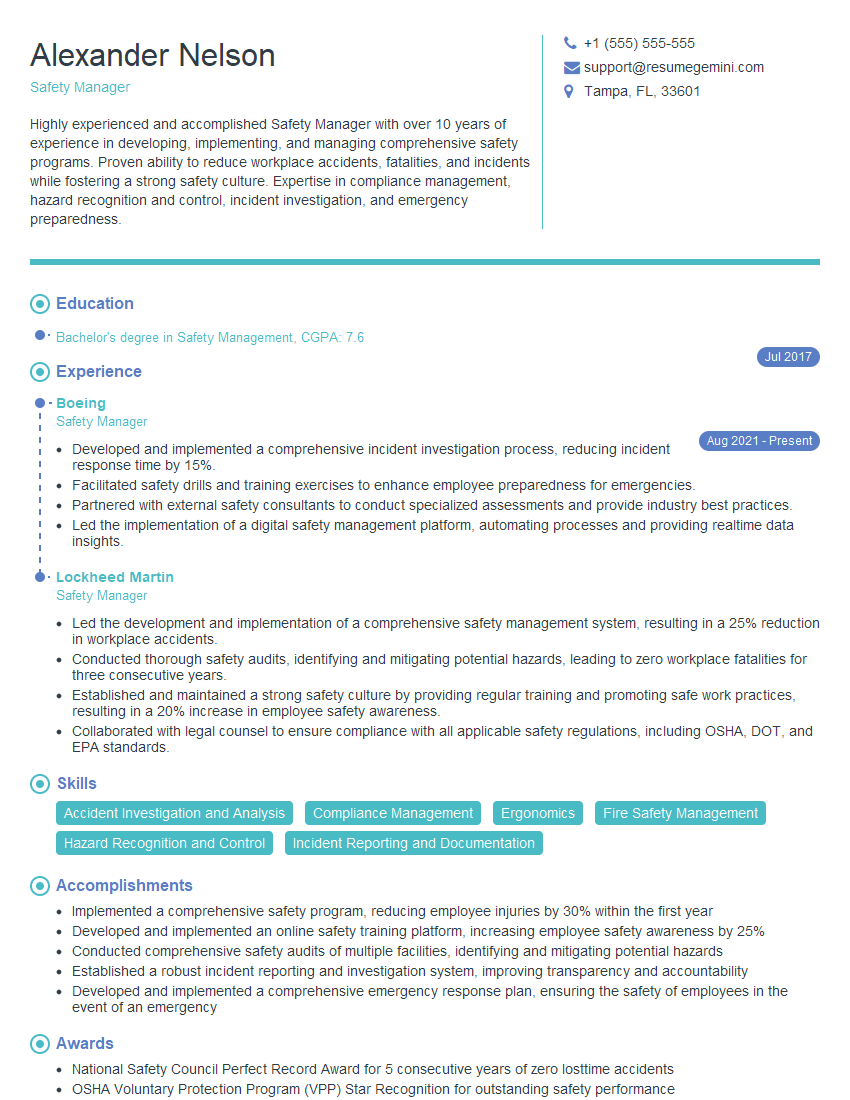
Safety Manager Resume Sample
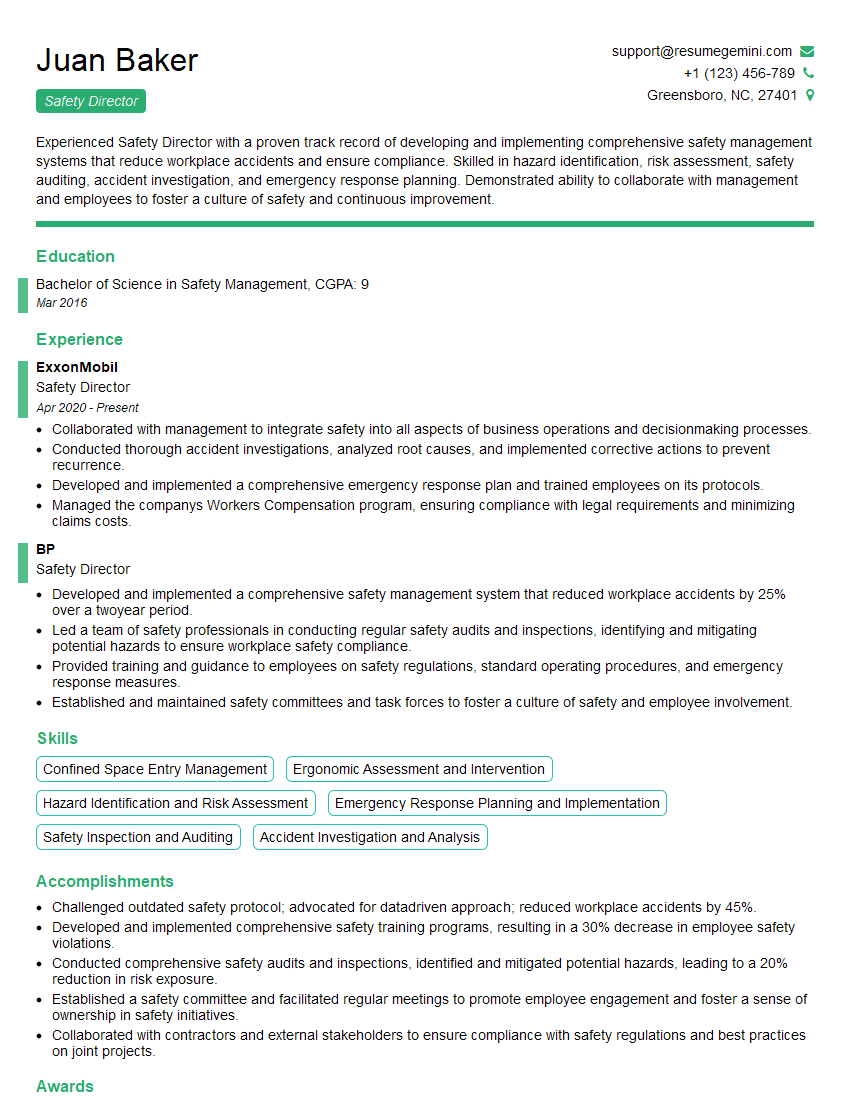
Safety Director Resume Sample
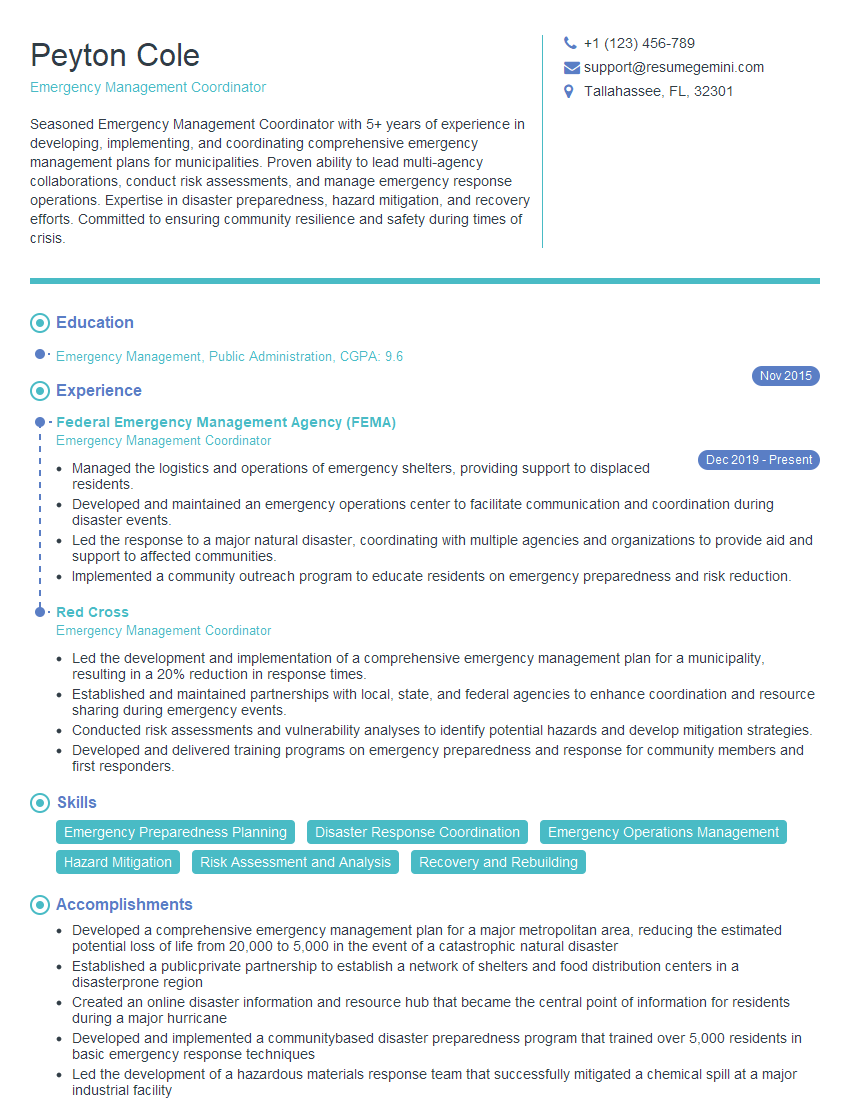
Emergency Management Coordinator Resume Sample
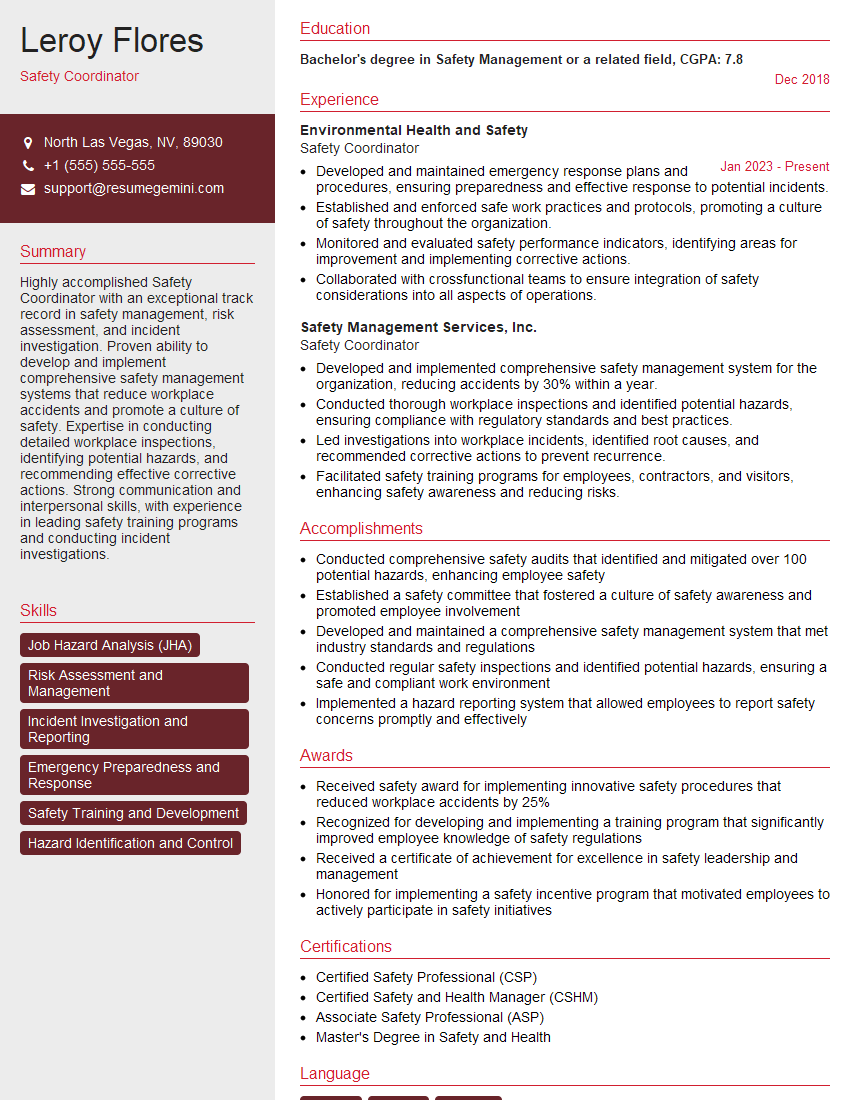
Safety Coordinator Resume Sample

Compliance Officer Resume Sample
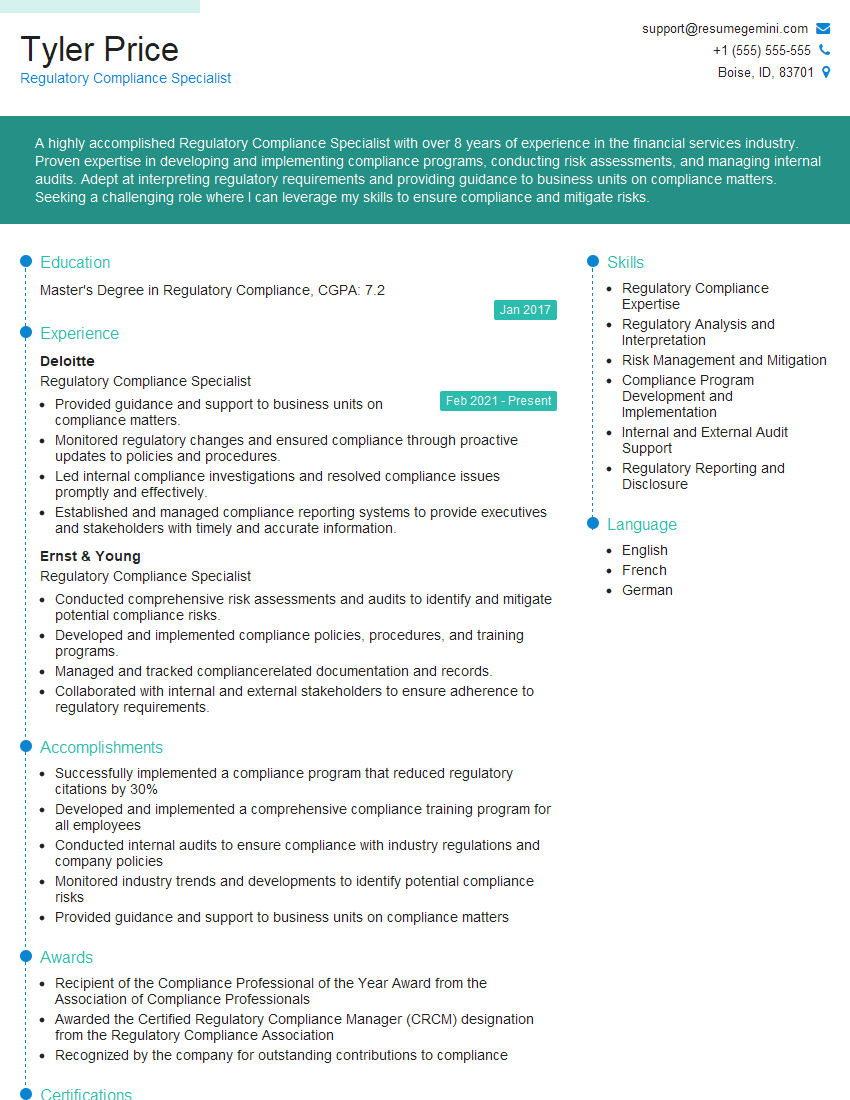
Regulatory Compliance Specialist Resume Sample
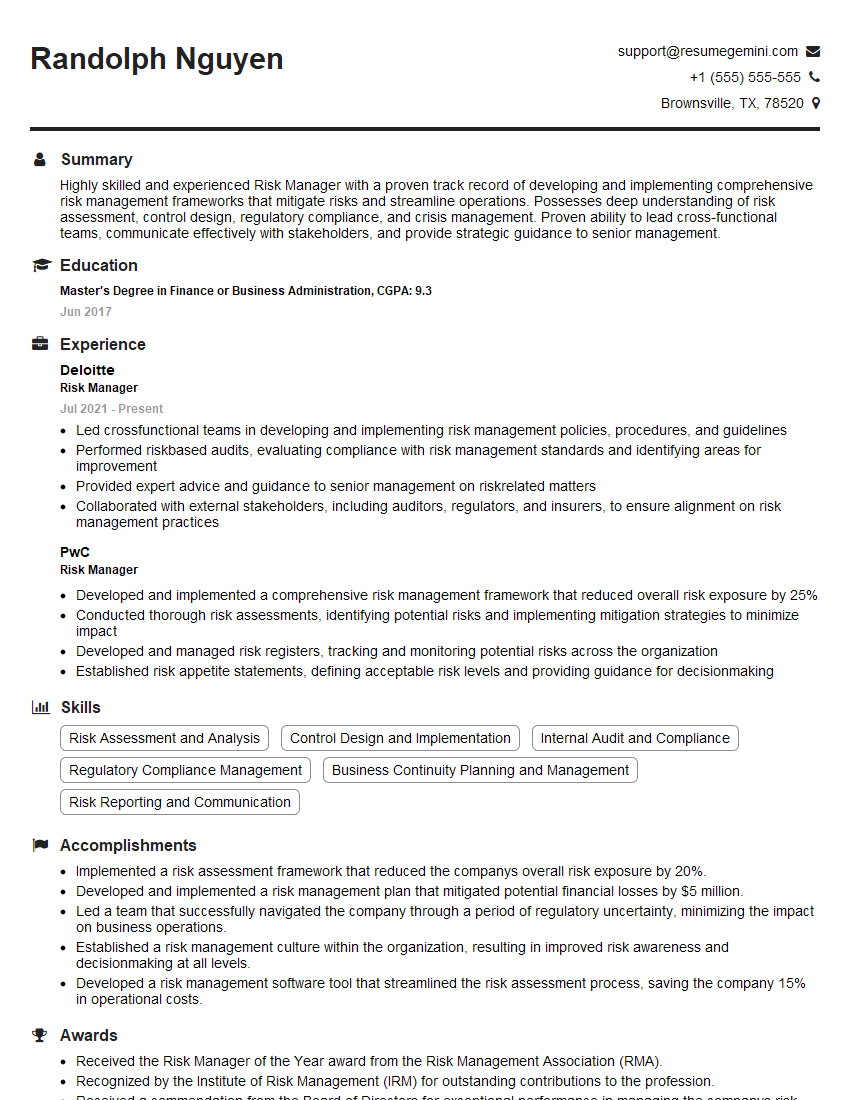
Risk Manager Resume Sample
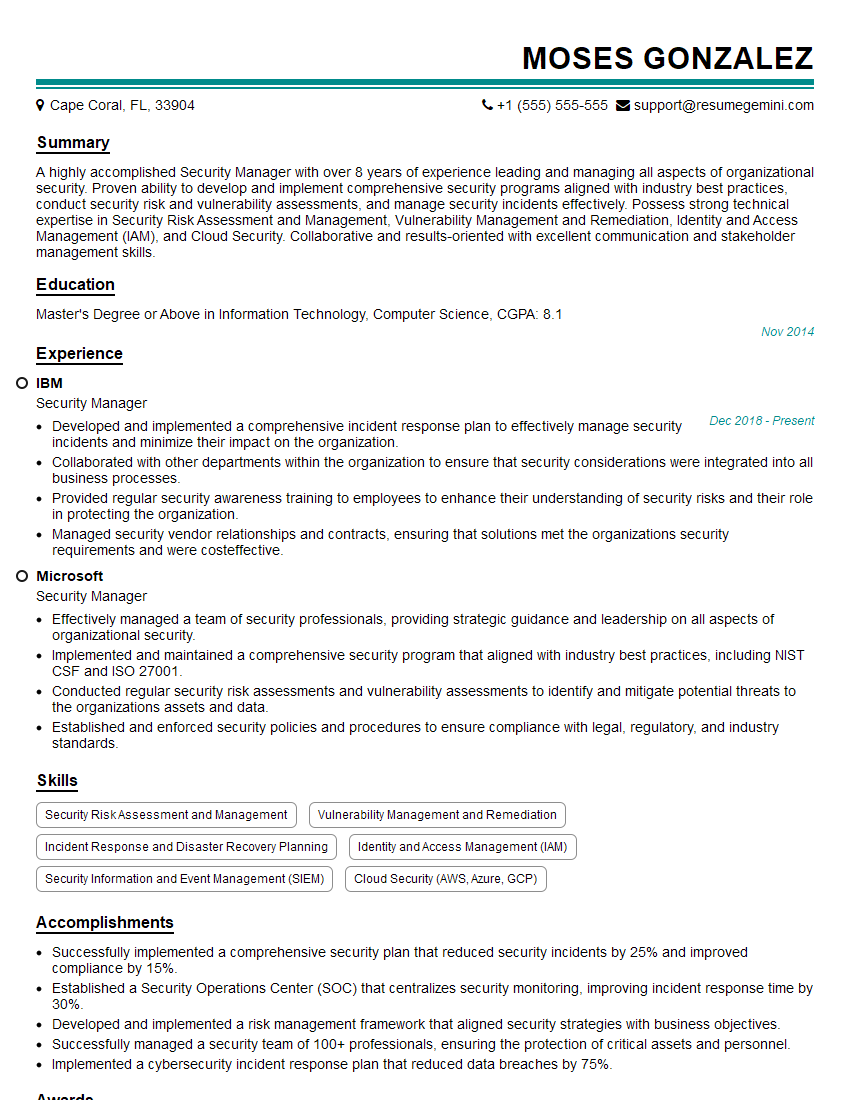
Security Manager Resume Sample
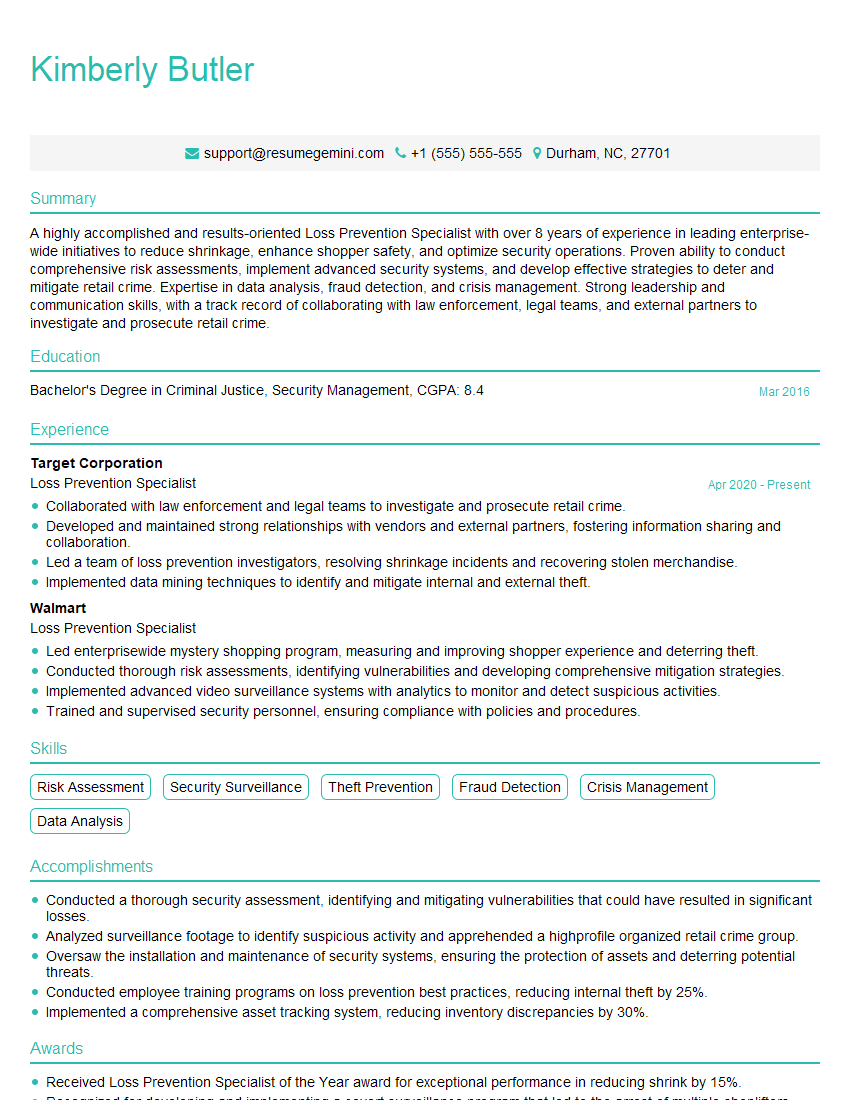
Loss Prevention Specialist Resume Sample
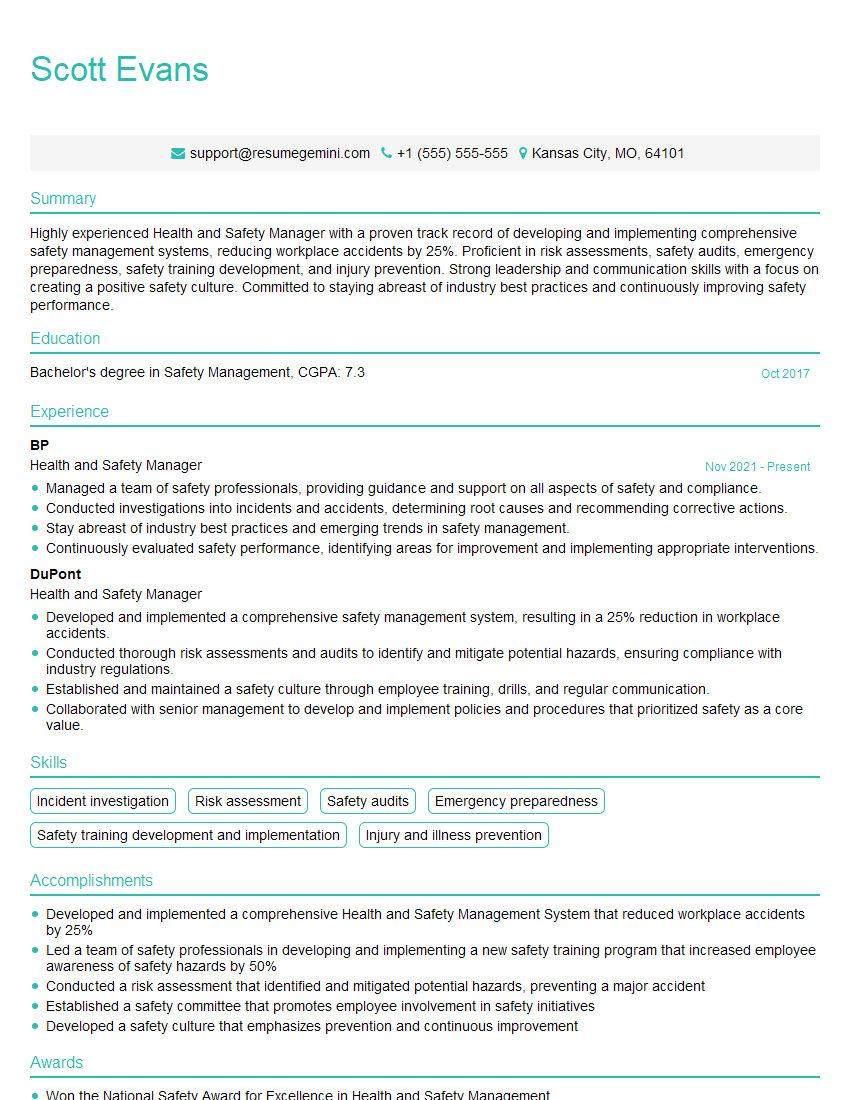
Health and Safety Manager Resume Sample
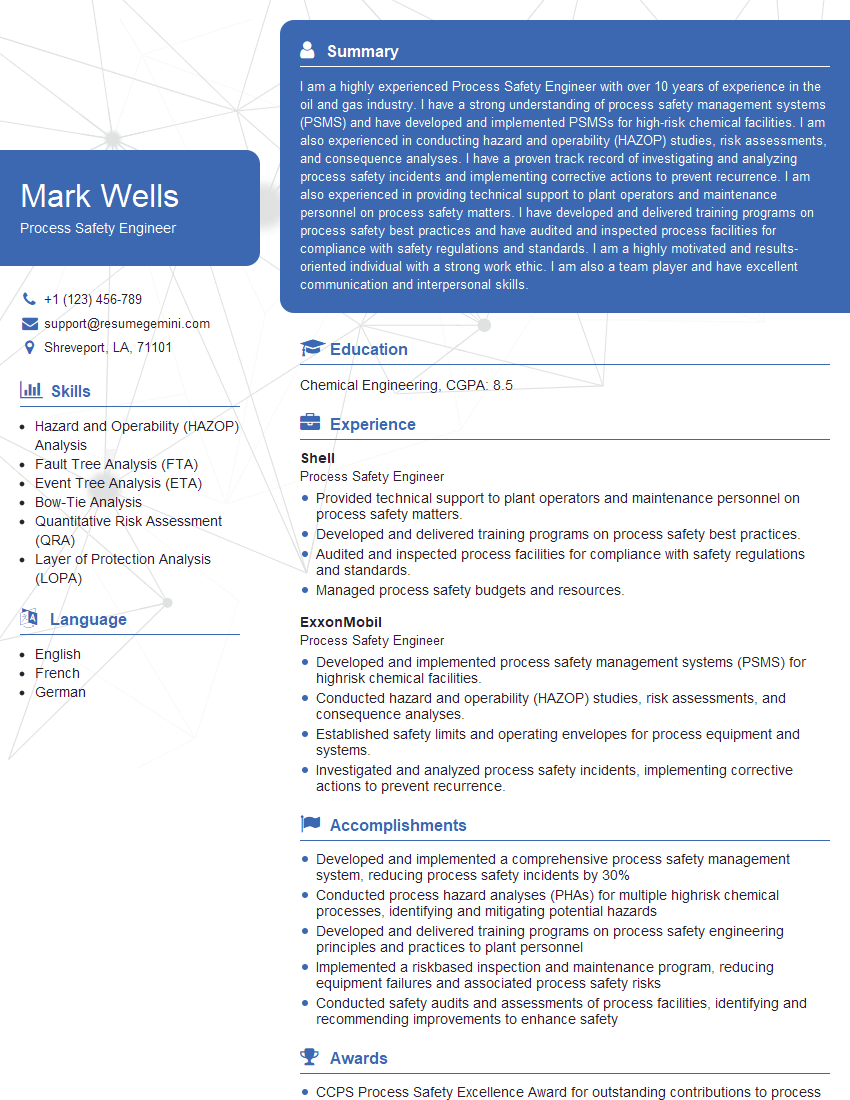
Process Safety Engineer Resume Sample
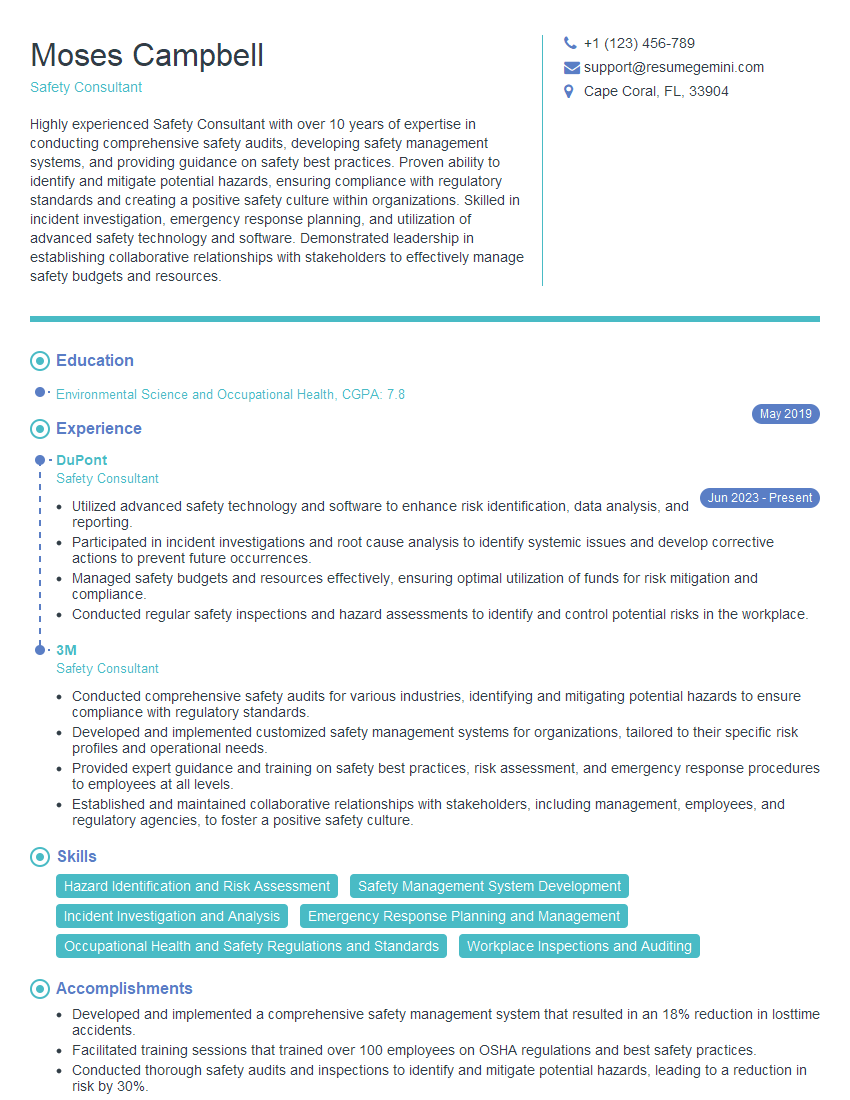
Safety Consultant Resume Sample
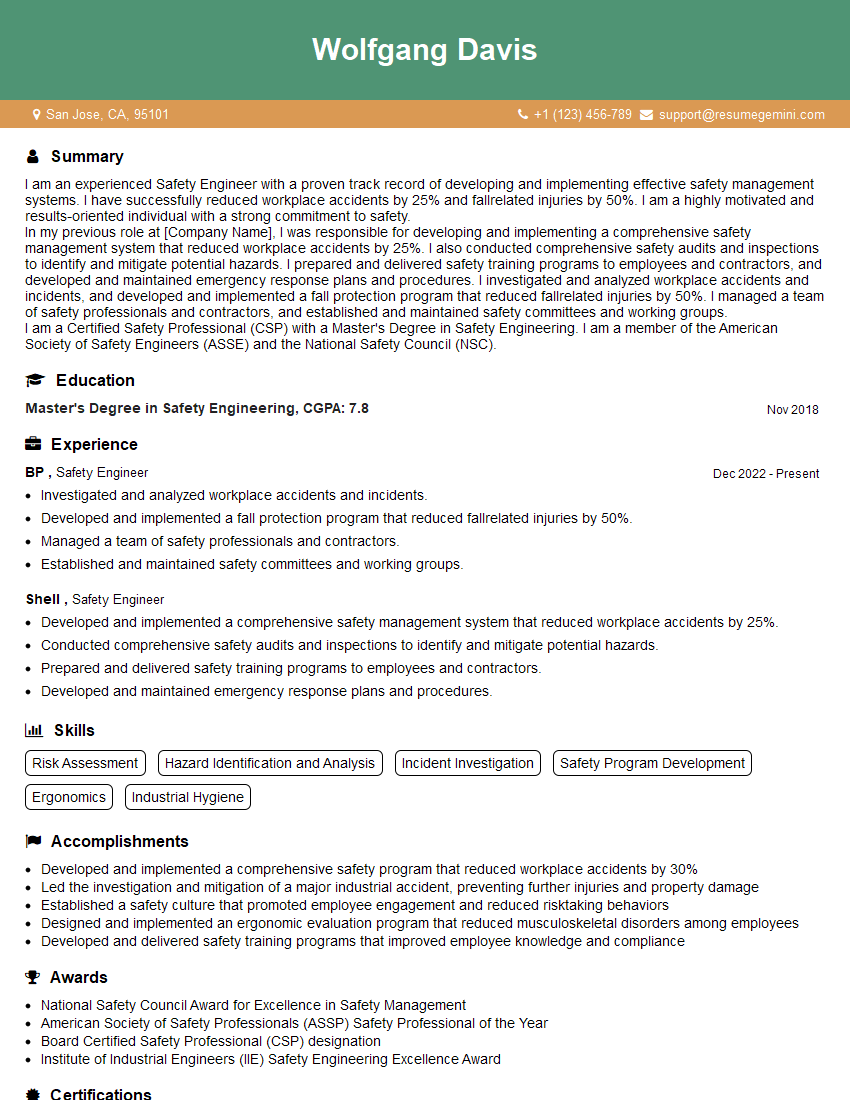
Safety Engineer Resume Sample
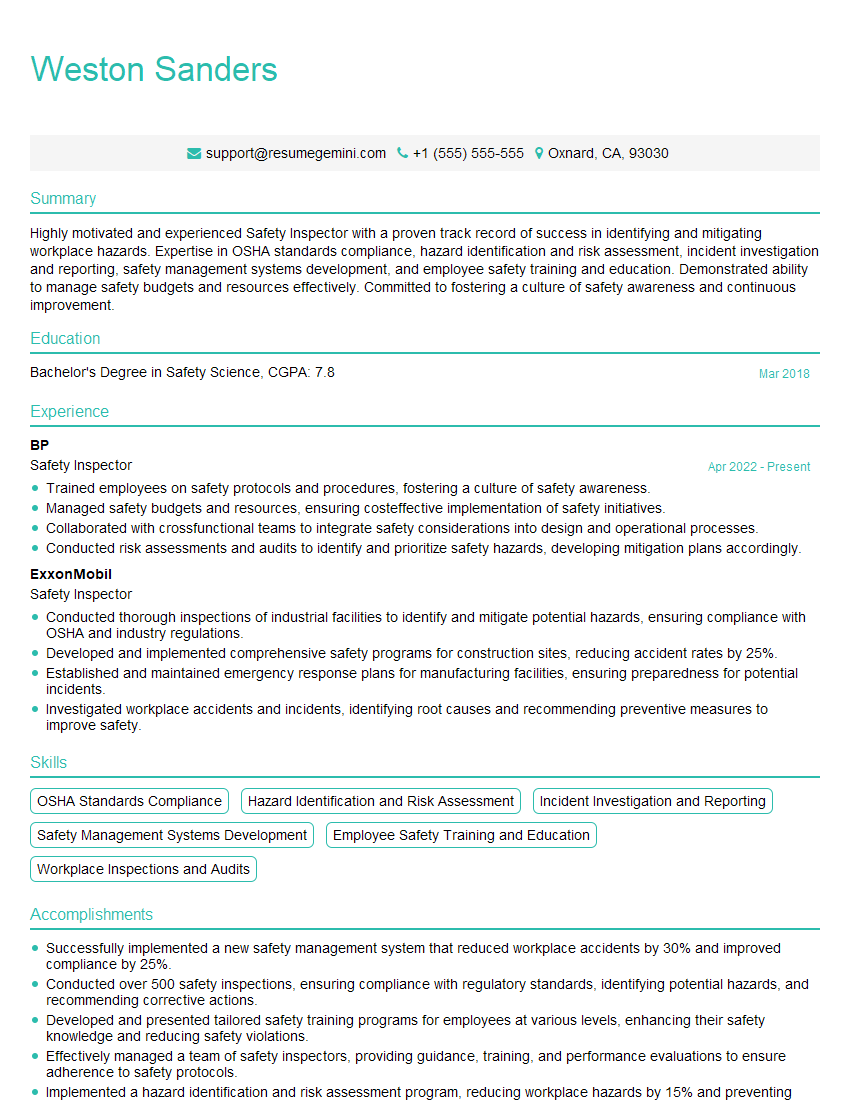
Safety Inspector Resume Sample
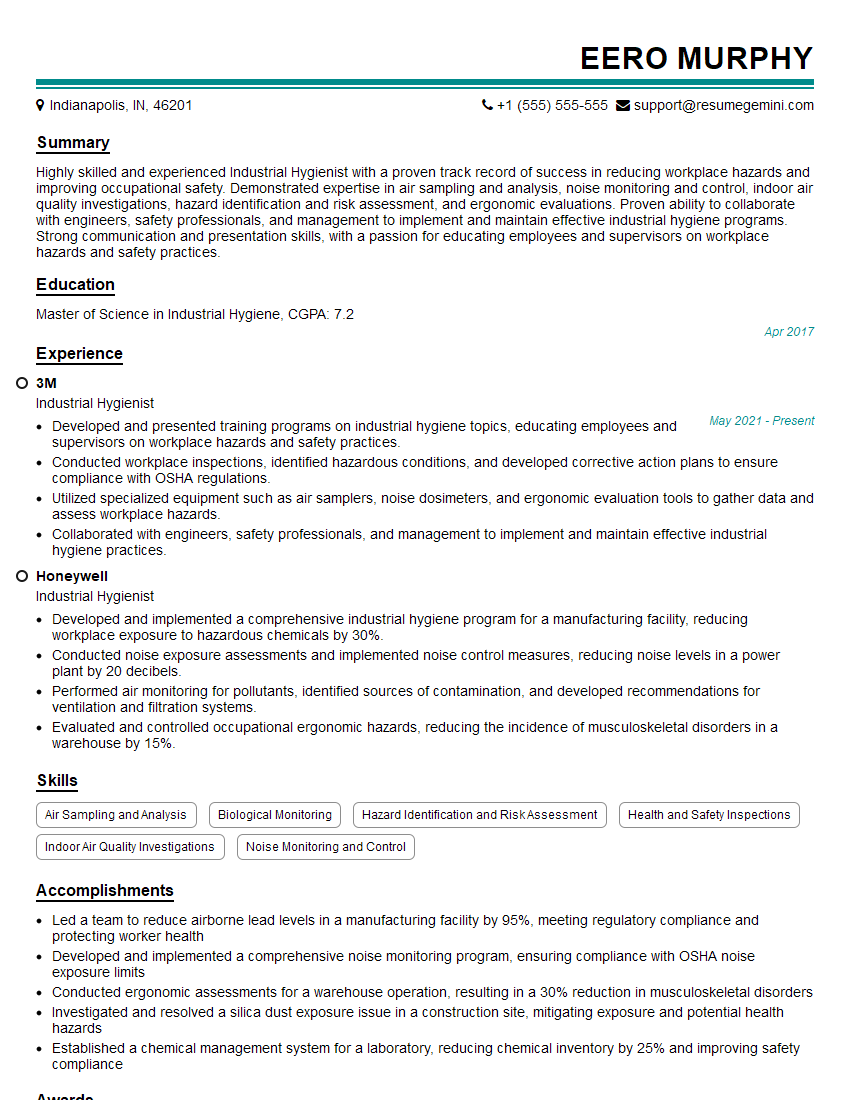
Industrial Hygienist Resume Sample
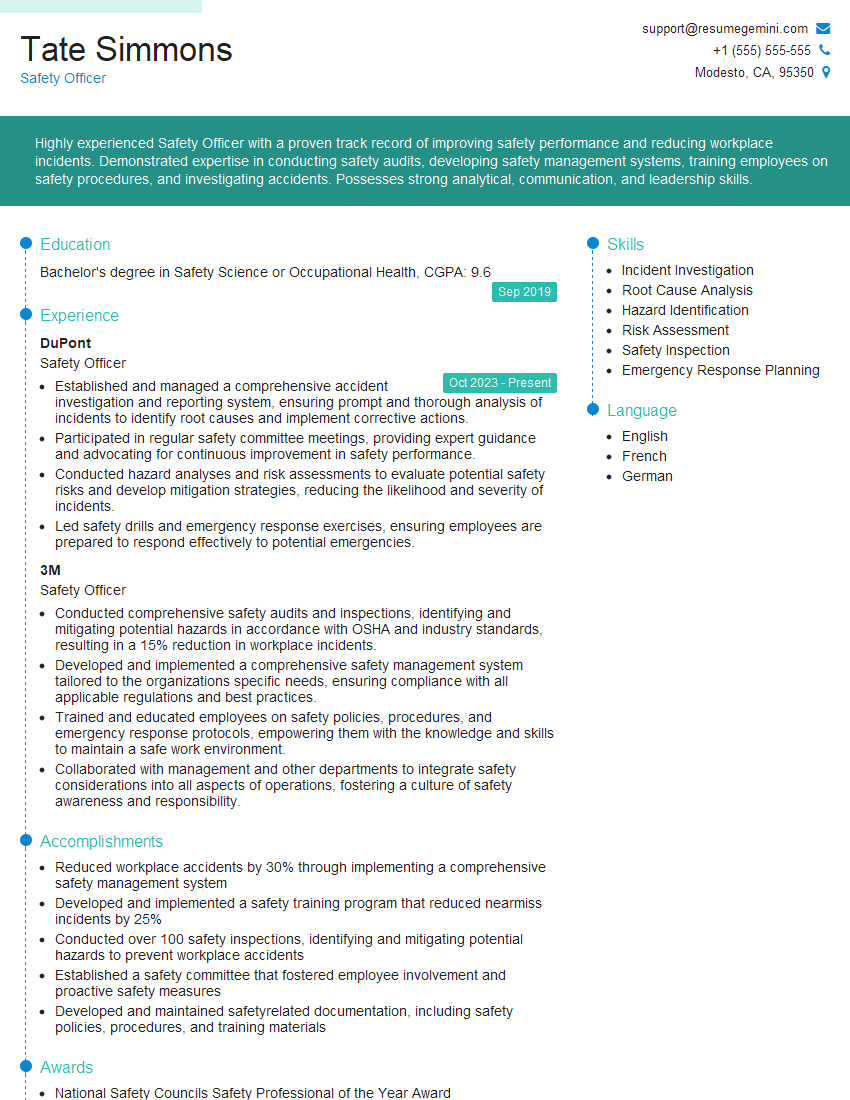
Safety Officer Resume Sample
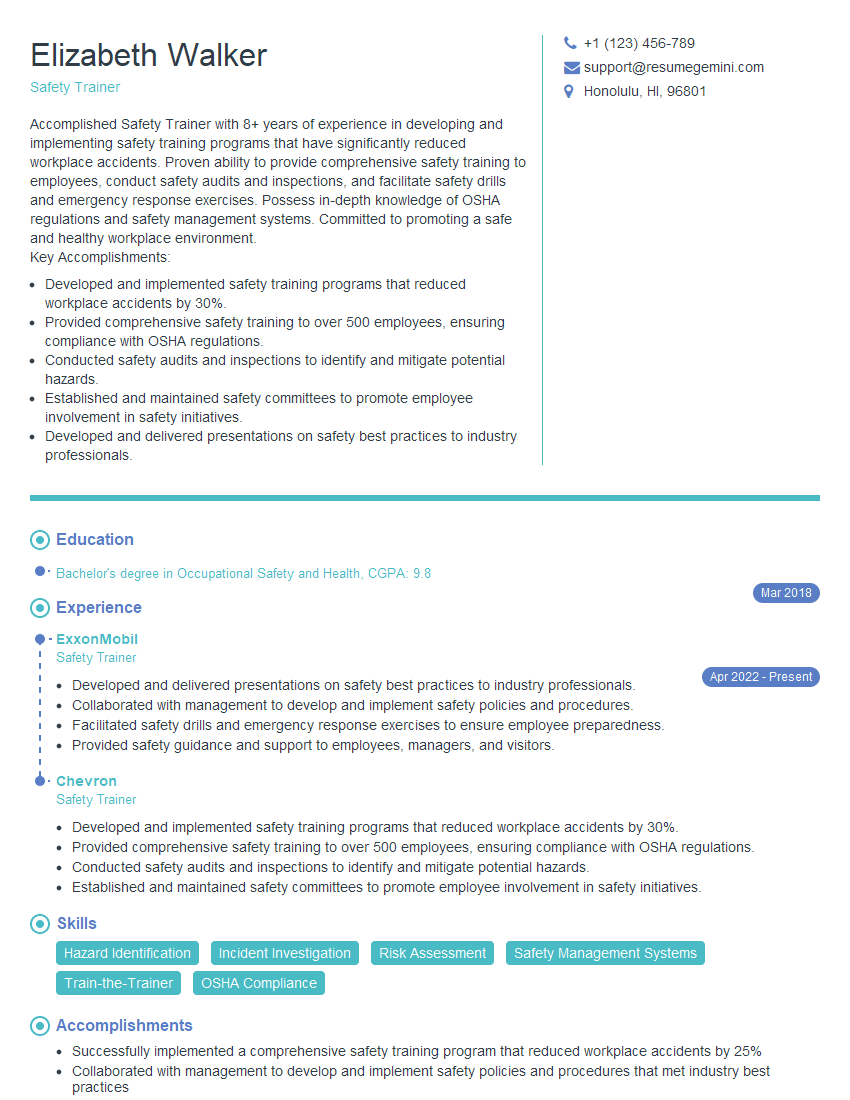
Safety Trainer Resume Sample
- Safety Manager
- Safety Director
- Emergency Management Coordinator
- Safety Coordinator
- Compliance Officer
- Regulatory Compliance Specialist
- Risk Manager
- Security Manager
- Loss Prevention Specialist
- Health and Safety Manager
- Process Safety Engineer
- Safety Consultant
- Safety Engineer
- Safety Inspector
- Industrial Hygienist
- Safety Officer
- Safety Trainer
Explore more articles
Users Rating of Our Blogs
Share Your Experience
We value your feedback! Please rate our content and share your thoughts (optional).
What Readers Say About Our Blog
Really detailed insights and content, thank you for writing this detailed article.
IT gave me an insight and words to use and be able to think of examples