Feeling uncertain about what to expect in your upcoming interview? We’ve got you covered! This blog highlights the most important Metallurgical Engineering Principles interview questions and provides actionable advice to help you stand out as the ideal candidate. Let’s pave the way for your success.
Questions Asked in Metallurgical Engineering Principles Interview
Q 1. Explain the difference between ferrous and non-ferrous metals.
The primary difference between ferrous and non-ferrous metals lies in their iron content. Ferrous metals contain iron as their primary constituent, typically comprising a significant percentage of their composition. Examples include steel (an alloy of iron and carbon), cast iron (high carbon iron), and wrought iron (relatively pure iron). These metals are generally strong, durable, and relatively inexpensive. However, they are also susceptible to corrosion.
Non-ferrous metals, conversely, do not contain iron in significant amounts. Their properties vary widely depending on the specific metal. Examples include aluminum, copper, zinc, titanium, and nickel. These metals often exhibit superior corrosion resistance compared to ferrous metals but may be more expensive. Some, like aluminum, are lightweight, while others, like copper, are excellent conductors of electricity.
Think of it like this: if a metal is magnetic (or largely so), it’s likely ferrous. If it isn’t, it’s likely non-ferrous. This isn’t a perfect rule, but it’s a good starting point.
Q 2. Describe the iron-carbon equilibrium diagram and its significance.
The iron-carbon equilibrium diagram, also known as the phase diagram, is a graphical representation of the phases present in iron-carbon alloys at different temperatures and carbon compositions. It’s crucial in metallurgy because it predicts the microstructure and, consequently, the mechanical properties of steel and cast iron. The diagram shows various phases, including austenite (gamma iron), ferrite (alpha iron), cementite (iron carbide – Fe3C), and pearlite (a lamellar mixture of ferrite and cementite).
Its significance lies in its ability to guide the selection of appropriate heat treatments to achieve desired properties. For example, knowing the equilibrium diagram helps determine the appropriate temperature for austenitizing (forming austenite), followed by cooling to obtain specific microstructures such as martensite (hard and brittle) or pearlite (ductile and tough). Different regions on the diagram indicate different phase compositions (e.g., entirely austenite, a mixture of austenite and ferrite, etc.), influencing how a material behaves under stress or at various temperatures.
Imagine it as a map guiding the creation of materials. By controlling the temperature and carbon content, we can ‘navigate’ this diagram to produce materials with the exact mechanical properties needed for a specific application.
Q 3. What are the different types of steel and their applications?
Steel is an alloy of iron and carbon, with carbon content typically ranging from 0.02% to 2.1%. The wide range of carbon content, along with alloying additions, leads to different types of steel with distinct properties and applications.
- Low-carbon steel (mild steel): Contains less than 0.3% carbon. It’s ductile, weldable, and relatively inexpensive, making it ideal for applications like car bodies, pipes, and structural components.
- Medium-carbon steel: Contains 0.3% to 0.6% carbon. It offers a good balance of strength and ductility, making it suitable for railway tracks, gears, and crankshafts.
- High-carbon steel: Contains more than 0.6% carbon. It’s hard and strong but less ductile. Common uses include tools, springs, and cutting blades.
- Alloy steels: These steels contain additional alloying elements such as chromium, nickel, molybdenum, and manganese to enhance specific properties. For instance, stainless steel (containing chromium) offers excellent corrosion resistance, while high-speed steel (containing tungsten and molybdenum) retains hardness at high temperatures.
The specific type of steel chosen depends entirely on the intended application. For example, a high-carbon steel is ideal for a sharp knife, while a low-carbon steel would be preferred for a car chassis.
Q 4. Explain the process of heat treatment and its impact on material properties.
Heat treatment is a process involving controlled heating and cooling of a metal to alter its microstructure and, consequently, its mechanical properties. This is done by exploiting the phase transformations that occur in the material upon heating and cooling as seen in the iron-carbon diagram.
The process typically involves several steps: heating to a specific temperature to achieve a desired phase transformation (e.g., austenitizing), soaking at this temperature to allow for complete transformation, and then cooling at a controlled rate to achieve the desired microstructure. Cooling rates can be slow (e.g., furnace cooling) or rapid (e.g., quenching in oil or water).
The impact on material properties is significant. For example, quenching steel followed by tempering (a low-temperature heating step) can drastically increase its hardness and strength by forming martensite. Annealing, involving slow cooling, can soften the material and improve its machinability. The specific heat treatment chosen directly influences factors like hardness, ductility, toughness, and tensile strength. This means heat treating lets us precisely tailor a metal’s properties for its intended purpose.
Q 5. Describe the different types of casting processes.
Casting is a manufacturing process that involves pouring molten metal into a mold, allowing it to solidify, and then removing the solidified part. There are several types of casting processes, each with its own advantages and limitations:
- Sand casting: The most common method, using sand molds. It’s versatile and relatively inexpensive, but the surface finish can be rough and dimensional accuracy is limited.
- Die casting: Uses metal molds, resulting in a higher-quality surface finish and greater dimensional accuracy. It’s suitable for high-volume production but requires specialized and costly dies.
- Investment casting (lost-wax casting): Creates highly accurate parts with complex shapes. A wax pattern is created, coated with ceramic, and then melted out, leaving a mold for metal casting. It’s expensive but excellent for intricate components.
- Centrifugal casting: Molten metal is poured into a spinning mold, using centrifugal force to distribute the metal evenly. This produces parts with uniform density and improved mechanical properties.
The choice of casting process depends on factors like the complexity of the part, production volume, desired surface finish, and cost constraints. Each process has its niche in various manufacturing industries.
Q 6. What are the common methods used for joining metals?
Joining metals is crucial for assembling components and creating more complex structures. Common methods include:
- Welding: Joining metals by melting and fusing them together. Various welding processes exist, such as arc welding (SMAW, GMAW, GTAW), resistance welding, and laser welding, each suitable for different materials and thicknesses.
- Brazing: Joining metals using a filler metal with a lower melting point than the base metals. The filler metal is drawn into the joint by capillary action. Brazing produces strong, leak-tight joints.
- Soldering: Similar to brazing but uses a filler metal with an even lower melting point. It’s typically used for joining smaller parts and electronics.
- Mechanical fastening: Joining metals using bolts, screws, rivets, or other mechanical fasteners. This is a simple and readily adaptable method but can be less strong than welding or brazing, and may require pre-drilled holes.
- Adhesives: Certain specialized adhesives are capable of bonding metals, though the applicability depends heavily on surface preparation and the environment the joint will encounter.
The selection of the joining method depends on factors such as the materials being joined, the required strength of the joint, the cost, and the aesthetic requirements.
Q 7. Explain the concept of solid solution strengthening.
Solid solution strengthening, also known as substitutional or interstitial solid solution strengthening, is a strengthening mechanism in which the addition of solute atoms to a solvent metal lattice improves the material’s strength and hardness. It works by hindering the movement of dislocations, the primary carriers of plastic deformation in metals.
Substitutional solid solution strengthening occurs when solute atoms of similar size replace some of the solvent atoms in the crystal lattice. These solute atoms distort the lattice, making it more difficult for dislocations to move through the material.
Interstitial solid solution strengthening happens when smaller solute atoms occupy the interstitial spaces (gaps) between solvent atoms in the lattice. These atoms again distort the lattice structure, similarly impeding dislocation movement.
An example is the addition of carbon to iron to form steel. Carbon atoms, being smaller than iron atoms, occupy the interstitial sites, causing lattice distortion and increasing the strength of the steel. The higher the carbon content (up to a point), the stronger the steel becomes. Similarly, alloying additions in many other metal systems rely on solid solution strengthening to reach desirable mechanical properties.
Q 8. Describe the various types of corrosion and their prevention methods.
Corrosion is the deterioration of a material, usually a metal, due to a chemical or electrochemical reaction with its environment. There are various types, each with its own characteristics and prevention strategies.
- Uniform Corrosion: This is the most common type, where the corrosion rate is relatively uniform across the metal surface. Think of a rusty nail – the rust spreads evenly. Prevention: Protective coatings (paint, plating), using corrosion-resistant alloys (stainless steel), and cathodic protection (sacrificial anodes).
- Galvanic Corrosion: Occurs when two dissimilar metals are in contact in the presence of an electrolyte (like seawater). The more active metal corrodes preferentially. Imagine a zinc coating protecting steel – the zinc corrodes first. Prevention: Avoid dissimilar metal contact, use insulating materials between dissimilar metals, or choose compatible metal combinations.
- Pitting Corrosion: Localized corrosion that creates small pits or holes on the surface. This is often difficult to detect in its early stages. Prevention: Material selection with high corrosion resistance, proper surface finishing to minimize imperfections, and the addition of inhibitors to the environment.
- Crevice Corrosion: Corrosion concentrated in narrow gaps or crevices where the environment is stagnant and oxygen-depleted. Prevention: Designing components to avoid crevices, using gaskets and seals that prevent crevice formation, and regularly cleaning components to remove debris.
- Stress Corrosion Cracking (SCC): The combination of tensile stress and a corrosive environment leads to cracking and failure. This is often a catastrophic failure. Prevention: Stress relieving heat treatments, selecting corrosion-resistant materials, and controlling the environment to minimize aggressive species.
The choice of prevention method depends on the type of corrosion, the material involved, and the operating environment. A comprehensive corrosion management program often involves a combination of these strategies.
Q 9. What are the different types of non-destructive testing methods used in metallurgy?
Non-destructive testing (NDT) methods are crucial in metallurgy for evaluating material properties and detecting flaws without damaging the component. Several techniques are commonly used:
- Visual Inspection: A simple yet essential method involving visual examination for surface defects. Useful for detecting cracks, corrosion, or damage.
- Liquid Penetrant Testing (LPT): A dye is applied to the surface, penetrating any cracks. After cleaning, a developer reveals the cracks as visible lines. Excellent for detecting surface cracks.
- Magnetic Particle Testing (MPT): Uses magnetic fields to detect surface and near-surface cracks in ferromagnetic materials. Magnetic particles are applied, and any discontinuities disrupt the magnetic field, attracting particles to the flaw.
- Ultrasonic Testing (UT): High-frequency sound waves are used to detect internal flaws. The reflection of sound waves from defects provides information about size, location, and orientation.
- Radiographic Testing (RT): Uses X-rays or gamma rays to penetrate the material and detect internal defects. The resulting image reveals density variations and internal flaws.
- Eddy Current Testing (ECT): Uses electromagnetic induction to detect surface and subsurface defects in conductive materials. Sensitive to small changes in conductivity or permeability.
The selection of a specific NDT method depends on the material, the type of defect being sought, and the accessibility of the component. Often, multiple NDT methods are employed for a thorough assessment.
Q 10. Explain the principles of powder metallurgy.
Powder metallurgy is a manufacturing process involving the compaction of metal powders followed by sintering (heat treatment) to create a solid part. This technique offers several advantages over traditional casting or forging methods.
The process typically involves these steps:
- Powder Production: Metal powders are produced through various methods like atomization, reduction of metal oxides, or mechanical alloying.
- Powder Blending: If necessary, different metal powders are blended to achieve the desired alloy composition.
- Compaction: The blended powder is compacted in a die under high pressure to form a ‘green compact’ – a precursor to the final part. The shape of the die determines the final shape of the part.
- Sintering: The green compact is heated to a high temperature (but below the melting point of the metal) in a controlled atmosphere. This process bonds the powder particles together through atomic diffusion, resulting in increased strength and density.
- Finishing Operations: Post-sintering operations like machining, infiltration, or heat treatments may be performed to refine the part’s properties or dimensions.
Advantages: High precision, complex shapes, excellent control over material properties, minimal waste, and the ability to produce parts with unique compositions.
Applications: Widely used for producing components in various industries, including aerospace (turbine blades), automotive (brake pads), medical implants, and tooling.
Q 11. How do grain size and grain boundaries affect material properties?
Grain size and grain boundaries significantly influence the mechanical and physical properties of materials. Imagine a mosaic; each tile represents a grain, and the grout lines represent the grain boundaries.
- Grain Size: Smaller grains generally lead to increased strength and hardness due to the higher density of grain boundaries hindering dislocation movement (dislocations are crystal imperfections that move when a material is deformed). Think of smaller tiles being harder to shift than larger ones. However, smaller grains can lead to reduced ductility (ability to deform before fracture).
- Grain Boundaries: These are regions separating individual grains, having a different atomic arrangement than the grain interiors. They act as barriers to dislocation movement, influencing material strength and toughness. Grain boundaries can also be pathways for diffusion, impacting corrosion behavior and creep resistance. They are often sites where impurities segregate and can act as crack initiation sites.
Controlling grain size through techniques like heat treatment (annealing, quenching) is a common method for tailoring material properties. For example, annealing can increase grain size leading to improved ductility, while quenching can refine grain size leading to increased strength.
Q 12. Describe the different types of crystal structures in metals.
Metals typically crystallize into specific arrangements of atoms known as crystal structures. The most common crystal structures in metals are:
- Body-Centered Cubic (BCC): Atoms are located at the corners and the center of a cube. Examples: Iron (at room temperature), chromium, tungsten. BCC metals are typically strong but less ductile.
- Face-Centered Cubic (FCC): Atoms are located at the corners and the center of each face of a cube. Examples: Aluminum, copper, nickel, gold. FCC metals tend to be more ductile and have better corrosion resistance.
- Hexagonal Close-Packed (HCP): Atoms are arranged in a hexagonal close-packed structure. Examples: Titanium, zinc, magnesium. HCP metals are generally less ductile than FCC metals.
The crystal structure significantly affects a material’s properties, influencing its mechanical strength, ductility, conductivity, and other characteristics. Understanding the crystal structure is essential for selecting appropriate materials for specific applications.
Q 13. Explain the difference between tensile strength and yield strength.
Tensile strength and yield strength are both measures of a material’s resistance to deformation under tensile stress (pulling force), but they represent different aspects of this resistance.
- Tensile Strength: This is the maximum stress a material can withstand before it fractures. It’s the highest point on the stress-strain curve. Think of it as the ultimate breaking point.
- Yield Strength: This is the stress at which the material begins to deform plastically (permanently). It’s the point where the material starts to yield, showing a significant deviation from linear elastic behavior. It signifies the onset of permanent deformation.
The difference is crucial in engineering design. Yield strength indicates the stress level up to which the material will return to its original shape after the load is removed. Tensile strength provides information about the ultimate load-bearing capacity before failure.
Q 14. What are the factors that affect the ductility of a metal?
Ductility, the ability of a material to deform plastically before fracture, is influenced by several factors:
- Crystal Structure: FCC metals are generally more ductile than BCC or HCP metals due to the ease with which dislocations can move in their crystal structures.
- Grain Size: Finer grain sizes generally lead to higher strength but lower ductility. Larger grain sizes promote ductility.
- Temperature: Increasing temperature generally increases ductility because it increases atomic mobility, making dislocation movement easier.
- Strain Rate: Higher strain rates (faster deformation) tend to reduce ductility because there’s less time for dislocations to rearrange.
- Presence of Impurities: Impurities and alloying elements can significantly influence ductility, either increasing or decreasing it depending on their nature and concentration.
- Processing: Manufacturing processes like cold working (deformation at room temperature) can reduce ductility, whereas annealing (heat treatment) can improve it.
Understanding these factors is crucial in material selection and process optimization for applications requiring specific levels of ductility, such as forming or drawing operations.
Q 15. Explain the concept of fatigue and creep in metals.
Fatigue and creep are time-dependent failure mechanisms in metals subjected to sustained stress. Fatigue is the progressive and localized structural damage that occurs when a material is subjected to cyclic loading. Imagine repeatedly bending a paperclip – eventually, it’ll break, even if the force applied in each bend is less than the paperclip’s ultimate tensile strength. This is fatigue failure. The number of cycles to failure is crucial and depends on the stress amplitude. Creep, on the other hand, is the time-dependent permanent deformation of a material under constant stress and elevated temperature. Think of a hot wire sagging over time under its own weight; this is creep. Both fatigue and creep are significant concerns in designing components for high-temperature applications (like turbine blades in jet engines) or components subject to cyclic loading (like aircraft wings).
In summary: Fatigue involves cyclic loading at room or lower temperatures, leading to crack initiation and propagation. Creep involves constant load at high temperatures, resulting in slow, continuous deformation.
Career Expert Tips:
- Ace those interviews! Prepare effectively by reviewing the Top 50 Most Common Interview Questions on ResumeGemini.
- Navigate your job search with confidence! Explore a wide range of Career Tips on ResumeGemini. Learn about common challenges and recommendations to overcome them.
- Craft the perfect resume! Master the Art of Resume Writing with ResumeGemini’s guide. Showcase your unique qualifications and achievements effectively.
- Don’t miss out on holiday savings! Build your dream resume with ResumeGemini’s ATS optimized templates.
Q 16. Describe the different types of phase transformations in metals.
Phase transformations in metals involve changes in the crystal structure or composition. These transformations are crucial for controlling material properties. Several types exist:
- Allotropic Transformations: Changes in crystal structure within a single component system. A classic example is iron (Fe), which exhibits different crystal structures (BCC, FCC) at different temperatures (alpha, gamma, delta iron). This underlies the different mechanical properties of steels.
- Eutectic Transformations: A liquid phase transforms into two solid phases upon cooling. Think of a solder composition; it melts as a single phase and solidifies into two distinct phases.
- Eutectoid Transformations: A solid phase transforms into two other solid phases upon cooling. The formation of pearlite (a mixture of ferrite and cementite) from austenite in steel is a prime example. This transformation is fundamental to heat treatments that modify steel’s hardness and strength.
- Martensitic Transformations: A diffusionless transformation involving a rapid, shear-like movement of atoms. It results in a hard, brittle structure often used in high-strength steels. The transformation is temperature-dependent and is not equilibrium-based.
- Order-Disorder Transformations: In alloys with more than one type of atom, the atoms can be ordered or disordered. This influences the mechanical properties, as ordered structures tend to be stronger and more brittle.
Understanding these phase transformations is paramount in designing heat treatments to achieve desired mechanical properties in metals and alloys.
Q 17. How do you interpret a stress-strain curve?
A stress-strain curve graphically represents a material’s response to applied force. The x-axis shows strain (deformation), and the y-axis shows stress (force per unit area). Interpreting it reveals crucial material properties:
- Elastic Region: The initial linear portion; the material deforms elastically (returns to its original shape upon unloading). The slope of this region represents Young’s modulus (a measure of stiffness).
- Yield Strength: The stress at which the material starts to deform plastically (permanent deformation). This is often determined by the 0.2% offset method.
- Ultimate Tensile Strength (UTS): The maximum stress the material can withstand before failure.
- Fracture Strength: The stress at which the material fractures.
- Ductility: A measure of a material’s ability to deform plastically before fracture, often represented by percentage elongation or reduction in area.
- Resilience: The ability of a material to absorb energy when deformed elastically.
- Toughness: The ability of a material to absorb energy before fracture.
The shape of the stress-strain curve varies greatly among materials, indicating differences in their mechanical properties. For example, brittle materials show little plastic deformation before fracture, while ductile materials exhibit significant plastic deformation.
Q 18. What are the different types of dislocations in metals?
Dislocations are linear defects in the crystal structure of metals that profoundly influence their mechanical properties. The major types include:
- Edge Dislocation: Imagine an extra half-plane of atoms inserted into a crystal lattice. This creates a region of compressive stress above the dislocation line and tensile stress below it.
- Screw Dislocation: Imagine a shear force applied to a crystal lattice, resulting in a spiral ramp around the dislocation line. It is characterized by the Burgers vector being parallel to the dislocation line.
- Mixed Dislocation: Most dislocations are mixed, exhibiting characteristics of both edge and screw dislocations.
The movement of dislocations under applied stress leads to plastic deformation. Obstacles to dislocation motion (like grain boundaries or solute atoms) increase the material’s strength and hardness. Techniques like work hardening (cold working) increase dislocation density, thus strengthening the material.
Q 19. Explain the concept of diffusion in solids.
Diffusion in solids is the movement of atoms within a material. It’s a thermally activated process, meaning its rate increases with temperature. Atoms move from regions of high concentration to regions of low concentration, driven by a chemical potential gradient. Several mechanisms govern diffusion:
- Vacancy Diffusion: Atoms move into vacant lattice sites.
- Interstitial Diffusion: Smaller atoms move between the atoms in the lattice (interstitial sites).
Fick’s First Law describes the flux (rate of diffusion) and Fick’s Second Law describes how the concentration profile changes over time. Diffusion plays a vital role in many metallurgical processes, such as heat treatments (like carburizing or nitriding), solid-state phase transformations, and the formation of alloys. For example, the diffusion of carbon atoms into the surface of steel during carburizing increases its surface hardness.
Q 20. Describe the principles of metal forming processes like forging and rolling.
Metal forming processes involve shaping metals by applying compressive forces. Forging involves shaping metal using compressive forces by hammering or pressing. It’s often used to create high-strength parts with complex shapes because the process refines the grain structure, leading to improved mechanical properties. Examples include forging crankshafts and connecting rods for engines.
Rolling involves reducing the thickness of a metal sheet or bar by passing it through a set of rollers. This is a continuous process used for mass production of sheets, bars, and profiles. It’s essential for creating flat products like aluminum sheets used in beverage cans or steel plates used in construction.
Both processes use compressive forces to reshape metals, but forging typically creates discrete parts, while rolling produces continuous products. The choice between these methods depends on factors such as part geometry, material properties, production volume, and desired mechanical properties.
Q 21. What are the different types of metallographic techniques?
Metallographic techniques are used to examine the microstructure of metals and alloys. These techniques provide valuable information about the material’s composition, processing history, and properties. Common methods include:
- Sample Preparation: This involves cutting, mounting, grinding, polishing, and etching the sample to reveal the microstructure. Proper preparation is crucial for obtaining high-quality results.
- Optical Microscopy: Uses a light microscope to examine the surface features and microstructure of the sample. Different etching techniques can reveal grain boundaries, phases, and other microstructural features.
- Scanning Electron Microscopy (SEM): Uses a focused beam of electrons to generate high-resolution images of the sample’s surface. SEM can reveal finer details than optical microscopy.
- Transmission Electron Microscopy (TEM): Uses a transmitted electron beam to analyze the internal structure of the material at the atomic level. TEM provides the highest resolution and can reveal details like dislocations and precipitates.
- Electron Probe Microanalysis (EPMA): Uses an electron beam to excite the atoms in the sample, generating characteristic X-rays. Analyzing these X-rays allows determination of the chemical composition of the sample.
The choice of technique depends on the scale of the features of interest and the type of information required.
Q 22. Explain the role of alloying elements in modifying material properties.
Alloying elements are added to base metals to significantly alter their properties. Think of it like adding spices to a dish – each spice changes the flavor profile. Similarly, different alloying elements change the mechanical, physical, and chemical characteristics of the base metal. These modifications are achieved through various mechanisms, primarily influencing the microstructure of the material.
- Solid Solution Strengthening: Alloying atoms dissolve into the base metal’s crystal lattice, distorting it and making dislocation movement (which causes deformation) more difficult. This increases strength and hardness. For example, adding carbon to iron (steel) increases its strength dramatically.
- Precipitation Hardening: This involves creating tiny, strong precipitates within the metal’s structure, obstructing dislocation movement. We’ll discuss this in more detail later. Aluminum alloys frequently use this method.
- Formation of Intermetallic Compounds: Some alloying elements react with the base metal to form new compounds with different properties. These compounds can significantly impact strength, corrosion resistance, or other characteristics. Nickel-based superalloys often rely on this effect for high-temperature applications.
- Grain Size Control: Alloying elements can influence the grain size of the metal. Smaller grain sizes generally lead to increased strength and toughness.
The choice of alloying elements and their concentrations are carefully determined based on the desired final properties of the material. For instance, stainless steel’s corrosion resistance comes from adding chromium, while the high strength of maraging steel is achieved through carefully controlled additions of nickel, cobalt, and molybdenum.
Q 23. Describe the different types of surface treatments for metals.
Surface treatments are crucial for enhancing the properties of a metal’s surface, improving its durability, appearance, or functionality. These treatments can be broadly categorized as follows:
- Mechanical Treatments: These involve physically altering the surface. Examples include shot peening (improving fatigue resistance), polishing (improving surface finish), and honing (increasing surface smoothness).
- Chemical Treatments: These alter the chemical composition of the surface. Examples include:
- Passivation: Creating a protective oxide layer, often on stainless steels, to increase corrosion resistance.
- Conversion Coatings: Creating a thin layer of a different material to improve corrosion resistance or lubricity (e.g., phosphating, chromating).
- Electrochemical Treatments: These utilize electrochemical processes to modify the surface. Examples include:
- Electroplating: Depositing a thin layer of another metal (e.g., chrome plating) to enhance corrosion resistance, wear resistance, or appearance.
- Anodizing: Creating a thick oxide layer on aluminum to improve corrosion resistance and durability.
- Thermal Treatments: These involve applying heat to the surface. For example, carburizing increases the carbon content of the steel surface, improving hardness.
- Other Coatings: These include paint, powder coatings, and polymer coatings, all improving corrosion and/or wear resistance and offering aesthetic benefits.
The choice of surface treatment depends heavily on the application and desired outcome. A high-wear component might need hard chrome plating, while a decorative part might undergo polishing and electroplating.
Q 24. How would you analyze a metal failure?
Analyzing a metal failure is a systematic process aimed at identifying the root cause of failure. It involves a multi-pronged approach combining visual inspection, material characterization, and analysis of the service conditions.
- Visual Inspection: Start by carefully observing the fractured surface. Note the fracture type (brittle, ductile, fatigue), the location and orientation of cracks, and any signs of corrosion or wear. Photographs and detailed sketches are essential.
- Macroscopic Examination: Look for macroscopic defects like porosity, inclusions, or segregation. This can often point toward processing errors.
- Microscopic Examination: Use optical or electron microscopy to examine the microstructure. Identify any microstructural features that may have contributed to failure, such as grain size, precipitate distribution, or cracking.
- Mechanical Testing: Perform tensile, impact, hardness, and fatigue tests on samples from the failed component and compare the results to the original material specifications. This will indicate if the material’s properties were degraded.
- Chemical Analysis: Determine the chemical composition of the material to ensure it meets specifications and to check for any unexpected elements or impurities.
- Fractography: This is the study of fracture surfaces. It reveals information about the initiation and propagation of the crack, helping to determine the failure mechanism.
- Service History Analysis: Understand the operating conditions of the component, including temperature, stress levels, and environmental factors. This information is crucial for determining if the failure was due to design flaws, improper use, or environmental factors.
By systematically applying these techniques and integrating the information obtained, you can develop a comprehensive understanding of the failure mechanism and recommend appropriate corrective actions.
Q 25. Explain the concept of precipitation hardening.
Precipitation hardening, also known as age hardening, is a heat treatment technique used to increase the strength and hardness of certain metal alloys. It relies on the precipitation of a fine dispersion of a second-phase particle within the metal’s microstructure.
The process typically involves three steps:
- Solution Treatment: The alloy is heated to a high temperature, where the second phase is completely dissolved into the solid solution. This creates a homogeneous, relatively soft microstructure.
- Quenching: The alloy is rapidly cooled (quenched), typically in water or oil, to trap the second phase in solution. This results in a supersaturated solid solution, which is metastable (meaning it’s not in its lowest energy state).
- Aging (Precipitation): The alloy is then heated to a lower temperature (aging temperature) for a specific time. At this temperature, the second phase precipitates out of the solution as fine particles. These particles impede dislocation movement, increasing the strength and hardness of the alloy.
The size and distribution of these precipitates are critical. Too large, and they’re less effective at strengthening; too small, and the effect is also diminished. This is why precise control of the aging temperature and time is vital.
A classic example is the aluminum alloy 2024, which uses copper as the precipitating element. The fine copper-rich precipitates significantly increase the strength of this widely used aerospace alloy.
Q 26. What are the environmental concerns related to metal processing?
Metal processing has significant environmental concerns related to:
- Air Pollution: Many processes, like smelting and refining, release significant amounts of particulate matter, sulfur dioxide, nitrogen oxides, and heavy metals into the atmosphere, causing air pollution and acid rain.
- Water Pollution: Metal processing generates wastewater containing heavy metals, acids, and other pollutants that can contaminate water bodies, harming aquatic life and potentially impacting human health.
- Waste Generation: The industry produces large quantities of solid waste, including slag, tailings, and spent catalysts. Improper disposal can lead to soil and groundwater contamination.
- Greenhouse Gas Emissions: Energy-intensive processes contribute significantly to greenhouse gas emissions. Smelting and refining require considerable amounts of energy, often from fossil fuels.
- Resource Depletion: Extraction of metal ores necessitates mining, leading to habitat destruction, land degradation, and disruption of ecosystems.
Mitigation efforts focus on implementing cleaner production technologies, improving waste management practices, reducing energy consumption through the use of renewable energy sources, and improving the efficiency of resource extraction.
Furthermore, initiatives promoting recycling and reuse of metals are crucial for reducing the environmental footprint of the industry.
Q 27. Describe your experience with material characterization techniques.
Throughout my career, I’ve extensively utilized various material characterization techniques to analyze metal properties and understand their behavior. My experience includes:
- Optical Microscopy: Examining microstructures to determine grain size, phase distribution, and the presence of defects.
- Scanning Electron Microscopy (SEM): High-resolution imaging to analyze fracture surfaces, identify inclusions, and perform elemental analysis using EDS (Energy-Dispersive Spectroscopy).
- Transmission Electron Microscopy (TEM): Analyzing the crystal structure and fine-scale microstructure, essential for studying precipitates and dislocations.
- X-ray Diffraction (XRD): Identifying phases present in a material and determining their crystal structures.
- Mechanical Testing: Performing tensile, compression, hardness, impact, and fatigue tests to determine the mechanical properties of materials.
- Thermal Analysis (Differential Scanning Calorimetry – DSC and Thermogravimetric Analysis – TGA): Studying phase transitions and thermal stability of materials.
I’m proficient in interpreting the data obtained from these techniques and integrating them to understand the material’s properties and predict its behavior under specific conditions. For instance, using SEM and EDS, I successfully identified the root cause of a component failure in a high-pressure application. The EDS results revealed the presence of undesirable impurities that led to localized corrosion and subsequent cracking.
Q 28. Explain your understanding of quality control in a metallurgical setting.
Quality control in a metallurgical setting is paramount to ensure the consistent production of materials meeting required specifications. It involves a multi-stage approach that begins with raw material inspection and continues throughout the entire processing chain.
- Incoming Material Inspection: Ensuring the raw materials (ores, alloys, etc.) meet the required chemical composition, size, and other specifications.
- Process Monitoring: Continuously monitoring the various stages of metal processing to identify and rectify any deviations from established parameters (temperature, pressure, time). This often involves the use of sensors and automated control systems.
- In-Process Quality Control: Regularly sampling and testing the material at various stages of processing to verify that the properties are evolving as expected. This may involve chemical analysis, mechanical testing, or non-destructive evaluation (NDE).
- Finished Product Inspection: Thoroughly inspecting the final product to ensure that it conforms to the specifications, including dimensional accuracy, surface finish, and material properties. NDE techniques like ultrasonic testing and radiography may be employed.
- Statistical Process Control (SPC): Using statistical methods to monitor process variability and identify trends that may lead to defects. This allows for proactive adjustments to maintain consistent product quality.
- Documentation and Traceability: Maintaining detailed records of all processing steps, test results, and inspections to ensure traceability and facilitate troubleshooting in case of any quality issues.
Implementing robust quality control procedures not only ensures that the product meets the required standards but also reduces waste, improves efficiency, and enhances the overall reputation of the organization.
Key Topics to Learn for Metallurgical Engineering Principles Interview
- Phase Diagrams and Transformations: Understand equilibrium diagrams, phase transformations (e.g., eutectic, eutectoid, peritectic), and their impact on material properties. Consider practical applications in alloy design and heat treatment.
- Mechanical Metallurgy: Master concepts like stress-strain relationships, tensile testing, hardness testing, and fracture mechanics. Explore how processing techniques affect mechanical properties and failure modes.
- Physical Metallurgy: Develop a strong understanding of crystal structures, defects (point, line, planar), and their influence on material behavior. Relate these concepts to material processing and property modifications.
- Corrosion and Degradation: Learn about different types of corrosion (e.g., galvanic, crevice, stress corrosion cracking) and their prevention methods. Understand the role of environmental factors and material selection.
- Material Selection and Processing: Develop skills in selecting appropriate materials based on required properties and application constraints. Understand various processing techniques (casting, forging, rolling, etc.) and their effects on microstructure and properties.
- Extractive Metallurgy: Familiarize yourself with the principles of ore processing, refining, and production of metals. Understand the challenges and sustainability aspects of this field.
- Advanced Topics (depending on your experience): Explore areas like powder metallurgy, composites, nanomaterials, or specific alloy systems relevant to your background. Be prepared to discuss your expertise and research experience in these areas.
Next Steps
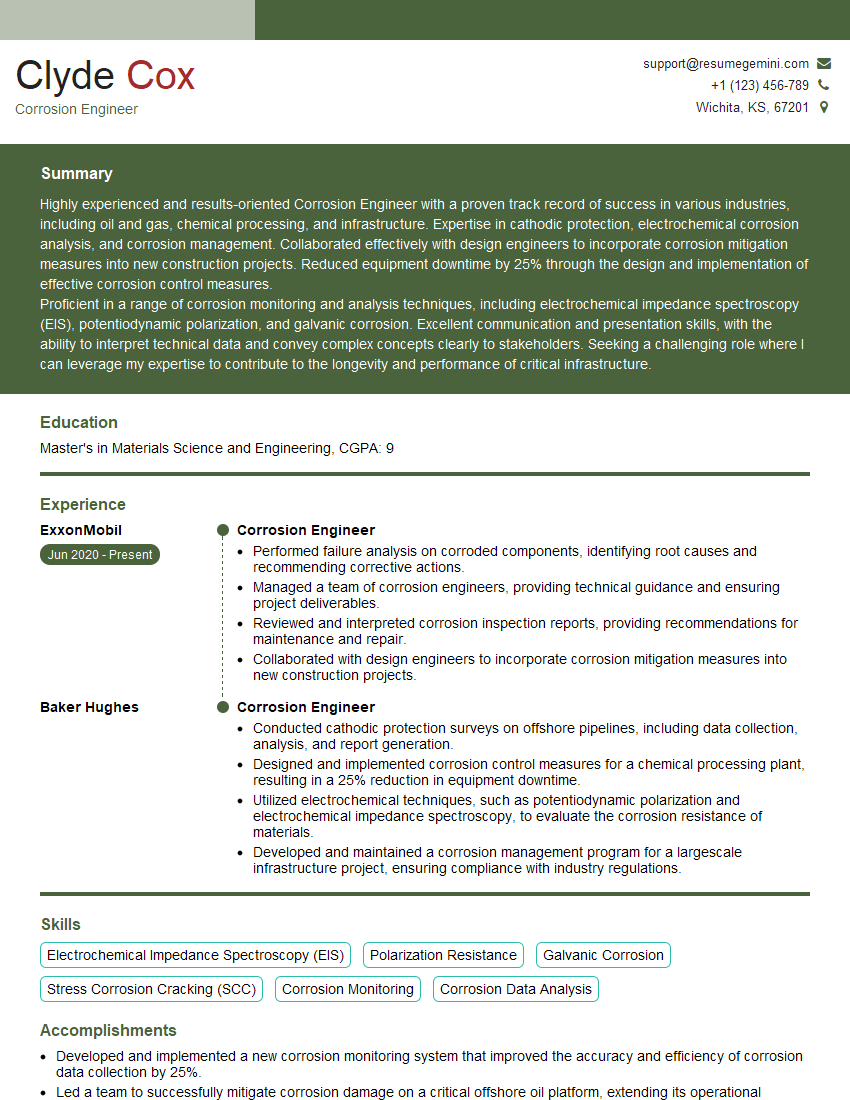
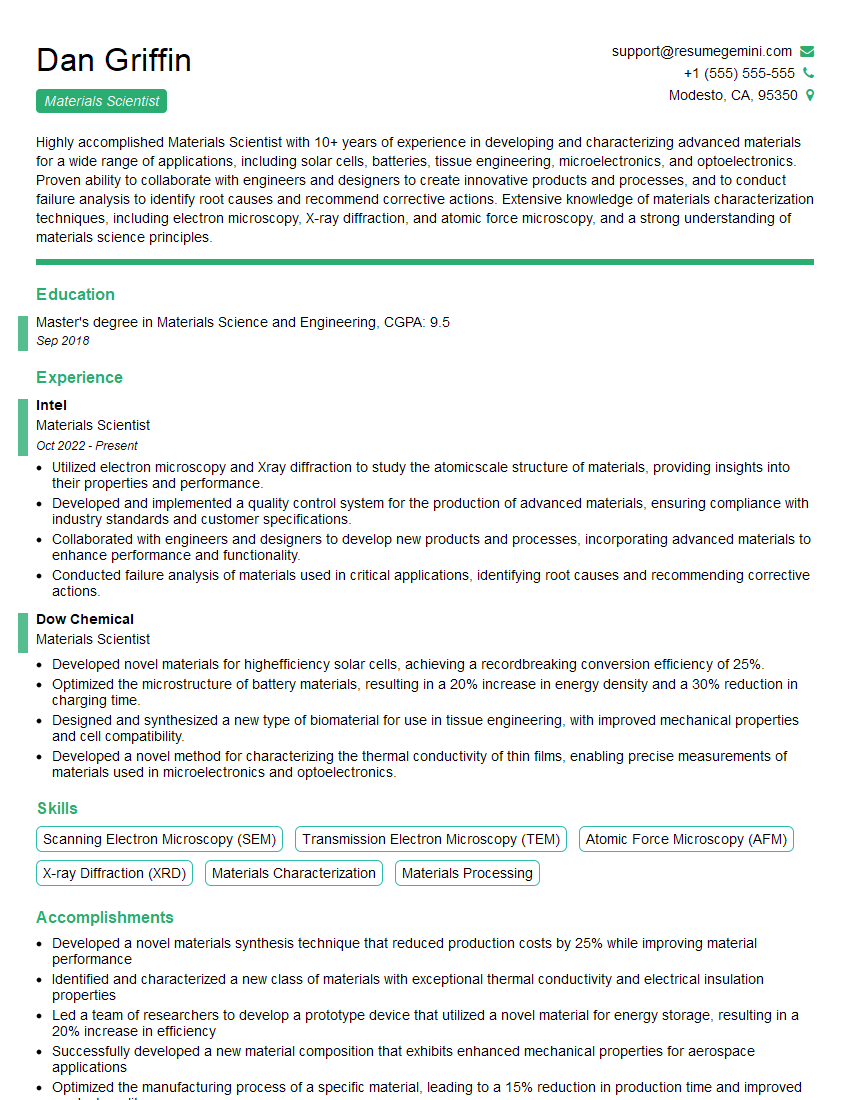
Mastering Metallurgical Engineering Principles is crucial for a successful and rewarding career. A strong understanding of these concepts will open doors to exciting opportunities in research, development, manufacturing, and consulting. To maximize your job prospects, crafting a compelling and ATS-friendly resume is essential. ResumeGemini is a trusted resource that can significantly enhance your resume-building experience. Utilize its features to create a professional and impactful document that showcases your skills and achievements. Examples of resumes tailored to Metallurgical Engineering Principles are available to help guide you.






Explore more articles
Users Rating of Our Blogs
Share Your Experience
We value your feedback! Please rate our content and share your thoughts (optional).
What Readers Say About Our Blog
Really detailed insights and content, thank you for writing this detailed article.
IT gave me an insight and words to use and be able to think of examples