Interviews are opportunities to demonstrate your expertise, and this guide is here to help you shine. Explore the essential Interior and Exterior Inspection interview questions that employers frequently ask, paired with strategies for crafting responses that set you apart from the competition.
Questions Asked in Interior and Exterior Inspection Interview
Q 1. Describe your experience with identifying structural defects in buildings.
Identifying structural defects requires a keen eye for detail and a thorough understanding of building science. My process involves a visual inspection, coupled with non-destructive testing where necessary. I look for things like cracks in walls, foundations, or ceilings; uneven settling; signs of water damage that could compromise structural integrity; and deflection (sagging) in beams or floors. For example, a diagonal crack running from a corner of a window up to the ceiling could indicate foundation movement or settling. I also check for proper bracing and support systems. In instances where I suspect a more serious problem, I recommend further investigation by a structural engineer.
I’ve worked on numerous projects where I’ve identified problems ranging from minor settling cracks that required only monitoring to significant foundation issues requiring major repairs. One memorable case involved a house with significant bowing in the basement walls, indicating a serious foundation problem that was addressed by installing helical piers.
Q 2. Explain your process for inspecting a roof for damage.
Inspecting a roof involves a multi-step process, starting with a visual examination from the ground to assess overall condition and identify any obvious problems such as missing shingles, sagging areas, or excessive moss growth. Then, I’ll carefully climb onto the roof (using appropriate safety equipment) to perform a more thorough inspection. I check for loose, damaged, or missing shingles, inspect flashing around chimneys and vents for leaks, examine the valleys where two roof slopes meet, and assess the condition of the gutters and downspouts. I pay particular attention to areas prone to leakage, such as around chimneys, skylights, and valleys. Finally, I check the attic for signs of leaks or water damage.
Think of it like this: a roof is like a puzzle; all the pieces (shingles, flashing, etc.) need to fit together perfectly to prevent leaks. Missing or damaged pieces are like gaps in the puzzle that need to be fixed.
Q 3. How do you identify potential water damage issues during an inspection?
Identifying water damage involves looking for both visible and hidden signs. Visible signs include water stains on walls and ceilings, bubbling or peeling paint, discoloration of wood, and warped or rotting wood. Less obvious signs include musty odors, soft spots in flooring or walls, and changes in the texture of drywall. I often use a moisture meter to detect hidden moisture in walls or floors, which can indicate the presence of water damage even if no visible signs are present. Furthermore, I will check for evidence of leaks around plumbing fixtures, windows, and doors.
For instance, a persistent musty smell in a basement could be a strong indicator of hidden water damage, even if you don’t see any visible stains.
Q 4. What are the common signs of foundation problems?
Foundation problems often manifest in several ways. Cracks in the foundation walls (especially large, diagonal cracks) are a major warning sign. Uneven settling, where one part of the house settles more than another, can lead to noticeable cracks in walls or floors, sticking doors or windows, and sloping floors. Bowing walls, where the walls lean inward, are also serious indicators of foundation problems. Exterior signs may include cracks in the brickwork, damaged walkways, or separation between the foundation and the surrounding soil.
It’s important to note that not all cracks indicate a serious problem; however, any significant cracking, particularly if accompanied by other symptoms, warrants further investigation by a structural engineer.
Q 5. Describe your experience with inspecting electrical systems.
My electrical system inspections follow safety regulations closely. I check the service panel for proper grounding, wiring, and breaker functionality. I examine outlets and switches, looking for loose connections, signs of overheating (scorch marks), or damaged wiring. I also inspect for sufficient outlet spacing, correct installation of GFCI (Ground Fault Circuit Interrupter) outlets in areas such as bathrooms and kitchens, and observe proper usage of extension cords (avoiding overloading). I do not perform any tests that require specialized electrical equipment; for those, I recommend an electrician.
A common issue I encounter is overloaded circuits, where too many appliances are plugged into a single circuit, causing overheating and potentially fire hazards. Identifying this and recommending solutions are crucial aspects of my inspection.
Q 6. How do you assess the condition of plumbing systems during an inspection?
Assessing plumbing systems requires examining all visible components and checking for leaks, drips, and low water pressure. This includes checking faucets, toilets, showers, sinks, and pipes for leaks. I also inspect water heaters for rust, corrosion, and proper pressure relief valve operation (safety). I look for signs of water damage around pipes, which could indicate past or present leaks. Furthermore, I check the drainage system to ensure proper flow and look for clogs or blockages. I listen for unusual sounds such as gurgling or hammering noises, which might indicate issues with pipes or water pressure.
For example, a slow draining sink might indicate a partial blockage in the drainpipe, requiring further investigation by a plumber.
Q 7. What are the key components of a thorough HVAC inspection?
A thorough HVAC inspection covers several key areas. I visually inspect the furnace, air conditioner (both indoor and outdoor units), and ductwork for any obvious damage, corrosion, or rust. I will check the filter for cleanliness (replacing if necessary) and the blower motor for proper operation. For the air conditioner, I assess the refrigerant levels (this usually requires specialized equipment and is beyond the scope of a visual inspection, but I can identify potential issues like low refrigerant). I also check the thermostat for proper functionality and the overall air quality, looking for signs of mold or mildew in the ductwork or air vents. Finally, I observe the overall airflow to check if there is sufficient heating or cooling provided.
A clean air filter is crucial for efficient operation and longevity of the HVAC system, similar to changing the oil in a car.
Q 8. Explain your understanding of building codes and regulations.
Building codes and regulations are the backbone of safe and functional structures. They’re essentially a set of rules and standards established at local, state, and sometimes national levels to ensure buildings are constructed and maintained to prevent hazards and meet minimum quality requirements. These codes cover a wide range of aspects, including structural integrity, fire safety, electrical systems, plumbing, accessibility for people with disabilities, and energy efficiency.
Understanding these codes is critical for an inspector. For example, the International Building Code (IBC) is widely adopted across the US, and a thorough understanding of its sections relevant to structural elements (like foundation, framing, and roofing) and life safety systems (sprinklers, smoke detectors) is essential. I regularly consult the relevant codes for my region, ensuring I’m up-to-date on any amendments or additions. If I encounter something that appears to violate a code, I meticulously document it, including the specific code section violated and the nature of the violation. This allows the property owner to take appropriate corrective action.
- Example: During a recent inspection, I found a deck that didn’t meet the required load-bearing specifications outlined in the local building code. This was documented with photos and a detailed description, referencing the precise code section detailing deck requirements.
Q 9. How do you handle unexpected findings during an inspection?
Unexpected findings are a common occurrence in inspections. My approach involves a systematic process: First, I carefully document the unexpected finding using photos, sketches, and detailed descriptions. Second, I analyze the finding to determine its severity and potential safety implications. Is it a minor cosmetic issue or something that poses a significant safety risk? Third, I consider the potential causes of the finding. Finally, I make a clear recommendation on how to address the issue, taking into account the urgency and associated costs.
For example, during a roof inspection, I once discovered significant water damage hidden beneath a seemingly intact shingle layer. This wasn’t listed in the initial request, but it was clearly a serious issue. I immediately documented it with photographs showing the extent of the damage, noting its potential structural impact, and recommending immediate professional assessment and repair to prevent further damage.
Q 10. Describe your experience with using inspection software or reporting tools.
I’m proficient in using several inspection software and reporting tools, including [Software Name 1] and [Software Name 2]. These tools streamline the entire inspection process, from scheduling and client communication to data collection, photo organization, and report generation. For example, [Software Name 1] allows me to create customizable checklists specific to the type of inspection being performed – residential, commercial, or specialized inspections such as mold or pest infestations. This ensures I cover all essential aspects and maintain consistency across all my reports. The software also facilitates easy integration of photos and videos directly into the report. It even has features that create an automated email to clients with their inspection report and any needed next steps.
The ability to generate professional, detailed reports quickly and efficiently is crucial for providing timely and clear information to my clients. This is vastly superior to manually documenting everything which can be time-consuming and prone to errors.
Q 11. How do you prioritize findings and communicate them effectively?
Prioritizing findings and effective communication are paramount. I categorize findings based on their severity and urgency: critical (immediate safety hazard), major (significant defect requiring attention), minor (cosmetic or less urgent issues). This prioritization is reflected in the report. For critical findings, I clearly indicate the need for immediate attention and suggest temporary safety measures until permanent solutions are implemented. For instance, a compromised electrical wiring system would be a critical finding, requiring immediate shut-off and professional repair. A cracked windowsill would be categorized as minor.
Communication is key. I present findings in a clear, concise, and non-technical manner, avoiding jargon whenever possible. I use visuals like photos and diagrams to illustrate my points effectively and provide straightforward recommendations for remediation. I typically schedule a follow-up call or meeting to explain any complex findings in more detail and answer questions from my client.
Q 12. How familiar are you with different types of building materials?
My familiarity with building materials is extensive, ranging from traditional materials like wood, brick, and concrete to modern materials such as composite decking, engineered lumber, and various types of roofing materials. I understand the properties, strengths, weaknesses, and potential deterioration mechanisms of each. This allows me to accurately assess the condition of the building components and identify potential problems. For example, I can differentiate between different types of wood and assess their susceptibility to rot and insect infestation, or distinguish between different types of concrete and identify signs of cracking or spalling.
Understanding these materials also helps me determine the root causes of defects and predict future maintenance needs. Knowing the limitations of certain materials allows me to provide more accurate and effective recommendations for repair or replacement.
Q 13. What is your approach to documenting inspection findings?
My approach to documenting inspection findings is meticulous and comprehensive. I employ a standardized system utilizing digital tools. Every finding is documented with high-resolution photographs and detailed descriptions, including the location, severity, and potential causes. Sketches or diagrams are used where appropriate to clarify complex issues. The software I use helps organize photos and links them to specific findings within the report, creating a very clear and efficient system.
For example, a cracked foundation wall will be documented with photos from multiple angles, detailing the crack’s size, depth, and location. A description would specify the crack’s orientation, the type of foundation, and potential causes like soil movement or settling. All of this supports a thorough and defensible final report.
Q 14. How do you ensure accuracy and thoroughness in your inspections?
Ensuring accuracy and thoroughness is my top priority. This is achieved through a combination of factors. First, a systematic approach is used, following established checklists tailored to the type of inspection. Second, I use calibrated instruments where necessary, such as moisture meters for detecting water damage or infrared cameras for detecting thermal anomalies. Third, I employ a double-checking system, reviewing my findings and photographs multiple times before generating the final report. Finally, I continuously update my knowledge and skills through professional development courses and staying current with updated building codes and industry best practices.
Think of it like a detective solving a case; it requires patience, attention to detail, and systematic investigation. The combination of rigorous methodology, appropriate equipment and continuous learning ensures the highest level of accuracy and thoroughness in my reports.
Q 15. Describe a challenging inspection and how you overcame the difficulty.
One of the most challenging inspections I encountered involved a historic Victorian home with extensive renovations. The original construction materials were largely unknown, making it difficult to assess potential hazards like asbestos or lead paint without causing further damage. Overcoming this involved a multi-pronged approach. First, I thoroughly documented the visible features, taking numerous high-resolution photos and detailed notes. Then, I used non-destructive testing methods, like infrared thermography to identify potential areas of concern, especially behind walls and under flooring where asbestos or lead paint might be hidden. I also consulted historical building records whenever possible. Where non-destructive methods were insufficient, I meticulously took small samples and sent them to a certified laboratory for analysis. Finally, I communicated my findings transparently to the client, explaining the limitations and uncertainties inherent in inspecting such a building. This collaborative approach, prioritizing safety and accuracy, ensured a thorough and responsible assessment while minimizing the risk of damage to the structure.
Career Expert Tips:
- Ace those interviews! Prepare effectively by reviewing the Top 50 Most Common Interview Questions on ResumeGemini.
- Navigate your job search with confidence! Explore a wide range of Career Tips on ResumeGemini. Learn about common challenges and recommendations to overcome them.
- Craft the perfect resume! Master the Art of Resume Writing with ResumeGemini’s guide. Showcase your unique qualifications and achievements effectively.
- Don’t miss out on holiday savings! Build your dream resume with ResumeGemini’s ATS optimized templates.
Q 16. How do you handle client communication and concerns?
Client communication is paramount. I believe in proactive, transparent, and readily accessible communication. Before the inspection, I always clarify the scope of work and expectations with the client, answering any questions they have and ensuring they understand the process. During the inspection, I maintain open communication, pointing out significant findings as I go, and using visual aids like photos and videos to help them understand the issues. After the inspection, I provide a detailed report within the agreed-upon timeframe, presented in a clear and concise manner with photos and prioritized recommendations. I’m also available to discuss the report, clarify any concerns, and provide further guidance. For example, if a client is worried about a potential structural issue, I’ll not only point it out in the report, but also provide information about possible solutions, reputable contractors, and cost estimations if I can. I prioritize building trust and fostering a collaborative relationship throughout the entire process.
Q 17. How do you stay updated on the latest industry standards and best practices?
Staying updated in this field is crucial. I actively participate in continuing education courses offered by organizations such as ASHI (American Society of Home Inspectors) and InterNACHI (International Association of Certified Home Inspectors). I also subscribe to industry publications, attend webinars and conferences, and regularly review updated building codes and standards relevant to my region. Additionally, I network with other inspectors and participate in professional organizations, exchanging knowledge and learning from each other’s experiences. This multifaceted approach ensures that my skills and knowledge remain current and that I am always applying the latest best practices and safety protocols in my work.
Q 18. What is your experience with identifying pest infestations?
Identifying pest infestations requires a keen eye for detail and knowledge of pest behavior. I look for signs such as droppings, gnaw marks, insect frass (insect excrement), mud tubes (termite tunnels), and physical evidence of the pests themselves. For example, termite infestations might be indicated by the presence of small, pin-sized holes in wood, discarded wings near windowsills (swarmers), or mud tubes running along foundation walls. Rodent infestations might show evidence through droppings, gnawed wires or wood, and runways along walls. I use various tools like flashlights and moisture meters to inspect hard-to-reach areas. If I suspect an infestation, I’ll recommend a qualified pest control professional for a comprehensive assessment and treatment plan, and I’ll always clearly document my findings in the inspection report.
Q 19. How do you identify signs of mold growth?
Mold growth is identified through visual inspection, but also by considering the environmental conditions that promote mold growth. I look for discoloration on walls, ceilings, or other surfaces, often appearing as dark stains, watermarks, or musty odors. Texture can also be indicative; mold often feels slimy or fuzzy. High-humidity areas, like bathrooms or basements, are prime locations to check. I use a moisture meter to assess moisture levels in building materials, which is a key indicator of potential mold problems. If suspicious areas are found, I will advise further investigation by a qualified mold remediation specialist, as mold can pose serious health risks. I will always document my findings thoroughly, including photographs and moisture meter readings.
Q 20. Explain your understanding of asbestos and lead paint hazards.
Asbestos and lead paint are significant health hazards. Asbestos, a fibrous mineral, was commonly used in building materials before the 1970s. Inhalation of asbestos fibers can cause serious lung diseases. Lead-based paint was used until the 1970s and can cause developmental problems, particularly in children. Identifying these hazards requires specialized knowledge and often involves non-destructive testing methods such as X-ray fluorescence (XRF) testing for lead paint or visual inspection of suspect materials for asbestos (though I’d always recommend laboratory testing for confirmation). I never attempt to disturb suspected asbestos or lead paint myself. Instead, I clearly document suspected areas, recommending professional testing and remediation by licensed specialists. My report always highlights the potential hazards and recommends appropriate mitigation strategies.
Q 21. How do you assess the condition of exterior elements such as siding and windows?
Assessing exterior elements like siding and windows involves a thorough visual inspection looking for signs of damage, deterioration, and functionality issues. For siding, I’ll check for cracks, rot, insect damage, loose or missing pieces, and overall condition. I note the type of siding, its age, and any signs of water damage. For windows, I evaluate the frames for rot, cracks, and proper sealing. I inspect the glass for cracks or breakage and check for proper operation of sashes and locking mechanisms. I will also assess caulking around windows and doors for cracks and deterioration which can be a sign of leaks. I always consider the age and materials of these elements and document my findings with photos, noting any necessary repairs or replacements. My aim is to provide a comprehensive overview of the exterior condition and its potential implications.
Q 22. Describe your experience with inspecting landscaping and drainage systems.
Inspecting landscaping and drainage systems is crucial for identifying potential property damage and ensuring the overall health of the property. My experience involves assessing the grading of the land to ensure proper water runoff, checking for signs of erosion, evaluating the health and condition of plants, and inspecting irrigation systems for leaks or malfunctions.
For example, I recently identified a significant drainage issue where a downspout was improperly directed, leading to soil erosion near the foundation. This could have led to significant foundation problems down the line. I also regularly assess the condition of retaining walls, looking for cracks or signs of instability, and I evaluate the functionality of drainage systems, including swales, gutters, and underground pipes, ensuring they are free of blockages.
I also consider the aesthetic aspects, noting overgrown areas or unhealthy plants that might detract from the property’s value. A well-maintained landscape increases curb appeal and property value, so flagging issues and suggesting improvements is a key part of my assessment.
Q 23. How do you prepare for various weather conditions during exterior inspections?
Preparing for various weather conditions during exterior inspections is paramount for safety and accuracy. I always check the forecast before heading out and adjust my approach accordingly. For example, in heavy rain, I’ll postpone non-urgent inspections to avoid safety risks.
During windy conditions, I’ll take extra precautions when inspecting roofs or tall structures, and I always use appropriate safety equipment like harnesses and lanyards when necessary. In hot weather, I ensure I have plenty of water and take frequent breaks to avoid heat exhaustion. Conversely, in cold weather, I dress in layers, wear appropriate footwear with good traction, and ensure I’m prepared for potential icy conditions. I also carry appropriate gear, including waterproof clothing and boots, sun protection, and tools suitable for any weather.
Q 24. What safety measures do you take during inspections?
Safety is my top priority during every inspection. This begins with a thorough site assessment before I even begin. I look for potential hazards, including loose debris, exposed wiring, or unstable structures.
I always use appropriate personal protective equipment (PPE), including safety glasses, gloves, hard hats when necessary, and sturdy footwear. When inspecting roofs or elevated areas, I use harnesses and fall protection systems. I am also trained in the use of ladders and scaffolding and always follow safe operating procedures. I communicate my plan to anyone on the site and am always mindful of my surroundings. Regular safety training ensures I stay up-to-date on best practices and handle any unforeseen circumstances effectively. My commitment to safety contributes to efficient and risk-free inspections.
Q 25. Explain your knowledge of various types of insulation and their effectiveness.
Insulation plays a critical role in energy efficiency and the comfort of a building. I’m familiar with various types, including fiberglass, cellulose, spray foam, and rigid foam board insulation.
- Fiberglass: Common, relatively inexpensive, and easy to install, but can settle over time, reducing its effectiveness.
- Cellulose: Made from recycled paper, excellent insulator, fire-resistant, and environmentally friendly.
- Spray Foam: Excellent air sealant, high R-value, but more expensive and requires specialized equipment for installation.
- Rigid Foam Board: Used for exterior walls and roofs, provides high R-value and is durable but can be vulnerable to moisture damage.
The effectiveness of insulation is measured by its R-value, which represents its resistance to heat flow. A higher R-value indicates better insulation. My assessment considers not only the type of insulation but also its installation quality. Gaps or inconsistencies can significantly reduce its effectiveness. For example, improper installation of spray foam can lead to uneven coverage and air leaks, reducing its energy-saving benefits.
Q 26. Describe your familiarity with different types of roofing materials and their lifespan.
Understanding roofing materials and their lifespans is vital for accurate assessments. I’m knowledgeable about various types, including asphalt shingles, tile, metal, and slate.
- Asphalt Shingles: Most common, relatively inexpensive, but have a shorter lifespan (15-30 years).
- Tile: Durable, long-lasting (50-100 years), but expensive and heavy.
- Metal: Long-lasting (50+ years), low maintenance, and energy-efficient but can be more expensive initially.
- Slate: Extremely durable and long-lasting (100+ years) but very expensive.
During inspections, I assess the condition of the roofing material, looking for signs of damage, such as cracks, missing shingles, or rust. I also check the flashing around chimneys and vents, which are critical areas that often experience leaks. My evaluation considers the age of the roof, the climate, and the overall condition to estimate the remaining lifespan and recommend necessary repairs or replacements. For instance, I might recommend replacing damaged asphalt shingles on a 20-year-old roof before a significant leak occurs.
Q 27. How would you handle a situation where a client disputes your findings?
Handling client disputes requires professionalism and a thorough approach. My first step is to review my initial findings and the supporting documentation – photos, notes, and measurements. If the client has specific concerns, I would schedule a follow-up visit to discuss their concerns and clarify my findings.
I would respectfully listen to their concerns, explain my methodology and reasoning clearly, and provide additional evidence if necessary. If I find I’ve made an error, I would acknowledge it and correct it. If, after review, my initial findings remain consistent, I would reiterate my professional opinion based on my experience and expertise, explaining the potential implications of overlooking the identified issues. In some cases, a third-party professional may be needed for a second opinion, to ensure everyone involved has full confidence in the outcome.
Maintaining a professional and respectful demeanor throughout the process is paramount in building trust and reaching a mutually satisfactory resolution.
Q 28. What are your salary expectations for this position?
My salary expectations for this position are commensurate with my experience, qualifications, and the market rate for similar roles. I’m confident that my skills and expertise bring significant value, and I am open to discussing a compensation package that reflects this.
Key Topics to Learn for Interior and Exterior Inspection Interview
- Building Codes and Regulations: Understanding local, regional, and national building codes related to safety, structural integrity, and accessibility is crucial. Practical application involves recognizing code violations during inspections.
- Material Identification and Assessment: Learn to identify common building materials (wood, concrete, brick, etc.) and assess their condition for signs of damage, deterioration, or wear. This includes understanding material properties and their susceptibility to environmental factors.
- Structural Integrity: Develop skills in evaluating the structural soundness of buildings, including foundations, framing, roofing, and load-bearing elements. Practical application includes identifying potential structural weaknesses or hazards.
- Moisture Intrusion and Damage Detection: Learn methods for detecting and assessing moisture intrusion, its causes (e.g., leaks, poor drainage), and the resulting damage to building components. This involves understanding the impact of moisture on different materials.
- Pest and Infestation Identification: Familiarize yourself with common pests and their signs of infestation in buildings. Understanding the methods for identifying and assessing the extent of infestation is critical.
- Safety Procedures and Equipment: Master safe working practices and the proper use of inspection equipment (e.g., moisture meters, thermal cameras). This includes understanding personal protective equipment (PPE) requirements.
- Report Writing and Documentation: Develop skills in creating clear, concise, and professional inspection reports, including photographic and written documentation of findings. This includes understanding the importance of accurate and objective reporting.
- Client Communication and Professionalism: Practice effective communication with clients, explaining findings in a clear and understandable manner. Maintaining professionalism and ethical conduct is paramount.
Next Steps
Mastering interior and exterior inspection skills opens doors to a rewarding career with diverse opportunities and excellent growth potential. A strong resume is key to unlocking these opportunities. Crafting an ATS-friendly resume increases your chances of getting noticed by potential employers. We strongly recommend using ResumeGemini to build a professional and effective resume. ResumeGemini provides tools and resources, including examples of resumes tailored to Interior and Exterior Inspection roles, to help you present your skills and experience in the best possible light. Invest time in building a compelling resume – it’s your first impression!
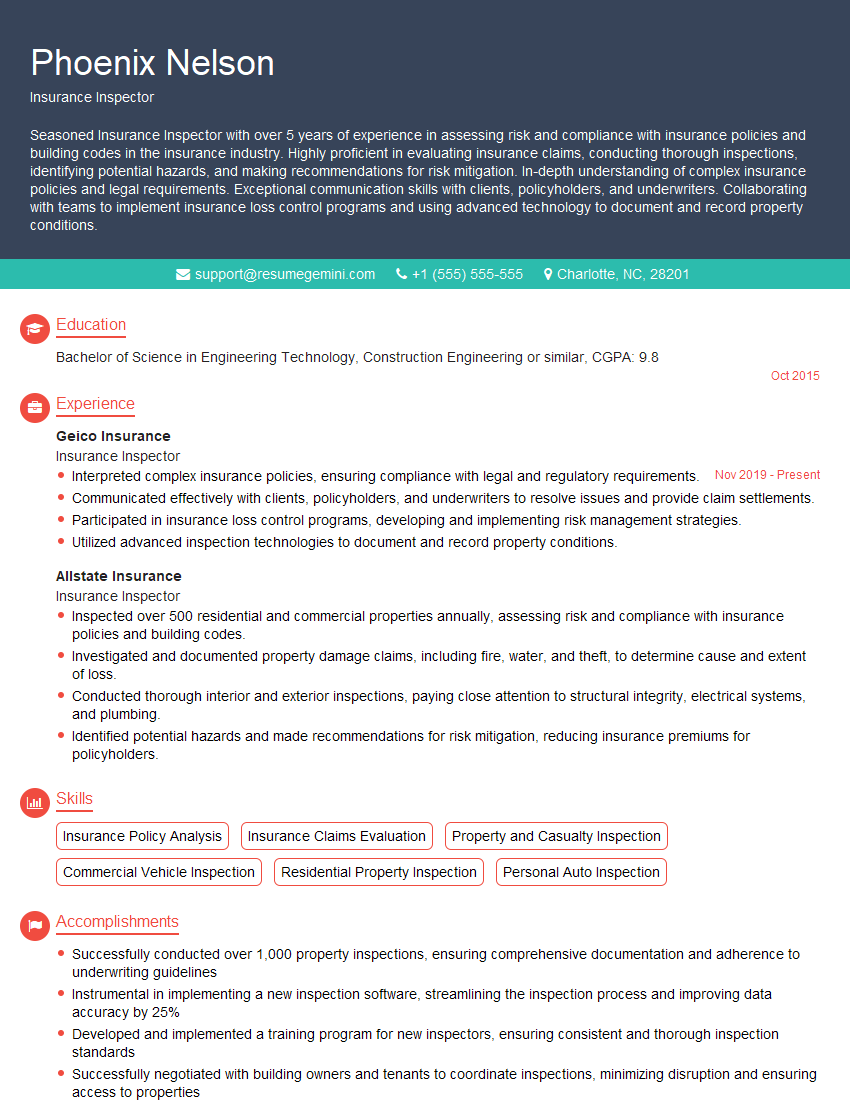
Insurance Inspector Resume Sample
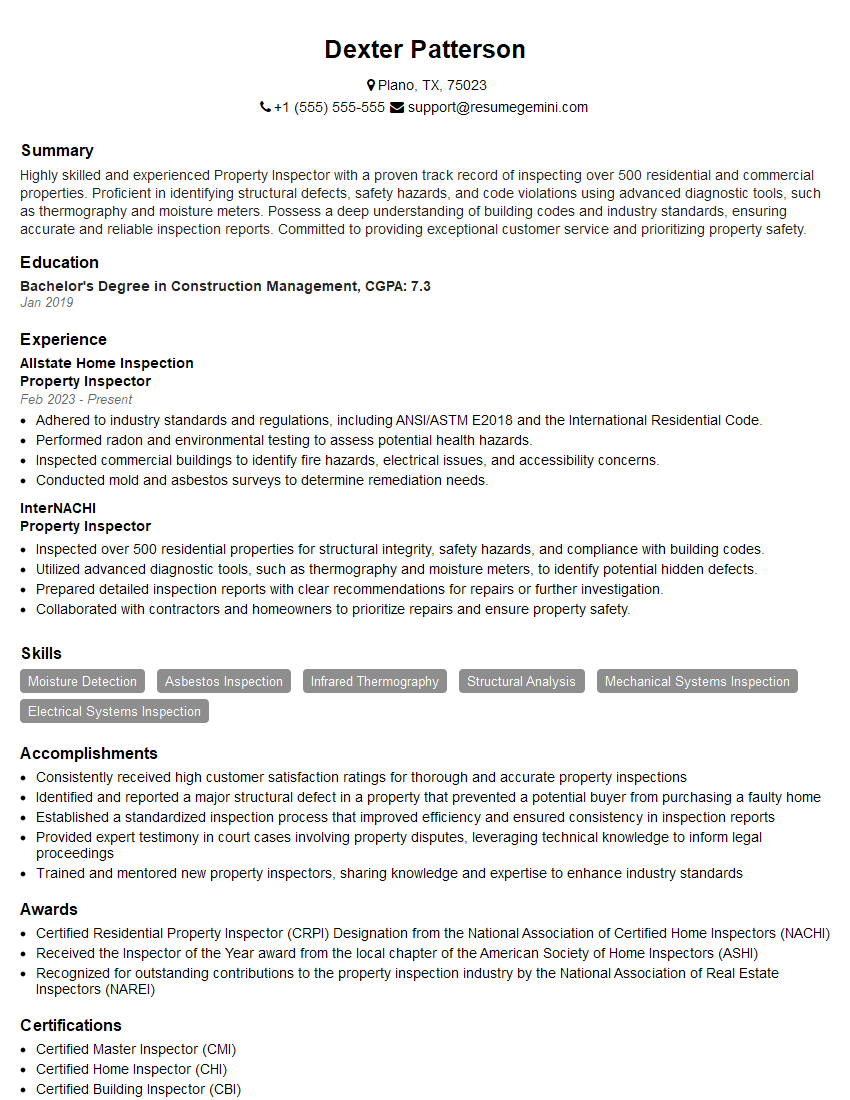
Property Inspector Resume Sample
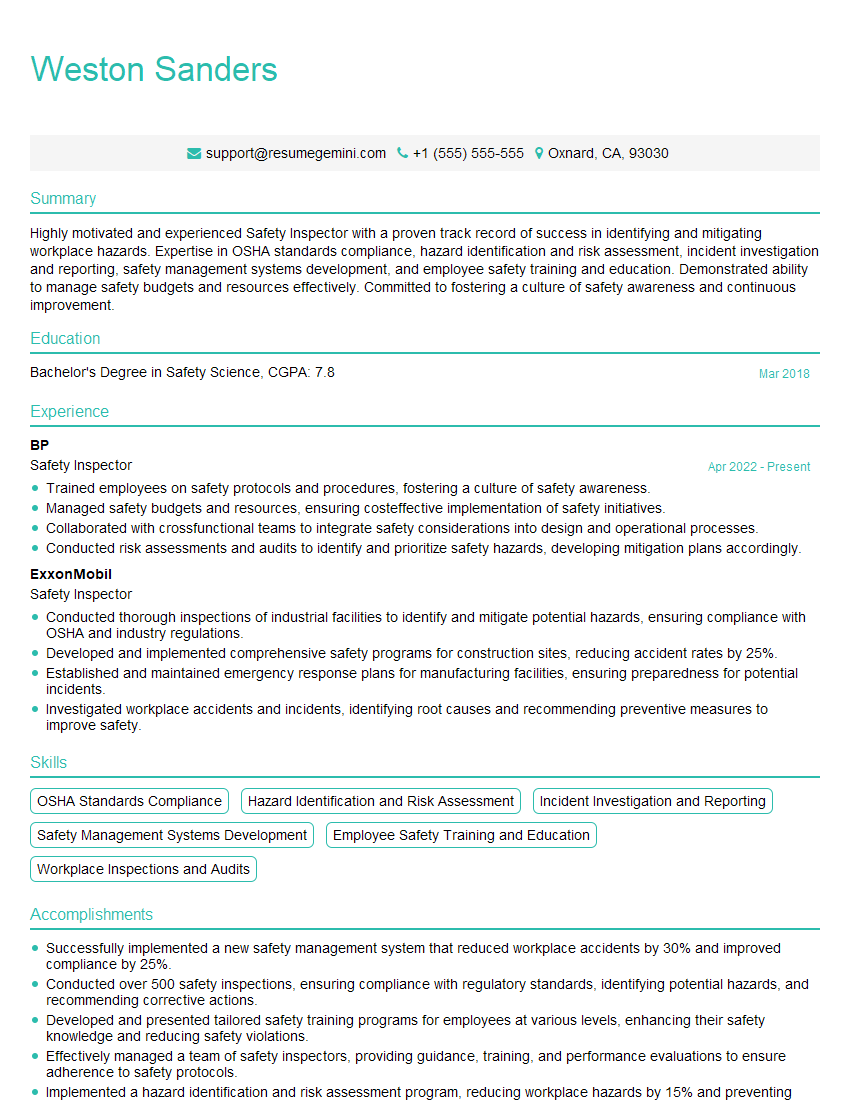
Safety Inspector Resume Sample
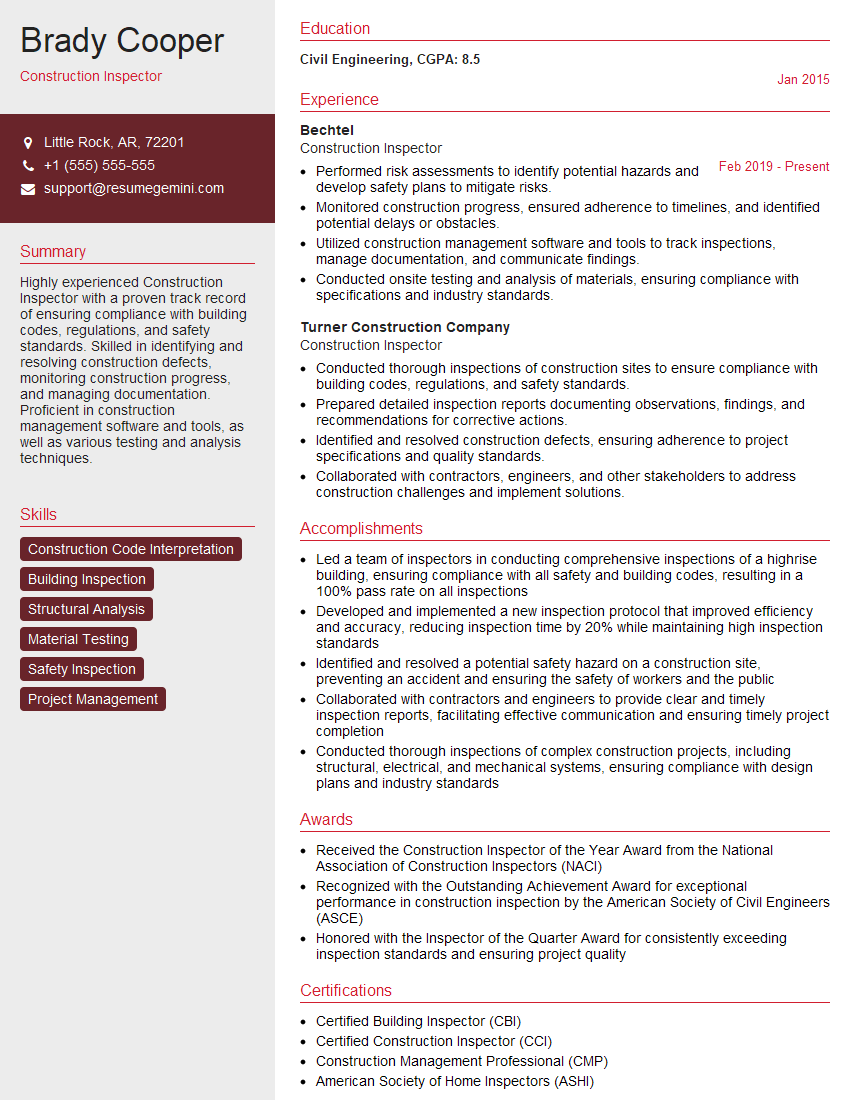
Construction Inspector Resume Sample
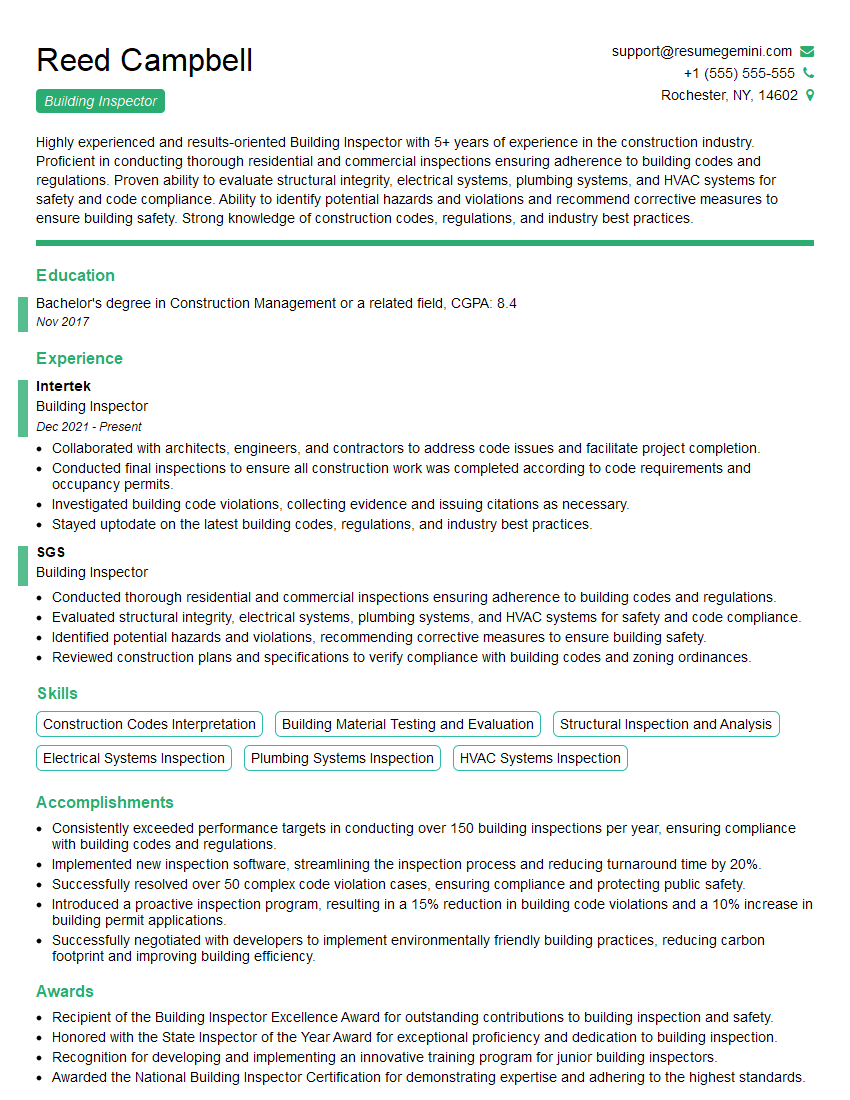
Building Inspector Resume Sample
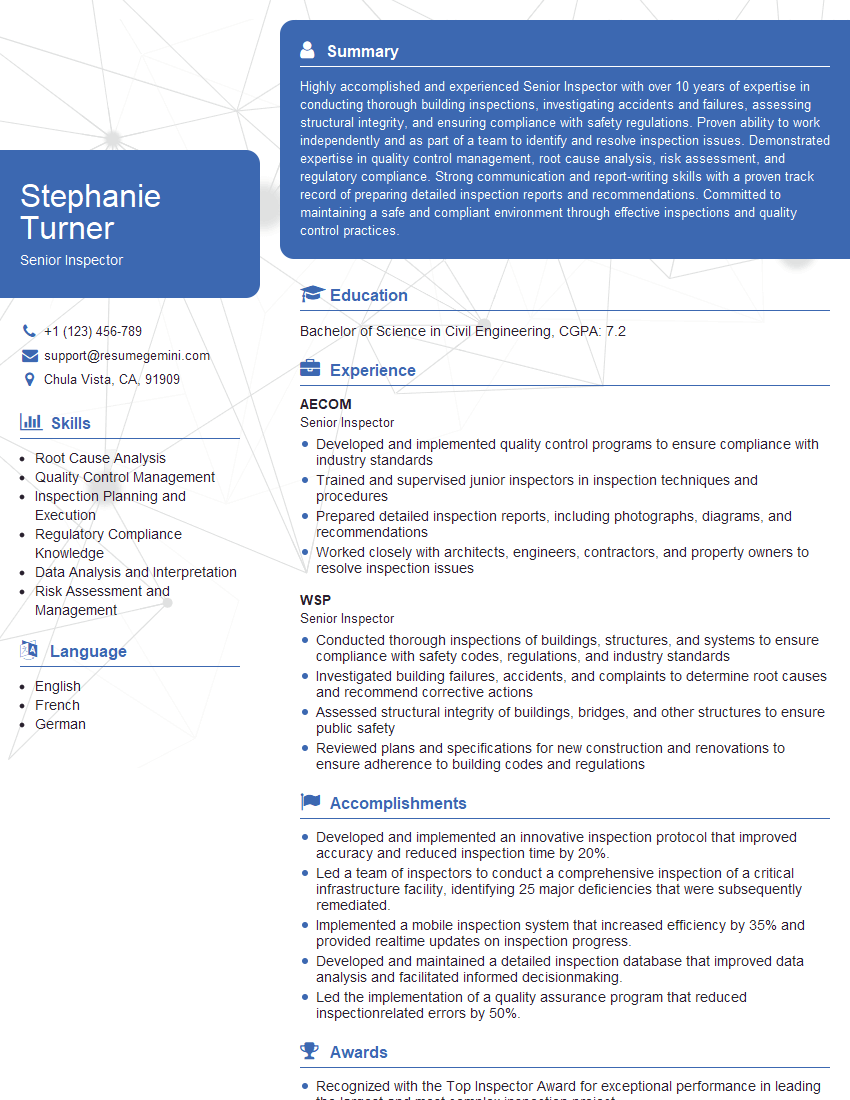
Senior Inspector Resume Sample
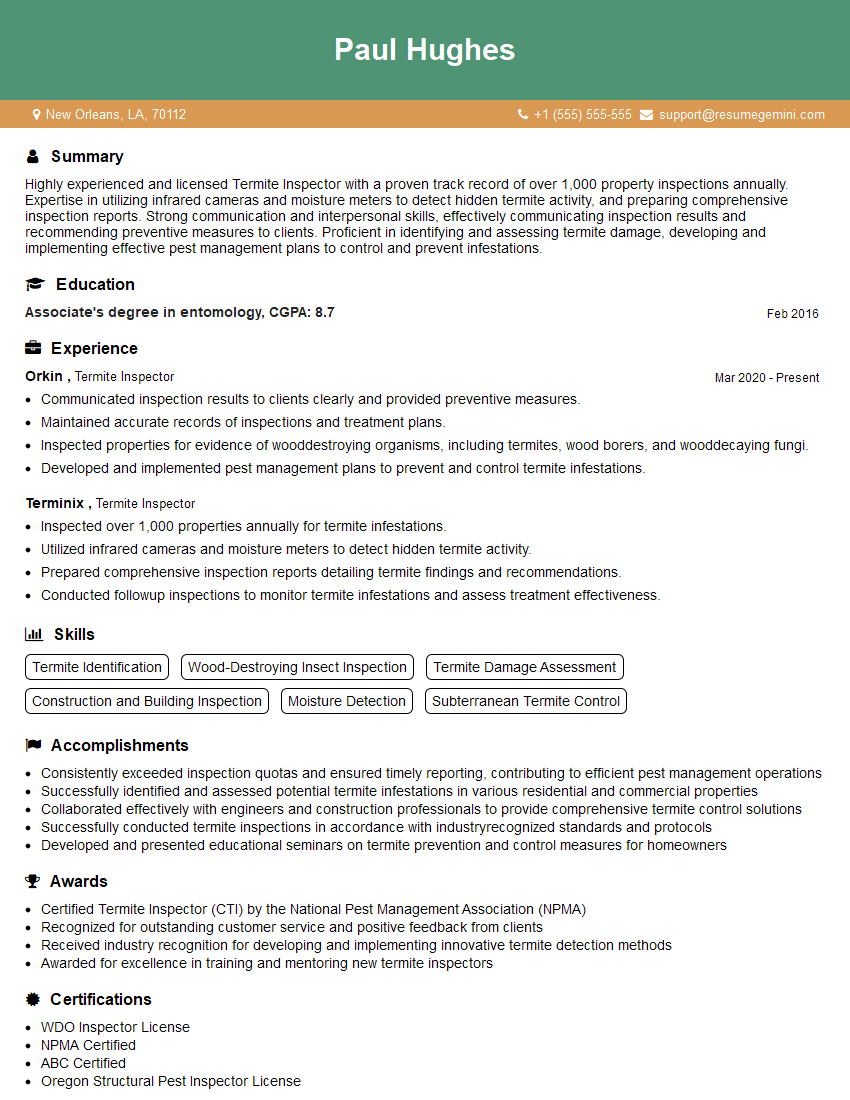
Termite Inspector Resume Sample
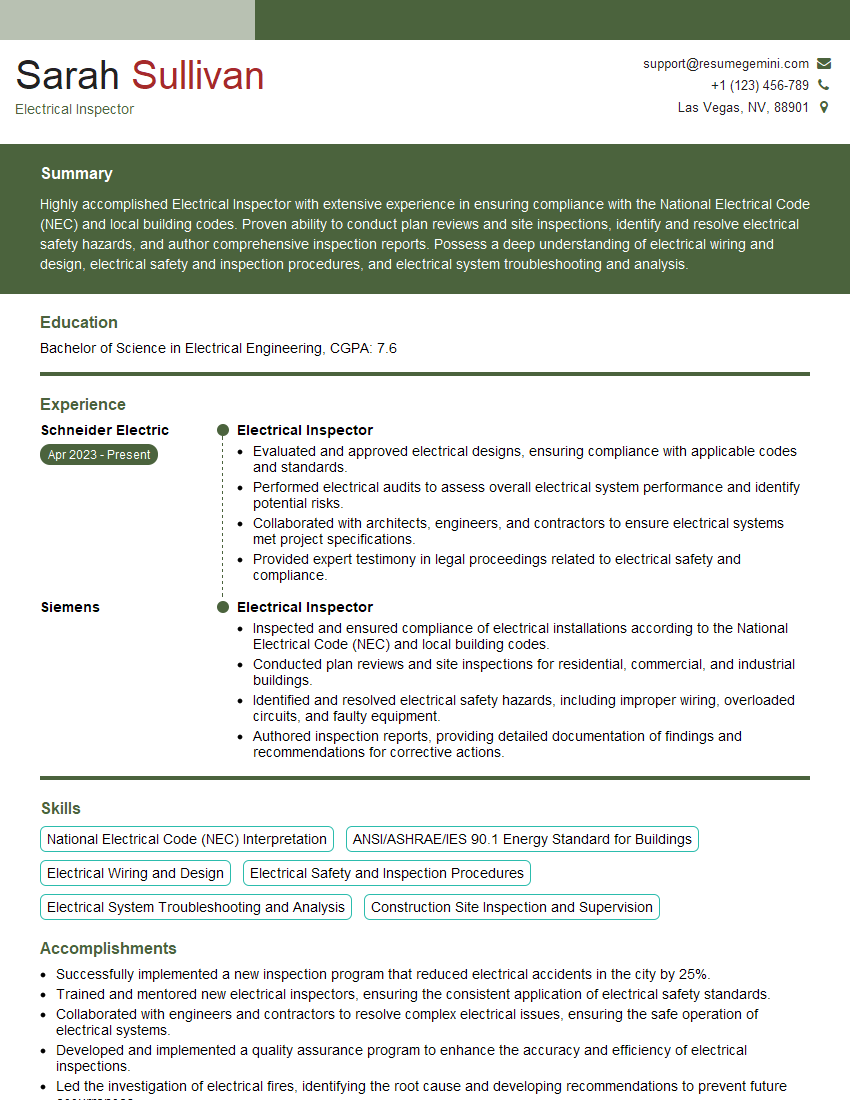
Electrical Inspector Resume Sample
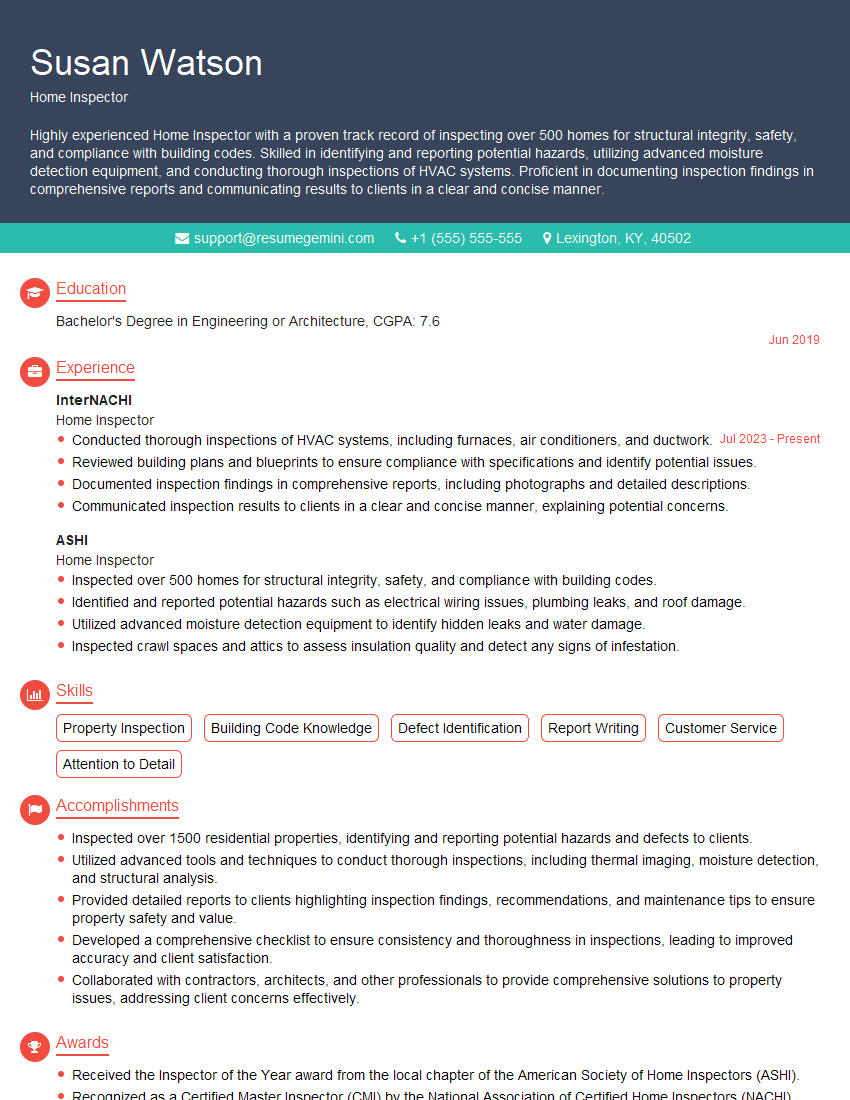
Home Inspector Resume Sample
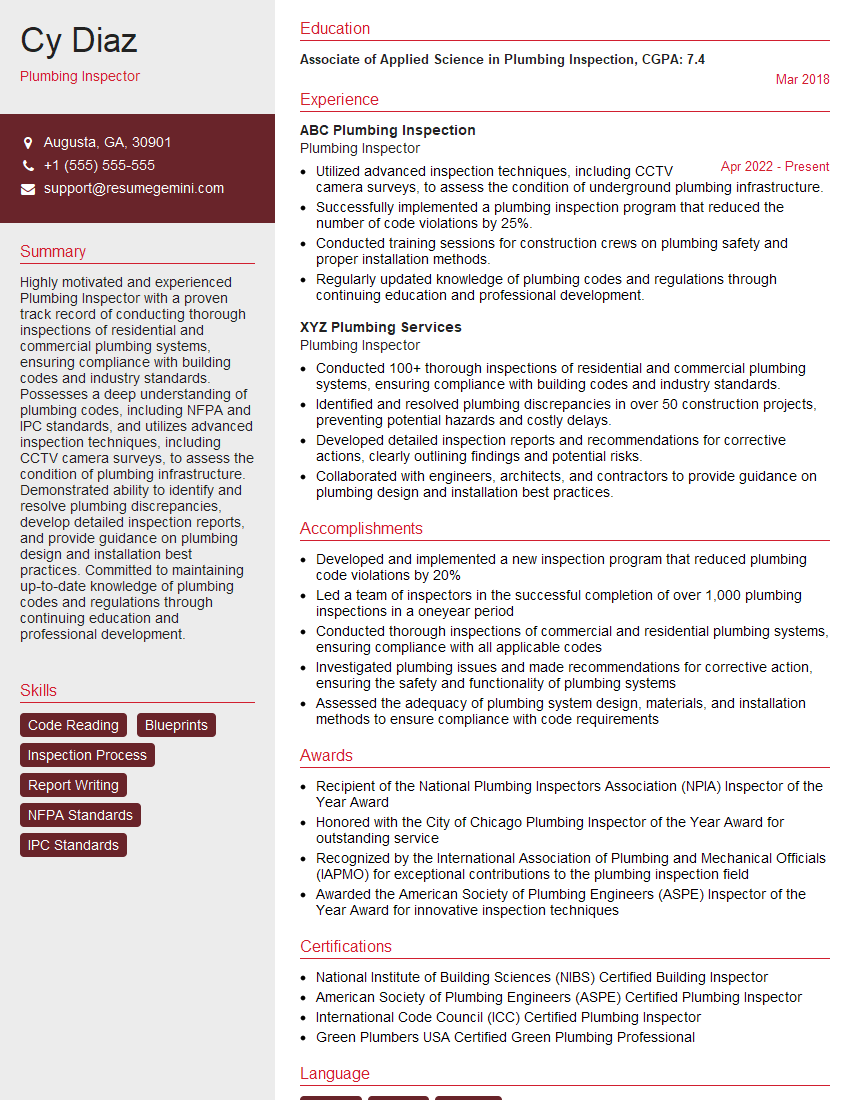
Plumbing Inspector Resume Sample
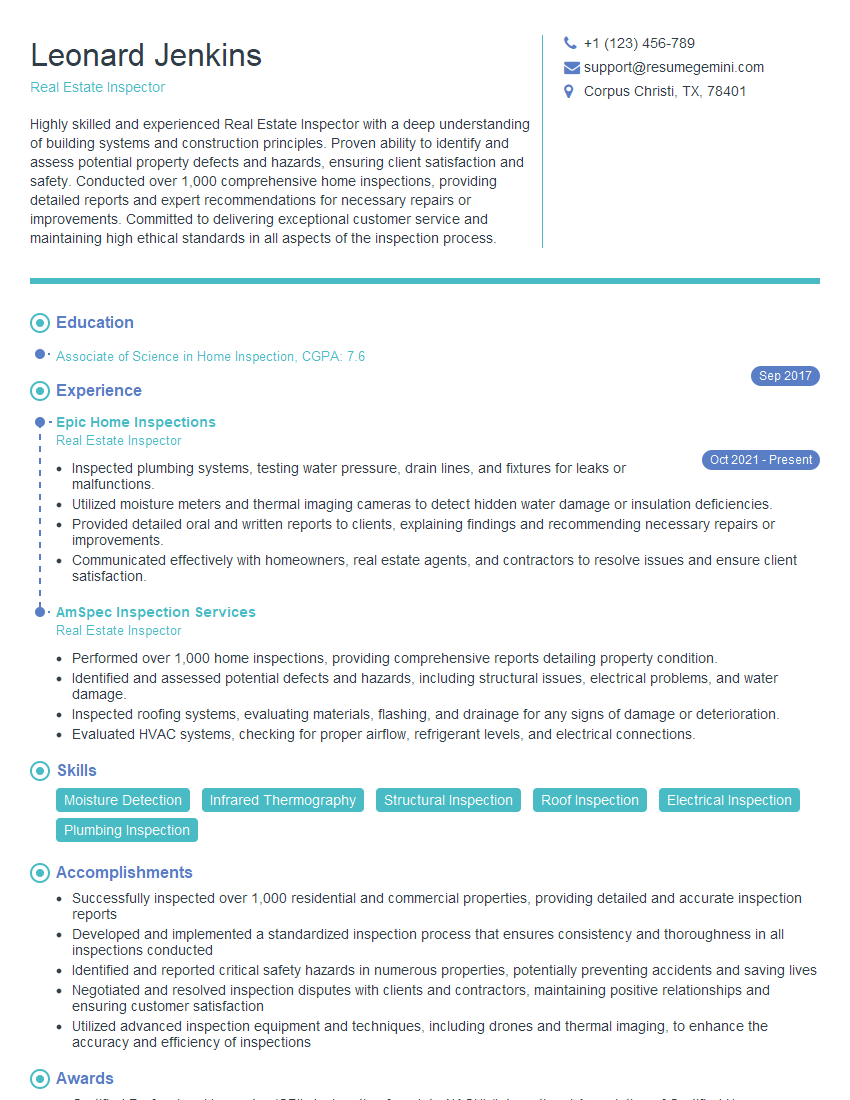
Real Estate Inspector Resume Sample
Explore more articles
Users Rating of Our Blogs
Share Your Experience
We value your feedback! Please rate our content and share your thoughts (optional).
What Readers Say About Our Blog
Really detailed insights and content, thank you for writing this detailed article.
IT gave me an insight and words to use and be able to think of examples